

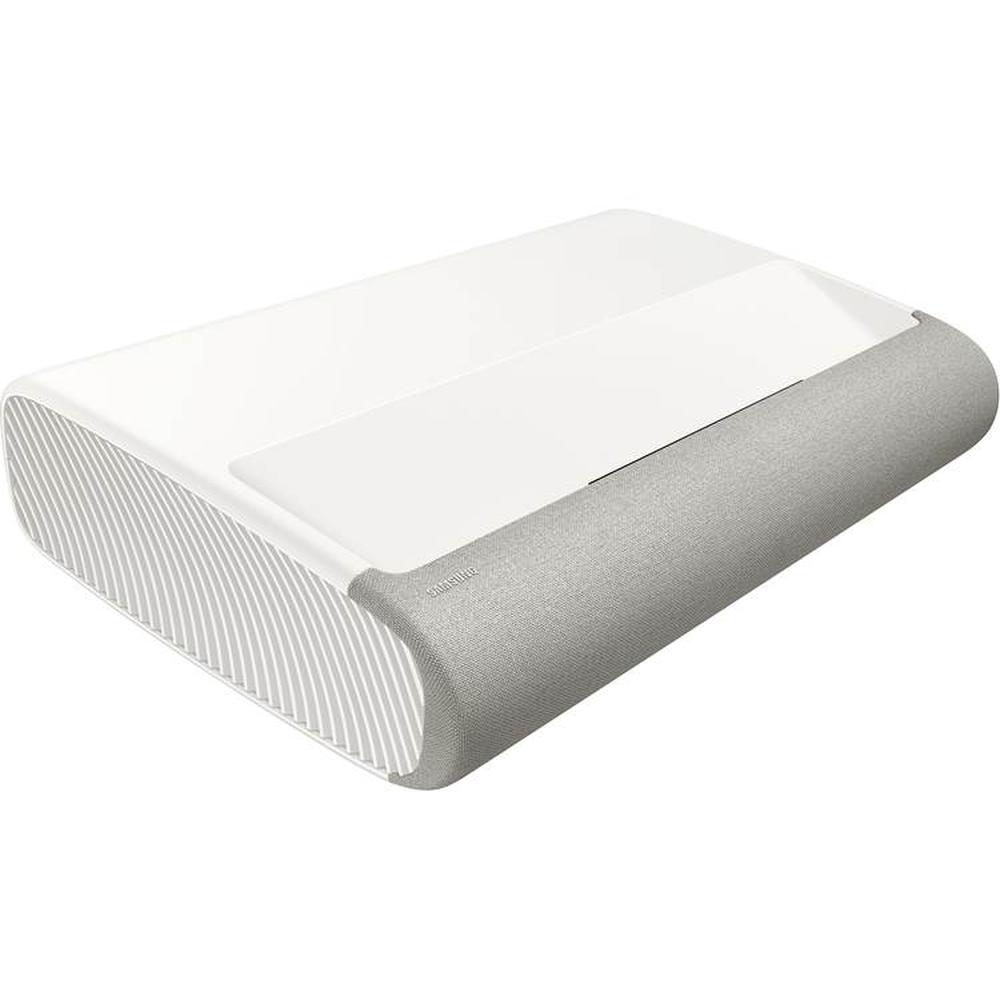
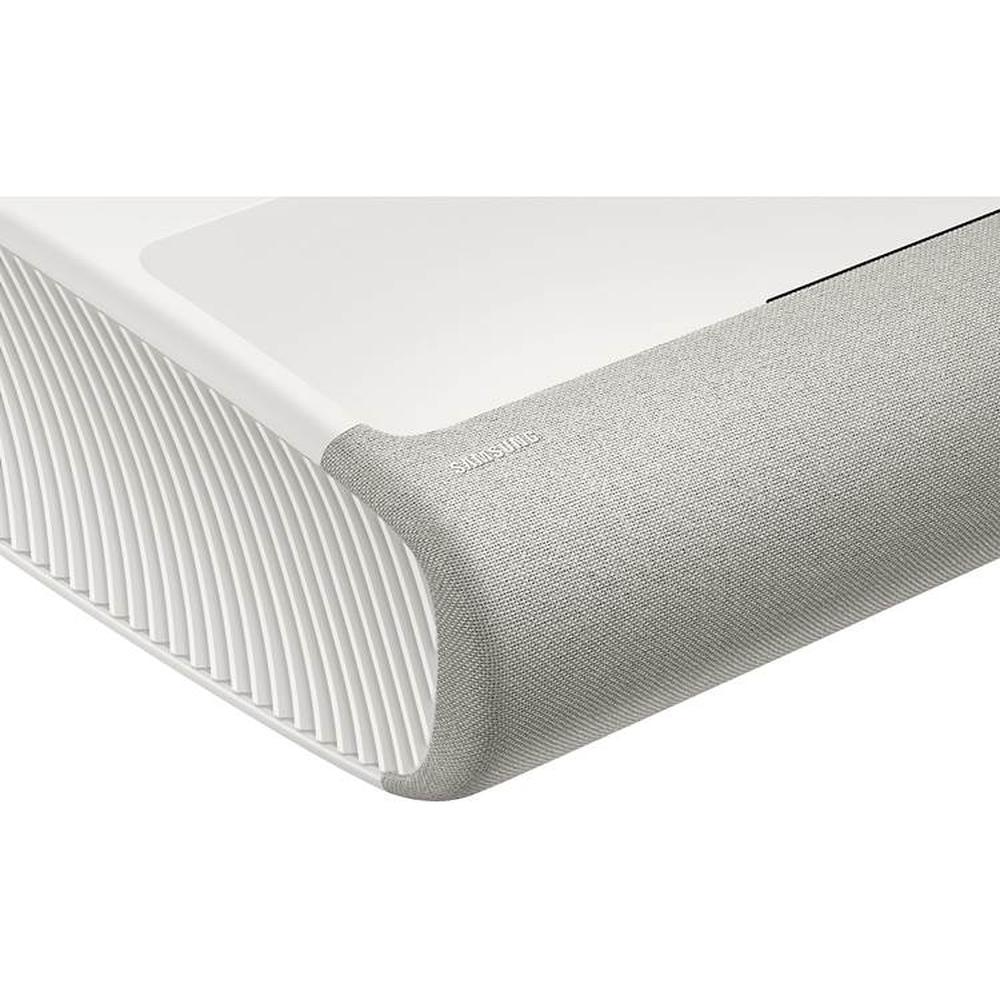
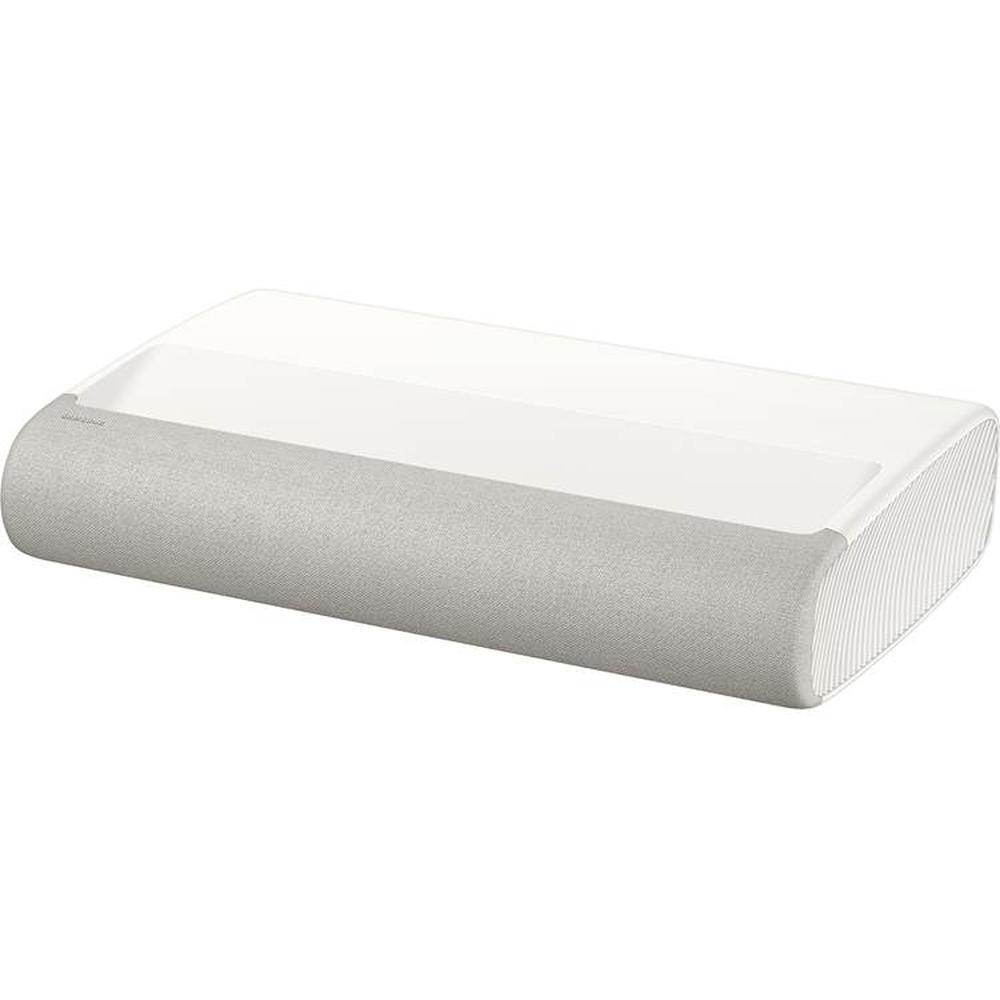
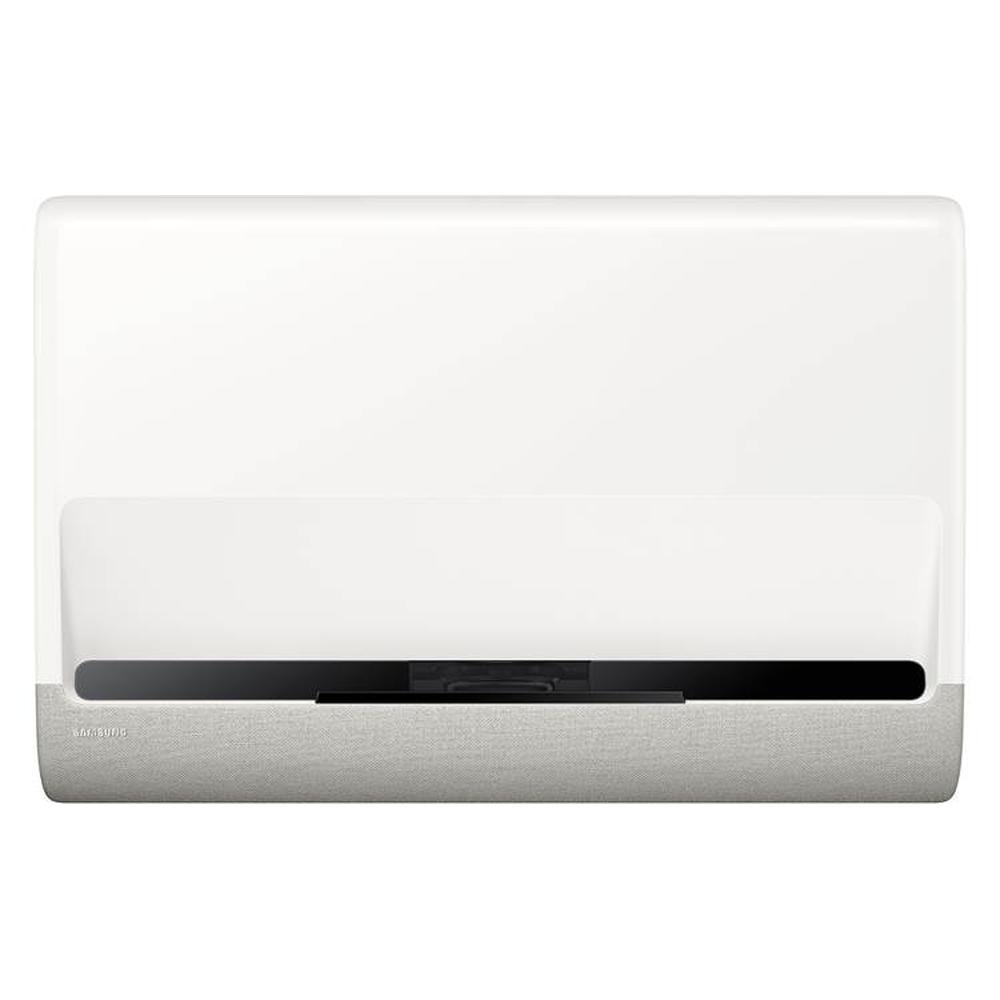
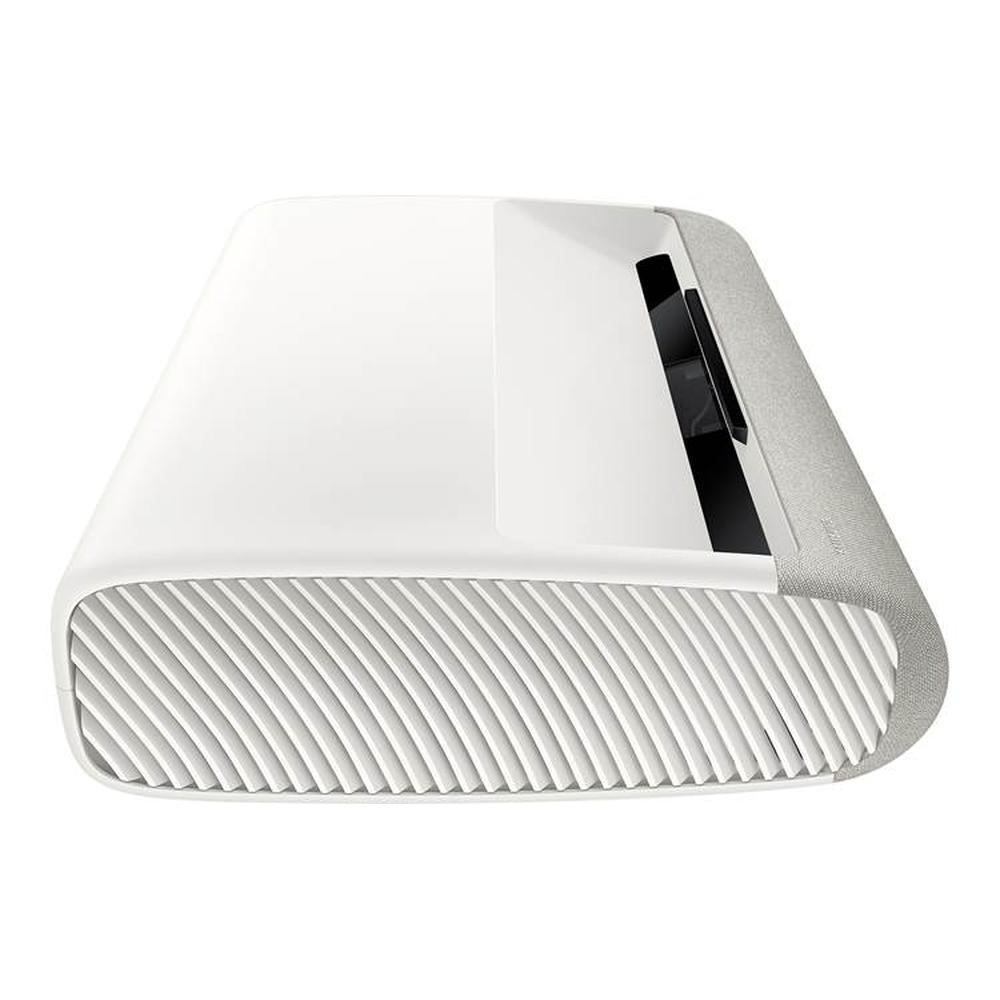
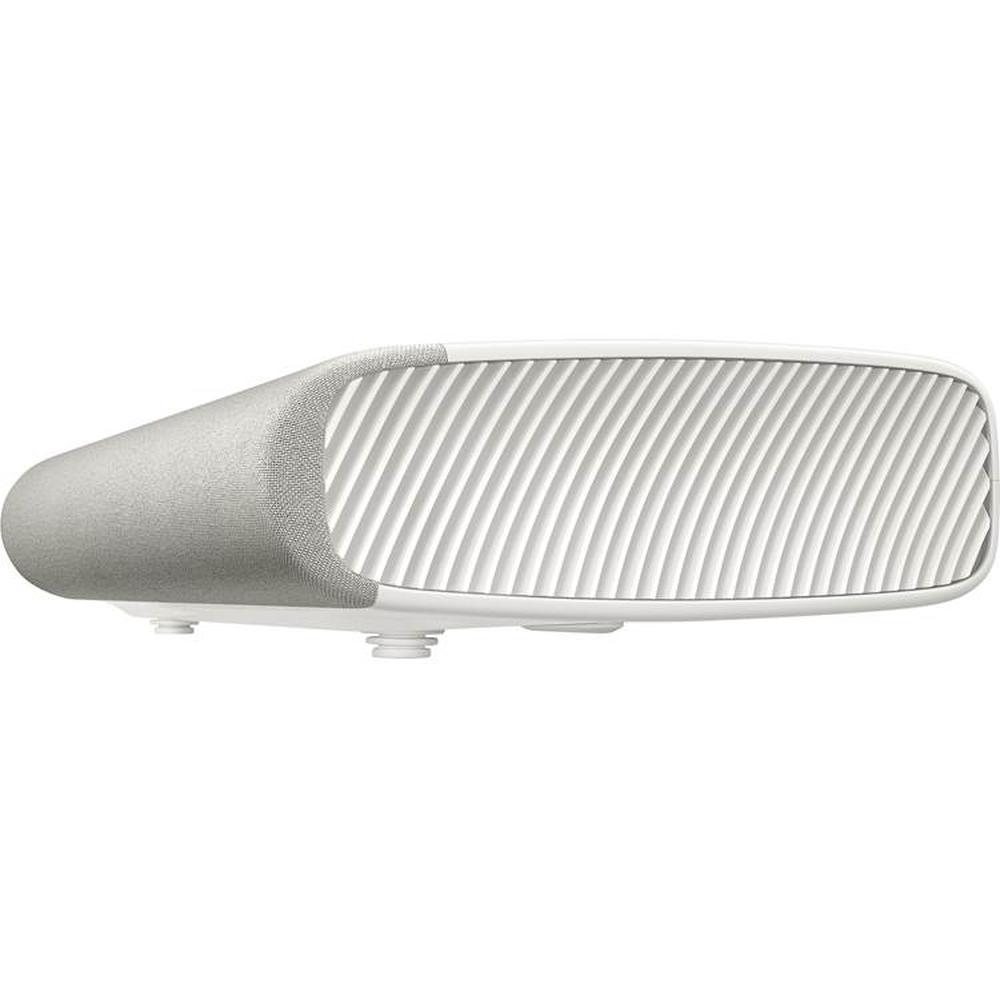
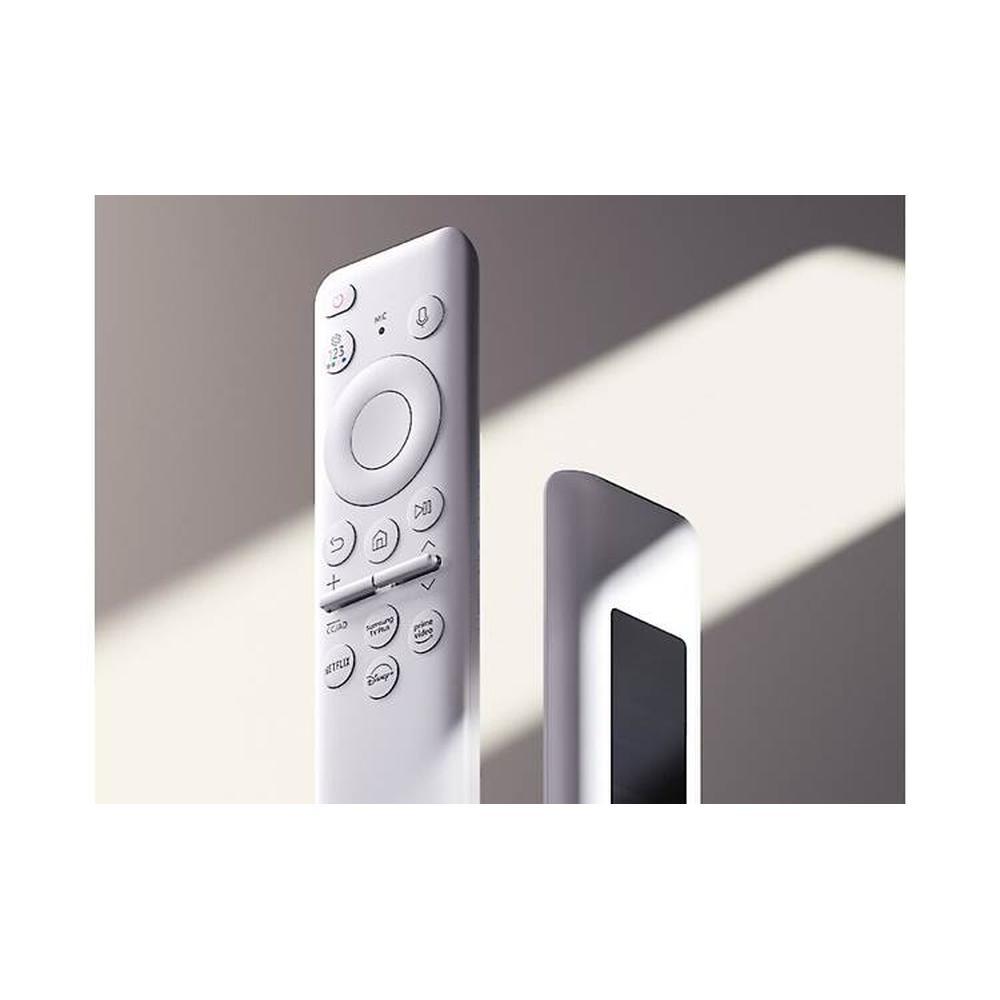
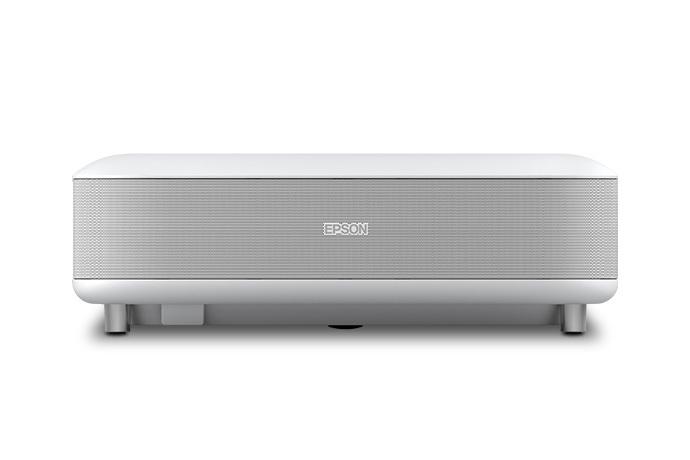
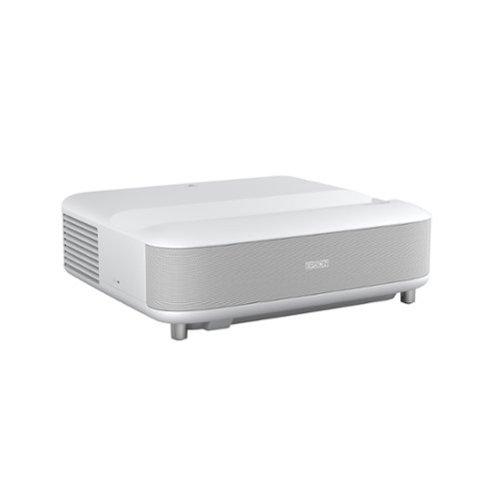

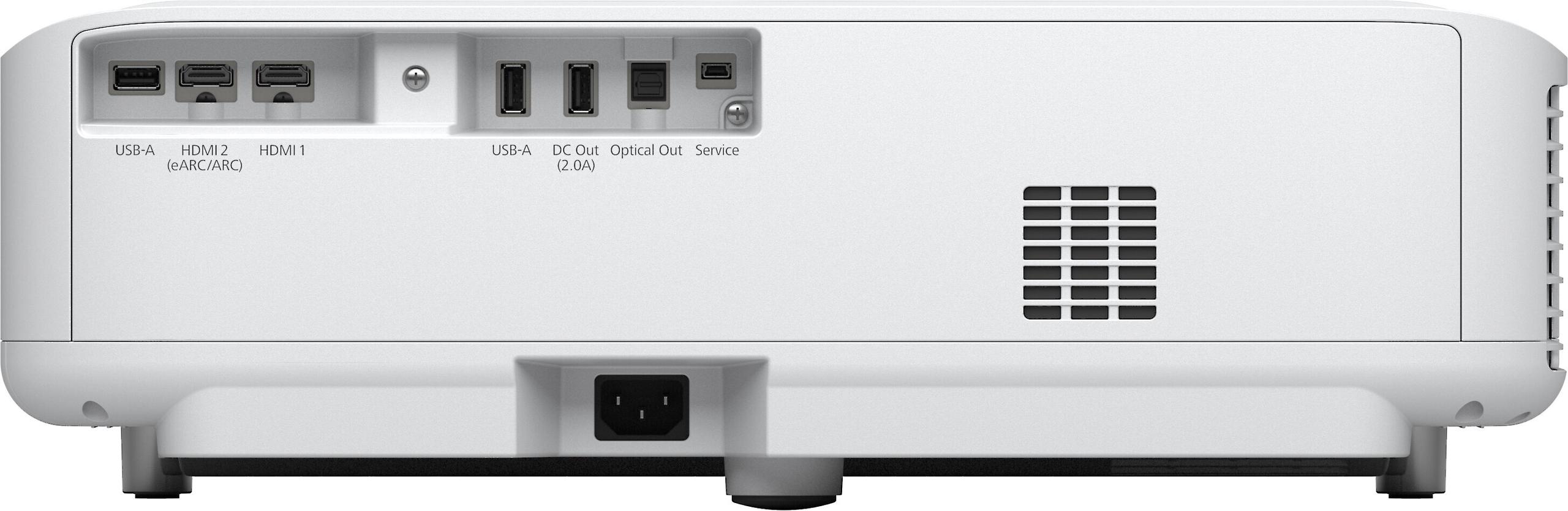

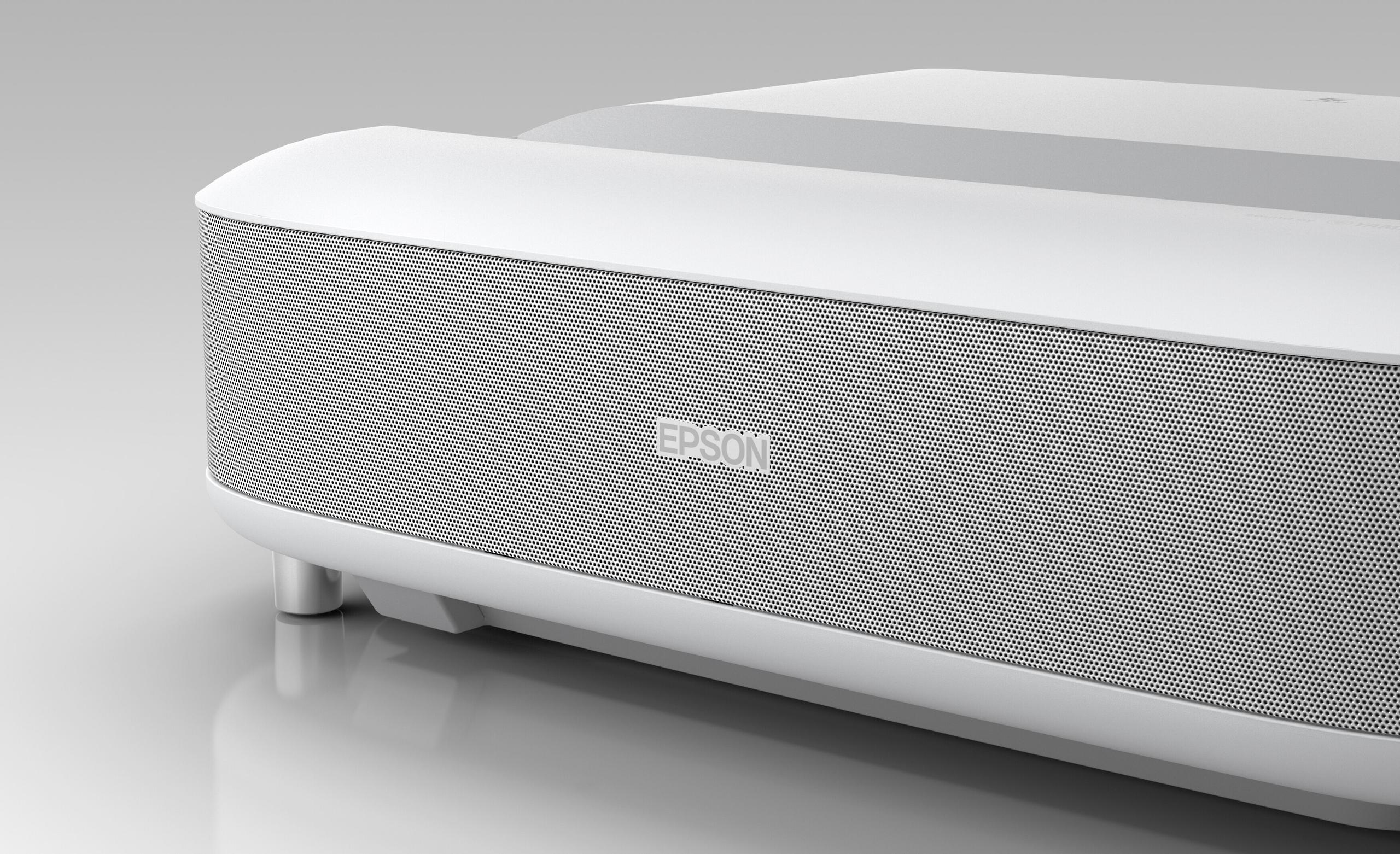
When you're looking to create a home theater experience with a massive screen, Samsung's Premiere 9 ($5,999) and the Epson EpiqVision Ultra LS650 ($2,499) stand out as compelling options in the ultra short throw (UST) projector category. Let's dive into what makes these projectors special and help you decide which one best fits your needs.
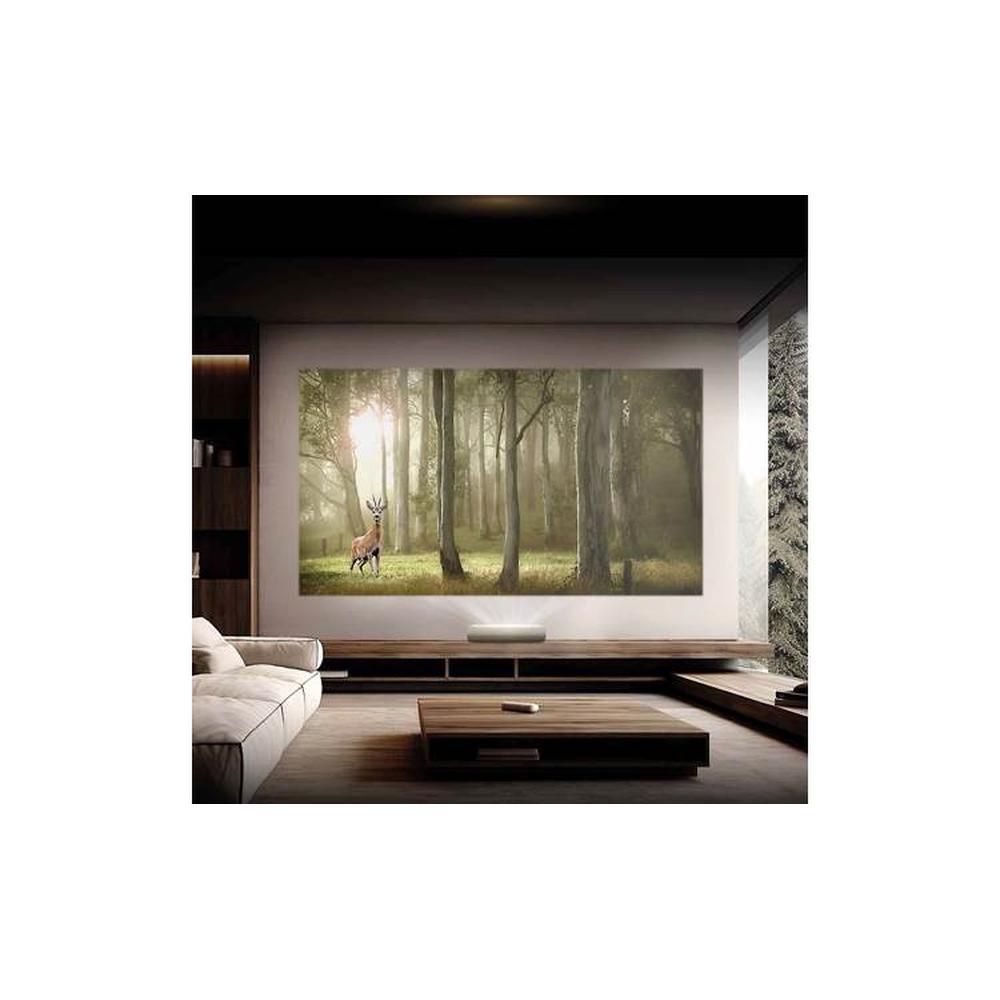
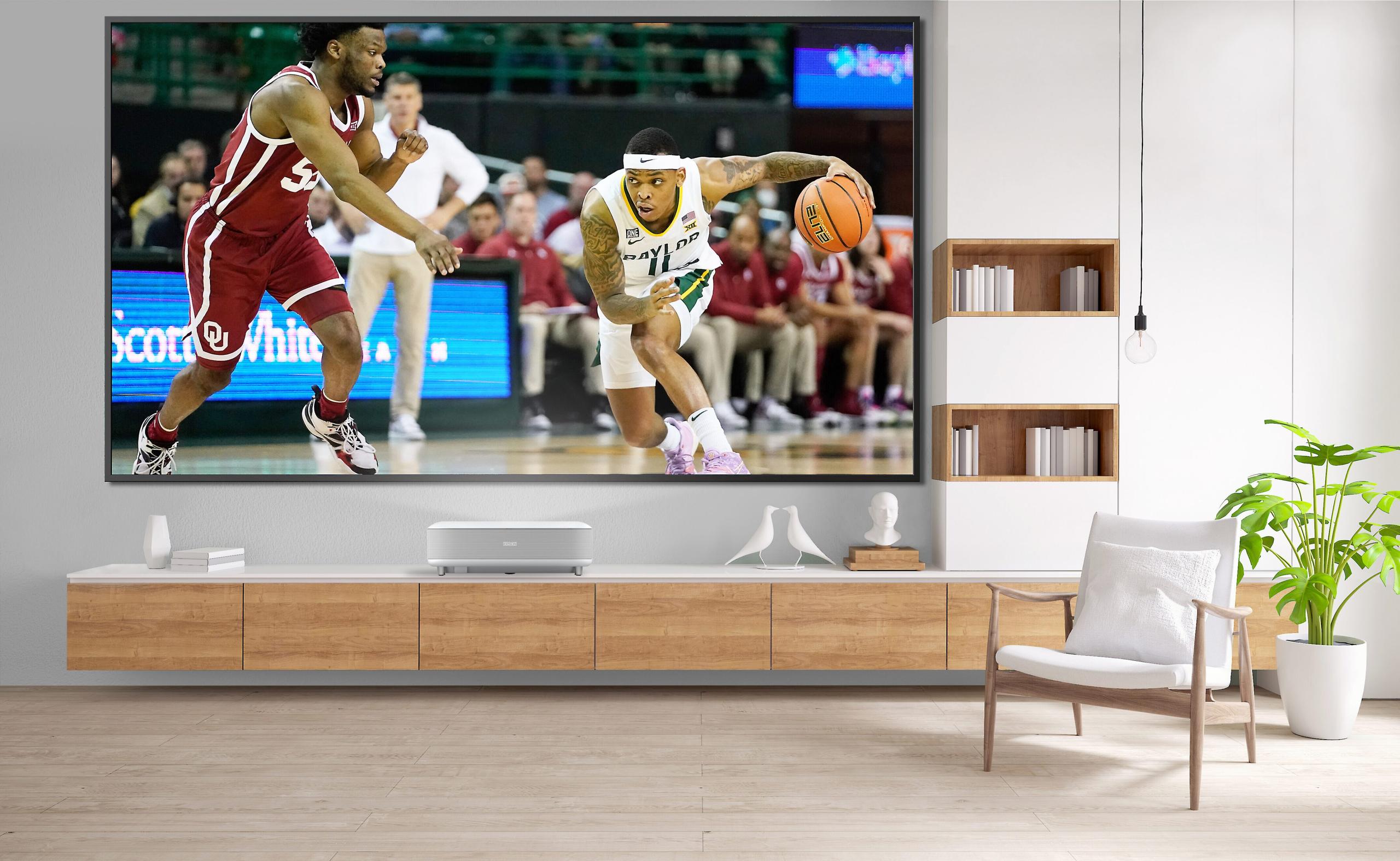
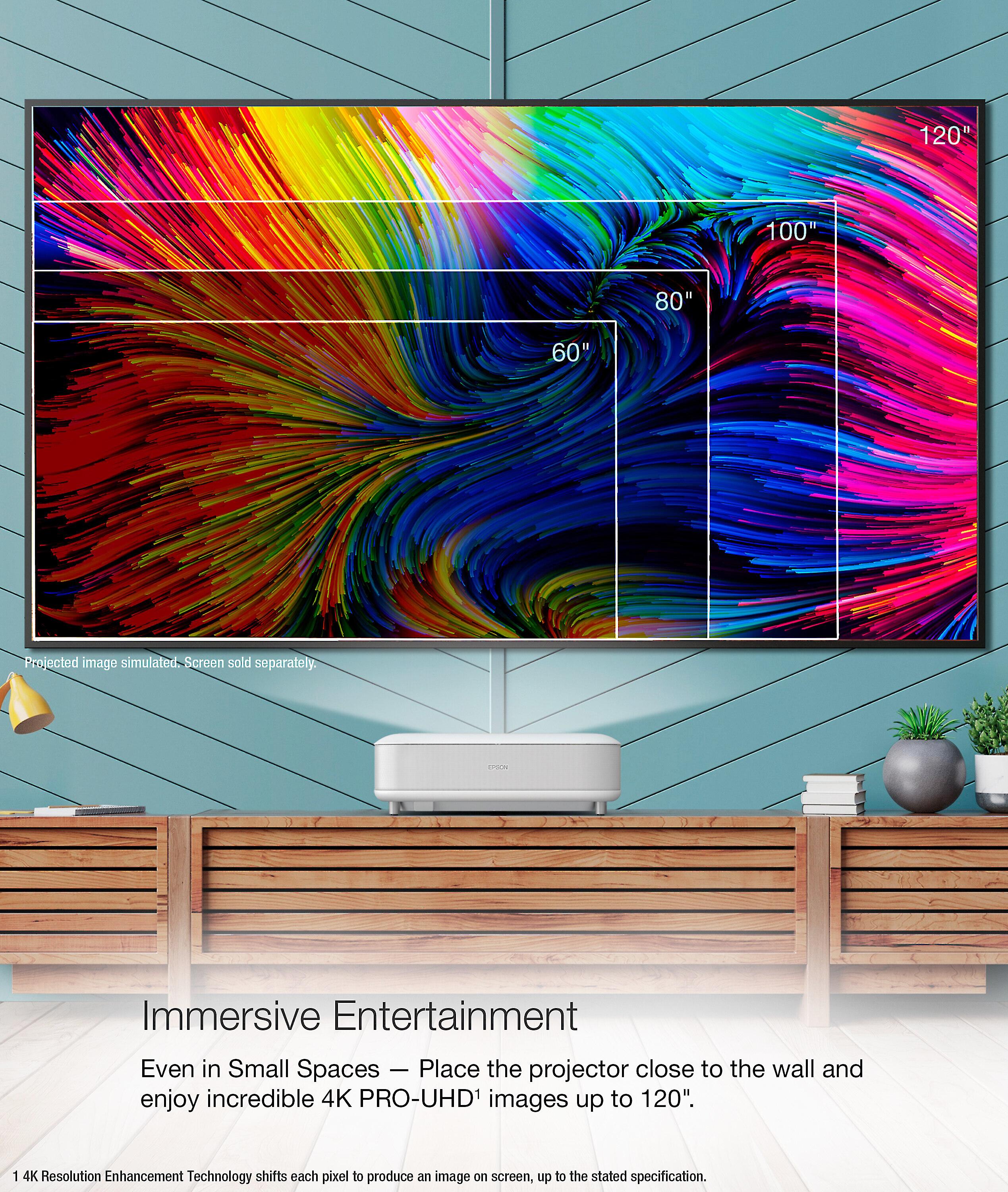
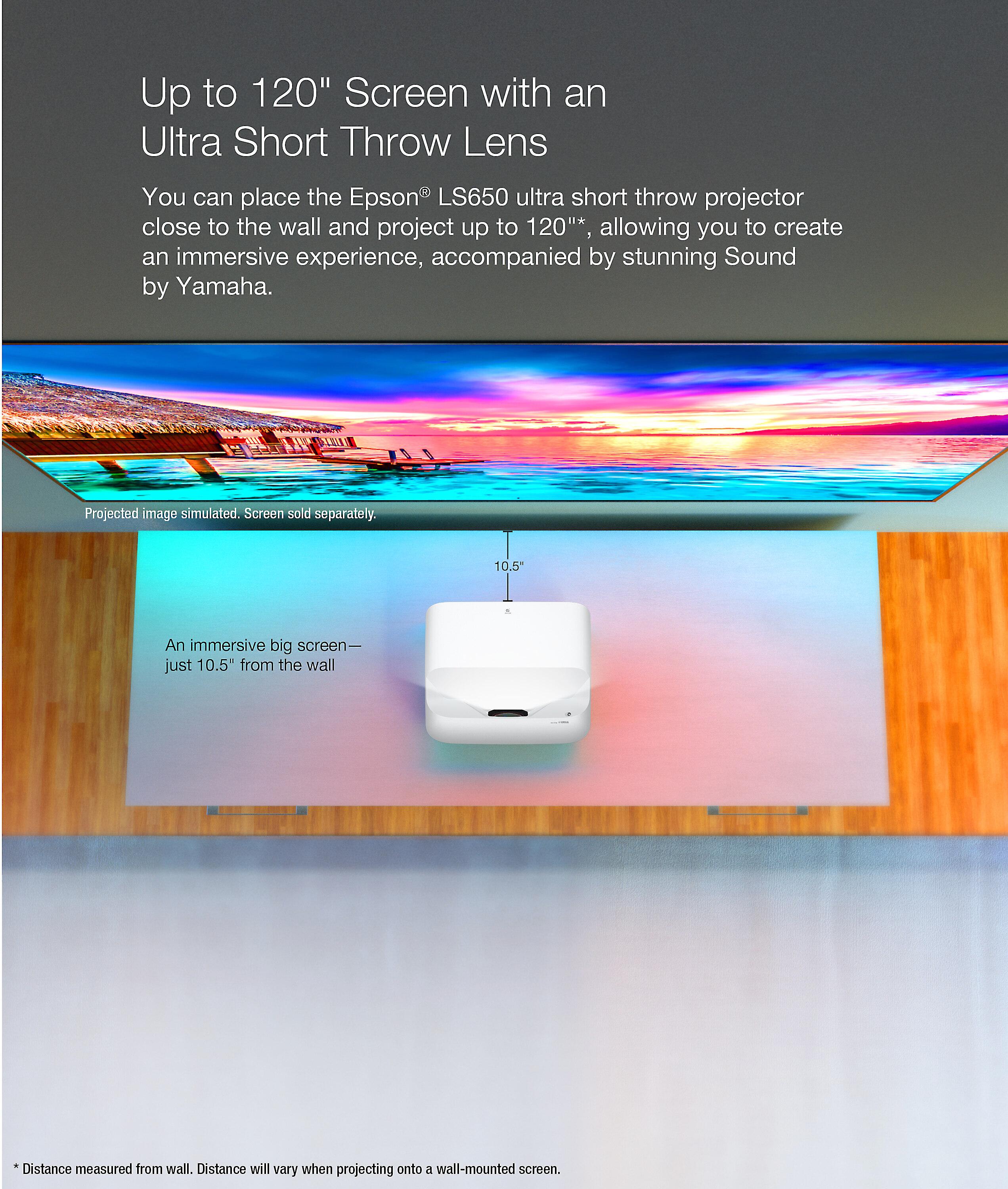
UST projectors represent a fascinating blend of traditional projection and modern TV-like convenience. Unlike standard projectors that need to sit several feet away from the screen, these units can create massive 100+ inch images while sitting just inches from your wall. This technology has revolutionized home theater setups, especially for those who want big-screen entertainment without dedicating ceiling space to a traditional projector.
The key advantage? You get massive screen sizes without the complexity of traditional projector mounting, and you don't block the image when walking around your room. Plus, these projectors typically include smart TV features and decent built-in sound systems, making them more like a complete entertainment solution.
The Samsung Premiere 9 and Epson LS650 take notably different approaches to creating their images, which leads to distinct advantages for each.
Samsung's newest Premiere 9, released in late 2023, employs three separate lasers (red, green, and blue) to create its image. This approach eliminates the need for a color wheel, which means no rainbow artifacts - those momentary color flashes some viewers notice with single-chip DLP projectors. The triple laser system also enables incredibly precise color control and wider color gamut coverage, reaching 154% of the DCI-P3 color space used in digital cinema.
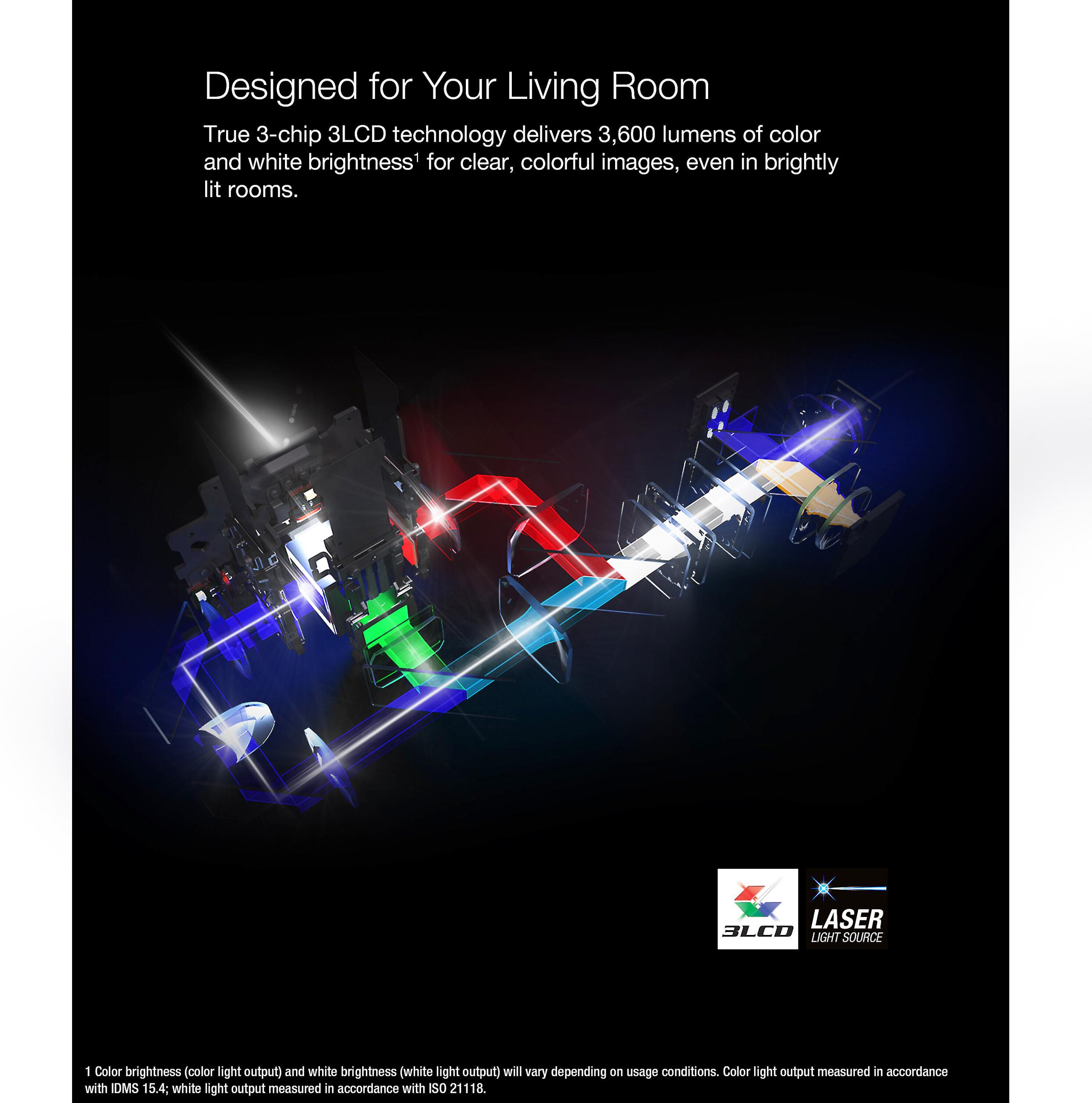
The Epson uses a different but equally innovative approach with its 3LCD technology. This system splits light into three paths using dichroic mirrors, sending it through separate LCD panels for red, green, and blue. While this system doesn't achieve the same color gamut as Samsung's triple laser, it offers perfect color-to-white brightness ratio and exceptional consistency. The LS650's approach typically results in more natural-looking images in bright rooms.
Both projectors offer impressive brightness, but they excel in different environments:
While both projectors market themselves as "4K," there are important differences:
Samsung delivers true 4K resolution (3840x2160) through its advanced DMD chip. The triple laser system provides exceptional contrast and color accuracy, making it particularly impressive with HDR content and movies.
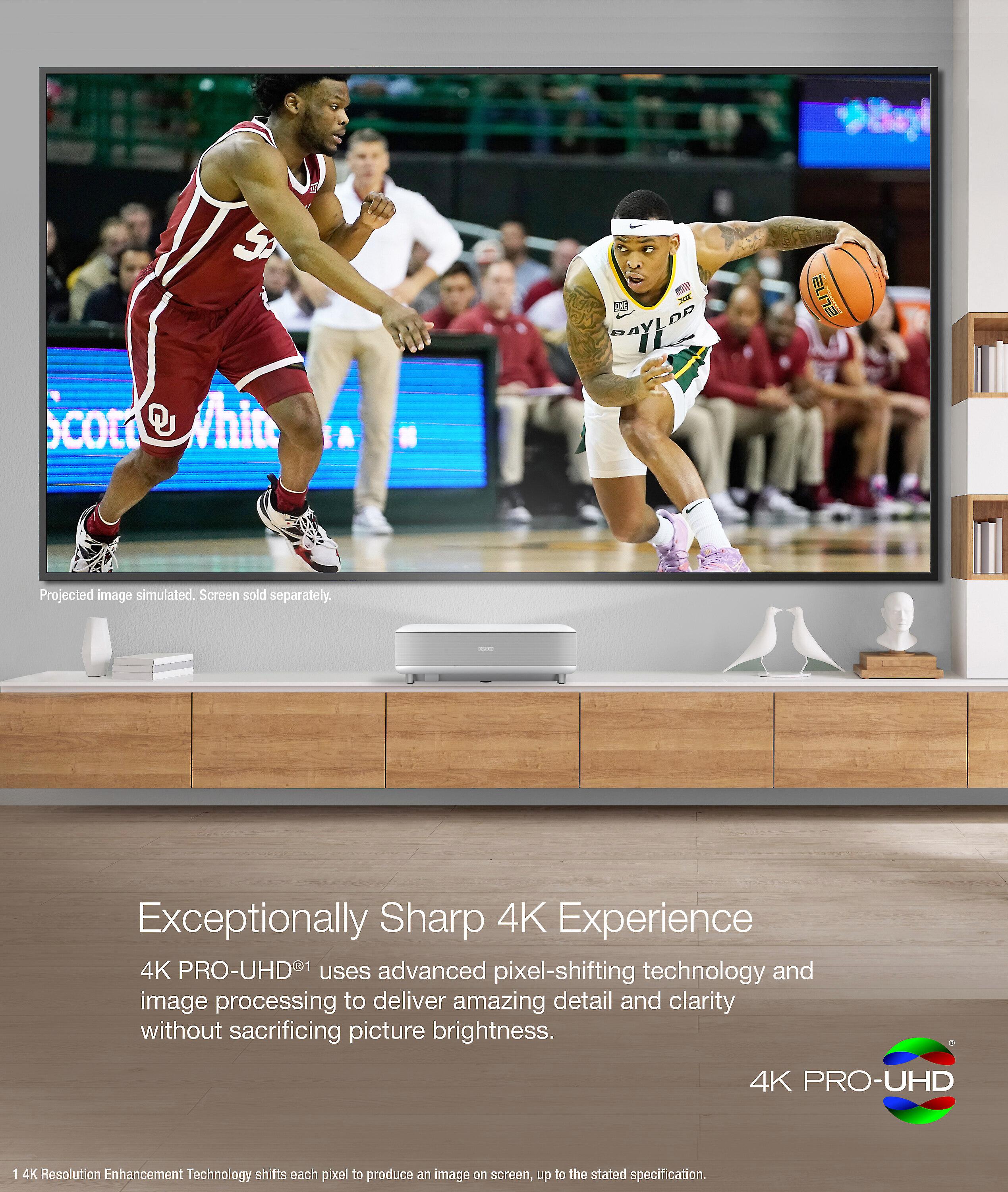
Epson uses pixel-shifting technology to create a 4K-like image from a 1080p base resolution. While not technically native 4K, the difference is barely noticeable at normal viewing distances, and the image processing is excellent.
The Samsung runs on Tizen OS, similar to their smart TVs. It's polished, responsive, and includes popular streaming apps. The interface feels modern and intuitive, though app selection is somewhat limited compared to Android TV.
Epson uses Android TV, offering wider app compatibility and Google Assistant integration. However, the interface can occasionally feel less smooth than Samsung's Tizen OS. Both systems support major streaming services like Netflix, Amazon Prime, and Disney+.
Both projectors include automated setup features, but there are differences:
Samsung's auto-calibration system uses built-in sensors to optimize picture settings based on room conditions. It's particularly effective at maintaining accurate colors across different ambient light levels.
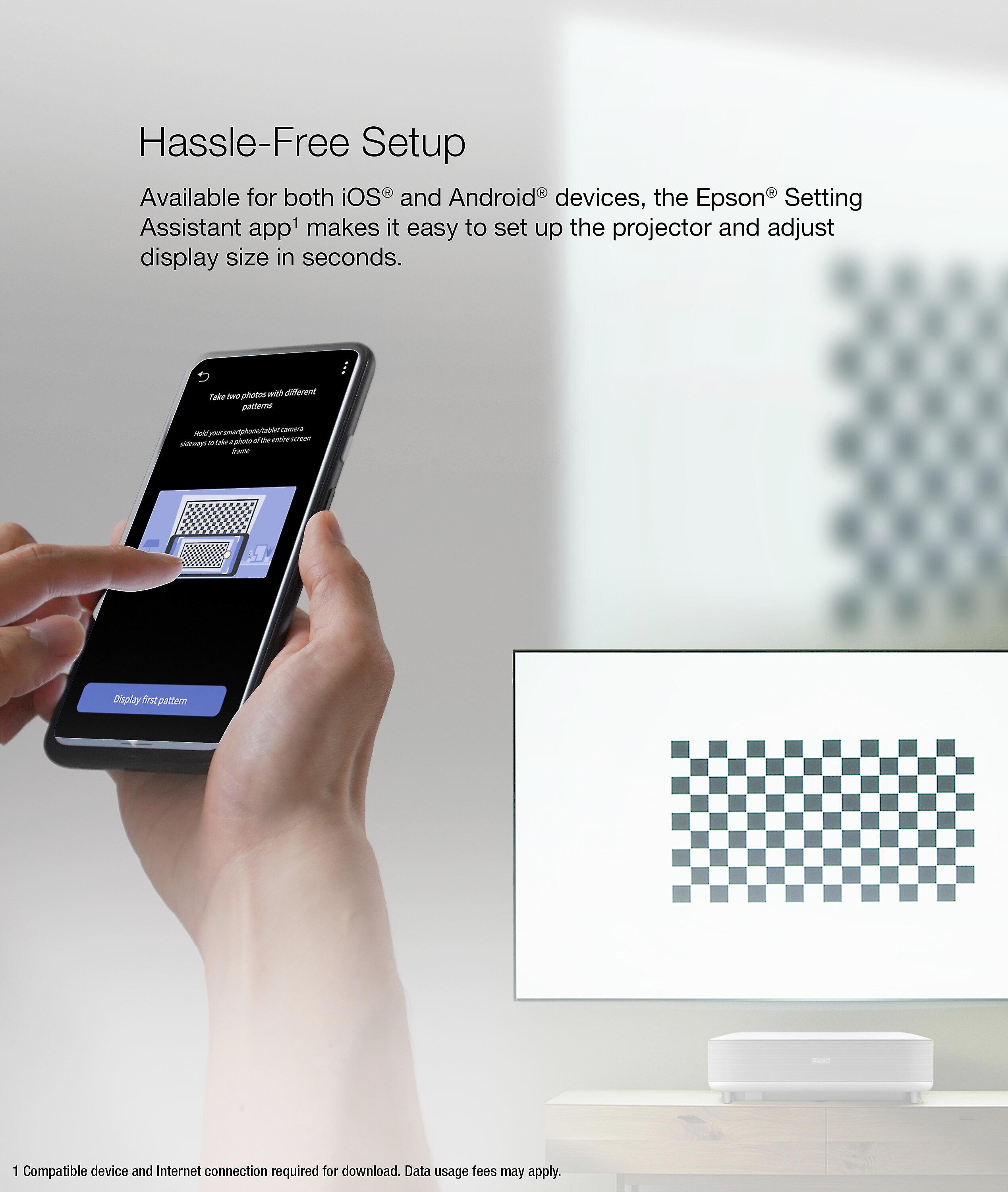
Epson provides a smartphone app for initial setup and includes basic picture adjustments. While not as automated as Samsung's system, it's straightforward and effective.
The Samsung Premiere 9 includes a 40W 2.2.2 channel system with Dolby Atmos support. It creates a surprisingly immersive soundstage that works well for casual viewing, though dedicated home theater enthusiasts will still want separate speakers.
The Epson LS650 features a Yamaha-tuned 2.1 system that delivers clear dialogue and decent bass response. It's perfectly adequate for everyday use but, like the Samsung, won't replace a proper surround sound system.
When considering value, we need to look beyond just the price difference:
Samsung at $5,999:
Epson at $2,499:
The Samsung Premiere 9 represents the pinnacle of UST projector technology, offering exceptional image quality and features that justify its premium price for enthusiasts. The Epson LS650 delivers impressive performance at a more accessible price point, making it an excellent choice for most users.
For dedicated home theater use, the Samsung's superior contrast and color accuracy make it the better choice if budget allows. However, the Epson's value proposition is compelling, offering excellent performance that will satisfy most viewers at less than half the price.
Remember, the best choice depends on your specific needs, room conditions, and budget. Both projectors represent excellent options in their respective price categories, and either one can deliver an impressive big-screen experience that transforms your home entertainment.
| Samsung Premiere 9 | Epson EpiqVision Ultra LS650 |
|---|---|
| Price - Major factor in value proposition | |
| $5,999 (premium pricing) | $2,499 (mid-tier pricing) |
| Resolution Technology - Impacts image clarity and detail | |
| True 4K (3840x2160) with triple laser | 4K PRO-UHD (pixel-shifted 1080p) |
| Brightness - Critical for ambient light performance | |
| 3,450 ISO lumens | 3,600 ANSI lumens |
| Light Source - Affects color accuracy and lifespan | |
| Triple RGB laser (20,000 hours) | Single laser + phosphor (20,000 hours) |
| HDR Support - Important for streaming content | |
| HDR10+, HDR10, HLG | HDR10, HLG |
| Color Gamut - Determines color range and vibrancy | |
| 154% DCI-P3 | Not specified (typical 3LCD ~95% DCI-P3) |
| Audio System - Built-in sound quality | |
| 40W 2.2.2 channel Dolby Atmos | 2.1 channel Yamaha-tuned (20W) |
| Smart Platform - Streaming and interface experience | |
| Tizen OS (polished, limited apps) | Android TV (more apps, occasional lag) |
| Maximum Screen Size - Room size consideration | |
| 130 inches | 120 inches |
| Throw Ratio - Installation flexibility | |
| 0.189:1 (4.5" from wall for 100") | 0.27:1 (6.3" from wall for 100") |
| Gaming Features - Important for console gamers | |
| Game Mode, Game Bar, low input lag | Basic Game Mode |
| Operating Noise - Impacts viewing experience | |
| 36.3 dB (very quiet) | 41.3 dB (noticeable at high brightness) |
The Samsung Premiere 9 offers superior picture quality with true 4K resolution and triple laser technology. While the Epson LS650 provides excellent image quality, its pixel-shifted 4K isn't quite as sharp as the Samsung's native 4K resolution.
The Epson LS650 at $2,499 offers better value, delivering about 80% of the Samsung's performance at 40% of the cost. The Samsung Premiere 9 at $5,999 offers premium features but at a significant price premium.
The Epson LS650 performs slightly better in bright rooms with its 3,600 ANSI lumens and consistent brightness across colors. The Samsung Premiere 9 performs well too but is optimized for controlled lighting conditions.
Both projectors are ultra-short throw and can be placed on a credenza near the wall. No ceiling mounting is required. Both need careful placement and preferably a proper ALR (ambient light rejecting) screen for best results.
The Samsung Premiere 9 features a superior 40W 2.2.2 channel Dolby Atmos system. The Epson LS650 includes a capable Yamaha-tuned 2.1 system, but isn't quite as powerful or immersive.
The Samsung Premiere 9 can project up to 130 inches, while the Epson LS650 maxes out at 120 inches. Both sizes are significantly larger than typical TVs.
The Samsung Premiere 9 offers better gaming features with dedicated Game Mode, Game Bar, and lower input lag. The Epson LS650 includes basic gaming support but isn't optimized for gaming.
Both projectors use laser light sources rated for 20,000 hours of use, equivalent to watching 4 hours daily for 13+ years.
The Samsung Premiere 9 uses Tizen OS, which is more polished but has fewer apps. The Epson LS650 uses Android TV, offering more apps but occasionally slower performance.
While both projectors can project onto a white wall, an ALR (ambient light rejecting) screen is recommended for either the Samsung Premiere 9 or Epson LS650 to achieve optimal picture quality.
The Samsung Premiere 9 operates more quietly at 36.3 dB. The Epson LS650 produces more noticeable fan noise, especially at higher brightness levels.
Neither projector requires a completely dark room, but the Epson LS650 handles ambient light better. The Samsung Premiere 9 performs best in controlled lighting conditions for optimal contrast and color accuracy.
We've done our best to create useful and informative comparisons to help you decide what product to buy. Our research uses advanced automated methods to create this comparison and perfection is not possible - please contact us for corrections or questions. These are the sites we've researched in the creation of this article: avsforum.com - valueelectronics.com - youtube.com - techradar.com - youtube.com - news.samsung.com - samsung.com - soundandvision.com - samsung.com - sound-advice.online - trustedreviews.com - techradar.com - youtube.com - projectorscreen.com - news.epson.com - projectorcentral.com - projectorreviews.com - avsforum.com - projectorcentral.com - news.epson.com - audiogeneral.com

Privacy Policy
Terms and Conditions - Affiliate Policy
Home Security
© Copyright 2008-2026.
11816 Inwood Rd #1211, Dallas, TX 75244