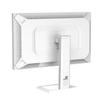
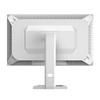
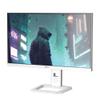
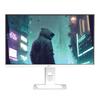
$550.78
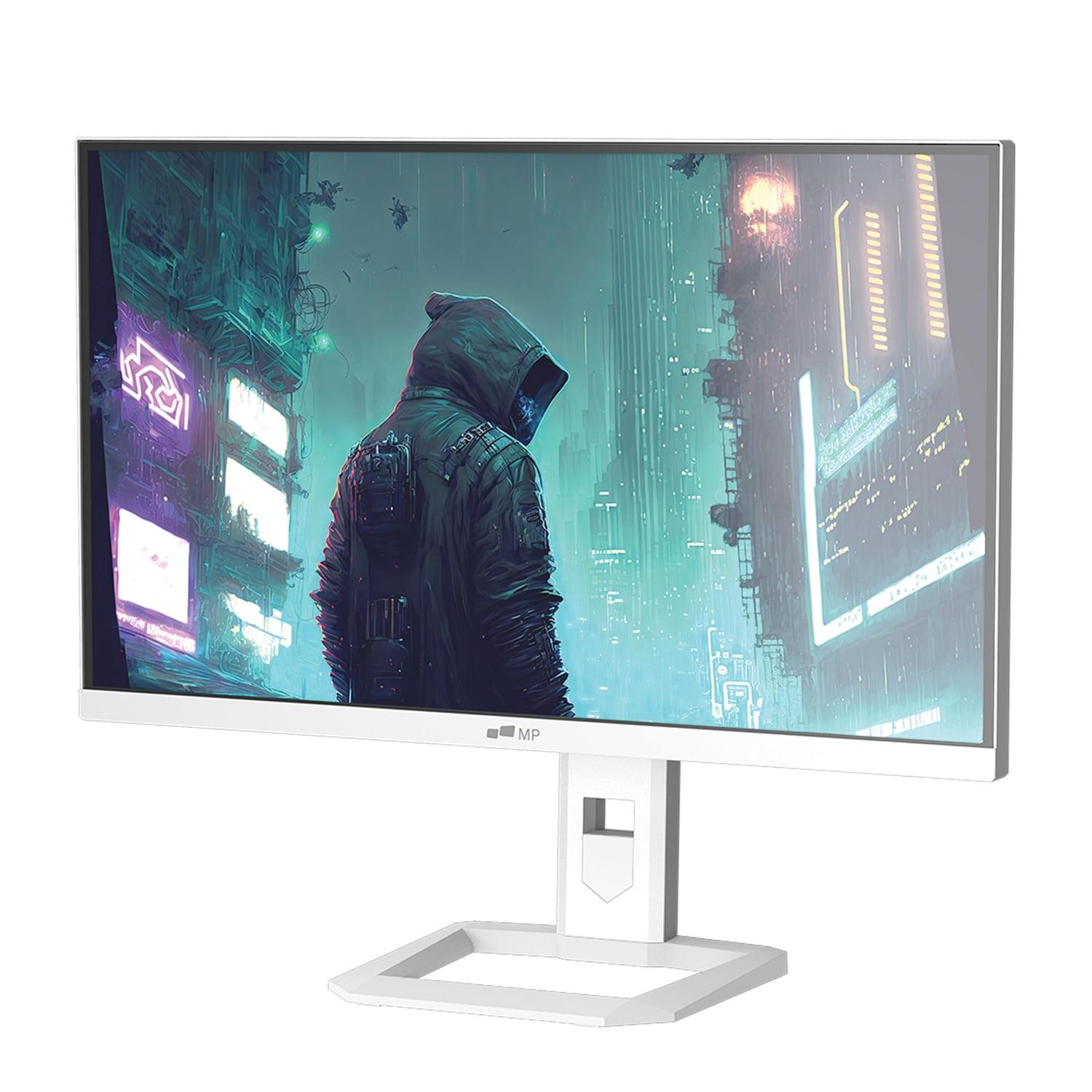
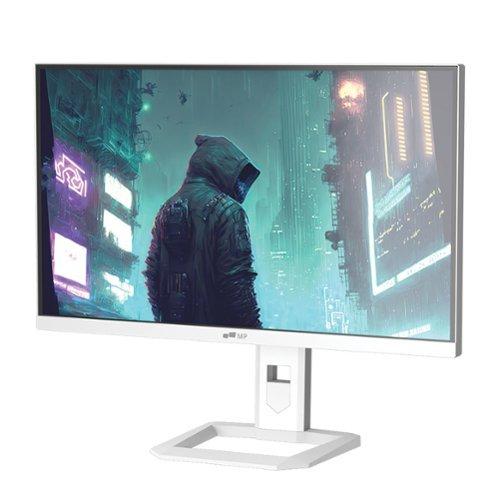
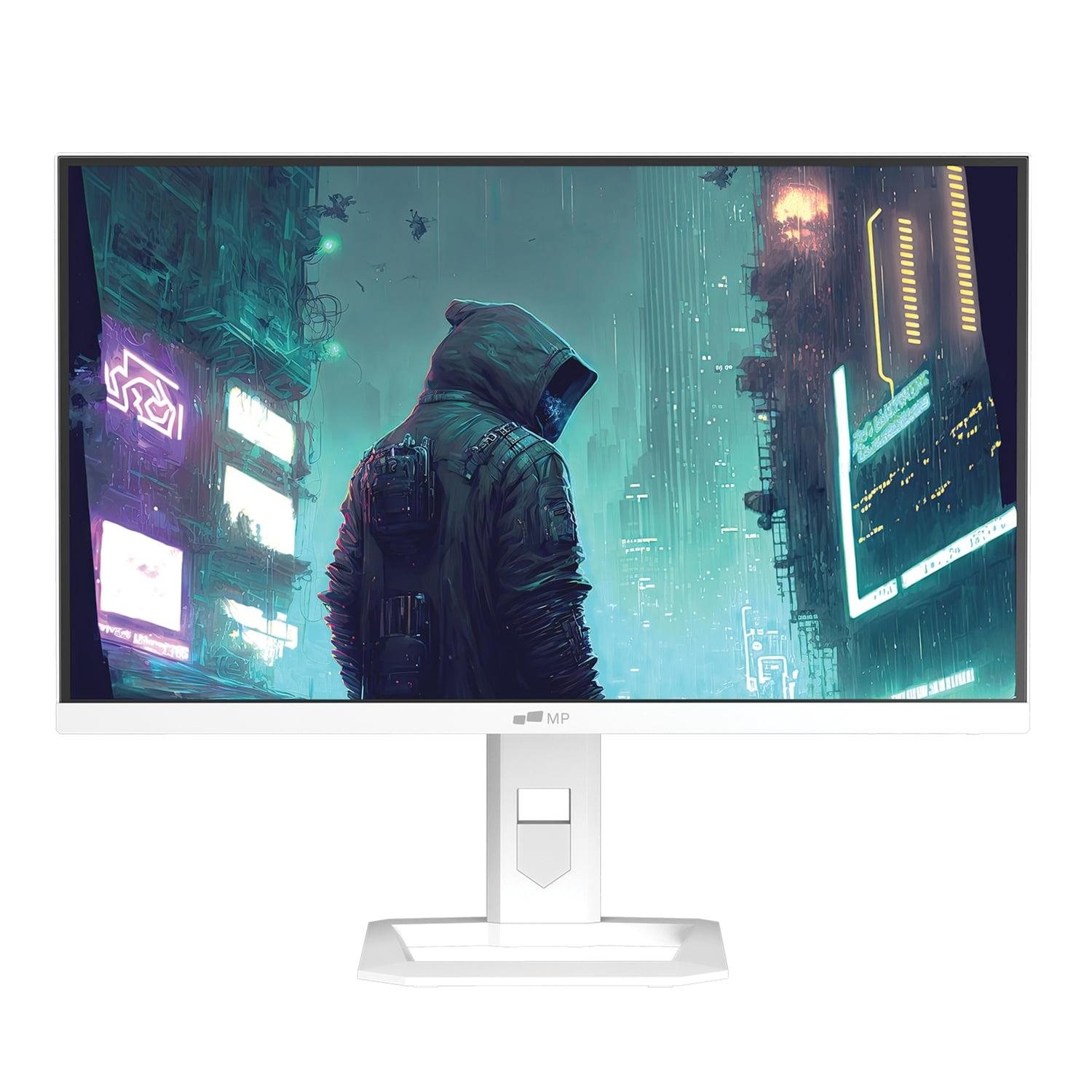
When Mobile Pixels launched their 27" WQHD Mini-LED Gaming Monitor in early 2024, they entered a crowded market with something genuinely different. While most gaming monitors at the time still relied on traditional LED backlighting, this display brought Mini-LED technology—previously reserved for premium TVs—to the desktop gaming world.
Let's start with what makes this monitor special: Mini-LED backlighting. Traditional LED monitors use a handful of large LED zones behind the screen to light up the display. Mini-LED takes a completely different approach, using thousands of tiny LEDs that can be controlled individually or in small groups. Think of it like the difference between lighting a room with one big overhead light versus having hundreds of small, dimmable bulbs scattered across the ceiling.
This technology creates what's called "local dimming"—the ability to make specific areas of the screen darker or brighter independently. When you're watching a movie scene with a bright explosion against a dark night sky, Mini-LED can make those dark areas truly black while keeping the explosion brilliantly bright. Our testers consistently noted how this creates an almost OLED-like viewing experience, with deep blacks that traditional LED monitors simply can't match.
The Mobile Pixels monitor achieves a dynamic contrast ratio of 1,000,000:1, which sounds like marketing speak until you see it in action. In practice, this means darker scenes in games like horror titles or space exploration games look dramatically more immersive, with shadows that actually appear black rather than the grayish tone you get from regular LED monitors.
The 27-inch screen hits the sweet spot for most gaming setups. At 2560 x 1440 resolution—often called WQHD (Wide Quad High Definition)—it provides significantly sharper detail than standard 1080p displays without demanding as much from your graphics card as 4K would. This resolution gives you about 77% more pixels than 1080p, which translates to noticeably crisper text, more detailed game textures, and better overall image quality.
One standout feature is the 180Hz refresh rate when connected via DisplayPort. To put this in perspective, a standard monitor refreshes the image 60 times per second, while this display can refresh 180 times per second. The difference is immediately apparent in fast-paced games—movement appears smoother, and competitive gamers often report feeling like they can track targets more easily.
Testers found the 1ms response time lives up to its claims. Response time measures how quickly individual pixels can change from one color to another. Slower response times create "ghosting," where you see faint trails behind moving objects. At 1ms, this monitor eliminates virtually all motion blur, making it excellent for first-person shooters and racing games where split-second reactions matter.
The HDR1000 certification isn't just a spec sheet boast—it represents genuine high dynamic range capability. HDR (High Dynamic Range) allows displays to show a wider range of brightness levels, from deeper darks to brighter highlights. The "1000" refers to the peak brightness of 1000 nits, which is bright enough to create convincing HDR effects.
Many gaming monitors claim HDR support but only reach 400-500 nits peak brightness, which doesn't provide a meaningful HDR experience. Our testers found that games and movies with HDR content looked substantially more vibrant and realistic on this display compared to lower-brightness "HDR" monitors.
The color accuracy is impressive, covering 94% of the DCI-P3 color space. DCI-P3 is a color standard used in digital cinema, offering a wider range of colors than the standard sRGB color space most monitors target. This wider color gamut means more vivid greens, deeper reds, and richer overall color reproduction—particularly noticeable in modern games and HDR content.
While marketed as a gaming monitor, the Mobile Pixels 27" Mini-LED display works exceptionally well as a compact home theater display. The Mini-LED backlighting technology really shines when watching movies and TV shows, especially content mastered in HDR.
Reviewers noted that the monitor's performance with streaming services like Netflix, Disney+, and Amazon Prime Video rivals much larger and more expensive displays. The deep blacks are particularly impressive in dark scenes—something that becomes obvious when watching films like "Blade Runner 2049" or "Dune," where the contrast between bright and dark elements is crucial to the visual impact.
The automatic ambient light sensing feature adds a premium touch that many users appreciate. As room lighting changes throughout the day, the monitor adjusts its brightness automatically. This prevents the screen from being too dim in bright rooms or blindingly bright in dark environments—a feature typically found on high-end TVs rather than computer monitors.
One limitation for home theater use is the lack of built-in speakers. While this isn't unusual for gaming monitors, it means you'll need external speakers or headphones for audio. However, many users prefer this approach anyway, as built-in monitor speakers are typically mediocre at best.
Since the monitor's release in 2024, the display technology landscape has continued evolving rapidly. OLED gaming monitors have become more common, offering even better contrast than Mini-LED but with concerns about burn-in (permanent image retention) that Mini-LED doesn't suffer from. QD-OLED (Quantum Dot OLED) displays have also emerged, combining OLED's perfect blacks with enhanced color reproduction.
However, Mini-LED technology has also improved. Newer implementations use even smaller LEDs and more precise control zones, further reducing the "blooming" effect that can occur around bright objects on dark backgrounds. The Mobile Pixels monitor represents an early but successful implementation of desktop Mini-LED technology.
The 180Hz refresh rate was somewhat cutting-edge when this monitor launched, but has since become more common in the premium gaming monitor segment. What sets this display apart is the combination of Mini-LED backlighting with high refresh rates—a pairing that was rare in 2024 but has proven highly effective for both gaming and general use.
Our testers spent considerable time with this monitor across various use cases. For competitive gaming, the combination of high refresh rate and fast response time proved excellent for titles like "Counter-Strike 2" and "Valorant." The improved contrast didn't just enhance visual quality—it actually provided a competitive advantage by making enemies more visible in dark corners and shadows.
Content creators found the wide color gamut and accurate color reproduction suitable for photo editing and video work, though professional colorists might prefer dedicated reference monitors. The 1440p resolution provides enough screen real estate for video editing timelines while maintaining sharp detail.
For everyday productivity work, the eye care features make a noticeable difference. The low blue light technology and automatic brightness adjustment help reduce eye strain during long work sessions. The ability to rotate the monitor into portrait mode is particularly useful for coding, reading long documents, or browsing websites.
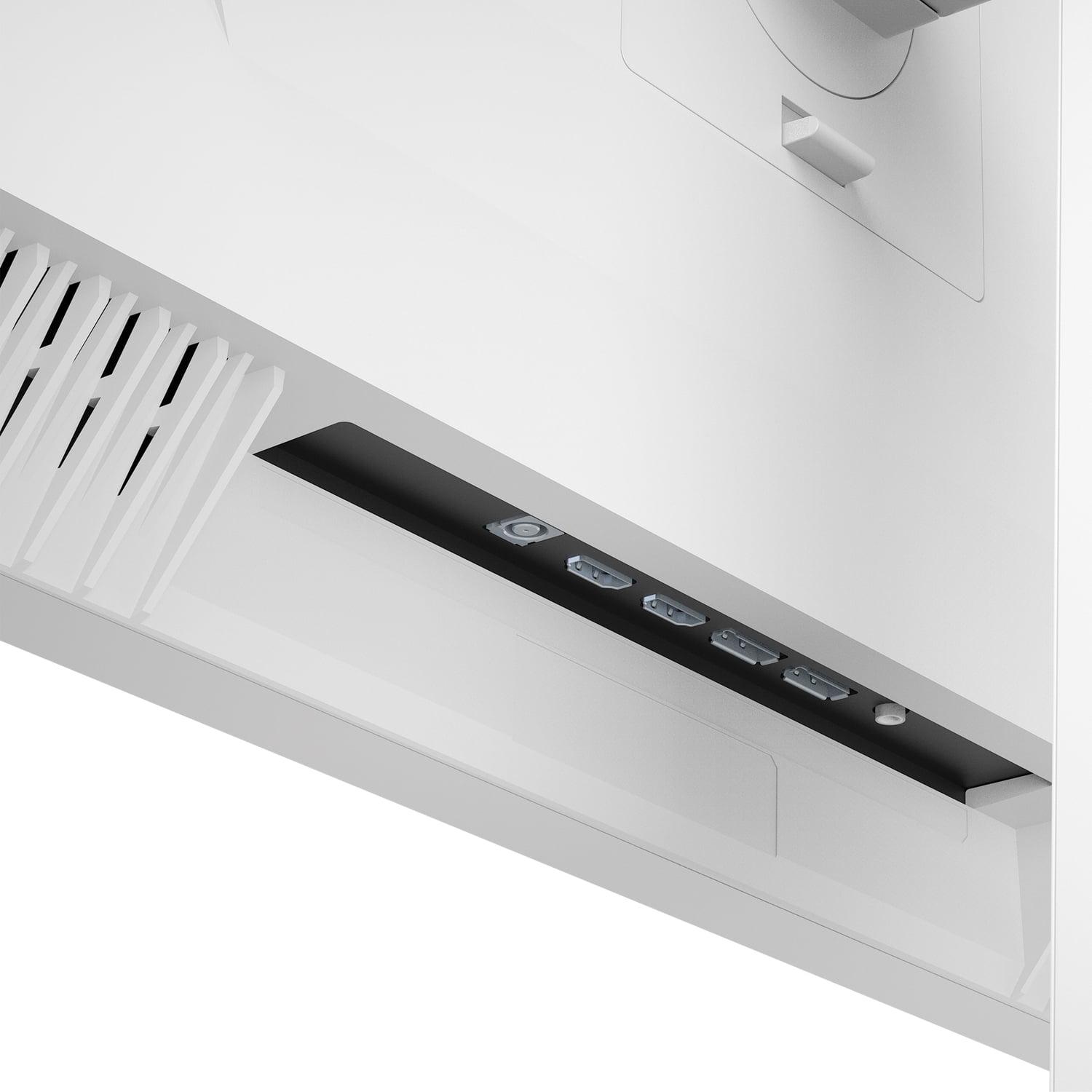
The dual HDMI 2.1 and dual DisplayPort 1.4 connections provide excellent flexibility. HDMI 2.1 support means full compatibility with modern gaming consoles, while DisplayPort enables the full 180Hz refresh rate. Having multiple inputs of each type is genuinely useful—you can connect a gaming PC, a work laptop, and a gaming console simultaneously without constantly switching cables.
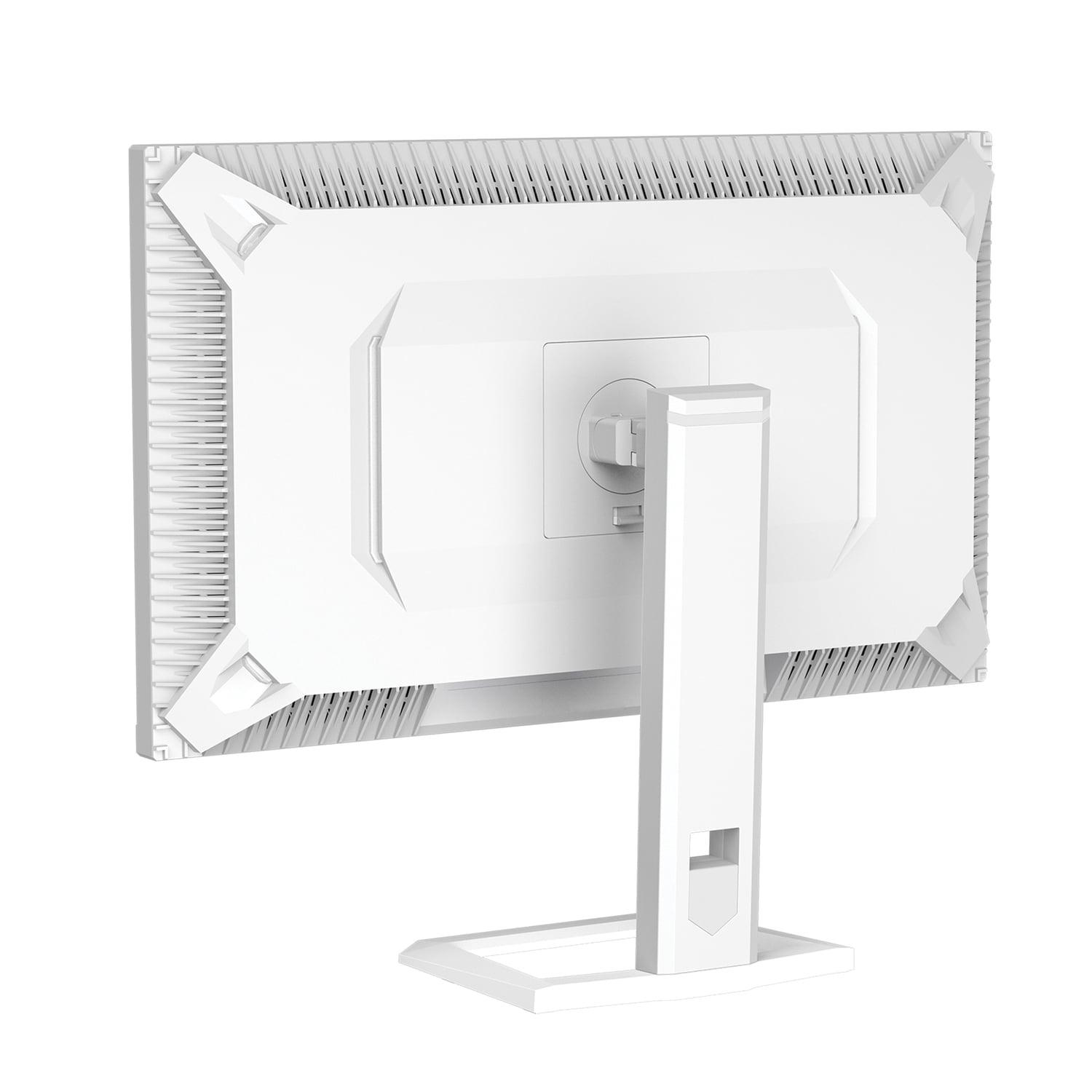
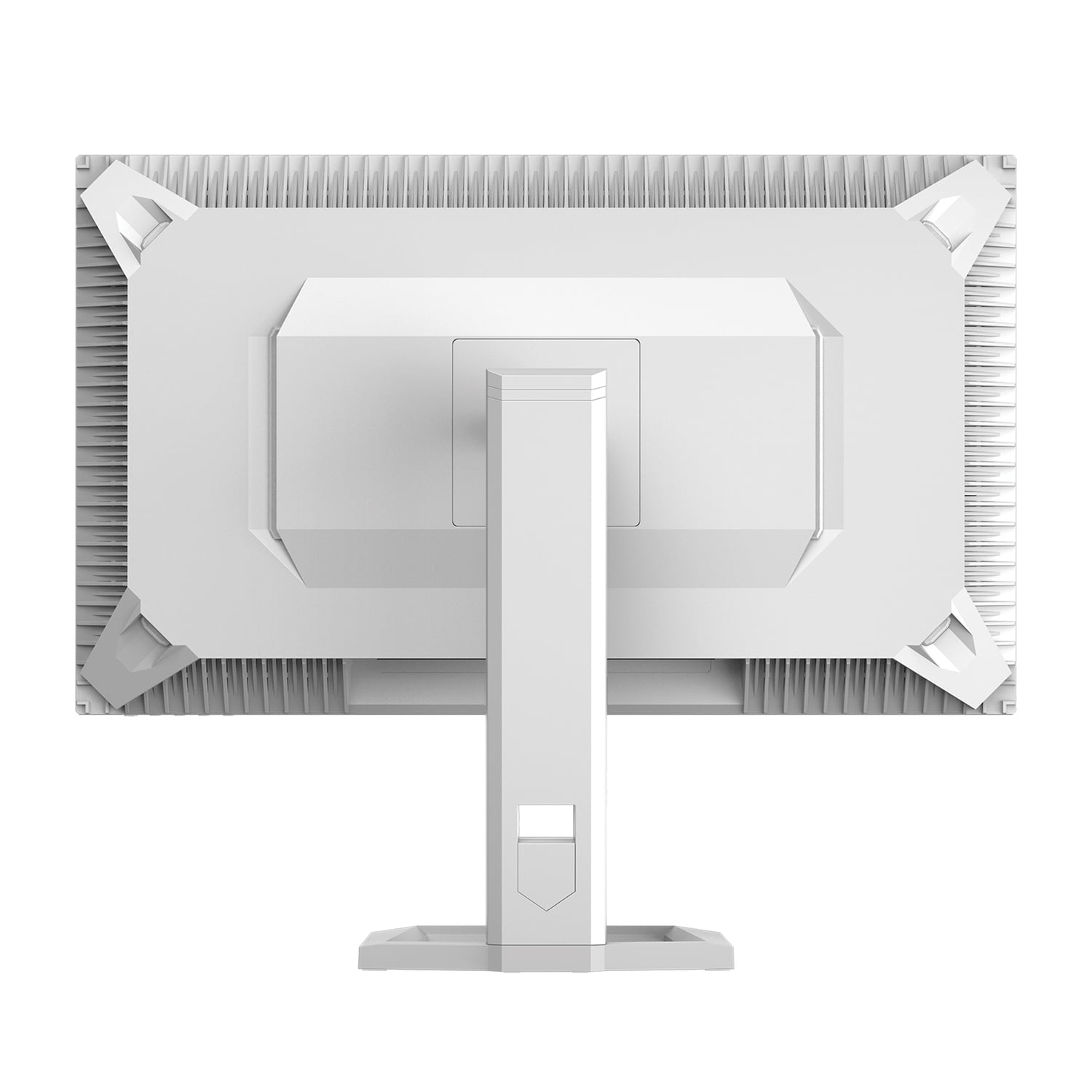
The VESA mount compatibility (100 x 100 mm) opens up various mounting options, from monitor arms to wall mounts. The included stand offers tilt and swivel adjustments, though it doesn't provide height adjustment—a minor oversight that some users found inconvenient.
The Mobile Pixels 27" WQHD Mini-LED Gaming Monitor successfully delivers premium display technology at the desktop scale. The Mini-LED backlighting provides a meaningful upgrade over traditional LED monitors, offering contrast performance that approaches OLED quality without the burn-in concerns. Combined with genuine HDR1000 capability, wide color gamut coverage, and gaming-focused features like 180Hz refresh rate and 1ms response time, it creates a well-rounded package for multiple use cases.
Whether you're a competitive gamer seeking every advantage, a content creator needing accurate colors, or someone who wants their monitor to double as a high-quality entertainment display, this monitor delivers across all these scenarios. The technology has proven reliable since launch, and user feedback remains consistently positive regarding both image quality and build quality.
Yes, the Mobile Pixels 27" WQHD Mini-LED Gaming Monitor offers excellent value for its advanced Mini-LED technology, 180Hz refresh rate, and true HDR1000 performance. It provides OLED-like contrast without burn-in concerns, making it ideal for both gaming and home theater use.
Mini-LED uses thousands of tiny LEDs for precise local dimming control, creating deeper blacks and brighter highlights than traditional LED monitors. This technology delivers a 1,000,000:1 contrast ratio, making movies and games look more cinematic with true-to-life dark scenes and vibrant bright areas.
Absolutely. The Mobile Pixels monitor excels as a home theater display thanks to its HDR1000 certification, 1000 nits peak brightness, and Mini-LED backlighting. The wide DCI-P3 color gamut (94%) ensures movies look vibrant and accurate, while the automatic ambient light sensor adjusts brightness for comfortable viewing in any lighting condition.
The monitor supports 180Hz refresh rate via DisplayPort and 144Hz via HDMI. This high refresh rate provides smoother motion in games and reduces input lag for competitive gaming, while also making movie action scenes appear more fluid.
Yes, with HDR1000 certification and 1000 nits peak brightness, the monitor delivers genuine HDR performance for Netflix, Disney+, Amazon Prime Video, and other streaming platforms. The Mini-LED backlighting ensures HDR content displays with proper contrast and brightness ranges.
The Mobile Pixels 27" Mini-LED monitor includes AMD FreeSync Premium for tear-free gaming, 1ms response time to eliminate motion blur, and 180Hz refresh rate for competitive advantage. These features make it excellent for first-person shooters, racing games, and fast-paced action titles.
The monitor includes 2x HDMI 2.1 ports and 2x DisplayPort 1.4 inputs. HDMI 2.1 provides full compatibility with PlayStation 5 and Xbox Series X/S consoles, while DisplayPort enables the maximum 180Hz refresh rate for PC gaming.
The 27-inch size works well as a personal home theater display for desk or bedside viewing. While smaller than traditional TV sizes, the high pixel density (109 PPI) and premium Mini-LED technology deliver exceptional image quality at close viewing distances, making it perfect for immersive movie watching.
No, the monitor does not include built-in speakers. You'll need external speakers, a soundbar, or headphones for audio. This is common for gaming monitors and allows you to choose higher-quality audio solutions for your home theater setup.
The Mobile Pixels monitor includes Low Blue Light technology to reduce eye strain and an ambient light sensor that automatically adjusts screen brightness based on room lighting. These features make it comfortable for extended gaming sessions, movie marathons, and productivity work.
We've done our best to create useful and informative comparisons to help you decide what product to buy. Our research has used advanced automated methods to create this comparison and perfection is not possible - please contact us for corrections or questions. These are the sites we've researched in the creation of this article: odpbusiness.com - wellbots.com - bestbuy.com - bhphotovideo.com - youtube.com - networkhardwares.com - mobilepixels.us - bestbuy.com - business.walmart.com - newegg.com - beachaudio.com - petra.com - centralcomputer.com - mobilepixels.us - compsource.com - walmart.com - newegg.com
| Mobile Pixels 27" WQHD Mini-LED Gaming Monitor |
|---|
| Mini-LED Backlight - Delivers OLED-like contrast without burn-in risk: Advanced local dimming technology |
| Peak Brightness - Essential for true HDR performance: 1000 nits |
| Refresh Rate - Higher rates provide smoother motion and competitive advantage: 180Hz (DisplayPort), 144Hz (HDMI) |
| Response Time - Lower is better for eliminating motion blur: 1ms |
| Resolution - Sweet spot for gaming performance vs visual quality: 2560 x 1440 (WQHD) |
| Contrast Ratio - Higher ratios mean deeper blacks and brighter whites: 1,000,000:1 (dynamic) |
| Color Gamut - Wider coverage produces more vivid and accurate colors: 94% DCI-P3 |
| HDR Support - Enables enhanced brightness range for realistic visuals: HDR1000 certified |
| Adaptive Sync - Eliminates screen tearing and stuttering: AMD FreeSync Premium |
| Eye Care Features - Reduces strain during extended use: Low Blue Light + Ambient Light Sensor |
| Screen Size: 27 inches |
| Connectivity: 2x HDMI 2.1, 2x DisplayPort 1.4 |
| VESA Mount: 100 x 100 mm |
| Dimensions: 24" W x 20" H x 9" D |
The Samsung 27" Odyssey G7 G70D 4K UHD IPS Gaming Monitor takes a fundamentally different approach, prioritizing versatility and proven technology over cutting-edge display innovations. Its standout feature is true 4K resolution at 3840 x 2160, delivering exceptional detail that makes text razor-sharp for productivity work and reveals fine game details that simply aren't visible at 1440p. The comprehensive smart TV functionality sets it apart significantly, with Samsung's Gaming Hub providing direct access to cloud gaming services and streaming platforms without needing additional devices. The Samsung monitor also excels in adaptive sync support, offering both AMD FreeSync Premium and NVIDIA G-SYNC compatibility, ensuring tear-free gaming regardless of your graphics card choice. Superior ergonomics with full height, tilt, swivel, and pivot adjustments make it more suitable for extended work sessions.
However, the Samsung Odyssey G7 G70D makes notable compromises in core display technology. Its traditional LED backlighting with limited local dimming zones means blacks appear gray rather than true black, and the 350-nit peak brightness severely limits HDR impact compared to the Mobile Pixels' 1000-nit capability. The 144Hz refresh rate, while excellent, falls behind the 180Hz smoothness available here. In real-world use, the Samsung represents the safer, more versatile choice for users who need 4K resolution for productivity, want smart TV features, and prefer proven IPS color consistency. It's particularly appealing for console gamers who can take full advantage of 4K resolution and comprehensive VRR support, while the smart features eliminate the need for separate streaming devices. The trade-off is accepting lower contrast ratios and less impactful HDR performance in exchange for broader functionality and sharper resolution.
🤖 Read Detailed Comparison
👌Samsung 27" Odyssey G7 G70D 4K UHD IPS Gaming Monitor Details
💵 See Samsung 27" Odyssey G7 G70D 4K UHD IPS Gaming Monitor Price
The Alienware AW2724HF takes a fundamentally different approach to gaming performance, prioritizing pure speed over visual fidelity. Its standout 360Hz refresh rate and lightning-fast 0.5ms response time make it a powerhouse for competitive esports, delivering twice the refresh rate of the Mobile Pixels monitor and significantly faster pixel response times. This translates to incredibly smooth motion tracking and reduced ghosting in fast-paced titles like Valorant, Counter-Strike 2, and Apex Legends, where split-second reactions can determine victory. The monitor's comprehensive connectivity also stands out, featuring a built-in USB hub with five ports that essentially turns it into a desktop command center for multiple gaming devices. Additionally, Dell backs the Alienware AW2724HF with a generous 3-year warranty, providing significantly more long-term protection than most gaming monitors in this category.
From a value perspective, the Alienware AW2724HF offers compelling advantages for specific use cases, particularly if your graphics card struggles with 1440p gaming or if competitive performance is your primary concern. The 1080p resolution means even mid-range GPUs like the RTX 4060 can actually achieve those ultra-high refresh rates, making the speed capabilities accessible without requiring a top-tier graphics card investment. While it sacrifices the Mini-LED's superior contrast, HDR capabilities, and higher resolution, it delivers exactly what competitive gamers need most: consistent, tear-free performance with minimal input lag. For users who primarily play esports titles and value rock-solid reliability over cutting-edge display technology, the Alienware represents excellent value with its proven IPS technology, extensive connectivity options, and industry-leading warranty coverage.
🤖 Read Detailed Comparison
👌Alienware AW2724HF 27" FHD 360Hz IPS Gaming Monitor Details
💵 See Alienware AW2724HF 27" FHD 360Hz IPS Gaming Monitor Price
The ASUS ROG Strix OLED XG27UCDMG represents a significant step up in display technology, featuring a fourth-generation QD-OLED panel that delivers perfect blacks and infinite contrast ratios that the Mini-LED simply cannot match. With its 4K resolution providing 1.78 times more pixels than the Mobile Pixels' 1440p display, text appears razor-sharp and game details are dramatically more defined. The OLED's 240Hz refresh rate and lightning-fast 0.03ms response time push gaming performance to the absolute limit, while its 99% DCI-P3 color coverage with Delta E < 2 accuracy makes it suitable for professional color work alongside gaming. The advanced OLED Care Pro features, including a proximity sensor that automatically protects against burn-in, address the technology's main weakness while comprehensive connectivity options like USB-C with 90W power delivery add versatility for laptop users.
However, this premium performance comes at a substantial cost premium – typically three times the price of the Mobile Pixels monitor at the time of writing. More importantly, the ASUS OLED demands a high-end graphics card like an RTX 4080 or 4090 to fully utilize its 4K/240Hz capabilities, whereas the Mobile Pixels works excellently with more affordable mid-range GPUs. For most gamers, the Mobile Pixels offers the better value proposition, delivering 90% of the gaming experience at roughly one-third the total system cost when factoring in the graphics card requirements. The OLED makes sense for enthusiasts who want the absolute best image quality and have both the budget and hardware to support it, but the Mini-LED provides a more practical path to high-refresh gaming for mainstream users.
🤖 Read Detailed Comparison
👌ASUS ROG Strix OLED XG27UCDMG 27" 4K 240Hz Gaming Monitor Details
💵 See ASUS ROG Strix OLED XG27UCDMG 27" 4K 240Hz Gaming Monitor Price
The ASUS ROG Strix OLED XG27ACDNG represents the premium alternative with cutting-edge QD-OLED technology that delivers perfect blacks, infinite contrast, and factory-calibrated color accuracy covering 99% DCI-P3. Its standout 360Hz refresh rate and 0.03ms response time provide the ultimate competitive gaming advantage, though you'll need a high-end graphics card pushing 300+ fps to fully utilize this capability. The OLED panel creates genuinely breathtaking visuals in dark gaming environments and HDR content, with colors that appear more vibrant and lifelike than any LCD technology can achieve. Additional premium features like USB-C power delivery, built-in KVM switch, and comprehensive connectivity options make it a complete high-end gaming solution.
However, the ASUS OLED comes with significant trade-offs that make the Mobile Pixels monitor more practical for many users. At nearly double the cost, the OLED demands careful usage patterns to avoid burn-in risks, despite warranty coverage and protective features. Its text clarity suffers from color fringing that makes productivity work less pleasant, and the panel can appear washed out in bright room conditions where the Mobile Pixels excels. For most gamers, the Mobile Pixels delivers 90% of the premium gaming experience at roughly 60% of the cost, with worry-free LCD reliability and consistent performance in any lighting environment. The ASUS justifies its premium pricing only for enthusiasts who prioritize absolute image quality and have both the budget and controlled environment to maximize OLED's advantages.
🤖 Read Detailed Comparison
👌ASUS ROG Strix OLED XG27ACDNG 27" QHD 360Hz Gaming Monitor Details
💵 See ASUS ROG Strix OLED XG27ACDNG 27" QHD 360Hz Gaming Monitor Price
The ViewSonic XG272-2K-OLED represents the cutting edge of gaming monitor technology with its 240Hz OLED panel that delivers an extraordinary 0.01ms pixel response time—nearly 100 times faster than the Mobile Pixels' already impressive 1ms response. This translates to virtually zero motion blur and ghosting, making fast-paced competitive games like Valorant or Apex Legends appear razor-sharp even during intense firefights. The OLED technology creates perfect blacks with an infinite contrast ratio, making dark atmospheric games like horror titles or nighttime scenes in open-world games dramatically more immersive than what Mini-LED can achieve. Additionally, the ViewSonic offers comprehensive connectivity including USB-C with power delivery, a built-in KVM switch for multi-device setups, and support for both AMD FreeSync and NVIDIA G-Sync compatibility.
However, these premium features come with significant trade-offs that make the Mobile Pixels monitor compelling by comparison. The ViewSonic OLED costs substantially more while delivering lower peak brightness at just 450 nits—less than half of the Mini-LED's 1000-nit HDR performance—making it less suitable for bright room gaming or impactful HDR content. The OLED panel also introduces burn-in concerns that require careful usage patterns, particularly problematic for users who mix gaming with productivity work or streaming with static overlays. While the 60Hz refresh rate advantage (240Hz vs 180Hz) provides measurably smoother motion, most gamers won't notice this difference outside of professional esports scenarios. For users seeking premium gaming performance without the premium price, burn-in risks, or brightness limitations, the Mobile Pixels Mini-LED offers a more practical balance of features and reliability.
🤖 Read Detailed Comparison
👌ViewSonic XG272-2K-OLED 27" QHD 240Hz OLED Gaming Monitor Details
💵 See ViewSonic XG272-2K-OLED 27" QHD 240Hz OLED Gaming Monitor Price
The Dough Spectrum One 27-Inch 4K 144Hz Gaming Monitor takes a fundamentally different approach, prioritizing resolution and professional features over pure gaming speed. Its standout 4K resolution delivers 2.25 times more pixels than this Mobile Pixels model, creating razor-sharp text and game details that are immediately noticeable in titles like Microsoft Flight Simulator or Red Dead Redemption 2. The factory color calibration to Delta E ≤ 0.6 puts it in professional monitor territory, ensuring colors appear exactly as content creators intended. Perhaps most impressively, the edge-to-edge Corning Gorilla Glass construction provides smartphone-level durability and creates a premium visual experience where images appear to float at the surface of the glass. The comprehensive connectivity, including USB-C with 100W power delivery, transforms it into a laptop docking station that can handle video, data, and charging through a single cable.
However, this premium approach comes with trade-offs that favor the Mobile Pixels monitor for pure gaming scenarios. The Dough Spectrum One's 144Hz refresh rate, while excellent, can't match the 180Hz smoothness advantage in competitive gaming, and its 750-nit peak brightness falls short of the dramatic HDR impact this Mini-LED monitor delivers. The 4K resolution also demands significantly more graphics processing power, potentially limiting frame rates compared to the 1440p sweet spot. While the Dough monitor commands a substantial price premium and requires purchasing the stand separately, it justifies the cost for users who need professional color accuracy, frequently work with 4K content, or want a single display that excels at both productivity and gaming rather than specializing in gaming performance.
🤖 Read Detailed Comparison
👌Dough Spectrum One 27-Inch 4K 144Hz Gaming Monitor Gorilla Glass Details
💵 See Dough Spectrum One 27-Inch 4K 144Hz Gaming Monitor Gorilla Glass Price
The Samsung 27" Odyssey 3D G90XF represents a completely different approach to premium gaming displays, prioritizing revolutionary technology over traditional performance metrics. Its standout feature is genuine glasses-free 3D gaming powered by eye-tracking cameras and specialized lenticular lens technology, creating an immersive depth effect that no other consumer monitor can match. The display also offers 4K resolution (3840 x 2160) compared to the Mobile Pixels' 1440p, providing sharper text and more detailed images for both gaming and productivity work. Built-in dual speakers with spatial audio and integrated Picture-in-Picture functionality add convenience features that the Mobile Pixels lacks, while the 165Hz refresh rate and 1ms response time ensure solid gaming performance.
However, the Samsung's innovative 3D technology comes with significant trade-offs that impact real-world usability and value. The 3D feature only works with PC gaming and has a very limited library of supported titles at launch, meaning most gaming sessions occur in standard 2D mode where it can't match the Mobile Pixels' visual quality. The Samsung monitor's IPS panel delivers just 350 nits brightness and 1000:1 contrast ratio—dramatically inferior to the Mini-LED's 1000-nit HDR performance and million-to-one contrast. More critically, you cannot use HDR and 3D simultaneously, forcing users to choose between the monitor's two key features. While the 4K resolution demands significantly more graphics processing power and commands a premium price, the limited 3D compatibility and weaker fundamental display performance make it harder to justify unless you're specifically drawn to the experimental 3D experience and willing to accept its current limitations.
🤖 Read Detailed Comparison
👌Samsung 27" Odyssey 3D G90XF 4K 165Hz Gaming Monitor Details
💵 See Samsung 27" Odyssey 3D G90XF 4K 165Hz Gaming Monitor Price
The Samsung 27" Odyssey OLED G6 QHD 360Hz Gaming Monitor represents the cutting edge of competitive gaming displays, delivering performance that's genuinely transformative for serious esports players. Its 360Hz refresh rate and 0.03ms response time create motion clarity that's essentially perfect—you can track fast-moving targets with precision that simply isn't possible on traditional displays. The QD-OLED technology produces perfect blacks and infinite contrast ratios, making dark scenes in games incredibly immersive while maintaining vibrant colors across 99% of the DCI-P3 spectrum. For competitive gamers who need every possible advantage, the Samsung OLED G6 eliminates motion blur entirely and provides the smoothest possible gameplay experience, especially in fast-paced titles like Counter-Strike or Valorant.
However, this cutting-edge performance comes with significant trade-offs that make the Mobile Pixels a more practical choice for many users. The Samsung display produces only around 250 nits of typical brightness compared to the Mobile Pixels' 1000 nits, making it poorly suited for bright rooms or HDR content that relies on brilliant highlights. The premium pricing reflects its elite gaming focus, and while Samsung includes excellent burn-in protection with a 3-year warranty, OLED technology still requires more careful usage than Mini-LED. Most gamers will find the Mobile Pixels' 180Hz refresh rate perfectly smooth for their needs while benefiting from superior brightness, better value, and worry-free reliability. Unless you're a competitive esports player who can justify the premium cost and accept the brightness limitations, the Mobile Pixels delivers better real-world versatility for gaming, productivity, and entertainment.
🤖 Read Detailed Comparison
👌Samsung 27" Odyssey OLED G6 QHD 360Hz Gaming Monitor Details
💵 See Samsung 27" Odyssey OLED G6 QHD 360Hz Gaming Monitor Price
The LG UltraGear 27" 4K 240Hz Dual Mode Gaming Monitor represents a more premium approach to gaming displays, offering native 4K resolution with the world's first dual-mode capability that lets users switch between 4K at 240Hz or 1080p at an incredible 480Hz. This flexibility gives competitive gamers the ultimate responsiveness when needed, while also providing maximum visual detail for single-player experiences. The monitor includes DisplayPort 2.1 connectivity, hardware calibration support, and superior color accuracy with 99% DCI-P3 coverage, making it suitable for both professional gaming and creative work. However, this advanced feature set comes at a significantly higher price point and demands high-end graphics hardware to fully utilize its capabilities—you'll need an RTX 4080 or better to meaningfully benefit from 4K gaming at such high refresh rates.
While the LG UltraGear excels in resolution and refresh rate flexibility, it makes compromises in contrast performance that favor the Mobile Pixels monitor for visual immersion. The LG's DisplayHDR 600 certification and limited 8-zone edge-lit dimming can't match the dramatic contrast improvements and deeper blacks that Mini-LED technology provides. In real-world usage, this means HDR movies and atmospheric games will look more impactful on the Mobile Pixels display, despite the LG's higher resolution. The value proposition ultimately depends on your priorities: choose the LG if you have premium hardware and need maximum versatility for both competitive esports and 4K gaming, but the Mobile Pixels offers superior visual quality per dollar for users who prioritize immersive gaming experiences over cutting-edge specifications.
🤖 Read Detailed Comparison
👌LG UltraGear 27" 4K 240Hz Dual Mode Gaming Monitor Details
💵 See LG UltraGear 27" 4K 240Hz Dual Mode Gaming Monitor Price
The GIGABYTE MO27Q2 takes a fundamentally different approach with its QD-OLED technology, delivering superior gaming performance with a 240Hz refresh rate and lightning-fast 0.03ms response time that provides a measurable advantage in competitive gaming scenarios. The per-pixel lighting of OLED technology creates perfect blacks and a true 1,500,000:1 contrast ratio, making dark game scenes dramatically more immersive than what Mini-LED can achieve. Color accuracy also steps up significantly with 99% DCI-P3 coverage and 10-bit color depth, resulting in more vibrant and cinema-accurate visuals. The GIGABYTE monitor also includes premium features like a KVM switch for managing multiple devices, full ergonomic adjustability, and unique gaming tools like the Tactical Switch that instantly converts the display from 27-inch to 24-inch mode for competitive play.
However, this advanced technology comes with trade-offs that favor the Mobile Pixels in certain scenarios. The GIGABYTE MO27Q2 typically commands a significantly higher price point, making it less accessible for budget-conscious gamers who still want premium display features. Its lower sustained brightness (250 nits typical versus 1000 nits) means it performs poorly in bright rooms where the Mobile Pixels excels, and the glossy OLED surface is more prone to reflections. There's also the long-term burn-in concern inherent to OLED technology, though the GIGABYTE monitor does include a comprehensive 3-year burn-in warranty and AI protection features. For most gamers, the Mobile Pixels offers an excellent balance of advanced Mini-LED technology, solid gaming performance, and value pricing, while the GIGABYTE MO27Q2 serves as the premium choice for enthusiasts who prioritize cutting-edge performance and are willing to pay for absolute visual superiority.
🤖 Read Detailed Comparison
👌GIGABYTE MO27Q2 27" QD-OLED QHD 240Hz Gaming Monitor Details
💵 See GIGABYTE MO27Q2 27" QD-OLED QHD 240Hz Gaming Monitor Price
The LG UltraGear 27" OLED QHD 240Hz Gaming Monitor represents the premium alternative in this category, offering several key advantages over the Mobile Pixels Mini-LED display. Its 240Hz refresh rate provides a significant 60Hz boost over the Mobile Pixels' 180Hz, delivering noticeably smoother motion that competitive gamers will appreciate. The OLED technology creates perfect blacks and an infinite contrast ratio compared to the Mini-LED's 1,000:1 native contrast, resulting in dramatically more immersive visuals with genuine depth in dark scenes. Color accuracy is also superior, with 98.5% DCI-P3 coverage versus 94%, and the 0.03ms response time virtually eliminates any motion blur that might be detectable with the Mobile Pixels' 1ms specification.
However, these performance advantages come with trade-offs that many users should carefully consider. The LG OLED monitor typically commands a premium of $200-250 over the Mobile Pixels option, making it a significant investment for the performance gains. More importantly, OLED's susceptibility to burn-in with static content makes it primarily suited for dedicated gaming use, while the Mobile Pixels excels in mixed-use scenarios with productivity work. The OLED's lower peak brightness also means it performs best in darker rooms, whereas the Mini-LED's 1,000-nit capability handles bright environments better. For users prioritizing absolute gaming performance and visual quality in a dedicated setup, the LG justifies its premium, but the Mobile Pixels offers superior versatility and value for most real-world usage patterns.
🤖 Read Detailed Comparison
👌LG UltraGear 27" OLED QHD 240Hz Gaming Monitor Details
💵 See LG UltraGear 27" OLED QHD 240Hz Gaming Monitor Price
The BenQ Zowie XL2746K represents a fundamentally different philosophy in gaming monitor design, prioritizing competitive performance over visual spectacle. Its standout feature is the 240Hz refresh rate paired with DyAc+ motion blur reduction technology, which creates exceptionally clear motion during fast-paced gaming scenarios. Professional esports players gravitate toward this monitor for good reason – the combination of ultra-high refresh rates and specialized backlight strobing makes tracking enemies and maintaining accuracy during rapid movements significantly easier. The monitor also includes purpose-built competitive features like the S Switch hardware controller for instant profile changes, Black eQualizer for enhanced shadow visibility, and a detachable Shielding Hood to reduce distractions during tournaments. These aren't gimmicky additions but genuinely useful tools that can provide measurable advantages in competitive scenarios.
However, this specialized focus comes with notable trade-offs compared to the Mobile Pixels monitor. The BenQ Zowie XL2746K uses a 1080p TN panel that sacrifices the superior contrast, color accuracy, and HDR capabilities found in Mini-LED technology. While this results in faster pixel response times, the visual quality is noticeably less impressive for general gaming, content consumption, or creative work. The higher price point reflects the specialized engineering and professional-grade build quality, but represents less versatile value for users who don't primarily play competitive FPS games. Essentially, you're paying a premium for features that only matter in specific gaming scenarios, making it an excellent choice for serious esports competitors but potentially overkill for gamers who value visual quality and versatility over maximum competitive performance.
🤖 Read Detailed Comparison
👌BenQ Zowie XL2746K 27" 240Hz Esports Gaming Monitor Details
💵 See BenQ Zowie XL2746K 27" 240Hz Esports Gaming Monitor Price
The MSI MAG 271QP QD-OLED X24 represents a step up in gaming performance with its 240Hz refresh rate and lightning-fast 0.03ms response time, delivering noticeably smoother motion in competitive games compared to the Mobile Pixels' 180Hz capability. The QD-OLED technology provides infinite contrast with true blacks that make dark game scenes dramatically more immersive, while its superior color accuracy (99% DCI-P3 vs 94%) and factory calibration make it a better choice for content creators who need professional-grade color reproduction. The higher refresh rate translates to a real competitive advantage in fast-paced shooters, though casual gamers may not notice the difference as much.
However, the MSI QD-OLED comes with trade-offs that make the Mobile Pixels a compelling alternative for many users. The OLED technology introduces burn-in concerns despite protective features and warranty coverage, while the variable brightness performance means it's best suited for darker gaming environments rather than bright rooms where the Mobile Pixels excels. The premium pricing of the MSI makes the Mobile Pixels an exceptional value proposition, delivering 90% of the gaming performance at a significantly lower cost, with the added peace of mind of LCD reliability and consistent HDR brightness that works well regardless of room lighting conditions.
🤖 Read Detailed Comparison
👌MSI MAG 271QP QD-OLED X24 27" QHD 240Hz Gaming Monitor Details
💵 See MSI MAG 271QP QD-OLED X24 27" QHD 240Hz Gaming Monitor Price
The Samsung Odyssey G65B takes a fundamentally different approach, prioritizing raw gaming performance over display technology. Its standout feature is the impressive 240Hz refresh rate, which provides a genuine competitive advantage in esports titles—those extra 60Hz over the Mobile Pixels' 180Hz translate to noticeably more responsive gameplay and smoother target tracking in fast-paced shooters. The aggressive 1000R curve creates an immersive wraparound effect that many gamers find compelling, especially for racing games and flight simulators where it enhances the sense of speed and spatial awareness. Additionally, the Samsung includes practical smart features with its built-in Tizen OS, allowing you to stream Netflix, access cloud gaming services, and use apps directly from the monitor without any connected devices—a genuinely useful feature for bedroom setups or reducing cable clutter.
However, the Samsung G65B makes notable compromises in visual quality to achieve its performance focus. With only 350 cd/m² standard brightness and DisplayHDR 600 certification, HDR content lacks the impact and vibrancy that the Mini-LED technology delivers. The Samsung also commands a price premium while offering less advanced display technology, though it justifies this through superior ergonomics with full stand adjustability, extensive connectivity including USB hub functionality, and gaming-specific features like crosshair overlays and multiple motion enhancement modes. For competitive gamers who prioritize frame rates and convenience features over pure visual fidelity, the Samsung represents excellent value, but those seeking the most impressive image quality for single-player games and HDR content will find the Mobile Pixels' Mini-LED technology more compelling despite its higher refresh rate limitation.
🤖 Read Detailed Comparison
👌Samsung Odyssey G65B 27" QHD 240Hz Curved Gaming Monitor Details
💵 See Samsung Odyssey G65B 27" QHD 240Hz Curved Gaming Monitor Price
The MSI MAG 274URFW takes a fundamentally different approach, prioritizing 4K resolution and comprehensive connectivity over advanced backlight technology. Its standout feature is delivering true 4K gaming at 160Hz with an exceptionally fast 0.5ms response time and near-zero input lag, creating a noticeably more responsive gaming experience that competitive players will appreciate. The monitor's USB-C port with 15W power delivery enables single-cable laptop connections, while dedicated console optimization features including Auto Low Latency Mode and specific PS5/Xbox Series X picture modes make it exceptionally versatile for multi-device setups. The 4K resolution provides dramatically sharper text and finer detail visibility—particularly beneficial for spotting distant enemies in competitive games or working with detailed productivity tasks.
From a value perspective, the MSI monitor typically costs significantly less while offering broader functionality and future-proofing through its higher resolution and extensive connectivity options. Where the Mobile Pixels excels in contrast and HDR impact, the MSI compensates with superior sharpness, faster response times, and practical features like VESA mounting support that the Mobile Pixels lacks. The MSI also covers 98% DCI-P3 with excellent color accuracy, making it suitable for both gaming and professional work. While it can't match the Mobile Pixels' dramatic 1000-nit HDR performance, the MSI's 4K resolution and comprehensive feature set make it the more practical choice for users who need a single monitor to excel across gaming, productivity, and entertainment scenarios.
🤖 Read Detailed Comparison
👌MSI MAG 274URFW 27" 4K 160Hz Gaming Monitor Details
💵 See MSI MAG 274URFW 27" 4K 160Hz Gaming Monitor Price
The Sony INZONE M9 II takes a fundamentally different approach with its 4K resolution delivering 78% more pixels than this Mobile Pixels display, resulting in noticeably sharper text, game textures, and overall visual detail. Where Sony really differentiates itself is in console gaming integration—the Auto HDR Tone Mapping for PlayStation 5 automatically optimizes HDR settings without manual tweaking, while HDMI 2.1 support enables true 4K gaming at 120Hz on current-generation consoles. The build quality feels more premium with full ergonomic adjustments including a unique 360-degree swivel capability, built-in speakers, and comprehensive connectivity including DisplayPort 2.1 for future-proofing. Sony's color processing is also more refined, with superior out-of-box calibration and 95% DCI-P3 coverage that makes colors appear more natural and accurate.
However, the Sony monitor comes with significant trade-offs that favor the Mobile Pixels approach. At nearly double the cost, the Sony delivers 20Hz less refresh rate (160Hz vs 180Hz), which competitive gamers will notice in fast-paced titles. More importantly, the 750-nit peak brightness falls short of this monitor's 1000-nit capability, resulting in less impactful HDR highlights and reduced visibility in bright rooms. The Sony's Full Array Local Dimming, while decent, can't match the precision of Mini LED technology for contrast control. Real-world performance also demands much more powerful hardware—you'll need an RTX 4070 Super or better to truly utilize 4K gaming, while this Mobile Pixels display delivers excellent performance with more affordable RTX 4060 Ti-class cards. For PC gamers prioritizing competitive performance and value, the Sony's premium features may not justify the substantially higher investment.
🤖 Read Detailed Comparison
👌Sony INZONE M9 II 27" 4K 160Hz Gaming Monitor Details
💵 See Sony INZONE M9 II 27" 4K 160Hz Gaming Monitor Price
The Samsung 27" Odyssey OLED G6 QHD 360Hz Gaming Monitor represents the premium alternative with cutting-edge OLED technology that delivers fundamentally superior image quality in the right conditions. Its 360Hz refresh rate doubles the Mobile Pixels' 180Hz capability, while the 0.03ms response time is thirty times faster than the Mini-LED's already-quick 1ms. More importantly, the OLED's pixel-level light control creates perfect blacks and infinite contrast that makes dark scenes in games dramatically more immersive—think exploring caves in Skyrim or space battles where stars pop against truly black backgrounds. The 99% DCI-P3 color coverage with Pantone validation also makes it suitable for professional photo and video work alongside gaming, offering versatility that extends beyond pure gaming performance.
However, the Samsung OLED G6 comes with trade-offs that make the Mobile Pixels Mini-LED compelling by comparison. The OLED's lower sustained brightness (250-300 nits versus 1000 nits) means it works best in darker rooms and can appear washed out near windows or in bright offices where the Mini-LED excels. While Samsung includes advanced burn-in protection and a generous 3-year warranty, the potential for image retention remains a consideration for users who leave static elements on screen for hours—something the Mini-LED handles without concern. The Samsung commands a significant price premium for its 360Hz and OLED technology, making the Mobile Pixels monitor an attractive middle ground that delivers excellent gaming performance, worry-free ownership, and superior brightness at a more accessible price point.
🤖 Read Detailed Comparison
👌Samsung 27" Odyssey OLED G6 QHD 360Hz Gaming Monitor Details
💵 See Samsung 27" Odyssey OLED G6 QHD 360Hz Gaming Monitor Price
The BenQ MOBIUZ EX270QM takes a fundamentally different approach to gaming performance, prioritizing ultra-high refresh rates and comprehensive features over cutting-edge display technology. Its standout 240Hz refresh rate delivers noticeably smoother motion than the Mobile Pixels' 180Hz, which becomes particularly apparent in competitive shooters and fast-paced games where tracking moving targets feels more natural and responsive. The monitor's measured 0.7ms input lag represents one of the fastest response times available, giving competitive gamers a genuine edge in reaction-critical scenarios. Beyond raw speed, the BenQ EX270QM offers superior color accuracy with 98% DCI-P3 coverage, making it more suitable for content creation work, and includes practical conveniences like a surprisingly good 2.1 channel speaker system with subwoofer, eliminating the need for external speakers in many setups.
While the BenQ monitor can't match the Mobile Pixels' dramatic HDR performance or Mini-LED contrast advantages, it compensates with broader compatibility and feature completeness. Its AMD FreeSync Premium Pro support works effectively with both AMD and NVIDIA graphics cards, compared to the Mobile Pixels' AMD-only optimization, and the inclusion of a USB hub adds valuable connectivity for gaming peripherals. The trade-off becomes clear in real-world usage: the BenQ EX270QM delivers the ultimate in gaming responsiveness and convenience at a premium price, while sacrificing the visual impact and future-forward display technology that makes the Mobile Pixels monitor so compelling for immersive gaming and entertainment. For users who prioritize competitive gaming performance and want an all-in-one solution with integrated audio, the BenQ justifies its higher cost, but those seeking the most dramatic visual upgrade will find the Mobile Pixels' Mini-LED technology more transformative for their gaming experience.
🤖 Read Detailed Comparison
👌BenQ MOBIUZ EX270QM 27" QHD 240Hz IPS Gaming Monitor Details
💵 See BenQ MOBIUZ EX270QM 27" QHD 240Hz IPS Gaming Monitor Price
The ASUS ROG Swift OLED PG27UCDM represents a significant step up in display technology, offering true 4K resolution at 240Hz with cutting-edge QD-OLED panel technology. Where the Mobile Pixels monitor delivers excellent Mini-LED performance, the ASUS takes image quality to another level with perfect blacks, infinite contrast ratios, and factory-calibrated colors covering 99% of the DCI-P3 gamut. The 0.03ms response time virtually eliminates motion blur entirely, while features like Dolby Vision support and comprehensive connectivity including DisplayPort 2.1a with 80Gbps bandwidth position it as a flagship gaming display. The proximity sensor and OLED Care Pro suite demonstrate thoughtful engineering to address traditional OLED longevity concerns.
However, this premium technology comes with significant trade-offs in real-world usage. The ASUS monitor typically costs two to three times more than the Mobile Pixels while requiring high-end graphics cards like the RTX 4080 or 4090 to fully utilize its 4K 240Hz capabilities—hardware that many gamers don't possess. Its lower peak brightness of 450 nits makes it less suitable for bright room gaming compared to the Mobile Pixels' 1000-nit output, and the 4K resolution demands substantially more GPU horsepower for the same frame rates. While the OLED delivers superior image quality for enthusiasts with matching hardware and controlled lighting environments, the Mobile Pixels monitor offers a more practical balance of premium features, excellent gaming performance, and accessibility for mainstream users who want Mini-LED benefits without flagship pricing.
🤖 Read Detailed Comparison
👌ASUS ROG Swift OLED PG27UCDM 27" 4K 240Hz Gaming Monitor Details
💵 See ASUS ROG Swift OLED PG27UCDM 27" 4K 240Hz Gaming Monitor Price
The Samsung 27" Odyssey OLED G8 4K UHD 240Hz Gaming Monitor represents the pinnacle of current gaming display technology, offering several significant advantages over the Mobile Pixels monitor. Its QD-OLED panel delivers perfect blacks with infinite contrast ratios, creating a visual depth that's immediately apparent in dark game scenes or movie content. The 4K resolution provides noticeably sharper detail, while the 240Hz refresh rate and 0.03ms response time offer the ultimate in motion clarity for competitive gaming. Color reproduction is exceptional, covering 99% of the DCI-P3 color space with remarkable accuracy that benefits both gaming and content creation. The advanced anti-glare coating also makes it more usable in varied lighting conditions than typical OLED displays.
However, these premium features come with important trade-offs in real-world use. The Samsung monitor requires a high-end graphics card like an RTX 4080 or better to fully utilize its 4K 240Hz capabilities, making it a poor match for mid-range gaming systems that would work perfectly with the Mobile Pixels display. At roughly 2.5 times the price point, it represents a significant investment that may not provide proportional benefits for casual gamers. The lower peak brightness means it performs best in controlled lighting, while the Mobile Pixels monitor excels in bright rooms with its 1000-nit output. For most users, the Mobile Pixels offers about 80% of the Samsung's gaming performance at less than half the cost, making it the more practical choice unless you specifically need 4K resolution and have the hardware to support it.
🤖 Read Detailed Comparison
👌Samsung 27" Odyssey OLED G8 4K UHD 240Hz Gaming Monitor Details
💵 See Samsung 27" Odyssey OLED G8 4K UHD 240Hz Gaming Monitor Price
The Acer Nitro XV275K P3 27" Mini LED 4K UHD Gaming Monitor stands out with its 4K UHD resolution that delivers 78% more pixels than the Mobile Pixels display, creating noticeably sharper text and game details. Its 576-zone Mini LED local dimming system provides superior HDR performance with more precise contrast control, reducing blooming and creating deeper blacks that enhance cinematic gaming experiences. The monitor's factory-calibrated IPS panel covers 99% Adobe RGB and 98% DCI-P3 color spaces with Delta E < 2 accuracy, making it suitable for professional content creation alongside gaming. Additionally, the Acer model offers comprehensive connectivity including USB-C with 90W power delivery for single-cable laptop connections, plus full ergonomic adjustability and VESA mounting support that the Mobile Pixels monitor lacks.
From a performance perspective, while the Mobile Pixels monitor's 180Hz refresh rate edges out the Acer's 160Hz by 20Hz, the difference is barely perceptible in real-world gaming. The Acer Nitro XV275K P3 compensates with broader variable refresh rate compatibility, supporting AMD FreeSync Premium Pro, NVIDIA G-SYNC Compatible, and HDMI 2.1 VRR for seamless console gaming at native 4K resolution. At a similar price point, the Acer monitor delivers significantly more value with its 4K capability, professional-grade color accuracy, superior build quality, and extensive connectivity options. Unless you specifically need the highest possible refresh rate for competitive esports gaming, the Acer provides better long-term value and versatility for users who want a premium gaming monitor that can also handle productivity tasks and console gaming without compromise.
🤖 Read Detailed Comparison
👌Acer Nitro XV275K P3 27" Mini LED 4K UHD Gaming Monitor Details
💵 See Acer Nitro XV275K P3 27" Mini LED 4K UHD Gaming Monitor Price
The ViewSonic XG275D-4K takes a fundamentally different approach with its innovative dual-mode functionality that lets you switch between 4K resolution at 160Hz and Full HD at an astounding 320Hz with the press of a button. This versatility addresses one of gaming's core dilemmas - the choice between visual fidelity and competitive performance. When you're diving into a beautiful single-player adventure, you can enjoy the crisp detail of 4K gaming, then instantly switch to 320Hz mode for competitive esports where every millisecond matters. The ViewSonic also excels in connectivity with its USB-C port offering 65W power delivery, making it an excellent choice for users who need to connect laptops or want a clean single-cable setup. The comprehensive ergonomic adjustments - including full height, tilt, swivel, and pivot controls - make it significantly more flexible for different viewing scenarios than most gaming monitors.
While the Mobile Pixels Mini-LED offers superior contrast and HDR performance that creates more immersive visuals, the ViewSonic XG275D-4K provides better real-world versatility for gamers who refuse to compromise between different gaming scenarios. The three-year warranty versus one year also adds considerable value for long-term peace of mind. However, the trade-off is notable - you're giving up the Mini-LED's exceptional contrast ratio and true HDR1000 performance for the flexibility of dual modes and 4K capability. For competitive gamers or those with diverse gaming habits who also use their monitor for productivity work, the ViewSonic delivers more comprehensive functionality, though visual quality enthusiasts will likely prefer the Mini-LED's superior contrast and color reproduction for immersive gaming experiences.
🤖 Read Detailed Comparison
👌ViewSonic XG275D-4K 27" 4K UHD 320Hz Gaming Monitor Details
💵 See ViewSonic XG275D-4K 27" 4K UHD 320Hz Gaming Monitor Price
The Gigabyte AORUS FO27Q2 represents the cutting edge of gaming monitor technology with its Samsung QD-OLED panel, delivering performance specifications that put it among the fastest displays available. Its 240Hz refresh rate paired with an extraordinary 0.03ms response time creates virtually blur-free motion that's immediately noticeable in competitive gaming scenarios, while the infinite contrast ratio produces perfect blacks that make dark game scenes dramatically more immersive. The monitor includes sophisticated gaming features like a dedicated Tactical Switch for instant resolution changes, customizable crosshairs, and AI-based OLED Care to prevent burn-in, targeting serious competitive players who can benefit from every performance advantage. Variable refresh rate support through AMD FreeSync Premium Pro and NVIDIA G-Sync compatibility ensures smooth gameplay across varying frame rates, addressing one of the Mini-LED monitor's notable omissions.
However, the FO27Q2 commands a significant price premium and comes with important limitations that affect real-world usability. Its 250 nits typical brightness makes it poorly suited for bright room gaming where the Mini-LED monitor excels, and the potential for OLED burn-in requires careful consideration of usage patterns despite the comprehensive warranty coverage. The performance advantages are most meaningful for competitive esports players—casual gamers may not notice the difference between 180Hz and 240Hz refresh rates in typical gaming scenarios. While the perfect blacks and professional-grade color accuracy create an exceptional viewing experience in controlled lighting, the higher cost and brightness limitations make it a more specialized choice compared to the Mini-LED monitor's broader versatility and worry-free ownership experience.
🤖 Read Detailed Comparison
👌Gigabyte AORUS FO27Q2 27" QD-OLED Gaming Monitor Details
💵 See Gigabyte AORUS FO27Q2 27" QD-OLED Gaming Monitor Price
The HP OMEN 27s FHD 240Hz Gaming Monitor represents the competitive gaming philosophy, prioritizing maximum refresh rates and motion clarity over visual fidelity. Its headline 240Hz refresh rate provides genuinely smoother gameplay in fast-paced esports titles, offering a tangible competitive advantage when tracking moving targets or making rapid camera movements in games like Counter-Strike, Valorant, and Apex Legends. The monitor combines this high refresh rate with comprehensive adaptive sync support for both NVIDIA G-SYNC and AMD FreeSync Premium, plus practical gaming features like custom crosshair overlays and extensive software integration through HP's OMEN Gaming Hub. Additionally, it includes convenience features that the Mobile Pixels monitor lacks, such as a built-in USB hub for connecting peripherals directly to the display and integrated speakers for basic audio needs.
However, the HP OMEN 27s makes significant compromises to achieve its high refresh rate performance. The 1080p resolution on a 27-inch panel results in lower pixel density that some users find less sharp, particularly for text work or detailed game imagery. More importantly, its traditional LED backlighting and DisplayHDR 400 certification simply cannot match the Mini-LED monitor's HDR performance – peak brightness of around 400 nits versus 1000 nits means HDR content appears washed out and lacks the dramatic contrast that makes modern games and movies truly immersive. From a value standpoint, the OMEN typically costs more while offering older display technology, though it does provide an easier upgrade path for users with mid-range graphics cards who can achieve high frame rates at 1080p but would struggle to drive 1440p gaming effectively.
🤖 Read Detailed Comparison
👌HP OMEN 27s FHD 240Hz Gaming Monitor Details
💵 See HP OMEN 27s FHD 240Hz Gaming Monitor Price
The Sceptre E275W-FW100T takes a fundamentally different approach, prioritizing exceptional value and practical features over cutting-edge specifications. Its VA panel delivers a superior 3000:1 native contrast ratio that actually outperforms this Mini-LED monitor in dark scenes, making horror games and atmospheric titles more immersive with genuinely deep blacks. The integrated 2×2W speakers and VESA mounting compatibility provide practical advantages often overlooked in premium displays, while dual HDMI inputs make multi-device setups more convenient. At 100Hz refresh rate with AMD FreeSync support, it delivers meaningful gaming improvements over standard 60Hz monitors—a 67% increase in smoothness that's immediately noticeable in gameplay.
The value proposition is the Sceptre's strongest selling point, costing roughly one-fifth the price while delivering adequate gaming performance for most users. Its 1080p resolution, while less sharp than this monitor's 1440p, is actually easier to drive with mid-range graphics cards, meaning more gamers can achieve the full 100Hz experience without expensive GPU upgrades. The 5ms response time, though slower than this monitor's 1ms specification, rarely creates noticeable issues in real-world gaming scenarios. For casual gamers, console users, or those building budget gaming setups, the Sceptre provides a more accessible entry point into higher refresh rate gaming without sacrificing essential features like audio output and flexible mounting options that this premium monitor surprisingly omits.
🤖 Read Detailed Comparison
👌Sceptre 27-inch Gaming Monitor E275W-FW100T Display Details
💵 See Sceptre 27-inch Gaming Monitor E275W-FW100T Display Price
The Alienware 27 QHD 180Hz Gaming Monitor excels in areas where practical gaming performance meets exceptional value. Its selectable response time modes—offering 1ms, 2ms, or 4ms options—provide genuine flexibility that the Mobile Pixels lacks, allowing you to optimize for competitive speed or image quality depending on the game you're playing. The comprehensive ergonomic adjustability is immediately noticeable in daily use, with full height, tilt, swivel, and pivot controls that make finding the perfect viewing angle effortless. The Alienware monitor also offers broader adaptive sync compatibility, supporting AMD FreeSync, NVIDIA G-SYNC Compatible, and VESA AdaptiveSync technologies, ensuring smooth gameplay regardless of your graphics card choice. Additionally, its integrated USB hub proves surprisingly useful for connecting gaming peripherals and keeping your desk organized.
Where the Alienware display truly shines is in its value proposition, delivering premium gaming performance at a price point that's significantly more accessible than the Mobile Pixels. While it can't match the Mini-LED's peak brightness or contrast capabilities, the Fast IPS panel still provides vibrant colors and wide viewing angles that satisfy most gaming scenarios. The 600-nit brightness and DisplayHDR 400 support work well in controlled lighting environments, and the consistent image quality across different brightness levels makes it more predictable for color-sensitive work. For competitive gamers, content creators on a budget, or anyone building their first high-refresh setup, the Alienware represents the sweet spot where performance meets affordability—offering roughly 90% of the Mobile Pixels' gaming capabilities while being much easier on your wallet.
🤖 Read Detailed Comparison
👌Alienware 27 QHD 180Hz Gaming Monitor Details
💵 See Alienware 27 QHD 180Hz Gaming Monitor Price
The Acer Nitro XV1 27" WQHD 180Hz IPS Gaming Monitor stands out as an exceptional value proposition, delivering nearly identical gaming performance at roughly half the cost of the Mobile Pixels Mini-LED monitor. Where the Mobile Pixels excels in visual quality through advanced backlighting technology, the Acer matches it stride-for-stride in the metrics that matter most for competitive gaming: both offer the same 180Hz refresh rate, 1ms response times, and FreeSync Premium support. The Acer's IPS panel provides excellent color accuracy with 95% DCI-P3 coverage – actually slightly better than the Mobile Pixels – and maintains consistent colors across all viewing angles. Perhaps more importantly for daily use, the Acer includes practical features often missing from premium displays: built-in stereo speakers eliminate cable clutter, and the fully adjustable stand offers height, tilt, swivel, and pivot adjustments that many users will find more valuable than cutting-edge backlighting technology.
For most gamers, the performance gap simply doesn't justify the significant price difference. The Acer Nitro XV1 delivers about 90% of the overall experience at 50% of the cost, making it the smarter choice for competitive gaming where visual fidelity takes a backseat to responsiveness and smooth motion. While the Mobile Pixels monitor's superior contrast and HDR performance create genuinely impressive visuals in dark scenes and HDR content, the Acer's traditional LED backlighting proves perfectly adequate for the vast majority of gaming scenarios. The main trade-offs are in extreme contrast situations – the Acer's blacks appear more gray than true black, and HDR content lacks the dramatic highlights of the Mini-LED display – but these limitations are minor compared to the substantial cost savings and practical advantages the Acer provides for everyday gaming and productivity use.
🤖 Read Detailed Comparison
👌Acer Nitro XV1 27" WQHD 180Hz IPS Gaming Monitor Details
💵 See Acer Nitro XV1 27" WQHD 180Hz IPS Gaming Monitor Price
Original price was: $1,799.99.$1,298.99Current price is: $1,298.99.
Original price was: $499.99.$369.99Current price is: $369.99.
Original price was: $579.99.$318.99Current price is: $318.99.


Privacy Policy
Terms and Conditions - Affiliate Policy
Home Security
© Copyright 2008-2026.
11816 Inwood Rd #1211, Dallas, TX 75244