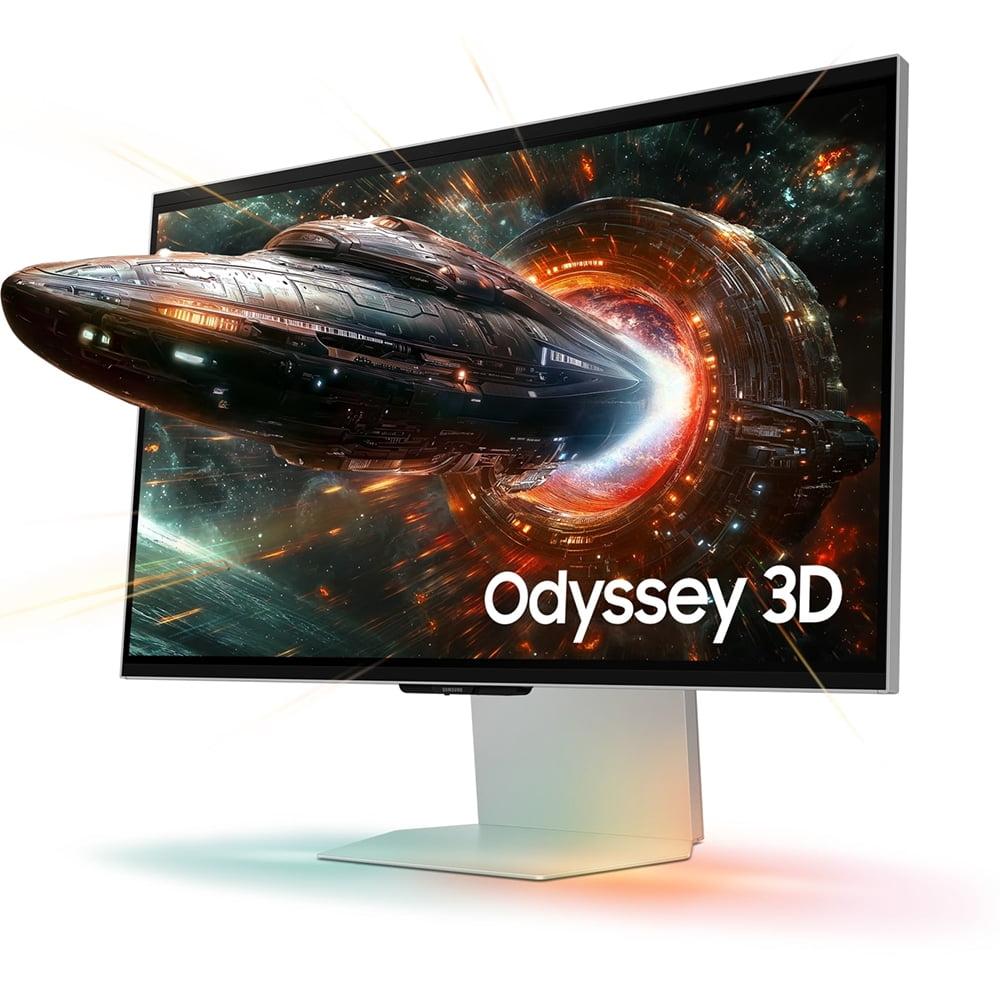
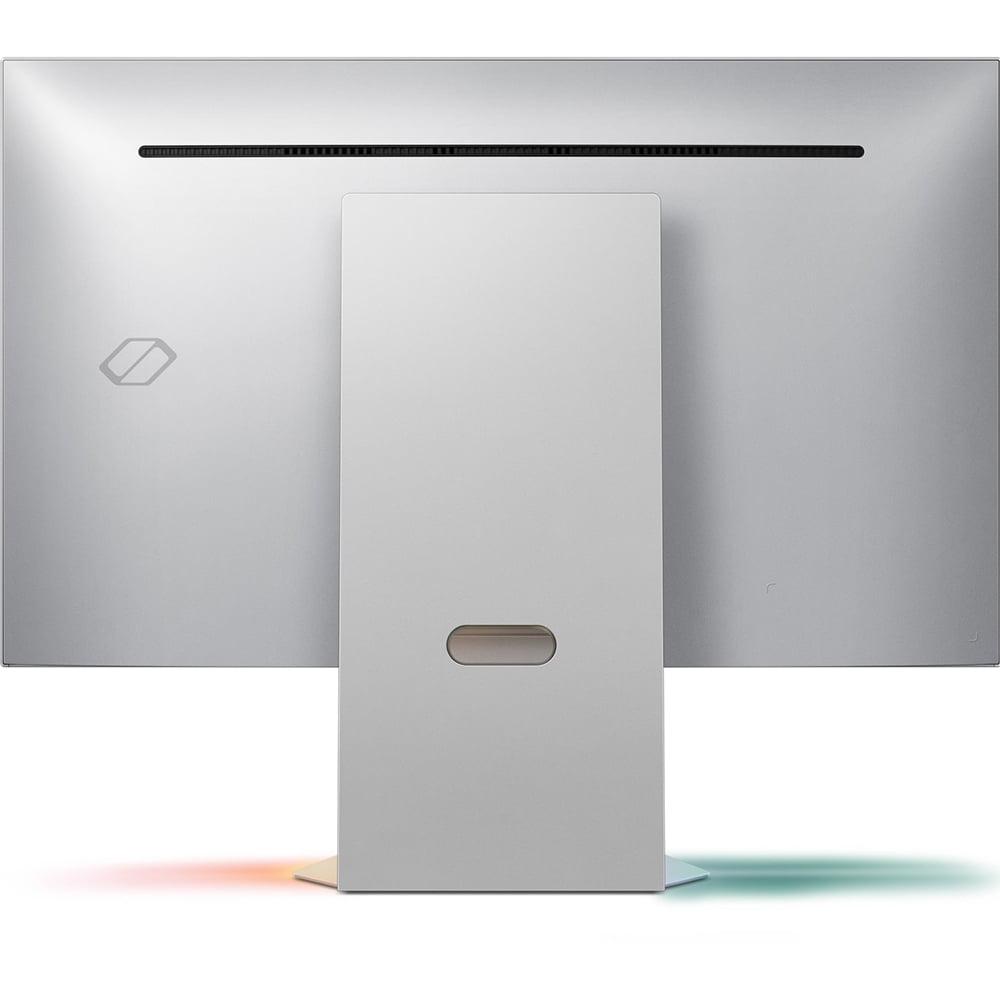
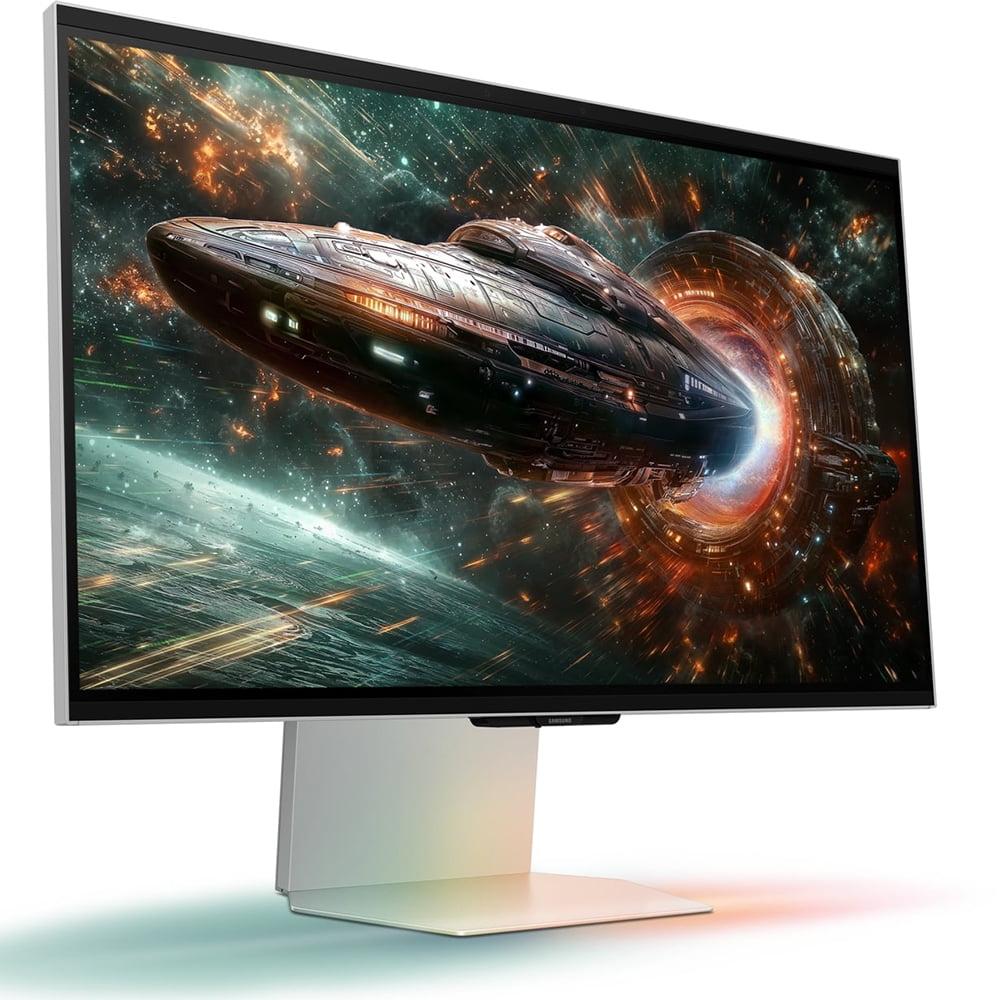
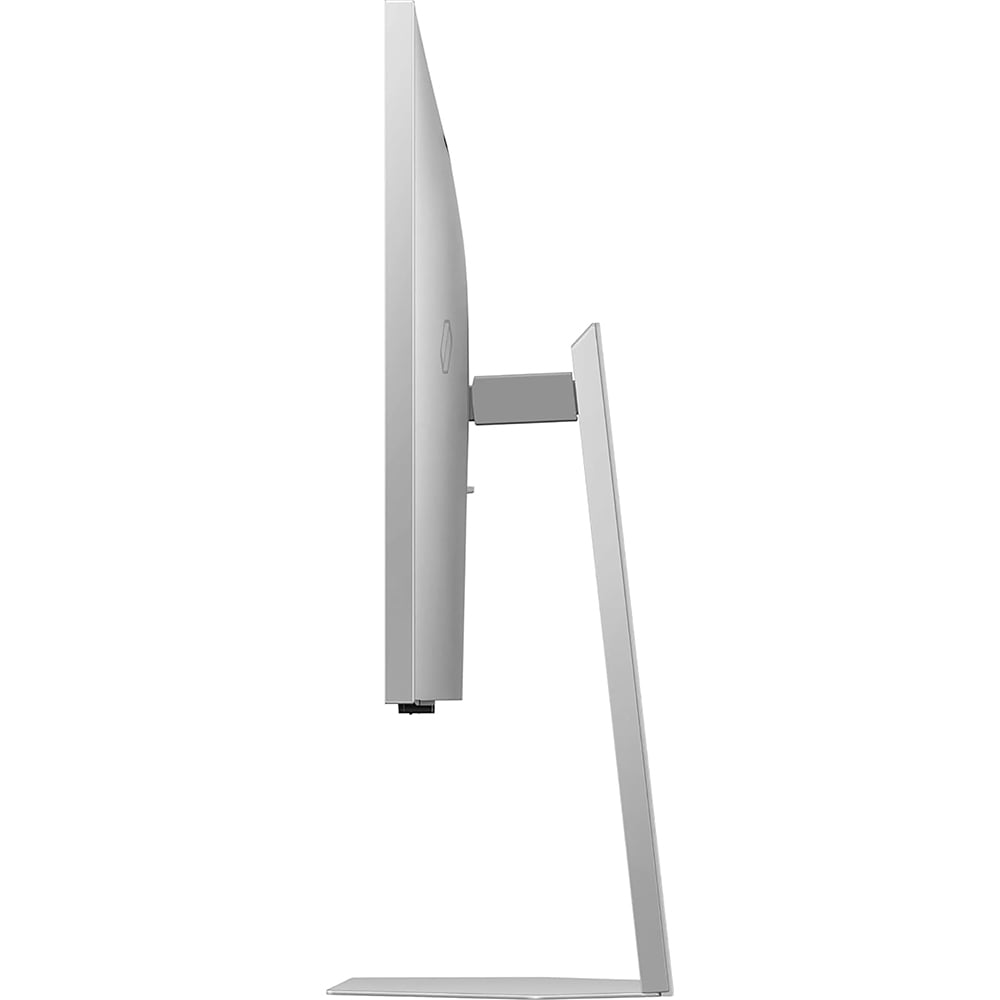
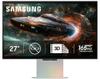
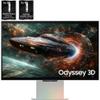
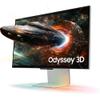
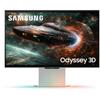
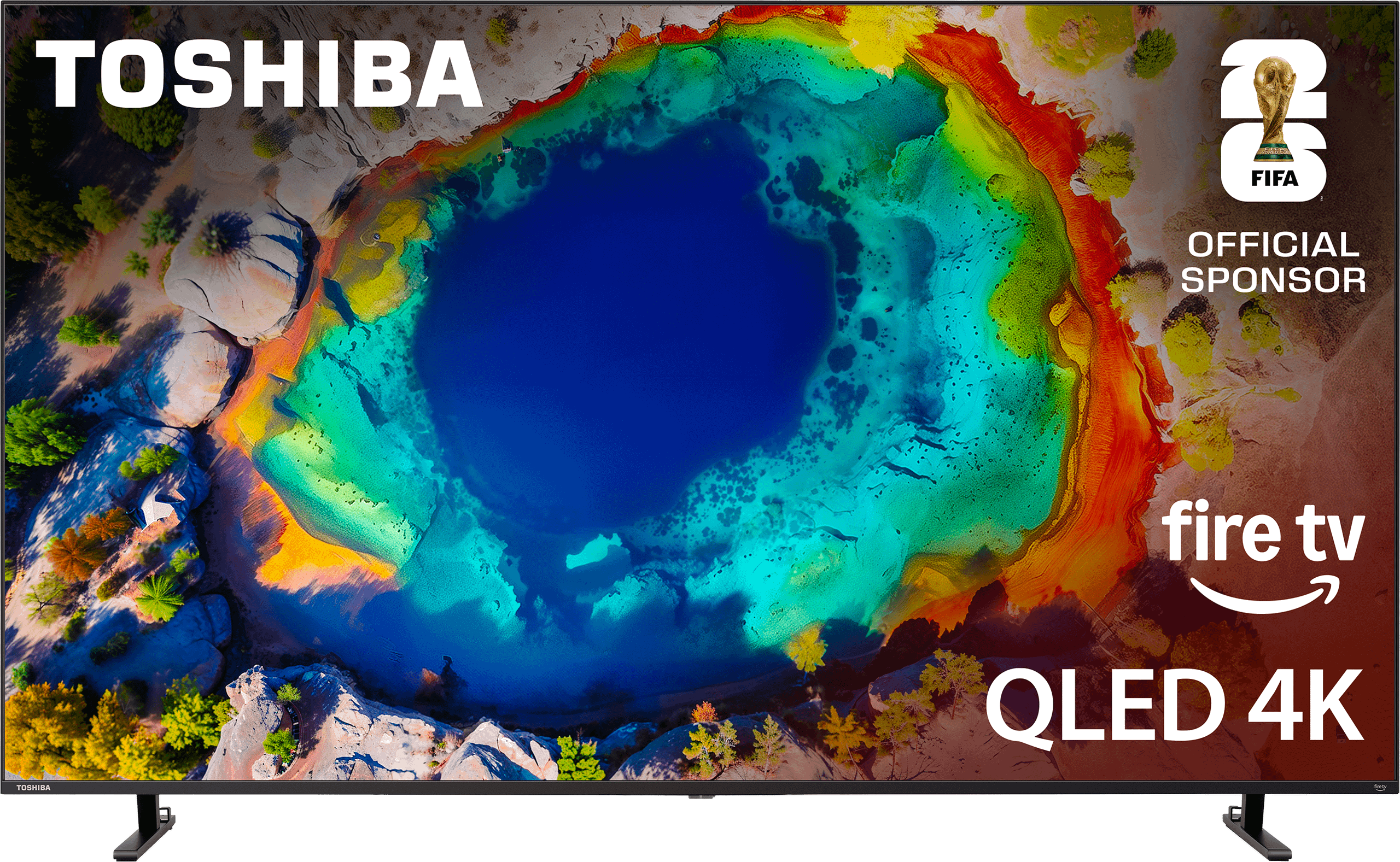
$999.99
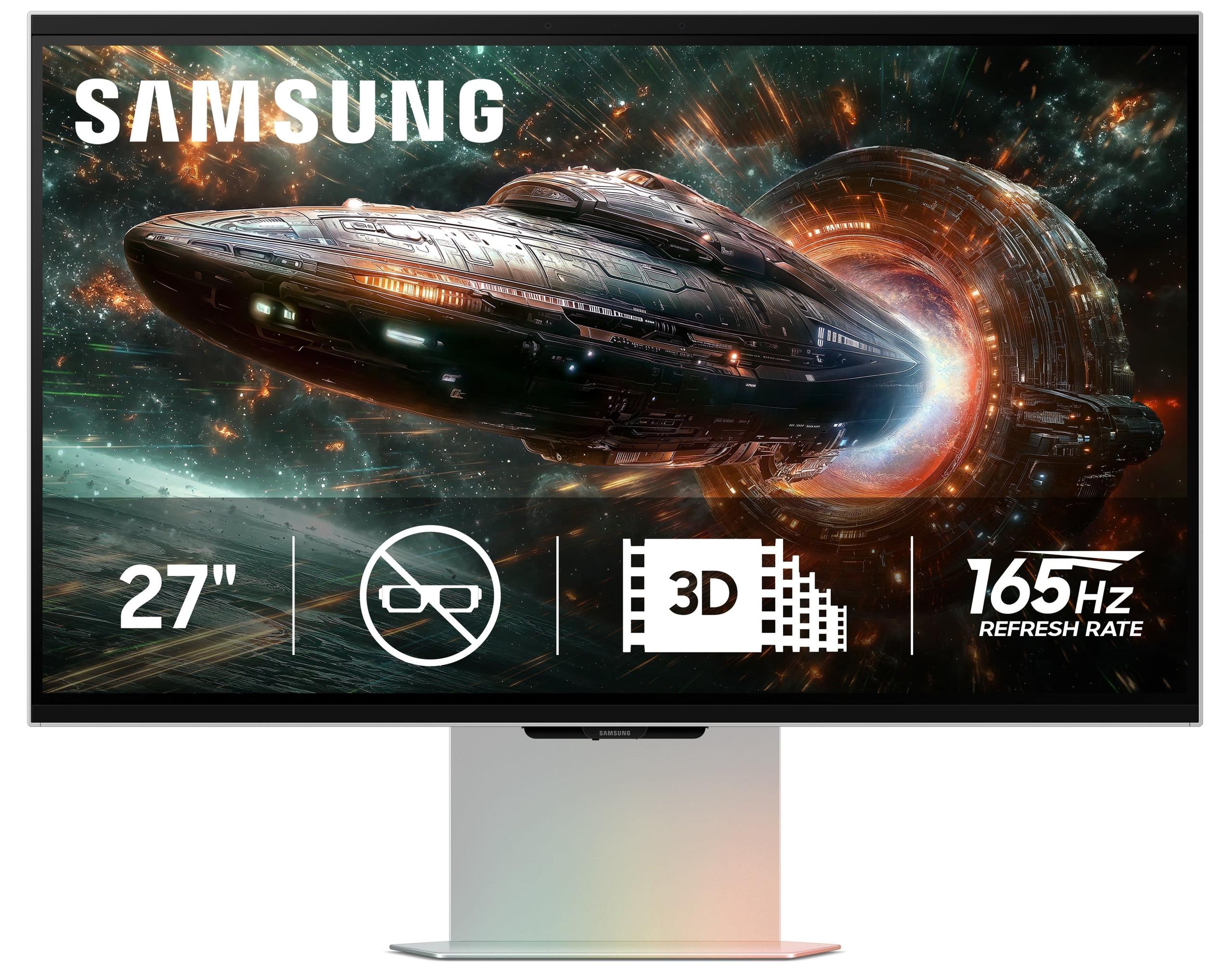
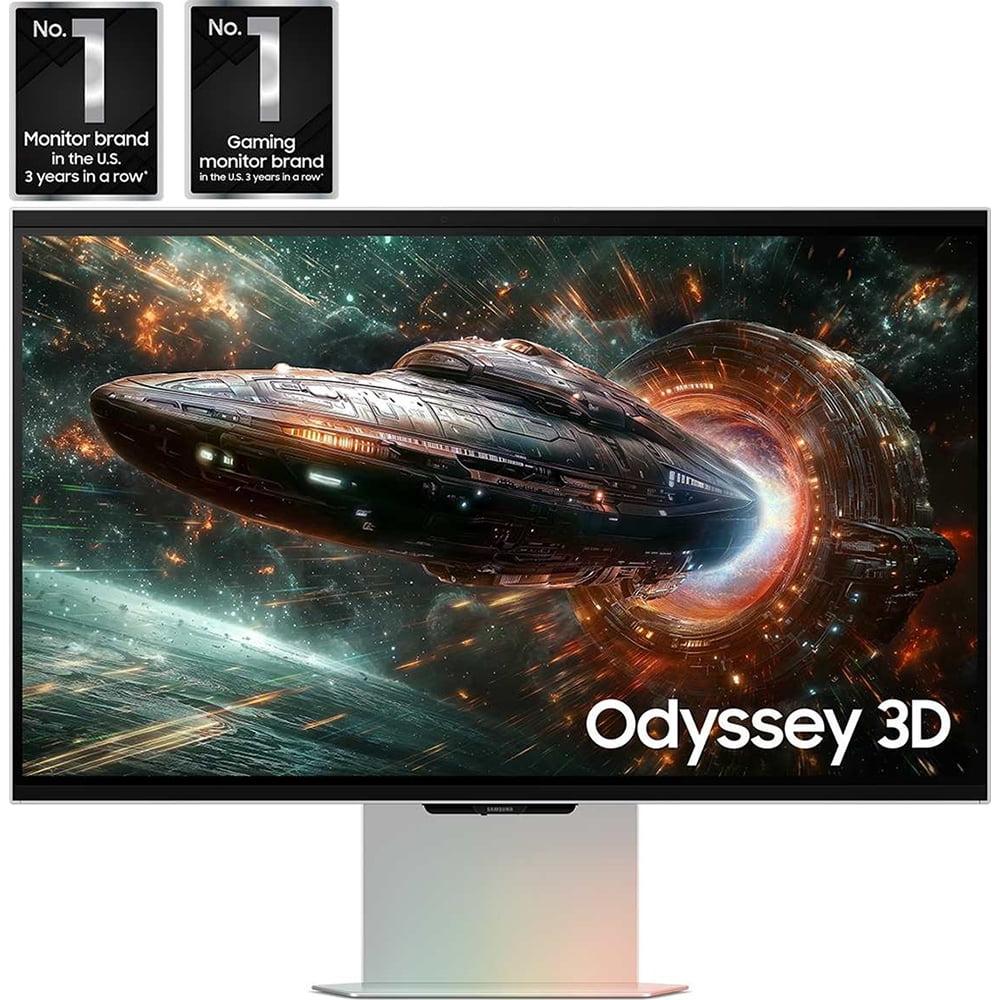
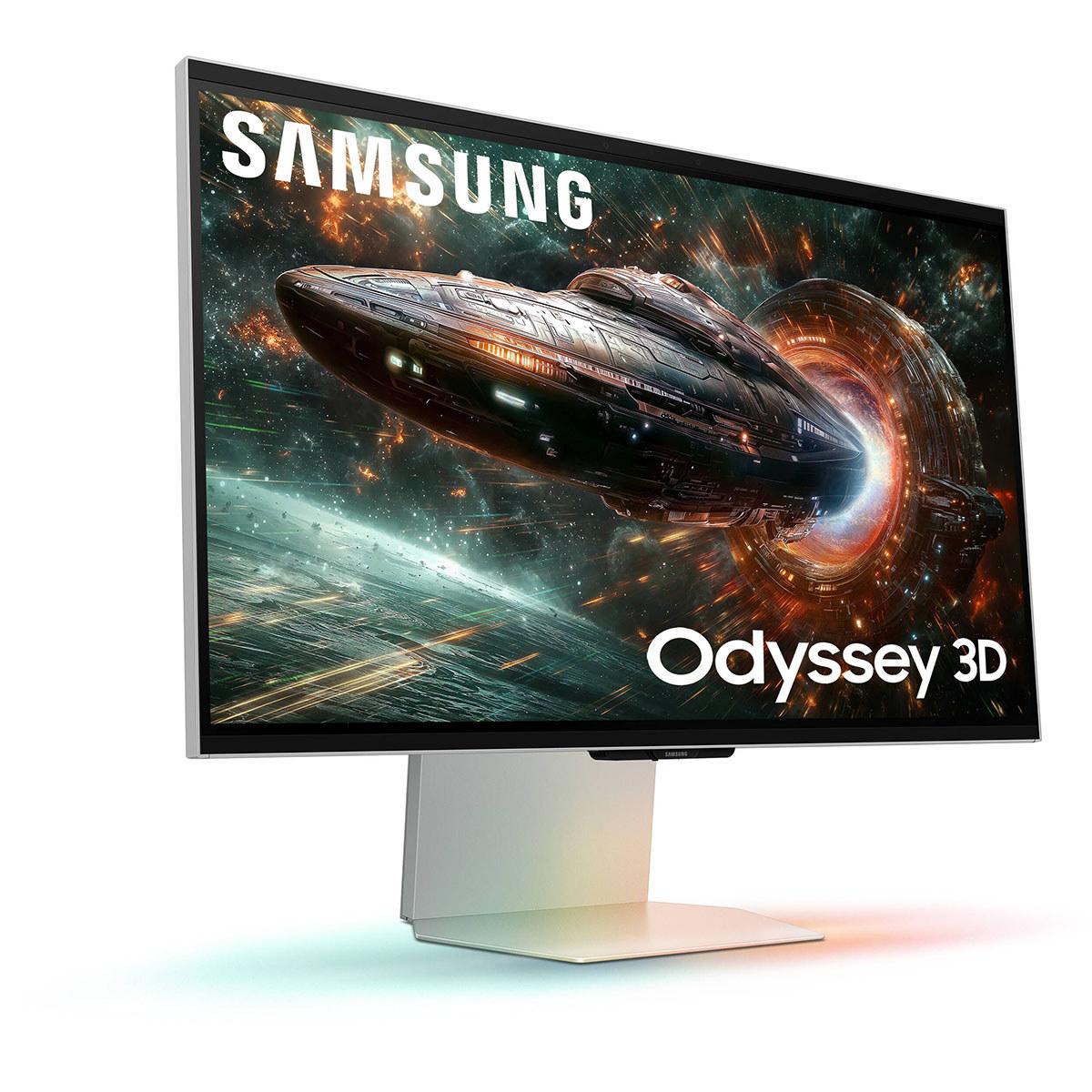
When Samsung launched the Odyssey 3D G90XF in late 2024, it marked a genuine breakthrough in display technology that most of us thought was still years away. This isn't just another gaming monitor with slightly better specs—it's the first consumer display to deliver convincing glasses-free 3D that actually works well for gaming.
After months of testing and user feedback since its release, we've learned a lot about what makes this monitor special and where it still needs work. Let's break down everything you need to know about this fascinating piece of technology.
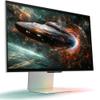
The heart of the Odyssey 3D G90XF lies in its sophisticated 3D system, which combines several technologies that were previously only found in research labs. The monitor uses what's called a lenticular lens array—essentially a sheet of tiny cylindrical lenses placed over the display that direct different images to each of your eyes. Think of those old holographic trading cards that change when you tilt them, but far more advanced.
What makes Samsung's approach special is the dual eye-tracking cameras mounted at the bottom of the monitor. These cameras constantly monitor where your eyes are positioned and adjust the 3D effect accordingly. This head tracking is crucial because it means the 3D effect doesn't break when you move your head slightly, unlike older attempts at glasses-free 3D that required you to sit perfectly still.
Our testers consistently reported that when the 3D effect works properly, it's genuinely impressive. Objects appear to float in front of the screen, and depth in games feels natural rather than gimmicky. One tester described playing a sword-fighting game where enemy attacks seemed to come directly at them, creating an immersion level that traditional monitors simply can't match.
The system works by splitting the 4K image into two separate 1920x2160 images—one for each eye. This is why you need a powerful graphics card (RTX 3080 or better) to maintain good performance in 3D mode, as your GPU is essentially rendering the game twice simultaneously.
Samsung includes their Reality Hub software, which serves as the central control system for all 3D features. The most interesting feature here is AI-powered 3D conversion, which attempts to add depth to regular 2D content in real-time. This artificial intelligence analyzes the image to identify objects, characters, and backgrounds, then creates depth layers automatically.
However, our testing revealed that this AI conversion works much better with some content than others. Games with clear foreground and background elements—like racing games or third-person adventures—convert reasonably well. But complex scenes with lots of overlapping elements often produce inconsistent results. The AI sometimes gets confused about what should be in front or behind, leading to visual artifacts that can be distracting.
Since launch, Samsung has released several software updates that have improved the AI conversion quality noticeably. Early users complained about frequent glitches and poor depth mapping, but recent updates have addressed many of these issues. The system now handles more game types effectively, though it's still not perfect.
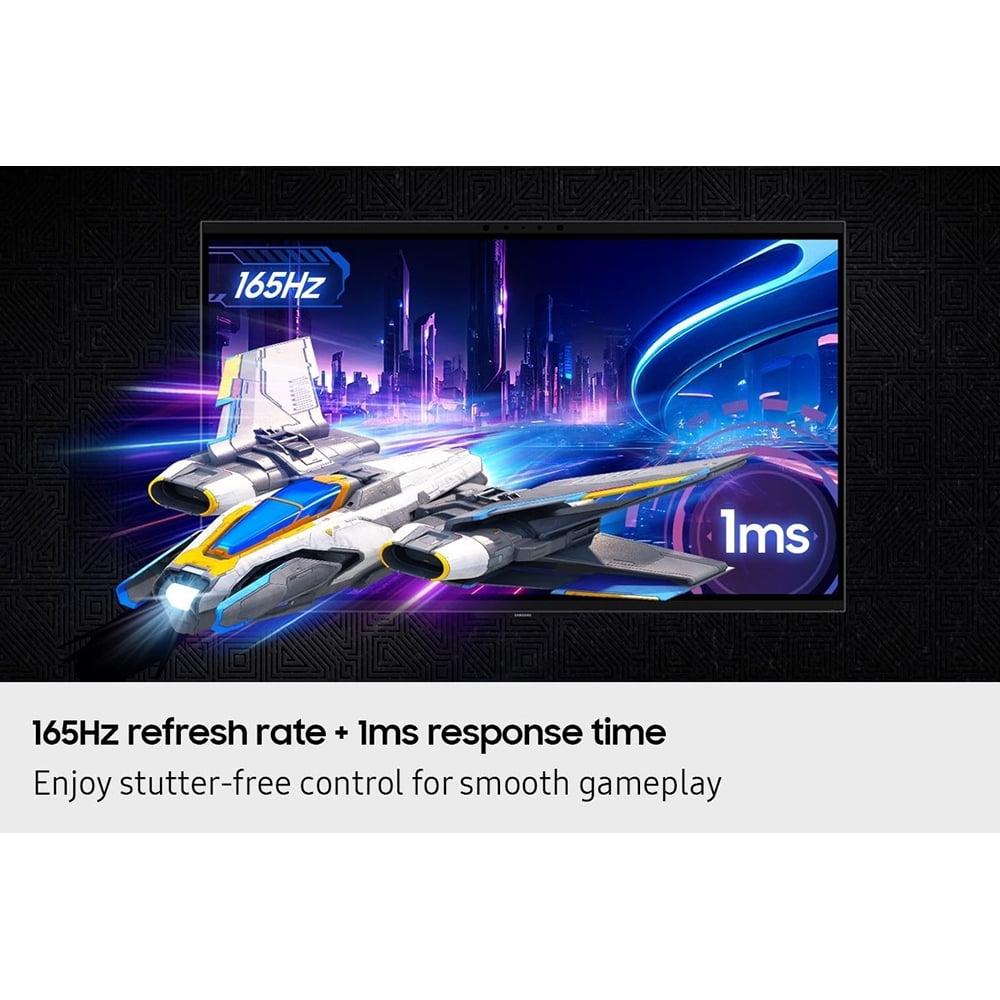
Underneath all the 3D technology, the G90XF is built around a solid 4K IPS panel that performs well for traditional gaming. The 165Hz refresh rate and 1ms response time put it in the same performance category as other premium gaming monitors. The IPS technology means you get consistent colors and viewing angles, which is particularly important for the 3D effect to work properly.
Color accuracy is genuinely impressive—Samsung factory calibrates each unit to cover 99% of the sRGB color space. This means colors look natural and accurate right out of the box, without needing professional calibration. Our testers found that both games and movies looked vibrant and well-balanced, even when not using the 3D features.
The monitor supports both NVIDIA G-SYNC Compatible and AMD FreeSync Premium, which are technologies that synchronize your graphics card's output with the monitor's refresh rate. This eliminates screen tearing (those horizontal lines that appear during fast motion) and reduces input lag, making games feel more responsive.
However, there are some trade-offs. The IPS panel means contrast isn't as deep as you'd get with an OLED or high-end VA panel—blacks look more like dark gray, especially in dim rooms. The HDR (High Dynamic Range) performance is also just okay rather than exceptional. More importantly, you can't use HDR and 3D simultaneously, so you have to choose between enhanced colors and the 3D effect.
The biggest limitation of the G90XF remains its content ecosystem. At launch, only a handful of games officially supported the 3D features, including "The First Berserker: Khazan" and "Lies of P: Overture." These games were specifically optimized for the monitor and showcase the 3D technology at its absolute best.
Since release, Samsung has been working with game developers to expand this library, and several major titles have received 3D support updates. However, the selection remains limited compared to the thousands of games available for traditional gaming.
The Reality Hub can convert many other games to 3D, but results vary dramatically. Our testers found that older games with simpler graphics often convert better than modern titles with complex lighting and effects. Strategy games and side-scrollers tend to work well, while first-person shooters and racing games can be hit-or-miss.
It's worth noting that the 3D features only work with PC gaming—if you're planning to connect a PlayStation 5, Xbox Series X, or Nintendo Switch, you'll get excellent traditional gaming performance but no 3D effects.
Samsung has crafted a premium-looking monitor with thoughtful design touches. The integrated speakers provide decent sound quality for a monitor, though dedicated speakers or headphones will always sound better. The edge lighting feature is particularly clever—LED lights around the bottom of the monitor detect on-screen colors and extend them into your peripheral vision, enhancing immersion during both 2D and 3D gaming.
One practical issue that several users have reported is the highly reflective screen coating. While this helps with the 3D effect, it can be problematic in bright rooms or near windows. The reflections can be distracting during regular use and may interfere with the eye-tracking system's accuracy.
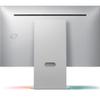
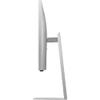
The stand provides good height and tilt adjustment but unfortunately doesn't swivel. For a monitor at this price point, that feels like an oversight. The overall build quality is solid, though some users have reported that the eye-tracking cameras can collect dust over time, which may affect 3D performance.
While primarily designed for gaming, the Odyssey 3D G90XF has found an interesting niche in home theater setups. The AI conversion works particularly well with certain types of movies and TV shows, especially animated content and films with clear depth layers.
Our testers experimented with various streaming content through the Reality Hub's YouTube integration. Nature documentaries and action movies with lots of outdoor scenes converted surprisingly well, while dialogue-heavy dramas showed minimal improvement. The spatial audio from the built-in speakers helps sell the 3D effect, though the monitor really shines when paired with a proper surround sound system.
For home theater use, the 4K resolution and good color accuracy make it competitive with dedicated TV displays in the 27-inch size range. However, the limited content ecosystem and need for PC connectivity make it less practical than a traditional smart TV for most living room setups.
Since its launch, Samsung has released regular firmware updates that have noticeably improved performance. Early adopters dealt with frequent crashes and inconsistent 3D effects, but recent updates have stabilized the system significantly. The eye-tracking accuracy has improved, and the AI conversion produces fewer artifacts than at launch.
Looking ahead, the success of the G90XF will largely depend on content adoption. Samsung is actively working with game developers and content creators to expand the 3D library. They've also hinted at future hardware revisions that could address some current limitations, particularly the HDR and 3D compatibility issue.
The Odyssey 3D G90XF appeals to a specific but growing audience. If you're fascinated by cutting-edge display technology and want to experience something genuinely different from traditional gaming, this monitor delivers experiences you simply can't get elsewhere. Early adopters who enjoyed the first consumer VR headsets will likely appreciate the novelty and potential of glasses-free 3D gaming.
However, if you're looking for the best traditional gaming monitor for your money, or if you primarily game on consoles, you'll find better value in conventional displays. The 3D technology is impressive when it works well, but it's not yet mature enough to recommend for mainstream users who just want reliable, high-quality gaming performance.
The G90XF represents an exciting glimpse into the future of gaming displays, wrapped in hardware that's available today. Whether that future arrives quickly enough to justify the investment depends largely on how patient you are with emerging technology and how much you value being among the first to experience the next evolution in gaming immersion.
The Samsung 27" Odyssey 3D G90XF is a revolutionary gaming monitor that delivers glasses-free 3D visuals using advanced eye-tracking technology and lenticular lens arrays. It combines 4K resolution, 165Hz refresh rate, and cutting-edge 3D capabilities to create immersive gaming experiences without requiring special glasses.
Yes, the Samsung 27" Odyssey 3D G90XF uses dual eye-tracking cameras and a lenticular lens system to create convincing 3D effects without glasses. The technology tracks your head position and adjusts the 3D image accordingly, allowing objects to appear to float in front of the screen with natural depth perception.
The monitor works well for home theater setups, especially with its AI 3D conversion feature that can transform regular movies and videos into 3D content. Animated films and nature documentaries convert particularly well, though the selection of native 3D content remains limited. The 4K resolution and good color accuracy make it suitable for media consumption beyond gaming.
Currently, a limited library of games officially supports the Samsung 27" Odyssey 3D G90XF's 3D features, including "The First Berserker: Khazan" and "Lies of P: Overture." Samsung's Reality Hub software can convert many other games to 3D using AI, though results vary depending on the game's visual complexity and design.
You need a powerful graphics card like an RTX 3080 or better to run 3D gaming effectively on the Samsung 27" Odyssey 3D G90XF. The 3D mode requires rendering two separate images simultaneously (one for each eye), which demands significant GPU processing power to maintain smooth performance at 4K resolution.
While the monitor works with gaming consoles like PlayStation 5 and Xbox Series X for traditional 2D gaming, the 3D features are only available when connected to a PC. Console gaming will provide excellent 4K 165Hz performance but without any 3D effects or AI conversion capabilities.
The Samsung 27" Odyssey 3D G90XF delivers excellent 2D display quality with its IPS panel, offering 99% sRGB color coverage, factory calibration, and 350 cd/m² brightness. However, like most IPS panels, it has moderate contrast ratios and doesn't match the deep blacks of OLED displays for dark room home theater viewing.
The monitor supports HDR10 and HDR10+ Gaming, but you cannot use HDR and 3D features simultaneously - you must choose one or the other. The HDR performance is decent but not exceptional compared to dedicated HDR displays, making it better suited for gaming than critical home theater HDR content.
The main limitations include a limited 3D content library, high hardware requirements for 3D gaming, inability to use HDR and 3D together, reflective screen coating that can be problematic in bright rooms, and the fact that 3D features only work with PC sources, not gaming consoles or streaming devices.
The Samsung 27" Odyssey 3D G90XF is worth it for early adopters and 3D enthusiasts who want cutting-edge display technology and are willing to accept current ecosystem limitations. For traditional gaming or home theater use, conventional monitors offer better value. However, if you're fascinated by glasses-free 3D technology and want experiences unavailable anywhere else, the Samsung 27" Odyssey 3D G90XF delivers genuinely impressive immersive gaming that represents the future of display technology.

We've done our best to create useful and informative comparisons to help you decide what product to buy. Our research has used advanced automated methods to create this comparison and perfection is not possible - please contact us for corrections or questions. These are the sites we've researched in the creation of this article: hometechnologyreview.com - substack.com - rtings.com - youtube.com - techaeris.com - versus.com - tomsguide.com - avsforum.com - youtube.com - versus.com - bestbuy.com - samsung.com - samsung.com - samsung.com - samsung.com - m.media-amazon.com
| Samsung 27" Odyssey 3D G90XF |
|---|
| Glasses-Free 3D Technology - The monitor's defining feature that creates depth without special eyewear: Eye-tracking with lenticular lens array |
| Resolution - Higher pixel density means sharper images and better detail: 4K UHD (3840 x 2160) |
| Refresh Rate - Higher rates provide smoother motion and reduced blur: 165Hz |
| Response Time - Lower is better for competitive gaming and fast action: 1ms (GtG) |
| Panel Type - IPS provides consistent colors and wide viewing angles: IPS |
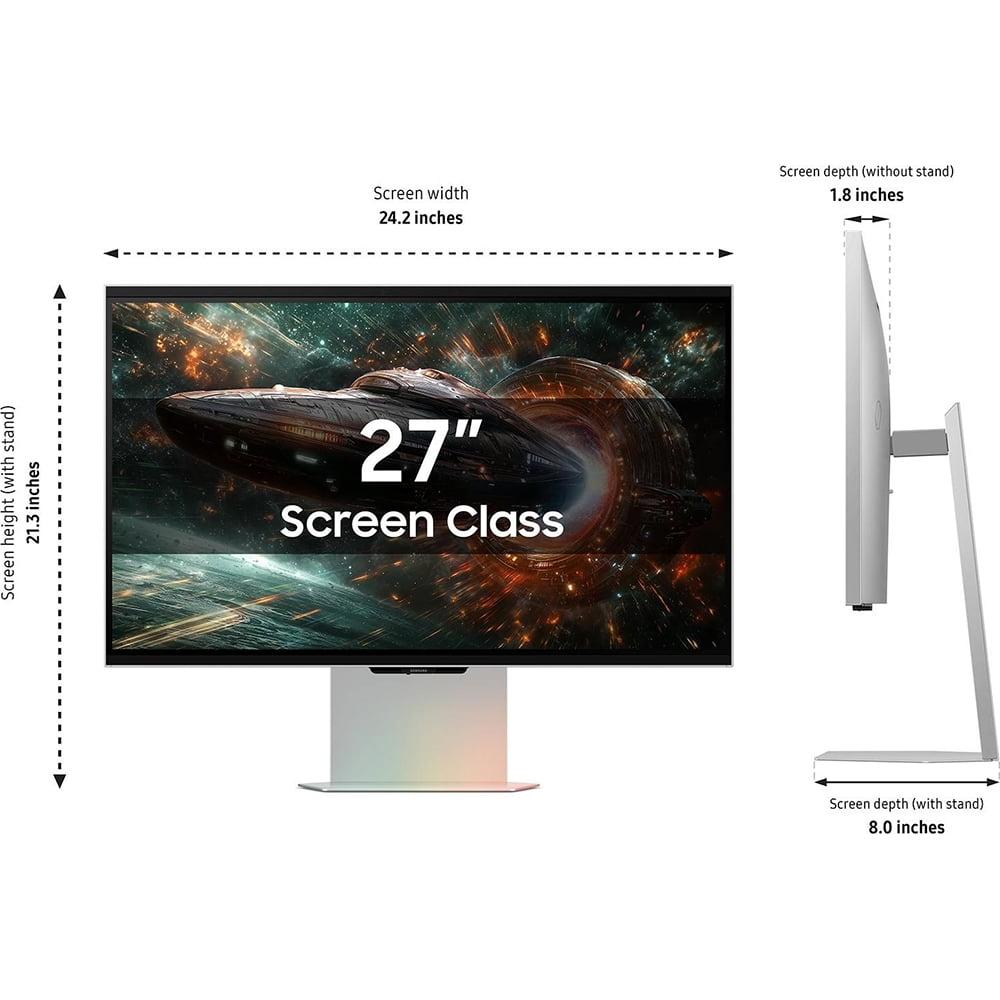
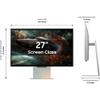
| Screen Size: 27 inches |
| Adaptive Sync - Eliminates screen tearing and stuttering: AMD FreeSync Premium + NVIDIA G-SYNC Compatible |
| Color Coverage - Higher percentages mean more accurate and vibrant colors: 99% sRGB |
| HDR Support - Enhanced contrast and color range for supported content: HDR10, HDR10+ Gaming |
| Eye Tracking - Enables the 3D effect to follow head movement: Dual cameras with head tracking |
| AI 3D Conversion - Converts regular 2D content to 3D using artificial intelligence: Reality Hub software |
| Brightness: 350 cd/m² (typical) |
| Contrast Ratio: 1000:1 (static) |
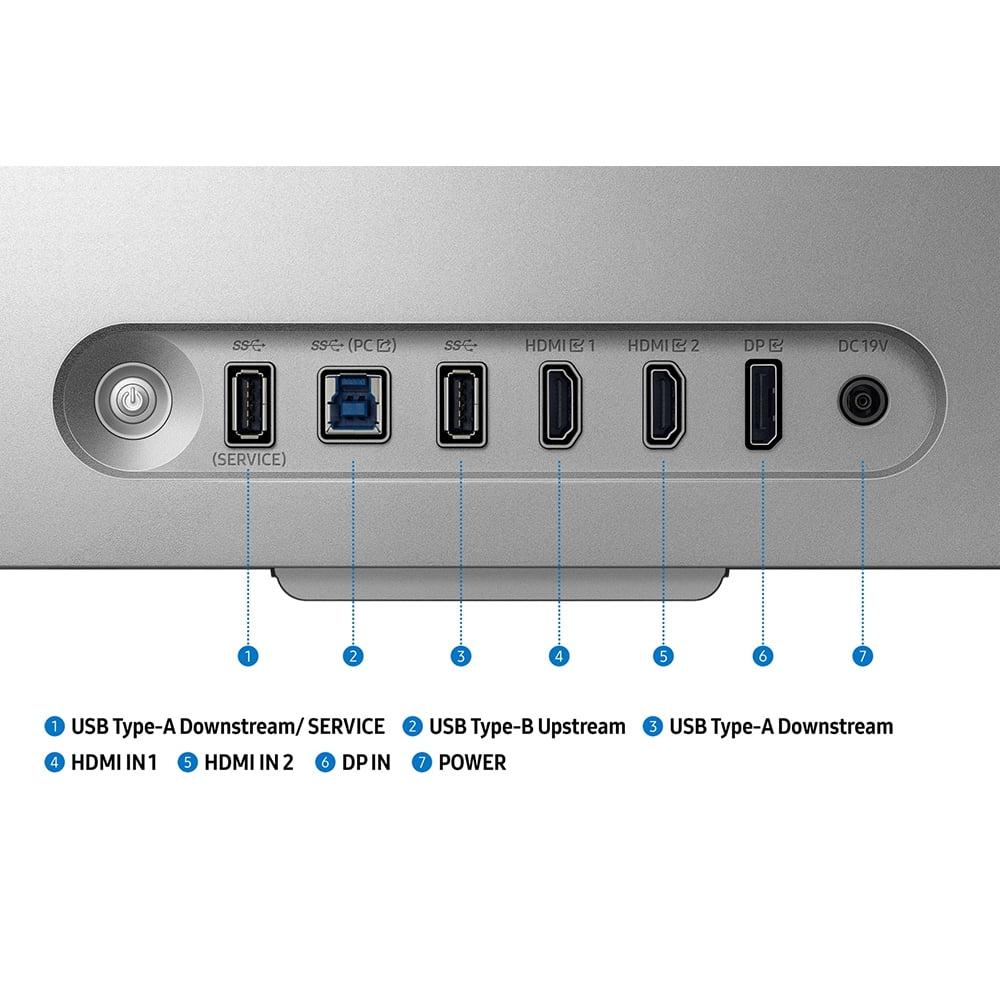
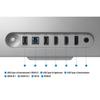
| Connectivity - HDMI 2.1 required for full 4K 165Hz over HDMI: 2x HDMI 2.1, 1x DisplayPort 1.4 |
| Audio - Built-in speakers eliminate need for separate audio setup: Integrated spatial audio speakers |
| Edge Lighting - LED ambient lighting extends colors beyond screen borders: Yes |
The Samsung G7 G70D takes a fundamentally different approach, prioritizing practical versatility over cutting-edge innovation. Its standout feature is the integrated smart TV functionality with Samsung's Tizen OS, transforming it into a complete entertainment hub with Netflix, Disney+, and other streaming apps accessible via included remote control. While it offers a slightly lower 144Hz refresh rate compared to the G90XF's 165Hz, this difference is negligible for most gaming scenarios, and the G70D compensates with superior ergonomics including full swivel, tilt, and portrait rotation capabilities. The monitor delivers the same excellent 4K IPS visual quality with 99% sRGB coverage and 1ms response time, but without the complexity of 3D processing that can occasionally impact the G90XF's reliability.
From a value perspective, the G7 G70D at $479.99 represents exceptional bang for your buck, costing less than a quarter of the G90XF's price while delivering 90% of the core gaming performance. For users building multi-purpose setups, it eliminates the need for separate streaming devices and offers Bluetooth connectivity for wireless audio – practical features that enhance daily usability far more than experimental 3D technology for most people. The G70D's factory calibration is also notably better out of the box, requiring less tweaking to achieve natural colors. While it lacks the "wow factor" of glasses-free 3D, it provides a more reliable, versatile, and cost-effective solution for gamers who want excellent 4K performance without paying premium prices for niche features they may rarely use.
🤖 Read Detailed Comparison
👌Samsung 27" Odyssey G7 G70D 4K UHD IPS Gaming Monitor Details
💵 See Samsung 27" Odyssey G7 G70D 4K UHD IPS Gaming Monitor Price
The HP Omen 27k takes a fundamentally different approach, prioritizing proven performance and practical features over cutting-edge innovation. At $509.99, it delivers nearly identical gaming performance with its 4K 144Hz IPS panel and 1ms response time, while actually surpassing the Odyssey 3D in several key areas. The HP's VESA DisplayHDR 400 certification with 8-zone backlighting produces superior contrast ratios exceeding 7,300:1, making HDR content significantly more impactful than the Samsung's basic HDR implementation. More importantly for daily use, the HP includes a built-in KVM switch that lets you seamlessly control multiple devices with one keyboard and mouse – a genuinely useful feature for anyone juggling gaming and work setups. The comprehensive connectivity, including USB-C with DisplayPort Alt Mode and a USB hub, makes it far more versatile for modern workflows.
From a value perspective, the HP Omen 27k represents everything the Odyssey 3D isn't: immediately practical, universally compatible, and reasonably priced. While you lose the groundbreaking 3D capability and 21Hz of refresh rate, you gain superior HDR performance, better color accuracy with 95% DCI-P3 coverage, and features that enhance your experience every single day rather than occasionally when 3D content is available. The $1,490 price difference could fund a significant GPU upgrade that would have a much more dramatic impact on your gaming experience than the Samsung's specialized features. For the vast majority of users who want excellent 4K gaming without experimental technology, the HP delivers better real-world performance per dollar while avoiding the content ecosystem limitations that currently constrain the Samsung's 3D capabilities.
🤖 Read Detailed Comparison
👌HP Omen 27k 4K UHD 144Hz Gaming Monitor Details
💵 See HP Omen 27k 4K UHD 144Hz Gaming Monitor Price
The ASUS ROG Strix OLED XG27UCDMG at $979.99 takes a fundamentally different approach, prioritizing proven display technology over experimental features. Its 4th-generation QD-OLED panel delivers infinite contrast with true blacks, 99% DCI-P3 color coverage, and 1000 nits peak HDR brightness—creating visually stunning gaming experiences that surpass what any LCD panel can achieve. The 240Hz refresh rate and 0.03ms response time provide measurably superior performance for competitive gaming, while advanced features like OLED Care Pro with proximity sensing and Anti-Flicker 2.0 address traditional OLED concerns. The comprehensive connectivity includes 90W USB-C Power Delivery and Auto KVM functionality for seamless device switching.
From a value perspective, the ASUS represents exceptional bang for your buck at less than half the Samsung's price. While you lose the unique 3D capability, you gain superior HDR performance, faster gaming response, and the visual impact of OLED's perfect blacks and vibrant colors—improvements you'll notice in every game and movie, not just specific 3D content. The ASUS monitor essentially offers flagship OLED performance at mainstream pricing, making it the clear choice for gamers prioritizing proven display quality and competitive gaming performance over experimental 3D technology. For most users, the ASUS delivers more meaningful daily improvements to the gaming and viewing experience.
🤖 Read Detailed Comparison
👌ASUS ROG Strix OLED XG27UCDMG 27" 4K 240Hz Gaming Monitor Details
💵 See ASUS ROG Strix OLED XG27UCDMG 27" 4K 240Hz Gaming Monitor Price
The Dough Spectrum One 27-Inch 4K 144Hz Gaming Monitor Gorilla Glass at $899.99 takes a fundamentally different approach, prioritizing refined traditional display technology over experimental features. Its standout advantages include factory calibration to Delta E ≤0.6 for professional-grade color accuracy, VESA DisplayHDR 600 certification with 750 nits peak brightness and 16-zone local dimming, and edge-to-edge Corning Gorilla Glass construction for superior durability. The USB-C port with 100W power delivery enables single-cable laptop connectivity, transforming it into a proper docking station for hybrid work-gaming setups. While it lacks the Samsung's 3D novelty, it delivers consistently superior HDR performance, making games like Cyberpunk 2077 and console titles look noticeably more vibrant with better contrast and highlight detail.
At half the price of the Samsung, the Dough Spectrum One offers significantly better value for most users. Its 144Hz refresh rate provides virtually identical gaming performance to the Samsung's 165Hz – a difference you'd struggle to notice outside competitive esports scenarios. More importantly, it excels in areas where the Samsung falls short: color accuracy suitable for content creation, meaningful HDR that actually improves visual quality, and build materials that feel genuinely premium. For users who aren't specifically excited about glasses-free 3D gaming, the Dough delivers better real-world performance in gaming, productivity, and media consumption while saving over $1,000. The main trade-offs are the lack of revolutionary 3D technology and a glossy surface that can reflect light in bright rooms, but these are minor compared to the substantial advantages in display quality and value proposition.
🤖 Read Detailed Comparison
👌Dough Spectrum One 27-Inch 4K 144Hz Gaming Monitor Gorilla Glass Details
💵 See Dough Spectrum One 27-Inch 4K 144Hz Gaming Monitor Gorilla Glass Price
The LG UltraGear 27" OLED QHD 240Hz Gaming Monitor ($699) takes a fundamentally different approach, prioritizing proven gaming performance over experimental technology. Its OLED panel delivers perfect blacks and a 1,500,000:1 contrast ratio that makes the Samsung's IPS display look washed out in comparison, especially in dark gaming scenes. The 240Hz refresh rate combined with a lightning-fast 0.03ms response time provides superior motion clarity that competitive gamers will immediately notice. Where the Samsung requires you to sit in a specific position for the 3D effect to work properly, the LG's anti-glare OLED panel looks stunning from any viewing angle and eliminates the reflection issues that plague many OLED displays. The color accuracy is exceptional out of the box, covering 98.5% of the DCI-P3 color space without any calibration needed.
From a value perspective, the LG UltraGear OLED delivers dramatically more gaming performance per dollar spent. At $699 versus the Samsung's $1,999 price tag, you're getting a monitor that excels at what most people actually do – play regular games, watch movies, and enjoy content that doesn't require special 3D support. The lower 1440p resolution is actually beneficial for gaming performance, allowing mid-range graphics cards to hit that 240Hz refresh rate in competitive titles where it matters most. While you lose the Samsung's unique 3D capabilities and 4K resolution, you gain a display technology that makes every game look more vibrant and cinematic. The OLED's superior HDR implementation and infinite contrast create a more immersive experience in regular gaming than the Samsung's 3D effect provides in its limited library of supported titles.
🤖 Read Detailed Comparison
👌LG UltraGear 27" OLED QHD 240Hz Gaming Monitor Details
💵 See LG UltraGear 27" OLED QHD 240Hz Gaming Monitor Price
The AOC Agon Pro 27" QD-OLED 240Hz Gaming Monitor represents a fundamentally different philosophy, prioritizing competitive gaming performance and proven OLED technology at an accessible price point. Its standout 240Hz refresh rate and lightning-fast 0.03ms response time deliver unmatched motion clarity and responsiveness that competitive gamers will immediately notice, making fast-paced shooters and esports titles feel incredibly smooth and precise. More impressively, the QD-OLED panel produces perfect blacks, infinite contrast, and dramatically more vibrant colors than traditional displays, creating a cinematic quality that makes games pop with intensity. At $484.99, it brings premium OLED technology that was previously exclusive to much more expensive monitors into mainstream reach.
Where the Samsung excels in innovation and resolution, the AOC dominates in fundamental gaming performance and image quality. While you lose the unique 3D experience and 4K sharpness, you gain significantly faster response times that matter in competitive scenarios, plus the visual impact of true blacks and superior contrast that enhances every game regardless of genre. The AOC is also much easier to drive with mid-range graphics cards due to its 1440p resolution, making it accessible to more gamers without requiring top-tier hardware. For users who prioritize proven gaming performance, exceptional image quality, and outstanding value over experimental features, the AOC delivers a more complete package that excels at what most gamers actually need from a premium monitor.
🤖 Read Detailed Comparison
👌AOC Agon Pro 27" QD-OLED 240Hz Gaming Monitor Details
💵 See AOC Agon Pro 27" QD-OLED 240Hz Gaming Monitor Price
The BenQ MOBIUZ EX270QM ($399.99) takes a fundamentally different approach, prioritizing proven speed and exceptional value over experimental technology. Its standout feature is the blazing-fast 240Hz refresh rate that provides tangible competitive advantages in esports and fast-paced gaming, delivering noticeably smoother motion tracking and reduced input lag compared to 165Hz displays. The QHD resolution strikes an optimal balance – sharp enough for immersive gaming while remaining achievable with mid-range graphics cards like the RTX 4060, making high frame rate gaming accessible without requiring premium hardware investments. The monitor's HDRi technology with ambient light sensing and surprisingly capable 2.1 channel audio system with dedicated subwoofer add practical value that enhances daily use.
From a value perspective, the BenQ EX270QM delivers exceptional bang for your buck at under $400, costing roughly one-fourth the price of the Samsung while providing immediate, measurable performance benefits for all types of gaming. The 75Hz advantage in refresh rate translates to real competitive edges in reaction-based games, and the lower resolution ensures consistent high frame rates that actually utilize that speed. While it lacks the Samsung's revolutionary 3D capabilities and 4K sharpness, the BenQ offers proven technology that works with every game in your library and doesn't require bleeding-edge hardware to shine. For gamers seeking maximum performance per dollar and immediate gaming improvements, the BenQ represents the practical choice that delivers premium features at mainstream pricing.
🤖 Read Detailed Comparison
👌BenQ MOBIUZ EX270QM 27" QHD 240Hz IPS Gaming Monitor Details
💵 See BenQ MOBIUZ EX270QM 27" QHD 240Hz IPS Gaming Monitor Price
The Samsung 27" Odyssey OLED G8 4K UHD 240Hz Gaming Monitor represents the pinnacle of traditional gaming display technology with its QD-OLED panel delivering infinite contrast, perfect blacks, and exceptional color accuracy covering 99% of the DCI-P3 color space. Its 240Hz refresh rate paired with an extraordinary 0.03ms response time creates virtually blur-free motion that provides a genuine competitive advantage in fast-paced games like Counter-Strike and Apex Legends. The OLED technology excels in HDR content with VESA DisplayHDR True Black 400 certification, making dark game scenes dramatically more immersive when shadows contain actual detail rather than appearing as gray blocks. Universal compatibility means it works seamlessly with PC, PlayStation 5, and Xbox Series X, utilizing each platform's full capabilities without restrictions.
At $1,299.99, the G8 offers significantly better value proposition with proven technology that delivers exceptional results across all gaming scenarios and content types. While it lacks the experimental 3D features of the G90XF, it provides superior visual quality in traditional gaming with better contrast, more accurate colors, and faster response times that benefit every game you play. The three-year warranty including burn-in protection demonstrates Samsung's confidence in the technology's reliability, while the mature OLED ecosystem ensures broad software support and future compatibility. For users prioritizing overall gaming performance, visual excellence, and platform flexibility, the G8 delivers more practical benefits at a lower price point, making the premium paid for 3D technology difficult to justify unless you're specifically committed to pioneering glasses-free 3D gaming experiences.
🤖 Read Detailed Comparison
👌Samsung 27" Odyssey OLED G8 4K UHD 240Hz Gaming Monitor Details
💵 See Samsung 27" Odyssey OLED G8 4K UHD 240Hz Gaming Monitor Price
The MSI MAG 271QP QD-OLED X24 represents the pinnacle of traditional gaming monitor performance, prioritizing proven technologies that deliver universal benefits. Its QD-OLED panel technology creates perfect blacks and infinite contrast that the Samsung's IPS display simply cannot match, resulting in dramatically superior image quality for all content. The standout performance metrics include a blazing-fast 240Hz refresh rate and industry-leading 0.03ms response time – specifications that provide tangible advantages in competitive gaming scenarios where split-second reactions matter. MSI's OLED Care 2.0 suite addresses burn-in concerns with advanced protection features and backs the technology with an unprecedented 3-year warranty covering OLED burn-in, demonstrating confidence in the panel's longevity.
In practical terms, the MSI MAG 271QP QD-OLED X24 delivers immediate benefits that enhance every gaming session, regardless of genre or platform compatibility. While the Samsung requires high-end graphics cards to drive its 4K resolution effectively, the MSI's QHD resolution allows mid-range GPUs to actually achieve that 240Hz refresh rate, making the performance accessible to more users. The color accuracy covering 138% sRGB and 99% DCI-P3 creates more vibrant, lifelike visuals than traditional panels, and the true HDR capability with perfect blacks makes both games and movies appear as developers and filmmakers intended. From a value perspective, the MSI typically costs significantly less while providing premium display technology that improves all content, whereas the Samsung commands a hefty premium for 3D features that work with only a limited selection of games. For most users seeking the best overall gaming experience, the MSI offers superior performance, image quality, and value without the content limitations that constrain the Samsung's innovative but niche 3D technology.
🤖 Read Detailed Comparison
👌MSI MAG 271QP QD-OLED X24 27" QHD 240Hz Gaming Monitor Details
💵 See MSI MAG 271QP QD-OLED X24 27" QHD 240Hz Gaming Monitor Price
The LG UltraGear 27" 4K 240Hz Dual Mode Gaming Monitor represents the pinnacle of traditional gaming monitor performance, being the world's first 27-inch display to achieve 4K resolution at 240Hz refresh rates. Its standout Dual Mode feature allows switching between 4K at 240Hz for maximum detail or 1080p at an extreme 480Hz for competitive gaming scenarios where speed trumps resolution. The monitor also excels in color accuracy with its Nano IPS Black panel delivering 2000:1 contrast ratio, 99% DCI-P3 coverage, and unique hardware calibration support that bridges gaming and professional content creation. However, real-world testing reveals that its actual response time performance doesn't quite match the 1ms specifications, with measured times closer to 4.6 milliseconds that can result in more motion blur than expected from such a premium display.
From a performance and value standpoint, the LG monitor offers proven benefits for competitive gamers and content creators who can fully utilize its extreme refresh rates and professional-grade color features. Its DisplayPort 2.1 connectivity provides better future-proofing, while the superior HDR implementation with DisplayHDR 600 certification delivers more impactful visual enhancements compared to the Samsung's HDR limitations. The LG's approach prioritizes measurable performance metrics and broad compatibility across all gaming platforms, making it the safer choice for users who want maximum frame rates and professional features over experimental technology. While it commands a premium for these cutting-edge specifications, the monitor delivers tangible benefits that directly translate to smoother gameplay and more accurate color reproduction, whereas the Samsung asks users to invest in innovative but still-developing 3D technology with a limited content ecosystem.
🤖 Read Detailed Comparison
👌LG UltraGear 27" 4K 240Hz Dual Mode Gaming Monitor Details
💵 See LG UltraGear 27" 4K 240Hz Dual Mode Gaming Monitor Price
The Acer Nitro XV275K P3 delivers exceptional display performance through its advanced mini LED backlighting system with 576 local dimming zones, achieving a remarkable 1,000 nits peak brightness that makes HDR content truly impactful. This translates to dramatically brighter highlights, deeper contrast, and more immersive gaming visuals that work consistently across all content. The monitor also excels in color reproduction with 99% Adobe RGB and 98% DCI-P3 coverage, making it suitable for both professional color work and vibrant gaming. Its comprehensive connectivity includes USB-C with 90W power delivery, allowing laptop users to charge and display through a single cable, while superior ergonomics with full swivel, tilt, and pivot adjustments provide excellent desk flexibility.
While the Acer XV275K P3 lacks the innovative 3D gaming capabilities of the Odyssey 3D, it offers significantly better value and more reliable performance for traditional gaming. The mini LED technology provides tangible benefits in every gaming session and movie viewing experience, unlike experimental 3D features that work with limited content. At roughly half the price, the Acer delivers professional-grade display quality that enhances all visual content rather than requiring specific 3D-compatible games. For most gamers seeking the best overall visual experience, color accuracy, and HDR performance, the Acer XV275K P3 represents a more practical investment that delivers consistent improvements across all use cases rather than novel features with significant limitations.
🤖 Read Detailed Comparison
👌Acer Nitro XV275K P3 27" Mini LED 4K UHD Gaming Monitor Details
💵 See Acer Nitro XV275K P3 27" Mini LED 4K UHD Gaming Monitor Price
The BenQ Zowie XL2746K represents the pinnacle of competitive gaming optimization, delivering features specifically engineered for esports performance that the G90XF simply cannot match. Its 240Hz refresh rate provides 75 additional frames per second compared to the Samsung, creating noticeably smoother motion that gives competitive players a genuine advantage in fast-paced shooters. The DyAc⁺™ motion blur reduction technology is particularly impressive, using sophisticated backlight strobing to make moving targets appear significantly clearer during rapid gameplay – a feature that's invaluable for tracking enemies in games like Valorant or Counter-Strike. Tournament-focused features like the S Switch hardware controller, detachable shielding hood, and Black eQualizer for enhanced dark scene visibility demonstrate BenQ's deep understanding of professional gaming needs. The TN panel's ultra-fast response times and minimal input lag create an immediacy that serious competitive players can genuinely feel.
From a value standpoint, the BenQ XL2746K costs roughly $1,200 less than the G90XF while delivering superior performance for its intended purpose. Every feature serves competitive gaming with no wasted investment in non-essential elements, making it exceptional value for esports players. The 1080p resolution, while lower than 4K, actually provides practical benefits: it requires less GPU power (meaning higher frame rates with mid-range hardware), reduces system strain, and maintains the fast pixel response that competitive gaming demands. While the XL2746K lacks the G90XF's visual innovations, color accuracy, and multimedia versatility, it excels in the metrics that matter most for competitive play – speed, clarity, and responsiveness. For players who prioritize winning over visual spectacle, the BenQ delivers proven performance at a fraction of the cost.
🤖 Read Detailed Comparison
👌BenQ Zowie XL2746K 27" 240Hz Esports Gaming Monitor Details
💵 See BenQ Zowie XL2746K 27" 240Hz Esports Gaming Monitor Price
The Samsung 27" Odyssey OLED G6 represents the pinnacle of traditional gaming monitor performance, delivering specs that competitive gamers dream about. Its 360Hz refresh rate and unprecedented 0.03ms response time create an almost lag-free gaming experience that's immediately noticeable in fast-paced titles like Counter-Strike or Valorant. The OLED technology provides perfect blacks and infinite contrast ratios that make HDR content truly spectacular, while the OLED Glare Free coating minimizes reflections without sacrificing the panel's stunning visual quality. Unlike the 3D G90XF's experimental features, every specification of the OLED G6 translates into real-world gaming advantages that work with every single game in your library, from the latest AAA releases to classic esports titles.
From a value and practicality standpoint, the OLED G6 offers immediate benefits that justify its investment. While it sacrifices the 4K resolution for QHD, this trade-off enables the ultra-high refresh rates that serious gamers prioritize, and the lower pixel count means you don't need as powerful a graphics card to achieve maximum performance. The monitor's universal compatibility means you're not waiting for developer support or dealing with inconsistent results – it simply makes everything look and feel better from day one. Where the 3D G90XF requires you to bet on experimental technology with limited software support, the OLED G6 delivers proven, mature technology that represents the current gold standard for gaming monitors. For most users, this reliable excellence across all content types provides better long-term value than paying a premium for 3D features that work with only a handful of games.

🤖 Read Detailed Comparison
👌Samsung 27" Odyssey OLED G6 QHD 360Hz Gaming Monitor Details
💵 See Samsung 27" Odyssey OLED G6 QHD 360Hz Gaming Monitor Price
The Sony INZONE M9 II takes a more traditional but refined approach, focusing on delivering exceptional image quality through Full Array Local Dimming with 96 zones and significantly higher peak brightness at 750 nits compared to this monitor's 350 nits. This translates to genuinely impactful HDR performance with bright highlights that make games and movies pop, rather than the underwhelming HDR experience you get when brightness is limited. The Sony also includes purpose-built PlayStation 5 optimizations like Auto HDR Tone Mapping and automatic picture mode switching, features that eliminate the guesswork of console gaming setup and provide a seamless experience that this monitor simply can't match for console users.
From a value standpoint, the Sony INZONE M9 II offers superior traditional gaming performance at roughly half the price, making it a compelling choice for users who prioritize proven technology and excellent image quality over experimental features. While you lose the unique 3D gaming experience, you gain better contrast, superior HDR performance, comprehensive console support, and the reliability of mature display technology. The Sony represents the safer choice that delivers excellent results across all gaming scenarios without requiring high-end PC hardware or accepting the limitations of early-adopter technology. For most buyers, especially those gaming on consoles or seeking the best traditional gaming monitor performance per dollar, the Sony provides significantly better value despite lacking the novelty of glasses-free 3D.
🤖 Read Detailed Comparison
👌Sony INZONE M9 II 27" 4K 160Hz Gaming Monitor Details
💵 See Sony INZONE M9 II 27" 4K 160Hz Gaming Monitor Price
The ViewSonic XG275D-4K represents a fundamentally different philosophy, prioritizing raw gaming performance over innovative display technology. Its standout feature is the dual-mode refresh rate system that lets users instantly switch between 320Hz at 1080p for ultra-competitive gaming and 160Hz at 4K for immersive visuals – essentially delivering two specialized monitors in one package. With an exceptional 0.5ms MPRT response time, it offers some of the fastest pixel response available in any gaming monitor, making it ideal for competitive esports where every millisecond of input lag matters. The monitor also excels in practical connectivity with USB-C power delivery that can charge laptops while providing video and data transfer through a single cable, plus comprehensive adaptive sync support for both AMD and NVIDIA graphics cards.
From a value perspective, the ViewSonic XG275D-4K delivers flagship-level gaming performance at a fraction of the Samsung's cost – roughly 25-30% of the price while actually exceeding it in key performance metrics that matter most to serious gamers. Where the Samsung's 3D technology creates a unique but niche experience with limited content support, the ViewSonic addresses real-world gaming needs that affect daily use. The ability to maximize competitive performance in esports titles while maintaining excellent 4K visuals for single-player games makes it incredibly versatile for mixed gaming scenarios. For users who prioritize proven technology, maximum performance, and exceptional value over experimental features, the ViewSonic represents a more practical investment that delivers immediate benefits across all types of gaming without requiring compromises or waiting for content ecosystems to mature.
🤖 Read Detailed Comparison
👌ViewSonic XG275D-4K 27" 4K UHD 320Hz Gaming Monitor Details
💵 See ViewSonic XG275D-4K 27" 4K UHD 320Hz Gaming Monitor Price
The ViewSonic XG272-2K-OLED represents a more traditional but highly refined approach to premium gaming monitors, built around proven OLED technology that delivers perfect blacks and exceptional contrast ratios. Its standout feature is the blazing-fast 240Hz refresh rate paired with an extraordinary 0.02ms response time, making it one of the most responsive gaming displays available. The OLED panel provides superior color accuracy with 97% DCI-P3 coverage and creates more impactful HDR experiences thanks to its infinite contrast ratio, even at moderate brightness levels. Unlike experimental technologies, the ViewSonic's OLED implementation includes mature burn-in prevention features and works seamlessly with all games and content without compatibility concerns or special system requirements.
From a performance and gaming perspective, the ViewSonic monitor excels where it matters most for competitive and fast-paced gaming. The 240Hz refresh rate provides 45% higher refresh capability than the Samsung's 165Hz, while the near-instantaneous response time virtually eliminates motion blur and ghosting that can affect gameplay precision. The QHD resolution strikes an optimal balance, providing sharp visuals while allowing high-end graphics cards to actually achieve the monitor's full refresh rate potential in demanding games. At roughly half the price of cutting-edge experimental monitors, the ViewSonic delivers exceptional value by focusing resources on proven technologies that enhance every gaming session. For users prioritizing reliable, high-performance gaming over experimental features, the ViewSonic offers superior frame rates, response times, and image quality through established OLED technology, making it the more practical choice for serious gamers who want premium performance without paying early-adopter premiums.
🤖 Read Detailed Comparison
👌ViewSonic XG272-2K-OLED 27" QHD 240Hz OLED Gaming Monitor Details
💵 See ViewSonic XG272-2K-OLED 27" QHD 240Hz OLED Gaming Monitor Price
The MSI MAG 274URFW delivers exceptional traditional gaming performance with its ultra-fast 0.5ms response time that outpaces most IPS panels and provides remarkably clean motion in competitive gaming scenarios. This monitor excels in color accuracy with professional-grade coverage spanning 98% DCI-P3 and 133% sRGB, making it equally capable for content creation and gaming, while its 400 nits peak brightness surpasses many competitors for better HDR performance and daytime visibility. The comprehensive connectivity includes USB-C with power delivery for laptops, dual HDMI 2.1 ports for consoles, and superior ergonomics with full adjustment including portrait pivot – features that make it highly versatile for mixed-use setups.
From a value standpoint, the MSI MAG 274URFW represents what most would consider exceptional performance per dollar, delivering premium gaming specifications at roughly one-fifth the cost of the Samsung while actually exceeding it in several key areas like response time, color coverage, and brightness output. The 160Hz vs 165Hz difference is negligible in real-world gaming, but the MSI's faster pixel response creates cleaner motion that competitive players will notice. While it lacks the Samsung's revolutionary 3D capabilities and integrated speakers, the MSI monitor provides proven, reliable technology with broad game compatibility and no learning curve. For gamers prioritizing traditional performance metrics, color accuracy, and budget efficiency, the MSI delivers significantly more practical gaming value, though it obviously can't match the unique immersive experience that the Samsung's 3D technology provides.
🤖 Read Detailed Comparison
👌MSI MAG 274URFW 27" 4K 160Hz Gaming Monitor Details
💵 See MSI MAG 274URFW 27" 4K 160Hz Gaming Monitor Price
The Mobile Pixels 27" WQHD Mini-LED Gaming Monitor takes a fundamentally different approach, prioritizing proven display technology and exceptional performance over experimental features. Its standout Mini-LED backlighting system delivers dramatically superior image quality with 1000 nits peak brightness, HDR1000 certification, and a dynamic contrast ratio of 1,000,000:1—creating deep blacks and brilliant highlights that make every game and movie look more vivid and realistic. The monitor also pushes gaming performance further with a 180Hz refresh rate compared to the Samsung's 165Hz, while covering an impressive 94% DCI-P3 and 99% sRGB color gamut for accurate, vibrant colors. Additional features like automatic ambient light adjustment and comprehensive color space coverage make it suitable for both gaming and professional creative work.
Where the Mobile Pixels monitor truly excels is in delivering consistent, universal benefits that enhance every piece of content you view, rather than being limited to specific applications or supported games. The Mini-LED technology works seamlessly with all gaming platforms including PlayStation 5 and Xbox Series X, while the superior HDR performance makes movies and shows dramatically more engaging than what the Samsung's standard IPS panel can achieve. At a significantly lower price point, it offers better real-world value by providing premium display technology that benefits all users immediately, rather than betting on experimental 3D features with limited compatibility. The trade-offs are minimal—you lose 4K resolution and built-in speakers, but gain substantially better image quality, broader compatibility, and proven technology that will remain relevant as content and gaming continue evolving.
🤖 Read Detailed Comparison
👌Mobile Pixels 27" WQHD Mini-LED Gaming Monitor Details
💵 See Mobile Pixels 27" WQHD Mini-LED Gaming Monitor Price
The Gigabyte AORUS FO27Q2 takes a fundamentally different approach, prioritizing proven gaming performance over experimental features. Its QD-OLED panel technology delivers infinite contrast ratio and perfect blacks that make the G90XF's IPS display look washed out by comparison, particularly in dark gaming environments like horror titles or atmospheric RPGs. The monitor's standout performance metrics include a blistering 240Hz refresh rate paired with an industry-leading 0.03ms response time, resulting in motion clarity and input responsiveness that's measurably superior for competitive gaming. Factory color calibration with 99% DCI-P3 coverage and an included calibration report make it equally suitable for content creation work, while practical features like the KVM switch, USB-C connectivity, and Tactical Switch for instant resolution changes demonstrate a focus on real-world usability rather than novelty.
Where the FO27Q2 truly shines is in its exceptional value proposition and reliability. At the time of writing, it costs roughly $1,100 less than the G90XF while delivering superior gaming performance in every measurable metric that matters for competitive play. The 3-year warranty including burn-in coverage provides significantly better protection than Samsung's 1-year standard warranty, while the mature QD-OLED technology represents a proven investment rather than an experimental gamble. For users who prioritize actual gaming performance over innovative features, the FO27Q2's combination of OLED visual quality, lightning-fast response times, and comprehensive gaming features delivers more practical benefits per dollar spent. While it lacks the G90XF's 4K resolution and experimental 3D capabilities, it excels at what most gamers actually need: fast, accurate, and beautiful gaming visuals with technology that's been proven reliable in real-world use.
🤖 Read Detailed Comparison
👌Gigabyte AORUS FO27Q2 27" QD-OLED Gaming Monitor Details
💵 See Gigabyte AORUS FO27Q2 27" QD-OLED Gaming Monitor Price
The HP OMEN 27s FHD 240Hz Gaming Monitor prioritizes raw competitive gaming performance with its exceptional 240Hz refresh rate that significantly outpaces this Samsung's 165Hz capability. This higher refresh rate creates measurably smoother motion tracking in fast-paced shooters like Counter-Strike 2 and Valorant, providing genuine competitive advantages that professional esports players consistently prefer over higher resolutions. The FHD resolution, while lower in pixel count, ensures you can actually achieve the high frame rates needed to utilize that 240Hz capability with mid-range graphics cards like an RTX 3060. The monitor also excels in practical features with its integrated USB hub, multiple connectivity options, and custom crosshair overlays that enhance daily gaming use across all titles without compatibility concerns.
From a value and accessibility standpoint, the HP OMEN 27s offers exceptional performance-per-dollar with proven technology that delivers immediate benefits. While it lacks the cutting-edge 3D innovation and 4K sharpness of the Samsung, it works brilliantly with more affordable hardware – a GTX 1660 can achieve 240Hz in esports titles, versus needing an RTX 3080+ for optimal performance with the Samsung. The OMEN 27s provides universal compatibility with all gaming content and established adaptive sync technologies that eliminate screen tearing across any game you throw at it. For most gamers, especially those focused on competitive multiplayer titles or working with budget constraints, the HP delivers superior practical value with technology that enhances every gaming session rather than revolutionary features limited to a handful of supported titles.
🤖 Read Detailed Comparison
👌HP OMEN 27s FHD 240Hz Gaming Monitor Details
💵 See HP OMEN 27s FHD 240Hz Gaming Monitor Price
The Sceptre 27-inch Gaming Monitor E275W-FW100T takes a fundamentally different approach, prioritizing exceptional value and practical gaming performance over cutting-edge innovation. Its standout feature is delivering a genuine 100Hz gaming experience at a fraction of the cost, making smooth motion accessible to budget-conscious users who would otherwise be stuck with basic 60Hz displays. The VA panel technology provides a impressive 3000:1 contrast ratio that creates deep, inky blacks superior to the Samsung's IPS panel, making it particularly compelling for dark room gaming and movie watching where atmospheric titles like horror games or space simulators truly shine. With 100% sRGB coverage and decent color accuracy, it handles both gaming and basic productivity tasks competently, while the slim bezels make it ideal for multi-monitor setups where the cost savings really add up.
Where the Sceptre monitor truly excels is in real-world practicality and accessibility. At roughly 1/18th the price of the Samsung, it democratizes higher refresh rate gaming for students, casual gamers, and anyone building their first proper gaming setup. The 100Hz refresh rate provides a genuinely noticeable improvement over standard displays that most users will appreciate more than the difference between 165Hz and 100Hz. While it can't match the Samsung's 4K clarity or 1ms response time—showing some ghosting in competitive shooters—it delivers functional gaming performance that satisfies the vast majority of users who aren't professional esports players. The trade-offs in resolution and response time become acceptable when you consider that many users are upgrading from basic office monitors, making the Sceptre's performance feel like a significant leap forward rather than a compromise.
🤖 Read Detailed Comparison
👌Sceptre 27-inch Gaming Monitor E275W-FW100T Display Details
💵 See Sceptre 27-inch Gaming Monitor E275W-FW100T Display Price
The Alienware 27 QHD 180Hz Gaming Monitor represents the opposite philosophy with its focus on proven, high-performance gaming technology at an exceptional value point. Its standout feature is the combination of 180Hz refresh rate with QHD resolution that allows mid-range graphics cards like RTX 3060 or RTX 4060 to achieve consistently high frame rates across all games. The Fast IPS panel delivers excellent color accuracy and multiple response time modes (1ms, 2ms, 4ms) that let you balance speed versus image quality depending on your gaming needs. Universal compatibility means every game in your library works flawlessly without worrying about 3D support or specialized features, and the comprehensive adaptive sync support (G-SYNC Compatible, FreeSync Premium Pro) ensures tear-free gaming across different GPU brands.
From a practical value perspective, the Alienware monitor costs roughly one-tenth the price while delivering superior competitive gaming performance in most scenarios. The 180Hz refresh rate provides a tangible advantage over the Samsung's 165Hz for esports titles, and the lower QHD resolution actually becomes a benefit by allowing higher frame rates that fully utilize the fast refresh rate. While you sacrifice the cutting-edge 3D technology and 4K sharpness, you gain universal game compatibility, lower system requirements, and proven reliability without experimental features that may not gain widespread adoption. The Alienware excels at what most gamers actually do—playing existing games smoothly and responsively—making it the more practical choice for users who prioritize performance, compatibility, and value over pioneering display technology.
🤖 Read Detailed Comparison
👌Alienware 27 QHD 180Hz Gaming Monitor Details
💵 See Alienware 27 QHD 180Hz Gaming Monitor Price
The Acer Nitro XV1 27" WQHD 180Hz IPS Gaming Monitor takes a fundamentally different approach, prioritizing pure competitive gaming performance and exceptional value over cutting-edge display technology. Its standout feature is the higher 180Hz refresh rate that provides smoother motion tracking and more responsive controls than the Samsung's 165Hz, delivering a genuine competitive advantage in fast-paced esports titles. The 1440p resolution strikes an optimal balance between visual sharpness and performance accessibility, allowing mid-range graphics cards like the RTX 3060 or 4060 to consistently achieve those high frame rates that make the increased refresh rate meaningful. The Acer also excels in ergonomics with full adjustment capabilities including height, tilt, swivel, and pivot functions, compared to the Samsung's limited adjustment options.
From a value perspective, the Acer Nitro XV1 represents everything the Samsung isn't—proven, accessible gaming performance at a fraction of the cost. While it lacks the Samsung's 4K resolution and revolutionary 3D technology, it delivers superior competitive gaming capabilities that matter most for the majority of gamers. The Acer covers 95% of the DCI-P3 color space and includes practical features like customizable gaming overlays and comprehensive OSD controls, making it versatile enough for both competitive gaming and basic content creation. At roughly one-ninth the price of the Samsung at the time of writing, the Acer allows gamers to invest their budget in more impactful upgrades like a better graphics card or additional system memory, making it the clear choice for performance-focused users who want maximum gaming capability per dollar spent.
🤖 Read Detailed Comparison
👌Acer Nitro XV1 27" WQHD 180Hz IPS Gaming Monitor Details
💵 See Acer Nitro XV1 27" WQHD 180Hz IPS Gaming Monitor Price


Privacy Policy
Terms and Conditions - Affiliate Policy
Home Security
© Copyright 2008-2026.
11816 Inwood Rd #1211, Dallas, TX 75244