$949.99
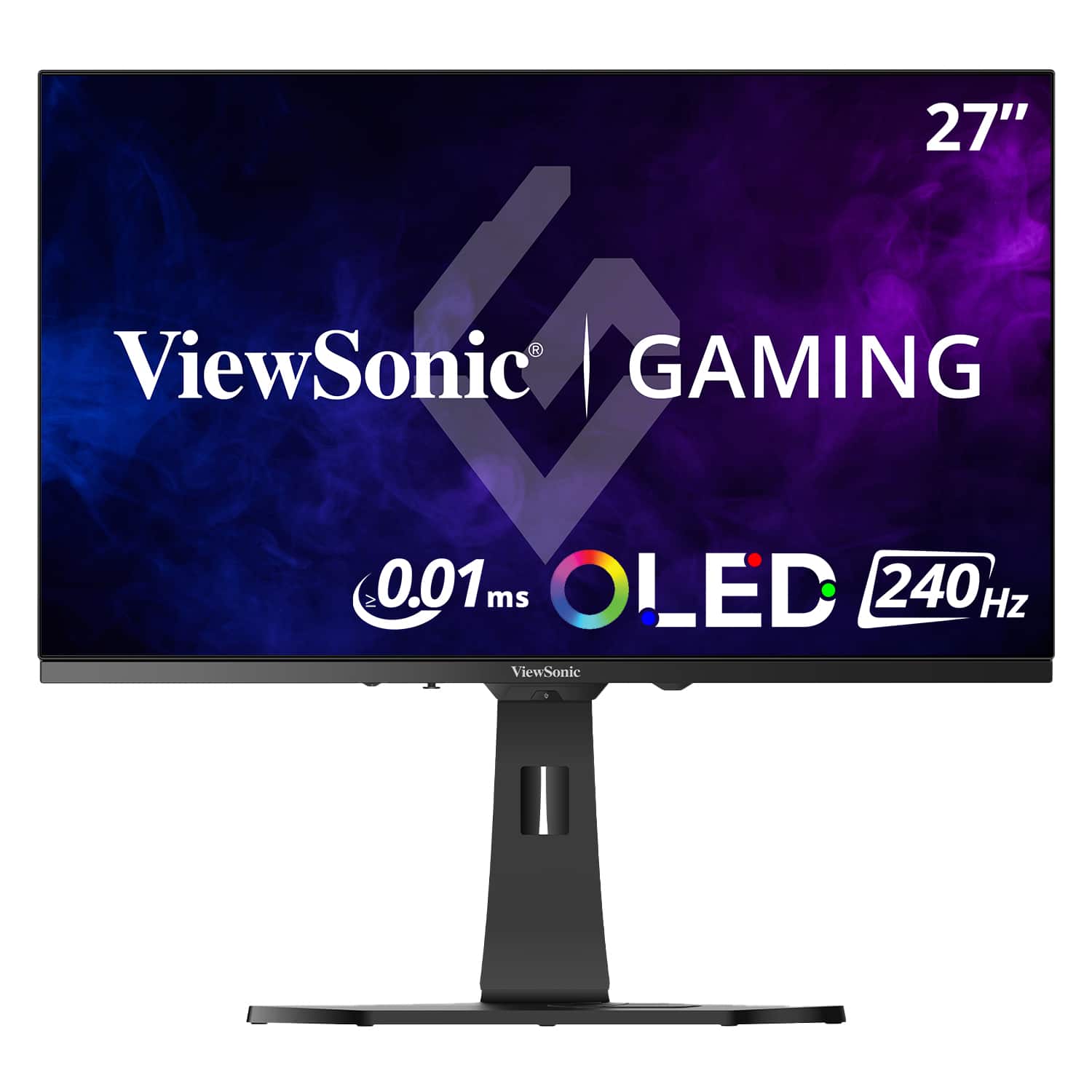
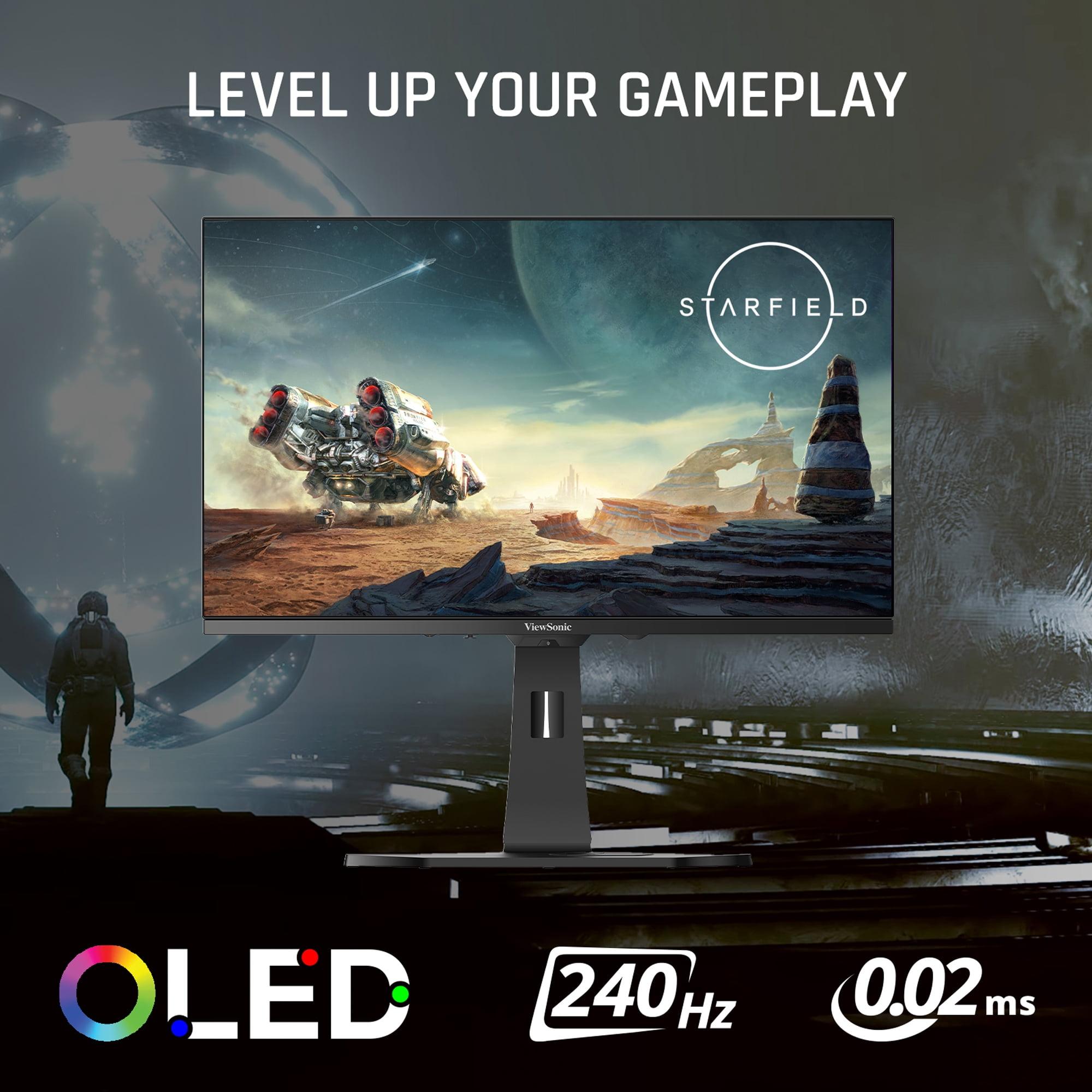
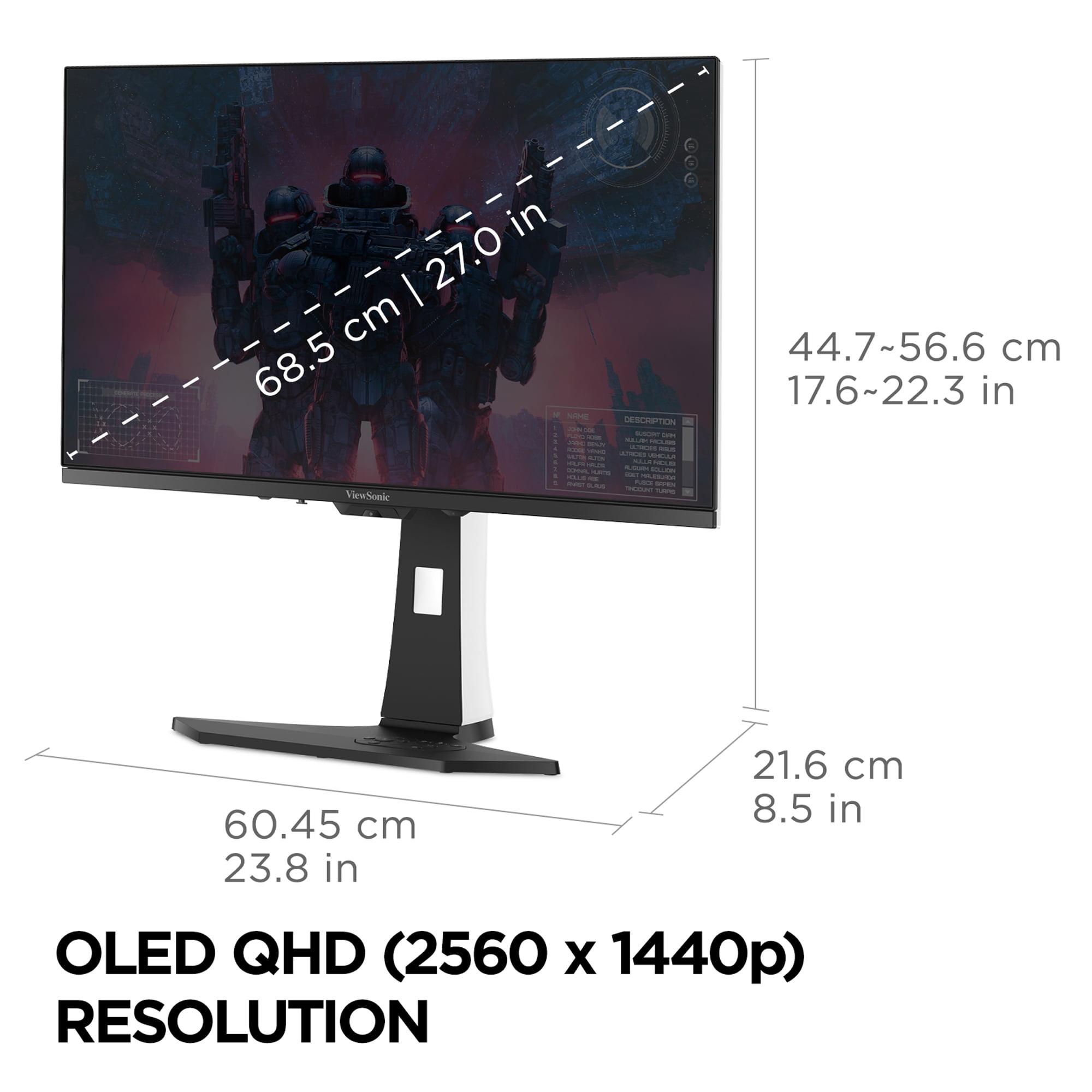
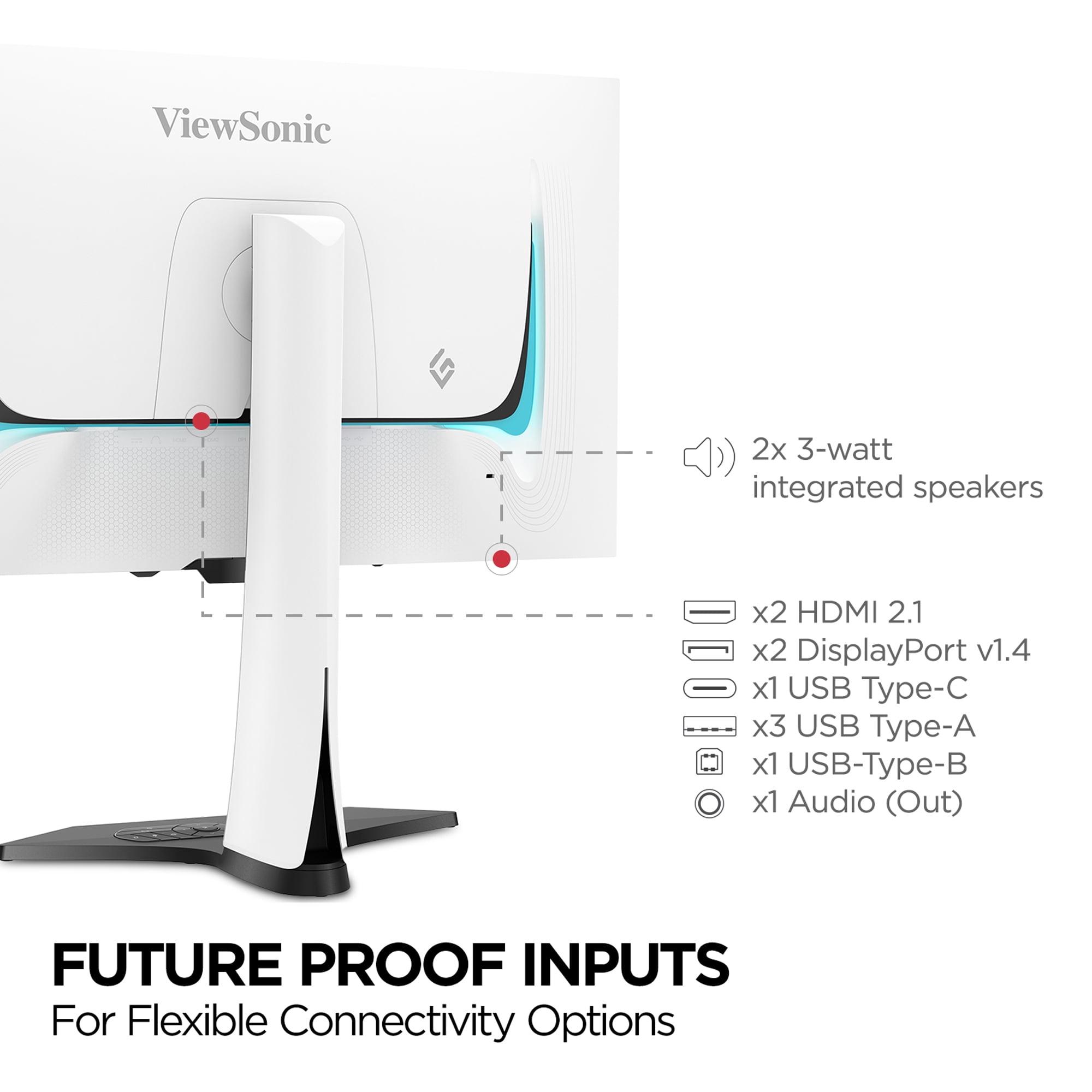
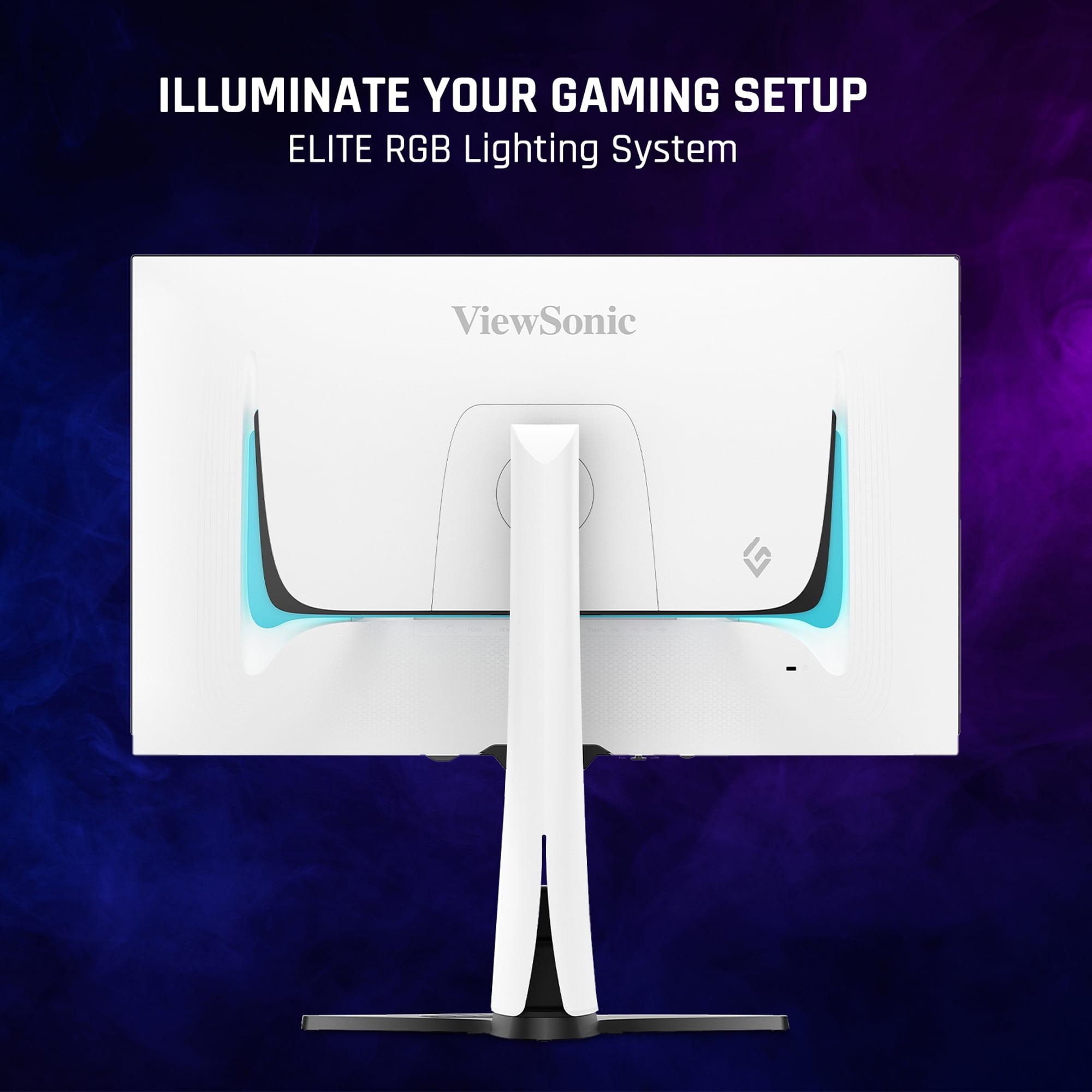
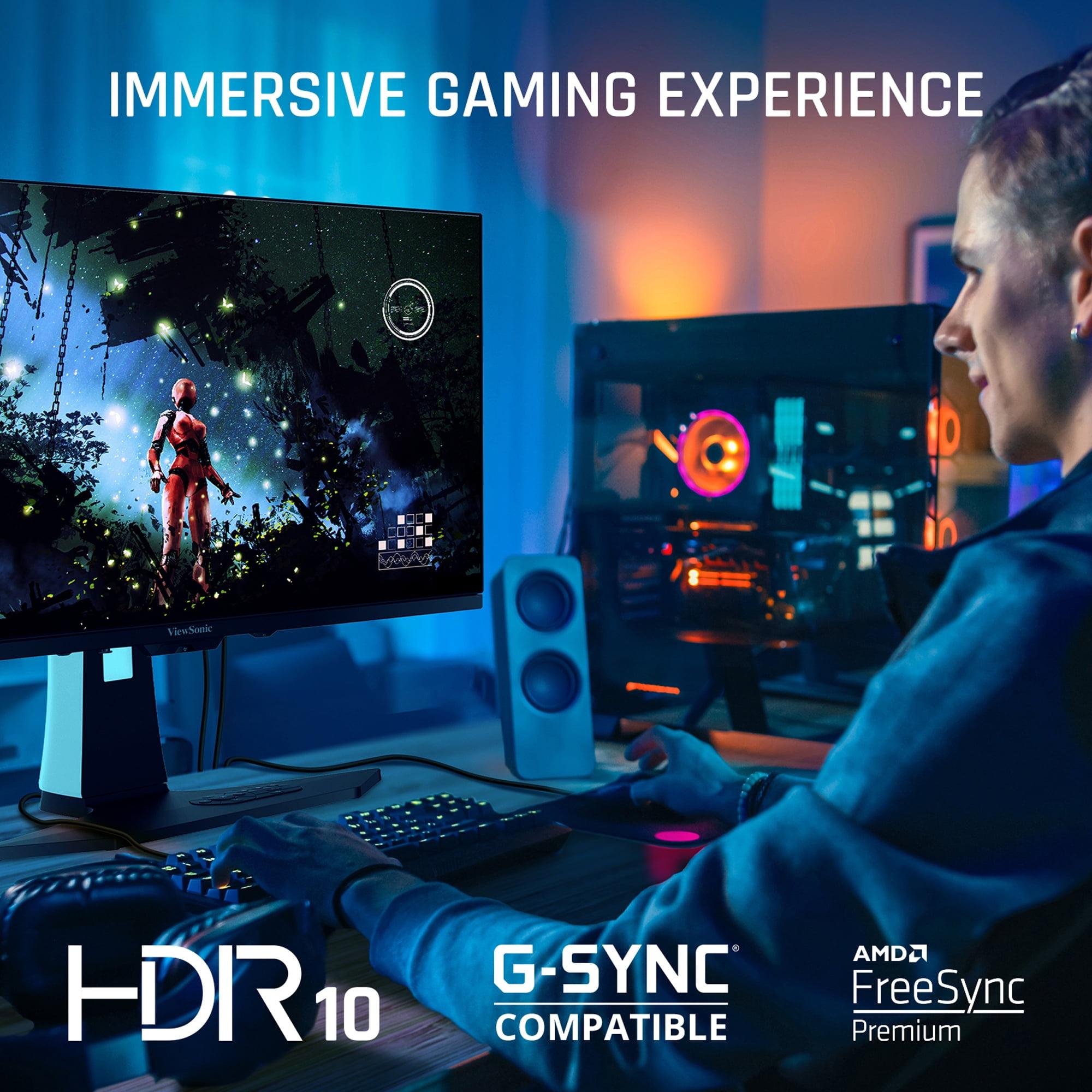
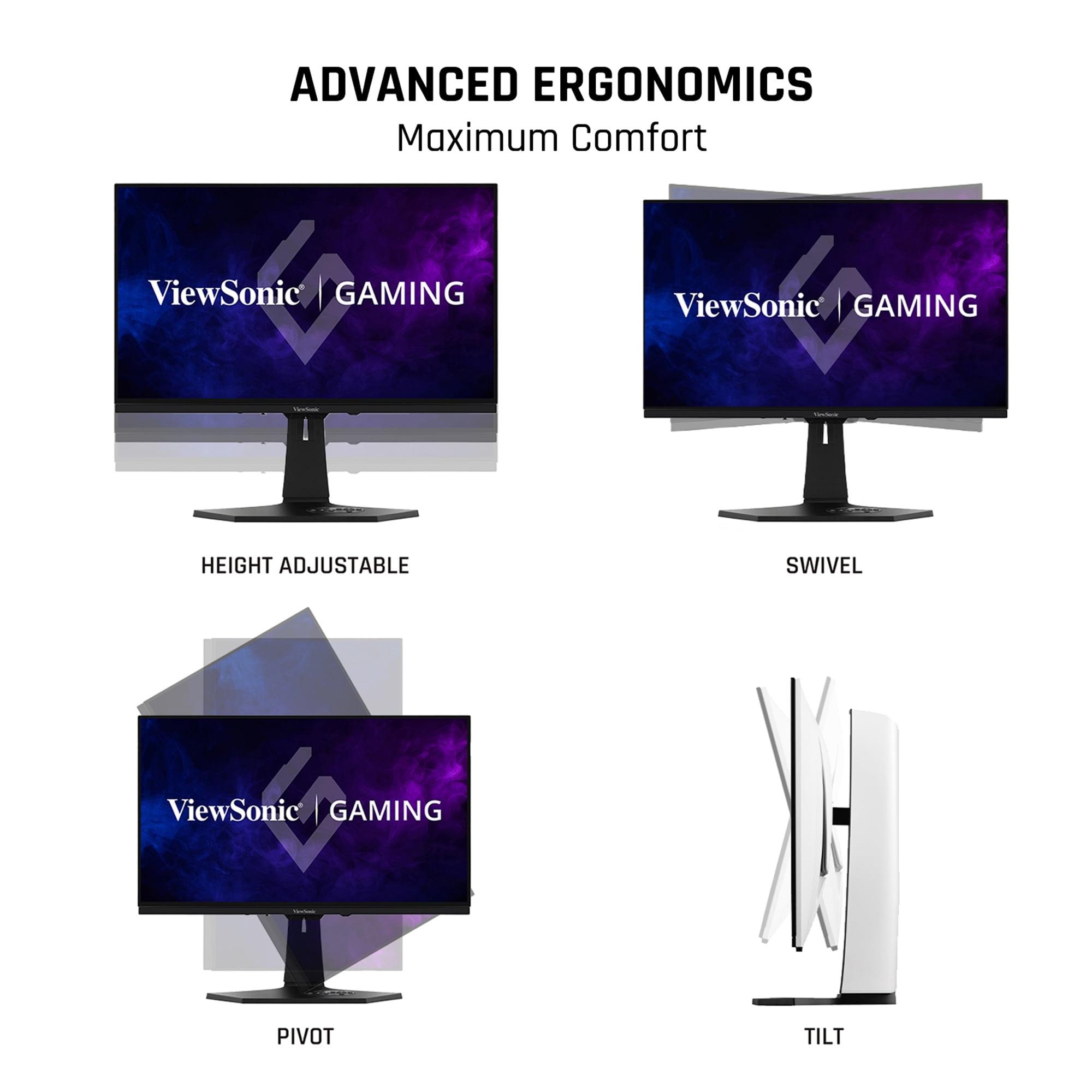
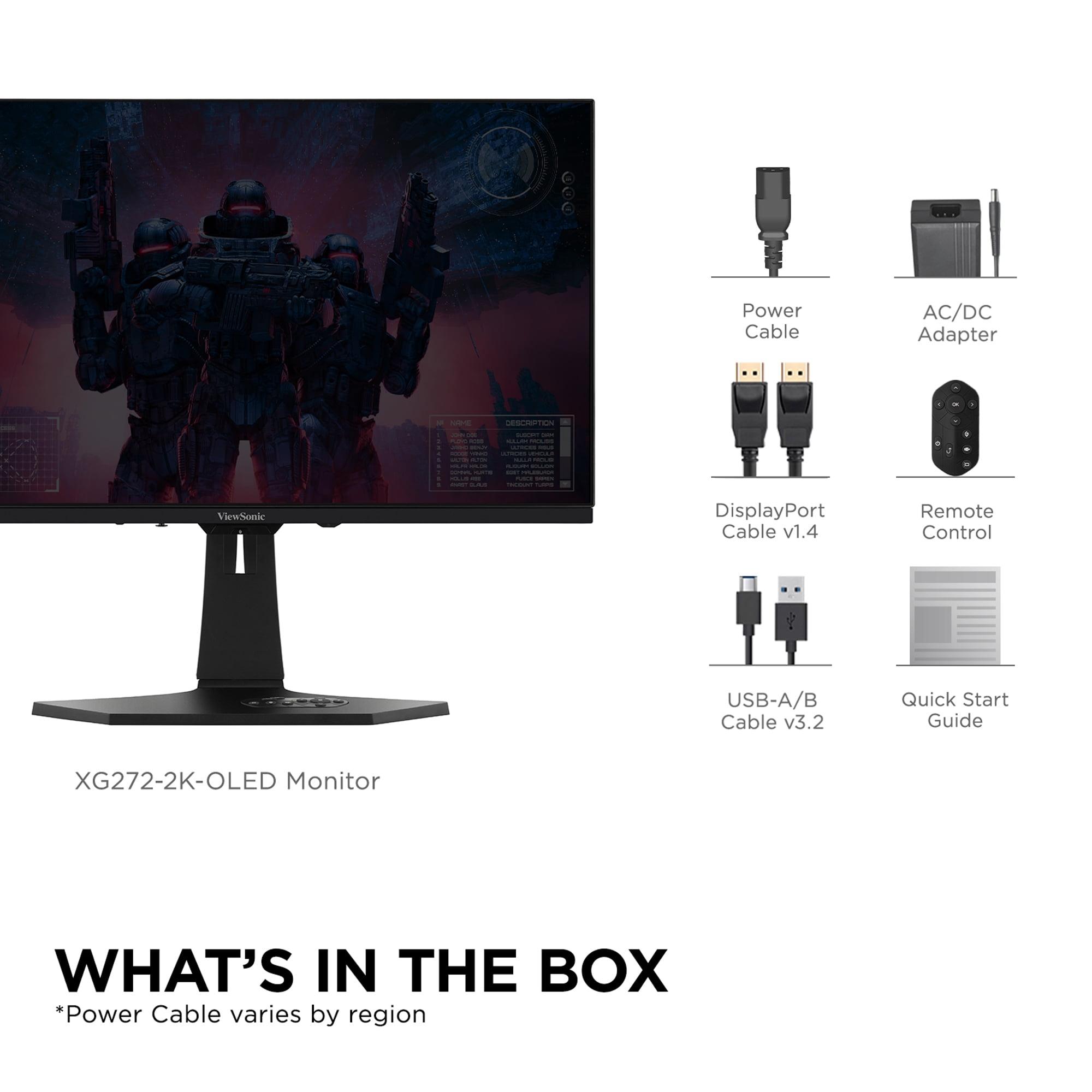
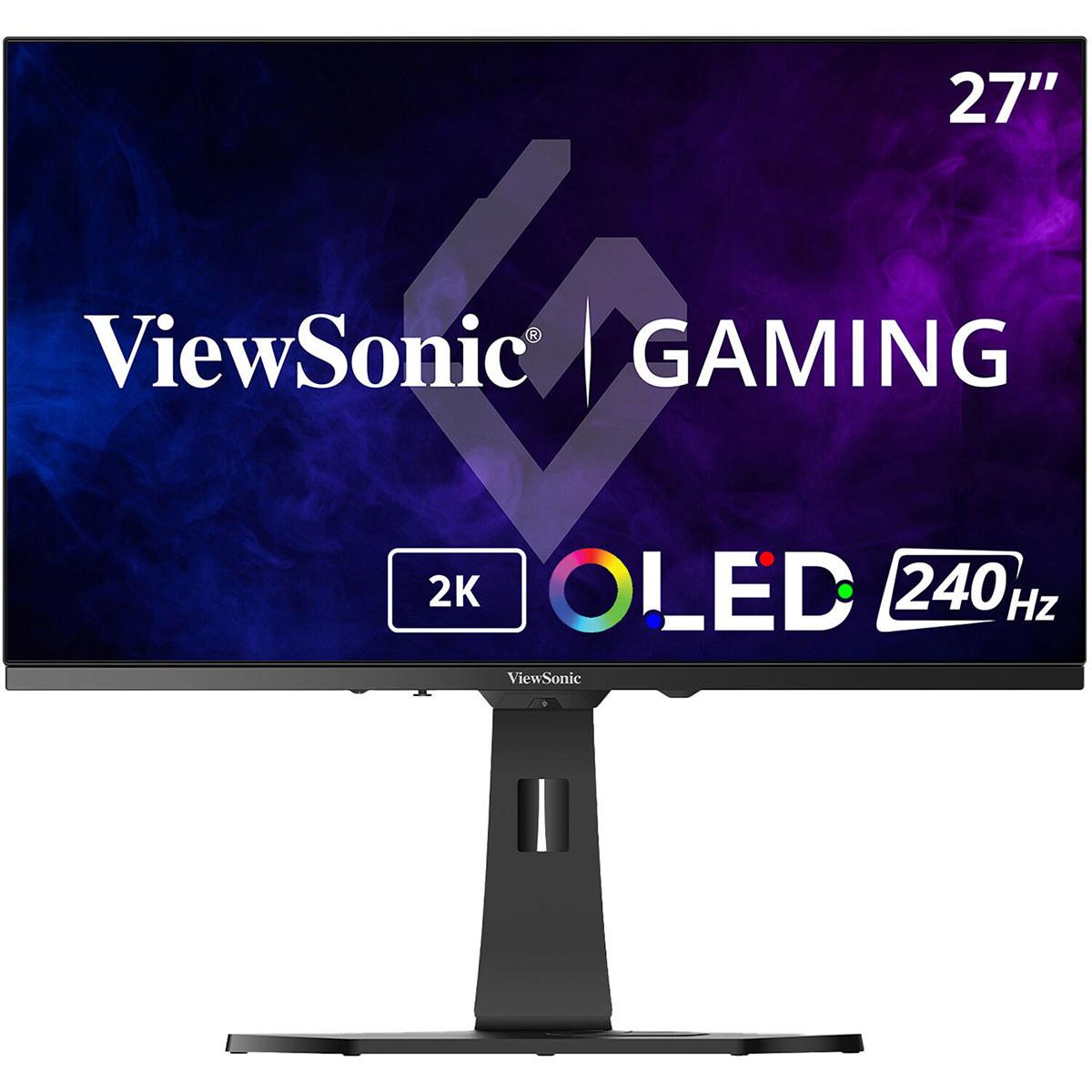
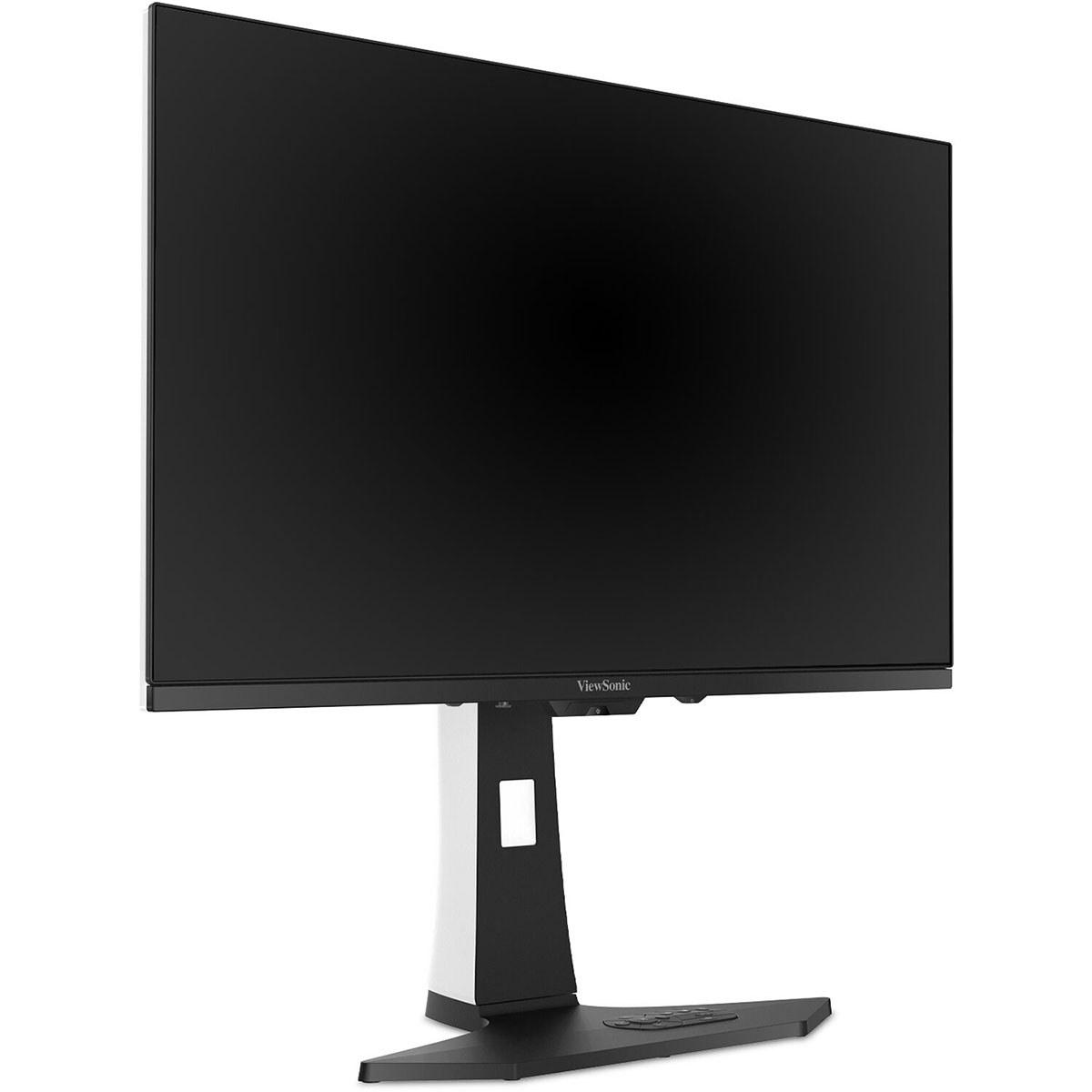
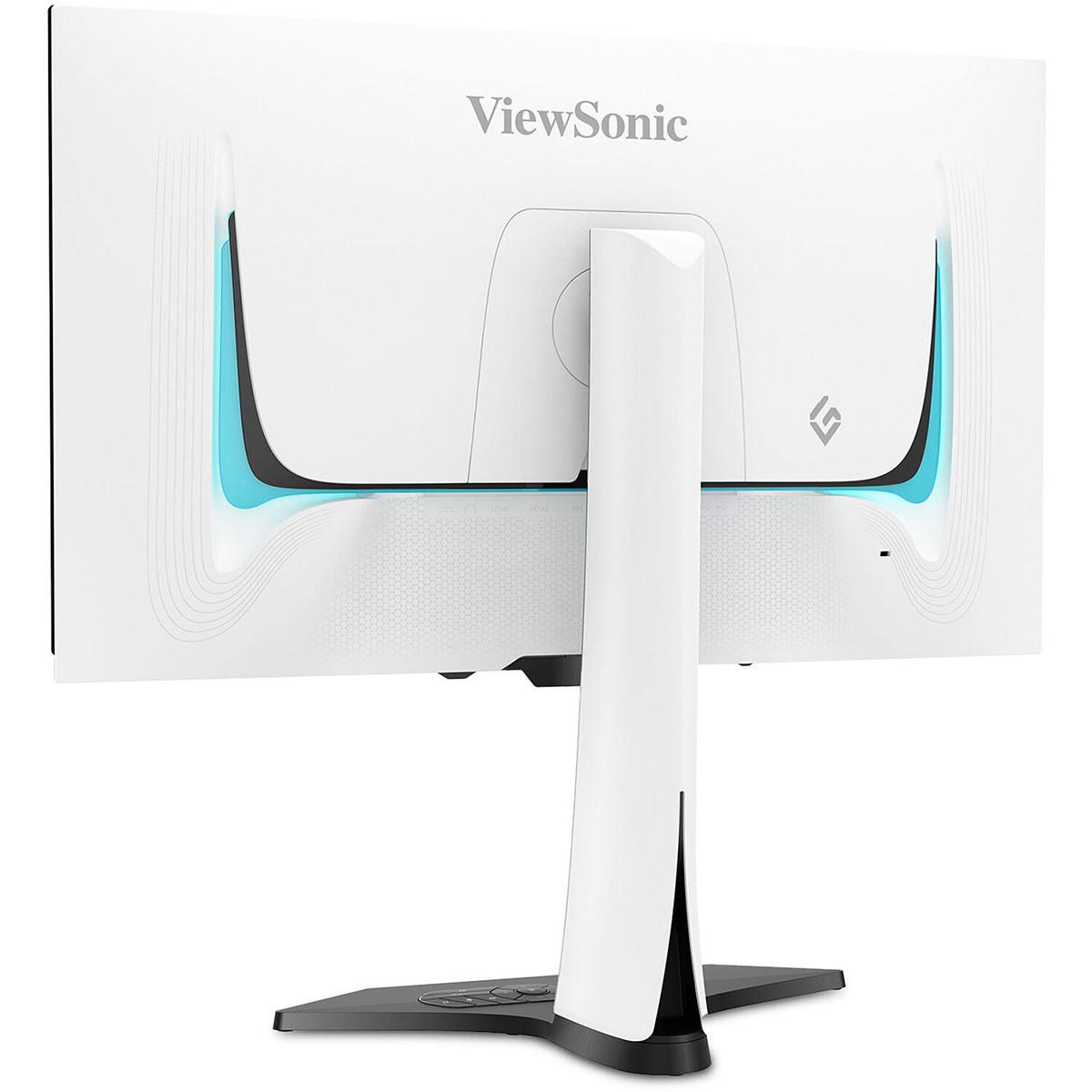
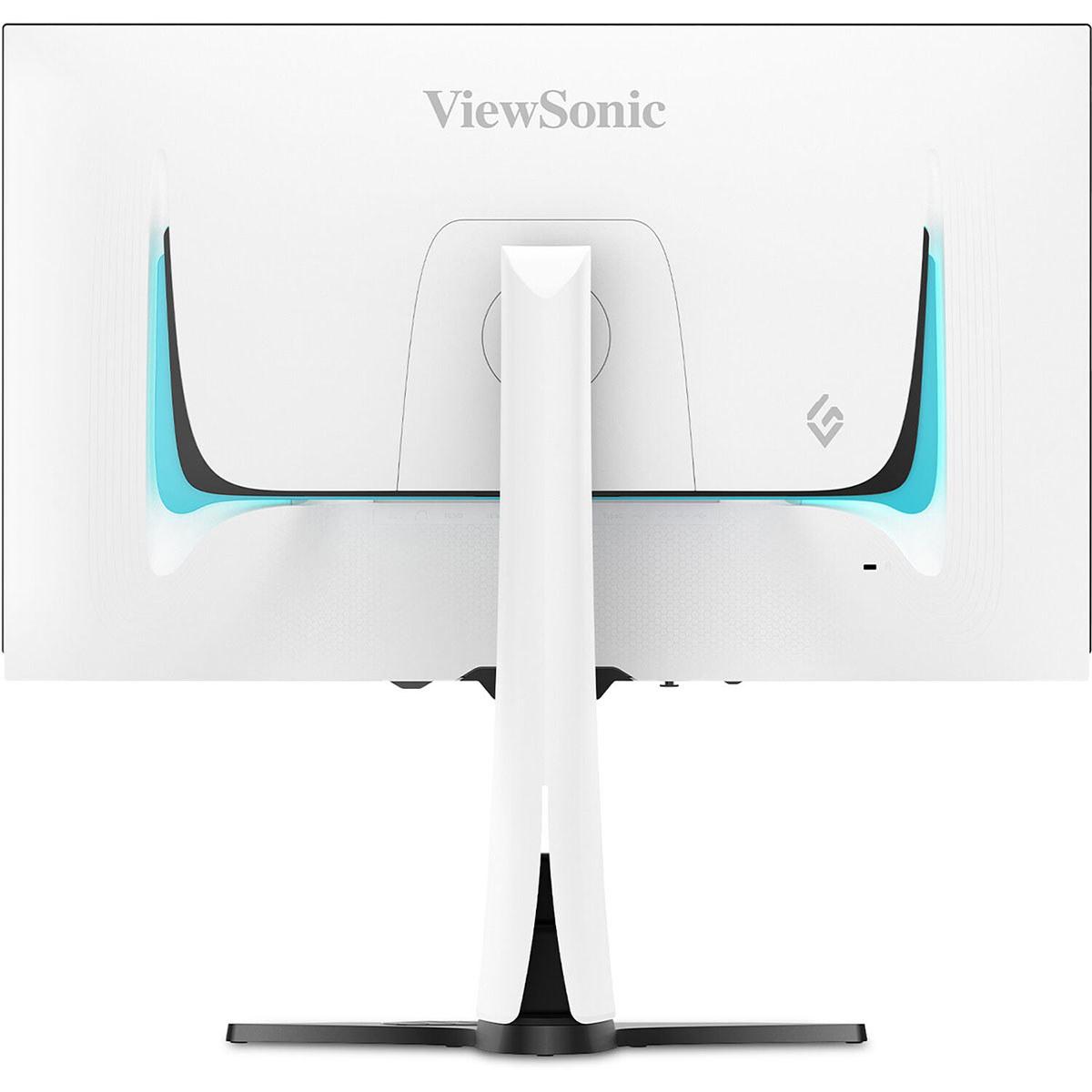
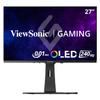
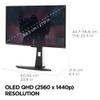
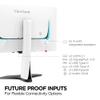
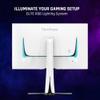
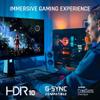
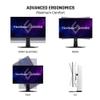
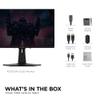
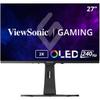
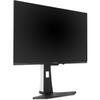
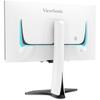
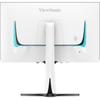
Ascend to the apex of the gaming world with the 27'' XG272-2K-OLED monitor. Featuring a 240Hz refresh rate with a .01ms pixel response time, this ultra-responsive gaming monitor delivers ridiculously smooth visuals while giving gamers the edge they need to win the day. A luminous white body with integrated RGB lighting and an integrated remote control helps users create an outstanding gaming setup that plays as well as it looks. Enjoy playing for longer with greater comfort thanks to an advanced ergonomic design. And with versatile connectivity options including HDMI 2.1, DisplayPort, USB-C and a built-in USB A hub, gamers can effortlessly connect their favorite devices. NVIDIA G-SYNC Compatibility and AMD FreeSync Premium technology help create a pristine gaming experience with no lag or stuttering. Take gaming to the next level with the XG272-2K-OLED monitor today.
The Samsung Odyssey G7 G70D takes a fundamentally different approach by prioritizing 4K resolution and smart functionality over ultra-high refresh rates. Its 3840 x 2160 resolution provides 2.25 times more pixels than the ViewSonic's QHD display, delivering noticeably sharper text, more detailed game environments, and better productivity performance for users who work and game on the same monitor. The integrated Gaming Hub transforms it into a complete entertainment system with built-in Netflix, YouTube, and cloud gaming capabilities, eliminating the need for separate streaming devices. While its 144Hz refresh rate and 1ms response time can't match the ViewSonic's competitive gaming specs, they're still excellent for most gaming scenarios and significantly less demanding on graphics hardware.
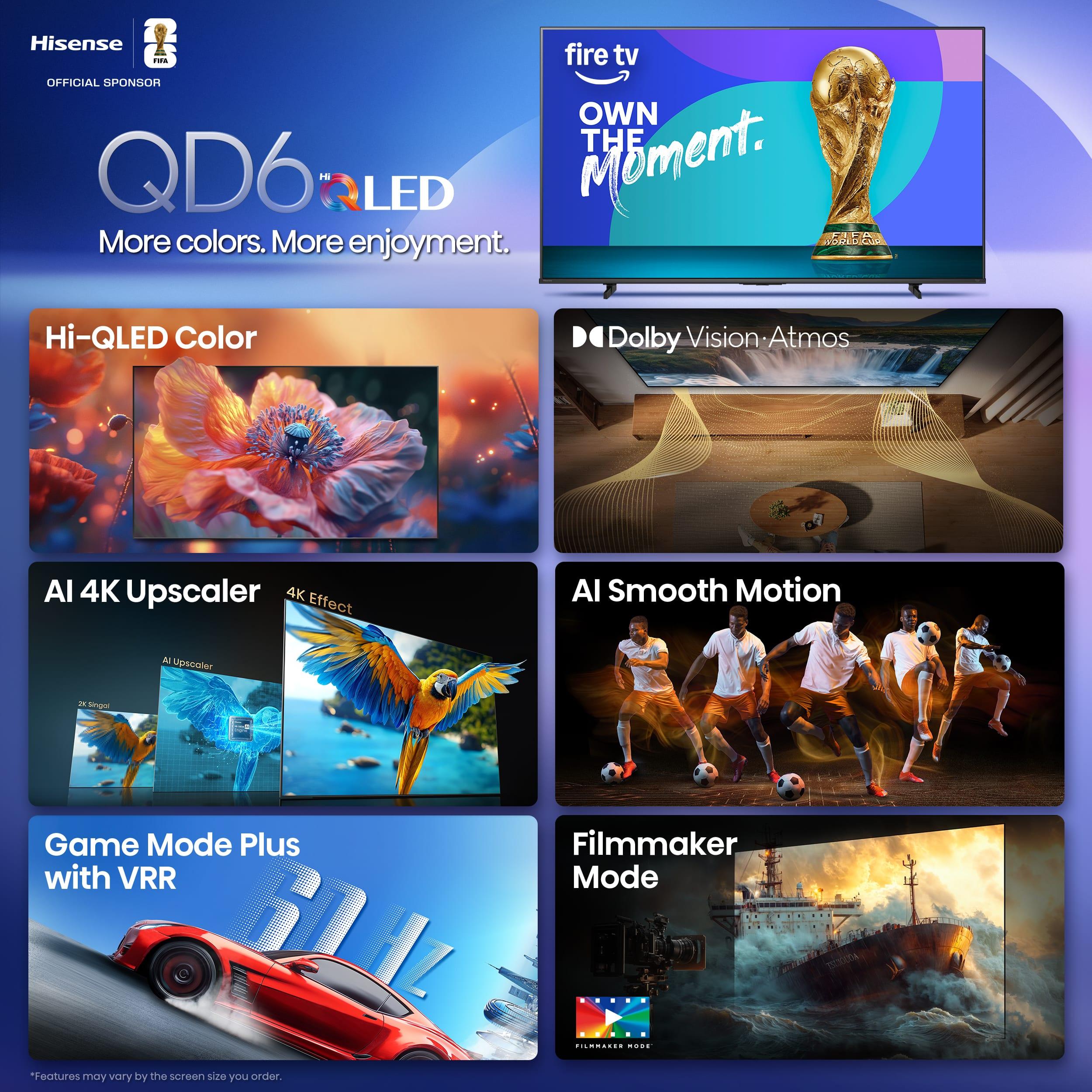

From a value perspective, the Samsung G70D offers exceptional bang for your buck by combining premium 4K gaming performance with smart TV functionality at a competitive price point. The IPS panel technology provides worry-free operation with no burn-in concerns, making it ideal for mixed usage scenarios where you might display static content for extended periods. However, it can't match the infinite contrast and perfect blacks of OLED technology, resulting in less dramatic HDR performance and grayer blacks in dark scenes. For users who want a versatile display that excels at 4K gaming while doubling as an entertainment hub, the Samsung presents compelling value, though serious competitive gamers and image quality enthusiasts will likely prefer the ViewSonic's specialized OLED advantages.
🤖 Read Detailed Comparison
👌Samsung 27" Odyssey G7 G70D 4K UHD IPS Gaming Monitor Details
💵 See Samsung 27" Odyssey G7 G70D 4K UHD IPS Gaming Monitor Price
The Alienware AW2724HF takes a fundamentally different approach to gaming performance, prioritizing raw speed over visual fidelity with its impressive 360Hz refresh rate and 1920x1080 resolution. This combination delivers exceptionally smooth motion in competitive games, with the monitor updating every 2.8 milliseconds compared to our reviewed monitor's 4.2ms at 240Hz. For esports enthusiasts playing Counter-Strike 2, Valorant, or Overwatch 2, this translates to more responsive gameplay and clearer tracking of fast-moving targets. The Fast IPS panel technology provides consistent 0.5ms response times and wide viewing angles, while the lower 1080p resolution allows even mid-range graphics cards like the RTX 4060 to push frame rates well above 300 FPS, fully utilizing that blazing-fast refresh rate.
From a value perspective, the Alienware AW2724HF typically costs significantly less while delivering flagship-level competitive gaming performance, making it an attractive option for budget-conscious esports players. However, this comes with notable trade-offs: the 1080p resolution can appear pixelated on a 27-inch panel, and the IPS technology's 1000:1 contrast ratio feels flat compared to OLED's infinite contrast. The monitor excels in bright gaming environments where OLED might struggle with reflections, and its proven IPS technology eliminates any burn-in concerns for users who display static content like HUDs for extended periods. While it lacks the visual wow factor and versatility of OLED technology, the Alienware delivers exactly what competitive gamers need most: maximum refresh rates and reliable performance at a more accessible price point.
🤖 Read Detailed Comparison
👌Alienware AW2724HF 27" FHD 360Hz IPS Gaming Monitor Details
💵 See Alienware AW2724HF 27" FHD 360Hz IPS Gaming Monitor Price
The ASUS ROG Strix XG27ACMG takes a fundamentally different approach to gaming performance, prioritizing ultra-high refresh rates over premium display technology. Its standout 270Hz refresh rate provides a 30Hz advantage over the ViewSonic's 240Hz, which translates to more frequent screen updates that can make subtle movements appear smoother in competitive gaming scenarios. This higher refresh rate, combined with a respectable 1ms GTG response time, makes the ASUS monitor particularly appealing for esports enthusiasts who prioritize every possible frame advantage. The Fast IPS panel technology eliminates any burn-in concerns while delivering solid color performance with 95% DCI-P3 coverage, and its anti-glare matte coating excels in bright gaming environments where the ViewSonic's more reflective surface might struggle.
From a value perspective, the ASUS XG27ACMG represents exceptional bang for your buck in the high-performance gaming segment. While it can't match the ViewSonic's perfect blacks, infinite contrast, or superior HDR experience, it delivers about 90% of the competitive gaming performance at a significantly lower price point. The trade-offs are clear – you're giving up the cinematic visual experience and color accuracy that OLED provides, but gaining worry-free long-term ownership with lower power consumption and no static image concerns. For competitive gamers who spend most of their time in fast-paced multiplayer titles rather than visually stunning single-player experiences, the ASUS monitor's combination of high refresh rates, reliability, and aggressive pricing makes it a compelling alternative that prioritizes performance per dollar over absolute visual excellence.
🤖 Read Detailed Comparison
👌ASUS ROG Strix XG27ACMG 27" QHD 270Hz Gaming Monitor Details
💵 See ASUS ROG Strix XG27ACMG 27" QHD 270Hz Gaming Monitor Price
The AOC Agon Pro AG276QZD2 represents the most compelling value proposition in the 27-inch OLED gaming space, delivering QD-OLED technology at a price point that makes premium gaming accessible to a much broader audience. Its quantum dot OLED panel produces naturally more saturated, vibrant colors that many gamers prefer for their visual impact, particularly in colorful titles where the enhanced reds and greens create a more immersive experience. The monitor matches the ViewSonic's core gaming performance with identical 240Hz refresh rates and near-instantaneous response times, ensuring competitive gamers get the same motion clarity and responsiveness that defines OLED gaming. The AOC's esports-focused design includes customizable RGB lighting and AOC's G-Menu software for easy optimization, while maintaining the same comprehensive burn-in protection and 3-year warranty coverage.
However, the AOC Agon Pro AG276QZD2 makes significant compromises to achieve its exceptional pricing, most notably in brightness output at roughly 250 nits compared to the ViewSonic's 450 nits. This limitation means the monitor requires darker gaming environments to maintain its contrast advantage and severely limits HDR gaming experiences, with highlights appearing dim compared to what modern HDR content is designed to showcase. The connectivity is also more basic, featuring HDMI 2.0 instead of HDMI 2.1 and lacking USB-C or KVM functionality, making it less versatile for multi-device setups or future console gaming at full resolution. For dedicated competitive gamers who prioritize value and game primarily in controlled lighting conditions, the AOC delivers 90% of premium OLED performance at nearly half the cost, making it an outstanding choice for those who want to experience OLED gaming without the premium price tag.
🤖 Read Detailed Comparison
👌AOC Agon Pro 27" QD-OLED 240Hz Gaming Monitor Details
💵 See AOC Agon Pro 27" QD-OLED 240Hz Gaming Monitor Price
The HP Omen 27k takes a fundamentally different approach, prioritizing 4K resolution over the ultra-high refresh rates and OLED technology found in the ViewSonic. Its standout feature is delivering genuine 4K UHD gaming at 144Hz for significantly less money, making it accessible to mainstream gamers who want sharp visuals without the premium price tag. The IPS panel provides excellent color accuracy with 99% sRGB coverage and eliminates any burn-in concerns, while the built-in KVM switch and comprehensive connectivity including HDMI 2.1 make it particularly well-suited for users juggling multiple devices or gaming on next-gen consoles. The 4K resolution really shines in single-player games and productivity work, offering 1.78 times more pixels than QHD for noticeably sharper text and finer detail in game environments.
From a value perspective, the HP Omen 27k represents the sweet spot for gamers who prioritize visual fidelity and versatility over competitive gaming performance. While it can't match the ViewSonic's lightning-fast 0.01ms response time or 240Hz refresh rate, its 144Hz performance remains smooth for the vast majority of gaming scenarios, and the 4K resolution provides long-term future-proofing as more games target higher resolutions. The money saved compared to OLED technology could fund GPU upgrades that benefit both monitors, and the IPS panel's proven reliability means years of worry-free gaming without concerns about static UI elements causing permanent damage. For users who game casually, work from their gaming setup, or want one monitor that excels at everything rather than specializing in competitive performance, the HP offers compelling all-around capability.
🤖 Read Detailed Comparison
👌HP Omen 27k 4K UHD 144Hz Gaming Monitor Details
💵 See HP Omen 27k 4K UHD 144Hz Gaming Monitor Price
The GIGABYTE MO27Q2 represents a compelling alternative that leverages Samsung's QD-OLED technology to deliver more vibrant, saturated colors at a significantly lower price point. Its quantum dot layer produces a wider native color gamut with 99% DCI-P3 coverage, creating particularly striking visuals in games with rich color palettes like Cyberpunk 2077 or Spider-Man titles. The monitor's standout features include an integrated KVM switch that allows seamless control of multiple devices with a single keyboard and mouse setup, plus a unique Tactical Switch that instantly toggles between full 27-inch display and a centered 24-inch gaming area - perfect for esports players who prefer smaller screen real estate during competitive matches. Additionally, the GIGABYTE MO27Q2 includes hardware color calibration support, making it more versatile for content creators who need precise color accuracy.
However, the trade-offs become apparent in real-world usage scenarios. The GIGABYTE's 250-nit sustained brightness severely limits its usability in bright rooms, requiring carefully controlled lighting conditions to fully appreciate its visual advantages. Its 0.03ms response time, while excellent, falls behind the ViewSonic's industry-leading 0.01ms specification - a difference competitive gamers will notice in fast-paced titles. The glossy finish, while enhancing color vibrancy, proves more susceptible to reflections and glare compared to the ViewSonic's anti-glare coating. At roughly 35-40% less cost than the ViewSonic, the GIGABYTE MO27Q2 delivers exceptional value for users who primarily game in dark environments and can work within its brightness limitations, but those seeking maximum versatility and gaming performance will find the ViewSonic's premium justified through its superior brightness, response times, and comprehensive feature implementation.
🤖 Read Detailed Comparison
👌GIGABYTE MO27Q2 27" QD-OLED QHD 240Hz Gaming Monitor Details
💵 See GIGABYTE MO27Q2 27" QD-OLED QHD 240Hz Gaming Monitor Price
The LG UltraGear 27" OLED stands out primarily for its exceptional value proposition and broader graphics card compatibility. While it matches the ViewSonic's core gaming performance with the same 240Hz refresh rate and QHD OLED panel, it costs significantly less while offering certified NVIDIA G-Sync Compatible support alongside AMD FreeSync Premium. This dual compatibility makes it universally appealing to gamers regardless of their graphics card choice, unlike the ViewSonic's AMD-only FreeSync support. The LG also delivers a superior contrast ratio of 1,500,000:1 compared to the ViewSonic's 150,000:1, creating deeper blacks that enhance immersion in dark gaming environments and make HDR content appear more dramatic despite its lower overall brightness.
However, the LG UltraGear 27" OLED makes notable compromises to achieve its competitive pricing. At 200 nits peak brightness versus the ViewSonic's 450 nits, it struggles in bright rooms and cannot properly display HDR content that requires adequate brightness to showcase dynamic range. The LG also consumes 74W compared to the ViewSonic's efficient 44W operation, lacks built-in speakers, and offers more basic connectivity without USB-C or comprehensive hub functionality. For users prioritizing core OLED gaming performance in darker environments who don't need premium features like extensive connectivity or superior HDR capabilities, the LG represents outstanding value that delivers roughly 90% of the ViewSonic's gaming experience at a substantially lower cost.
🤖 Read Detailed Comparison
👌LG UltraGear 27" OLED QHD 240Hz Gaming Monitor Details
💵 See LG UltraGear 27" OLED QHD 240Hz Gaming Monitor Price
The LG UltraGear 27" OLED QHD 480Hz Gaming Monitor stands out primarily for its industry-leading 480Hz refresh rate, which doubles the ViewSonic's 240Hz capability. This translates to exceptionally smooth motion in competitive gaming scenarios, particularly beneficial for esports titles like Counter-Strike, Valorant, and Overwatch where every millisecond matters. The LG also features DisplayPort 2.1 connectivity, providing higher bandwidth that eliminates compression artifacts at maximum refresh rates and better future-proofs your setup for next-generation graphics cards. Additionally, it incorporates Micro Lens Array+ (MLA+) technology that boosts peak brightness up to 1,300 nits in specific areas, creating more dramatic HDR highlights than the ViewSonic's consistent 450-nit output.
From a value perspective, the LG UltraGear typically commands a lower price point while delivering superior raw performance, making it an exceptional choice for performance-focused gamers. However, this comes with trade-offs in convenience features – it lacks built-in speakers, has no remote control, and offers fewer aesthetic customization options compared to the ViewSonic's premium white chassis and RGB lighting. The real-world benefit of the 480Hz refresh rate is most apparent when you have the hardware to drive it (RTX 4080 or better), but for competitive gamers who meet this requirement, the smoother motion tracking and reduced input lag provide a genuine competitive advantage that justifies choosing the LG over the more feature-rich ViewSonic.
🤖 Read Detailed Comparison
👌LG UltraGear 27" OLED QHD 480Hz Gaming Monitor Details
💵 See LG UltraGear 27" OLED QHD 480Hz Gaming Monitor Price
The BenQ MOBIUZ EX270QM represents a compelling alternative that delivers exceptional value through proven IPS technology at a significantly lower price point. While it can't match the ViewSonic's instantaneous 0.01ms response times, its 1ms performance is still excellent for competitive gaming, and most users won't perceive the difference in real-world scenarios. Where the BenQ truly shines is in its feature set and practical usability – the integrated 2.1 channel audio system with a dedicated subwoofer provides surprisingly good sound quality that eliminates the need for external speakers, addressing one of the ViewSonic's biggest weaknesses. The monitor also includes comprehensive eye-care technologies like Brightness Intelligence Plus, which automatically adjusts brightness and color temperature based on ambient lighting, making it more comfortable for extended gaming sessions.
From a long-term ownership perspective, the BenQ MOBIUZ EX270QM offers worry-free reliability without burn-in concerns, making it ideal for users who frequently display static content or use their monitor for productivity work alongside gaming. While it lacks the infinite contrast and perfect blacks of OLED technology, its DisplayHDR 600 certification and 98% DCI-P3 color coverage still deliver vibrant, engaging visuals that satisfy most users. The cost savings compared to the ViewSonic could easily fund a high-quality headset, mechanical keyboard, or other gaming peripherals, making the BenQ an attractive choice for building a complete gaming setup. For users who want excellent 240Hz performance without paying premium prices, or those who prioritize features like superior audio and automatic brightness adjustment, the BenQ represents outstanding value that delivers about 85% of the gaming performance at roughly one-third the cost.
🤖 Read Detailed Comparison
👌BenQ MOBIUZ EX270QM 27" QHD 240Hz IPS Gaming Monitor Details
💵 See BenQ MOBIUZ EX270QM 27" QHD 240Hz IPS Gaming Monitor Price
The ASUS ROG Strix OLED XG27UCDMG represents a significant step up in display technology, featuring 4K resolution that delivers 2.25 times more pixels than the ViewSonic's QHD panel. This translates to dramatically sharper text, more detailed game visuals, and better future-proofing for upcoming titles. The 4th-generation QD-OLED panel provides superior color vibrancy with 99% DCI-P3 coverage and enhanced color volume, while the 1,000-nit peak HDR brightness creates far more impactful HDR gaming experiences. The glossy finish maximizes these visual benefits, though it requires more controlled lighting conditions than the ViewSonic's matte coating.
From a practical standpoint, the ASUS monitor demands substantially more graphics processing power—you'll need an RTX 4080 or better to truly utilize its capabilities at 4K resolution. However, it compensates with superior connectivity, offering 90W USB-C power delivery that can charge laptops while serving as a display, essentially replacing a docking station. The comprehensive OLED Care Pro system with proximity sensing provides more automated burn-in protection. While priced similarly to the ViewSonic, the ASUS delivers significantly more premium technology, making it the better choice for users with high-end graphics cards who prioritize visual fidelity and future-proofing over immediate frame rate maximization.
🤖 Read Detailed Comparison
👌ASUS ROG Strix OLED XG27UCDMG 27" 4K 240Hz Gaming Monitor Details
💵 See ASUS ROG Strix OLED XG27UCDMG 27" 4K 240Hz Gaming Monitor Price
The ASUS ROG Strix OLED XG27ACDNG stands out with its significantly higher 360Hz refresh rate and dramatically brighter 1000-nit peak brightness, making it a formidable competitor that actually costs less while delivering superior performance in key areas. The QD-OLED panel technology provides wider color gamuts and more saturated visuals, while the universal VRR support (G-Sync Compatible + FreeSync Premium Pro) ensures optimal performance regardless of your graphics card brand. For competitive gamers, the 50% increase in refresh rate from 240Hz to 360Hz translates to noticeably smoother motion in fast-paced esports titles, while the doubled brightness capability makes HDR content significantly more impactful and improves visibility in bright gaming environments.
From a value perspective, the ASUS monitor presents a compelling case by offering measurably better performance at a lower price point, though it requires trade-offs in convenience features. While you lose the ViewSonic's built-in speakers and distinctive white aesthetic, you gain superior gaming performance, laptop docking capabilities with 90W USB-C power delivery, and a KVM switch for multi-device workflows. The ASUS is particularly attractive for users with high-end graphics cards capable of pushing 300+ fps, where the 360Hz refresh rate provides tangible competitive advantages. However, if you prioritize an all-in-one solution with integrated audio and prefer the ViewSonic's refined design and matte coating for bright room use, the performance gap may not justify switching to the ASUS despite its better price-to-performance ratio.
🤖 Read Detailed Comparison
👌ASUS ROG Strix OLED XG27ACDNG 27" QHD 360Hz Gaming Monitor Details
💵 See ASUS ROG Strix OLED XG27ACDNG 27" QHD 360Hz Gaming Monitor Price
The Dough Spectrum One takes a fundamentally different approach with its 4K resolution and premium Gorilla Glass construction, targeting users who need versatility beyond pure gaming performance. While its 144Hz refresh rate can't match the ViewSonic's 240Hz speed, the extra resolution provides tangible benefits for productivity work, content creation, and media consumption. The factory color calibration achieving Delta E ≤ 0.6 delivers professional-grade accuracy that surpasses most gaming monitors, making it genuinely suitable for photo editing and design work. The standout feature is its 100W USB-C power delivery, which transforms it into a true laptop docking solution – something the ViewSonic's 15W USB-C simply can't accomplish.
However, this versatility comes with trade-offs that gaming-focused users should carefully consider. The Dough Spectrum One's 4K resolution demands significantly more graphics processing power, meaning you'll need a high-end GPU to maintain the frame rates that justify a premium gaming monitor. The lack of an included stand also adds considerable cost to the total package, and the company's customer service challenges mean purchasing through established retailers is essential. While the Gorilla Glass construction and higher peak brightness (750 nits vs 450 nits) provide genuine advantages, they don't offset the core gaming performance gap. For users who game occasionally but need a premium display for mixed use, the Dough Spectrum One justifies its premium pricing, but dedicated gamers will find better value and performance in the ViewSonic's OLED technology and higher refresh rate.
🤖 Read Detailed Comparison
👌Dough Spectrum One 27-Inch 4K 144Hz Gaming Monitor Gorilla Glass Details
💵 See Dough Spectrum One 27-Inch 4K 144Hz Gaming Monitor Gorilla Glass Price
The Samsung 27" Odyssey 3D G90XF takes a radically different approach with its experimental glasses-free 3D technology and 4K resolution. The monitor's standout feature is its eye-tracking system that creates genuine 3D effects without glasses, using dual cameras and lenticular lenses to deliver depth perception that can be genuinely impressive in supported games. The 4K resolution provides 2.25 times more pixels than the ViewSonic's QHD display, resulting in noticeably sharper text and finer image details that benefit both gaming and productivity work. However, these innovations come with significant trade-offs—the 3D feature works with only a limited library of games at launch, requires extremely powerful graphics hardware (RTX 3080 or better), and doesn't support console gaming or simultaneous HDR use.
From a performance and value perspective, the Samsung monitor represents a premium gamble on unproven technology. While the 4K resolution is undeniably sharper, the 165Hz refresh rate and 1ms response time lag behind the ViewSonic's 240Hz and 0.02ms specifications for competitive gaming. The IPS panel also delivers inferior contrast and color accuracy compared to OLED technology, with typical LCD limitations like greyish blacks and limited HDR impact. At nearly double the price of many premium gaming monitors, the Samsung commands a significant premium for its experimental 3D capability—making it appealing primarily to early adopters and tech enthusiasts willing to pay for cutting-edge innovation over proven gaming performance. For most users prioritizing reliable, high-performance gaming, the ViewSonic's combination of mature OLED technology, superior refresh rates, and competitive pricing delivers better real-world value.
🤖 Read Detailed Comparison
👌Samsung 27" Odyssey 3D G90XF 4K 165Hz Gaming Monitor Details
💵 See Samsung 27" Odyssey 3D G90XF 4K 165Hz Gaming Monitor Price
The BenQ Zowie XL2746K takes a fundamentally different approach to high-refresh gaming, prioritizing pure competitive performance over visual luxury. Its standout feature is the proprietary DyAc+ motion blur reduction technology, which uses backlight strobing specifically engineered for FPS gaming scenarios. This creates exceptionally clear motion during spray patterns and rapid target tracking that many professional esports players swear by. The monitor also includes specialized gaming features like Black eQualizer for enhanced shadow visibility and Color Vibrance adjustments for better enemy identification—tools that are purpose-built for competitive advantage rather than general visual enhancement. The TN panel technology, while offering lower contrast and color accuracy than OLED, delivers rock-solid reliability with zero burn-in concerns and maintains consistent performance in tournament environments.
From a value perspective, the BenQ Zowie XL2746K costs roughly half as much while delivering most of the gaming performance benefits that matter for competitive play. The 240Hz refresh rate matches the ViewSonic, and the optimized motion clarity often feels more responsive in fast-paced FPS games, even if it sacrifices the perfect blacks and vibrant colors of OLED technology. For dedicated competitive gamers who primarily play titles like Counter-Strike, Valorant, or Overwatch, the BenQ's focused feature set and proven tournament pedigree make it an excellent value proposition. However, the 1080p resolution on a 27-inch screen and limited connectivity options mean it's less versatile for users who want a monitor that excels beyond pure gaming scenarios.
🤖 Read Detailed Comparison
👌BenQ Zowie XL2746K 27" 240Hz Esports Gaming Monitor Details
💵 See BenQ Zowie XL2746K 27" 240Hz Esports Gaming Monitor Price
The Samsung Odyssey OLED G6 takes a different approach with its 360Hz refresh rate, delivering 50% higher frame rates than the ViewSonic's 240Hz for competitive gaming scenarios. This translates to noticeably smoother motion in fast-paced esports titles like Valorant or Counter-Strike, where every millisecond can impact performance. Samsung also employs QD-OLED technology with 99% DCI-P3 color coverage, producing slightly more vibrant blues and greens thanks to its quantum dot enhancement layer. The monitor's sleeker, more compact design takes up less desk space while maintaining excellent build quality, and its OLED Safeguard+ system includes advanced hardware-based cooling that may provide better long-term panel protection than software-only solutions.
However, the Samsung G6 makes significant trade-offs to achieve its speed advantage and lower price point. At 250 nits maximum brightness compared to ViewSonic's 450 nits, HDR performance suffers considerably – bright highlights in games like Cyberpunk 2077 or movie content appear noticeably dimmer and less impactful. The glossy finish, while enhancing color vibrancy, creates more reflections in bright rooms where the ViewSonic's anti-glare coating and higher brightness maintain better visibility. Samsung also omits USB-C connectivity and comprehensive hub features, limiting its versatility for mixed gaming and productivity use. For competitive gamers who prioritize maximum refresh rates and game in darker environments, the Samsung represents excellent value, but users seeking the best overall image quality and HDR experience will find ViewSonic's premium positioning justified by its superior brightness and feature set.
🤖 Read Detailed Comparison
👌Samsung 27" Odyssey OLED G6 QHD 360Hz Gaming Monitor Details
💵 See Samsung 27" Odyssey OLED G6 QHD 360Hz Gaming Monitor Price
The MSI MAG 271QP QD-OLED X24 stands out primarily through its superior QD-OLED panel technology, which delivers noticeably more vibrant and accurate colors than the ViewSonic's WOLED implementation. With 99% DCI-P3 coverage and factory calibration to Delta E ≤2, the MSI produces more saturated reds and greens that make games like Cyberpunk 2077 and Red Dead Redemption 2 appear more visually striking. The quantum dot technology also provides higher color volume, meaning colors remain vivid even at different brightness levels – a significant advantage for both gaming and content creation. Additionally, the MSI monitor includes comprehensive OLED Care 2.0 burn-in protection with advanced features like multi-logo and taskbar detection, backed by a 3-year warranty that explicitly covers OLED burn-in, providing better long-term peace of mind than most competitors.
From a value perspective, the MSI MAG 271QP QD-OLED X24 typically offers more competitive pricing while delivering arguably superior core display technology. However, it trades away some of the ViewSonic's premium conveniences – there's no USB-C connectivity, fewer total ports, no remote control, and no RGB lighting customization. The glossy panel finish also makes it less suitable for bright room use compared to the ViewSonic's matte coating. For users primarily focused on gaming performance and color quality rather than connectivity flexibility or unique aesthetics, the MSI represents better value with its advanced QD-OLED technology and comprehensive burn-in protection, making it particularly appealing to competitive gamers and content creators who prioritize display quality over premium features.
🤖 Read Detailed Comparison
👌MSI MAG 271QP QD-OLED X24 27" QHD 240Hz Gaming Monitor Details
💵 See MSI MAG 271QP QD-OLED X24 27" QHD 240Hz Gaming Monitor Price
The Samsung Odyssey G65B takes a fundamentally different approach, prioritizing value and unique features over premium display technology. Its standout feature is the 1000R curved design that wraps around your peripheral vision, creating a more immersive gaming experience that's particularly noticeable in racing games and open-world adventures. Beyond the curve, Samsung has integrated their full Tizen smart platform, allowing you to stream games through Xbox Cloud Gaming or GeForce Now, watch Netflix, and control everything via voice commands without needing a connected PC. This smart functionality transforms it from just a gaming monitor into an entertainment hub that can standalone in living room setups.
From a performance perspective, the Samsung Odyssey G65B delivers solid gaming credentials with its 240Hz refresh rate and 1ms response time, though it can't match the instantaneous pixel switching of OLED technology. The VA panel provides decent contrast at 2,500:1 and good blacks for LCD technology, but you'll notice the difference in dark scenes where grays replace true blacks. Where Samsung truly wins is value proposition—it typically costs roughly half the price while delivering about 80% of the gaming performance, making it an excellent choice for budget-conscious gamers who still want high refresh rate gaming. The trade-off is clear: you sacrifice the premium visual quality and perfect motion clarity of OLED for significant cost savings, smart features, and the curved immersion that many gamers prefer for single-player experiences.
🤖 Read Detailed Comparison
👌Samsung Odyssey G65B 27" QHD 240Hz Curved Gaming Monitor Details
💵 See Samsung Odyssey G65B 27" QHD 240Hz Curved Gaming Monitor Price
The ASUS ROG Swift OLED PG27UCDM represents a step up in visual fidelity with its native 4K resolution delivering 50% sharper imagery and text clarity compared to the ViewSonic's QHD display. This resolution advantage becomes immediately apparent in games with fine details – distant enemies are easier to spot, text elements appear crisp without scaling, and the overall gaming experience feels more immersive. The ASUS also employs 4th-generation QD-OLED technology with superior color coverage (99% DCI-P3 vs 97%) and factory calibration achieving Delta E < 2 color accuracy. Its HDR performance significantly outpaces the ViewSonic with Dolby Vision support and peak brightness reaching 1,000 nits in highlights, creating more impactful HDR gaming and movie experiences. Advanced connectivity through DisplayPort 2.1 with full 80Gbps bandwidth future-proofs the display for next-generation graphics cards, while features like the Neo Proximity Sensor and comprehensive OLED Care Pro suite provide superior burn-in protection.
However, these premium features come with notable trade-offs that may not suit all users. The ASUS monitor demands significantly more GPU horsepower – you'll need at least an RTX 4080 to fully utilize its 4K 240Hz capabilities in demanding games, compared to the ViewSonic's more accessible RTX 4060 Ti requirements. The higher resolution also means choosing between visual settings and frame rates more often, potentially compromising the competitive gaming experience that 240Hz monitors are designed to deliver. Additionally, the ASUS lacks built-in speakers and consumes nearly double the power (80W vs 44W) of the ViewSonic. While the ASUS delivers superior image quality and future-proofing, the ViewSonic offers better price-to-performance value for competitive gamers who prioritize consistent high frame rates over maximum visual fidelity, making it the more practical choice for users with mid-range to upper-mid-range gaming systems.
🤖 Read Detailed Comparison
👌ASUS ROG Swift OLED PG27UCDM 27" 4K 240Hz Gaming Monitor Details
💵 See ASUS ROG Swift OLED PG27UCDM 27" 4K 240Hz Gaming Monitor Price
The ViewSonic XG275D-4K takes a fundamentally different approach with its innovative dual-mode functionality, allowing users to switch between native 4K resolution at 160Hz and 1080p at 320Hz with a simple button press. This versatility means you get two monitors in one – a high-resolution display for immersive single-player games and productivity work, plus an ultra-high refresh rate competitive gaming monitor that surpasses even the XG272-2K-OLED's 240Hz capability. The Fast IPS panel delivers solid 0.5ms MPRT response times and consistent color reproduction without any burn-in concerns, making it ideal for users who want reliable long-term performance. Additionally, the XG275D-4K includes practical features like 65W USB-C power delivery for laptop charging and a dedicated 24.5" esports mode that mimics tournament-standard displays.
From a value perspective, the ViewSonic XG275D-4K costs significantly less while offering unique functionality you won't find elsewhere in the market. While it can't match the XG272-2K-OLED's perfect blacks, infinite contrast, or superior HDR performance, it provides 77% more pixels in 4K mode for sharper detail and text clarity. For users who play both competitive esports titles and visually demanding single-player games, the XG275D-4K eliminates the compromise between resolution and refresh rate. The cost savings compared to OLED technology could easily fund graphics card upgrades that would have a more immediate impact on gaming performance, making it an excellent choice for budget-conscious enthusiasts who want cutting-edge features without premium pricing.
🤖 Read Detailed Comparison
👌ViewSonic XG275D-4K 27" 4K UHD 320Hz Gaming Monitor Details
💵 See ViewSonic XG275D-4K 27" 4K UHD 320Hz Gaming Monitor Price
The Samsung 27" Odyssey OLED G8 takes a fundamentally different approach with its 4K UHD resolution, delivering 2.25 times more pixels for dramatically sharper image quality. This translates to crisp text rendering for productivity work, incredibly detailed game textures, and better future-proofing as GPU performance continues to improve. The Samsung's QD-OLED panel technology also provides a wider color gamut with 99% DCI-P3 coverage, making colors appear more vivid and accurate – particularly beneficial for content creators or anyone who values visual fidelity above all else. However, this premium visual experience comes with higher hardware requirements, typically needing an RTX 4080 or better to maintain high frame rates at 4K resolution.
While the Samsung Odyssey OLED G8 commands a slight price premium, the trade-offs are significant in real-world usage. Its 250-nit brightness rating makes it less versatile in bright rooms compared to the ViewSonic's 450-nit output, and the lack of built-in speakers or USB-C connectivity reduces convenience for multi-device setups. The 4K resolution also means you'll need a more powerful graphics card to actually utilize the 240Hz refresh rate effectively, making it less accessible for gamers with mid-range hardware. For users with high-end GPUs who prioritize maximum visual detail and don't mind the brightness limitations, the Samsung offers superior image quality. However, for competitive gaming performance and versatility across different lighting conditions, the ViewSonic's combination of higher brightness, faster response time, and more achievable high refresh rates provides better practical value for most gamers.
🤖 Read Detailed Comparison
👌Samsung 27" Odyssey OLED G8 4K UHD 240Hz Gaming Monitor Details
💵 See Samsung 27" Odyssey OLED G8 4K UHD 240Hz Gaming Monitor Price
The Acer Nitro XV275K P3 takes a fundamentally different approach, prioritizing 4K resolution and exceptional value over the ultimate gaming performance of OLED technology. At 3840×2160, it delivers 2.25 times more pixels than the ViewSonic's QHD resolution, resulting in noticeably sharper text and more detailed game visuals. The Mini LED backlighting with 576 local dimming zones provides impressive contrast and achieves DisplayHDR 1000 certification with 1000 nits peak brightness - more than double the ViewSonic's 450 nits. This makes HDR content significantly more impactful, with bright explosions and sunlit scenes having genuine punch. The Acer Nitro XV275K P3 also offers superior connectivity with 90W USB-C power delivery, allowing laptop users to charge and display over a single cable, plus comprehensive port selection for multi-device setups.
From a value perspective, the Acer Nitro XV275K P3 delivers roughly 80-90% of premium gaming monitor performance at approximately one-third the cost. While its 1ms response time and 160Hz refresh rate can't match OLED's lightning-fast 0.02ms and 240Hz specifications, they're still excellent for the vast majority of gaming scenarios. The trade-offs become apparent mainly in competitive esports where every millisecond matters. For immersive single-player games, productivity work, and console gaming, the Acer's 4K resolution and bright HDR often provide a more impressive visual experience than the ViewSonic's perfect blacks. Additionally, the LCD technology eliminates any burn-in concerns, making it worry-free for mixed desktop and gaming use - a practical advantage that many users will appreciate over the long term.
🤖 Read Detailed Comparison
👌Acer Nitro XV275K P3 27" Mini LED 4K UHD Gaming Monitor Details
💵 See Acer Nitro XV275K P3 27" Mini LED 4K UHD Gaming Monitor Price
The MSI MAG 274URFW takes a completely different approach by prioritizing 4K resolution and exceptional value over the cutting-edge OLED technology we've discussed. With its 3840 x 2160 resolution, the MSI delivers roughly twice the pixel density, creating incredibly sharp text that's ideal for productivity work, coding, and detailed gaming scenarios where you want to appreciate every visual element. The 4K resolution particularly shines in console gaming, where PlayStation 5 and Xbox Series X can output native 4K at up to 120Hz, making full use of the monitor's capabilities. Despite offering premium 4K gaming features, comprehensive HDMI 2.1 connectivity, and solid 160Hz performance, the MSI typically costs significantly less than OLED alternatives. The IPS panel provides excellent color accuracy with 98% DCI-P3 coverage and maintains consistent performance in bright rooms without the viewing angle limitations or brightness concerns that can affect some display technologies.
While the MSI MAG 274URFW can't match the infinite contrast ratio and perfect blacks that make OLED technology so compelling, it offers practical advantages that many users will appreciate more in daily use. The higher resolution makes a substantial difference for anyone who uses their monitor for work alongside gaming, providing crisp text rendering and more screen real estate for multitasking. There are also no burn-in concerns with the LCD technology, meaning you can leave static content on screen without worry - a significant consideration for productivity users. The 160Hz refresh rate, while not as high as the ViewSonic's 240Hz, still provides smooth gaming performance that's more than adequate for most scenarios, including competitive gaming at a more accessible price point. For users who want premium gaming features, excellent console compatibility, and 4K sharpness without paying the OLED premium, the MSI represents outstanding value in the 27-inch gaming monitor space.
🤖 Read Detailed Comparison
👌MSI MAG 274URFW 27" 4K 160Hz Gaming Monitor Details
💵 See MSI MAG 274URFW 27" 4K 160Hz Gaming Monitor Price
The Mobile Pixels 27" WQHD Mini-LED Gaming Monitor delivers exceptional value by bringing premium display technology to a much more accessible price point, offering many of the visual benefits of high-end gaming without the premium cost. Its standout feature is the impressive 1000-nit peak brightness—more than double the ViewSonic's 450 nits—making HDR content genuinely impactful with bright, punchy highlights that shine through even in well-lit rooms. The Mini-LED backlighting technology provides excellent local dimming with deep blacks and vibrant colors, while completely eliminating burn-in concerns that plague OLED panels. This makes the Mobile Pixels monitor ideal for users who mix gaming with productivity work, content creation, or streaming with static overlays, as there's no risk of permanent image retention from taskbars, logos, or UI elements.
While the Mobile Pixels monitor operates at 180Hz compared to the ViewSonic's 240Hz, this difference is largely academic for most gamers—180Hz still provides buttery-smooth gameplay that's more than adequate for competitive gaming and indistinguishable from 240Hz for casual players. The 1ms response time, though not as instantaneous as OLED's 0.01ms, delivers excellent motion clarity with minimal ghosting in fast-paced games. Where the Mobile Pixels truly excels is in real-world usability: its bright display works beautifully during daytime gaming sessions, HDR movies pop with brilliant highlights, and users can game for hours with static elements on screen without worry. For gamers seeking premium features like Mini-LED technology, HDR1000 certification, and reliable long-term performance at a fraction of the cost of cutting-edge OLED technology, the Mobile Pixels monitor represents remarkable value in the premium gaming monitor space.
🤖 Read Detailed Comparison
👌Mobile Pixels 27" WQHD Mini-LED Gaming Monitor Details
💵 See Mobile Pixels 27" WQHD Mini-LED Gaming Monitor Price
The Gigabyte AORUS FO27Q2 delivers exceptional performance advantages that are immediately noticeable in real-world use, starting with its superior QD-OLED panel technology that achieves over 110% DCI-P3 color coverage compared to the ViewSonic's 97%. This translates to noticeably more vibrant and saturated colors, especially in games with stylized art direction or HDR content. More importantly for competitive gamers, the AORUS monitor sets a new benchmark with just 13ms of total input lag at 240Hz—actually outperforming many 360Hz and 480Hz monitors in responsiveness. The factory calibration is professional-grade with Delta E 1.8 accuracy and includes a calibration report, making it suitable for both gaming and content creation work without requiring additional tuning.
Where the AORUS FO27Q2 truly shines is in its value proposition and long-term reliability features. Despite offering superior panel technology and record-breaking gaming performance, it typically commands a lower price point than the ViewSonic while including comprehensive AI-based OLED Care with six different burn-in protection systems and an industry-leading 3-year warranty that specifically covers burn-in damage. The RGB stripe subpixel arrangement also delivers notably clearer text rendering than WOLED panels. However, the trade-off comes in bright room usability—the AORUS monitor's glossy finish maximizes color vibrancy but can struggle with reflections in well-lit environments, and it lacks the extensive connectivity options that make the ViewSonic appealing for complex multi-device setups. For users prioritizing pure gaming performance and color accuracy over bright-room practicality, the AORUS represents exceptional value in the premium OLED gaming monitor category.
🤖 Read Detailed Comparison
👌Gigabyte AORUS FO27Q2 27" QD-OLED Gaming Monitor Details
💵 See Gigabyte AORUS FO27Q2 27" QD-OLED Gaming Monitor Price
The HP OMEN 27s offers compelling advantages for gamers prioritizing competitive performance and value, delivering exceptional 240Hz gaming at a significantly lower price point while requiring less powerful hardware to achieve optimal frame rates. Its FHD resolution reduces GPU demands substantially—allowing mid-range graphics cards like the RTX 4060 or RTX 3070 to maintain consistent high frame rates that competitive gamers need, compared to the RTX 4070+ requirements for maximizing the ViewSonic's QHD potential. The proven IPS LCD technology eliminates burn-in concerns entirely, making it ideal for users who display static content like desktop wallpapers, streaming overlays, or extended gaming sessions with persistent HUD elements. Additionally, its anti-glare coating and consistent backlight performance make it superior for bright room environments where the ViewSonic OLED might struggle with reflections.
From a practical standpoint, the HP OMEN 27s represents outstanding value for pure gaming performance, delivering roughly 90% of the competitive gaming benefits at approximately two-thirds the cost when factoring in both monitor pricing and reduced GPU requirements. For esports enthusiasts and competitive gamers, the FHD resolution actually provides advantages—eliminating potential scaling issues in competitive titles while ensuring maximum frame rates that can make the difference in fast-paced shooters. The monitor's reliable LCD technology offers predictable performance throughout its lifespan without the maintenance considerations or potential degradation concerns associated with OLED panels. While it sacrifices the visual spectacle and cutting-edge technology of the ViewSonic OLED, the HP OMEN 27s excels as a focused gaming tool that prioritizes performance per dollar and long-term reliability over premium visual features.
🤖 Read Detailed Comparison
👌HP OMEN 27s FHD 240Hz Gaming Monitor Details
💵 See HP OMEN 27s FHD 240Hz Gaming Monitor Price
The Sceptre E275W-FW100T stands out as an exceptional value proposition in the gaming monitor market, delivering 100Hz refresh rate performance at a fraction of the cost of premium displays. Its VA panel provides impressive 3,000:1 contrast ratio that produces deeper blacks than typical IPS monitors, while the 100Hz refresh rate offers a meaningful improvement over standard 60Hz displays for smoother gaming experiences. The monitor includes practical gaming features like FPS and RTS display modes, AMD FreeSync support, and eye care technologies, making it a well-rounded option for users who want enhanced gaming performance without breaking the bank. For casual gamers playing titles like League of Legends, Minecraft, or single-player RPGs, the Sceptre provides more than adequate performance while leaving budget available for other system upgrades.
However, the Sceptre E275W-FW100T makes significant compromises to achieve its budget-friendly positioning. The 1080p resolution on a 27-inch screen results in lower pixel density that makes text appear less sharp, while the 5ms response time creates noticeable ghosting in fast-paced gaming scenarios that competitive players would find distracting. The monitor lacks HDR support, advanced connectivity options, and ergonomic adjustability, limiting its versatility compared to premium alternatives. While the Sceptre represents outstanding value for budget-conscious users or those seeking a secondary display, serious gamers who prioritize motion clarity, color accuracy, and cutting-edge features will find its limitations restrictive compared to the superior performance that OLED technology and higher refresh rates provide.
🤖 Read Detailed Comparison
👌Sceptre 27-inch Gaming Monitor E275W-FW100T Display Details
💵 See Sceptre 27-inch Gaming Monitor E275W-FW100T Display Price
The Alienware AW2725DM stands out primarily for its exceptional value proposition, delivering high-end gaming performance at a fraction of the cost while using proven Fast IPS technology that eliminates burn-in concerns entirely. Its 180Hz refresh rate and 1-2ms response time provide smooth, responsive gameplay that satisfies the vast majority of competitive gamers, while the 1440p resolution delivers sharp visuals that strike an ideal balance between clarity and performance demands. The IPS panel offers consistent color accuracy across wide viewing angles and works excellently for mixed gaming and productivity use, making it a versatile choice for users who don't want to worry about static UI elements causing permanent image retention. The Alienware monitor also features robust build quality with full ergonomic adjustments and reliable performance that's well-suited for long gaming sessions.
Where the Alienware AW2725DM truly shines is in its price-to-performance ratio, offering about 80% of the premium OLED experience at roughly 20% of the cost. For mainstream competitive gamers, the 60Hz refresh rate difference between 180Hz and 240Hz provides diminishing returns, while the slightly higher response times are imperceptible to most players outside of professional esports. The lack of burn-in risk makes the Alienware monitor particularly appealing for users who game, work, and consume media on the same display. While it can't match OLED's perfect blacks or infinite contrast, the Fast IPS panel delivers vibrant colors and solid HDR performance that provides an immersive gaming experience without the premium pricing or long-term durability concerns of OLED technology.
🤖 Read Detailed Comparison
👌Alienware 27 QHD 180Hz Gaming Monitor Details
💵 See Alienware 27 QHD 180Hz Gaming Monitor Price
The Acer Nitro XV1 stands out as an exceptional value proposition in the 27-inch QHD gaming monitor space, delivering solid competitive gaming performance at a fraction of the cost. Its 180Hz IPS panel provides everything most gamers need—low input lag, minimal ghosting with proper overdrive settings, and excellent color consistency across wide viewing angles that OLED panels can't quite match due to their directional characteristics. The standout feature is its dedicated sRGB color mode, making it genuinely versatile for productivity work alongside gaming, accurately displaying web content and office applications without the oversaturation issues that plague wide-gamut displays. For competitive esports titles like Valorant or Counter-Strike, the performance difference between 180Hz and 240Hz is negligible, and the Acer's proven IPS technology eliminates any burn-in concerns that come with static gaming elements like HUD overlays or desktop use.
While the Acer can't match the ViewSonic's visual drama in dark scenes or HDR impact, it offers remarkable performance stability and reliability that appeals to practical buyers. Its 250-nit brightness limitation and 1,000:1 contrast ratio represent the traditional LCD compromises, but these drawbacks become less significant when considering the dramatic price difference—typically around one-fifth the cost of premium OLED alternatives at the time of writing. For gamers with mid-range graphics cards, students on tight budgets, or anyone who values proven technology over cutting-edge features, the Acer delivers professional-level gaming performance without the premium investment, making it arguably the smarter choice for the majority of users who prioritize performance-per-dollar over absolute visual quality.
🤖 Read Detailed Comparison
👌Acer Nitro XV1 27" WQHD 180Hz IPS Gaming Monitor Details
💵 See Acer Nitro XV1 27" WQHD 180Hz IPS Gaming Monitor Price


Privacy Policy
Terms and Conditions - Affiliate Policy
Home Security
© Copyright 2008-2026.
11816 Inwood Rd #1211, Dallas, TX 75244