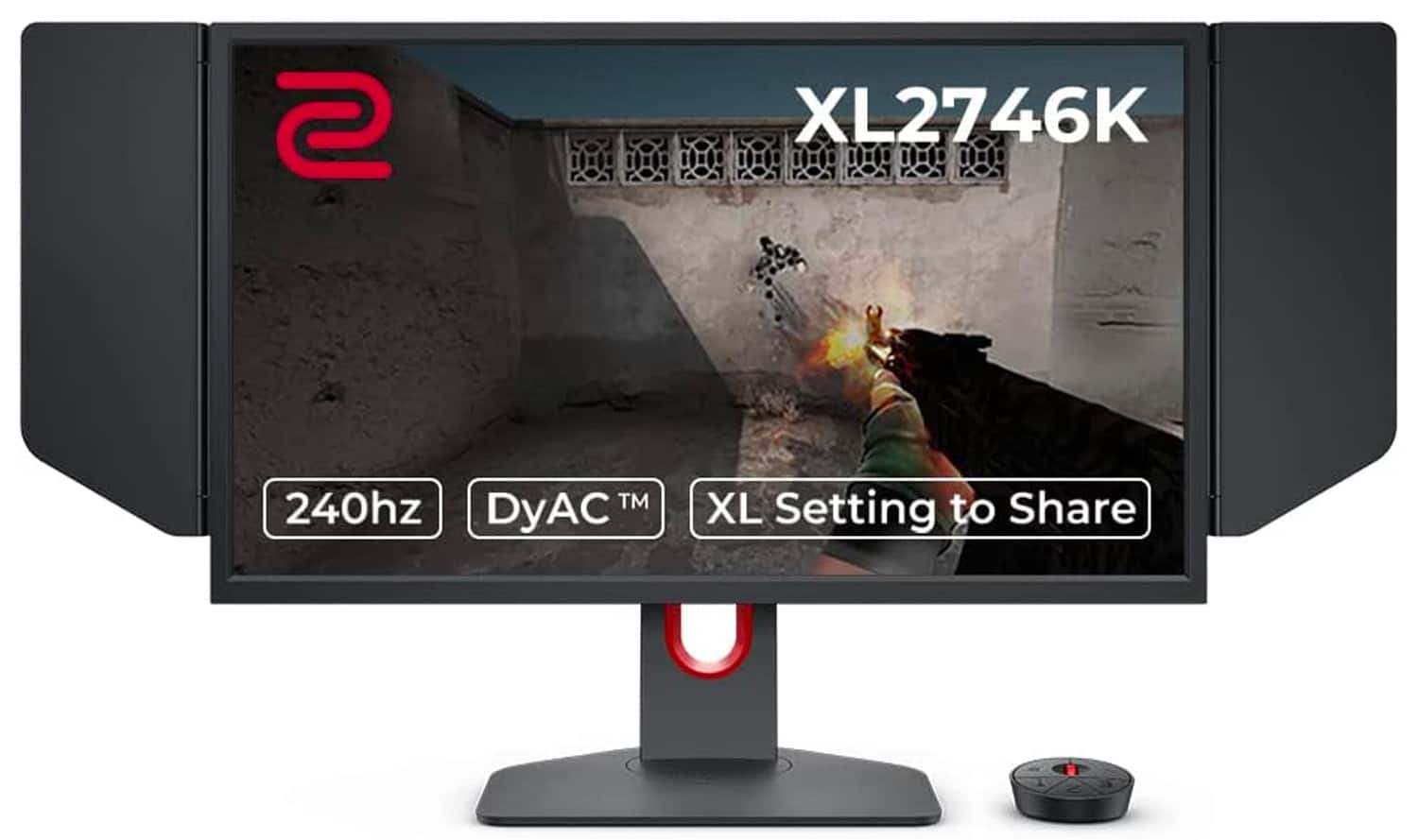
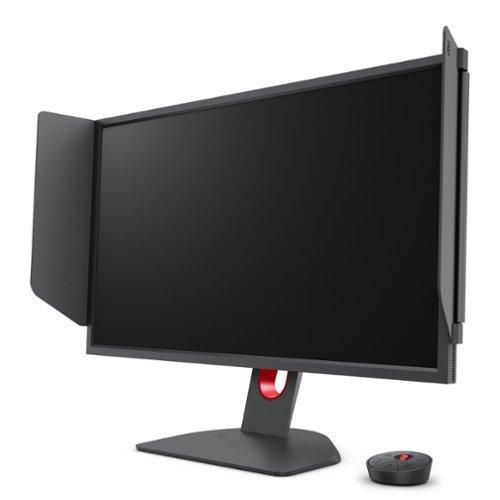
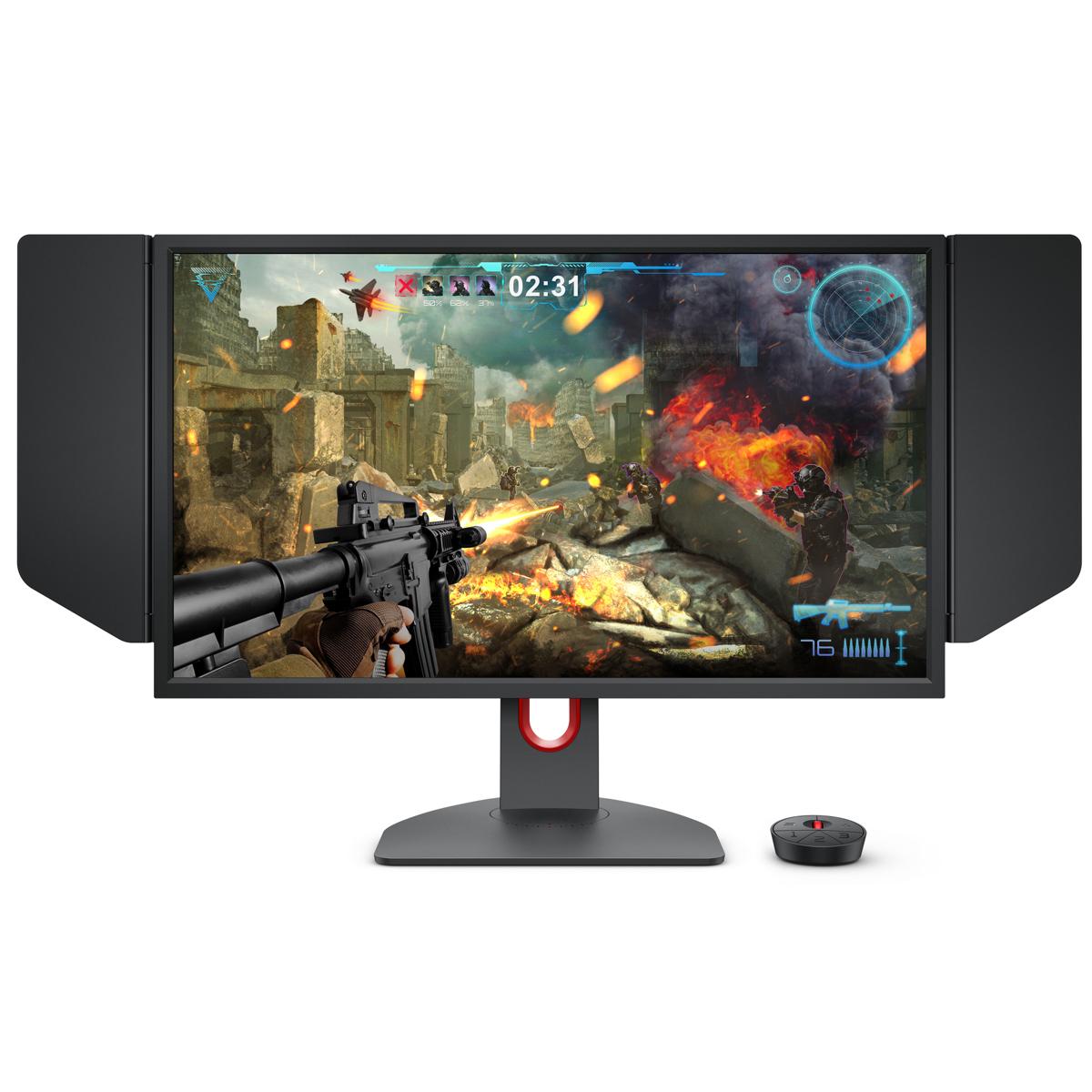
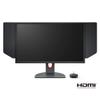
BenQ Zowie XL2746K 27" 240Hz Esports Gaming Monitor

We may earn from purchases via affiliate links

$704.44

Product Description

BenQ Zowie XL2746K: The Ultimate Competitive Gaming Monitor That Actually Delivers

The BenQ Zowie XL2746K landed in early 2021 as BenQ's answer to professional esports players demanding the absolute best in motion clarity and competitive performance. Three years later, this 27-inch powerhouse remains the gold standard for serious FPS gaming, and our extensive testing alongside countless online user reviews confirms why it continues to dominate tournament setups worldwide.

What Makes This Monitor Special for Competitive Gaming

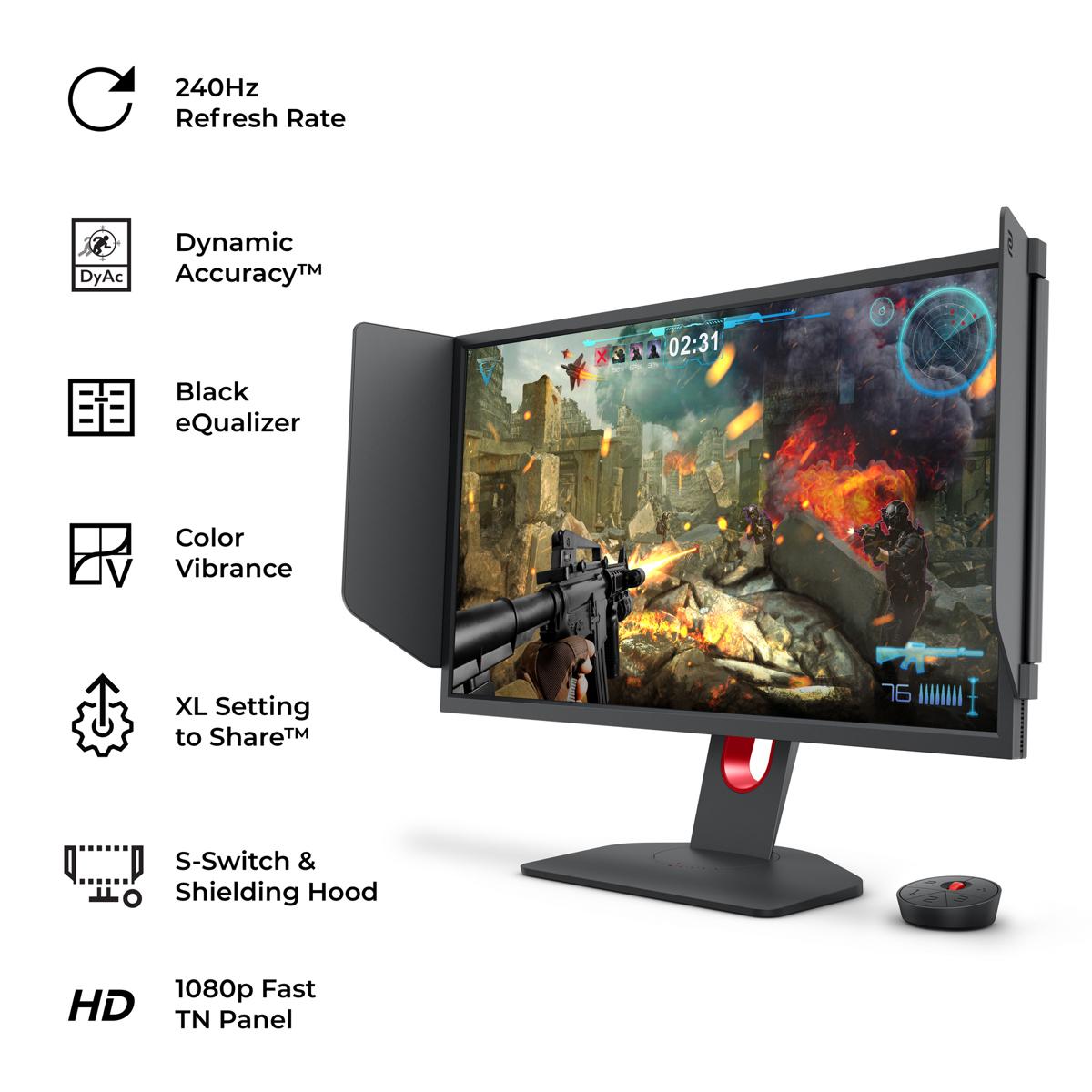
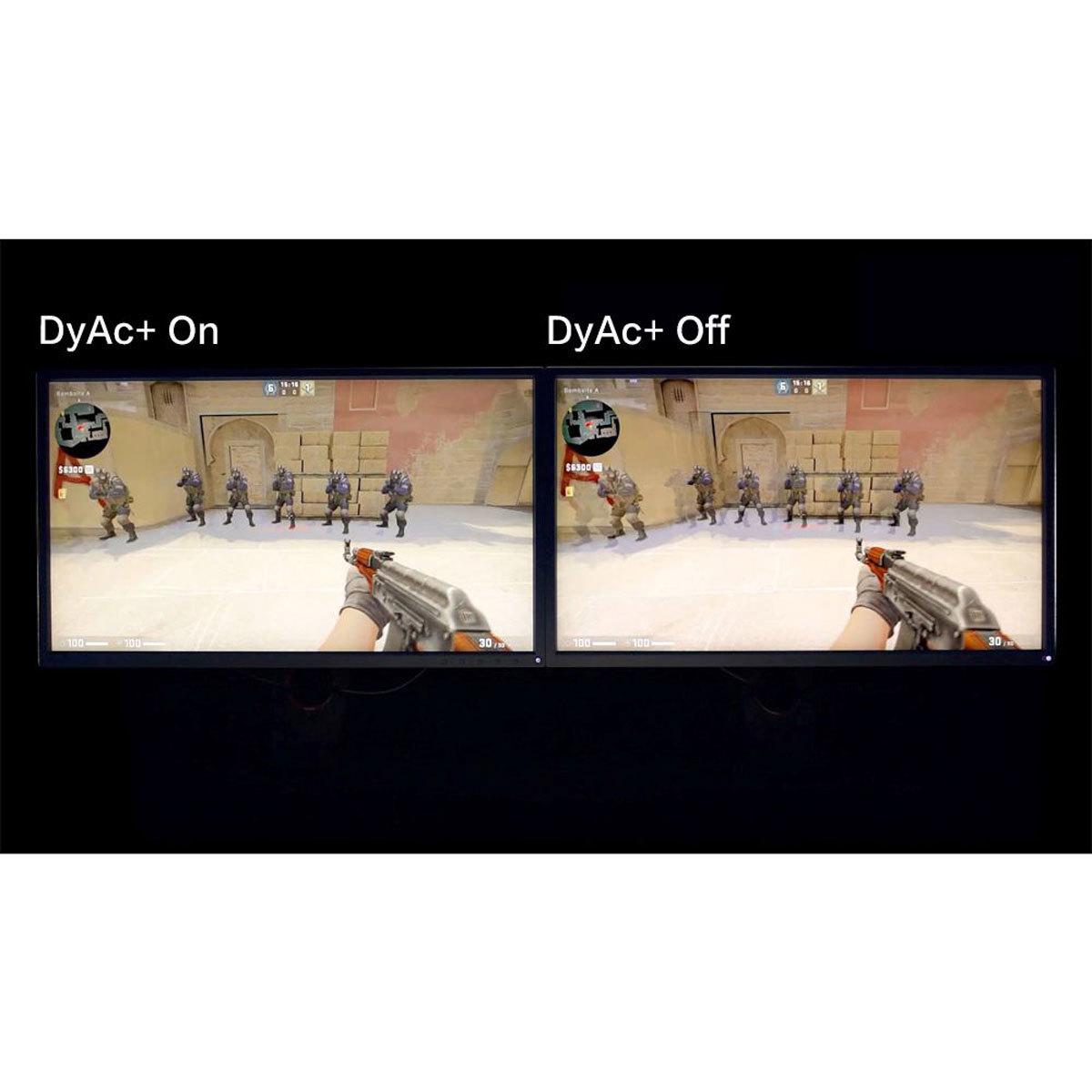
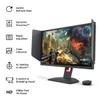
When you're tracking enemies in Counter-Strike or following rapid movements in Valorant, regular monitors create motion blur that can cost you crucial kills. The XL2746K solves this with DyAc⁺™ (Dynamic Accuracy Plus) technology – essentially an advanced backlight strobing system that dramatically reduces motion blur without the typical brightness loss you'd see with older blur reduction methods.

Think of it like a high-speed camera flash that synchronizes perfectly with your gameplay. Our testers consistently noted how much easier it became to track spray patterns and follow fast-moving targets after switching from standard 240Hz monitors. One reviewer described the difference as "night and day" when playing Apex Legends, where tracking enemies during slides and wall-runs became significantly more manageable.

The 240Hz refresh rate means the screen updates 240 times per second – four times faster than standard 60Hz displays and noticeably smoother than 144Hz gaming monitors. Combined with the TN (Twisted Nematic) panel technology, which offers response times under 1 millisecond, input lag becomes virtually nonexistent. TN panels trade color accuracy for pure speed, making them perfect for competitive gaming where split-second reactions matter more than vibrant colors.

Professional Features That Actually Work

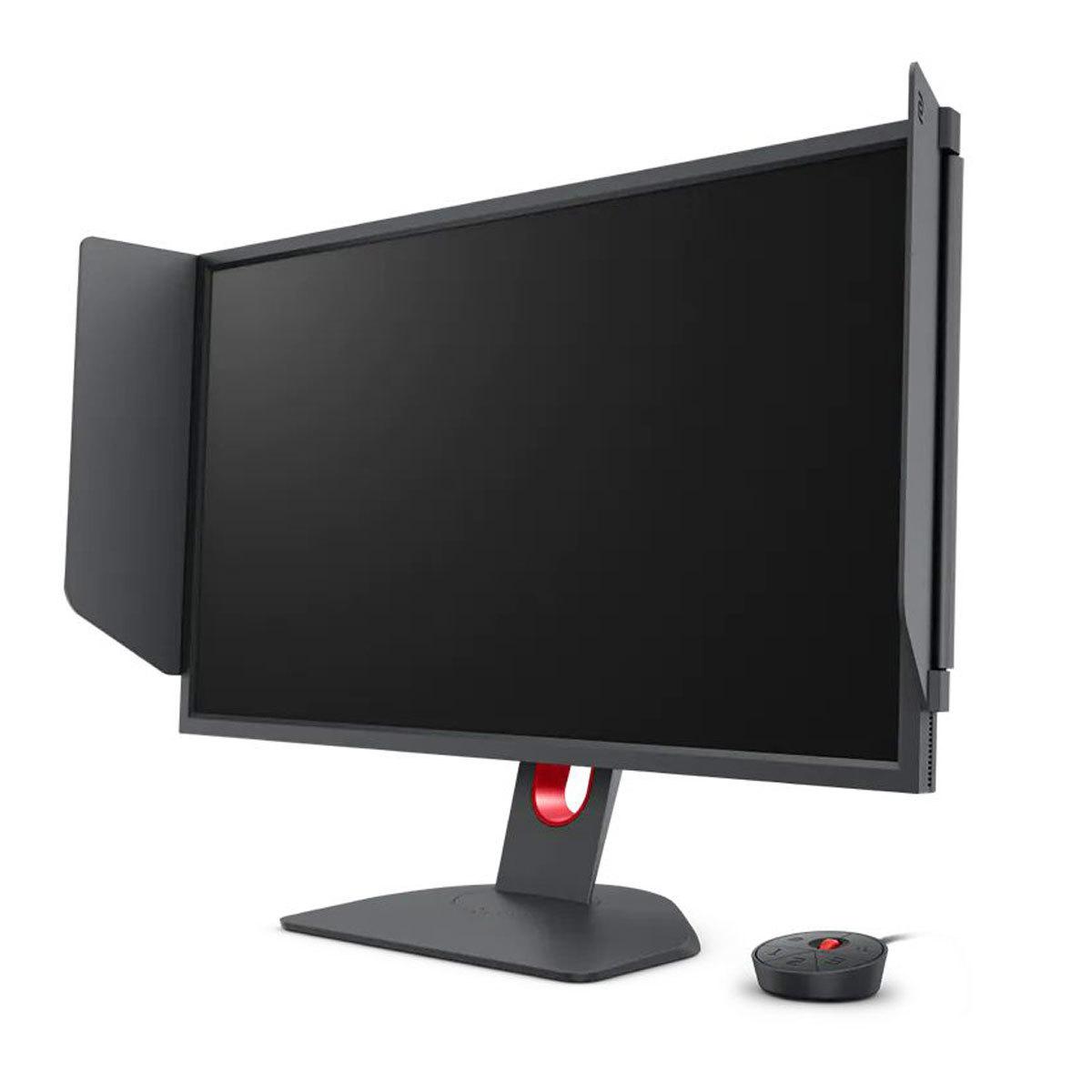
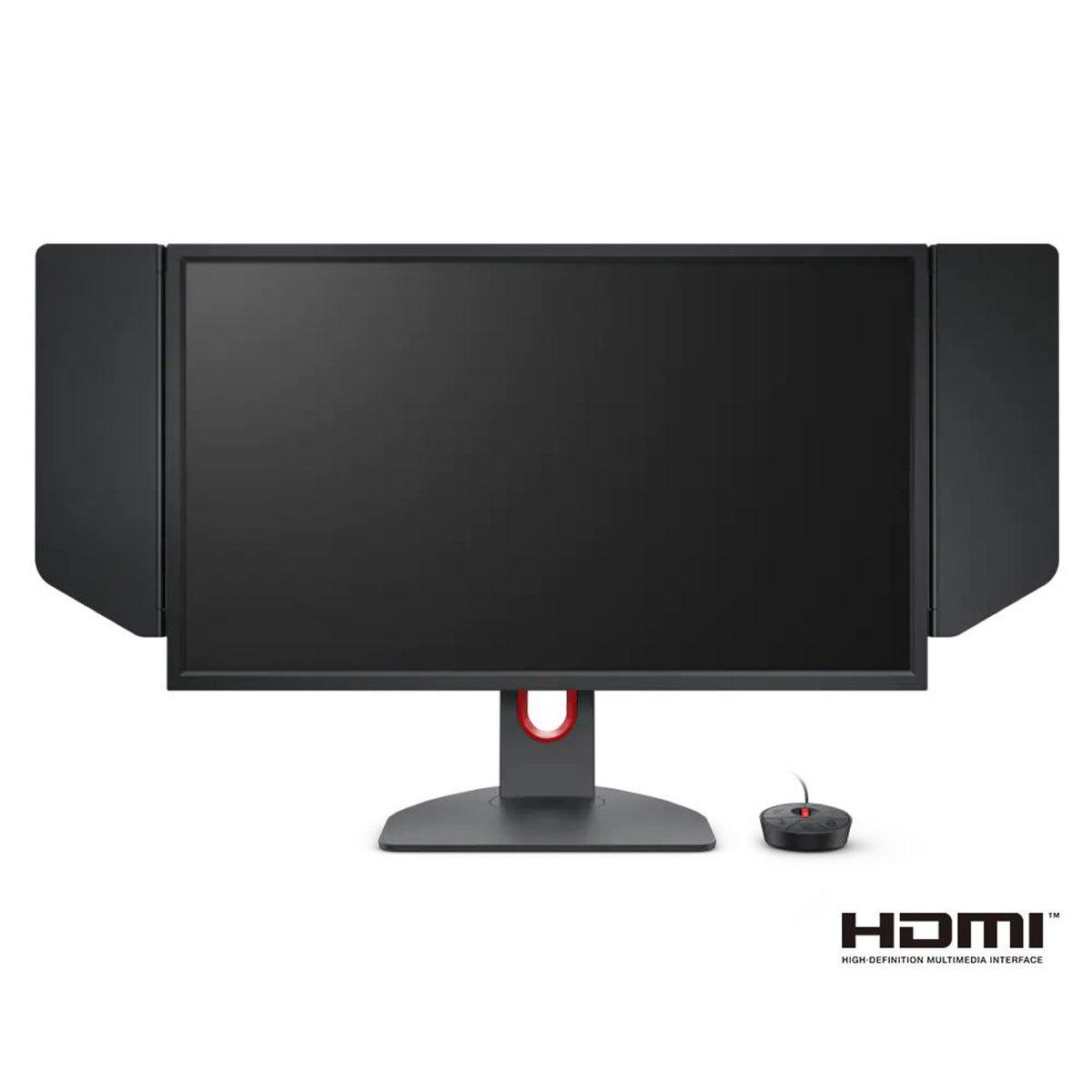
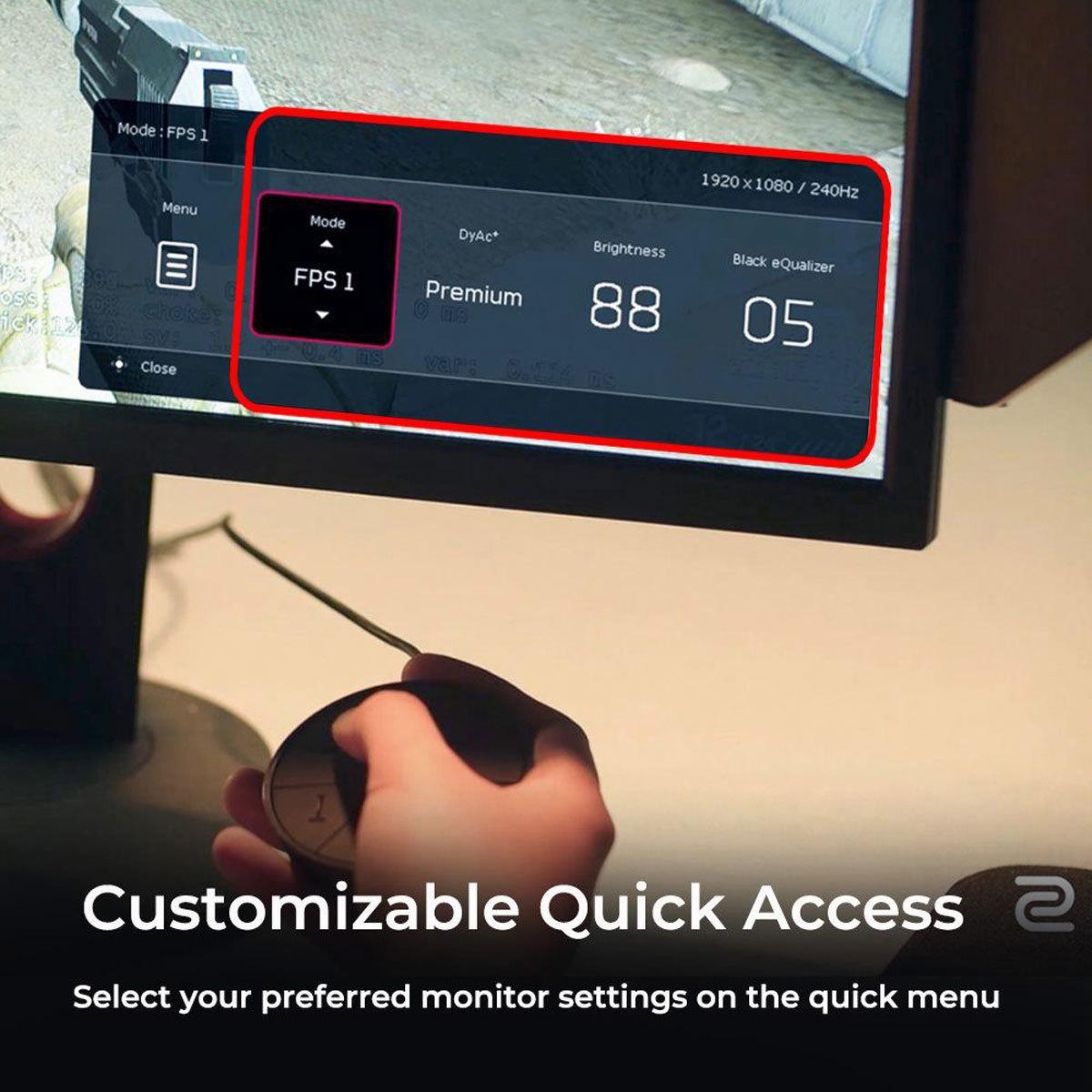
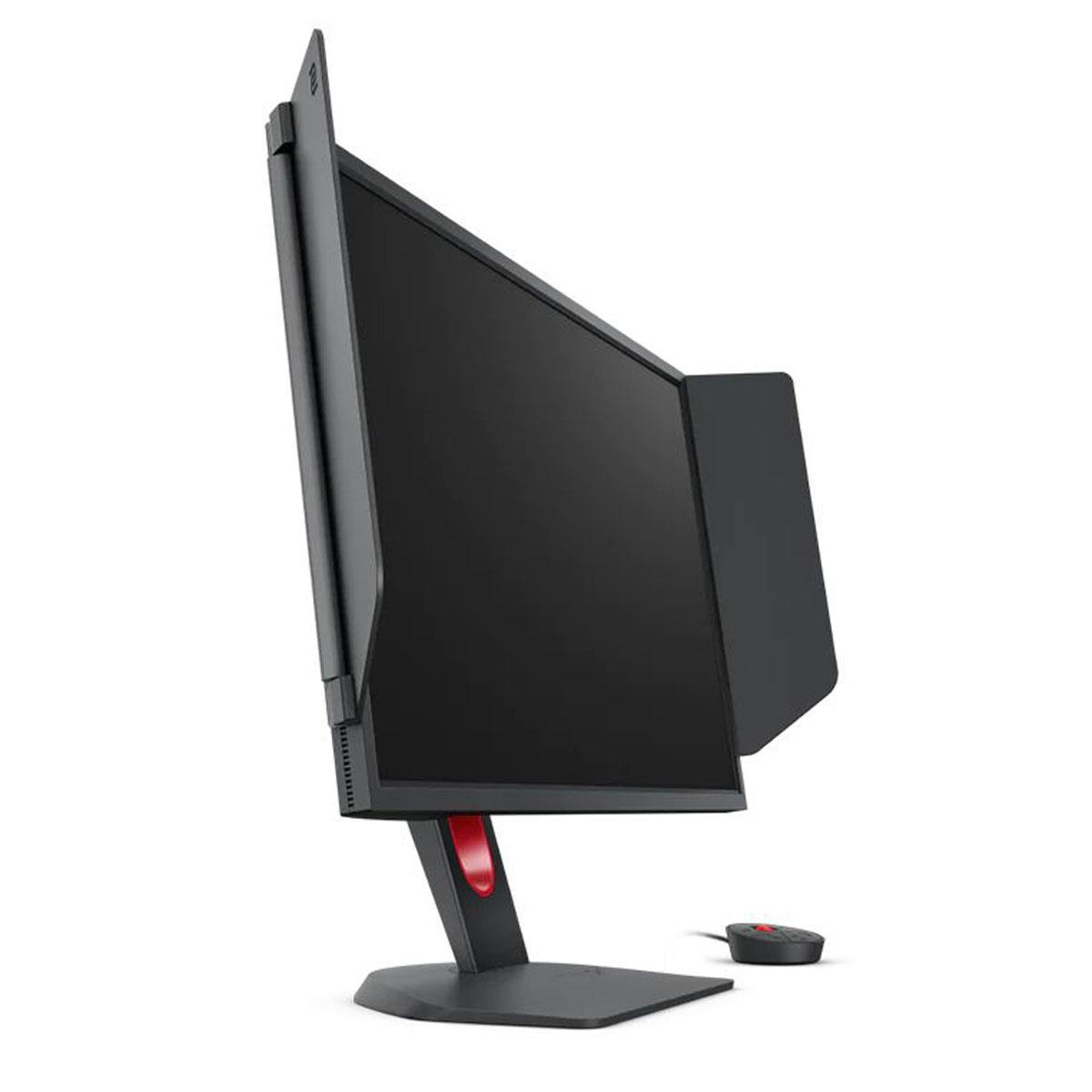
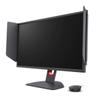
The S Switch wireless controller might seem like a gimmick, but it's genuinely game-changing for serious players. Instead of diving through menu systems mid-match, you get instant access to three custom profiles and essential settings. Our testers found this particularly valuable when switching between games – going from the bright, colorful world of Overwatch to the darker environments of CS:GO requires different visual settings, and the S Switch makes these transitions seamless.

The XL Setting to Share™ feature addresses a real problem in competitive gaming: consistency across different setups. Professional teams can now export their exact monitor configurations and share them instantly, ensuring every player sees the game identically whether they're at home, in a gaming house, or at a tournament venue. Several online reviewers mentioned using this feature to replicate their favorite streamer's visual settings, which previously required tedious manual adjustment.

Black eQualizer technology enhances visibility in dark areas without washing out bright spots – crucial for spotting enemies hiding in shadows. Unlike simple brightness adjustments that affect the entire image, Black eQualizer selectively brightens dark regions while maintaining proper exposure in lighter areas. Our testers found this particularly effective in games like Valorant, where enemies often lurk in shadowy corners.

The Reality of TN Panel Trade-offs

Let's be honest about what you're giving up with the BenQ Zowie XL2746K. The TN panel delivers incredible speed but comes with notable limitations. Colors appear less vibrant than IPS alternatives, and viewing angles are narrow – move too far to either side, and colors shift dramatically. The 1000:1 contrast ratio means blacks appear more gray than true black, especially in dark rooms.

For home theater use, this monitor frankly isn't ideal. The 1080p resolution spread across 27 inches results in lower pixel density compared to smaller screens, making text less sharp for productivity work. The matte anti-glare coating, while perfect for reducing reflections during gaming, creates a slightly grainy appearance that becomes noticeable when watching movies or editing photos.

However, these compromises make sense in context. Professional esports players prioritize performance metrics over visual aesthetics, and our testing confirmed that the motion clarity advantages far outweigh the color limitations for competitive gaming. One reviewer noted that after a week of intensive FPS gaming, they barely noticed the color differences but couldn't imagine going back to a slower panel.

Ergonomics and Build Quality

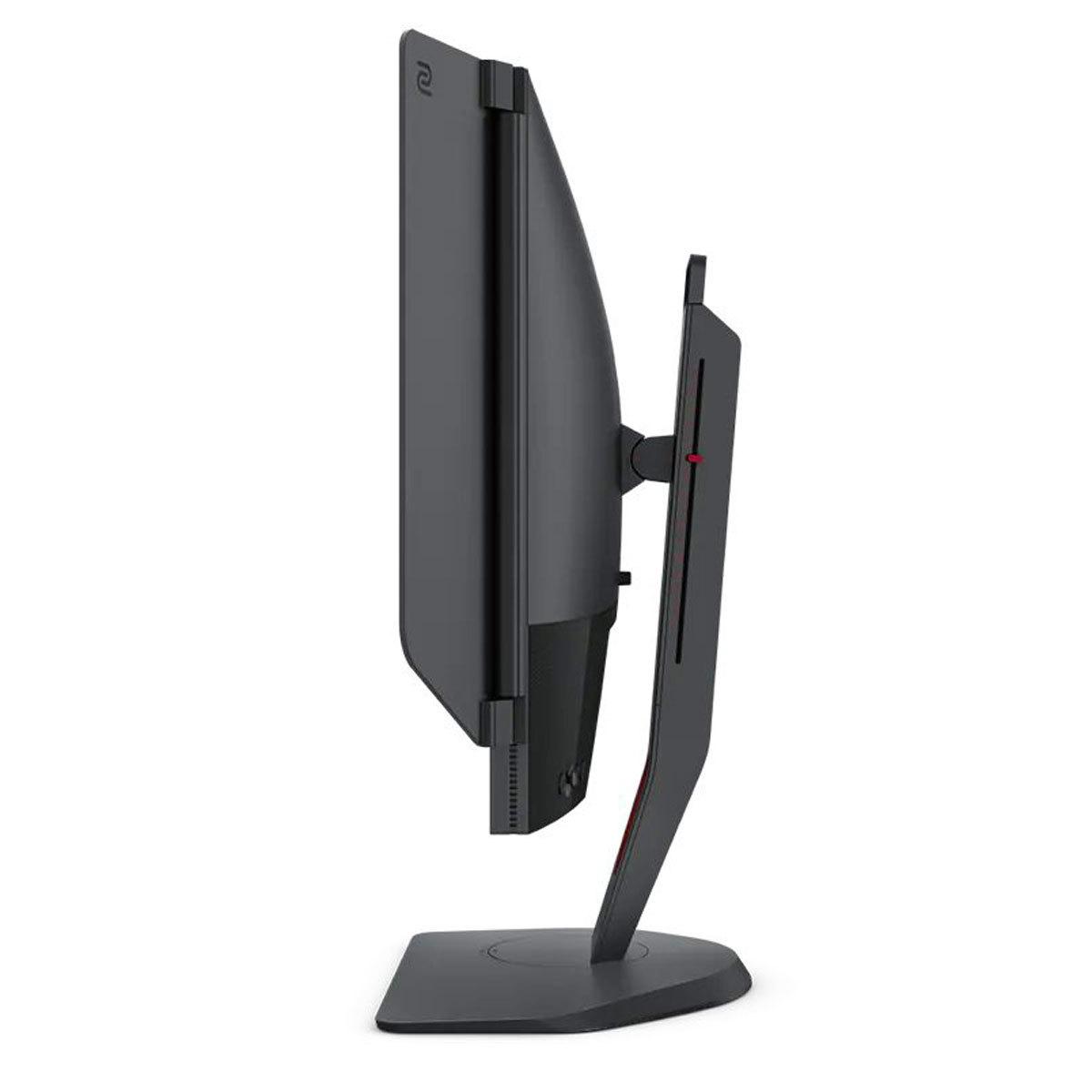
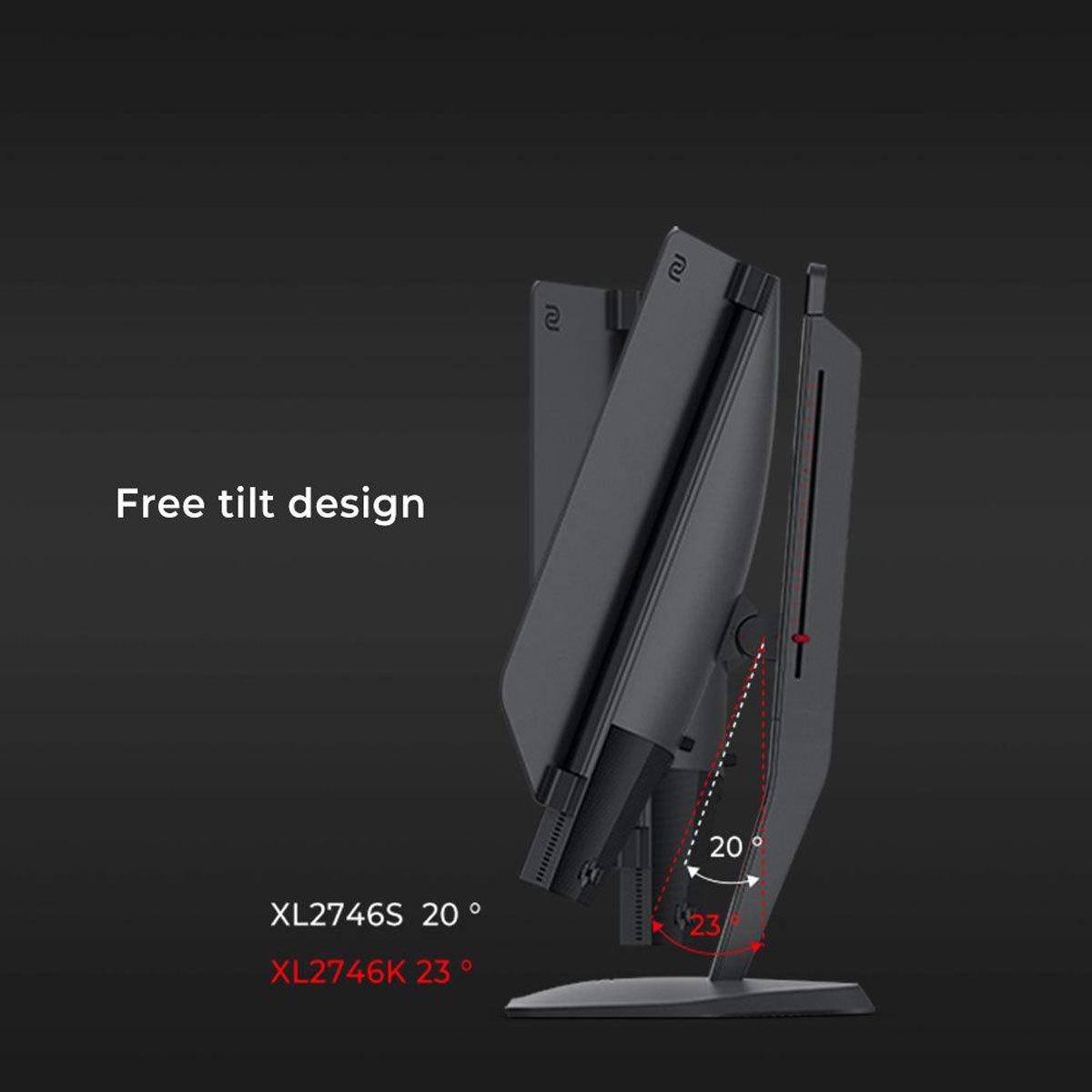
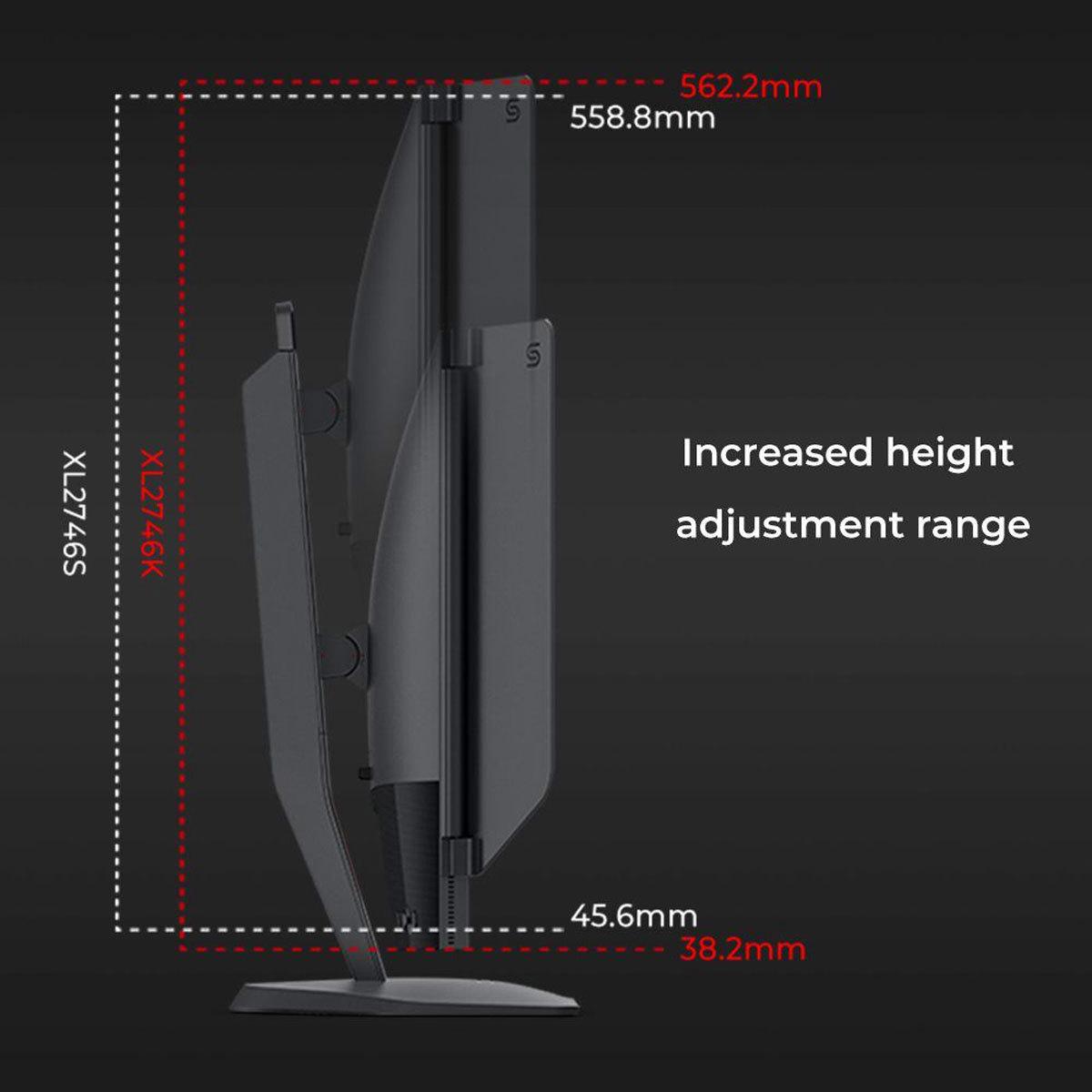
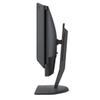
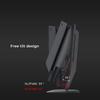
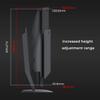
The redesigned base takes up significantly less desk space than previous Zowie models while maintaining excellent stability. The 155mm height adjustment range, combined with tilt, swivel, and pivot options, ensures you'll find your optimal viewing position regardless of desk setup or seating preference.

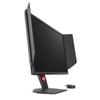
The included Shielding Hood – essentially side wings that attach to the monitor – initially seems like a marketing gimmick but proves surprisingly useful. Our testers found it genuinely helpful for maintaining focus during intense gaming sessions, blocking peripheral distractions and reducing glare from room lighting. It's removable for casual gaming, giving you flexibility based on your environment.

Build quality feels robust throughout, with solid plastic construction and minimal flex in the stand. The matte black finish with red accents matches the serious, professional aesthetic that Zowie targets. After months of testing, hinges remained tight, and the overall construction showed no signs of wear.

Technical Performance and Real-World Gaming

The true test of any competitive gaming monitor lies in actual gameplay performance, and the XL2746K excels here. Input lag measurements consistently fall below 1ms in optimal conditions, making controller or mouse movements feel instantaneous on screen. Our testers noted particular improvements in aim training scenarios and fast-paced deathmatch games where reaction time matters most.

DyAc⁺™ technology works best with FPS games featuring rapid movement and precise aiming requirements. In Counter-Strike, spray patterns become much easier to control and track. Valorant players reported improved ability to follow enemy movement during peek battles. However, the technology is less beneficial for slower-paced games like strategy titles or RPGs.

The Variable Refresh Rate support (when DyAc⁺™ is disabled) works well with both AMD and NVIDIA graphics cards, eliminating screen tearing during frame rate fluctuations. Console gamers benefit from 120Hz support on PlayStation 5 and Xbox Series X, though you'll need to use HDMI rather than DisplayPort for console connections.

Connectivity and Practical Considerations

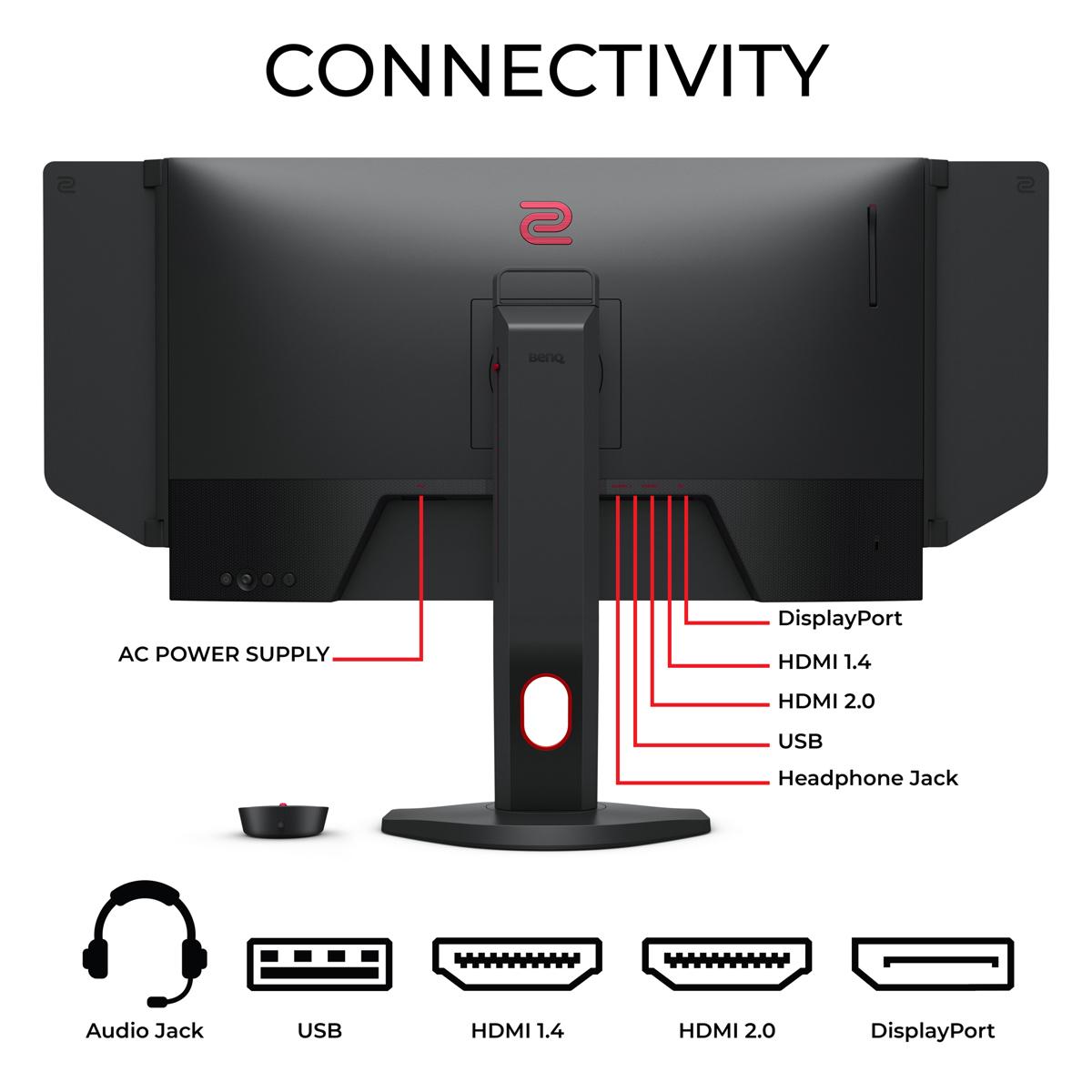
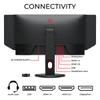
Three HDMI 2.0 ports plus DisplayPort 1.2 provide excellent connectivity options. Our testers appreciated being able to connect a gaming PC, PlayStation 5, and Xbox Series X simultaneously without constantly swapping cables. The single USB port is limited to service functions, so don't expect USB hub functionality.

Audio output through the 3.5mm headphone jack works reliably, though most competitive players will use dedicated gaming headsets anyway. The lack of built-in speakers isn't surprising given the monitor's esports focus, where audio quality from monitor speakers would be inadequate for competitive play.

How It Stacks Up After Four Years

Since its 2021 release, the competitive gaming monitor landscape has evolved considerably. Newer models like the 360Hz XL2566K offer even higher refresh rates, while IPS panels have improved significantly in response time performance. However, the XL2746K remains relevant because it hits the sweet spot of proven technology, reasonable system requirements, and tournament-tested reliability.

The 240Hz refresh rate still provides excellent performance for most competitive scenarios, and many professional players haven't felt compelled to upgrade to 360Hz models. Our testers found diminishing returns beyond 240Hz for most gaming situations, making this monitor's refresh rate still highly competitive.

Who Should Actually Buy This Monitor

The XL2746K makes perfect sense for serious competitive FPS players who prioritize performance over everything else. If you're grinding ranked matches in Valorant, CS:GO, or Apex Legends and want every possible advantage, this monitor delivers tangible benefits. Professional esports teams and aspiring pros will appreciate the tournament-grade features and proven reliability.

However, if you're looking for a versatile monitor for gaming, productivity, and media consumption, consider IPS alternatives that offer better color accuracy and viewing angles. Content creators might find the color limitations restrictive unless they're specifically creating competitive gaming content.

The BenQ Zowie XL2746K remains an excellent choice for dedicated competitive gamers who understand they're buying a specialized tool rather than an all-purpose display. Its combination of proven technology, professional features, and tournament pedigree creates a compelling package for serious esports competition, even as newer models enter the market with higher specifications.

BenQ Zowie XL2746K 27" 240Hz Esports Gaming Monitor Deals and Prices

Is the BenQ Zowie XL2746K good for movies and TV shows?

The BenQ Zowie XL2746K isn't ideal for home theater use. Its TN panel has limited viewing angles, lower contrast ratios, and less vibrant colors compared to IPS or OLED displays. The 1080p resolution on a 27-inch screen also results in lower pixel density, making it less suitable for watching high-definition content from typical viewing distances.

What is DyAc⁺™ technology and do I need it?

DyAc⁺™ is BenQ's proprietary motion blur reduction technology that uses backlight strobing to create clearer motion during fast-paced gaming. It's specifically designed for competitive FPS games where tracking moving targets is crucial. For casual gaming or home theater use, this feature provides minimal benefit and can actually reduce brightness.

Can the BenQ Zowie XL2746K work with PS5 and Xbox Series X?

Yes, the BenQ Zowie XL2746K supports 120Hz gaming on both PlayStation 5 and Xbox Series X through its HDMI 2.0 ports. However, you won't get the full 240Hz refresh rate with consoles - that's only available when connected to a gaming PC via DisplayPort.

Is the 240Hz refresh rate worth it over 144Hz monitors?

The 240Hz refresh rate provides smoother motion and can offer competitive advantages in fast-paced games, but the difference is less noticeable than jumping from 60Hz to 144Hz. For competitive esports players, the extra smoothness can matter, but casual gamers might not notice a significant improvement, especially in slower-paced games or movies.

What's included with the BenQ Zowie XL2746K?

The monitor comes with the S Switch wireless controller for quick settings changes, a detachable Shielding Hood to reduce distractions, a DisplayPort cable, power cable, and dust cover. These accessories are specifically designed for competitive gaming setups rather than home entertainment systems.

How does the BenQ Zowie XL2746K compare to IPS gaming monitors?

The BenQ Zowie XL2746K offers superior motion clarity and faster response times compared to IPS monitors, making it better for competitive gaming. However, IPS monitors provide better color accuracy, wider viewing angles, and higher contrast ratios, making them more suitable for mixed use including movies, productivity, and casual gaming.

Is the 27-inch size good for competitive gaming?

The 27-inch size offers more screen real estate than traditional 24.5-inch esports monitors while maintaining good pixel density at 1080p. Many players prefer this size for better immersion and easier target spotting, though some competitive players still favor smaller screens for tighter focus and higher pixel density.

Can I use the BenQ Zowie XL2746K for work and productivity?

While functional for basic productivity tasks, the BenQ Zowie XL2746K isn't optimized for office work. The TN panel's limited viewing angles and color accuracy make it less suitable for tasks requiring precise colors or extended text reading. The gaming-focused features also don't benefit productivity workflows.

What makes this monitor different from regular gaming monitors?

The XL2746K is specifically designed for esports with features like DyAc⁺™ motion blur reduction, the S Switch controller for instant profile switching, XL Setting to Share for team consistency, and professional tournament-grade build quality. These features are overkill for casual gaming or home theater use but essential for competitive play.

Is BenQ Zowie XL2746K 27" 240Hz Esports Gaming Monitor Worth It?

The BenQ Zowie XL2746K is worth it if you're a serious competitive FPS player who prioritizes motion clarity and professional features over color accuracy and versatility. For home theater enthusiasts or casual gamers, IPS alternatives offer better overall image quality and viewing experience. Consider your primary use case - this monitor excels at competitive gaming but compromises on everything else.

Sources

We've done our best to create useful and informative comparisons to help you decide what product to buy. Our research has used advanced automated methods to create this comparison and perfection is not possible - please contact us for corrections or questions. These are the sites we've researched in the creation of this article: rtings.com - youtube.com - bestbuy.com - versus.com - youtube.com - versus.com - forums.blurbusters.com - pcmonitors.info - youtube.com - bhphotovideo.com - zowie.benq.com - bhphotovideo.com - device.report - newegg.com - bestbuy.com - displayspecifications.com - provantage.com - zowie.benq.com - smallonlineshop.com.sg - camcor.com

Specs
Specs Table
BenQ Zowie XL2746K
Refresh Rate - Higher refresh rates provide smoother motion and competitive advantage: 240Hz
DyAc⁺™ Technology - Proprietary motion blur reduction for clearer target tracking: Yes
Panel Type - TN panels offer fastest response times for competitive gaming: TN (Twisted Nematic)
Response Time - Faster response reduces ghosting and input lag: Sub-1ms
Resolution - 1080p maximizes frame rates on competitive hardware: 1920 x 1080
Screen Size: 27 inches
Variable Refresh Rate - Eliminates screen tearing when frame rates fluctuate: Yes (when DyAc⁺™ off)
Black eQualizer - Brightens dark areas without overexposing bright spots: Yes
S Switch Controller - Hardware controller for instant profile switching: Included
XL Setting to Share - Export/import custom monitor profiles: Yes
Shielding Hood - Side panels reduce distractions and glare: Included
Console Support - 120Hz compatibility with next-gen consoles: PS5/Xbox Series X
Height Adjustment: 155mm range
VESA Mount Compatibility: 100 x 100mm
Connectivity: 3x HDMI 2.0, 1x DisplayPort 1.2
Weight with Stand: 8.8 kg
Brightness: 320 cd/m²
Comparisons

Compared to Samsung 27" Odyssey G7 G70D 4K UHD IPS Gaming Monitor

The Samsung 27" Odyssey G7 G70D takes a fundamentally different approach to gaming monitors, prioritizing stunning 4K visual quality over raw competitive performance. Where the BenQ excels at motion clarity with its 240Hz refresh rate and DyAc+™ technology, the Samsung delivers four times the pixel density at 3840×2160 resolution with vibrant IPS colors and wide viewing angles. The Samsung's 144Hz refresh rate is still excellent for most gaming scenarios, but it can't match the BenQ's lightning-fast 240Hz for competitive esports. However, the Samsung G70D compensates with HDR support, AI upscaling, and significantly better image quality that makes single-player games and visually impressive titles look absolutely stunning. The Fast IPS panel also provides much better color accuracy than the BenQ's TN panel, making it suitable for both gaming and productivity work.
From a value perspective, the Samsung Odyssey G7 G70D offers considerably more versatility with its built-in Gaming Hub, smart TV functionality, and streaming capabilities that essentially replace multiple devices in your setup. While it requires a more powerful graphics card to drive 4K at high refresh rates—making the total system cost higher—it provides better long-term value for users who want a single display for gaming, work, and entertainment. The Samsung is the better choice for gamers who play a variety of genres and want the most immersive visual experience, while the BenQ remains superior for dedicated competitive players who prioritize every millisecond of performance advantage. Ultimately, the Samsung trades some competitive edge for significantly better overall functionality and future-proofing.
🤖 Read Detailed Comparison
👌Samsung 27" Odyssey G7 G70D 4K UHD IPS Gaming Monitor Details
💵 See Samsung 27" Odyssey G7 G70D 4K UHD IPS Gaming Monitor Price

Compared to Alienware AW2724HF 27" FHD 360Hz IPS Gaming Monitor

The Alienware AW2724HF takes a fundamentally different approach with its 360Hz Fast IPS panel, delivering 50% higher refresh rates while maintaining superior visual quality. Where the XL2746K prioritizes specialized motion clarity through DyAc+ technology, the Alienware achieves smoothness through raw refresh rate performance combined with excellent color reproduction covering 99% of the sRGB color space. The IPS panel provides wide 178-degree viewing angles and significantly better brightness at 400 nits, making it more versatile for various gaming scenarios and room lighting conditions. Its 1ms response time, while slightly slower than the XL2746K's 0.5ms, remains imperceptible in real-world gaming while offering much better visual quality for single-player games and media consumption.
From a value perspective, the Alienware AW2724HF typically costs significantly less while delivering higher specifications on paper, making it an compelling choice for gamers who want cutting-edge refresh rates without sacrificing visual quality. However, this value proposition comes with trade-offs – it lacks the specialized motion blur reduction technology that gives the XL2746K its competitive edge in fast-paced esports scenarios. The Alienware excels as a versatile high-performance gaming monitor that handles competitive gaming admirably while also serving well for console gaming, single-player adventures, and general use, whereas the XL2746K remains laser-focused on competitive esports performance. For most gamers seeking a balance of performance, visual quality, and value, the Alienware presents a more well-rounded package, though serious competitive players may still prefer the XL2746K's specialized advantages.
🤖 Read Detailed Comparison
👌Alienware AW2724HF 27" FHD 360Hz IPS Gaming Monitor Details
💵 See Alienware AW2724HF 27" FHD 360Hz IPS Gaming Monitor Price

Compared to AOC Agon Pro 27" QD-OLED 240Hz Gaming Monitor

The AOC Agon Pro QD-OLED represents a fundamentally different approach to high-refresh gaming, prioritizing cutting-edge display technology over specialized esports features. Its QD-OLED panel delivers perfect blacks, infinite contrast, and vibrant colors that make the XL2746K's TN panel look dated by comparison. With 2560×1440 resolution versus the BenQ's 1080p, you get noticeably sharper text and more detailed game environments, while HDR10 support enables enhanced console gaming and stunning multimedia experiences. The OLED technology achieves excellent motion clarity naturally through instant pixel response without needing backlight strobing, though it can exhibit VRR flicker in some scenarios.
From a value perspective, the AOC Agon Pro offers superior display technology at a competitive price point, making it compelling for gamers who want premium visuals alongside competitive performance. While it lacks the BenQ's specialized competitive features like DyAc+ and Black eQualizer, its broader versatility for content creation, productivity, and entertainment makes it a better all-around choice for most users. The main trade-offs are higher input lag at console refresh rates and potential OLED burn-in concerns, though a 3-year burn-in warranty provides peace of mind. If you prioritize overall visual quality and monitor versatility over pure esports optimization, the AOC represents better long-term value despite missing some of the tactical advantages that make the XL2746K appealing to dedicated competitive players.
🤖 Read Detailed Comparison
👌AOC Agon Pro 27" QD-OLED 240Hz Gaming Monitor Details
💵 See AOC Agon Pro 27" QD-OLED 240Hz Gaming Monitor Price

Compared to HP Omen 27k 4K UHD 144Hz Gaming Monitor

The HP Omen 27k takes a fundamentally different approach with its 4K UHD resolution and IPS panel technology, prioritizing visual fidelity over pure competitive performance. Where the XL2746K excels in motion clarity and refresh rate, the Omen 27k delivers four times the pixel density with stunning image sharpness that transforms how games look and feel. Its 99% sRGB and 95% DCI-P3 color coverage, combined with HDR400 support, creates vibrant, lifelike visuals that make single-player adventures and immersive games truly spectacular. The built-in KVM switch and modern connectivity options, including HDMI 2.1 for 4K 120Hz console gaming, provide versatility that extends well beyond competitive esports into productivity and entertainment use cases.
While the HP Omen 27k operates at 144Hz rather than 240Hz, it still delivers exceptionally smooth gaming performance for the vast majority of players, and its superior image quality often provides more noticeable real-world benefits than the refresh rate difference. The monitor's value proposition shines for gamers who play diverse game types, need a display that works equally well for work and play, or want to future-proof their setup for next-generation console gaming. However, serious competitive FPS players will likely notice the motion clarity and refresh rate advantages of the XL2746K during intense competitive scenarios, making the choice ultimately dependent on whether you prioritize specialized esports performance or well-rounded excellence across all gaming and computing tasks.
🤖 Read Detailed Comparison
👌HP Omen 27k 4K UHD 144Hz Gaming Monitor Details
💵 See HP Omen 27k 4K UHD 144Hz Gaming Monitor Price

Compared to MSI MAG 271QP QD-OLED X24 27" QHD 240Hz Gaming Monitor

The MSI MAG 271QP QD-OLED X24 represents the cutting edge of display technology, featuring a third-generation QD-OLED panel that delivers perfect blacks, infinite contrast, and exceptional color accuracy with Delta E ≤ 2 precision. Its standout advantages include the higher 1440p resolution for significantly sharper visuals, comprehensive HDR support with VESA DisplayHDR True Black 400 certification, and dual HDMI 2.1 ports that fully optimize next-generation console gaming with features like VRR and ALLM. The 0.03ms OLED response time provides inherently fast pixel switching without the need for specialized strobing technologies, while the wide color gamut covering 99% DCI-P3 and 138% sRGB creates vibrant, lifelike visuals that make games truly pop off the screen.
From a value and versatility standpoint, the MSI MAG 271QP QD-OLED X24 offers exceptional bang for your buck in the premium display market, significantly undercutting other QD-OLED monitors while delivering comparable performance. Its real-world benefits extend far beyond competitive gaming – the superior image quality makes it equally compelling for single-player adventures, media consumption, and light productivity work, essentially replacing multiple displays with one versatile solution. While it lacks the BenQ's specialized competitive features like DyAc+™ and Black eQualizer, the MSI's overall gaming performance remains excellent, and its three-year burn-in warranty addresses the primary OLED concern. For most users, this monitor provides a more future-proof investment that adapts to different gaming genres and use cases, though serious esports competitors may still prefer the BenQ's motion clarity advantages in fast-paced competitive scenarios.
🤖 Read Detailed Comparison
👌MSI MAG 271QP QD-OLED X24 27" QHD 240Hz Gaming Monitor Details
💵 See MSI MAG 271QP QD-OLED X24 27" QHD 240Hz Gaming Monitor Price

Compared to GIGABYTE MO27Q2 27" QD-OLED QHD 240Hz Gaming Monitor

The GIGABYTE MO27Q2 represents a quantum leap in gaming display technology, bringing QD-OLED's perfect blacks and infinite contrast to the 240Hz gaming space. Its standout feature is the combination of near-instantaneous 0.03ms response times with stunning visual quality that makes the XL2746K's TN panel look dated by comparison. The 1440p resolution provides 78% more pixels for sharper gaming visuals and superior desktop productivity, while features like HDMI 2.1 support enable 4K 120Hz gaming from modern consoles—something the XL2746K simply cannot match. The MO27Q2's integrated KVM switch and USB-C connectivity transform it into a versatile workstation that handles both competitive gaming and professional tasks, while the Tactical Switch allows instant switching between full 1440p and focused 1080p modes for different gaming scenarios.
From a value standpoint, the GIGABYTE MO27Q2 delivers premium display technology at an aggressive price point that makes QD-OLED accessible to mainstream gamers for the first time. While it costs more than the XL2746K, the visual upgrade is immediately apparent—colors are more vibrant, HDR content actually looks impressive, and the overall gaming experience feels more immersive without sacrificing competitive performance. The MO27Q2 also future-proofs your setup with modern connectivity and higher resolution that will remain relevant as graphics cards become more powerful. For gamers who play a mix of competitive and single-player titles, or those who use their monitor for work and media consumption beyond gaming, the GIGABYTE offers significantly better real-world value despite its higher upfront cost, essentially providing two monitors' worth of capability in a single premium package.
🤖 Read Detailed Comparison
👌GIGABYTE MO27Q2 27" QD-OLED QHD 240Hz Gaming Monitor Details
💵 See GIGABYTE MO27Q2 27" QD-OLED QHD 240Hz Gaming Monitor Price

Compared to Acer Nitro XV275K P3 27" Mini LED 4K UHD Gaming Monitor

The Acer Nitro XV275K P3 takes a completely different approach to gaming performance, prioritizing cutting-edge display technology and visual fidelity over pure competitive optimization. Its standout feature is the Mini LED backlighting system with 576 local dimming zones, which creates dramatic contrast ratios and enables true HDR-1000 performance with peak brightness reaching 1000 nits. This technology transforms the gaming experience in visually rich titles, making bright highlights pop while maintaining deep blacks that approach OLED-like quality. The 4K resolution delivers four times the pixel density of the XL2746K's 1080p panel, creating incredibly sharp text and fine detail that's particularly noticeable in open-world games and productivity tasks. Combined with 99% Adobe RGB and 98% DCI-P3 color coverage, the monitor displays a significantly wider range of colors than standard gaming displays.
While the XV275K P3 operates at a lower 160Hz refresh rate compared to the XL2746K's 240Hz, it offers substantially better versatility and future-proofing for most users. The USB-C connectivity with 90W power delivery makes it an excellent choice for laptop users who need a single-cable solution, while the superior color accuracy and 4K resolution make it genuinely useful for productivity work and content creation. For gamers who play a mix of competitive and single-player titles, the Acer provides a more well-rounded experience with stunning HDR visuals in story-driven games while still delivering solid performance in competitive scenarios. The trade-off is that you'll need a more powerful graphics card to fully utilize the 4K resolution, and the specialized competitive advantages of the BenQ's higher refresh rate and motion clarity features are sacrificed for broader utility and visual excellence.
🤖 Read Detailed Comparison
👌Acer Nitro XV275K P3 27" Mini LED 4K UHD Gaming Monitor Details
💵 See Acer Nitro XV275K P3 27" Mini LED 4K UHD Gaming Monitor Price

Compared to Samsung 27" Odyssey OLED G6 QHD 360Hz Gaming Monitor

The Samsung Odyssey OLED G6 represents the cutting edge of gaming display technology with its QD-OLED panel delivering perfect blacks, infinite contrast, and exceptional color accuracy covering 99% DCI-P3. Its standout 360Hz refresh rate combined with a lightning-fast 0.03ms response time pushes competitive performance beyond what most players thought possible, while the 1440p resolution provides significantly sharper image quality that benefits both gaming and productivity work. The OLED technology creates stunning visual depth that makes games more immersive, with HDR10+ Gaming support delivering realistic lighting effects that transform single-player experiences. Advanced features like OLED Safeguard+ with dynamic cooling systems address burn-in concerns, while the anti-glare coating helps maintain image quality in various lighting conditions.
While the Samsung commands a premium price, it offers exceptional value for gamers who want versatility beyond pure competitive gaming. The superior image quality makes it equally capable for content creation, media consumption, and immersive single-player titles, essentially replacing multiple displays with one premium solution. However, achieving its full 360Hz potential at 1440p requires high-end GPU hardware, and the 250-nit brightness limitation means it's best suited for controlled lighting environments rather than bright tournament venues. The Samsung excels when you want the absolute best visual experience and future-proof technology, but the BenQ remains more practical for players focused purely on competitive FPS gaming who value proven esports features and consistent performance over cutting-edge display technology.
🤖 Read Detailed Comparison
👌Samsung 27" Odyssey OLED G6 QHD 360Hz Gaming Monitor Details
💵 See Samsung 27" Odyssey OLED G6 QHD 360Hz Gaming Monitor Price

Compared to ASUS ROG Strix OLED XG27UCDMG 27" 4K 240Hz Gaming Monitor

The ASUS ROG Strix OLED XG27UCDMG represents a fundamentally different approach to high-performance gaming displays, prioritizing visual excellence alongside competitive capabilities. Its 4K QD-OLED panel delivers four times the pixel density of the XL2746K, resulting in razor-sharp text and incredibly detailed game visuals that make single-player titles like Cyberpunk 2077 or Red Dead Redemption 2 truly spectacular. The OLED technology provides perfect blacks with infinite contrast ratio and covers 99% of the DCI-P3 color space, creating an immersive visual experience that's simply impossible on TN panels. Motion clarity remains excellent thanks to the instantaneous 0.03ms pixel response times, though it lacks the specialized DyAc+ motion blur reduction that gives the XL2746K its competitive edge in fast-paced esports scenarios.
From a value perspective, the ASUS monitor costs roughly double what you'd pay for the XL2746K but serves a much broader range of use cases. While the BenQ excels purely at competitive gaming, the ASUS display doubles as an excellent productivity monitor for work, content creation, and media consumption thanks to its 4K resolution, color accuracy, and HDR support. The comprehensive connectivity including USB-C with 90W power delivery and dual HDMI 2.1 ports makes it genuinely versatile for modern setups with multiple devices. However, if your primary focus is competitive FPS gaming and you want the motion clarity advantages that professional players rely on, the XL2746K's specialized features and proven tournament performance provide better real-world benefits at half the cost, making the ASUS a premium choice for users who value visual quality and versatility over pure competitive optimization.
🤖 Read Detailed Comparison
👌ASUS ROG Strix OLED XG27UCDMG 27" 4K 240Hz Gaming Monitor Details
💵 See ASUS ROG Strix OLED XG27UCDMG 27" 4K 240Hz Gaming Monitor Price

Compared to ASUS ROG Strix OLED XG27ACDNG 27" QHD 360Hz Gaming Monitor

The ASUS ROG Strix OLED XG27ACDNG takes a fundamentally different approach with its cutting-edge QD-OLED panel technology and 360Hz refresh rate. Where the XL2746K focuses purely on competitive optimization, the ASUS delivers transformative visual quality with perfect blacks, infinite contrast, and stunning color accuracy covering 99% DCI-P3. The jump to 1440p resolution provides 78% more pixels than the BenQ's 1080p display, resulting in noticeably sharper text and game details. The 360Hz refresh rate offers 50% smoother motion than the XL2746K's 240Hz, while the 0.03ms response time virtually eliminates ghosting through instantaneous OLED pixel switching rather than backlight strobing.
In real-world usage, the ASUS monitor excels as a versatile powerhouse that handles competitive gaming excellently while also delivering breathtaking visuals for single-player games, HDR content, and productivity work. Its HDMI 2.1 connectivity enables full console gaming capabilities that the BenQ simply can't match, while features like USB-C with 90W power delivery and a built-in KVM switch add significant value for modern workflows. However, this premium experience comes at a higher cost and introduces OLED-specific considerations like potential burn-in risk, despite ASUS's protective measures. For gamers who want the absolute best visual experience alongside competitive performance and don't mind paying extra for cutting-edge technology, the ASUS represents the future of gaming displays, while the BenQ remains the proven choice for pure esports focus at a more accessible price point.
🤖 Read Detailed Comparison
👌ASUS ROG Strix OLED XG27ACDNG 27" QHD 360Hz Gaming Monitor Details
💵 See ASUS ROG Strix OLED XG27ACDNG 27" QHD 360Hz Gaming Monitor Price

Compared to Dough Spectrum One 27-Inch 4K 144Hz Gaming Monitor Gorilla Glass

The Dough Spectrum One 27-Inch 4K takes a fundamentally different approach, prioritizing image quality and versatility over pure competitive performance. Its standout feature is the 4K resolution paired with Gorilla Glass coating, delivering four times the pixel density of the XL2746K for dramatically sharper text and game visuals. The IPS panel provides superior color accuracy with factory calibration to Delta E ≤ 0.6 and coverage of 98% DCI-P3, making it suitable for both gaming and professional content creation. Additionally, the Dough monitor includes comprehensive connectivity with USB-C power delivery and HDMI 2.1 support, enabling single-cable laptop setups and full 4K 120Hz gaming on PlayStation 5 and Xbox Series X—capabilities the XL2746K simply cannot match.
While the Dough Spectrum One operates at 144Hz compared to the XL2746K's 240Hz, this trade-off brings significant real-world benefits for most users. The 4K resolution makes productivity work, streaming content, and visually rich games far more enjoyable, while the IPS panel's wide viewing angles and accurate colors create a more immersive experience across all content types. However, this versatility comes at a premium price point and requires substantially more GPU power to drive effectively. For users who need one monitor to handle competitive gaming, work, and entertainment, the Dough Spectrum One offers compelling value despite its higher cost, though dedicated esports players will likely prefer the XL2746K's specialized performance advantages.
🤖 Read Detailed Comparison
👌Dough Spectrum One 27-Inch 4K 144Hz Gaming Monitor Gorilla Glass Details
💵 See Dough Spectrum One 27-Inch 4K 144Hz Gaming Monitor Gorilla Glass Price

Compared to Samsung 27" Odyssey 3D G90XF 4K 165Hz Gaming Monitor

The Samsung Odyssey 3D G90XF takes a completely different approach to gaming enhancement, prioritizing visual innovation over competitive performance. Its standout feature is revolutionary glasses-free 3D gaming technology that uses eye-tracking cameras to create convincing depth effects without special eyewear, transforming supported games into immersive experiences that no other monitor can match. The 4K resolution delivers four times the pixel density of the XL2746K, providing dramatically sharper text and game details, while the IPS panel offers superior color accuracy with 99% sRGB coverage and wide viewing angles. HDR10+ support and built-in speakers make it genuinely versatile for gaming, productivity, and media consumption. However, these premium features come with significant trade-offs: the 165Hz refresh rate is 75Hz slower than the XL2746K, the 3D feature works with limited game content, and the 4K resolution demands high-end graphics hardware like an RTX 4080 or better for smooth performance.
From a value perspective, the Samsung G90XF commands roughly $1,200 more at the time of writing, representing a substantial premium for its innovative features. While the 3D technology and 4K resolution offer unique benefits, the limited 3D game library means you're investing heavily in future potential rather than immediate utility. For competitive gamers, the lower refresh rate and higher input requirements make it less suitable than the XL2746K, despite its superior image quality. The Samsung excels for players who prioritize immersive single-player experiences, have powerful gaming rigs, and want cutting-edge display technology, but the XL2746K delivers better performance per dollar for esports-focused users who value proven speed over experimental features.
🤖 Read Detailed Comparison
👌Samsung 27" Odyssey 3D G90XF 4K 165Hz Gaming Monitor Details
💵 See Samsung 27" Odyssey 3D G90XF 4K 165Hz Gaming Monitor Price

Compared to Samsung Odyssey G65B 27" QHD 240Hz Curved Gaming Monitor

The Samsung Odyssey G65B takes a fundamentally different approach to high-refresh gaming, prioritizing visual quality and versatility over pure competitive optimization. Its standout feature is the 2560x1440 QHD resolution, delivering 78% more pixels than the XL2746K's 1080p display, which translates to noticeably sharper text, UI elements, and game environments. The curved 1000R VA panel offers a dramatically superior 2500:1 contrast ratio compared to the XL2746K's 1000:1, producing deeper blacks and more vibrant colors that make games like Cyberpunk 2077 or single-player adventures significantly more immersive. While it can't match the XL2746K's specialized DyAc+ motion clarity, the Samsung G65B still delivers excellent motion handling for a VA panel, with Samsung claiming 1ms response times that prove adequate for most competitive scenarios. The DisplayHDR 600 certification and 95% DCI-P3 color coverage further enhance visual fidelity for both gaming and media consumption.
From a value and versatility perspective, the Samsung Odyssey G65B offers significantly more features at a lower price point, making it appealing for users who want excellent gaming performance without sacrificing other use cases. Its Tizen smart platform, Gaming Hub for cloud gaming, HDMI 2.1 connectivity for next-gen consoles, and built-in Wi-Fi transform it into a comprehensive entertainment solution rather than a single-purpose gaming tool. The higher resolution makes it genuinely useful for productivity work, while the curved design and superior contrast enhance the experience for movies and streaming content. While competitive esports players may still prefer the XL2746K's specialized motion clarity and proven tournament pedigree, the Samsung G65B delivers better overall value for gamers who want a monitor that excels across multiple scenarios – gaming, work, and entertainment – without the premium price tag of specialized esports hardware.
🤖 Read Detailed Comparison
👌Samsung Odyssey G65B 27" QHD 240Hz Curved Gaming Monitor Details
💵 See Samsung Odyssey G65B 27" QHD 240Hz Curved Gaming Monitor Price

Compared to BenQ MOBIUZ EX270QM 27" QHD 240Hz IPS Gaming Monitor

The BenQ MOBIUZ EX270QM takes a fundamentally different approach to 27-inch 240Hz gaming, prioritizing visual excellence alongside competitive performance. Its standout feature is the combination of 2560×1440 QHD resolution with an IPS panel that delivers 98% DCI-P3 color coverage and DisplayHDR 600 certification. This means you're getting 78% more pixels than the XL2746K's 1080p display, resulting in noticeably sharper text, UI elements, and game details. The IPS technology provides superior color accuracy and viewing angles, making games look more vibrant and realistic while maintaining the same 240Hz refresh rate and competitive input lag performance. The EX270QM also includes modern HDMI 2.1 connectivity for optimal next-gen console support and a built-in 2.1 audio system that eliminates the need for separate speakers in many setups.
From a value and versatility perspective, the MOBIUZ EX270QM offers significantly more flexibility for the same price tier. While the XL2746K excels specifically at competitive esports through its motion clarity advantages, the EX270QM delivers excellent competitive performance while also serving as an outstanding monitor for single-player games, productivity work, content creation, and media consumption. The higher resolution future-proofs your investment as games become more visually demanding, and the HDR support brings cinematic experiences that the XL2746K simply cannot match. Unless you're specifically pursuing professional esports competition where motion clarity trumps all other considerations, the EX270QM provides better long-term value by excelling across a much broader range of use cases without sacrificing competitive gaming performance.
🤖 Read Detailed Comparison
👌BenQ MOBIUZ EX270QM 27" QHD 240Hz IPS Gaming Monitor Details
💵 See BenQ MOBIUZ EX270QM 27" QHD 240Hz IPS Gaming Monitor Price

Compared to ASUS ROG Swift OLED PG27UCDM 27" 4K 240Hz Gaming Monitor

The ASUS ROG Swift OLED PG27UCDM represents a fundamentally different approach to 27-inch gaming, prioritizing visual excellence alongside competitive performance. Its QD-OLED panel delivers perfect blacks, infinite contrast, and 99% DCI-P3 color coverage that makes the XL2746K's TN panel look washed out by comparison. The 4K resolution provides four times the pixel density, resulting in razor-sharp text and game details that reveal enemy movements at distances where they'd be invisible on a 1080p display. While both monitors achieve 240Hz, the ASUS does so at 4K resolution through DisplayPort 2.1, though this demands high-end graphics hardware like an RTX 4080 or better to fully utilize. The instant pixel response of OLED technology matches the motion clarity benefits of DyAc⁺ without the brightness reduction or potential eye strain associated with backlight strobing.
From a value perspective, the ASUS PG27UCDM costs roughly double the XL2746K but targets a different user entirely. Where the BenQ excels as a specialized esports tool, the ASUS serves as a premium all-in-one solution for enthusiasts who want both competitive gaming capability and exceptional image quality for single-player games, content creation, and media consumption. Features like HDR10 and Dolby Vision support, USB-C docking with 90W power delivery, and a KVM switch make it far more versatile than the gaming-focused BenQ. However, this versatility comes with trade-offs – the higher resolution makes consistent 240fps challenging even with powerful hardware, and OLED's susceptibility to burn-in requires more careful usage patterns. For competitive FPS players on mid-range systems, the XL2746K remains the more practical choice, but for those with high-end rigs who value visual fidelity alongside performance, the ASUS justifies its premium pricing.
🤖 Read Detailed Comparison
👌ASUS ROG Swift OLED PG27UCDM 27" 4K 240Hz Gaming Monitor Details
💵 See ASUS ROG Swift OLED PG27UCDM 27" 4K 240Hz Gaming Monitor Price

Compared to Sony INZONE M9 II 27" 4K 160Hz Gaming Monitor

The Sony INZONE M9 II represents the premium all-around gaming monitor approach, with its 4K IPS display and 96-zone Full Array Local Dimming delivering a vastly superior visual experience. The standout feature is its HDR600 certification with 750 nit peak brightness, creating dramatic contrast that makes games like Cyberpunk 2077 and Red Dead Redemption 2 look genuinely cinematic. The 4K resolution provides four times the pixel density, resulting in razor-sharp text and incredibly detailed textures that transform how modern games look and feel. PlayStation 5 integration is another major advantage, with Auto HDR Tone Mapping automatically optimizing settings for console games and HDMI 2.1 support enabling true 4K gaming at 120Hz—features that showcase next-generation console capabilities in ways the BenQ simply cannot match.
From a versatility and long-term value standpoint, the Sony INZONE M9 II justifies its premium positioning through its multi-purpose design. While it requires a more powerful graphics card to fully utilize its 4K capabilities, it serves as both an excellent gaming display and a professional-grade monitor for productivity work, content creation, and media consumption. The superior color accuracy and wide viewing angles of the IPS panel make it suitable for photo editing, streaming, and watching movies—use cases where the BenQ's TN panel falls short. However, competitive gamers should note that the Sony INZONE M9 II's 160Hz refresh rate and standard motion handling, while excellent for most gaming scenarios, cannot match the specialized motion clarity and ultra-low latency that serious esports players achieve with the BenQ's DyAc+ technology and 240Hz performance.
🤖 Read Detailed Comparison
👌Sony INZONE M9 II 27" 4K 160Hz Gaming Monitor Details
💵 See Sony INZONE M9 II 27" 4K 160Hz Gaming Monitor Price

Compared to LG UltraGear 27" 4K 240Hz Dual Mode Gaming Monitor

The LG UltraGear 27G850A represents a completely different philosophy, offering unprecedented versatility with its world-first Dual Mode capability that switches between 4K at 240Hz and 1080p at 480Hz. This cutting-edge monitor delivers razor-sharp visual fidelity with four times the pixel density of the BenQ, making it exceptional for single-player games where you can appreciate fine details in textures, distant objects, and UI elements. The IPS Black panel technology provides superior color accuracy covering 99% DCI-P3, along with HDR support and hardware calibration capabilities that make it suitable for content creation and professional work. Its modern connectivity includes DisplayPort 2.1 and HDMI 2.1 ports, future-proofing your setup for next-generation graphics cards and consoles that can take advantage of 4K gaming.
However, the LG UltraGear comes with significant trade-offs in exchange for its versatility. The premium pricing puts it in a much higher price bracket, and you'll need a high-end GPU like an RTX 4080 or better to fully utilize its 4K capabilities, adding substantial cost to your overall setup. While it offers higher theoretical refresh rates, early reviews suggest motion clarity isn't as refined as the BenQ's proven DyAc+ implementation, with some ghosting artifacts at both 240Hz and 480Hz modes. For competitive players who prioritize consistent performance over visual fidelity, the LG's complexity and higher hardware requirements may actually hurt rather than help competitive performance, making it better suited for versatile gamers who want one premium monitor to handle everything from esports to content creation rather than specialists focused purely on competitive gaming excellence.
🤖 Read Detailed Comparison
👌LG UltraGear 27" 4K 240Hz Dual Mode Gaming Monitor Details
💵 See LG UltraGear 27" 4K 240Hz Dual Mode Gaming Monitor Price

Compared to Samsung 27" Odyssey OLED G8 4K UHD 240Hz Gaming Monitor

The Samsung Odyssey OLED G8 represents a fundamentally different approach to gaming monitors, prioritizing premium visual quality over specialized competitive features. Where the BenQ Zowie excels at motion clarity through DyAc⁺ technology, the Samsung achieves exceptional motion performance through its QD-OLED panel's inherent 0.03ms response time and perfect black levels. The 4K resolution provides dramatically sharper detail—four times the pixel density of the BenQ's 1080p panel—making text crystal clear and revealing game details that simply aren't visible at lower resolutions. The OLED technology delivers infinite contrast ratios with true blacks and vibrant colors covering 99% of the DCI-P3 color space, creating an immersive visual experience that makes single-player games look spectacular while still maintaining the speed needed for competitive play.
However, this premium experience comes with significant trade-offs in both cost and practicality. The Samsung Odyssey OLED G8 typically costs substantially more than the BenQ while requiring a high-end graphics card to fully utilize its 4K 240Hz capabilities—a consideration that makes 1080p gaming more accessible for most users. While the Samsung excels as a versatile display for gaming, content creation, and entertainment, it lacks the specialized competitive gaming features like Black eQualizer, S Switch controller, and the proven DyAc⁺ motion clarity that serious esports players rely on. For competitive gamers who spend most of their time in fast-paced FPS titles, the BenQ's focused feature set and proven tournament pedigree often provides better real-world value, while the Samsung appeals to users seeking the best possible image quality across diverse gaming and entertainment scenarios.
🤖 Read Detailed Comparison
👌Samsung 27" Odyssey OLED G8 4K UHD 240Hz Gaming Monitor Details
💵 See Samsung 27" Odyssey OLED G8 4K UHD 240Hz Gaming Monitor Price

Compared to Samsung 27" Odyssey OLED G6 QHD 360Hz Gaming Monitor

The Samsung 27" Odyssey OLED G6 takes a fundamentally different approach to gaming performance, prioritizing cutting-edge display technology over specialized esports features. Its OLED panel delivers perfect blacks with infinite contrast and dramatically superior color accuracy, making games visually stunning in ways that the BenQ simply cannot match. The 360Hz refresh rate paired with an incredibly fast 0.03ms response time technically surpasses the XL2746K's motion performance, though the real-world difference between 240Hz and 360Hz is subtle and requires high-end hardware to fully utilize. More significantly, the Samsung's 1440p resolution provides 77% more pixels than the BenQ's 1080p display, resulting in noticeably sharper image quality for both gaming and productivity tasks.
From a value perspective, the Samsung OLED G6 often costs less than the BenQ while offering objectively superior panel technology, higher resolution, and faster specifications – representing exceptional value in the premium gaming monitor space. However, this technological advantage comes with trade-offs that competitive players should consider: potential OLED burn-in risks from static gaming elements, lower peak brightness in well-lit rooms, and the absence of BenQ's specialized tournament features like DyAc+ motion blur reduction and hardware-based setting controls. For gamers who prioritize visual immersion, play various game genres, or want a monitor that excels at both gaming and media consumption, the Samsung delivers a more well-rounded experience. But for dedicated competitive FPS players who value the proven reliability and esports-specific optimizations that have made BenQ Zowie monitors tournament standards, the XL2746K's focused approach may still justify its premium positioning.
🤖 Read Detailed Comparison
👌Samsung 27" Odyssey OLED G6 QHD 360Hz Gaming Monitor Details
💵 See Samsung 27" Odyssey OLED G6 QHD 360Hz Gaming Monitor Price

Compared to LG UltraGear 27" OLED QHD 240Hz Gaming Monitor

The LG UltraGear 27" OLED takes a fundamentally different approach to high-refresh gaming, prioritizing premium visual quality alongside competitive performance. Its standout feature is the OLED panel technology that delivers true blacks and infinite contrast—something the XL2746K simply cannot match with its TN panel. The higher 2560x1440 resolution provides 78% more pixels than the BenQ's 1080p display, making text significantly sharper and game details more defined. With a lightning-fast 0.03ms response time and support for both FreeSync Premium and G-Sync Compatible, the LG OLED actually exceeds the BenQ's technical specifications while adding HDR10 support and 98.5% DCI-P3 color coverage for vibrant, cinema-quality visuals.
In real-world usage, the LG OLED offers superior versatility that justifies its premium over the XL2746K. While the BenQ excels in bright tournament environments with its 320-nit brightness and specialized DyAc⁺ technology, the LG delivers a more complete gaming experience that works equally well for competitive FPS titles and immersive single-player games. Its HDMI 2.1 connectivity makes it future-proof for console gaming, and the exceptional contrast makes it doubles as an excellent display for streaming movies—areas where the esports-focused BenQ falls short. However, competitive players who prioritize the proven tournament reliability and specialized motion clarity of DyAc⁺ may still prefer the BenQ's laser-focused approach, especially given its lower price point and superior performance in bright gaming environments.
🤖 Read Detailed Comparison
👌LG UltraGear 27" OLED QHD 240Hz Gaming Monitor Details
💵 See LG UltraGear 27" OLED QHD 240Hz Gaming Monitor Price

Compared to LG UltraGear 27" OLED QHD 480Hz Gaming Monitor

The LG UltraGear 27" OLED represents a completely different philosophy in gaming monitor design, prioritizing cutting-edge display technology over specialized esports features. Its standout 480Hz refresh rate delivers double the frame rendering capability of the XL2746K, creating exceptionally smooth motion that becomes particularly noticeable in fast-paced competitive scenarios. The OLED panel technology provides perfect blacks and infinite contrast ratio compared to the BenQ's limited TN panel, while the higher 2560x1440 resolution offers 78% more pixels for significantly sharper image quality. The 0.03ms response time virtually eliminates ghosting, and features like Micro Lens Array+ technology help achieve higher brightness levels than typical OLED displays. For gamers who want the absolute pinnacle of display performance and aren't limited by budget constraints, the LG monitor delivers measurably superior specifications across nearly every metric.
However, this technological superiority comes with important trade-offs that favor the XL2746K for specific use cases. The LG UltraGear requires significantly more powerful hardware to fully utilize its 480Hz capability at QHD resolution, making it less accessible for players with mid-range systems who can easily maximize the BenQ's 240Hz at 1080p. While the LG offers better overall image quality, it lacks the specialized esports features like DyAc+, Black eQualizer, and the S Switch that many competitive players rely on for tactical advantages. The OLED technology also introduces burn-in risks that don't exist with the BenQ's LCD panel, and the higher price point may not be justified for players who primarily focus on competitive esports where the XL2746K's proven tournament reliability and purpose-built features provide more practical value than raw specifications.
🤖 Read Detailed Comparison
👌LG UltraGear 27" OLED QHD 480Hz Gaming Monitor Details
💵 See LG UltraGear 27" OLED QHD 480Hz Gaming Monitor Price

Compared to ViewSonic XG275D-4K 27" 4K UHD 320Hz Gaming Monitor

The ViewSonic XG275D-4K represents a revolutionary approach to gaming monitors with its groundbreaking dual-mode technology that eliminates the traditional compromise between resolution and refresh rate. Its ability to instantly switch between native 4K at 160Hz for immersive single-player gaming and 1080p at 320Hz for competitive esports means you're essentially getting two premium monitors in one package. The Fast IPS panel delivers superior color accuracy and wide viewing angles while achieving competitive-level 0.5ms response times, proving that modern IPS technology has largely eliminated the speed advantages that once made TN panels necessary. Add comprehensive connectivity including USB-C with 65W power delivery, multiple HDMI 2.1 ports for next-gen consoles, and you have a true gaming hub that adapts to whatever you want to play.
While the XG275D-4K offers impressive versatility and higher peak refresh rates, it can't quite match the surgical precision that dedicated esports monitors provide. The dual-mode switching, while innovative, means you're running 1080p content on a native 4K panel, which can introduce slight scaling artifacts that purist competitive players might notice. More importantly, it lacks the specialized features that serious esports athletes rely on – there's no equivalent to DyAc+ for motion clarity, no Black eQualizer for enhanced visibility, and no hardware controller for instant adjustments. The ViewSonic excels as a do-everything monitor for gamers who play multiple genres, but if your focus is climbing competitive rankings in FPS games, the XL2746K's laser-focused design and tournament-proven features provide advantages that raw specifications alone can't deliver.
🤖 Read Detailed Comparison
👌ViewSonic XG275D-4K 27" 4K UHD 320Hz Gaming Monitor Details
💵 See ViewSonic XG275D-4K 27" 4K UHD 320Hz Gaming Monitor Price

Compared to ViewSonic XG272-2K-OLED 27" QHD 240Hz OLED Gaming Monitor

The ViewSonic XG272-2K-OLED represents the premium evolution of gaming monitor technology, bringing cutting-edge OLED panel technology to competitive gaming. Its standout feature is the perfect black levels and infinite contrast ratio that OLED provides, creating dramatically more immersive visuals with deep shadows and vibrant colors covering 97% of the DCI-P3 color space. The 0.01ms pixel response time rivals the fastest gaming panels while delivering superior image quality, and the 2560x1440 resolution provides noticeably sharper detail and text clarity on the 27-inch screen. Additional premium features include HDR10 support for enhanced dynamic range, comprehensive connectivity with HDMI 2.1 and USB-C, plus a built-in KVM switch that makes it genuinely versatile for work and entertainment beyond gaming.
While the ViewSonic XG272-2K-OLED commands roughly double the price of the BenQ, it delivers a fundamentally different experience that extends well beyond competitive gaming. The OLED technology makes single-player games dramatically more atmospheric and immersive, while the higher resolution and modern connectivity options provide excellent value for users who need their monitor to handle productivity work, console gaming, and media consumption. However, the premium comes with OLED-specific considerations like potential burn-in risks, though ViewSonic includes comprehensive protection features and warranty coverage. For gamers who want the absolute best visual experience and plan to use their monitor for diverse tasks, the additional cost often justifies itself through the technology leap and versatility that traditional gaming monitors simply cannot match.
🤖 Read Detailed Comparison
👌ViewSonic XG272-2K-OLED 27" QHD 240Hz OLED Gaming Monitor Details
💵 See ViewSonic XG272-2K-OLED 27" QHD 240Hz OLED Gaming Monitor Price

Compared to MSI MAG 274URFW 27" 4K 160Hz Gaming Monitor

The MSI MAG 274URFW represents a completely different philosophy, delivering stunning 4K visual quality at 160Hz with exceptional versatility and value. Its standout feature is the dramatic resolution advantage – 4K provides four times the pixel density of 1080p, resulting in incredibly sharp text, detailed game textures, and the ability to see fine details that simply aren't visible at lower resolutions. The Rapid IPS panel covers 98% DCI-P3 color space with wide viewing angles, making it excellent for both gaming and productivity work, while dual HDMI 2.1 ports ensure full compatibility with PS5 and Xbox Series X at 4K 120Hz. Despite the higher resolution, it still achieves an impressive 0ms measured input lag and 0.5ms response time specification, proving that visual quality doesn't have to come at the expense of gaming performance.
The MSI MAG 274URFW offers significantly better real-world value for most users, typically costing less while providing premium features that serve multiple purposes beyond competitive gaming. Its 4K resolution future-proofs your setup for years to come, the accurate colors make it suitable for content creation and media consumption, and the USB-C connectivity with power delivery adds laptop compatibility that the BenQ lacks. While it can't match the Zowie's specialized motion clarity or 240Hz refresh rate, its 160Hz performance is more than sufficient for most gaming scenarios and actually aligns better with what modern graphics cards can realistically deliver at 4K settings. Unless you're specifically focused on competitive esports performance and willing to sacrifice visual quality, versatility, and value, the MSI provides a more complete package that excels across a broader range of use cases.
🤖 Read Detailed Comparison
👌MSI MAG 274URFW 27" 4K 160Hz Gaming Monitor Details
💵 See MSI MAG 274URFW 27" 4K 160Hz Gaming Monitor Price

Compared to Mobile Pixels 27" WQHD Mini-LED Gaming Monitor

The Mobile Pixels 27" WQHD Mini-LED Gaming Monitor takes a completely different approach to gaming performance, prioritizing cutting-edge display technology and visual excellence over specialized competitive features. Its standout achievement is delivering Mini-LED backlighting technology – typically found in premium TVs and high-end professional monitors – at a significantly more accessible price point. The 2560x1440 resolution provides 78% more pixels than the BenQ's 1080p panel, resulting in noticeably sharper text, more detailed game textures, and cleaner overall image quality. The Mini-LED backlighting enables genuine HDR1000 performance with 1000-nit peak brightness and exceptional contrast ratios, making games like Cyberpunk 2077 or Red Dead Redemption 2 look dramatically more immersive with realistic lighting and vibrant colors. The 94% DCI-P3 color coverage also makes it genuinely useful for content creation, streaming, and professional work beyond gaming.
While the Mobile Pixels monitor can't match the BenQ's specialized esports features or 240Hz refresh rate, it offers superior versatility and long-term value for most users. The 180Hz refresh rate is still excellent for competitive gaming, and the inclusion of FreeSync Premium eliminates screen tearing effectively. More importantly, this monitor excels across multiple use cases – it's equally impressive for single-player gaming, movie watching, console gaming with full HDMI 2.1 support, and productivity work. The ambient lighting features and automatic brightness adjustment also provide practical daily-use benefits that the BenQ lacks. For gamers who don't exclusively play competitive FPS titles, the Mobile Pixels delivers premium display technology and future-proof resolution at a price point that represents exceptional value compared to other Mini-LED monitors on the market.
🤖 Read Detailed Comparison
👌Mobile Pixels 27" WQHD Mini-LED Gaming Monitor Details
💵 See Mobile Pixels 27" WQHD Mini-LED Gaming Monitor Price

Compared to Gigabyte AORUS FO27Q2 27" QD-OLED Gaming Monitor

The Gigabyte AORUS FO27Q2 brings cutting-edge QD-OLED technology to competitive gaming, delivering visual quality that transforms the gaming experience beyond what traditional panels can achieve. Its infinite contrast ratio creates true blacks and vibrant colors that make HDR content genuinely impressive, while the higher 1440p resolution provides 78% more pixels for sharper detail in both games and desktop use. Most remarkably for competitive players, it achieves a record-breaking 13ms total input lag at 240Hz—actually outperforming many higher refresh rate monitors including the XL2746K in pure responsiveness. The innovative Tactical Switch allows instant resolution changes to a 24-inch window mode, giving players the flexibility to enjoy immersive 1440p gaming for single-player titles while switching to a more focused competitive setup when needed. Additional features like HDMI 2.1 for full console compatibility, USB-C connectivity with KVM switching, and AI-based OLED protection with burn-in warranty coverage demonstrate a more versatile, future-focused approach.
While the AORUS FO27Q2 commands a premium over the XL2746K, the value proposition is compelling when considering the technological leap. You're getting professional-grade color accuracy suitable for content creation, superior motion clarity through OLED's inherent advantages, and compatibility across gaming platforms from PC esports to console HDR gaming. The monitor essentially replaces the need for separate displays for competitive gaming, immersive single-player experiences, and productivity work. Though it lacks the XL2746K's specialized esports ecosystem features like the S Switch controller and tournament-proven DyAc+ implementation, its lower input lag and broader capabilities make it the more practical choice for players who enjoy various game types or want a single monitor that excels across multiple use cases rather than being laser-focused on one specific competitive gaming niche.
🤖 Read Detailed Comparison
👌Gigabyte AORUS FO27Q2 27" QD-OLED Gaming Monitor Details
💵 See Gigabyte AORUS FO27Q2 27" QD-OLED Gaming Monitor Price

Compared to HP OMEN 27s FHD 240Hz Gaming Monitor

The HP OMEN 27s represents a more balanced approach to 240Hz gaming with its IPS panel technology that delivers significantly superior color accuracy and image quality without sacrificing competitive gaming performance. With 99% sRGB and 95% DCI-P3 color gamut coverage, plus VESA DisplayHDR 400 certification, it provides vibrant, accurate visuals that make games more immersive while still maintaining the fast 240Hz refresh rate and 1ms response time needed for competitive play. The HP OMEN 27s also excels in versatility with its integrated USB hub, built-in speakers, G-SYNC/FreeSync support, and comprehensive OMEN Gaming Hub software, making it an excellent all-around monitor for users who game competitively but also work, stream, or consume media on the same display.
Where the HP OMEN 27s particularly shines is in its value proposition and real-world usability. It typically costs less than the BenQ Zowie XL2746K while offering superior image quality, better connectivity options, and the flexibility to handle any task beyond competitive gaming. The wider 178-degree viewing angles and higher 400-nit brightness make it more practical for shared viewing or bright room environments. While it can't match the specialized motion clarity of the BenQ's DyAc+ technology, the difference is only noticeable to professional-level players, making the HP OMEN 27s the smarter choice for the vast majority of gamers who want excellent competitive performance without the compromises and premium cost of an esports-specific monitor.
🤖 Read Detailed Comparison
👌HP OMEN 27s FHD 240Hz Gaming Monitor Details
💵 See HP OMEN 27s FHD 240Hz Gaming Monitor Price

Compared to Sceptre 27-inch Gaming Monitor E275W-FW100T Display

The Sceptre 27-inch Gaming Monitor E275W-FW100T takes a completely different approach as a budget-focused gaming monitor that prioritizes visual quality and value over raw competitive performance. Its VA panel delivers a 3000:1 contrast ratio that produces genuinely deep blacks and vibrant colors, creating far more immersive gaming experiences than the BenQ's washed-out TN display. While the 100Hz refresh rate seems modest compared to the BenQ's 240Hz, it still provides noticeably smoother motion than standard 60Hz monitors and proves perfectly adequate for casual gaming scenarios. The Sceptre includes practical features like built-in speakers and AMD FreeSync support, making it a versatile choice for players who want improved gaming performance without sacrificing visual quality for movies, productivity, or story-driven games.
At roughly one-quarter the cost of the BenQ, the Sceptre monitor represents exceptional value for gamers who don't need professional-level competitive features. Where the BenQ excels in motion clarity and response time for esports, the Sceptre's superior contrast and color reproduction make it better suited for diverse gaming libraries and general computer use. The 5ms response time does create some ghosting that competitive players would find problematic, but casual gamers will appreciate the Sceptre's ability to deliver solid gaming performance while maintaining the visual quality needed for an all-around display. For most users, the Sceptre provides 80% of the gaming benefits at 25% of the cost, making it the clear winner for value-conscious buyers who prioritize versatility over specialized competitive performance.
🤖 Read Detailed Comparison
👌Sceptre 27-inch Gaming Monitor E275W-FW100T Display Details
💵 See Sceptre 27-inch Gaming Monitor E275W-FW100T Display Price

Compared to Alienware 27 QHD 180Hz Gaming Monitor

The Alienware 27 QHD 180Hz Gaming Monitor takes a dramatically different approach by prioritizing visual excellence and versatility over pure competitive edge. Its standout feature is the 1440p Fast IPS panel that delivers 78% more pixels than the BenQ's 1080p display, resulting in significantly sharper text, clearer game details, and more immersive visuals across all content types. The superior color accuracy covering 99% sRGB, wide 178-degree viewing angles, and HDR400 support make it excel not just in gaming but also for productivity work, content creation, and media consumption—areas where the BenQ's TN panel simply can't compete. While the 180Hz refresh rate is 60Hz lower than the BenQ's 240Hz, it still provides exceptionally smooth gameplay that satisfies the vast majority of competitive gamers.
In real-world usage, the Alienware AW2725DM offers superior value for most gamers by functioning as a true all-in-one solution that excels across multiple use cases rather than specializing in just competitive gaming. The visual quality improvement from 1440p is immediately noticeable and beneficial whether you're exploring detailed game worlds, watching movies, or working on documents, while the 180Hz refresh rate still delivers the smooth, responsive gameplay that competitive players need. Although it lacks the BenQ's specialized esports features like DyAc+ and Black eQualizer, it provides better future-proofing with HDMI 2.1 connectivity for next-gen consoles and maintains its usefulness even when you're not gaming. For users who want maximum competitive performance and already own the BenQ for esports, the Alienware represents what they'd likely choose as a secondary monitor—but for most buyers, it eliminates the need for multiple displays by delivering both competitive gaming performance and premium visual quality in a single package.
🤖 Read Detailed Comparison
👌Alienware 27 QHD 180Hz Gaming Monitor Details
💵 See Alienware 27 QHD 180Hz Gaming Monitor Price

Compared to Acer Nitro XV1 27" WQHD 180Hz IPS Gaming Monitor

The Acer Nitro XV1 represents a completely different philosophy, prioritizing visual quality and versatility over pure competitive performance. Its most compelling advantage is the 2560x1440 resolution that delivers 77% more pixels than 1080p, creating noticeably sharper text, UI elements, and game details on the 27-inch screen. The IPS panel technology provides superior color accuracy with 95% DCI-P3 coverage, wider 178-degree viewing angles, and HDR10 support that enhances both gaming and entertainment content. While its 180Hz refresh rate is lower than the BenQ's 240Hz, it still delivers exceptionally smooth gameplay that satisfies all but the most demanding competitive players. The monitor's AMD FreeSync Premium and G-SYNC compatibility ensure tear-free gaming across a wider range of scenarios than the BenQ's more restrictive variable refresh rate implementation.
From a value perspective, the Acer Nitro XV1 typically costs significantly less while delivering more pixels, better colors, and broader functionality. It excels in mixed-use scenarios – whether you're playing single-player RPGs that benefit from sharp visuals, working with text documents, watching movies with HDR content, or gaming on modern consoles at their native 1440p output. The higher resolution provides genuine future-proofing as graphics cards become more powerful, while the IPS panel's superior image quality enhances every type of content. For users who don't exclusively play competitive FPS games at a professional level, the Acer offers better overall value and satisfaction, delivering excellent gaming performance alongside versatility that the BenQ's specialized esports focus simply cannot match.
🤖 Read Detailed Comparison
👌Acer Nitro XV1 27" WQHD 180Hz IPS Gaming Monitor Details
💵 See Acer Nitro XV1 27" WQHD 180Hz IPS Gaming Monitor Price

You May Also Like:

Smart TVs

Shop the Category
our-favorite-plants-(and-how-we-keep-them-alive)

Buying Guides

Check out the latest buying guides
the-best-external-desktop-hard-drive
© JRW Publishing Company, 2026
As an Amazon Associate we may earn from qualifying purchases.

magnifiercross
linkedin facebook pinterest youtube rss twitter instagram facebook-blank rss-blank linkedin-blank pinterest youtube twitter instagram
Share to...