


Whether you're hosting backyard barbecues, pool parties, or indoor gatherings, a good party speaker can make or break the vibe. But choosing between portable party speakers isn't as simple as picking the loudest one – there's a delicate balance between sound quality, durability, features, and price that determines which speaker will actually enhance your events rather than just add noise.
The portable party speaker category has exploded in recent years, with manufacturers recognizing that people want more than just basic Bluetooth speakers for their gatherings. These specialized speakers prioritize volume, bass response, and party-specific features like lighting effects and microphone inputs over the neutral sound signature that audiophiles prefer. Think of them as the difference between a home stereo and a DJ booth – they're optimized for getting people moving, not for critical listening.
Today we're comparing two popular options that take notably different approaches: the JBL PartyBox Encore Essential and the Sony ULT FIELD 7. Released in 2024, both speakers represent their manufacturers' latest thinking about what makes a great party speaker, but they're aimed at different types of users and scenarios.
Before diving into specifics, it's worth understanding what separates party speakers from regular portable speakers. The most important factor is dynamic range – the ability to reproduce both quiet and loud sounds clearly without distortion. Party speakers need to maintain this clarity even when cranked up to fill large spaces or compete with ambient noise like conversations and outdoor sounds.
Bass response is equally crucial. Most party music – whether it's hip-hop, EDM, pop, or rock – relies heavily on deep, punchy bass to create energy and get people dancing. The challenge is producing this bass without it overwhelming the mid-range frequencies where vocals and most instruments live. This is where speaker design becomes critical: the size and type of drivers (the individual speakers inside the unit), the enclosure design, and the digital signal processing all work together to create the final sound.
Volume capability matters too, but it's not just about maximum loudness. A speaker that can hit 100 decibels but sounds terrible at that volume isn't useful for parties. The best party speakers maintain their sound quality even when pushed hard, avoiding the harsh distortion that makes people turn the music down or leave the area.
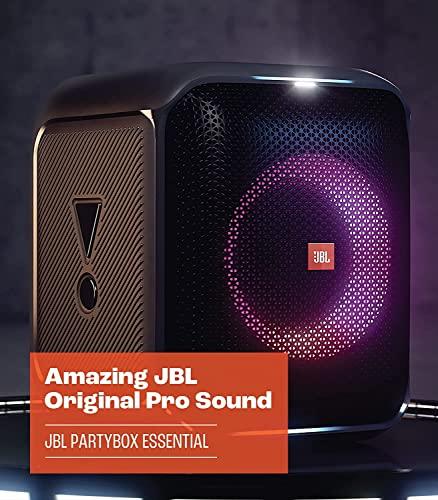
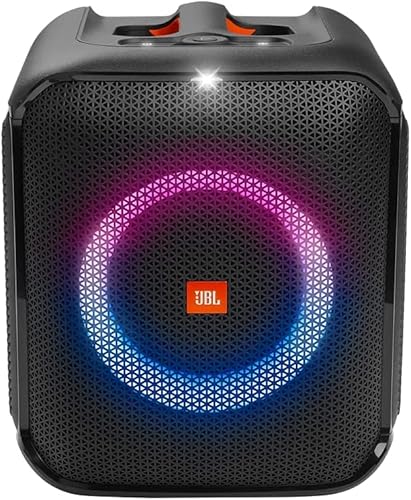
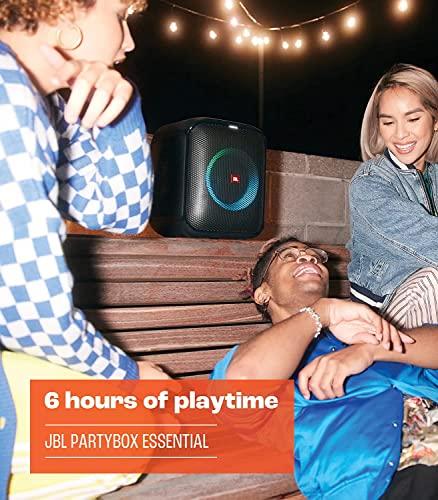
The JBL PartyBox Encore Essential launched in 2024 as JBL's answer to users who wanted serious party features without breaking the bank. At the time of writing, it sits in the mid-tier price range for party speakers, offering what JBL calls their "Original Pro Sound" along with dynamic lighting and karaoke capabilities.
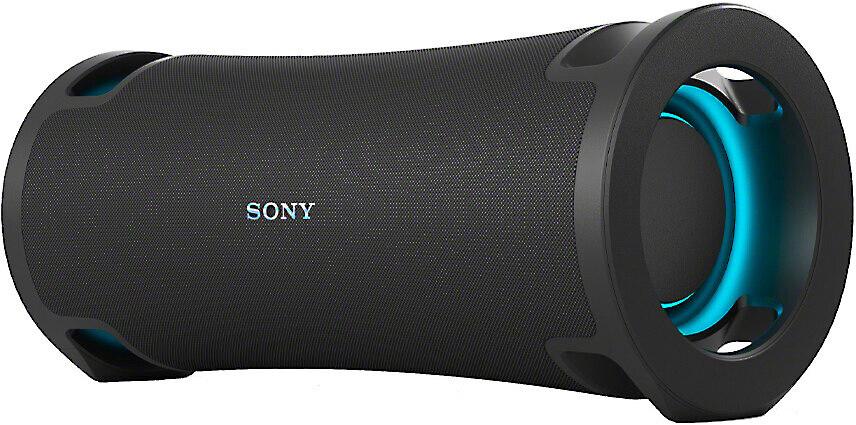
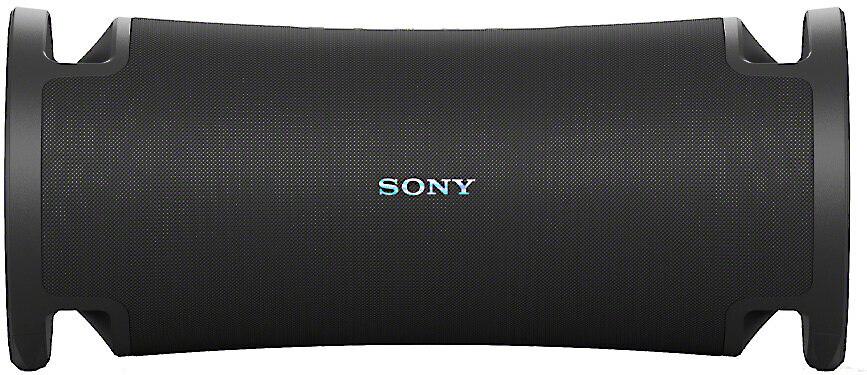
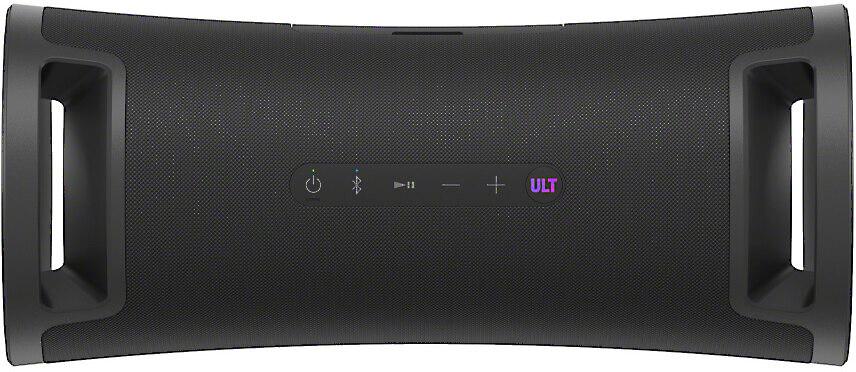
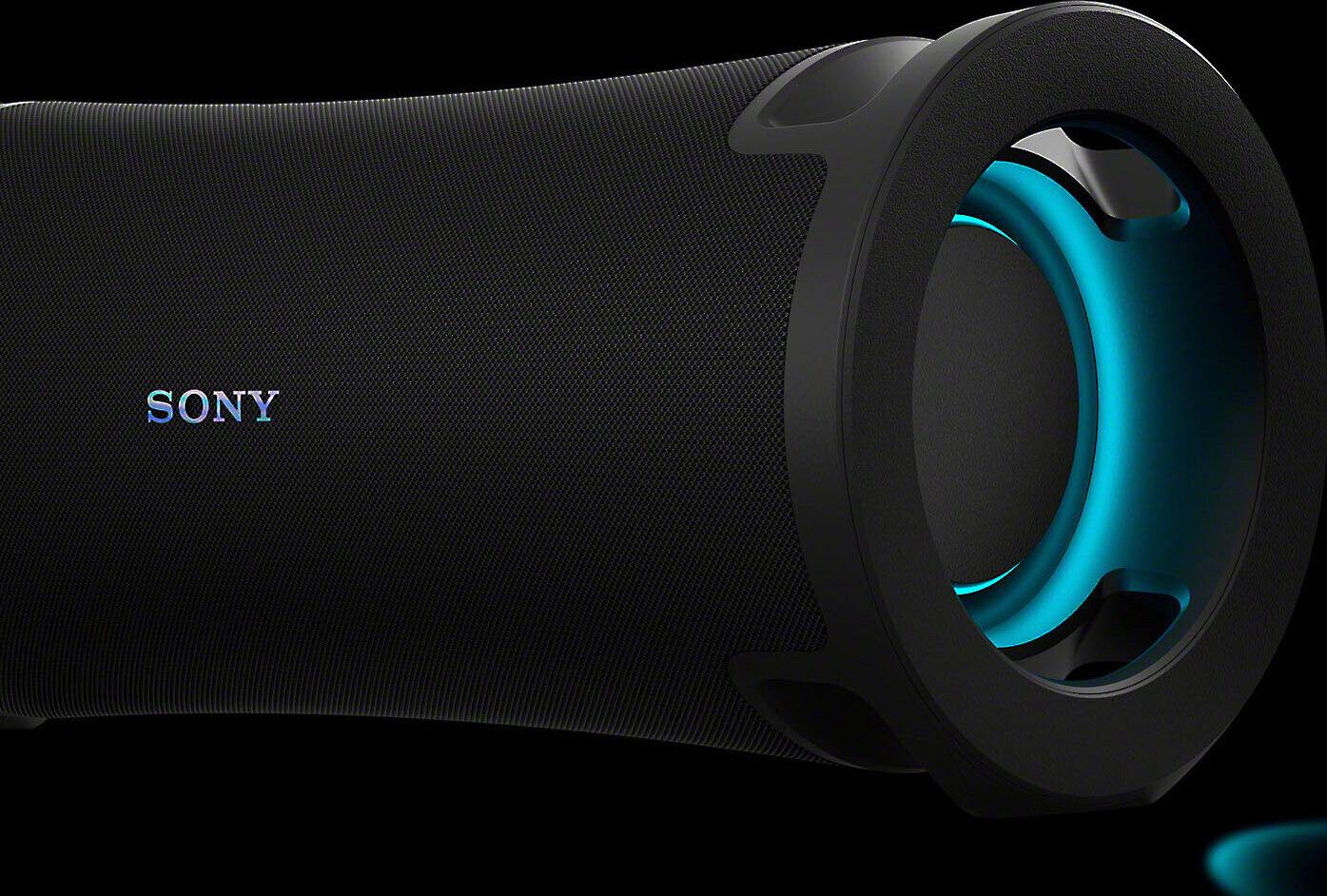
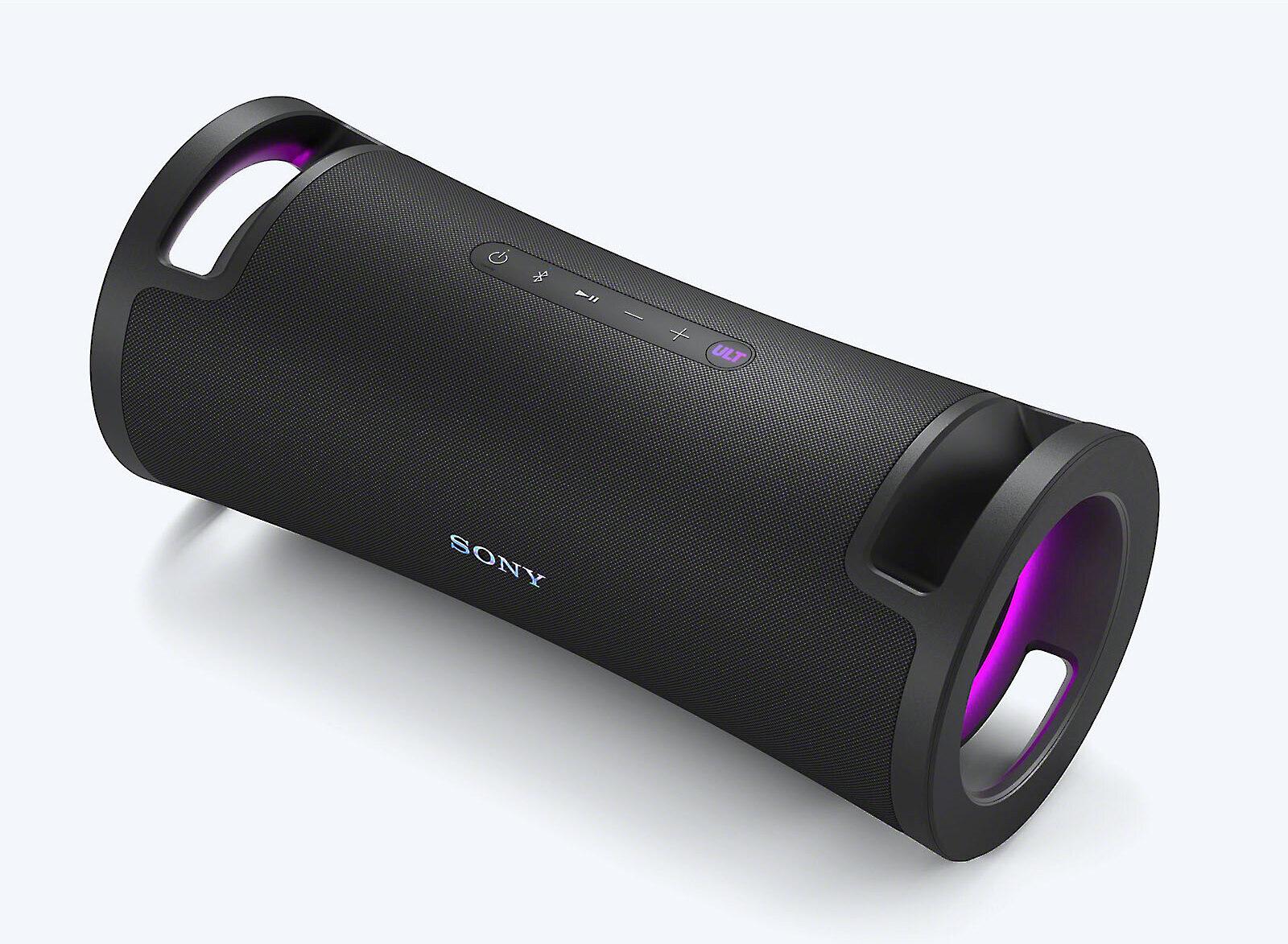
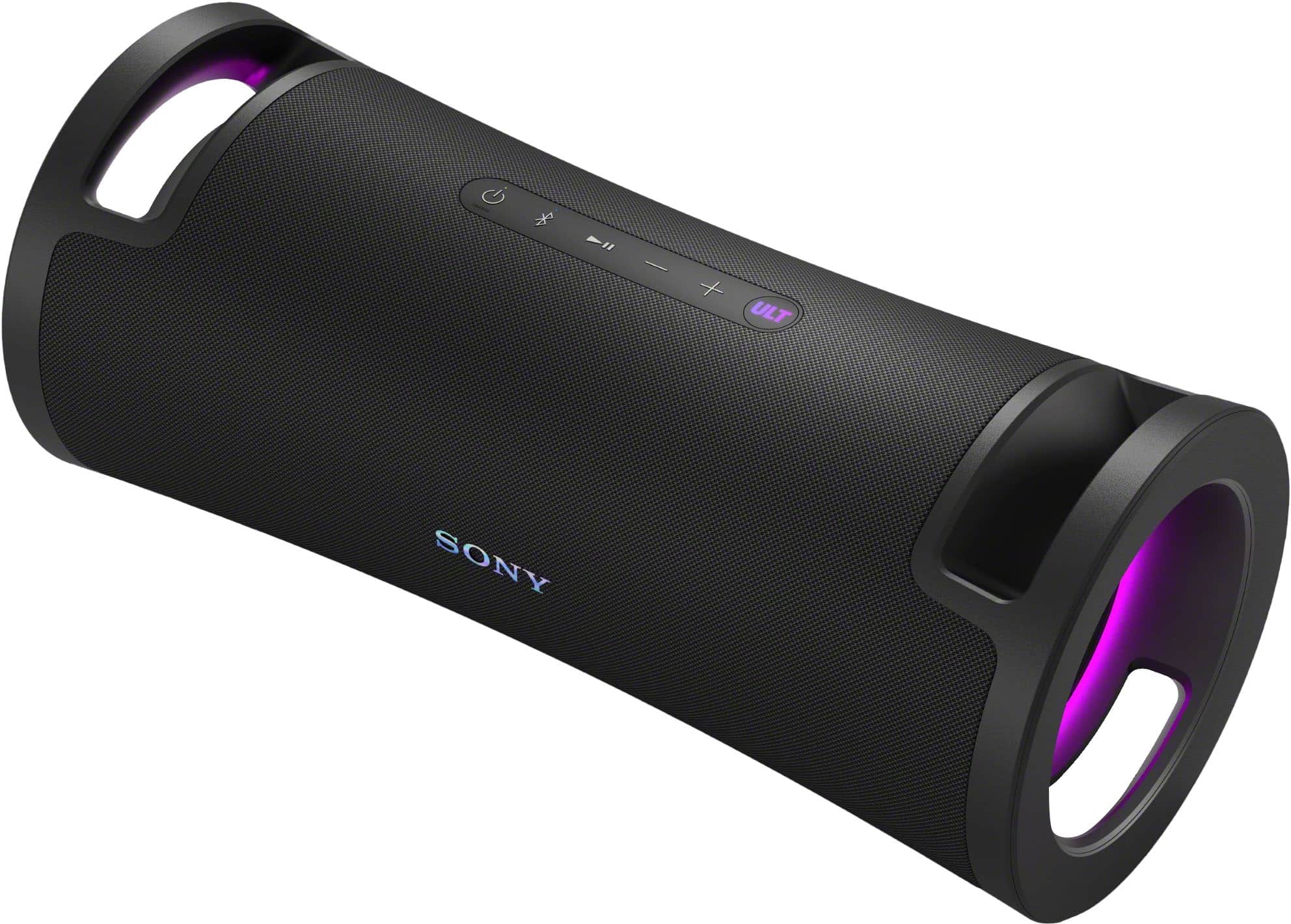
The Sony ULT FIELD 7, also released in 2024, takes a more rugged approach. Sony positioned this speaker for users who need extreme durability and portability, incorporating their ULT POWER SOUND technology that debuted in Sony's 2024 speaker refresh. It commands a premium price – roughly 35% more than the JBL at the time of writing – but promises capabilities the JBL simply can't match.
These different approaches reflect broader trends in the speaker market. JBL has historically focused on delivering great sound quality at accessible prices, often prioritizing audio performance over bells and whistles. Sony, meanwhile, has pushed harder into rugged, outdoor-focused designs, betting that users will pay more for speakers that can handle extreme conditions.
Based on our research into expert reviews and user feedback, the sound quality differences between these speakers are more significant than their similar party speaker categorization might suggest.
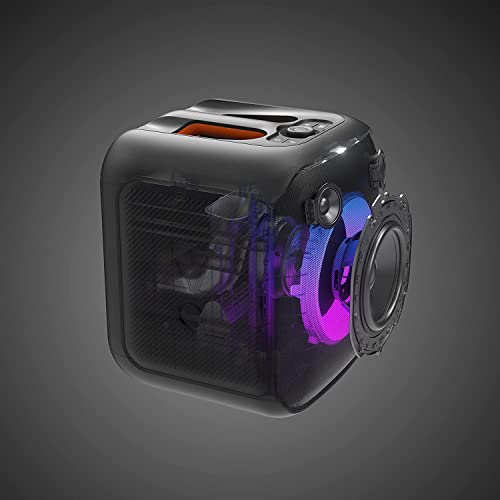
The JBL PartyBox Encore Essential delivers what reviewers consistently describe as "cleaner" and "more balanced" sound. This comes down to JBL's driver configuration: a 5.25-inch woofer handles bass and lower midrange, while dual tweeters manage the higher frequencies. This separation of duties means each driver can focus on what it does best, rather than trying to cover too broad a frequency range.
More importantly, the JBL maintains its composure when handling complex music with multiple instruments playing simultaneously. Reviews specifically noted that tracks with layered vocals, multiple guitars, and busy rhythm sections remain clear and defined rather than turning into a muddy mess. This is partly due to JBL's digital signal processing (DSP), which is the computer brain that manages how different frequencies are amplified and shaped.
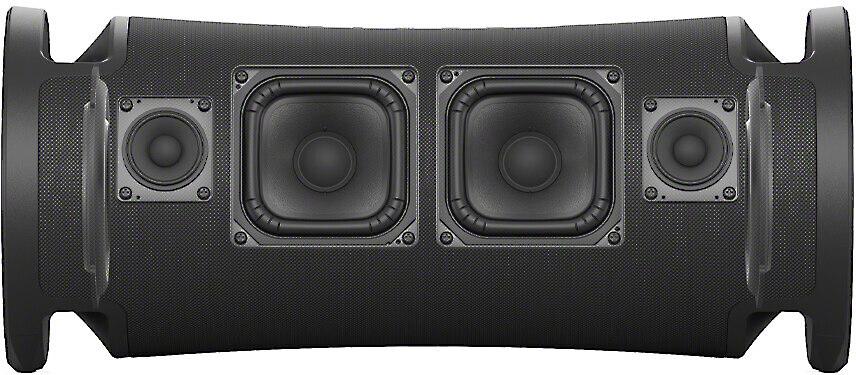
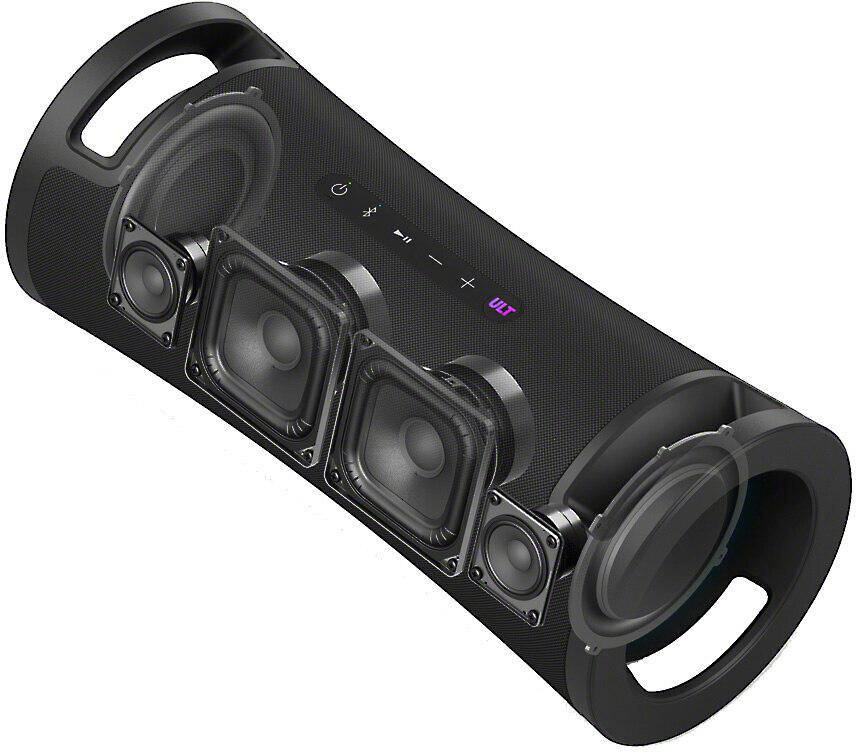
The Sony ULT FIELD 7 takes a different approach with its X-Balanced Speaker Unit design. Sony's innovation here is using a non-circular diaphragm (the part of the speaker that moves back and forth to create sound waves) which theoretically increases sound pressure and reduces distortion. In practice, reviewers found this creates impressive bass depth – the Sony can reproduce frequencies down to 20Hz compared to the JBL's 50Hz limit.
However, this focus on deep bass comes with tradeoffs. Multiple reviews noted that the Sony's midrange can sound "congested" or "wonky" when playing busy tracks. This is particularly noticeable in the upper midrange frequencies where vocals and lead instruments typically live. The Sony seems to struggle with the same driver separation issues that plague many speakers trying to do too much with too few components.
The Sony's ULT modes add another layer of complexity. These are essentially bass boost settings – ULT1 adds "deep resonating bass" while ULT2 provides "attack bass" with more punch and energy. While these can make certain types of music more exciting, they also tend to mask some of the subtler details in the music.
For most party scenarios, the JBL's cleaner sound reproduction gives it a significant advantage. Party music often features complex production with multiple layers, and maintaining clarity in this chaos is more valuable than having the deepest possible bass extension.
Both speakers can get seriously loud – loud enough to soundtrack outdoor parties or fill large indoor spaces. But how they handle high volumes reveals important differences in their engineering.
The JBL PartyBox Encore Essential maintains its sound signature remarkably well even when pushed to its limits. Reviews noted that while there's some compression at maximum volume (compression is when loud sounds get quieted and quiet sounds get boosted, reducing dynamic range), the overall character of the music remains intact. This means you can crank it up for the dance portion of your party without sacrificing too much audio quality.
The JBL's 100W RMS power rating might seem modest compared to some competitors, but RMS (Root Mean Square) is a more honest measurement than the peak power ratings some manufacturers prefer. RMS tells you the continuous power the speaker can handle, which is more relevant for real-world use.
The Sony ULT FIELD 7 can also achieve impressive volume levels, but reviews consistently noted significant bass loss when pushed to 100% volume. This is particularly problematic for a speaker that markets its deep bass capability – when you most need that bass (at high volumes during parties), it disappears due to compression.
However, the Sony performs better at moderate volumes, maintaining good bass presence around 60% volume. Its Sound Field Optimization feature also helps by automatically adjusting the sound based on ambient noise levels, though this can sometimes make the sound signature inconsistent.
The volume handling advantage clearly goes to the JBL, which maintains better audio integrity when you need it most – during the peak energy moments of your events.
Battery specifications can be misleading, and both these speakers illustrate why you need to look beyond the manufacturer claims.
The JBL PartyBox Encore Essential claims 6 hours of battery life, but real-world usage tells a different story. With lights activated, bass boost engaged, and volume at party levels, users report closer to 3-4 hours of actual use. The speaker's 17.76Wh battery (equivalent to about 4,800mAh) simply can't keep up with the power demands of serious party use.
However, JBL's approach is more honest about this limitation. The speaker is clearly designed with plug-in use in mind, and it can operate continuously when connected to power. This makes sense for its target use cases – house parties, backyard gatherings near power sources, and indoor events.
The Sony ULT FIELD 7 boasts an impressive 30-hour battery life rating, backed by a larger 5,200mAh battery. This sounds incredible until you dig into the details. That 30-hour rating assumes very specific conditions – moderate volume, lights off, and likely using specific audio codecs. In real-world party conditions, users report closer to 3.5 hours of actual wireless use.
This reveals an important truth about both speakers: they're primarily designed for plugged-in use during events, with battery power serving as backup or for setup flexibility rather than true all-day portability.
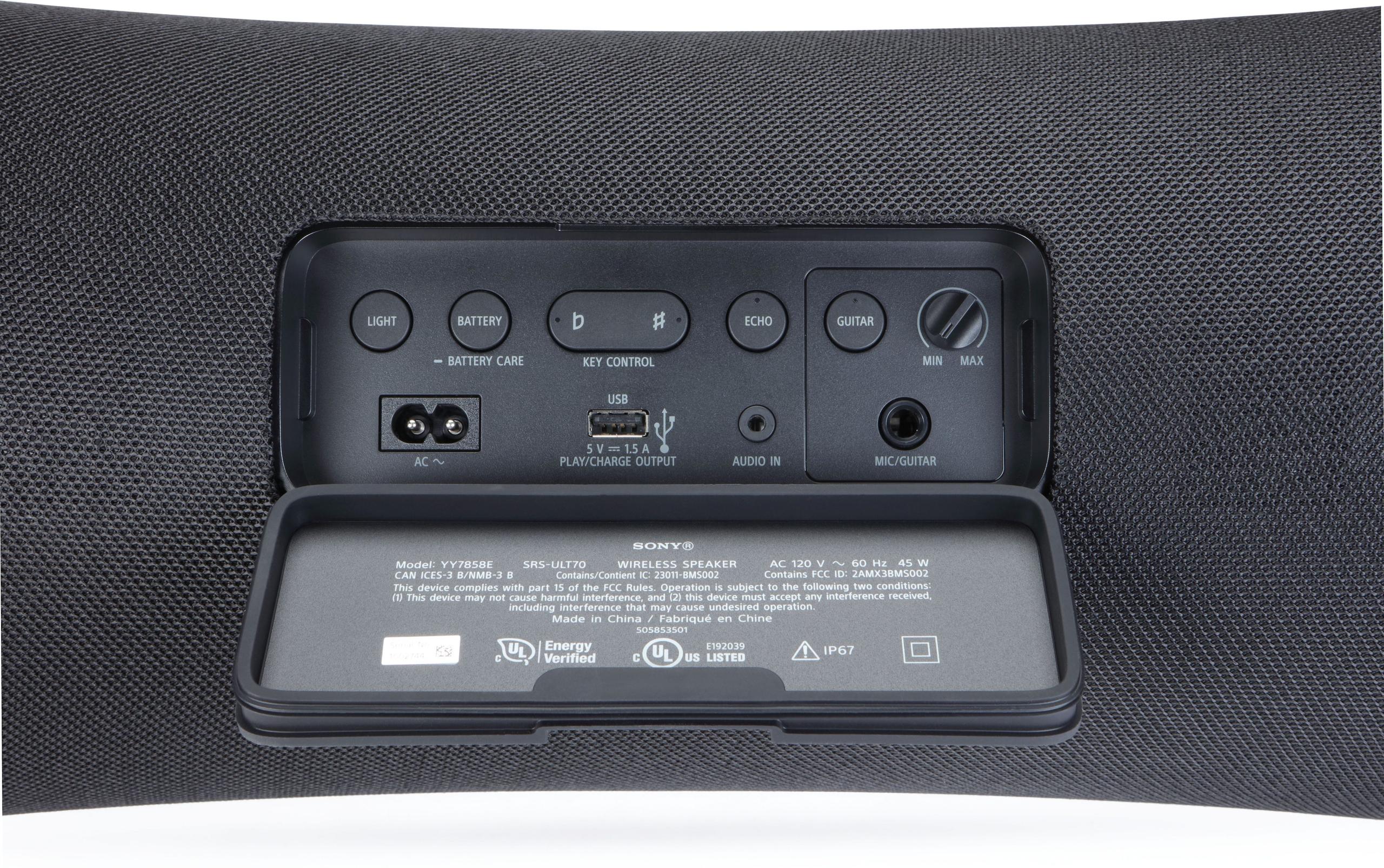
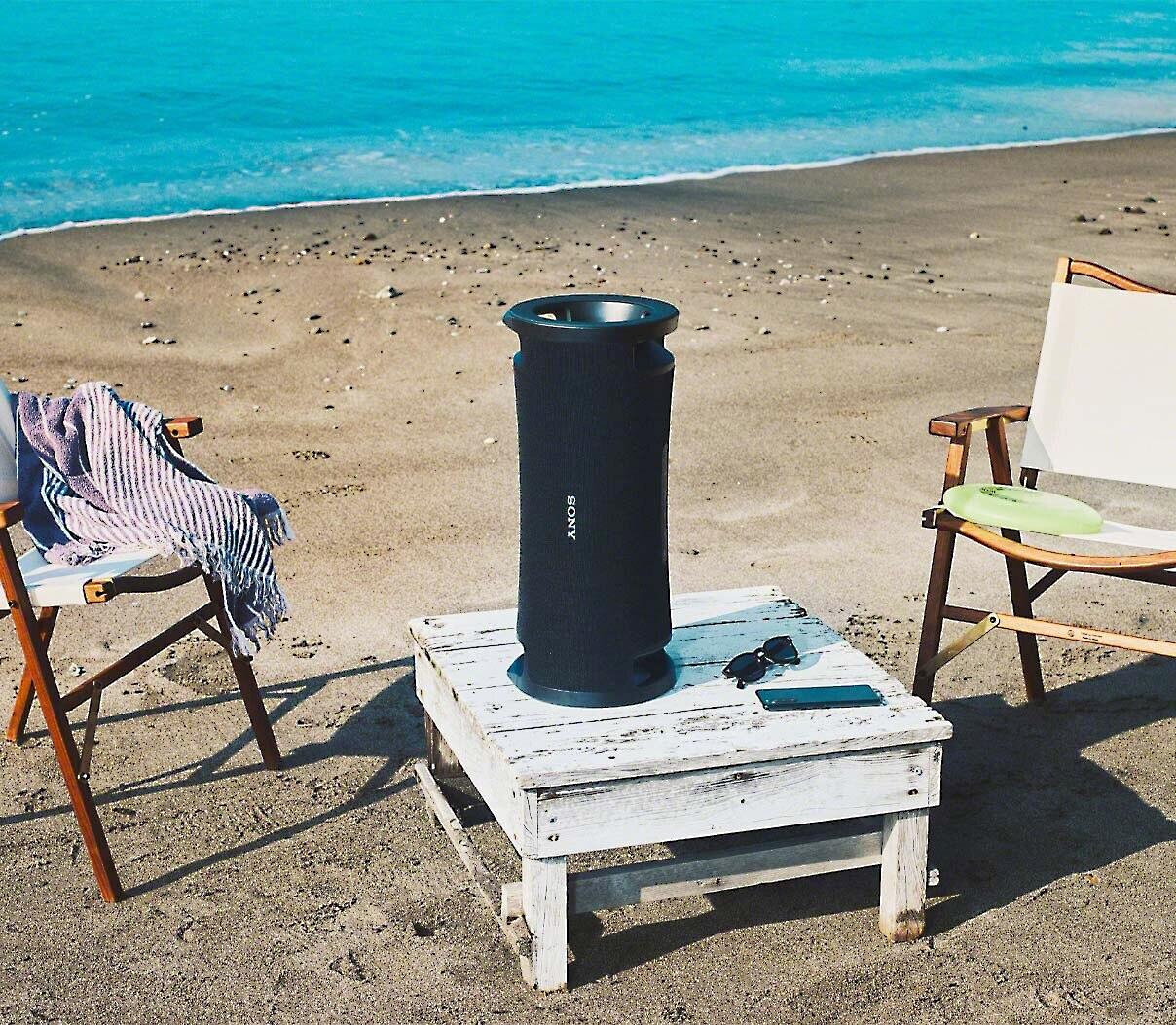
This is where the Sony ULT FIELD 7 justifies its premium pricing. The IP67 rating means it can be completely submerged in water up to 1 meter deep for 30 minutes and is completely protected against dust ingress. For beach parties, poolside gatherings, camping trips, or any scenario where weather might be a factor, this is a game-changing advantage.
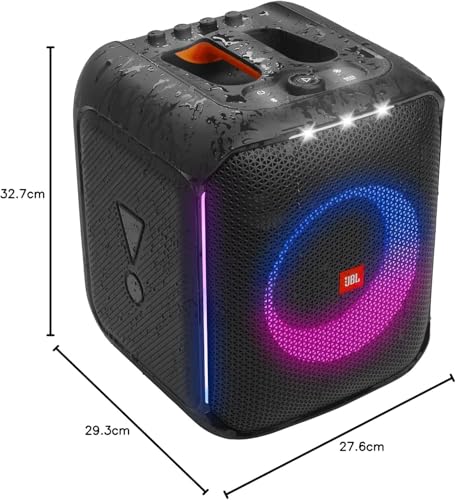
The Sony's rubberized end caps and integrated carry handles also show thoughtful design for mobile use. You can use it vertically or horizontally, and the rubberized feet prevent sliding when positioned horizontally – important details when you're setting up on uneven outdoor surfaces.
The JBL PartyBox Encore Essential offers IPX4 protection, which handles splashes and light rain but won't survive a dunking in the pool or a serious downpour. This limits its outdoor versatility significantly.
If you frequently host outdoor events or need a speaker that can handle harsh conditions, the Sony's durability advantage might justify its higher price. For indoor parties or covered outdoor spaces, the JBL's lighter splash protection is probably sufficient.
Both speakers offer party-specific features, but they take different approaches to what's most important.
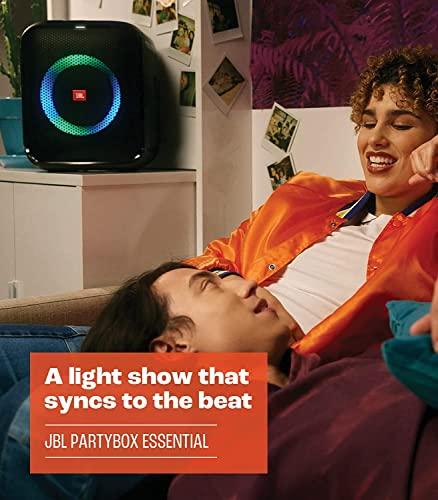
The JBL PartyBox Encore Essential excels in hosting features. Its dedicated microphone input with gain control makes karaoke setup simple – just plug in a mic and start singing. The JBL PartyBox app provides karaoke-specific EQ tuning and sound effects, turning any gathering into a sing-along opportunity. The dynamic light show syncs impressively well with music, creating visual energy that enhances the party atmosphere.
True Wireless Stereo (TWS) capability lets you pair two JBL speakers for genuine stereo separation, effectively doubling your sound coverage for larger spaces. This is particularly valuable for backyard parties where you might want to spread the sound across a wider area.
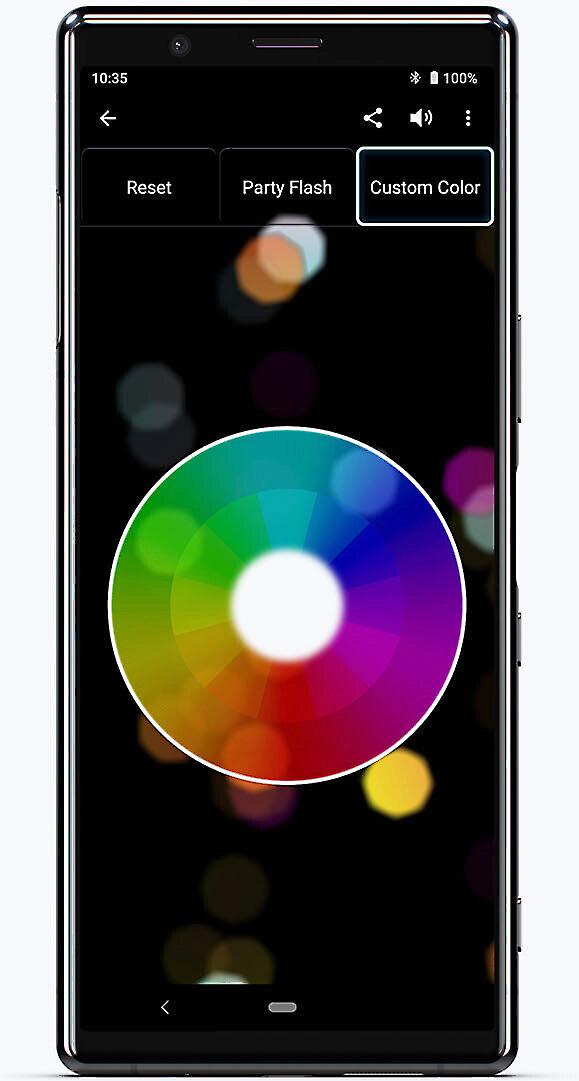
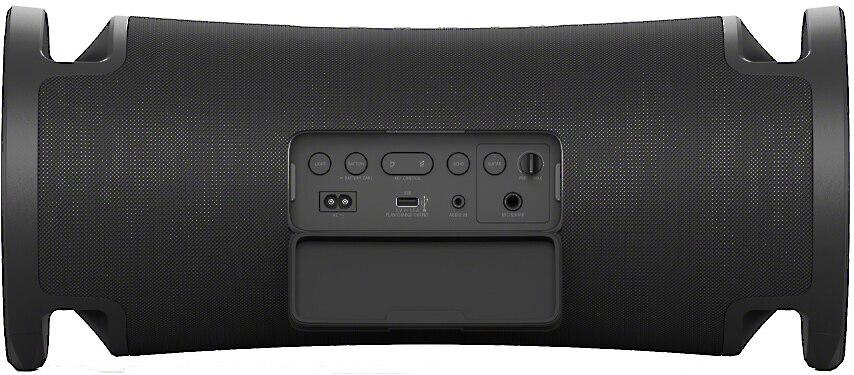
The Sony ULT FIELD 7 focuses more on sound customization and multi-speaker connectivity. Its 7-band custom EQ provides much more detailed sound tuning than most party speakers offer. The Party Connect feature can link multiple Sony speakers, though this requires staying within Sony's ecosystem.
The Sony's guitar input is a nice touch for musicians, though the lack of dedicated gain control makes it less user-friendly than the JBL's mic setup.
For most party scenarios, the JBL's focus on karaoke and easy setup provides more practical value than Sony's advanced customization options.
While neither speaker is designed primarily for home theater use, they can serve double duty in certain situations.
The JBL PartyBox Encore Essential works reasonably well for movie watching, particularly for action films where its strong bass response can add impact to explosions and sound effects. However, its party-tuned sound signature means dialogue might not be as clear as a dedicated soundbar, and its directivity (how consistently it sounds from different angles) isn't ideal for multiple seating positions.
The Sony ULT FIELD 7 faces similar limitations, with the added issue that its midrange quirks can make dialogue sound unnatural without EQ adjustment. Its Sound Field Optimization might actually work against you in a quiet home theater environment, constantly adjusting based on ambient noise.
Both speakers are better suited for casual TV watching or gaming rather than serious home theater use. If you're looking for a speaker that can handle both parties and home theater duty well, you might want to consider dedicated soundbars for the theater and keep these speakers for their intended party purpose.
After extensive research into user experiences and expert reviews, clear usage patterns emerge for each speaker.
Choose the JBL PartyBox Encore Essential if:
The JBL is the clear choice for most party speaker buyers. It delivers superior audio quality, maintains better performance when cranked up, offers more practical party features, and costs significantly less. Unless you specifically need the Sony's extreme durability, the JBL provides better value and performance for typical use cases.
Choose the Sony ULT FIELD 7 if:
The Sony serves a specific niche: users who need extreme durability and are willing to pay a premium for it. If your speaker will regularly face harsh weather, sand, dust, or water submersion, the Sony's IP67 rating and rugged construction justify the extra cost.
The portable party speaker market has matured significantly, with both the JBL PartyBox Encore Essential and Sony ULT FIELD 7 representing thoughtful approaches to different user needs. However, for most buyers, the choice is clearer than the similar specifications might suggest.
The JBL wins on the fundamentals that matter most: sound quality, high-volume performance, practical party features, and value. Its cleaner audio reproduction, better handling of complex music, and superior karaoke capabilities make it the better choice for typical party scenarios. The roughly 35% price difference at the time of writing only reinforces this advantage.
The Sony earns its premium pricing only in specific scenarios where its extreme durability and deeper bass extension are genuinely needed. If you're hosting beach parties, camping trips, or outdoor events where weather protection is crucial, the Sony's IP67 rating and rugged construction provide real value.
For most readers, the JBL PartyBox Encore Essential offers the best combination of performance, features, and value. It sounds better, handles party conditions more gracefully, and costs less. The Sony ULT FIELD 7 serves specialized outdoor use cases well, but its higher price and sound quality compromises make it harder to recommend for general party speaker duties.
The evolution of party speakers continues, with both manufacturers pushing into smarter features, better app integration, and more durable designs. But these 2024 releases show that the fundamentals still matter most: great sound quality, practical features, and reliable performance when the party gets going.
| JBL PartyBox Encore Essential | Sony ULT FIELD 7 |
|---|---|
| Sound Quality - Critical for maintaining clarity during parties | |
| Cleaner, more balanced sound with better midrange clarity | Deeper bass extension but congested midrange requiring EQ adjustment |
| Bass Extension - Determines how deep the low-end punch feels | |
| 50Hz (sufficient for most party music) | 20Hz (exceptionally deep bass for electronic music) |
| Volume Performance - How well audio quality holds up when cranked loud | |
| Maintains sound integrity at maximum volume with minimal compression | Significant bass loss and compression at 100% volume |
| Water Resistance - Protection level for outdoor use | |
| IPX4 (splash resistant, light rain okay) | IP67 (fully submersible up to 1 meter for 30 minutes) |
| Battery Life - Real-world party usage time | |
| 3-4 hours at party volumes with lights (6 hours rated) | 3.5 hours at party volumes despite larger battery (30 hours rated) |
| Weight & Portability - Ease of transport to events | |
| 13 lbs with grab-and-go handle | 13.89 lbs with integrated carry handles and rubberized caps |
| Party Features - Entertainment capabilities beyond just music | |
| Dedicated mic input with gain control, karaoke EQ, dynamic light show | Guitar/mic input, 7-band custom EQ, multi-colored LED lighting |
| Speaker Pairing - Ability to connect multiple units | |
| True Wireless Stereo (TWS) for genuine left-right separation | Party Connect links multiple Sony speakers with synchronized lighting |
| App Control - Mobile customization options | |
| JBL PartyBox app with karaoke tuning and sound effects | Sony Music Center and Fiestable apps with advanced EQ controls |
| Value Proposition - Performance per dollar at time of writing | |
| Better overall value with superior sound quality at lower cost | 35% premium justified only for extreme outdoor durability needs |
The JBL PartyBox Encore Essential delivers cleaner, more balanced sound with superior midrange clarity that handles complex party music better. The Sony ULT FIELD 7 offers deeper bass extension down to 20Hz but suffers from congested midrange that can make busy tracks sound muddy without EQ adjustment.
The JBL PartyBox Encore Essential has IPX4 splash resistance, suitable for light rain and poolside use. The Sony ULT FIELD 7 features IP67 rating, meaning it's fully waterproof and can be submerged up to 1 meter deep for 30 minutes, making it ideal for beach parties and harsh outdoor conditions.
The JBL PartyBox Encore Essential maintains better sound integrity at maximum volume with minimal compression. The Sony ULT FIELD 7 can achieve high volumes but experiences significant bass loss and compression when pushed to 100% output, though it performs well at moderate volume levels.
Both speakers provide 3-4 hours of real-world party usage despite different rated capacities. The JBL PartyBox Encore Essential offers 3-4 hours with lights and bass boost active, while the Sony ULT FIELD 7 delivers similar runtime despite its larger battery and 30-hour rating under ideal conditions.
The JBL PartyBox Encore Essential excels for karaoke with its dedicated microphone input featuring gain control and karaoke-specific EQ tuning through the app. The Sony ULT FIELD 7 has a guitar/mic input but lacks dedicated gain control, making mic setup less user-friendly.
Neither speaker is optimized for home theater, but the JBL PartyBox Encore Essential works better for casual movie watching with clearer dialogue reproduction. Both speakers are party-tuned rather than designed for the neutral sound signature preferred for accurate home theater audio.
The JBL PartyBox Encore Essential provides superior value with better sound quality, practical party features, and easier setup at a lower price point. The Sony ULT FIELD 7 commands a premium that's only justified if you specifically need extreme outdoor durability.
Both the JBL PartyBox Encore Essential and Sony ULT FIELD 7 feature dynamic LED lighting that syncs to music beats. The JBL offers customizable colors through its app, while the Sony provides multi-colored lighting with Party Connect synchronization across multiple Sony speakers.
The Sony ULT FIELD 7 is designed for extreme portability with rubberized end caps, integrated carry handles, and ability to function vertically or horizontally. The JBL PartyBox Encore Essential has a grab-and-go handle but is better suited for covered outdoor areas due to limited water resistance.
The JBL PartyBox Encore Essential supports True Wireless Stereo (TWS) pairing for genuine left-right stereo separation. The Sony ULT FIELD 7 uses Party Connect to link multiple Sony speakers with synchronized sound and lighting, but requires staying within Sony's ecosystem.
The Sony ULT FIELD 7 extends deeper into bass frequencies (20Hz vs 50Hz) and offers ULT bass modes for enhanced low-end impact. However, the JBL PartyBox Encore Essential maintains better bass clarity and punch at high volumes without the compression issues that affect the Sony at maximum output.
The JBL PartyBox Encore Essential uses the JBL PartyBox app for karaoke tuning, sound effects, and light customization. The Sony ULT FIELD 7 works with Sony Music Center and Fiestable apps, offering advanced 7-band EQ controls and Sound Field Optimization for automatic audio adjustment based on ambient conditions.
We've done our best to create useful and informative comparisons to help you decide what product to buy. Our research uses advanced automated methods to create this comparison and perfection is not possible - please contact us for corrections or questions. These are the sites we've researched in the creation of this article: bestbuy.com - rtings.com - rtings.com - youtube.com - popsci.com - youtube.com - soundguys.com - audioadvice.com - youtube.com - versus.com - youtube.com - hometechnologyreview.com - jbl.com - bhphotovideo.com - hometechnologyreview.com - global.jbl.com - youtube.com - in.jbl.com - therevolverclub.com - harmanaudio.in - jbl.com.my - jbl.com.ar - jbl.com - pcrichard.com - kh.jbl.com - youtube.com - uclastore.com - bhphotovideo.com - creativeaudio.net - youtube.com - rtings.com - hifipicks.com - thesonyshop.ca - techradar.com - rtings.com - sony-africa.com - videoandaudiocenter.com - sony.com - youtube.com - johnlewis.com

Privacy Policy
Terms and Conditions - Affiliate Policy
Home Security
© Copyright 2008-2026.
11816 Inwood Rd #1211, Dallas, TX 75244