

When shopping for a portable speaker, you'll quickly discover the market has split into distinct camps. On one side, you have professional PA (public address) systems designed for performers and presenters. On the other, there are party speakers built for entertainment and social gatherings. The JBL EON ONE Compact and Sony ULT FIELD 7 perfectly represent these two approaches, and understanding their differences will help you make the right choice for your needs.
The portable speaker market has evolved dramatically since the early 2010s when most options were simple Bluetooth speakers with basic sound quality. Today's landscape includes everything from tiny pocket speakers to powerful systems that can fill large venues. The key is recognizing that "portable speaker" now encompasses several distinct categories, each optimized for different scenarios.
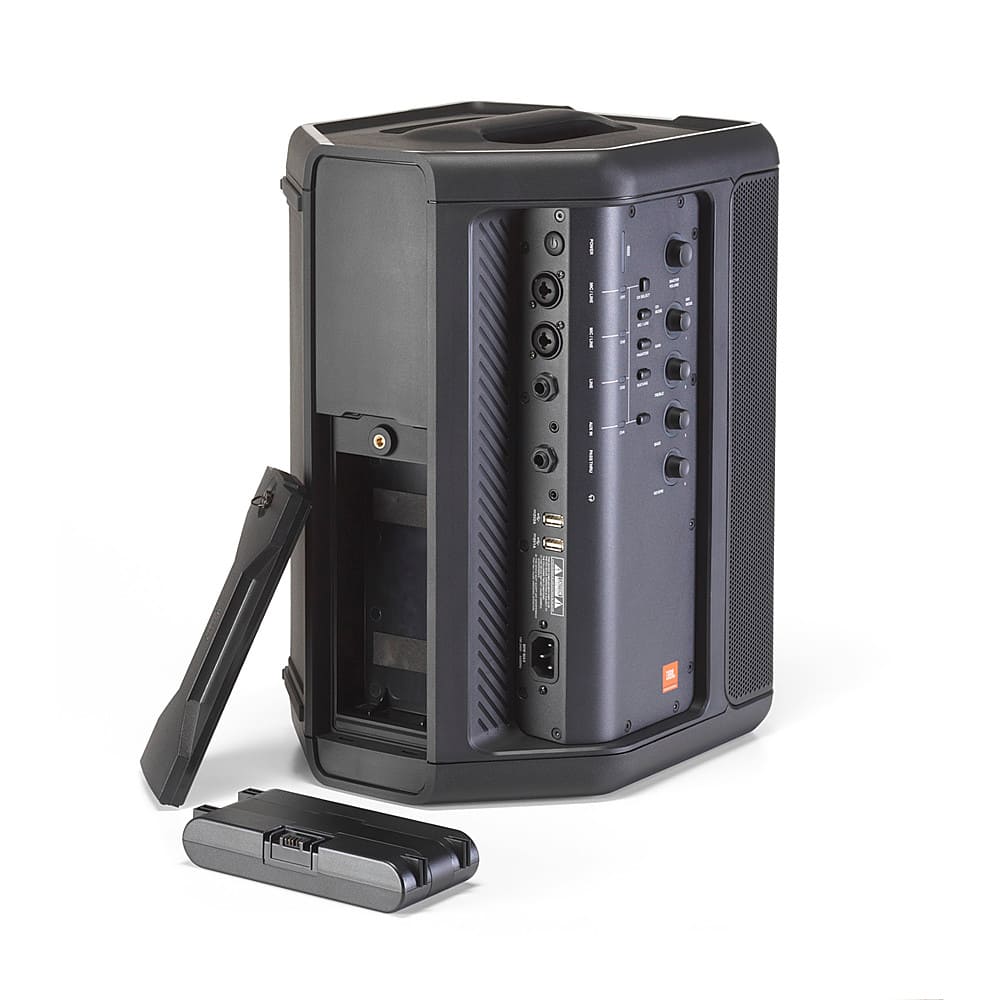
Professional PA systems like the JBL EON ONE Compact emerged around 2020 as a response to musicians and presenters needing truly portable solutions without sacrificing sound quality or mixing capabilities. These systems integrate multiple components—speakers, amplifiers, and mixing boards—into one unit that you can carry to a gig or presentation.
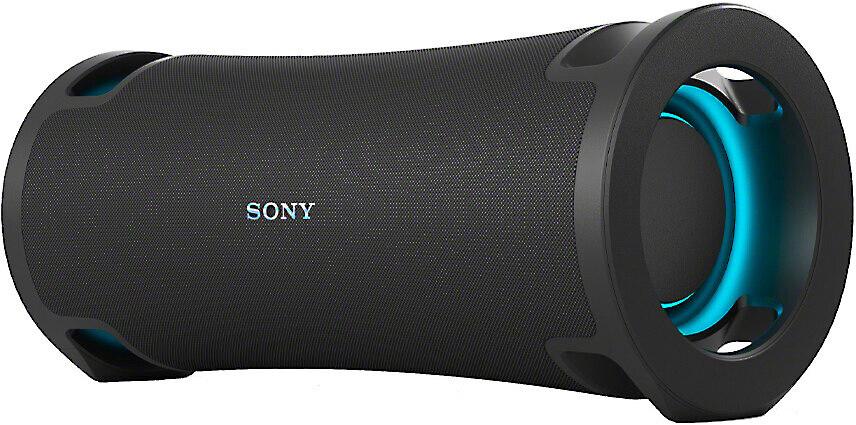
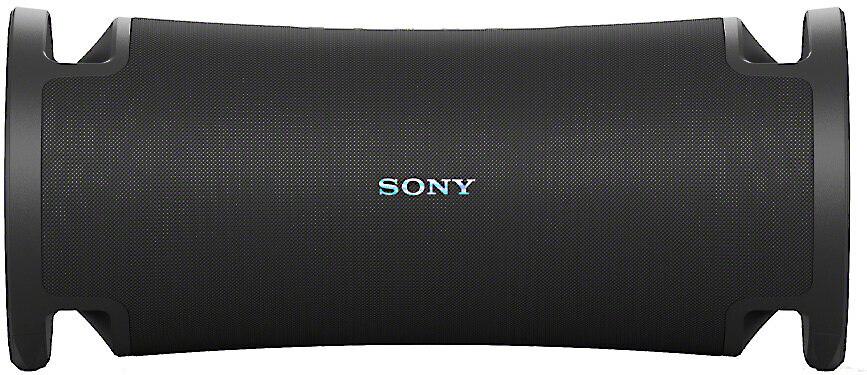
Party speakers like the Sony ULT FIELD 7, released in 2024, represent the consumer entertainment evolution of portable audio. They prioritize features like weather resistance, visual effects, and extended battery life over professional mixing capabilities. Sony's ULT series built on years of developing their Extra Bass line, incorporating lessons learned about what consumers actually want for outdoor gatherings and social events.
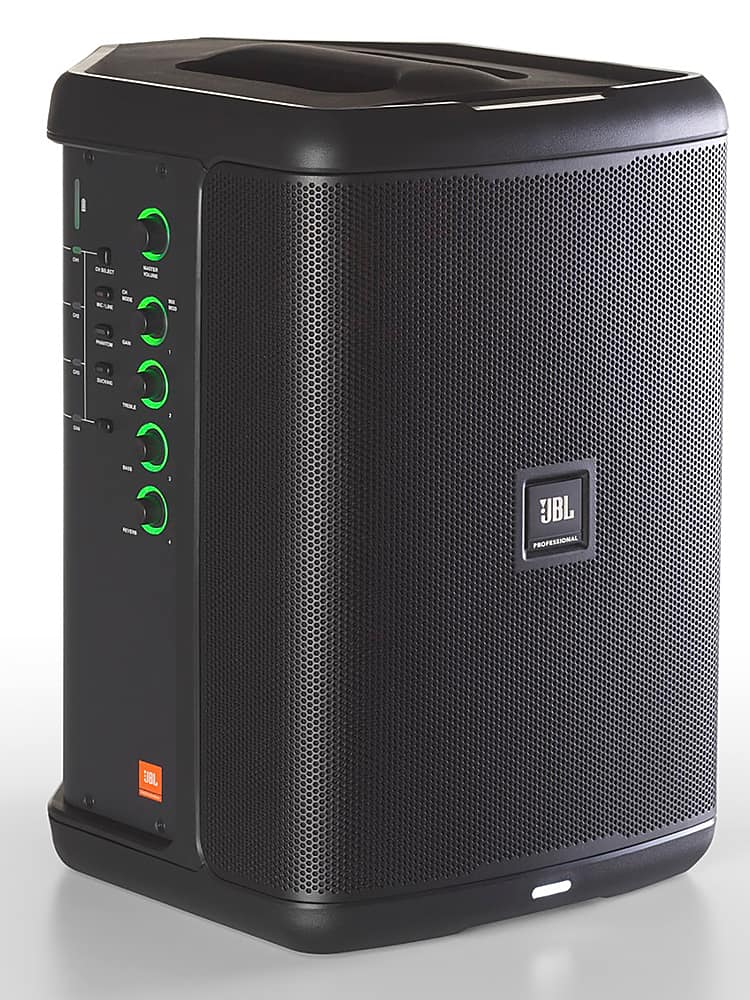
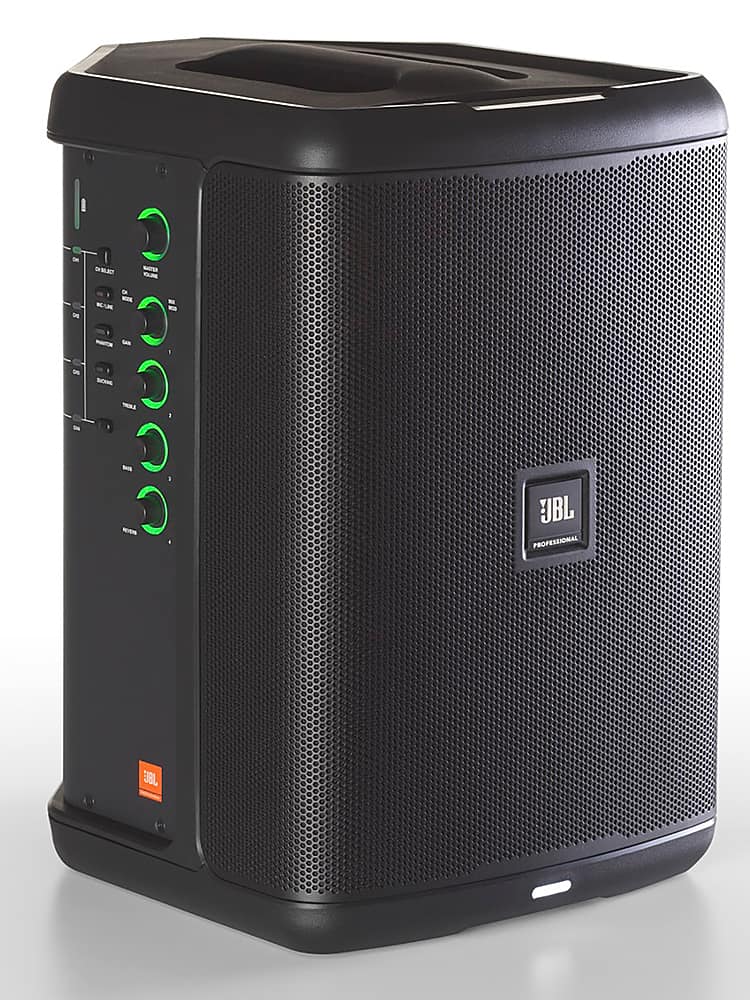
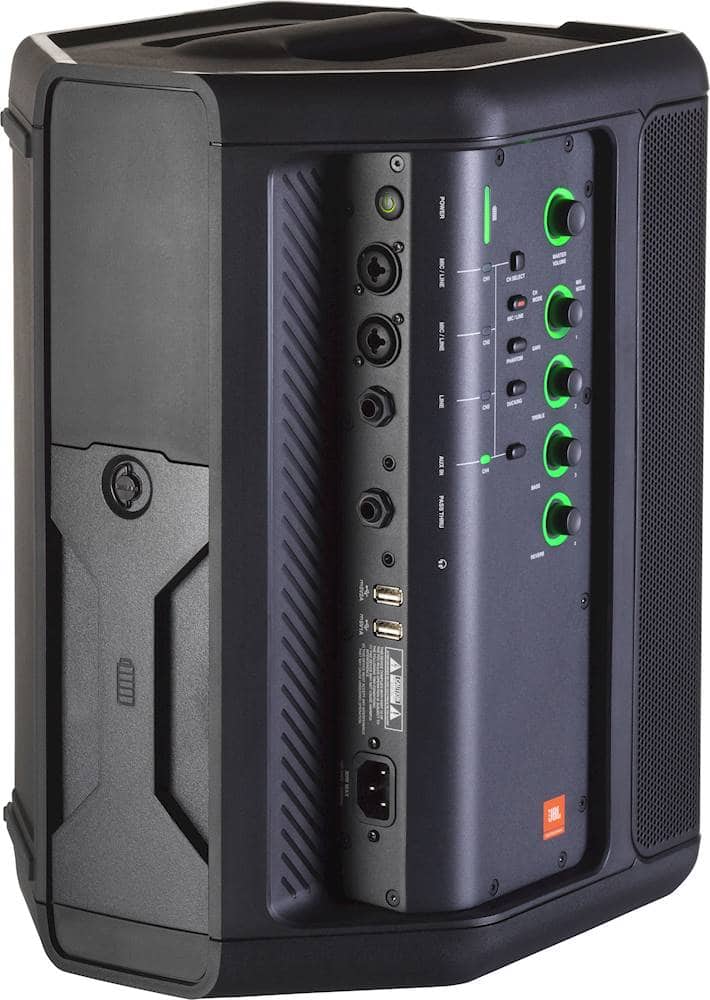
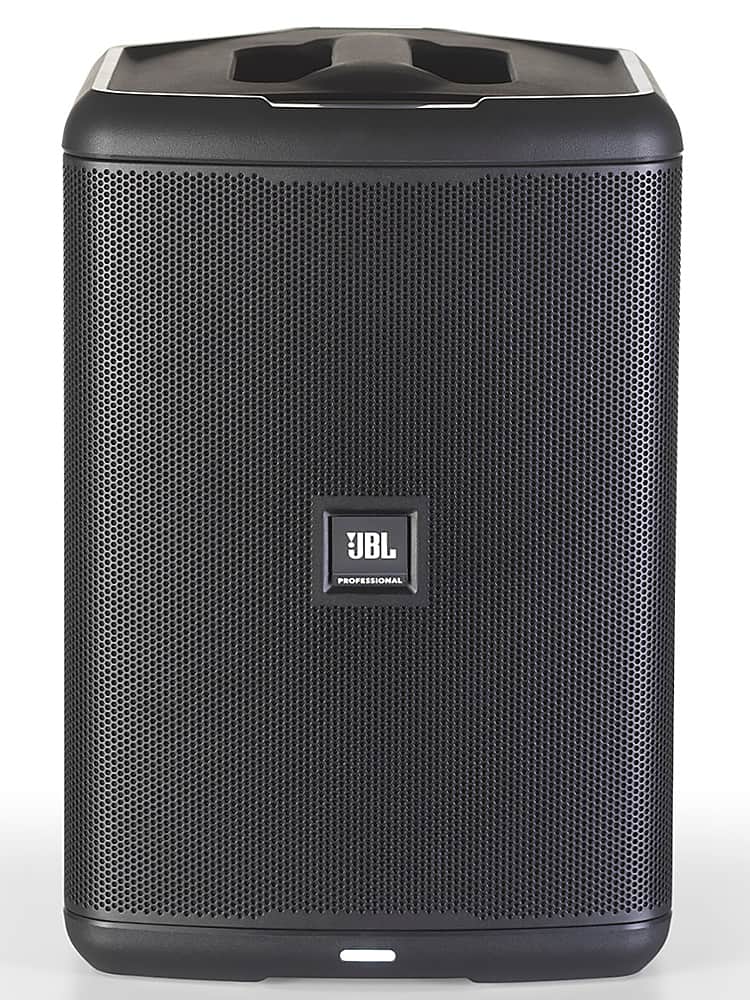
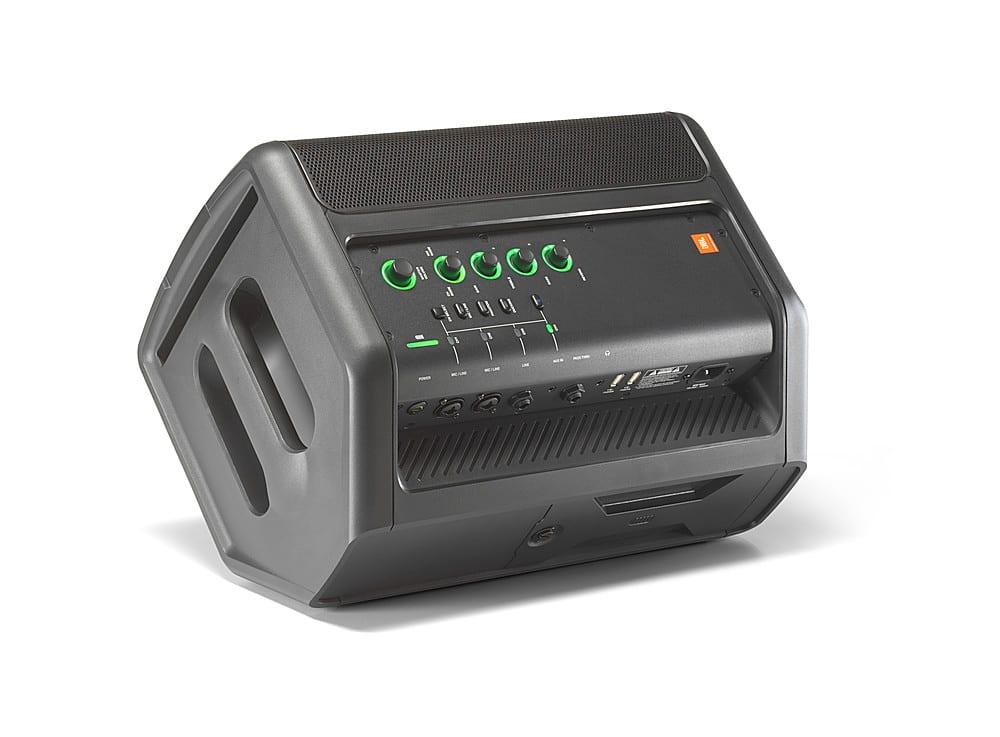
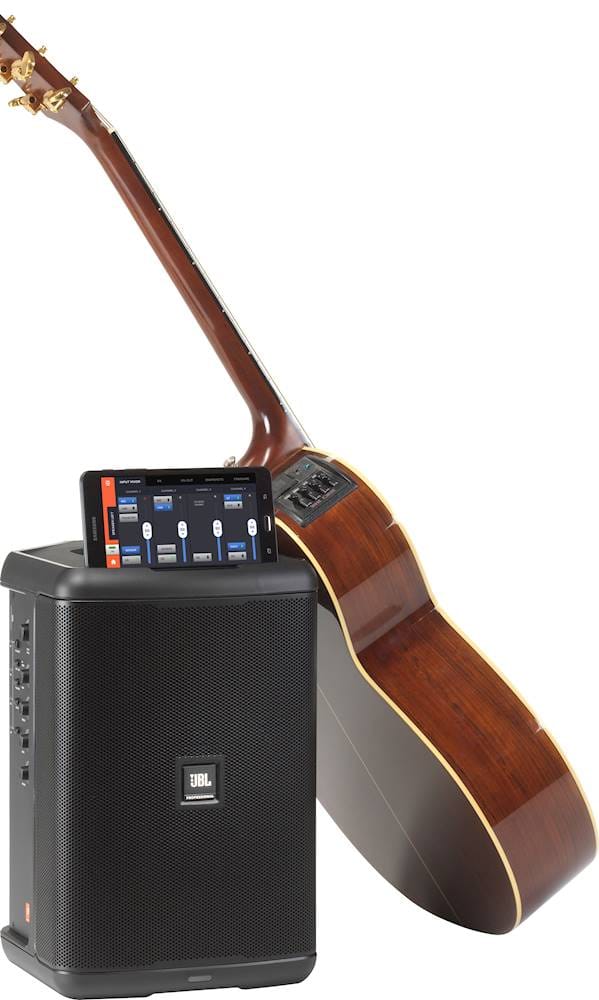
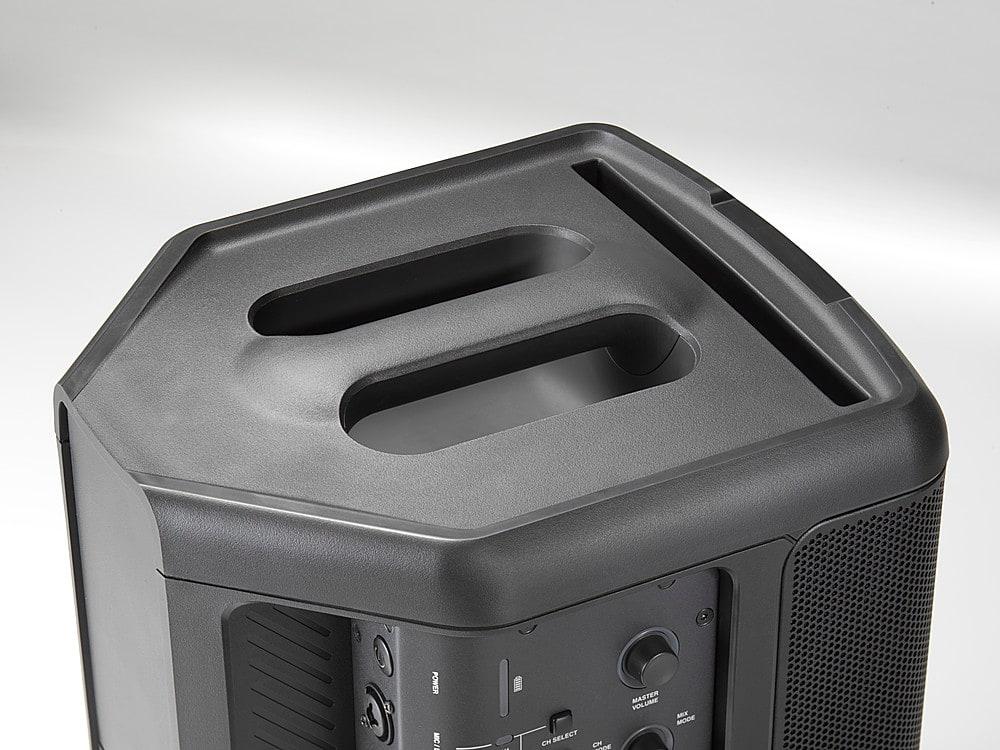
The fundamental difference between these speakers becomes apparent the moment you see them. The JBL EON ONE Compact stands vertically like a miniature concert speaker, immediately communicating its professional intentions. Its column design isn't just aesthetic—it helps project sound more evenly across a room, which matters when you're trying to reach an audience rather than just filling space with music.
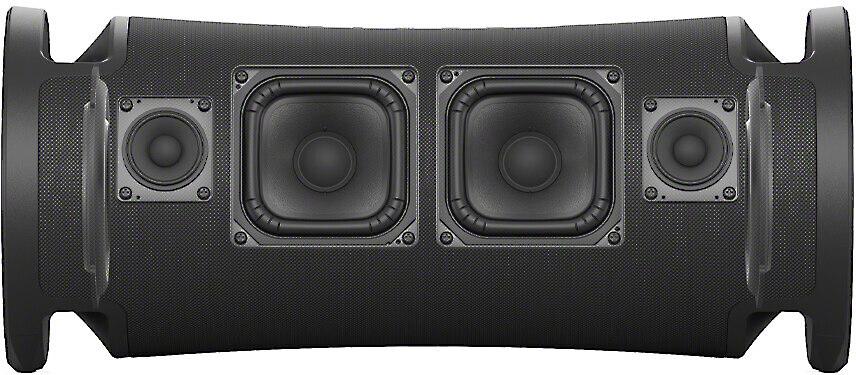
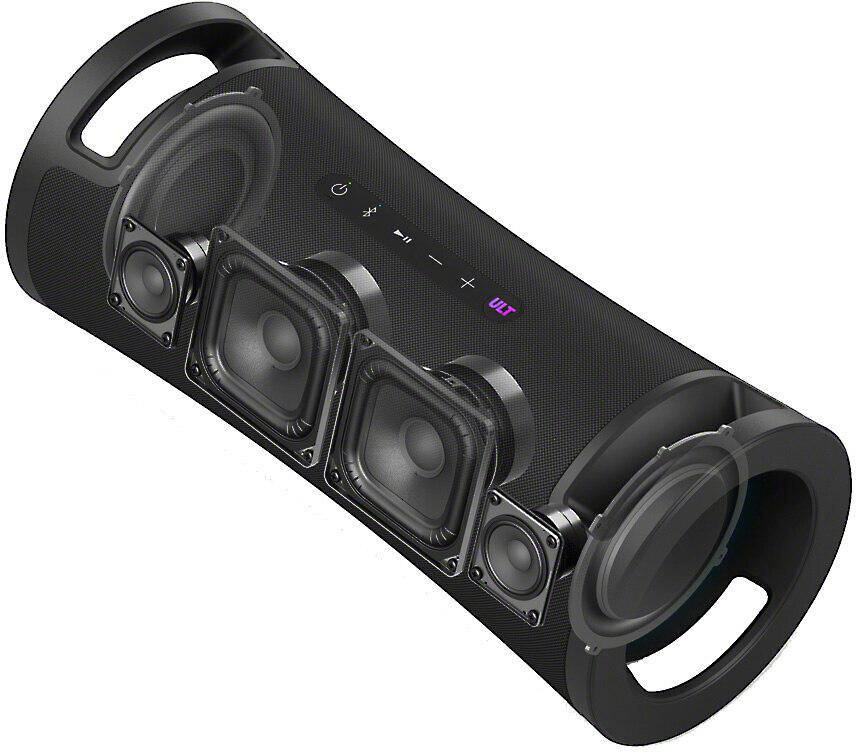
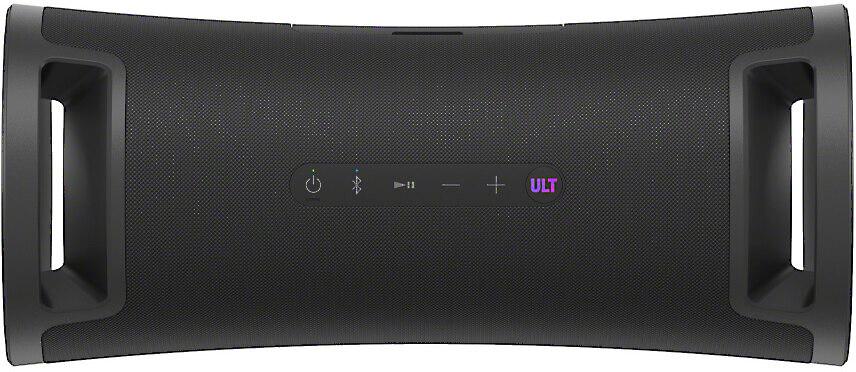
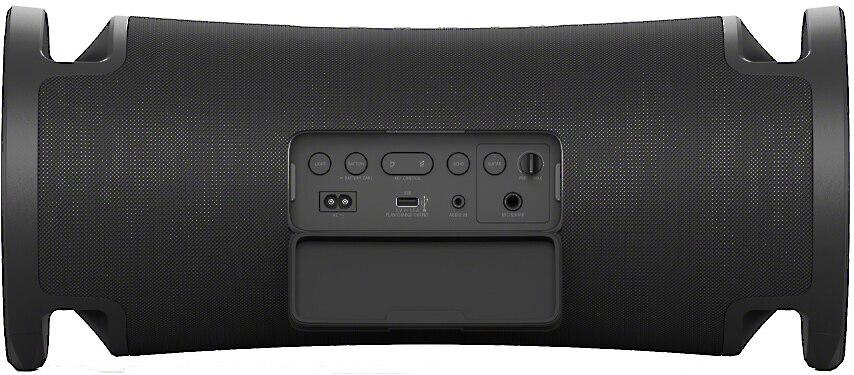
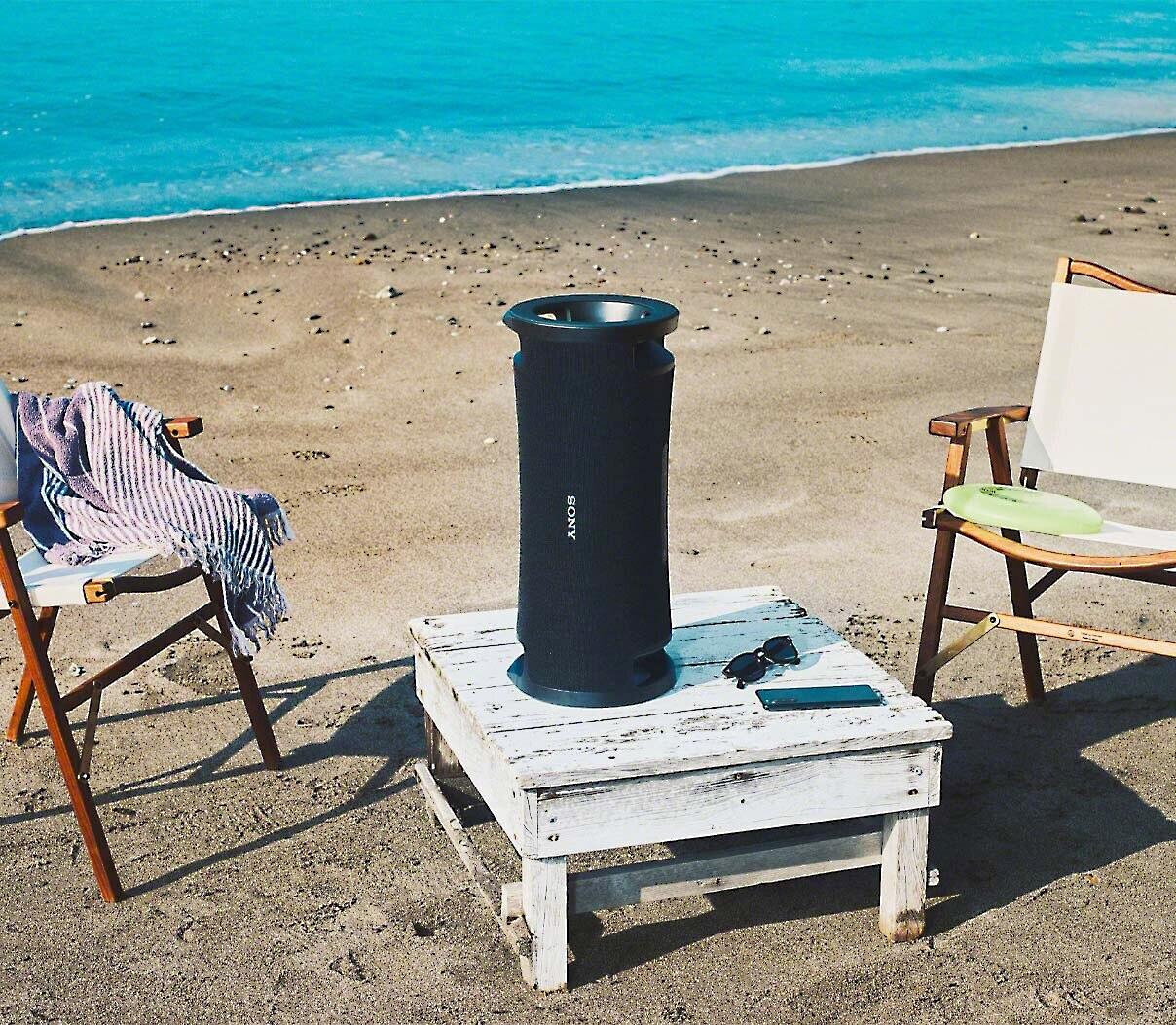
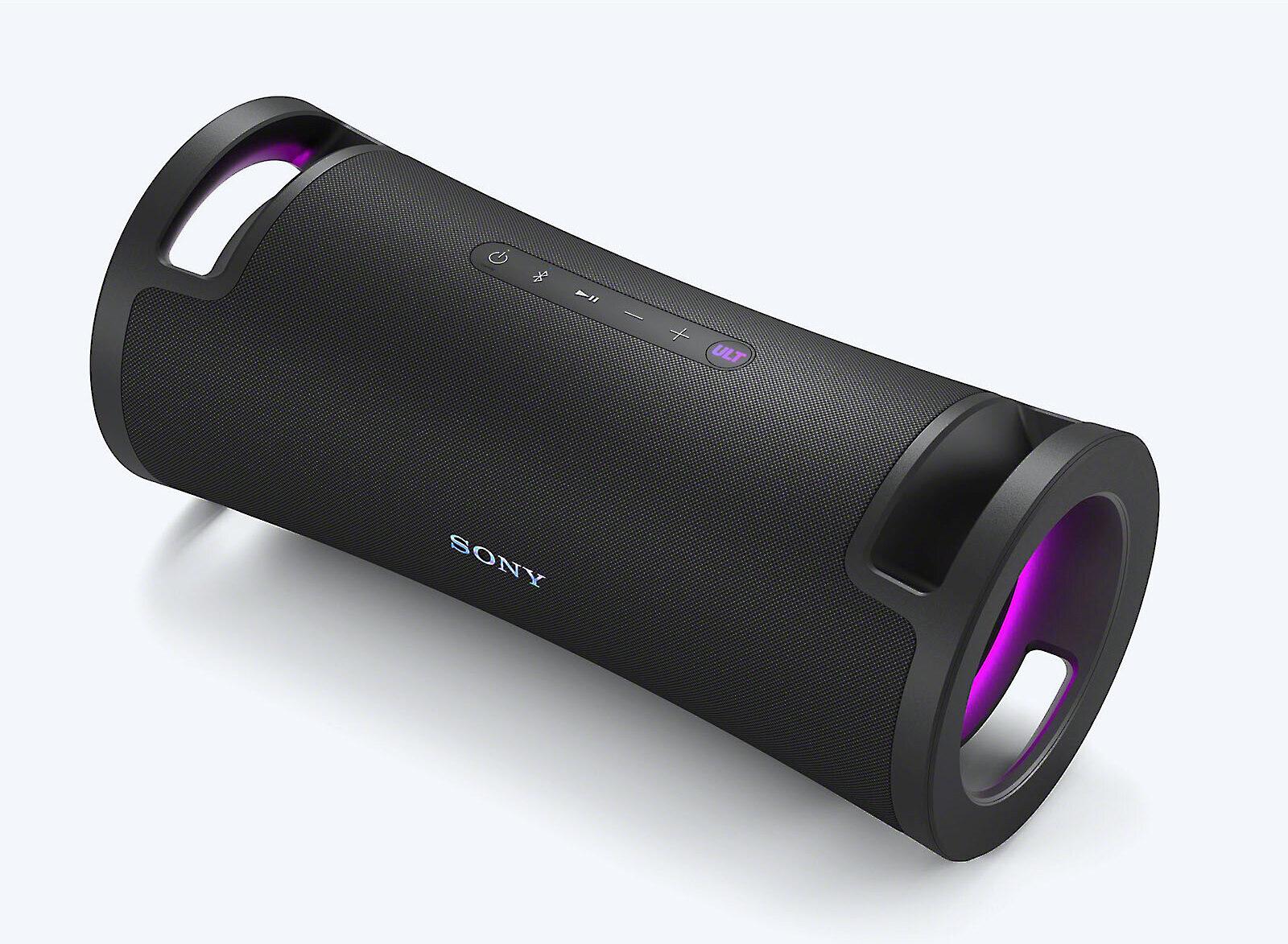
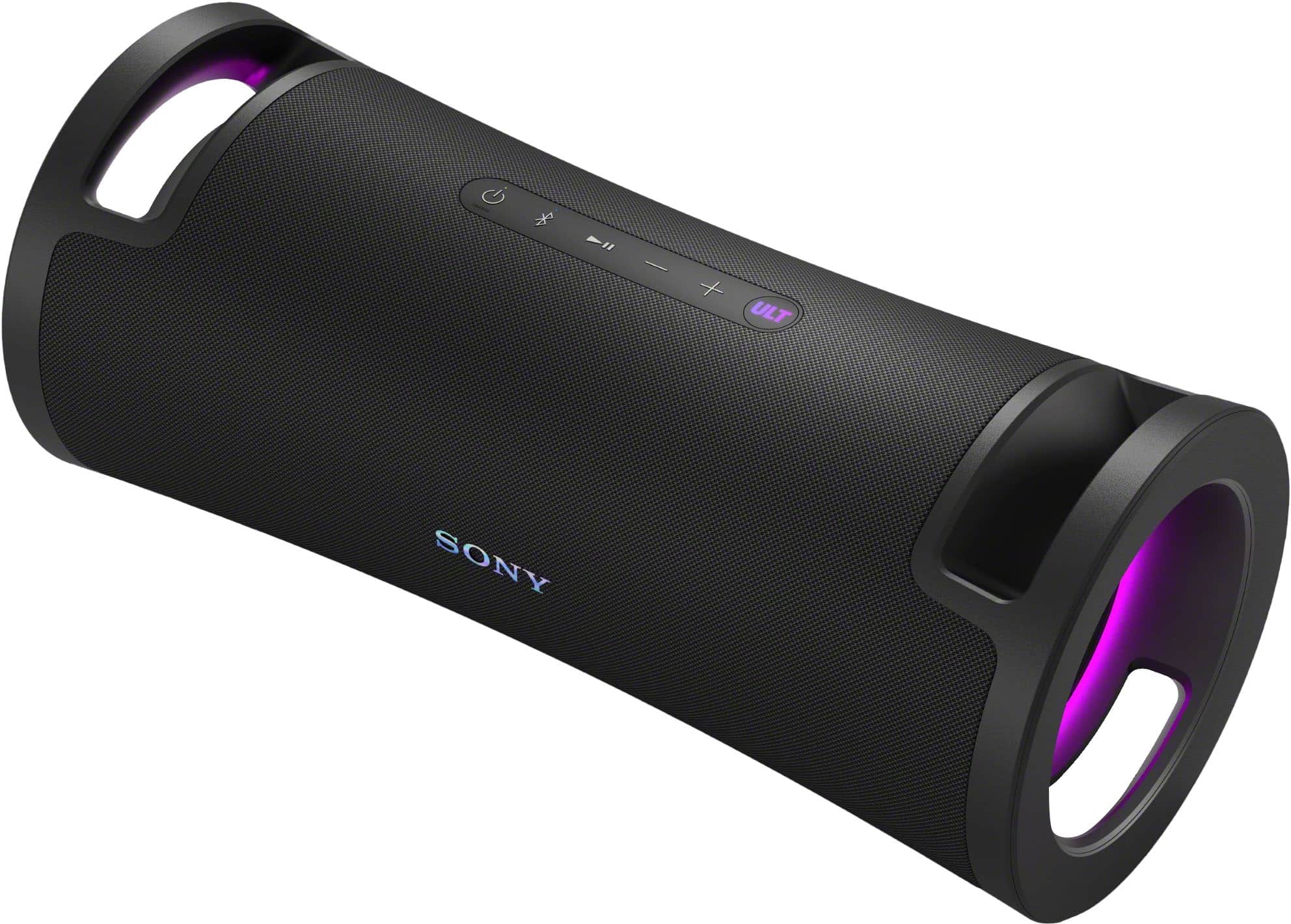
The Sony ULT FIELD 7 takes a horizontal approach, designed to sit on tables, decks, or beach blankets. Its wider stance provides stability in outdoor environments, and the dual carry handles make it easy for two people to transport when loaded with gear for a beach day or camping trip.
These design choices reflect deeper philosophical differences about how people interact with portable speakers. JBL assumes you'll set up the speaker and perform or present while standing near it. Sony assumes you'll place the speaker somewhere and move around it while socializing.
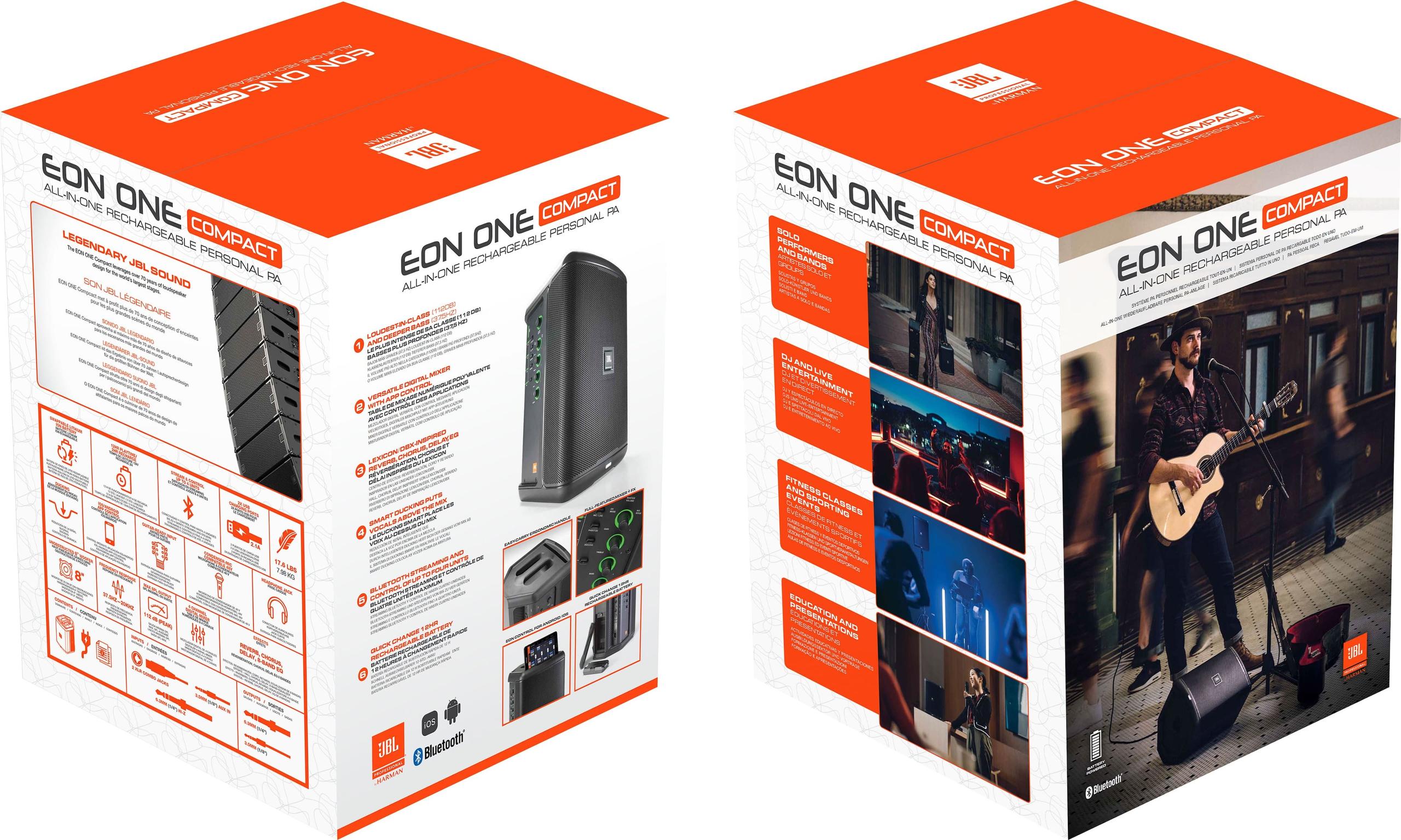
Understanding speaker power gets confusing quickly because manufacturers use different measurements. Peak power (the maximum burst a speaker can handle for short periods) often sounds more impressive than RMS power (the continuous power a speaker can sustain). The JBL EON ONE Compact delivers 150 watts peak power and can reach 112 decibels—that's loud enough to cause hearing damage if you're too close, and more importantly, loud enough to project clearly to audiences of 50-100 people outdoors.
The Sony ULT FIELD 7 operates at 40 watts RMS, which represents a more conservative but sustainable approach to power. While it won't match the JBL's peak volume, it can maintain consistent output for longer periods without strain. For context, every 3-decibel increase requires roughly double the power, so the JBL's significantly higher power rating translates to noticeably louder maximum volume.
In practical terms, the JBL wins decisively if you need to project sound to audiences or compete with ambient noise. Think fitness instruction, outdoor wedding ceremonies, or street performances. The Sony provides plenty of volume for social gatherings where music serves as background or moderate foreground presence.
Sound quality involves more than just volume—it's about clarity, balance, and how well a speaker reproduces different types of audio content. The JBL EON ONE Compact uses an 8-inch woofer (the large driver responsible for bass frequencies) paired with a 1-inch tweeter (the small driver handling high frequencies). This combination, along with professional-grade amplification, delivers what audio engineers call a "reference" sound—meaning it reproduces audio as accurately as possible without artificial enhancement.
The frequency response specification tells us the JBL can reproduce sounds as low as 37.5 Hz, which covers most of the bass content in music and the fundamental frequencies of human speech. This matters enormously for vocal clarity—when someone speaks or sings, their voice needs to cut through background noise and reach listeners clearly.
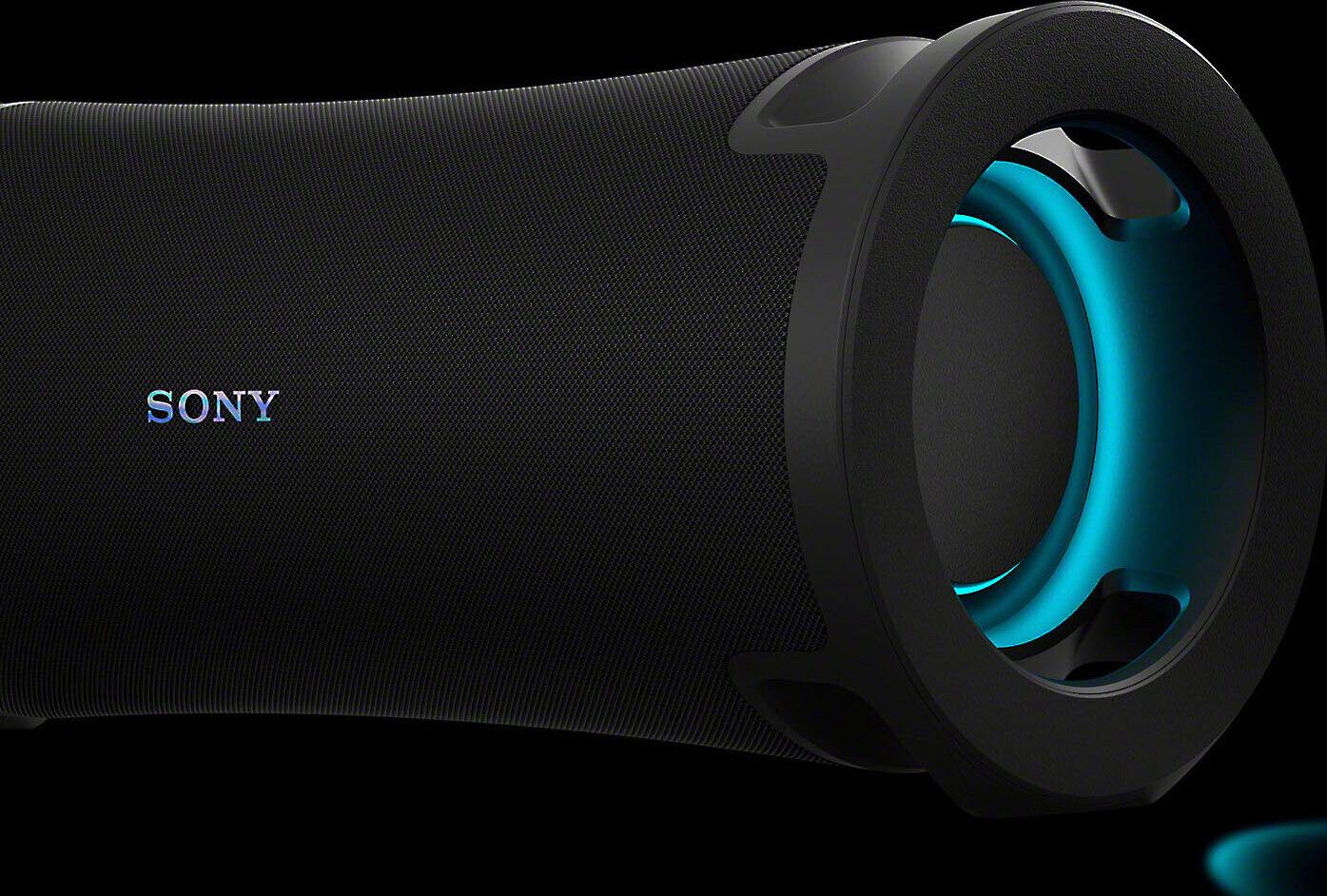
The Sony ULT FIELD 7 takes a different approach with dual 4.5-inch woofers and passive radiators (bass ports that enhance low-frequency response). Sony's "ULT" technology provides two bass enhancement modes: Deep Bass adds resonating depth to low frequencies, while Attack Bass emphasizes the punch and energy of basslines. This isn't necessarily better or worse than the JBL's approach—it's optimized for different priorities.
For critical listening or situations where speech intelligibility matters most, the JBL excels. For parties where you want music to feel exciting and energetic, the Sony delivers the enhanced bass response many people prefer for electronic music, hip-hop, and pop.
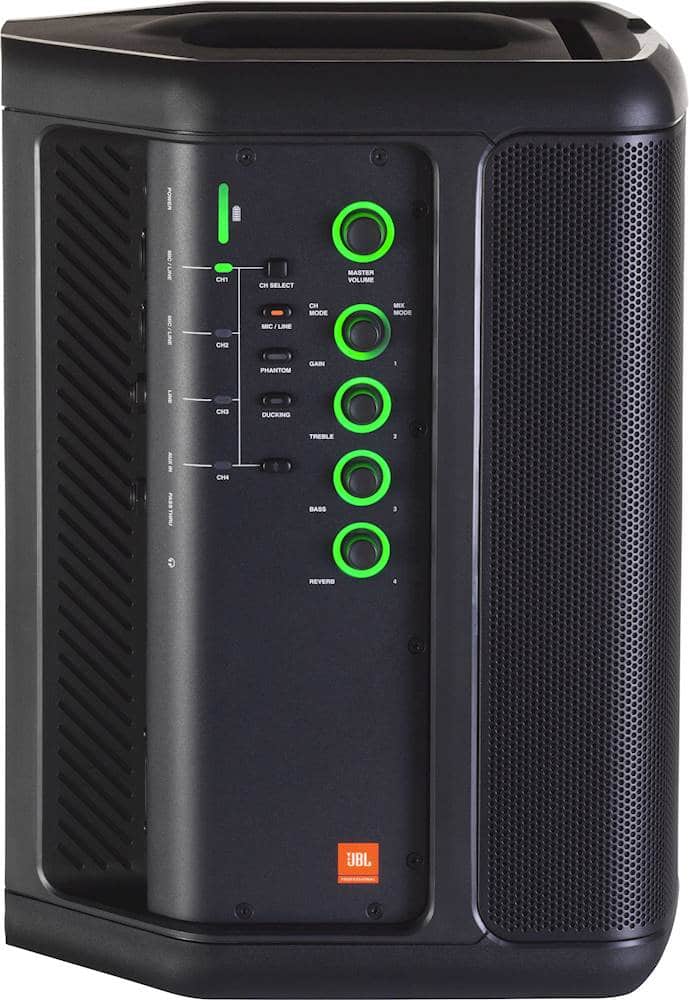
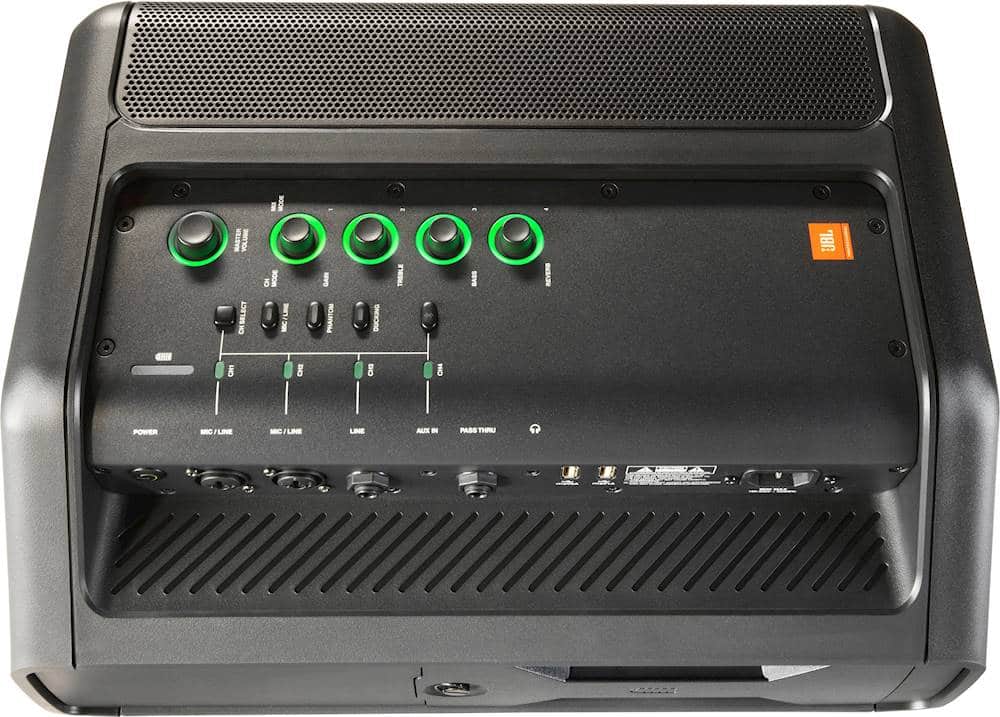
Here's where the fundamental difference between these speakers becomes most apparent. The JBL EON ONE Compact includes a complete 4-channel digital mixer—essentially a small mixing board built into the speaker. Two channels accept microphones or instruments through XLR/TRS combo jacks (professional audio connections), with phantom power available for condenser microphones that require electrical power to operate.
The third channel provides a Hi-Z input specifically designed for electric guitars and basses, while the fourth channel handles auxiliary devices like phones or music players. Each channel has its own level control and can apply professional effects like reverb (simulating the acoustic properties of different rooms), delay (creating echo effects), and chorus (adding richness to vocals or instruments).
The ducking feature deserves special mention—when the system detects speech on a microphone channel, it automatically lowers the music volume, ensuring announcements or presentations remain clearly audible. This seemingly simple feature demonstrates the JBL's focus on practical professional applications.
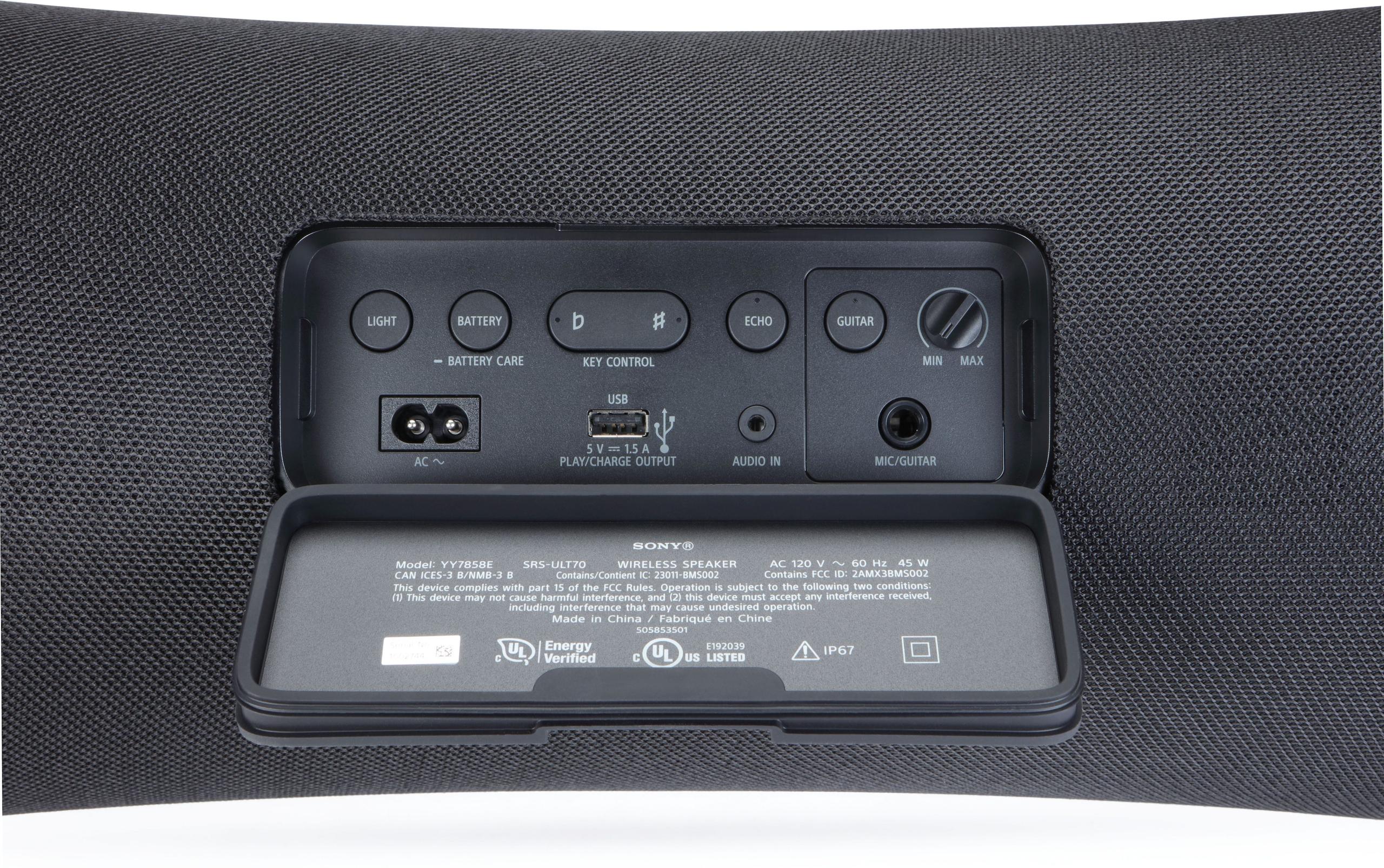
The Sony ULT FIELD 7 offers much simpler input options: one microphone/instrument input and an auxiliary connection. While it includes echo effects and pitch adjustment for karaoke use, it lacks the comprehensive mixing capabilities that make the JBL suitable for complex audio setups.
Battery technology has improved significantly in recent years, and these speakers showcase different approaches to power management. The Sony ULT FIELD 7 achieves up to 30 hours of playback—an impressive figure that makes it suitable for multi-day events or extended outdoor activities without access to power outlets.
The JBL EON ONE Compact provides 12 hours of operation, which might seem inferior until you consider its unique advantage: the battery is completely swappable without tools. Professional performers often prefer this approach because they can carry spare batteries for unlimited runtime, similar to how camera operators handle professional shoots.
Charging time matters too. The JBL recharges in just 2.5 hours, meaning you can quickly top off between uses. Both speakers can operate while plugged into AC power, though this somewhat defeats the purpose of a portable system unless you're using them in permanent installations.
Environmental protection represents another key difference. The Sony ULT FIELD 7 carries an IP67 rating, which means it's completely dust-tight and can survive submersion in up to 1 meter of water for 30 minutes. This protection makes it genuinely suitable for pool parties, beach outings, and camping trips where weather might become a concern.
The JBL EON ONE Compact lacks any official water resistance rating. While its polypropylene enclosure can handle some moisture, it's not designed for direct exposure to rain or splashing. This limitation reflects its indoor/covered venue focus—professional audio equipment typically prioritizes acoustic performance over weather protection.
However, JBL's 7-year warranty (3 years on the battery) versus Sony's standard 1-year coverage suggests confidence in long-term reliability under normal use conditions. Professional audio equipment generally undergoes more rigorous durability testing for frequent transport and setup.
Both speakers embrace modern connectivity expectations but with different emphases. The JBL EON ONE Compact supports Bluetooth audio streaming alongside its professional inputs, and its companion app allows remote control of all mixing functions. This capability proves invaluable when you need to adjust sound while moving around a room or stage.
The app also enables linking up to four units for larger installations or stereo operation with two speakers. The Sony ULT FIELD 7 takes connectivity further with Party Connect technology, allowing up to 100 compatible Sony speakers to play synchronized audio with coordinated lighting effects—imagine the visual impact of dozens of speakers pulsing with the music at a large outdoor event.
Both speakers include USB charging ports for keeping phones and tablets powered, though the JBL provides more power output for faster charging of professional devices like wireless microphone systems.
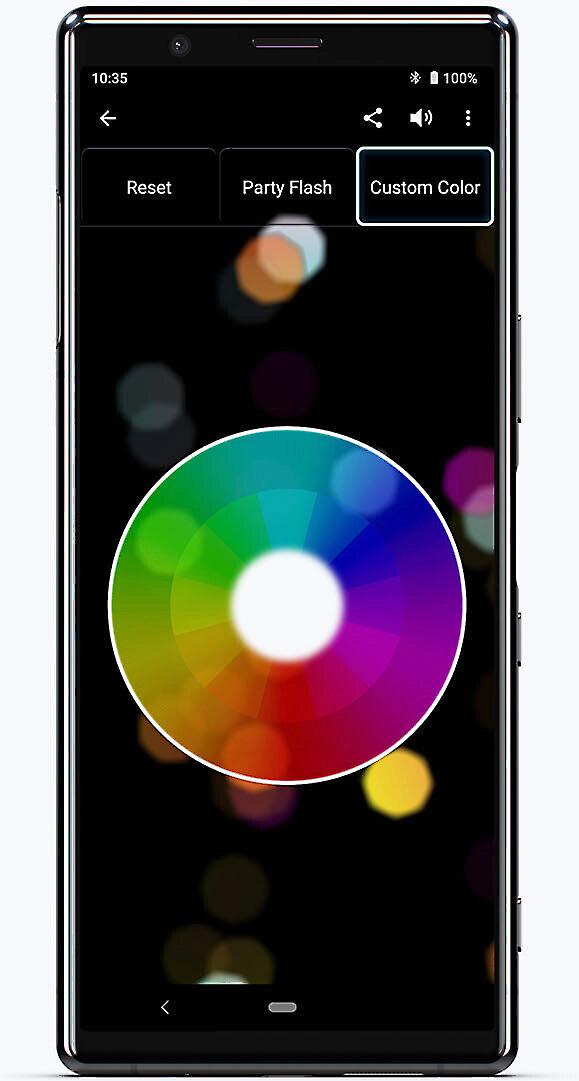
The Sony ULT FIELD 7 incorporates multi-colored LED lighting that synchronizes with music playback. While this might seem gimmicky, lighting effects genuinely enhance the party atmosphere, especially during evening outdoor events. The lights are programmable through Sony's app and coordinate across multiple linked speakers.
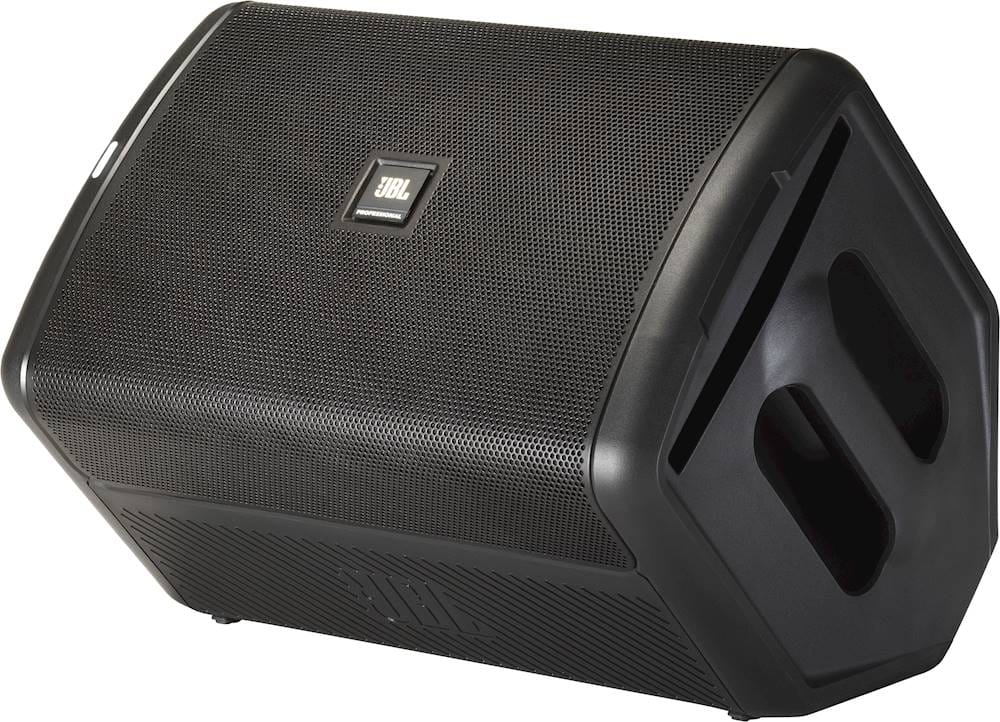
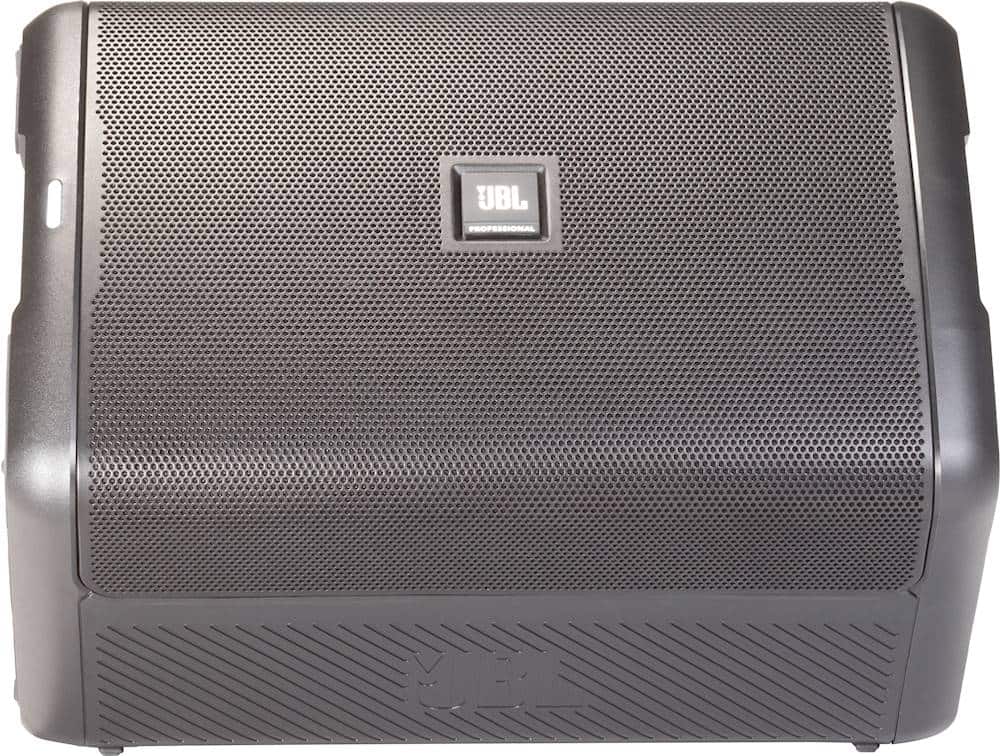
The JBL EON ONE Compact focuses on audio performance over visual entertainment. Its design includes a rotatable logo to match orientation when used as a floor monitor, but it lacks decorative lighting. This choice reflects professional priorities—stage lighting comes from dedicated equipment, not the sound system.
Indoor performance reveals interesting differences between these speakers. The JBL EON ONE Compact excels in conference rooms, small venues, and home studios where speech clarity and acoustic accuracy matter most. Its vertical dispersion pattern works well for seated audiences, and the professional mixing capabilities handle multiple audio sources simultaneously.
For home theater use, the JBL can serve as a powerful center channel or temporary upgrade for movie nights, though its single-point design won't match dedicated home theater systems for surround sound imaging. Its strength lies in clear dialogue reproduction and the ability to reach comfortable volumes in large rooms.
The Sony ULT FIELD 7 performs better in casual home entertainment scenarios where you want music to enhance activities rather than demand focused attention. Its horizontal orientation and enhanced bass response work well for background music during parties or outdoor movie screenings where ambiance matters more than critical listening.
At the time of writing, the JBL EON ONE Compact commands a significant premium over the Sony ULT FIELD 7—roughly 70% more expensive. This price difference reflects the professional feature set and target market. If you regularly perform, present, or need professional mixing capabilities, the additional cost delivers clear value through features you'll actually use.
The Sony represents excellent value for consumers who want impressive sound quality and party features without professional complexity. Its weather resistance and extended battery life provide practical advantages that many users will appreciate more than mixing capabilities they'll never need.
Choose the JBL EON ONE Compact if you're a musician who performs acoustic sets, a fitness instructor leading classes, a presenter giving talks, or anyone who needs professional mixing capabilities in a portable package. Its superior vocal clarity, expandable inputs, and swappable battery system justify the higher cost for professional applications.
The Sony ULT FIELD 7 suits party hosts, outdoor enthusiasts, and casual users who prioritize fun features over professional capabilities. Its weather resistance, extended battery life, and party-oriented features deliver better value for social entertainment scenarios.
Consider your primary use case honestly. If you need microphone inputs and mixing controls regularly, the JBL pays for itself quickly compared to renting professional sound systems. If you mainly play music from phones or streaming devices, the Sony provides more practical benefits at a lower price point.
The technology improvements since these speakers launched have been incremental rather than revolutionary. Battery efficiency continues improving, and Bluetooth codecs deliver better audio quality, but the fundamental approaches these speakers represent remain relevant and competitive in their respective markets.
Both speakers succeed brilliantly at their intended purposes. The key is matching their capabilities to your actual needs rather than being swayed by impressive specifications that don't apply to your use cases.
| JBL EON ONE Compact | Sony ULT FIELD 7 |
|---|---|
| Maximum Volume Output - Critical for reaching audiences and outdoor use | |
| 112 dB max SPL with 150W peak power (professional venue capable) | 40W RMS power (suitable for parties but not large crowds) |
| Built-in Mixer - Determines versatility for live performance | |
| 4-channel digital mixer with XLR inputs, phantom power, effects | Single mic/guitar input with basic karaoke effects |
| Battery Life - How long events can run unplugged | |
| 12 hours runtime with swappable battery system | Up to 30 hours runtime (fixed battery) |
| Weather Resistance - Essential for outdoor reliability | |
| No water protection (indoor/covered use only) | IP67 rated (fully waterproof and dustproof) |
| Weight and Portability - Impacts transport ease | |
| 17.6 lbs with vertical design and carry handle | 13.9 lbs with horizontal design and dual handles |
| Audio Drivers - Affects sound quality and bass response | |
| Single 8" woofer + 1" tweeter (balanced, reference sound) | Dual 4.5" woofers + passive radiators (bass-enhanced) |
| Professional Features - Value for performers and presenters | |
| Phantom power, ducking, professional preamps, pole mount | LED lighting, party connect up to 100 speakers, karaoke pitch control |
| Warranty Coverage - Indicates build quality confidence | |
| 7 years speaker, 3 years battery (professional grade) | 1 year standard coverage (consumer grade) |
| Connectivity Options - Flexibility for different audio sources | |
| XLR/TRS combo jacks, Hi-Z guitar input, Bluetooth, app control | 3.5mm aux, 1/4" mic input, Bluetooth, USB playback |
| Target Use Case - Who benefits most from each approach | |
| Musicians, presenters, fitness instructors, small venue sound | Party hosts, outdoor enthusiasts, casual entertainment |
The Sony ULT FIELD 7 is specifically designed for outdoor entertainment with its IP67 waterproof rating, 30-hour battery life, and LED lighting effects. The JBL EON ONE Compact lacks weather protection and is better suited for covered outdoor venues or indoor use.
The JBL EON ONE Compact is designed for live performances with its 4-channel mixer, XLR inputs, phantom power for microphones, and 112 dB output capability. The Sony ULT FIELD 7 has only basic mic input and is not suitable for professional performances.
The JBL EON ONE Compact produces significantly higher volume at 112 dB maximum SPL with 150W peak power, making it suitable for audiences of 50-100 people. The Sony ULT FIELD 7 at 40W RMS is better for smaller gatherings and background music.
The Sony ULT FIELD 7 offers up to 30 hours of playback on a single charge. The JBL EON ONE Compact provides 12 hours but features a swappable battery system for unlimited runtime with spare batteries.
The JBL EON ONE Compact excels at presentations with its built-in mixer, phantom power for professional microphones, ducking feature that automatically lowers music when speaking, and superior vocal clarity at 112 dB output levels.
Yes, but with major differences. The JBL EON ONE Compact offers professional XLR inputs with phantom power and mixing controls. The Sony ULT FIELD 7 has a single 1/4" input designed mainly for karaoke use.
The Sony ULT FIELD 7 is lighter at 13.9 lbs with dual carry handles and complete weather protection for worry-free transport. The JBL EON ONE Compact weighs 17.6 lbs and requires more careful handling due to lack of weather sealing.
Neither speaker is designed specifically for home theater use. The JBL EON ONE Compact can serve as a temporary upgrade for dialogue clarity in large rooms, while the Sony ULT FIELD 7 works better for casual movie nights with enhanced bass response.
The JBL EON ONE Compact delivers more balanced, reference-quality sound with its 8" woofer extending down to 37.5 Hz. The Sony ULT FIELD 7 emphasizes bass enhancement with ULT modes for party atmosphere rather than critical listening accuracy.
Both support linking but differently. The JBL EON ONE Compact chains up to 4 units for expanded coverage and stereo operation. The Sony ULT FIELD 7 connects up to 100 compatible speakers with synchronized audio and lighting through Party Connect.
The Sony ULT FIELD 7 offers better consumer value with weather resistance, 30-hour battery, and party features. The JBL EON ONE Compact justifies its higher cost for users who need professional mixing capabilities and maximum volume output.
The JBL EON ONE Compact provides professional connections including XLR/TRS combos, Hi-Z guitar input, and comprehensive app control. The Sony ULT FIELD 7 focuses on consumer connectivity with Bluetooth, USB playback, and basic auxiliary inputs for casual use.
We've done our best to create useful and informative comparisons to help you decide what product to buy. Our research uses advanced automated methods to create this comparison and perfection is not possible - please contact us for corrections or questions. These are the sites we've researched in the creation of this article: bestbuy.com - crutchfield.com - noisegate.com.au - zzounds.com - jblpro.com - youtube.com - soundonsound.com - jblpro.com - youtube.com - youtube.com - jbl.com - samash.com - sweetwater.com - avnow.com - soundonsound.com - youtube.com - kh.jbl.com - talkbass.com - techradar.com - proav.com - gearspace.com - jazzguitar.be - sweetwater.com - youtube.com - crutchfield.com - forums.musicplayer.com - adn.harmanpro.com - device.report - bgs.cc - youtube.com - rtings.com - hifipicks.com - thesonyshop.ca - techradar.com - rtings.com - sony-africa.com - videoandaudiocenter.com - sony.com - youtube.com - johnlewis.com

Privacy Policy
Terms and Conditions - Affiliate Policy
Home Security
© Copyright 2008-2026.
11816 Inwood Rd #1211, Dallas, TX 75244