


Finding the perfect party speaker means balancing power, portability, and price—but which features actually matter when the music starts pumping? After diving deep into the specs and real-world performance of the JBL PartyBox Encore Essential 2 and Sony ULT FIELD 7, we've uncovered some surprising differences that could make or break your next gathering.
Party speakers aren't just bigger Bluetooth speakers—they're purpose-built entertainment systems designed to energize crowds and create memorable experiences. Unlike standard wireless speakers that focus on accurate sound reproduction, party speakers prioritize maximum volume output, bone-rattling bass, visual excitement through lighting effects, and interactive features like microphone inputs for karaoke sessions.
The key technical aspects that separate great party speakers from mediocre ones include driver configuration (the individual speakers inside the cabinet), amplifier power ratings, frequency response range (how low the bass goes and how crisp the highs sound), and specialized features like AI-powered sound processing. These speakers also need robust battery systems since they're often used away from power outlets, plus weather resistance for poolside parties and outdoor festivals.
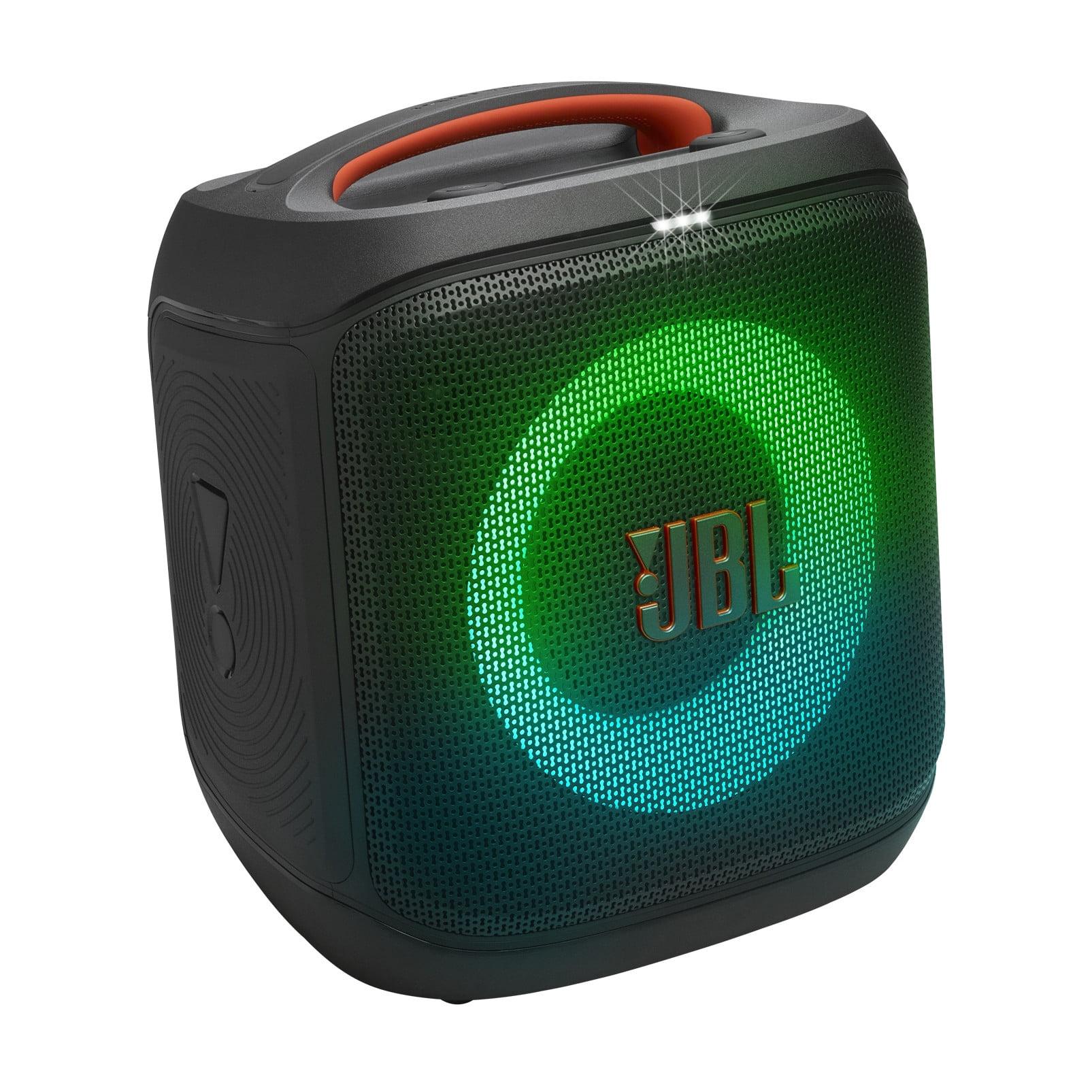
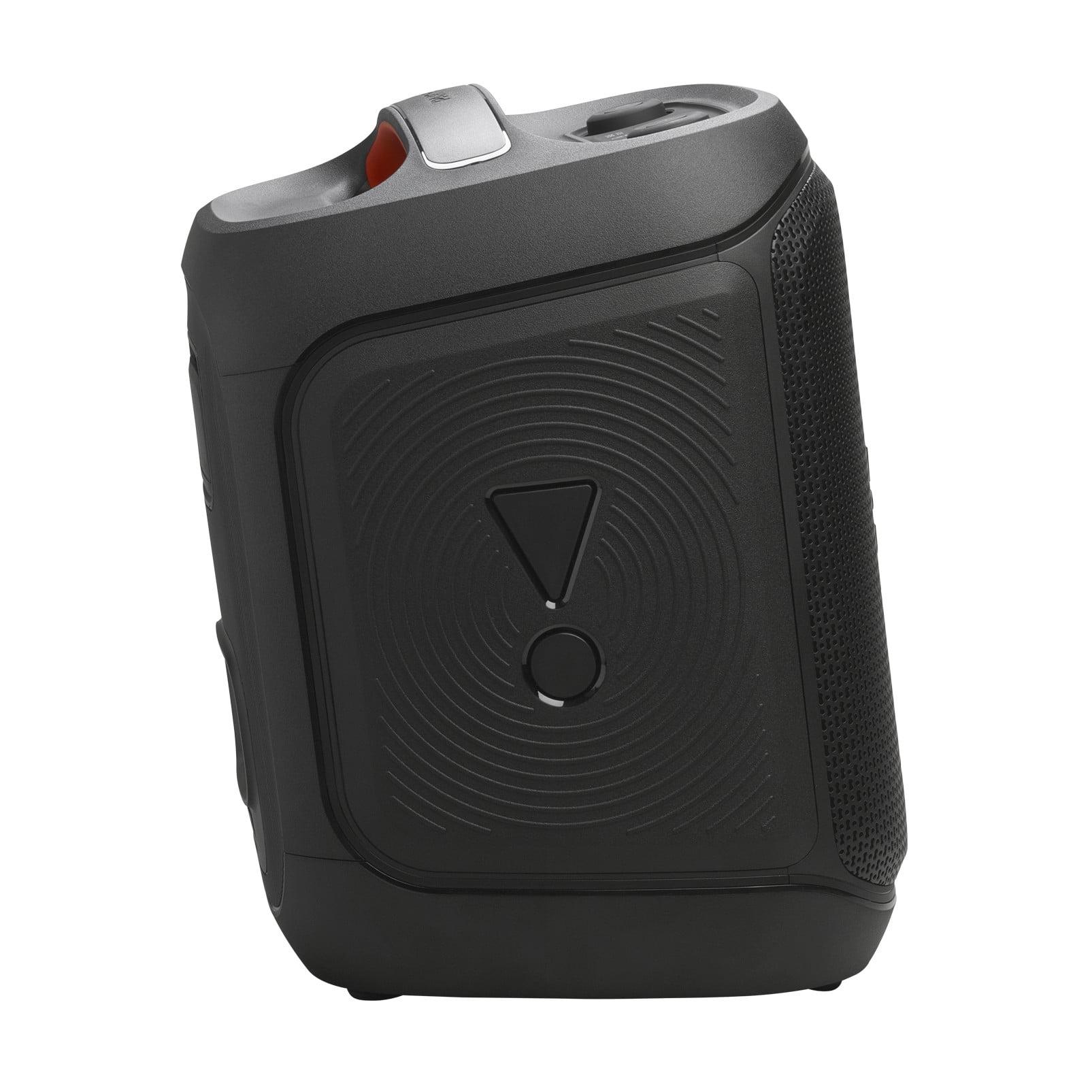
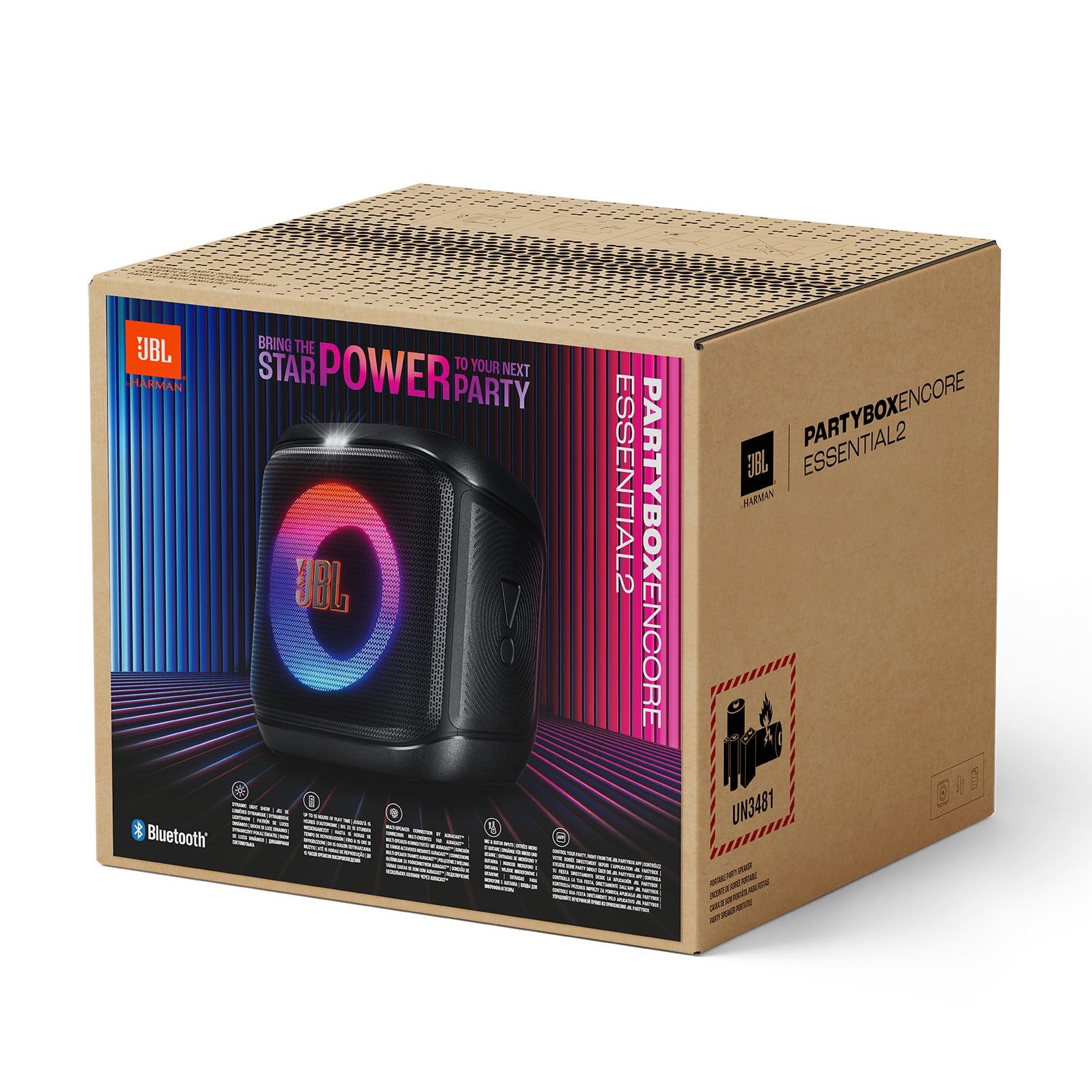
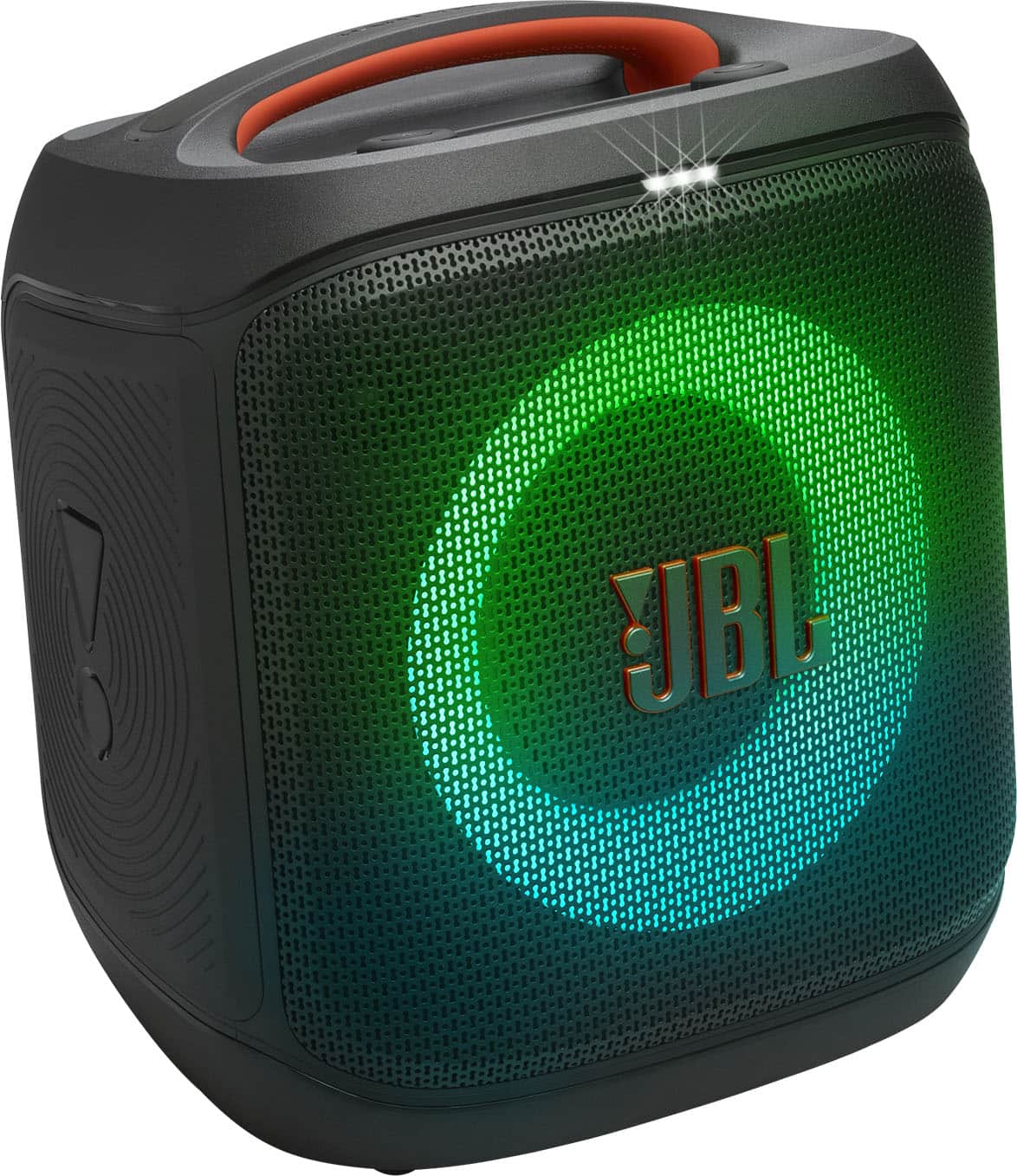
The JBL PartyBox Encore Essential 2, released in 2024, represents JBL's refined approach to affordable party entertainment. At around $330 at the time of writing, it packs impressive technology into a relatively compact package, including JBL's new AI Sound Boost processing and their latest Auracast wireless linking system.
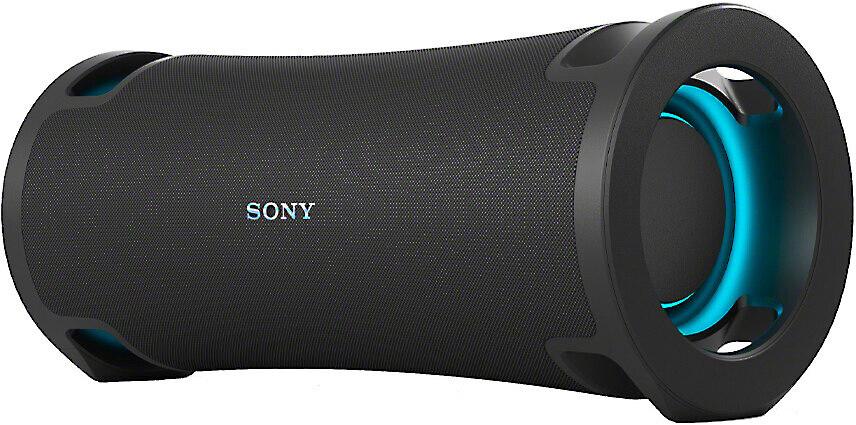
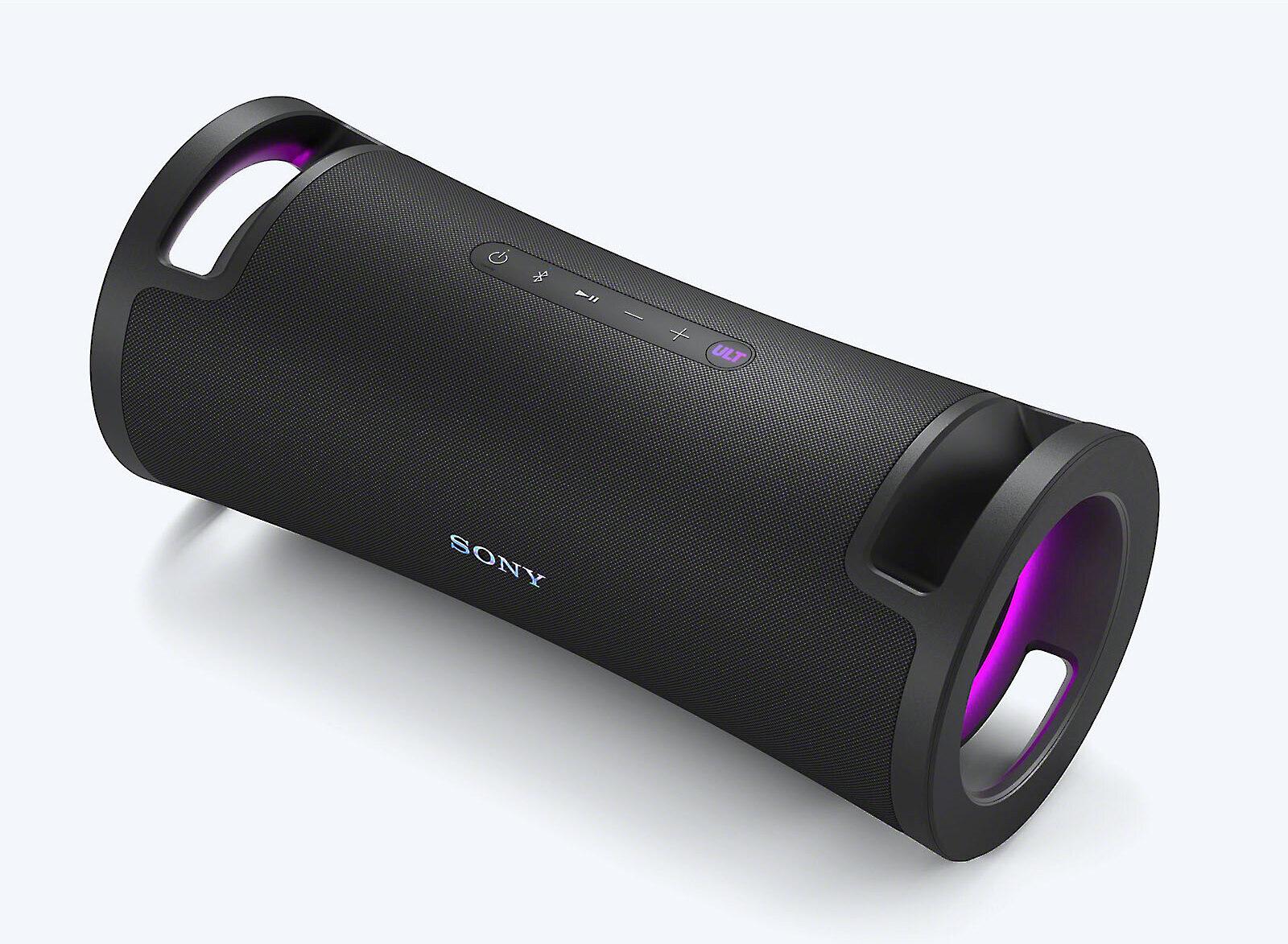
Meanwhile, the Sony ULT FIELD 7, also arriving in 2024, takes a premium approach with enhanced durability and extended battery life, typically priced around $450. Sony's focus here is on professional-grade features and rugged construction that can handle serious outdoor abuse.
Both speakers emerged during a renaissance period for portable audio, incorporating advances like improved Bluetooth codecs (the digital compression methods that maintain audio quality during wireless transmission), AI-powered sound optimization, and more sophisticated lighting systems that sync with music beats.
The JBL PartyBox Encore Essential 2 delivers 100 watts RMS (Root Mean Square—the continuous power output rather than peak bursts) through a thoughtfully designed driver array. Its 5.25-inch woofer handles the critical midrange and bass frequencies, while dual 0.75-inch dome tweeters ensure crisp high-frequency reproduction. This configuration creates a front-firing sound signature that prioritizes impact and presence.
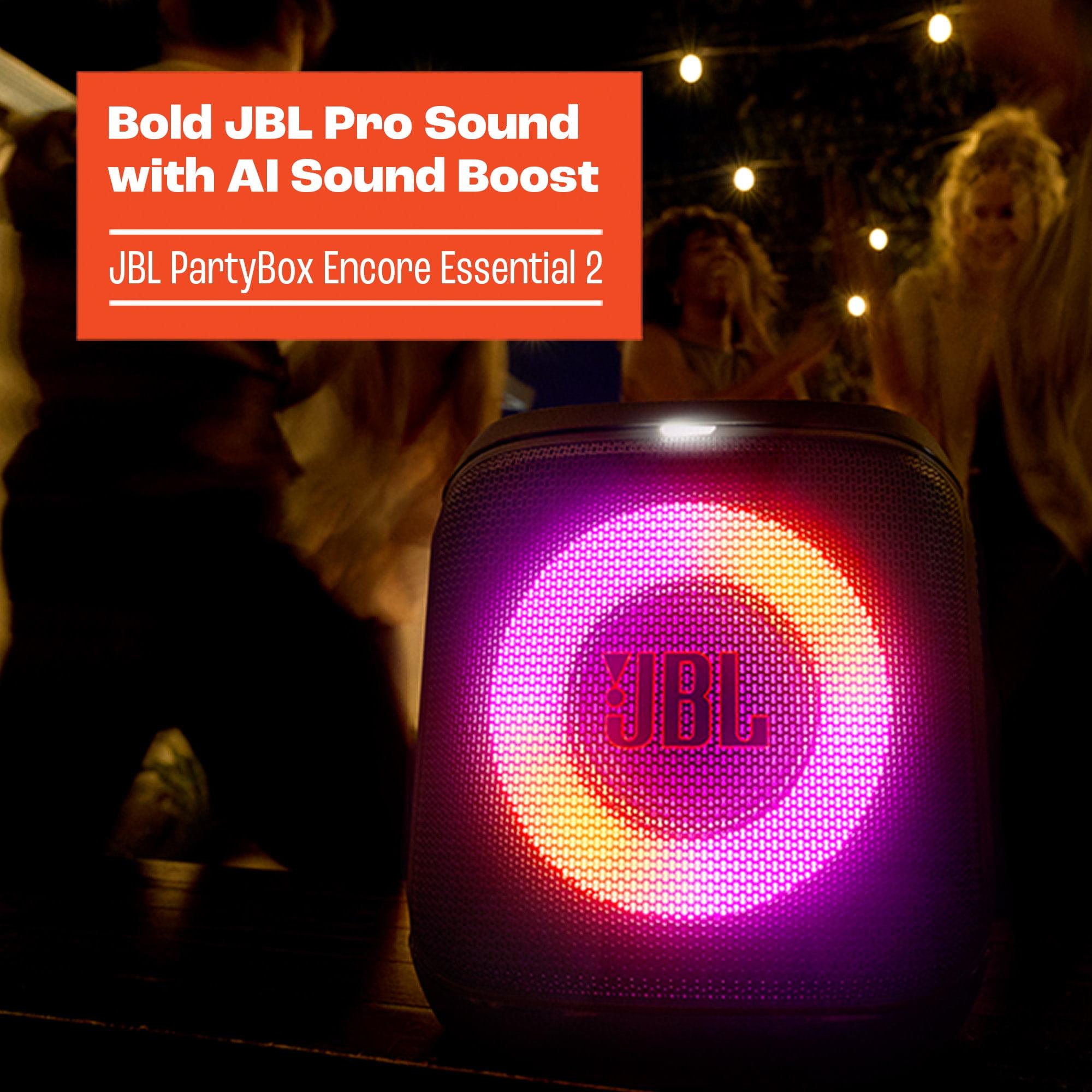
What makes the JBL special is its AI Sound Boost technology, which uses real-time audio analysis to prevent distortion at high volumes. Traditional speakers often compress dynamics (reduce the difference between loud and soft sounds) when pushed hard, but this AI system maintains clarity even when the party gets rowdy. Think of it as having a smart sound engineer constantly adjusting levels to prevent audio artifacts.
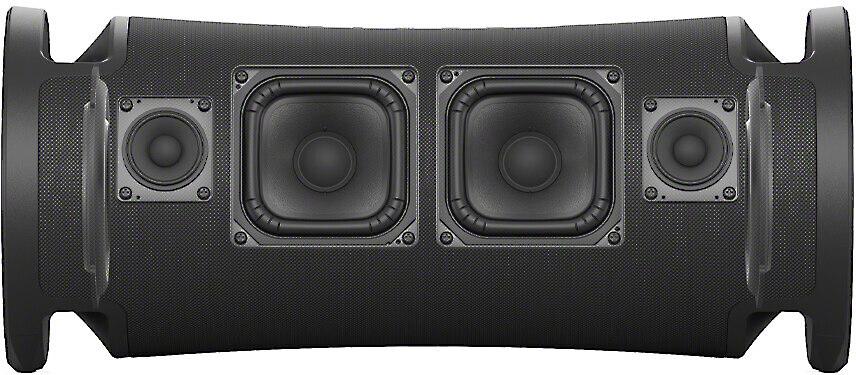
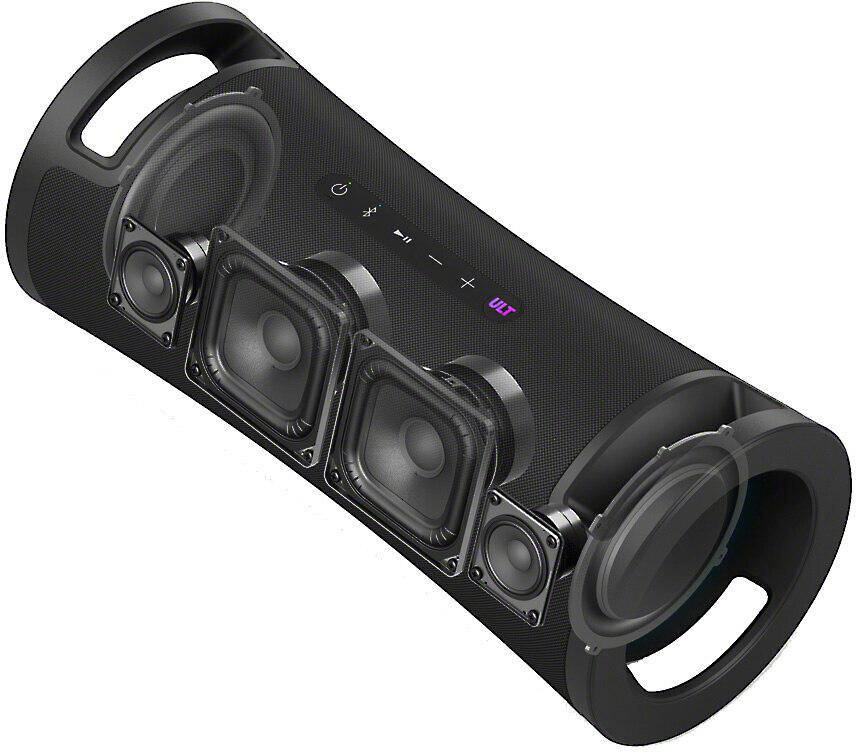
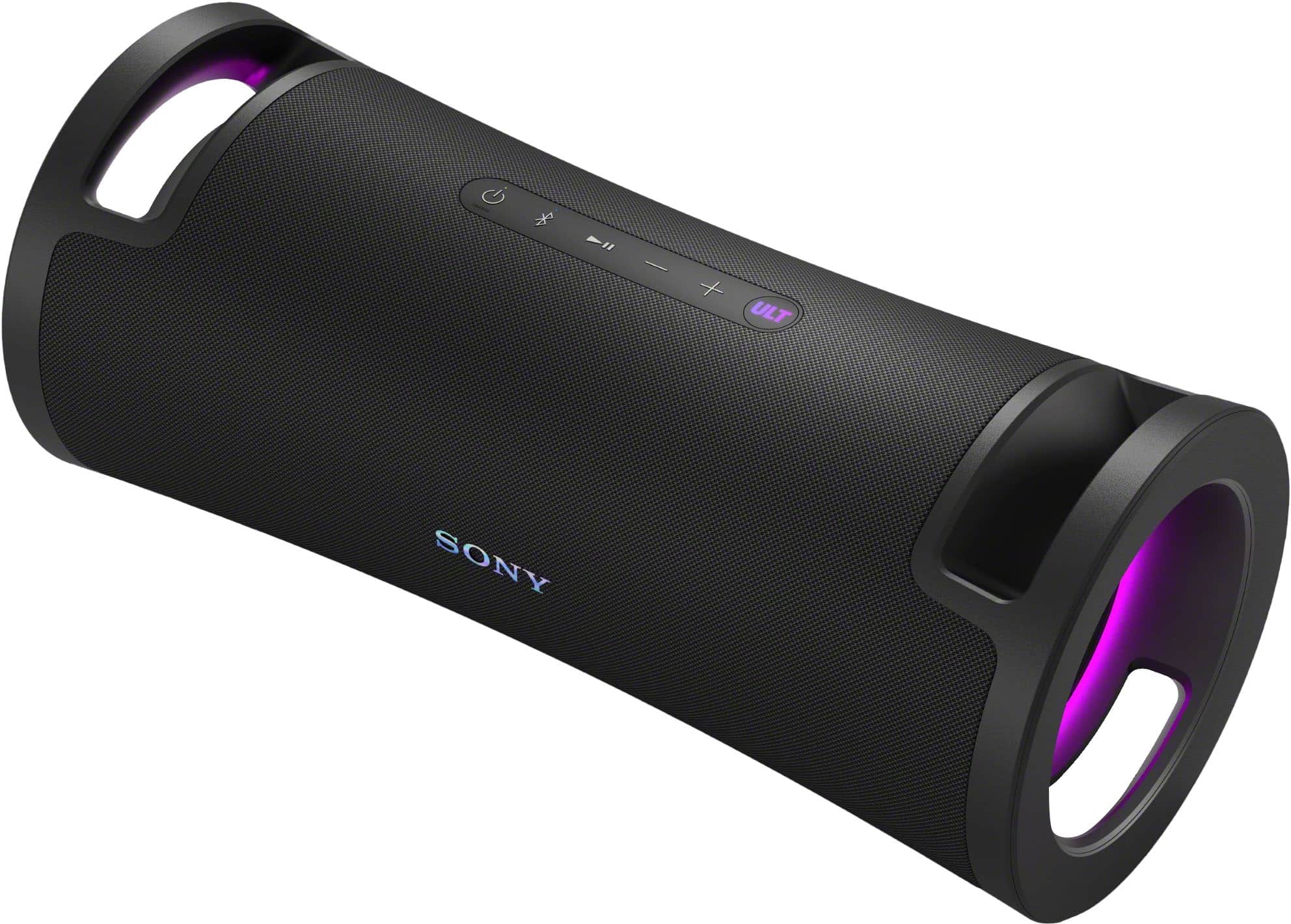
The Sony ULT FIELD 7 also outputs 100 watts, but uses Sony's X-Balanced Speaker Units—a non-circular driver design that maximizes the surface area within the cabinet constraints. This engineering approach typically produces deeper bass extension with less distortion, as the asymmetrical shape reduces air turbulence inside the enclosure.
Sony's dual ULT bass modes deserve special attention. ULT1 (Deep Bass) emphasizes sub-bass frequencies around 40-60Hz—the range you feel in your chest during electronic music. ULT2 (Attack Bass) focuses on mid-bass punch around 80-120Hz, adding impact to kick drums and bass guitar. This dual approach gives users more control over their bass experience than most competitors offer.
The JBL's frequency response spans 40Hz to 20kHz, which covers the full range of human hearing with solid low-end extension. However, our research into user feedback suggests the JBL leans toward a bass-forward signature—meaning it emphasizes low frequencies for maximum impact. This tuning works brilliantly for EDM, hip-hop, and pop music where bass energy drives the experience.
The Sony extends even lower, reaching down to 20Hz—the threshold of human hearing where you feel bass more than hear it. This extra octave of low-frequency response creates a more foundation for complex musical arrangements. User reviews consistently praise the Sony's ability to reproduce bass instruments with better definition and less muddiness, particularly important for jazz, rock, and acoustic music where bass clarity matters.
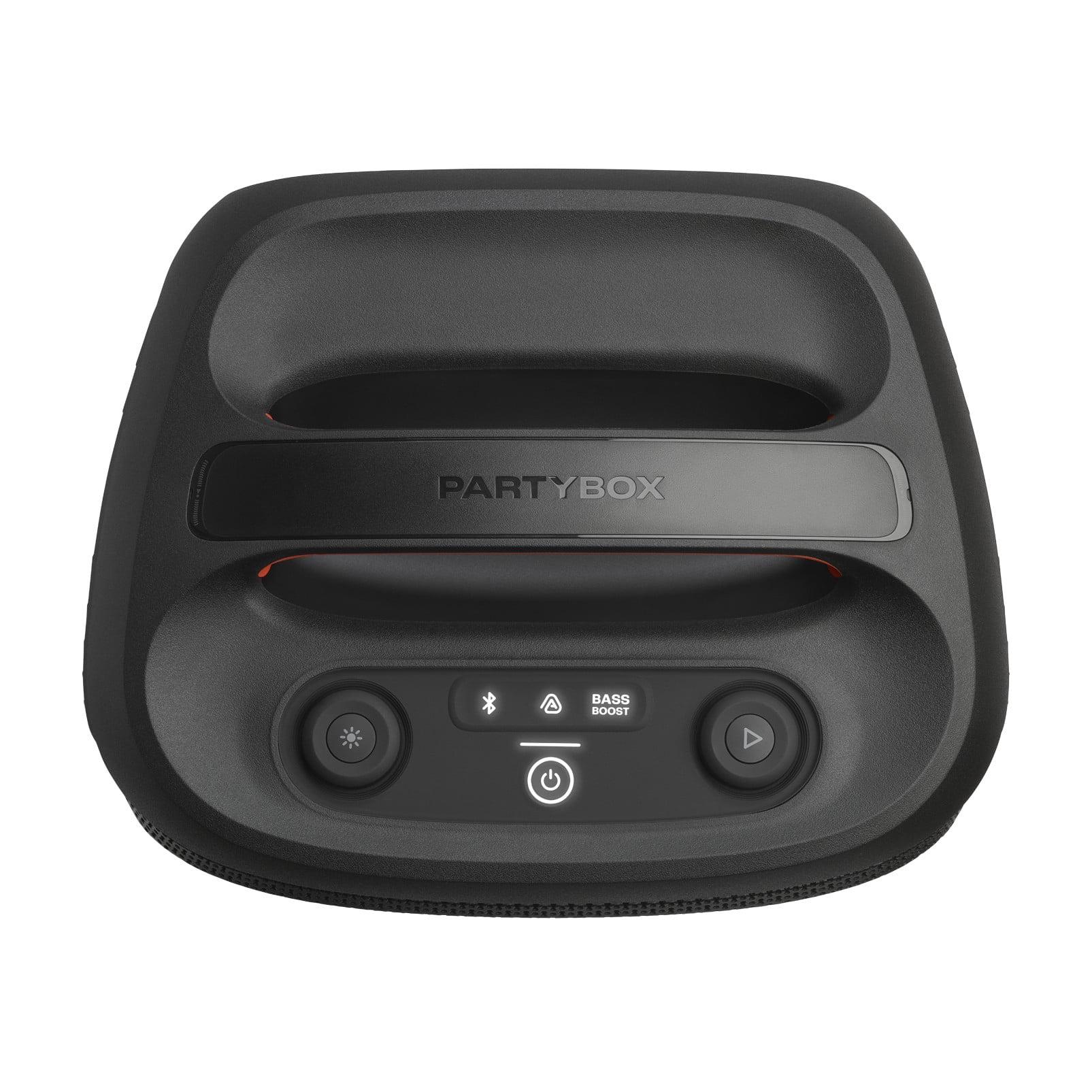
From a technical standpoint, the Sony's 7-band graphic equalizer gives users granular control over the frequency response. Most party speakers offer basic "bass boost" buttons, but the Sony lets you adjust specific frequency ranges—cutting harsh midrange frequencies while boosting vocal presence, for example. This level of customization approaches what you'd find in professional audio equipment.
Battery performance often determines whether a party speaker succeeds or fails in real-world use, and this is where the two speakers diverge dramatically.
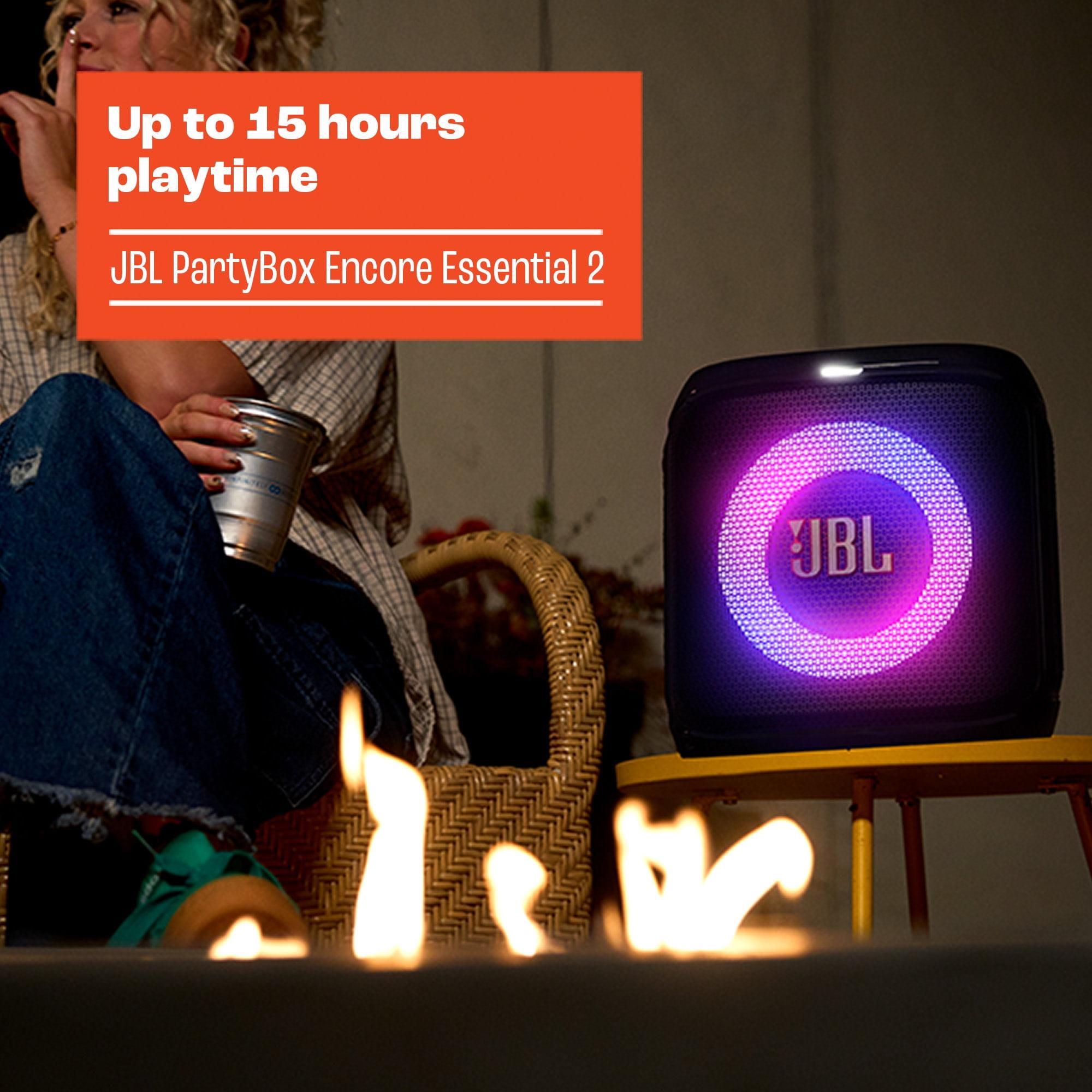
The JBL PartyBox Encore Essential 2 advertises up to 15 hours of playback, but real-world testing by users reveals more modest numbers. With bass boost activated and light show running—how most people actually use these speakers—expect around 7 hours at moderate volume levels (roughly 80% of maximum). Push it to maximum volume for that outdoor festival experience, and battery life drops to approximately 3 hours.
However, JBL's user-replaceable battery design is genuinely clever. Unlike most competitors that require professional service for battery replacement, the JBL's battery pack can be swapped out with basic tools. This feature extends the product's useful life significantly and allows power users to carry spare batteries for extended events.
The Sony ULT FIELD 7 claims up to 30 hours of playback—an impressive figure that holds up better in practice. Even with ULT bass modes engaged and lighting active, users report 8-9 hours of continuous use at party volume levels. This performance advantage stems from Sony's more efficient amplifier design and larger battery capacity.
For perspective, the difference between 7 and 9 hours might seem minor, but it often means the difference between a speaker lasting through an entire outdoor event versus needing a charging break during peak party time. The Sony's extended endurance makes it particularly valuable for camping trips, beach days, and backyard gatherings where power outlets aren't available.
Weather protection represents one of the most significant differences between these speakers, with implications that go beyond obvious scenarios like pool parties.
The JBL PartyBox Encore Essential 2 carries an IPX4 rating, meaning it can handle light water splashes from any direction. This protection level works fine for indoor use and occasional outdoor parties where you're mainly concerned about drink spills or light rain. However, IPX4 won't survive a poolside mishap or beach sand exposure.
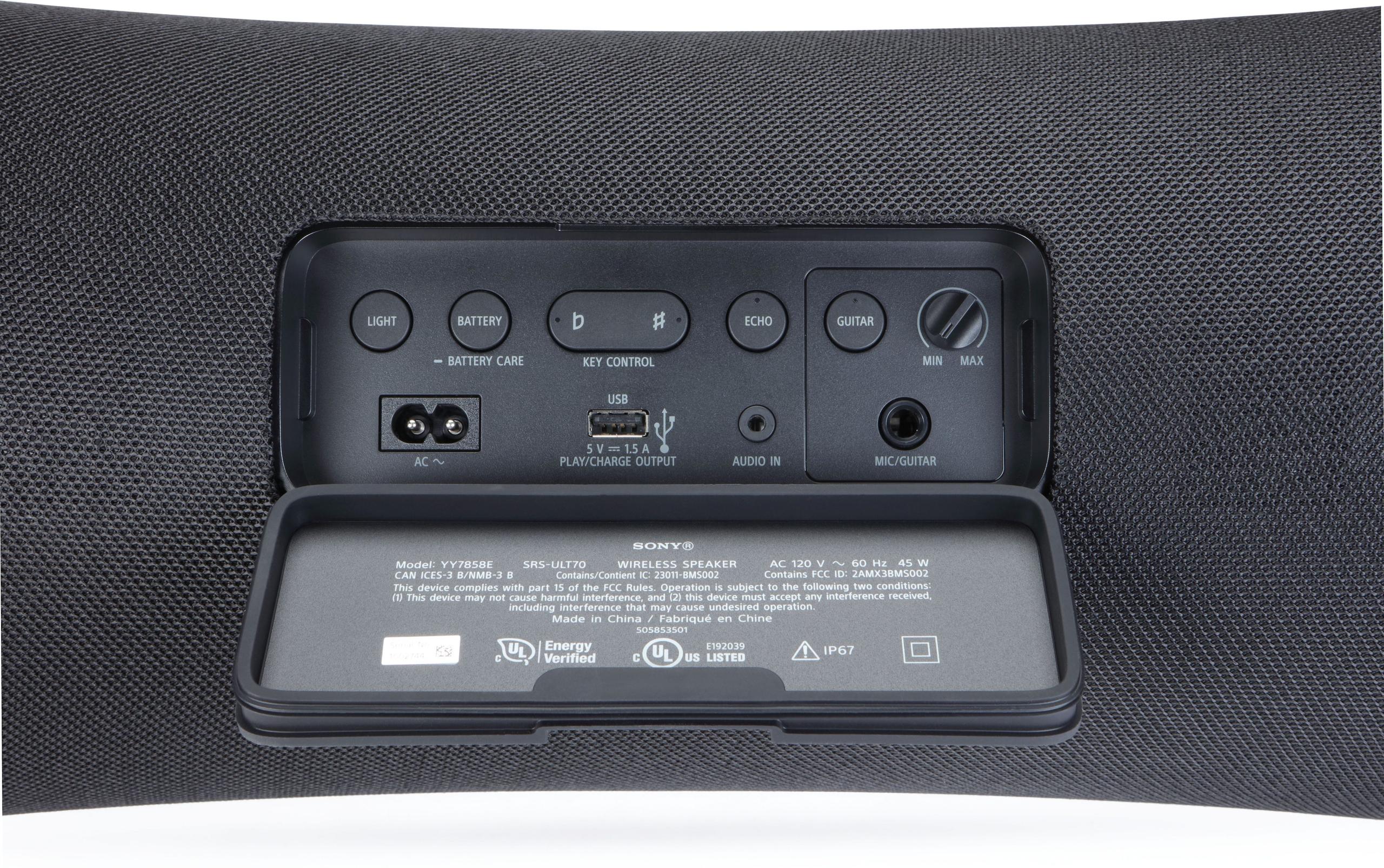
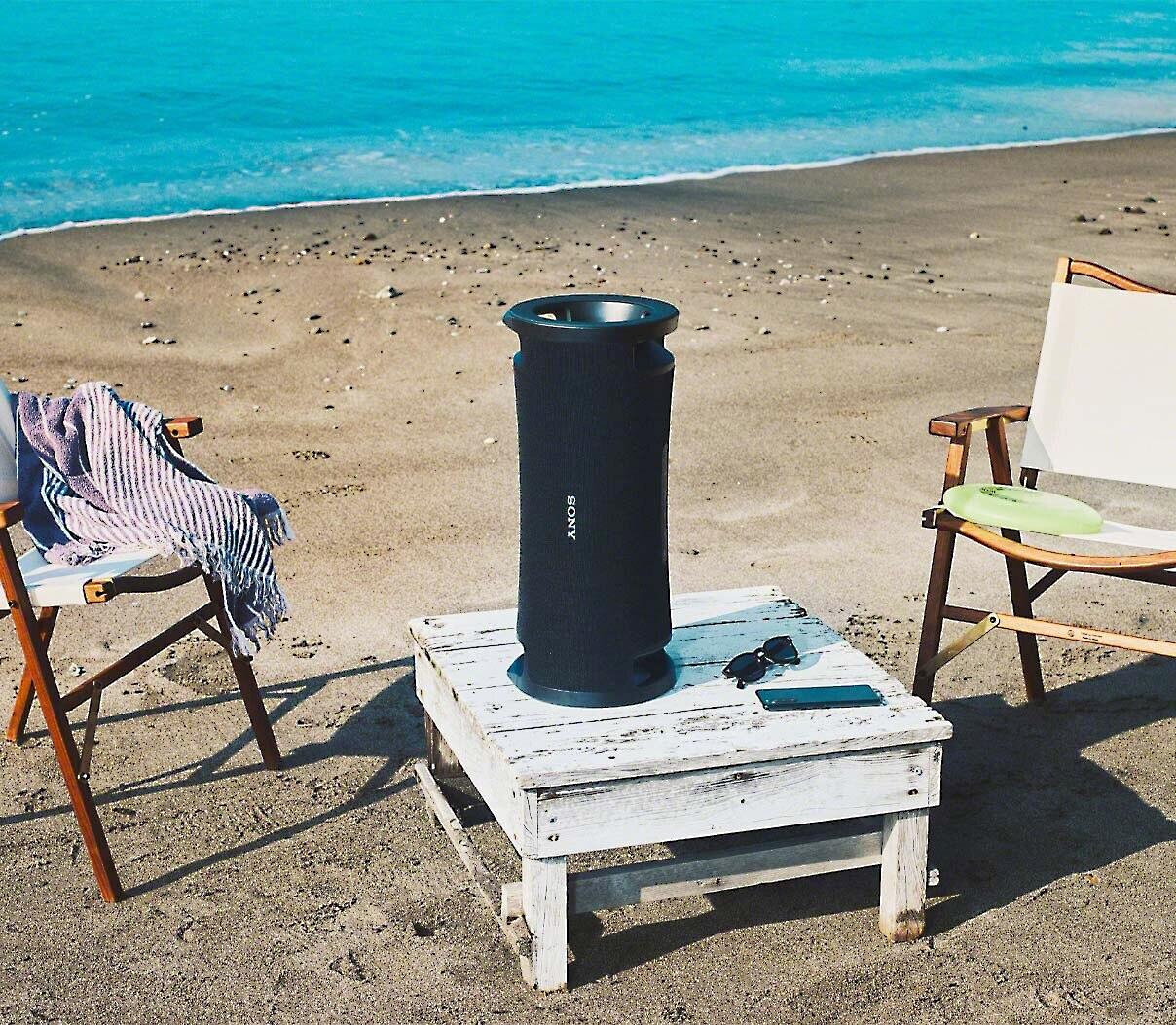
The Sony ULT FIELD 7 achieves IP67 certification—a much higher standard that allows complete submersion in water up to one meter deep for 30 minutes. The "6" rating means it's completely dustproof, while the "7" indicates waterproof protection. This durability level opens up use cases the JBL simply can't handle: beach volleyball tournaments, poolside mounting, boat parties, and camping in unpredictable weather.
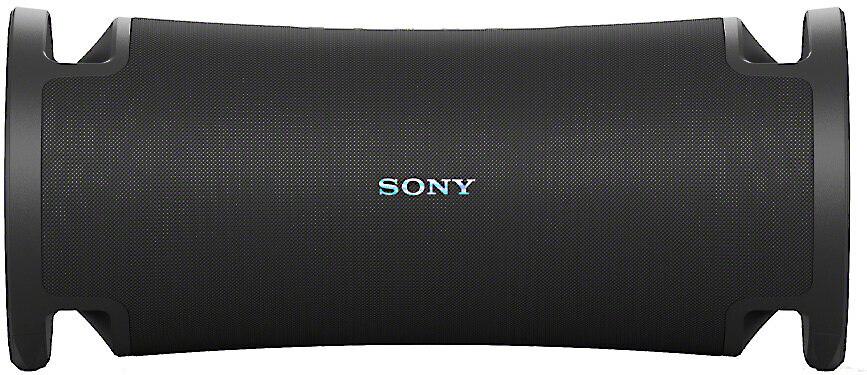
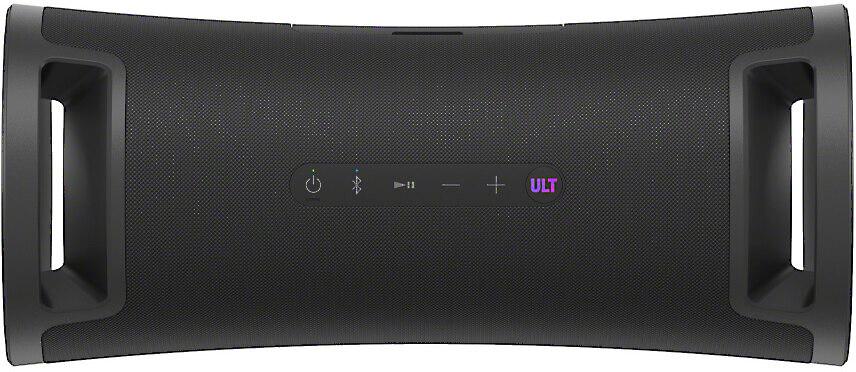
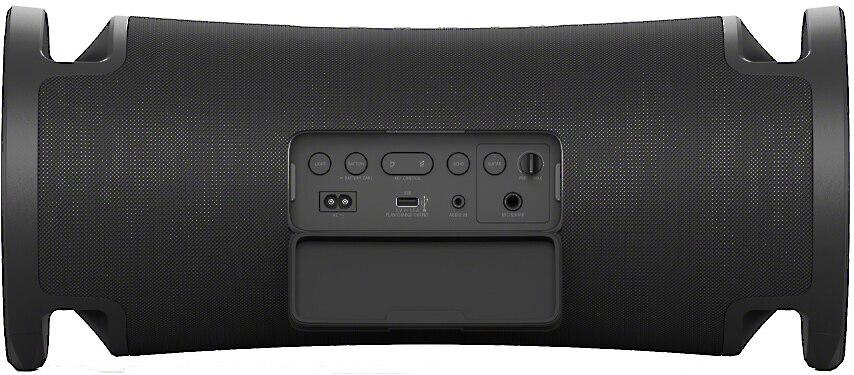
Beyond water resistance, the Sony's rubberized end caps and reinforced construction suggest it can handle the inevitable bumps and drops that occur during party setup. The speaker works in both horizontal and vertical orientations, with rubberized feet preventing sliding when placed horizontally—a thoughtful touch for outdoor use on uneven surfaces.
Modern party speakers succeed or fail based on their interactive capabilities, and both speakers offer compelling but different approaches to engagement.
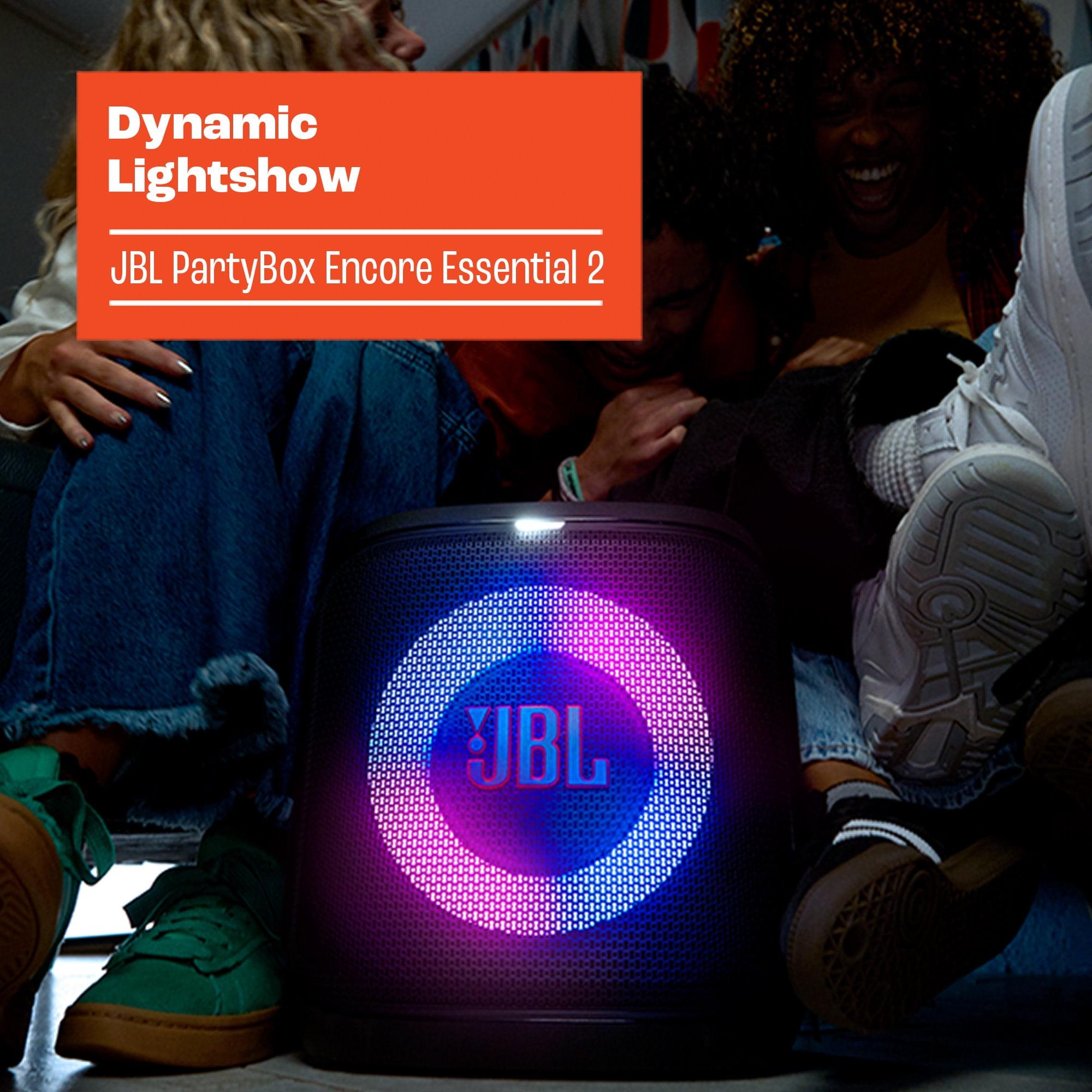
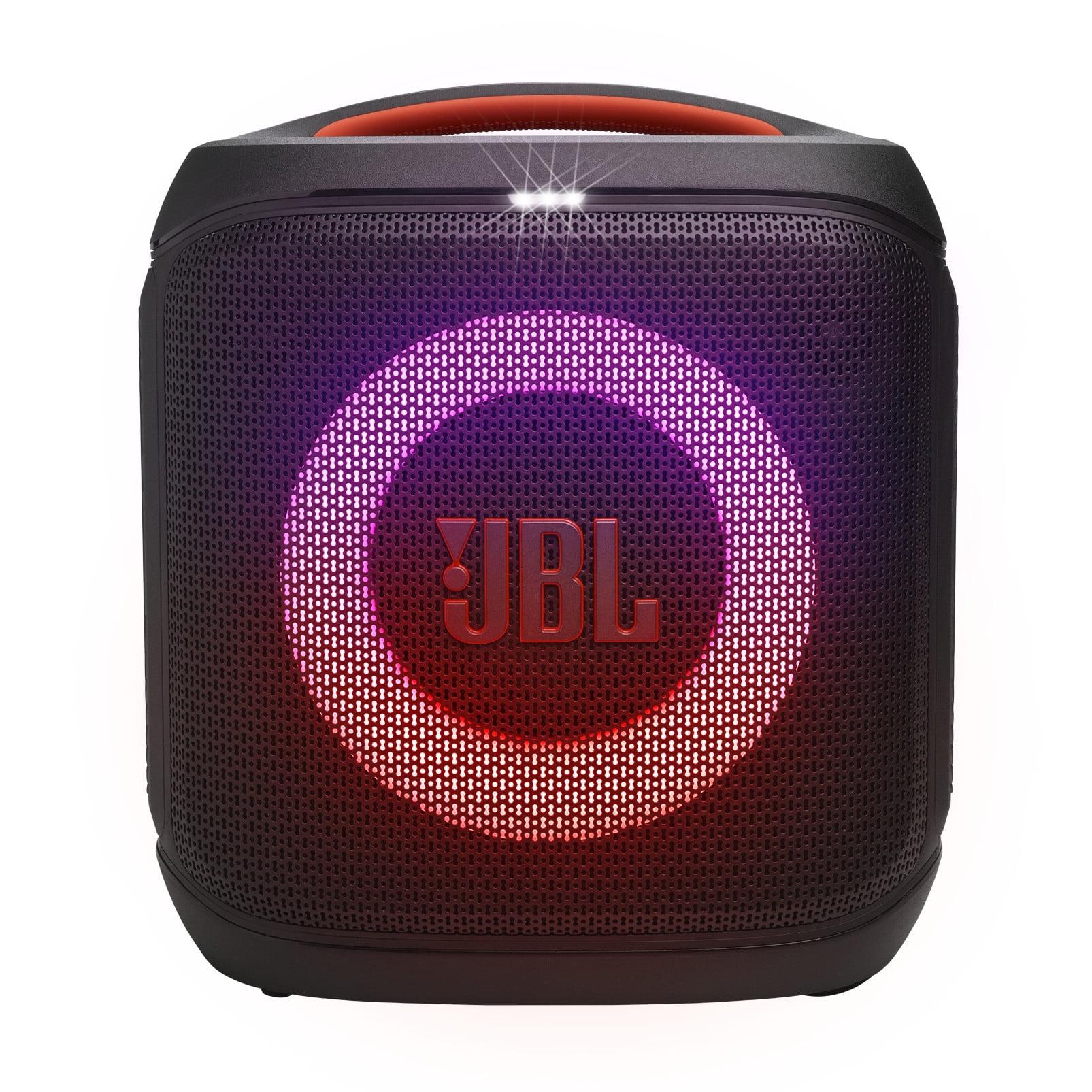
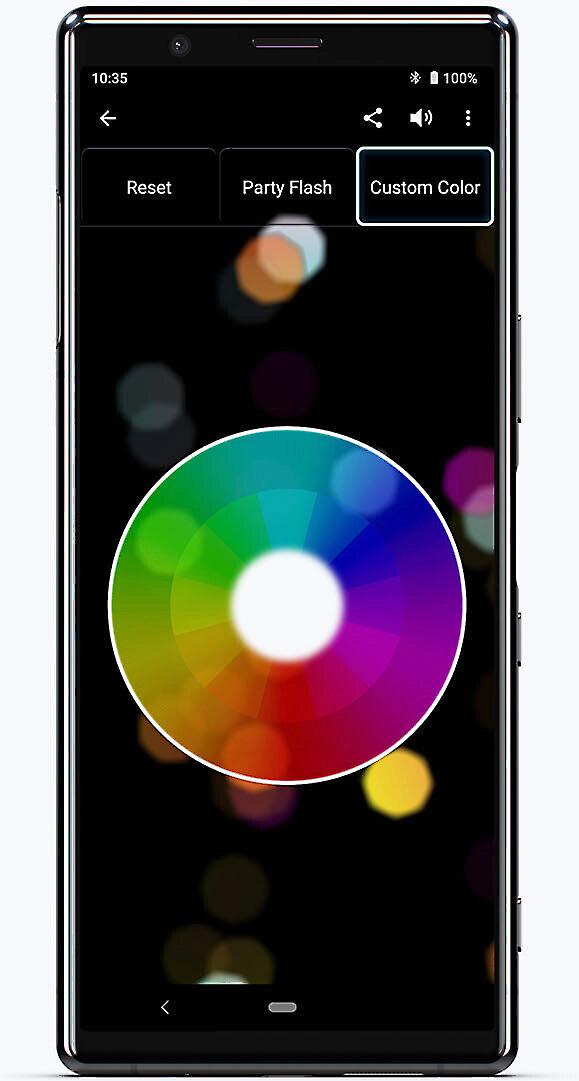
The JBL PartyBox Encore Essential 2 excels in visual entertainment with six distinct lighting modes: Neon, Loop, Bounce, Trim, Switch, and Freeze. These aren't just colored lights—they're synchronized lighting effects that analyze the music in real-time and respond to bass hits, vocal patterns, and rhythmic elements. The JBL PartyBox app allows deep customization, letting users select specific colors or cycle through the entire spectrum.
During our research into user experiences, the JBL's lighting consistently receives praise for creating that "club atmosphere" that transforms ordinary gatherings into memorable events. The light ring design projects effects in multiple directions, creating ambient lighting that fills the surrounding space rather than just illuminating the speaker itself.
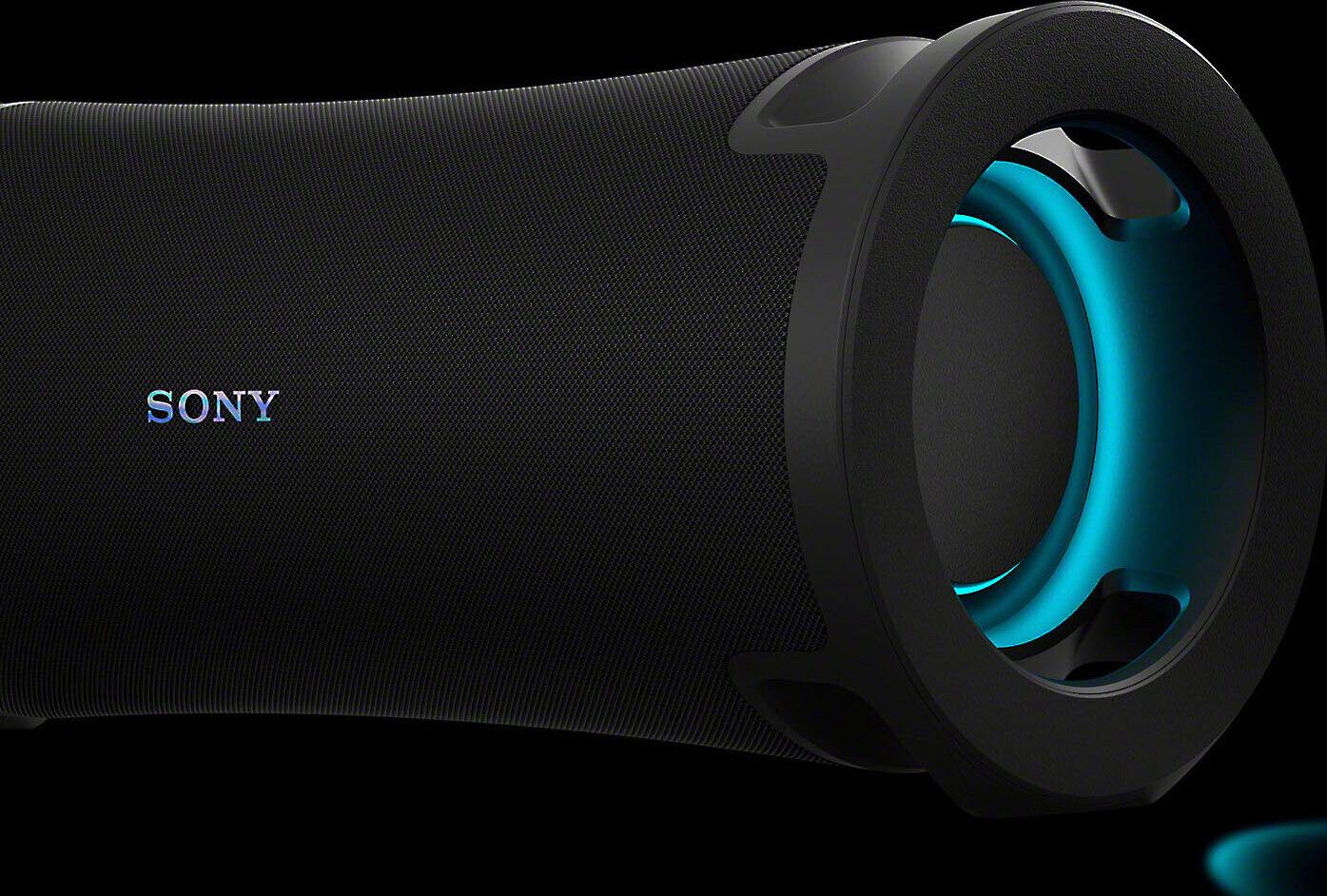
The Sony ULT FIELD 7 includes multi-colored LED lighting that syncs with music, but user feedback suggests it's less dramatic and customizable than the JBL's system. Sony's approach seems more understated—providing visual interest without overwhelming the audio experience.
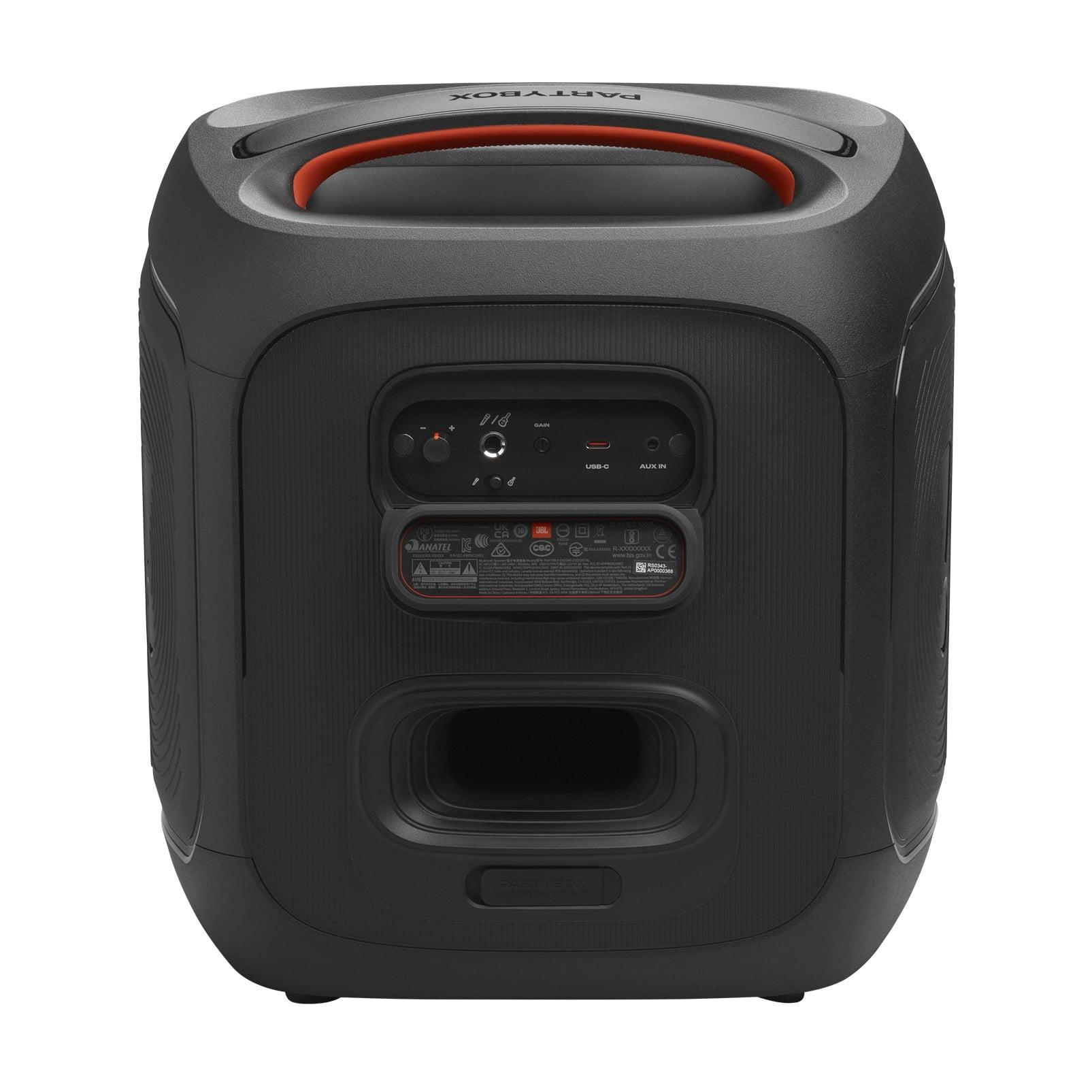
Both speakers include microphone inputs, but their implementations serve different needs. The JBL provides standard mic and guitar inputs with basic karaoke EQ tuning. This setup works well for casual sing-alongs and acoustic guitar accompaniment, with the AI Sound Boost helping prevent feedback—the annoying squeal that occurs when microphones pick up their own amplified signal.
The Sony offers more sophisticated karaoke features, including pitch adjustment and echo effects that can make amateur singers sound more polished. Professional karaoke enthusiasts will appreciate these advanced vocal processing options, though casual users might find the basic JBL implementation perfectly adequate.
This is where the two speakers take fundamentally different approaches to expansion. The JBL uses Auracast technology—a newer Bluetooth standard that creates a broadcast signal multiple compatible speakers can receive simultaneously. Setting up multiple JBL speakers is straightforward: one acts as the source, others automatically sync to it.
The Sony employs Party Connect, which can theoretically link up to 100 compatible Sony speakers for massive sound installations. While most users won't approach this limit, the system works well for linking 2-4 speakers to fill large outdoor spaces or create stereo separation.
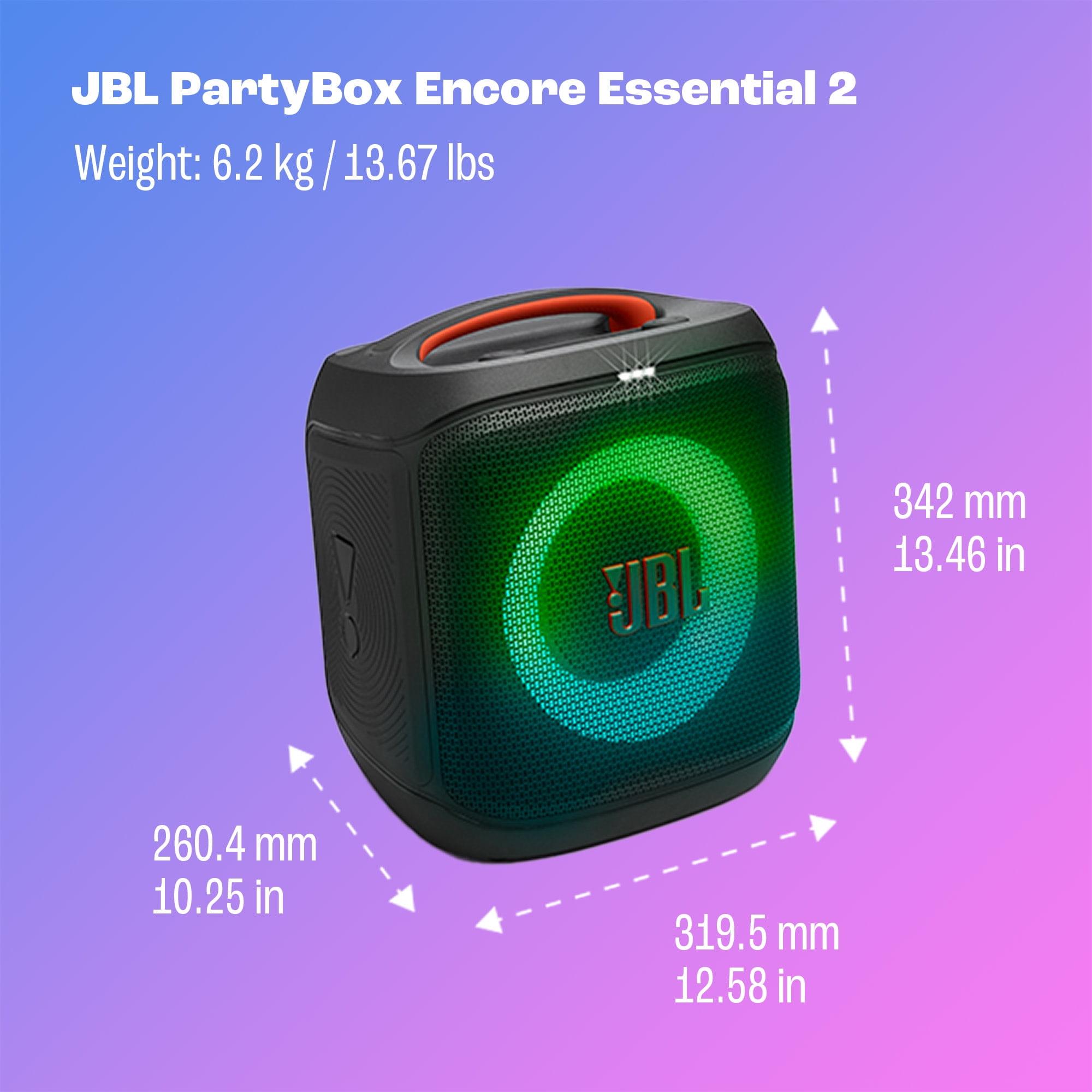
For apartment parties or small house gatherings, the JBL PartyBox Encore Essential 2 often proves ideal. Its more compact footprint (roughly 13" x 13" x 10") doesn't dominate room space, while the dramatic lighting effects create atmosphere even in smaller environments. The bass-forward tuning provides plenty of energy without requiring extreme volume levels that might disturb neighbors.
The AI Sound Boost becomes particularly valuable in indoor settings where sound reflects off walls and ceilings, potentially creating acoustic issues. The system automatically adjusts to maintain clarity even as the room fills with people and conversation.
The Sony ULT FIELD 7 shines in bigger outdoor scenarios where its extended battery life and weather resistance become crucial. The speaker's balanced frequency response works better in open air environments where bass can dissipate, and the ability to customize EQ settings helps compensate for outdoor acoustics.
The IP67 rating provides peace of mind for events where weather might change unexpectedly or where the speaker might encounter sand, dirt, or moisture. This durability advantage often justifies the Sony's higher price for users who frequently host outdoor gatherings.
While neither speaker is designed primarily for home theater use, both can serve as supplementary audio for outdoor movie nights or casual viewing. The Sony's more balanced frequency response and advanced EQ capabilities make it better suited for dialogue clarity in films, while its extended battery life works well for lengthy movie marathons.
The JBL's bass-forward signature can enhance action movies and music documentaries but might overwhelm dialogue in dramatic films. However, its AI Sound Boost technology helps maintain vocal clarity even during explosive action sequences.
At the time of writing, the JBL PartyBox Encore Essential 2 typically costs around $118 less than the Sony ULT FIELD 7—a significant difference that affects the value proposition for different users.
The JBL delivers exceptional value for users who prioritize features over absolute durability. You get AI-powered sound processing, sophisticated lighting effects, multi-speaker connectivity, and solid audio quality at a price point that doesn't require serious budget planning. The user-replaceable battery adds long-term value by extending the product's useful life.
The Sony justifies its premium pricing for users who need professional-grade durability and extended battery life. If you frequently host outdoor events, the IP67 rating and 30-hour battery life can prevent the frustrations and additional costs associated with weather damage or mid-party charging breaks.
The JBL excels for urban dwellers, apartment residents, and casual entertainers who want to create memorable experiences without investing in professional-grade equipment.
The Sony suits outdoor enthusiasts, professional entertainers, and anyone who views their party speaker as a long-term investment requiring maximum reliability.
Both speakers represent the current state-of-the-art in portable party audio, but they serve different masters. The JBL PartyBox Encore Essential 2 maximizes features and excitement per dollar, creating an impressive entertainment experience that punches above its price class. Its AI Sound Boost and dynamic lighting make it genuinely fun to use, while the reasonable price makes it accessible to more users.
The Sony ULT FIELD 7 takes a professional approach, prioritizing reliability, customization, and longevity over pure excitement. Its superior weather resistance and extended battery life solve real problems for serious outdoor entertainers, while its balanced sound signature and advanced EQ appeal to users who care about audio accuracy.
Your choice ultimately depends on how you party. If you're looking for maximum fun factor at a reasonable price for occasional indoor and light outdoor use, the JBL delivers compelling value. If you need a reliable workhorse that can handle any environment while providing professional-grade features, the Sony's premium pricing makes sense.
Either way, both speakers represent significant improvements over older portable audio technology, incorporating AI processing, advanced connectivity, and sophisticated lighting that weren't available just a few years ago. The party speaker category has genuinely evolved into something special—you just need to decide which approach fits your entertaining style.
| JBL PartyBox Encore Essential 2 | Sony ULT FIELD 7 |
|---|---|
| Audio Power Output - Determines how loud and clear sound remains at party volumes | |
| 100W RMS with AI Sound Boost anti-distortion | 100W impulse power with X-Balanced drivers |
| Bass Extension - Lower frequencies create deeper, more impactful bass response | |
| 40Hz minimum (solid bass for most music genres) | 20Hz minimum (extends into sub-bass territory) |
| Battery Life - Critical for untethered outdoor events and all-day parties | |
| Up to 15 hours advertised (7 hours real-world with features) | Up to 30 hours advertised (8-9 hours real-world with features) |
| Water/Dust Protection - Determines safe usage scenarios around pools, beaches, outdoors | |
| IPX4 splash-resistant (light rain and spills only) | IP67 fully waterproof/dustproof (submersible up to 1 meter) |
| Sound Customization - Ability to tailor audio to your music preferences and environment | |
| Bass Boost mode with AI optimization | Dual ULT bass modes plus 7-band graphic equalizer |
| Lighting Effects - Visual entertainment value for creating party atmosphere | |
| 6 customizable modes with app control (Neon, Loop, Bounce, etc.) | Multi-colored LED sync with less customization options |
| Multi-Speaker Connectivity - Expanding sound coverage for larger events | |
| Auracast technology (simple pairing with compatible speakers) | Party Connect (link up to 100 Sony speakers) |
| Portability - Weight and size impact ease of transport to different venues | |
| 13.67 lbs with integrated handle (more compact design) | 13.89 lbs with carry handles (slightly larger footprint) |
| Microphone Features - Important for karaoke and live performance capabilities | |
| Basic mic/guitar inputs with karaoke EQ tuning | Advanced karaoke effects including pitch adjustment and echo |
| Battery Serviceability - Long-term ownership and maintenance considerations | |
| User-replaceable battery (extends product lifespan) | Non-replaceable battery (requires professional service) |
| Bluetooth Technology - Affects connection stability and audio quality | |
| Bluetooth 5.4 with standard codecs | Bluetooth 5.2 with LDAC high-resolution codec support |
| Price Positioning - Value proposition at time of writing | |
| Budget-friendly with premium features (~$330) | Premium pricing for professional-grade durability (~$450) |
The Sony ULT FIELD 7 is significantly better for outdoor parties due to its IP67 waterproof and dustproof rating, which protects against rain, pool splashes, and beach sand. The JBL PartyBox Encore Essential 2 only has IPX4 splash resistance, making it suitable for light outdoor use but not fully weatherproof conditions.
The Sony ULT FIELD 7 offers superior battery life with up to 30 hours advertised (8-9 hours real-world use with features enabled). The JBL PartyBox Encore Essential 2 provides up to 15 hours advertised (around 7 hours in typical party conditions with bass boost and lights active).
Both speakers offer excellent bass but with different approaches. The JBL PartyBox Encore Essential 2 delivers more aggressive, punchy bass that's ideal for EDM and hip-hop. The Sony ULT FIELD 7 provides deeper bass extension down to 20Hz with dual ULT modes, offering both deep resonating bass and punchy attack bass options.
Yes, both speakers support multi-speaker connectivity. The JBL PartyBox Encore Essential 2 uses Auracast technology for simple pairing with compatible JBL speakers. The Sony ULT FIELD 7 features Party Connect, which can theoretically link up to 100 Sony speakers for massive sound installations.
The Sony ULT FIELD 7 offers superior karaoke capabilities with advanced vocal effects including pitch adjustment and echo. The JBL PartyBox Encore Essential 2 provides basic microphone and guitar inputs with karaoke EQ tuning, which works well for casual sing-alongs but lacks professional vocal processing features.
The JBL PartyBox Encore Essential 2 excels in lighting effects with six customizable modes (Neon, Loop, Bounce, Trim, Switch, Freeze) that can be fully controlled through the JBL PartyBox app. The Sony ULT FIELD 7 includes multi-colored LED lighting that syncs with music but offers less customization and dramatic effects.
Both speakers output 100 watts, but they achieve loudness differently. The JBL PartyBox Encore Essential 2 uses AI Sound Boost to maintain clarity at high volumes without distortion. The Sony ULT FIELD 7 can get very loud while maintaining balanced sound across all frequencies, making it better for large outdoor spaces.
The JBL PartyBox Encore Essential 2 is particularly well-suited for indoor parties with its compact size, impressive lighting effects, and AI-optimized sound that adapts to room acoustics. The Sony ULT FIELD 7 works indoors but is designed more for outdoor durability and may be oversized for smaller indoor spaces.
The Sony ULT FIELD 7 generally provides better overall sound quality with superior instrument separation, balanced frequency response, and a 7-band graphic equalizer for precise tuning. The JBL PartyBox Encore Essential 2 offers excellent sound quality with a more bass-forward signature that's optimized for party music and dance genres.
Only the JBL PartyBox Encore Essential 2 features a user-replaceable battery design, allowing you to swap batteries with basic tools and extend the product's lifespan. The Sony ULT FIELD 7 has a non-replaceable battery that requires professional service when it eventually degrades.
Both speakers are similarly portable, weighing around 13-14 pounds with integrated handles. The JBL PartyBox Encore Essential 2 has a slightly more compact footprint, while the Sony ULT FIELD 7 is built more ruggedly for outdoor transport with reinforced construction and rubberized protection.
The JBL PartyBox Encore Essential 2 typically offers better value for casual party-goers, providing impressive features, AI sound processing, and dynamic lighting at a lower price point. The Sony ULT FIELD 7 justifies its premium pricing for users who need professional-grade durability, extended battery life, and superior weather protection for frequent outdoor use.
We've done our best to create useful and informative comparisons to help you decide what product to buy. Our research uses advanced automated methods to create this comparison and perfection is not possible - please contact us for corrections or questions. These are the sites we've researched in the creation of this article: rtings.com - rtings.com - global.jbl.com - armorsound.com - rtings.com - soundguys.com - youtube.com - versus.com - manuals.plus - jbl.com - youtube.com - bestbuy.com - crutchfield.com - youtube.com - bestbuy.com - audioadvice.com - youtube.com - comparisontabl.es - manuals.plus - ggelectronics.com - gzhls.at - jbl.com - th.jbl.com - manuals.plus - cdwg.com - th.jbl.com - creativeaudio.net - bestbuy.com - samsung.com - bestbuy.com - crutchfield.com - manuals.plus - guidefitter.com - static.pcrichard.com - rtings.com - hifipicks.com - thesonyshop.ca - techradar.com - rtings.com - sony-africa.com - videoandaudiocenter.com - sony.com - youtube.com - johnlewis.com

Privacy Policy
Terms and Conditions - Affiliate Policy
Home Security
© Copyright 2008-2026.
11816 Inwood Rd #1211, Dallas, TX 75244