

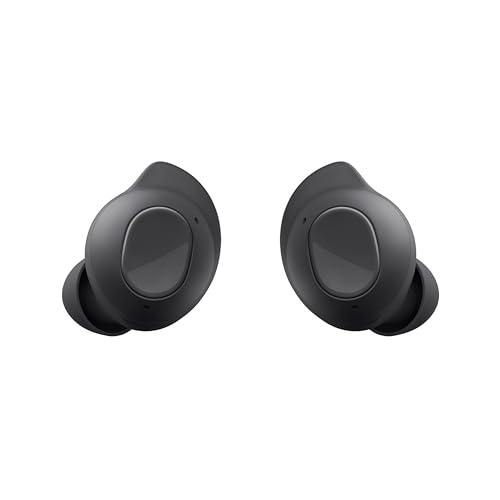
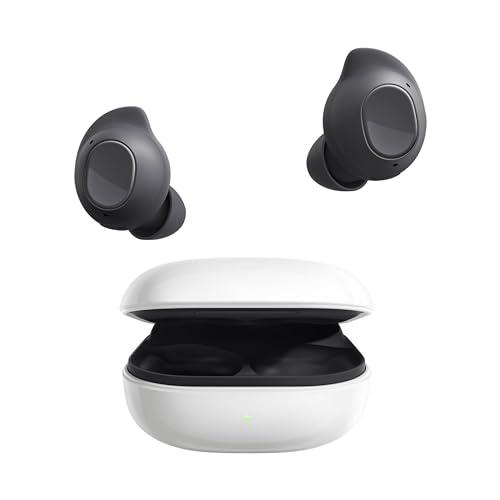
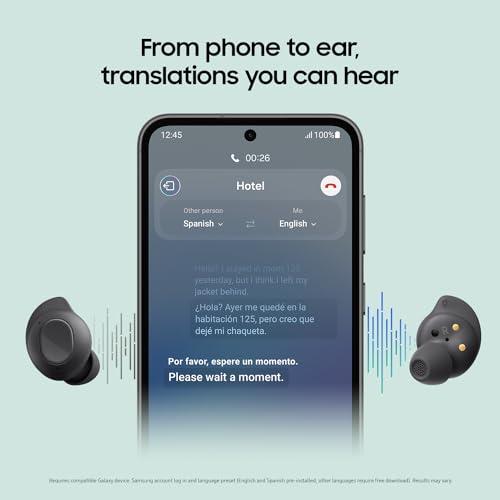
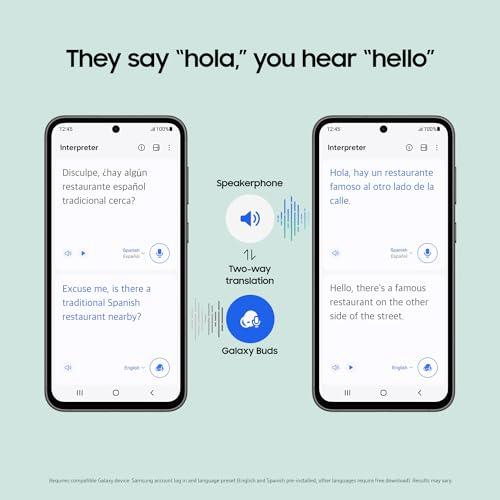
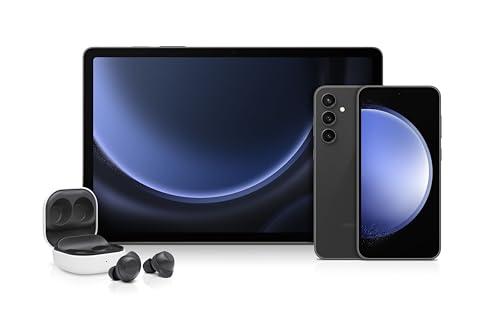
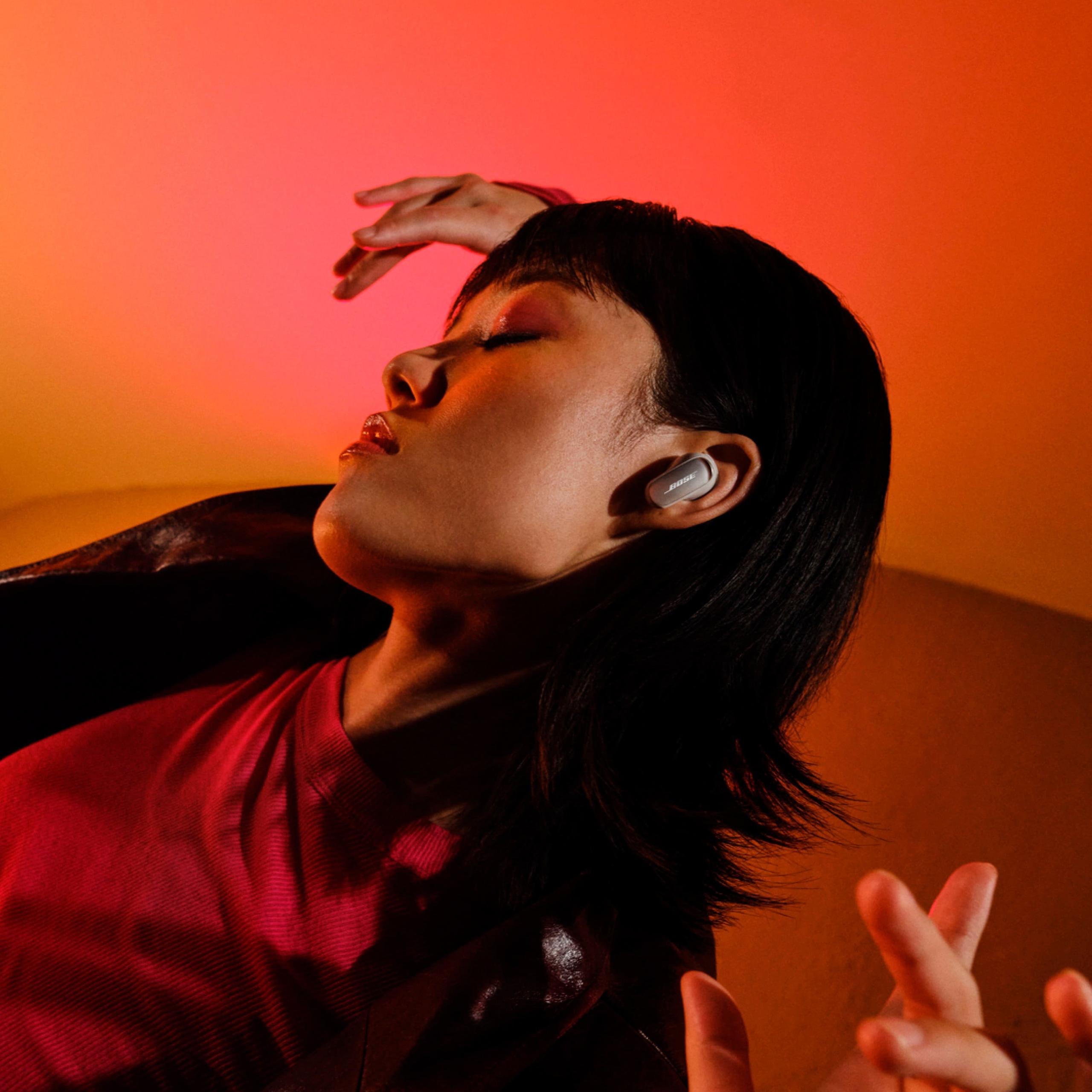
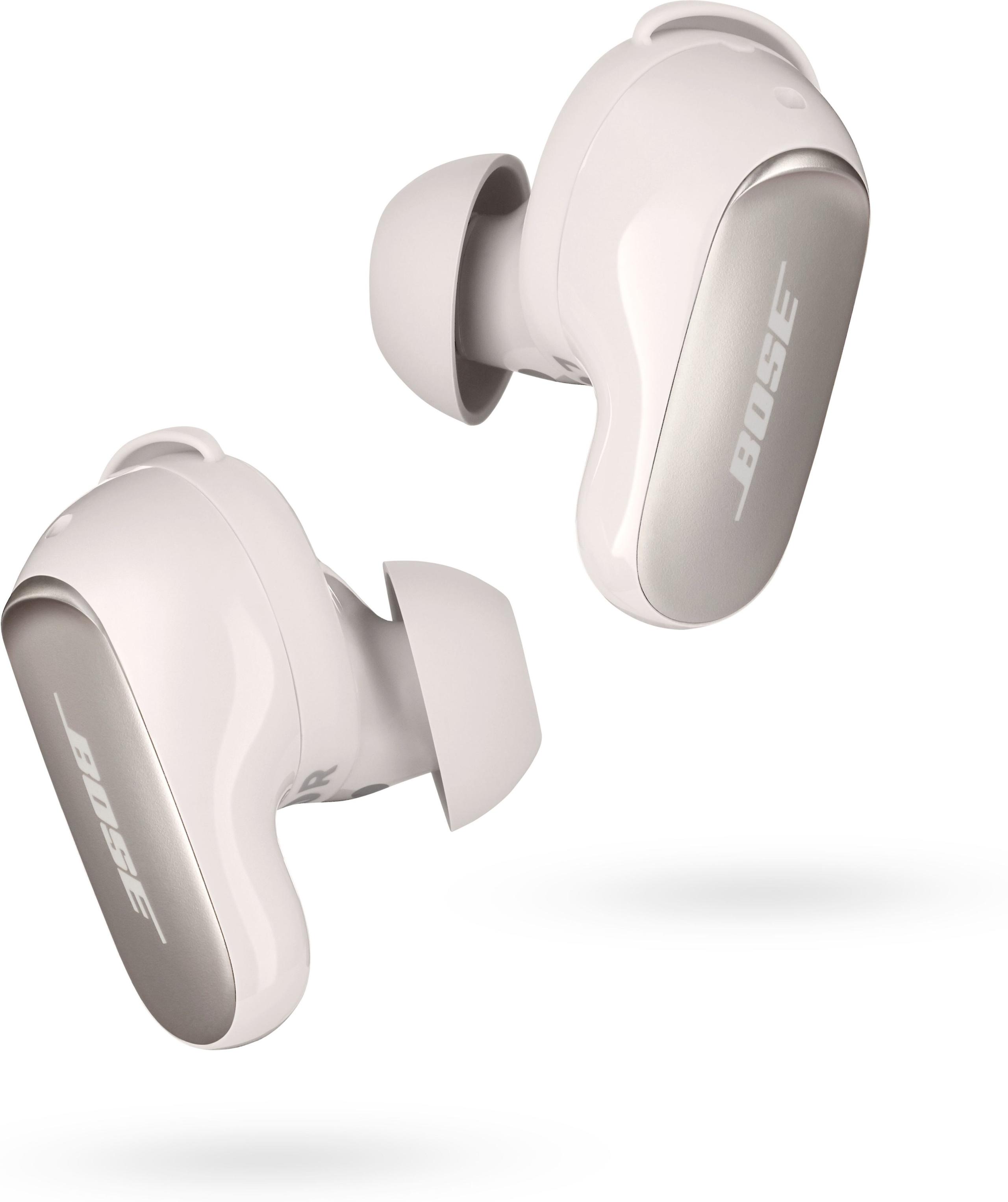
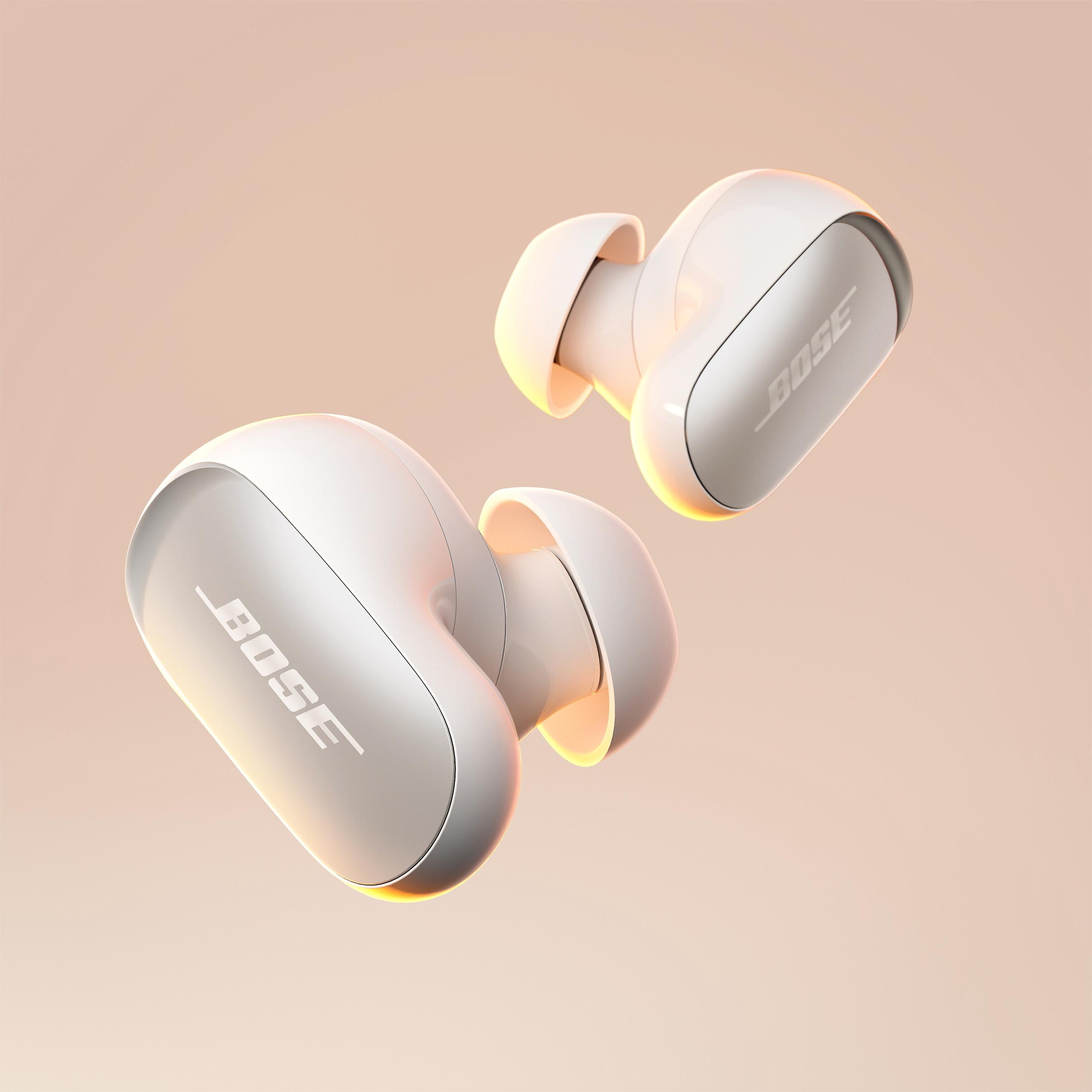
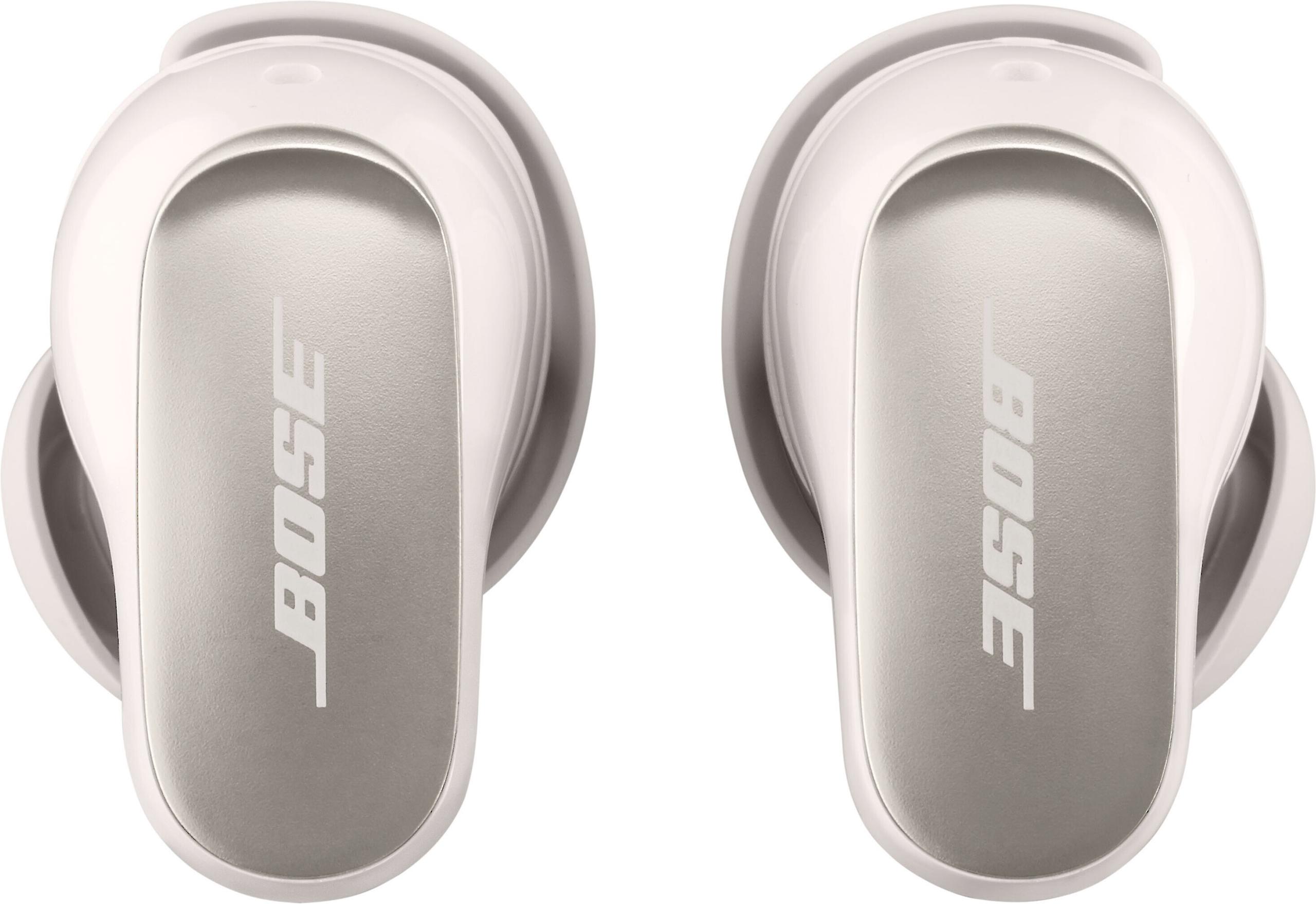
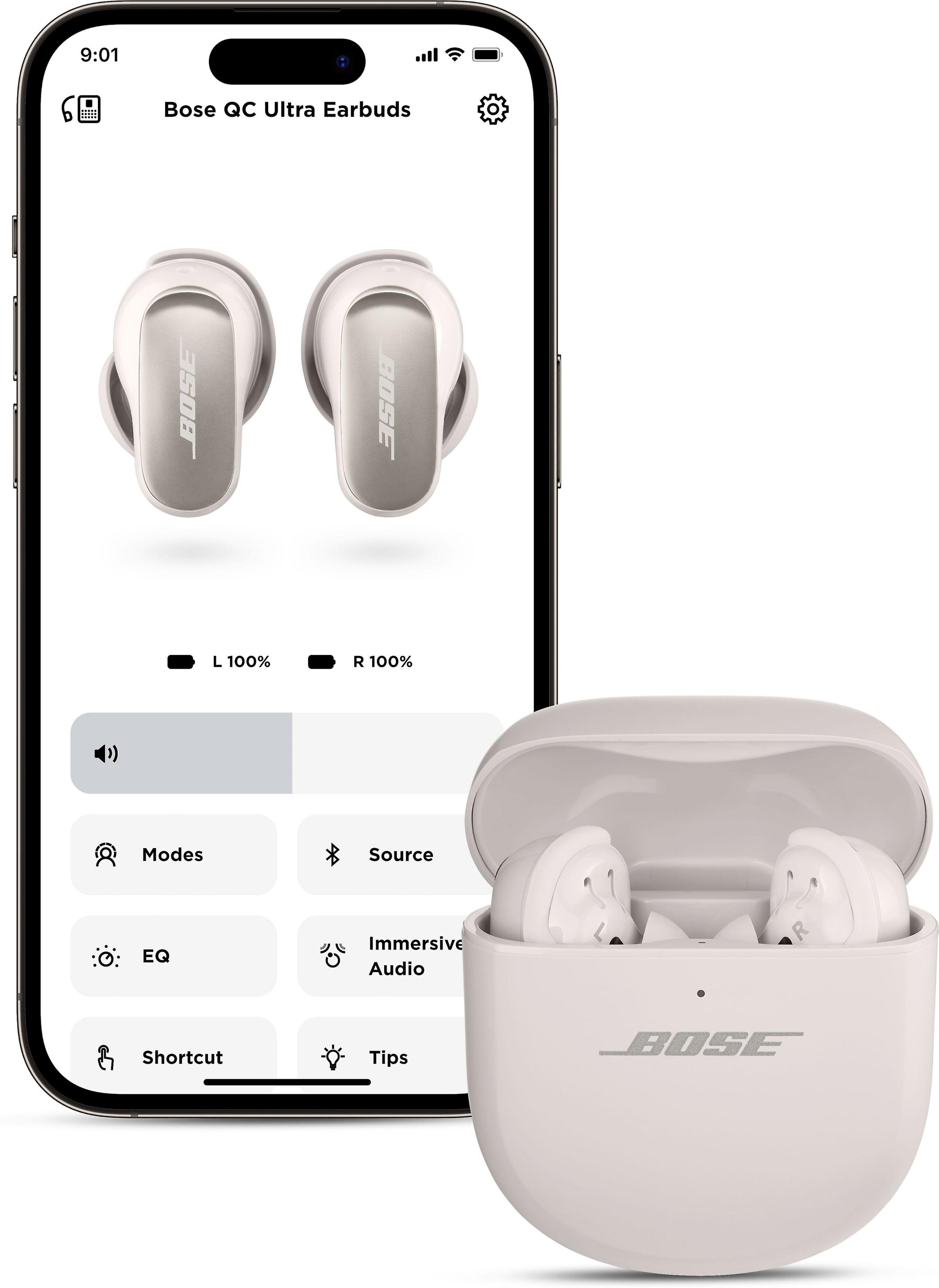
The true wireless earbud market has exploded over the past few years, with options ranging from basic $30 models to audiophile-grade $400+ flagships. Today we're comparing two earbuds that represent very different philosophies: the budget-conscious Samsung Galaxy Buds FE and the premium Bose QuietComfort Ultra. While both excel in their respective categories, they target completely different users with distinct priorities.
At the time of writing, the Samsung Galaxy Buds FE costs roughly one-third the price of the Bose QuietComfort Ultra, making this comparison particularly interesting. It's not just about finding the better product—it's about understanding which approach to earbud design makes more sense for your specific needs and budget.
Before diving into specifics, let's establish what separates good earbuds from great ones. The most critical factors include audio quality (how music actually sounds), noise cancellation effectiveness (how well they block outside noise), battery life, comfort for extended wear, and overall value proposition.
Secondary considerations involve features like spatial audio (technology that makes sound feel like it's coming from around you rather than directly in your ears), call quality for phone conversations, water resistance for workouts, and how well they integrate with your existing devices.
The challenge with earbud reviews is that audio preference is deeply personal. Some people love heavy bass that makes hip-hop tracks thump, while others prefer balanced sound that doesn't emphasize any particular frequency range. Similarly, some users prioritize maximum noise cancellation for airplane travel, while others need ambient awareness for safety during commutes.
Samsung released the Galaxy Buds FE in 2023 as part of their "Fan Edition" strategy—taking flagship features and packaging them in more affordable hardware. The FE approach has worked well for Samsung's smartphones, and they applied the same philosophy to earbuds. The result is a product that delivers approximately 80-90% of their premium earbud performance at roughly 30% of the cost.
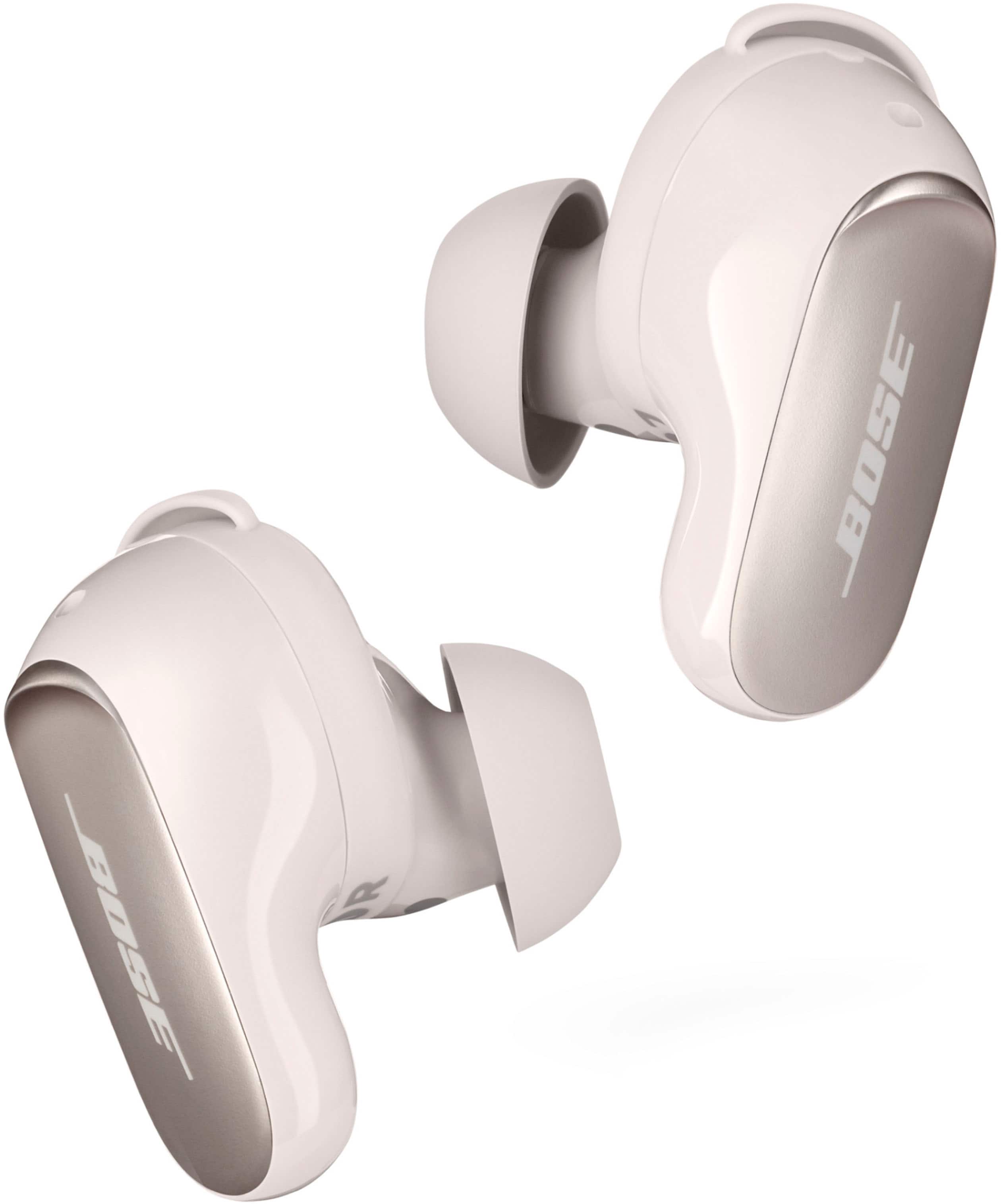
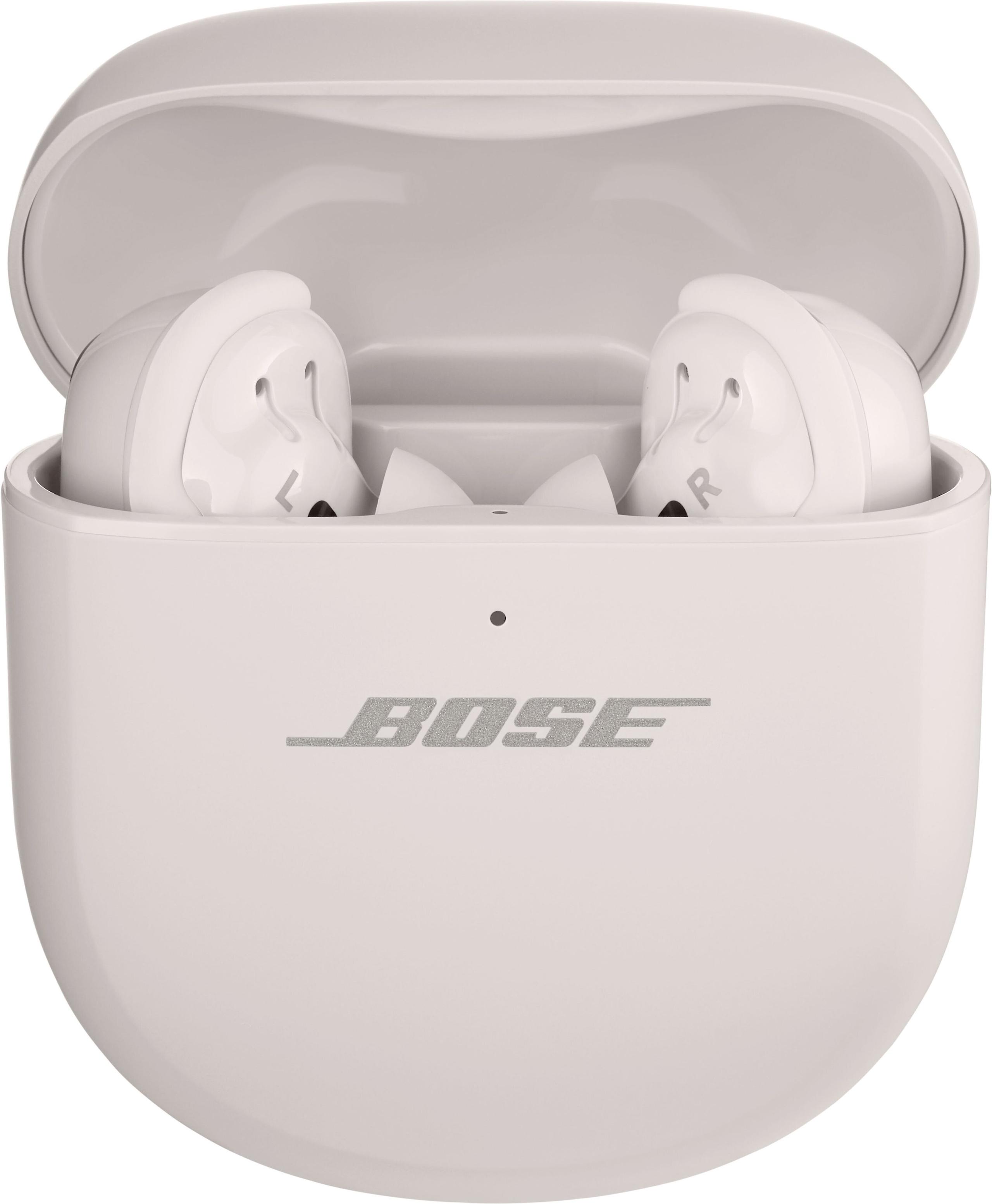
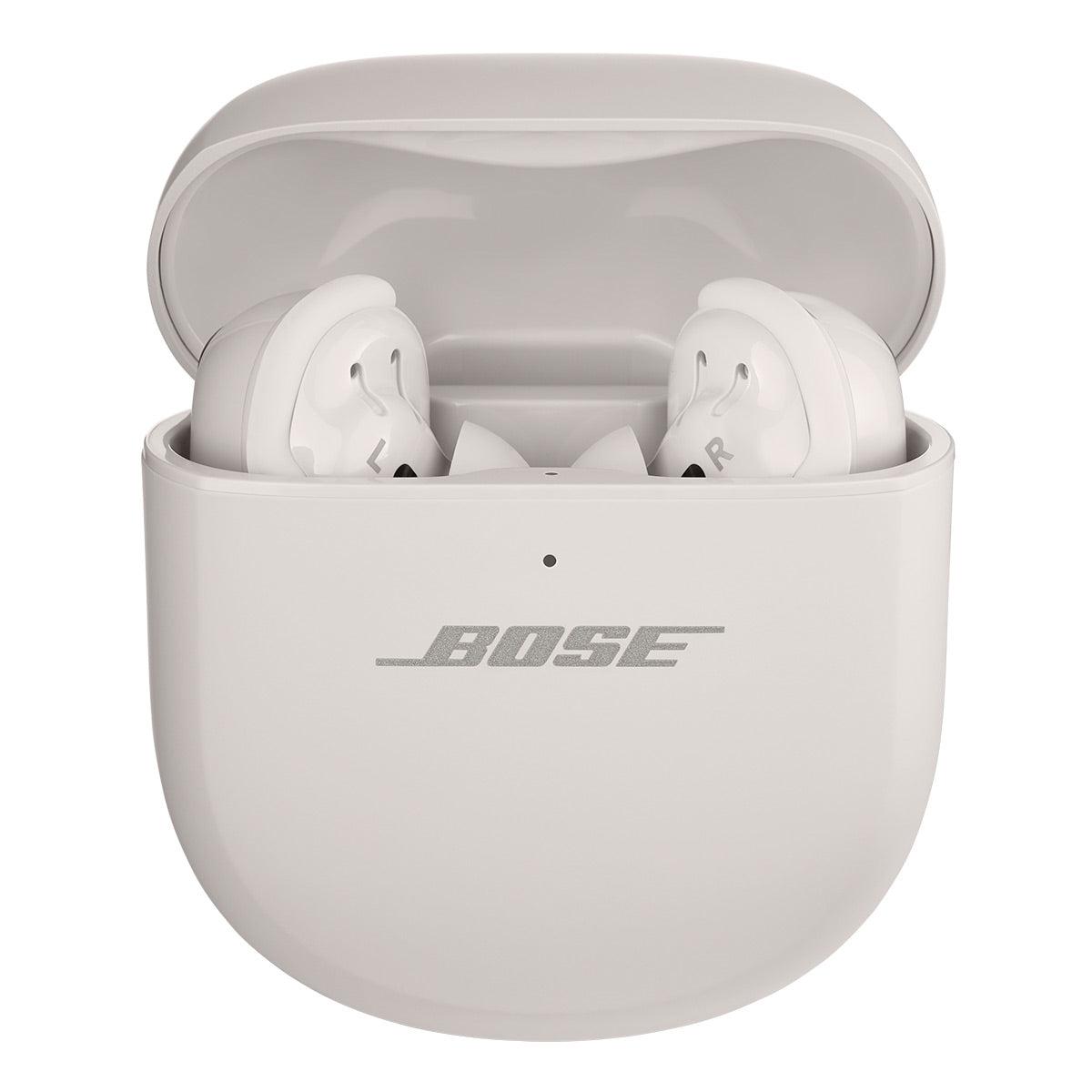
Bose, meanwhile, launched the QuietComfort Ultra earbuds in late 2023 as their new flagship, replacing the well-regarded QuietComfort Earbuds. Bose has built their reputation on industry-leading noise cancellation technology, and the Ultra model represents their most advanced consumer earbuds to date.
The technological improvements since 2020 have been substantial. Battery life has increased significantly, active noise cancellation (ANC) has become more sophisticated, and spatial audio—once exclusive to high-end headphones—has trickled down to mainstream earbuds. Both products benefit from these industry-wide advances, though they implement them differently.
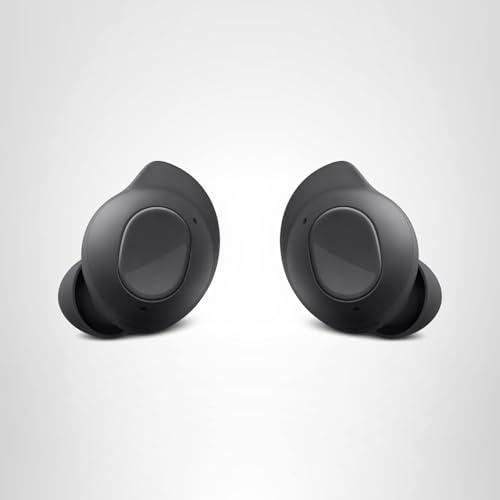
The Samsung Galaxy Buds FE employs a 6.5mm dynamic driver in each earbud, which is relatively small by current standards but efficiently tuned. Samsung has opted for a warm, bass-forward sound signature that immediately grabs attention. This approach works particularly well for popular music genres—hip-hop, pop, and electronic music all benefit from the enhanced low-end response.
However, "warm" in audio terms means the bass frequencies (roughly 20Hz to 250Hz) are boosted relative to midrange and treble. This creates a fuller, more impactful sound but can sometimes make vocals less clear or cymbals less crisp. The midrange performance is surprisingly good for the price point, with vocals coming through naturally without sounding artificial or processed.
The treble response—frequencies above 4kHz that add sparkle and detail to music—shows some inconsistencies. Our research suggests certain frequencies are emphasized while others are recessed, which can make some instruments sound alternately dull or overly bright depending on the recording. This isn't uncommon in budget earbuds, and Samsung includes six EQ presets in their Galaxy Wearable app to help users customize the sound.
The Bose QuietComfort Ultra takes a fundamentally different approach. Rather than using larger drivers or exotic materials, Bose focuses on intelligent tuning and advanced digital signal processing. Their CustomTune technology is genuinely innovative—each time you insert the earbuds, they emit a brief tone that analyzes your ear canal's acoustic properties and automatically adjusts the sound accordingly.
This personalization extends beyond basic EQ adjustments. The system optimizes both frequency response (what frequencies are emphasized or de-emphasized) and the noise cancellation algorithm simultaneously. The result is sound that feels precisely tailored to your ears rather than a one-size-fits-all approach.
The Bose sound signature leans toward accuracy rather than excitement. Bass is present and well-controlled but not artificially boosted. Midrange clarity is exceptional, making vocals and instruments sound natural and uncolored. The treble extends cleanly without harshness, though some users might find it less exciting than the Samsung's more aggressive tuning.
Here's where the price difference becomes most apparent. The Samsung Galaxy Buds FE delivers traditional stereo audio with decent left-right separation and a moderate sense of space around instruments. It's perfectly adequate for music listening but doesn't attempt anything revolutionary.
The Bose QuietComfort Ultra features Immersive Audio, which is Bose's implementation of spatial audio with head tracking. This technology uses built-in motion sensors to detect head movement and adjusts the audio accordingly, creating the illusion that sound sources remain stationary in space even as you turn your head.
When it works well—and with compatible content—Immersive Audio can be genuinely impressive. Music feels like it's being performed in a room around you rather than directly in your ears. The effect is particularly noticeable with classical music, jazz, and well-recorded live albums where instrument placement becomes more distinct.
However, spatial audio isn't universally beneficial. Many popular music recordings are mixed for traditional stereo playback, and spatial processing can sometimes make them sound artificially wide or diffuse. The feature works best with content specifically mixed for surround sound or live recordings with natural acoustics.
Active noise cancellation represents one of the most significant technological advances in consumer audio over the past decade. The basic principle involves using external microphones to capture ambient noise, then generating inverse sound waves to cancel it out. However, the implementation details make enormous differences in real-world performance.
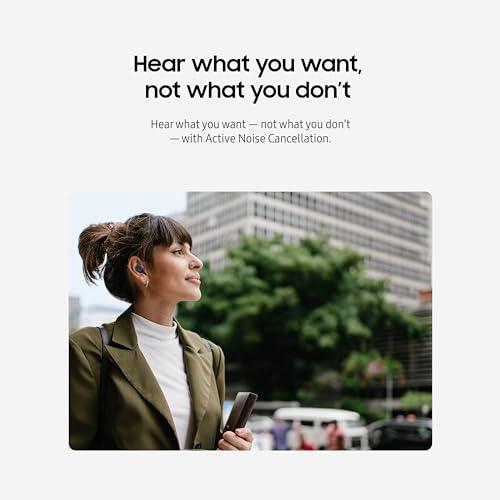
The Samsung Galaxy Buds FE includes three microphones per earbud—two external microphones that capture ambient noise and one internal microphone that monitors the sound reaching your ear canal. This configuration is quite sophisticated for a budget product and enables surprisingly effective noise cancellation.
Our research indicates the Samsung ANC performs particularly well against constant, low-frequency noise like airplane engines, air conditioning systems, and traffic rumble. The system successfully reduces these sounds by approximately 20-25 decibels, which is genuinely impressive at this price point. However, it struggles more with irregular, higher-frequency sounds like sudden voices or keyboard typing.
The passive isolation—noise blocking provided by the physical ear tips—is also quite good. The included silicone tips create an effective seal in most ear canals, providing additional noise reduction of 15-20 decibels in the midrange and treble frequencies where ANC is less effective.
The Bose QuietComfort Ultra represents the current state-of-the-art in consumer ANC technology. While using fewer total microphones (two external, two internal), Bose's decades of noise cancellation research become apparent in the results. The system doesn't just block more noise—it blocks noise more intelligently.
The CustomTune technology mentioned earlier optimizes ANC performance based on your individual ear canal shape and the way the earbuds seal. This means the noise cancellation effectiveness varies from person to person, but when properly fitted, the Bose can achieve noise reduction of 30+ decibels across a wider frequency range than most competitors.
More importantly, the Bose ANC handles complex, real-world noise environments more effectively. While the Samsung might struggle with a combination of air conditioning, conversation, and keyboard typing, the Bose manages to reduce all these elements simultaneously without creating the uncomfortable pressure sensation some ANC systems produce.
In real-world testing scenarios reported by users and reviewers, the differences become clear. For airplane travel, both earbuds significantly reduce engine noise, but the Bose provides noticeably better isolation from cabin conversations and announcements. In office environments, the Samsung handles steady HVAC noise well but allows more voice breakthrough, while the Bose creates a more consistently quiet environment.
The Samsung includes an Ambient Sound mode that allows environmental awareness without removing the earbuds. This feature works adequately for basic situations like ordering coffee or brief conversations, though voices can sound slightly artificial or compressed.
The Bose Aware mode with ActiveSense technology is more sophisticated, automatically adjusting transparency levels based on environmental conditions. If a car horn honks or someone calls your name, the system temporarily increases ambient sound pass-through, then returns to your selected level. This adaptive approach feels more natural and safer for outdoor use.
Battery performance represents one area where the Samsung Galaxy Buds FE clearly outperforms the more expensive Bose. The Samsung provides up to 8.5 hours per charge with ANC disabled, or 6 hours with noise cancellation active. The charging case supplies approximately three additional full charges, bringing total battery life to 30 hours (ANC off) or 21 hours (ANC on).
The Bose QuietComfort Ultra manages 6 hours per charge under normal conditions, dropping to 4 hours with Immersive Audio enabled. The charging case provides roughly three additional charges for 24 hours total. While respectable, this represents 25% less total battery life than the Samsung.
For most users, 6 hours per charge covers a full day of intermittent use, but heavy users—particularly those on long flights or extended commutes—will appreciate the Samsung's superior endurance. The difference becomes more significant when considering that battery capacity typically degrades over time, making initial longevity increasingly important.
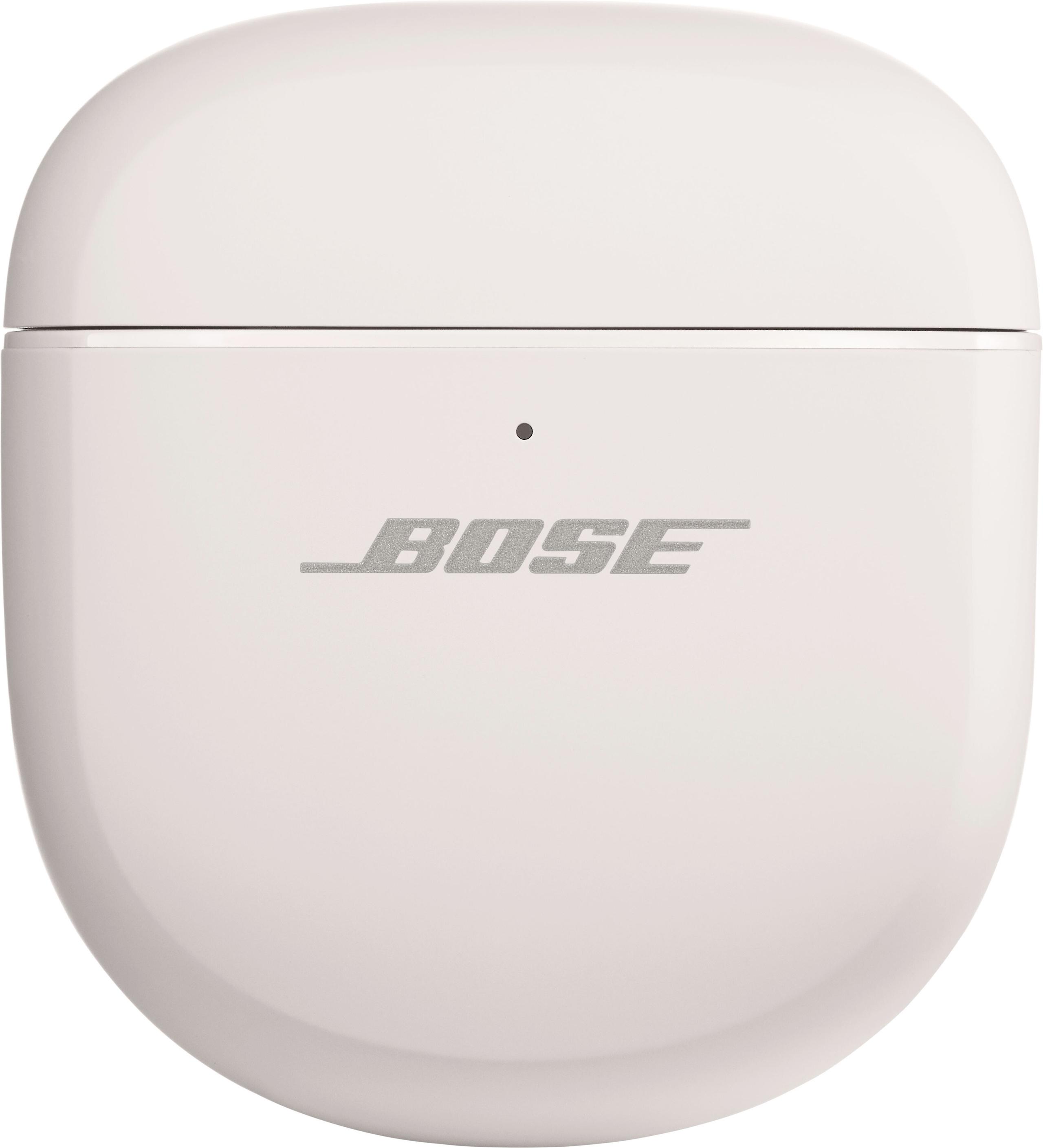
Both products use USB-C charging, and both support quick charging that provides several hours of playback from a 15-20 minute charge. Neither includes wireless charging in their respective cases, which some users might consider disappointing given the price points involved.
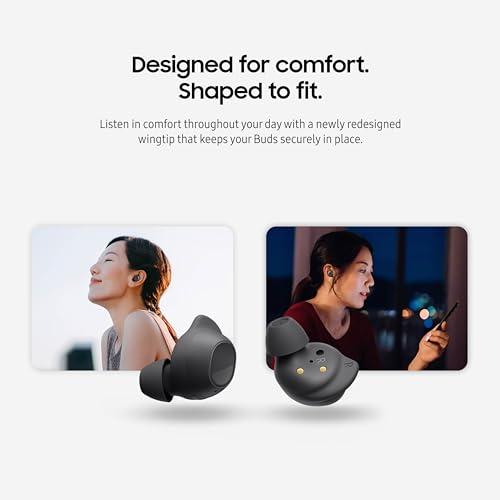
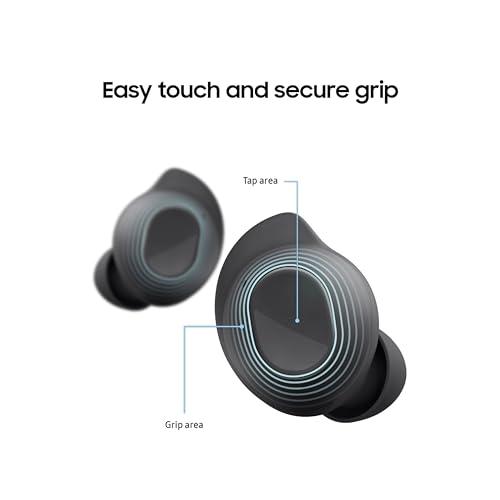
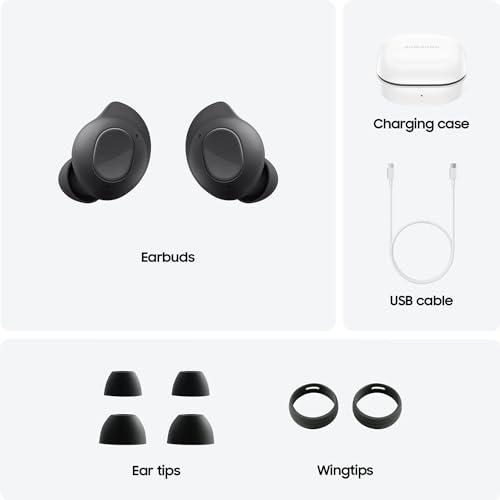
Earbud comfort depends heavily on individual ear anatomy, but both products make genuine efforts to accommodate different users. The Samsung Galaxy Buds FE includes three sizes of silicone ear tips plus stability wings designed to prevent the earbuds from falling out during exercise or movement. At 5.6 grams per earbud, they're quite lightweight and comfortable for extended wear.
The IPX2 water resistance rating means the Samsung can handle light sweat and occasional water drops but isn't suitable for heavy workouts or rain exposure. This represents the minimum protection most users should accept from modern earbuds.
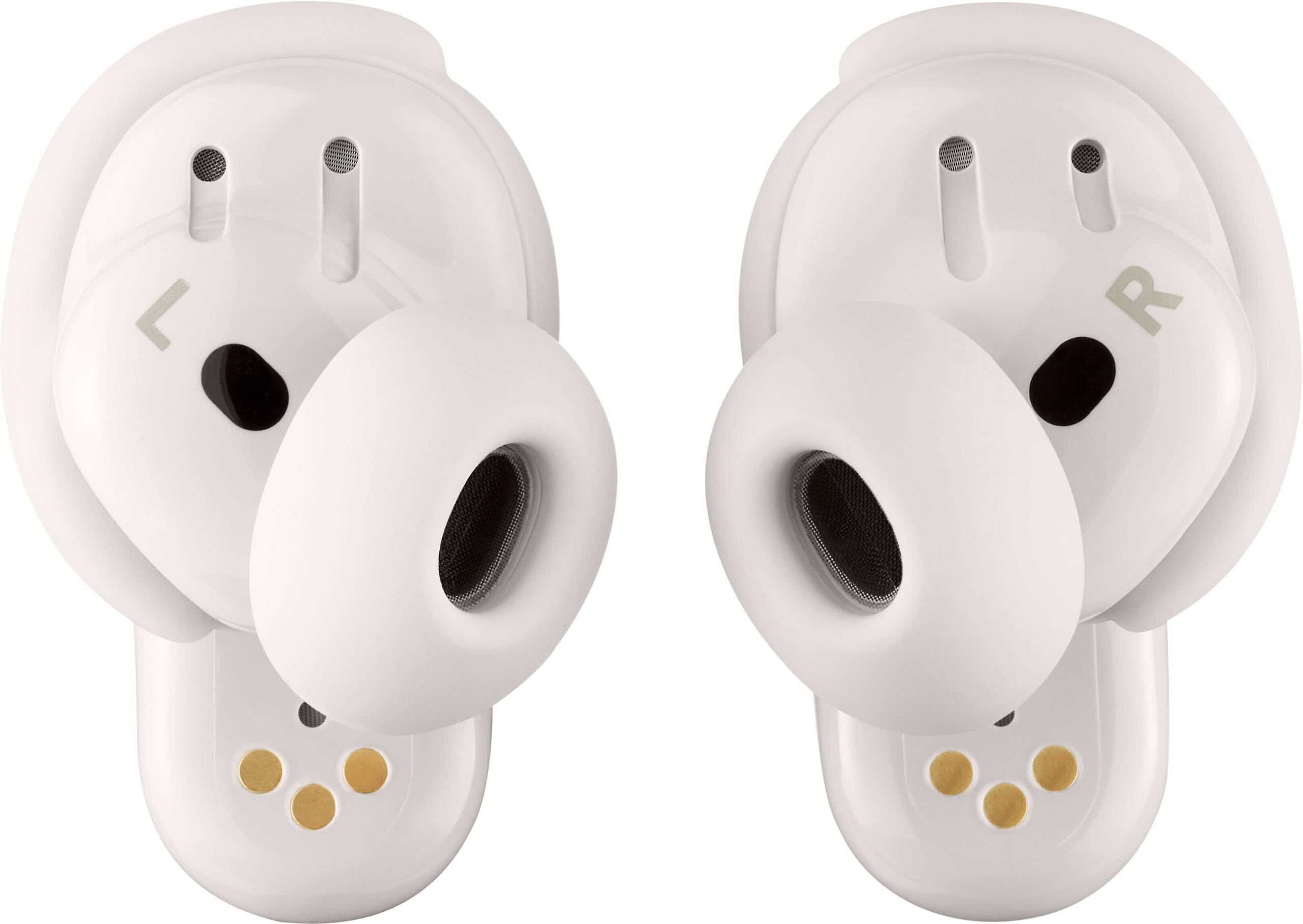
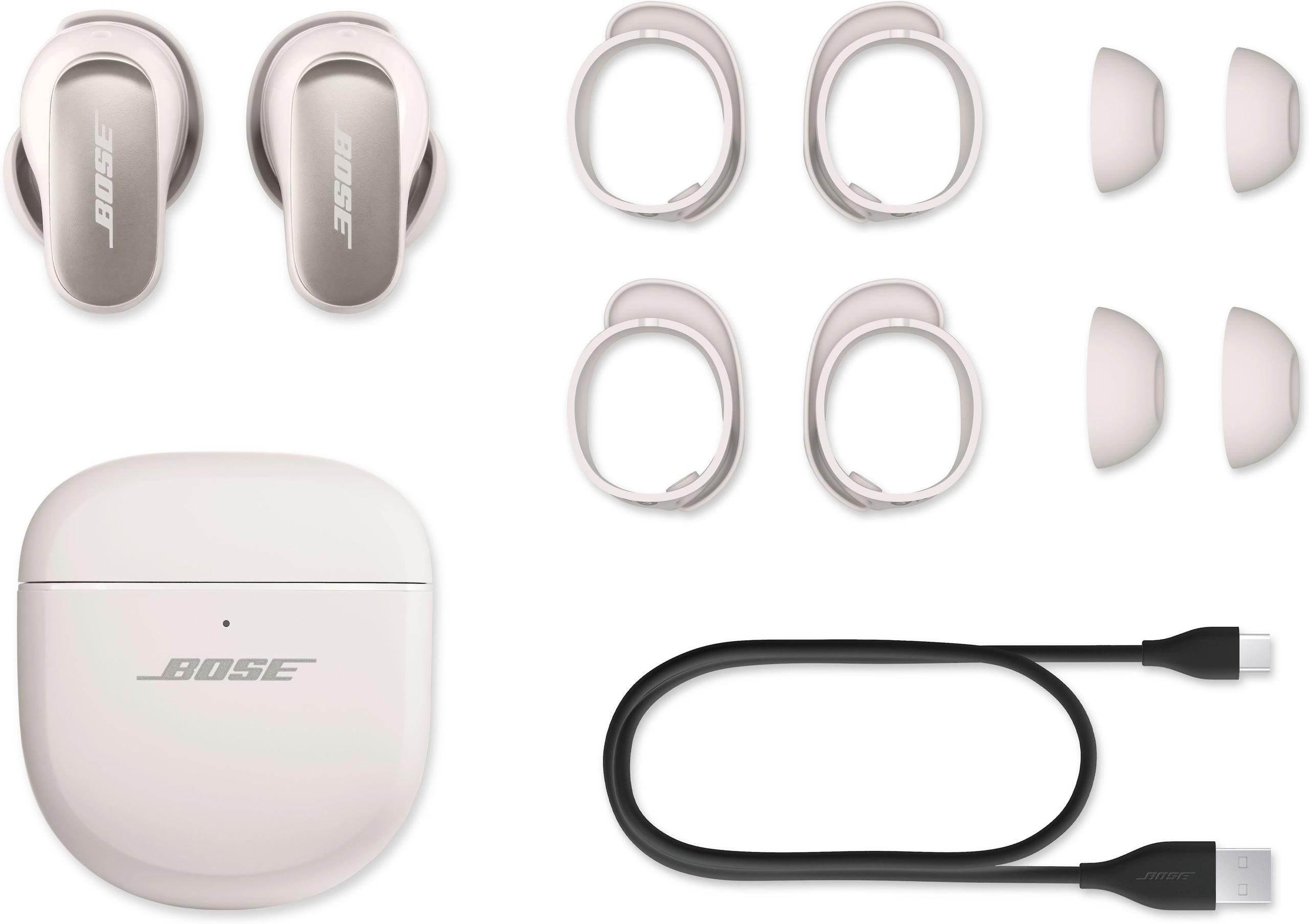
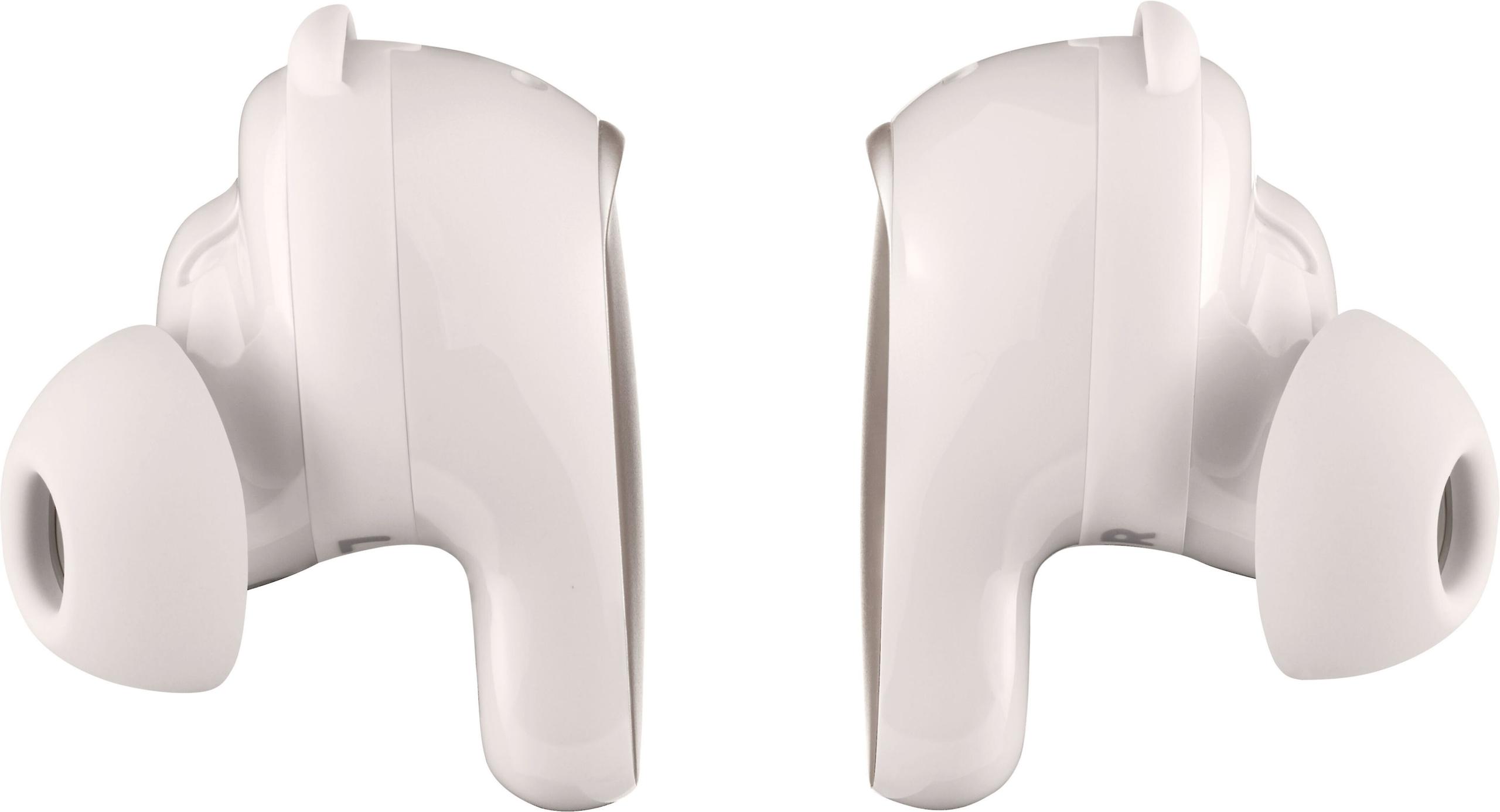
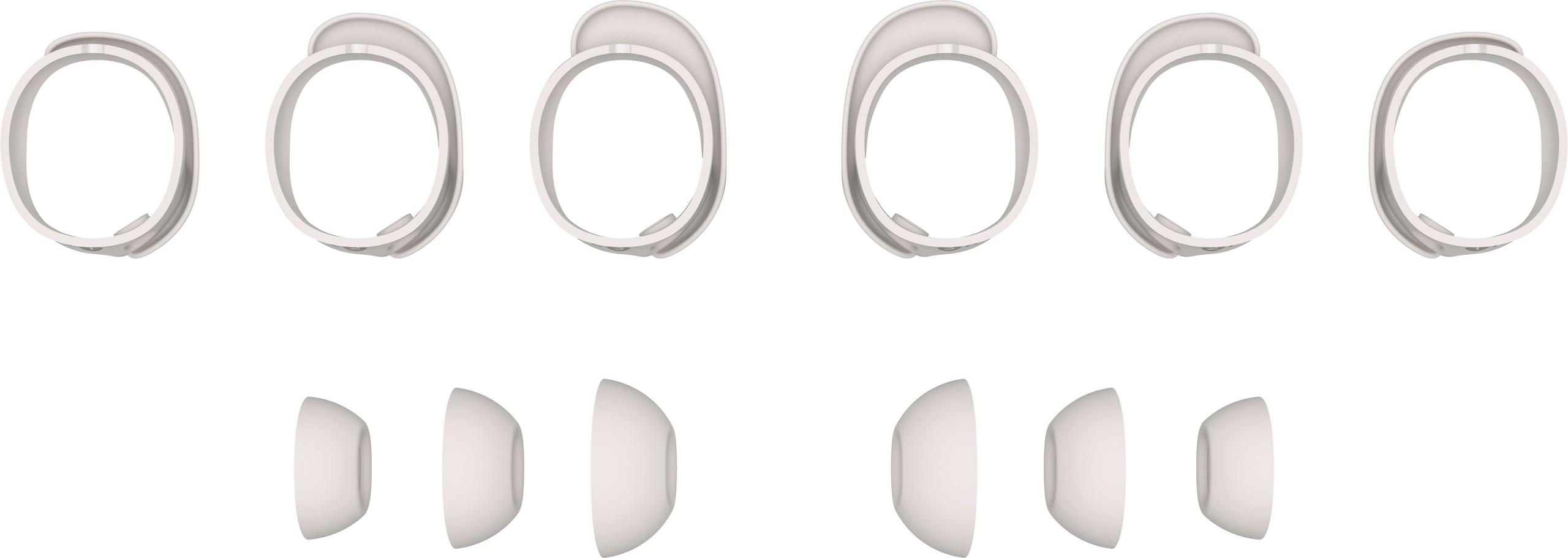
The Bose QuietComfort Ultra weighs slightly more at 6.24 grams per earbud but includes a more comprehensive fit system. The Fit Kit provides three sizes of ear tips and three sizes of stability bands, creating nine possible combinations to optimize comfort and seal quality. This attention to fit directly impacts both comfort and noise cancellation effectiveness.
The IPX4 rating on the Bose provides significantly better water resistance, making them suitable for intense workouts and light rain exposure. The improved durability justifies some of the price premium for active users.
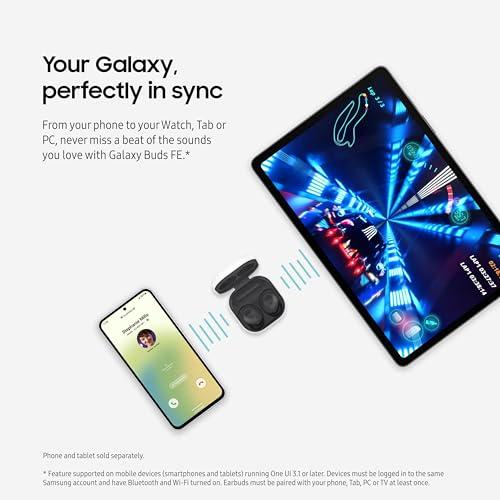
Modern earbuds function as miniature computers, and their software features can significantly impact user experience. The Samsung Galaxy Buds FE shines particularly bright for users invested in Samsung's ecosystem. Features like Auto Switch automatically move the earbuds between paired Samsung devices based on active use—answer a call on your phone, and the earbuds switch from your tablet automatically.
The Samsung Scalable Codec (SSC) provides higher quality audio streaming when used with Samsung devices, though the improvement is subtle compared to standard Bluetooth codecs. Gaming Mode reduces audio latency for better synchronization between video and sound, though this only works with Samsung devices.
However, the Samsung lacks true multipoint connectivity with non-Samsung devices, meaning users with mixed device ecosystems (iPhone plus Windows laptop, for example) will find connectivity more cumbersome.
The Bose QuietComfort Ultra takes a platform-agnostic approach that works equally well with any Bluetooth-enabled device. The earbuds support true multipoint connectivity, allowing simultaneous connection to two devices regardless of manufacturer. Bluetooth 5.3 provides improved range and stability compared to older versions.
Both products integrate with their respective smartphone apps—Galaxy Wearable for Samsung, Bose Music for Bose—providing EQ customization, control remapping, and feature toggles.
Voice call quality has become increasingly important as remote work normalizes, and both earbuds handle phone conversations reasonably well. The Samsung Galaxy Buds FE uses its six-microphone array to provide decent call quality with good background noise suppression. Voices come through clearly in quiet environments, though some users report reduced clarity in windy or very noisy conditions.
The Bose QuietComfort Ultra employs four microphones with advanced signal processing, but user reports suggest mixed real-world performance. While the technology should theoretically provide superior call quality, some users report that voices can sound slightly compressed or that background noise occasionally breaks through.
Interestingly, the less expensive Samsung appears to deliver more consistent call quality based on user feedback, though neither product matches the call quality of dedicated Bluetooth headsets or wired earbuds.
At the time of writing, the price differential between these products is substantial—the Samsung Galaxy Buds FE costs roughly one-third the price of the Bose QuietComfort Ultra. This raises the critical question: is the Bose three times better?
The answer depends entirely on your priorities and use cases. The Samsung delivers approximately 85-90% of the Bose's core functionality at 33% of the cost. For casual listeners who primarily use earbuds for music, podcasts, and occasional calls, the performance difference may not justify the price premium.
However, the Bose provides genuinely superior technology in key areas. The CustomTune personalization, Immersive Audio spatial sound, and best-in-class noise cancellation represent meaningful advances that some users will find transformational. Frequent travelers, audiophiles, and users who spend significant time in noisy environments may find these features worth the additional investment.
The Samsung offers better long-term value considerations with superior battery life and lower replacement costs. The Bose requires more maintenance—the fine mesh screens need regular cleaning to prevent sound degradation—but provides better water resistance and potentially longer lifespan.
Neither product is specifically designed for home theater use, but both can enhance movie and TV watching experiences. The Samsung Galaxy Buds FE provides adequate performance for casual viewing, with decent sound quality and minimal latency when used with Samsung TVs or devices in Gaming Mode.
The Bose QuietComfort Ultra offers more compelling home theater capabilities through Immersive Audio. Movies with spatial audio soundtracks can provide genuinely engaging surround sound experiences that rival traditional speaker setups in smaller rooms. The effect works particularly well with action movies and content originally mixed for surround sound.
However, both products suffer from the fundamental limitation that earbuds isolate users from their environment, making them less suitable for shared viewing experiences compared to traditional speakers or soundbars.
After extensive research and analysis, the decision comes down to specific user priorities and budgets.
Choose the Samsung Galaxy Buds FE if:
Choose the Bose QuietComfort Ultra if:
The Bottom Line
Both earbuds succeed in their respective market segments, but they serve different types of users. The Samsung Galaxy Buds FE represents exceptional value engineering—taking proven technologies and packaging them affordably without major compromises. The Bose QuietComfort Ultra pushes technological boundaries with innovations that genuinely improve the listening experience for users who can appreciate and afford them.
For most users, particularly those new to premium earbuds, the Samsung Galaxy Buds FE provides an excellent introduction to high-quality wireless audio without significant financial commitment. For experienced users who understand the value of superior noise cancellation and spatial audio, the Bose QuietComfort Ultra delivers technological advances that justify the premium pricing.
The choice ultimately depends on whether you prioritize value and practicality or cutting-edge performance and features. Both approaches have merit, and both products execute their respective strategies exceptionally well.
| Samsung Galaxy Buds FE | Bose QuietComfort Ultra |
|---|---|
| Audio Driver Size - Affects sound quality and bass response | |
| 6.5mm dynamic driver (compact but well-tuned) | Larger drivers with CustomTune technology (superior dynamics) |
| Active Noise Cancellation - Critical for blocking outside noise | |
| 3 microphones per earbud (excellent for the price) | Best-in-class ANC with ear canal optimization (industry-leading) |
| Battery Life Per Charge - How long before needing the case | |
| 8.5 hours (ANC off) / 6 hours (ANC on) | 6 hours (4 hours with Immersive Audio on) |
| Total Battery Life with Case - Important for travel and heavy use | |
| 30 hours (ANC off) / 21 hours (ANC on) | 24 hours total (25% less than Samsung) |
| Water Resistance - Protection for workouts and weather | |
| IPX2 (light sweat and splashes only) | IPX4 (suitable for intense workouts and light rain) |
| Weight Per Earbud - Affects comfort during extended wear | |
| 5.6g (very lightweight and comfortable) | 6.24g (slightly heavier but still comfortable) |
| Spatial Audio Technology - Creates immersive 3D sound experience | |
| None (traditional stereo only) | Immersive Audio with head tracking (premium feature) |
| Sound Personalization - Adapts audio to your ears | |
| 6 EQ presets via app | CustomTune technology analyzes ear canal shape automatically |
| Multipoint Connectivity - Connect to multiple devices simultaneously | |
| Samsung devices only (Auto Switch feature) | True multipoint across all devices (more flexible) |
| Bluetooth Version - Affects connection stability and range | |
| Bluetooth 5.2 | Bluetooth 5.3 (improved stability and range) |
| Microphone Configuration - Important for call quality | |
| 6 microphones total (reliable call performance) | 4 microphones with advanced processing (mixed results) |
| Gaming Mode - Reduces audio delay for video content | |
| Yes, on Samsung devices only | No dedicated gaming mode |
| Charging Case Features - Daily usability factors | |
| USB-C wired charging only | USB-C wired charging only (no wireless on either) |
| Ecosystem Integration - Works best with specific devices | |
| Optimized for Samsung Galaxy devices | Universal compatibility across all platforms |
The Bose QuietComfort Ultra delivers superior sound quality with more balanced audio, better detail retrieval, and CustomTune technology that personalizes sound to your ear shape. The Samsung Galaxy Buds FE offers warm, bass-heavy sound that's enjoyable for popular music but less accurate overall. For audiophiles, the Bose is worth the premium, while casual listeners will find the Samsung perfectly satisfying.
Both earbuds handle phone calls adequately, but the Samsung Galaxy Buds FE actually performs better for calls despite being less expensive. The six-microphone array provides clearer voice pickup and better background noise suppression. The Bose QuietComfort Ultra has mixed call quality results, with some users reporting compressed-sounding voices despite the advanced processing.
The Bose QuietComfort Ultra offers significantly better active noise cancellation, especially for airplane travel and busy environments. It blocks both constant noise (like engines) and irregular sounds (like conversations) more effectively. The Samsung Galaxy Buds FE provides surprisingly good ANC for its price but can't match Bose's industry-leading noise cancellation technology.
The Samsung Galaxy Buds FE wins on battery life with 8.5 hours per charge (ANC off) and 30 hours total with the case. The Bose QuietComfort Ultra provides 6 hours per charge and 24 hours total, dropping to just 4 hours with Immersive Audio enabled. For heavy users and travelers, the Samsung's longer battery life is a significant advantage.
The Bose QuietComfort Ultra is better suited for workouts with its IPX4 water resistance rating that protects against sweat and light rain. The Samsung Galaxy Buds FE has only IPX2 protection, making it suitable for light exercise but not intense workouts. Both include stability features to keep them secure during movement.
The Bose QuietComfort Ultra offers true multipoint connectivity, allowing simultaneous connection to any two Bluetooth devices regardless of brand. The Samsung Galaxy Buds FE works best within Samsung's ecosystem with Auto Switch between Galaxy devices, but lacks multipoint with non-Samsung products. Choose Bose for mixed device setups.
Both earbuds work for casual TV watching, but the Bose QuietComfort Ultra offers a superior experience with Immersive Audio that creates convincing surround sound for movies with spatial audio tracks. The Samsung Galaxy Buds FE provides adequate performance with Gaming Mode on Samsung devices to reduce latency, but lacks the cinematic experience of the Bose.
Both are comfortable, but they take different approaches. The Samsung Galaxy Buds FE is lighter at 5.6g per earbud with wingtips for stability. The Bose QuietComfort Ultra weighs slightly more but includes nine fit combinations with different ear tips and stability bands. The Bose likely fits more ear shapes comfortably, while the Samsung feels less noticeable when worn.
The Samsung Galaxy Buds FE works with the Galaxy Wearable app, offering six EQ presets and Samsung ecosystem features like Auto Switch. The Bose QuietComfort Ultra uses the Bose Music app with more advanced customization options, including personalized EQ and noise cancellation adjustments. Both apps provide essential features, but Bose offers more detailed control.
The Bose QuietComfort Ultra offers superior build quality with better materials, higher water resistance (IPX4 vs IPX2), and more robust construction. However, it requires more maintenance with regular cleaning of the mesh screens. The Samsung Galaxy Buds FE is well-built for its price point but uses more basic materials and has lower water resistance.
The Samsung Galaxy Buds FE includes Gaming Mode that reduces audio latency when used with Samsung devices, making it better for mobile gaming. The Bose QuietComfort Ultra lacks a dedicated gaming mode and may have higher latency. For gaming, especially on Samsung devices, the Samsung is the better choice despite being less expensive.
The Samsung Galaxy Buds FE offers exceptional value, delivering about 85-90% of premium earbud performance at roughly one-third the cost of the Bose QuietComfort Ultra. The Bose justifies its premium pricing with superior noise cancellation, spatial audio, and build quality, but only represents good value for users who will fully utilize these advanced features.
We've done our best to create useful and informative comparisons to help you decide what product to buy. Our research uses advanced automated methods to create this comparison and perfection is not possible - please contact us for corrections or questions. These are the sites we've researched in the creation of this article: rtings.com - soundguys.com - scarbir.com - versus.com - headphones.com - androidcentral.com - youtube.com - scarbir.com - r1.community.samsung.com - rtings.com - soundguys.com - loudnwireless.com - youtube.com - youtube.com - loudnwireless.com - samsung.com - soundguys.com - samsung.com - samsung.com - samsung.com - head-fi.org - samsung.com - sammobile.com - soundguys.com - techradar.com - youtube.com - news.samsung.com - rtings.com - recordingnow.com - youtube.com - runnersworld.com - whathifi.com - soundguys.com - cnet.com - bestbuy.com - techgearlab.com - youtube.com - techgearlab.com - youtube.com - youtube.com - loudnwireless.com - soundguys.com - bose.com - bestbuy.com - youtube.com - cdw.com - assets.bose.com - bose.com - staples.com - youtube.com - bhphotovideo.com - shoplineusa.com - insight.com - screenmoove.com - boselatam.com - abt.com - bhphotovideo.com - whathifi.com - bose.com - youtube.com - bose.com - tomsguide.com - boselatam.com - youtube.com

Privacy Policy
Terms and Conditions - Affiliate Policy
Home Security
© Copyright 2008-2026.
11816 Inwood Rd #1211, Dallas, TX 75244