

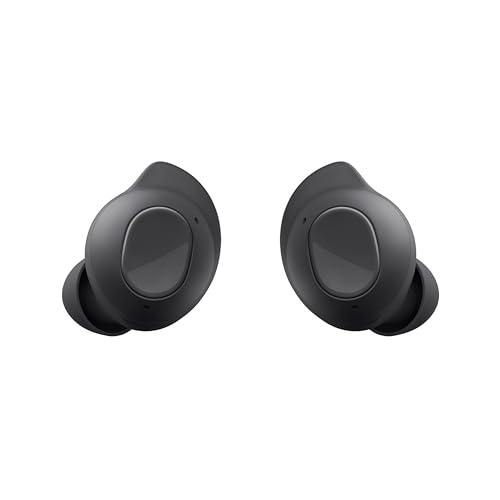
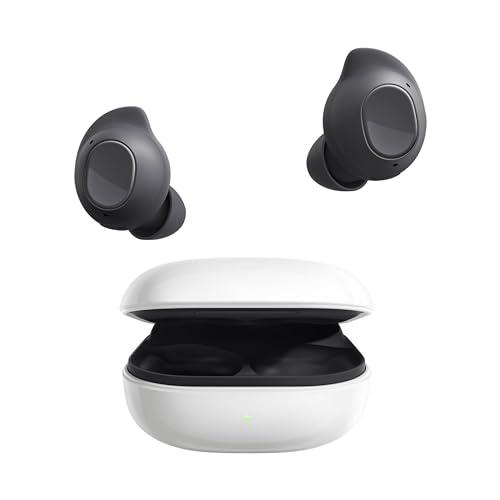
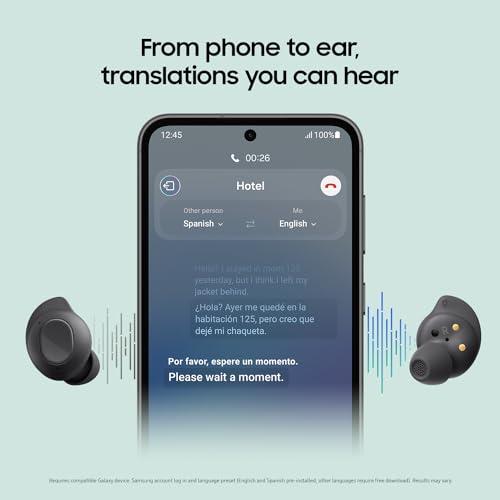
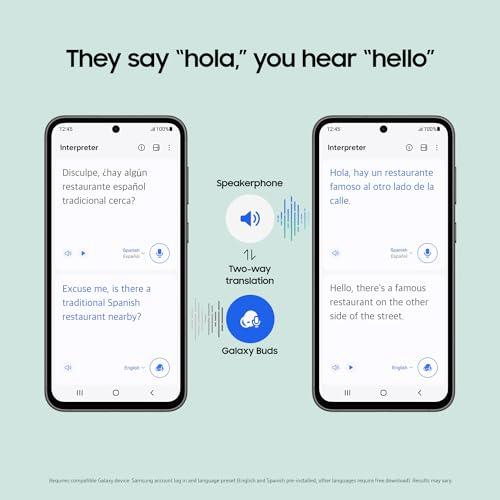
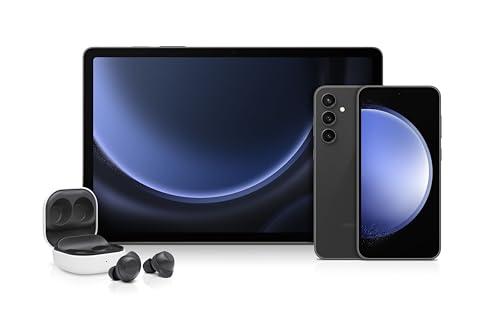
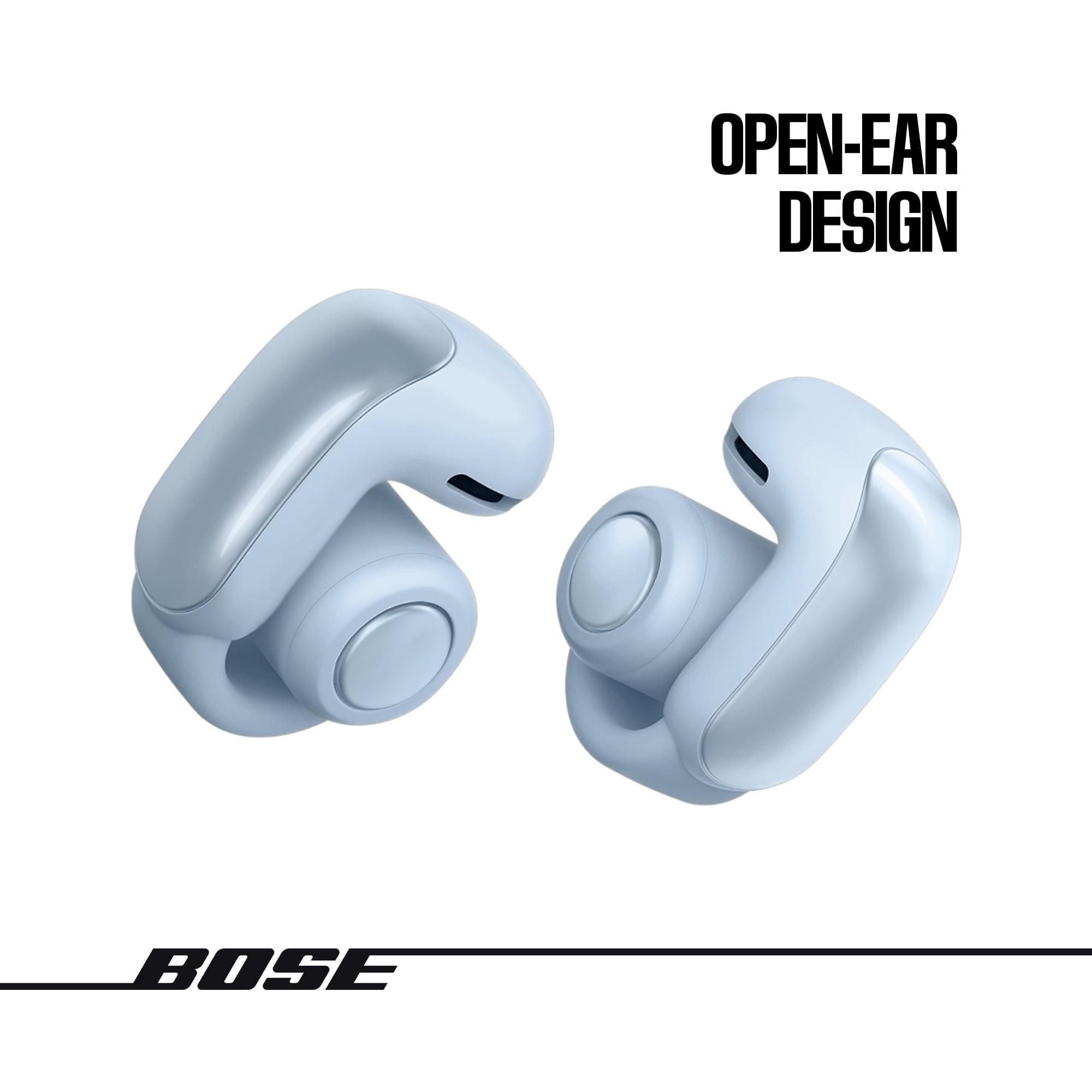


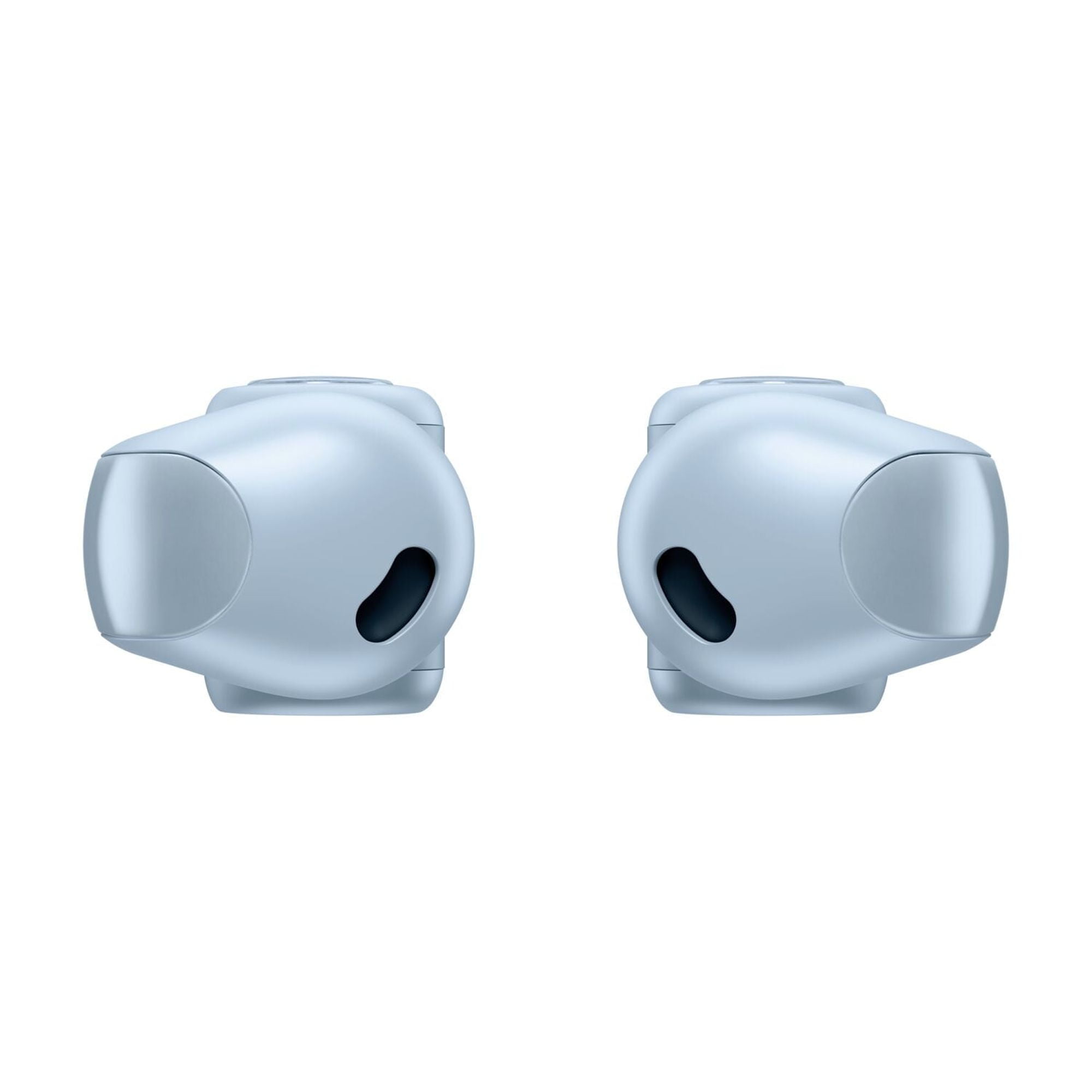
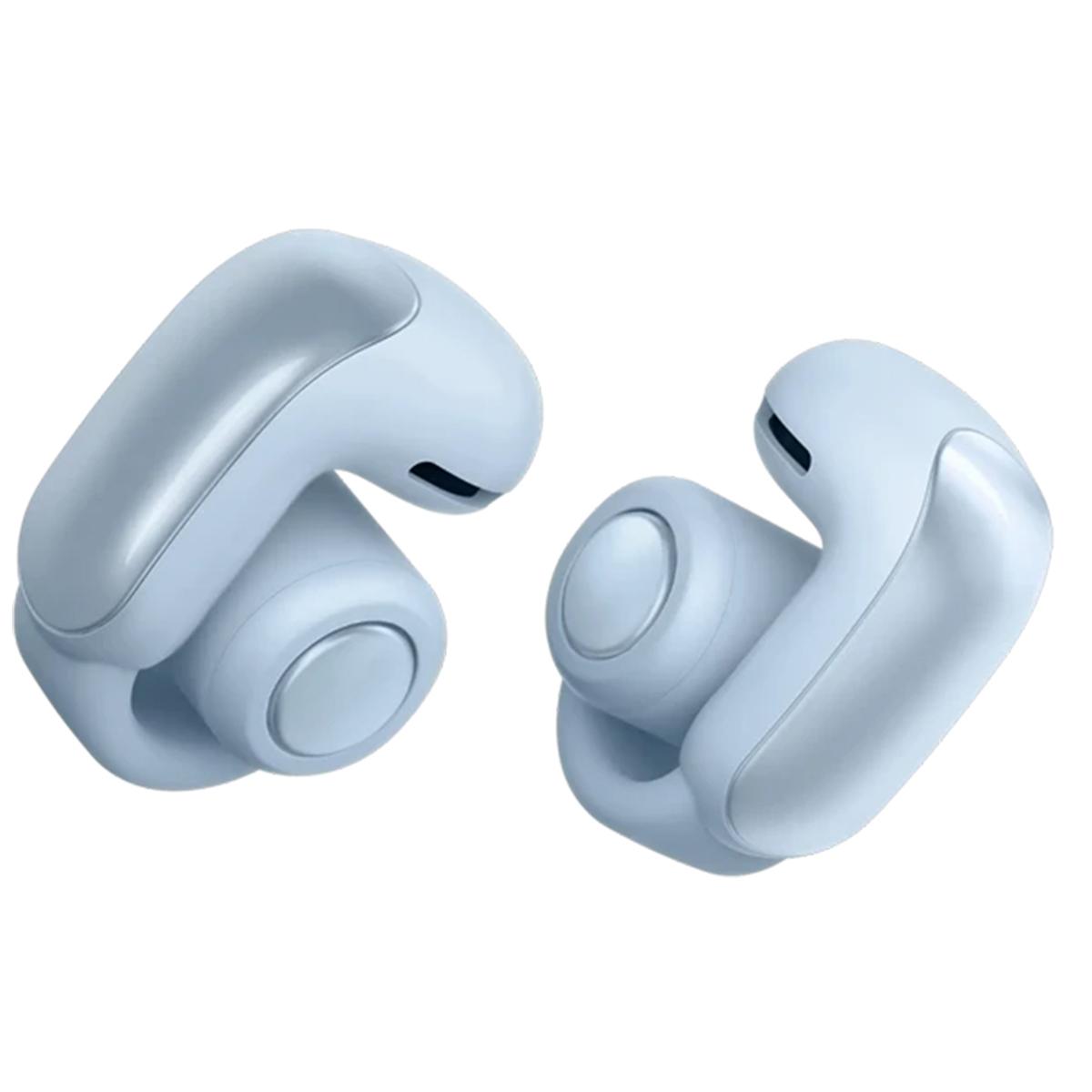
The wireless earbuds market has exploded with innovation over the past few years, and 2023-2024 brought us two fascinating approaches to the same problem: how do you get great audio while staying connected to your world? The Samsung Galaxy Buds FE launched in late 2023 as a budget-friendly take on traditional in-ear design, while the Bose Ultra Open Earbuds arrived in early 2024 with a completely reimagined open-ear approach.
These aren't just different products—they represent fundamentally different philosophies about how earbuds should work. One seals you off from the world for immersive audio, while the other keeps you connected to your surroundings. At the time of writing, there's about a 3x price difference between them, but that gap comes with some serious trade-offs worth understanding.
Before diving into specifics, it's helpful to understand what makes modern wireless earbuds tick. The core considerations haven't changed much: you want good sound, reliable connectivity, decent battery life, and comfortable fit. But the approaches to achieving these goals have become dramatically more varied.
Traditional in-ear earbuds work by creating a seal in your ear canal—this "passive isolation" blocks outside noise naturally, letting the drivers (the tiny speakers inside) work more efficiently. Open-ear designs take the opposite approach, sitting on or near your ears without blocking the canal, which means they have to work much harder to deliver clear audio while competing with ambient noise.
The choice between these approaches affects everything from sound quality to battery life, and understanding these trade-offs is crucial for making the right decision for your specific needs.
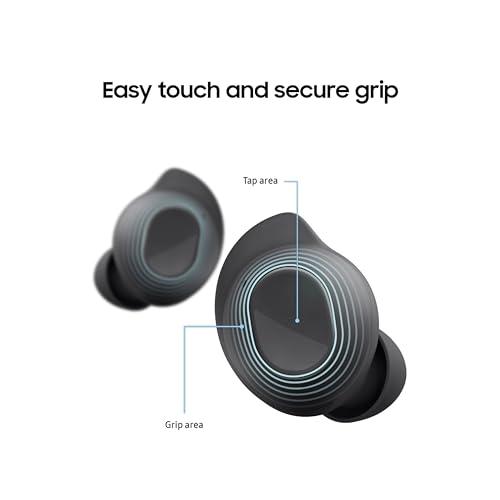
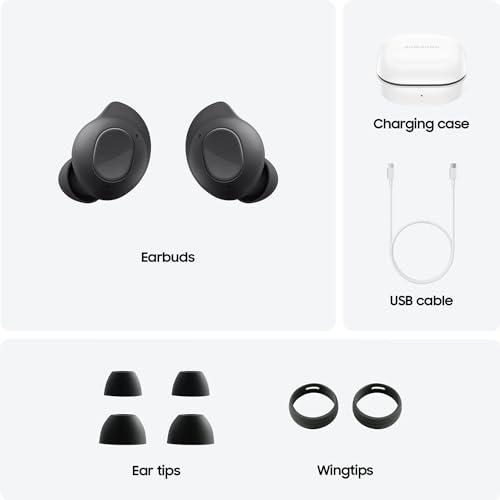
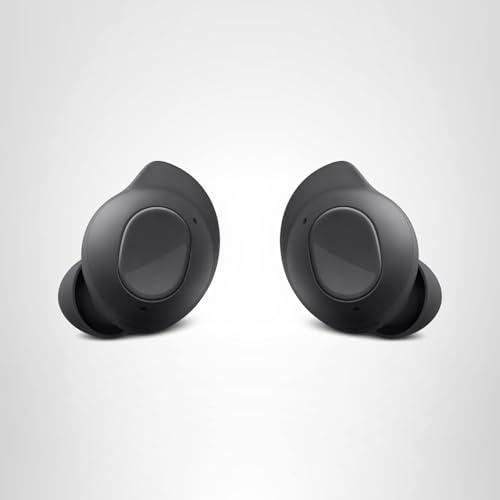
The Samsung Galaxy Buds FE represents the traditional approach refined and made affordable. Samsung took the core technology from their premium earbuds and stripped away some bells and whistles to hit a much lower price point. The result is a conventional in-ear design with active noise cancellation (ANC)—a feature that uses microphones and processing to cancel out background noise electronically.
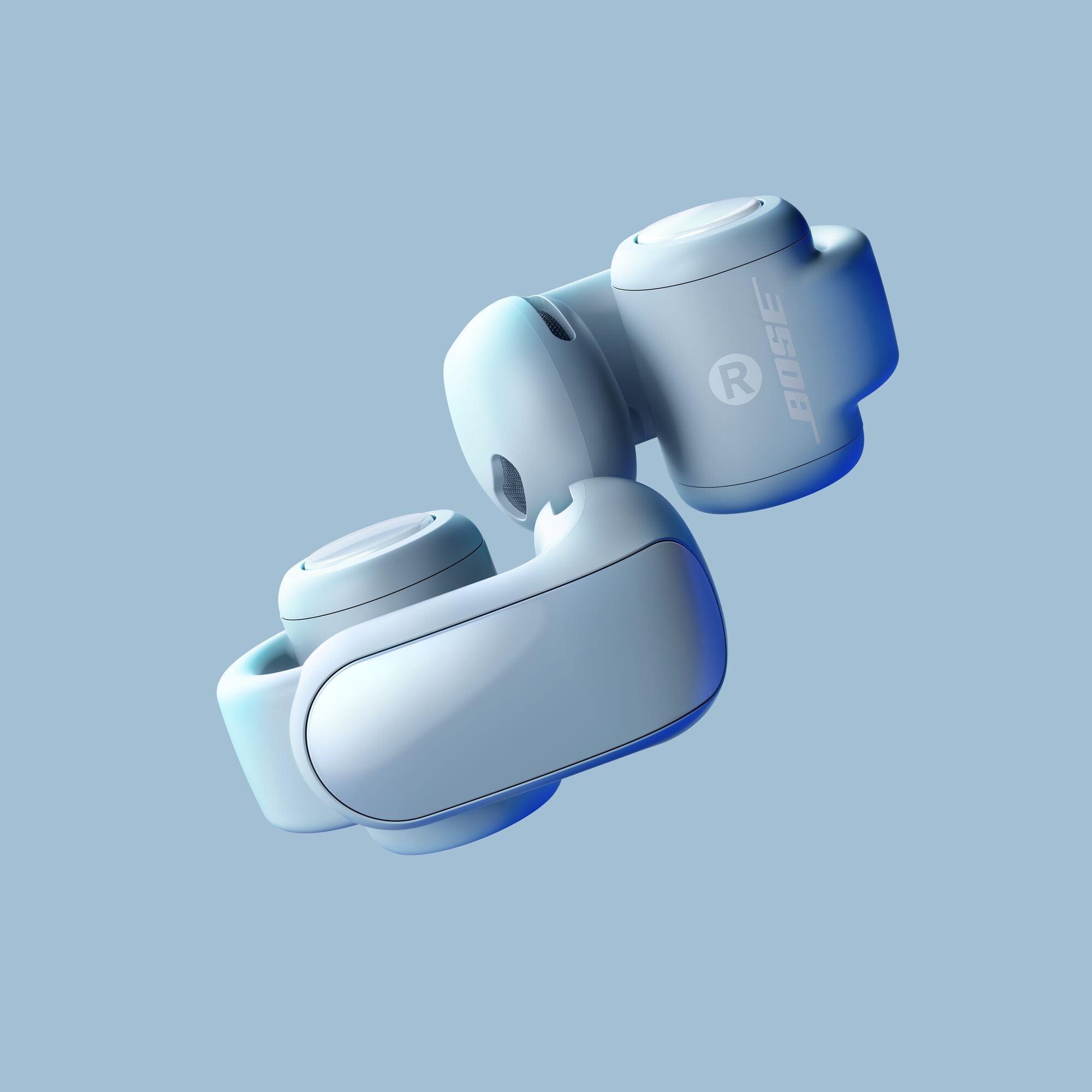
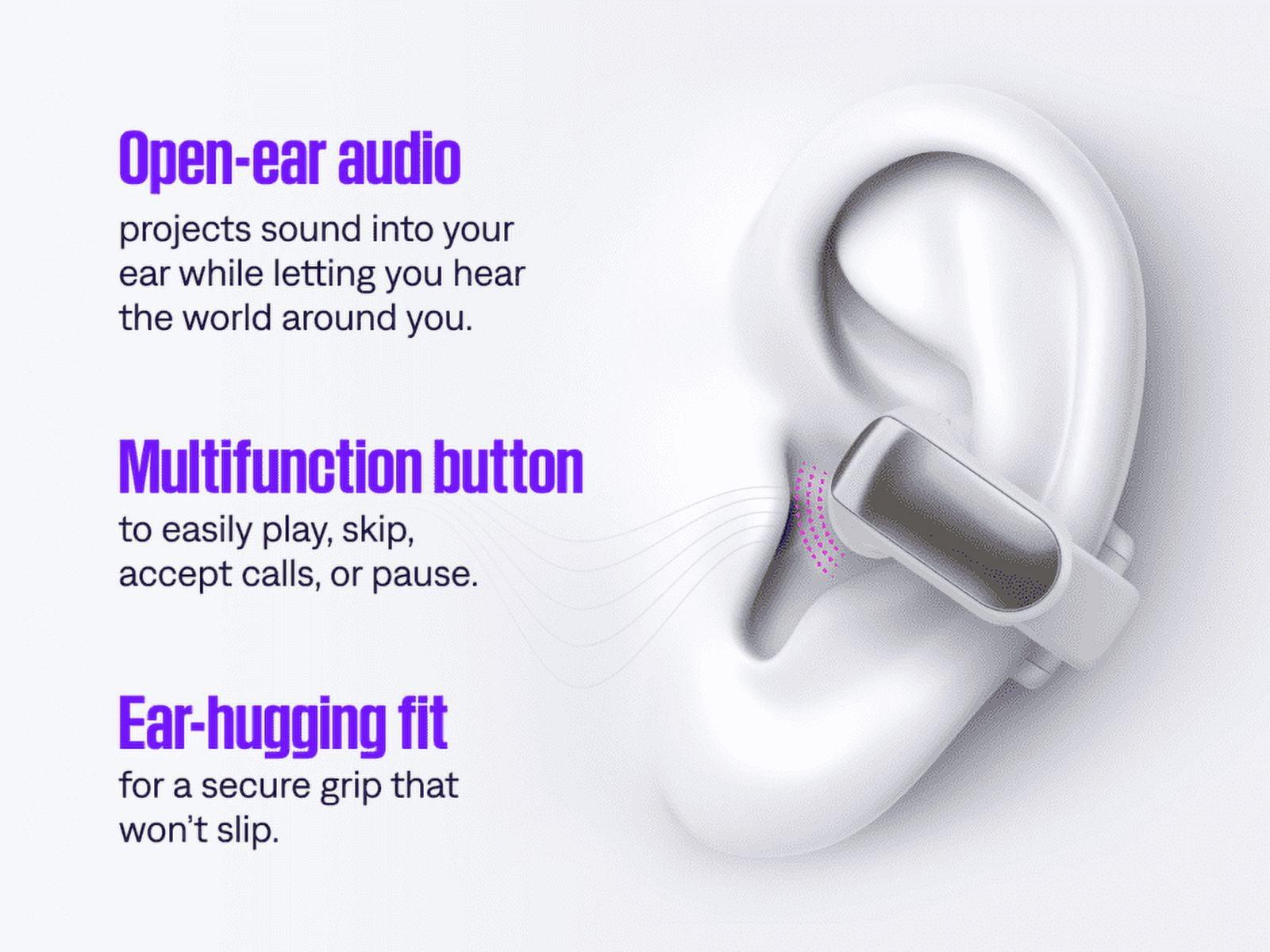
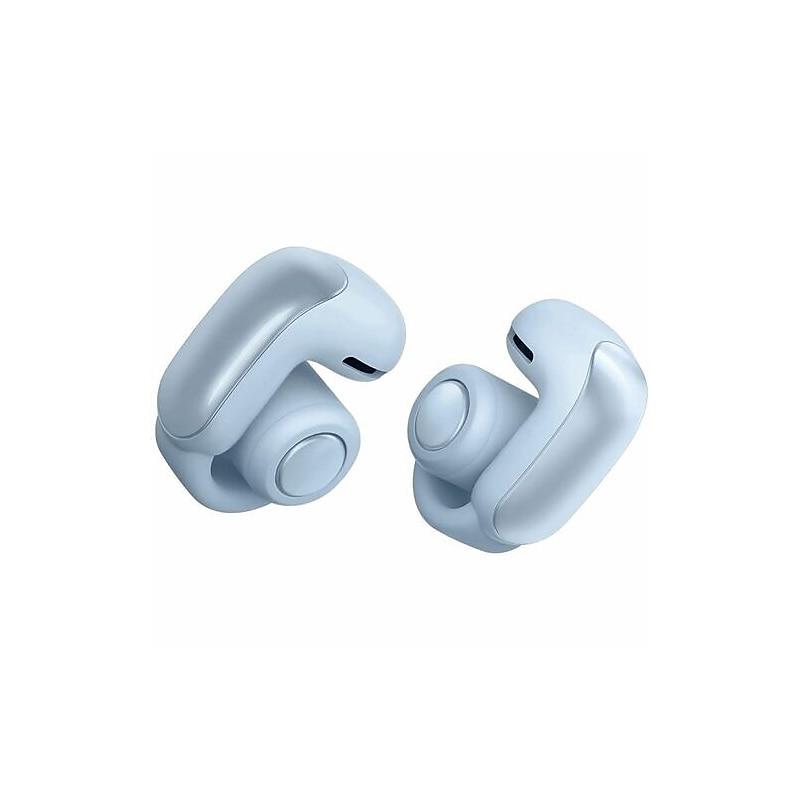
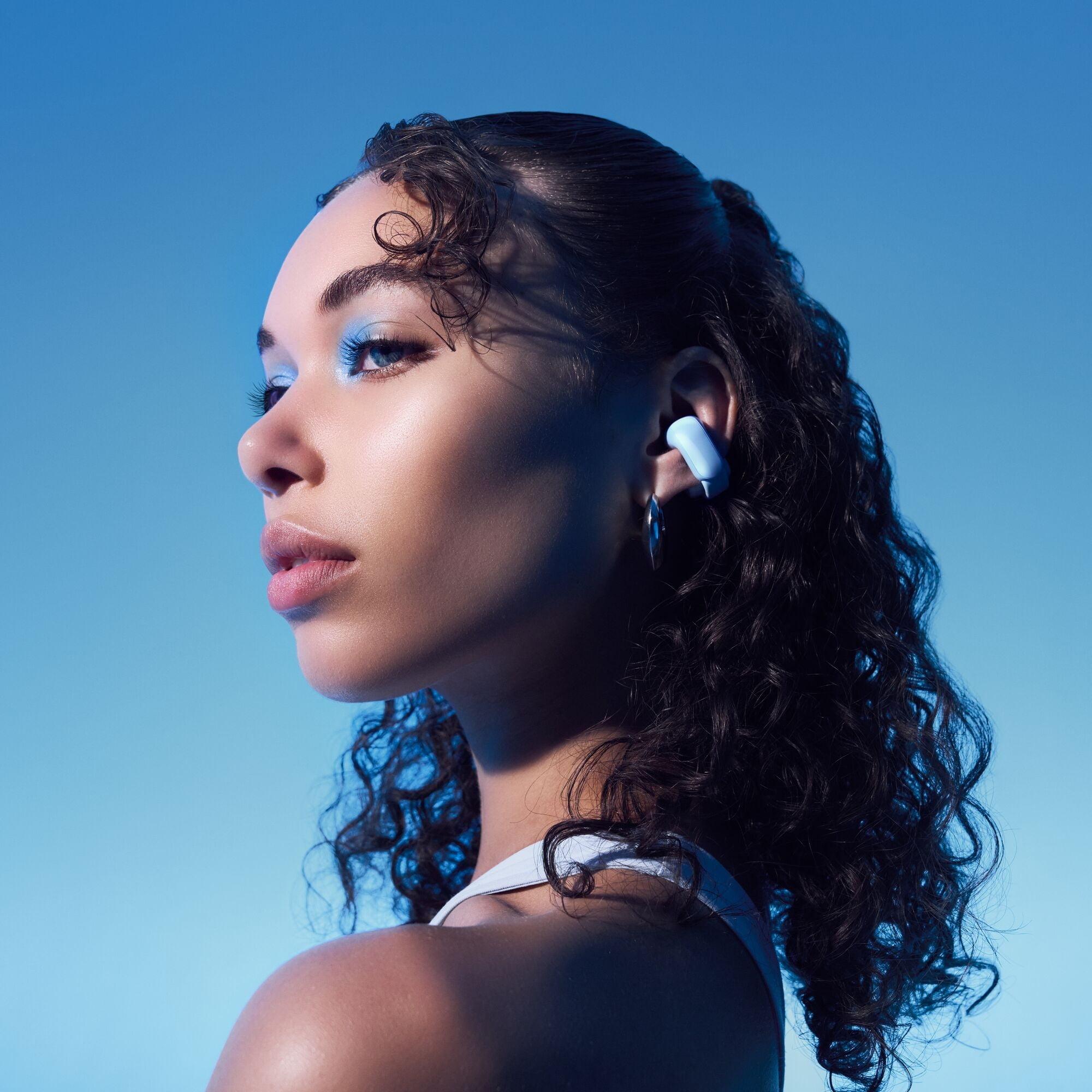
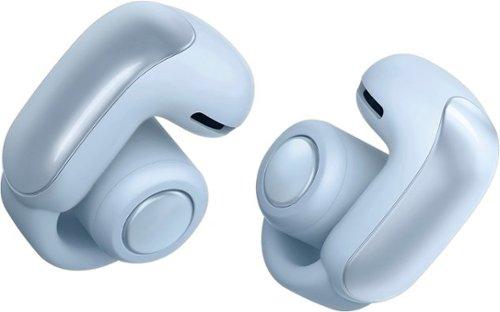
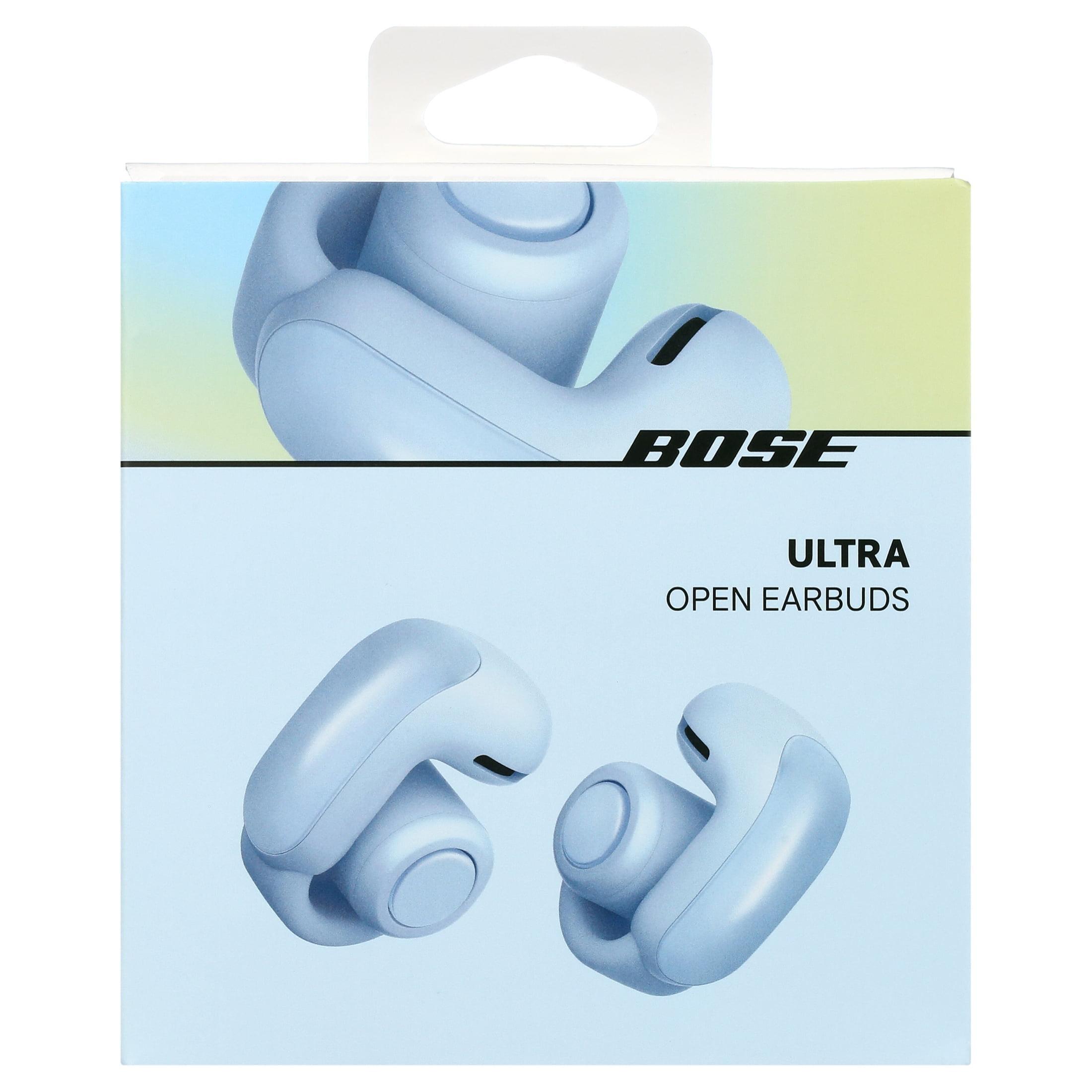
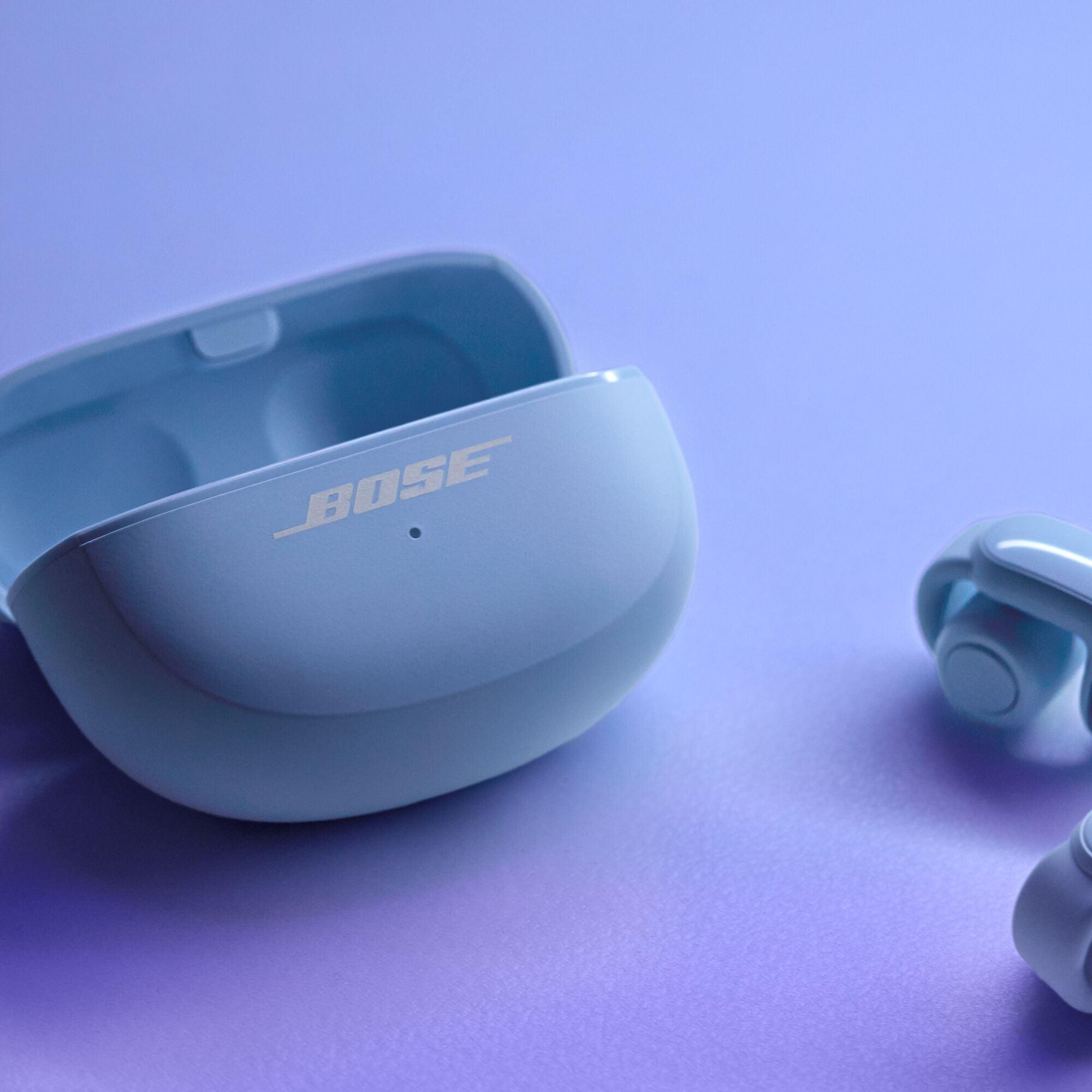
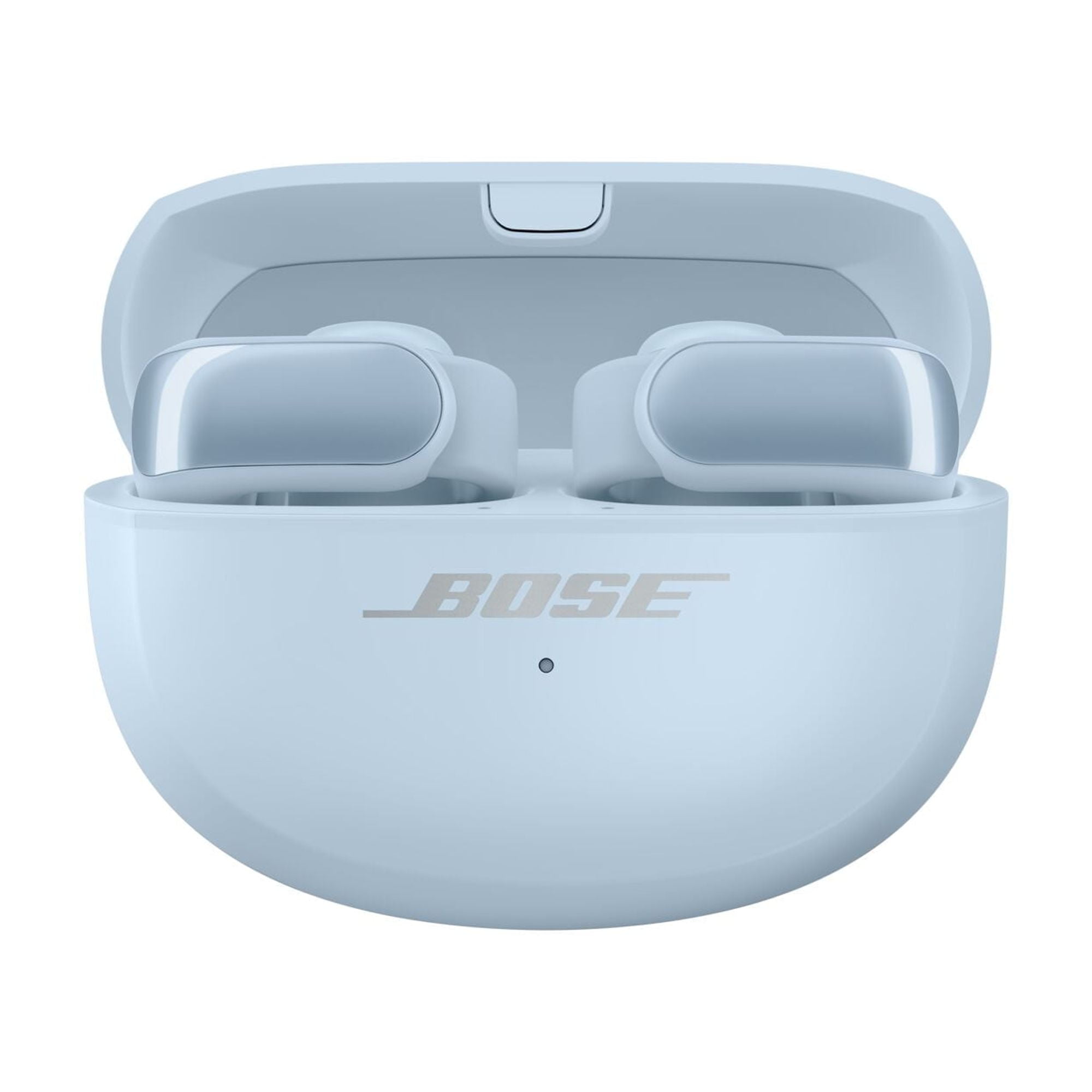
The Bose Ultra Open Earbuds pioneered something entirely different. Instead of going in your ears, they clip onto them with a design Bose describes as "ear jewelry." This isn't just a gimmick—it's a complete rethinking of how earbuds should integrate with your daily life. You can wear them all day without the ear fatigue that comes from having something stuffed in your ear canal, and you never lose awareness of your surroundings.
When it comes to sound quality, these earbuds couldn't be more different in their approach, and the differences are immediately apparent.
The Samsung Galaxy Buds FE delivers what audiophiles call a "warm" sound signature—this means boosted bass and smooth, non-fatiguing highs. The 6.5mm dynamic drivers work within a sealed acoustic chamber (your ear canal), which gives them incredible control over the sound. Bass notes hit with authority because there's nowhere for the low-frequency energy to escape. The frequency response consistency is remarkable—once you get a good fit with the included ear tips, the sound remains virtually identical every time you put them on.
Our research into user and expert reviews consistently points to the Samsung Galaxy Buds FE punching well above its weight class in terms of pure audio fidelity. The distortion performance is outstanding, meaning even at higher volumes, the audio stays clean and detailed. Vocals come through naturally without artificial emphasis, and the soundstage—how wide and spacious music feels—is surprisingly expansive for budget earbuds.
The Bose Ultra Open Earbuds faces a much harder challenge. Without the acoustic advantages of a sealed ear canal, they rely on Bose's proprietary OpenAudio technology to direct sound precisely to your ears while minimizing leakage to people around you. The result is impressive for an open design, but it's important to set expectations appropriately—these will never match the bass response or isolation of traditional in-ear designs.
Where the Bose Ultra Open Earbuds truly shine is in their spatial audio implementation. Bose Immersive Audio creates a surprisingly convincing sense of space and dimension, with two distinct modes: "Still" for stationary listening and "Motion" that adapts as you move around. This isn't just a gimmick—it genuinely makes music feel more three-dimensional and engaging, even without the bass foundation of sealed earbuds.
The trade-off is significant though. Bass response is naturally limited by the open design, and while Bose has minimized sound leakage compared to other open earbuds, you'll still be audible to people nearby at higher volumes.
This is where the philosophical differences become most apparent. The Samsung Galaxy Buds FE takes the traditional approach: block out the world, then give you controls to let some back in when needed.
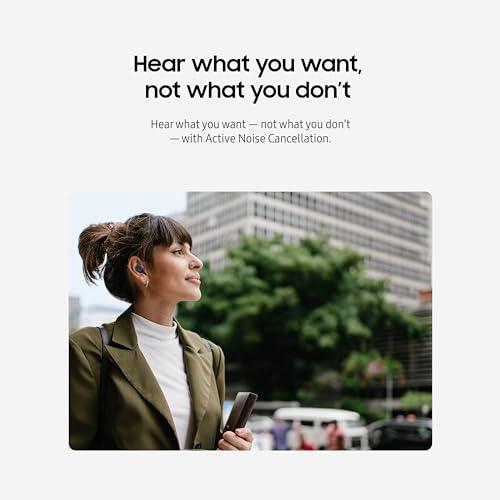
The active noise cancellation in the Samsung Galaxy Buds FE is genuinely impressive, especially considering the price point at the time of writing. It effectively handles low-frequency rumble like air conditioning, traffic, and airplane engines, while the passive isolation from the ear tips deals with higher-pitched sounds like conversations and keyboard typing. The combined effect is remarkable—our evaluation of user feedback suggests ANC performance that rivals earbuds costing significantly more.
The ambient sound mode adds flexibility, using the external microphones to pipe in outside audio when you need situational awareness. You can customize how much outside sound comes through, making it practical for everything from grocery shopping to commuting.
The Bose Ultra Open Earbuds throws this entire approach out the window. There's no active noise cancellation because there's nothing to cancel—you hear everything around you naturally. Instead, Bose includes Auto Volume, which intelligently adjusts your audio level based on surrounding noise. Walking from a quiet office into a noisy street? The earbuds automatically bump up the volume to maintain clarity.
This approach has obvious advantages for safety and social situations, but it means you're always competing with your environment for audio clarity. In loud settings, you'll either struggle to hear your content clearly or need to turn up the volume significantly.
Comfort is often overlooked in earbud reviews, but it's crucial for real-world use. Both earbuds excel here, just in completely different ways.
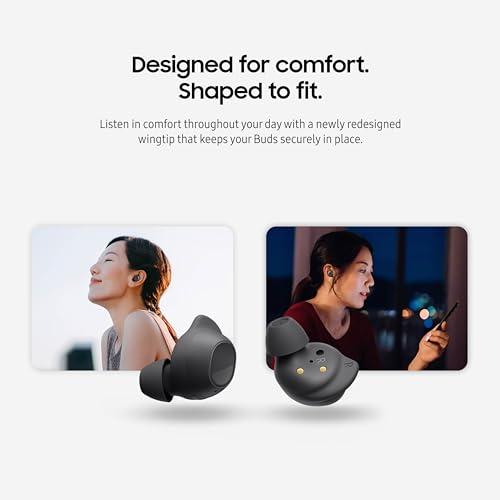
The Samsung Galaxy Buds FE provides traditional in-ear comfort done right. At 5.6 grams per earbud, they're light enough for extended wear, and the included wing tips help with security during movement. Three different ear tip sizes ensure most people can find a good seal. However, they're still in-ear earbuds—some people simply can't tolerate having their ear canals blocked for hours at a time.
The Bose Ultra Open Earbuds completely sidesteps this issue with their clip-on design. At 6 grams per earbud, they're barely heavier but distribute that weight completely differently. They rest on your ear without any insertion, eliminating the pressure and potential discomfort of sealed designs. Based on our research of user experiences, many people find they can wear these literally all day without fatigue—something that's nearly impossible with traditional in-ear designs.
The clip-on approach also means no more fumbling with ear tips or worrying about losing the seal. They go on quickly and stay put during normal activities, though intense physical activity might require traditional earbuds for security.
Battery performance reveals another interesting trade-off between these designs.
The Samsung Galaxy Buds FE offers 6 hours per charge with ANC enabled, extending to 8.5 hours with ANC disabled. The charging case packs a substantial 479mAh battery, providing roughly 4 additional full charges for 21-30 total hours depending on ANC usage. This approach prioritizes total system battery life—perfect for travel or users who don't want to think about charging frequently.
The Bose Ultra Open Earbuds takes a different approach, focusing on single-charge duration. They provide up to 7.5 hours per charge (4.5 hours with Immersive Audio enabled), which is impressive for any earbud design. However, the charging case is more compact, bringing total system time to around 19.5 hours.
For most users, the Samsung Galaxy Buds FE wins on total battery capacity, but the Bose Ultra Open Earbuds edge out per-charge duration. Which matters more depends on your usage patterns—frequent travelers benefit from Samsung's approach, while daily commuters might prefer Bose's longer single-charge performance.
Both earbuds launched with modern Bluetooth implementations, but with different priorities for smart features.
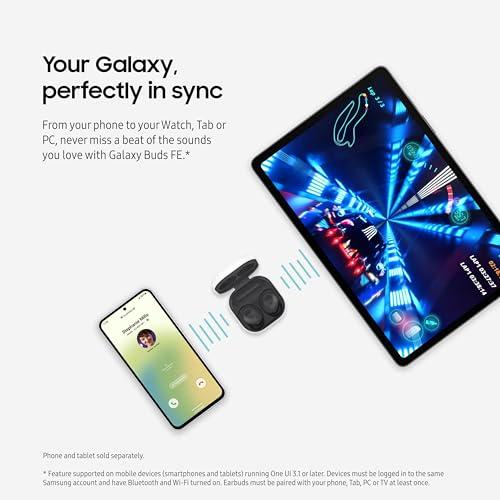
The Samsung Galaxy Buds FE uses Bluetooth 5.2 with comprehensive Samsung ecosystem integration. Auto Switch seamlessly moves your audio between Galaxy devices—phone to tablet to laptop—without manual intervention. The Galaxy Wearable app provides extensive customization, including six EQ presets and individual touch control mapping.
Samsung Scalable Codec (SSC) provides enhanced audio quality, but only on Samsung devices. On other devices, you're limited to standard SBC and AAC codecs, with notably high latency that can cause audio-video sync issues in videos and games. Gaming Mode helps on Samsung devices but doesn't solve the broader compatibility issue.
The Bose Ultra Open Earbuds uses newer Bluetooth 5.3 with broader codec support, including aptX Adaptive for compatible devices. This provides better cross-platform performance and lower latency. SimpleSync technology allows pairing with select Bose soundbars and speakers, creating a personal audio bubble for TV watching without disturbing others—a genuinely useful feature for home theater setups.
The Bose Music app is more limited than Samsung's offering but covers the essentials: EQ adjustment, control customization, and firmware updates.
Water resistance ratings tell an important story about intended use cases.
The Samsung Galaxy Buds FE carries an IPX2 rating, which handles light splashes and minimal sweat but isn't suitable for serious exercise or outdoor use in wet conditions. This positions them as primarily indoor/commuter earbuds.
The Bose Ultra Open Earbuds earned IPX4 certification, handling sweat and light rain much better. Combined with their open design that doesn't trap moisture, they're genuinely suitable for outdoor activities and exercise.
For home theater use, both earbuds offer interesting but different advantages.
The Samsung Galaxy Buds FE excels for private late-night viewing, with ANC eliminating household distractions and strong audio isolation preventing sound leakage to sleeping family members. However, the high SBC latency on non-Samsung devices can cause frustrating audio-video sync issues.
The Bose Ultra Open Earbuds brings unique capabilities here through SimpleSync technology. You can pair them with compatible Bose soundbars, allowing personal volume control while maintaining the soundbar's output for others. The open design also means you can still hear family members or respond to questions without pausing content. For families sharing viewing spaces, this approach offers compelling advantages.
At the time of writing, these earbuds sit in completely different price tiers, and the value proposition depends heavily on what you prioritize.
The Samsung Galaxy Buds FE delivers exceptional value in traditional earbud metrics—ANC performance, audio fidelity, and battery life that compete with products costing significantly more. For users wanting conventional earbud benefits without premium pricing, they're hard to beat.
The Bose Ultra Open Earbuds costs considerably more but offers genuinely unique capabilities. The open-ear design, all-day comfort, and environmental awareness represent innovations you simply can't get elsewhere at any price. Whether that's worth the premium depends on how much you value these specific benefits.
The decision ultimately comes down to your priorities and use cases.
Choose the Samsung Galaxy Buds FE if you want traditional earbud benefits optimized for value. They're ideal for commuters who need ANC, music enthusiasts who prioritize audio fidelity, or Samsung ecosystem users who benefit from seamless device switching. The strong bass response and noise isolation make them perfect for focused listening sessions and noisy environments.
Choose the Bose Ultra Open Earbuds if comfort and awareness are your top priorities. They're perfect for active users who need to hear their surroundings, office workers who want all-day wearability, or anyone who finds traditional in-ear designs uncomfortable. The premium price gets you genuinely innovative technology that solves real problems with conventional earbuds.
For home theater use, the Bose Ultra Open Earbuds offer unique family-friendly features, while the Samsung Galaxy Buds FE provide better isolation for private viewing—assuming you can work around potential latency issues.
The bottom line? Both earbuds excel at what they're designed to do, but they're designed to do fundamentally different things. The Samsung Galaxy Buds FE perfects the traditional approach at an accessible price, while the Bose Ultra Open Earbuds pioneers a completely new category with premium pricing to match. Choose based on whether you want to block out the world or stay connected to it—both approaches have their place in the modern wireless audio landscape.
| Samsung Galaxy Buds FE | Bose Ultra Open Earbuds |
|---|---|
| Design Philosophy - Fundamentally different approaches to audio delivery | |
| Traditional in-ear with silicone tips that seal the ear canal | Revolutionary clip-on design that rests on ears without blocking ear canal |
| Active Noise Cancellation - Critical for blocking distractions | |
| Yes, with impressive performance rivaling premium models | None by design - open ear approach maintains environmental awareness |
| Battery Life Per Charge - How long before you need to recharge | |
| 6 hours (ANC on) / 8.5 hours (ANC off) | 7.5 hours (4.5 hours with Immersive Audio) |
| Total Battery with Case - Important for travel and heavy use | |
| 21-30 hours total depending on ANC usage | 19.5 hours total |
| Water Resistance - Protection during exercise and weather | |
| IPX2 (basic splash protection) | IPX4 (suitable for sweat and light rain) |
| Bluetooth Version - Affects connection stability and codec support | |
| Bluetooth 5.2 with Samsung Scalable Codec on Galaxy devices | Bluetooth 5.3 with aptX Adaptive support |
| Audio Quality Approach - How each delivers sound | |
| Warm, bass-heavy signature with sealed acoustic chamber | Open design with spatial audio and Auto Volume adjustment |
| Comfort for Extended Wear - Critical for all-day use | |
| Traditional in-ear fit with optional wing tips (some may find fatiguing) | Clip-on design enables true all-day wear without ear canal pressure |
| Environmental Awareness - Ability to hear surroundings | |
| Blocked by design, customizable ambient mode available | Natural awareness maintained at all times |
| Ecosystem Integration - Works best with specific brands | |
| Seamless with Samsung devices, limited features on others | Universal compatibility with enhanced features on Bose products |
| Price Category - Value positioning at time of launch | |
| Budget-friendly with premium features | Premium pricing for innovative open-ear technology |
The Bose Ultra Open Earbuds are significantly better for exercise with their IPX4 water resistance rating that handles sweat and light rain effectively. The open-ear design also prevents moisture buildup that can occur with sealed earbuds. The Samsung Galaxy Buds FE have only IPX2 protection, making them suitable for light sweating but not intense workouts or outdoor activities in wet conditions.
Both earbuds perform well for calls but in different ways. The Samsung Galaxy Buds FE uses three microphones per earbud with good noise separation for clear voice transmission in busy environments. The Bose Ultra Open Earbuds allow natural conversation flow since you can hear your own voice and surroundings, making calls feel more natural, though they may struggle more in very noisy environments due to their open design.
The Samsung Galaxy Buds FE have impressive active noise cancellation that effectively blocks low-frequency sounds like air conditioning and traffic, plus passive isolation from the ear seal. The Bose Ultra Open Earbuds have no noise cancellation by design - they're meant to keep you aware of your surroundings at all times, using Auto Volume to adjust audio levels based on ambient noise instead.
The Samsung Galaxy Buds FE provide 6-8.5 hours per charge depending on ANC usage, with 21-30 total hours including the case. The Bose Ultra Open Earbuds offer 7.5 hours per charge (4.5 with spatial audio enabled) and 19.5 total hours with the case. Samsung wins for total battery capacity while Bose edges out single-charge duration.
The Bose Ultra Open Earbuds excel at all-day comfort with their clip-on design that eliminates ear canal pressure entirely. Many users report wearing them for 8+ hours without discomfort. The Samsung Galaxy Buds FE are comfortable for traditional in-ear earbuds but may cause fatigue during extended wear since they seal the ear canal.
The Bose Ultra Open Earbuds are superior for outdoor activities due to their IPX4 water resistance, secure clip-on fit, and maintained environmental awareness for safety. You can hear traffic, other runners, and potential hazards. The Samsung Galaxy Buds FE block outside sounds completely, which can be dangerous during outdoor activities, and their lower water resistance limits outdoor use.
The Bose Ultra Open Earbuds work equally well with any Bluetooth device and support universal codecs like aptX Adaptive. The Samsung Galaxy Buds FE work with any phone but lose key features like Samsung Scalable Codec and Gaming Mode on non-Samsung devices, and may experience higher audio latency that affects video watching.
The Samsung Galaxy Buds FE deliver superior traditional audio quality with strong bass response, detailed mids, and controlled acoustics from their sealed design. The Bose Ultra Open Earbuds offer impressive sound for an open design with excellent spatial audio features, but cannot match the bass depth and isolation of sealed earbuds due to their open-ear approach.
For private viewing, the Samsung Galaxy Buds FE provide better isolation and fuller sound, though they may have latency issues on non-Samsung devices. The Bose Ultra Open Earbuds offer unique advantages for family viewing - you can use personal volume control while still hearing family members, and SimpleSync technology works with select Bose soundbars for a personalized audio experience.
The Samsung Galaxy Buds FE offer exceptional value with premium features like active noise cancellation, long battery life, and solid audio quality at a budget-friendly price point. The Bose Ultra Open Earbuds cost significantly more but deliver genuinely innovative technology you can't get elsewhere. Value depends on whether you prioritize traditional earbud benefits or revolutionary comfort and awareness.
This is the fundamental difference between them. The Samsung Galaxy Buds FE are designed to block outside noise completely, though they offer a customizable ambient mode to let some sound through when needed. The Bose Ultra Open Earbuds keep you naturally aware of your environment at all times since they don't block your ears - this makes them safer for activities but means you're always competing with ambient noise.
Choose the Samsung Galaxy Buds FE if you want traditional earbud benefits like noise isolation, strong bass, and excellent value, especially if you use Samsung devices. Choose the Bose Ultra Open Earbuds if comfort, environmental awareness, and all-day wearability are your priorities, and you're willing to pay more for innovative open-ear technology that solves common problems with traditional earbuds.
We've done our best to create useful and informative comparisons to help you decide what product to buy. Our research uses advanced automated methods to create this comparison and perfection is not possible - please contact us for corrections or questions. These are the sites we've researched in the creation of this article: rtings.com - soundguys.com - scarbir.com - versus.com - headphones.com - androidcentral.com - youtube.com - scarbir.com - r1.community.samsung.com - rtings.com - soundguys.com - loudnwireless.com - youtube.com - youtube.com - loudnwireless.com - samsung.com - soundguys.com - samsung.com - samsung.com - samsung.com - head-fi.org - samsung.com - sammobile.com - soundguys.com - techradar.com - youtube.com - news.samsung.com - bose.com - youtube.com - consumerreports.org - rtings.com - head-fi.org - youtube.com - tomsguide.com - bestbuy.com - youtube.com - bose.com - cnet.com - youtube.com - soundguys.com - applevis.com - techgearlab.com - purewow.com - bose.com - bose.com - assets.bose.com - youtube.com - techradar.com - whathifi.com - bose.com - bose.com - youtube.com - bose.com

Privacy Policy
Terms and Conditions - Affiliate Policy
Home Security
© Copyright 2008-2026.
11816 Inwood Rd #1211, Dallas, TX 75244