

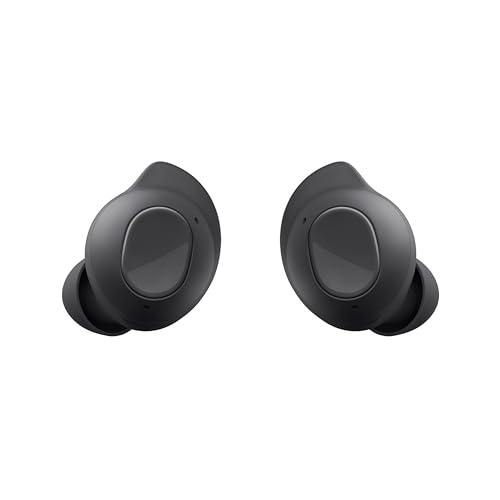
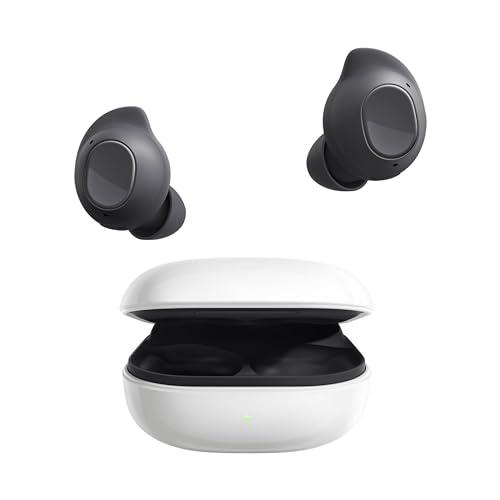
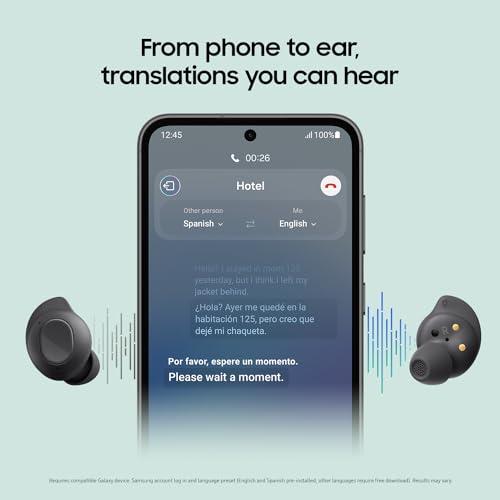
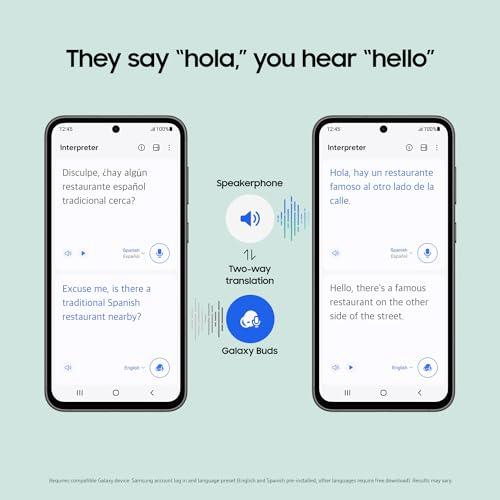
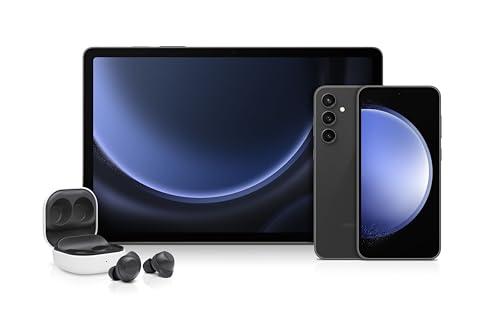
The wireless earbuds market has exploded over the past few years, with every major tech company trying to capture your ears—and your wallet. Two standout options that have caught our attention are the Samsung Galaxy Buds FE and the Apple AirPods 4 with Active Noise Cancellation. Both promise premium features at more accessible price points, but they take completely different approaches to getting there.
At the time of writing, the Samsung Galaxy Buds FE typically costs around $30-40 less than the Apple AirPods 4 with ANC, making Samsung's offering the more budget-friendly choice. But as we've learned time and again in the tech world, cheaper doesn't always mean better value. The real question is: which earbuds give you more bang for your buck?
Before diving into specifics, it's worth understanding what makes these two products fundamentally different. The wireless earbuds category has split into two distinct camps: in-ear designs and open-air designs. This isn't just about aesthetics—it's about completely different philosophies for how earbuds should fit and function.
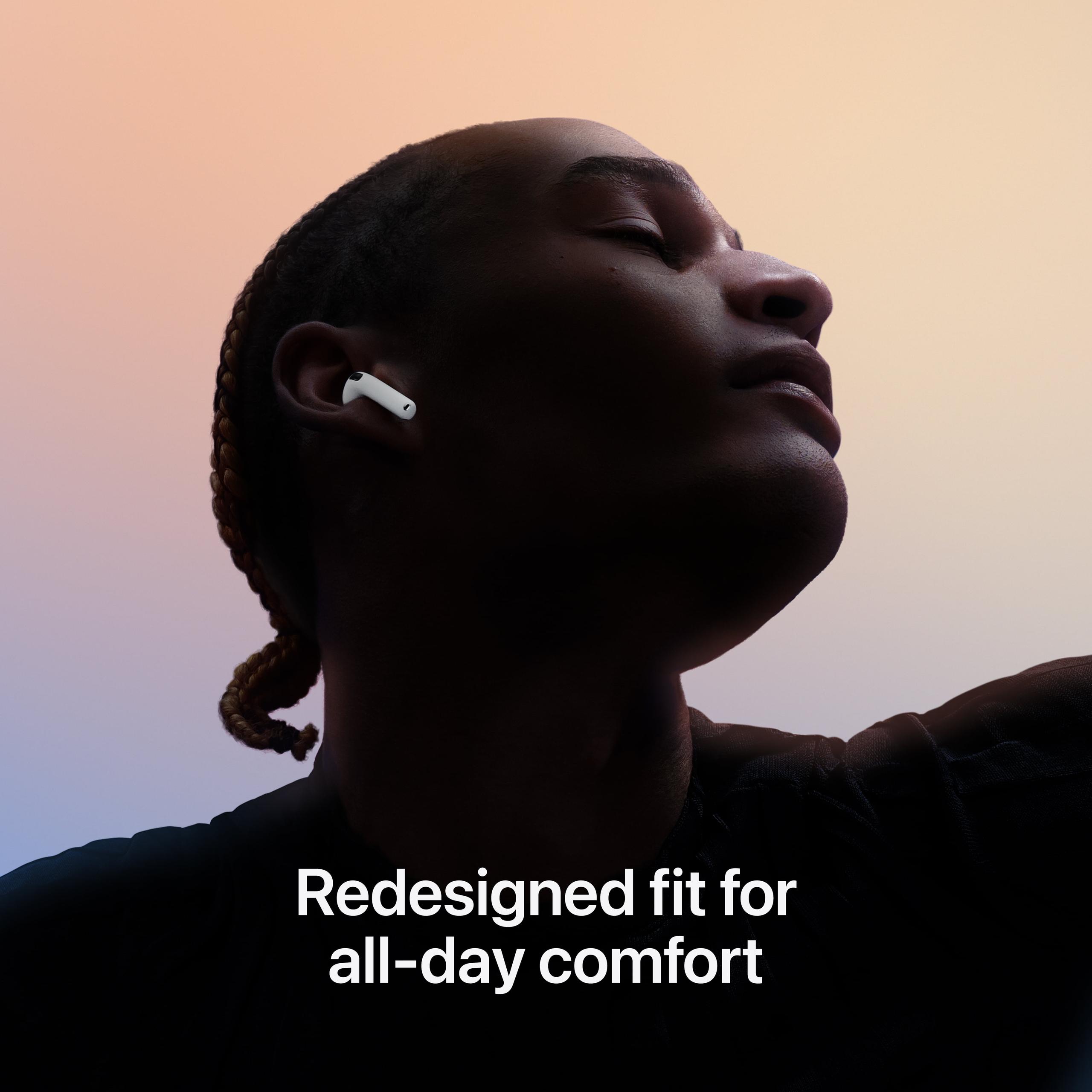
In-ear earbuds, like the Samsung Galaxy Buds FE, use silicone or foam tips that create a seal inside your ear canal. Think of them like tiny cork stoppers that physically block outside noise while directing sound directly into your ears. Open-air earbuds, like the Apple AirPods 4, rest in your outer ear without sealing the canal, similar to how traditional wired earbuds used to work.
This design difference affects everything: sound quality, noise cancellation effectiveness, comfort during long listening sessions, and even how secure they feel during workouts. Neither approach is inherently better—it's about what works for your ears and lifestyle.
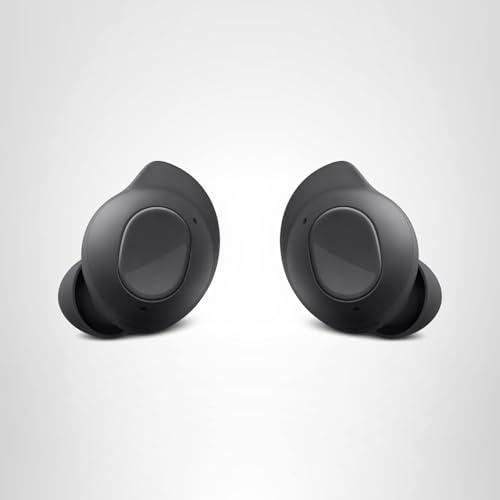
Released in 2023, the Samsung Galaxy Buds FE represents Samsung's attempt to bring premium earbud features down to a more accessible price point. The "FE" stands for "Fan Edition," Samsung's way of saying "we took the best parts of our expensive earbuds and made them affordable."
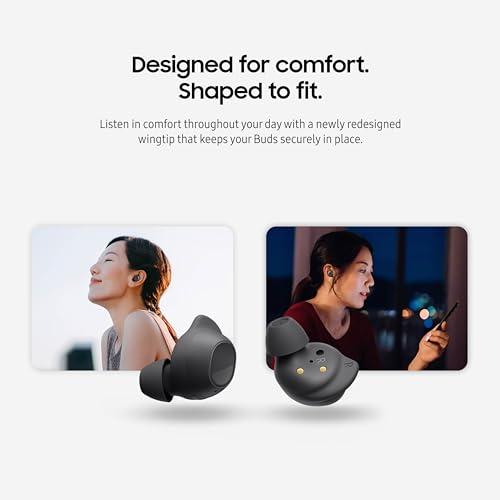
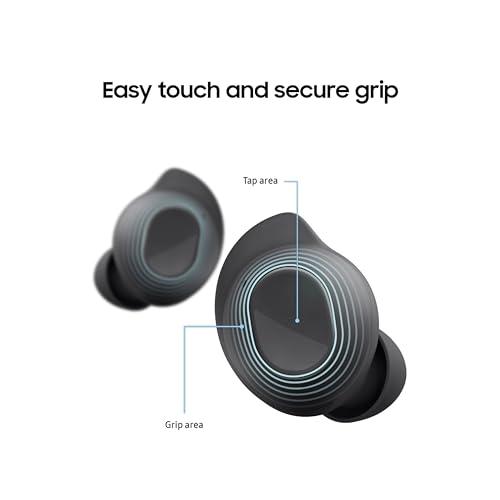
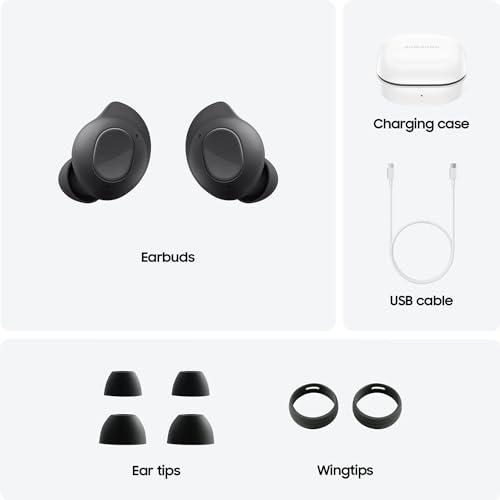
These earbuds use a traditional in-ear design with three different ear tip sizes and optional stability wings—those little rubber fins that help keep the earbuds secure during movement. They're rated IPX2 for water resistance, which means they can handle light sweat or a few raindrops, but you shouldn't wear them in the shower.
The Galaxy Buds FE pack a 6.5mm dynamic driver in each earbud—that's the tiny speaker that creates all the sound you hear. While that might seem small, driver size isn't everything in audio. What matters more is how well that driver is tuned and how effectively it moves air to create sound waves.
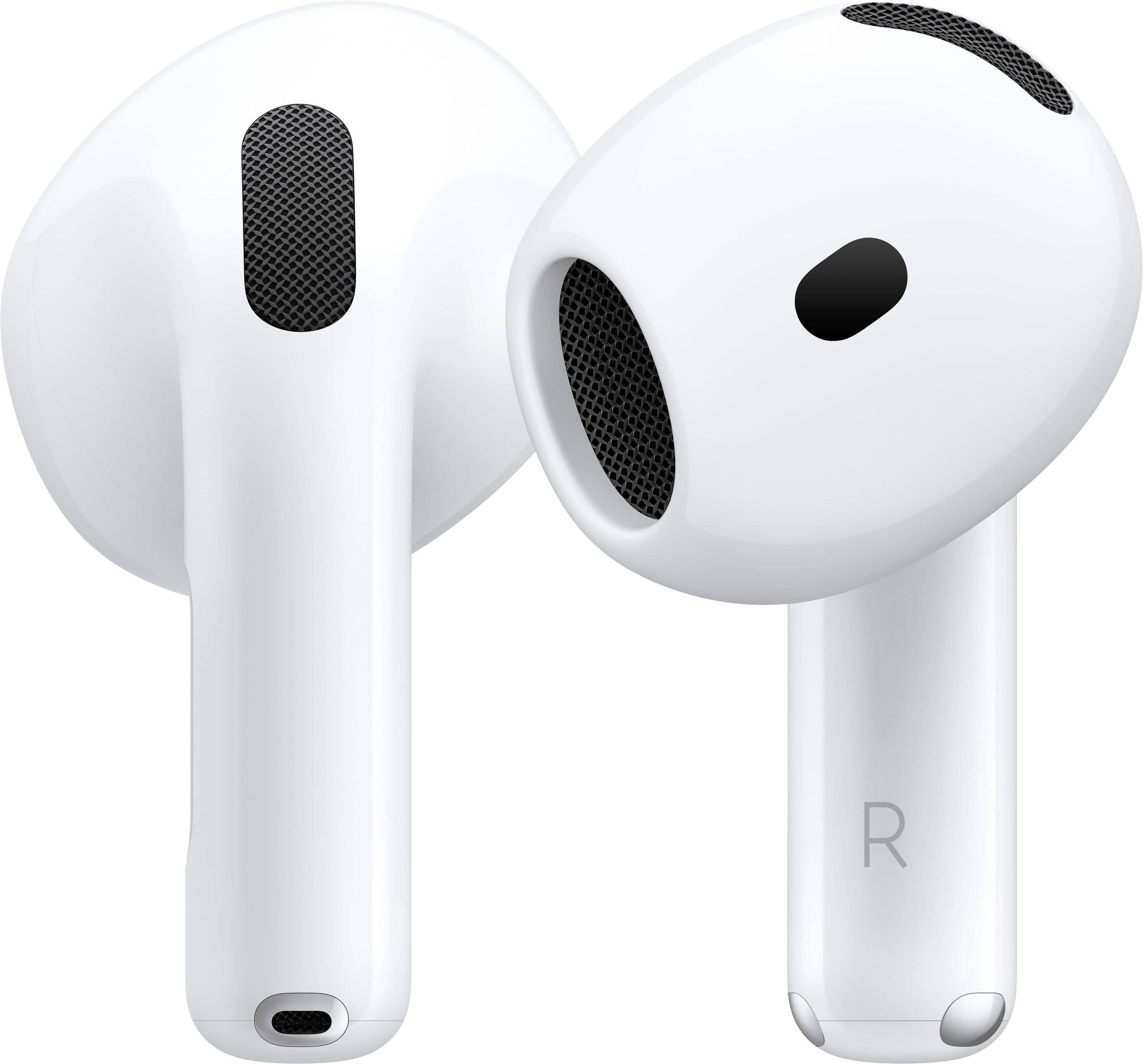
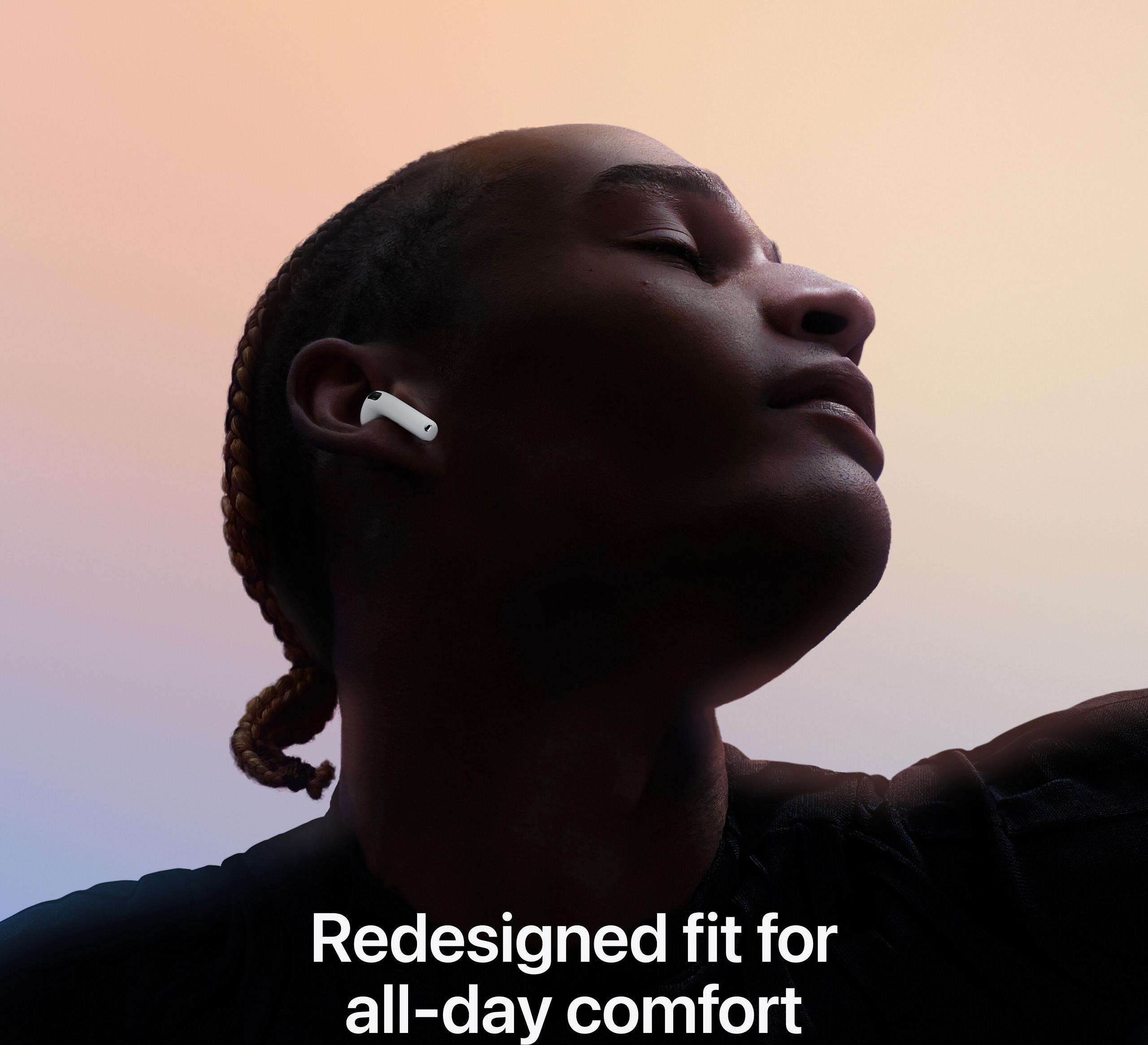
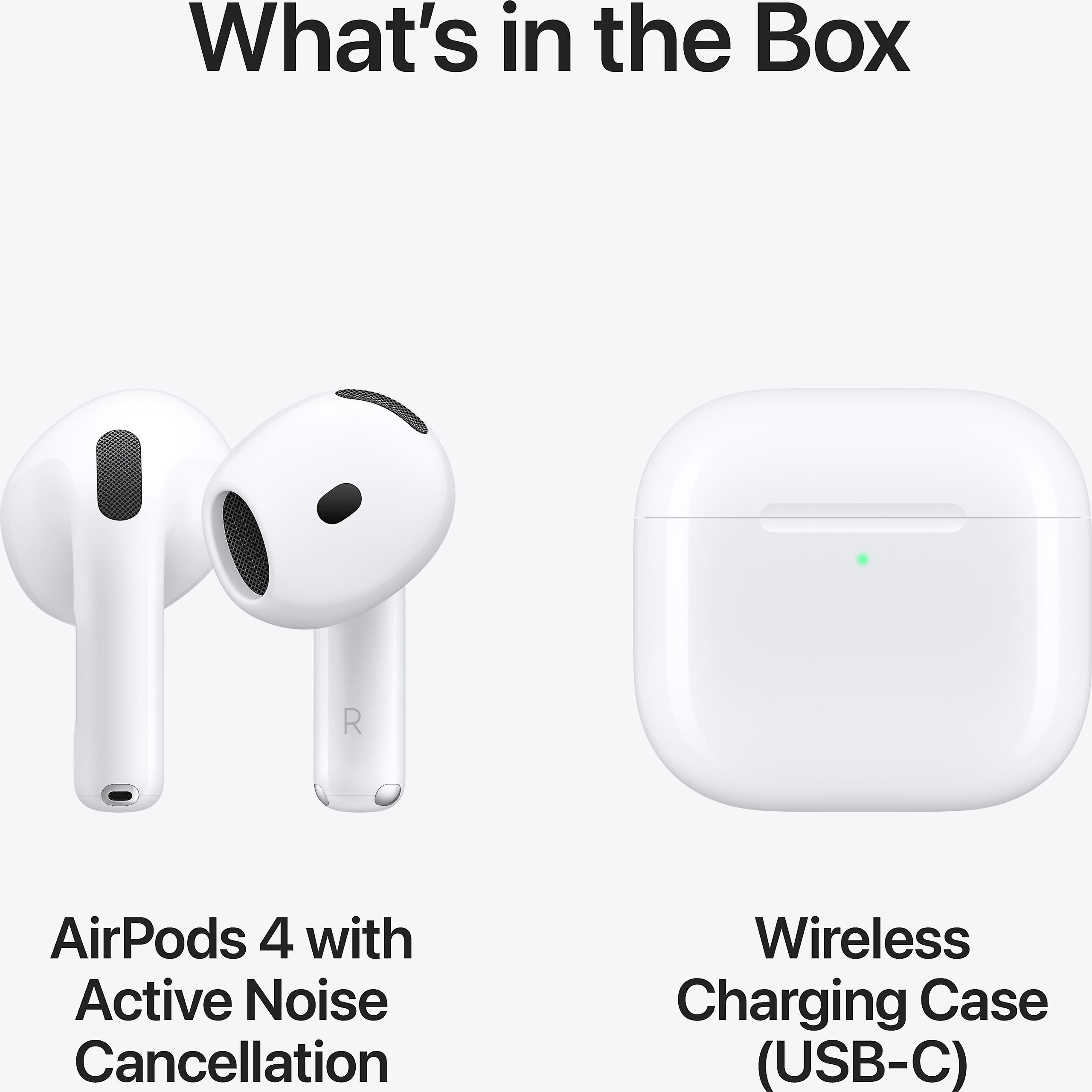
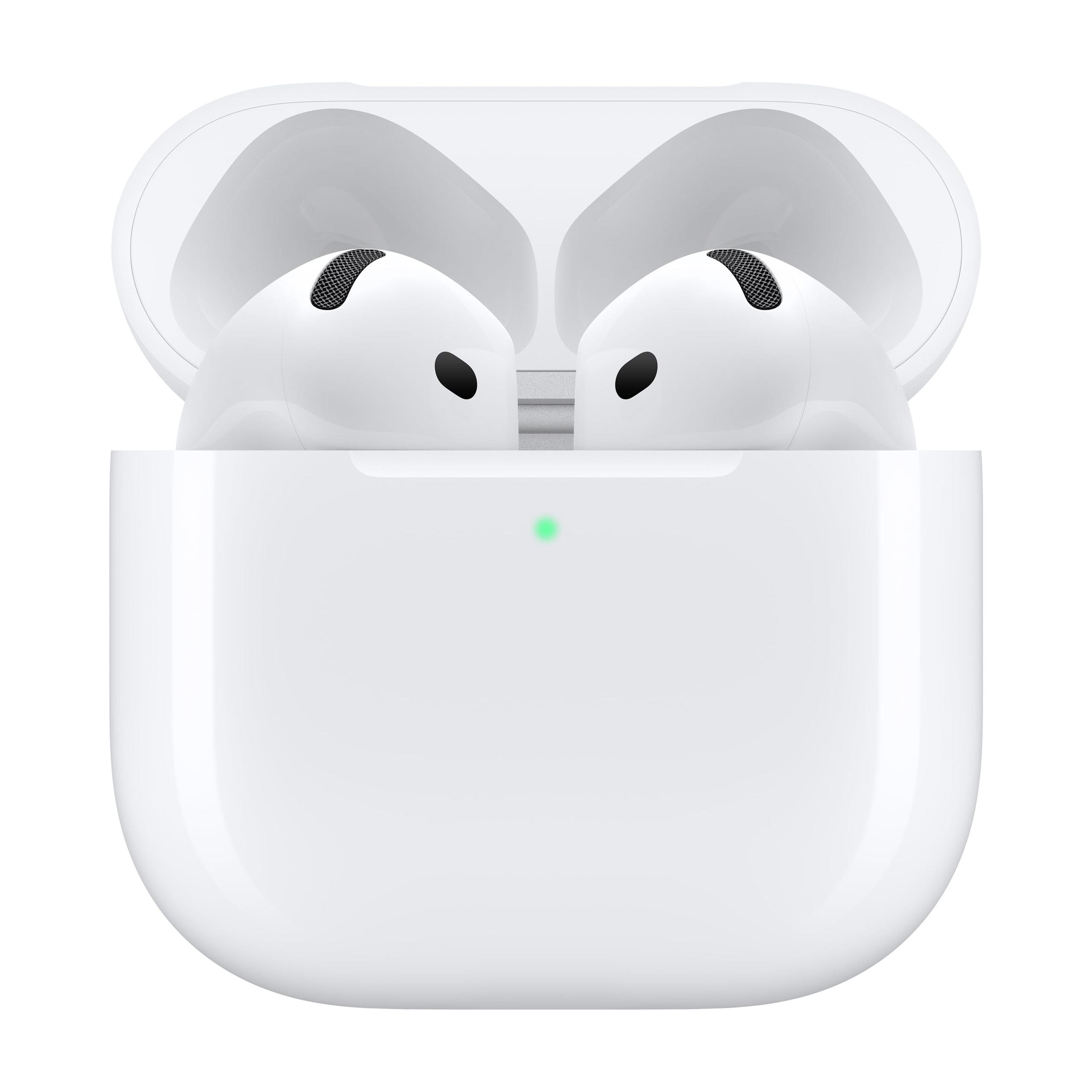
Apple's AirPods 4 with ANC arrived in 2024, representing a significant evolution in Apple's earbud strategy. For the first time, Apple brought active noise cancellation to their open-air design, which was previously considered nearly impossible due to the lack of a physical ear canal seal.
These earbuds are powered by Apple's H2 chip—the same processor found in the premium AirPods Pro 2. This isn't just marketing fluff; the H2 chip enables computational audio processing that wouldn't be possible with older, less powerful processors. It's like having a tiny computer in each earbud that can analyze incoming sound in real-time and make adjustments.
The AirPods 4 also boast better water resistance with an IP54 rating, meaning they can handle more substantial water exposure and dust without damage.
When it comes to sound quality, these two earbuds couldn't be more different in their approach. Audio quality in earbuds depends on several factors: frequency response (how well they reproduce different pitches), soundstage (how spacious the music sounds), detail retrieval (how well you can hear subtle elements in songs), and tonal balance (whether bass, mids, and treble are properly balanced).
Our research into professional reviews and user feedback consistently points to the Samsung Galaxy Buds FE having a more neutral, balanced sound signature. This means they don't dramatically emphasize any particular frequency range—bass doesn't overwhelm the vocals, and treble doesn't become piercing.
The in-ear design gives Samsung a significant advantage here. When earbuds seal your ear canal, they create a controlled acoustic environment where the drivers can work more efficiently. It's similar to how a good pair of headphones creates a sealed chamber around your entire ear. This physical seal means the Galaxy Buds FE can reproduce bass frequencies more accurately without needing to artificially boost them.
Professional measurements show the Galaxy Buds FE have excellent group delay performance—a technical term that describes how different frequencies arrive at your ear. When group delay is good, bass sounds tight and punchy rather than muddy, and treble sounds clear rather than smeared. For most music genres, from jazz to electronic to rock, this balanced approach provides a more authentic listening experience.
The Samsung earbuds also support the Samsung Scalable Codec, a proprietary audio transmission technology that can deliver higher quality audio than standard Bluetooth codecs when paired with Samsung devices. Think of codecs as different languages for sending audio data—some are more efficient and preserve more detail than others.
The Apple AirPods 4 with ANC take a different approach, emphasizing bass frequencies to compensate for their open-air design. Without a physical seal, open-air earbuds naturally lose bass response—it's just physics. Sound waves need some form of containment to build up low-frequency energy.
To combat this, Apple has tuned the AirPods 4 with a bass-heavy signature. While this can make music sound fuller and more engaging, it can also mask detail in the midrange frequencies where vocals and most instruments live. Several professional reviews have noted issues with sibilance—harsh, piercing sounds on "s" and "t" consonants—in the 2-5kHz frequency range.
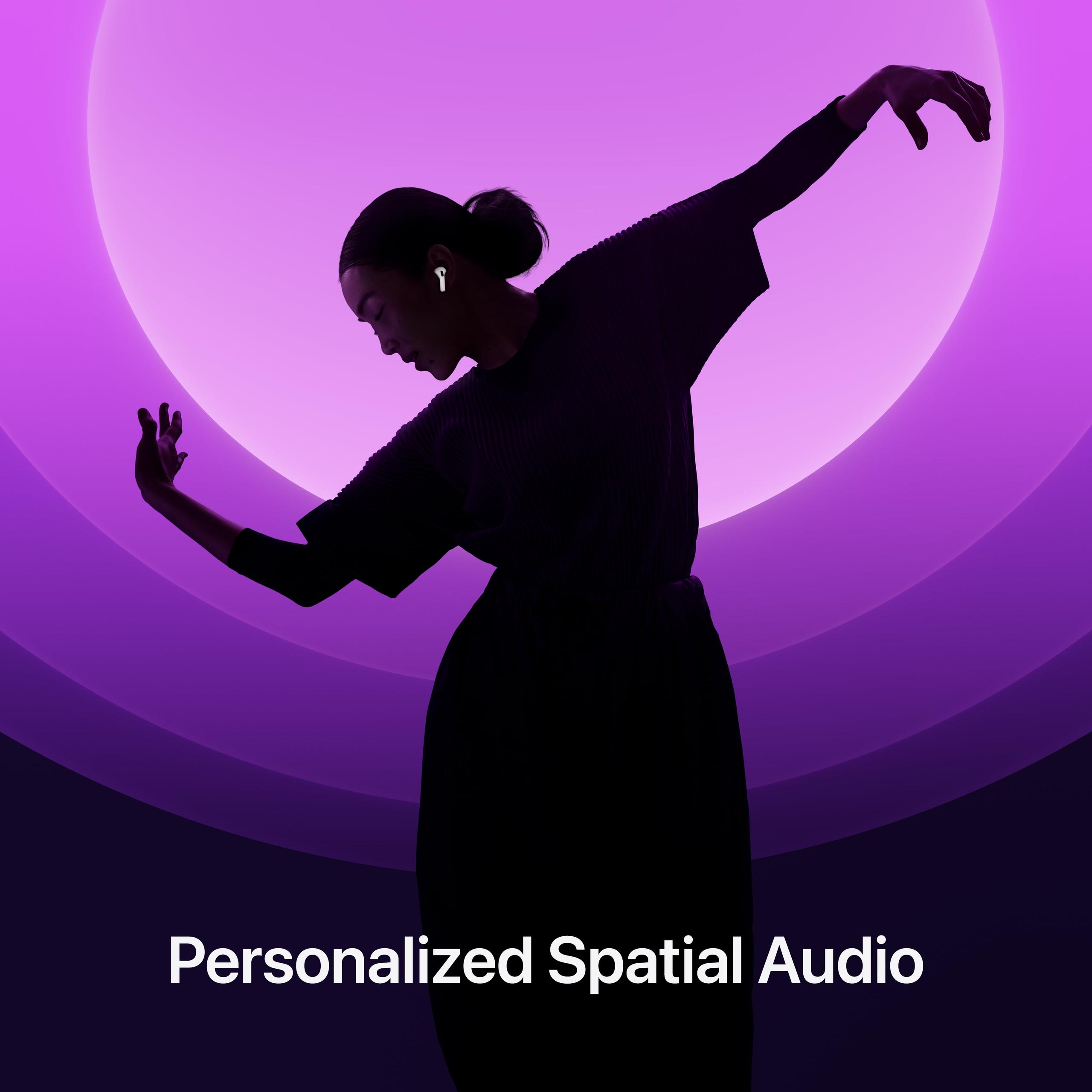
However, Apple's approach isn't without merit. For casual listening, podcasts, and many popular music genres, the warmer, bass-forward sound can be quite enjoyable. The AirPods 4 also support Personalized Spatial Audio, which uses head tracking to create a more immersive listening experience for supported content.
Based on our analysis of multiple professional reviews and user feedback, the Samsung Galaxy Buds FE offer superior audio quality for critical listening. They provide better instrument separation, more natural vocal reproduction, and a wider soundstage. However, the Apple AirPods 4 might be more immediately appealing to casual listeners who prefer a warmer, bass-forward sound.
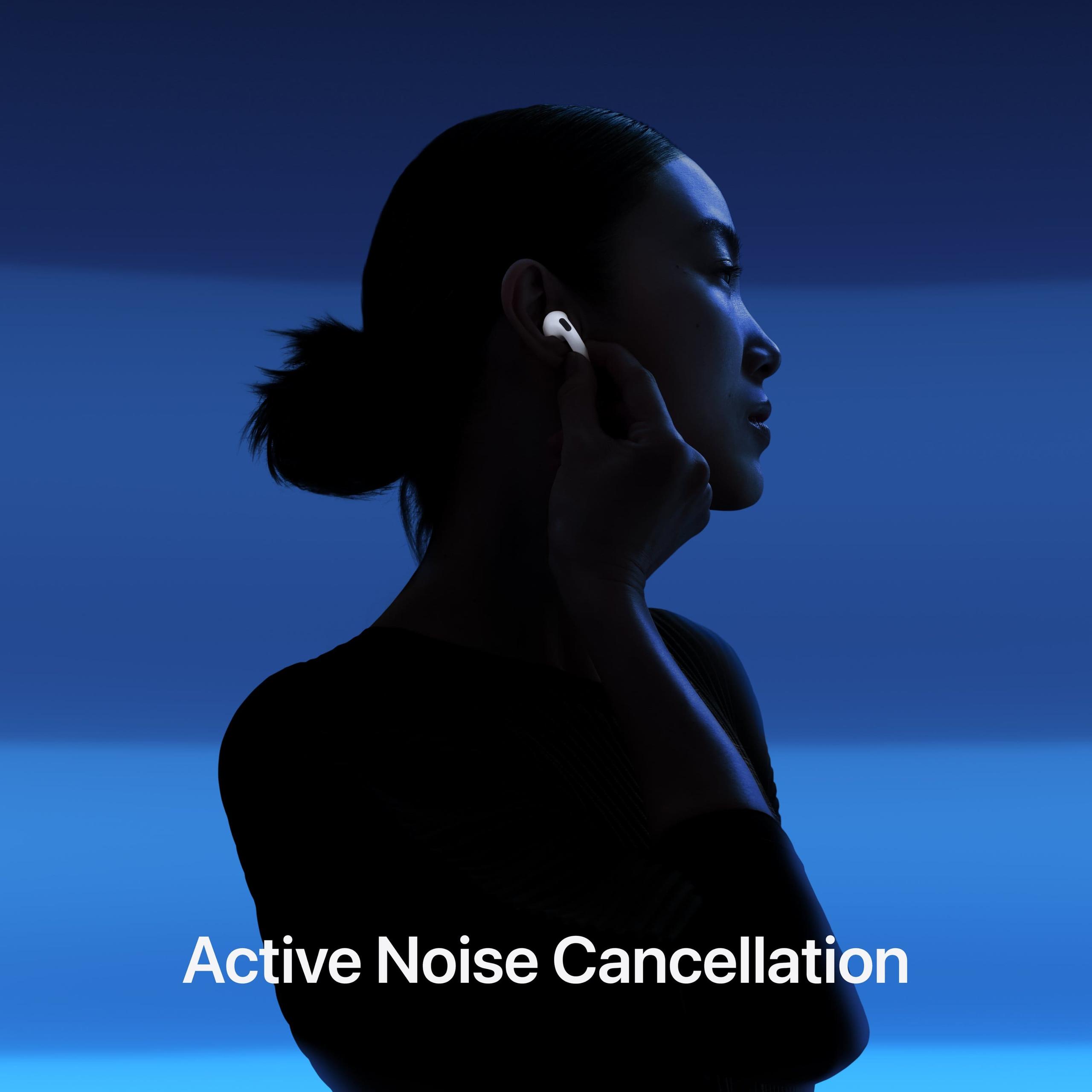
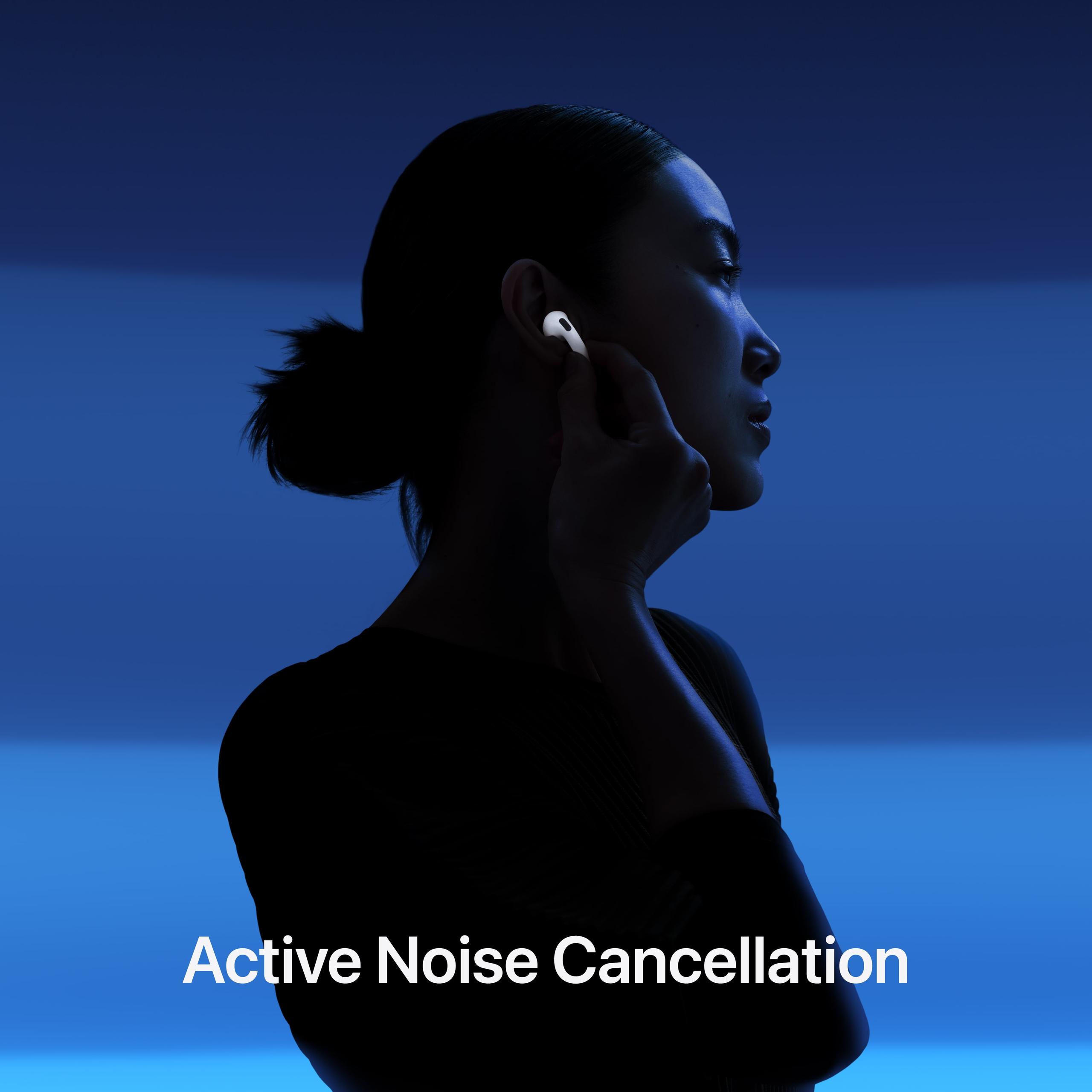
Active Noise Cancellation (ANC) is one of the most impressive technologies in modern earbuds. Here's how it works: microphones on the outside of each earbud pick up ambient noise, then the earbud's processor generates "anti-noise"—sound waves that are the exact opposite of the incoming noise. When these opposing waves meet, they cancel each other out, creating zones of relative silence.
The Apple AirPods 4 with ANC represent a genuine breakthrough in ANC technology. Bringing effective noise cancellation to an open-air design was considered nearly impossible just a few years ago. Apple's H2 chip processes audio at incredibly high speeds, making real-time noise cancellation possible even without the physical seal that traditionally helps ANC work.
The H2 chip enables Adaptive Audio, which automatically blends ANC and Transparency mode based on your environment. If you're walking from a quiet office into a busy street, the earbuds can detect this change and adjust their noise cancellation accordingly. It's like having an audio engineer constantly tweaking your earbuds' settings.
Apple has also implemented Conversation Awareness, which automatically lowers your music volume when it detects you're speaking to someone nearby. While this might sound gimmicky, it's surprisingly useful for quick interactions without removing your earbuds.
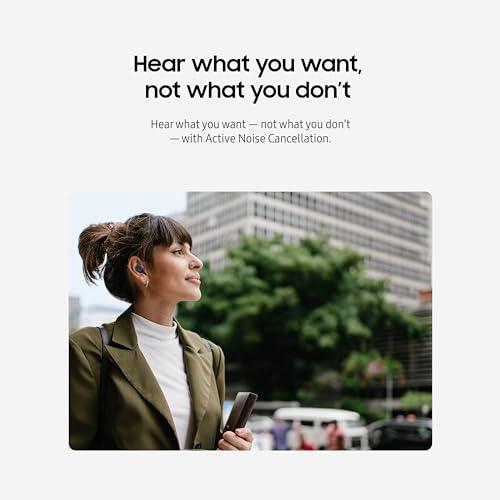
While the Samsung Galaxy Buds FE use older ANC technology, they have a significant advantage: the combination of active and passive noise isolation. The physical ear tip seal blocks high-frequency noise naturally, while the ANC system handles low-frequency rumbles from air conditioners, airplane engines, and traffic.
This hybrid approach often results in better overall noise reduction, even though the ANC technology itself isn't as advanced. Professional measurements show the Galaxy Buds FE can achieve impressive noise reduction across a broader frequency spectrum.
The Samsung earbuds also perform better in windy conditions, where the physical seal helps prevent wind from interfering with the ANC microphones—a common problem with open-air designs.
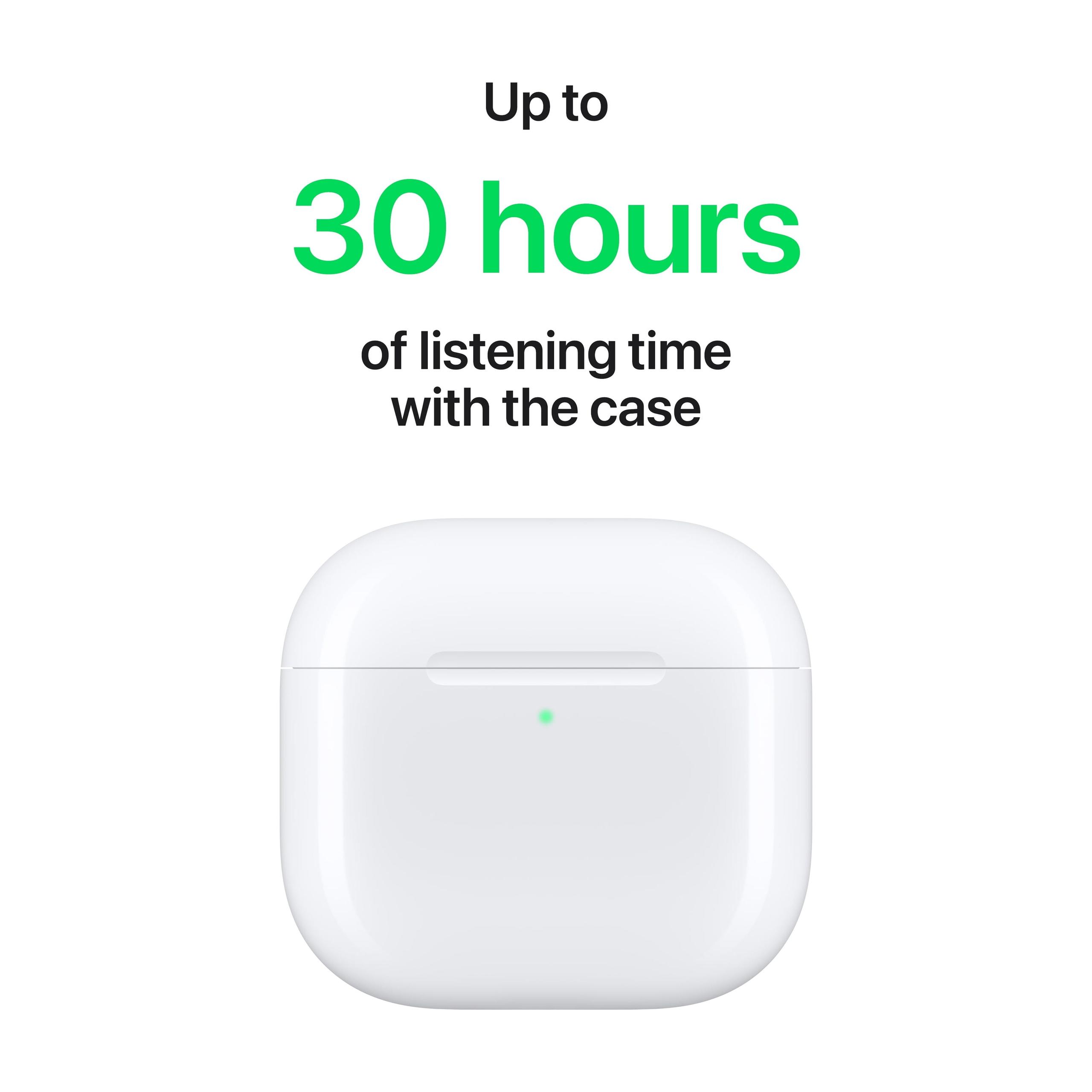
Battery life is where the Samsung Galaxy Buds FE clearly outperform the Apple AirPods 4. The Samsung earbuds provide up to 6 hours of listening time with ANC enabled, extending to 8.5 hours with ANC disabled. The charging case provides multiple additional charges for a total of 21-30 hours depending on ANC usage.
In contrast, the Apple AirPods 4 with ANC manage only 4 hours per charge with ANC enabled, or 5 hours with it disabled. The case provides additional charges for totals of 20-30 hours.
This 2-hour difference per charge might not seem significant, but it's the difference between getting through a full workday on a single charge versus needing to top up during lunch. For long flights, road trips, or marathon study sessions, the Samsung Galaxy Buds FE offer more reliability.
However, Apple wins on charging flexibility. The AirPods 4 support USB-C, wireless charging, and can even charge on an Apple Watch charger in a pinch. Samsung's earbuds only support USB-C charging.
For voice calls and video conferences, microphone quality can make or break your experience. The Samsung Galaxy Buds FE use a three-microphone array in each earbud—two outer microphones and one inner microphone. This setup provides excellent beamforming capability, which means the earbuds can focus on your voice while suppressing background noise.
The physical ear seal also helps with call quality by providing a more stable acoustic environment for the inner microphone. Multiple reviews consistently praise the Galaxy Buds FE's call quality, particularly in windy or noisy environments.
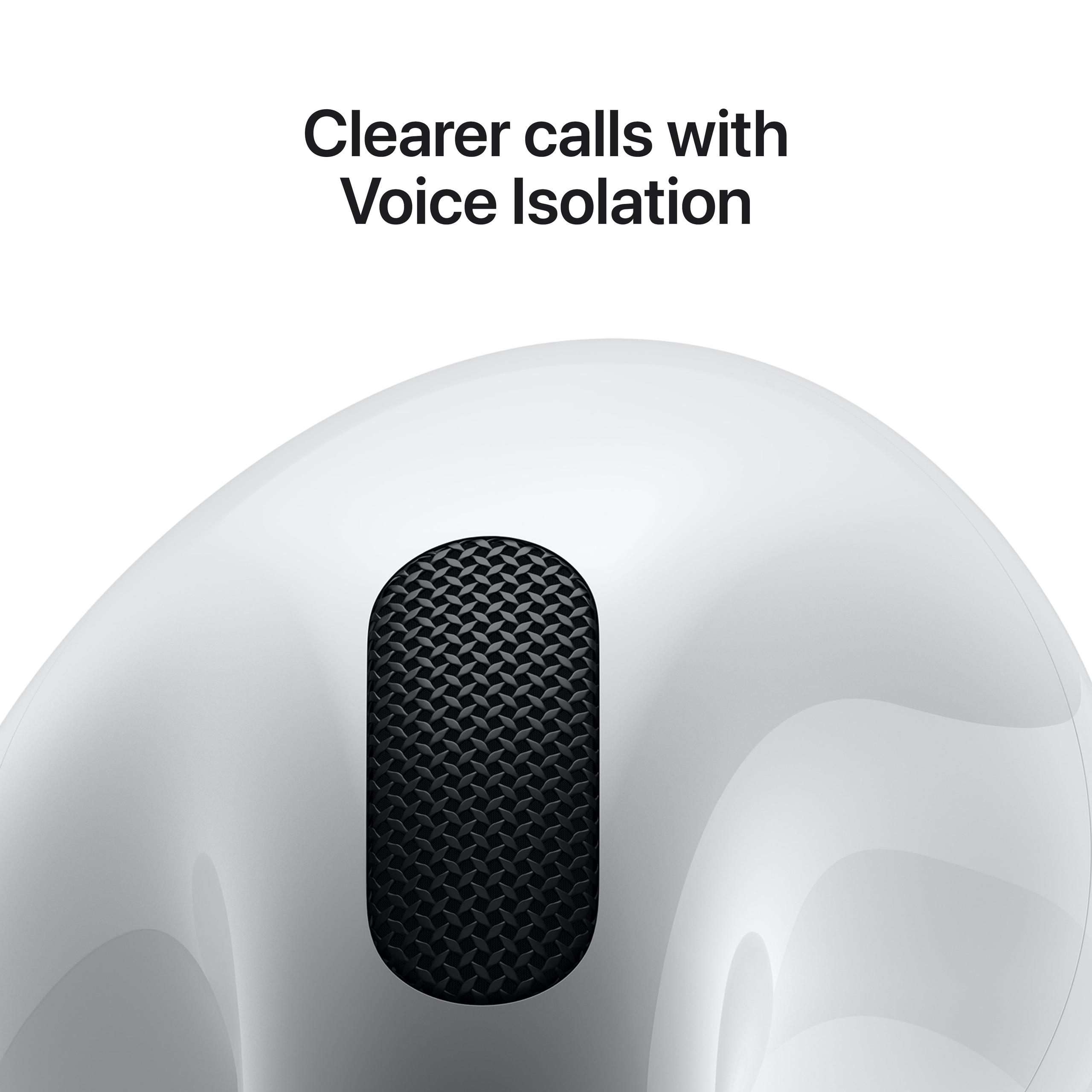
The Apple AirPods 4 use dual beamforming microphones with Voice Isolation technology. While Apple's computational audio processing is impressive, the lack of a physical seal means your voice can compete with environmental noise more easily. The results are generally good for calls in quiet environments but may struggle in challenging conditions.
This is where your choice of smartphone becomes crucial. Both earbuds work with any Bluetooth device, but they're optimized for their respective ecosystems.
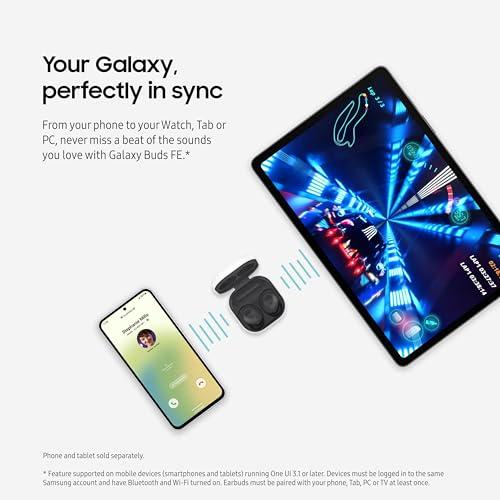
The Samsung Galaxy Buds FE shine brightest when paired with Samsung Galaxy devices. Features like Auto Switch (seamlessly moving between your phone, tablet, and laptop), SmartThings Find (locating lost earbuds), and access to the Samsung Scalable Codec are exclusive to Samsung's ecosystem.
On Android devices, you can access the Galaxy Wearable app for EQ customization, firmware updates, and feature toggles. However, iPhone users are limited to basic Bluetooth functionality with no companion app.
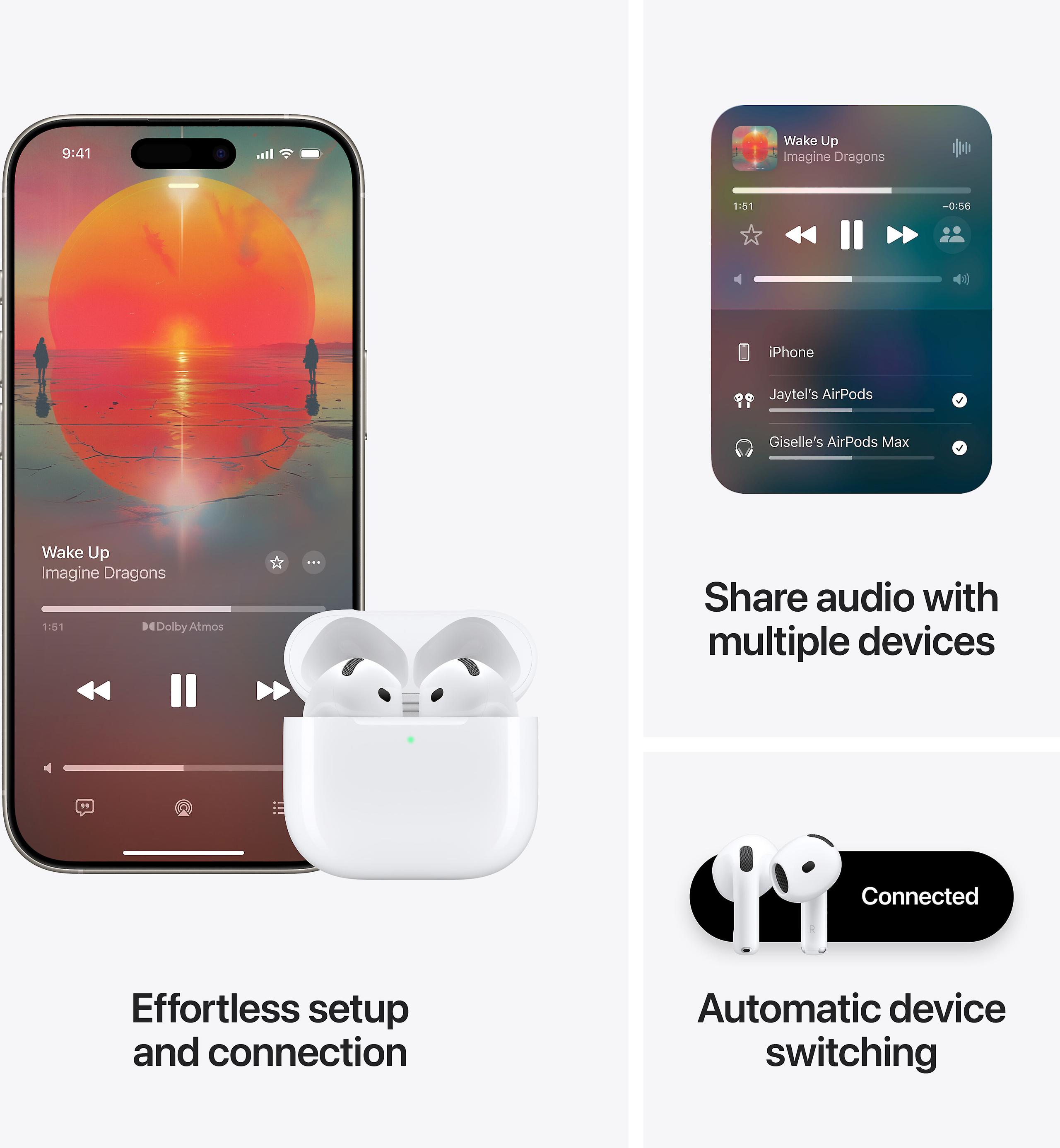
The Apple AirPods 4 offer typical Apple magic when paired with iOS devices. They pair instantly, switch seamlessly between your iPhone, iPad, and Mac, and integrate with Apple's Find My network for tracking lost earbuds.
Apple's Spatial Audio with head tracking works particularly well for movies and TV shows, creating a convincing surround sound experience that follows your head movements. This feature is exclusive to Apple devices and content that supports it.
On Android, the AirPods 4 work but lose most of their advanced features, including EQ adjustments and firmware updates.
For home theater applications, both earbuds offer interesting possibilities, though with different strengths. The Apple AirPods 4 excel with Apple TV and other Apple devices through Spatial Audio support, which can create an impressive surround sound experience for movies and shows.
The open-air design of the AirPods 4 also allows for better environmental awareness, so you can still hear doorbells, phone calls, or family members while watching content.
The Samsung Galaxy Buds FE provide better sound isolation for immersive viewing experiences and superior audio quality for music-heavy content. However, they lack the spatial audio features that make the Apple earbuds special for video content.
After analyzing performance, features, and value propositions, here's our recommendation:
You prioritize audio quality above all else. The balanced sound signature, better detail retrieval, and superior call quality make these earbuds excellent for music lovers and professionals who spend a lot of time on calls.
You want maximum battery life for long listening sessions without interruption.
You prefer a secure, stable fit that won't fall out during exercise or daily activities.
You primarily use Android devices, especially Samsung phones, where you'll get the most features and integration.
You want the best overall value—more performance per dollar spent.
You're deeply integrated into the Apple ecosystem and want seamless device switching and features like Spatial Audio.
You prioritize comfort over everything else and find in-ear designs uncomfortable for extended wear.
You value cutting-edge ANC technology and want the most advanced noise cancellation available in an open-air design.
You frequently watch video content and want the immersive experience of Spatial Audio with head tracking.
You're willing to pay a premium for Apple's brand reputation and ecosystem integration.
Both the Samsung Galaxy Buds FE and Apple AirPods 4 with ANC represent excellent value in the wireless earbuds space, but they serve different audiences and priorities.
The Samsung Galaxy Buds FE offer the better overall package for most people: superior audio quality, longer battery life, better call performance, and more affordable pricing. They're the clear choice for Android users and anyone who prioritizes pure performance over ecosystem features.
The Apple AirPods 4 with ANC represent a technological achievement in bringing ANC to an open-air design, but they come with compromises in battery life, audio quality, and pricing. They're best suited for iOS users who value comfort and ecosystem integration over maximum performance.
Ultimately, your choice should be guided by your smartphone ecosystem, comfort preferences, and what you value most in your daily listening experience. Both earbuds will serve you well, but one will likely feel like a more natural fit for your lifestyle and priorities.
| Samsung Galaxy Buds FE | Apple AirPods 4 with ANC |
|---|---|
| Design Philosophy - Fundamentally affects comfort and sound quality | |
| In-ear with silicone tips and stability wings for secure seal | Open-air design rests in outer ear without sealing ear canal |
| Active Noise Cancellation Technology - Critical for blocking unwanted noise | |
| Traditional ANC combined with passive isolation from ear tips | Advanced H2 chip enables ANC in open-air design (industry first) |
| Audio Quality - Most important factor for music enjoyment | |
| Balanced, neutral sound signature with superior midrange clarity | Bass-heavy tuning to compensate for open design, some sibilance issues |
| Battery Life Per Charge - Determines daily usability without charging | |
| 6 hours (ANC on) / 8.5 hours (ANC off) | 4 hours (ANC on) / 5 hours (ANC off) |
| Total Battery Life with Case - Important for travel and long days | |
| 21 hours (ANC on) / 30 hours (ANC off) | 20 hours (ANC on) / 30 hours (ANC off) |
| Water/Dust Resistance - Protection level for workouts and weather | |
| IPX2 (light sweat and rain protection) | IP54 (better protection against water and dust) |
| Microphone Setup - Affects call quality and voice clarity | |
| 3 microphones per earbud with excellent wind noise reduction | Dual beamforming mics with Voice Isolation technology |
| Bluetooth Codec Support - Determines audio quality over wireless connection | |
| SBC, AAC, Samsung Scalable Codec (Samsung devices only) | SBC, AAC (standard codecs only) |
| Platform Integration - Features available depend on your devices | |
| Full features on Samsung/Android, basic functionality on iOS | Full features on iOS/macOS, limited functionality on Android |
| Charging Options - Convenience factor for daily use | |
| USB-C only | USB-C, wireless charging, Apple Watch charger compatible |
| Special Features - Unique capabilities that set each apart | |
| Auto Switch between Samsung Galaxy Buds FE devices, SmartThings Find | Spatial Audio with head tracking, Conversation Awareness, Adaptive Audio |
| Release Year - Indicates technology generation and current availability | |
| 2023 (established, proven design) | 2024 (latest technology, newer features) |
The Samsung Galaxy Buds FE offer superior sound quality with a more balanced, neutral audio signature that provides better midrange clarity and instrument separation. The Apple AirPods 4 with ANC have a bass-heavy tuning that can mask vocal details, though some users prefer this warmer sound for casual listening.
The Apple AirPods 4 with ANC feature more advanced noise cancellation technology powered by the H2 chip, but the Samsung Galaxy Buds FE achieve better overall noise isolation through the combination of active noise cancellation and passive isolation from their in-ear design with silicone tips.
The Samsung Galaxy Buds FE provide significantly longer battery life with 6 hours per charge (ANC on) compared to the Apple AirPods 4 which offer only 4 hours per charge with ANC enabled. This 2-hour difference means fewer charging interruptions during long listening sessions.
Comfort depends on personal preference. The Apple AirPods 4 with ANC use an open-air design that many find more comfortable for all-day wear, while the Samsung Galaxy Buds FE offer a more secure in-ear fit with stability wings that stay put during exercise but may cause fatigue for some users.
The Samsung Galaxy Buds FE work significantly better with Android devices, especially Samsung phones, offering features like Auto Switch, customizable EQ, and Samsung Scalable Codec support. The Apple AirPods 4 provide only basic Bluetooth functionality on Android with no companion app or advanced features.
The Samsung Galaxy Buds FE deliver superior call quality thanks to their three-microphone array per earbud and better wind noise reduction from the in-ear seal. The Apple AirPods 4 with ANC offer good call quality in quiet environments but struggle more in noisy or windy conditions.
The Samsung Galaxy Buds FE are better for workouts due to their secure in-ear fit with stability wings that won't fall out during movement. However, the Apple AirPods 4 have better water resistance (IP54 vs IPX2) for protection against sweat and moisture.
The Samsung Galaxy Buds FE offer extensive sound customization through the Galaxy Wearable app with multiple EQ presets and custom settings. The Apple AirPods 4 with ANC have very limited EQ options, only available through iOS Accessibility settings for iPhone and iPad users.
The Apple AirPods 4 with ANC are designed specifically for iPhone users, offering seamless pairing, automatic device switching, Spatial Audio, and integration with Apple's ecosystem. The Samsung Galaxy Buds FE work with iPhones but lose most advanced features and have no companion app.
The Apple AirPods 4 with ANC support multiple charging methods including USB-C, Qi wireless charging, and Apple Watch chargers. The Samsung Galaxy Buds FE only support USB-C wired charging with no wireless charging capability.
The Samsung Galaxy Buds FE typically offer better value with superior audio quality, longer battery life, and better call performance at a lower price point. The Apple AirPods 4 cost more but provide premium ecosystem integration and advanced ANC technology for iOS users.
For movies and TV shows, the Apple AirPods 4 with ANC excel with Spatial Audio support that creates an immersive surround sound experience with head tracking on compatible Apple devices. The Samsung Galaxy Buds FE provide better sound isolation for focused viewing but lack spatial audio features.
We've done our best to create useful and informative comparisons to help you decide what product to buy. Our research uses advanced automated methods to create this comparison and perfection is not possible - please contact us for corrections or questions. These are the sites we've researched in the creation of this article: rtings.com - soundguys.com - scarbir.com - versus.com - headphones.com - androidcentral.com - youtube.com - scarbir.com - r1.community.samsung.com - rtings.com - soundguys.com - loudnwireless.com - youtube.com - youtube.com - loudnwireless.com - samsung.com - soundguys.com - samsung.com - samsung.com - samsung.com - head-fi.org - samsung.com - sammobile.com - soundguys.com - techradar.com - youtube.com - news.samsung.com - tomsguide.com - apple.com - youtube.com - apple.com - staples.com - support.apple.com - connection.com - support.apple.com - pcrichard.com - adorama.com - zones.com - cdw.com

Privacy Policy
Terms and Conditions - Affiliate Policy
Home Security
© Copyright 2008-2026.
11816 Inwood Rd #1211, Dallas, TX 75244