

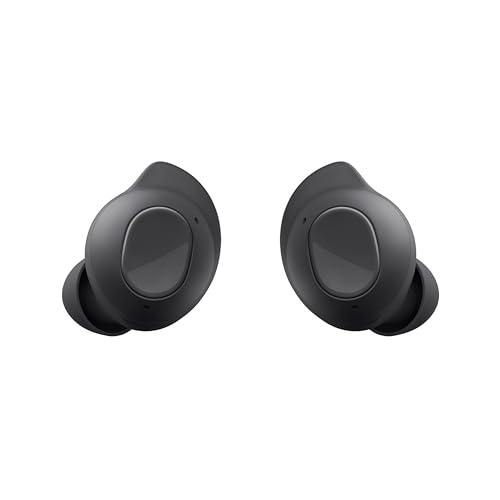
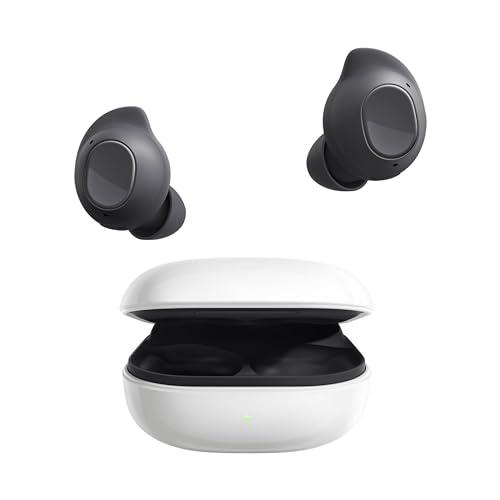
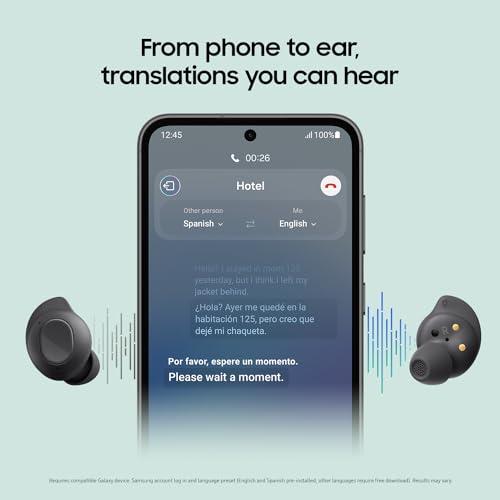
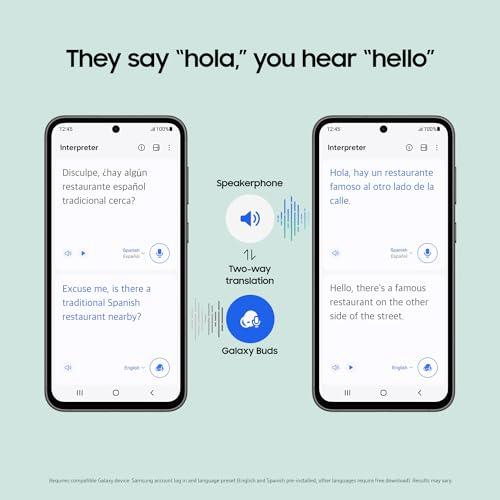
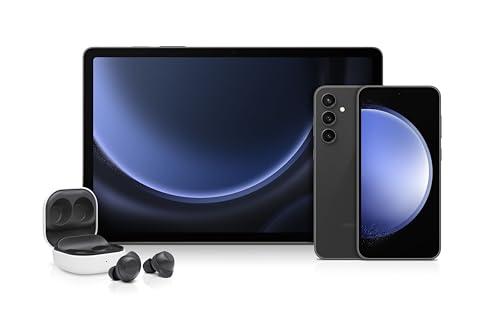

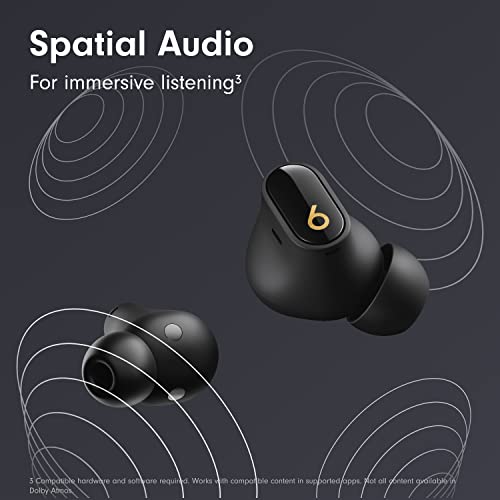
The true wireless earbuds market has exploded over the past few years, with manufacturers racing to pack flagship features into increasingly affordable packages. Two standout contenders in the premium budget segment are Samsung's Galaxy Buds FE and the Beats Studio Buds Plus. Both launched in 2023 and represent their respective brands' attempts to bring high-end audio technology to mainstream price points—but they take notably different approaches to get there.
At the time of writing, both models sit in that sweet spot where you're getting serious performance without breaking the bank. The Samsung Galaxy Buds FE typically retail for around $20 less than the Beats Studio Buds Plus, but that small price difference translates into some interesting trade-offs that could significantly impact your listening experience.
Before diving into the nitty-gritty comparisons, it's worth understanding what separates premium earbuds from basic models. The key technologies that define this category include active noise cancellation (ANC)—which uses microphones and digital processing to cancel out ambient noise—and advanced audio codecs that compress and decompress music files to maintain quality over Bluetooth connections. Both earbuds also feature multiple microphones for call quality, touch or button controls, and companion apps that unlock additional features.
The Galaxy Buds FE and Studio Buds Plus represent different philosophies in earbud design. Samsung focuses on ecosystem integration and technical versatility, while Beats emphasizes bold sound signatures and cross-platform compatibility. These fundamental differences ripple through every aspect of their performance.
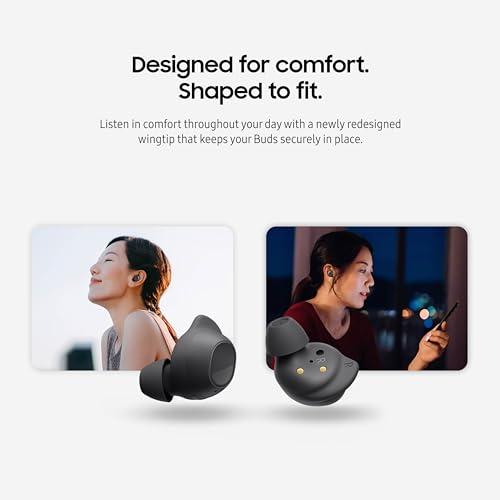
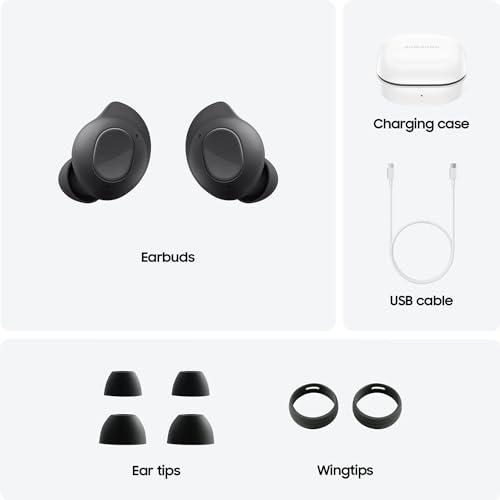
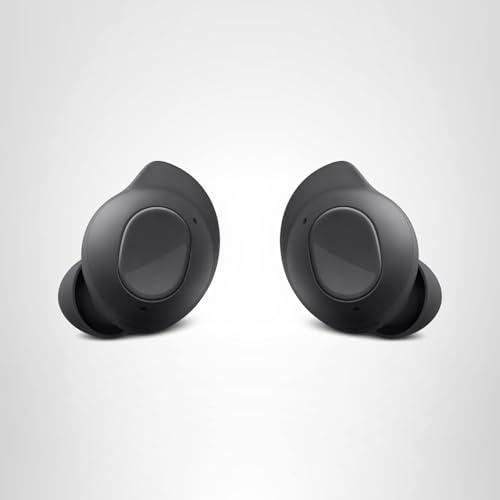
The physical design of earbuds dramatically impacts daily usability, and these two models showcase contrasting approaches. The Samsung Galaxy Buds FE stick with a traditional in-ear design that includes stability wings—small rubber fins that hook into your ear's contours for a more secure fit. At 5.6 grams per earbud, they're lightweight enough for extended wear, and the included wingtips come in two sizes alongside three ear tip options to help you find the perfect seal.
That secure seal isn't just about comfort—it's crucial for sound quality and noise cancellation. When earbuds don't fit properly, bass response drops dramatically and ANC becomes far less effective. The Galaxy Buds FE's stability wings give them an edge here, particularly if you plan to use them during exercise or while moving around frequently.
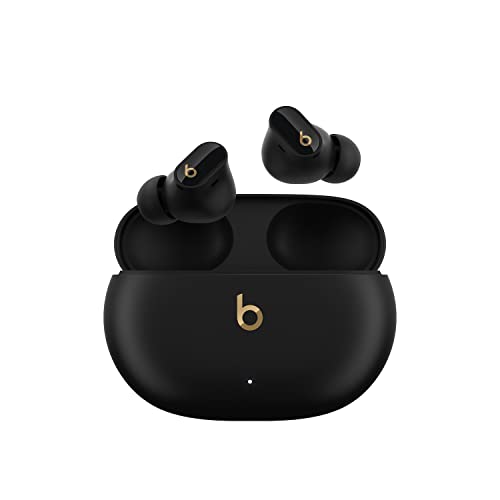
The Beats Studio Buds Plus, on the other hand, opt for a more minimalist approach. Weighing just 5 grams per bud, they're among the lighter options available and include four ear tip sizes ranging from extra-small to large. The stem-free design looks sleek and feels less intrusive, but without stability features, they rely entirely on the ear tips for security. This works fine for most casual listening, but intense workouts might cause them to shift or fall out.
One clear advantage for the Beats is durability. Their IPX4 water resistance rating means they can handle splashes, sweat, and light rain without issue. The Samsung buds only achieve IPX2 rating, which protects against light moisture but isn't suitable for serious exercise or outdoor activities in wet conditions.
This is where the philosophical differences between Samsung and Beats become most apparent. The Galaxy Buds FE deliver what audio engineers would call a "reference-tuned" sound signature—meaning they aim for accuracy across all frequency ranges. The bass is present and impactful without overwhelming the mids and highs, vocals sound natural and clear, and instruments maintain their distinct characteristics.
In technical terms, the Samsung earbuds demonstrate excellent group delay performance, which means low frequencies (bass) and high frequencies (treble) arrive at your ears at the same time, creating a coherent soundstage. Their driver matching—how closely the left and right earbuds reproduce the same frequencies—is outstanding, ensuring a balanced stereo image that places instruments and voices precisely where they should be.
The Beats Studio Buds Plus take a completely different approach. They're tuned for excitement and energy, with emphasized bass that makes hip-hop, EDM, and pop music feel more dynamic and engaging. The custom two-layer transducers (the tiny speakers inside each earbud) are specifically designed to deliver clean, punchy bass without the muddiness that often plagues bass-heavy earbuds.
However, this bass emphasis comes with trade-offs. The midrange, where vocals and many instruments live, can sound slightly recessed compared to the Samsung buds. The treble (high frequencies) also gets boosted to maintain clarity, but this can make vocals and cymbals sound harsh or sibilant, especially if you're sensitive to bright sound signatures.
Here's where personal preference becomes crucial. If you primarily listen to podcasts, classical music, jazz, or acoustic genres, the Galaxy Buds FE's balanced approach will likely sound more natural and detailed. But if your playlist is dominated by modern pop, hip-hop, or electronic music, the Beats' Studio Buds Plus' energetic tuning might be exactly what you're looking for.
One area where Samsung pulls significantly ahead is sound customization. The Galaxy Wearable app includes six EQ presets and detailed manual tuning options, letting you adjust the sound signature to match your preferences or optimize for different music genres. This flexibility is invaluable—you can tame the bass for classical music, boost the mids for podcasts, or create a completely custom sound profile.
The Beats Studio Buds Plus offer essentially no sound customization. What you hear out of the box is what you get, which can be frustrating if the default tuning doesn't match your taste. This "take it or leave it" approach is increasingly rare in premium earbuds, and it feels like a significant omission given the price point.
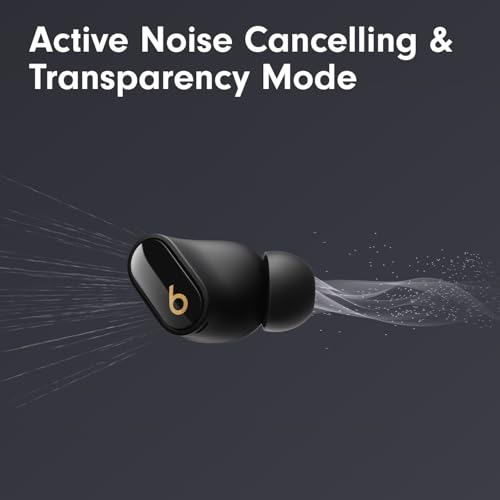
Both earbuds feature active noise cancellation, but their effectiveness varies significantly across different types of noise. ANC works by using external microphones to detect ambient sound, then generating "anti-noise" waves that cancel out those frequencies. It's most effective against consistent, low-frequency sounds like airplane engines or air conditioning systems.
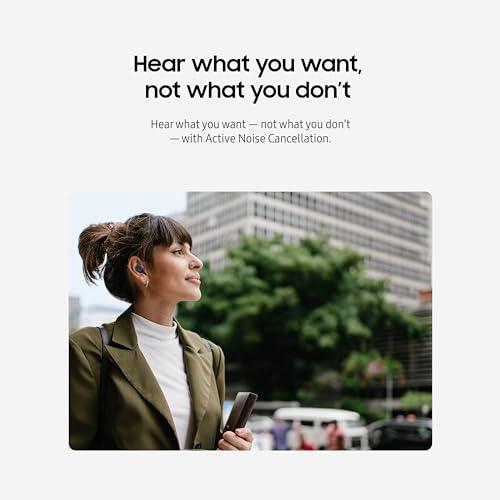
The Samsung Galaxy Buds FE punch well above their weight class in ANC performance. They can reduce ambient noise by up to 30 decibels, which is impressive for any earbuds, let alone budget-friendly ones. In real-world testing, they excel at blocking the low rumble of buses, the hum of office HVAC systems, and the general din of busy environments. The combination of effective ANC and excellent passive isolation (the physical seal created by the ear tips) makes them remarkably quiet.
What's particularly impressive is how the Galaxy Buds FE handle mixed-frequency environments. While walking down a busy street, they effectively reduce traffic noise, pedestrian chatter, and construction sounds simultaneously. The ANC adapts well to changing conditions and doesn't introduce the pressure sensation or "white noise hiss" that some budget ANC implementations suffer from.
The Beats Studio Buds Plus also deliver solid noise cancellation, with Beats claiming 1.6 times more ANC power than the previous generation. They're particularly effective against mid-range frequencies like office conversations and airplane cabin noise. However, they struggle more with higher-pitched sounds and don't quite match the Samsung buds' overall isolation performance.
Where the Beats do excel is in transparency mode—the feature that lets ambient sound through so you can hear your surroundings. Their transparency mode sounds more natural and less processed than Samsung's ambient sound mode, making it better for situations where you need situational awareness, like walking in traffic or having conversations.
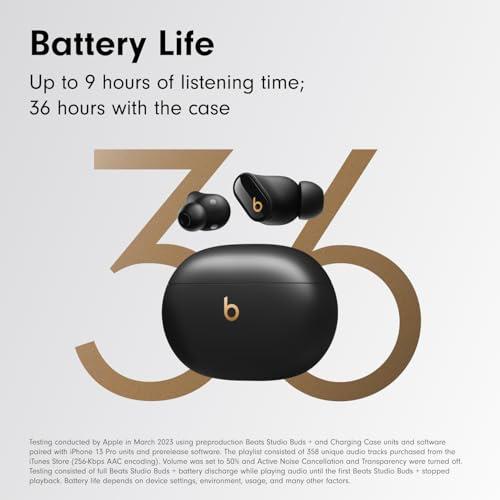
Battery performance is where we see some interesting trade-offs between the two models. The Beats Studio Buds Plus offer longer listening sessions, with up to 9 hours per charge when ANC is disabled and 6 hours with ANC enabled. Combined with the charging case, you're looking at up to 36 hours of total listening time with ANC off, or 24 hours with ANC on.
The Samsung Galaxy Buds FE provide shorter per-charge battery life at 8.5 hours (ANC off) and 6 hours (ANC on) per charge. However, the total battery life is still respectable at 30 hours (ANC off) and 21 hours (ANC on) with the case. Where Samsung gains ground is convenience—their case supports wireless charging, meaning you can simply drop it on a Qi charging pad rather than fumbling with cables.
Both earbuds support fast charging, providing about an hour of listening time from a 5-minute charge, which is handy when you're rushing out the door and realize your earbuds are dead.
This is an area where the Samsung Galaxy Buds FE significantly outperform the Beats Studio Buds Plus. Samsung employs three microphones per earbud combined with AI-powered noise reduction algorithms that do an exceptional job of isolating your voice from background noise.
In practical terms, this means you can take calls in coffee shops, on busy streets, or in open offices without the person on the other end struggling to hear you. The AI processing adapts in real-time to changing noise conditions, gradually reducing sudden sounds like door slams or keyboard typing while keeping your voice clear and natural.
The Beats Studio Buds Plus have improved their microphone system over the previous generation, with three larger, more sensitive microphones per earbud. Call quality is decent in quiet environments, but they struggle more in noisy situations. Voices can sound thin and lacking warmth, and background noise is more likely to leak through during calls.
If you frequently take phone calls or participate in video conferences, the Galaxy Buds FE are the clear winner here.
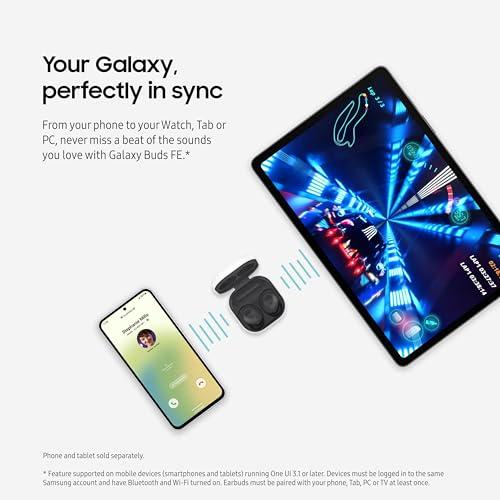
This is where the two approaches to earbud design become most apparent. The Samsung Galaxy Buds FE are deeply integrated with Samsung's ecosystem, offering features like Auto Switch (seamlessly moving between your Samsung phone, tablet, and laptop), Samsung Scalable Codec for higher-quality audio on Samsung devices, and SmartThings Find for tracking down lost earbuds.
The Samsung Scalable Codec is particularly interesting—it's a proprietary audio codec that dynamically adjusts quality based on your Bluetooth connection strength, potentially delivering better sound than standard codecs like SBC or AAC. However, this only works with Samsung devices, so iPhone or non-Samsung Android users won't benefit.
The Beats Studio Buds Plus take the opposite approach, focusing on universal compatibility. They work equally well with iOS and Android devices, offering features like one-touch pairing, automatic device switching, and Find My support on both platforms. This makes them a better choice if you use devices from multiple manufacturers or frequently switch between iOS and Android.
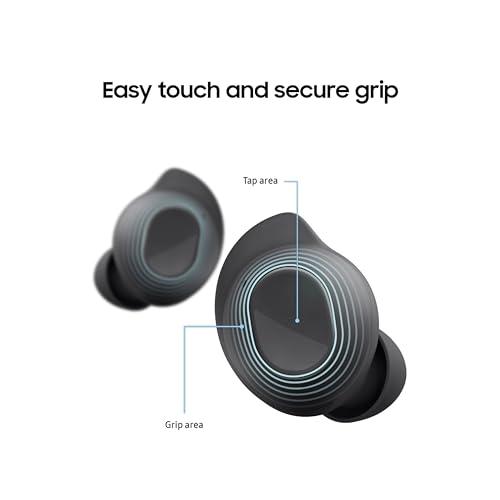
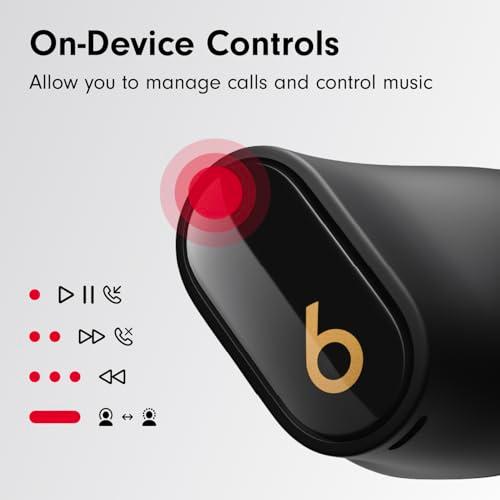
Both earbuds use physical controls, but with different philosophies. The Samsung buds employ touch controls with customizable gestures—tap once to play/pause, tap twice to skip forward, tap three times to skip backward, and hold to cycle through ANC modes. The Beats use physical buttons that provide more reliable feedback and eliminate accidental triggering, though some users find them require more pressure to activate.
For mobile gaming enthusiasts, both earbuds offer low-latency modes, but with different implementations. The Samsung Galaxy Buds FE include a gaming mode that reduces audio delay when connected to Samsung devices, making them suitable for action games where audio-visual synchronization matters.
The Beats Studio Buds Plus support Bluetooth 5.3, which inherently offers lower latency than older Bluetooth versions, but they don't have a dedicated gaming mode. For casual gaming, either will work fine, but serious mobile gamers might prefer the Samsung option if they're using compatible devices.
Neither earbud is specifically designed for home theater use, as their Bluetooth-only connectivity introduces latency that makes them unsuitable for watching movies or TV shows where lip-sync accuracy matters. However, if you need personal audio for late-night viewing or live in a situation where you can't use speakers, both can work in a pinch.
The Samsung Galaxy Buds FE might have a slight edge here due to their more balanced sound signature, which won't emphasize explosions and action sequences at the expense of dialogue clarity. Their superior ANC also helps if you're watching in a noisy environment.
After extensive research into user experiences and expert reviews, clear patterns emerge for who each earbud serves best.
Choose the Samsung Galaxy Buds FE if you want the best overall value and versatility. They excel at almost everything—sound quality, noise cancellation, call performance, and customization options—while maintaining excellent comfort for extended wear. They're particularly compelling if you're already invested in Samsung's ecosystem or if you prioritize features over brand recognition. The wireless charging case and superior ANC make them ideal for frequent travelers, while the balanced sound signature works well across all music genres.
The Beats Studio Buds Plus make more sense if you prioritize maximum battery life and cross-platform compatibility. They're the better choice for bass-heavy music lovers who don't mind the lack of EQ customization, and their superior water resistance makes them more suitable for active lifestyles. If you regularly switch between iPhone and Android devices, or if you simply prefer the engaging, energetic sound signature that Beats is known for, they'll serve you well.
Both earbuds represent excellent value in the premium budget segment, but they serve different priorities. The Samsung Galaxy Buds FE offer better overall performance and versatility at a slightly lower price point, making them the smarter choice for most users. However, the Beats Studio Buds Plus excel in specific areas—battery life, durability, and bass-heavy music reproduction—that might be decisive factors for certain users.
The lack of sound customization in the Beats feels increasingly outdated in 2024, while the Samsung buds' lower water resistance rating limits their exercise applications. Neither is perfect, but both deliver flagship-level features at accessible prices.
At the time of writing, both models represent strong value propositions in their respective price ranges. Your choice ultimately comes down to whether you prioritize Samsung's technical excellence and ecosystem integration, or Beats' bold sound signature and universal compatibility.
| Samsung Galaxy Buds FE | Beats Studio Buds Plus |
|---|---|
| Sound Signature - Determines what music genres sound best | |
| Balanced, warm profile with controlled bass and natural mids | Bass-forward, energetic tuning optimized for hip-hop/EDM |
| Sound Customization - Critical for personalizing audio to your taste | |
| Full EQ with 6 presets plus manual tuning in Galaxy Wearable app | No EQ or sound customization available |
| Active Noise Cancellation - Essential for commuting and focus | |
| Up to 30dB reduction, excellent across all frequencies | 1.6x improved ANC, strong for mid-range sounds |
| Battery Life per Charge - How long before needing the case | |
| 6 hours (ANC on) / 8.5 hours (ANC off) | 6 hours (ANC on) / 9 hours (ANC off) |
| Total Battery with Case - Important for travel and all-day use | |
| 21 hours (ANC on) / 30 hours (ANC off) | 24 hours (ANC on) / 36 hours (ANC off) |
| Charging Options - Convenience factor for daily use | |
| USB-C wired + Qi wireless charging | USB-C wired only |
| Water Resistance - Durability for exercise and weather | |
| IPX2 (light moisture protection) | IPX4 (splash and sweat proof) |
| Call Quality - Critical for work calls and video conferences | |
| Excellent with 3 mics + AI noise reduction | Good but voices can sound thin in noisy environments |
| Fit Security - Important for exercise and active use | |
| Stability wings included for secure fit during movement | Relies on ear tips only, may shift during intense activity |
| Platform Compatibility - Affects feature availability | |
| Best with Samsung devices, basic Bluetooth elsewhere | Equal optimization for both iOS and Android |
| Controls - Daily usability factor | |
| Touch controls (customizable but can be accidentally triggered) | Physical buttons (more reliable, harder to press accidentally) |
| Transparency Mode - Situational awareness when needed | |
| Ambient sound mode (functional but slightly artificial) | Superior natural-sounding transparency |
| Weight per Earbud - Comfort during extended wear | |
| 5.6g each | 5.0g each |
| Special Features - Ecosystem benefits and unique capabilities | |
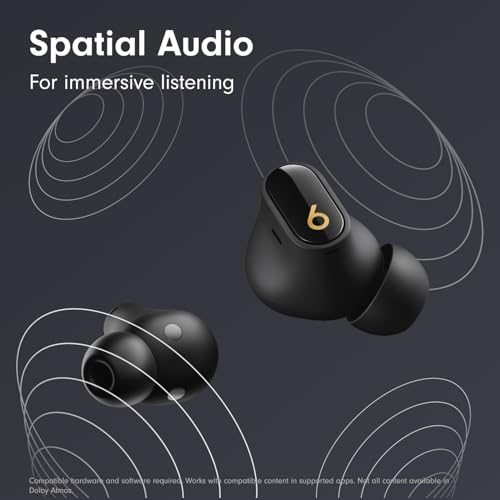
| Samsung Scalable Codec, Auto Switch, SmartThings Find | Cross-platform Find My, Spatial Audio, improved venting system |
The Samsung Galaxy Buds FE offer more balanced, accurate sound that works well across all music genres, with natural vocals and controlled bass. The Beats Studio Buds Plus deliver a bass-heavy, energetic sound that's optimized for hip-hop, pop, and EDM but may sound harsh with acoustic music. If you want versatility, choose Samsung; if you prefer punchy bass, go with Beats.
The Samsung Galaxy Buds FE provide superior active noise cancellation, blocking up to 30dB of ambient noise across all frequencies. They excel in mixed environments like busy streets and offices. The Beats Studio Buds Plus offer good ANC but are less effective against higher-pitched sounds. For maximum quiet, the Samsung earbuds are the better choice.
The Beats Studio Buds Plus offer slightly longer battery life with 9 hours per charge (ANC off) versus 8.5 hours for the Samsung Galaxy Buds FE. With ANC enabled, both provide about 6 hours per charge. However, the difference is minimal for most users' daily listening needs.
Only the Samsung Galaxy Buds FE offer sound customization through the Galaxy Wearable app, including 6 EQ presets and manual tuning options. The Beats Studio Buds Plus provide no sound customization whatsoever - you're stuck with their default bass-heavy tuning. This is a significant advantage for Samsung.
The Samsung Galaxy Buds FE excel at call quality with three microphones per earbud and AI-powered noise reduction that effectively isolates your voice from background noise. The Beats Studio Buds Plus have improved microphones but struggle more in noisy environments and can make voices sound thin. Samsung is clearly better for calls.
The Beats Studio Buds Plus are better for workouts due to their IPX4 water resistance rating that protects against sweat and splashes. The Samsung Galaxy Buds FE only have IPX2 protection and may not survive intense exercise sessions. However, Samsung's stability wings provide a more secure fit during movement.
The Beats Studio Buds Plus work equally well with both iOS and Android devices, offering the same features on both platforms. The Samsung Galaxy Buds FE provide additional features like Samsung Scalable Codec and Auto Switch when used with Samsung devices, but work as basic Bluetooth earbuds with other phones.
Both earbuds come with compact charging cases, but the Samsung Galaxy Buds FE case supports wireless charging on Qi-compatible pads, while the Beats Studio Buds Plus case only charges via USB-C. The Beats case provides more total battery life (up to 36 hours vs 30 hours), but Samsung offers more charging convenience.
Both earbuds are lightweight and comfortable, but the Samsung Galaxy Buds FE include stability wings and multiple ear tip sizes for a more customizable fit. The Beats Studio Buds Plus are slightly lighter at 5g per bud versus 5.6g and include four ear tip sizes. Comfort largely depends on your ear shape and preferences.
Both earbuds can be used for gaming and videos, but the Samsung Galaxy Buds FE include a dedicated gaming mode that reduces audio delay when connected to Samsung devices. The Beats Studio Buds Plus use Bluetooth 5.3 for lower latency but don't have a specific gaming mode. Neither is ideal for home theater use due to Bluetooth latency.
The Samsung Galaxy Buds FE typically cost less while offering superior noise cancellation, sound customization, call quality, and wireless charging. The Beats Studio Buds Plus cost slightly more but provide longer battery life, better water resistance, and universal platform compatibility. Samsung offers better overall value for most users.
Choose the Samsung Galaxy Buds FE if you want the best overall performance, sound customization, and value, especially if you use Samsung devices. Pick the Beats Studio Buds Plus if you prefer bass-heavy music, need maximum battery life, want better water resistance for workouts, or use both iOS and Android devices regularly.
We've done our best to create useful and informative comparisons to help you decide what product to buy. Our research uses advanced automated methods to create this comparison and perfection is not possible - please contact us for corrections or questions. These are the sites we've researched in the creation of this article: rtings.com - soundguys.com - scarbir.com - versus.com - headphones.com - androidcentral.com - youtube.com - scarbir.com - r1.community.samsung.com - rtings.com - soundguys.com - loudnwireless.com - youtube.com - youtube.com - loudnwireless.com - samsung.com - soundguys.com - samsung.com - samsung.com - samsung.com - head-fi.org - samsung.com - sammobile.com - soundguys.com - techradar.com - youtube.com - news.samsung.com - soundguys.com - loudnwireless.com - beatsbydre.com - rtings.com - soundguys.com - youtube.com - cnet.com - soundguys.com - recordingnow.com - youtube.com - cornellstore.com - youtube.com - beatsbydre.com.cn - soundguys.com - techradar.com - youtube.com - techgearlab.com - beatsbydre.com - youtube.com - apple.com - electronics.woot.com

Privacy Policy
Terms and Conditions - Affiliate Policy
Home Security
© Copyright 2008-2026.
11816 Inwood Rd #1211, Dallas, TX 75244