

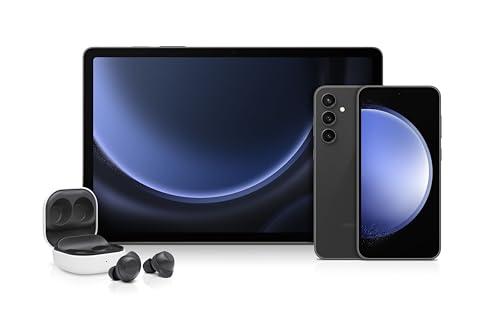
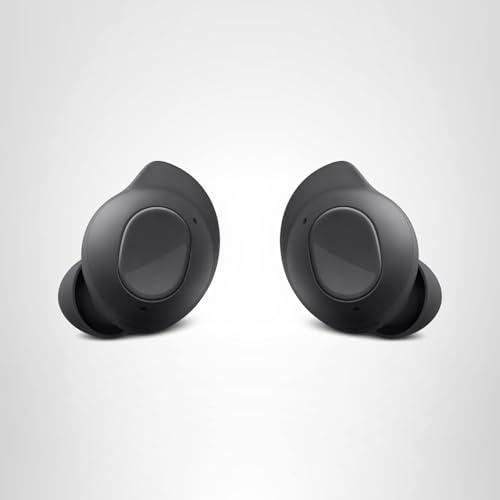
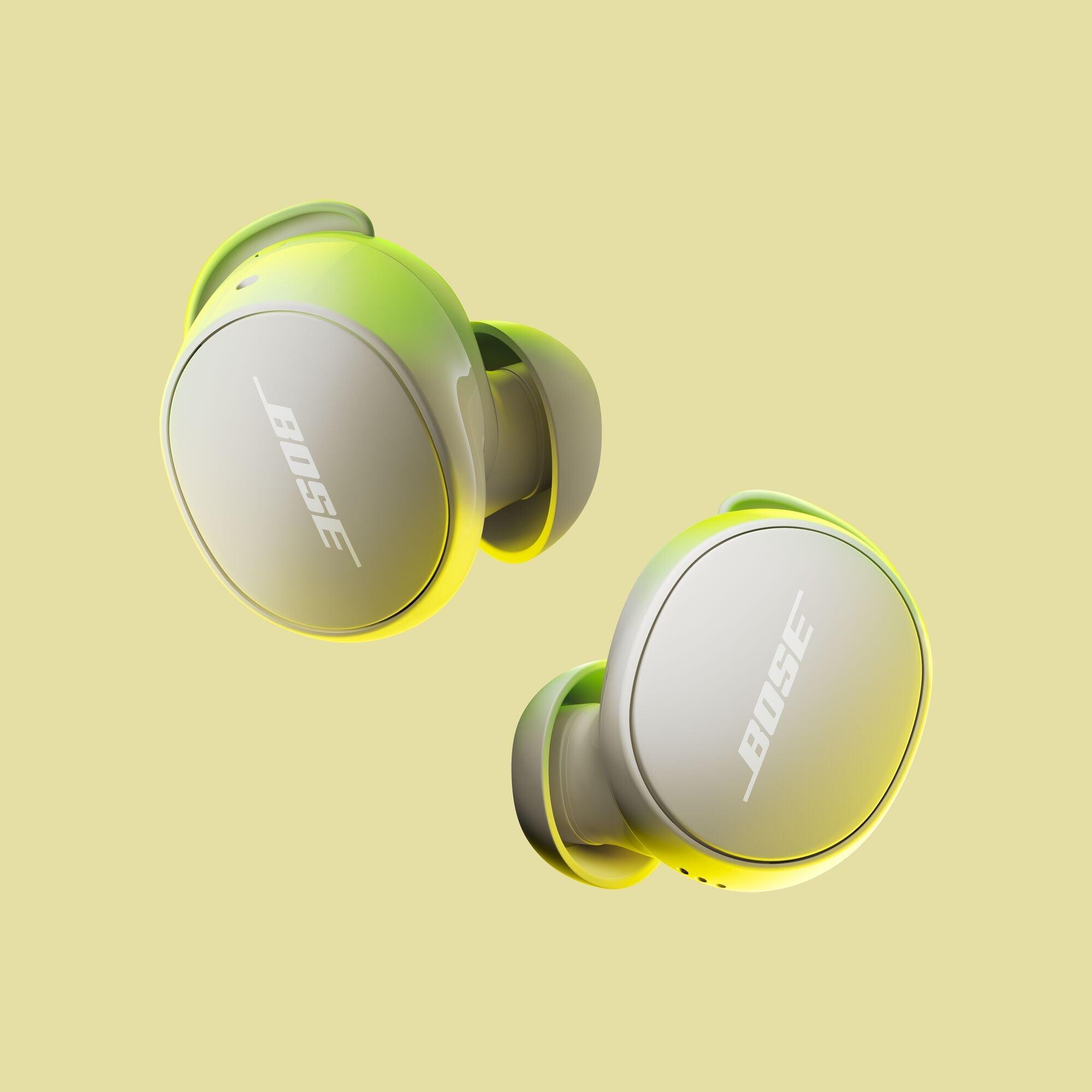


Choosing wireless earbuds has become surprisingly complex. What started as a simple decision between wired and wireless has evolved into navigating dozens of features, from active noise cancellation to codec support. Today, we're comparing two earbuds that take different approaches to delivering quality audio: the budget-friendly Samsung Galaxy Buds FE and the mid-tier Bose QuietComfort Earbuds.
At the time of writing, these represent different value propositions in the wireless audio market. The Samsung Galaxy Buds FE positions itself as a budget option that doesn't skimp on premium features, while the Bose QuietComfort Earbuds commands a higher price but promises the audio quality and noise cancellation that Bose is known for.
Before diving into specifics, let's establish what actually matters when choosing earbuds. The most important factors typically include audio quality (how your music actually sounds), active noise cancellation effectiveness (how well they block outside noise), battery life, comfort during extended wear, and overall value for your specific needs.
Active noise cancellation, or ANC, works by using microphones to detect external sounds and then creating opposite sound waves to cancel them out. Think of it like having a conversation in a noisy room—you naturally speak louder to overcome background noise. ANC does the reverse, creating "anti-noise" to make your environment quieter.
Codec support determines how audio data travels from your device to your earbuds. Standard codecs like SBC work with everything but compress audio significantly. Higher-quality codecs like AAC (preferred by Apple devices) and Samsung's proprietary Scalable Codec maintain better audio fidelity during wireless transmission.
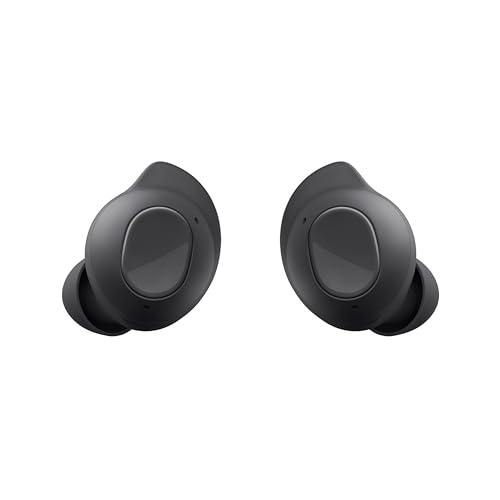
The Samsung Galaxy Buds FE arrived in 2023 as Samsung's answer to the growing demand for affordable premium earbuds. Samsung took their higher-end technology and engineered it into a more accessible package, focusing on core features that matter most to everyday users.
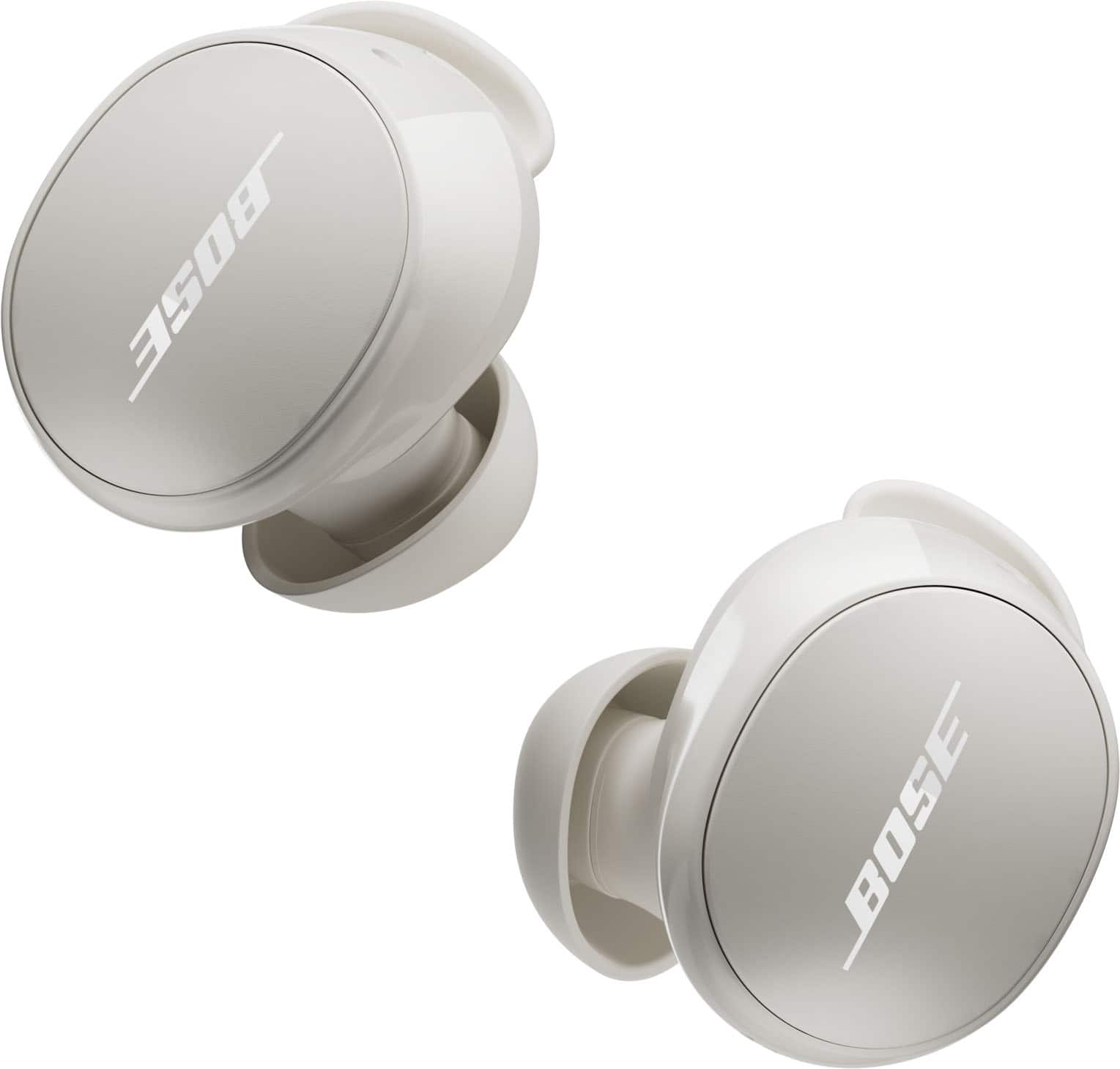
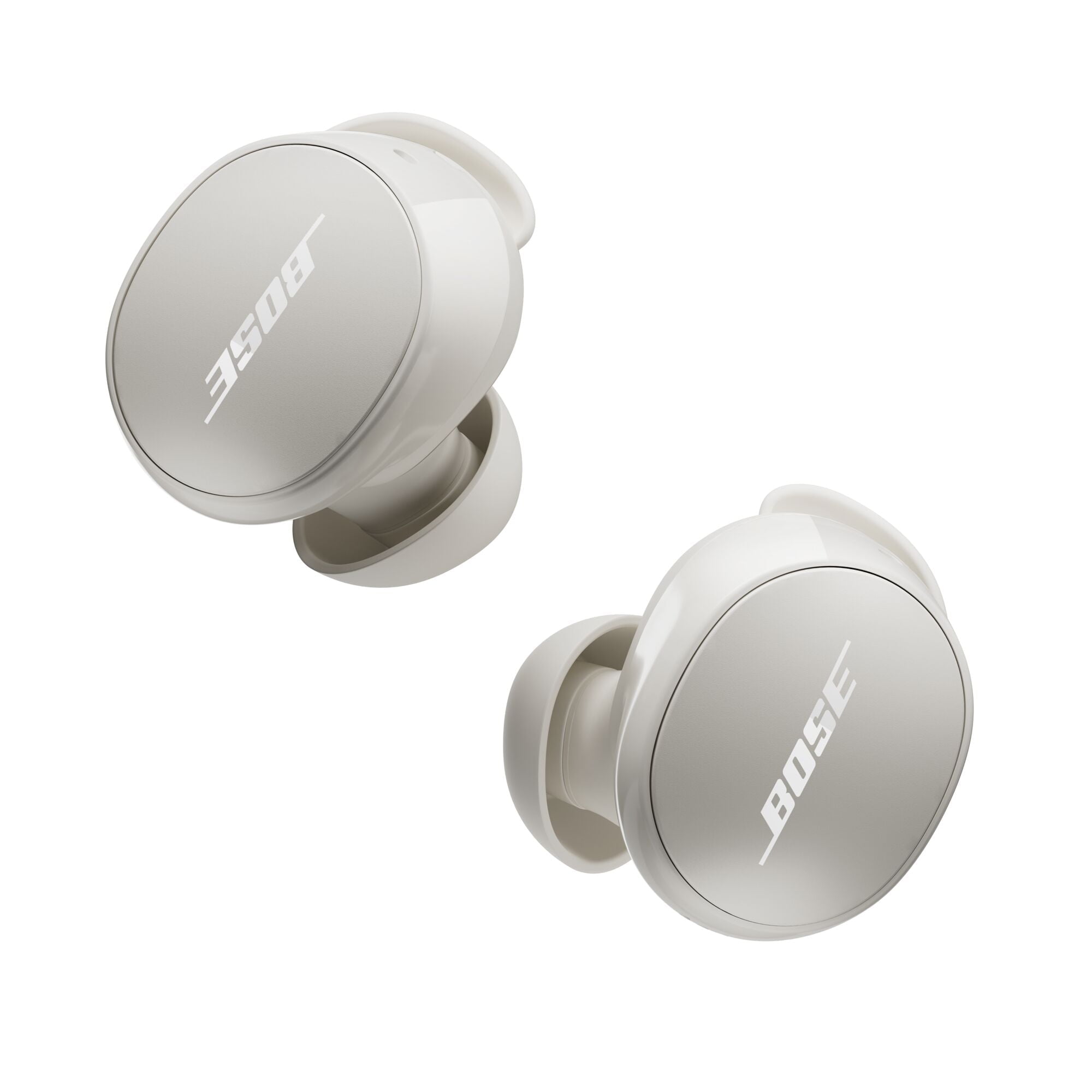
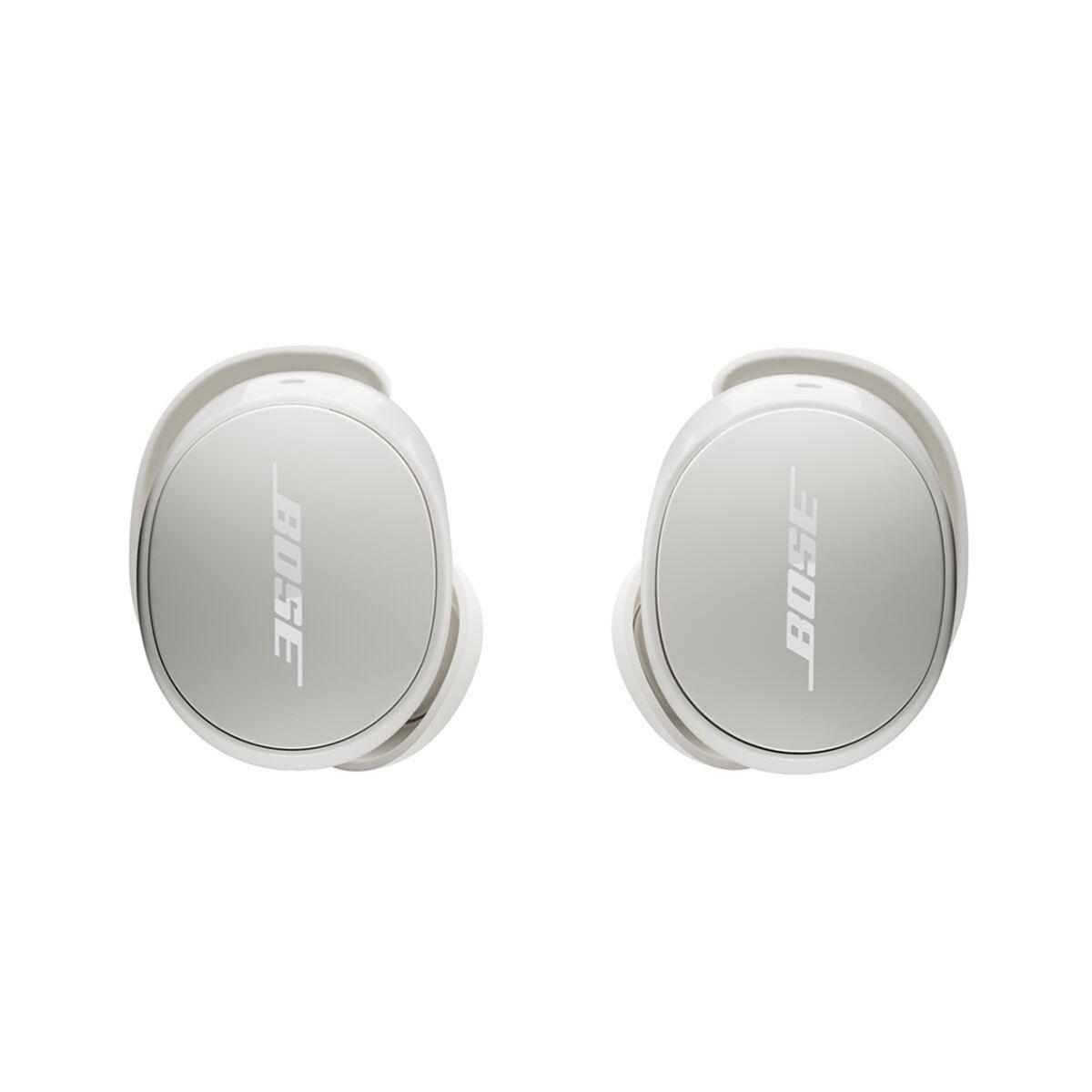
The Bose QuietComfort Earbuds launched in 2020, representing Bose's entry into the true wireless market after years of dominating over-ear noise-canceling headphones. Since then, the wireless earbud market has exploded with competition, but these have remained relevant thanks to firmware updates and Bose's continued reputation for superior noise cancellation.
What's particularly interesting is how the technology landscape has shifted since 2020. Bluetooth has improved (the Samsung uses version 5.2 versus Bose's 5.3), battery efficiency has increased, and noise cancellation algorithms have become more sophisticated. This creates an unusual situation where the newer Samsung Galaxy Buds FE potentially offers more modern technology at a lower price point.
Audio quality represents the most subjective aspect of any headphone comparison, but measurable differences help us understand what you'll actually hear.
The Samsung Galaxy Buds FE uses a 6.5mm dynamic driver—smaller than many competitors but engineered for efficiency. Our research into user experiences reveals a warm, bass-forward sound signature that emphasizes lower frequencies without overwhelming the midrange where vocals live. This creates what many describe as a "musical" presentation that makes most genres sound engaging, though it may not satisfy audiophiles seeking perfectly neutral reproduction.
What's impressive about Samsung's approach is their frequency response consistency. Once you achieve a proper fit with the included ear tips, the sound remains remarkably consistent from session to session. This matters more than you might think—many earbuds sound different depending on how they sit in your ears, but the Samsung Galaxy Buds FE maintains its character reliably.
The Bose QuietComfort Earbuds takes a different approach with what acoustic engineers call a U-shaped frequency response. This means both bass and treble receive emphasis while the midrange stays relatively neutral. The result is sound that feels more dramatic and engaging, with punchy bass lines and crisp highs that make music feel more alive.
Bose's CustomTune technology represents a significant technical advantage. This system actually measures your ear canal's acoustic properties and adjusts both audio output and noise cancellation accordingly. It's similar to how optometrists customize eyeglasses prescriptions—the earbuds adapt to your unique hearing profile rather than applying a one-size-fits-all approach.
For codec support, the Samsung Galaxy Buds FE includes Samsung's proprietary Scalable Codec alongside standard AAC and SBC options. The Scalable Codec dynamically adjusts quality based on connection strength—if your Bluetooth connection weakens, it reduces quality to maintain stability rather than cutting out entirely. However, this only works with Samsung devices, limiting its usefulness for iPhone or Windows users.
The Bose QuietComfort Earbuds sticks with universal codecs, ensuring consistent performance across all devices but potentially missing the enhanced quality that device-specific codecs can provide.
Active noise cancellation performance often determines whether earbuds succeed or fail for commuters, frequent flyers, or anyone working in noisy environments. Both models offer ANC, but their implementations reveal different engineering priorities.
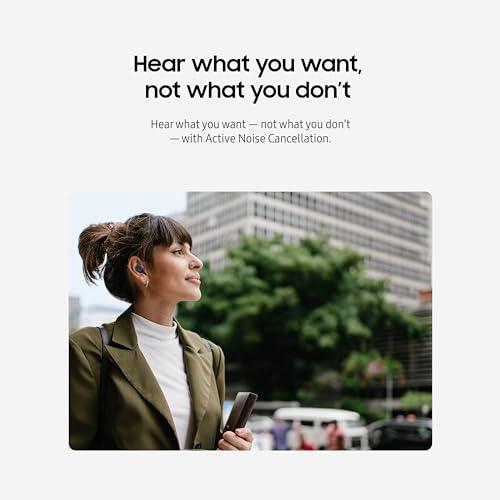
The Samsung Galaxy Buds FE delivers surprisingly effective noise cancellation for its price point. Independent testing suggests it can reduce ambient noise by up to 30 decibels, which effectively eliminates most low-frequency sounds like air conditioning, traffic rumble, or airplane engines. The system works particularly well in combination with the earbuds' passive isolation—the physical seal created by the ear tips themselves.
What makes Samsung's approach noteworthy is how it handles different frequency ranges. Low-frequency noise (engines, HVAC systems) gets actively canceled by the electronic system, while higher-frequency sounds (conversations, keyboard typing) rely more on the physical seal of the ear tips. This hybrid approach proves effective in real-world scenarios, though it lacks some of the sophistication found in premium models.
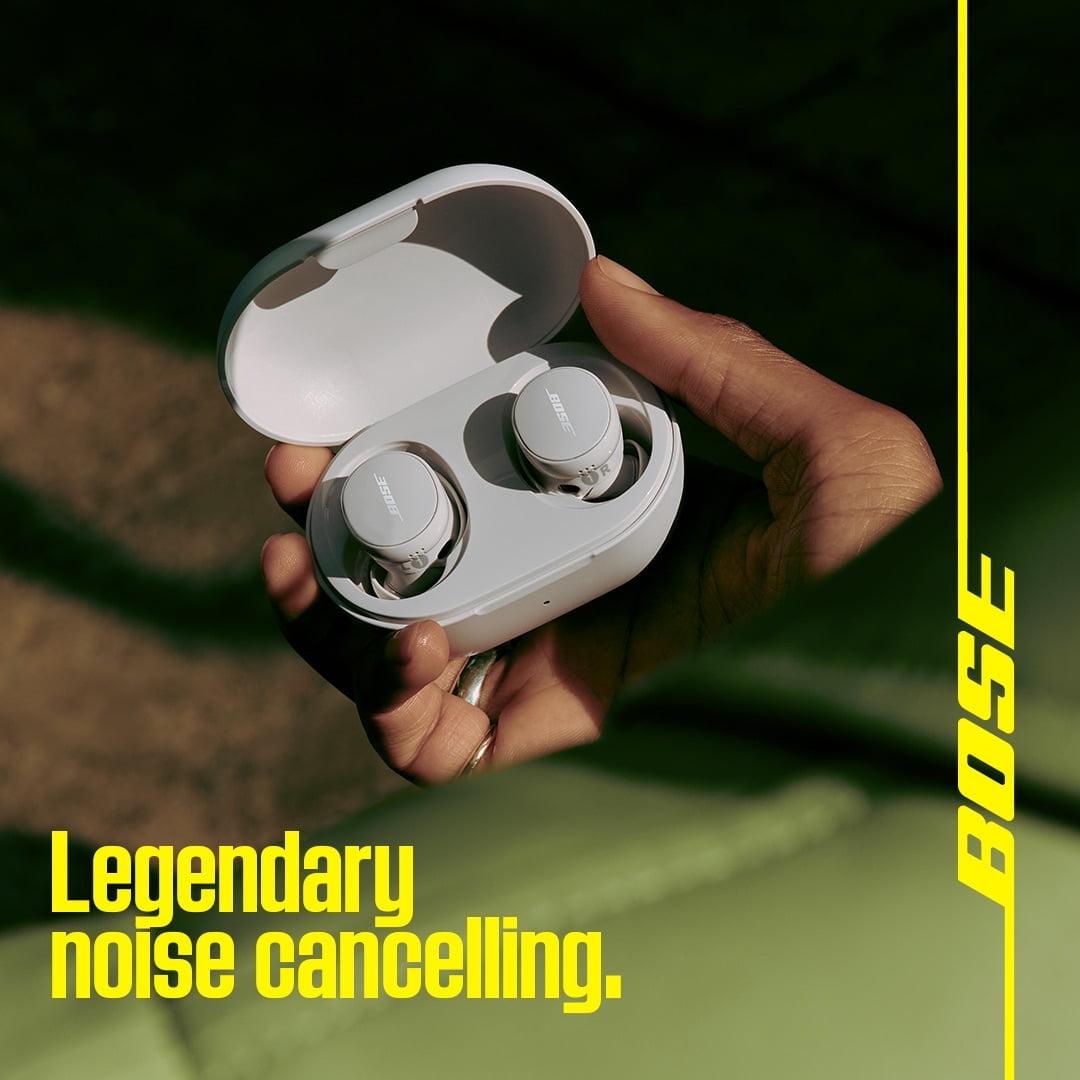
The Bose QuietComfort Earbuds represents decades of noise cancellation expertise compressed into a tiny package. Bose pioneered consumer ANC technology in aviation headphones, and that heritage shows in these earbuds' performance. User reports consistently describe noise cancellation that can reduce ambient sound by over 80%, creating what many describe as an almost disorienting level of quiet.
Bose's approach includes more sophisticated adaptive algorithms that adjust to your environment automatically. Whether you're on a subway, in a coffee shop, or walking down a busy street, the earbuds continuously optimize their noise cancellation strategy. This requires more processing power and battery consumption but delivers noticeably superior results.
The difference becomes most apparent in challenging environments. While the Samsung Galaxy Buds FE handles steady background noise well, the Bose QuietComfort Earbuds excels at managing complex, changing soundscapes where multiple noise sources compete for attention.
Battery performance represents one area where the Samsung Galaxy Buds FE clearly outperforms its more expensive competitor, though the story involves some important nuances.
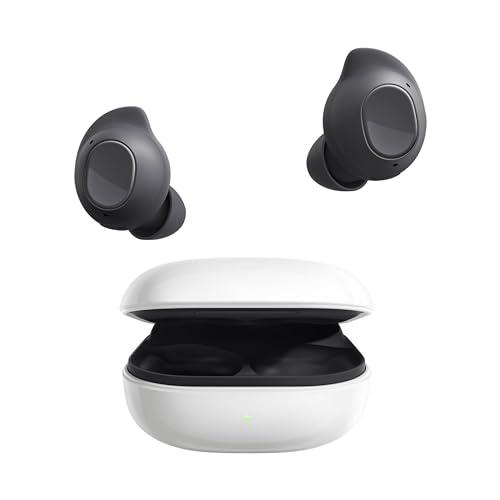
Samsung promises up to 8.5 hours per charge with ANC disabled, dropping to 6 hours with noise cancellation active. The included charging case provides approximately 2.5 additional full charges, bringing total listening time to around 30 hours without ANC or 21 hours with it enabled. These numbers align well with real-world usage reports, suggesting Samsung's battery estimates are conservative rather than optimistic.
The Bose QuietComfort Earbuds offers 8.5 hours per charge from the earbuds themselves—longer than Samsung's ANC-enabled performance. However, the charging case provides only 2.5 additional charges, limiting total battery life to around 31.5 hours. While competitive, this falls short of Samsung's no-ANC performance.
Battery chemistry and power management explain these differences. Samsung appears to have optimized their system for efficiency, using newer battery technology and more efficient processors. The Samsung Galaxy Buds FE also benefits from being designed in 2023, when battery and chip efficiency had improved significantly from 2020 standards.
For practical use, these differences matter depending on your habits. Daily commuters might prefer the Samsung Galaxy Buds FE for weekend-long battery life, while users who charge nightly might value the Bose QuietComfort Earbuds' consistent per-charge performance.
Modern earbuds serve as more than audio devices—they're communication tools, smart device controllers, and increasingly sophisticated computers. How well they integrate with your existing technology ecosystem often determines long-term satisfaction.
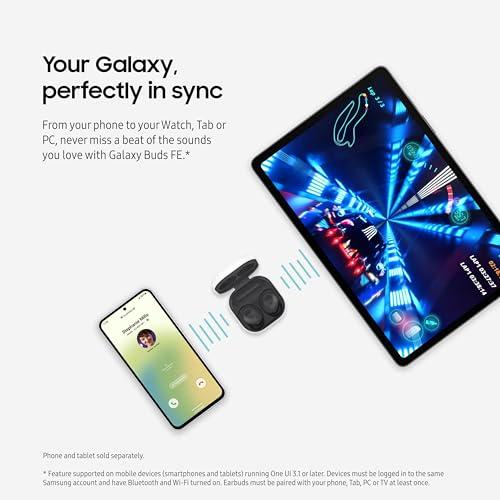
The Samsung Galaxy Buds FE excels within Samsung's ecosystem but shows limitations elsewhere. The Auto Switch feature seamlessly moves connection between your Samsung phone, tablet, and laptop based on which device you're actively using. SmartThings Find helps locate misplaced earbuds using Samsung's device network. Gaming Mode reduces audio latency for better synchronization between visual and audio elements in games.
However, these features largely disappear when used with non-Samsung devices. iPhone users get basic Bluetooth functionality but miss out on advanced codec support, seamless device switching, and app-based customization options.
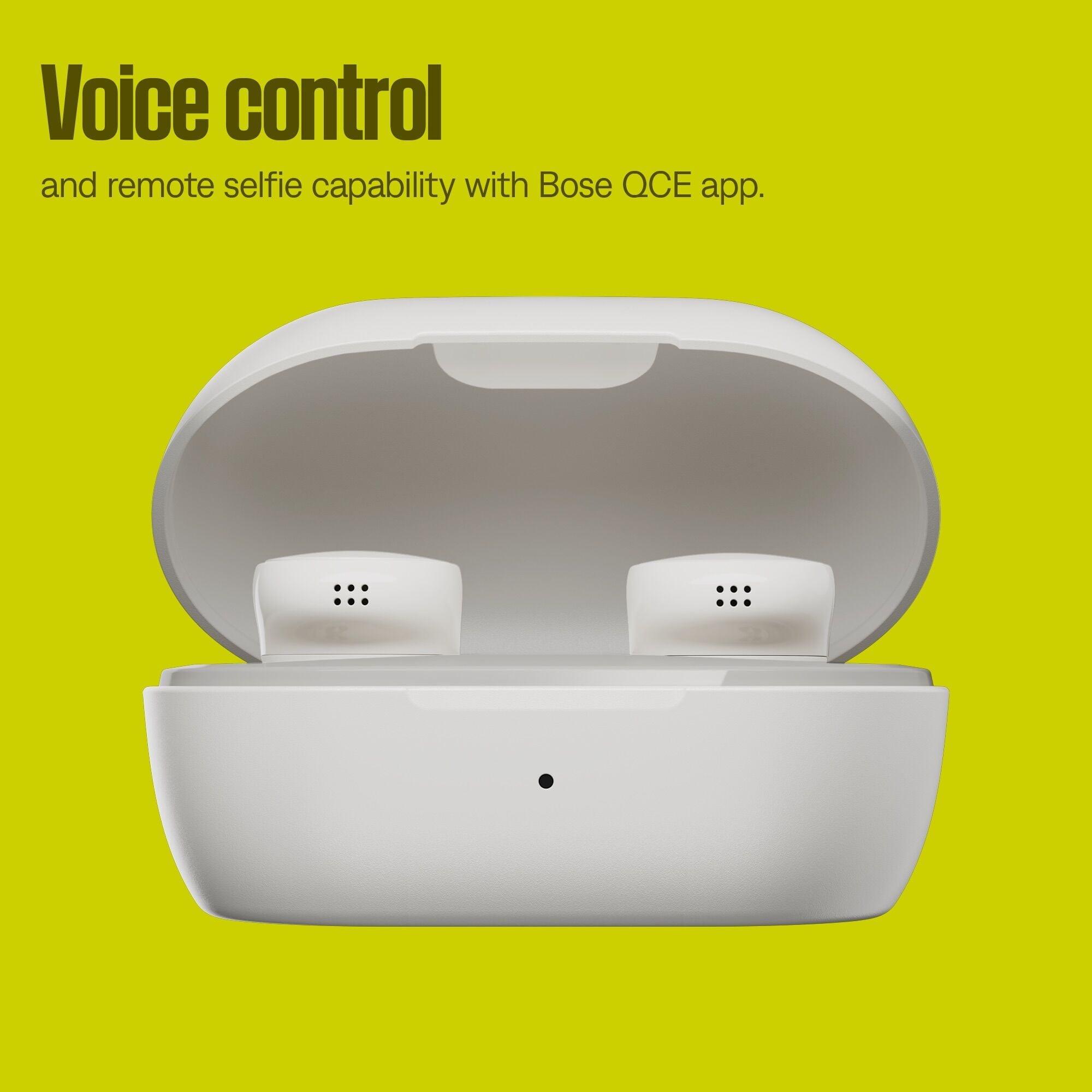
The Bose QuietComfort Earbuds takes a more universal approach. Bluetooth 5.3 provides improved connection stability and range compared to older standards. Multipoint connectivity allows simultaneous connection to two devices—you could stream music from your laptop while remaining connected to your phone for calls.
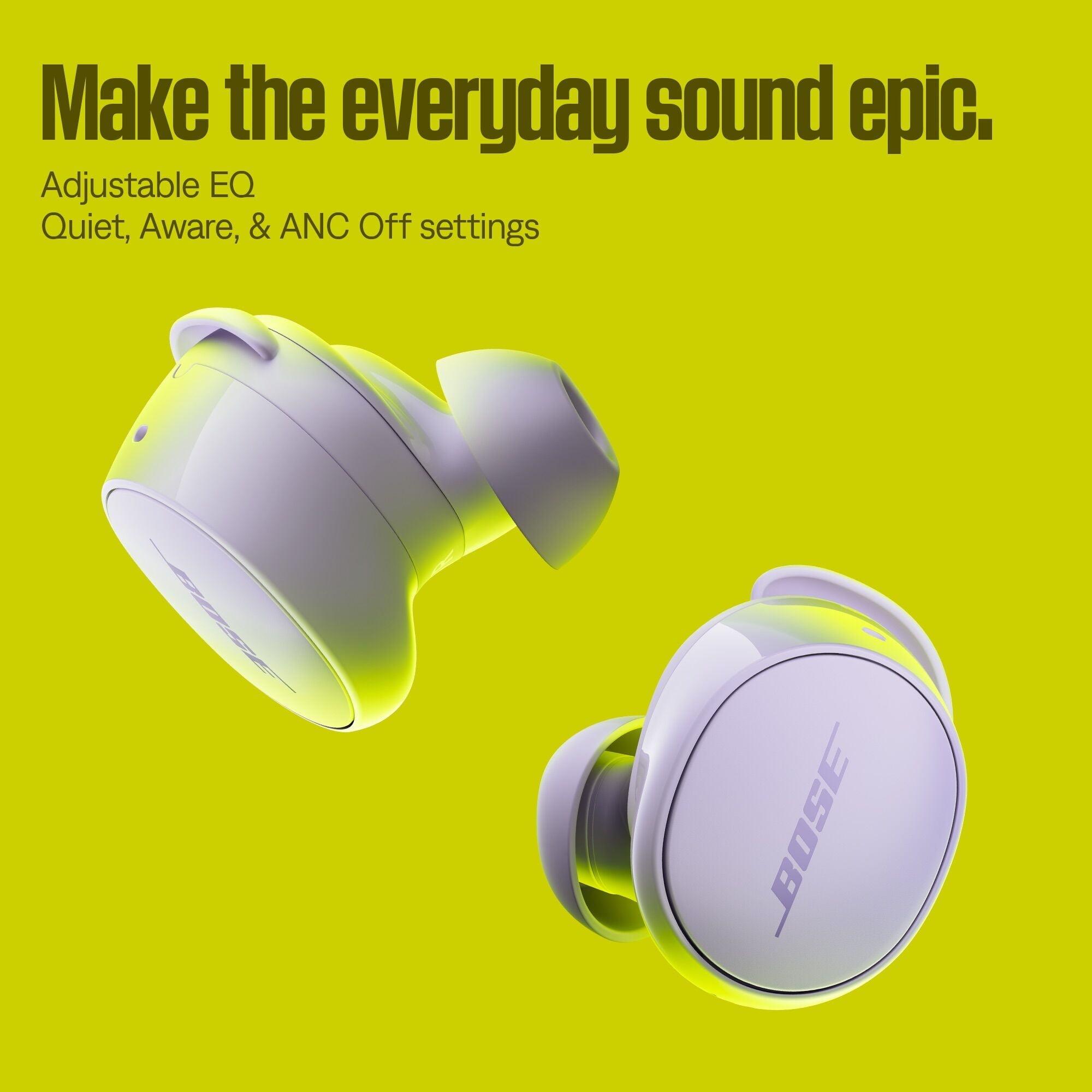
Bose's app integration works consistently across iOS and Android, providing access to customizable EQ settings, shortcut programming, and device management features regardless of your phone choice.
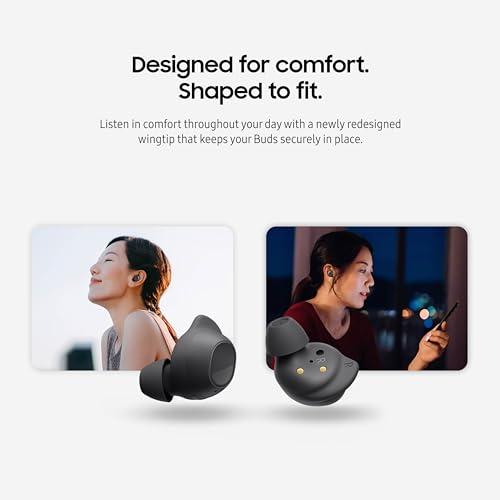
Physical construction affects both longevity and daily usability. The Samsung Galaxy Buds FE weighs just 5.6 grams per earbud, making them among the lighter options available. This reduces fatigue during extended wear but might compromise durability. Their IPX2 rating protects against light moisture like sweat or rain drops but won't survive accidental submersion or heavy exercise sessions.
The Bose QuietComfort Earbuds weighs 8.5 grams per earbud—significantly heavier but still comfortable for most users. The additional weight often correlates with more robust construction and better component protection. Their IPX4 rating handles sweat, light rain, and splashing water, making them more suitable for workouts or outdoor activities.
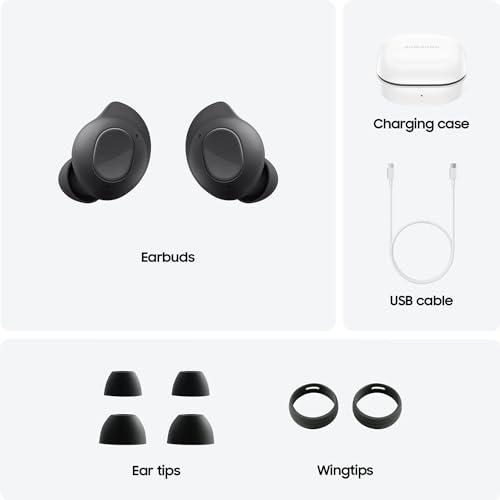
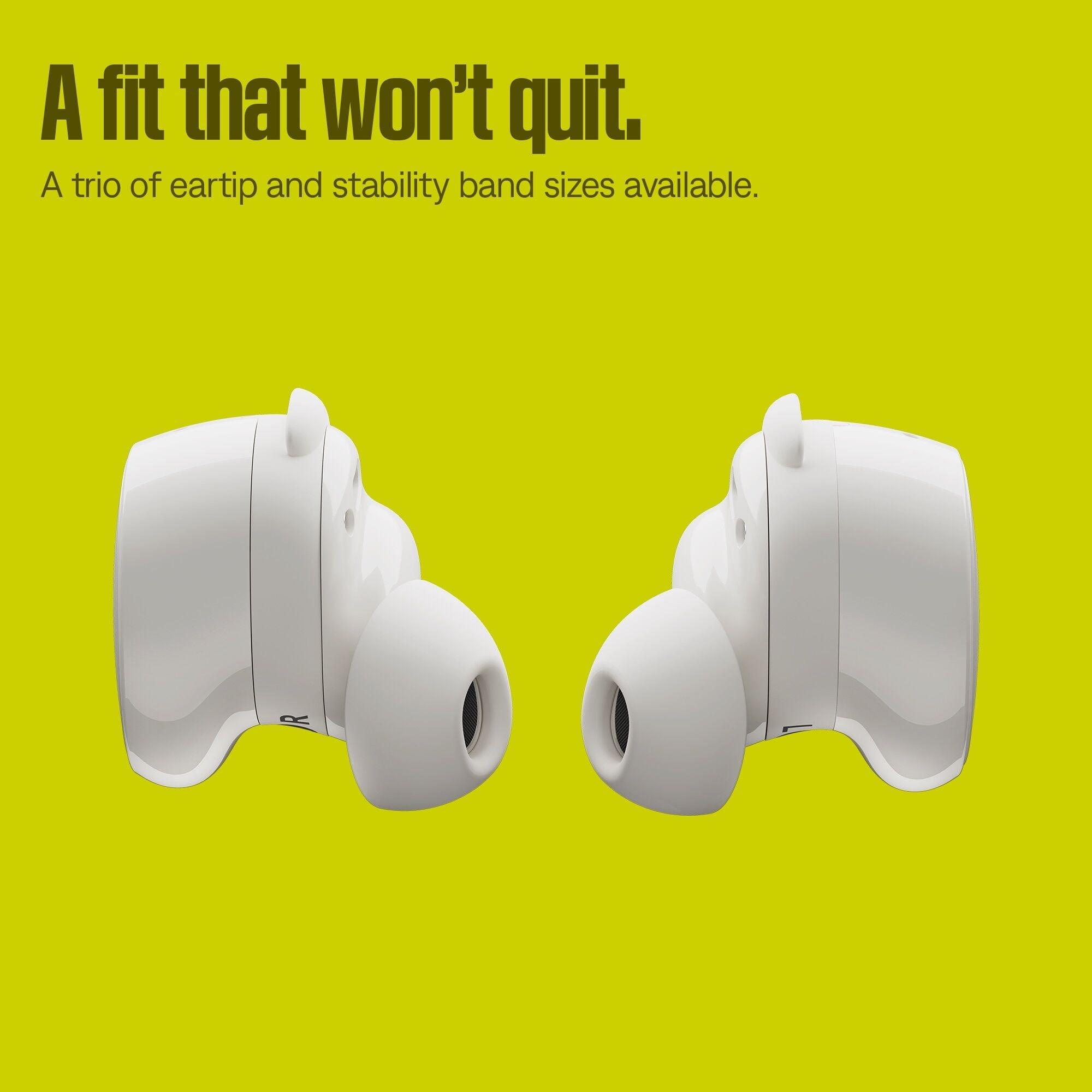
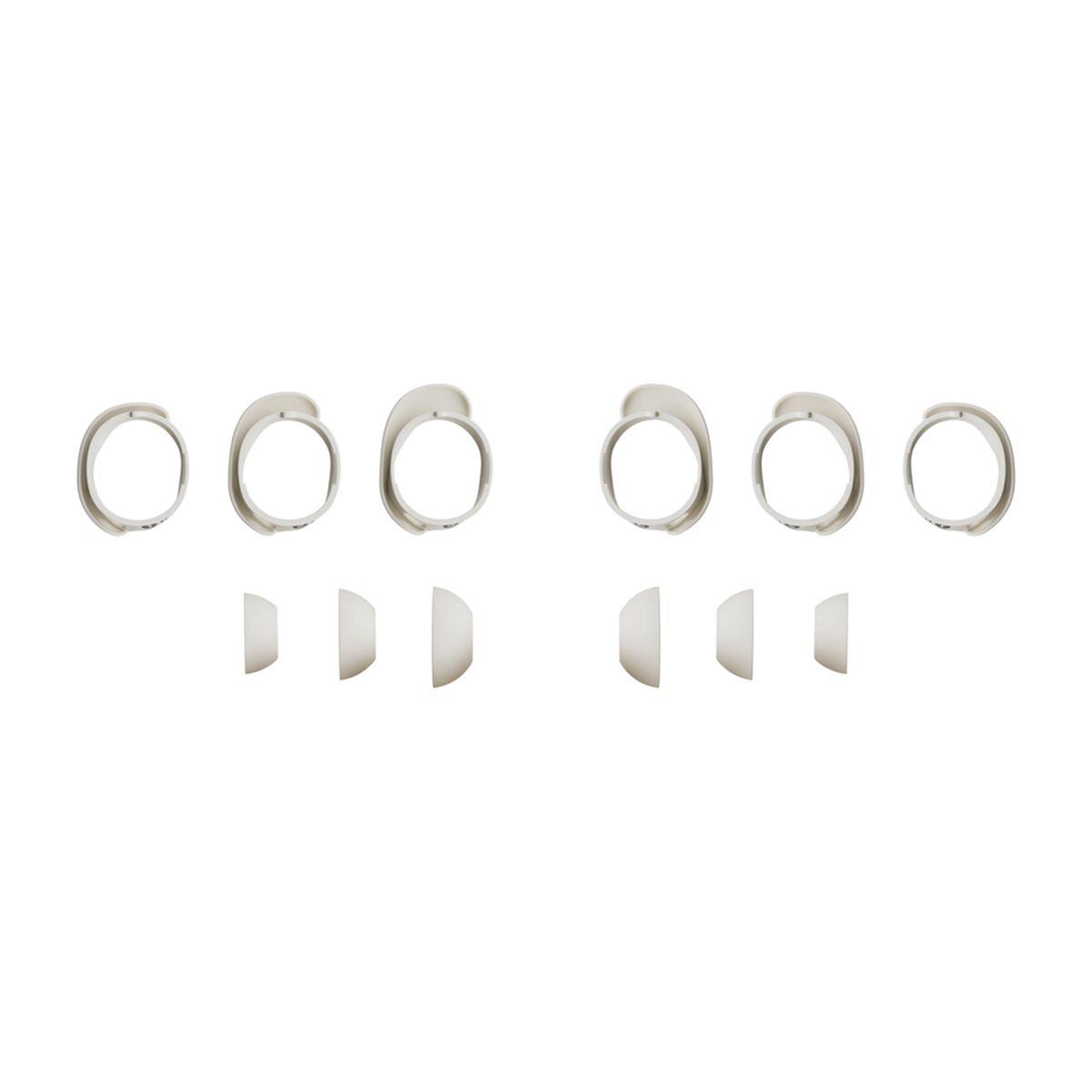
Both include multiple ear tip sizes, but Bose provides a more comprehensive fit kit with stability bands designed to keep earbuds secure during movement. Samsung includes wing tips that serve a similar purpose but in fewer size options.
Voice call performance often gets overlooked until you need to take an important call in a noisy environment. The Samsung Galaxy Buds FE uses a sophisticated six-microphone array—three per earbud—designed to isolate your voice from background noise. This theoretical advantage should provide superior call clarity, and most user reports confirm good performance in various environments.
The Bose QuietComfort Earbuds uses a simpler four-microphone system but benefits from Bose's experience in audio processing. Call quality reports are generally positive, though some users note that performance can degrade in particularly noisy environments like busy streets or construction zones.
For professional use where call quality matters significantly, the Samsung Galaxy Buds FE appears to offer better technical specifications, though real-world performance depends heavily on environmental factors and individual voice characteristics.
While neither model specifically targets home theater use, both can enhance your TV watching experience in specific scenarios. The Samsung Galaxy Buds FE includes Gaming Mode, which reduces audio latency—the delay between visual action and corresponding sound. This makes them surprisingly effective for movie watching or gaming when you need private audio without disturbing others.
The Bose QuietComfort Earbuds lacks a dedicated low-latency mode but generally maintains acceptable synchronization for most content. Their superior noise cancellation might actually prove more valuable in home environments where you want to block out household noise while enjoying content.
Both support standard Bluetooth audio codecs that work with modern TVs, streaming devices, and gaming consoles, though you'll need to check your specific devices' codec compatibility for optimal performance.
At the time of writing, these earbuds occupy different value propositions that serve distinct user needs. The Samsung Galaxy Buds FE delivers remarkable performance at its price point, offering features that typically cost significantly more. If you primarily use Samsung devices and prioritize battery life alongside good noise cancellation, they represent exceptional value.
The Bose QuietComfort Earbuds costs more but justifies its pricing through superior noise cancellation, better build quality, and more universal compatibility. For users who frequently travel, work in noisy environments, or use devices from multiple manufacturers, the additional cost delivers tangible benefits.
Choose the Samsung Galaxy Buds FE if you're budget-conscious but don't want to sacrifice essential features. They're ideal for Samsung ecosystem users who want seamless device integration and exceptional battery life. Students, casual listeners, and anyone seeking premium features at accessible pricing will find them compelling.
The Bose QuietComfort Earbuds suits users who prioritize audio quality and noise cancellation above cost considerations. They're excellent for frequent travelers, professionals who take many calls, or anyone who values consistent performance across different devices and platforms.
For most people, the Samsung Galaxy Buds FE offers the better value proposition. They deliver 80% of premium earbud performance at roughly 60% of the cost, making them an easy recommendation for anyone not specifically requiring Bose's superior noise cancellation or cross-platform compatibility.
The Bose QuietComfort Earbuds make sense when you specifically need their strengths—industry-leading ANC, robust build quality, or guaranteed performance regardless of your device ecosystem. They're a more specialized tool for users with specific requirements rather than a general-purpose recommendation.
Both represent solid choices within their respective market segments, but the Samsung Galaxy Buds FE offers more compelling value for the majority of users seeking quality wireless earbuds without premium pricing.
| Samsung Galaxy Buds FE | Bose QuietComfort Earbuds |
|---|---|
| Audio Driver Size - Larger drivers typically produce fuller sound | |
| 6.5mm dynamic driver (compact but efficient design) | Unknown driver size (Bose focuses on tuning over specs) |
| Active Noise Cancellation - Essential for blocking distractions | |
| Up to 30dB reduction (excellent for the price, handles low frequencies well) | 80%+ noise reduction (industry-leading performance, superior in complex environments) |
| Battery Life Per Charge - How long you can listen before recharging | |
| 6 hours (ANC on) / 8.5 hours (ANC off) | 8.5 hours (consistent regardless of ANC setting) |
| Total Battery Life with Case - Critical for travel and all-day use | |
| 21 hours (ANC on) / 30 hours (ANC off) | 31.5 hours total (good but falls short of Samsung's ANC-off performance) |
| Water Resistance - Protection against sweat and moisture | |
| IPX2 (light sweat/drips only, limited workout use) | IPX4 (sweat and splash resistant, better for active use) |
| Weight Per Earbud - Affects comfort during extended wear | |
| 5.6g (very lightweight, reduces ear fatigue) | 8.5g (heavier but more robust construction) |
| Bluetooth Version - Newer versions offer better connectivity | |
| Bluetooth 5.2 with 10m range | Bluetooth 5.3 with 30-foot range (superior connection stability) |
| Microphone Array - More mics typically mean better call quality | |
| 6 microphones total (3 per earbud, excellent for calls) | 4 microphones total (fewer but well-tuned by Bose) |
| Charging Case Features - Convenience factors for daily use | |
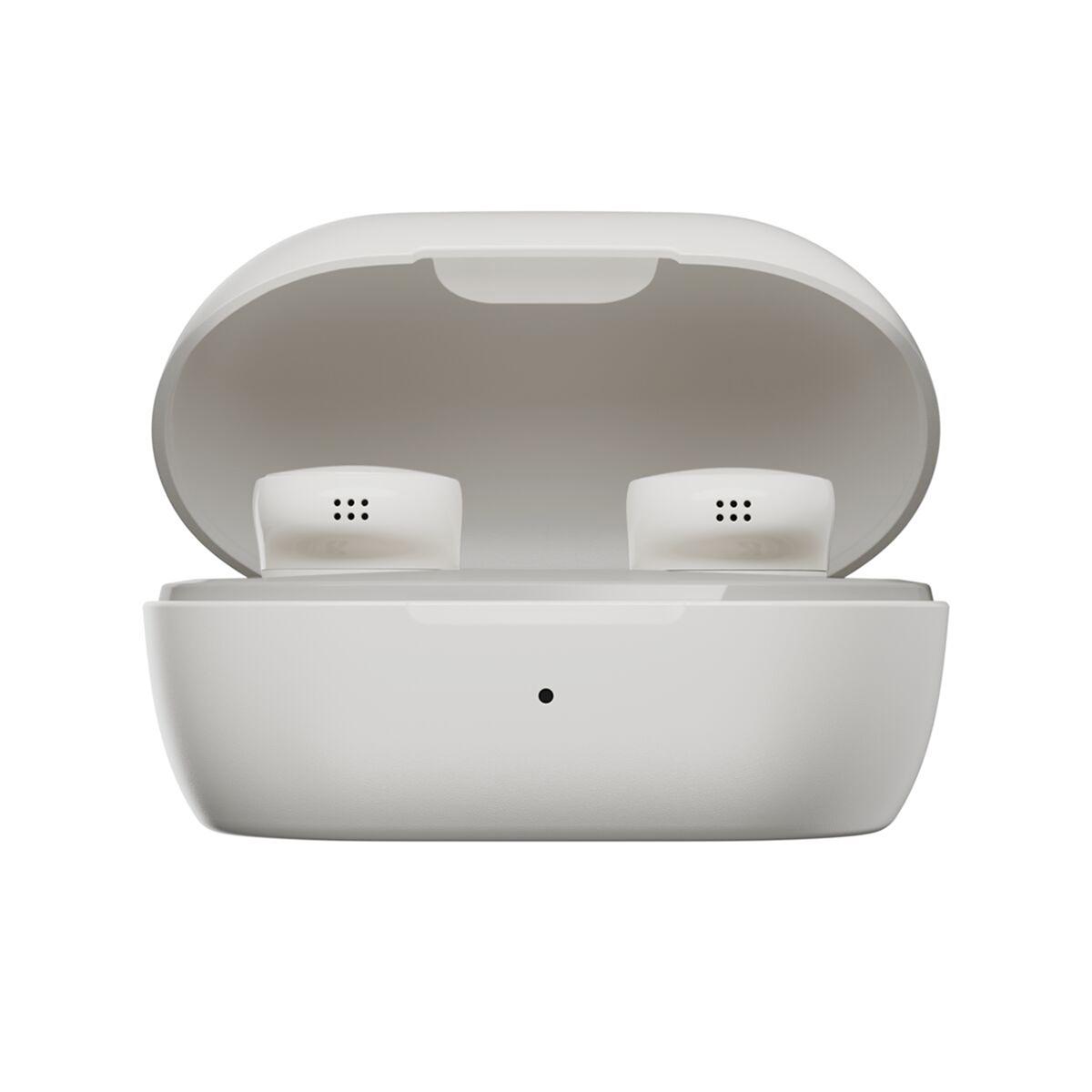
| USB-C wired charging only | Wireless charging + USB-C (more convenient charging options) |
| Device Compatibility - How well they work across different ecosystems | |
| Best with Samsung devices (limited features on other platforms) | Universal compatibility (consistent performance across all devices) |
| Special Codec Support - Enhanced audio quality on compatible devices | |
| Samsung Scalable Codec (higher quality on Galaxy devices only) | Standard codecs only (works everywhere but no premium codec benefits) |
| Multipoint Connectivity - Ability to connect to multiple devices simultaneously | |
| Auto Switch (Samsung devices only) | True multipoint (works with any two Bluetooth devices) |
| App Integration and EQ - Customization options for sound tuning | |
| Galaxy Wearable app with 6 EQ presets | Bose QCE app with 5-band adjustable EQ (more precise control) |
The Bose QuietComfort Earbuds deliver more dynamic, engaging sound with their U-shaped frequency response that emphasizes bass and treble. However, the Samsung Galaxy Buds FE offer more natural vocals and consistent audio reproduction. For most listeners, the Bose QuietComfort Earbuds provide a more exciting listening experience, while the Samsung Galaxy Buds FE excel at accuracy and clarity.
Both models feature active noise cancellation, but the Bose QuietComfort Earbuds significantly outperform the Samsung Galaxy Buds FE in this area. Bose can reduce ambient noise by over 80%, while Samsung manages up to 30dB reduction. For blocking airplane noise, traffic, or office chatter, the Bose QuietComfort Earbuds provide superior isolation.
The Bose QuietComfort Earbuds offer 8.5 hours per charge, compared to 6-8.5 hours for the Samsung Galaxy Buds FE depending on noise cancellation usage. However, the Samsung Galaxy Buds FE provide up to 30 hours total with the charging case, while the Bose QuietComfort Earbuds max out at 31.5 hours total.
The Samsung Galaxy Buds FE feature six microphones compared to four on the Bose QuietComfort Earbuds, theoretically providing better call clarity. User reports confirm the Samsung Galaxy Buds FE perform well in noisy environments, while the Bose QuietComfort Earbuds offer good but not exceptional call quality.
The Samsung Galaxy Buds FE weigh only 5.6g per earbud, making them significantly lighter than the 8.5g Bose QuietComfort Earbuds. Samsung includes wing tips for secure fit, while Bose provides a comprehensive fit kit with multiple ear tip and stability band sizes. The Samsung Galaxy Buds FE reduce ear fatigue during long listening sessions.
The Bose QuietComfort Earbuds offer IPX4 water resistance, making them suitable for sweaty workouts and light rain. The Samsung Galaxy Buds FE only provide IPX2 rating, protecting against light moisture but not suitable for intense exercise. For fitness use, the Bose QuietComfort Earbuds are the better choice.
The Bose QuietComfort Earbuds work equally well with all devices, offering consistent features across iOS and Android. The Samsung Galaxy Buds FE provide enhanced features like Auto Switch and Samsung Scalable Codec only with Samsung devices, though they still function with iPhones and other Android phones using basic Bluetooth.
The Samsung Galaxy Buds FE include Gaming Mode that reduces audio latency, making them better for watching content without audio-video sync issues. Both work with TVs and streaming devices, but the Samsung Galaxy Buds FE provide a more synchronized experience for home entertainment use.
The Bose QuietComfort Earbuds support true multipoint connectivity, allowing connection to two devices simultaneously. The Samsung Galaxy Buds FE offer Auto Switch only between Samsung devices. For users with multiple device brands, the Bose QuietComfort Earbuds provide more flexibility.
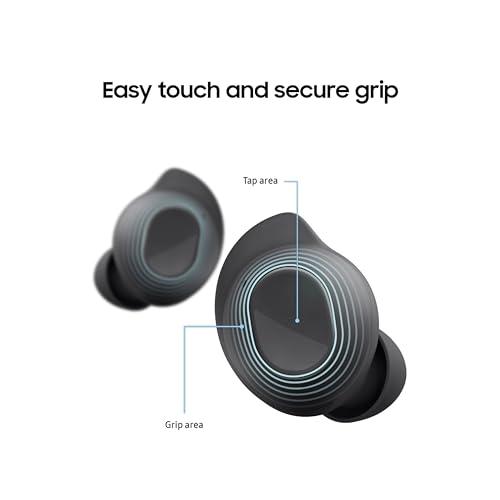
Both models use touch controls on the earbuds themselves. The Samsung Galaxy Buds FE offer simple tap patterns for play/pause, skip tracks, and noise cancellation modes. The Bose QuietComfort Earbuds provide similar touch controls with additional customization through their companion app.
The Samsung Galaxy Buds FE deliver exceptional value, providing premium features like active noise cancellation and long battery life at a lower price point. The Bose QuietComfort Earbuds cost more but justify the price with superior noise cancellation and build quality. For most users, the Samsung Galaxy Buds FE offer better bang for your buck.
The Samsung Galaxy Buds FE integrate with Bixby on Samsung devices and support other voice assistants through your phone. The Bose QuietComfort Earbuds work with Siri, Google Assistant, and Alexa through connected devices. Both provide hands-free voice control, though the Samsung Galaxy Buds FE offer deeper integration within Samsung's ecosystem.
We've done our best to create useful and informative comparisons to help you decide what product to buy. Our research uses advanced automated methods to create this comparison and perfection is not possible - please contact us for corrections or questions. These are the sites we've researched in the creation of this article: rtings.com - soundguys.com - scarbir.com - versus.com - headphones.com - androidcentral.com - youtube.com - scarbir.com - r1.community.samsung.com - rtings.com - soundguys.com - loudnwireless.com - youtube.com - youtube.com - loudnwireless.com - samsung.com - soundguys.com - samsung.com - samsung.com - samsung.com - head-fi.org - samsung.com - sammobile.com - soundguys.com - techradar.com - youtube.com - news.samsung.com - whathifi.com - soundguys.com - bestbuy.com - bose.com - cnet.com - businessinsider.com - bestbuy.com - global.bose.com - cdw.com - bhphotovideo.com - soundguys.com - connection.com - homesolutionsmn.com - govconnection.com - abt.com - eetgroup.com - beachaudio.com - bose.com - coursehero.com - boseapac.com - coursehero.com - bose.com - youtube.com - brandsmartusa.com - bose.com - bose.com - adorama.com - sears.com

Privacy Policy
Terms and Conditions - Affiliate Policy
Home Security
© Copyright 2008-2026.
11816 Inwood Rd #1211, Dallas, TX 75244