

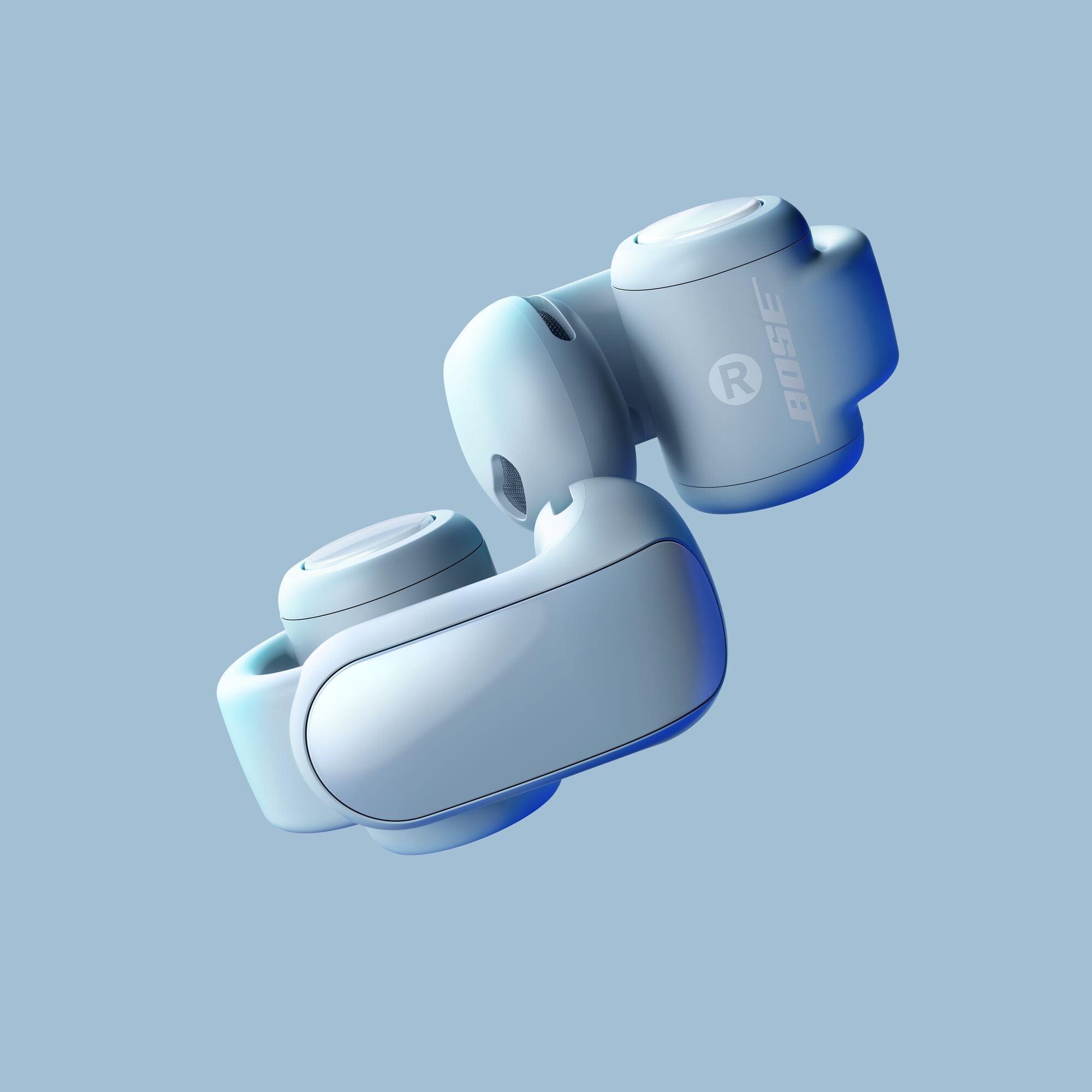
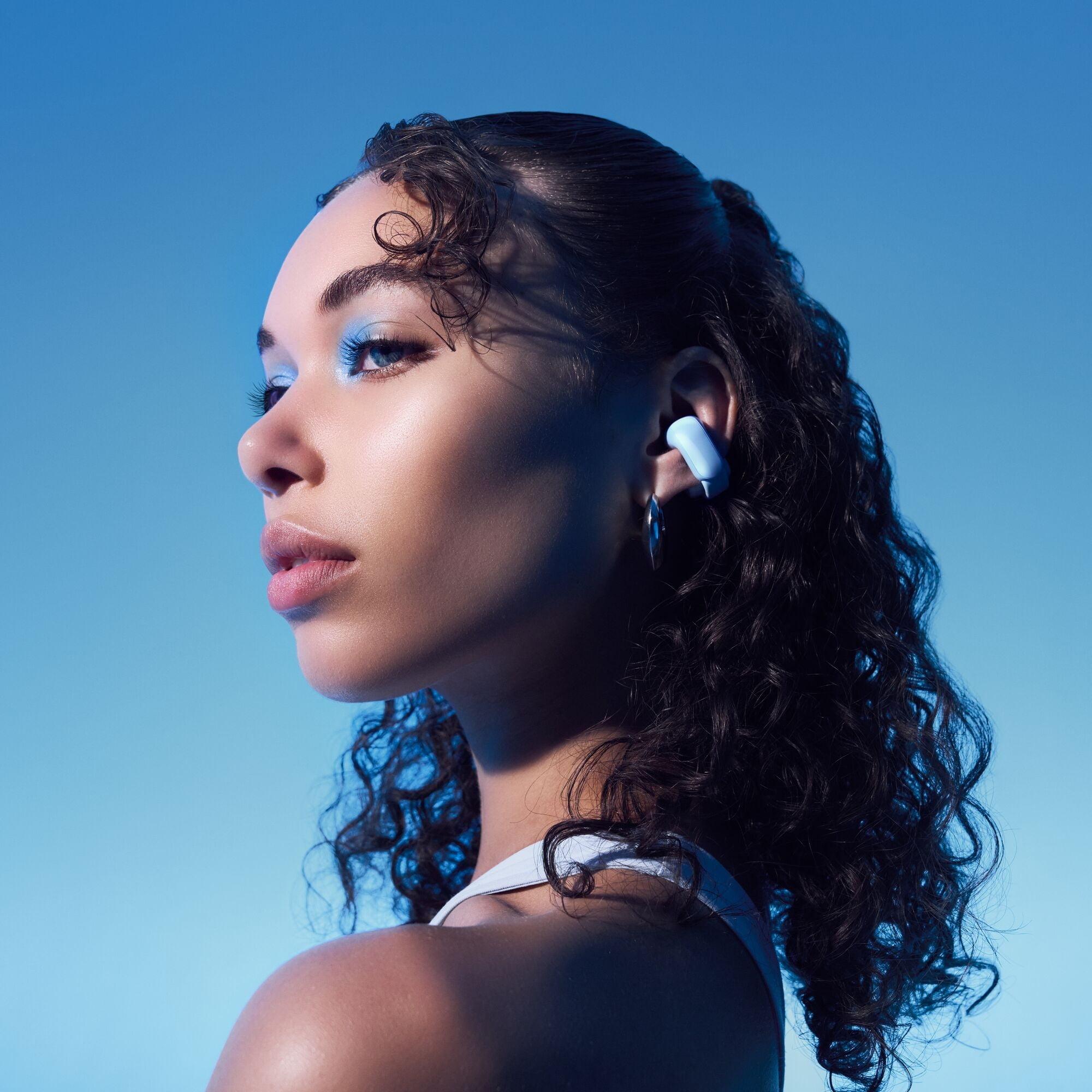
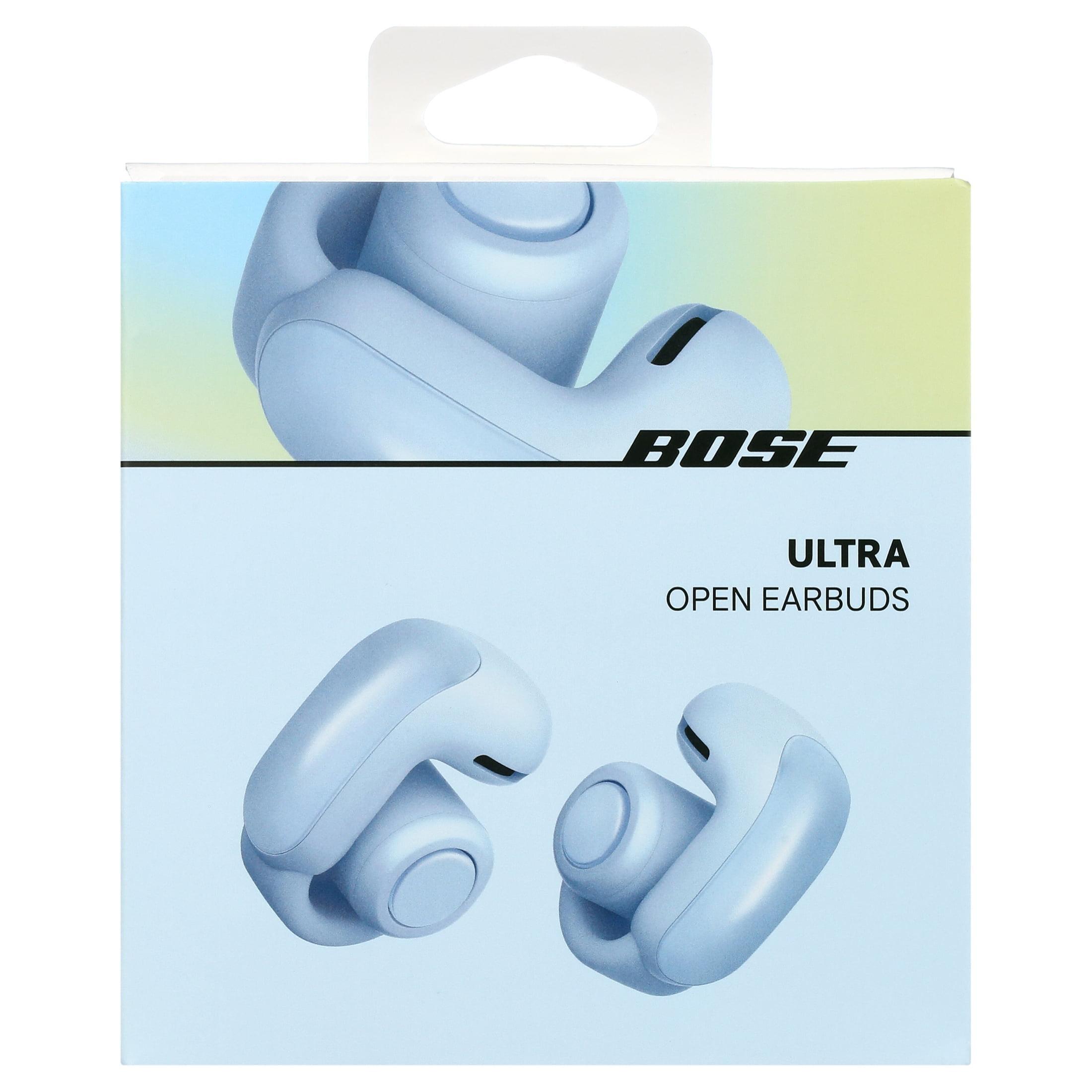


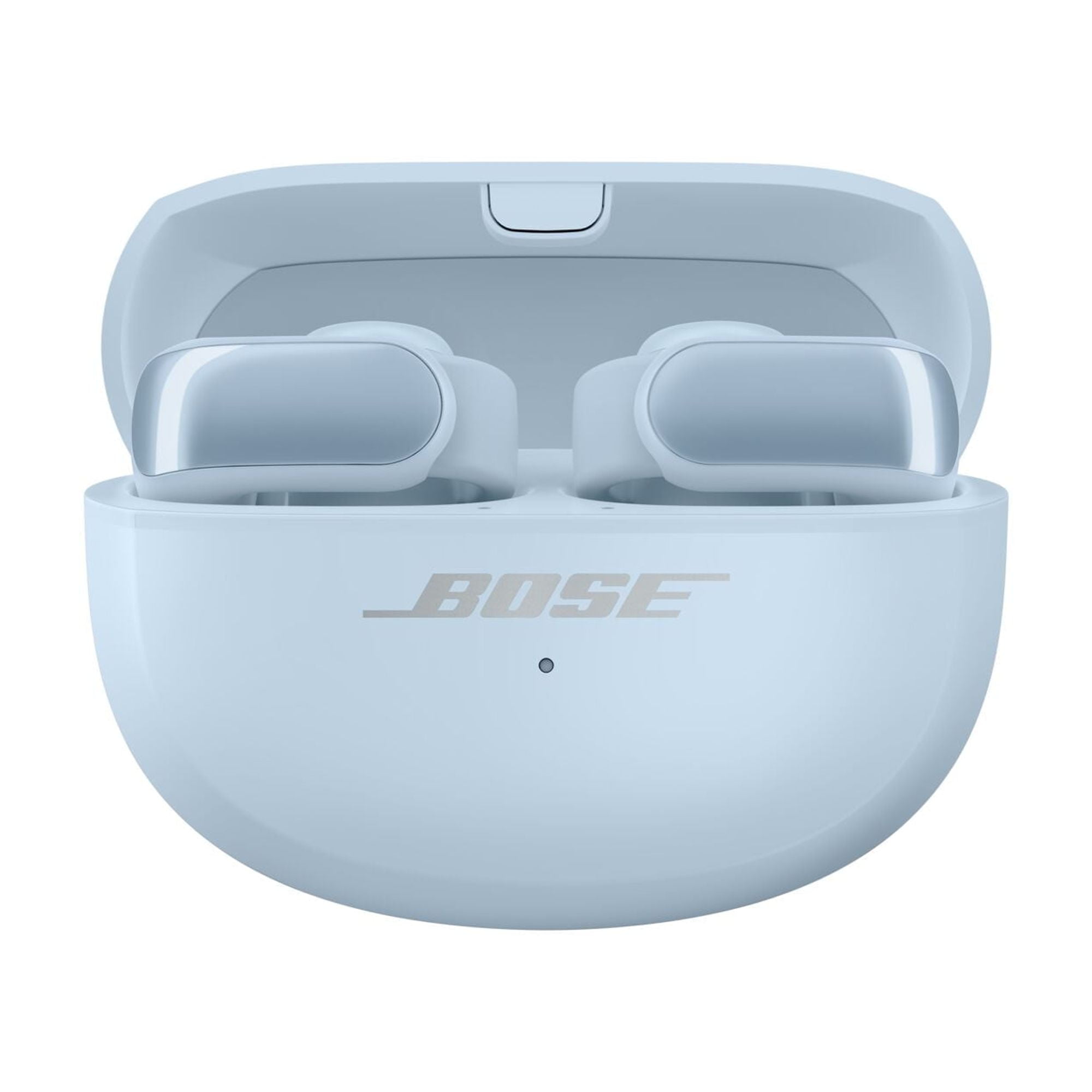
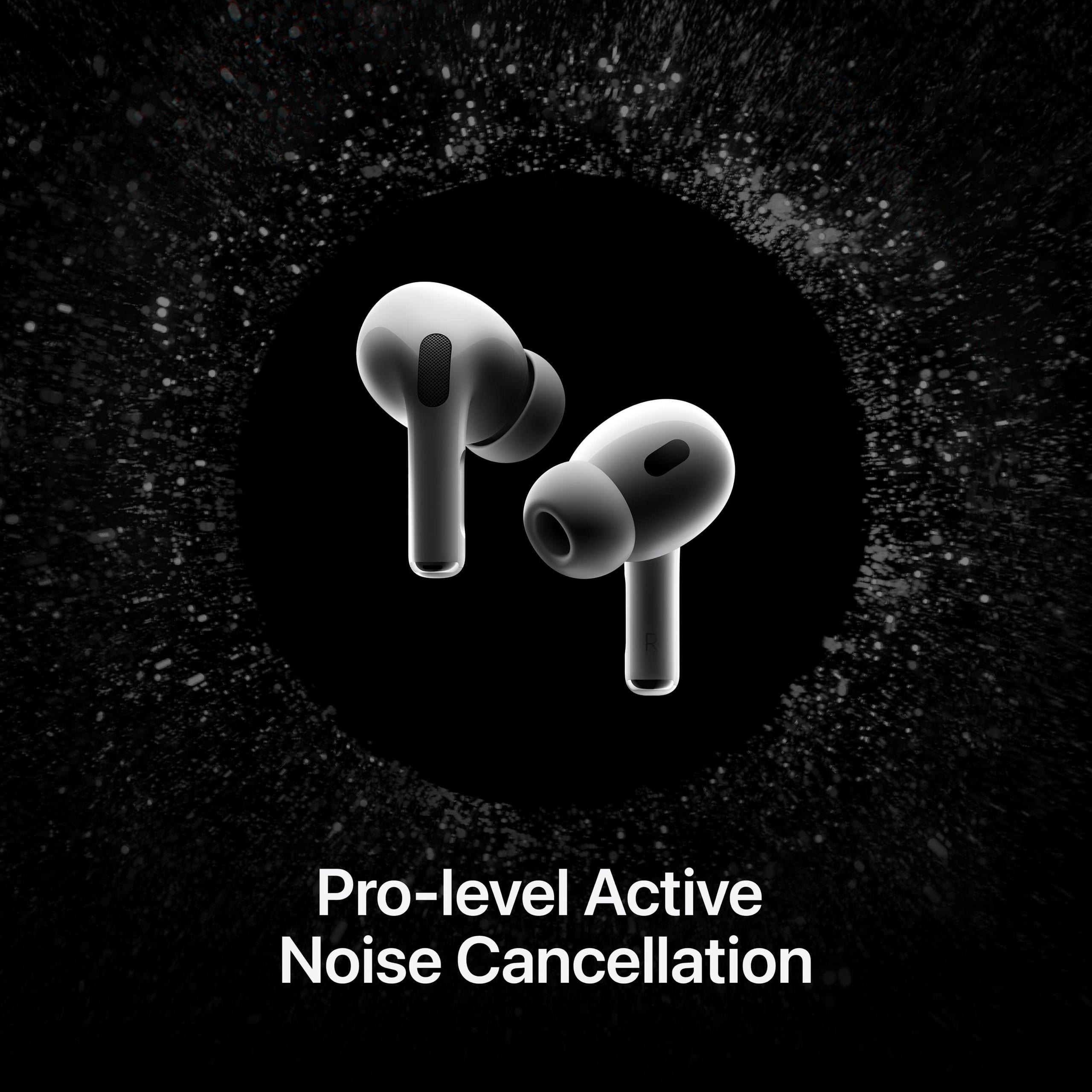
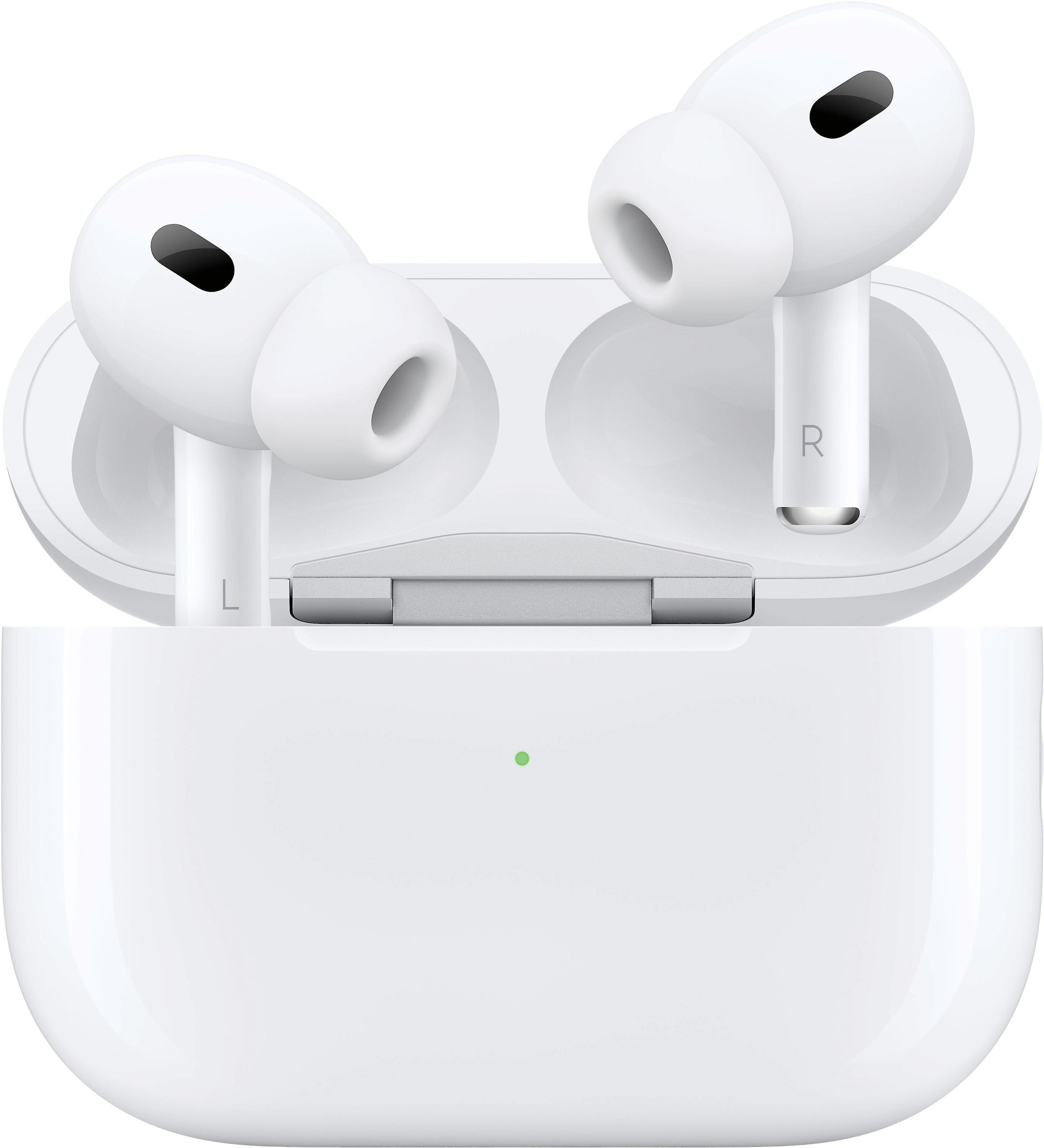
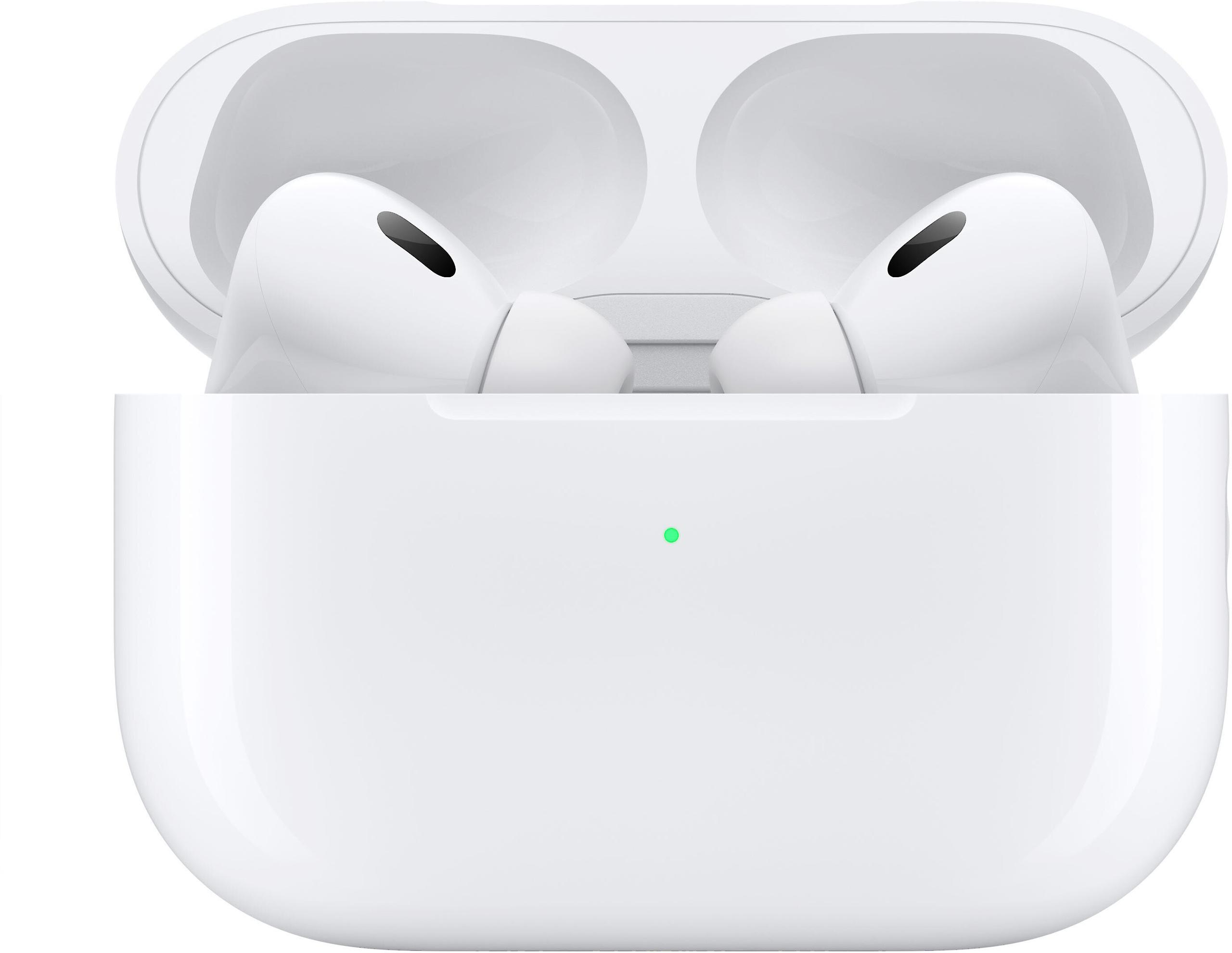
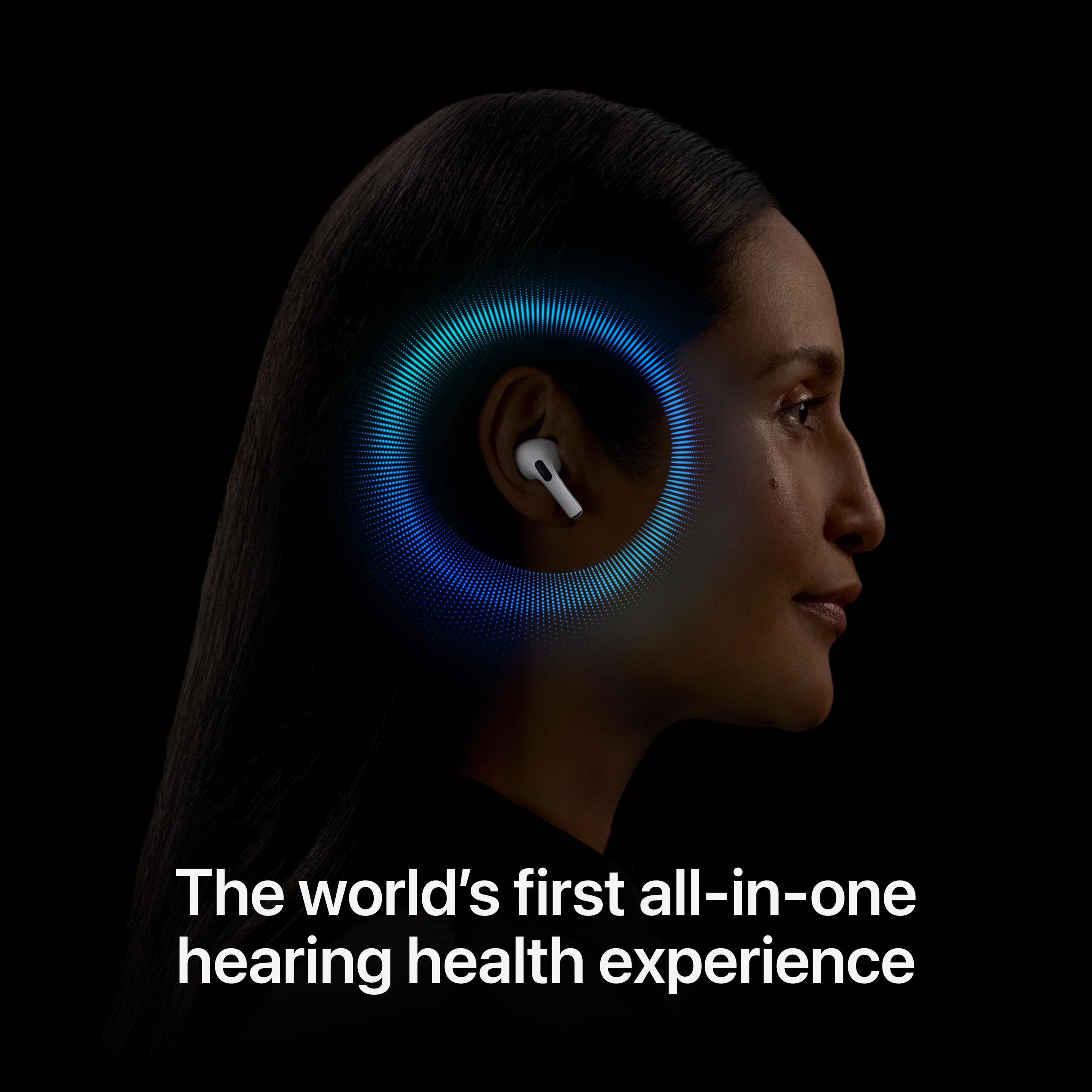
The wireless earbud world got shaken up in 2024 when Bose introduced something completely different with their Ultra Open Earbuds. Instead of stuffing speakers into your ear canals like every other company, they decided to float them just outside your ears. Meanwhile, Apple has been perfecting their traditional approach with the AirPods Pro 2, which launched in 2023 and received significant software updates throughout 2024, including groundbreaking hearing health features.
This fundamental difference in design philosophy creates two entirely different listening experiences. One prioritizes keeping you connected to the world around you, while the other focuses on blocking it out completely. Let me walk you through everything you need to know to decide which approach works better for your life.
When Apple first popularized wireless earbuds, the focus was simple: cut the wires and make them sound decent. Today's market has evolved into distinct categories serving different needs. Traditional in-ear designs like the AirPods Pro 2 use silicone tips that create a seal in your ear canal, allowing for active noise cancellation (ANC) – technology that uses microphones and speakers to actively cancel out background noise by producing opposite sound waves.
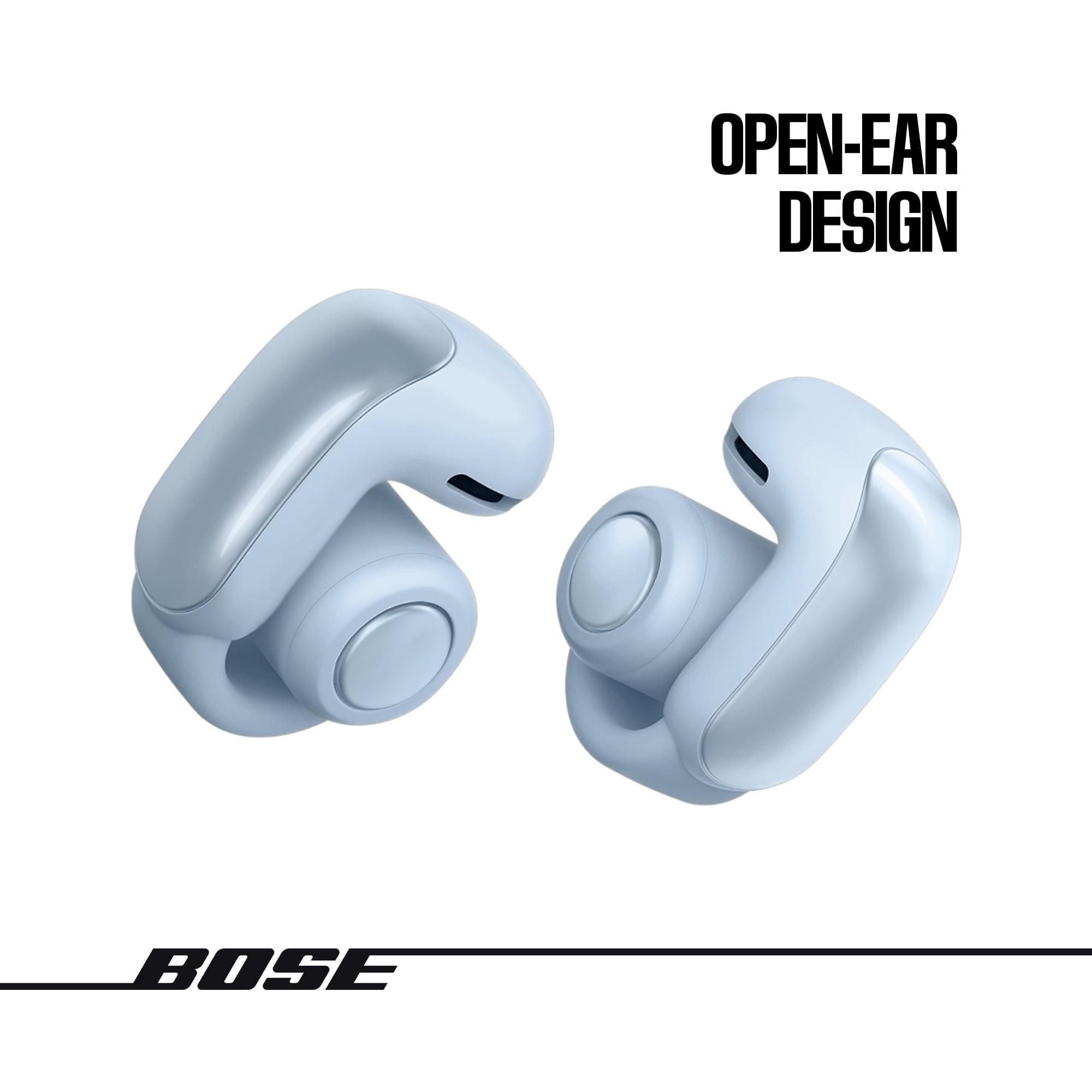
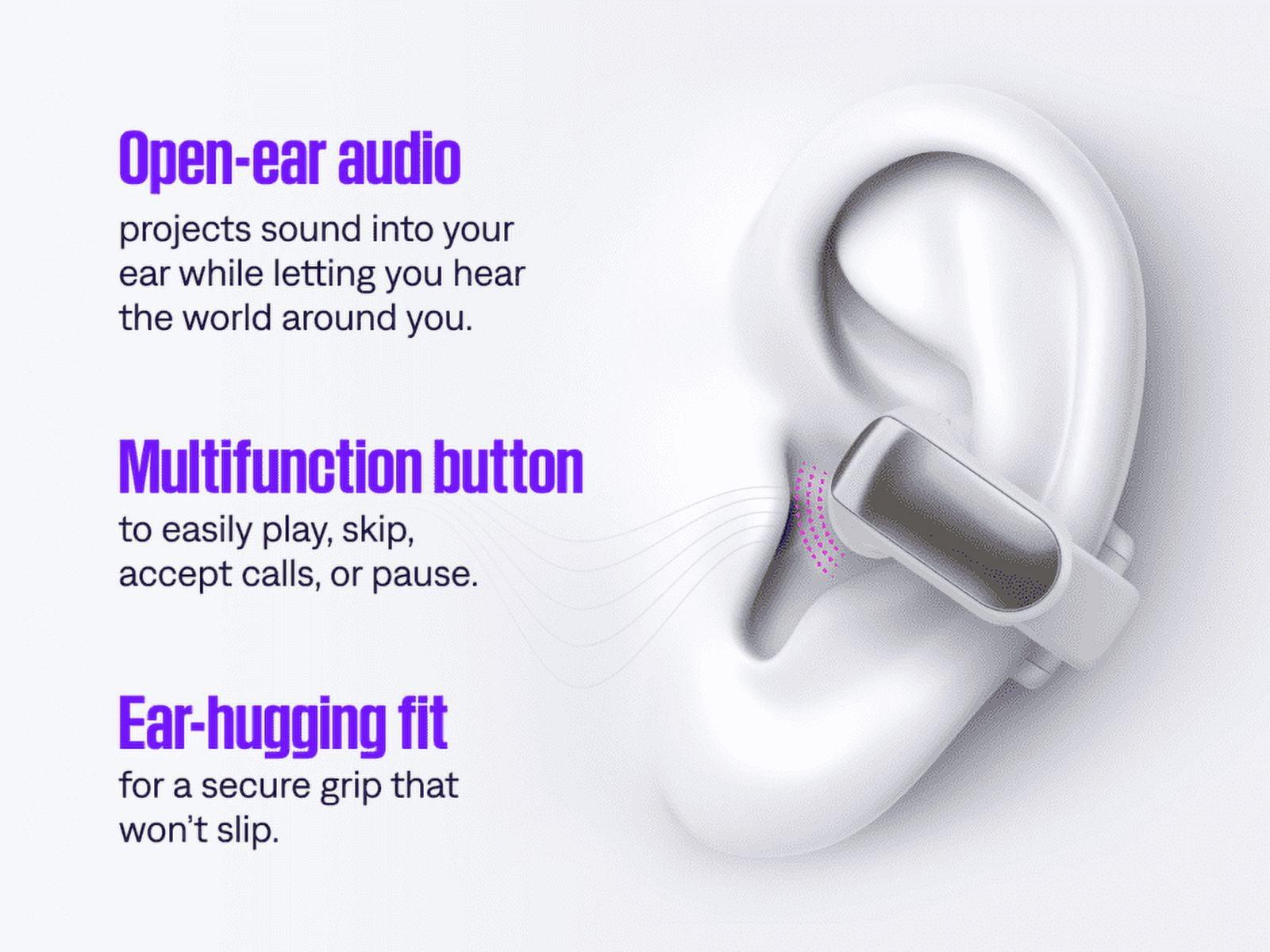
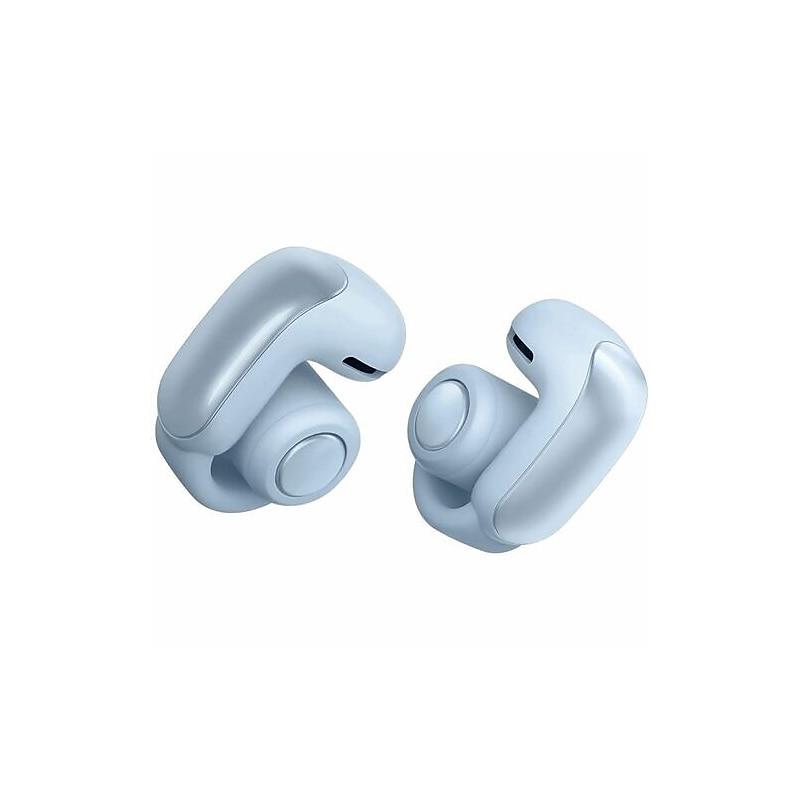
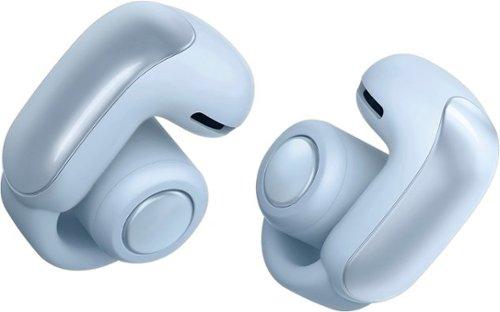
Open-ear designs like the Bose Ultra Open Earbuds take a radically different approach. Instead of blocking your ears, they use directional speakers and acoustic engineering to beam sound directly into your ear canal while leaving it completely open. Think of it like having invisible speakers floating near your ears.
The choice between these approaches isn't just about preference – it fundamentally changes how you interact with your environment. Do you want to create a private audio bubble, or maintain connection to the world while enjoying your music? This decision affects everything from safety during exercise to productivity in office environments.
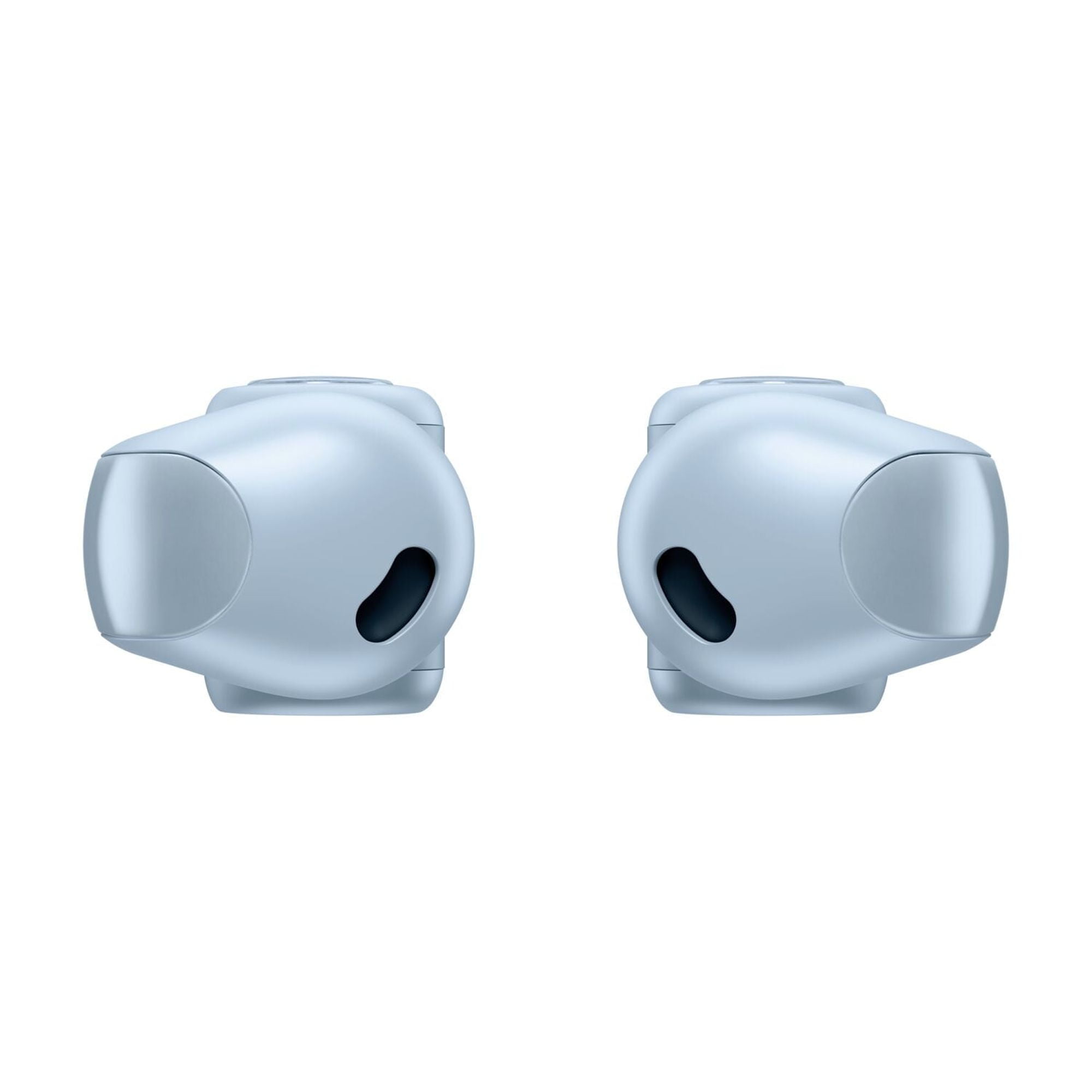
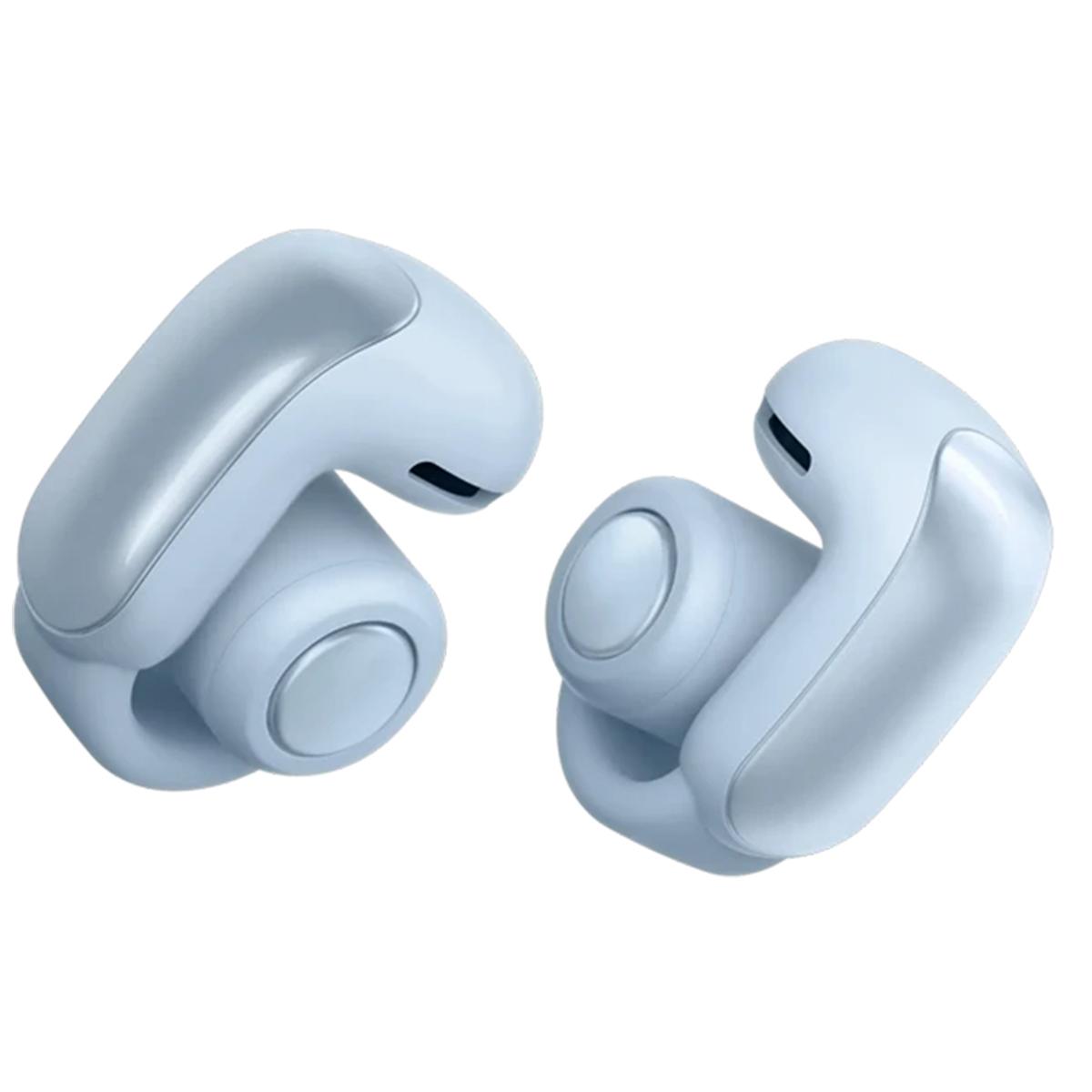
The Bose Ultra Open Earbuds look more like high-tech ear jewelry than traditional headphones. Their cuff-like design hooks onto your ear using what Bose calls a "light-as-air grip" – essentially a flexible joint that secures the earbud without any insertion into your ear canal. At 6 grams each, they're slightly heavier than the AirPods Pro 2 (5.3 grams), but that weight sits on your ear rather than inside it.
What makes this design revolutionary is Bose's OpenAudio technology. Traditional speakers work by moving air to create sound waves, but when you're not sealing the ear canal, most of that sound escapes. Bose solved this by precisely directing sound waves into your ear while minimizing leakage to the outside world. It's acoustic engineering at its finest – creating what feels like a personal sound field that only you can hear.
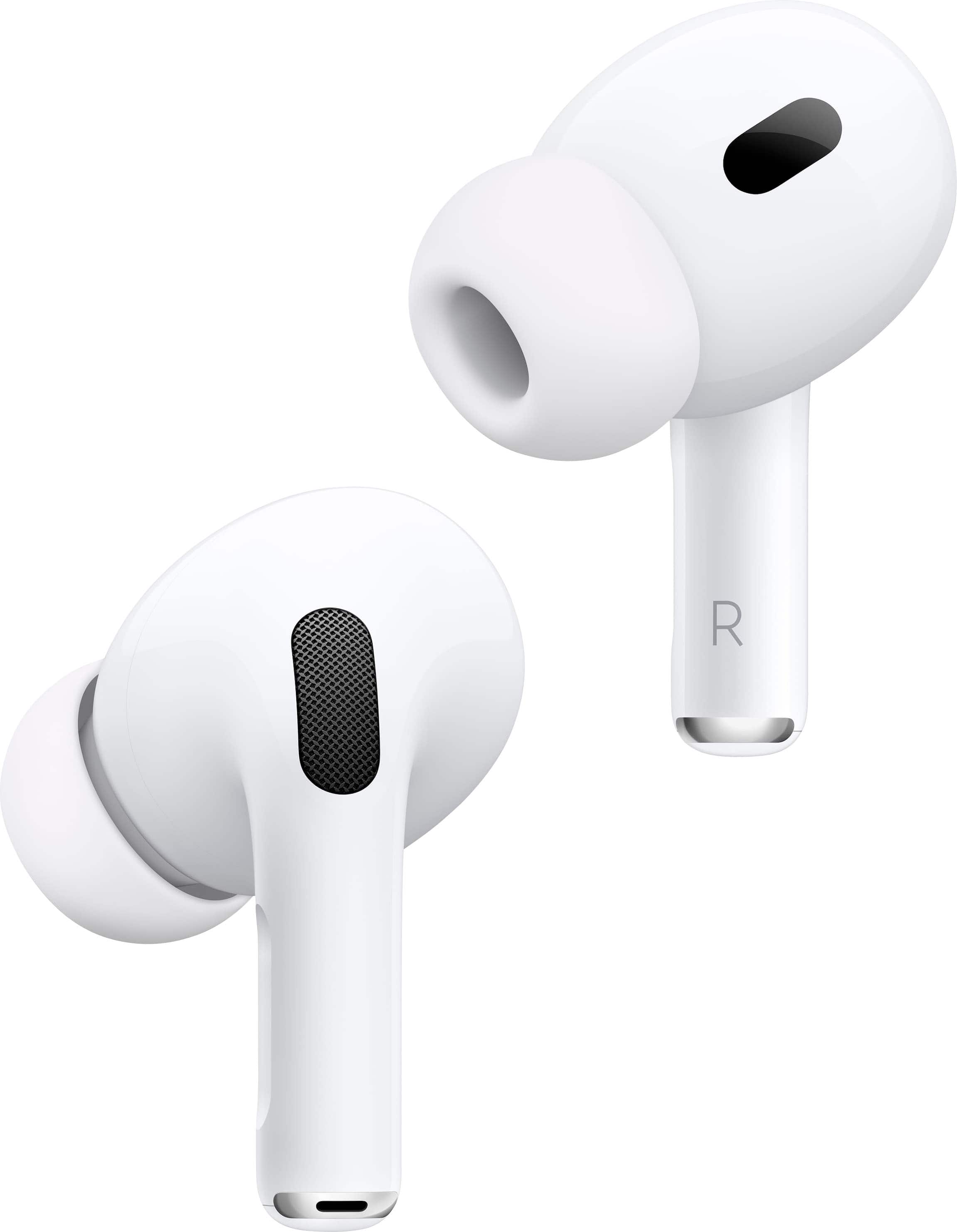
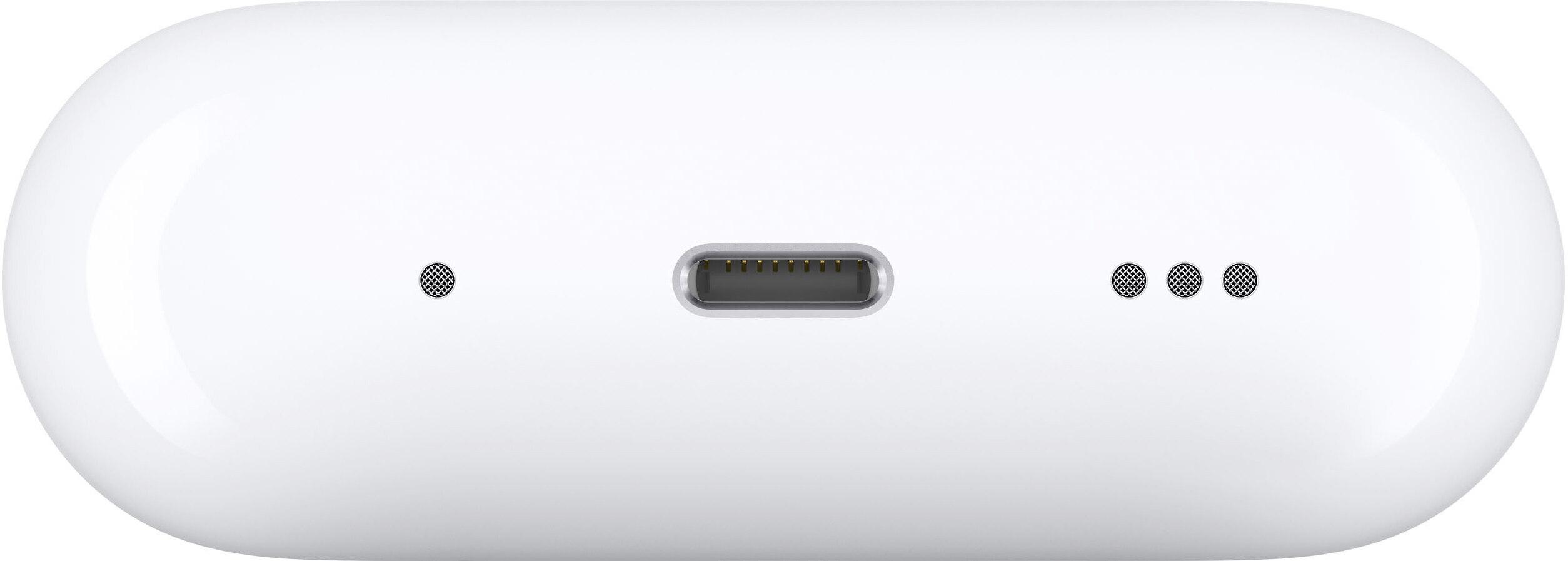
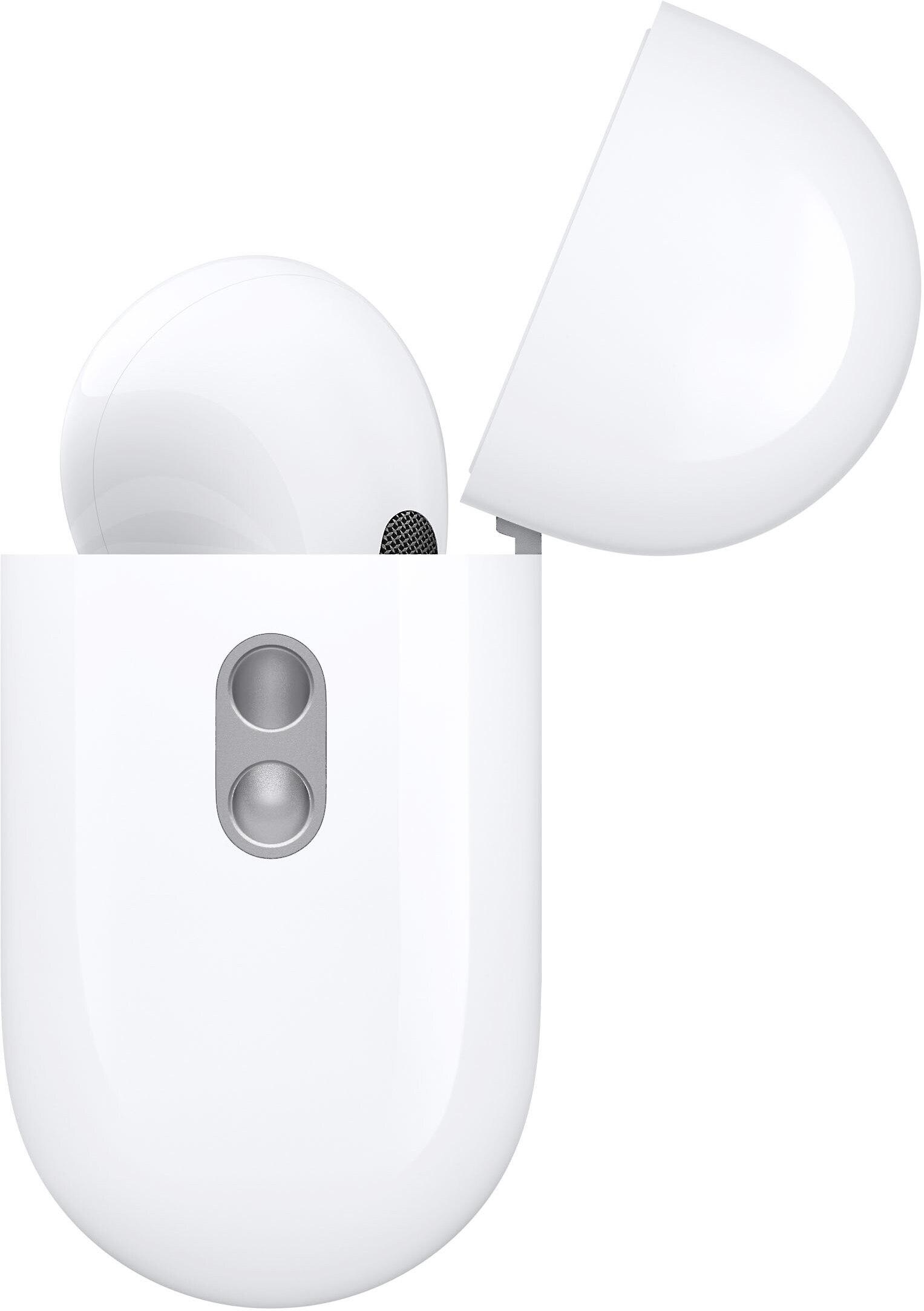
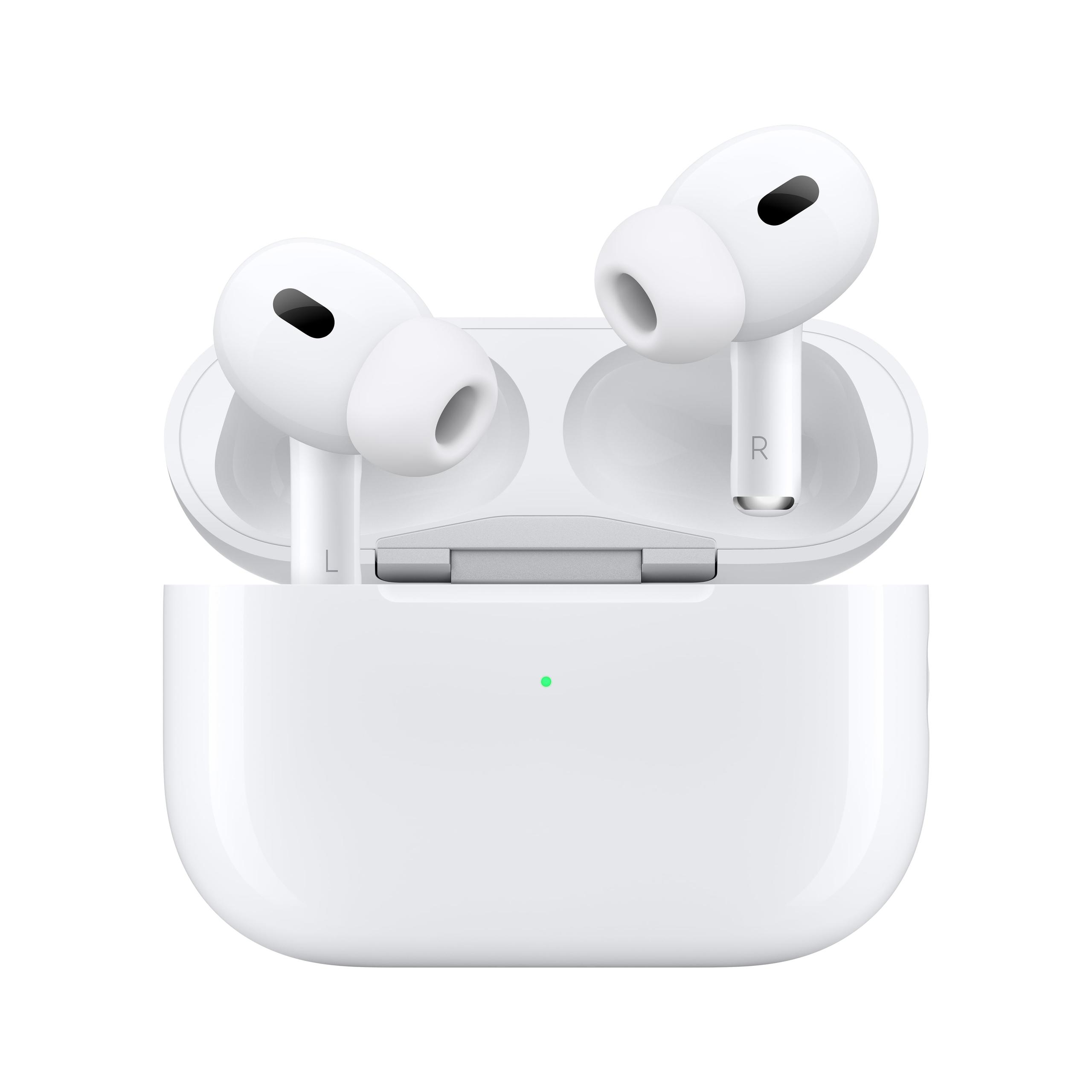
The Apple AirPods Pro 2 stick with the proven in-ear approach, but they've refined it significantly since the original AirPods Pro launched in 2019. The stem is 33% shorter than the original, and Apple includes four different ear tip sizes (XS, S, M, L) to ensure a proper seal. This seal is crucial because it enables the active noise cancellation that makes these earbuds so effective in noisy environments.
Apple's H2 chip, introduced with these earbuds in 2023, processes audio using computational algorithms that adapt the sound in real-time. The chip can make thousands of micro-adjustments per second, optimizing everything from noise cancellation to spatial audio based on your specific ear shape and the content you're listening to.
Here's where things get interesting from a technical standpoint. The Bose Ultra Open Earbuds face a fundamental physics challenge: how do you deliver rich, full sound without sealing the ear canal? Bass frequencies, which have longer wavelengths, are particularly difficult to reproduce in open-air designs because they need enclosed spaces to build up pressure.
Bose addresses this through what they call their custom driver and acoustic architecture. The driver – the component that actually produces sound – is specifically tuned to emphasize certain frequencies that work better in open-air environments. The result is surprisingly robust bass that users describe as "thumpy," though it won't match the deep, room-filling bass you'd get from the AirPods Pro 2.
The Apple AirPods Pro 2 benefit enormously from their sealed design. The silicone ear tips create a closed acoustic chamber, allowing the custom high-excursion driver to produce deeper bass frequencies more efficiently. Apple's Adaptive EQ technology uses internal microphones to measure what you're actually hearing, then adjusts the frequency response in real-time to compensate for how the earbuds fit in your specific ears.
This is where the sealed vs. open design creates the biggest performance difference. In quiet environments, both earbuds can sound excellent, but introduce background noise and the AirPods Pro 2 maintain their audio quality while the Bose Ultra Open Earbuds must compete with ambient sound mixing with your music.
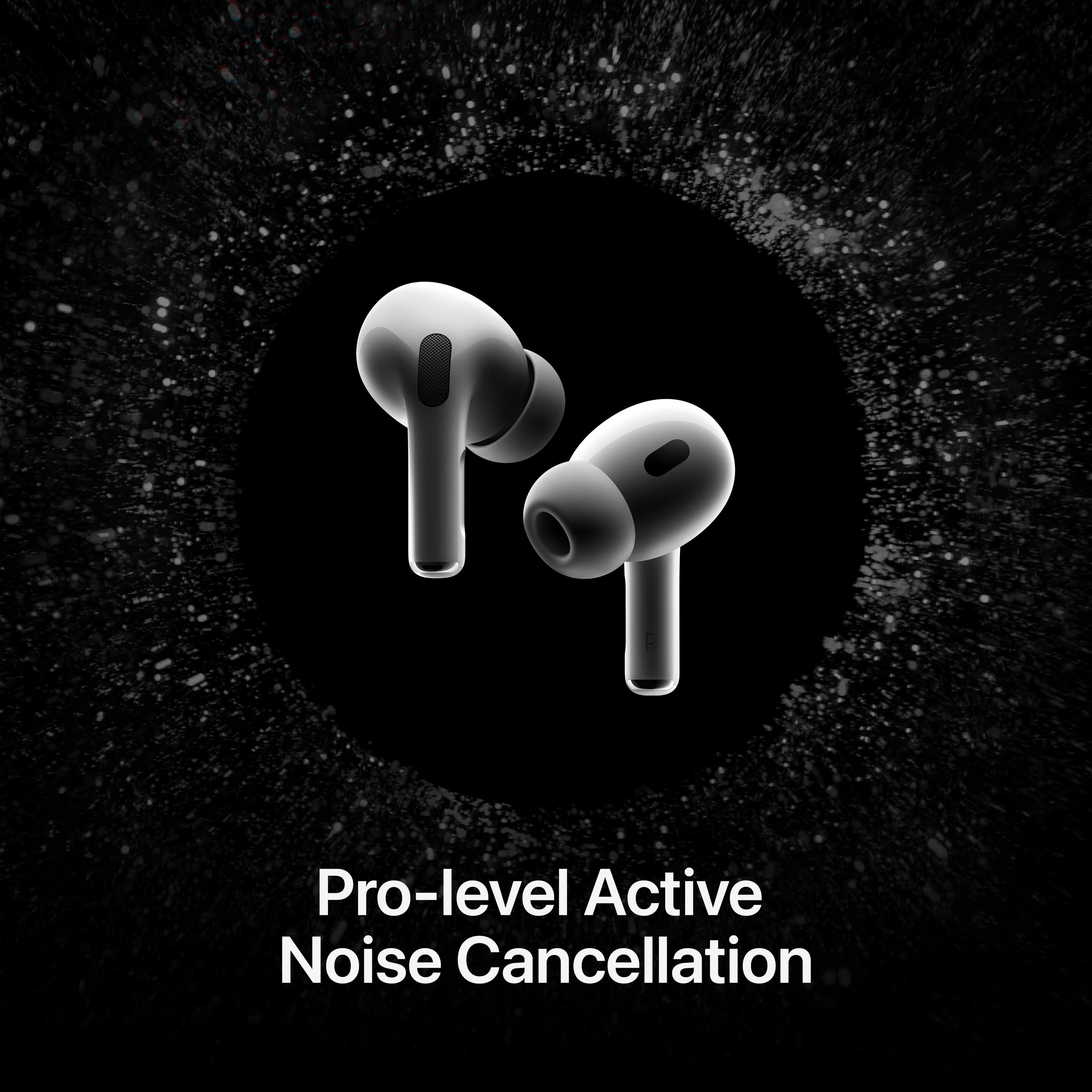
Active noise cancellation represents one of the biggest technological leaps in personal audio over the past decade. The AirPods Pro 2 use what Apple calls "pro-level" ANC, which employs multiple microphones to detect incoming noise and generate precise opposite sound waves to cancel it out. The H2 chip processes this cancellation 48,000 times per second – that's faster than you can consciously perceive sound changes.
But here's what's really clever about Apple's 2024 software updates: Adaptive Audio. This feature dynamically blends noise cancellation with transparency mode based on your environment. In a quiet library, it maximizes noise cancellation. On a busy street, it automatically lets in important sounds like car horns while still reducing overall noise levels. It's like having an intelligent audio engineer constantly adjusting your listening environment.
The Bose Ultra Open Earbuds take the opposite approach entirely – they can't and don't try to cancel noise because your ears remain completely open. Instead, they include Auto Volume technology that automatically adjusts playback level based on your surroundings. Walking from a quiet park into a busy café? The earbuds detect the increased ambient noise and bump up the volume accordingly.
This fundamental difference defines who should choose which product. If you need to block out airplane engines, crying babies, or chattering coworkers, the AirPods Pro 2 excel. If you need to hear approaching vehicles while cycling, conversations with colleagues, or your child calling for help, the Bose Ultra Open Earbuds are unmatched.
Comfort becomes crucial when you're wearing earbuds for hours at a time, and this is where the Bose Ultra Open Earbuds shine brightest. Because nothing enters your ear canal, there's no pressure, no seal to maintain, and no accumulation of moisture or wax. Users consistently report "forgetting they're wearing them" during all-day use – something that's nearly impossible with any in-ear design.
The cuff design distributes weight across your outer ear rather than depending on a tight fit inside your ear canal. This means they work regardless of your ear shape or size – no fiddling with different tip sizes or dealing with earbuds that fall out during exercise.
However, the AirPods Pro 2 have their own comfort advantages. When properly fitted with the right ear tip size, they create a secure, stable connection that won't shift during vigorous activity. The shorter stem design reduces the lever effect that could cause the earbuds to work loose, and the latest ear tip materials are designed to be more comfortable during extended wear.
Apple includes a fit test feature that uses audio cues to help you select the right ear tip size. This isn't just about comfort – it's crucial for performance. A poor seal reduces both sound quality and noise cancellation effectiveness. When properly fitted, many users find the AirPods Pro 2 comfortable for several hours, though few match the all-day wearability of the open-ear design.
Battery life tells an interesting story about the different technologies at work. The Bose Ultra Open Earbuds deliver up to 7.5 hours of continuous playback, or 4.5 hours with their Immersive Audio feature enabled. Immersive Audio is Bose's spatial audio technology that creates a more expansive soundstage by processing audio to simulate surround sound – but like all advanced audio processing, it requires more power.
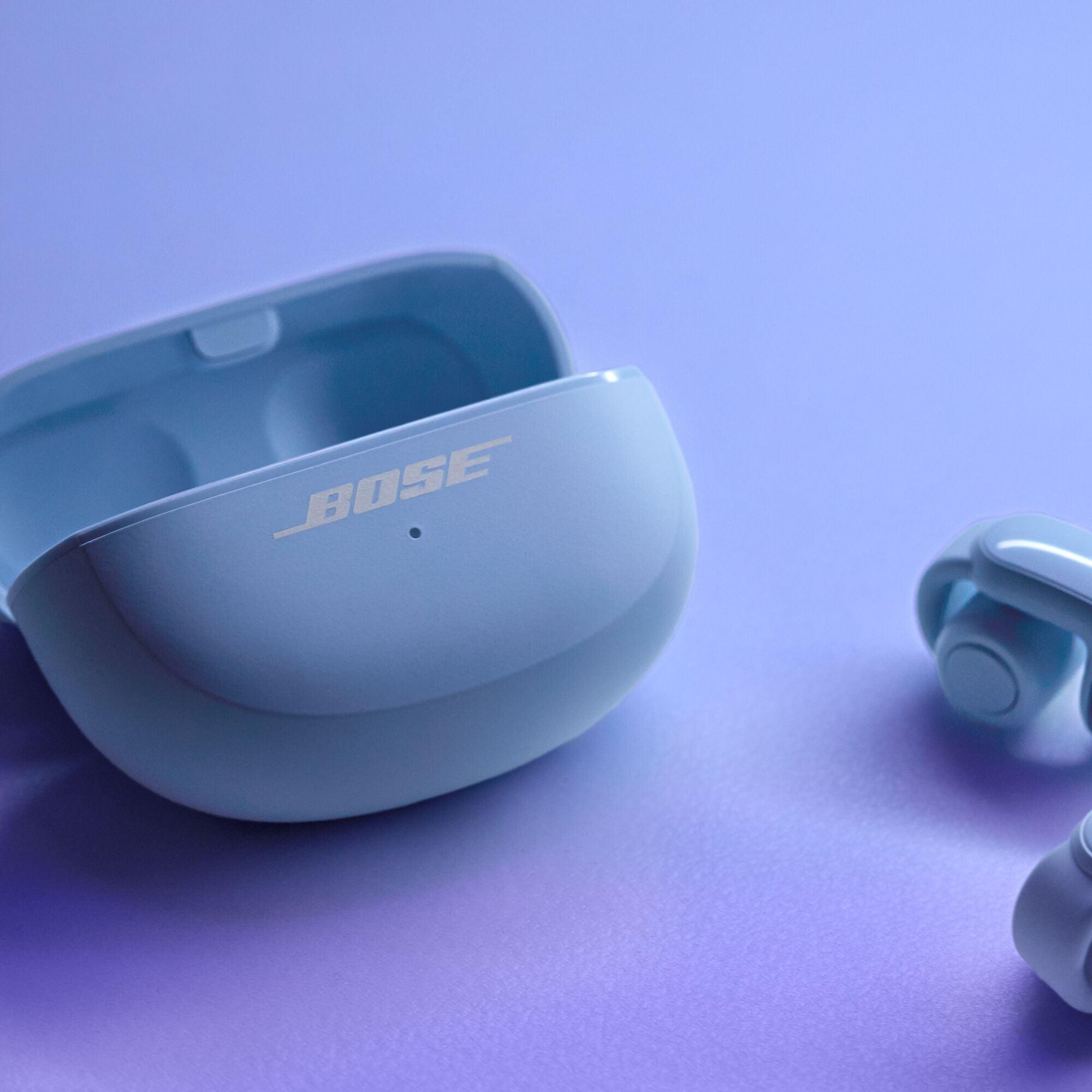
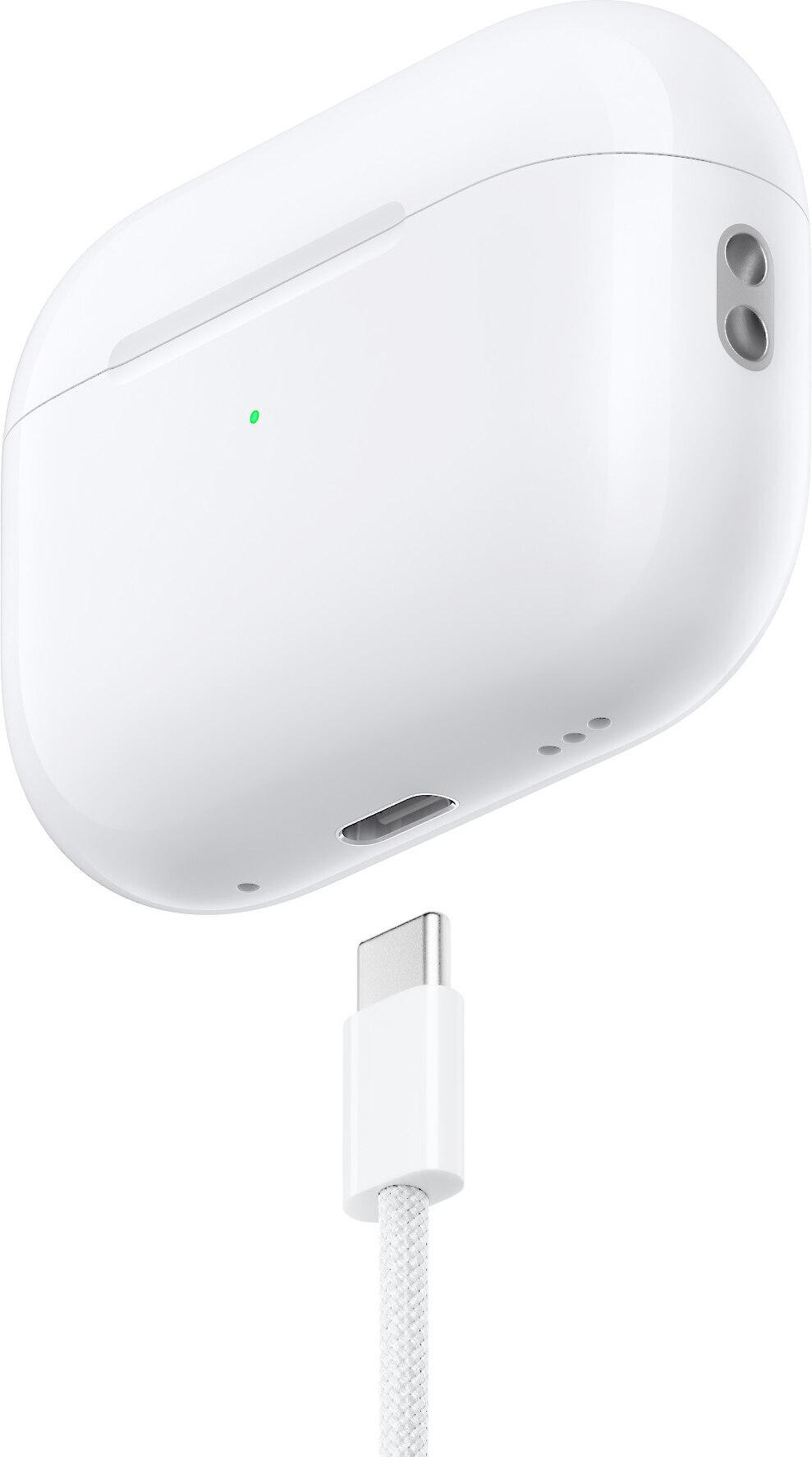
The total battery life with the charging case reaches 27 hours, which is respectable but not industry-leading. The case charges via USB-C, which has become the standard for most devices.
The AirPods Pro 2 provide about 6 hours of continuous playback with ANC enabled, extending to 30 hours total with the case. What sets Apple apart is charging flexibility – the case works with USB-C, MagSafe magnetic charging, Qi wireless charging, and even Apple Watch chargers. This versatility means you're more likely to find a compatible charging solution when you're running low on power.
Both earbuds offer quick charging features, but Apple's implementation feels more refined. Five minutes in the case provides about an hour of listening time, which can be a lifesaver during busy days.
This is where choosing your platform becomes crucial. The AirPods Pro 2 are designed primarily for the Apple ecosystem, though they'll work with any Bluetooth device. Within Apple's world, they're magical – automatically switching between your iPhone, iPad, and Mac as needed, supporting features like spatial audio with head tracking that moves the sound field as you turn your head, and integrating with Apple's Find My network so you can locate lost earbuds.
The H2 chip enables features that simply aren't possible with standard Bluetooth audio. Personalized Spatial Audio uses your iPhone's TrueDepth camera to analyze your ear shape and create a custom audio profile. It sounds gimmicky until you experience how much more immersive movies and music become when the audio is tailored specifically to your anatomy.
The Bose Ultra Open Earbuds take a more universal approach with Bluetooth 5.3 and multipoint connectivity – the ability to connect to two devices simultaneously. This means you can listen to music on your laptop while staying connected to your phone for calls. They also support high-quality audio codecs like aptX Adaptive, which can provide better sound quality than standard Bluetooth when used with compatible Android devices.
For Android users, this universal approach often works better than dealing with the limited functionality they'd get from AirPods Pro 2. iPhone users, however, miss out on the seamless integration that makes Apple's earbuds feel like an extension of their device rather than just another accessory.
Both earbuds earned respectable water resistance ratings, but with important differences. The AirPods Pro 2 carry an IP54 rating, meaning they're protected against dust and can handle splashes from any direction. The Bose Ultra Open Earbuds achieve IPX4, which covers sweat and water splashes but doesn't include dust protection.
In practical terms, both should handle sweaty workouts and light rain without issues. The open design of the Bose earbuds might actually have advantages here – there's no ear canal seal to break down over time, and the open structure allows moisture to evaporate more easily.
For exercise and outdoor activities, the Bose Ultra Open Earbuds offer unmatched safety and comfort. Runners can hear approaching vehicles, cyclists stay aware of traffic, and gym-goers can respond to spotters or trainers without missing a beat. The lack of any seal means no pressure changes during altitude shifts or temperature variations.
For commuting and travel, the AirPods Pro 2 become the clear winner. Airplane engines, subway rumble, and coffee shop chatter all disappear behind their excellent noise cancellation. The sealed design also means your audio quality remains consistent regardless of external noise levels.
In home theater scenarios, both earbuds offer interesting advantages. The AirPods Pro 2 support spatial audio that can create a convincing surround sound experience from stereo content, especially when watching movies on an iPad or iPhone. The Bose Ultra Open Earbuds allow you to enjoy late-night viewing without completely isolating yourself from household sounds – you'll still hear a crying baby or someone at the door.
For work environments, the choice depends on your role. Open offices favor the Bose Ultra Open Earbuds because you can listen to focus music while remaining approachable for conversations. Private offices or roles requiring deep concentration benefit from the isolation provided by the AirPods Pro 2.
At the time of writing, there's a significant price difference between these earbuds, with the Bose Ultra Open Earbuds commanding a substantial premium over the Apple AirPods Pro 2. This price gap reflects the relative maturity of the technologies – Apple has been refining in-ear active noise cancellation for years, while Bose's open-ear design represents newer, more complex engineering.
The question becomes whether the unique benefits of open-ear design justify the premium. For users who've struggled with comfort in traditional earbuds, have safety concerns about audio isolation, or simply can't achieve a good seal with in-ear designs, the extra cost may be justified. For everyone else, the AirPods Pro 2 offer exceptional value with proven technology and comprehensive features.
Choose the Bose Ultra Open Earbuds if you prioritize all-day comfort above everything else, need to maintain environmental awareness for safety or social reasons, have had poor experiences with in-ear designs, or work in collaborative environments where complete audio isolation is counterproductive.
The Apple AirPods Pro 2 make more sense for most people, especially if you're already invested in Apple's ecosystem. They offer better overall audio quality, more versatile noise management, significantly better value, and the flexibility to handle everything from quiet music listening to noisy commutes.
The bottom line? The AirPods Pro 2 are better earbuds for most people and most situations. But the Bose Ultra Open Earbuds solve specific problems so well that for the right user, they're irreplaceable. Your choice should depend on whether you want to block out the world or stay connected to it – everything else flows from that fundamental decision.
| Bose Ultra Open Earbuds | Apple AirPods Pro 2 |
|---|---|
| Design Philosophy - Fundamentally changes your listening experience | |
| Open-ear design with no ear canal insertion | Traditional in-ear with silicone tips and seal |
| Active Noise Cancellation - Critical for noisy environments | |
| None (intentionally open to environment) | Pro-level ANC with up to 2x improvement over previous generation |
| Environmental Awareness - Important for safety and social situations | |
| Full awareness at all times | Adaptive Audio and Transparency mode when needed |
| Comfort for Extended Wear - Matters for all-day use | |
| Exceptional - users report forgetting they're wearing them | Good with proper ear tip fit, may cause fatigue after hours |
| Battery Life (Earbuds) - Affects daily usability | |
| Up to 7.5 hours continuous playback | Up to 6 hours with ANC enabled |
| Total Battery Life with Case - Important for travel | |
| Up to 27 hours total | Up to 30 hours total |
| Water/Dust Resistance - Durability for active use | |
| IPX4 (sweat and splash resistant) | IP54 (dust and water resistant - better protection) |
| Ecosystem Integration - Seamless device switching and features | |
| Universal Bluetooth with multipoint connectivity | Deep Apple integration with H2 chip, limited Android features |
| Sound Quality Approach - Different strengths | |
| Surprisingly robust for open design, enhanced bass | Superior audio fidelity with Adaptive EQ and sealed design |
| Spatial Audio Support - Immersive media experience | |
| Bose Immersive Audio with Still and Motion modes | Personalized Spatial Audio with dynamic head tracking |
| Charging Options - Convenience factor | |
| USB-C only | USB-C, MagSafe, Qi wireless, Apple Watch charger compatible |
| Price Positioning - Value consideration | |
| Premium pricing for innovative open-ear technology | Strong value with proven features at lower price point |
The Bose Ultra Open Earbuds are significantly better for exercise and outdoor activities. Their open-ear design allows you to hear approaching vehicles, other people, and your surroundings while running or cycling, which is crucial for safety. They also don't create a seal in your ear canal, so there's no pressure buildup or moisture accumulation during intense workouts. The Apple AirPods Pro 2 can work for gym use but may become uncomfortable during long sessions and completely block environmental awareness.
The Apple AirPods Pro 2 work best with iPhones and other Apple devices, offering features like automatic device switching, spatial audio, and seamless integration. They'll connect to Android phones but lose many advanced features. The Bose Ultra Open Earbuds work equally well with any device that supports Bluetooth, making them a better choice for Android users or people who use multiple device platforms.
The Apple AirPods Pro 2 deliver superior overall sound quality due to their sealed in-ear design, which allows for deeper bass response and better audio isolation. The Bose Ultra Open Earbuds offer surprisingly good sound for an open-ear design but can't match the audio fidelity of sealed earbuds, especially in noisy environments where ambient sound mixes with your music.
The Bose Ultra Open Earbuds excel at all-day comfort since nothing goes inside your ear canal. Users consistently report forgetting they're wearing them during extended use. The Apple AirPods Pro 2 can be comfortable for several hours when properly fitted, but most people experience some ear fatigue during all-day wear due to the in-ear seal.
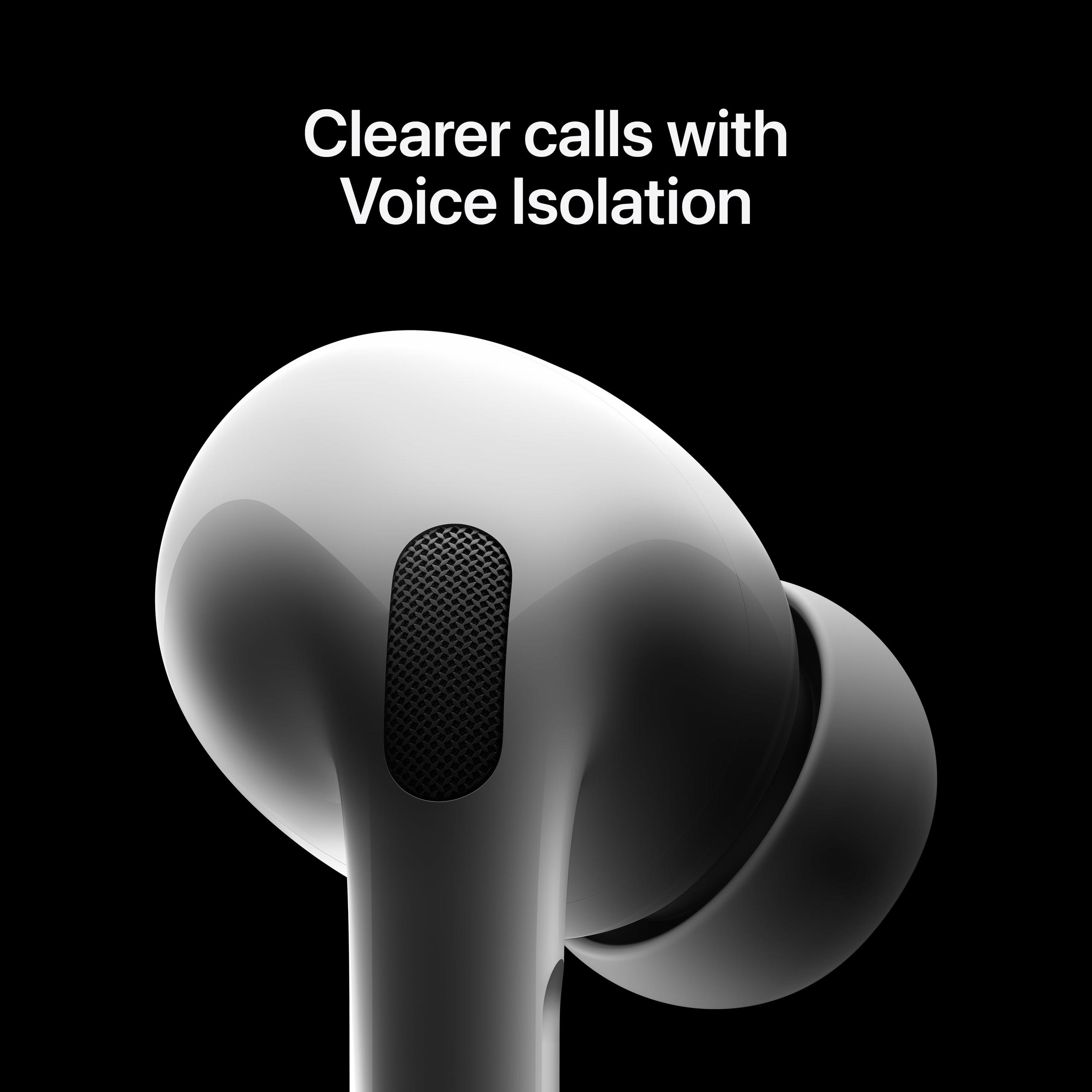
Both perform well for calls, but in different scenarios. The Apple AirPods Pro 2 are better for calls in noisy environments thanks to their noise cancellation and voice isolation features. The Bose Ultra Open Earbuds are ideal for work-from-home situations where you need to stay aware of your surroundings, hear family members, or remain approachable to colleagues in open offices.
The Apple AirPods Pro 2 provide an excellent home theater experience with their spatial audio technology that creates surround sound effects and adapts as you move your head. They're perfect for late-night viewing when you want immersive audio without disturbing others. The Bose Ultra Open Earbuds allow you to enjoy content while staying aware of household sounds like crying babies or doorbells, but don't offer the same immersive experience.
The Bose Ultra Open Earbuds offer slightly longer single-charge battery life at 7.5 hours compared to 6 hours for the Apple AirPods Pro 2. However, the AirPods provide more total battery life with the case (30 hours vs 27 hours) and more charging options including wireless charging and MagSafe compatibility.
The Apple AirPods Pro 2 are far superior for commuting and travel. Their active noise cancellation effectively blocks airplane engines, subway noise, and coffee shop chatter. The Bose Ultra Open Earbuds can't block ambient noise due to their open design, making them less suitable for noisy transportation environments.
The Apple AirPods Pro 2 have better protection with an IP54 rating that covers both dust and water resistance. The Bose Ultra Open Earbuds have an IPX4 rating that protects against sweat and water splashes but not dust. Both should handle typical workout conditions, but the AirPods offer more comprehensive protection.
The Bose Ultra Open Earbuds are perfect for people who find traditional earbuds uncomfortable or claustrophobic. Their open design means nothing goes inside your ear canal, eliminating pressure, moisture buildup, and the sealed feeling many people dislike. The Apple AirPods Pro 2 require ear canal insertion and may not be suitable for those with ear sensitivity.
The Apple AirPods Pro 2 provide significantly better value, offering proven technology, comprehensive features, and strong ecosystem integration at a lower price point. The Bose Ultra Open Earbuds command a premium for their innovative open-ear technology, which may be worth it for users who prioritize comfort and environmental awareness over pure audio performance.
The Apple AirPods Pro 2 are better for gaming, especially on iOS devices, thanks to their low-latency audio, spatial audio features, and tight integration with Apple's gaming platforms. The Bose Ultra Open Earbuds work for gaming but don't offer the same immersive experience and may have slightly higher latency due to their universal Bluetooth approach rather than proprietary chip optimization.
We've done our best to create useful and informative comparisons to help you decide what product to buy. Our research uses advanced automated methods to create this comparison and perfection is not possible - please contact us for corrections or questions. These are the sites we've researched in the creation of this article: bose.com - youtube.com - consumerreports.org - rtings.com - head-fi.org - youtube.com - tomsguide.com - bestbuy.com - youtube.com - bose.com - cnet.com - youtube.com - soundguys.com - applevis.com - techgearlab.com - purewow.com - bose.com - bose.com - assets.bose.com - youtube.com - techradar.com - whathifi.com - bose.com - bose.com - youtube.com - bose.com - recordingnow.com - apple.com - apple.com - cnet.com - hearingreview.com - target.com - support.apple.com - costco.com - cnet.com - quill.com

Privacy Policy
Terms and Conditions - Affiliate Policy
Home Security
© Copyright 2008-2026.
11816 Inwood Rd #1211, Dallas, TX 75244