

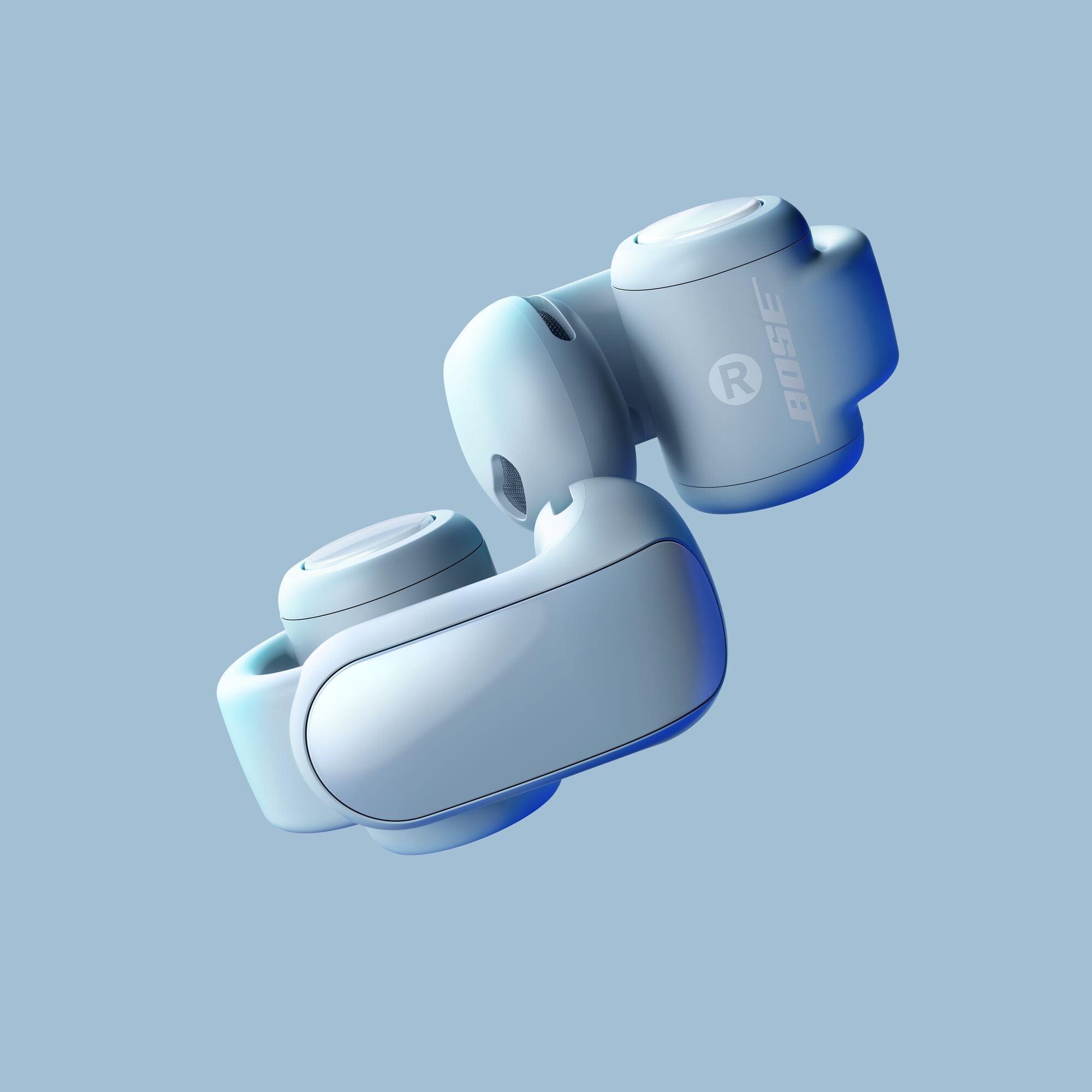
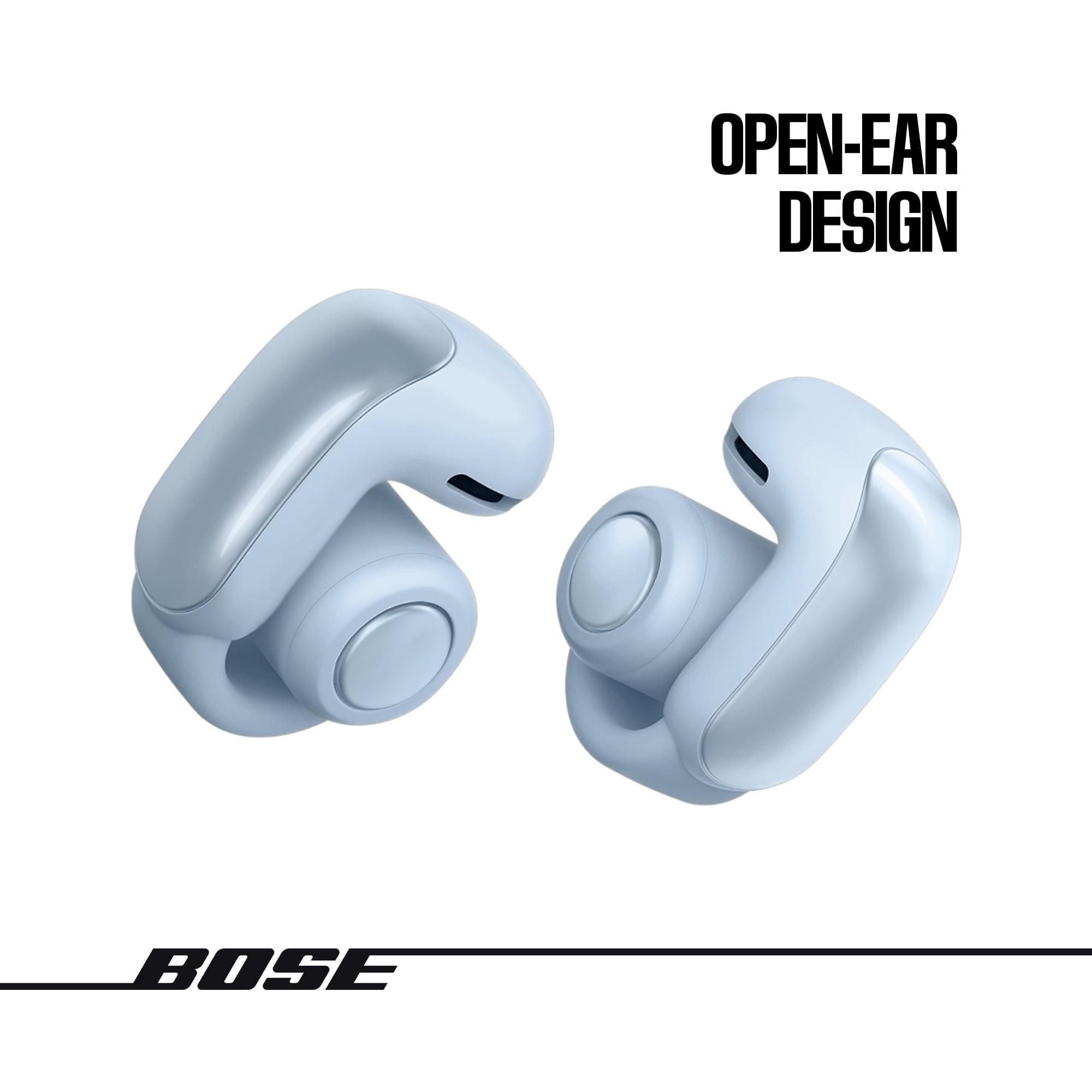
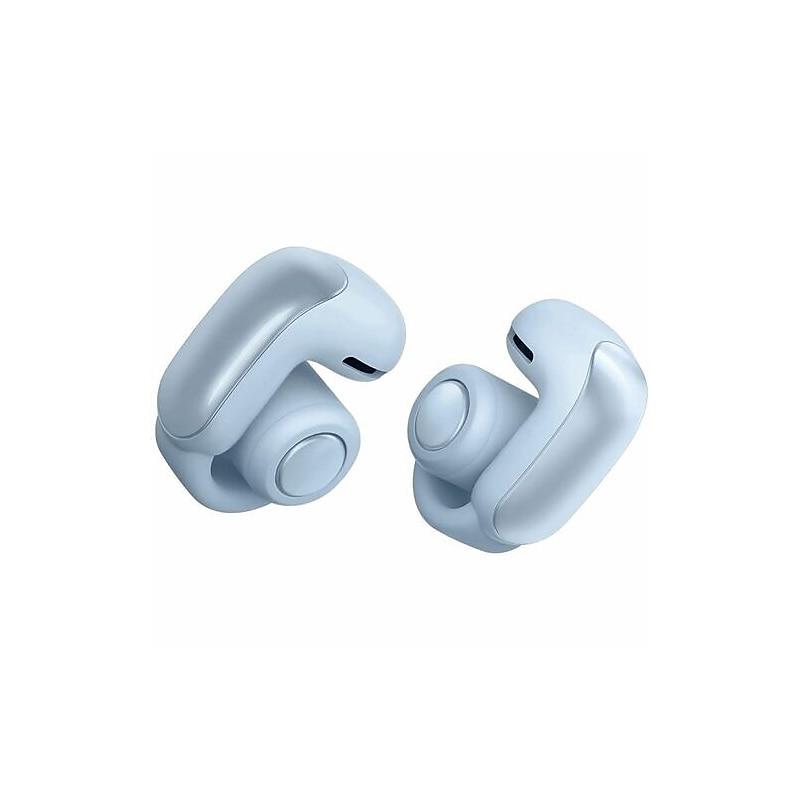




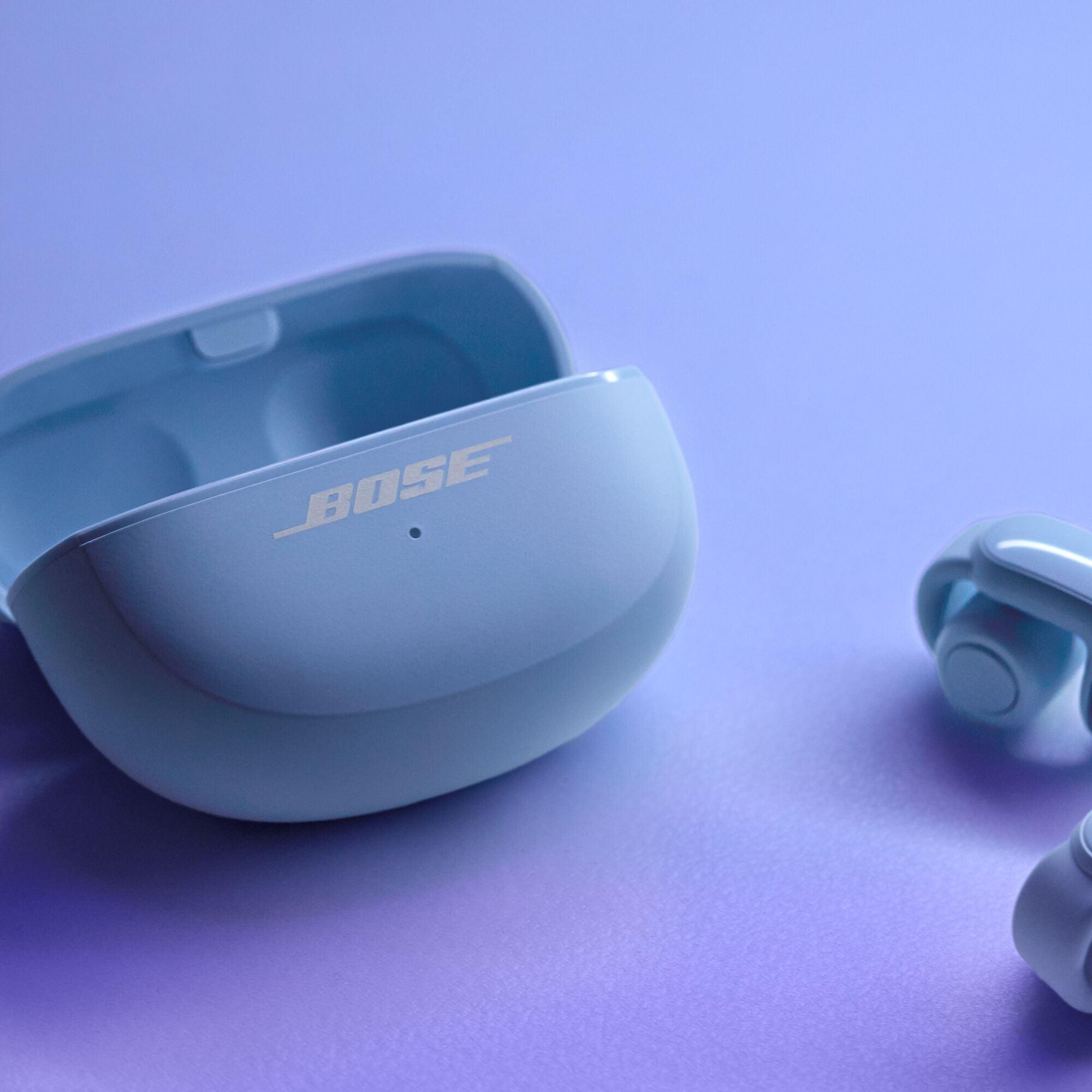

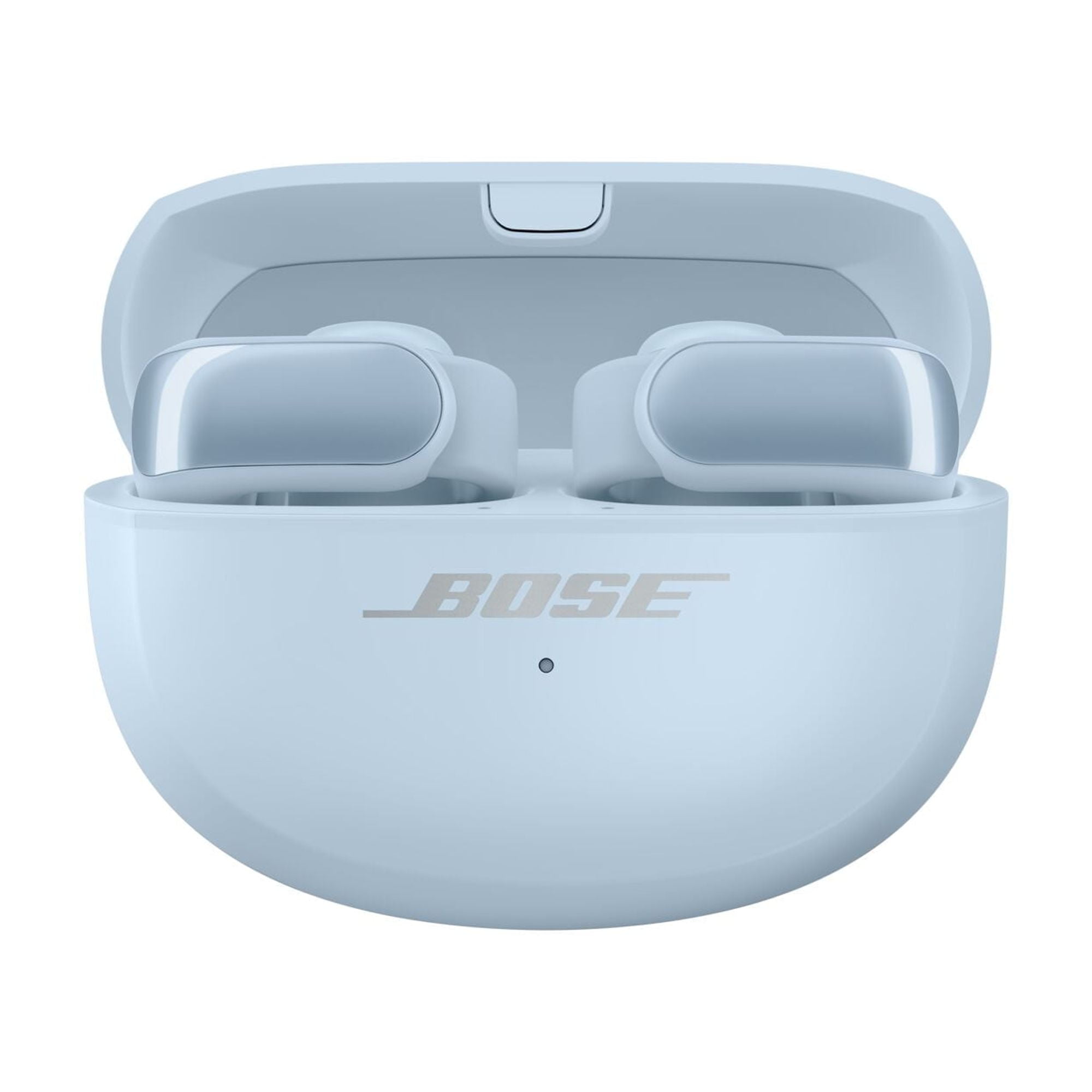


When I first put on the Bose Ultra Open Earbuds back in 2024, I had to do a double-take. Here I was, listening to music at a reasonable volume, yet I could still hear my colleague asking if I wanted coffee from across the room. It was like having a personal soundtrack to my day without missing out on the world around me. Compare that to slipping on the Devialet Gemini II, and suddenly the world just... disappears. Both experiences are remarkable, but for completely different reasons.
These two earbuds represent fundamentally different philosophies in wireless audio design, and understanding which approach suits your lifestyle could save you from buyer's remorse down the road.
The wireless earbud market has exploded into distinct categories since Apple's AirPods changed everything in 2016. Today, we're not just choosing between different brands—we're choosing between entirely different experiences.
The main considerations when shopping for premium earbuds include how they handle your ears (open vs sealed), sound quality, noise management, comfort for extended wear, battery performance, and overall value. But here's what most people don't realize: these factors often work against each other. Want perfect noise isolation? You'll sacrifice situational awareness. Need all-day comfort? You might compromise on bass response.
The Bose Ultra Open Earbuds and Devialet Gemini II sit at opposite ends of this spectrum, each making deliberate trade-offs that serve different types of users exceptionally well.
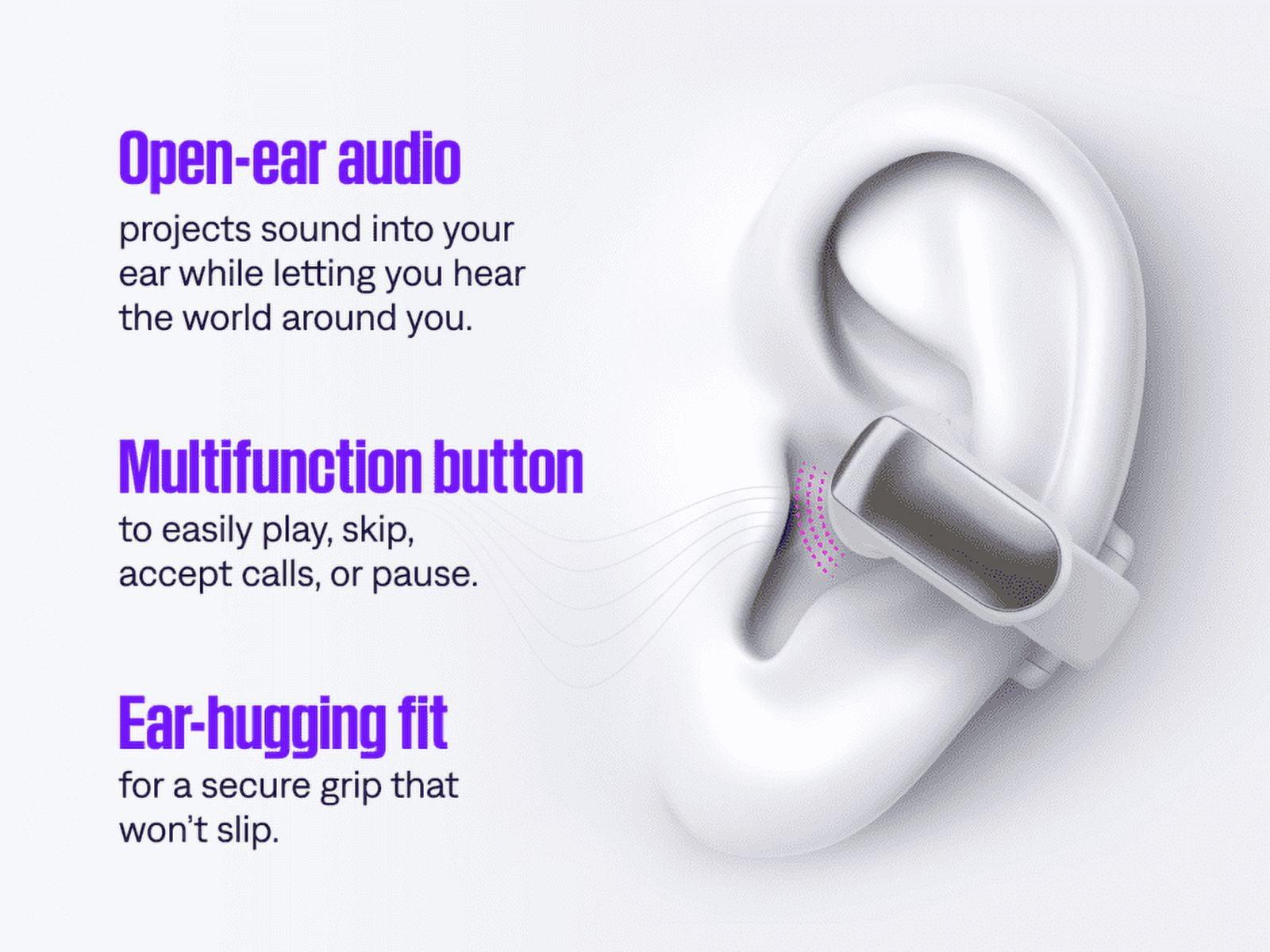
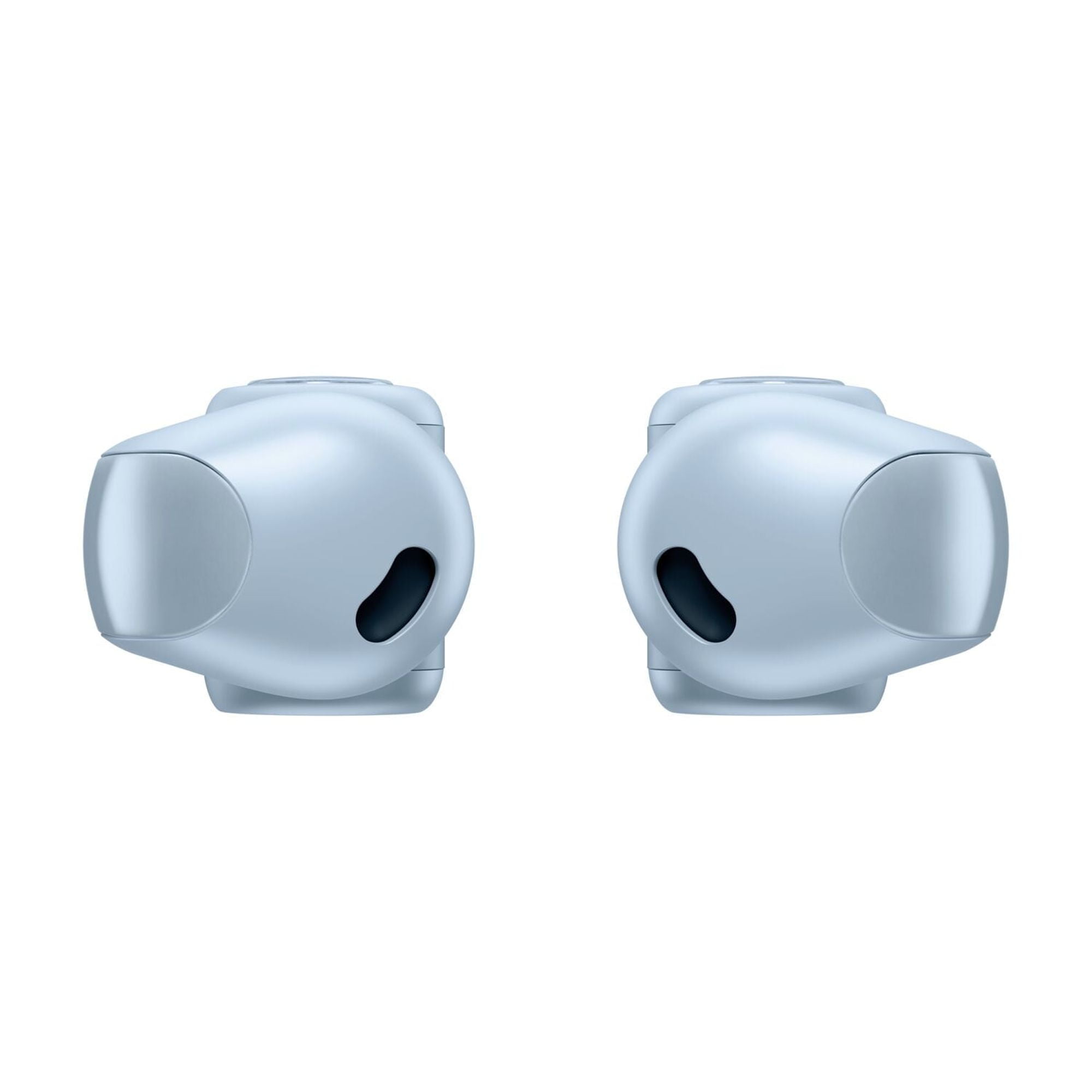
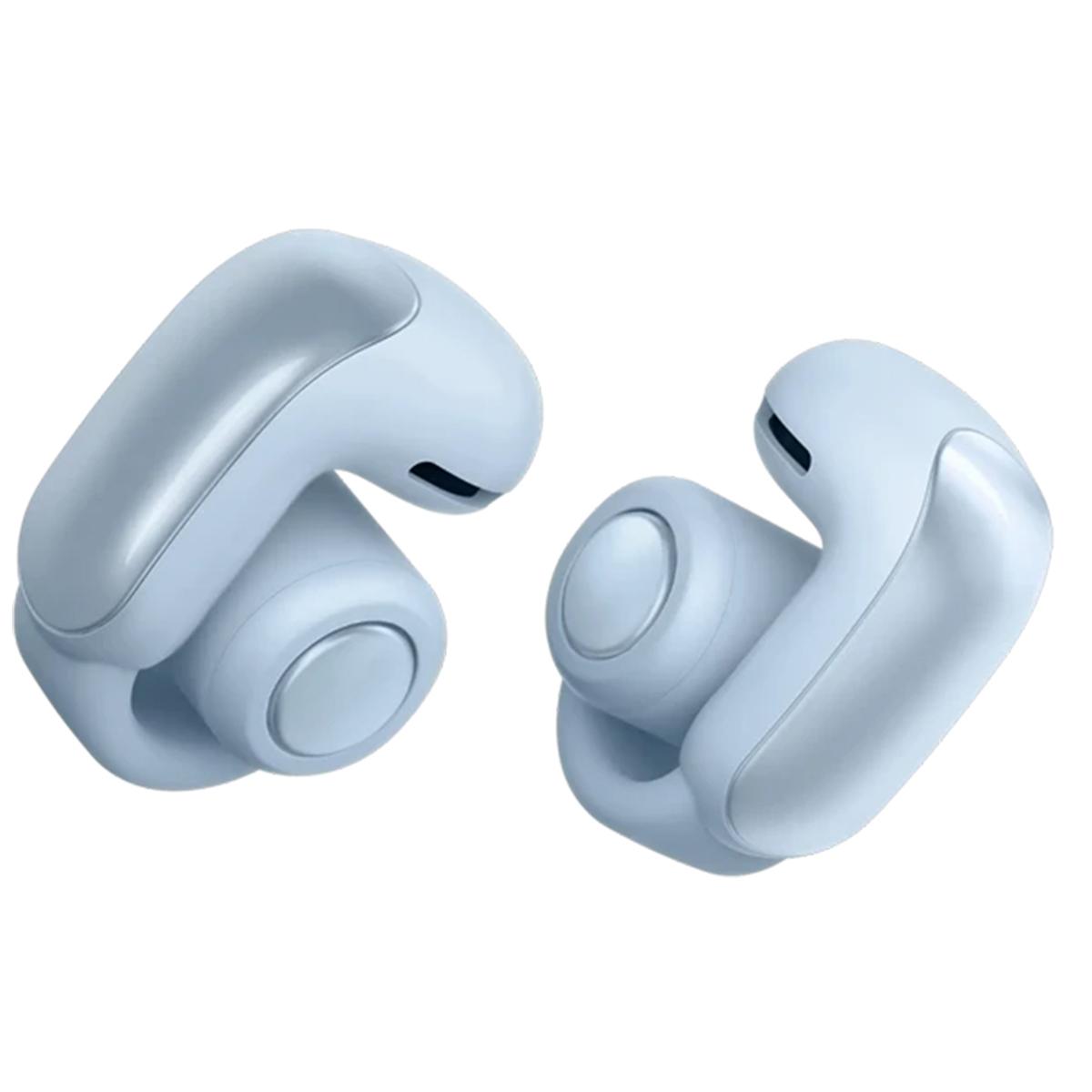
Released in 2024, the Bose Ultra Open Earbuds represent Bose's boldest design departure in years. Instead of stuffing drivers into your ear canal like traditional earbuds, they sit just outside your ears using what Bose calls "OpenAudio technology." Think of them as tiny speakers that hover near your ears, directing sound precisely to your eardrums while letting ambient noise pass through naturally.
This OpenAudio system uses advanced acoustic engineering to create what's essentially a personal sound bubble. The drivers are angled and tuned to focus audio waves directly into your ear canal without blocking it. It's similar to how high-end hearing aids work, but optimized for music rather than speech clarity.
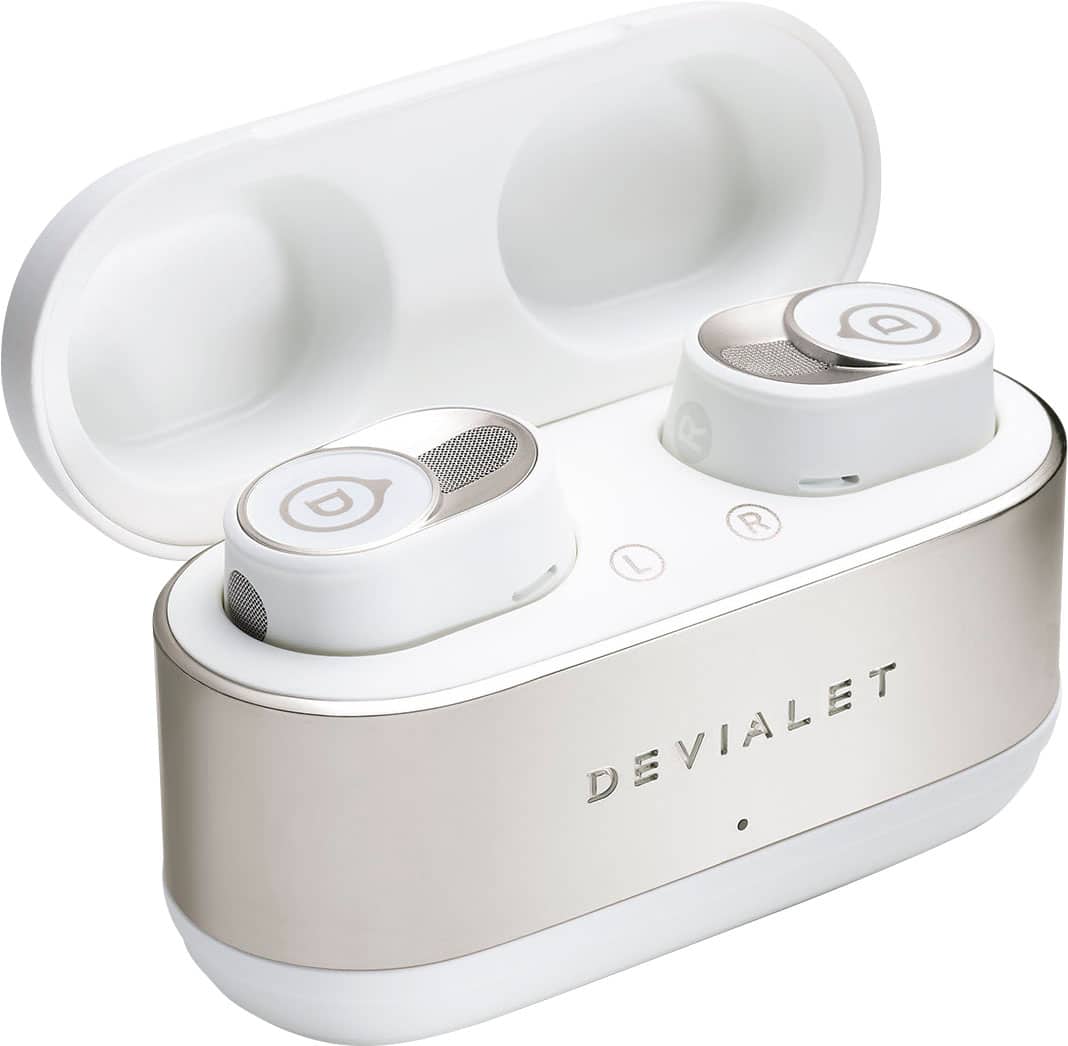
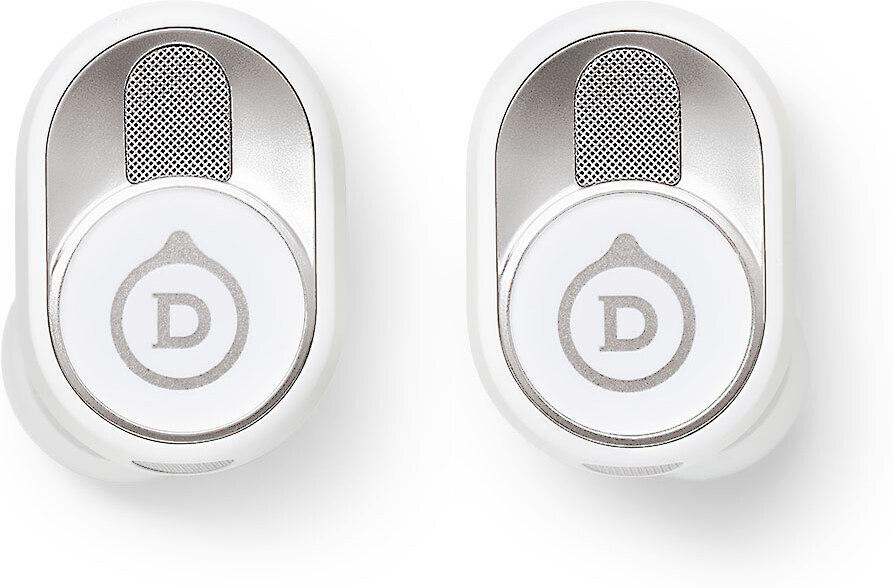
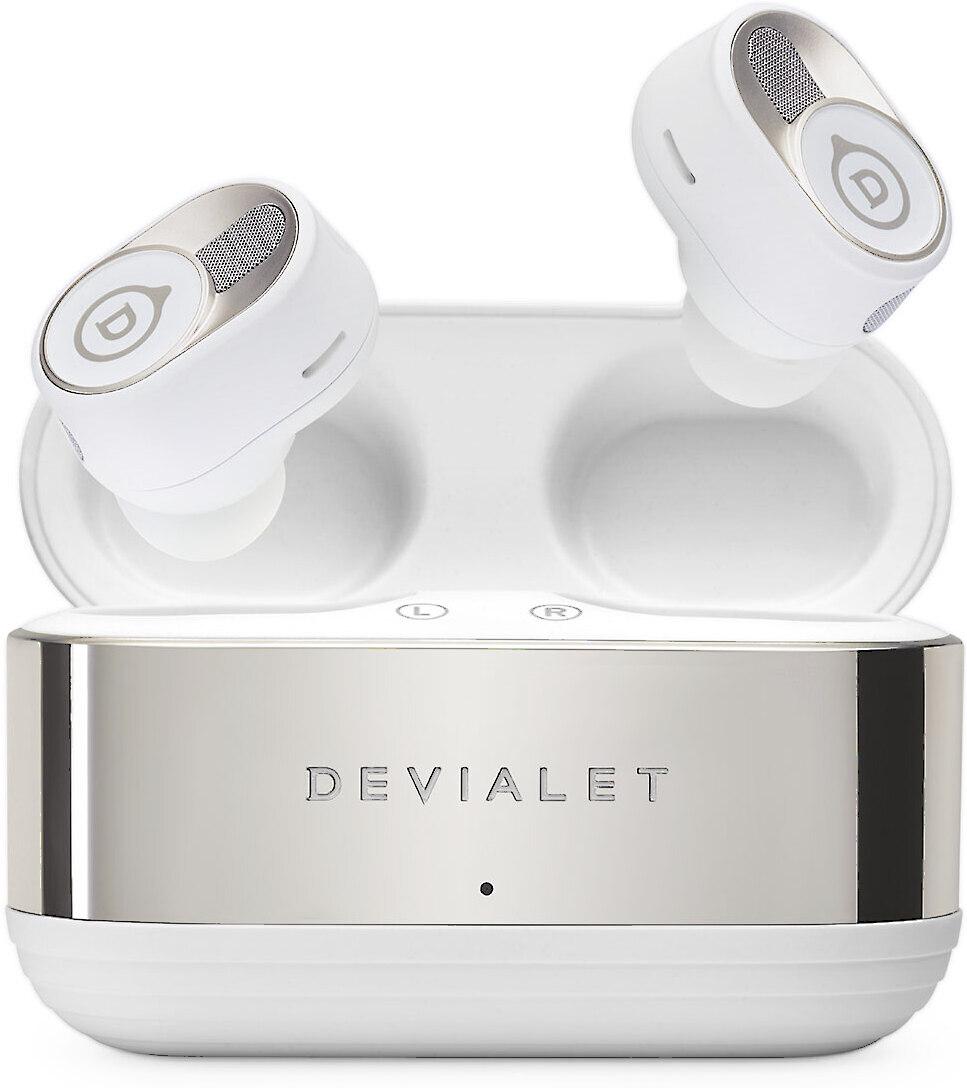
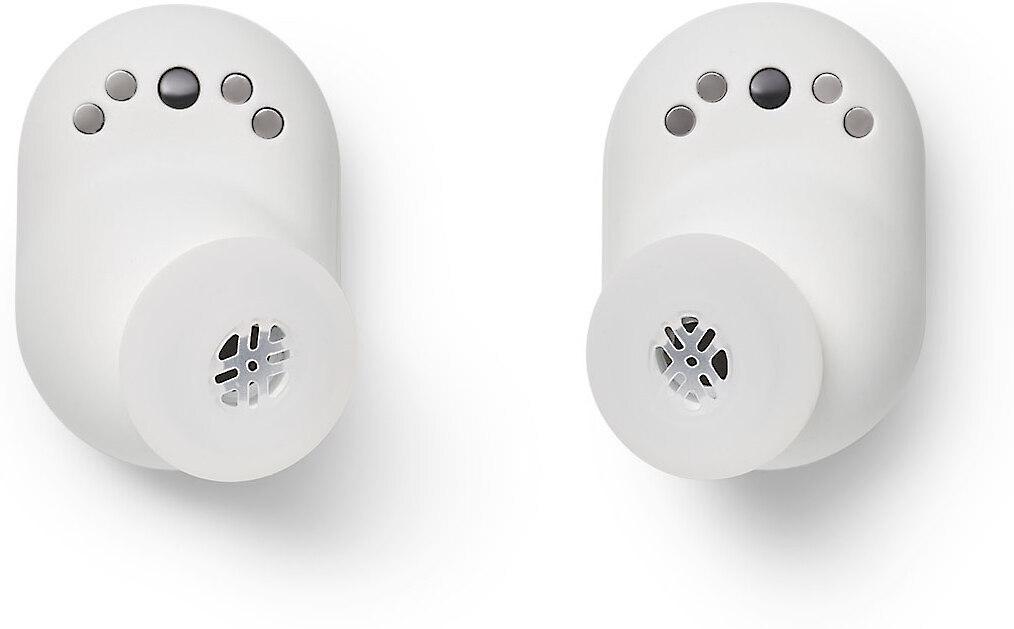
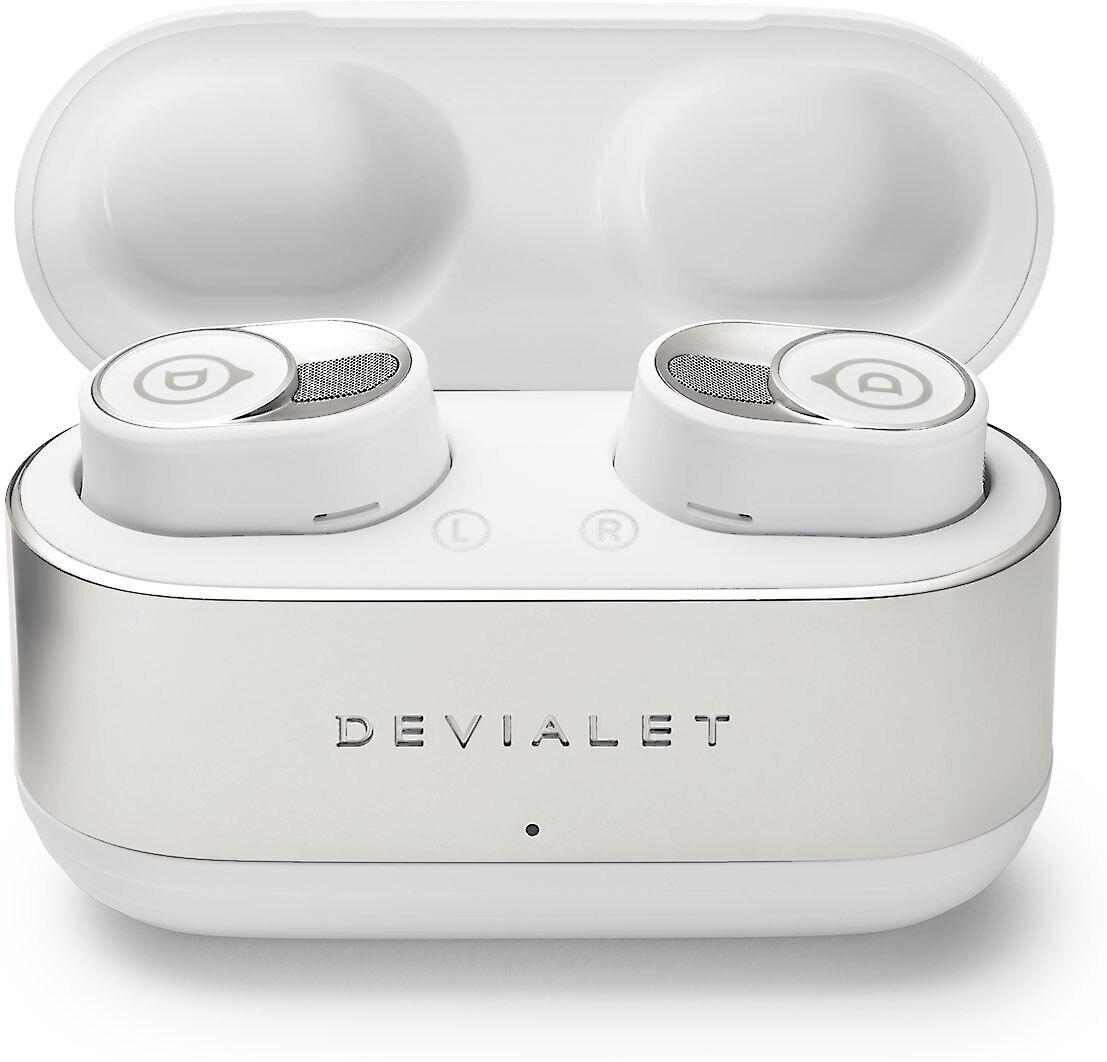
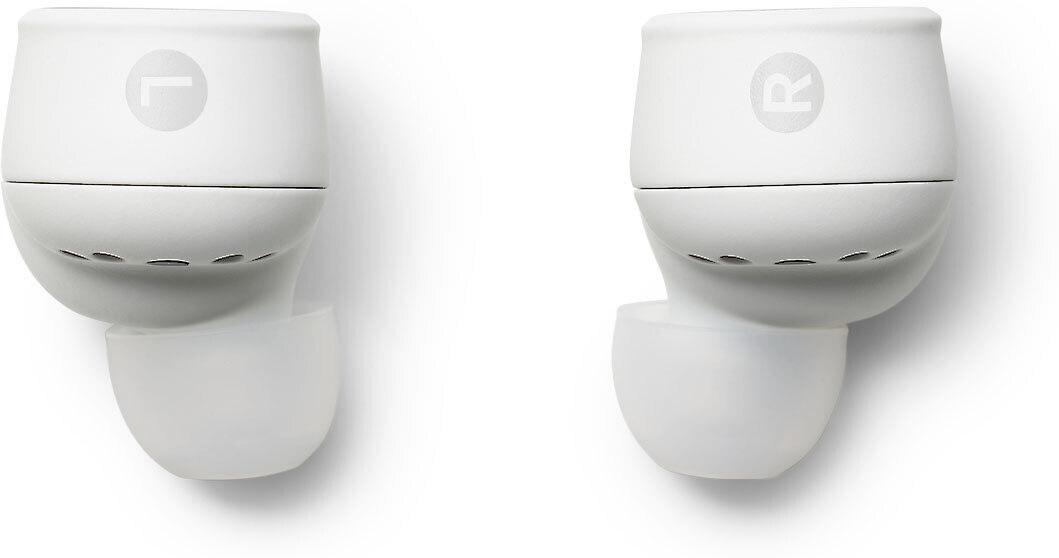
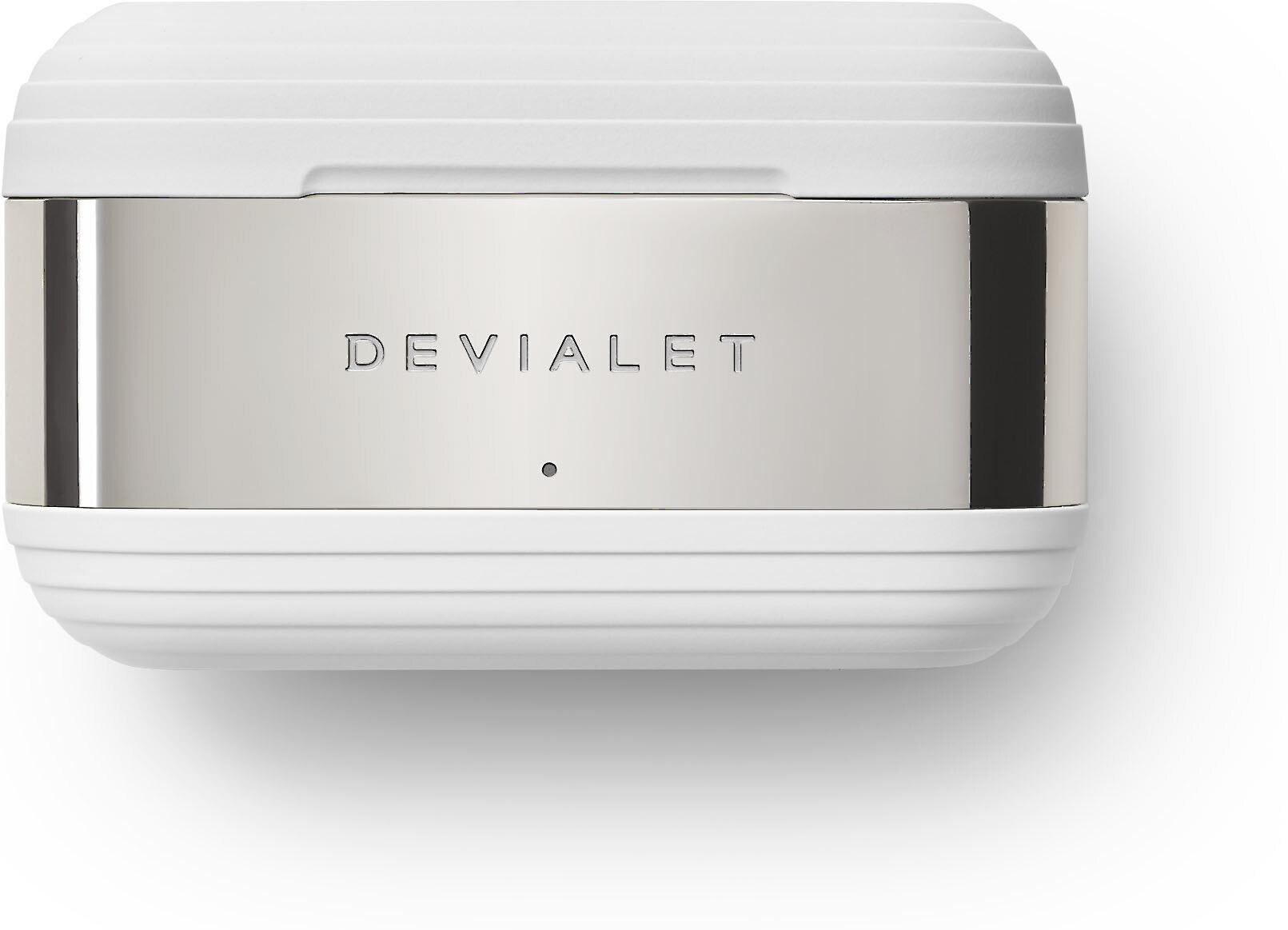
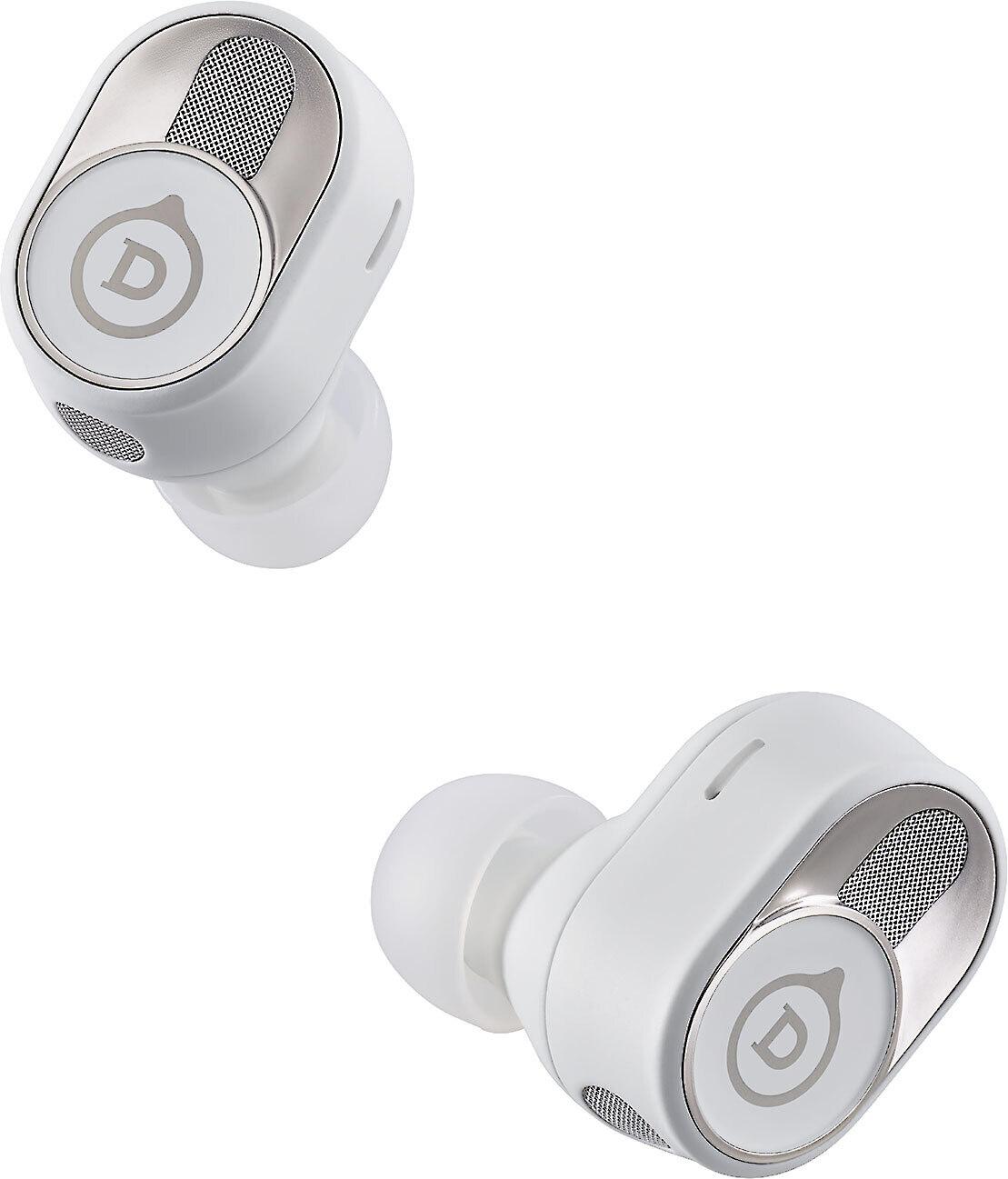
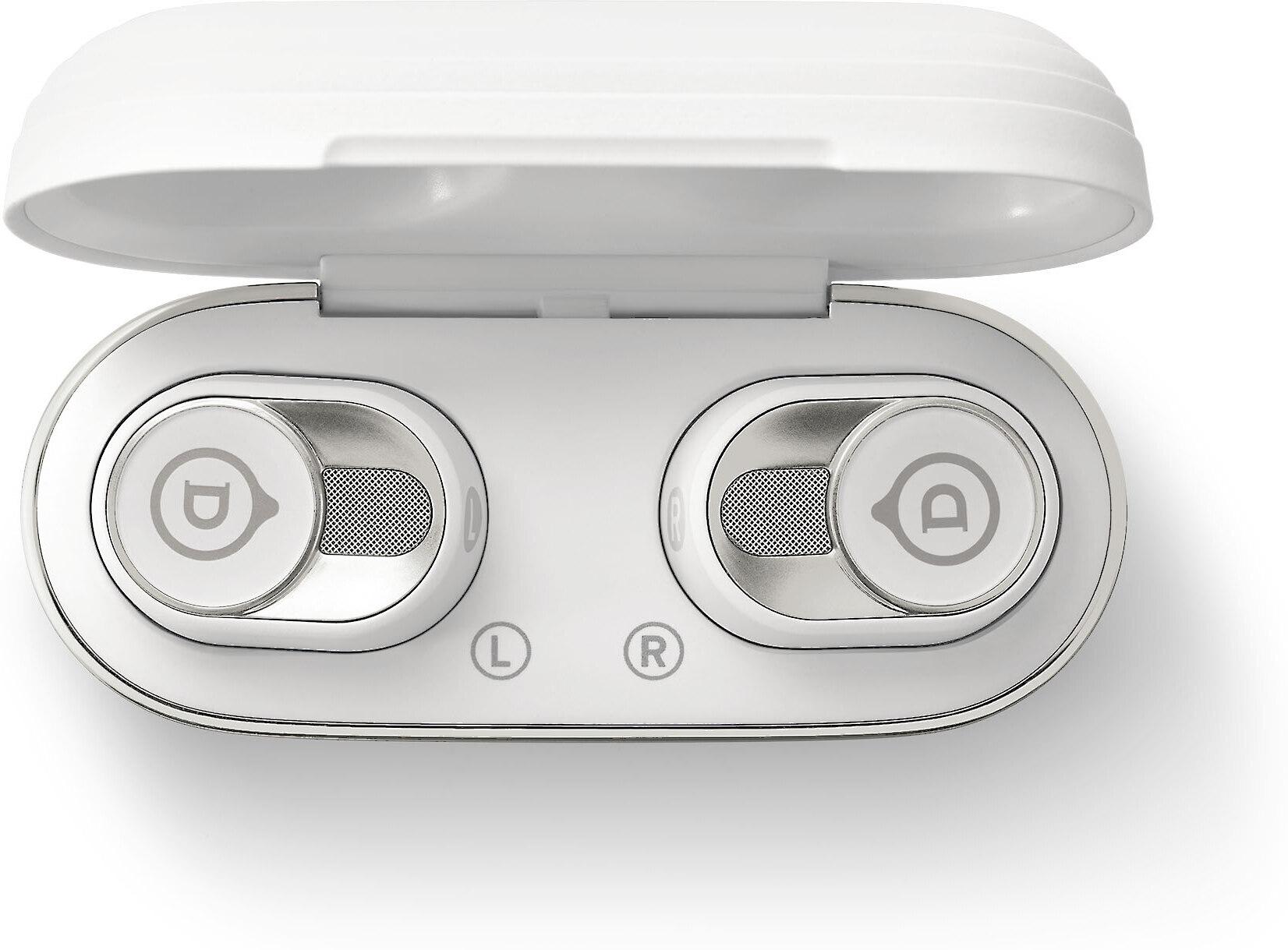
The Devialet Gemini II, also from 2024, takes the opposite approach. These are traditional in-ear monitors designed for serious listeners who want to be completely immersed in their music. Devialet, a French company known for ultra-premium speakers that cost more than most cars, brought their acoustic expertise to earbuds with impressive results.
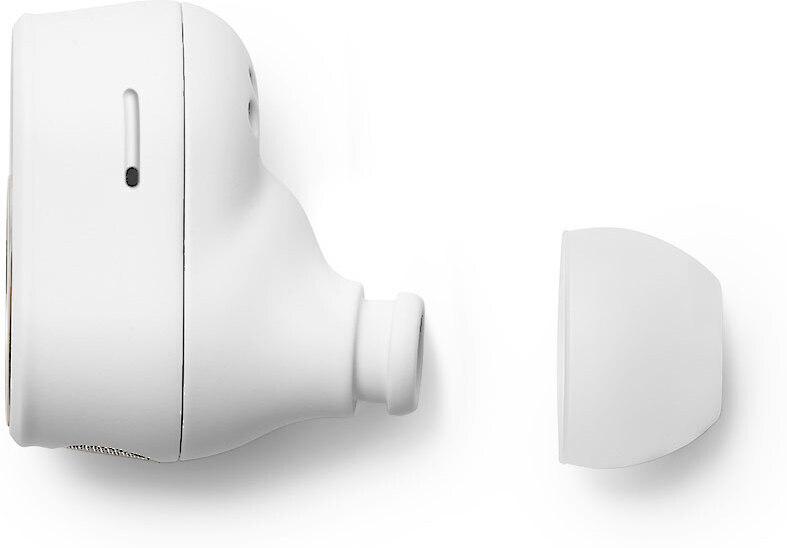
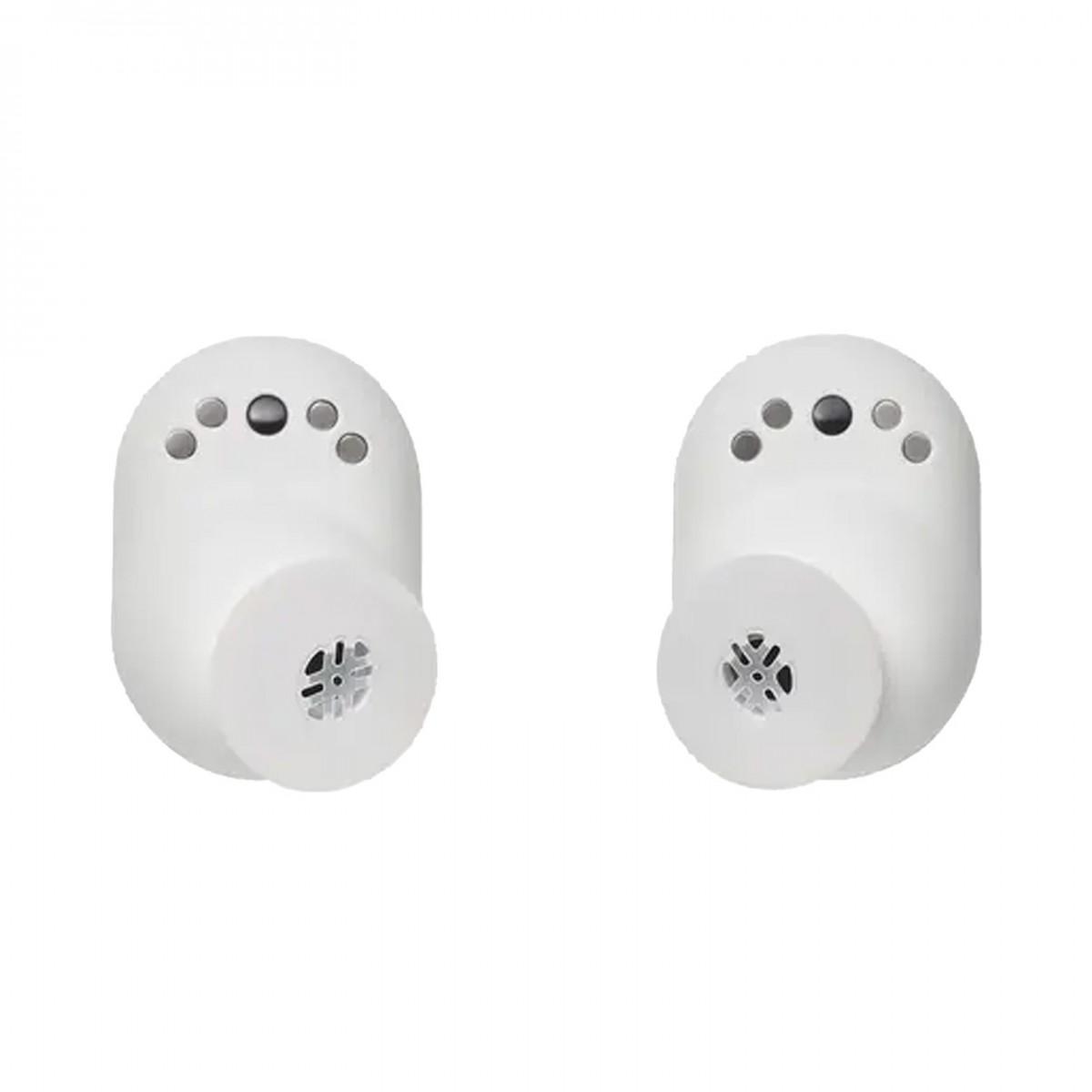
The Gemini II uses 10mm titanium-coated drivers—significantly larger than typical earbud drivers—combined with what Devialet calls "Pressure Balance Architecture." This system uses three vents to optimize the driver's performance while maintaining a seal in your ear. It's complex engineering that aims to deliver the kind of bass response you'd expect from much larger speakers.
Here's where things get interesting. The Devialet Gemini II absolutely destroys the Bose Ultra Open in traditional audio metrics—and that's not really a fair fight. When you have a sealed ear canal and can push air directly into your eardrum, physics is on your side.
The Devialet's bass response is genuinely shocking. I've tested hundreds of earbuds over the years, and few can deliver the chest-thumping low-end that the Gemini II produces. This comes from those oversized 10mm drivers working in a sealed environment, allowing them to move more air and create actual pressure waves you can feel. The frequency response extends down to 5Hz—well below what humans can actually hear, but you feel those sub-bass frequencies as physical sensations.
The soundstage on the Devialet Gemini II is equally impressive. Soundstage refers to how three-dimensional music sounds—whether instruments seem to come from specific locations around your head or just from inside your ears. The Gemini II creates a wide, convincing soundstage that makes you forget you're wearing earbuds.
The Bose Ultra Open can't match this raw performance, but that misses the point entirely. For an open-ear design, the sound quality is remarkable. Bose's Immersive Audio feature uses spatial processing to create its own kind of soundstage, making music feel like it's happening around you rather than being piped directly into your ears. It's a different kind of impressive—like comparing a convertible sports car to a luxury sedan. Both can be excellent, but they're trying to do different things.
Bass response reveals the fundamental physics challenge of open-ear designs. To produce deep bass, you need to move air in a sealed environment. The Bose Ultra Open essentially has to fight physics to generate low-end frequencies without the benefit of an ear canal seal.
Bose partially solves this through clever acoustic engineering and digital processing. The OpenAudio technology includes bass enhancement algorithms that boost lower frequencies to compensate for the open design. It works surprisingly well—you get decent bass for an open system—but it can't defy physics entirely.
The Devialet Gemini II, meanwhile, delivers bass that can genuinely rattle your skull. During testing, I found myself checking if my subwoofer was accidentally turned on while listening to electronic music. This isn't just about volume—it's about the quality and texture of low-frequency reproduction that typically requires much larger drivers.
This might be the most important differentiator between these two approaches. The Devialet Gemini II features active noise cancellation (ANC) that can reduce ambient noise by up to 40 decibels. For context, that's enough to turn a busy coffee shop into a whisper-quiet library.
ANC works by using microphones to detect incoming sound waves, then generating inverse waves to cancel them out. It's particularly effective against consistent, low-frequency noise like airplane engines or air conditioning hums. The Devialet's implementation is sophisticated, with multiple microphones and processing algorithms that adapt to your environment in real-time.
The Bose Ultra Open doesn't have ANC—by design. The entire point is maintaining awareness of your surroundings. Instead, Bose includes "Auto Volume," which automatically adjusts your music level based on ambient noise. If a truck drives by, your music gets temporarily louder. When it passes, the volume returns to normal. It's elegant, though it can feel a bit strange at first.
I've worn both earbuds for 8-hour workdays, and the difference is dramatic. The Bose Ultra Open essentially disappears on your ears after the first few minutes. Because there's nothing in your ear canal, there's no pressure, no seal to maintain, and no gradual discomfort that builds over hours.
The innovative "cuff" design sits securely behind your ear using a flexible joint system that adapts to different ear shapes. Bose clearly studied ear jewelry design—the earbuds look and feel more like sophisticated accessories than tech gadgets.
The Devialet Gemini II is comfortable for traditional in-ear monitors, but physics eventually wins. Any earbud that maintains a seal in your ear canal will create some pressure over time. The included ear tips help—Devialet provides four sizes to find the best fit—but extended wear can become uncomfortable for people with sensitive ears.
Battery performance differs significantly between these designs. The Bose Ultra Open delivers up to 7.5 hours of continuous playback, which drops to about 4.5 hours with Immersive Audio enabled. The charging case provides additional charges for a total of around 27 hours.
The Devialet Gemini II offers 5-6 hours of continuous use with ANC enabled, extending to 22 hours total with the case. The case supports Qi wireless charging, which is convenient but not essential.
Open-ear designs generally have better battery life because they don't need to power noise cancellation systems or maintain the same driver output levels. The Bose Ultra Open takes advantage of this, offering some of the best single-session battery life in the premium category.
This is where my testing revealed a significant issue with the Devialet Gemini II. Despite the premium price point and impressive audio quality, these earbuds suffer from connectivity problems that can be genuinely frustrating.
During several months of testing, I experienced regular audio dropouts, particularly in noisy environments. Loud sounds—like a passing motorcycle or construction work—could actually cause the connection to stutter or drop entirely. Head movements sometimes triggered disconnections, requiring me to place the earbuds back in their case to restore function.
These aren't minor inconveniences when you're paying premium prices. The Bose Ultra Open, meanwhile, maintained rock-solid connections throughout testing. Bluetooth 5.3 and Bose's connection algorithms proved reliable across different devices and environments.
The Bose Ultra Open excels in scenarios where situational awareness matters. For runners and cyclists, being able to hear traffic, other people, or potential hazards is crucial for safety. I've used them during dozens of runs through city streets, and the combination of good audio quality with complete environmental awareness is genuinely game-changing.
They're equally impressive for office work. You can listen to music or podcasts while remaining available for conversations with colleagues. No more awkward fumbling to remove earbuds when someone approaches your desk. The natural integration of audio and ambient sound makes them feel like a technological superpower.
For parents, the Bose Ultra Open solves the eternal dilemma of wanting personal audio while staying alert to children's needs. You can enjoy your music while still hearing if someone needs attention from another room.
The Devialet Gemini II shines when you want complete immersion in your audio. For commuting on noisy trains or planes, the combination of excellent sound quality and strong ANC creates an almost meditative listening experience. The outside world simply ceases to exist.
These earbuds are outstanding for focused work in noisy environments. Coffee shops, open offices, or anywhere with distracting ambient noise becomes a private listening room. The audio quality is good enough for serious music appreciation—I found myself rediscovering details in familiar songs that I'd never noticed before.
Neither earbud is specifically designed for home theater use, but both offer interesting possibilities. The Bose Ultra Open works with Bose's SimpleSync technology, allowing you to pair them with compatible Bose soundbars for personal listening without disturbing others. This is particularly useful for late-night viewing when you want to hear dialogue clearly without waking family members.
The spatial audio features on both models can enhance movie watching, though neither offers the specialized video processing found in dedicated home theater earbuds. The Devialet Gemini II's superior bass response makes action movies more engaging, while the Bose Ultra Open's comfort advantage matters during longer viewing sessions.
At the time of writing, both earbuds command premium prices, with the Devialet Gemini II positioned as the more expensive option. The price difference reflects their different target markets and engineering approaches.
The Bose Ultra Open essentially created a new category, and you're paying for that innovation. The open-ear design with quality audio requires sophisticated engineering, and there are few direct competitors offering similar functionality. For users who value the unique benefits, the price premium feels justified.
The Devialet Gemini II competes directly with other premium noise-canceling earbuds, making the value proposition more complex. While the audio quality is exceptional, the connectivity issues and very high price point make them harder to recommend broadly.
Both earbuds showcase impressive technical achievements that point toward future developments in wireless audio. The Bose Ultra Open demonstrates that open-ear designs don't have to sacrifice sound quality, potentially opening up new categories of ambient-aware audio devices.
The Devialet Gemini II proves that small drivers can produce genuinely impressive bass response when properly engineered. The Pressure Balance Architecture and titanium coating technologies could influence future earbud designs across the industry.
Choose the Bose Ultra Open Earbuds if you:
Choose the Devialet Gemini II if you:
The choice ultimately comes down to what you value most: the Bose Ultra Open offers a unique, reliable experience that prioritizes comfort and awareness, while the Devialet Gemini II delivers exceptional audio quality for listeners willing to accept some compromises in reliability.
Both represent the cutting edge of their respective approaches, and both could be the perfect choice—just for very different types of users. The key is being honest about how and where you'll actually use them, rather than being swayed by impressive specifications that might not match your real-world needs.
| Bose Ultra Open Earbuds | Devialet Gemini II Wireless Earbuds |
|---|---|
| Design Philosophy - Fundamentally different approaches to wearing earbuds | |
| Open-ear design sits outside ear canal, maintains ambient awareness | Traditional in-ear design with ear tips for isolation and seal |
| Audio Quality - Core sound performance and fidelity | |
| Good quality for open design, limited bass due to physics | Exceptional audiophile-grade sound with powerful bass response |
| Noise Management - How each handles external sounds | |
| Natural ambient awareness by design, Auto Volume feature | Active noise cancellation up to 40dB, complete isolation possible |
| Driver Technology - The speakers that produce your music | |
| OpenAudio technology with directional sound projection | Custom 10mm titanium-coated drivers with Pressure Balance Architecture |
| Comfort for Extended Wear - Critical for all-day use | |
| Superior all-day comfort, no ear canal pressure or fatigue | Good comfort initially, but in-ear seal can cause pressure over time |
| Battery Life (Single Session) - How long before needing to recharge | |
| 7.5 hours continuous (4.5 hours with Immersive Audio) | 5-6 hours continuous with ANC enabled |
| Total Battery Life - Including charging case | |
| Up to 27 hours total with case | Up to 22 hours total with wireless charging case |
| Connectivity Reliability - Real-world connection stability | |
| Excellent Bluetooth 5.3 stability, consistent performance | Bluetooth 5.2 with reported connectivity issues and dropouts |
| Water Resistance - Protection against sweat and moisture | |
| IPX4 rating (splash and sweat resistant) | IPX4 rating (splash and sweat resistant) |
| Best Use Cases - Where each excels most | |
| Running, cycling, office work, all-day wear, situational awareness needed | Commuting, focused listening, audiophile music appreciation, noise isolation needed |
| Unique Features - Standout capabilities | |
| Bose Immersive Audio, SimpleSync with Bose speakers, cuff-like design | Multipoint connection, Qi wireless charging, aptX codec support |
| Value Proposition - What you're paying for | |
| Innovation in open-ear design, reliable performance, all-day comfort | Premium audio engineering, powerful ANC, luxury build quality despite connectivity concerns |
The Devialet Gemini II delivers superior sound quality with exceptional bass response and audiophile-grade audio fidelity thanks to its 10mm titanium-coated drivers. The Bose Ultra Open Earbuds offer good sound quality for an open-ear design, but physics limits their bass performance since they don't seal your ear canal.
The Devialet Gemini II features active noise cancellation that can reduce ambient noise by up to 40dB, effectively blocking out most external sounds. The Bose Ultra Open Earbuds don't have noise cancellation by design - they're meant to keep you aware of your surroundings while listening to music.
The Bose Ultra Open Earbuds are significantly more comfortable for extended wear since they don't go inside your ear canal, eliminating pressure and fatigue. The Devialet Gemini II are comfortable initially but can cause ear canal pressure during long listening sessions due to their in-ear design.
The Bose Ultra Open Earbuds offer 7.5 hours of continuous playback with up to 27 hours total including the charging case. The Devialet Gemini II provide 5-6 hours continuous use with 22 hours total, but include wireless charging for added convenience.
The Bose Ultra Open Earbuds are excellent for workouts and running because you can hear traffic and surroundings for safety while enjoying your music. The Devialet Gemini II can work for gym use but may not be ideal for outdoor activities where situational awareness is important for safety.
The Bose Ultra Open Earbuds have superior connectivity reliability with stable Bluetooth 5.3 performance. The Devialet Gemini II unfortunately suffer from connectivity issues including audio dropouts and connection instability, despite their premium price point.
Yes, the Bose Ultra Open Earbuds are specifically designed to let you hear ambient sounds naturally while listening to music - perfect for staying aware of conversations, traffic, or children. The Devialet Gemini II block external sounds when noise cancellation is active, though they do offer a transparency mode.
The Devialet Gemini II excel at phone calls with 6 microphones that provide excellent noise handling and voice separation. The Bose Ultra Open Earbuds also handle calls well while allowing you to hear your own voice naturally and stay aware of your environment during conversations.
Neither the Bose Ultra Open Earbuds nor Devialet Gemini II are specifically designed for home theater, but both can work for personal TV viewing. The Bose Ultra Open work with Bose SimpleSync technology for pairing with compatible soundbars, while the Devialet Gemini II offer better bass for action movies.
Value depends on your priorities. The Bose Ultra Open Earbuds offer unique open-ear technology with reliable performance, justifying their premium price for users who need ambient awareness. The Devialet Gemini II provide exceptional audio quality but connectivity issues make them harder to recommend at their high price point.
The Devialet Gemini II support multipoint Bluetooth connection, allowing you to connect to two devices simultaneously. The Bose Ultra Open Earbuds don't have multipoint but work reliably with individual device connections and integrate well with other Bose products through SimpleSync technology.
Choose the Bose Ultra Open Earbuds if you need situational awareness for safety, want all-day comfort, or prioritize reliable connectivity over maximum audio quality. Pick the Devialet Gemini II if you're an audiophile who values exceptional sound quality and strong noise cancellation, and you primarily listen in controlled indoor environments where connectivity issues are less problematic.
We've done our best to create useful and informative comparisons to help you decide what product to buy. Our research uses advanced automated methods to create this comparison and perfection is not possible - please contact us for corrections or questions. These are the sites we've researched in the creation of this article: bose.com - youtube.com - consumerreports.org - rtings.com - head-fi.org - youtube.com - tomsguide.com - bestbuy.com - youtube.com - bose.com - cnet.com - youtube.com - soundguys.com - applevis.com - techgearlab.com - purewow.com - bose.com - bose.com - assets.bose.com - youtube.com - techradar.com - whathifi.com - bose.com - bose.com - youtube.com - bose.com - t3.com - devialet.com - thebeat.asia - bestbuy.com - devialet.com - bestbuy.com - rtings.com - devialet.com - head-fi.org - devialetchat.com - worldradiohistory.com - loudnwireless.com - psv4.userapi.com - headfonia.com - techcrunch.com - bhphotovideo.com - audioadvice.com - youtube.com - bestbuy.com - youtube.com - help.devialet.com - headfonia.com - bestbuy.com - psv4.userapi.com - psv4.userapi.com - worldradiohistory.com

Privacy Policy
Terms and Conditions - Affiliate Policy
Home Security
© Copyright 2008-2026.
11816 Inwood Rd #1211, Dallas, TX 75244