




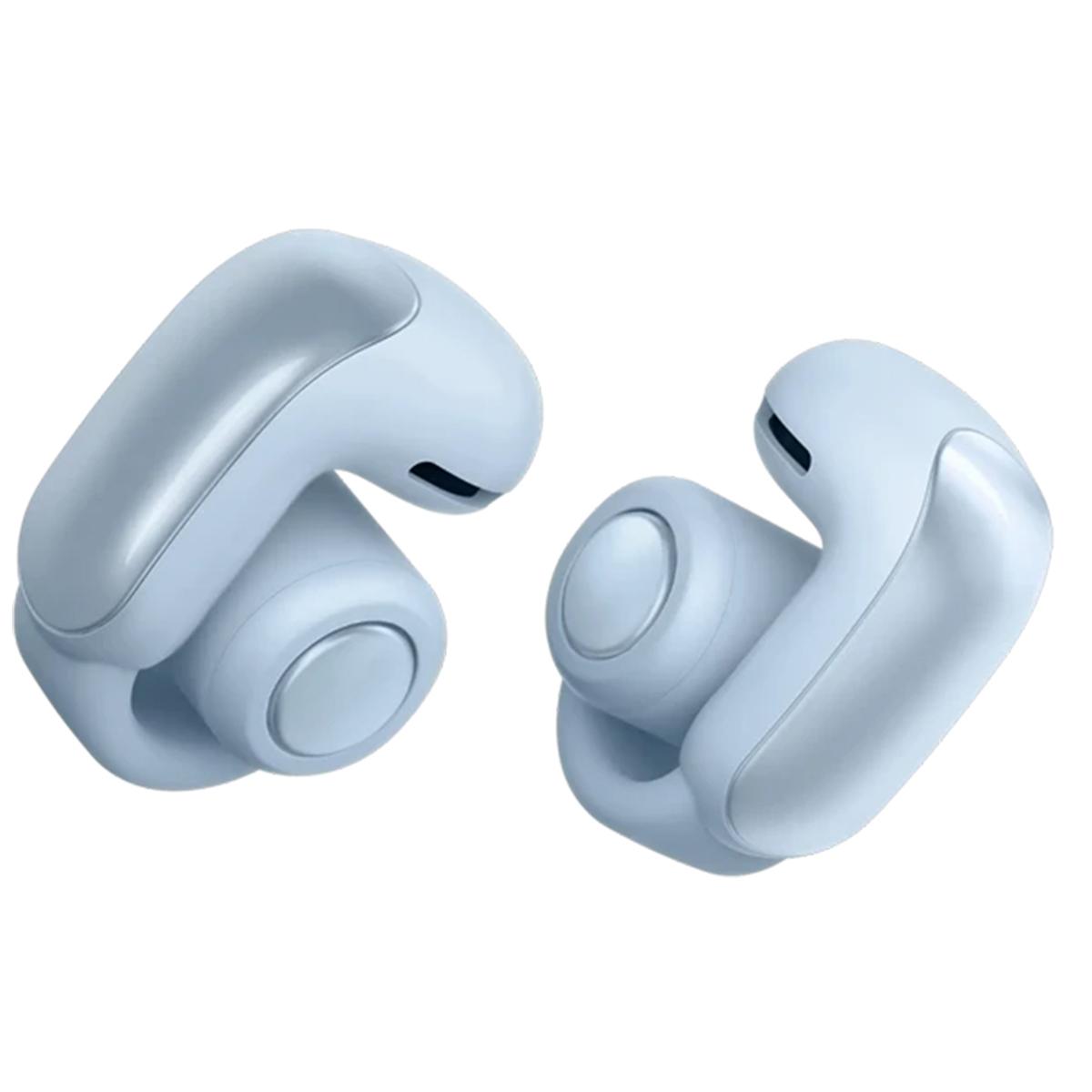
The wireless earbud market has exploded over the past few years, but recently we've seen manufacturers taking radically different approaches to what earbuds should actually do. On one side, you have traditional sealed designs that create a private audio bubble around you. On the other, there's a growing movement toward open-ear designs that keep you connected to the world around you. This fundamental split represents more than just different product categories—it's about completely different philosophies of how we should experience portable audio.
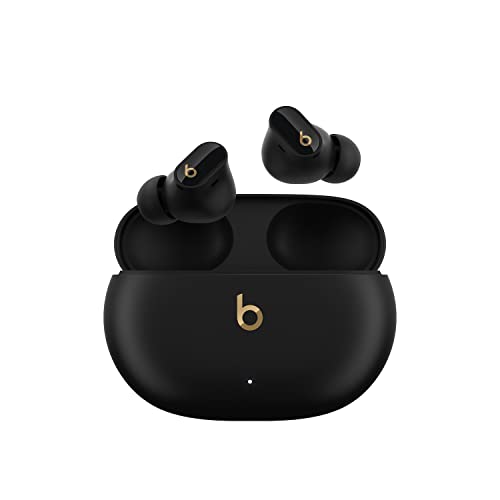
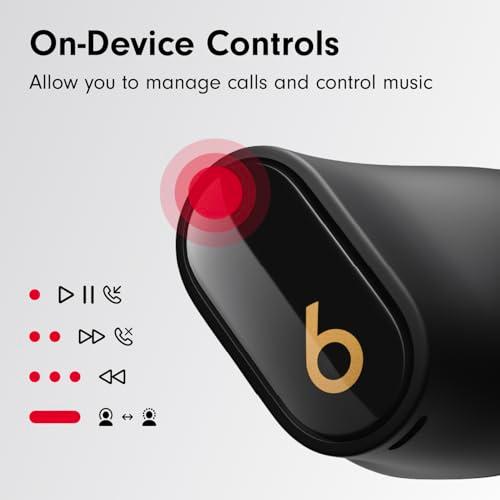
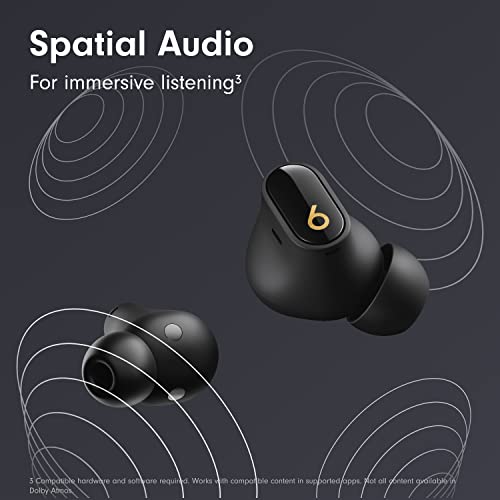
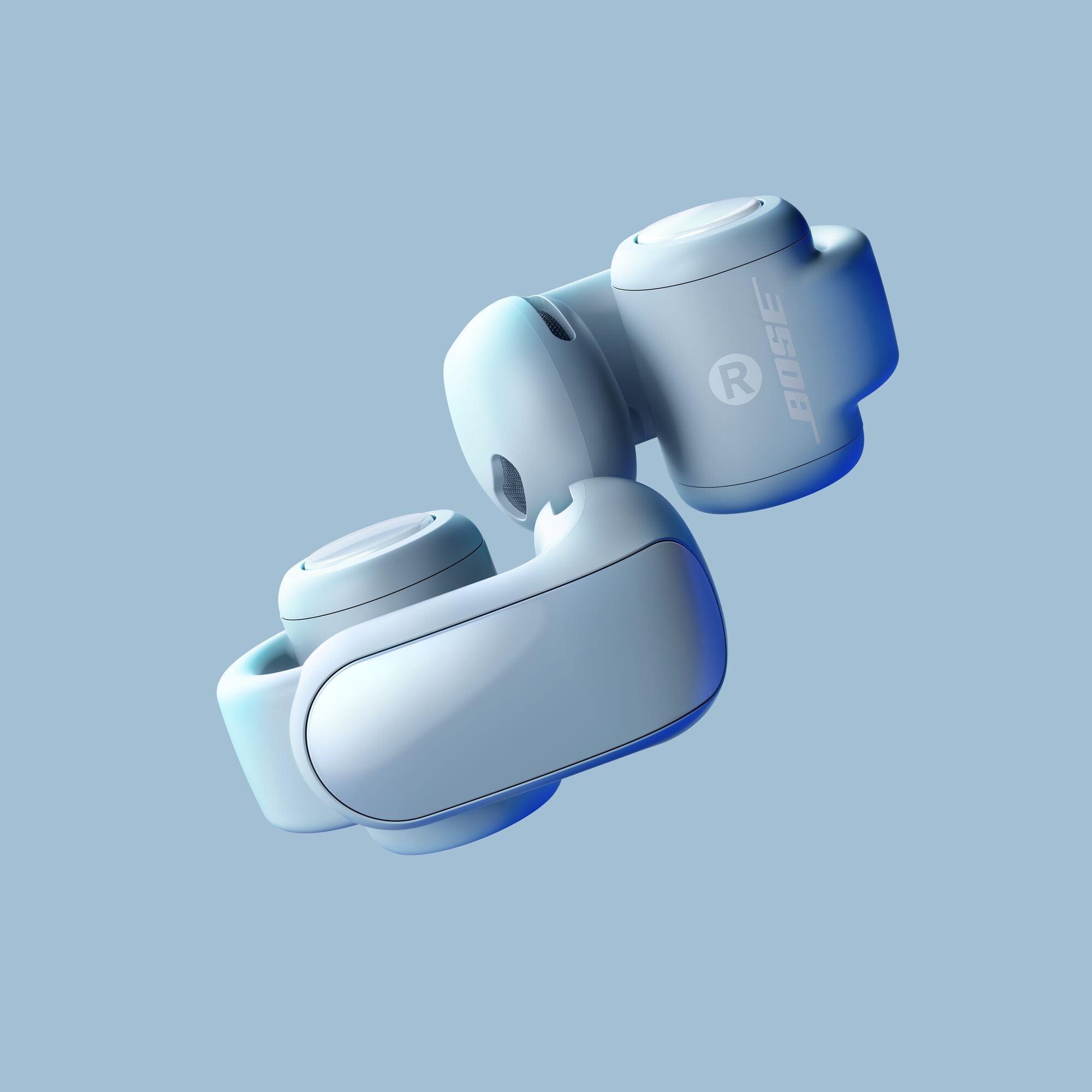
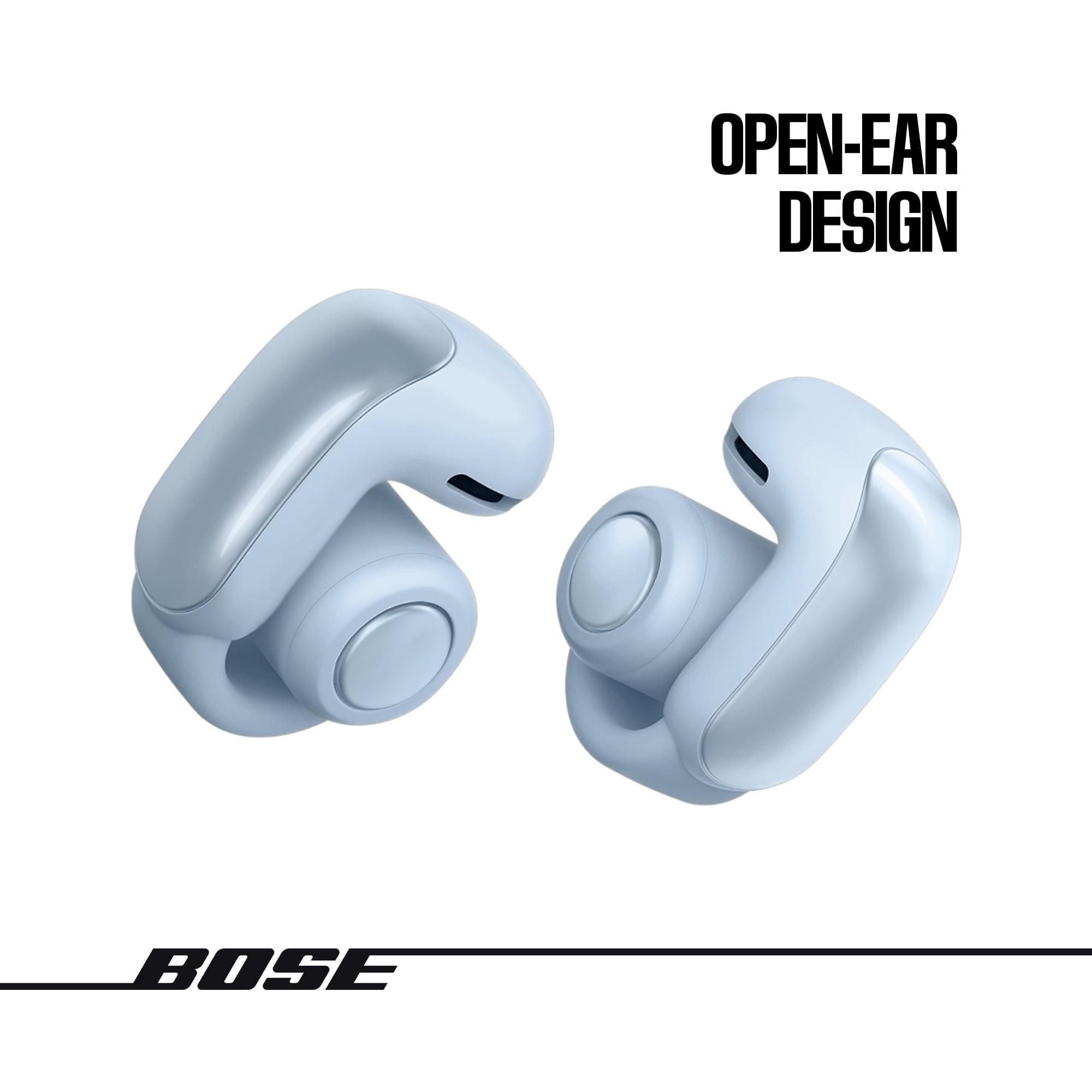
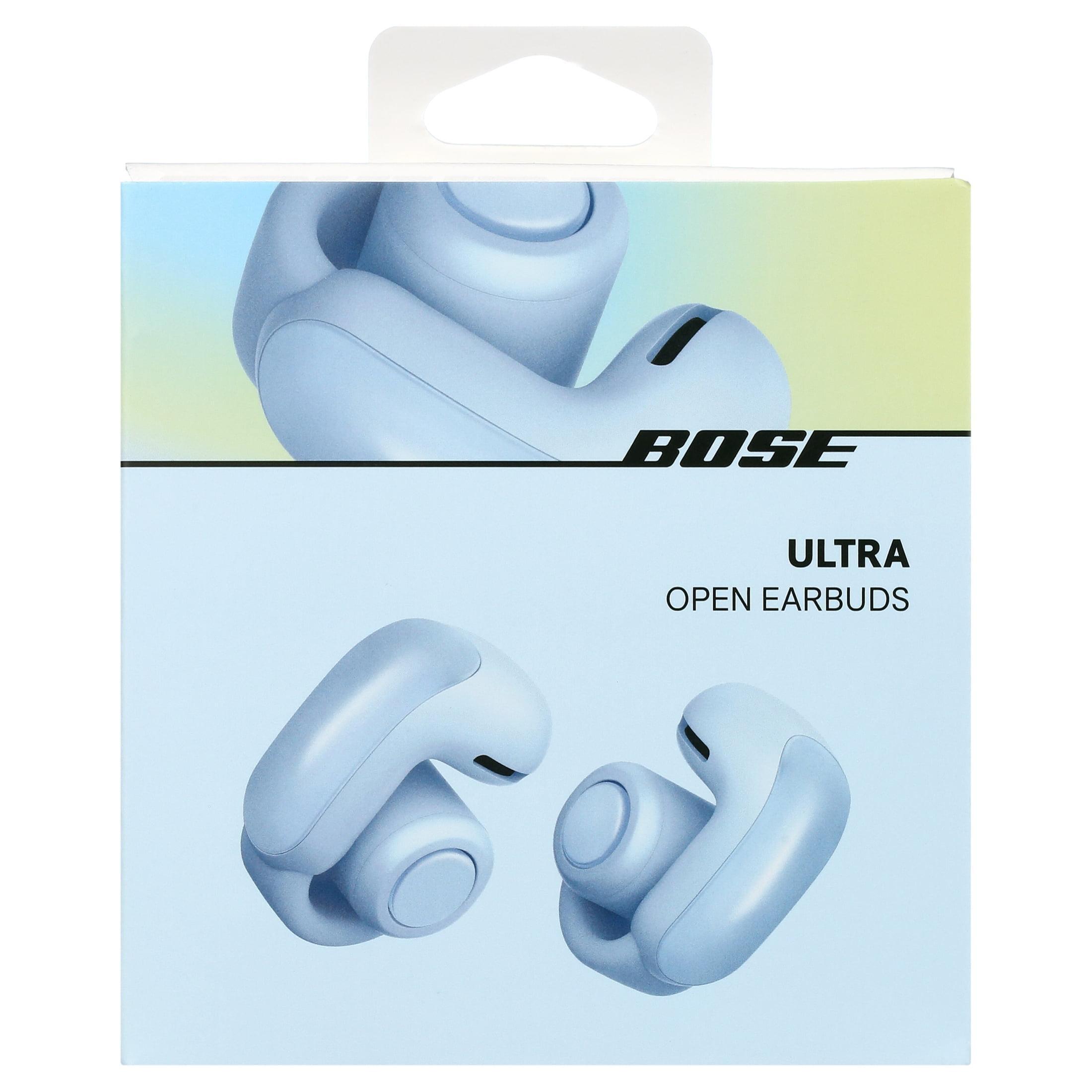
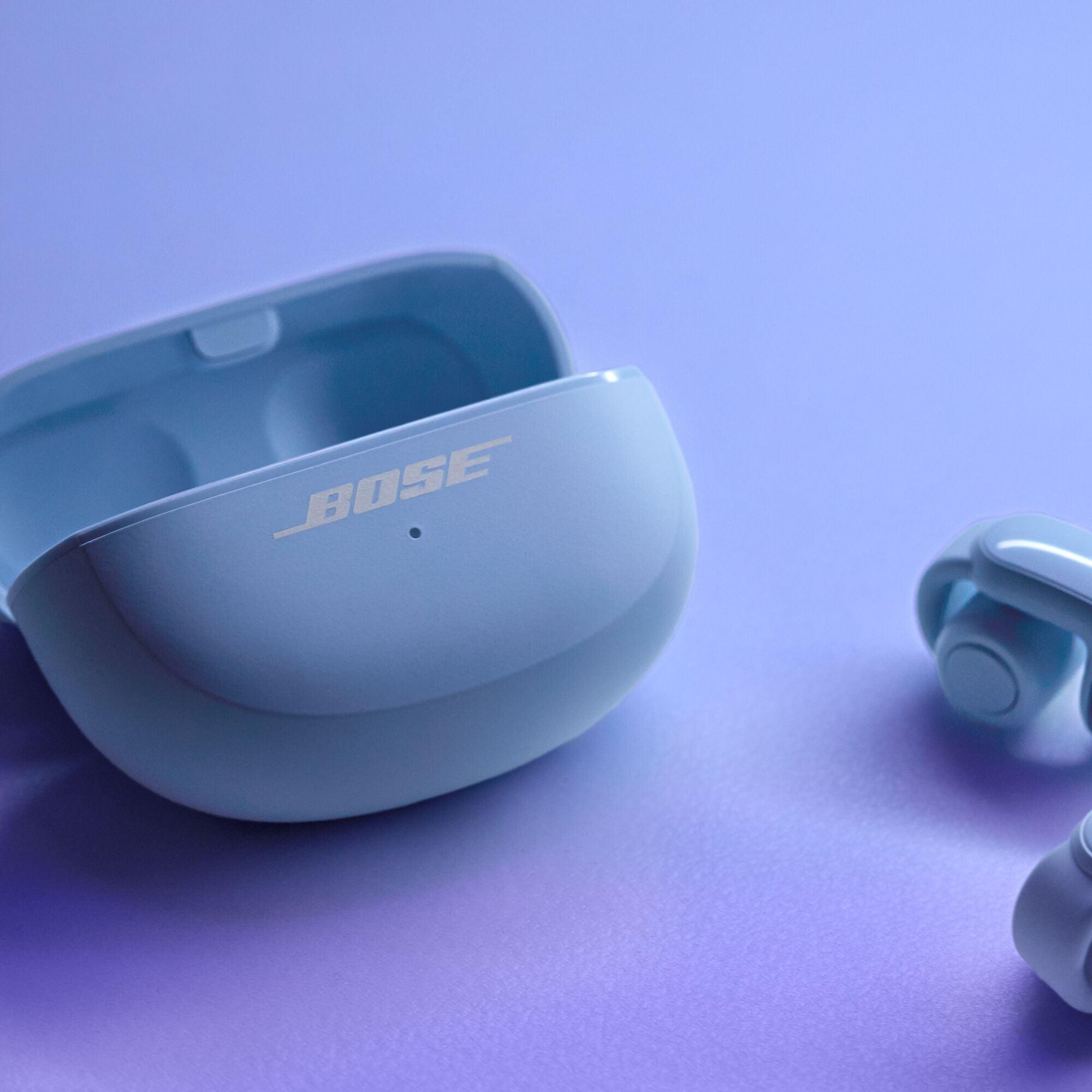
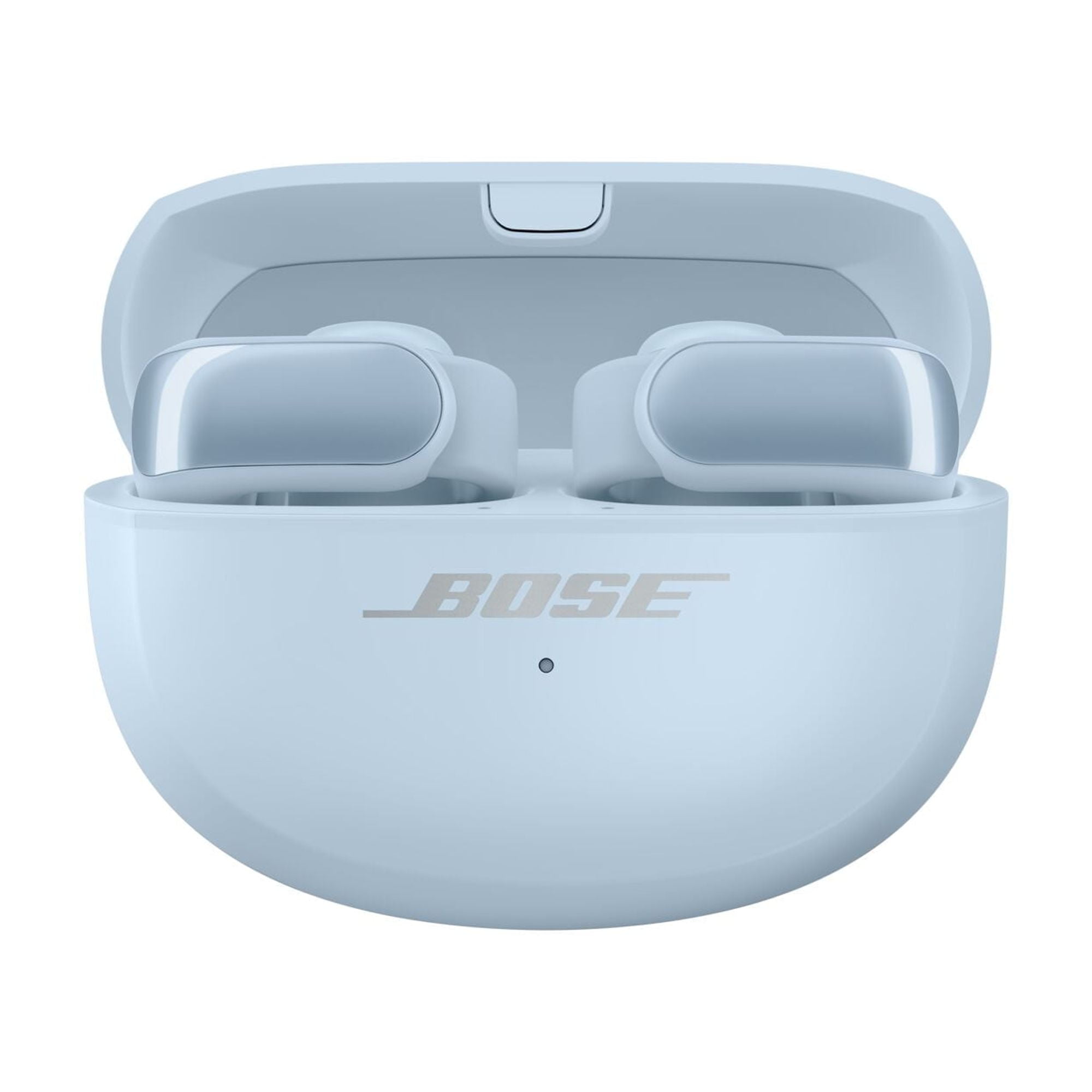
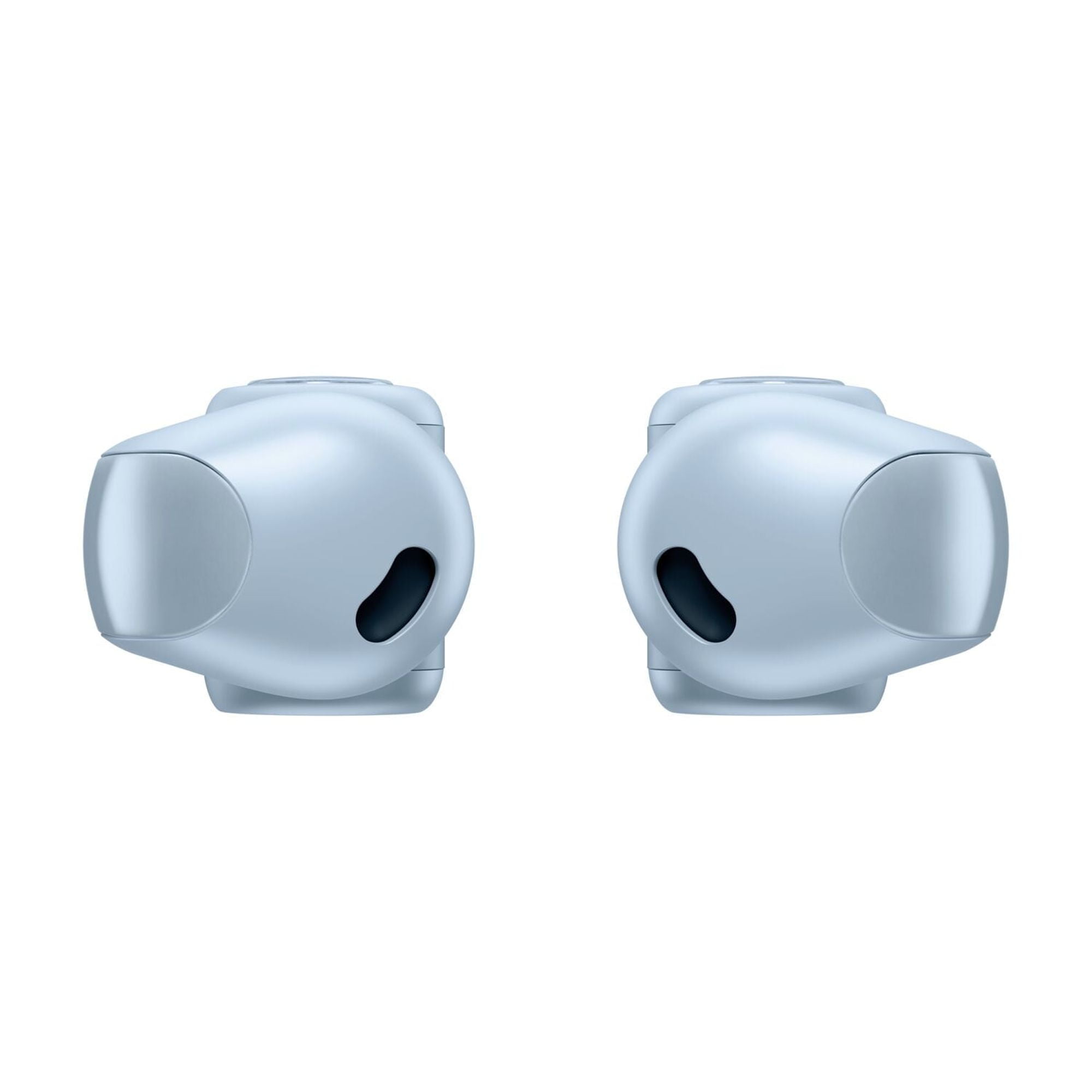
The Beats Studio Buds Plus, released in 2023, represents the refined evolution of traditional sealed earbuds. These follow the conventional approach where silicone tips create a seal in your ear canal, blocking outside noise while delivering full-range audio directly into your ears. In stark contrast, the Bose Ultra Open Earbuds, which arrived in 2024, completely reimagine what earbuds can be with their revolutionary open-ear design that clips onto your outer ear without entering the ear canal at all.
At the time of writing, these products sit at very different price points, with the Beats Studio Buds Plus positioned as a premium value option while the Bose Ultra Open Earbuds command a significant premium for their innovative approach. This price gap—nearly triple the cost—makes the value equation particularly interesting to analyze.
Traditional sealed earbuds like the Beats Studio Buds Plus work by creating what's called a "closed system" in your ear canal. The silicone tips form an acoustic seal that serves multiple purposes: it prevents your music from leaking out, stops external noise from getting in, and most importantly, allows the tiny drivers (the speakers inside the earbuds) to move air efficiently to produce bass frequencies. This sealed environment is crucial for what audio engineers call "acoustic coupling"—basically ensuring that the sound energy from the driver reaches your eardrum effectively instead of escaping into the environment.
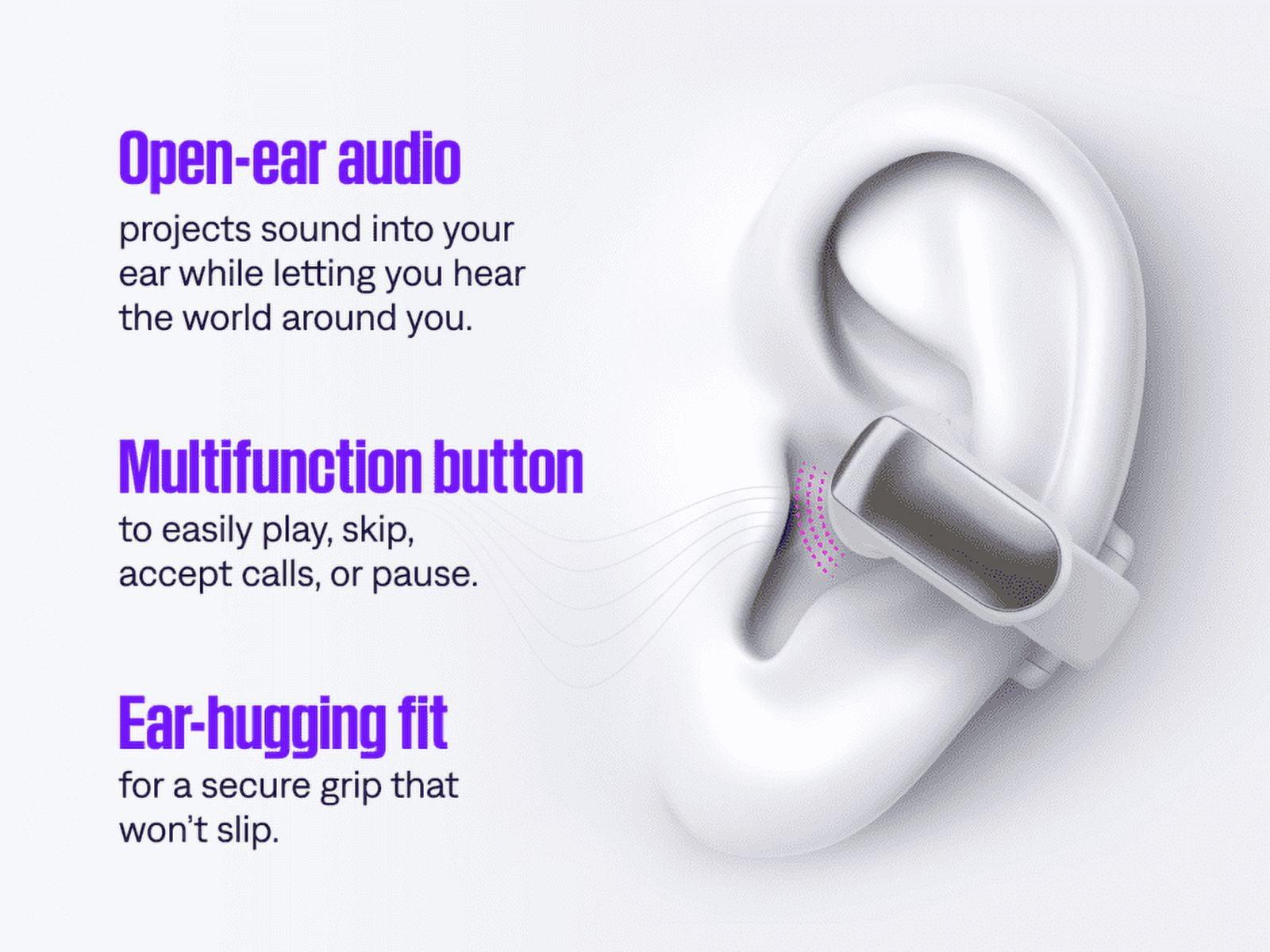
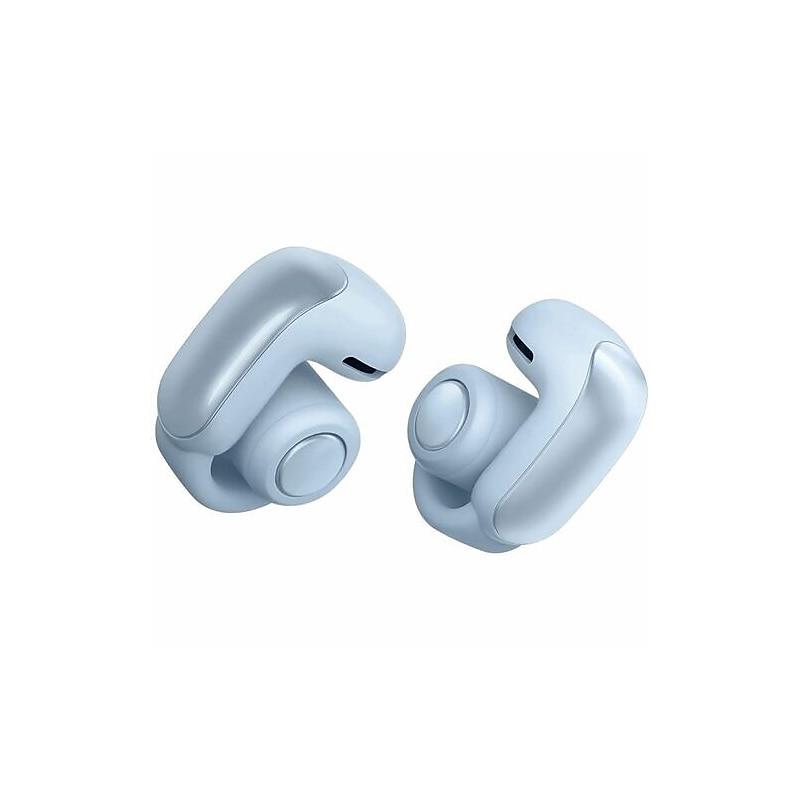
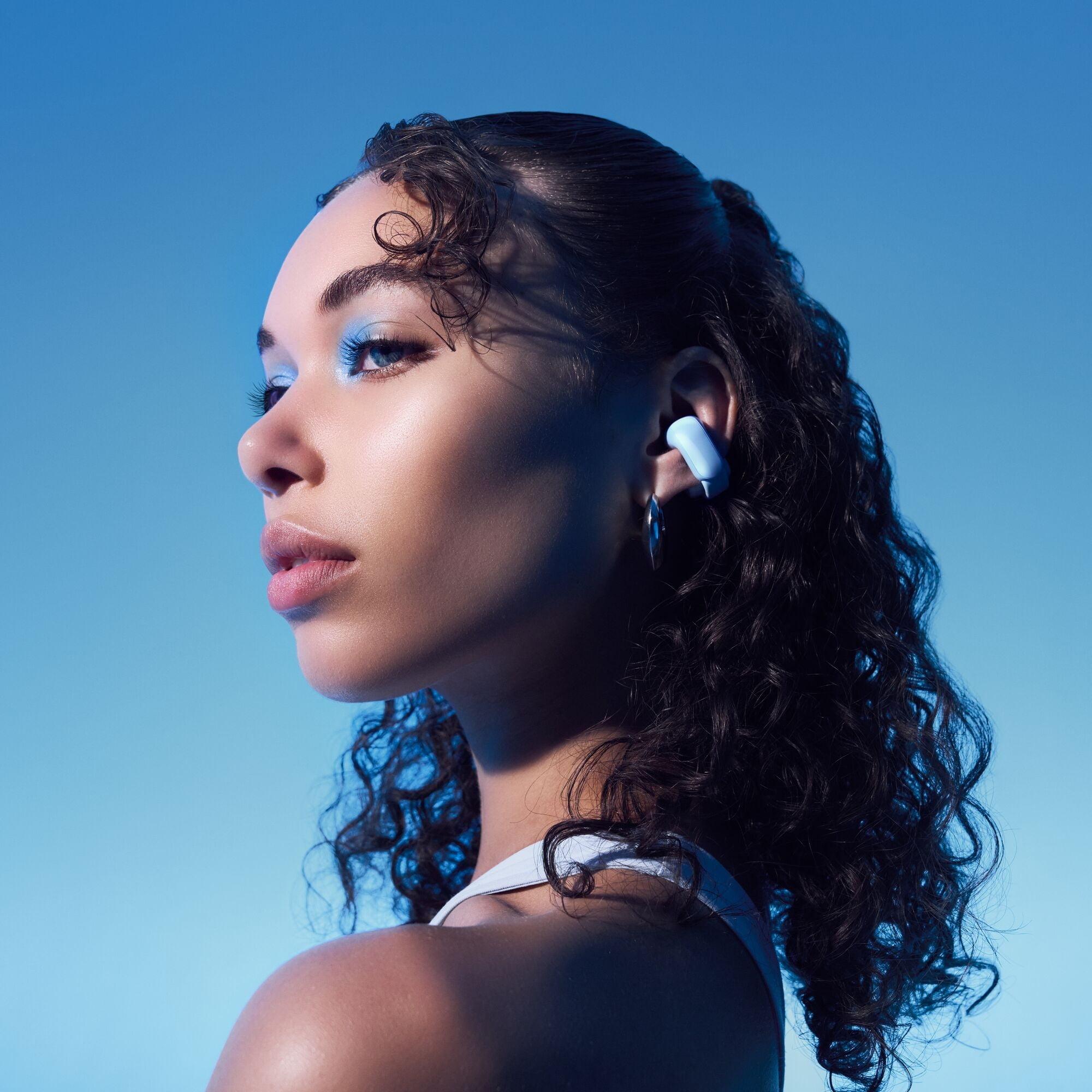
The Bose Ultra Open Earbuds take the opposite approach with their "open acoustic system." Instead of sealing your ear, they use a unique cuff design that clips onto the concha (the bowl-shaped part of your outer ear) and directs sound toward your ear canal from the outside. Bose calls this "OpenAudio technology," which uses precise acoustic engineering to create what they describe as "rich, private sound" that only you can hear, despite not blocking your ears. The technical challenge here is enormous—delivering clear audio without the benefit of a sealed acoustic environment while minimizing sound leakage to people around you.
These aren't just different approaches to the same problem; they're solutions to fundamentally different needs. The sealed design prioritizes audio quality and isolation, while the open design prioritizes awareness and comfort.
When it comes to pure audio performance, the Beats Studio Buds Plus have significant advantages due to their sealed design. The custom two-layer transducer (the technical term for the speaker driver) in each earbud can work in an optimized acoustic environment. This sealed chamber allows for proper bass reproduction because low-frequency sounds need contained air movement to be heard properly—without a seal, bass frequencies simply escape rather than reaching your eardrums.
The frequency response of the Beats Studio Buds Plus covers the full audible spectrum from 20Hz to 20kHz, with particularly strong performance in the low-end frequencies that give music its body and impact. The acoustic architecture includes three new vents that relieve ear pressure while maintaining the seal, a clever engineering solution that improves comfort without sacrificing audio quality. Based on our research of expert reviews and measurements, these earbuds deliver the bold, dynamic sound signature that Beats is known for, with clean bass that avoids the muddiness that plagued earlier Beats products.
In contrast, the Bose Ultra Open Earbuds face the fundamental physics challenge of delivering bass without a sealed environment. Professional audio measurements consistently show that open-ear designs struggle with low-frequency reproduction—the bass simply has nowhere to build pressure. What you get instead is a very bright sound signature that emphasizes mid and high frequencies while the low-end rolls off significantly. This isn't necessarily a flaw in the design; it's an inevitable trade-off.
However, the Bose Ultra Open Earbuds excel in creating what many describe as a more "natural" listening experience. Because your ears aren't sealed, the soundstage (how wide and spacious music sounds) feels more open and less claustrophobic than traditional earbuds. For spoken content like podcasts or audiobooks, this natural presentation can actually be preferable, even if music suffers from the lack of bass response.
The Beats Studio Buds Plus also benefit from having no digital signal processing limitations—their custom chipset can handle the full dynamic range of modern music without the compromises that open-ear designs must make. This translates to better detail retrieval in complex musical passages and more accurate reproduction of the artist's intended sound.
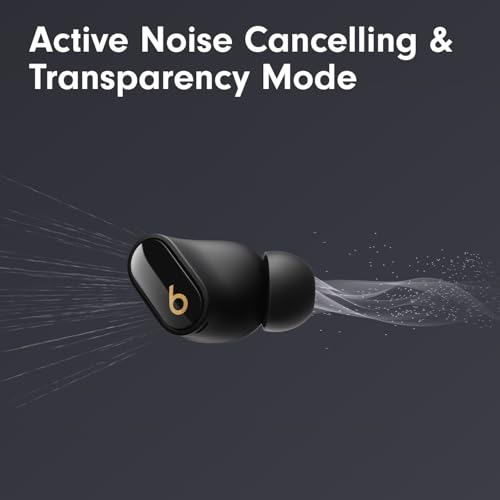
Perhaps the most significant functional difference between these products lies in their approach to environmental sound. The Beats Studio Buds Plus give you complete control over how much outside world you want to hear through their Active Noise Cancellation (ANC) system and transparency mode.
ANC works by using microphones to detect outside noise and then generating "anti-noise" sound waves that cancel out those unwanted sounds. The Beats Studio Buds Plus employ three microphones per earbud—significantly larger than the previous generation—to achieve what Beats claims is 1.6 times more noise canceling power. This system is particularly effective at reducing constant, low-frequency sounds like airplane engines, air conditioning, or traffic noise. The improved microphone array and new venting design work together to create effective isolation without the uncomfortable pressure sensation that some ANC systems produce.
When you do need to hear your surroundings, the transparency mode uses the same microphone array to blend outside sounds with your audio. This gives you the best of both worlds: isolation when you want to focus, and awareness when you need it for safety or social situations.
The Bose Ultra Open Earbuds take the opposite approach—they provide constant environmental awareness by design. There's no way to block outside sound because your ears remain completely open. This might sound like a limitation, but it's actually the core feature for many users. Runners, cyclists, and people who work in collaborative environments often prefer this constant awareness for safety and practical reasons.
Bose has included an "Auto Volume" feature that automatically adjusts your audio level based on surrounding noise, helping maintain consistent listening experience as your environment changes. While this is helpful, it can't overcome the fundamental challenge that in very noisy environments, external sounds will compete directly with your audio content.
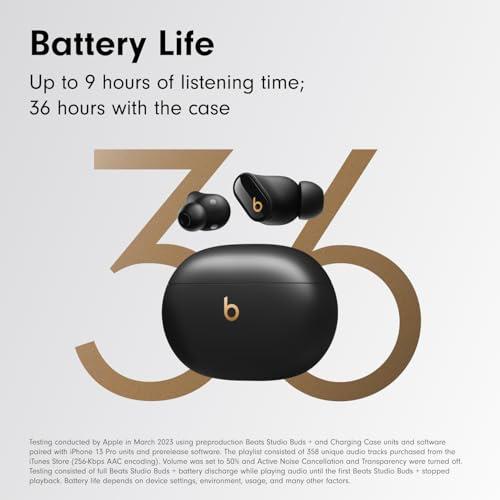
Battery performance tells an interesting story about the different technical demands of each design approach. The Beats Studio Buds Plus deliver up to 9 hours of listening time per charge when ANC is disabled, dropping to about 6 hours with noise cancellation active. The charging case extends this to a total of 36 hours without ANC or 30 hours with it enabled. The "Fast Fuel" charging technology provides about an hour of playback from just a 5-minute charge, which is genuinely useful for quick top-ups.
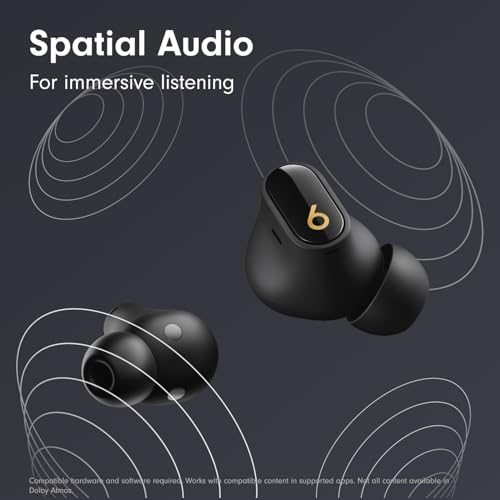
The Bose Ultra Open Earbuds offer 7.5 hours per charge in standard mode, but this drops to just 4.5 hours when using their "Immersive Audio" spatial processing feature. The charging case brings the total to 27 hours of listening time. While respectable, this shorter battery life reflects the additional processing power required for their advanced acoustic algorithms.
The battery difference becomes more significant when you consider use patterns. The Beats Studio Buds Plus work well for focused listening sessions where you might use ANC heavily, while the Bose Ultra Open Earbuds are designed for all-day wear where the shorter battery life per charge could be more noticeable.
This is where the Bose Ultra Open Earbuds truly shine. The innovative cuff design clips onto your outer ear using what Bose describes as a "light-as-air grip" that distributes pressure across the ear's cartilage rather than pressing into the sensitive ear canal. Users consistently report being able to wear these for hours without the fatigue that sealed earbuds can cause.
The Beats Studio Buds Plus use traditional silicone ear tips in four different sizes, which should accommodate most ear shapes. However, the sealed design inherently creates more pressure in the ear canal, and extended wear can lead to discomfort or that "plugged up" feeling that many people experience with traditional earbuds.
Both products offer IPX4 water resistance, meaning they can handle sweat and light splashing but shouldn't be submerged. This makes both suitable for workouts, though their ideal exercise scenarios differ significantly.
Modern earbuds need to excel at voice calls, and both products take different approaches to this challenge. The Beats Studio Buds Plus use their three-microphone array and sealed design to their advantage, effectively isolating your voice from background noise. The new venting system helps reduce the "talking in a tunnel" effect that some sealed earbuds create during calls.
The Bose Ultra Open Earbuds face a more difficult challenge since the open design means background noise can interfere with both what you hear and what callers hear from you. However, the natural feel of having your ears unblocked can make conversations feel more natural and less isolated.
Both products support Bluetooth 5.3 with modern codec support, though the implementation details differ. The Bose Ultra Open Earbuds include support for Snapdragon Sound and aptX Adaptive, which can provide higher quality audio and lower latency with compatible devices.
For home theater use, these products serve very different purposes. The Beats Studio Buds Plus excel as personal movie-watching companions, with their ANC helping block household distractions and their full-range audio providing the impact that movie soundtracks demand. The transparency mode allows you to quickly check if someone needs your attention without removing the earbuds.
The Bose Ultra Open Earbuds offer a unique advantage for shared living spaces—you can watch content while remaining aware of family members or roommates. The SimpleSync technology also allows them to pair with compatible Bose soundbars, creating a personal audio zone without completely isolating you from the room. However, the limited bass response means action movies and music-heavy content won't have the same impact.
At the time of writing, the price difference between these products is substantial, with the Bose Ultra Open Earbuds costing nearly three times as much as the Beats Studio Buds Plus. This makes the value equation particularly interesting to analyze.
The Beats Studio Buds Plus deliver what most people expect from premium wireless earbuds—excellent audio quality, effective noise cancellation, long battery life, and solid build quality—at a very competitive price point. They punch well above their weight class in terms of features and performance.
The Bose Ultra Open Earbuds command their premium pricing based on innovation and specialized benefits rather than traditional audio metrics. You're paying for groundbreaking comfort, unique design, and the specific advantages of open-ear listening. For users who need these specific benefits, the premium can be justified, but for general audio enjoyment, the value proposition is questionable.
The Beats Studio Buds Plus make sense for the vast majority of users. Choose these if you prioritize audio quality, want the flexibility of noise cancellation and transparency modes, prefer proven technology at a reasonable price, or need earbuds primarily for music enjoyment, commuting, or focused work sessions. They're also the clear choice if you're sensitive to value and want the most performance per dollar.
The Bose Ultra Open Earbuds serve specific use cases exceptionally well. Choose these if you absolutely must maintain environmental awareness for safety reasons (runners, cyclists), experience discomfort or ear infections with sealed earbuds, work in collaborative environments where you need to hear colleagues, prioritize all-day comfort over audio quality, or primarily consume spoken content rather than music.
For most people, the Beats Studio Buds Plus represent the better choice. They deliver superior audio quality, more versatile noise management, longer battery life, and exceptional value. The sealed design works with physics rather than against it, resulting in better overall performance for typical earbud use cases.
However, the Bose Ultra Open Earbuds solve real problems for specific users. If you've struggled with traditional earbud comfort, need constant awareness for safety, or have unique use cases that benefit from the open design, the premium pricing might be justified.
The technology gap between these products reflects where the industry is heading—not just better performance, but fundamentally different approaches to personal audio. While sealed designs will likely remain dominant for pure audio quality, open-ear designs are carving out important niches where awareness and comfort matter more than isolation and bass response.
Consider your primary use cases, comfort requirements, and budget constraints. The Beats Studio Buds Plus offer a more complete traditional earbud experience, while the Bose Ultra Open Earbuds pioneer a new category that prioritizes different values entirely. Both represent excellent execution of their respective philosophies—the question is which philosophy better matches your needs.
| Beats Studio Buds Plus | Bose Ultra Open Earbuds |
|---|---|
| Design Philosophy - Fundamentally different approaches to how you hear audio | |
| Traditional sealed in-ear with silicone tips that block ear canal | Open-ear cuff design that clips onto outer ear, never enters ear canal |
| Audio Quality - Most important factor for music enjoyment | |
| Full-range sound with strong bass due to sealed acoustic chamber | Limited bass response but natural soundstage; physics works against low frequencies |
| Noise Management - Critical for different environments and use cases | |
| Active Noise Cancellation with transparency mode for complete control | Always-open design with constant environmental awareness, no isolation possible |
| Battery Life - Affects daily usability and convenience | |
| Up to 9 hours per charge (6 with ANC), 36 hours total with case | Up to 7.5 hours per charge (4.5 with spatial audio), 27 hours total with case |
| Comfort for Extended Wear - Key consideration for all-day use | |
| Traditional ear canal fit with potential fatigue during long sessions | Exceptional all-day comfort with no ear canal pressure or fatigue |
| Water Resistance - Important for workouts and outdoor use | |
| IPX4 splash-proof rating suitable for sweat and light rain | IPX4 splash-proof rating suitable for sweat and light rain |
| Call Quality - Essential for work and personal communication | |
| Excellent noise isolation creates clear calls in noisy environments | Good quality but open design allows background interference |
| Price Value Proposition - Cost versus features and performance delivered | |
| Outstanding value with premium features at accessible pricing | Significant premium for specialized open-ear benefits and innovation |
| Best Use Cases - Who should choose each product | |
| Music lovers, commuters, focus work, noise cancellation needs, budget-conscious buyers | Safety-conscious athletes, all-day wearers, collaborative work environments, ear canal sensitivity |
The Beats Studio Buds Plus deliver significantly better sound quality for music listening. Their sealed design creates proper acoustic coupling, allowing for full bass response and detailed audio across the entire frequency spectrum. The Bose Ultra Open Earbuds struggle with bass reproduction due to their open design, making them less suitable for music genres that rely on low-frequency impact.
The fundamental difference is that Beats Studio Buds Plus use a traditional sealed in-ear design with silicone tips that block your ear canal, while Bose Ultra Open Earbuds feature an innovative open-ear design that clips onto your outer ear without entering the ear canal. This creates completely different listening experiences - isolation versus awareness.
The Bose Ultra Open Earbuds are significantly more comfortable for extended wear. Their cuff design distributes pressure across your outer ear rather than pressing into the sensitive ear canal, allowing many users to wear them for hours without fatigue. The Beats Studio Buds Plus can cause ear canal discomfort during very long listening sessions.
Only the Beats Studio Buds Plus offer Active Noise Cancellation (ANC) with up to 1.6x more power than previous generations. They also include a transparency mode for when you need environmental awareness. The Bose Ultra Open Earbuds have no noise cancellation by design - they keep your ears completely open to surroundings at all times.
This depends on your priorities. Beats Studio Buds Plus offer a more secure fit and better sweat resistance for intense workouts. However, Bose Ultra Open Earbuds are safer for outdoor running and cycling because they maintain full environmental awareness, allowing you to hear traffic and other potential hazards while exercising.
The Beats Studio Buds Plus offer longer battery life with up to 9 hours per charge (6 hours with ANC on) and 36 hours total with the charging case. The Bose Ultra Open Earbuds provide up to 7.5 hours per charge (4.5 hours with spatial audio) and 27 hours total with the case. The Beats Studio Buds Plus also feature faster charging technology.
The Beats Studio Buds Plus offer exceptional value, delivering premium features like ANC, transparency mode, and excellent audio quality at a competitive price point. The Bose Ultra Open Earbuds command a significant premium for their innovative design but serve specialized needs rather than general audio enjoyment.
With Beats Studio Buds Plus, you can choose - use ANC for complete isolation or transparency mode to hear conversations. The Bose Ultra Open Earbuds always allow you to hear everything around you clearly since they don't block your ears, making them ideal for office environments where you need to hear colleagues.
The Beats Studio Buds Plus excel at phone calls in noisy environments because their sealed design and three-microphone array effectively isolate your voice from background noise. The Bose Ultra Open Earbuds work well for calls in quiet spaces but struggle when there's competing background noise due to their open design.
The Beats Studio Buds Plus are excellent for home entertainment, providing immersive audio with full bass response that enhances movie soundtracks and dialogue clarity. Their ANC helps block household distractions. The Bose Ultra Open Earbuds work well if you need to remain aware of family members but lack the audio impact that makes movies engaging.
This depends on your work environment. Choose Beats Studio Buds Plus if you need to focus in noisy offices or want to block distractions, as their ANC and transparency modes give you control. Pick Bose Ultra Open Earbuds if you work in collaborative environments where you need to hear colleagues, phone calls, or office announcements while listening to audio.
The Beats Studio Buds Plus can cause ear canal fatigue during very long sessions and completely isolate you from surroundings when using ANC. The Bose Ultra Open Earbuds cannot block noise when you want isolation, have limited bass response for music, and cost significantly more while serving specialized rather than general listening needs.
We've done our best to create useful and informative comparisons to help you decide what product to buy. Our research uses advanced automated methods to create this comparison and perfection is not possible - please contact us for corrections or questions. These are the sites we've researched in the creation of this article: soundguys.com - loudnwireless.com - beatsbydre.com - rtings.com - soundguys.com - youtube.com - cnet.com - soundguys.com - recordingnow.com - youtube.com - cornellstore.com - youtube.com - beatsbydre.com.cn - soundguys.com - techradar.com - youtube.com - techgearlab.com - beatsbydre.com - youtube.com - apple.com - electronics.woot.com - bose.com - youtube.com - consumerreports.org - rtings.com - head-fi.org - youtube.com - tomsguide.com - bestbuy.com - youtube.com - bose.com - cnet.com - youtube.com - soundguys.com - applevis.com - techgearlab.com - purewow.com - bose.com - bose.com - assets.bose.com - youtube.com - techradar.com - whathifi.com - bose.com - bose.com - youtube.com - bose.com

Privacy Policy
Terms and Conditions - Affiliate Policy
Home Security
© Copyright 2008-2026.
11816 Inwood Rd #1211, Dallas, TX 75244