




When most people think about wireless earbuds, they picture the familiar design: small pods that nestle into your ear canals, creating a seal that blocks out the world while pumping your favorite tunes directly into your ears. But the earbud landscape is more diverse than many realize, and these two products represent completely different philosophies about how we should experience personal audio.
The JLab Go Pop+, released in 2023, takes the traditional approach and makes it incredibly affordable. Meanwhile, the Bose Ultra Open, launched in 2024, throws convention out the window with an open-ear design that lets you hear your music and your surroundings simultaneously. At the time of writing, these products sit at opposite ends of the price spectrum, with the JLab costing roughly what you'd spend on a nice lunch, while the Bose demands the kind of investment typically reserved for premium audio gear.
The wireless earbud market has exploded since Apple removed the headphone jack in 2016, but not all earbuds are created equal. Traditional sealed earbuds work by creating an acoustic seal in your ear canal—think of them as tiny speakers placed directly in your ears. This design maximizes bass response because the seal prevents low-frequency sound waves from escaping, but it also isolates you from your environment.
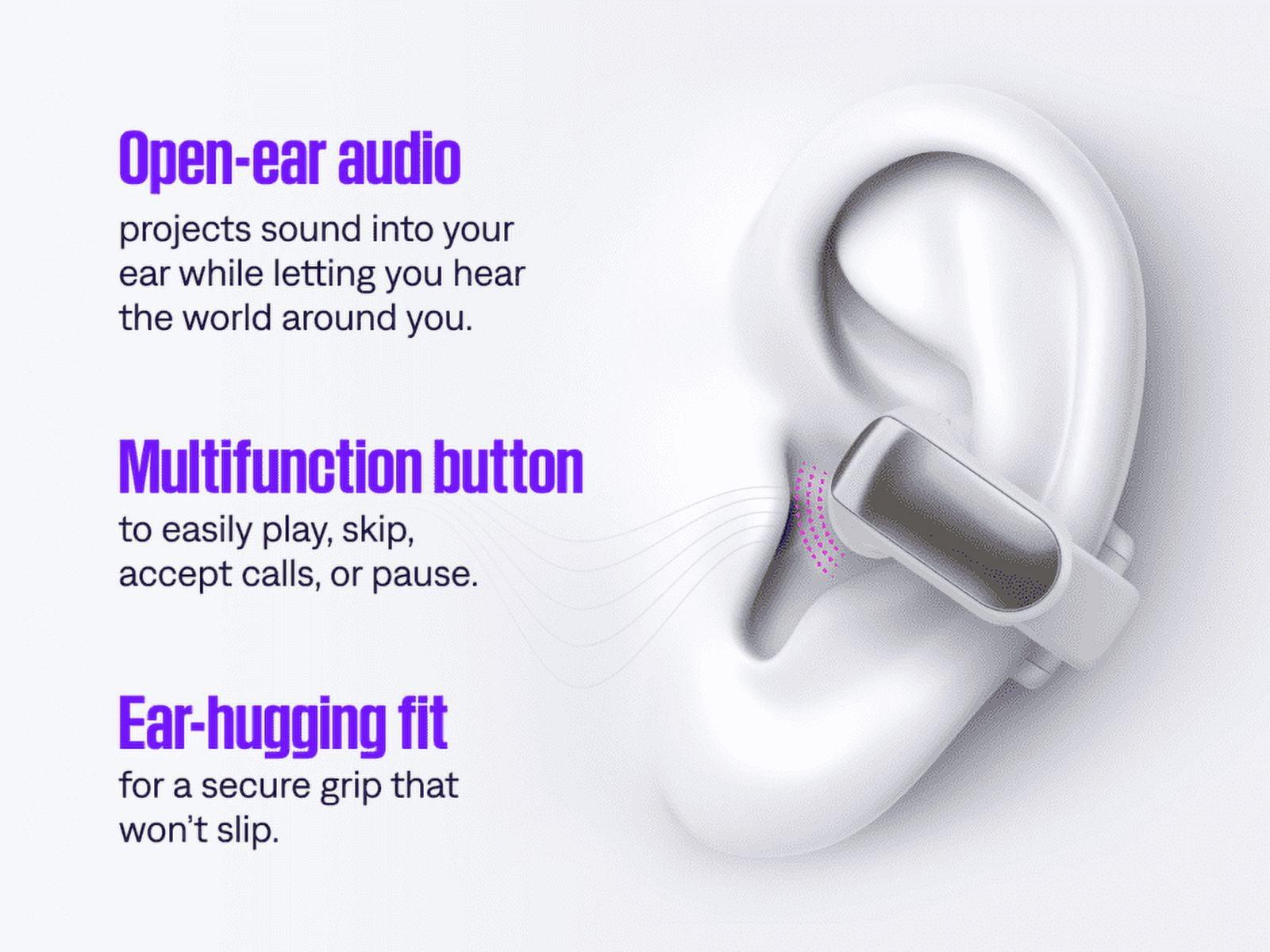
Open-ear earbuds take a radically different approach. Instead of blocking your ears, they sit outside your ear canal and direct sound toward your eardrums without creating a seal. This design prioritizes environmental awareness and comfort over maximum bass response and noise isolation.
The choice between these approaches often comes down to your lifestyle and priorities. Do you want maximum sound isolation for your commute, or do you need to hear traffic while jogging? Are you looking for the most affordable entry into wireless audio, or are you willing to pay premium prices for innovative technology?
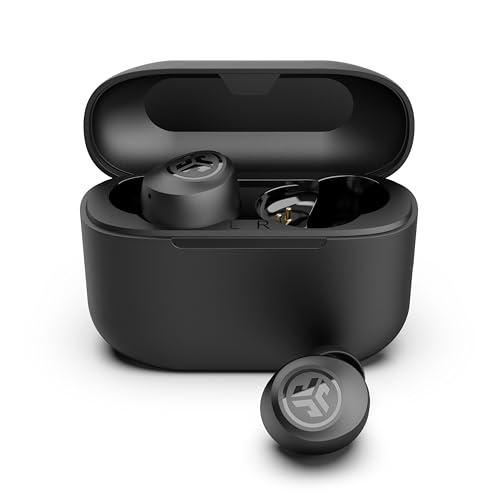
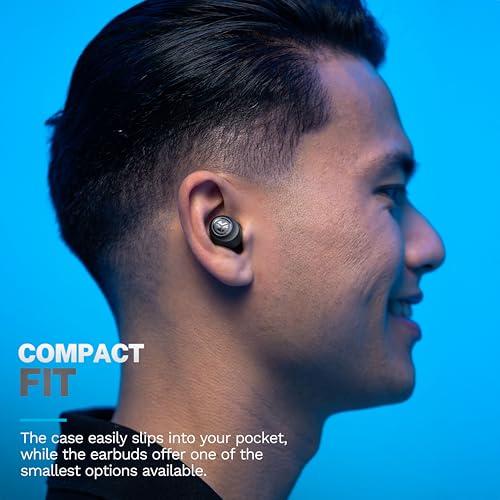
The JLab Go Pop+ represents something of a miracle in modern manufacturing: a fully-featured pair of true wireless earbuds that costs less than a typical fast-food meal. Released in 2023, these earbuds pack an impressive array of features into their tiny form factor.
Under the hood, the JLab Go Pop+ uses 6mm dynamic drivers—these are the tiny speakers that convert electrical signals into sound waves. The 6mm size strikes a good balance between bass response and overall clarity, though they can't match the authority of larger drivers found in over-ear headphones. The earbuds support both SBC and AAC codecs, which are essentially compression algorithms that maintain audio quality while transmitting wirelessly. AAC is particularly important for iPhone users, as it's Apple's preferred codec for Bluetooth audio.
The Bluetooth 5.3 connectivity represents a significant upgrade over older Bluetooth versions. This newer standard provides more stable connections, better range (over 30 feet in ideal conditions), and improved battery efficiency. The dual connect feature means either earbud can function independently—a surprisingly sophisticated feature for such affordable earbuds.
Based on extensive user feedback and professional reviews, the JLab Go Pop+ delivers what's called a "V-shaped" sound signature. This means the bass and treble frequencies are emphasized while the midrange (where most vocals live) takes a back seat. For popular music genres like hip-hop, EDM, and rock, this tuning can sound exciting and engaging. However, classical music, jazz, and acoustic recordings may sound less natural.
The earbuds struggle with complex musical passages, where multiple instruments play simultaneously. This limitation stems from their small drivers and basic audio processing, but it's entirely reasonable given their price point. Think of them as delivering about 70% of what premium earbuds offer—which is remarkable considering they cost roughly 5% as much.
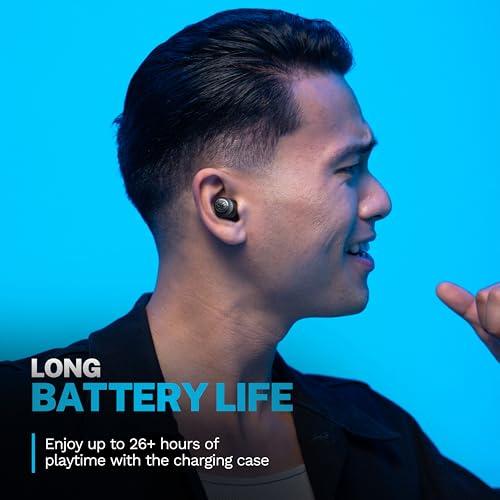
Where the JLab Go Pop+ truly shines is battery life. The earbuds themselves provide up to 9 hours of continuous playback, which exceeds many premium competitors. Combined with the charging case, you get over 35 hours of total listening time. This means you could use them for your entire workweek without needing to charge the case.
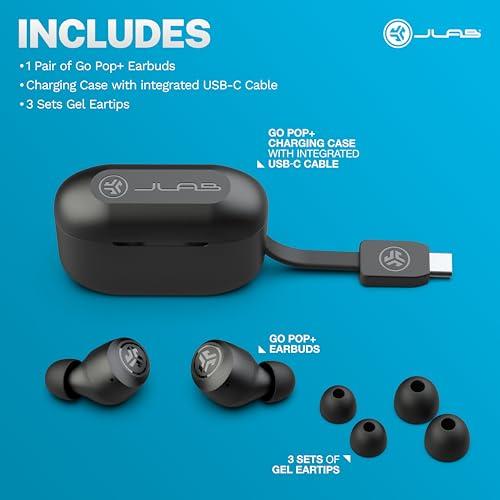
The quick charge feature provides one hour of playback from just 10 minutes of charging—perfect for those "oh no, dead earbuds" moments before your workout. The integrated USB-C cable in the case is a thoughtful touch that eliminates the need to carry a separate charging cable.
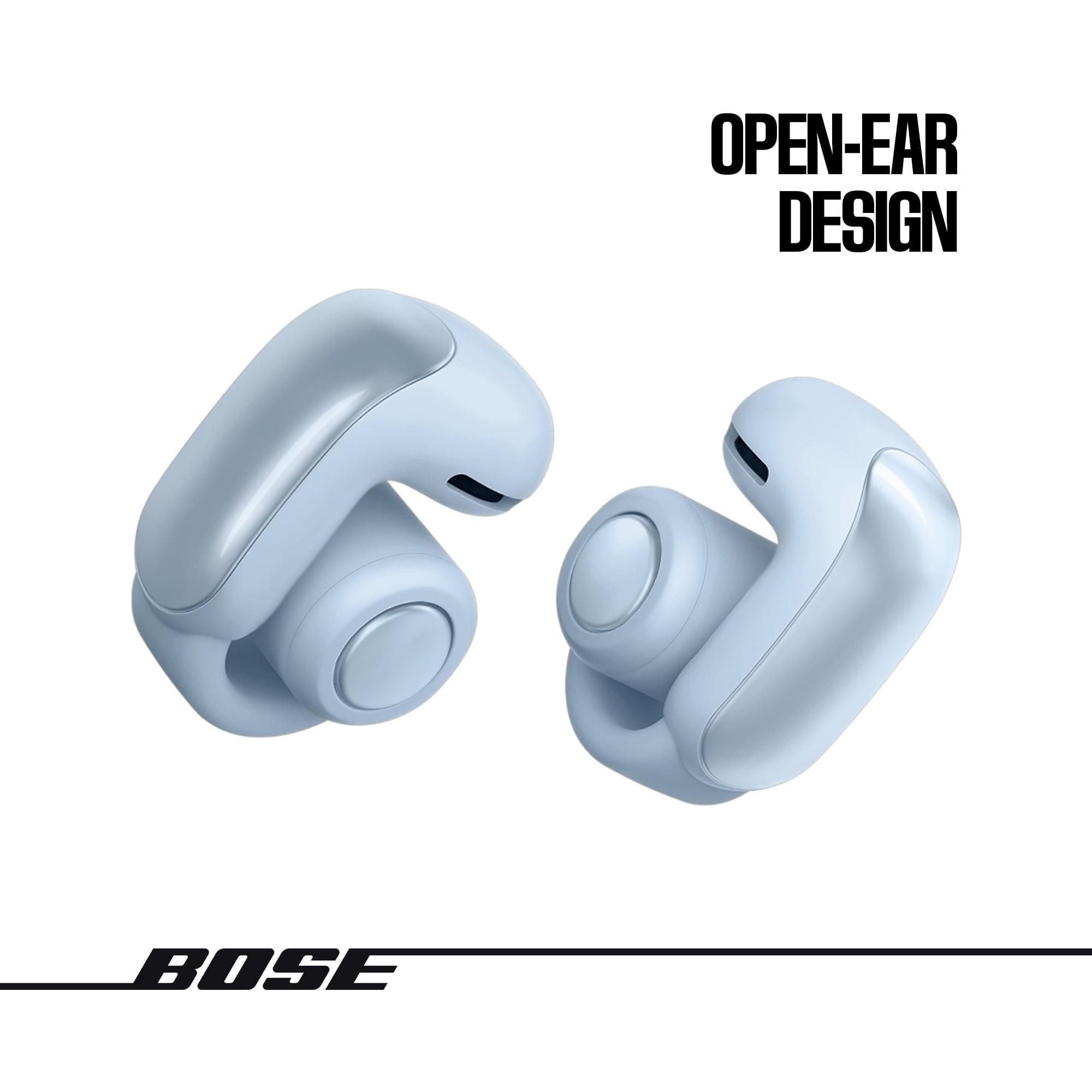
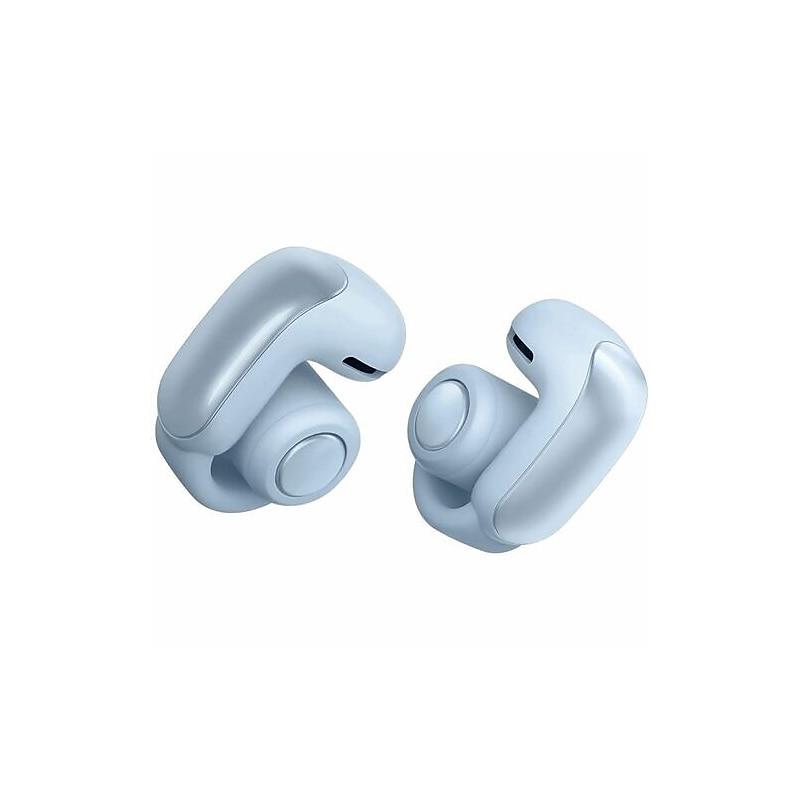
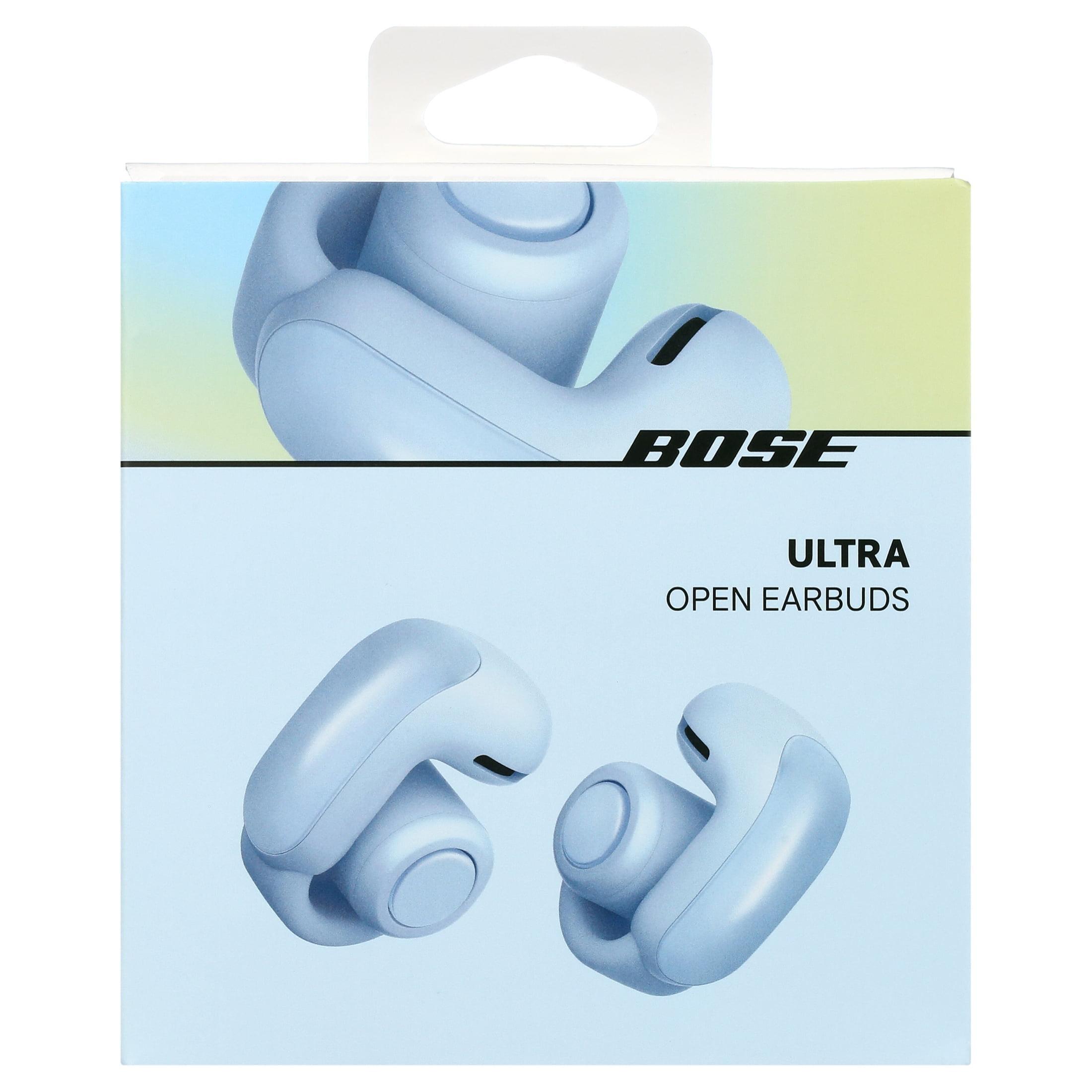
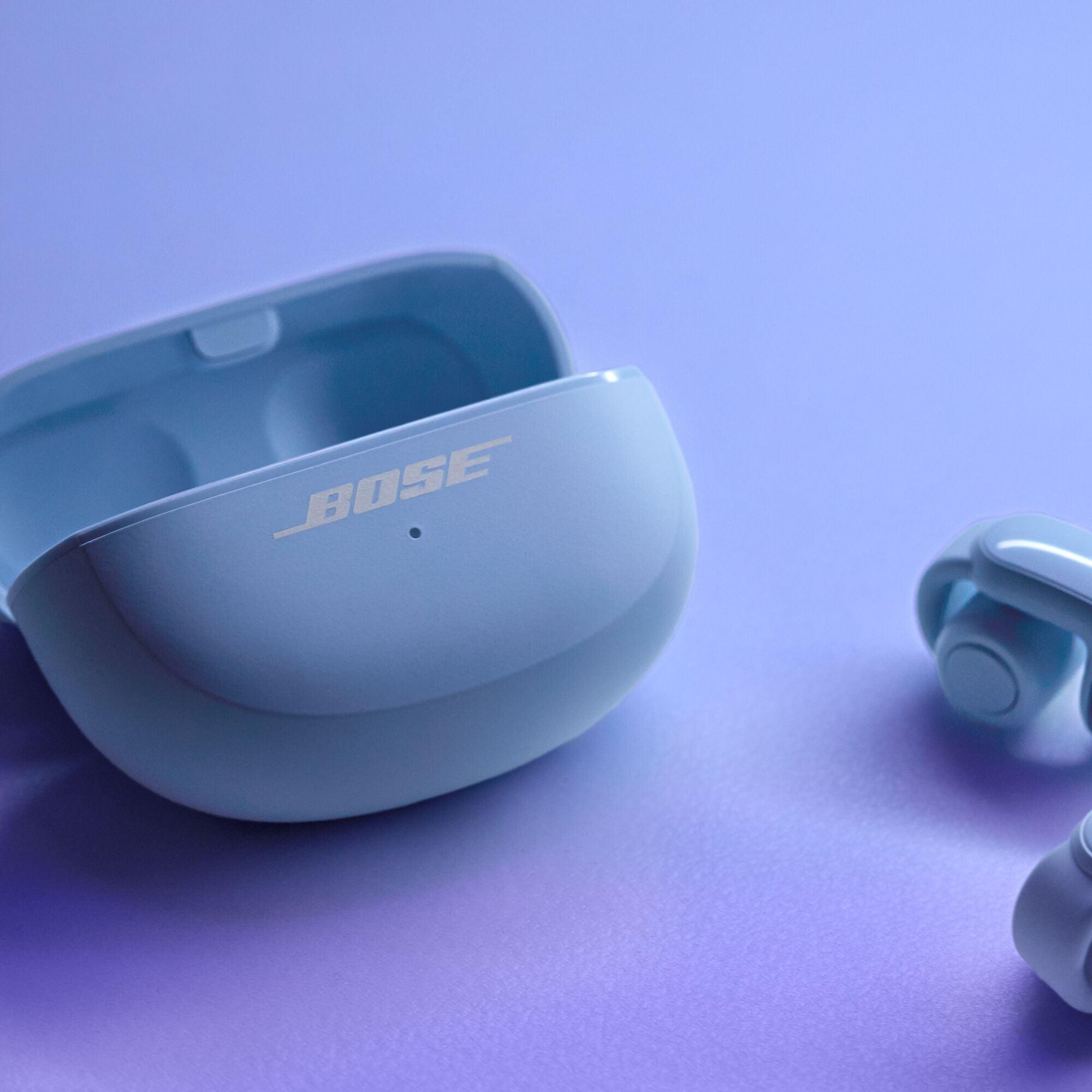
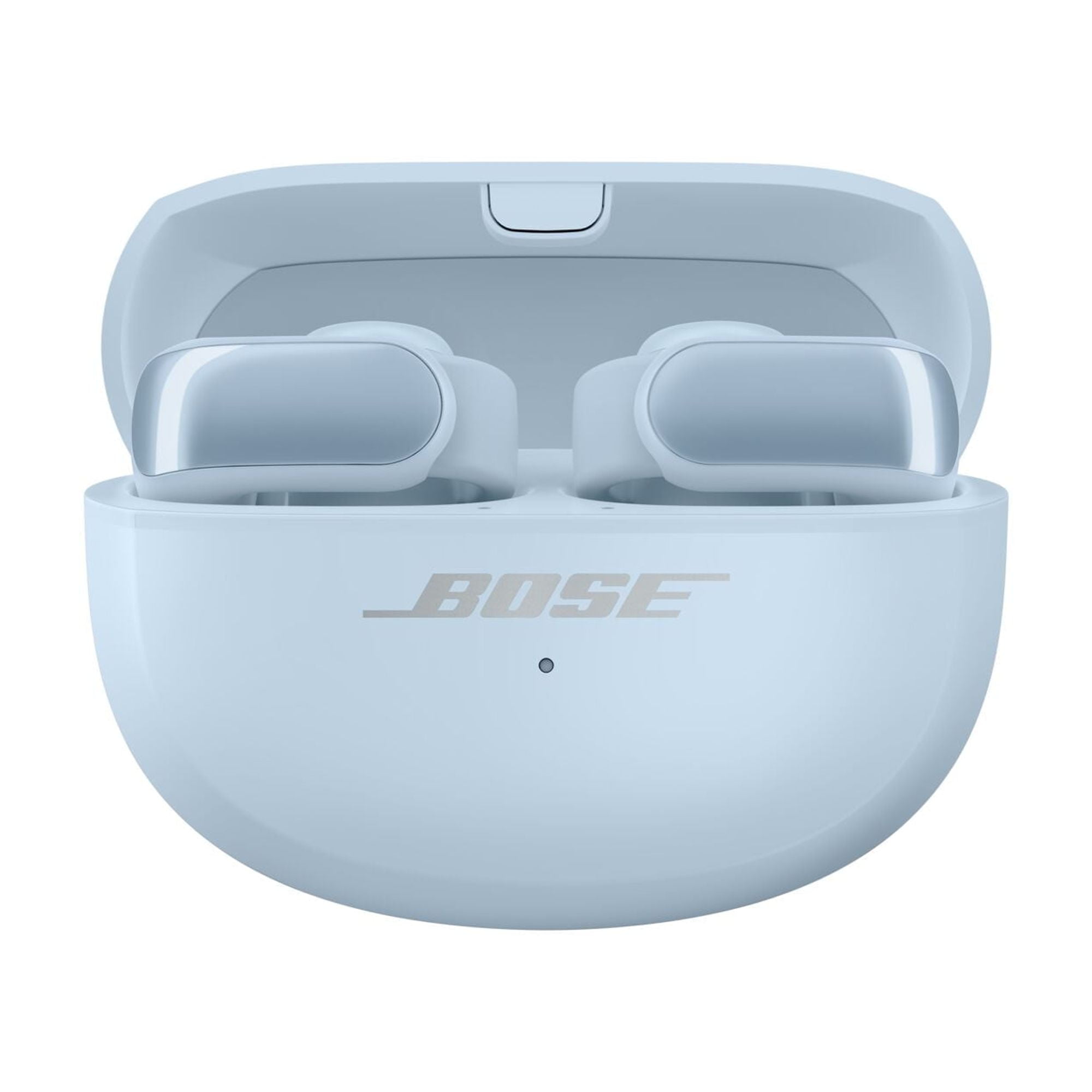
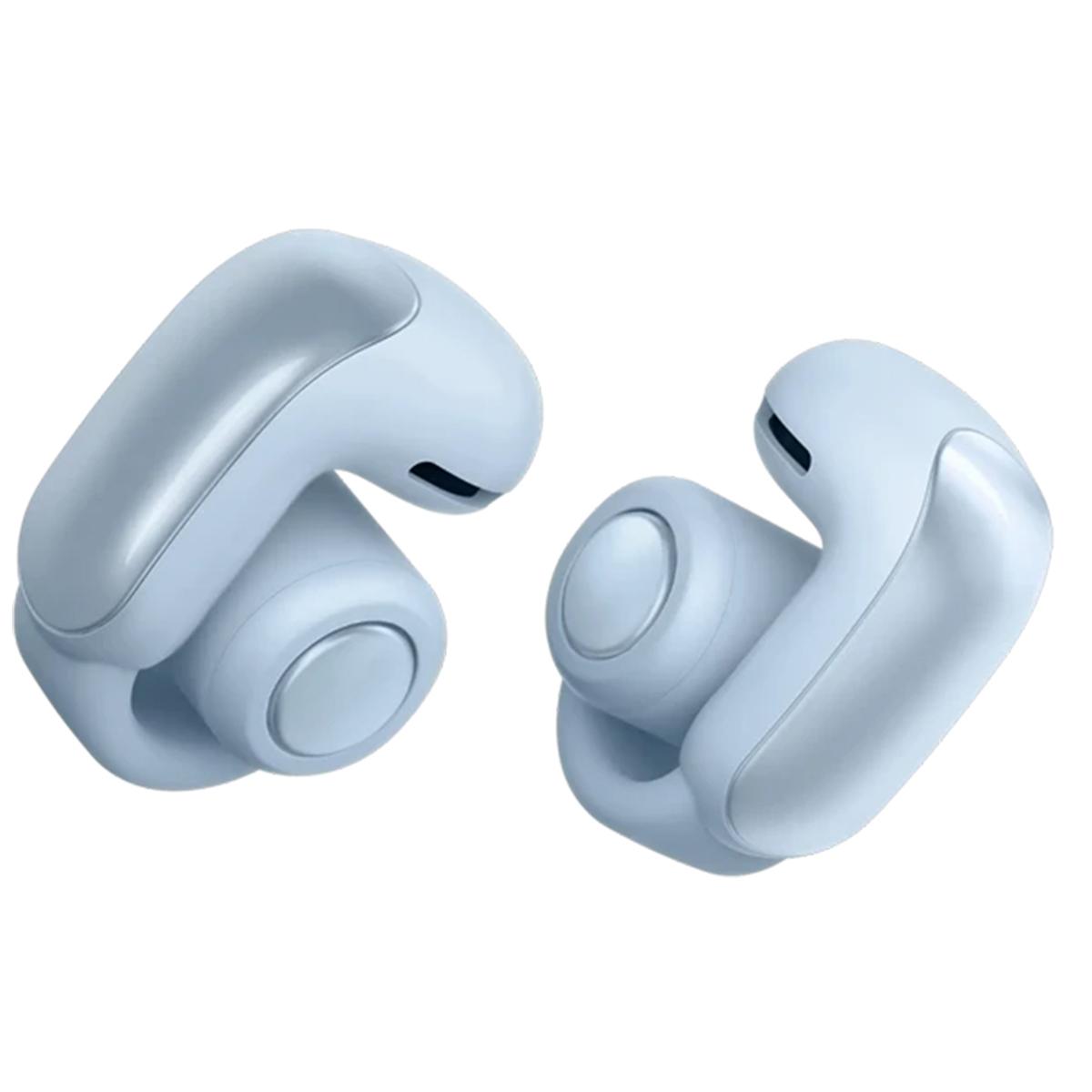
The Bose Ultra Open, released in 2024, represents Bose's answer to a fundamental question: what if earbuds didn't need to go in your ears at all? This open-ear design philosophy prioritizes comfort and environmental awareness over maximum sound isolation.
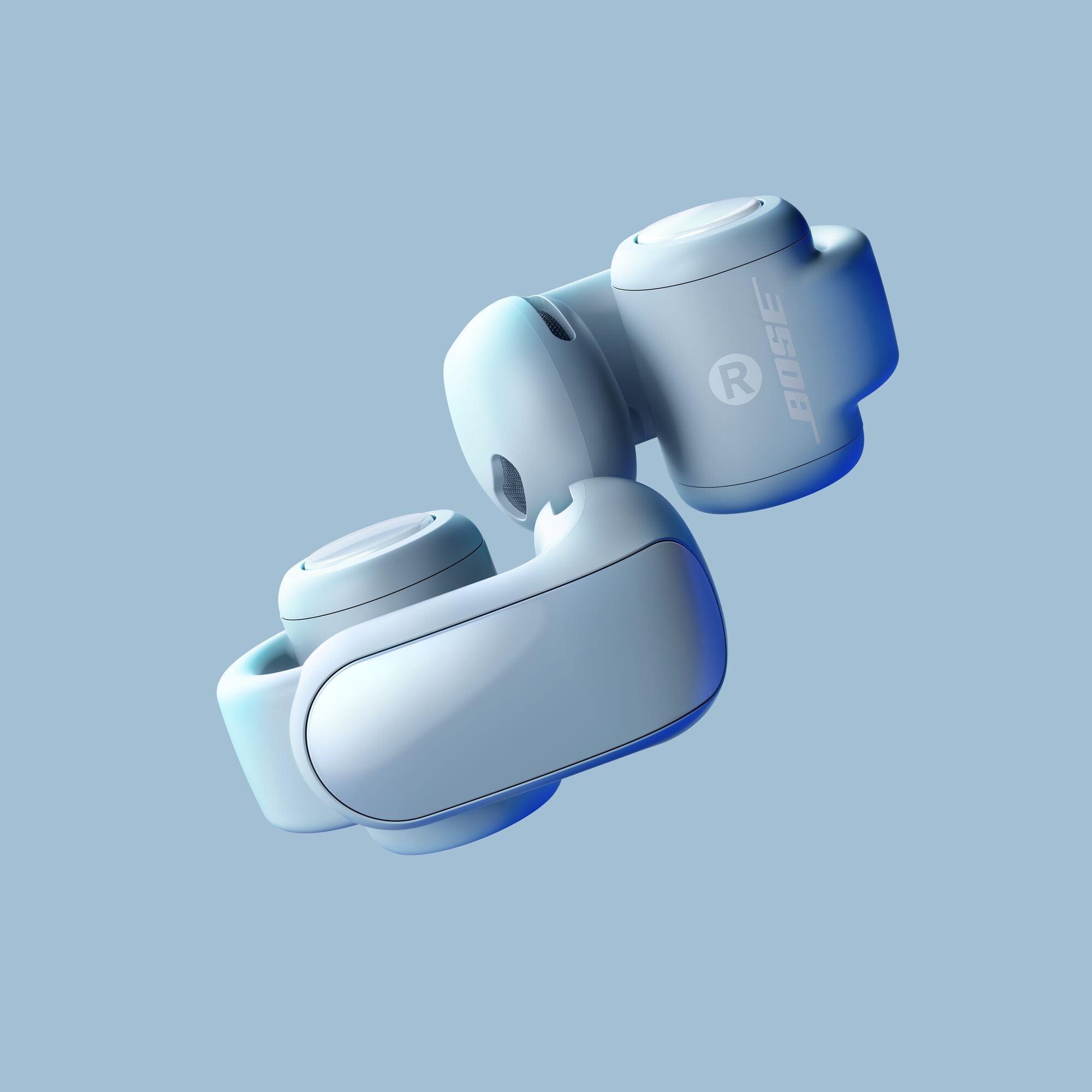
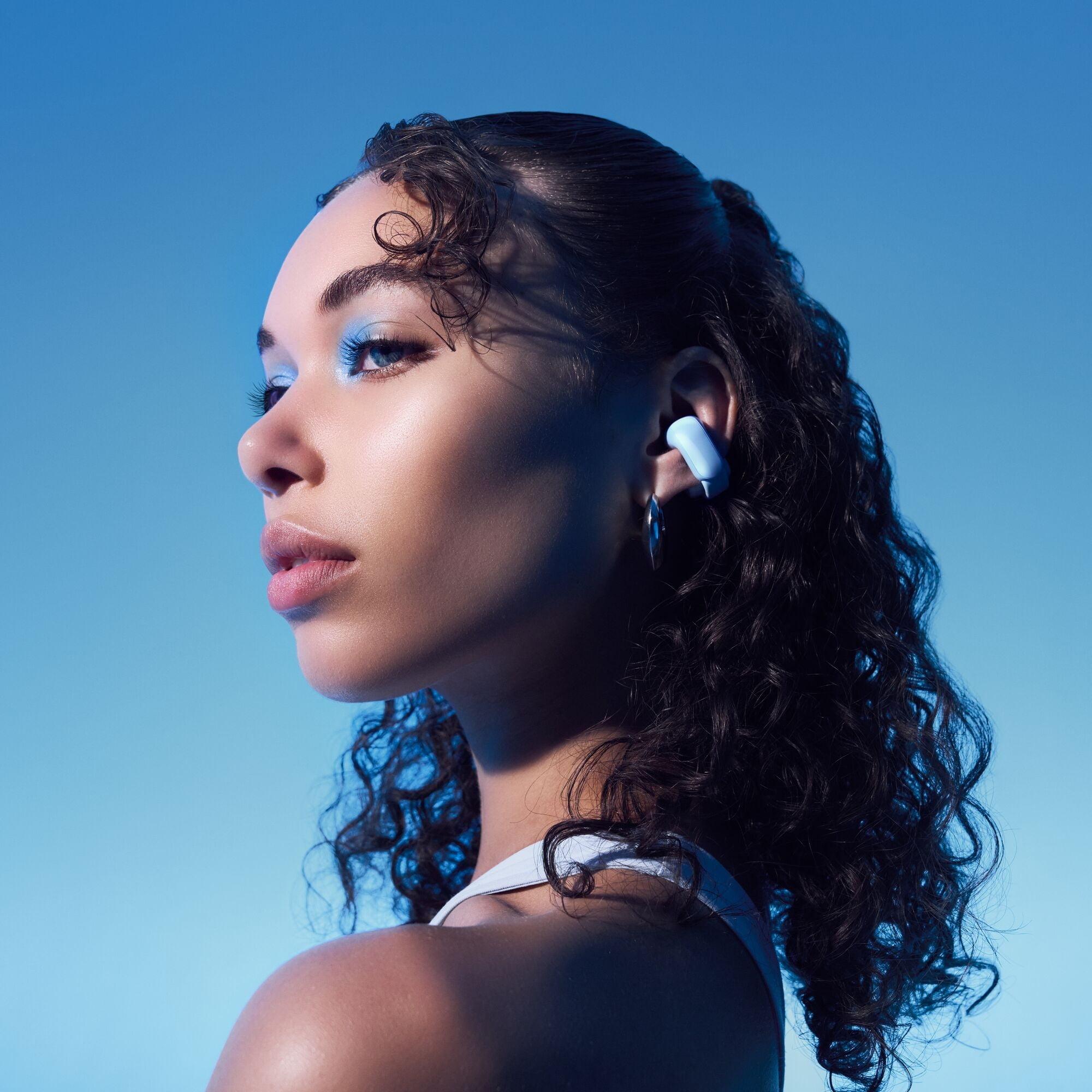
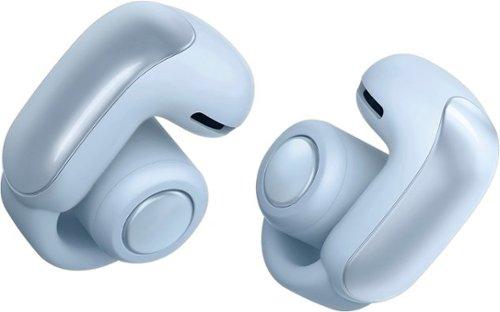
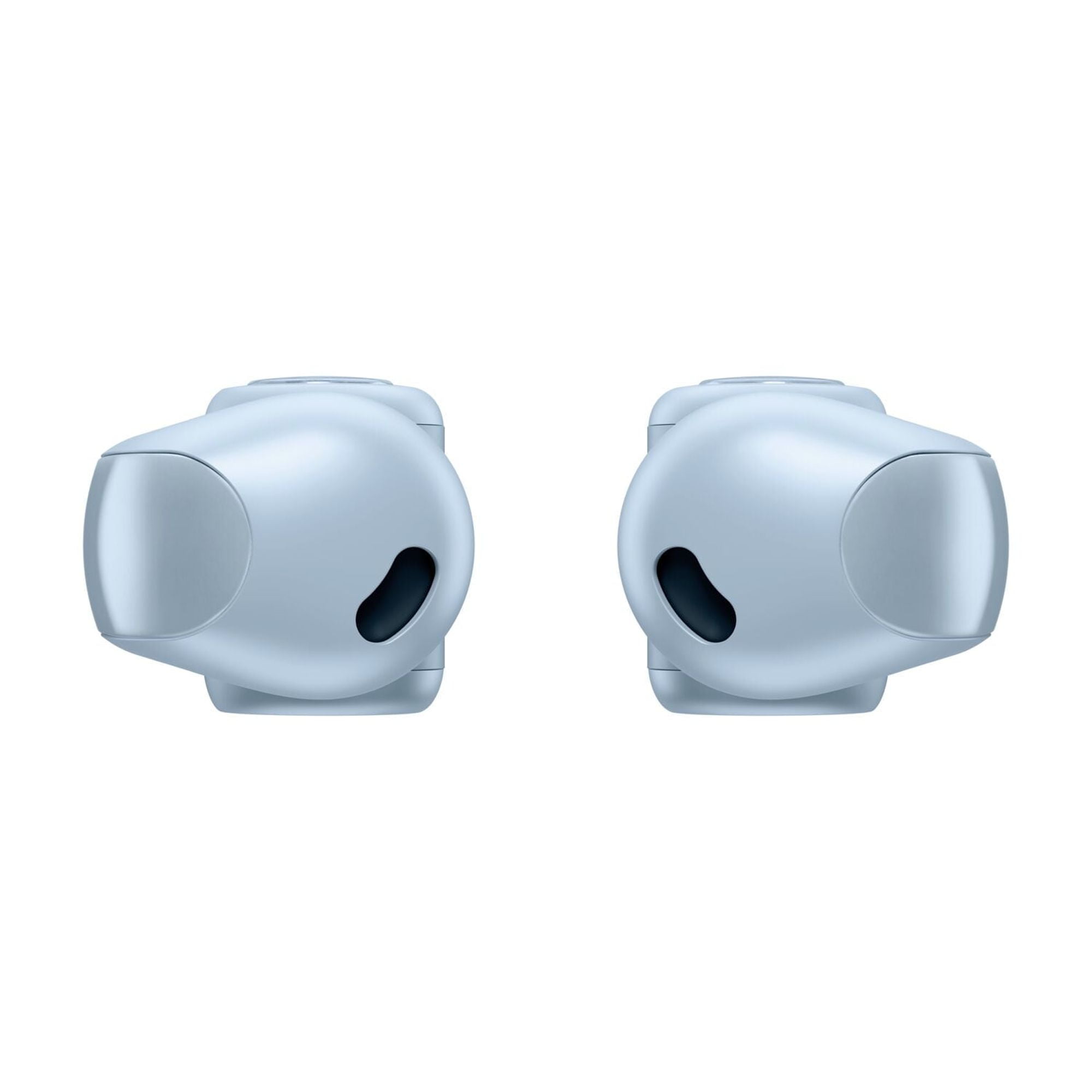
The cuff-shaped design looks more like ear jewelry than traditional earbuds. Each unit weighs just 6 grams and uses what Bose calls a "flexible joint system" to grip the outside of your ear without applying uncomfortable pressure. This design eliminates the ear fatigue that many people experience with traditional in-ear monitors, especially during extended listening sessions.
The Bose Ultra Open uses proprietary OpenAudio technology, which directs sound precisely toward your ear canal while minimizing sound leakage to people around you. This is harder to achieve than it sounds—open-ear designs traditionally suffer from poor bass response and significant sound leakage.
The spatial audio technology, called Bose Immersive Audio, creates a more expansive soundstage than traditional earbuds. It offers two modes: "Still" for stationary listening and "Motion" that adapts as you move to maintain consistent audio positioning. This technology uses advanced signal processing to simulate the way we naturally hear sounds in three-dimensional space.
The Auto Volume feature automatically adjusts playback level based on surrounding noise. If you walk from a quiet library into a busy street, the earbuds increase volume to compensate. When you return to the quiet space, they lower the volume accordingly. This intelligent adaptation reduces the need for constant manual adjustments.
The Bose Ultra Open supports aptX Adaptive codec, which provides higher quality audio and lower latency than basic SBC codec. This is particularly beneficial when watching videos, as it reduces the delay between audio and visual elements. The Bluetooth 5.3 connectivity ensures stable connections and efficient battery usage.
Comparing sound quality between the JLab Go Pop+ and Bose Ultra Open is like comparing apples to oranges—they're optimized for completely different experiences.
The JLab Go Pop+ creates an intimate, isolated listening experience. The sealed design naturally emphasizes bass frequencies, making kick drums punchy and bass lines prominent. However, user reviews consistently note that the sound can become thin and compressed with complex music, lacking the dynamics and warmth of premium earbuds.
The Bose Ultra Open takes the opposite approach. Without the bass reinforcement of a sealed design, low frequencies sound more natural but less prominent. However, the spatial audio processing creates a wider soundstage that makes music feel less confined to your head. Professional reviewers praise the natural sound presentation, though they note the inherent bass limitations of open-ear designs.
For home theater use, the approaches differ significantly. The JLab Go Pop+ provides better isolation for immersive movie watching, while the Bose Ultra Open allows you to hear doorbell rings and family members—which might be exactly what you want during casual TV viewing.
Comfort represents the Bose Ultra Open's strongest advantage. The open-ear design eliminates the pressure and "plugged up" sensation that bothers many people with traditional earbuds. Users consistently report being able to wear them for entire workdays without discomfort.
The JLab Go Pop+ follows the traditional approach with three sizes of gel tips to accommodate different ear shapes. While they're lightweight and reasonably comfortable, extended wear can cause ear fatigue—a common issue with in-ear designs.
For people with sensitive ears, hearing aids, or those who simply can't tolerate things in their ear canals, the Bose Ultra Open offers a solution that traditional earbuds simply cannot match.
The JLab Go Pop+ wins decisively on battery life, providing significantly more listening time per charge. This advantage stems partly from their simpler audio processing—they don't need to power advanced spatial audio algorithms or environmental noise analysis.
The Bose Ultra Open provides respectable battery life, but the power-hungry Immersive Audio feature cuts playback time nearly in half when enabled. For users who prioritize maximum listening time, especially during travel or long workdays, the JLab's battery advantage is substantial.
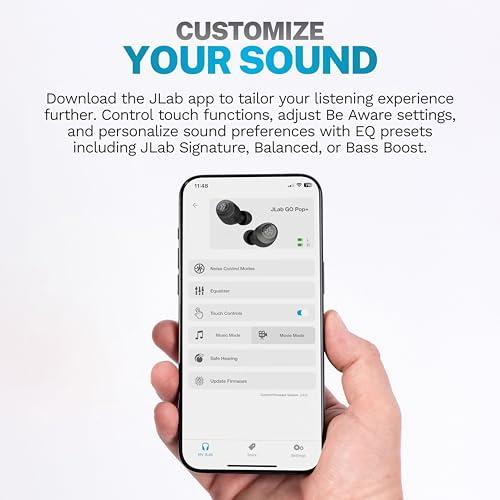
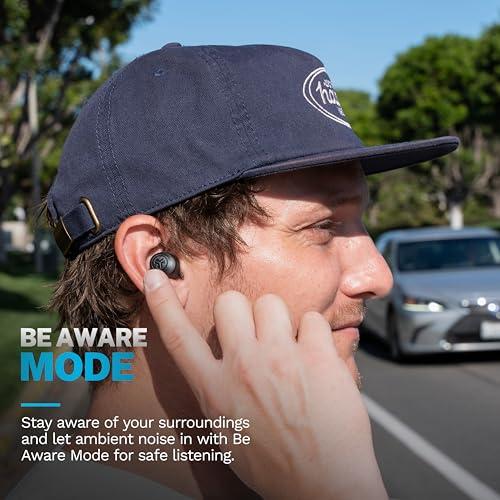
This category highlights the fundamental difference between these products. The JLab Go Pop+ includes a "Be Aware" mode that uses the built-in microphones to pipe external sounds into your audio stream. While functional, this approach feels artificial—like listening to your surroundings through a microphone.
The Bose Ultra Open provides natural environmental awareness because your ears remain unobstructed. You hear traffic, conversations, and announcements exactly as you would without earbuds. The Auto Volume feature intelligently balances your music with environmental noise levels.
For runners, cyclists, and anyone who needs situational awareness for safety reasons, the Bose approach is superior. For commuters who want to block out subway noise, the JLab design works better.
For someone buying their first pair of true wireless earbuds, the JLab Go Pop+ offers an excellent introduction to the category. They provide all the essential features—wireless convenience, app customization, good battery life—without requiring a significant financial commitment. Students can use them for online classes, casual music listening, and phone calls without worrying about losing an expensive investment.
Office workers who spend long hours in video calls and need environmental awareness will find the Bose Ultra Open transformative. They can listen to music or take calls while remaining aware of office conversations and phone rings. The all-day comfort makes them practical for extended wear during busy workdays.
For outdoor activities like running or cycling, the choice depends on your priorities. The JLab Go Pop+ stays securely in place with proper ear tips and provides pumping bass for workout motivation. However, the Bose Ultra Open allows you to hear approaching vehicles, other pedestrians, and potential hazards—which could literally be life-saving.
Long flights and extended commutes favor different approaches. The JLab Go Pop+ provides better noise isolation for sleeping on planes and blocking out engine noise. The superior battery life means fewer charging stops during multi-day trips. Conversely, the Bose Ultra Open eliminates ear pressure issues during flights and allows you to hear important announcements.
Since the JLab Go Pop+ launched in 2023, we've seen continued improvements in budget earbud capabilities. Bluetooth 5.3 has become standard, app integration is increasingly common, and battery life has improved across the category. The Go Pop+ represents the current peak of what's possible at ultra-budget prices.
The Bose Ultra Open, arriving in 2024, represents a newer trend toward open-ear designs. This category has grown significantly as manufacturers recognize that traditional earbuds don't work for everyone. We expect to see more companies exploring similar approaches, though Bose's audio processing expertise gives them a current advantage.
These products serve fundamentally different needs, making the choice more about matching your lifestyle than comparing specifications.
Choose the JLab Go Pop+ if you want traditional earbud performance at an unbeatable price. They're perfect for casual listeners, students, budget-conscious buyers, and anyone wanting to try true wireless without major investment. The sound isolation and bass response work well for commuting, focused listening, and blocking out distractions.
Choose the Bose Ultra Open if comfort and environmental awareness matter more than cost. They're ideal for office workers, people with sensitive ears, safety-conscious exercisers, and anyone who values innovative technology. The premium price pays for engineering sophistication and a fundamentally different listening experience.
At the time of writing, the price difference between these products is substantial—roughly 12 times more for the Bose. This premium buys you innovative design, superior comfort, and advanced audio processing, but it doesn't necessarily buy you "better" sound in the traditional sense.
The JLab Go Pop+ democratizes wireless audio by delivering essential features at an accessible price. The Bose Ultra Open reimagines what earbuds can be, prioritizing comfort and awareness over maximum performance. Both approaches have merit, and both serve their intended audiences well.
Your choice ultimately depends on whether you want to maximize value within the traditional earbud paradigm, or whether you're ready to pay premium prices for a fundamentally different approach to personal audio.
| JLab Go Pop+ True Wireless Earbuds | Bose Ultra Open Earbuds |
|---|---|
| Design Philosophy - Determines your entire listening experience | |
| Traditional sealed in-ear design that blocks external sound | Revolutionary open-ear design that sits outside ear canal |
| Battery Life - Critical for daily use without charging stress | |
| 9 hours per earbud + 35+ hours total (exceptional for any price) | 7.5 hours per earbud + 27 hours total (good but not outstanding) |
| Sound Isolation - Key difference affecting when/where you can use them | |
| Full passive isolation with optional "Be Aware" transparency mode | Naturally open design allows constant environmental awareness |
| Comfort for Extended Wear - Makes or breaks all-day usage | |
| Traditional gel tips, can cause ear fatigue during long sessions | Cuff-shaped design eliminates ear canal pressure, all-day comfort |
| Audio Quality Approach - Different philosophies for different needs | |
| V-shaped sound with punchy bass, struggles with complex music | Natural spatial audio with Immersive Audio, less bass emphasis |
| Price Category - Determines accessibility and expected features | |
| Ultra-budget tier offering remarkable value for essential features | Premium tier with innovative technology commanding luxury pricing |
| Bluetooth and Codecs - Affects connection stability and audio quality | |
| Bluetooth 5.3 with SBC/AAC codecs (solid basics) | Bluetooth 5.3 with SBC/AAC/aptX Adaptive (premium audio processing) |
| Water Resistance - Important for exercise and weather protection | |
| IPX4 rating protects against sweat and splashes | IPX4 rating provides same splash protection |
| App Integration - Enables customization and advanced features | |
| JLab App with custom EQ, controls, and sound modes | Bose Music app with Auto Volume, custom controls, and spatial audio settings |
| Best Use Cases - Who should choose each product | |
| Budget buyers, students, commuters wanting isolation, bass lovers | Premium buyers prioritizing comfort, office workers, safety-conscious exercisers |
The JLab Go Pop+ offers exceptional value at an ultra-budget price point, delivering essential wireless earbud features like 35+ hours battery life, app customization, and decent sound quality. The Bose Ultra Open costs significantly more but provides innovative open-ear design, premium comfort, and advanced spatial audio technology. For budget-conscious buyers, the JLab Go Pop+ is unbeatable, while the Bose Ultra Open justifies its premium pricing with unique features unavailable elsewhere.
The fundamental difference is design philosophy: JLab Go Pop+ uses traditional sealed in-ear design that blocks external sound, while Bose Ultra Open features an innovative open-ear design that sits outside your ear canal. This means the JLab Go Pop+ provides sound isolation and stronger bass, while the Bose Ultra Open allows environmental awareness and all-day comfort without ear pressure.
Sound quality depends on your preferences. The JLab Go Pop+ delivers punchy bass and crisp highs with a V-shaped sound signature that's exciting for popular music genres. The Bose Ultra Open offers more natural sound with spatial audio processing and better handling of complex music, though with less bass impact due to its open design. For bass lovers, choose JLab Go Pop+; for natural, spacious sound, choose Bose Ultra Open.
The Bose Ultra Open wins decisively for extended wear comfort. Its cuff-shaped design eliminates ear canal pressure and the "plugged up" feeling that causes fatigue with traditional earbuds. The JLab Go Pop+ uses standard gel tips that can become uncomfortable during long sessions. For all-day wear at the office or extended listening, the Bose Ultra Open is far superior.
Both earbuds work for exercise with important differences. The JLab Go Pop+ stays securely in place with proper ear tips and provides motivating bass for workouts, plus IPX4 water resistance. The Bose Ultra Open also has IPX4 protection but excels for outdoor activities where safety matters—you can hear traffic, other runners, and potential hazards. Choose JLab Go Pop+ for gym workouts, Bose Ultra Open for outdoor running and cycling.
The JLab Go Pop+ offers superior battery performance with 9 hours per earbud and 35+ total hours with the case. It also includes quick charging (10 minutes = 1 hour playback) and an integrated USB-C cable. The Bose Ultra Open provides 7.5 hours per earbud and 27 total hours, which is good but not exceptional. For maximum listening time and charging convenience, the JLab Go Pop+ is the clear winner.
Call quality differs significantly between the products. The JLab Go Pop+ includes environmental noise canceling but struggles with voice clarity in loud environments according to user reviews. The Bose Ultra Open allows natural conversation since your ears aren't blocked, making it easier to hear your own voice and maintain normal speaking volume. For frequent phone calls, especially in office environments, the Bose Ultra Open provides a more natural experience.
For home theater use, the choice depends on your priorities. The JLab Go Pop+ provides better sound isolation for immersive movie watching without disturbing others, plus stronger bass for action scenes. The Bose Ultra Open allows you to hear doorbell rings and family conversations while watching TV, which might be preferred for casual viewing. The JLab Go Pop+ is better for focused entertainment, while Bose Ultra Open works better for background viewing.
Both earbuds support iPhone and Android devices effectively. The JLab Go Pop+ includes Google Fast Pair for quick Android pairing and supports AAC codec preferred by iPhones. The Bose Ultra Open offers broader codec support including aptX Adaptive for premium Android devices. Both work seamlessly with their respective apps (JLab App and Bose Music app) regardless of your phone choice.
The Bose Ultra Open is dramatically better for people with sensitive ears or those who can't tolerate traditional in-ear designs. The open-ear approach eliminates pressure, ear canal irritation, and the claustrophobic feeling some people experience. The JLab Go Pop+ requires ear canal insertion which can be uncomfortable for sensitive users. If you've had problems with traditional earbuds, the Bose Ultra Open offers a completely different approach.
Yes, both products support single-earbud use. The JLab Go Pop+ features Dual Connect technology allowing either earbud to work independently for calls or music. The Bose Ultra Open also supports independent earbud use. This feature is useful for staying aware of surroundings during calls or preserving battery life. Both JLab Go Pop+ and Bose Ultra Open handle mono listening seamlessly.
For first-time wireless earbud buyers, the choice depends on budget and priorities. The JLab Go Pop+ offers an excellent introduction to wireless earbuds without major financial commitment, providing all essential features at an accessible price. The Bose Ultra Open is better if you've struggled with traditional earbud comfort or have specific needs for environmental awareness. Most first-time buyers should start with the JLab Go Pop+ to learn their preferences before potentially upgrading to premium options like the Bose Ultra Open.
We've done our best to create useful and informative comparisons to help you decide what product to buy. Our research uses advanced automated methods to create this comparison and perfection is not possible - please contact us for corrections or questions. These are the sites we've researched in the creation of this article: whathifi.com - jlab.com - soundguys.com - avrilmarieaalund.com - jlab.com - bestbuy.com - jlab.com - shop.ncsu.edu - jlab.com - techgearlab.com - youtube.com - manuals.plus - jlab.com - jlab.com - versus.com - help.jlab.com - bestbuy.com - bose.com - youtube.com - consumerreports.org - rtings.com - head-fi.org - youtube.com - tomsguide.com - bestbuy.com - youtube.com - bose.com - cnet.com - youtube.com - soundguys.com - applevis.com - techgearlab.com - purewow.com - bose.com - bose.com - assets.bose.com - youtube.com - techradar.com - whathifi.com - bose.com - bose.com - youtube.com - bose.com

Privacy Policy
Terms and Conditions - Affiliate Policy
Home Security
© Copyright 2008-2026.
11816 Inwood Rd #1211, Dallas, TX 75244