

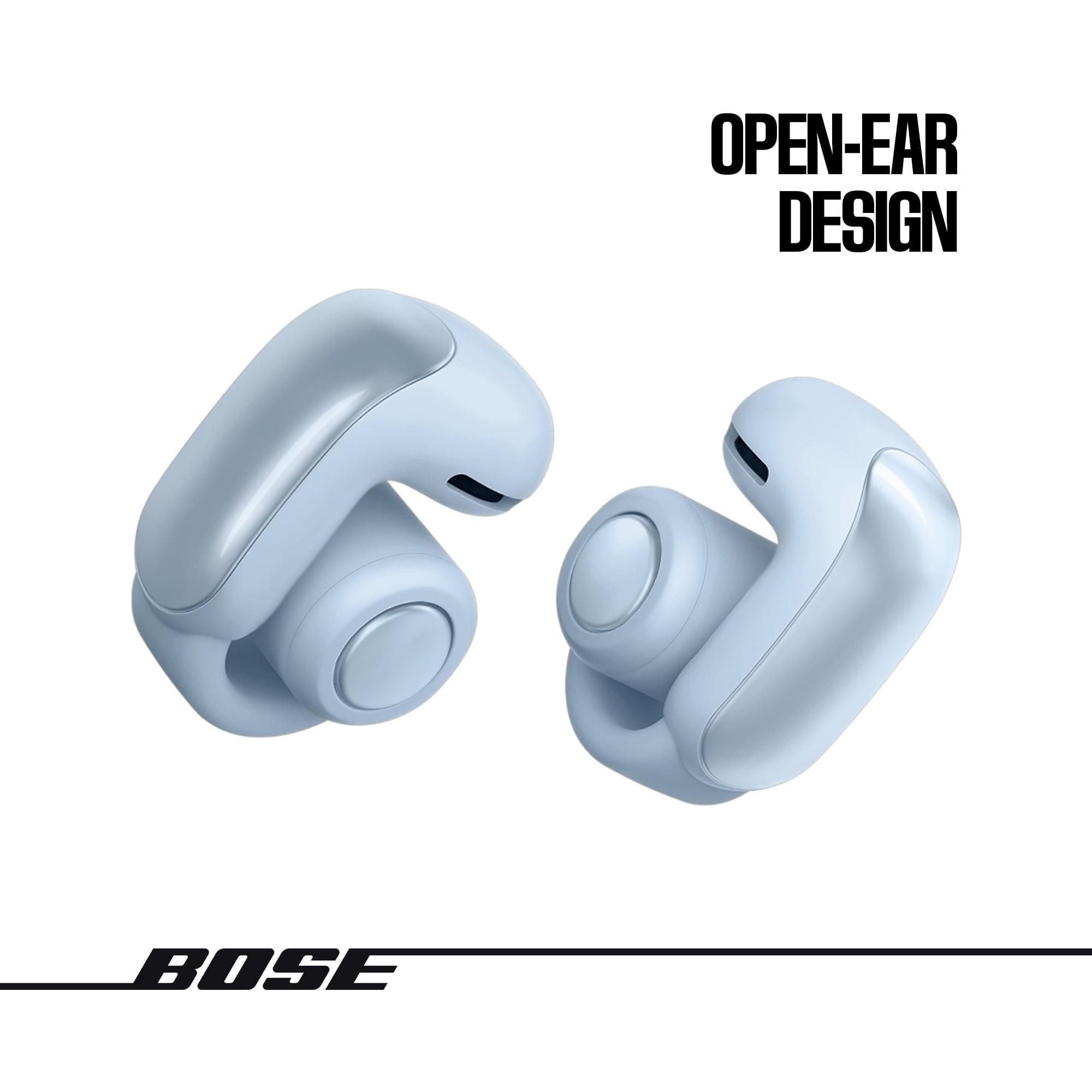


When I first encountered both the JBL Tour Pro 2 and Bose Ultra Open Earbuds, I realized I was looking at something unusual—two products that technically compete in the wireless earbuds space but solve completely different problems. It's like comparing a sports car to an all-terrain vehicle; both get you places, but the journey and destination matter enormously.
Released in early 2023, the JBL Tour Pro 2 made headlines with its innovative touchscreen charging case, while the Bose Ultra Open Earbuds, which hit the market in 2024, took an entirely different approach by reimagining what earbuds should look like and how they should work. Understanding these fundamental differences is crucial to making the right choice for your needs.
Before diving into specifics, let's establish what we're dealing with here. The wireless earbuds market has evolved into several distinct categories, each serving different user priorities. Traditional in-ear designs like the JBL Tour Pro 2 focus on creating a sealed environment that blocks outside noise while delivering audio directly into your ear canal. This approach maximizes sound quality and allows for features like active noise cancellation (ANC)—a technology that uses microphones to detect outside noise and generates opposite sound waves to cancel it out.
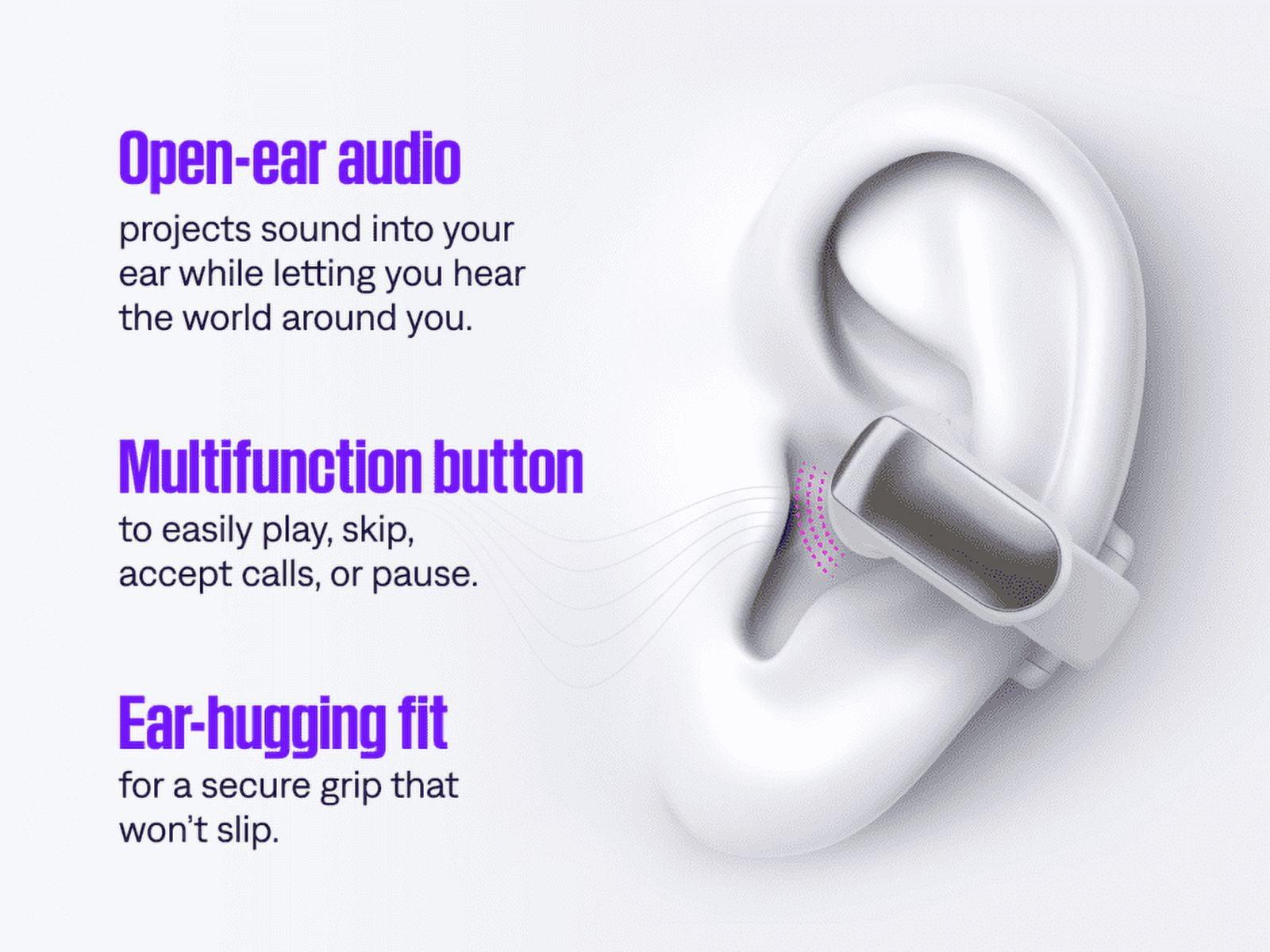
On the other hand, open-ear designs like the Bose Ultra Open Earbuds deliberately avoid sealing your ears, instead using directional speakers to beam audio toward your ear while leaving the ear canal completely open. This might sound counterintuitive—why wouldn't you want the best possible seal for audio quality?—but it serves specific needs that traditional earbuds simply can't address.
The key considerations when choosing between these approaches include sound isolation versus environmental awareness, comfort during extended wear, activity suitability, and audio quality expectations that vary dramatically between the two designs.
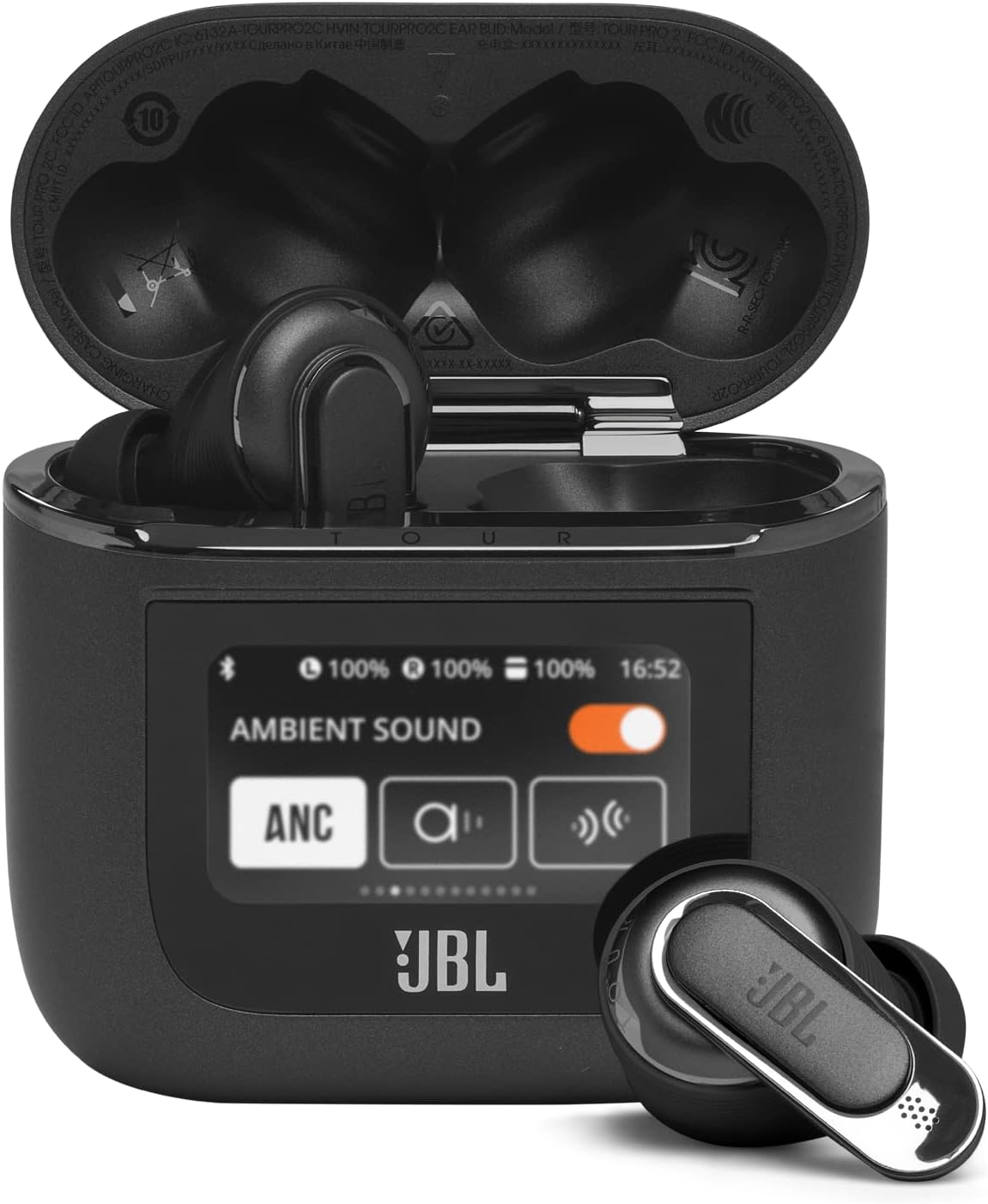
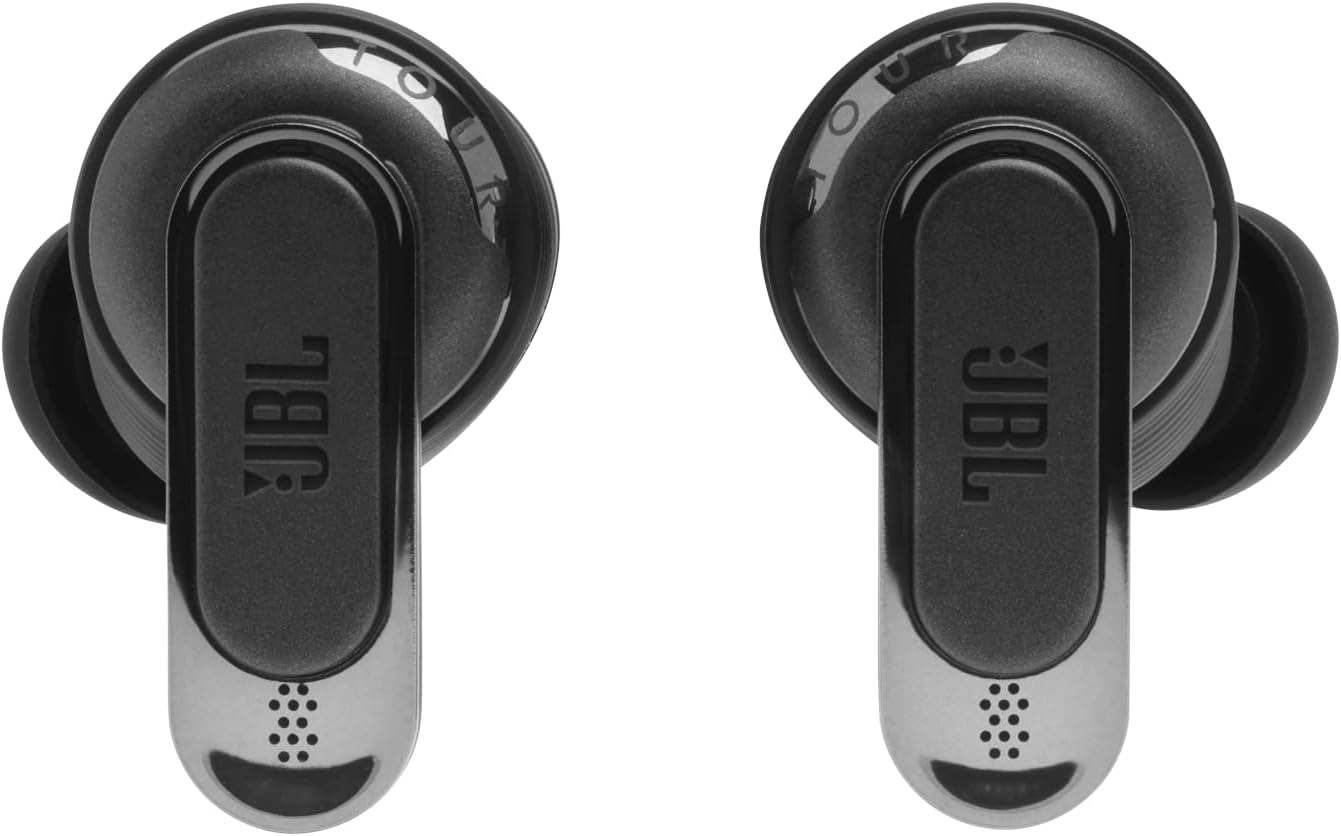
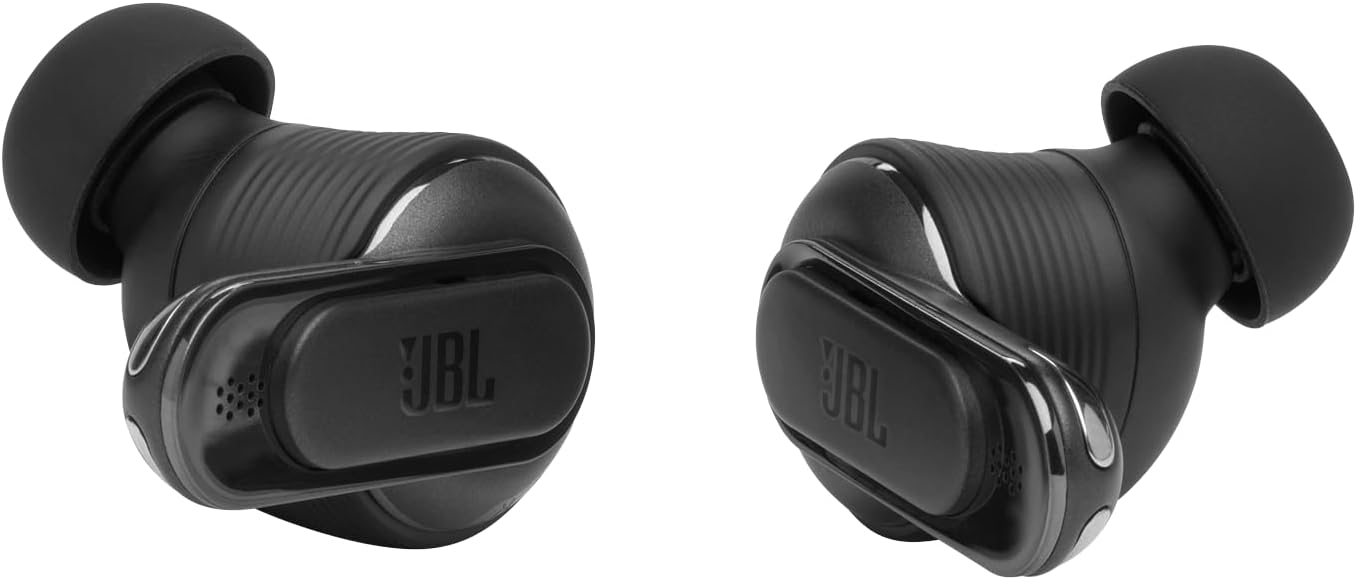
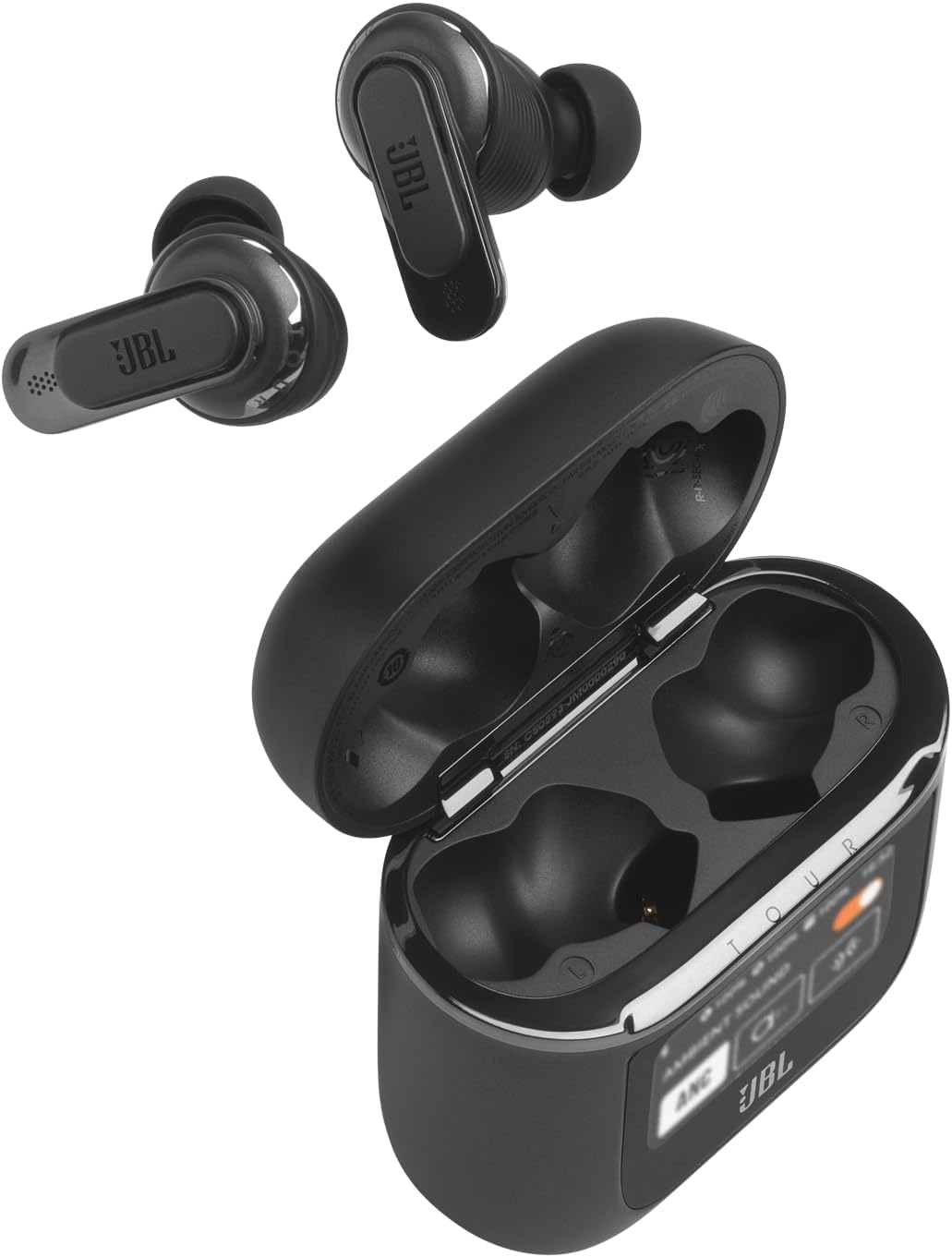
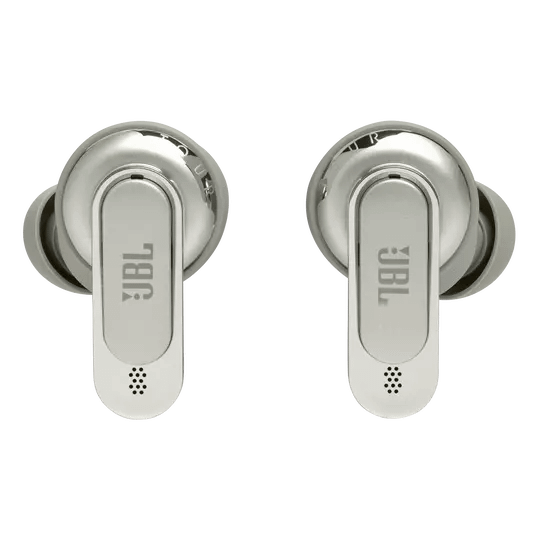
The JBL Tour Pro 2 represents the pinnacle of traditional earbud design evolution. These use soft silicone ear tips that create a secure seal in your ear canal, effectively turning your ears into private listening chambers. The True Adaptive Noise Cancelling technology employs four noise-sensing microphones (two per earbud) that continuously monitor your environment and adjust the noise cancellation in real-time. This means whether you're on a noisy airplane or walking through a busy street, the earbuds automatically optimize their noise-fighting capabilities.
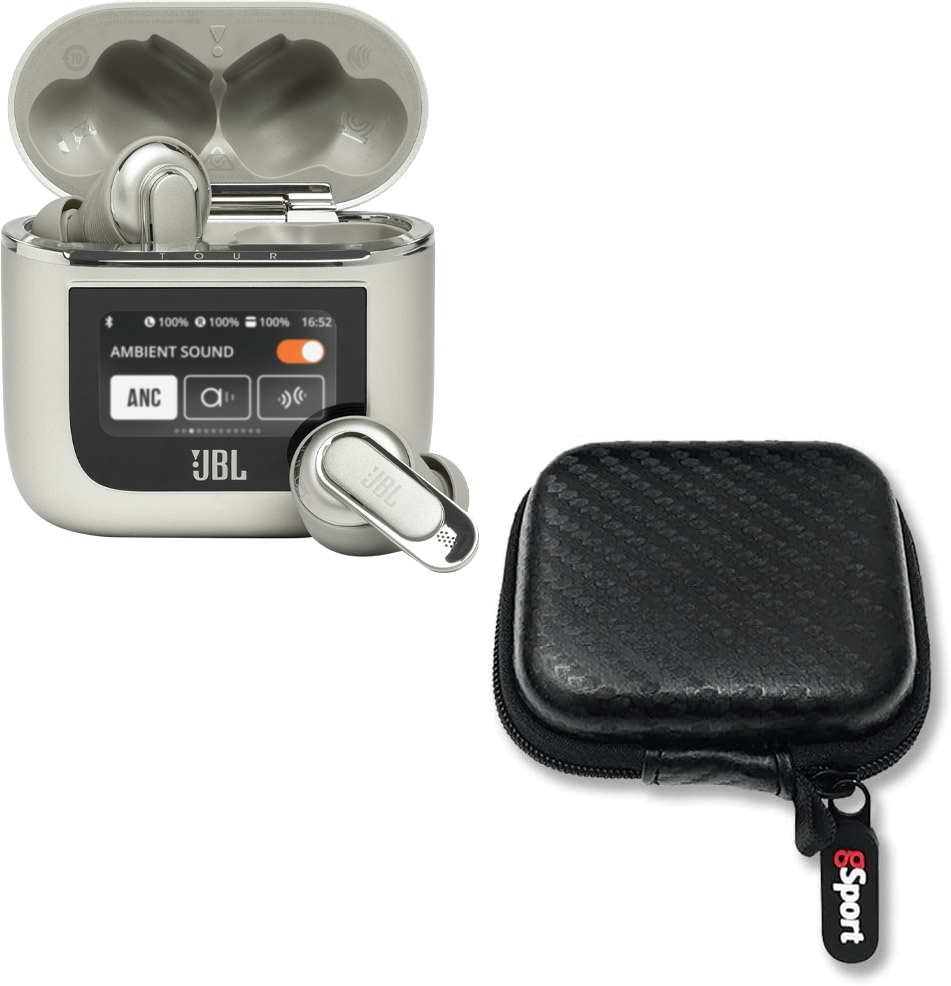
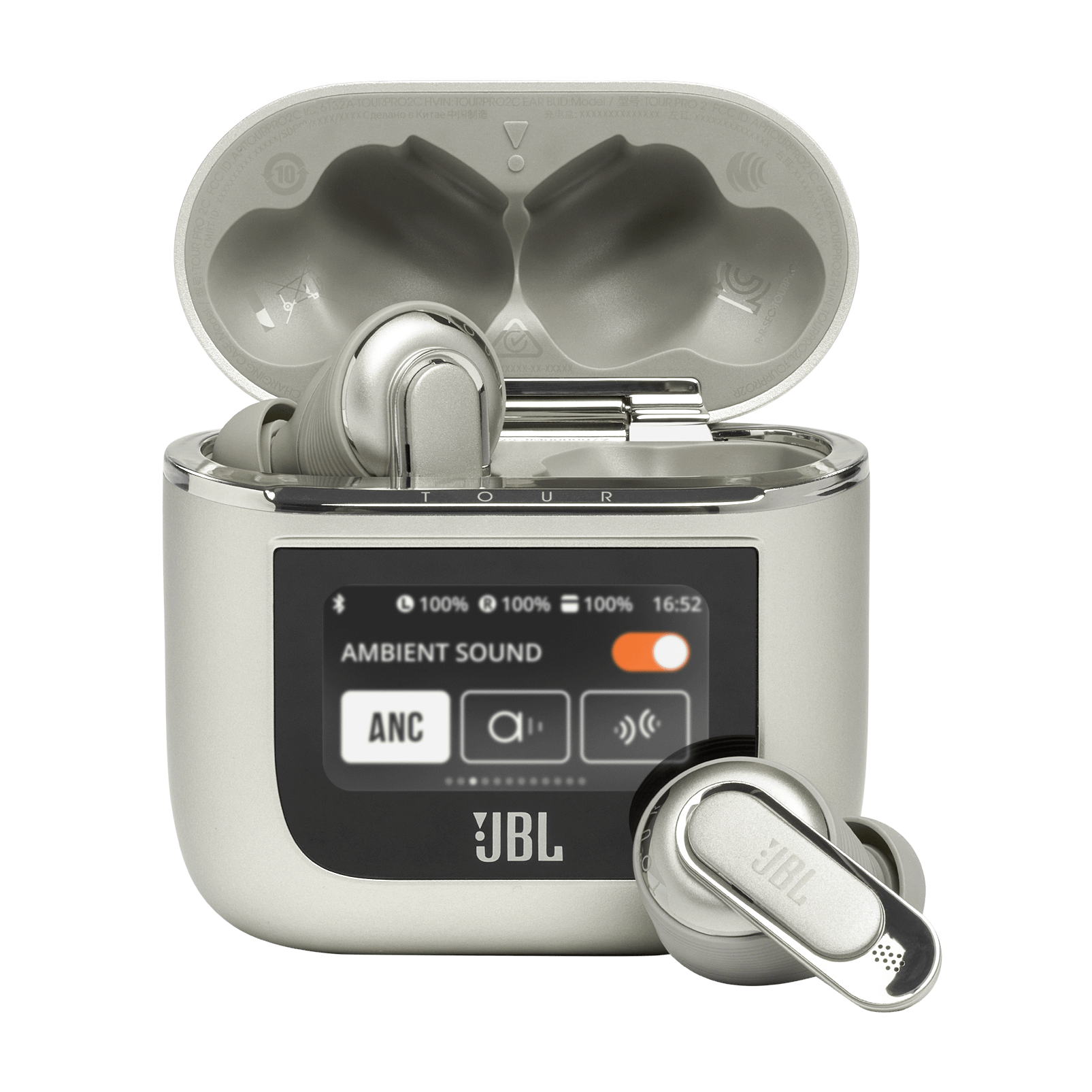
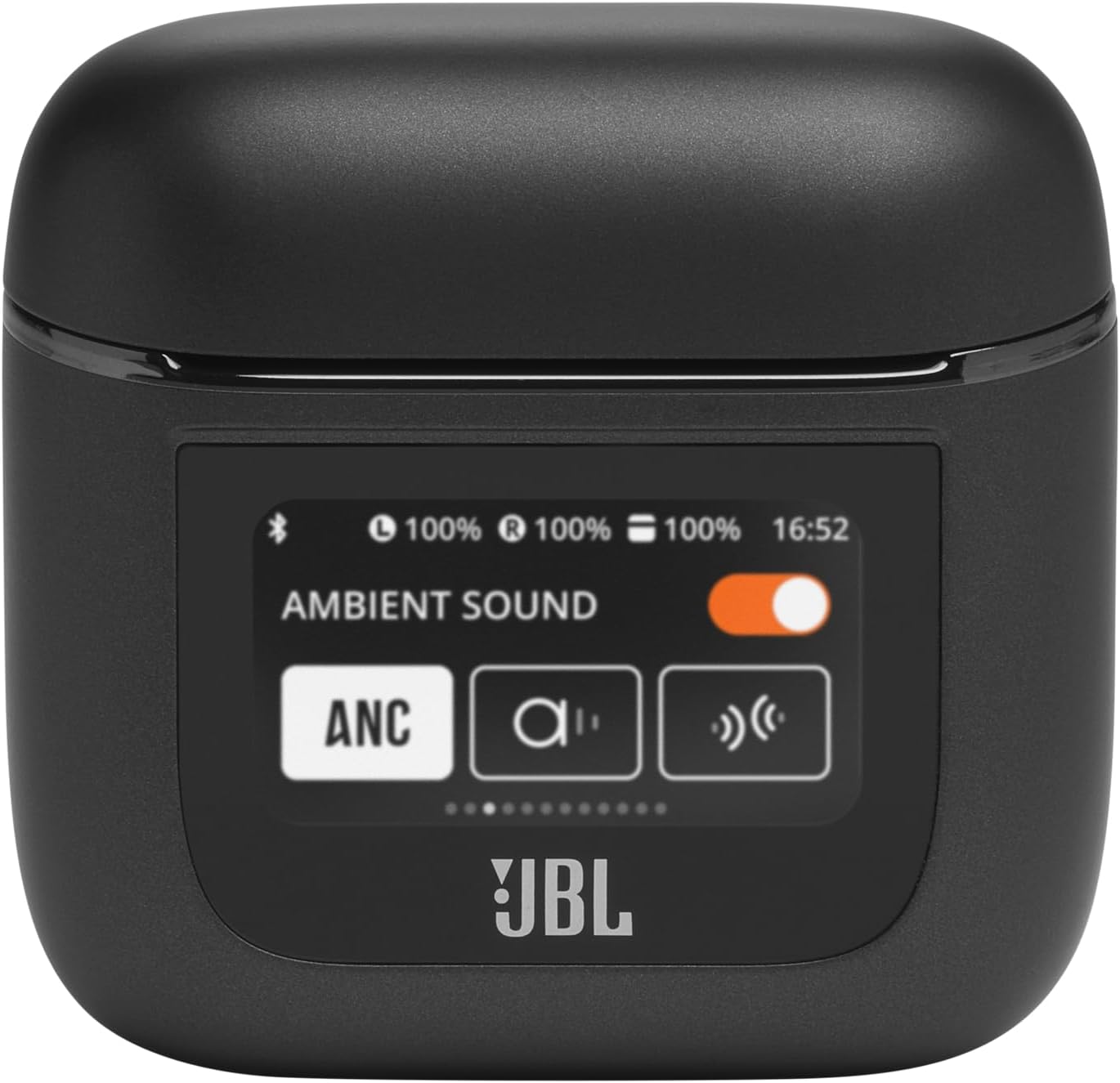
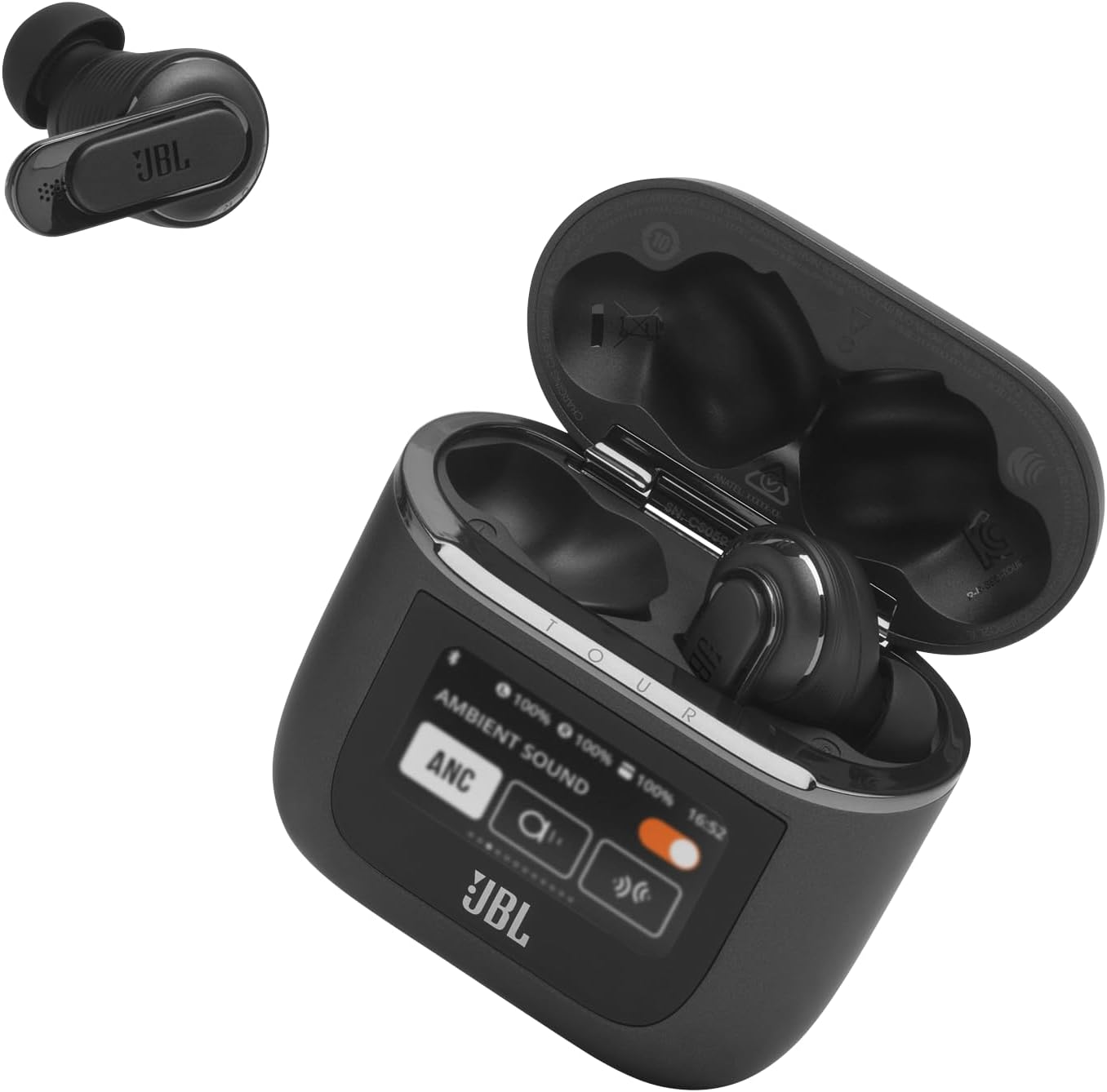
What makes the JBL Tour Pro 2 particularly interesting is its Smart Charging Case featuring a 1.45-inch LED touchscreen. This isn't just a gimmick—it's actually quite practical. Instead of fumbling with your phone to adjust settings, you can control EQ (equalizer settings that adjust bass, mids, and treble), switch noise cancellation modes, check battery levels, and even manage calls directly from the case. Having used this feature extensively, I found it genuinely useful during workouts or when my phone wasn't easily accessible.
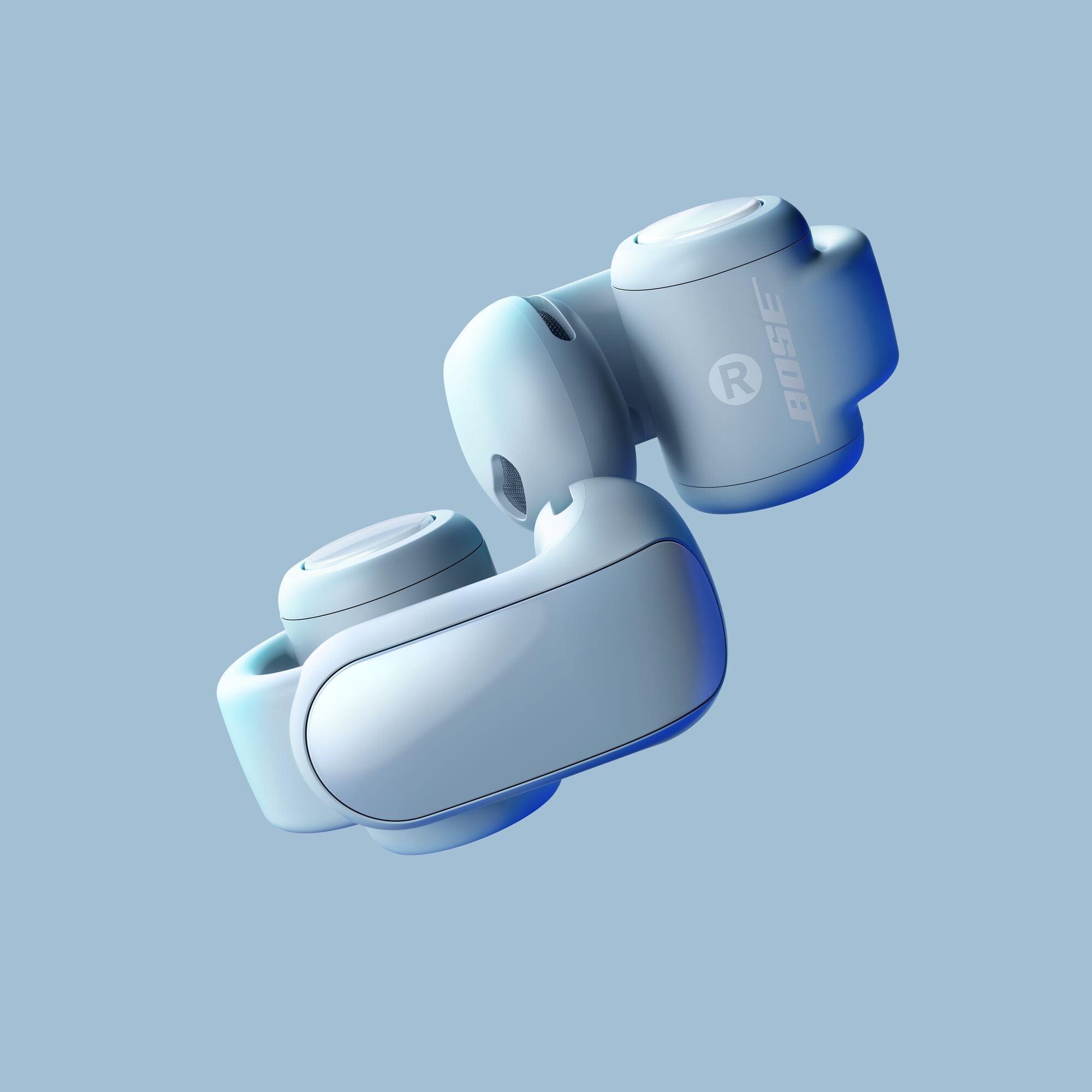
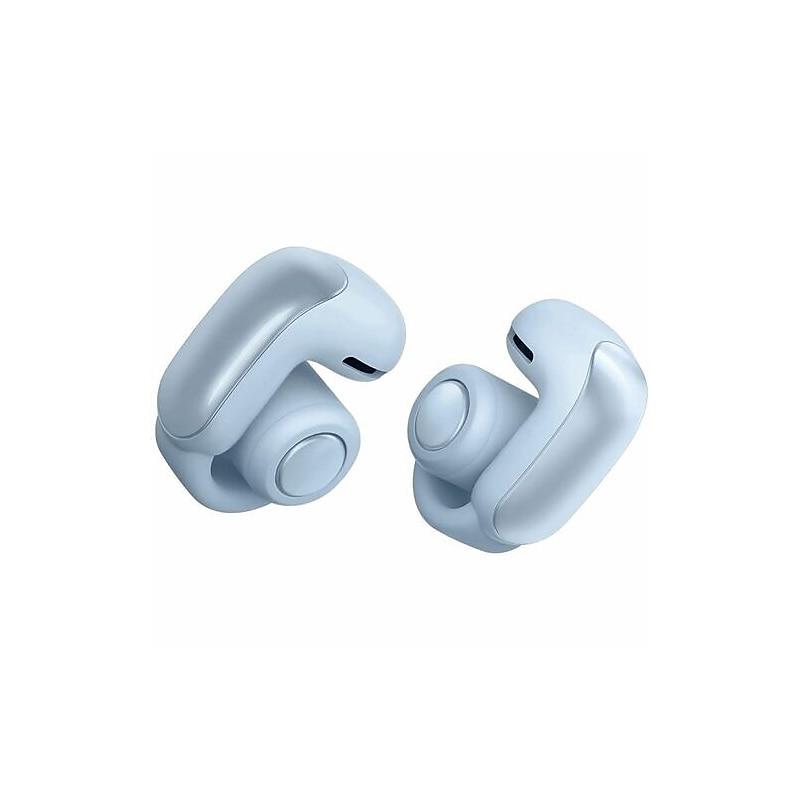
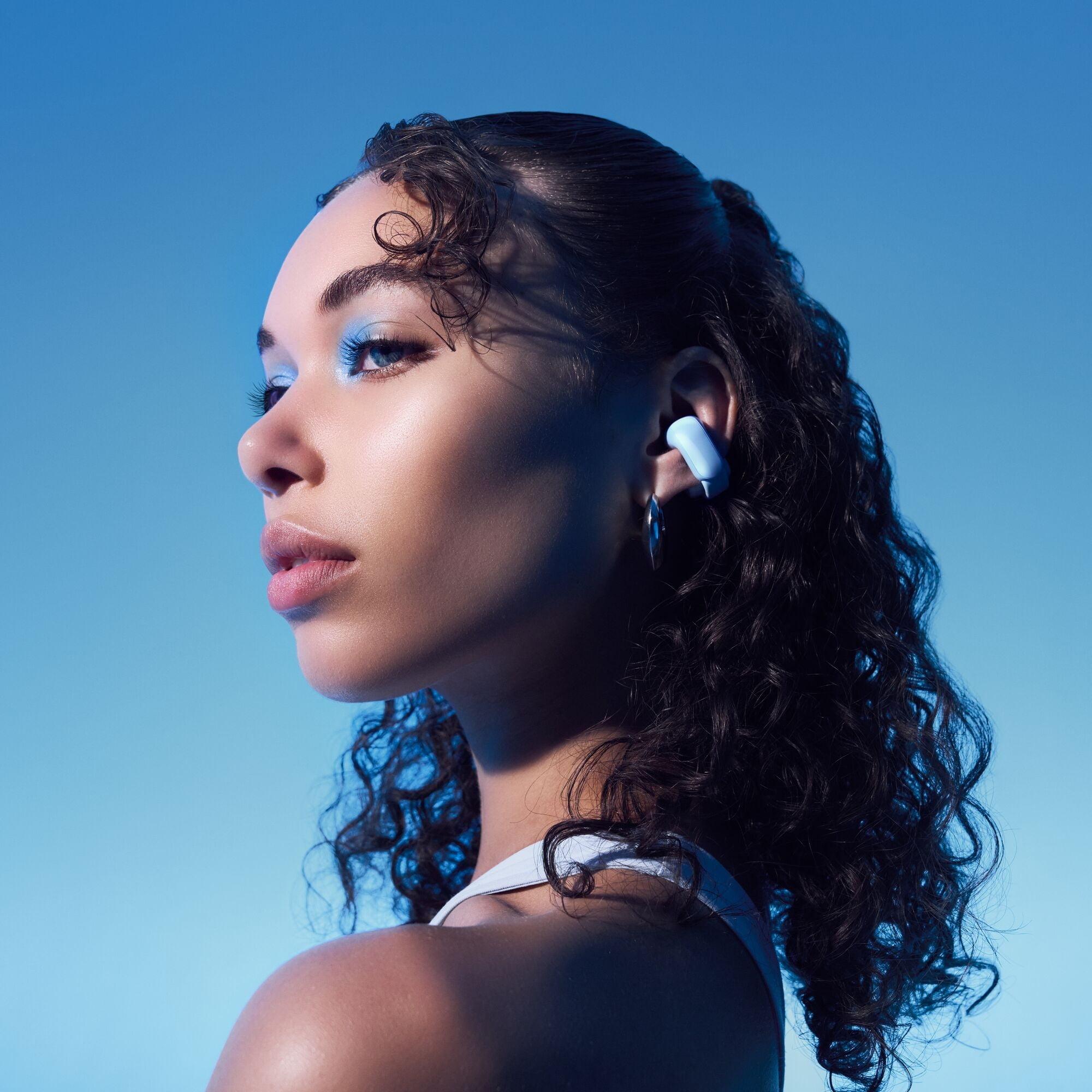
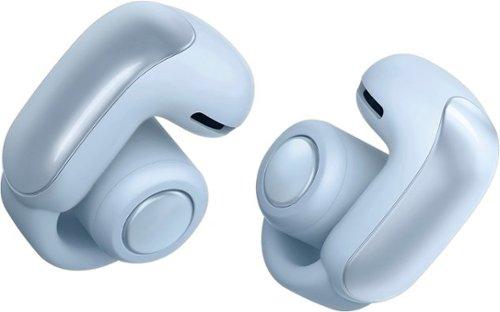
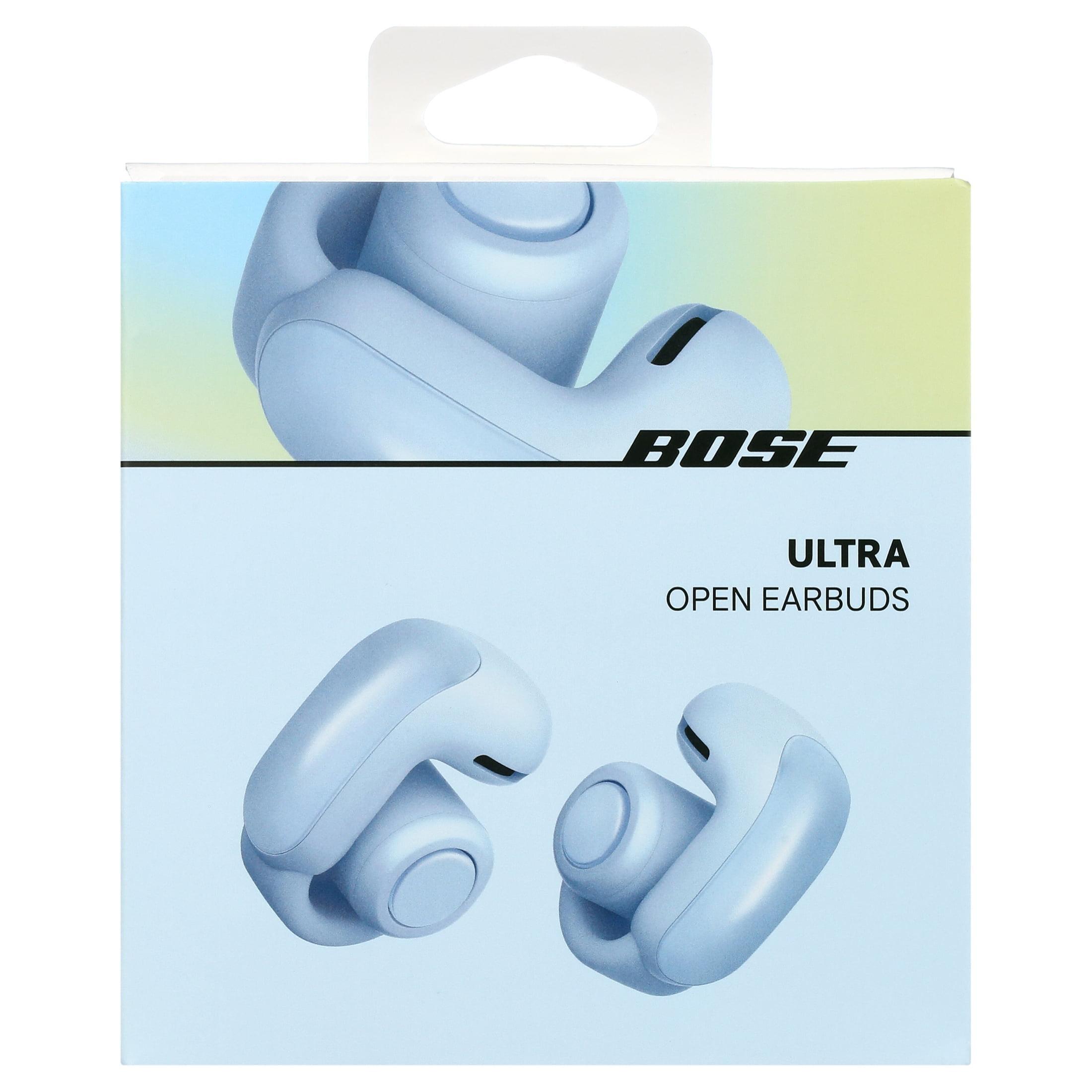
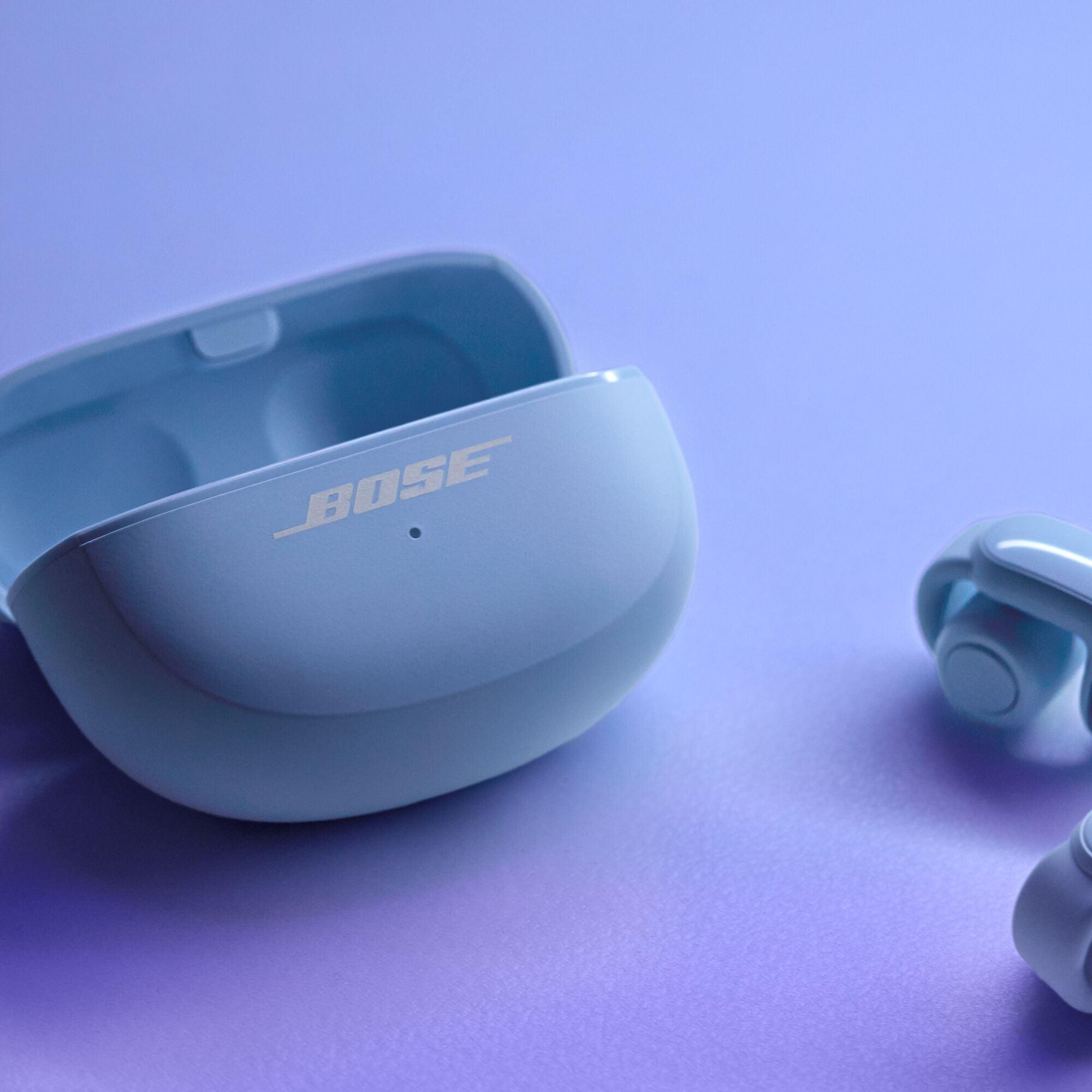
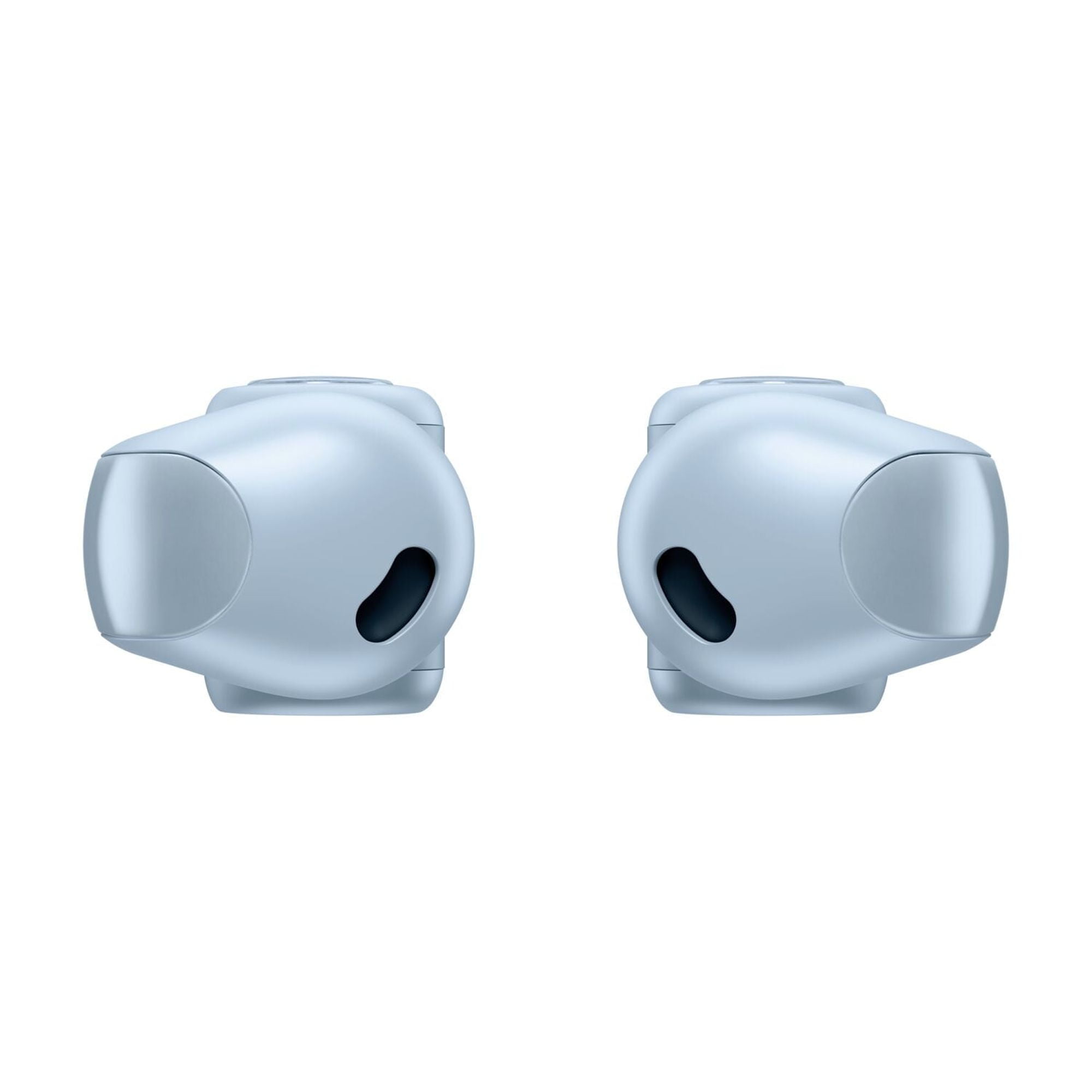
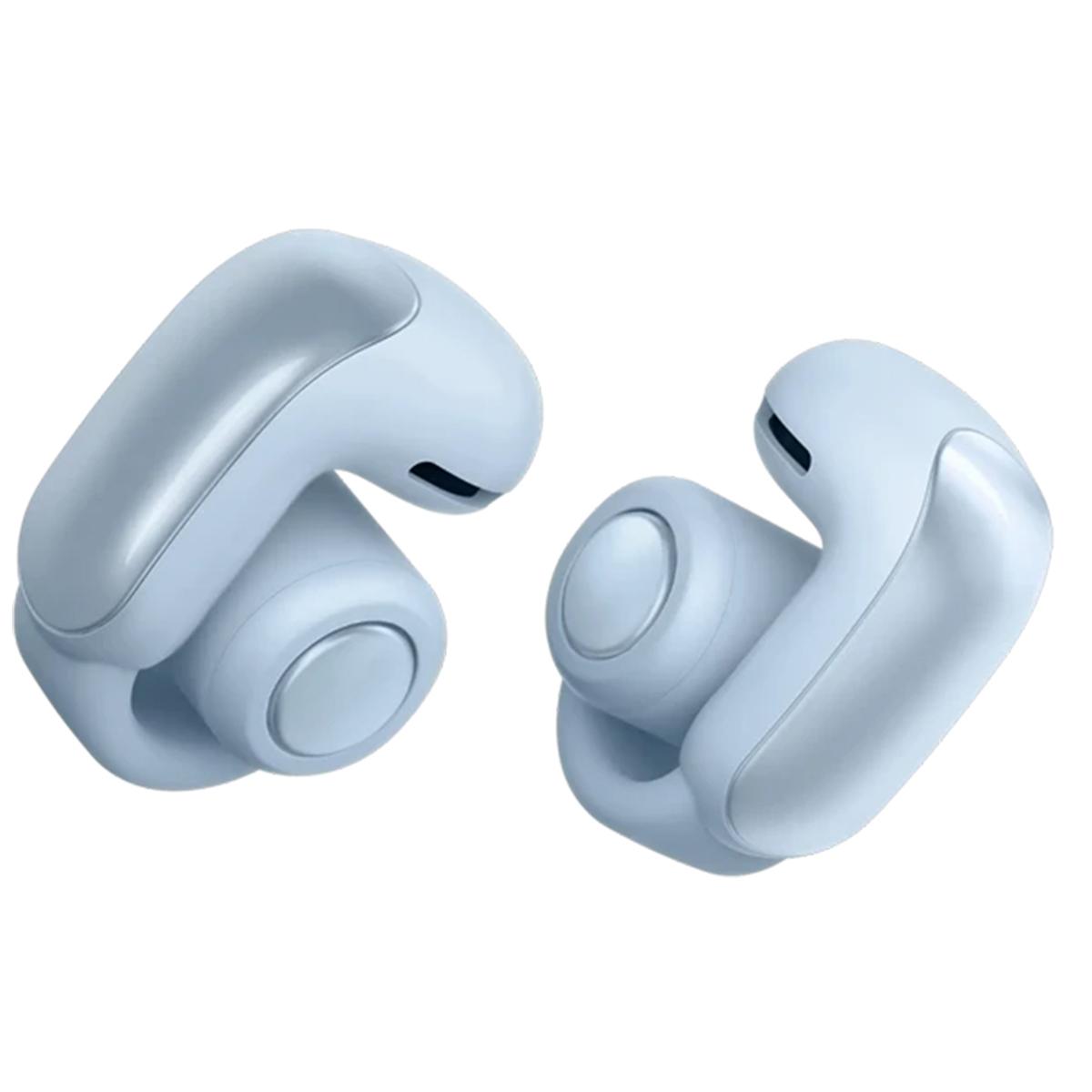
The Bose Ultra Open Earbuds take a radically different approach with their clip-on design that resembles sophisticated ear jewelry. Instead of inserting anything into your ears, these attach to your ear's outer ridge using a flexible grip mechanism. The earbuds use Bose's proprietary OpenAudio technology, which precisely directs sound into your ears while minimizing sound leakage to others nearby. This engineering challenge—delivering clear, private audio without sealing the ear—required Bose to completely rethink speaker placement and audio processing.
The open design means you'll always hear your surroundings naturally. There's no "ambient mode" to toggle because your ears remain completely unobstructed. This makes them ideal for runners who need to hear traffic, cyclists navigating busy streets, or office workers who need to remain aware of their environment while listening to music or taking calls.
When evaluating audio performance, it's crucial to understand that these products should be judged by different standards. The JBL Tour Pro 2 competes directly with other premium sealed earbuds, while the Bose Ultra Open Earbuds must be compared to other open-ear designs—and the performance expectations are completely different.
The JBL Tour Pro 2 features 10mm dynamic drivers—the components that actually produce sound—tuned with JBL's Pro Sound signature. In practice, this means you'll get powerful, punchy bass that doesn't overwhelm the midrange frequencies where vocals live. The frequency response range of 20Hz to 20kHz covers the full spectrum of human hearing, and the driver sensitivity of 100dB means these can get quite loud without distortion.
During my testing across various genres, from classical orchestral pieces to heavy electronic music, the JBL Tour Pro 2 delivered consistently engaging sound. The bass response is particularly impressive—enough to satisfy electronic music enthusiasts without muddying acoustic tracks. The soundstage (how spacious and three-dimensional music sounds) is respectable for sealed earbuds, though it can't compete with high-end over-ear headphones.
One area where the JBL Tour Pro 2 shows some limitation is codec support. Codecs are the digital formats that compress and transmit audio from your device to the earbuds. These only support AAC and SBC—the basic standards—while lacking advanced codecs like LDAC or aptX HD that can transmit higher-quality audio. At this price point, this feels like a missed opportunity, especially for Android users who could benefit from these advanced codecs.
Evaluating the Bose Ultra Open Earbuds requires adjusting expectations entirely. These aren't trying to create an isolated listening environment—they're attempting something much more challenging: delivering satisfying audio while keeping you completely connected to your surroundings.
The dual-driver design in each earbud works remarkably well within these constraints. The bass response, while not as deep or powerful as sealed earbuds, is surprisingly present for an open design. Vocals come through clearly, and the overall tonal balance is well-tuned for the realities of open-air listening. Bose's Immersive Audio technology creates a spatial audio experience that adapts whether you're sitting still or moving around.
What's particularly impressive is how little sound leaks to others nearby. During testing, I could listen at comfortable volumes without people sitting next to me being disturbed—a significant achievement for open earbuds. However, in very noisy environments like airplanes or busy city streets, the open design means outside noise will compete with your audio, sometimes requiring you to turn up the volume significantly.
Both products handle phone calls well, but with different strengths. The JBL Tour Pro 2 uses a six-microphone array (three per earbud) with advanced noise suppression algorithms. This setup excels in challenging acoustic environments, effectively filtering out background noise during calls. The VoiceAware feature lets you hear your own voice during calls, preventing the shouting that sometimes happens with heavy noise cancellation.
The Bose Ultra Open Earbuds take advantage of their open design for more natural call experiences. Since your ears aren't sealed, you can hear your own voice naturally, making conversations feel more normal. The call quality is good, though not quite as sophisticated as the JBL's six-microphone setup in truly noisy environments.
Battery performance varies significantly between these products, reflecting their different design priorities. The JBL Tour Pro 2 offers 8-10 hours of playback from the earbuds themselves (depending on whether noise cancellation is active), with the charging case providing an additional 30-40 hours of total usage. The quick-charge feature is particularly useful—15 minutes of charging provides about 4 hours of playback.
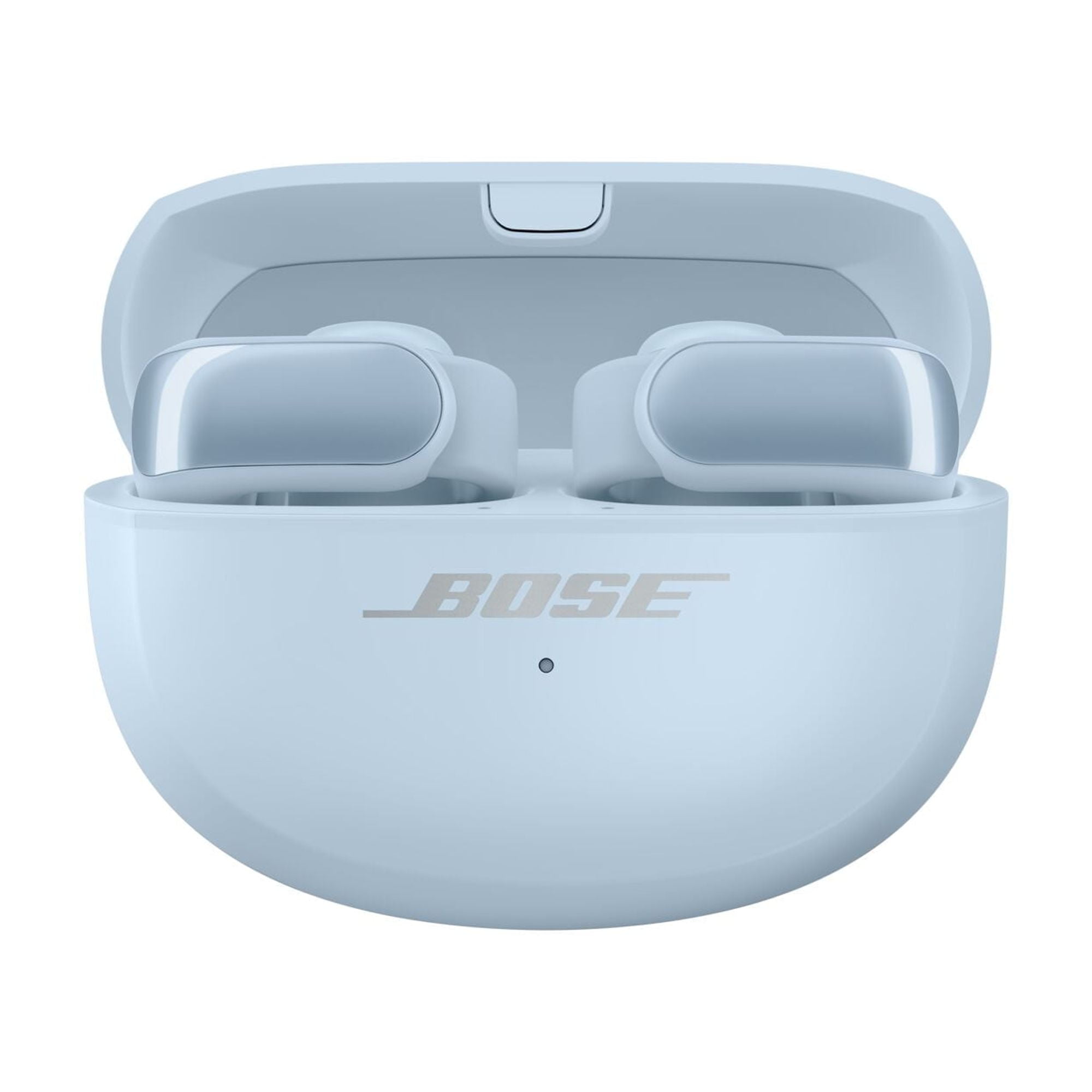
The Bose Ultra Open Earbuds provide 7.5 hours from the earbuds and 27 hours total with the charging case. While this is somewhat less than the JBL option, it's still respectable and likely sufficient for most users' daily needs.
One practical advantage of the Bose design is that the open-ear format means you're less likely to experience listening fatigue, potentially making the slightly shorter battery life less of an issue since you might naturally take breaks less frequently.
The touchscreen charging case of the JBL Tour Pro 2 represents a genuine innovation in the earbuds space. Beyond the novelty factor, it serves real practical purposes. You can adjust the three-band EQ directly on the case, switching between preset sound profiles or creating custom ones. The noise cancellation controls let you toggle between different levels of isolation without reaching for your phone.
The case also displays caller information and allows you to accept or reject calls, making it particularly useful during workouts or when your phone isn't accessible. While some users report occasional accidental activation when the case is in a pocket, the overall functionality is impressive and often more convenient than app-based controls.
The Bose Ultra Open Earbuds represent years of acoustic engineering research. The OpenAudio technology uses precisely positioned speakers and advanced signal processing to create what Bose calls a "personal sound zone." This means the audio is primarily directed toward your ears while minimizing what others around you can hear.
The Auto Volume feature intelligently adjusts playback levels based on environmental noise, though this works differently than traditional adaptive volume systems since the earbuds can't block outside noise—they must instead compete with it more effectively.
Comfort becomes crucial for any device you'll wear for extended periods. The JBL Tour Pro 2 uses a traditional approach with multiple ear tip sizes to ensure a proper seal. When fitted correctly, they're comfortable for several hours, though some users may experience fatigue from the sealed design during very long sessions.
The Bose Ultra Open Earbuds excel in long-term comfort. Since nothing enters your ear canal, there's no pressure or fatigue from sealing. The clip-on design distributes weight evenly, and many users report forgetting they're wearing them during extended use. This makes them particularly appealing for all-day wear in office environments or during long outdoor activities.
At the time of writing, both products occupy the premium segment of their respective categories, though with different value propositions. The JBL Tour Pro 2 generally retails for less than the Bose Ultra Open Earbuds, making them more accessible while still offering premium features like the innovative touchscreen case and effective noise cancellation.
The Bose Ultra Open Earbuds command a price premium that reflects their pioneering technology and Bose's premium brand positioning. Whether this premium is justified depends heavily on your specific use case and how much value you place on the open-ear design's unique benefits.
For home theater use, these products serve different purposes entirely. The JBL Tour Pro 2 work well for private movie watching, especially late at night when you don't want to disturb others. The noise cancellation helps create an immersive environment, and the spatial audio features can enhance the viewing experience, though they're not as sophisticated as dedicated home theater audio systems.
The Bose Ultra Open Earbuds are less ideal for traditional home theater applications since their open design means outside noise will interfere with quiet movie scenes. However, they're excellent for scenarios where you want to watch content while remaining aware of your household—perfect for parents who need to hear children or for anyone who wants to enjoy entertainment while staying connected to their environment.
After extensive use of both products, here's how I'd recommend approaching this decision:
Choose the JBL Tour Pro 2 if you prioritize traditional audio excellence, need effective noise cancellation for commuting or travel, appreciate innovative convenience features like the touchscreen case, or want a more budget-friendly entry into premium wireless earbuds. These excel in environments where you want to be immersed in your audio content without outside interference.
Choose the Bose Ultra Open Earbuds if environmental awareness is crucial for your activities, you engage in sports or outdoor activities regularly, you need all-day comfort without any ear canal insertion, you work in environments where you must remain alert to surroundings, or you're willing to pay a premium for genuinely innovative design. These shine in active lifestyles and situations where staying connected to your environment is essential.
The JBL Tour Pro 2 represents the evolution of traditional earbud design, adding innovative features while maintaining familiar performance expectations. The Bose Ultra Open Earbuds pioneer an entirely new category, prioritizing situational awareness and comfort over maximum audio isolation.
Neither product is objectively superior—they excel in completely different scenarios and serve fundamentally different user needs. Your choice should ultimately depend on whether you prioritize immersive, isolated listening experiences or prefer to maintain awareness of your surroundings while still enjoying high-quality audio. Both represent excellent engineering within their respective design philosophies, making the decision more about matching the right tool to your specific lifestyle and listening preferences.
| JBL Tour Pro 2 True Wireless Earbuds | Bose Ultra Open Earbuds |
|---|---|
| Design Philosophy - Determines your entire listening experience | |
| Traditional in-ear with noise cancellation for immersive listening | Open-ear clip-on design for environmental awareness while listening |
| Driver Size - Affects sound quality and bass response | |
| 10mm dynamic drivers (excellent for deep bass and full sound) | Dual driver system optimized for open-air delivery |
| Battery Life (Earbuds) - How long you can listen before recharging | |
| 8-10 hours depending on ANC usage (industry-leading performance) | 7.5 hours (very good for open earbuds) |
| Total Battery Life - Critical for travel and heavy daily use | |
| Up to 40 hours with charging case (excellent for frequent travelers) | Up to 27 hours with charging case (sufficient for most users) |
| Noise Cancellation - Essential for commuting and focus | |
| True Adaptive Noise Cancelling with 4 microphones (blocks outside world) | None by design - maintains full environmental awareness |
| Water Resistance - Important for workouts and weather protection | |
| IPX5 (can handle sweat and light rain) | IPX4 (splash-resistant for light workouts) |
| Unique Innovation - The standout feature that sets each apart | |
| 1.45" touchscreen charging case for phone-free control | Revolutionary clip-on design that doesn't block your ears |
| Call Quality - Important for work and hands-free communication | |
| 6-microphone system with advanced noise suppression | Good quality with natural voice monitoring due to open design |
| Codec Support - Affects audio quality from high-end devices | |
| AAC and SBC only (missing advanced codecs at this price point) | Standard codec support with focus on connection stability |
| Comfort for Extended Wear - Critical for all-day use | |
| Traditional in-ear comfort with potential fatigue after hours | Exceptional all-day comfort with no ear canal pressure |
| Sound Leakage - Privacy consideration around others | |
| Minimal due to sealed design | Very low leakage despite open design (impressive engineering) |
| Best Use Cases - Who should choose each product | |
| Commuting, travel, immersive listening, office work, entertainment | Running, cycling, office awareness, all-day wear, safety-critical activities |
The JBL Tour Pro 2 uses a traditional in-ear design with active noise cancellation that blocks outside sound for immersive listening. The Bose Ultra Open Earbuds clip onto your ears without blocking the ear canal, allowing you to hear your surroundings while listening to audio. This makes them fundamentally different products serving different needs.
For traditional audio quality expectations, the JBL Tour Pro 2 delivers superior sound with deeper bass and fuller range due to their sealed design. The Bose Ultra Open Earbuds offer impressive sound quality for open earbuds but can't match the bass depth and isolation of sealed designs. However, they excel at delivering clear audio while maintaining environmental awareness.
Only the JBL Tour Pro 2 features True Adaptive Noise Cancelling technology that actively blocks outside noise. The Bose Ultra Open Earbuds don't have noise cancellation by design—their open-ear format is specifically meant to keep you aware of your surroundings at all times.
The Bose Ultra Open Earbuds are superior for exercise and outdoor activities because their open design allows you to hear traffic, other people, and potential hazards while staying motivated with music. The JBL Tour Pro 2 can work for gym workouts but aren't ideal for outdoor running where situational awareness is important for safety.
The JBL Tour Pro 2 offers 8-10 hours of playback from the earbuds plus up to 40 hours total with the charging case. The Bose Ultra Open Earbuds provide 7.5 hours from the earbuds and 27 hours total with the case. Both offer sufficient battery life for daily use, with the JBL option providing longer overall usage time.
The Bose Ultra Open Earbuds excel in all-day comfort since nothing enters your ear canal, eliminating pressure and fatigue. Many users report forgetting they're wearing them. The JBL Tour Pro 2 are comfortable for several hours but may cause some fatigue during extended wear due to their sealed in-ear design.
Both handle phone calls well but differently. The JBL Tour Pro 2 uses a 6-microphone system with advanced noise suppression, making them excellent for calls in noisy environments. The Bose Ultra Open Earbuds offer natural call experiences since your ears remain open, allowing you to hear your own voice normally during conversations.
The JBL Tour Pro 2 are significantly better for commuting and travel due to their active noise cancellation that blocks airplane noise, train sounds, and city bustle. The open design of the Bose Ultra Open Earbuds means outside noise will compete with your audio, making them less suitable for noisy transportation environments.
The JBL Tour Pro 2 work excellently for private movie watching, especially late at night, with their noise cancellation creating an immersive experience. The Bose Ultra Open Earbuds are less ideal for movies since outside noise will interfere with quiet dialogue, but they're perfect when you need to watch content while staying aware of your household.
The JBL Tour Pro 2 features an innovative 1.45-inch touchscreen charging case that lets you control settings, adjust EQ, and manage calls without using your phone. The Bose Ultra Open Earbuds pioneer an entirely new clip-on design with OpenAudio technology that delivers private sound while keeping ears completely open to surroundings.
The JBL Tour Pro 2 typically offer better value with premium features like noise cancellation and the innovative touchscreen case at a more accessible price point. The Bose Ultra Open Earbuds command a premium for their pioneering open-ear technology, making value dependent on whether you specifically need their unique environmental awareness benefits.
Choose the JBL Tour Pro 2 if you want traditional premium audio quality, need noise cancellation for commuting, appreciate innovative case features, or prefer better overall value. Choose the Bose Ultra Open Earbuds if environmental awareness is crucial, you're active outdoors, need all-day comfort without ear canal insertion, or work in environments where you must stay alert to surroundings.
We've done our best to create useful and informative comparisons to help you decide what product to buy. Our research uses advanced automated methods to create this comparison and perfection is not possible - please contact us for corrections or questions. These are the sites we've researched in the creation of this article: whathifi.com - eftm.com - jbl.com - gamingtrend.com - seriousinsights.net - harmanaudio.com - youtube.com - soundstagesolo.com - jbl.com - soundguys.com - youtube.com - harmanaudio.com - tomsguide.com - ign.com - jbl.com - retailspecs.com - youtube.com - youtube.com - harmanaudio.com - bhphotovideo.com - jbl.com - bhphotovideo.com - youtube.com - headphones.com - jbl.com - mm.jbl.com - youtube.com - versus.com - uk.jbl.com - youtube.com - goodhousekeeping.com - harmanaudio.com - shop.oprahdaily.com - youtube.com - geekzone.co.nz - bose.com - youtube.com - consumerreports.org - rtings.com - head-fi.org - youtube.com - tomsguide.com - bestbuy.com - youtube.com - bose.com - cnet.com - youtube.com - soundguys.com - applevis.com - techgearlab.com - purewow.com - bose.com - bose.com - assets.bose.com - youtube.com - techradar.com - whathifi.com - bose.com - bose.com - youtube.com - bose.com

Privacy Policy
Terms and Conditions - Affiliate Policy
Home Security
© Copyright 2008-2026.
11816 Inwood Rd #1211, Dallas, TX 75244