

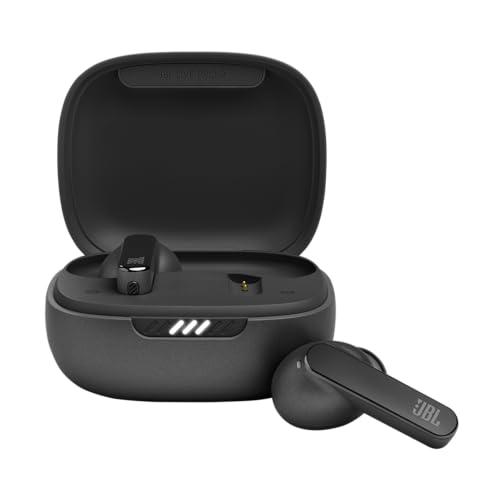
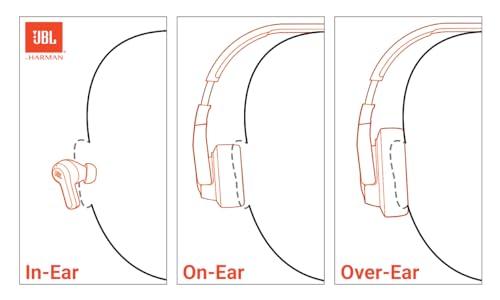
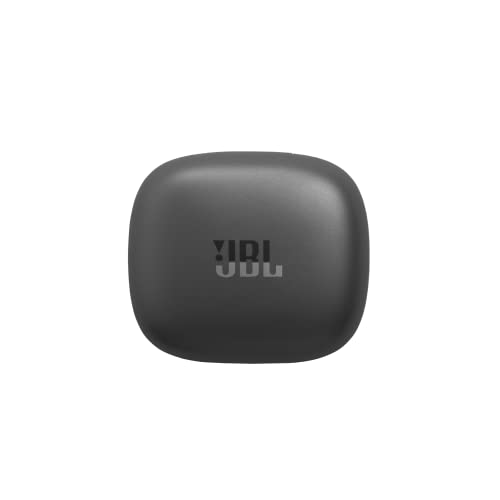
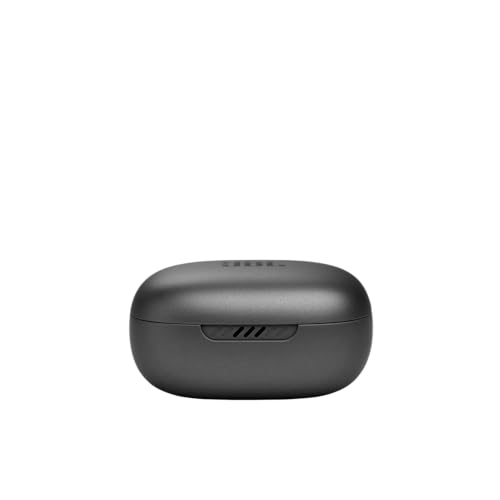
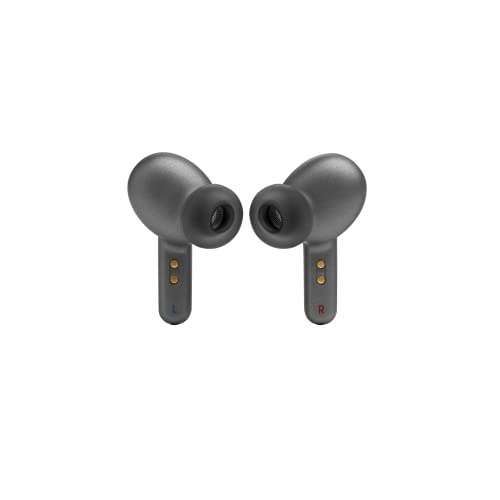
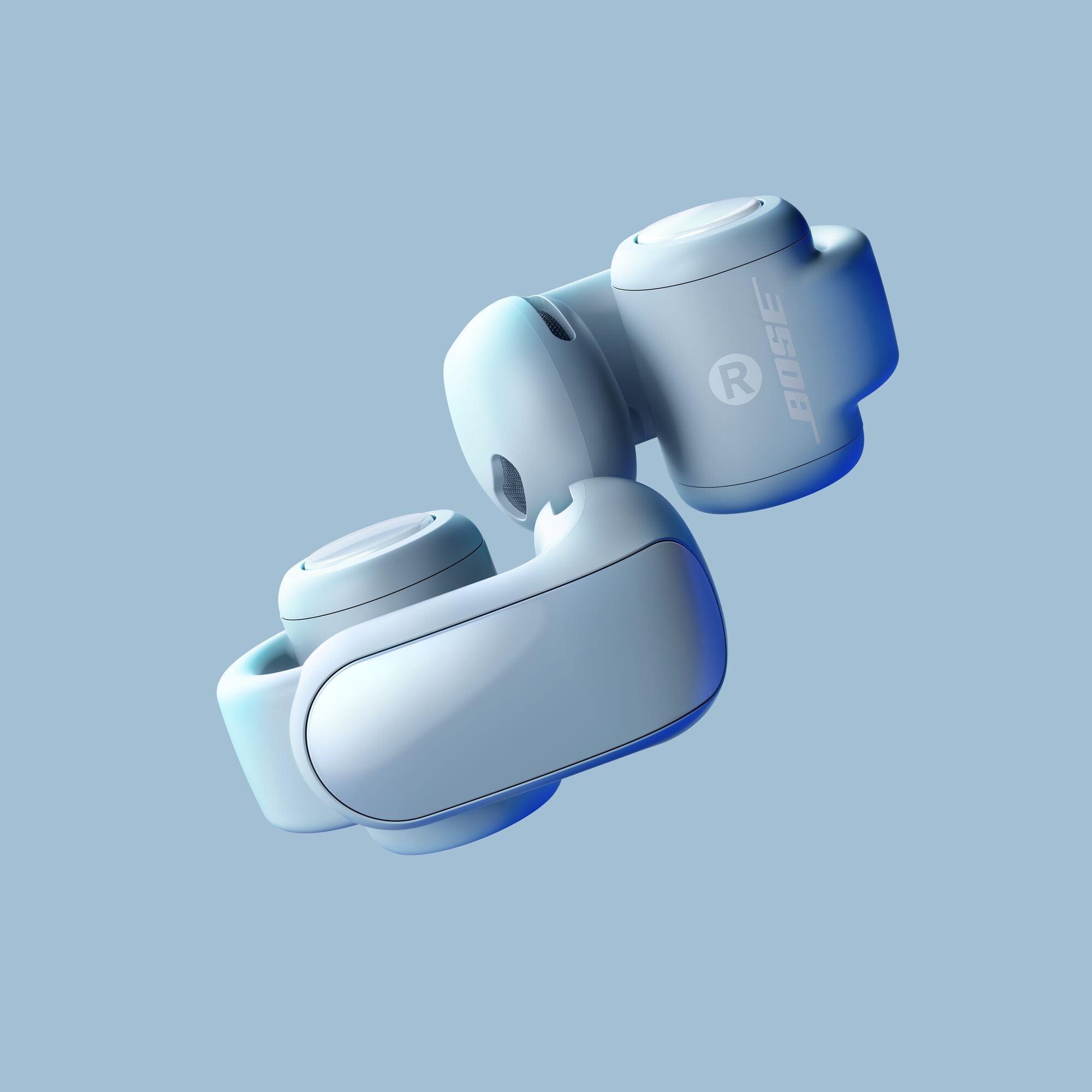


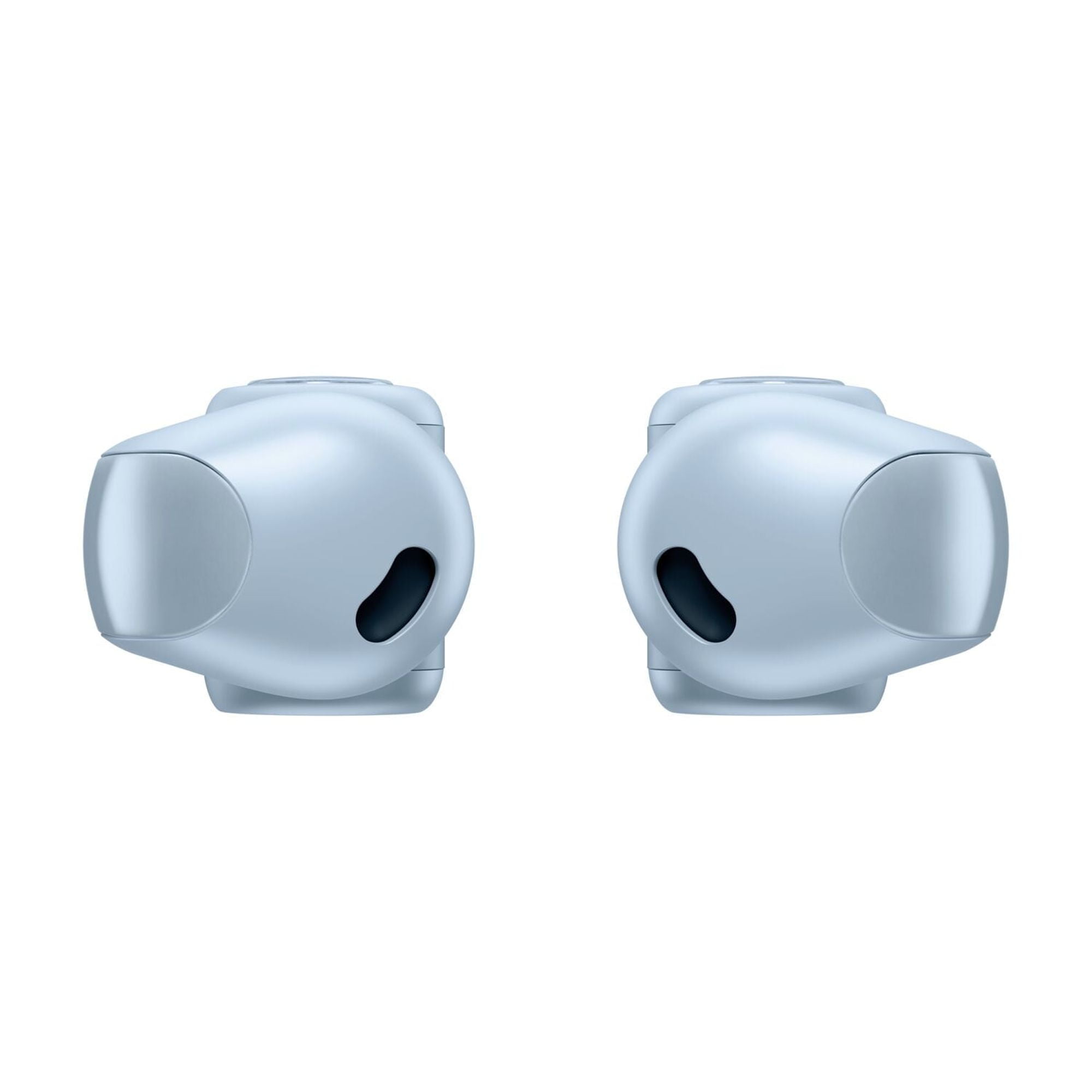
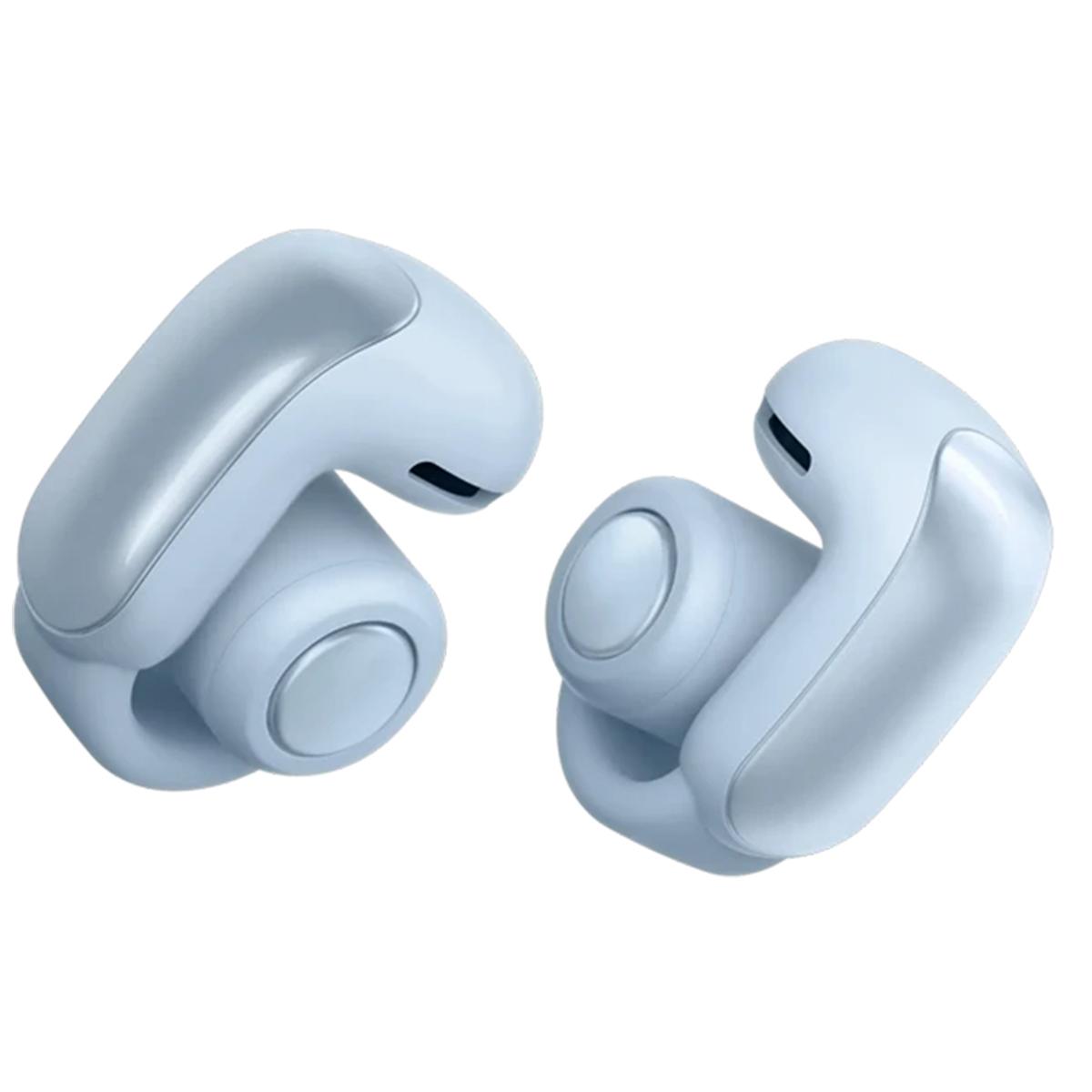
When JBL released the Live Pro 2 in 2022, they doubled down on the traditional wireless earbud formula: stick them in your ears, block out the world, and pump up the bass. Then Bose came along in 2024 with the Ultra Open Earbuds and basically said "what if we didn't stick anything in your ears at all?" It's a fascinating clash between proven technology and radical innovation that perfectly captures where the wireless audio market is heading.
These aren't just two different products—they represent completely opposite philosophies about how we should experience audio. The JBL Live Pro 2 follows the sealed-earbud playbook that Apple popularized with AirPods Pro, while the Bose Ultra Open pioneers something entirely new with its clip-on, open-ear design. Understanding which approach works better for your lifestyle is the key to making the right choice.
The fundamental difference between these earbuds comes down to a simple question: do you want to escape your environment or stay connected to it? This isn't just about personal preference—it's about safety, comfort, and how you use earbuds throughout your day.
Traditional sealed earbuds like the JBL Live Pro 2 create what audiophiles call a "closed acoustic environment." The oval silicone ear tips form a seal in your ear canal, which serves two purposes: it keeps outside noise from interfering with your music, and it prevents your audio from leaking out and bothering others. This design has dominated the market because it works brilliantly for focused listening—whether you're trying to concentrate at work, enjoy a movie on a plane, or lose yourself in your favorite album.
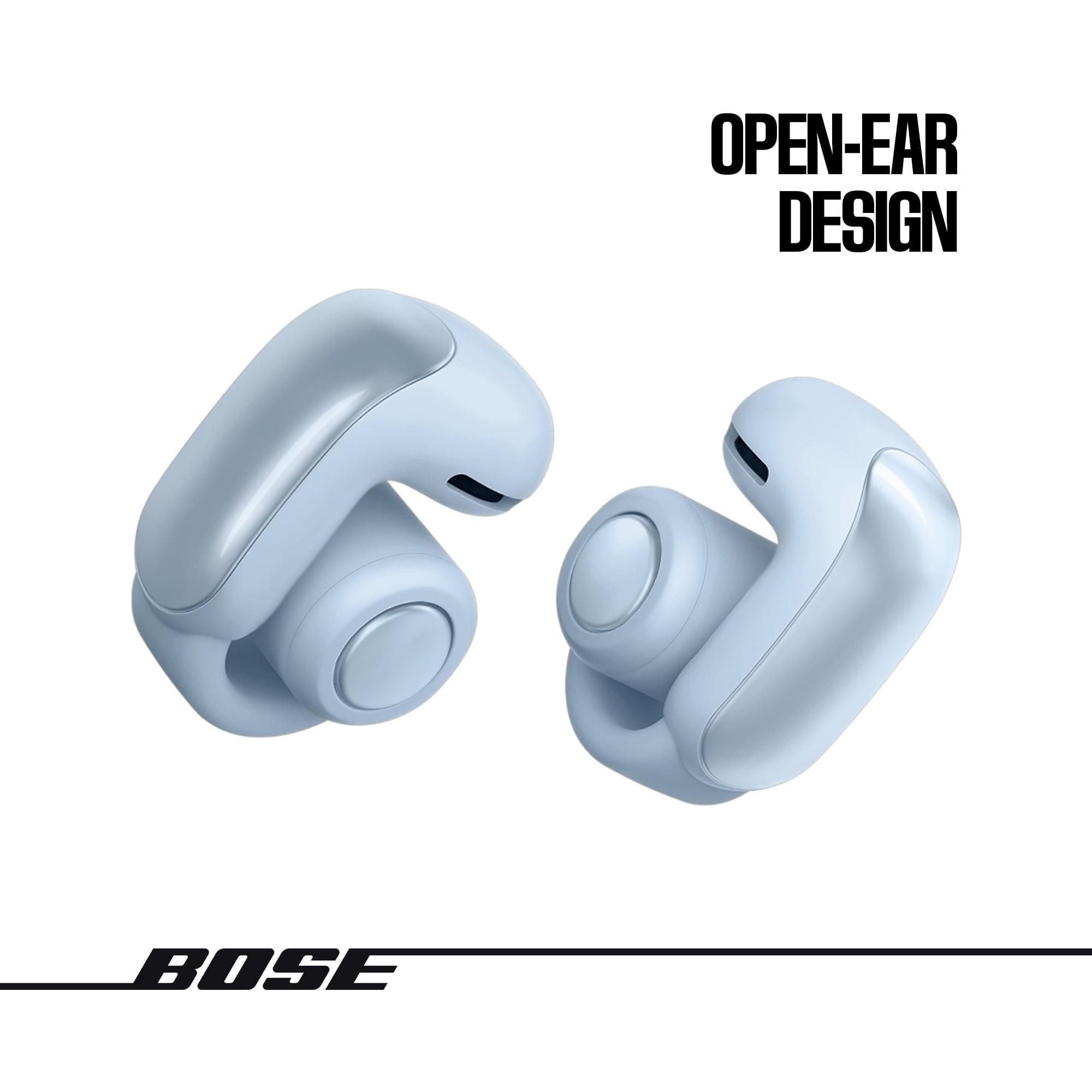
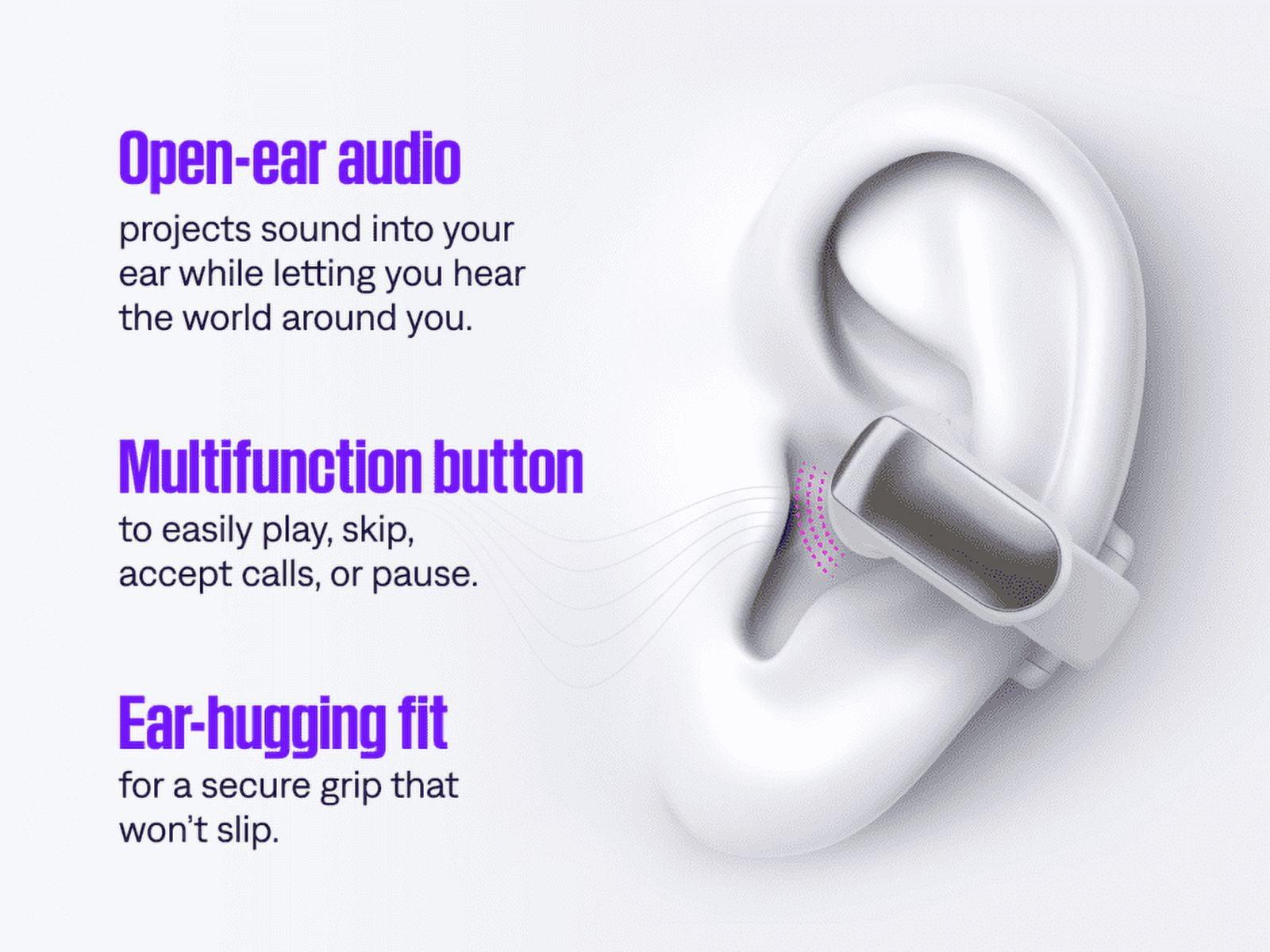
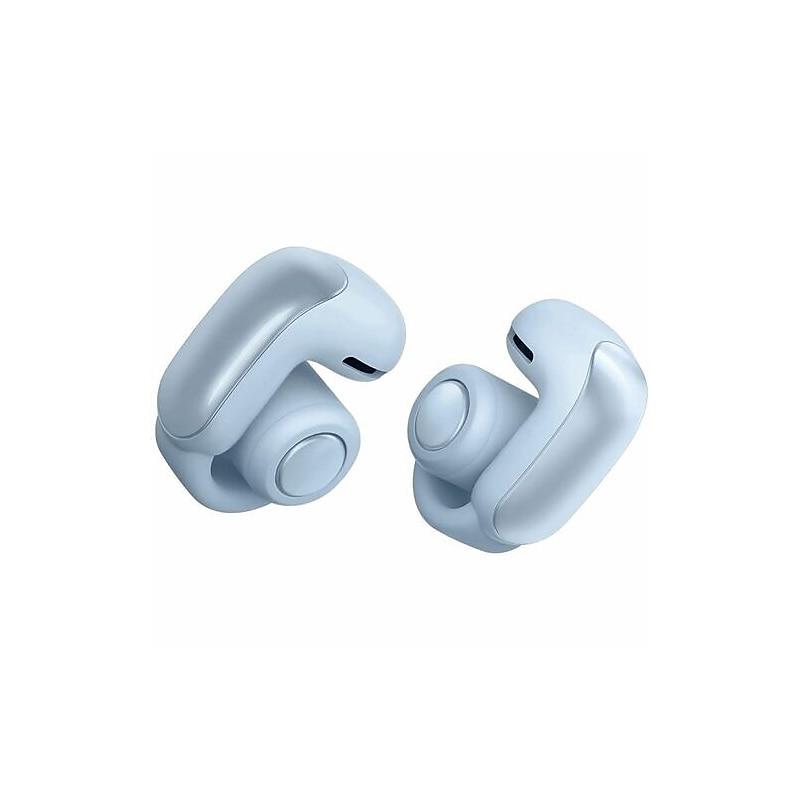
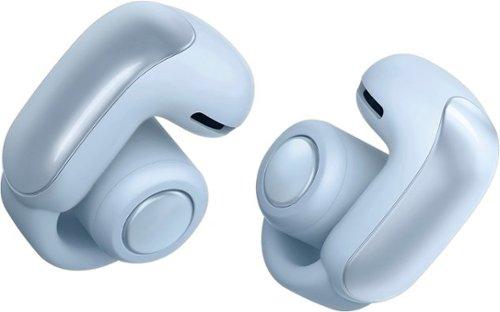
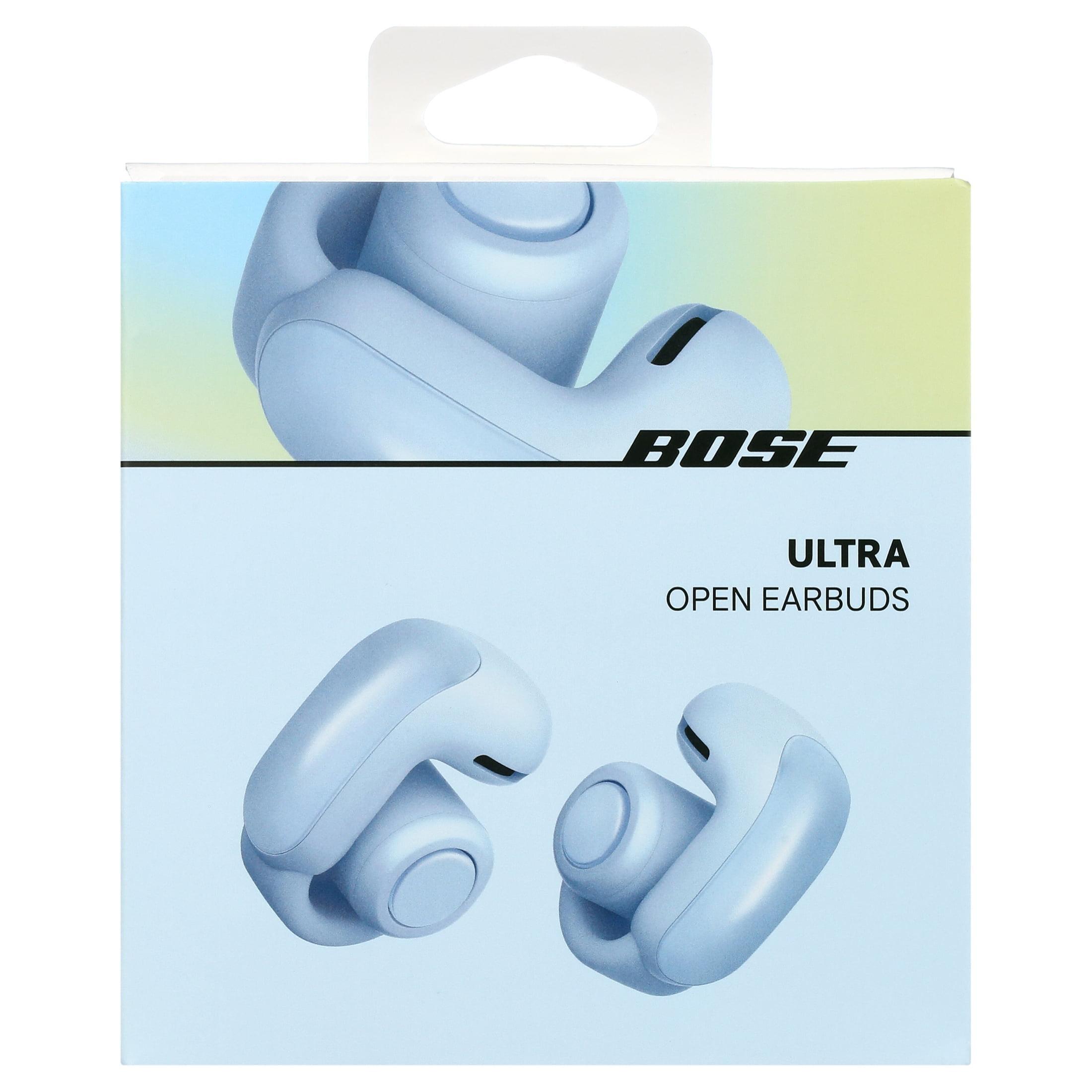
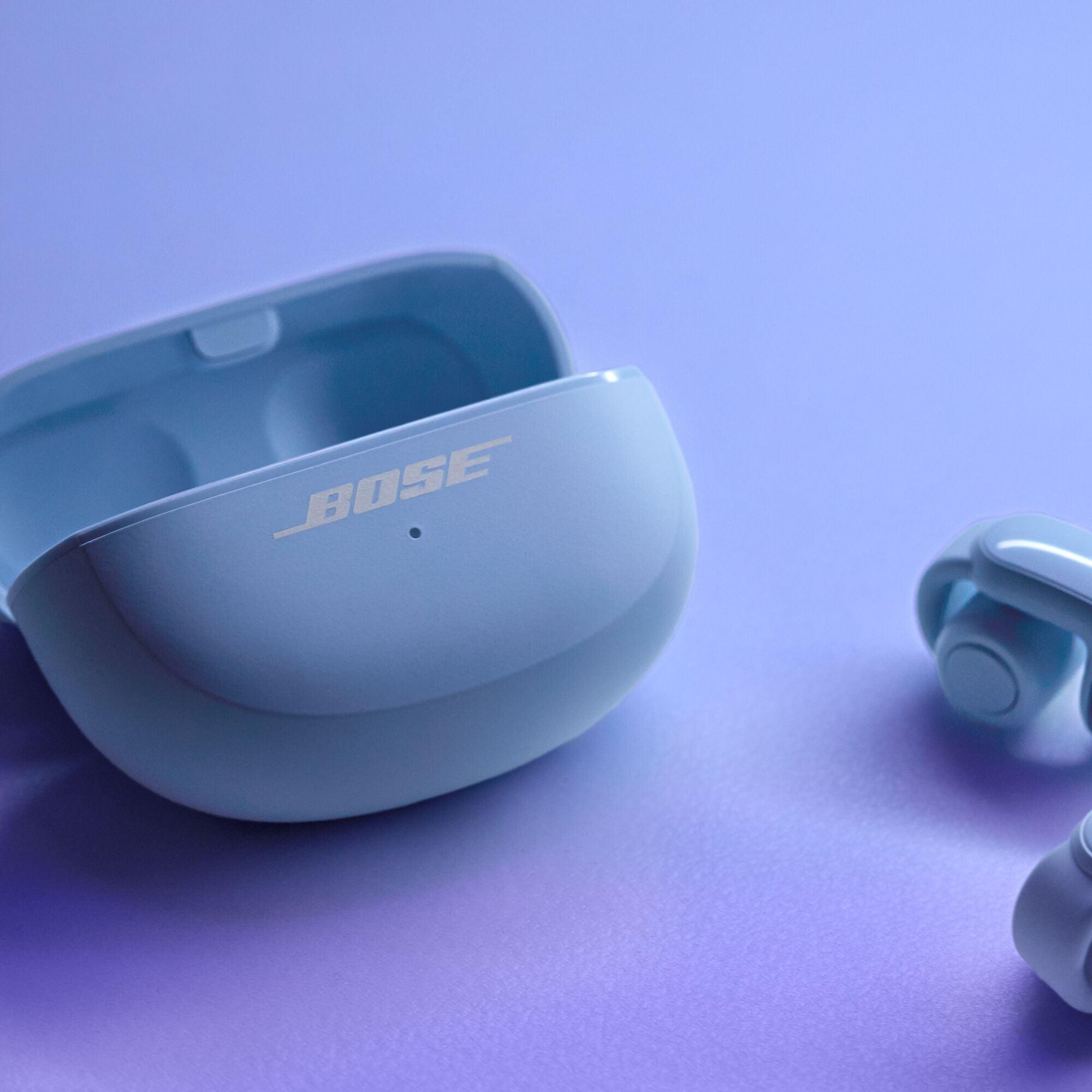
The Bose Ultra Open Earbuds take the exact opposite approach with their "open acoustic design." Instead of sealing your ears, they clip onto the outer ridge of your ear and direct sound into your ear canal without blocking it. Bose calls this OpenAudio technology, and it's designed to deliver what they describe as "rich, private sound" while keeping you fully aware of your surroundings. Think of it like having tiny, invisible speakers positioned perfectly near your ears.
At the time of writing, this represents one of the biggest philosophical splits in wireless audio. Most manufacturers have focused on improving noise cancellation and seal quality, but Bose is betting that many users actually want the opposite—awareness without compromise.
Here's something that doesn't get talked about enough in earbud reviews: comfort becomes the deciding factor for all-day use, regardless of how good something sounds. I've seen too many people buy earbuds based on sound quality alone, only to discover they can't wear them for more than an hour without discomfort.
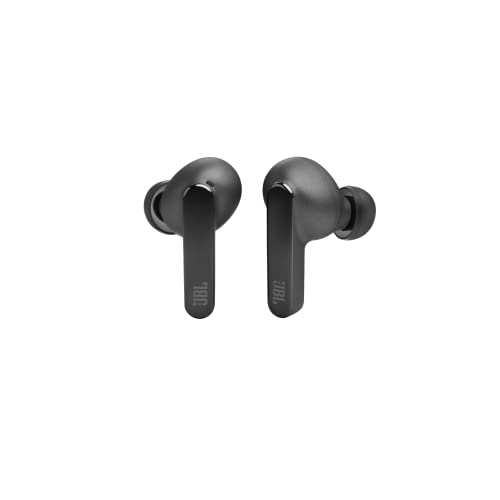
The JBL Live Pro 2 uses what JBL calls "Oval Tubes" design—basically, instead of perfectly round ear tips, they're shaped more like your actual ear canal. This isn't just marketing; the oval shape does create a more natural fit for most people. At 4.8 grams per earbud, they're reasonably light, and the three sizes of included ear tips help most users find a secure fit. However, they still follow the traditional in-ear approach, which means you're essentially plugging your ears for the duration of your listening session.
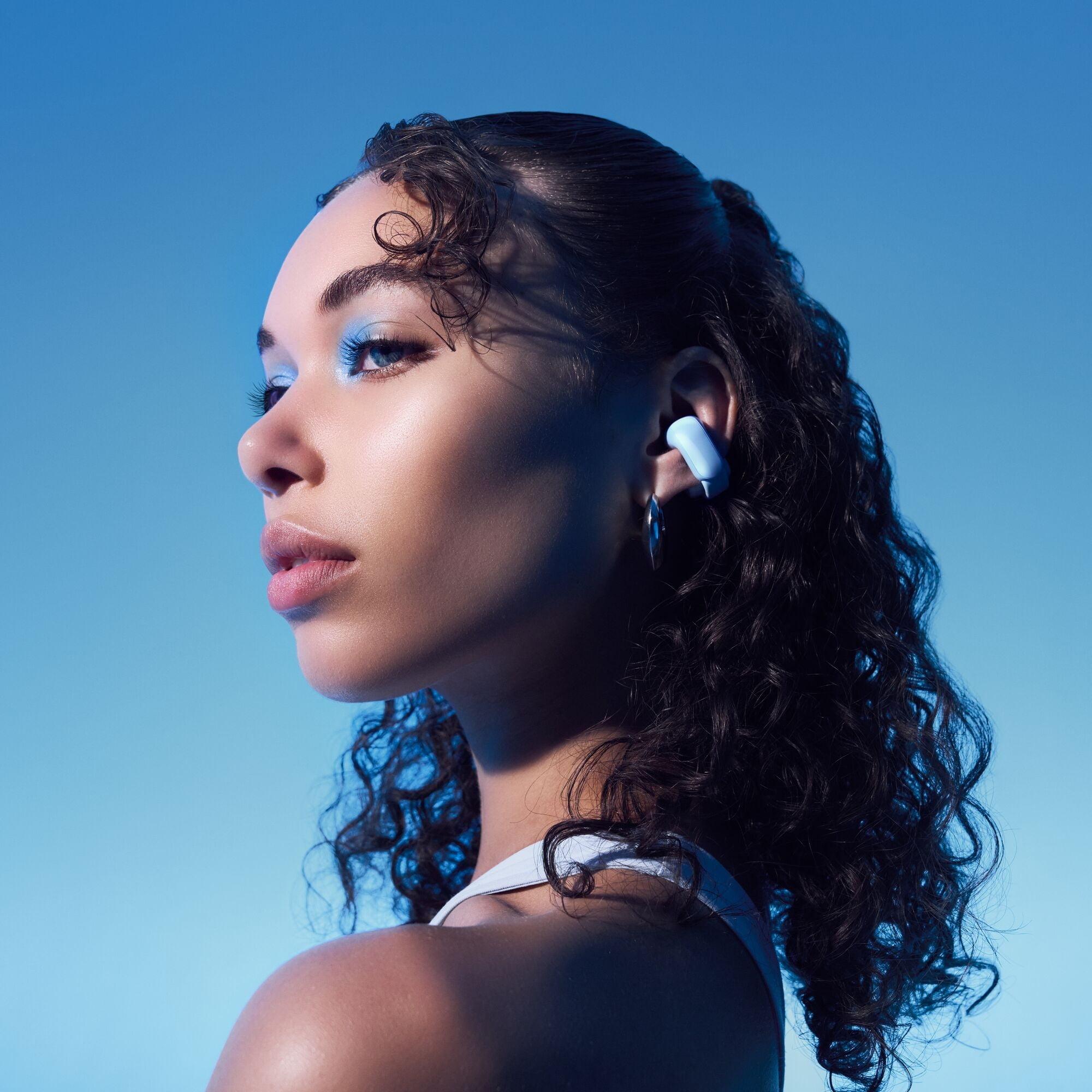
The Bose Ultra Open weighs slightly more at 6 grams per earbud, but here's the thing—that weight sits on your outer ear rather than inside your ear canal. The design looks almost like sophisticated ear jewelry, with a flexible cuff that grips your ear's natural curves. Based on extensive user feedback, many people report forgetting they're wearing them entirely, even after 8+ hours of use.
This comfort difference becomes crucial for specific use cases. If you're someone who wears earbuds during long work sessions, the Bose Ultra Open earbuds eliminate the "ear canal fatigue" that many people experience with traditional designs. However, if you prefer the secure feeling of a sealed fit—especially during workouts or commuting—the JBL Live Pro 2 provides that reassuring sense of stability.
This is where things get technically interesting. Both products sound good, but they achieve it through completely different approaches that highlight the trade-offs inherent in each design philosophy.
The JBL Live Pro 2 uses 11mm dynamic drivers—relatively large for wireless earbuds—tuned to JBL's signature sound profile. What does that mean in practice? JBL has always favored what audio engineers call a "V-shaped" frequency response: emphasized bass and treble with slightly recessed midrange. The sealed design of these earbuds allows those 11mm drivers to move a lot of air, creating what reviewers consistently describe as "intense thump and rumble" in the low end.
This approach excels with certain types of content. Electronic music, hip-hop, action movies, and podcasts with dynamic range all benefit from this tuning. The bass extension goes down to 20Hz—the lower limit of human hearing—and the sealed design means you actually feel those sub-bass frequencies that open earbuds simply can't reproduce effectively.
The Bose Ultra Open faces a fundamental physics challenge: without a seal around your ear, you lose most of the bass response that comes from trapped air pressure. Bose has worked around this limitation through what they call their "dual-driver system" and some serious acoustic engineering, but the reality is that open earbuds will never match sealed earbuds for deep bass response.
However, the Bose Ultra Open has some advantages that the sealed design can't match. The open design creates what's called a "more natural soundstage"—music doesn't feel like it's trapped inside your head. Bose has also implemented their Immersive Audio technology, which creates a spatial audio experience that adapts as you move your head. For acoustic music, podcasts, and content where dialogue clarity matters more than bass impact, many users actually prefer the more natural presentation.
The frequency response of the JBL Live Pro 2 extends from 20Hz to 20kHz—the full range of human hearing—while delivering 105dB of maximum volume. The Bose Ultra Open doesn't publish detailed frequency response specs, which is telling; open earbuds inherently have limitations in the low-frequency range that would show up poorly on technical measurements.
This is probably the biggest functional difference between these products, and it perfectly illustrates why choosing between them depends so much on your intended use.
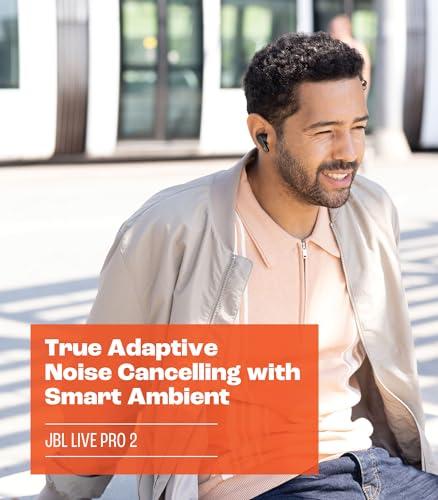
The JBL Live Pro 2 features what they call "True Adaptive Noise Cancelling," which uses four microphones (two per earbud) to continuously monitor your environment and adjust the cancellation accordingly. This isn't just basic noise cancellation—it's actively adapting to changes in your acoustic environment. Walking from a quiet office to a busy street? The system automatically ramps up the cancellation. Moving to a quieter space? It dials back to preserve battery life and maintain natural sound quality.
The JBL Live Pro 2 also includes "Smart Ambient" mode, which uses those same microphones to pipe in outside sound when you need awareness. The difference is that you control when this happens—it's not automatic like the open design of the Bose.
The effectiveness of the JBL's noise cancellation is impressive. Based on measurements and user reports, it excels at blocking low-frequency noise—airplane engines, train rumble, air conditioning hum. This makes the JBL Live Pro 2 genuinely excellent for travel and commuting scenarios where consistent noise is the main issue.
The Bose Ultra Open has no active noise cancellation whatsoever, and by design, it can't have any. The entire point is that your ears remain open to your environment. Bose has implemented what they call "sound leakage minimization" through their OpenAudio technology, which directs sound specifically toward your ears rather than broadcasting it to everyone around you. But you'll always hear everything happening around you.
This creates completely different use cases for each product. The JBL Live Pro 2 excels when you want to create your own acoustic bubble—perfect for flights, studying, or immersive entertainment. The Bose Ultra Open shines when situational awareness is crucial—running outdoors, working in an office where you need to hear colleagues, or any activity where being completely isolated would be dangerous or antisocial.
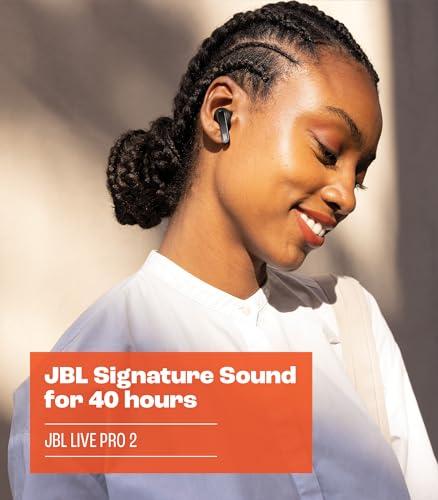
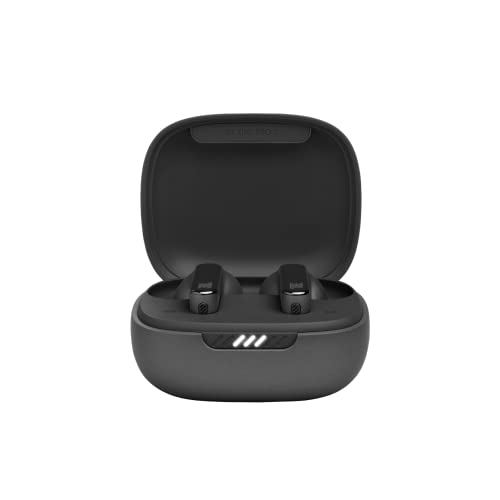
Battery performance tells an interesting story about the engineering priorities behind each design. The JBL Live Pro 2 delivers up to 10 hours of continuous playback with noise cancellation disabled, dropping to 8 hours with ANC active, or 6 hours with their most aggressive True Adaptive mode running. The charging case provides an additional 30 hours, bringing the total to 40 hours of listening time.
These numbers are genuinely impressive for sealed earbuds with active noise cancellation. The ANC system requires significant power to run those four microphones and the digital signal processing that adapts the cancellation in real-time. The fact that JBL still achieves 8 hours with ANC running puts the Live Pro 2 among the best in its category for battery endurance.
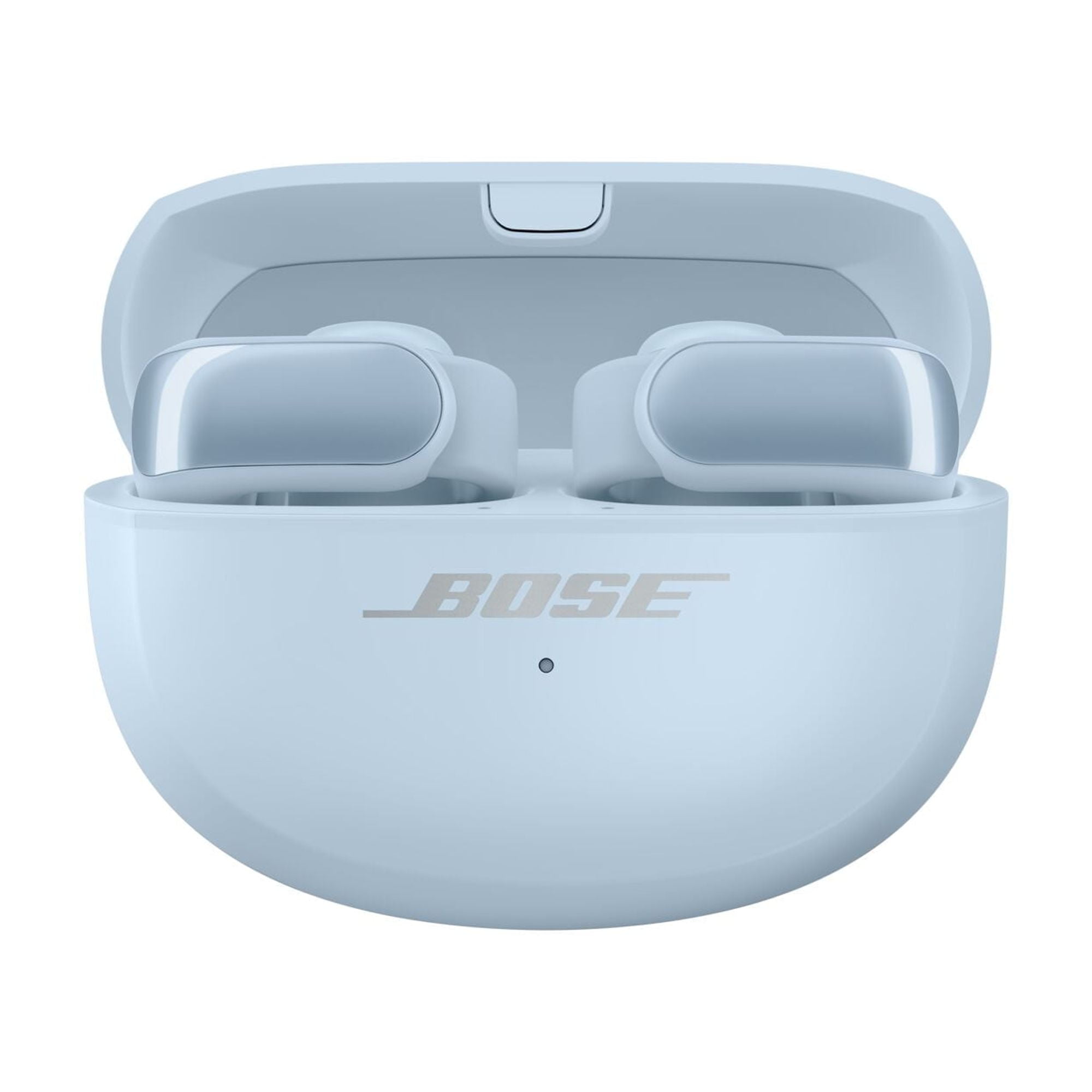
The Bose Ultra Open provides up to 7.5 hours of continuous playback, with the case adding another 19.5 hours for 27 total hours. While lower than the JBL's 40-hour total, this is actually quite impressive for an open design. Open earbuds typically require more power because they're fighting against ambient noise rather than blocking it—you often need higher volumes to achieve the same perceived loudness.
Both products support wireless charging, but the JBL Live Pro 2 includes a "Speed Charge" feature that provides 4 hours of listening time from just 15 minutes of charging. This kind of rapid charging has become essential for earbuds that people use throughout their workday.
At the time of writing, 40-hour total battery life puts the JBL Live Pro 2 near the top of its category, while the Bose Ultra Open's 27-hour total is respectable but not exceptional. However, the Bose's consistent 7.5-hour single-charge performance means fewer charging interruptions during long days.
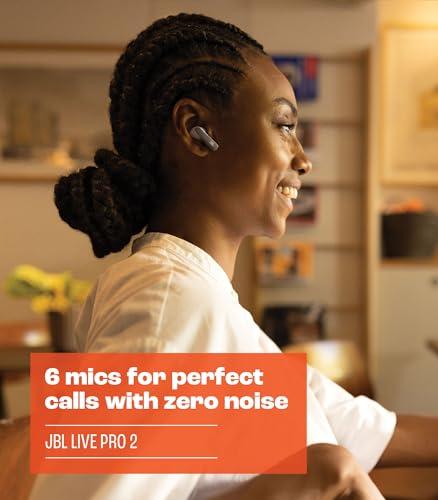
Both products handle phone calls, but they approach it differently due to their fundamental design philosophies. The JBL Live Pro 2 uses six beamforming microphones—three per earbud—with sophisticated wind noise reduction and what they call "VoiceAware" technology. This system lets you control how much of your own voice you hear during calls, which helps with the unnatural feeling that sealed earbuds can create during conversations.
The beamforming technology is particularly impressive. Instead of just using one microphone per earbud, the JBL Live Pro 2 uses multiple mics to create a directional pickup pattern that focuses on your voice while suppressing background noise. In practical terms, this means clearer calls even in challenging environments like busy streets or windy outdoor conditions.
The Bose Ultra Open takes a different approach that's inherently more natural for phone conversations. Because your ears aren't sealed, you naturally hear your own voice at normal levels, eliminating the "talking in a tunnel" effect that many people experience with traditional earbuds. The open design also means you can hear the other person's voice more naturally, creating a conversation experience that's closer to talking on a traditional phone or in person.
However, the Bose Ultra Open lacks the sophisticated noise suppression of the JBL system. In truly challenging acoustic environments—think busy airport terminals or construction zones—the JBL Live Pro 2's advanced microphone array will deliver clearer voice transmission.
Both products carry IPX ratings for water resistance, but there's a meaningful difference. The JBL Live Pro 2 earns an IPX5 rating, which means they can handle direct water sprays from any direction—basically, you can wear them in the rain or during sweaty workouts without worry. The Bose Ultra Open earbuds carry an IPX4 rating, which protects against splashing water but not direct sprays.
This difference matters if you're planning to use these earbuds for intensive workouts or outdoor activities. The JBL Live Pro 2's superior water resistance makes them more suitable for runners who don't want to worry about sudden rain showers or particularly sweaty gym sessions.
The build quality of both products reflects their different market positioning. The JBL Live Pro 2 uses durable plastics and has proven reliable over the two years since its release. The Bose Ultra Open uses more premium materials and has a more jewelry-like aesthetic, but it's still too new (released in 2024) to have a long-term reliability track record.
Both products use relatively recent Bluetooth standards, but with different priorities. The JBL Live Pro 2 uses Bluetooth 5.2 with multipoint connection support, meaning you can pair them with two devices simultaneously—say, your phone and laptop—and seamlessly switch between them. This feature has become essential for people who use earbuds throughout their workday.
The Bose Ultra Open uses the newer Bluetooth 5.3 standard and supports additional codecs including aptX Adaptive, which can provide higher quality audio streaming from compatible Android devices. This codec support represents Bose's focus on audio quality optimization.
App integration differs significantly between the products. The JBL Headphones app provides extensive customization options, including a 10-band equalizer that lets you fine-tune the frequency response to your preferences. Given the JBL Live Pro 2's V-shaped sound signature, this EQ flexibility is particularly valuable—you can tame the bass emphasis or boost the mids depending on your music preferences.
The Bose Music app focuses more on the unique features of the open design, with controls for their Immersive Audio spatial sound processing and Auto Volume adjustment—a clever feature that automatically adjusts your listening volume based on ambient noise levels.
The JBL Live Pro 2 dominates in traditional earbud scenarios. For air travel, the adaptive noise cancellation transforms the experience by eliminating engine drone and cabin noise. The 10-hour battery life means you can wear them for an entire transcontinental flight without charging. The sealed design also excels for home theater use—you can watch movies at low volumes without missing dialogue or losing bass impact.
For office workers who need to focus, the JBL Live Pro 2 creates an effective acoustic barrier. The Smart Ambient mode lets you quickly hear colleagues when needed, but the default isolation helps with concentration in open office environments.
The Bose Ultra Open shines in scenarios where traditional earbuds create problems. For runners and cyclists, the ability to hear traffic, approaching pedestrians, or emergency vehicles while still enjoying music represents a genuine safety advantage. The all-day comfort means office workers can wear them continuously without the ear fatigue that sealed designs often create during long meetings or focus sessions.
Parents particularly appreciate the Bose Ultra Open design—you can listen to podcasts or music while still hearing when kids need attention. The same benefit applies to anyone who needs to maintain awareness of their environment while still enjoying audio content.
At the time of writing, the JBL Live Pro 2 typically costs significantly less than the Bose Ultra Open, while offering more traditional flagship features like adaptive noise cancellation, longer battery life, and superior water resistance. From a features-per-dollar perspective, the JBL represents strong value in the traditional earbud market.
The Bose Ultra Open commands a premium price that reflects its innovative design and the R&D investment in creating an entirely new product category. Whether this premium is justified depends entirely on whether you value the specific benefits of the open design—all-day comfort, environmental awareness, and natural sound presentation.
After extensive research into user experiences and expert evaluations, the choice between these products comes down to your fundamental preferences about how earbuds should work.
Choose the JBL Live Pro 2 if you want earbuds that excel at traditional earbud tasks: blocking out distractions, delivering powerful bass, providing long battery life, and offering strong value for the feature set. They're ideal for commuters, travelers, bass music enthusiasts, and anyone who uses earbuds primarily for focused listening or entertainment.
Choose the Bose Ultra Open if you're willing to trade some traditional earbud capabilities for the unique benefits of the open design: all-day comfort, environmental awareness, natural sound presentation, and innovative aesthetics. They're perfect for active users who prioritize safety, office workers who need situational awareness, and anyone who finds traditional earbuds uncomfortable for extended wear.
Neither product is definitively "better"—they're optimized for completely different use cases. The JBL Live Pro 2 perfects the traditional approach, while the Bose Ultra Open pioneers something entirely new. Your choice should align with how you actually use earbuds in your daily life, not just how they perform in ideal testing scenarios.
| JBL Live Pro 2 TWS | Bose Ultra Open Earbuds |
|---|---|
| Design Philosophy - Fundamentally different approaches to wireless audio | |
| Traditional in-ear sealed design with noise isolation | Revolutionary open-ear clip-on design for environmental awareness |
| Driver Size & Audio Approach - Impacts bass response and overall sound character | |
| 11mm dynamic drivers with JBL Signature Sound (bass-emphasized) | Dual-driver system optimized for open-air delivery (balanced profile) |
| Active Noise Cancellation - Critical for commuting and focused listening | |
| True Adaptive ANC with 4 microphones, adjusts automatically to environment | None by design - maintains full environmental awareness |
| Battery Life (Single Charge) - Determines how often you need to recharge | |
| 10 hours (ANC off) / 8 hours (ANC on) | 7.5 hours consistently |
| Total Battery Life with Case - Important for travel and all-day use | |
| 40 hours total (10+30) with 15-min speed charge | 27 hours total (7.5+19.5) |
| Water Resistance - Matters for workouts and outdoor use | |
| IPX5 (can handle direct water spray and heavy sweat) | IPX4 (splash-resistant for light workouts) |
| Comfort for Extended Wear - Crucial for all-day office or study use | |
| Traditional in-ear fit may cause fatigue after several hours | Exceptional all-day comfort with no ear canal pressure |
| Microphone System - Important for call quality in noisy environments | |
| 6 beamforming mics with VoiceAware and advanced noise suppression | Natural call experience but less noise suppression |
| Bluetooth & Connectivity - Affects compatibility and connection stability | |
| Bluetooth 5.2 with multipoint connection (2 devices) | Bluetooth 5.3 with aptX Adaptive codec support |
| Best Use Cases - When each product excels | |
| Commuting, travel, focused work, bass-heavy music, home theater | Running/cycling, all-day office wear, safety-critical activities, natural sound |
| Frequency Response - Shows audio reproduction range | |
| 20Hz-20kHz (full human hearing range with deep bass extension) | Not specified (open design limits low-frequency response) |
| Customization Options - How much you can tailor the experience | |
| 10-band EQ, ANC levels, ambient sound control via JBL app | 3-band EQ, Immersive Audio modes, Auto Volume via Bose app |
The JBL Live Pro 2 TWS delivers more powerful bass and a V-shaped sound profile that's excellent for hip-hop, EDM, and bass-heavy genres. The Bose Ultra Open Earbuds offer a more balanced, natural sound but can't match the deep bass response due to their open design. For immersive music listening, the JBL Live Pro 2 typically provides a more engaging experience.
The JBL Live Pro 2 TWS excels at call quality with 6 beamforming microphones and advanced noise suppression, making them ideal for noisy environments. The Bose Ultra Open Earbuds provide a more natural conversation experience since your ears aren't sealed, but lack the sophisticated noise cancellation for challenging acoustic situations.
The Bose Ultra Open Earbuds are significantly more comfortable for extended use since they don't seal your ear canal, eliminating pressure and fatigue. Many users report wearing them for 8+ hours without discomfort. The JBL Live Pro 2 TWS are comfortable but may cause ear canal fatigue during very long sessions.
Both work for exercise, but serve different needs. The JBL Live Pro 2 TWS offer superior IPX5 water resistance for intense workouts and sweaty sessions. The Bose Ultra Open Earbuds are better for outdoor running since you can hear traffic and stay aware of your surroundings for safety, though they only have IPX4 rating.
The JBL Live Pro 2 TWS feature True Adaptive Noise Cancelling that automatically adjusts to your environment, making them excellent for blocking airplane noise, traffic, and office distractions. The Bose Ultra Open Earbuds have no noise cancellation by design—they're built to keep you aware of your surroundings at all times.
The JBL Live Pro 2 TWS provide up to 10 hours per charge (8 hours with ANC) plus 30 hours from the case, totaling 40 hours. The Bose Ultra Open Earbuds offer 7.5 hours per charge with 19.5 additional hours from the case, totaling 27 hours. The JBL Live Pro 2 clearly wins for battery endurance.
The JBL Live Pro 2 TWS excel for home theater use with their sealed design providing immersive audio, strong bass for action scenes, and noise isolation to avoid disturbing others. The Bose Ultra Open Earbuds work for casual viewing but lack the bass impact and isolation needed for truly cinematic experiences.
This depends on your office environment. The JBL Live Pro 2 TWS are better for open offices where you need to block distractions and focus deeply. The Bose Ultra Open Earbuds excel in collaborative environments where you need to hear colleagues and remain approachable while still enjoying audio content.
Yes, both support multipoint connection. The JBL Live Pro 2 TWS can connect to two devices simultaneously using Bluetooth 5.2. The Bose Ultra Open Earbuds also support multiple device pairing with their newer Bluetooth 5.3 technology, making it easy to switch between phone and laptop.
The JBL Live Pro 2 TWS offer superior durability with IPX5 water resistance, meaning they can handle direct water spray and heavy sweat. The Bose Ultra Open Earbuds have IPX4 rating, which protects against splashing but not direct water exposure. For intensive activities, the JBL Live Pro 2 are the safer choice.
Both products integrate with voice assistants, but differently. The JBL Live Pro 2 TWS provide tap access to Google Assistant, Alexa, and Siri through their sealed design. The Bose Ultra Open Earbuds also support voice assistants while maintaining their open design philosophy, allowing more natural voice interaction since your ears aren't blocked.
The JBL Live Pro 2 TWS typically offer better value with more traditional flagship features like adaptive noise cancellation, longer battery life, and superior water resistance at a lower price point. The Bose Ultra Open Earbuds command a premium for their innovative open design, making them worthwhile only if you specifically need their unique benefits like all-day comfort and environmental awareness.
We've done our best to create useful and informative comparisons to help you decide what product to buy. Our research uses advanced automated methods to create this comparison and perfection is not possible - please contact us for corrections or questions. These are the sites we've researched in the creation of this article: rtings.com - rtings.com - crutchfield.com - majorhifi.com - loudnwireless.com - techradar.com - youtube.com - youtube.com - wifihifi.com - scarbir.com - youtube.com - versus.com - jbl.com - rtings.com - boizoff.com - crutchfield.com - whathifi.com - hu.harmanaudio.com - robot-advance.com - youtube.com - youtube.com - jbl.com.sg - kh.jbl.com - jbl.com - jbl.com - walmart.com - youtube.com - bestbuy.com - versus.com - bose.com - youtube.com - consumerreports.org - rtings.com - head-fi.org - youtube.com - tomsguide.com - bestbuy.com - youtube.com - bose.com - cnet.com - youtube.com - soundguys.com - applevis.com - techgearlab.com - purewow.com - bose.com - bose.com - assets.bose.com - youtube.com - techradar.com - whathifi.com - bose.com - bose.com - youtube.com - bose.com

Privacy Policy
Terms and Conditions - Affiliate Policy
Home Security
© Copyright 2008-2026.
11816 Inwood Rd #1211, Dallas, TX 75244