

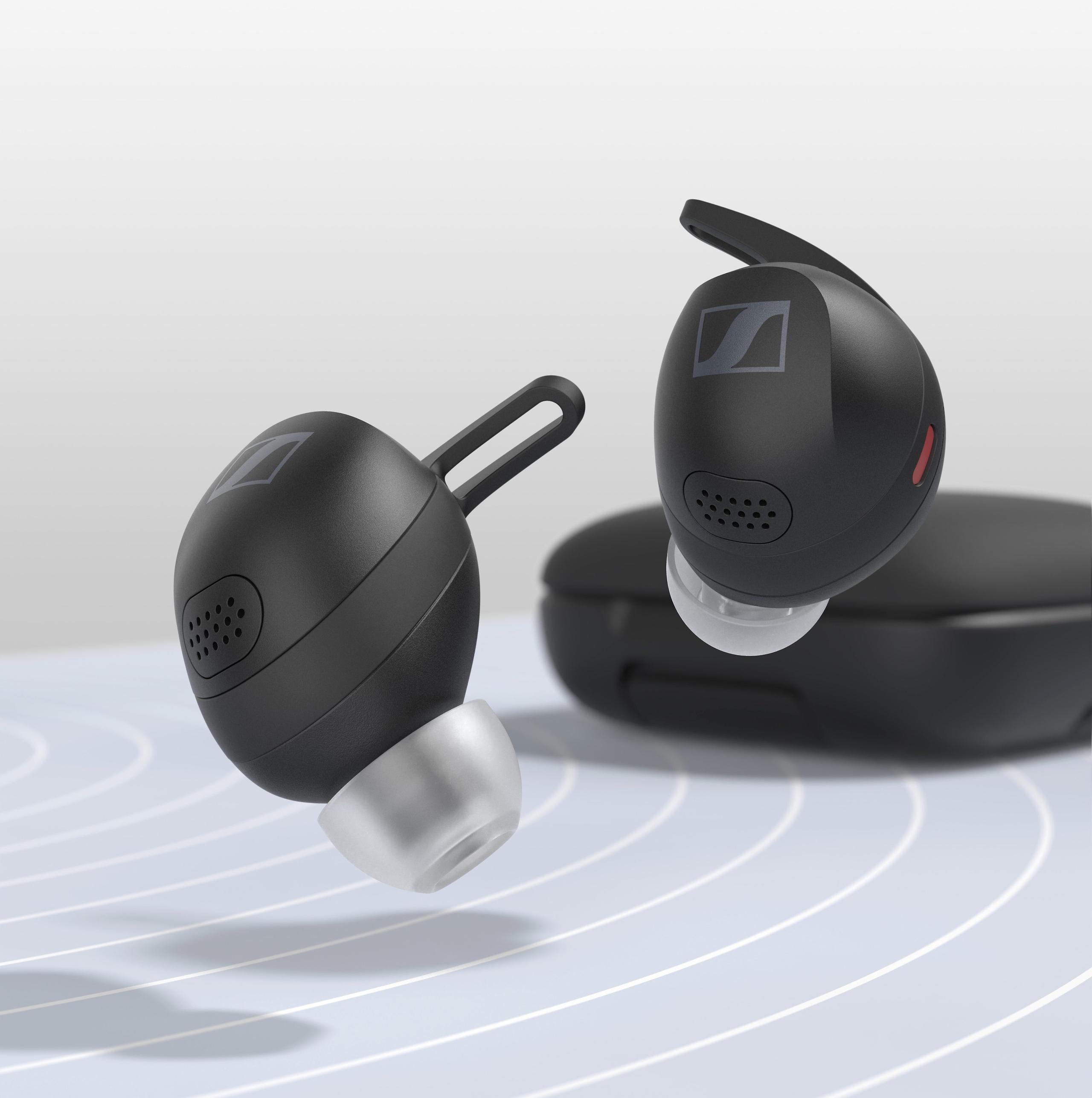
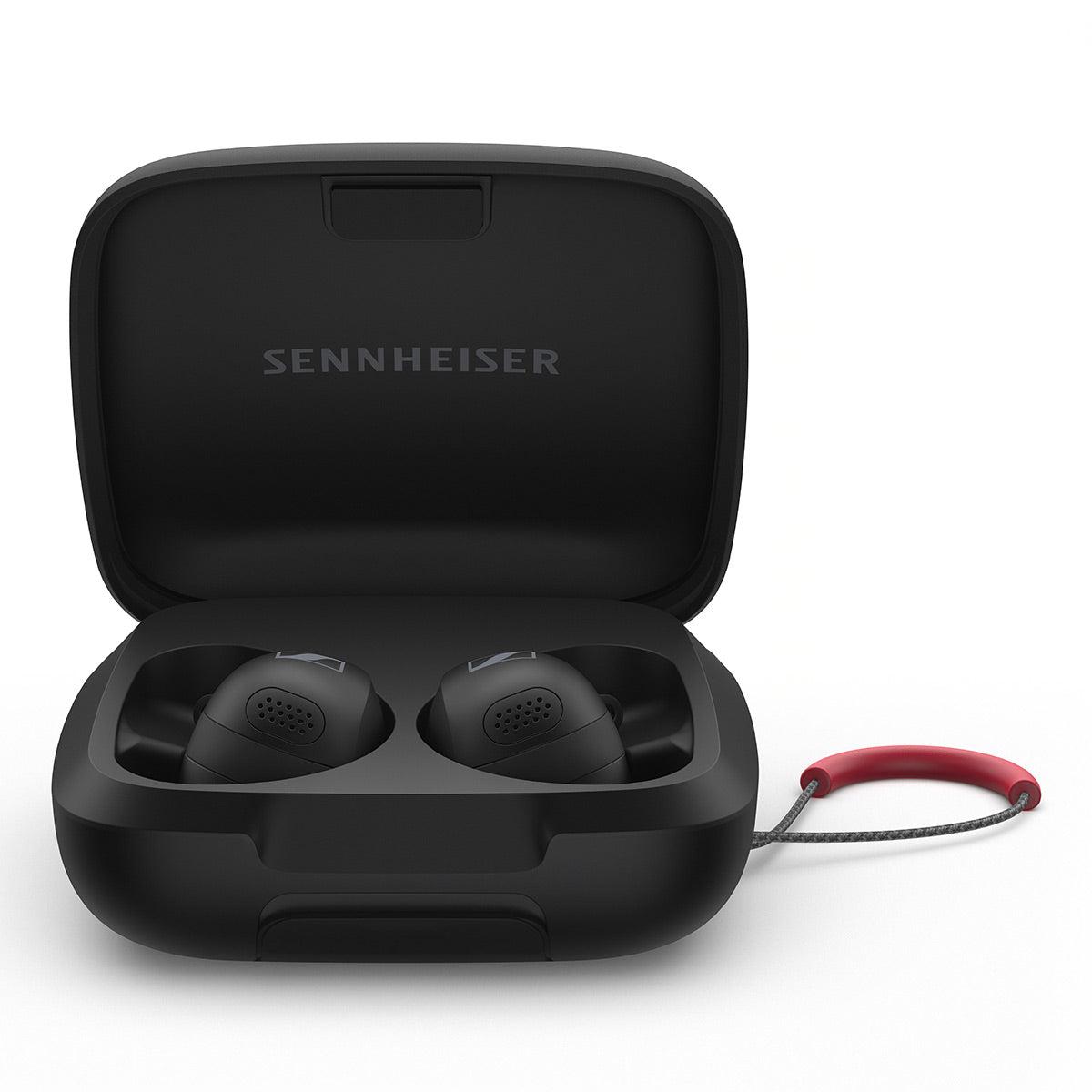
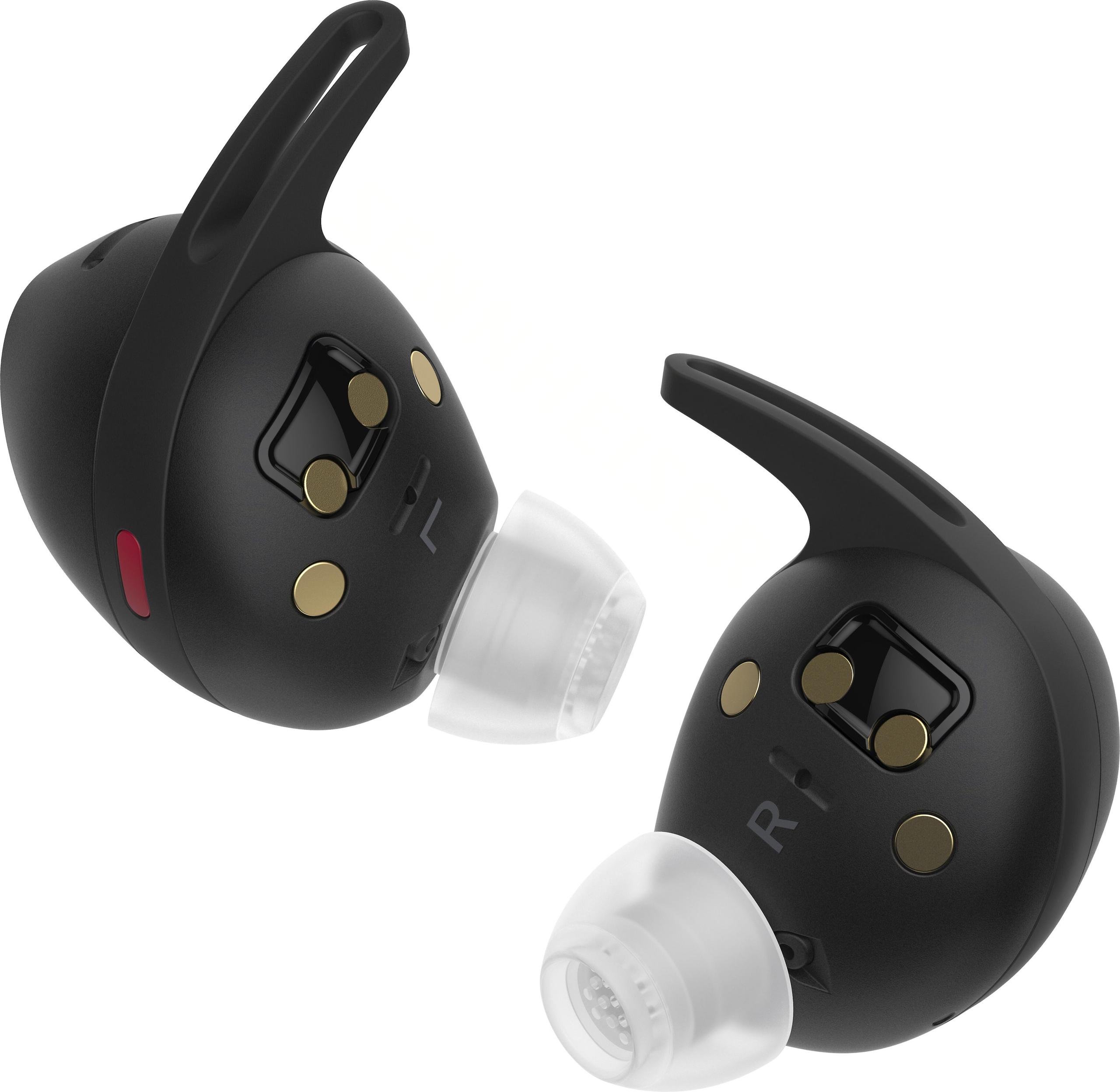
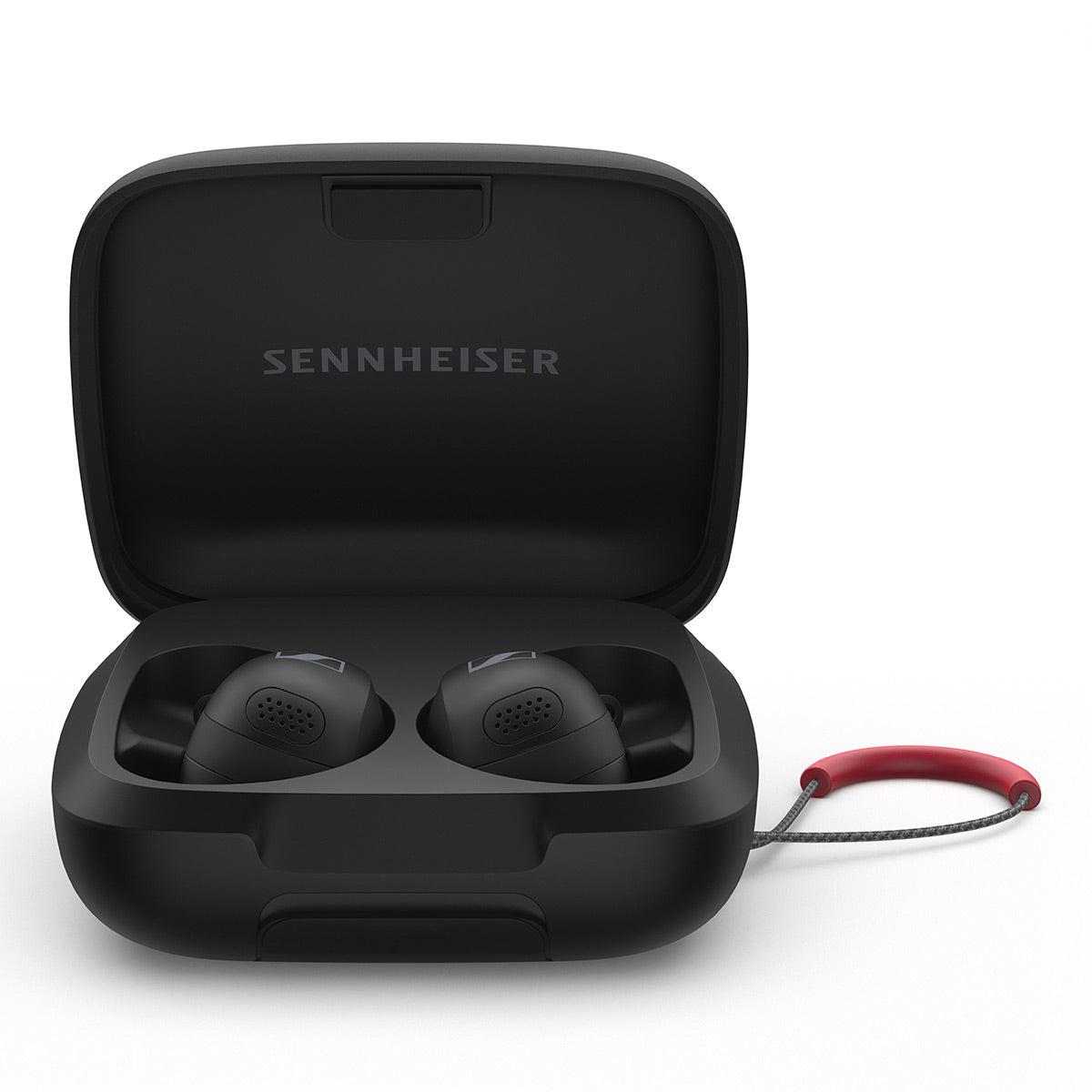
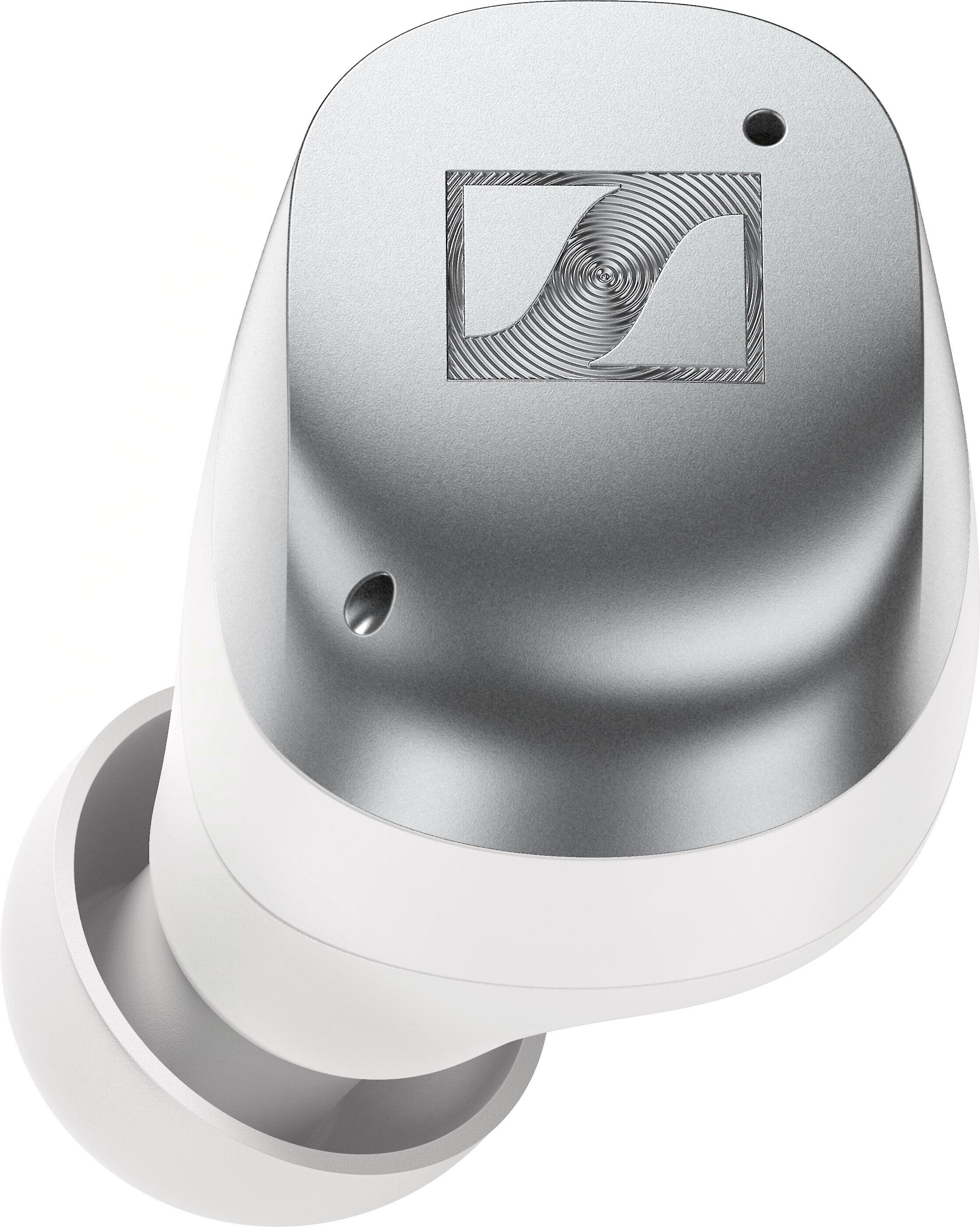
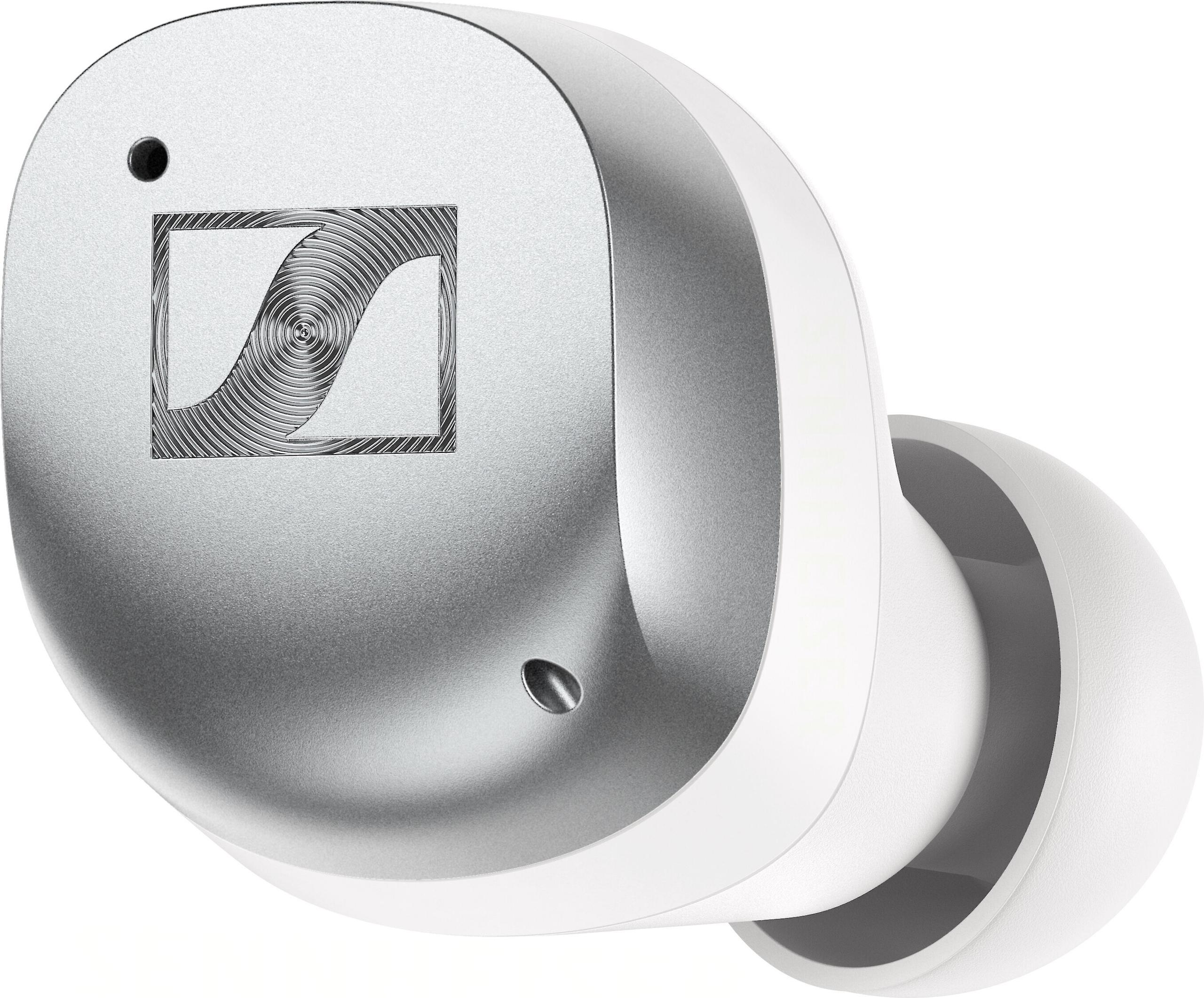
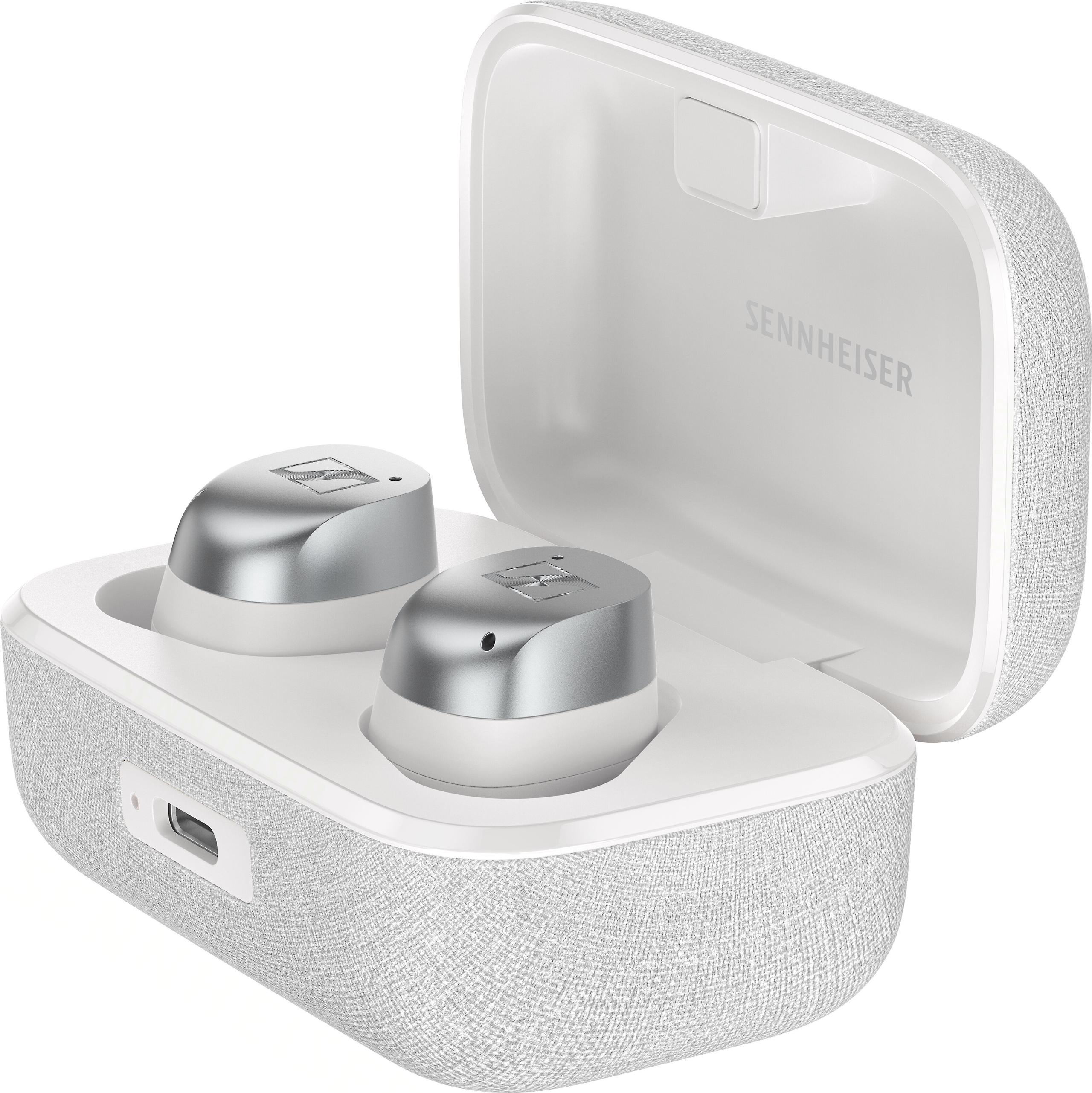
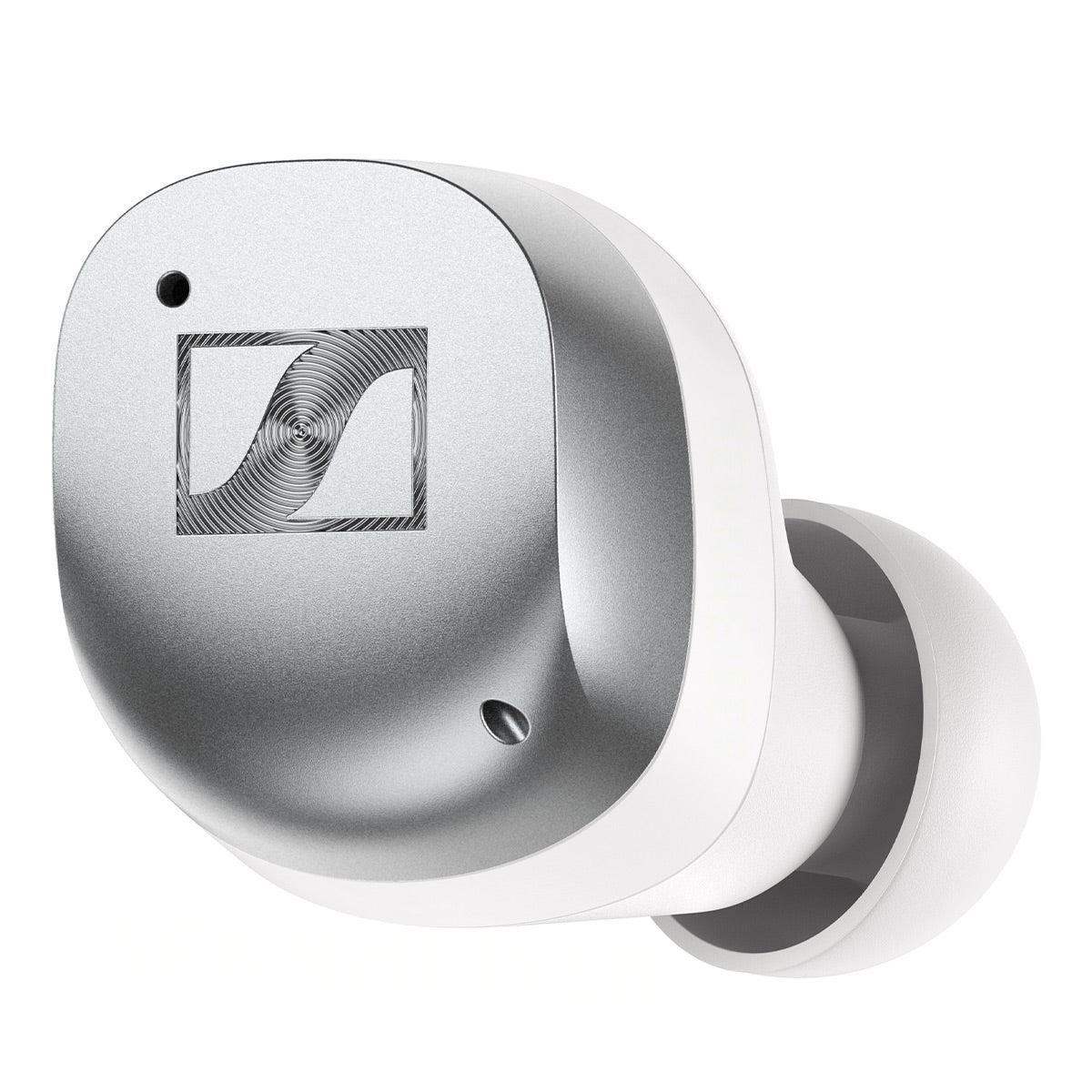
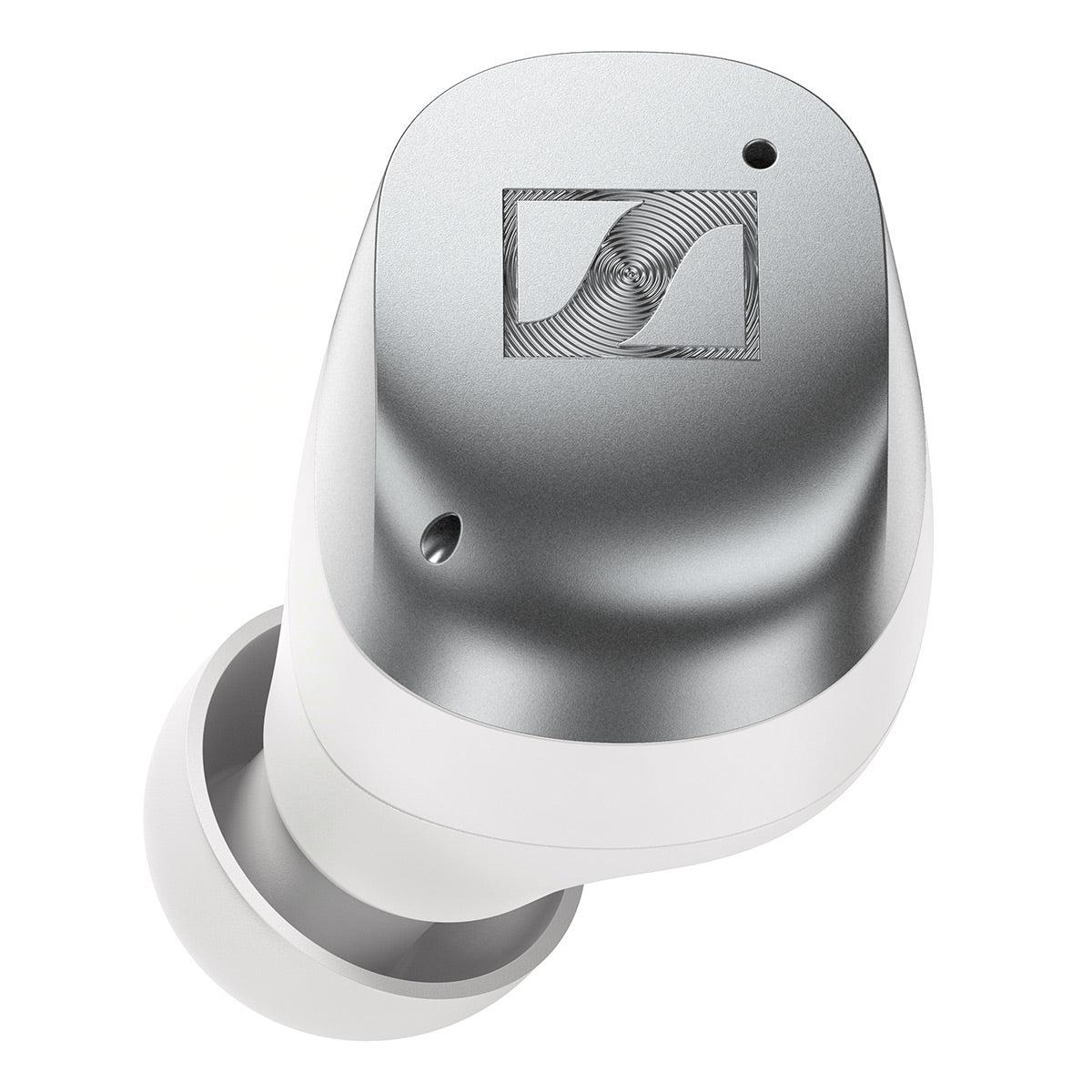
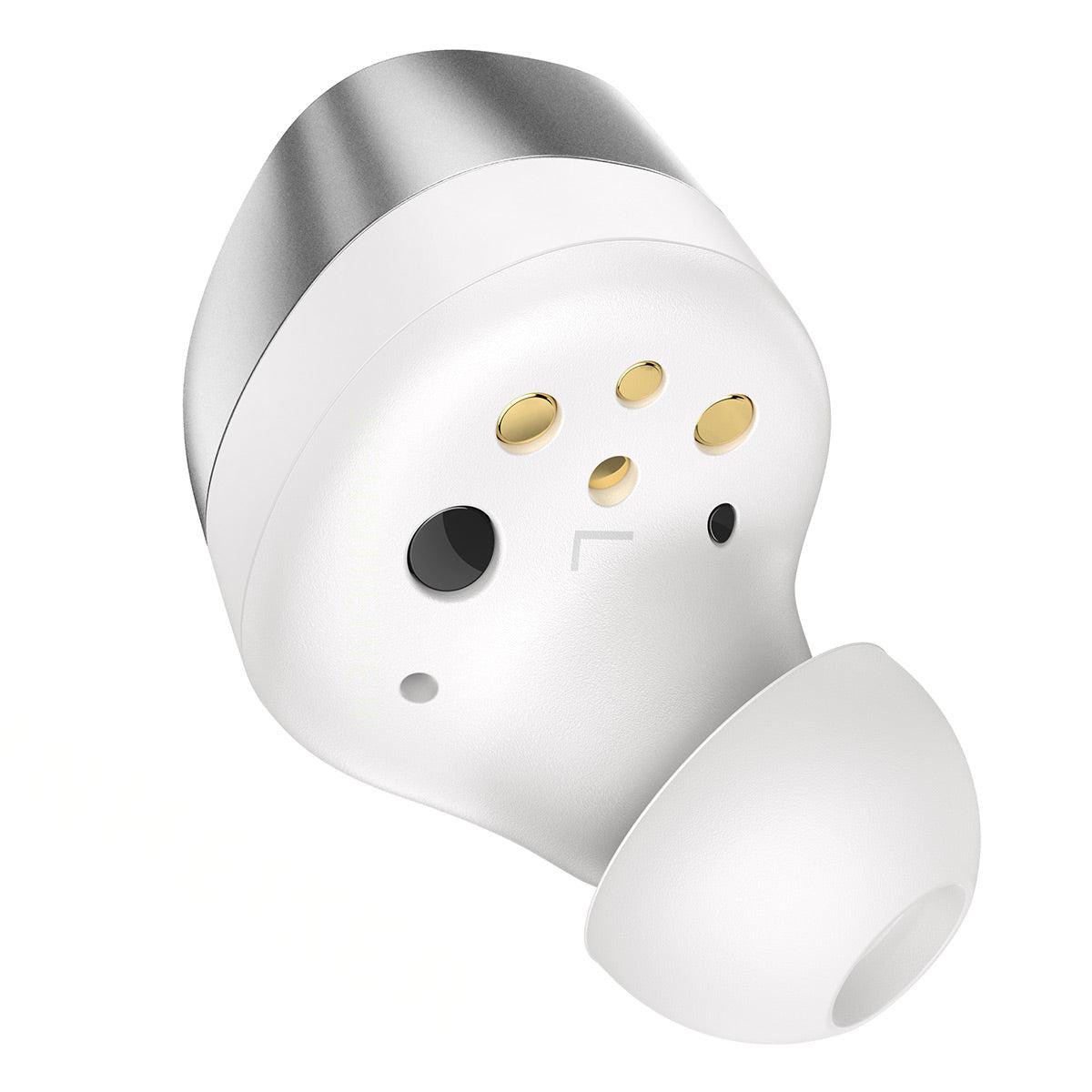
When Sennheiser launched both the Momentum Sport and MOMENTUM True Wireless 4 earbuds in 2024, they created an interesting dilemma for buyers. Both carry the prestigious Momentum branding and premium price tags, but they're designed for completely different lifestyles. After spending time with both models, I can tell you that choosing between them isn't just about picking the "better" earbuds—it's about understanding which approach fits your needs.
The core question isn't whether you want good sound quality (both deliver that), but whether you prioritize pure audio excellence or need earbuds that double as fitness trackers. This fundamental split shapes everything from their internal components to how they fit in your ears.
Before diving into specifics, it's worth understanding what makes earbuds "premium" in 2024. We're past the early days when simply cutting the wire was enough. Today's top-tier earbuds need excellent drivers (the tiny speakers inside), advanced processing chips, multiple microphones for calls and noise cancellation, and seamless connectivity.
The biggest technical leap in recent years has been in audio codecs—the digital compression methods that squeeze music through Bluetooth connections. Basic codecs like SBC work everywhere but sound compressed. Premium codecs like aptX Adaptive and aptX Lossless can deliver near-CD quality wirelessly, but both your earbuds and source device need to support them.
Active noise cancellation (ANC) has also become table stakes for premium earbuds. This technology uses microphones to detect external sounds, then generates opposite sound waves to cancel them out. It's particularly effective against constant noise like airplane engines or air conditioning, though it struggles with sudden sounds like voices.
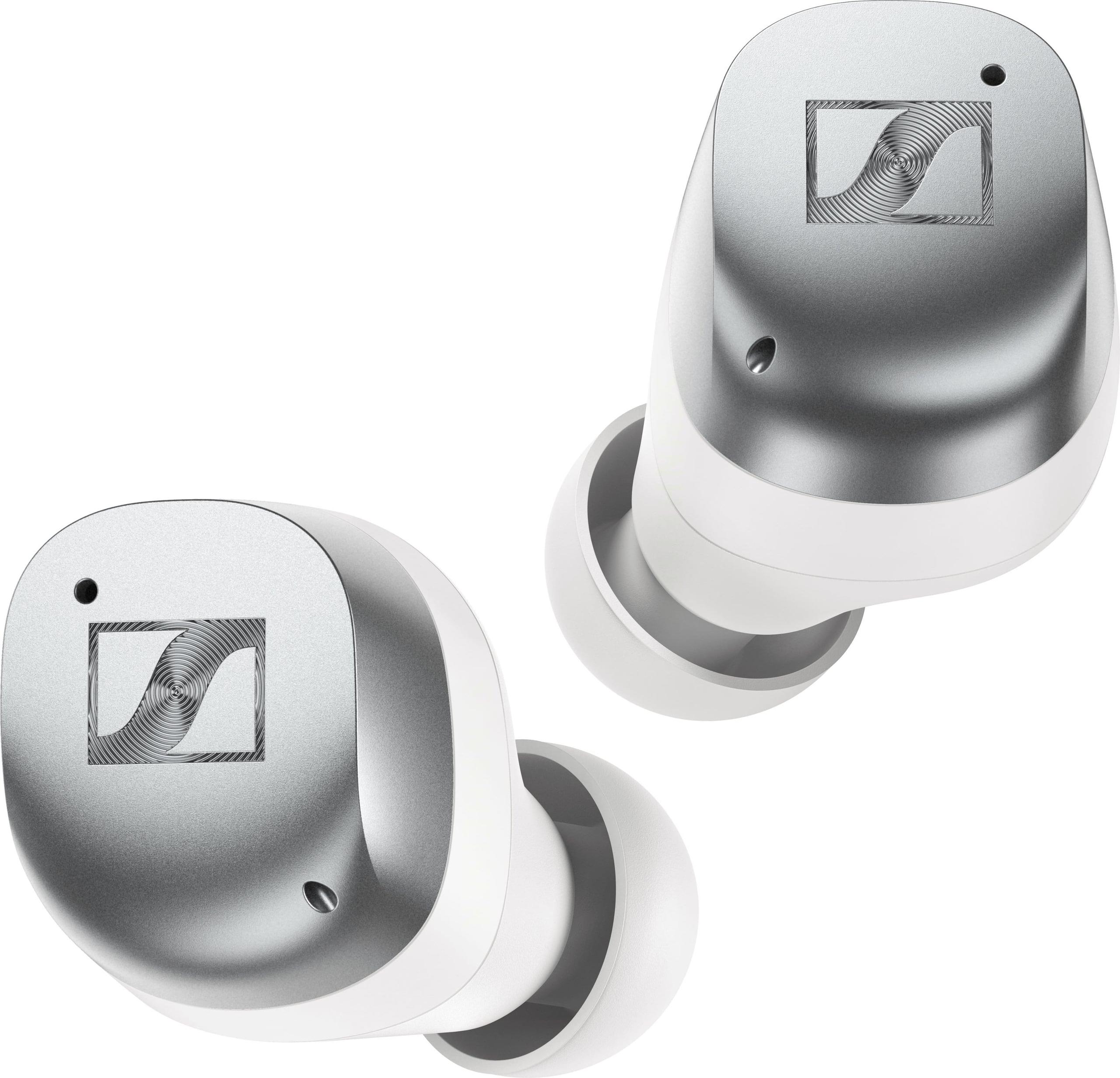
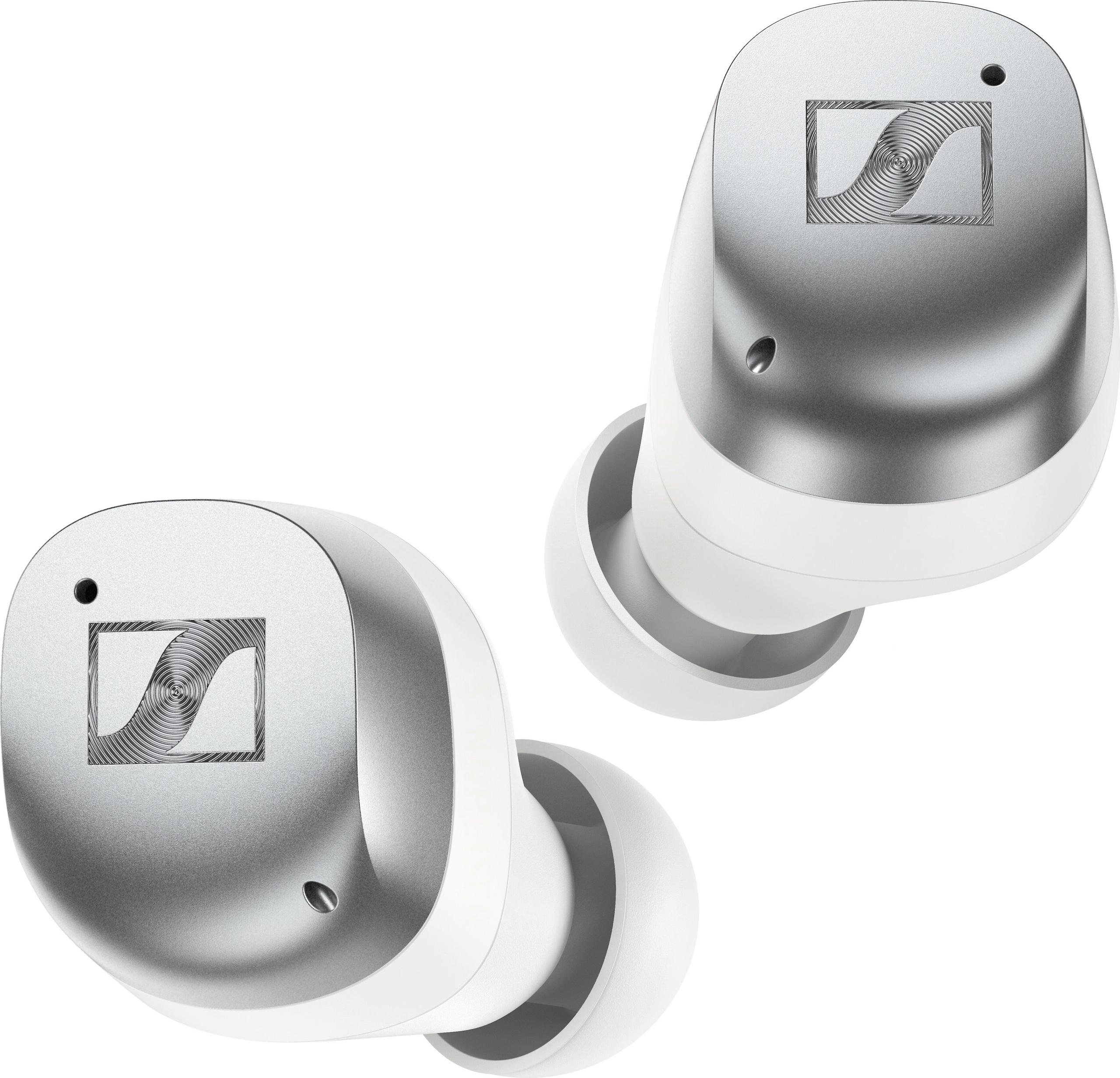
The MOMENTUM True Wireless 4 uses 7mm TrueResponse drivers paired with Qualcomm's latest S5 Sound Gen 2 platform. This might sound like marketing speak, but it translates to real differences you can hear. The smaller drivers are incredibly precise, delivering what I'd describe as "surgical" audio quality. When listening to complex tracks with multiple instruments, each element sits in its own distinct space.
The Momentum Sport takes a different approach with larger 10mm drivers. These bigger speakers can move more air, creating more impactful bass that's designed to motivate during workouts. However, this comes with trade-offs. The bass, while energetic, lacks the nuanced layering you get from the standard model. It's the difference between a bass line that pumps you up versus one that reveals every detail of the musician's technique.
During my testing, I found the True Wireless 4 consistently impressed with classical and jazz recordings, where instrument separation and soundstage matter most. The Sport model, meanwhile, excelled with electronic music and pop tracks during cardio sessions. The bass hits harder and the overall presentation is more forward, which works perfectly when you're trying to maintain running pace but less so when you want to critically listen to your favorite album.
This is where the MOMENTUM True Wireless 4 pulls significantly ahead. Its Bluetooth 5.4 implementation supports aptX Lossless, which can transmit CD-quality 16-bit/44.1kHz audio and even high-resolution 24-bit/48kHz files without compression. In practical terms, this means your music retains more detail and dynamic range compared to standard compressed Bluetooth audio.
The Momentum Sport sticks with Bluetooth 5.2 and lacks aptX Lossless support. While it handles aptX Adaptive well enough, you're missing out on the highest quality wireless audio available. For workout scenarios, this limitation might not matter—environmental noise and your elevated heart rate make it harder to appreciate subtle audio differences anyway.
If you're someone who owns high-resolution music files or subscribes to lossless streaming services like Apple Music's Lossless or Tidal HiFi, the True Wireless 4 can actually take advantage of that quality. The Sport model will still sound good, but you're not getting the full benefit of your high-quality source material.
Both models feature adaptive ANC, but they implement it differently based on their intended use. The MOMENTUM True Wireless 4 focuses on traditional noise cancellation scenarios—blocking out airplane drone, office chatter, or traffic rumble during commutes. Its six-microphone array does an excellent job creating that "cone of silence" effect that premium ANC earbuds are known for.
The Momentum Sport has to balance noise cancellation with situational awareness during workouts. Its ANC is less aggressive by design, and it includes specialized modes like anti-wind noise reduction for outdoor activities. This makes sense—you don't want complete isolation when running on busy streets or cycling in traffic.
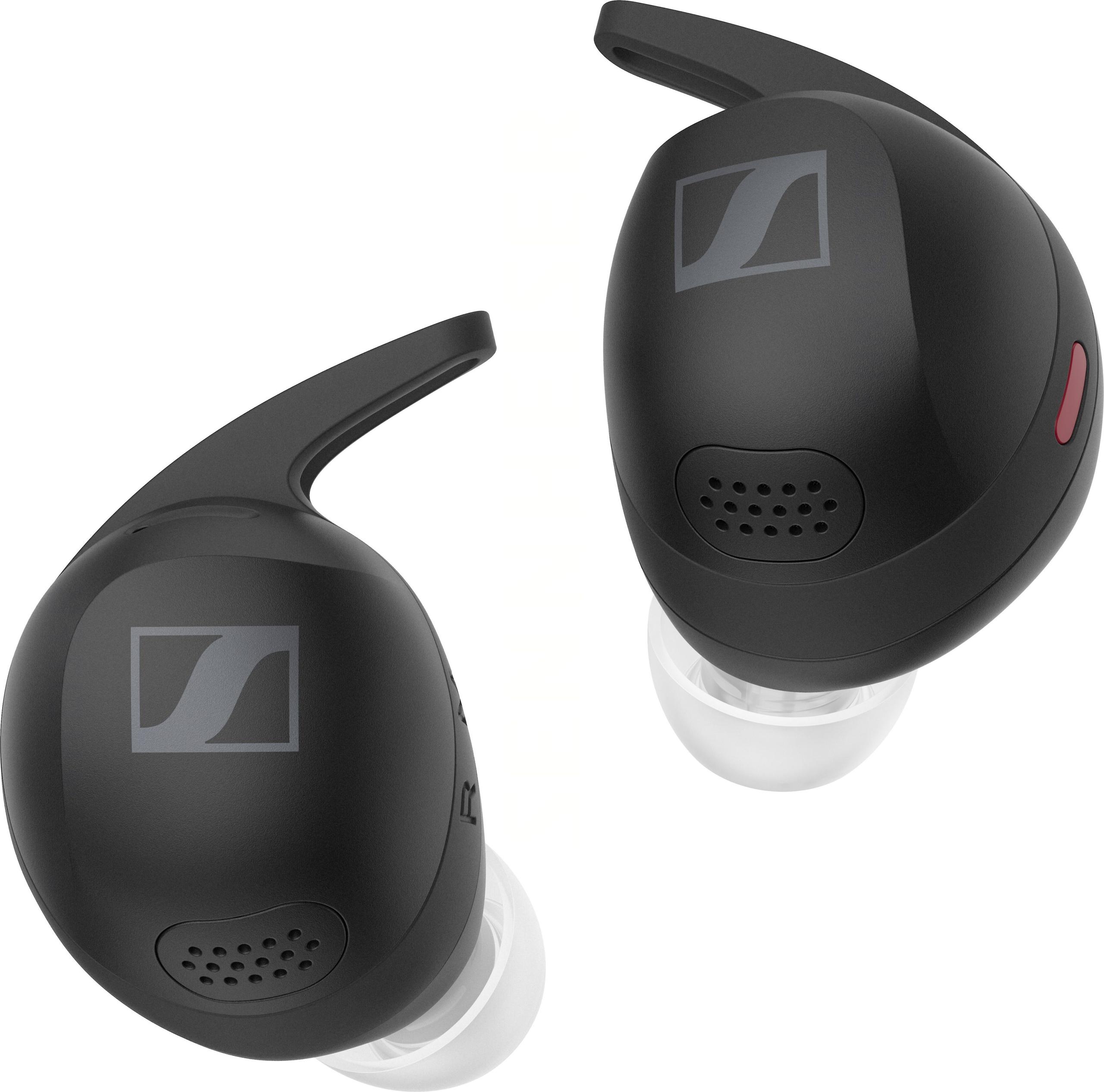
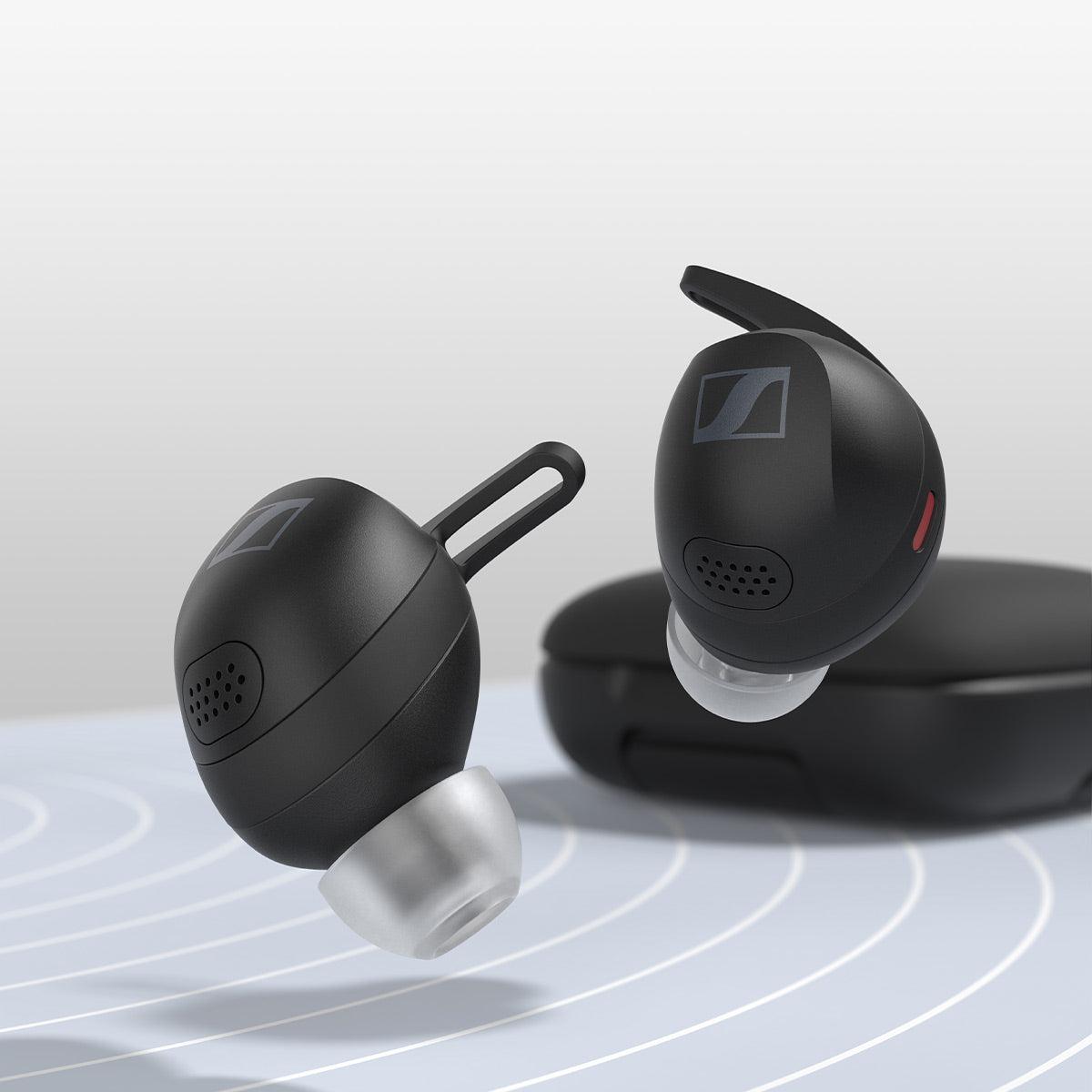
What's particularly clever about the Sport model is its semi-open acoustic design. This includes small vents that relieve air pressure and reduce the sensation of "being underwater" that some people experience with sealed earbuds. It also minimizes body-borne sounds like your footsteps or breathing, which can be distracting during exercise.
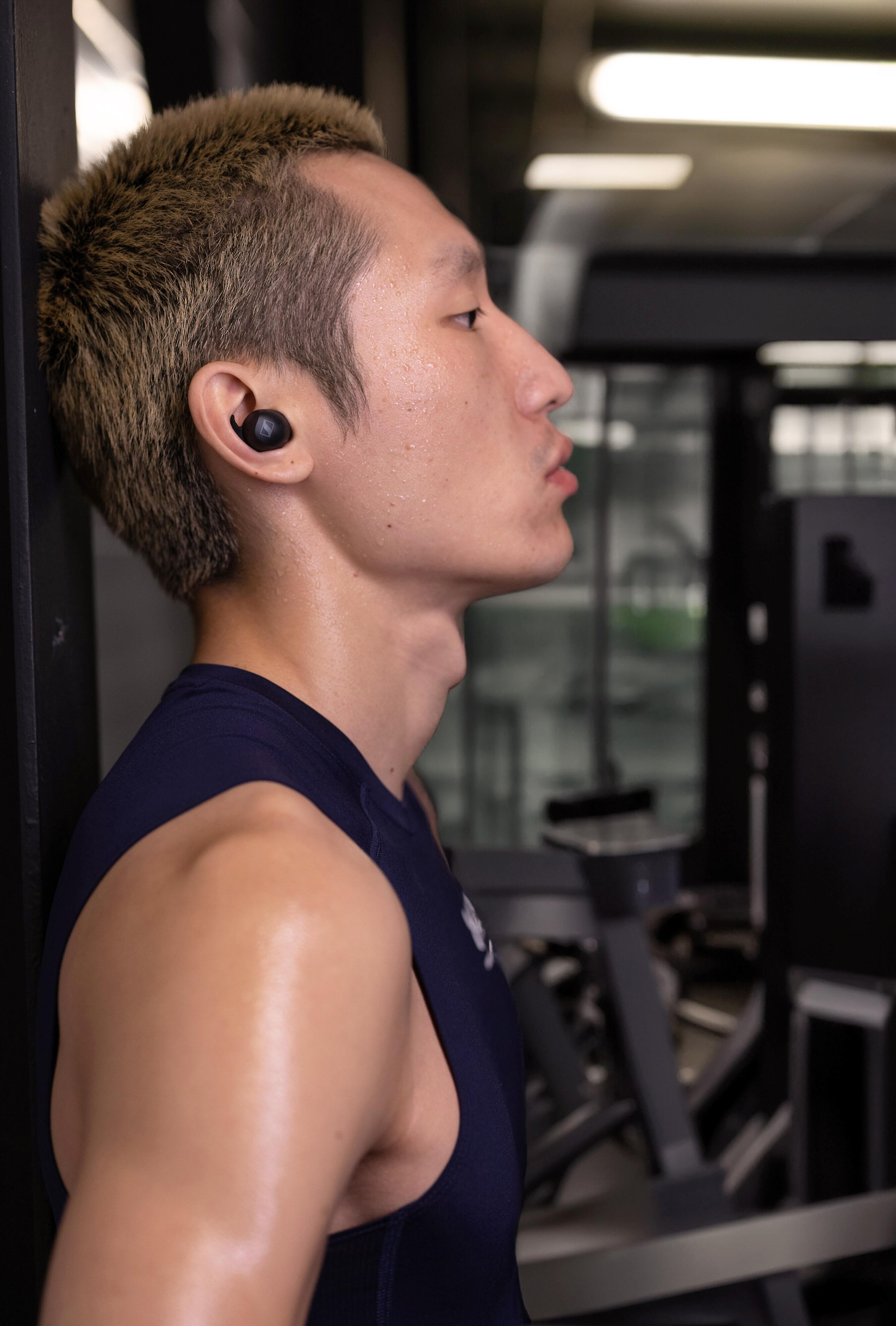
The Momentum Sport's standout feature is its integrated heart rate and body temperature sensors. Using photoplethysmography (PPG)—the same technology in fitness watches—these earbuds can monitor your pulse by detecting tiny changes in blood flow through your ear. The body temperature sensor adds another data point for training optimization.
During testing, I found the heart rate accuracy impressive, typically within 2-3 beats per minute of chest strap monitors. The real convenience comes from having this data available without wearing additional devices. For someone who dislikes wrist-worn fitness trackers or forgets to charge them, having biometrics built into earbuds you're already wearing for music is genuinely useful.
The sport earbuds integrate with major fitness ecosystems including Polar Flow, Garmin Connect, Strava, and Apple Health. This means your workout data flows seamlessly to whatever platform you already use for fitness tracking. You can even connect to compatible gym equipment or cycling computers via Bluetooth, replacing dedicated heart rate straps.
Beyond sensors, the Momentum Sport is engineered differently for active use. The IP55 rating provides comprehensive protection against sweat and dust—significantly better than the True Wireless 4's IP54 rating. The difference might seem minor, but IP55 means the earbuds can handle water jets from any direction, while IP54 only protects against splashing water.
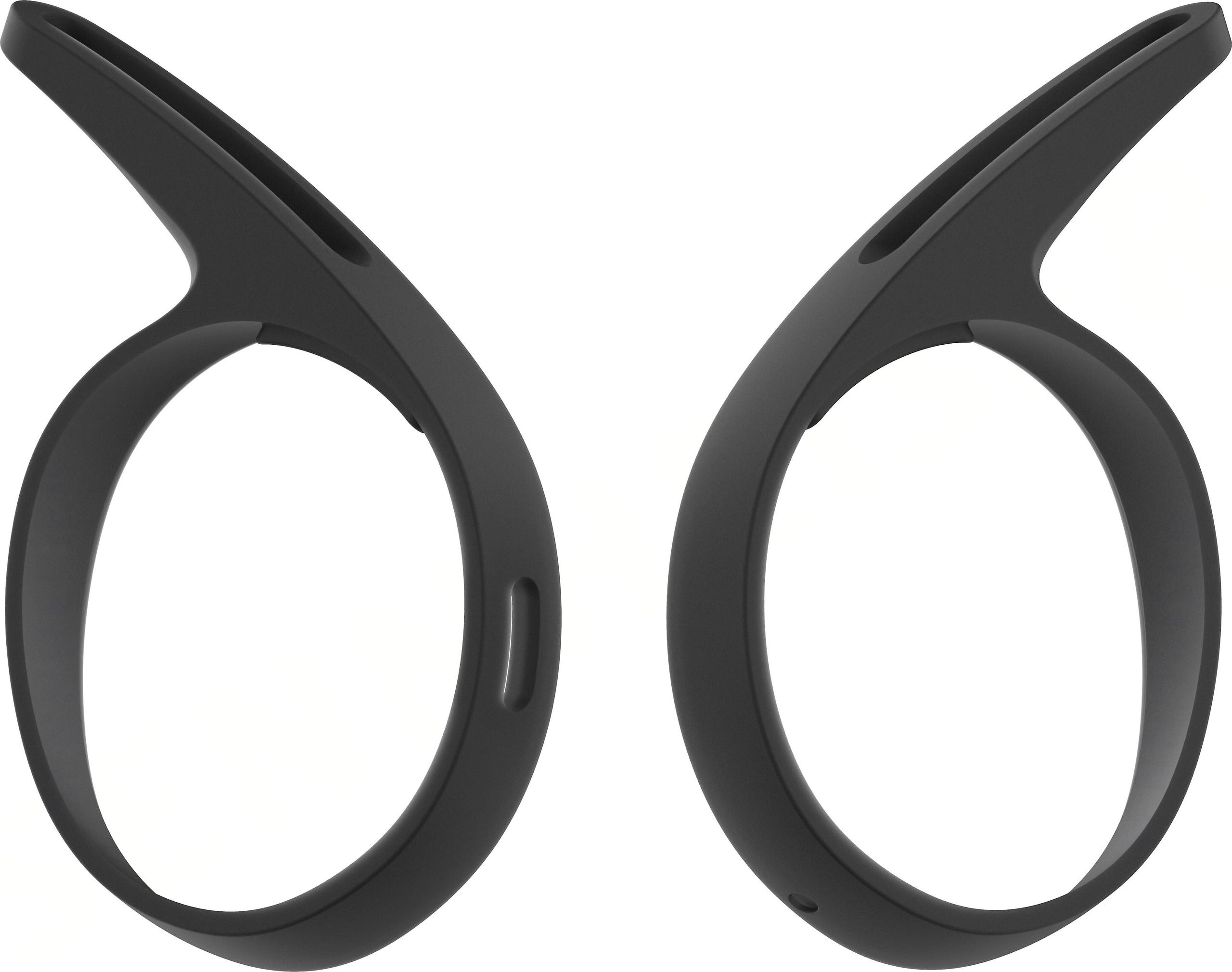
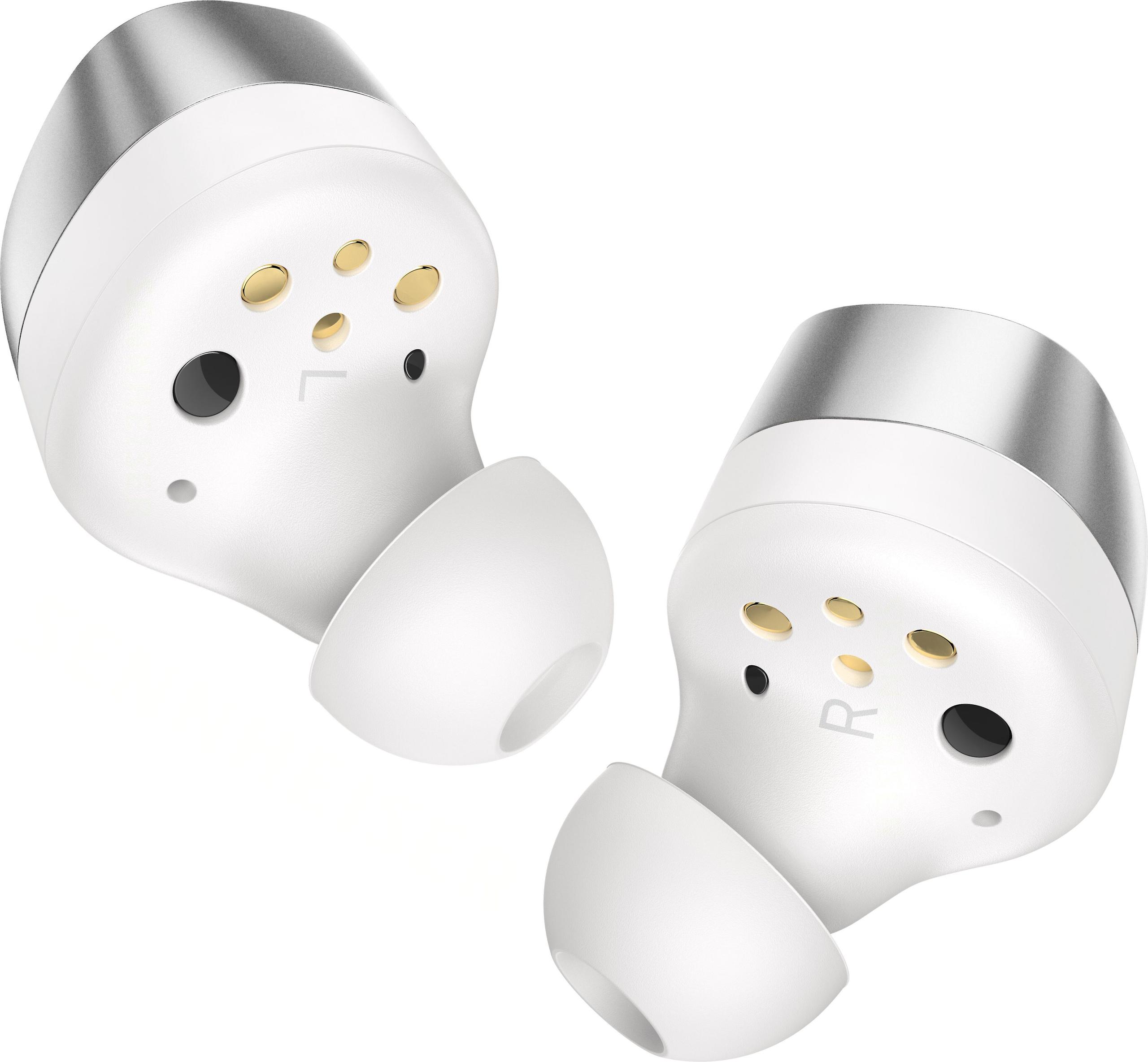
The fit system uses interchangeable wing fins in multiple sizes to lock the earbuds securely in your ears during movement. I found this system worked well across different head shapes and exercise types, from weightlifting to running. The standard model relies on traditional ear tips, which work fine for daily use but can work loose during vigorous activity.
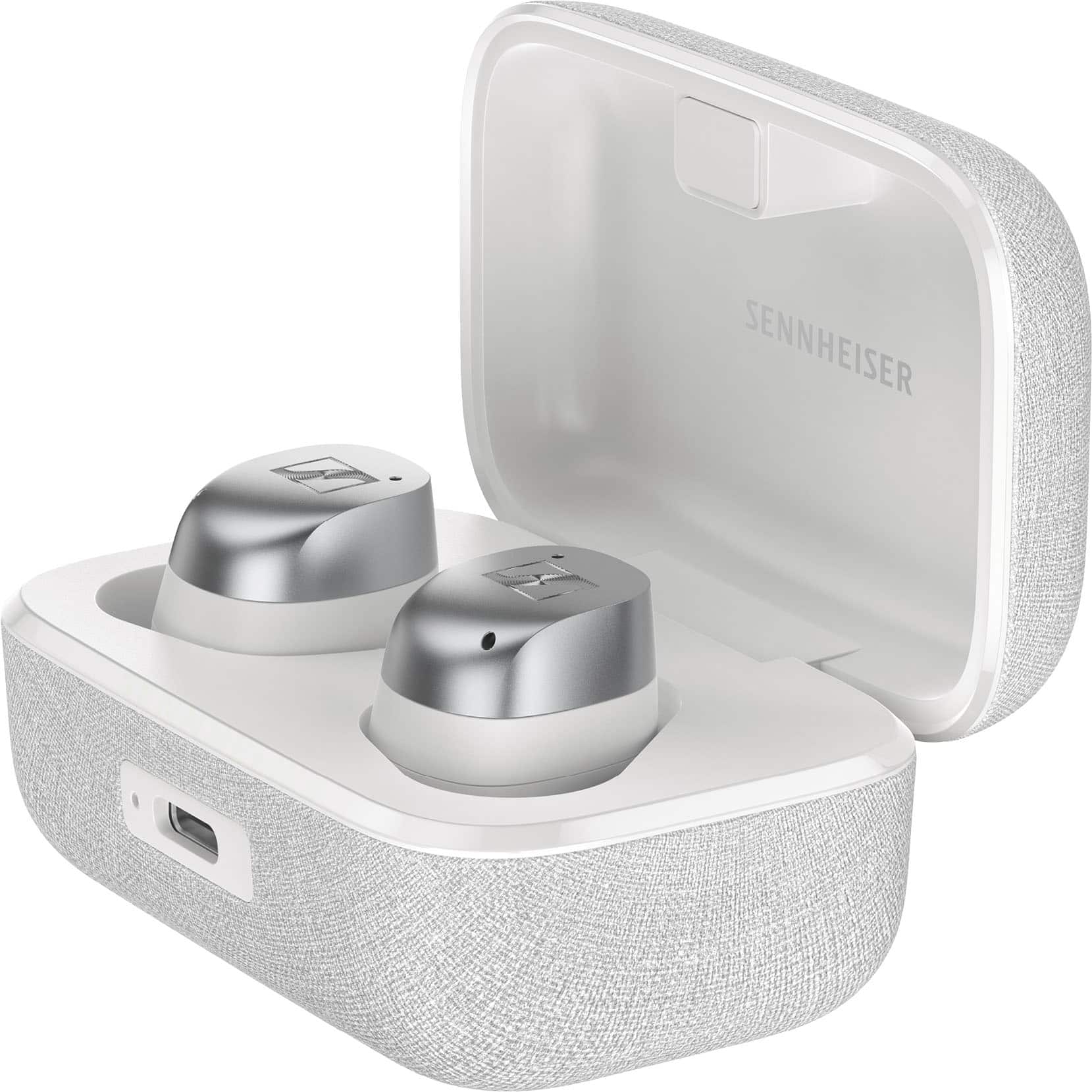
Battery performance reveals another key difference between these models. The MOMENTUM True Wireless 4 delivers 7.5 hours of continuous playback, extending to 30 hours total with the charging case. That's genuinely impressive for earbuds with full ANC and premium codec support.
The Momentum Sport offers 6 hours per charge with 24 total hours including the case. The shorter runtime likely reflects the power demands of the biometric sensors and larger drivers. During workouts, this translates to easily lasting through even long training sessions, but you might need to charge more frequently with daily use.
Both models support fast charging, with the True Wireless 4 providing an hour of playback from just 8 minutes of charging. This is where good charging habits pay off—a quick top-up while getting ready can easily cover your commute or workout.
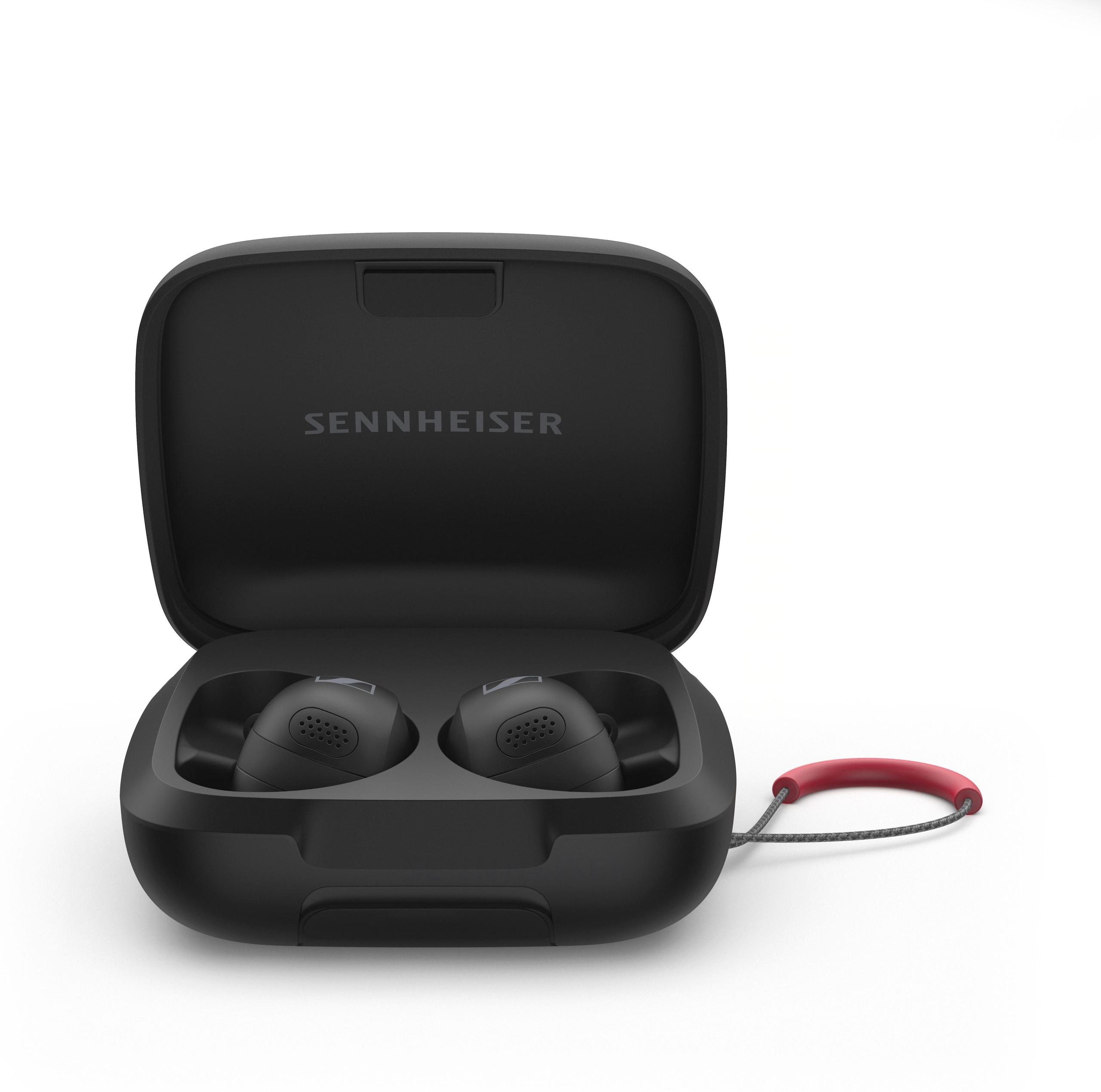
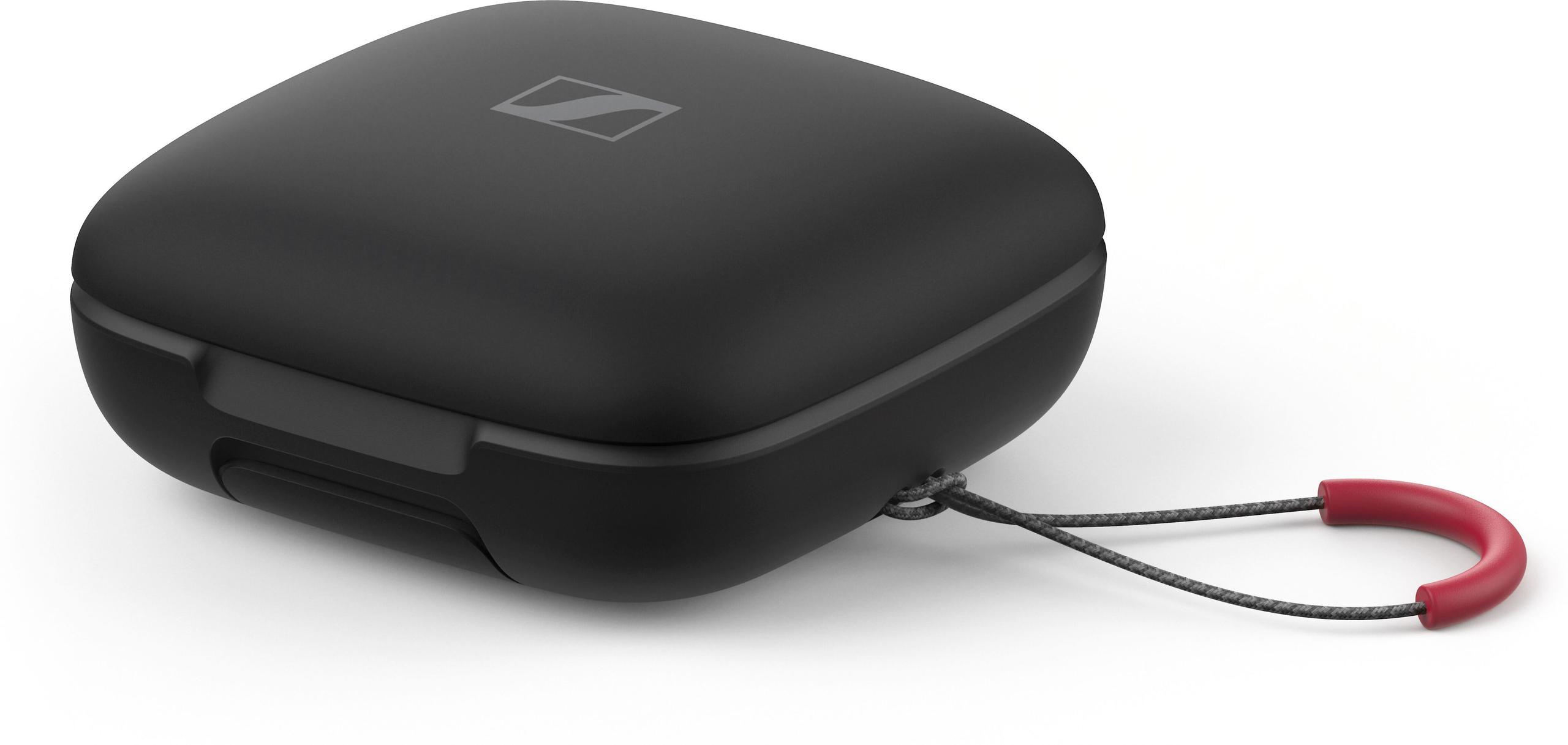
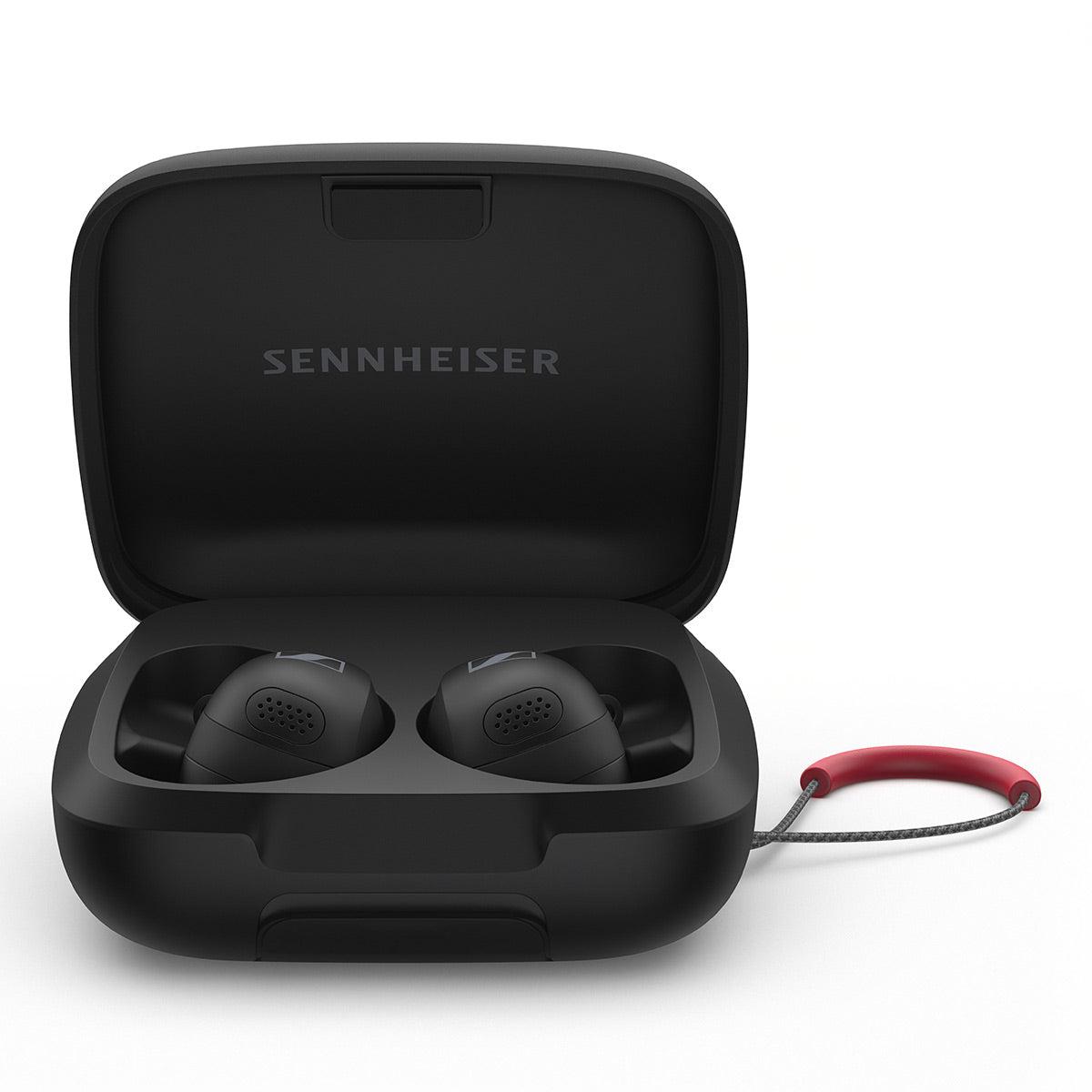
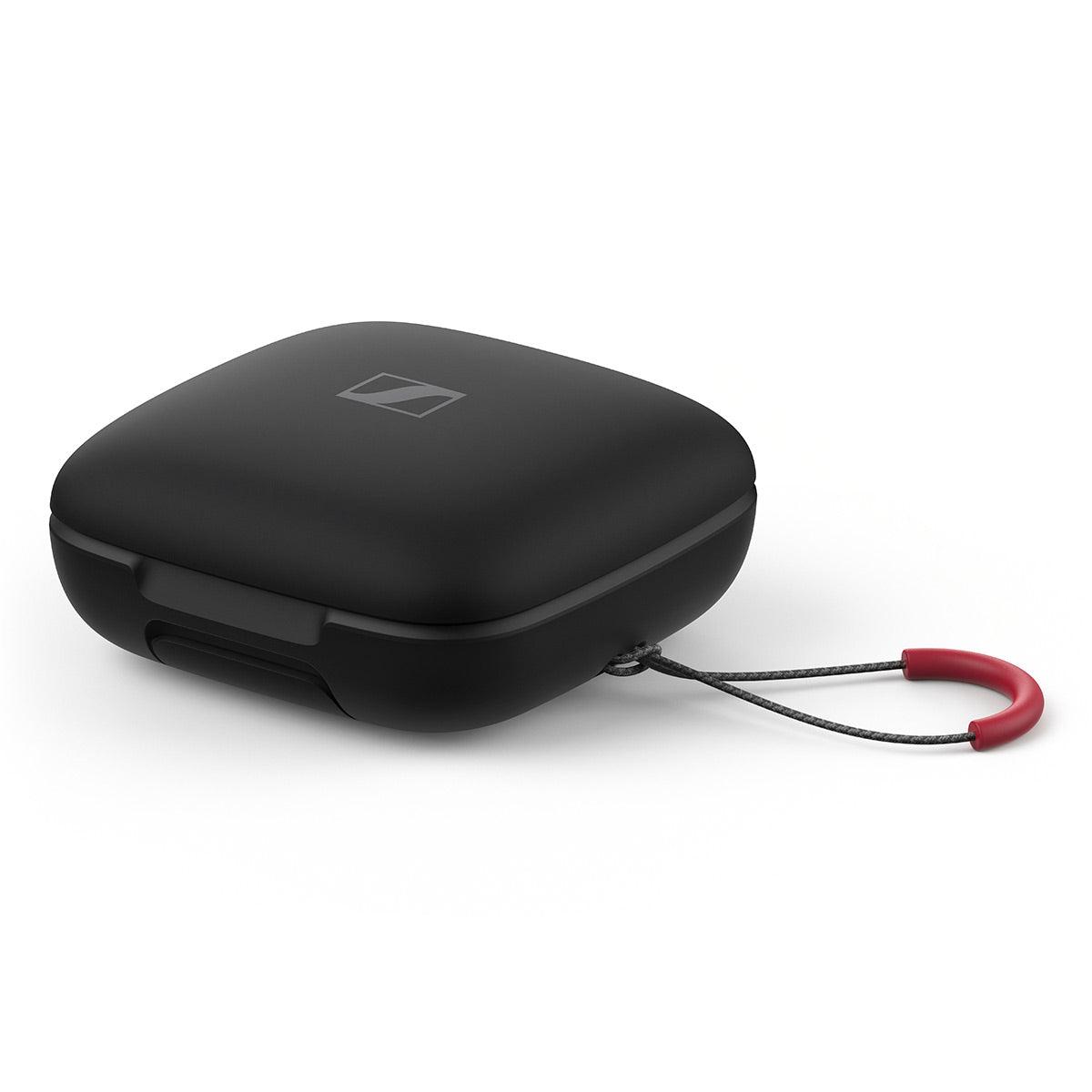
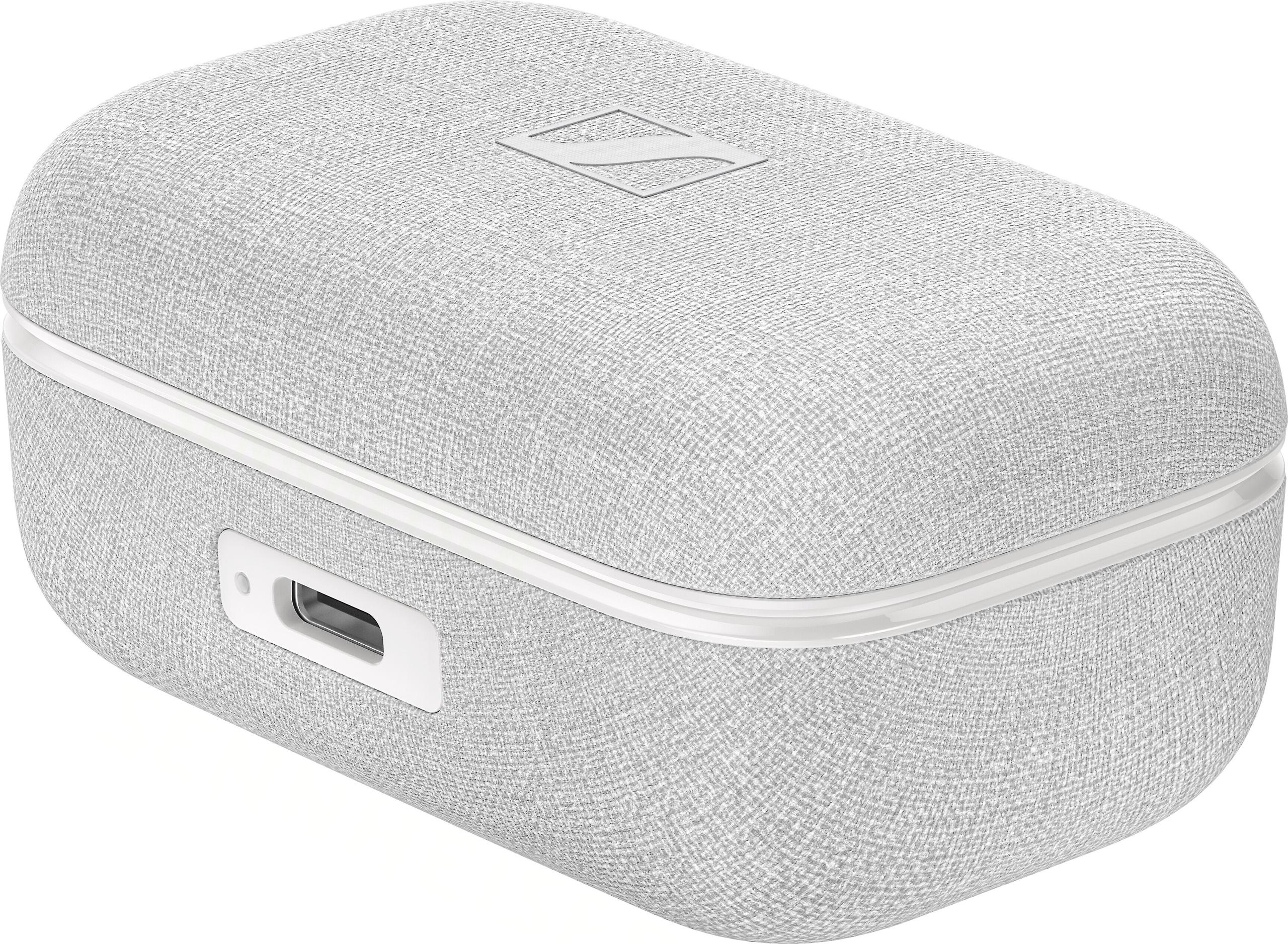
Both charging cases support wireless Qi charging in addition to USB-C, which adds convenience if you already have wireless charging pads at home or in your car. The Sport model's case uses more durable silicone construction that better handles the drops and impacts that come with gym bags.
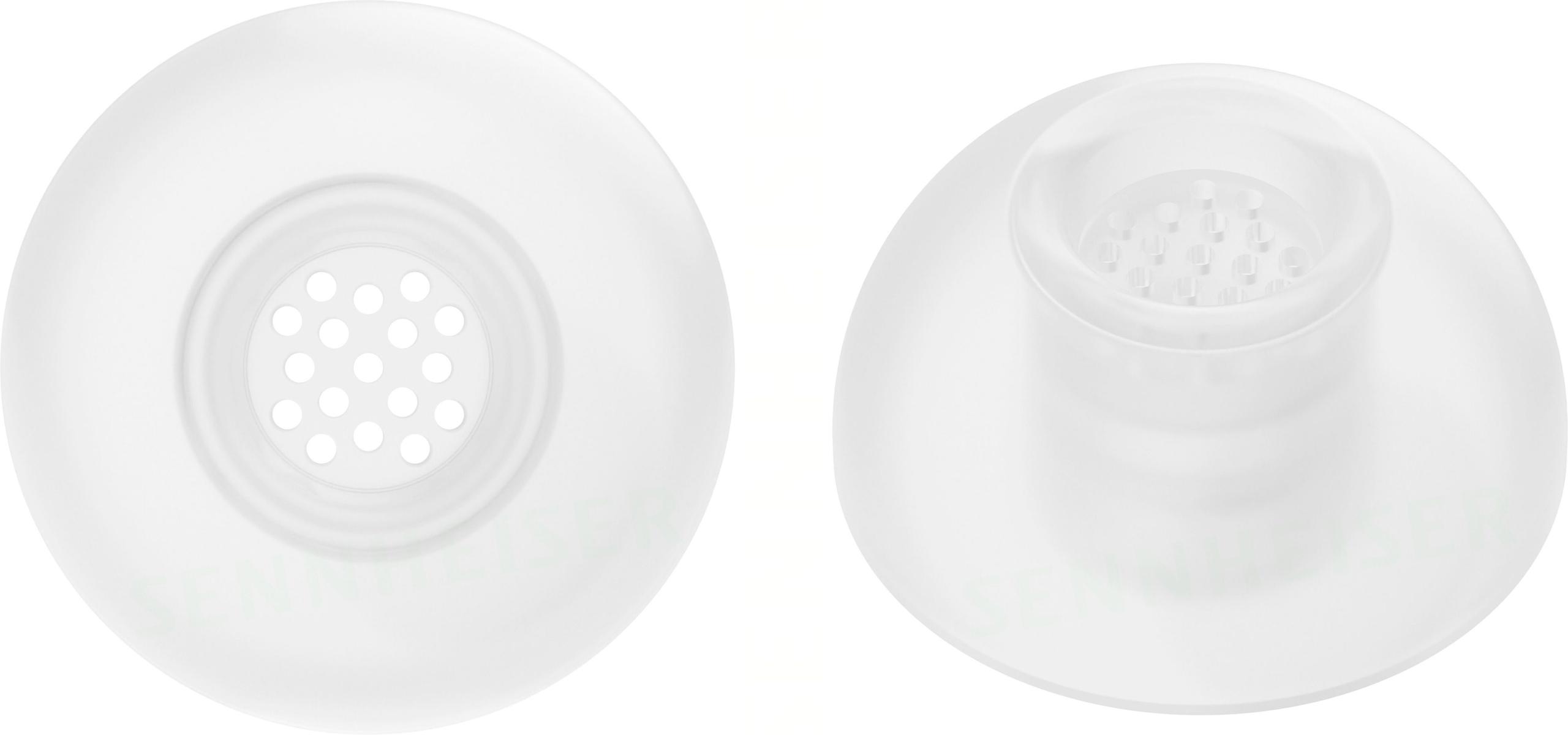
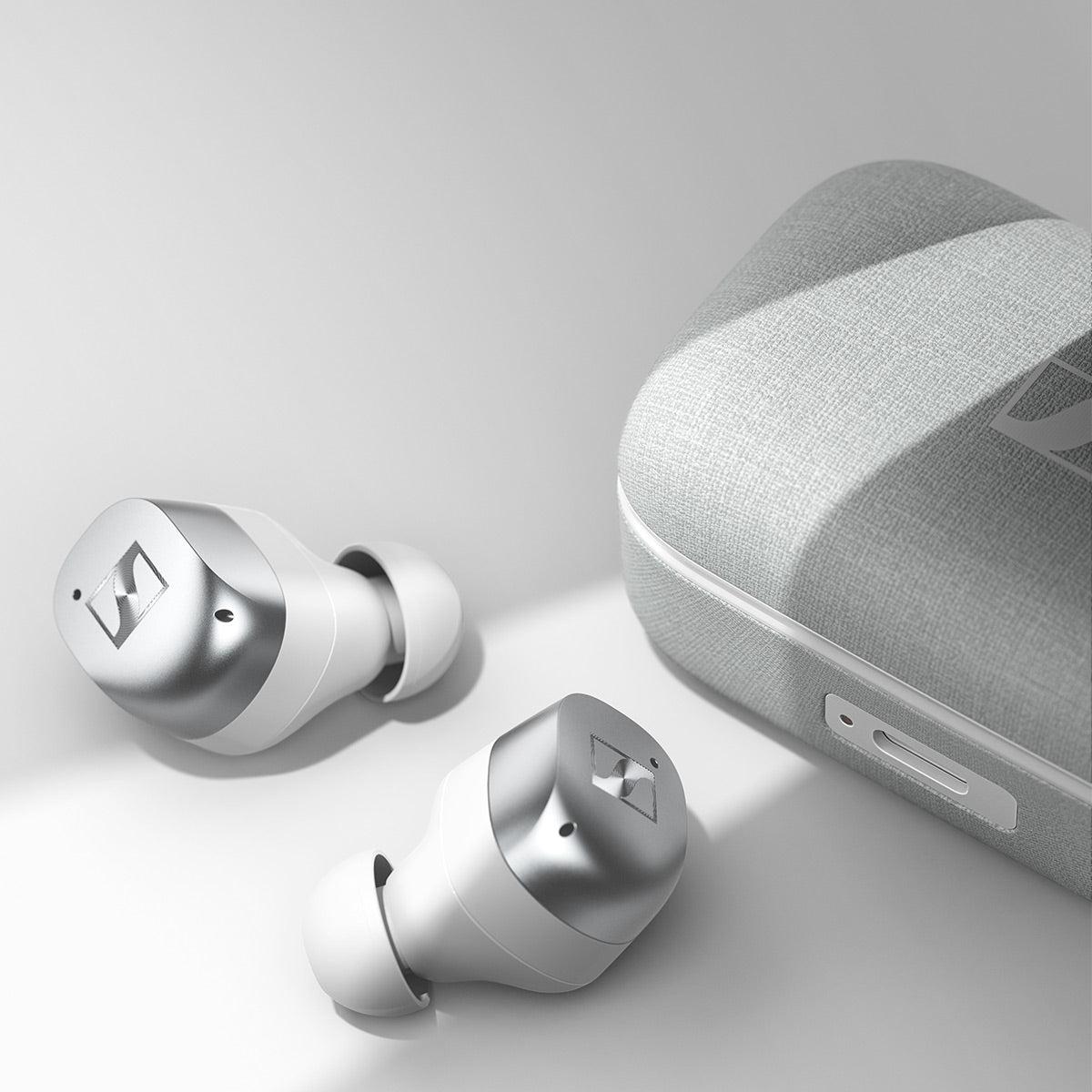
The fit philosophy between these models reflects their intended use cases. The MOMENTUM True Wireless 4 uses a traditional sealed design that creates proper acoustic isolation for critical listening. This deeper seal is essential for getting the full bass response and ANC effectiveness, but some users find it more intrusive during extended wear.
The Momentum Sport's semi-open design feels more natural during long workout sessions. The acoustic vents prevent the pressure buildup that can cause discomfort, and you maintain some awareness of your surroundings for safety. However, this design compromises some bass response and noise isolation compared to the sealed approach.
I found myself preferring the Sport model for workouts longer than an hour, while the True Wireless 4 was more comfortable for focused listening sessions where audio quality mattered most.
At the time of writing, both models command premium prices, with the Momentum Sport carrying roughly a 10% price premium over the MOMENTUM True Wireless 4. This pricing structure initially seems backwards—you're paying more for what appears to be inferior audio technology.
The value equation makes more sense when you consider the Sport model as a combination device. A decent fitness tracker with heart rate monitoring typically costs $100-200, while premium sports earbuds run $200-300. The Momentum Sport consolidates these functions, potentially saving money and reducing the number of devices you need to carry and charge.
For pure audio performance per dollar, the MOMENTUM True Wireless 4 is clearly the better value. You get superior codec support, longer battery life, and more refined sound quality at a lower price point. The only "compromise" is lacking fitness sensors that many users don't need anyway.
You prioritize audio quality above all else. The superior codec support, driver technology, and longer battery life make these the clear choice for serious listening. Whether you're commuting, working from home, or just enjoying music, these earbuds deliver a more refined audio experience.
You already own fitness tracking devices. If you have an Apple Watch, Garmin, or other fitness tracker, paying extra for redundant biometric sensors doesn't make financial sense. You'll get better audio quality for less money.
You want maximum versatility. The True Wireless 4 works equally well for phone calls, music, podcasts, and even light exercise. While not optimized for sports, they'll handle most activities just fine.
You want to consolidate devices. If you're tired of managing multiple gadgets or frequently forget to charge your fitness tracker, having biometrics built into earbuds you already wear for music is genuinely convenient.
You exercise outdoors frequently. The superior weather resistance, secure fit, and anti-wind noise features make these better suited for running, cycling, or other outdoor activities.
You prioritize workout motivation over audio precision. The more forward, energetic sound signature is specifically tuned to keep you moving, even if it sacrifices some audiophile refinement.
After extensive testing, I'd recommend the MOMENTUM True Wireless 4 for most buyers. They deliver superior audio performance, longer battery life, and better value at a lower price point. Unless you specifically need integrated fitness tracking, they're the more rational choice.
The Momentum Sport earbuds are harder to recommend broadly but make perfect sense for specific users. If you exercise regularly, want to reduce device clutter, and value the convenience of integrated biometrics, the premium is justifiable. They're particularly compelling for outdoor athletes who benefit from the superior weather resistance and anti-wind features.
Both models represent Sennheiser's commitment to premium audio quality, but they serve fundamentally different needs. The True Wireless 4 prioritizes pure audio performance and broad appeal, while the Sport model sacrifices some audio refinement for specialized fitness features.
The decision ultimately comes down to whether you view earbuds as primarily audio devices that can handle exercise, or as integrated fitness tools that also happen to play great music. Both approaches have merit—you just need to be honest about which philosophy better matches your actual usage patterns and priorities.
In my experience, most people overestimate how much they'll use fitness features and underestimate how much they'll appreciate superior audio quality in daily use. But if you're genuinely committed to regular exercise and want to streamline your device ecosystem, the Momentum Sport offers a compelling all-in-one solution that works remarkably well for its intended purpose.
| Sennheiser Momentum Sport True Wireless Earbuds | Sennheiser MOMENTUM True Wireless 4 Earbuds |
|---|---|
| Driver Size - Larger drivers typically mean more impactful bass | |
| 10mm dynamic drivers (bigger for workout motivation) | 7mm TrueResponse drivers (smaller but more precise) |
| Bluetooth & Codec Support - Higher quality audio streaming capabilities | |
| Bluetooth 5.2, aptX Adaptive (good but missing latest features) | Bluetooth 5.4, aptX Lossless (cutting-edge wireless audio quality) |
| Battery Life - Critical for long listening sessions | |
| 6 hours earbuds, 24 hours total (adequate for workouts) | 7.5 hours earbuds, 30 hours total (excellent for daily use) |
| Water Resistance - Protection against sweat and weather | |
| IP55 (comprehensive protection, handles water jets) | IP54 (basic protection, fine for light exercise) |
| Unique Features - What sets each model apart | |
| Heart rate & body temperature sensors, Polar Flow integration | Superior soundstage, Sound Personalization with Fraunhofer Institute |
| Fit Design - How they stay secure and comfortable | |
| Semi-open design with interchangeable wing fins (secure for sports) | Traditional sealed design with multiple ear tips (better isolation) |
| Noise Cancellation Approach - Different ANC philosophies | |
| Adaptive ANC with anti-wind mode (sports-optimized) | Adaptive ANC with superior midrange noise blocking (commute-optimized) |
| Frequency Response - Audio range capabilities | |
| 15Hz-18kHz (focused on workout-relevant frequencies) | 5Hz-21kHz (extended range for critical listening) |
| Target Use Case - Who each model serves best | |
| Serious athletes wanting device consolidation | Audiophiles prioritizing sound quality and versatility |
The Sennheiser MOMENTUM True Wireless 4 delivers superior sound quality with more precise 7mm TrueResponse drivers and support for aptX Lossless codec. The Sennheiser Momentum Sport has larger 10mm drivers that provide more impactful bass for workouts, but the MOMENTUM True Wireless 4 offers better detail and instrument separation for critical listening.
The key difference is that the Momentum Sport includes integrated heart rate and body temperature sensors for fitness tracking, while the MOMENTUM True Wireless 4 focuses purely on premium audio quality. The Sport model is designed for athletes, while the True Wireless 4 targets audiophiles and general users.
The Sennheiser Momentum Sport are specifically designed for exercise with IP55 water resistance, secure wing fin design, biometric sensors, and anti-wind noise mode. The MOMENTUM True Wireless 4 can handle light workouts but lack the specialized sports features and have lower IP54 water resistance.
Yes, both the Momentum Sport and MOMENTUM True Wireless 4 feature adaptive active noise cancellation. However, the True Wireless 4 provides more aggressive noise blocking for commuting, while the Sport model uses less intensive ANC to maintain situational awareness during exercise.
The MOMENTUM True Wireless 4 offers superior battery life with 7.5 hours per charge and 30 total hours with the case. The Momentum Sport provides 6 hours per charge and 24 total hours, likely due to the power requirements of the integrated biometric sensors.
Yes, the Sennheiser Momentum Sport work well for everyday music listening, though they're optimized for workout scenarios. For pure music enjoyment, the MOMENTUM True Wireless 4 deliver more refined audio quality with better codec support and longer battery life for extended listening sessions.
The MOMENTUM True Wireless 4 supports more advanced codecs including aptX Lossless for CD-quality wireless audio. The Momentum Sport supports aptX Adaptive but lacks the latest lossless codec, making the True Wireless 4 better for high-resolution music streaming.
The Sennheiser Momentum Sport provides highly accurate heart rate monitoring that typically matches dedicated chest strap monitors within 2-3 beats per minute. The body temperature sensor adds useful training data, and both integrate seamlessly with popular fitness apps like Polar Flow, Garmin Connect, and Strava.
The MOMENTUM True Wireless 4 generally offer better value with superior audio technology, longer battery life, and broader appeal at a lower price point. The Momentum Sport justify their premium only if you specifically need integrated fitness tracking to replace a separate fitness device.
Both the Momentum Sport and MOMENTUM True Wireless 4 feature multiple microphones for clear call quality. The True Wireless 4 may have a slight edge for office calls due to better noise cancellation, while the Sport model includes anti-wind features beneficial for outdoor calls.
Comfort depends on use case - the Momentum Sport feature a semi-open design that reduces pressure buildup during long workouts, while the MOMENTUM True Wireless 4 use a traditional sealed design better for extended music listening. The Sport model may feel more natural during active use.
Both the Sennheiser Momentum Sport and MOMENTUM True Wireless 4 support multipoint Bluetooth connectivity, allowing connection to two devices simultaneously. The True Wireless 4 may offer more stable connections due to the newer Bluetooth 5.4 technology compared to the Sport model's Bluetooth 5.2.
We've done our best to create useful and informative comparisons to help you decide what product to buy. Our research uses advanced automated methods to create this comparison and perfection is not possible - please contact us for corrections or questions. These are the sites we've researched in the creation of this article: rtings.com - shop.prevention.com - youtube.com - techradar.com - sennheiser-hearing.com - youtube.com - dcrainmaker.com - head-fi.org - whathifi.com - youtube.com - youtube.com - head-fi.org - ecoustics.com - soundguys.com - audio46.com - moon-audio.com - newsroom.sennheiser.com - youtube.com - shop.menshealth.com - the5krunner.com - youtube.com - bloomaudio.com - eftm.com - soundguys.com - techradar.com - sennheiser-hearing.com - rtings.com - crutchfield.com - head-fi.org - soundguys.com - whathifi.com - audiophilia.com - bestbuy.com - cnet.com - sennheiser-hearing.com - audiosciencereview.com - stereonet.com - bloomaudio.com - youtube.com - whathifi.com - techgearlab.com - headmania.org - audiosciencereview.com - bestbuy.com - newsroom.sennheiser.com - assets.sennheiser.com - loudnwireless.com - youtube.com - gzhls.at - head-fi.org - sennheiser-hearing.com - audio46.com - hearfit.ca - sennheiser-hearing.com - bhphotovideo.com

Privacy Policy
Terms and Conditions - Affiliate Policy
Home Security
© Copyright 2008-2026.
11816 Inwood Rd #1211, Dallas, TX 75244