

The wireless earbud market has exploded over the past few years, creating both incredible opportunities and overwhelming choices for consumers. With options ranging from budget-friendly models under $30 to premium offerings exceeding $300, understanding which earbuds deliver the right balance of features and value has never been more important.
Today we're comparing two earbuds that represent vastly different approaches to the same basic goal: delivering great audio without wires. The TOZO A1 launched in 2024 as an ultra-affordable option prioritizing comfort and reliability, while the Sennheiser Momentum Sport debuted in April 2024 as a premium fitness-focused model with integrated health sensors and professional audio tuning.
Before diving into specifics, it's worth understanding what separates good wireless earbuds from mediocre ones. The most critical factors are sound quality, battery life, fit and comfort, connectivity reliability, and special features that justify the asking price.
Sound quality comes down to driver technology—the tiny speakers inside each earbud—and how well they're tuned. Larger drivers typically produce better bass response and overall dynamics, while the frequency response (which frequencies the earbuds can reproduce) determines how much detail you'll hear across the audio spectrum.
Battery life involves both single-charge duration and total capacity with the charging case. Modern earbuds should provide at least 5-6 hours per charge, with cases extending total playtime to 20+ hours.
Connectivity has improved dramatically with newer Bluetooth versions and advanced audio codecs (compression algorithms that determine audio quality over wireless connections). Features like quick pairing, stable connections, and low latency for video watching have become standard expectations.
The challenge is finding the right balance of these elements at a price point that makes sense for your usage patterns and budget constraints.
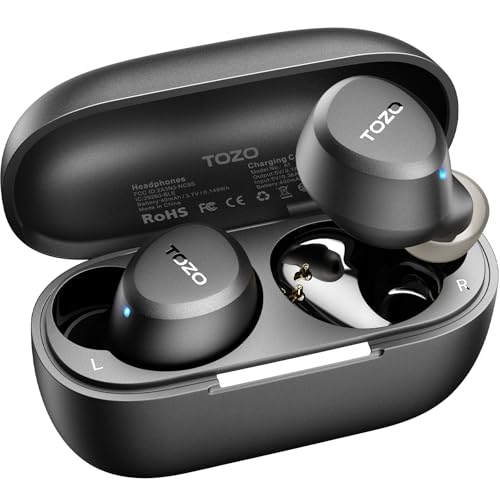
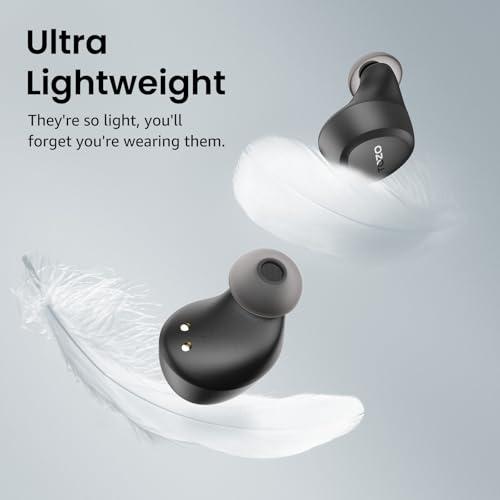
The TOZO A1 represents the "essential functionality done well" approach. At a budget-friendly price point (typically under $30 at the time of writing), it focuses on delivering core wireless earbud functionality without premium frills. Each earbud weighs just 3.7 grams—lighter than a penny—making them nearly invisible when worn.
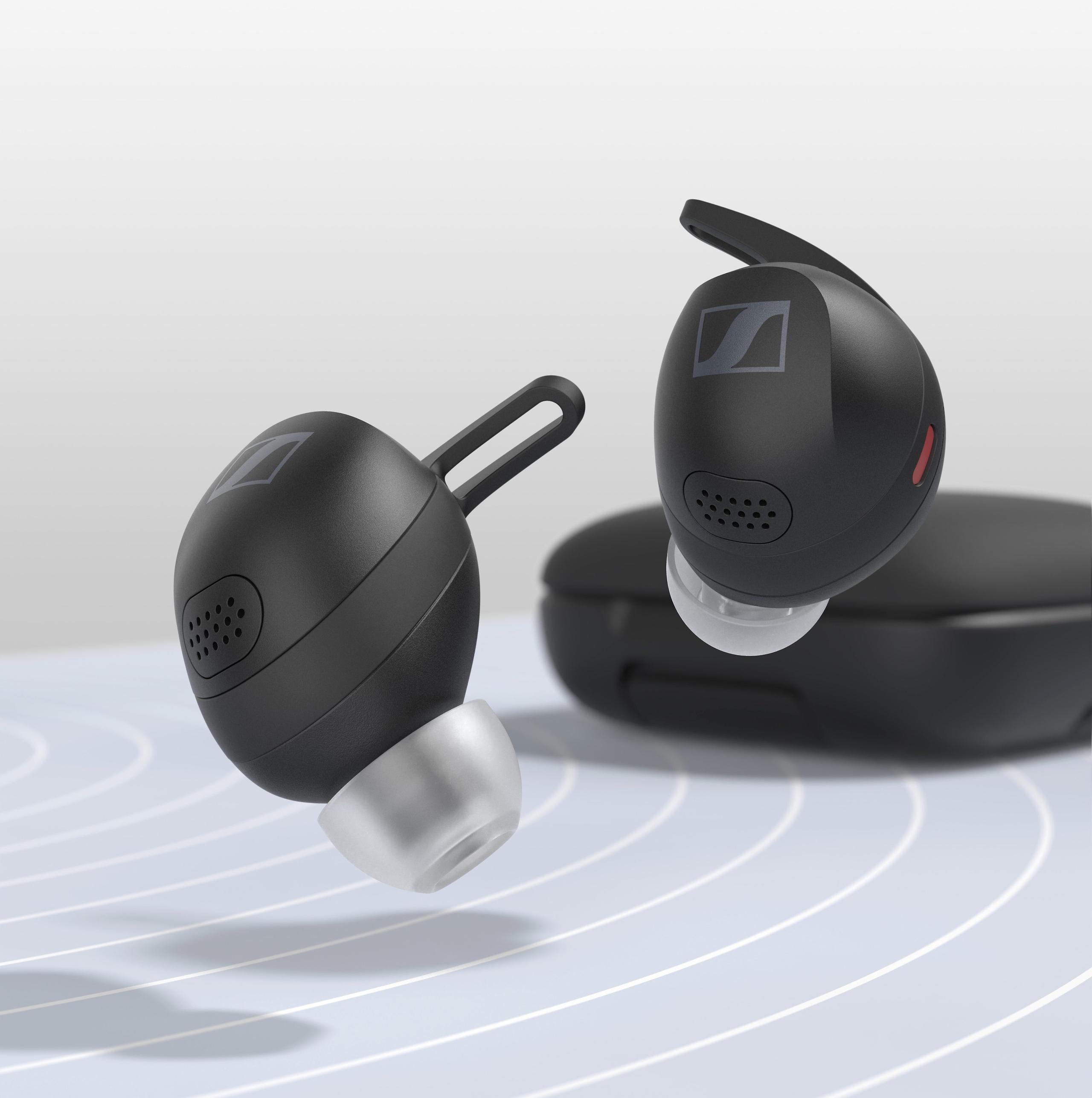
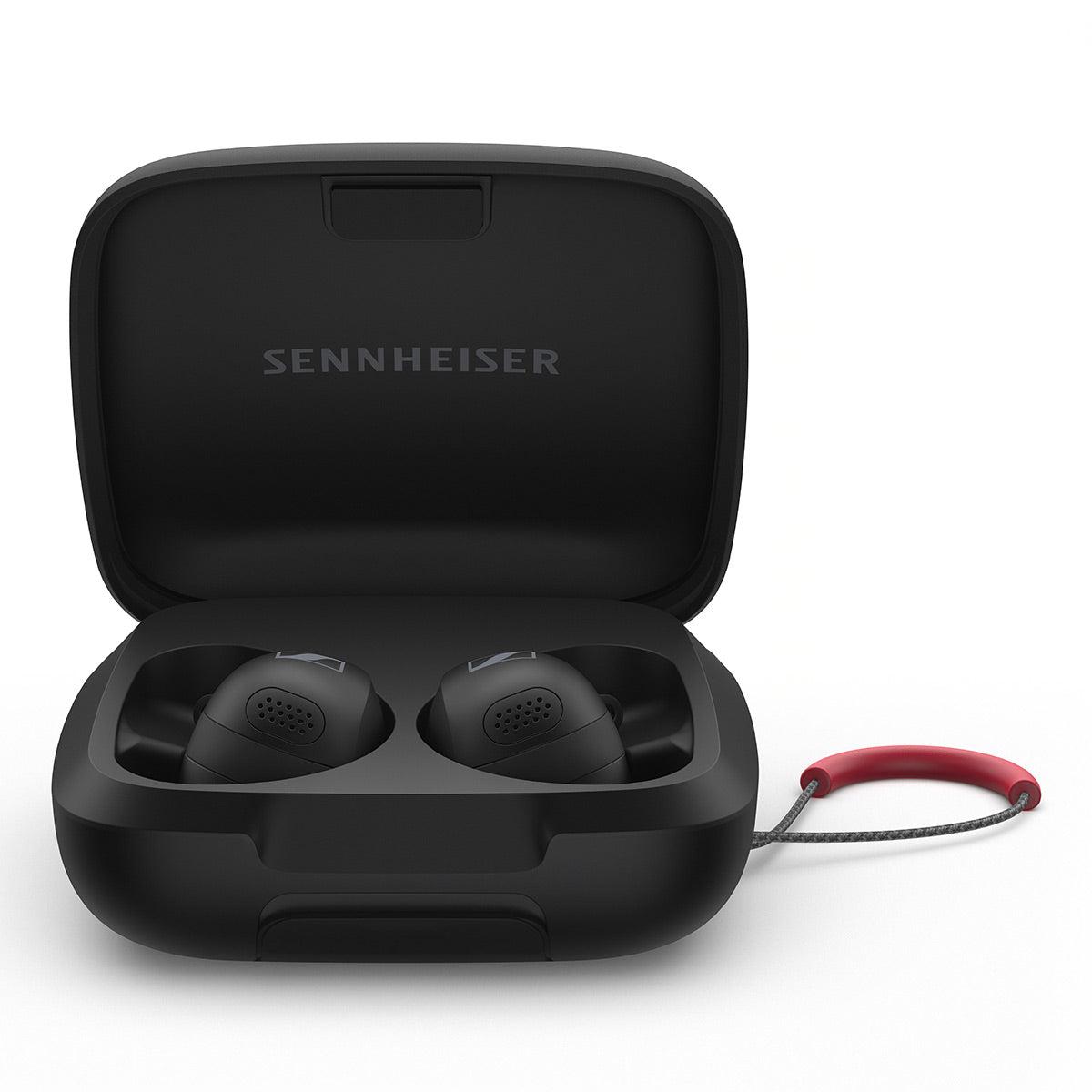
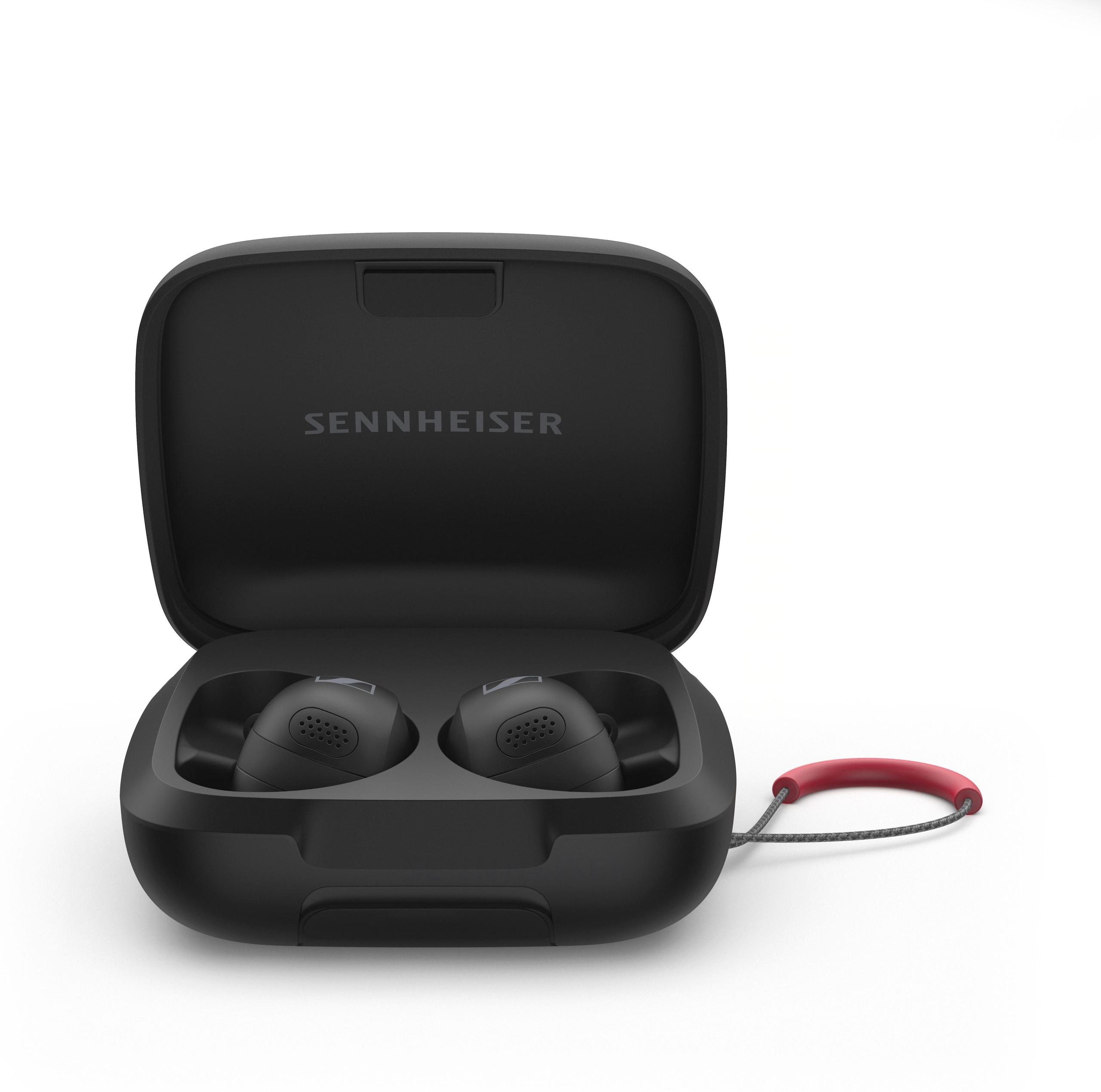
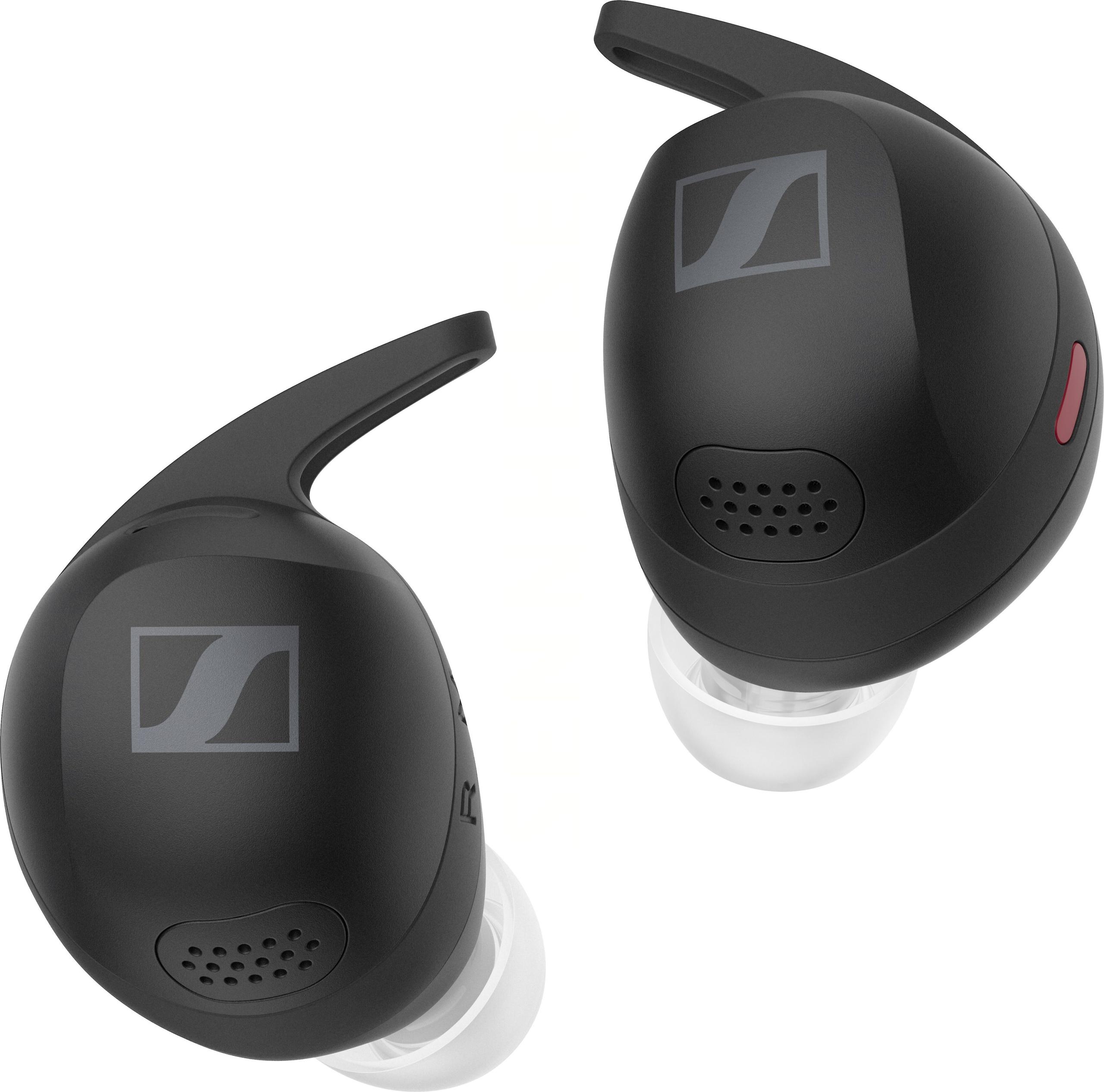
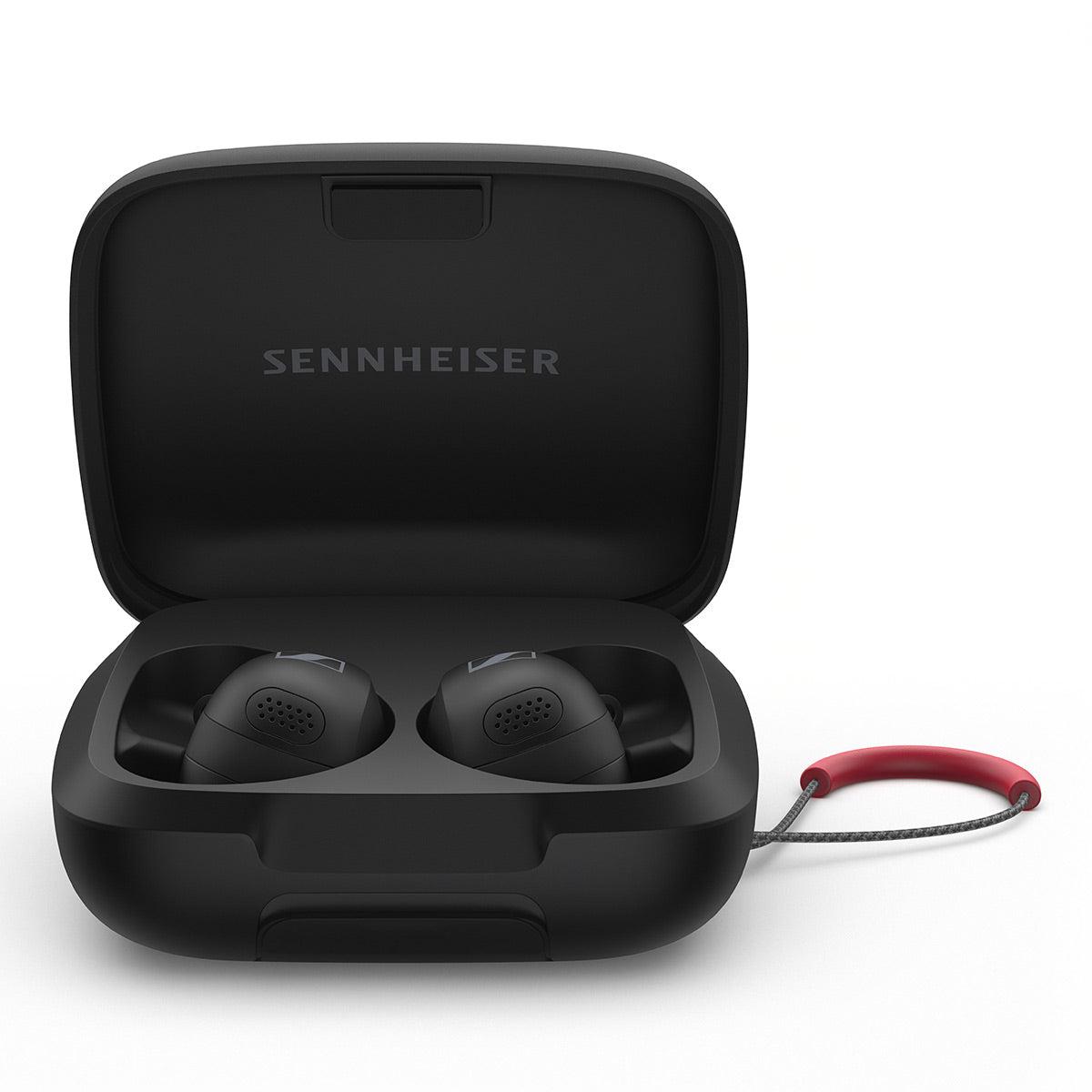
The Sennheiser Momentum Sport, conversely, embodies the "premium everything" philosophy. Priced significantly higher (around $150+ at the time of writing), it integrates biometric sensors, adaptive noise cancellation, and professional audio tuning into a package designed specifically for active users.
These different approaches create distinct value propositions that appeal to entirely different user types, making the comparison more about finding the right fit for your needs than determining an absolute winner.
Sound quality represents the most significant performance gap between these earbuds, though both deliver surprisingly good results for their respective price points.
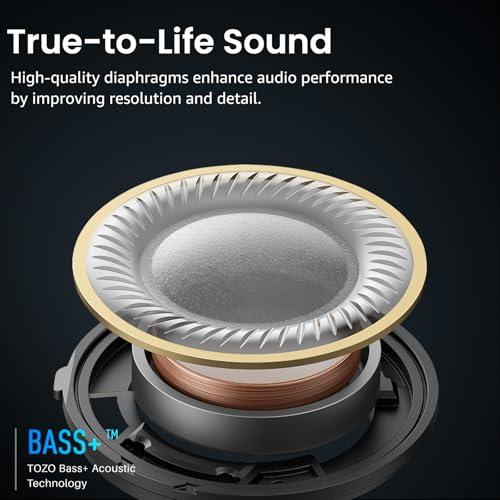
The TOZO A1 uses 6mm dynamic drivers with a frequency response spanning 20Hz to 20kHz—covering the full range of human hearing. Based on user feedback and expert evaluations, the A1 delivers a mid-focused sound signature that's less bass-heavy than many budget competitors. This tuning actually works well for spoken content like podcasts and audiobooks, where clear vocals matter most. The earbuds support both SBC and AAC codecs, ensuring good compatibility with iOS and Android devices.
However, the TOZO A1's sound lacks the refinement you'd expect from more expensive models. Professional reviews consistently note limited instrument separation—meaning different parts of complex music can blur together—and less dynamic expression. The bass, while balanced, doesn't have the impact that motivates during workouts or makes electronic music truly engaging.
The Sennheiser Momentum Sport leverages significantly larger 10mm drivers and decades of acoustic engineering expertise. These larger drivers can move more air, creating deeper bass and more detailed midrange reproduction. The earbuds support aptX Adaptive, an advanced codec that adjusts quality and latency based on your environment and device capabilities—something the TOZO A1 simply cannot offer.
Expert reviews praise the Momentum Sport's sound as "clear and expansive" with "tight and solid bass," though some note it doesn't quite reach Sennheiser's traditional high-end standards. The enhanced bass response is specifically tuned for workout motivation, helping drive energy during intense sessions.
For casual listening—music during commutes, background audio while working, or podcast consumption—the TOZO A1 performs admirably. For critical listening, workout motivation, or appreciating complex musical arrangements, the Sennheiser Momentum Sport justifies its premium with noticeably superior audio quality.
Battery performance tells an interesting story where the budget option actually outperforms its premium competitor in raw numbers.
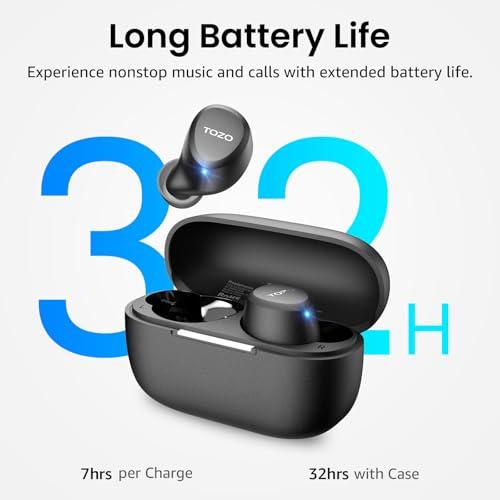
The TOZO A1 delivers 5.5 to 7 hours per charge from its 40mAh batteries, with the 400mAh charging case providing up to 32 total hours of listening time. This exceptional endurance comes from efficient power management and the lack of power-hungry features like active noise cancellation.
The Sennheiser Momentum Sport provides approximately 6 hours per charge with ANC active, totaling 24 hours with its charging case. While still respectable, the premium features—biometric sensors, adaptive noise cancellation, and higher-power audio processing—consume more energy.
For users who frequently travel, work long hours, or simply hate charging devices, the TOZO A1's 33% longer total battery life represents a meaningful advantage. The ability to use either earbud independently effectively doubles the available listening time by rotating between them.
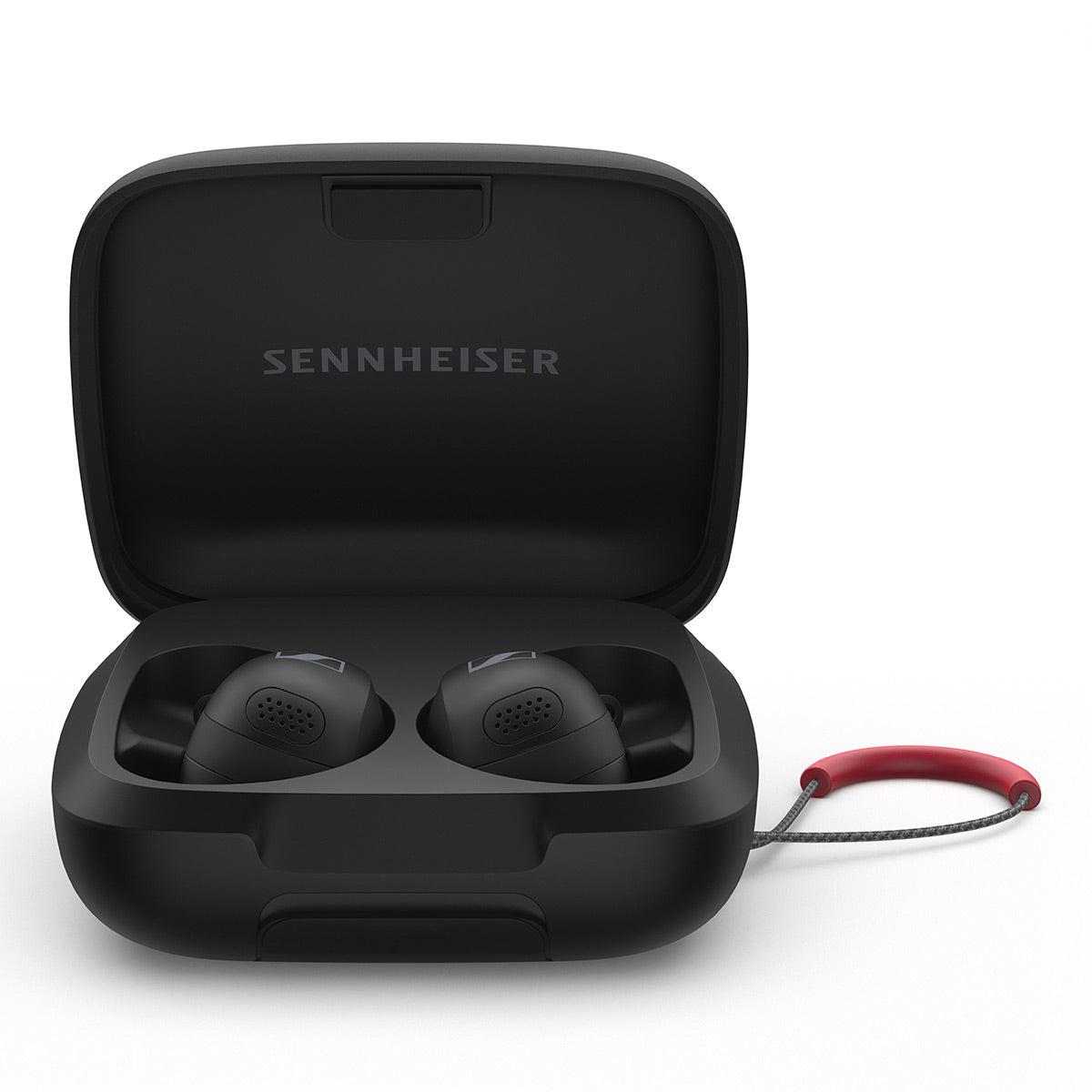
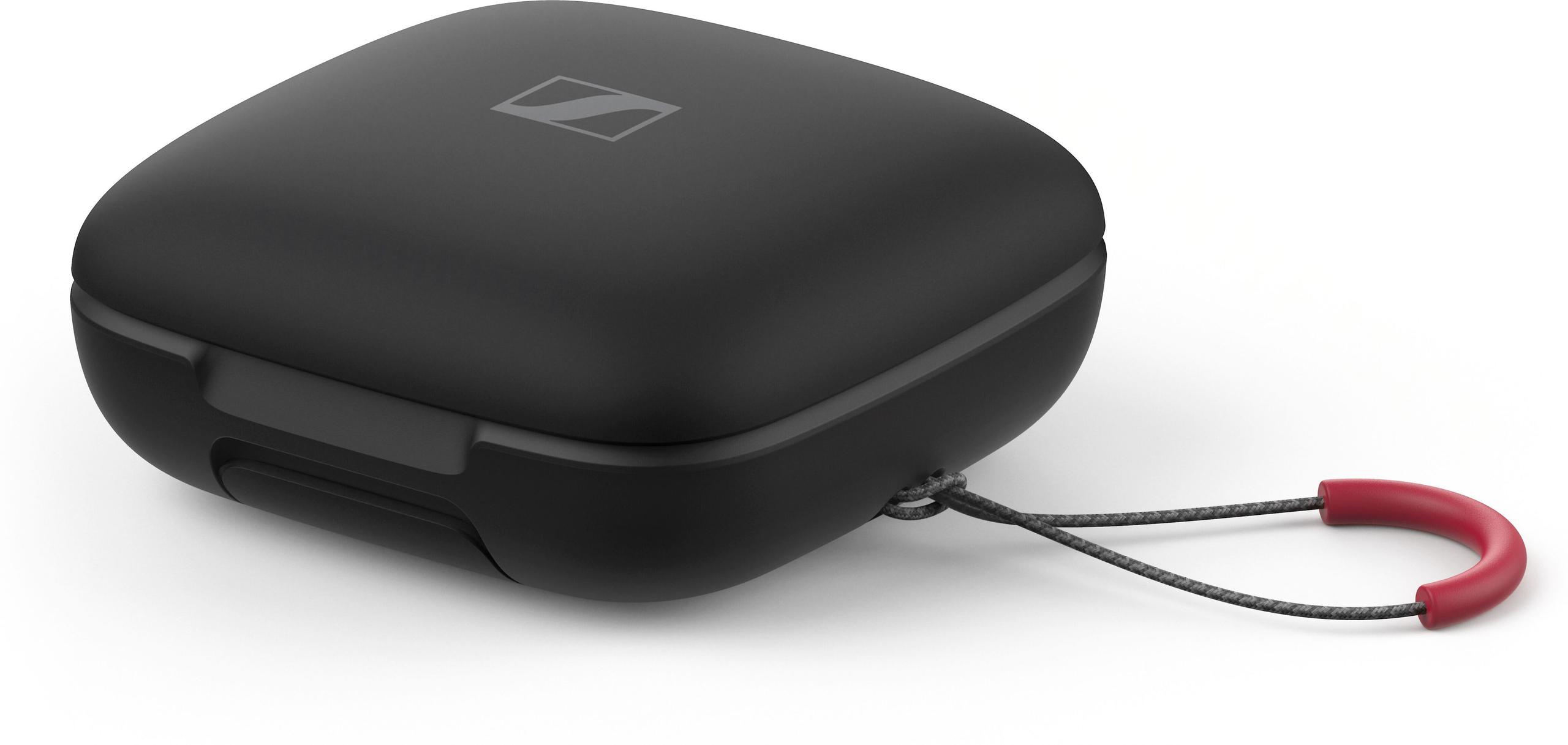
Both models charge via USB-C, though the Sennheiser Momentum Sport adds convenient Qi wireless charging support—a nice premium touch that eliminates the need to fumble with cables.
Both earbuds benefit from recent Bluetooth improvements, though they implement different versions with distinct advantages.
The TOZO A1 uses Bluetooth 5.3, the latest standard offering improved power efficiency, better range (up to 12 meters), and enhanced stability. User reports consistently praise the minimal audio latency—the delay between video and audio—which is unusual for budget earbuds and makes them excellent for watching content on phones or tablets.
The Sennheiser Momentum Sport implements Bluetooth 5.2 with aptX Adaptive support. While slightly older, this combination provides superior audio quality for compatible devices and seamless integration with fitness ecosystems like Polar Flow, Garmin Connect, and Strava.
The Momentum Sport also includes "Sound Zones"—automated settings that activate based on your location. Arrive at the gym and bass boost automatically engages; enter the office and noise cancellation activates. These intelligent features represent the kind of thoughtful engineering that justifies premium pricing for users who value convenience.
This category reveals the starkest differences between these earbuds, highlighting their distinct target audiences.
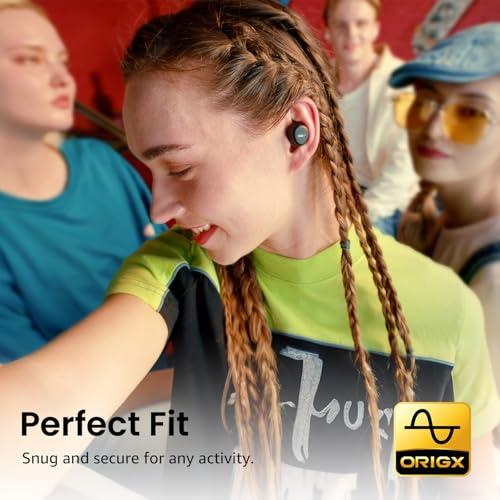
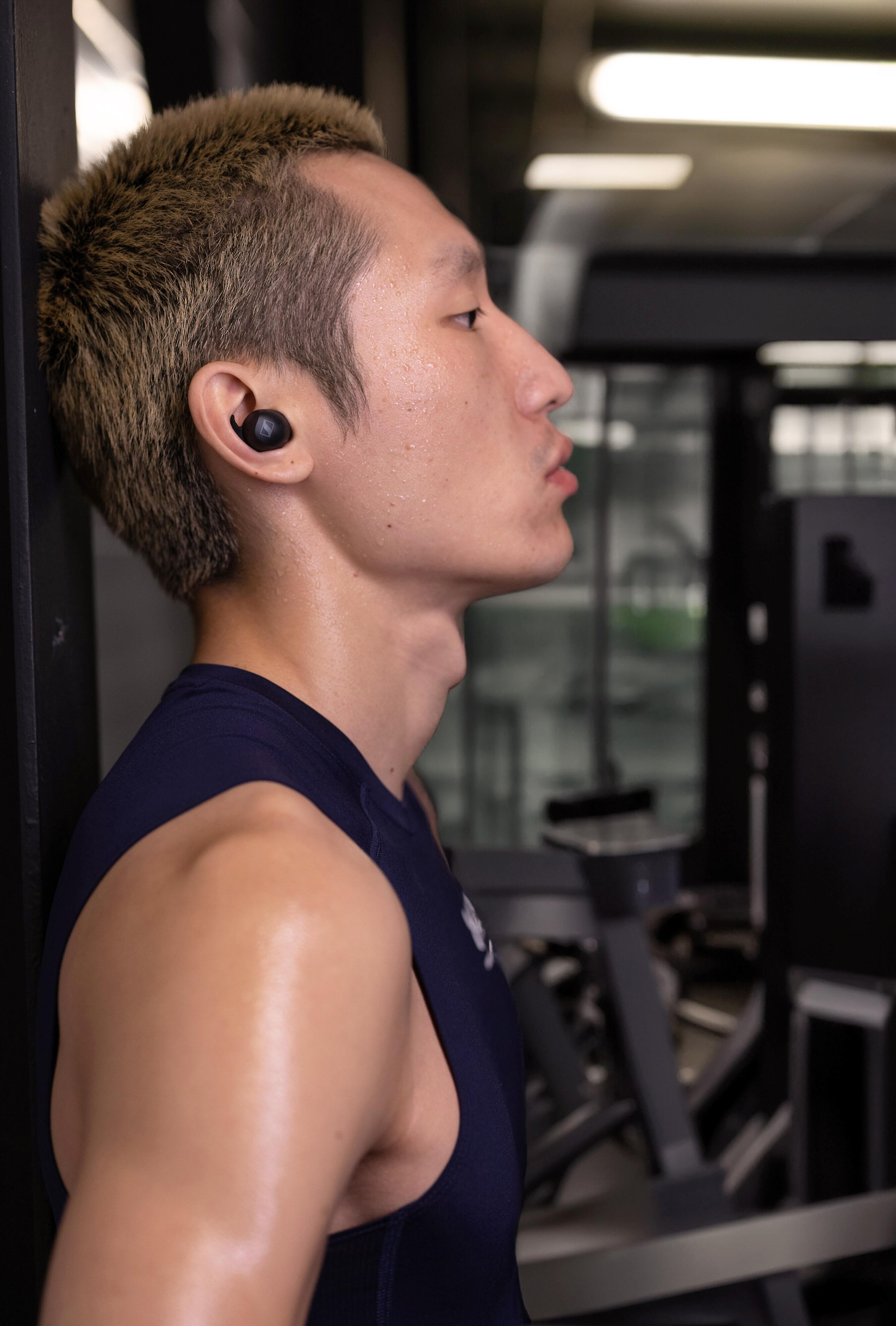
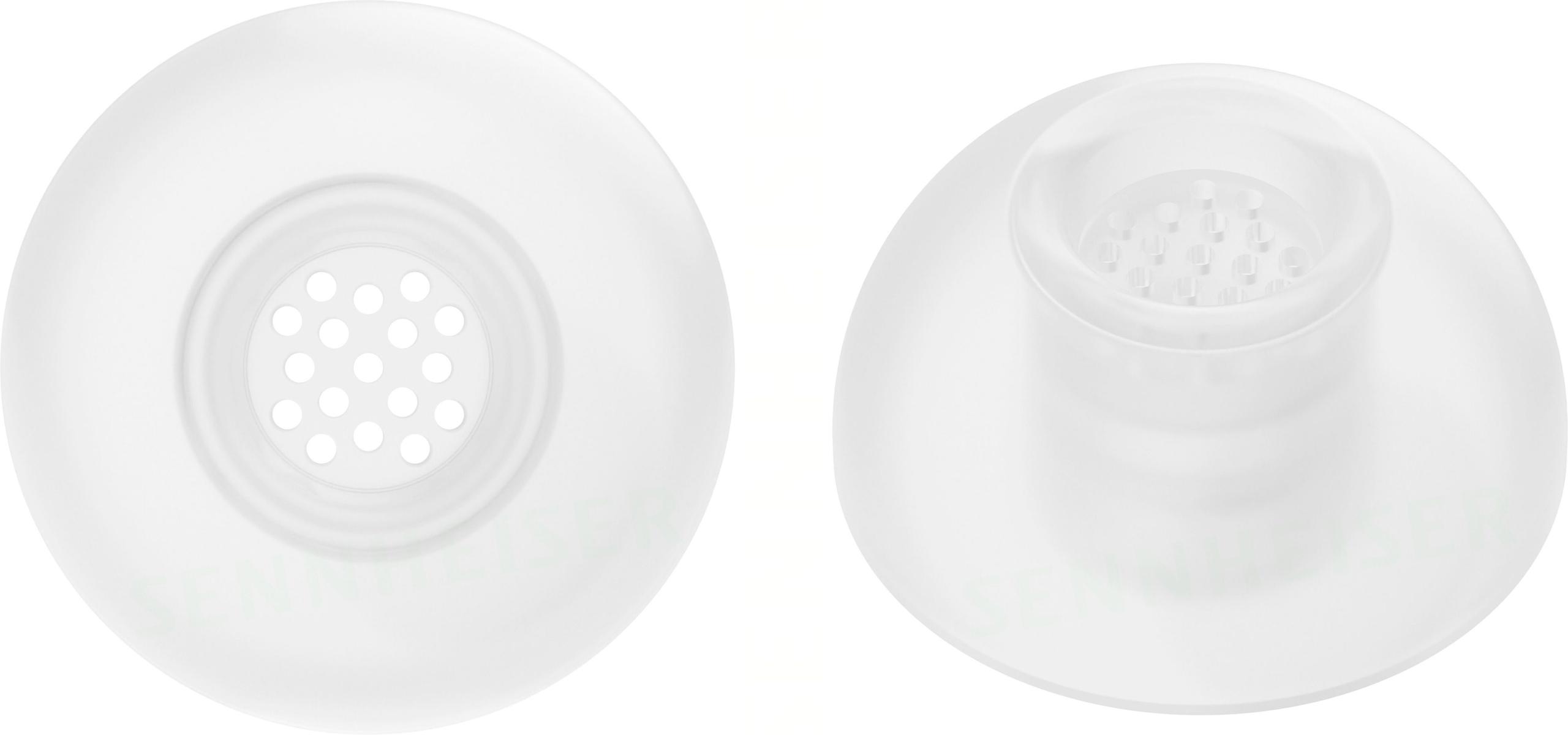
The TOZO A1 succeeds as a fitness option primarily through simplicity and comfort. The ultra-lightweight design (3.7g per earbud) virtually disappears during wear, while IPX5 water resistance handles sweat and light rain. Multiple ear tip sizes ensure secure fitting for most ear shapes.
However, the TOZO A1 lacks specialized fitness features. Some users report fit issues when wearing helmets for cycling, and the passive noise isolation means you'll need to manually adjust volume based on environmental noise levels.
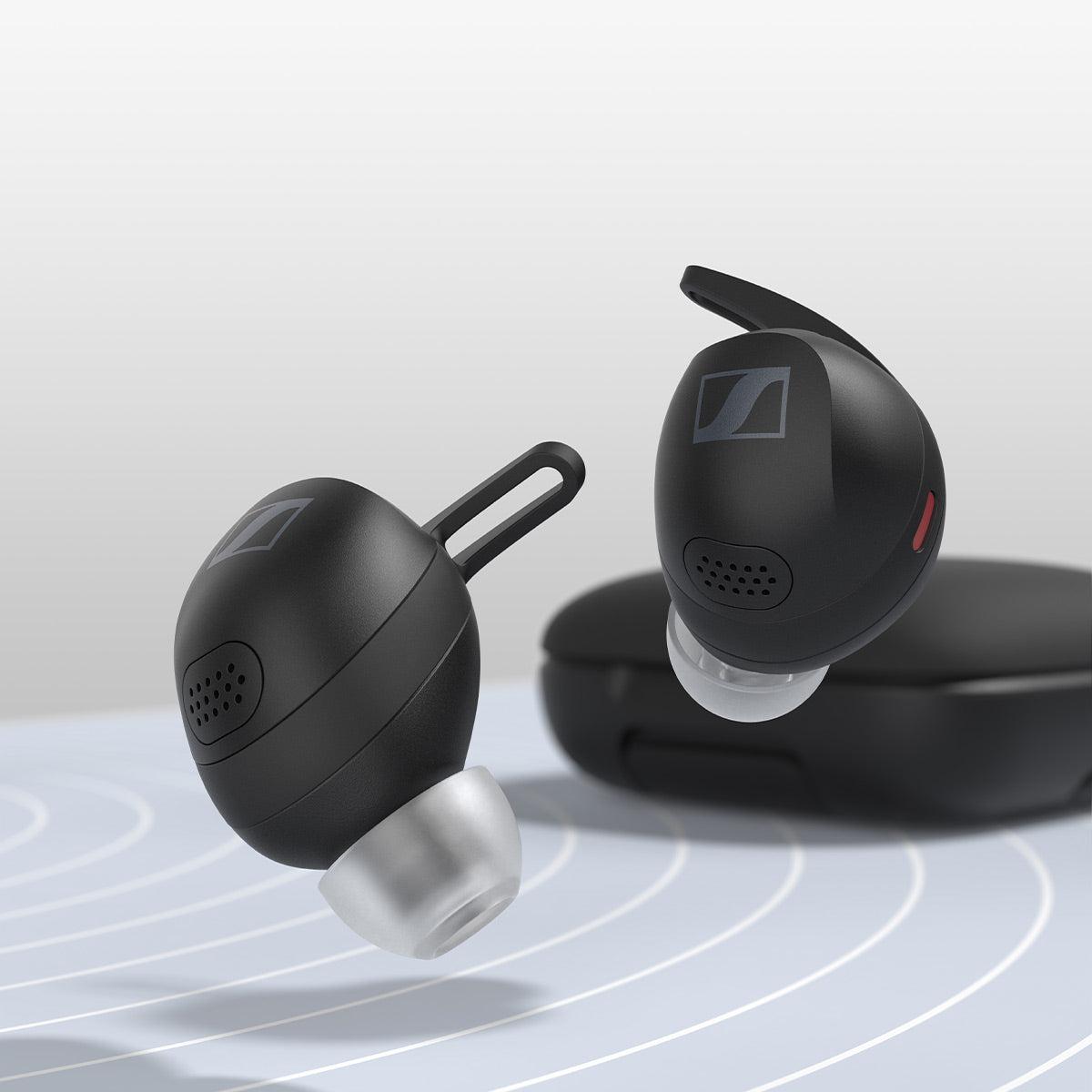
The Sennheiser Momentum Sport was engineered specifically for athletes and active users. The semi-open design includes acoustic relief channels that reduce body-borne noise—those annoying sounds from your own footsteps, breathing, or heartbeat that plague sealed earbuds during exercise.
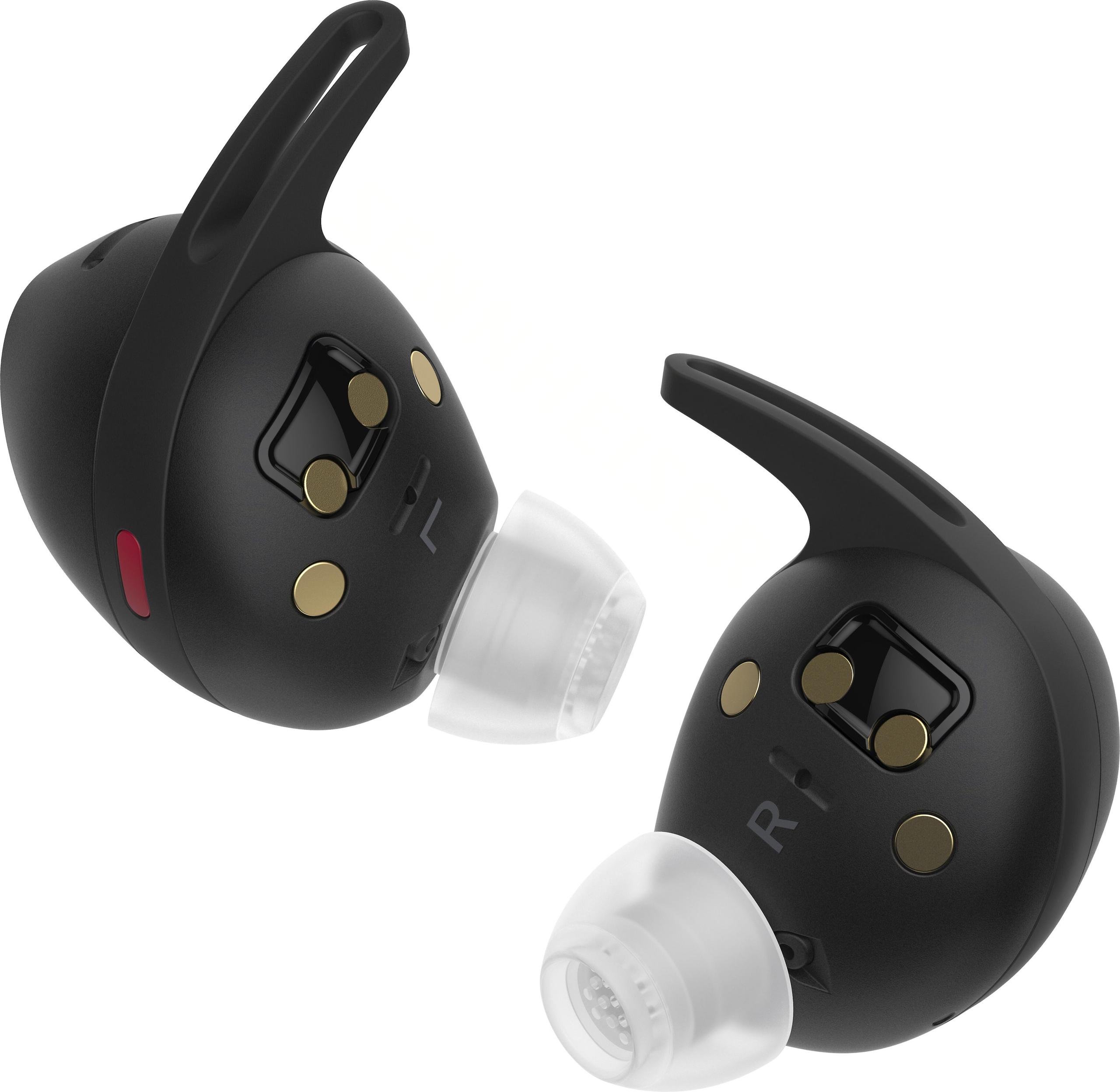
More significantly, the Momentum Sport integrates photoplethysmography (PPG) heart rate monitoring and body temperature sensors directly into the earbuds. This eliminates the need for separate chest straps or fitness trackers, providing real-time biometric data that syncs with major fitness platforms.
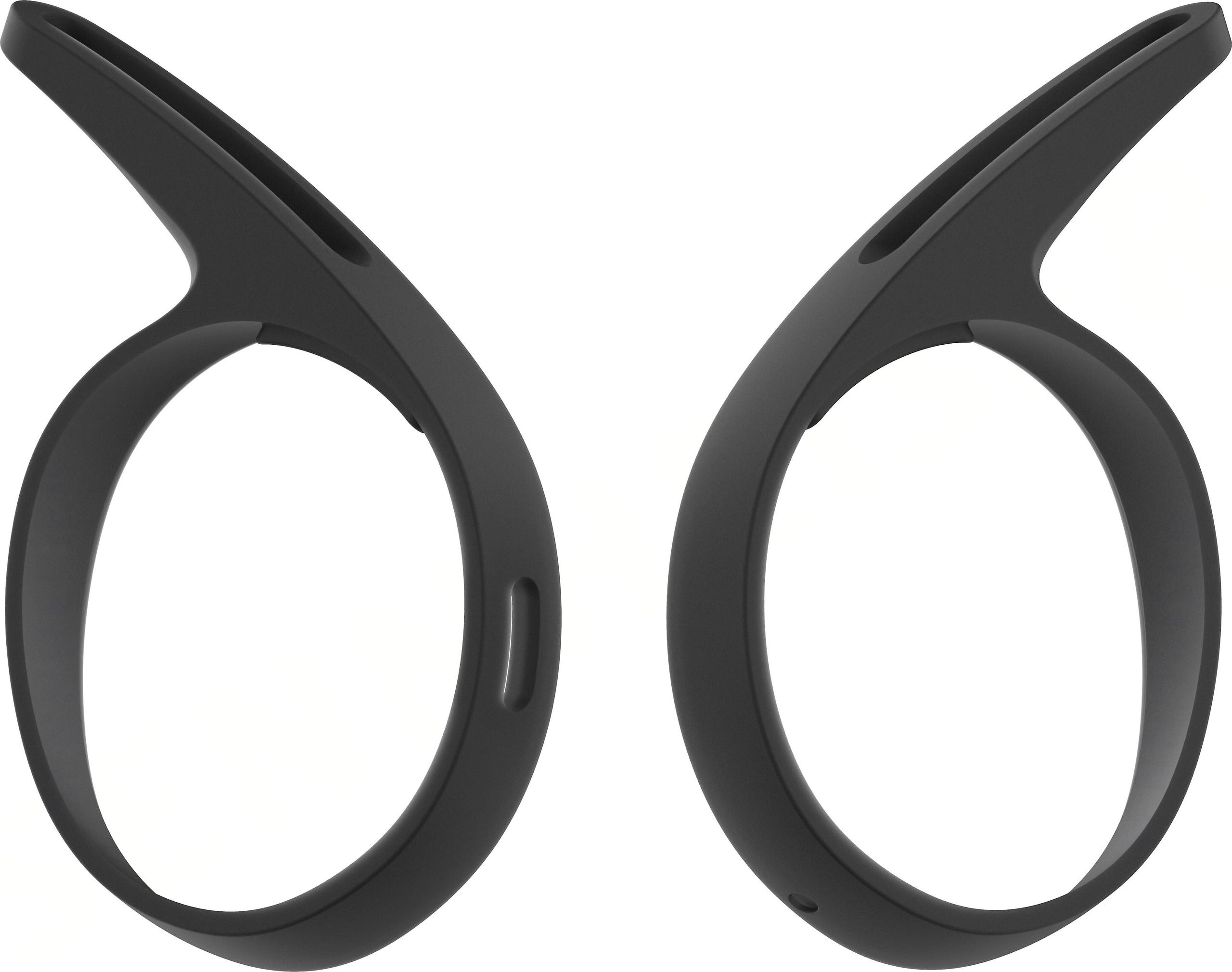
The IP55 rating (compared to the TOZO A1's IPX5) provides superior protection against dust and water, while interchangeable ear fins ensure secure retention during vigorous movement. Anti-wind mode specifically reduces wind noise during outdoor activities—a common problem for cyclists and runners.
For occasional gym visits or casual jogging, the TOZO A1 provides adequate performance. For serious athletes, outdoor enthusiasts, or anyone wanting integrated health monitoring, the Sennheiser Momentum Sport offers features that genuinely improve the workout experience.
Active noise cancellation has become increasingly common, but implementation quality varies dramatically across price points.
The TOZO A1 relies entirely on passive noise isolation—the physical seal created by ear tips blocking external sound. While effective for consistent background noise like air conditioning or traffic, it cannot adapt to changing environments or selectively filter different types of sound.
The Sennheiser Momentum Sport includes adaptive active noise cancellation that automatically adjusts based on your environment. The system uses external microphones to detect ambient noise, then generates opposing sound waves to cancel unwanted frequencies—particularly effective for low-frequency rumble from engines or HVAC systems.
The Momentum Sport also provides transparency mode, which uses those same external microphones to amplify environmental sounds when awareness is important for safety. The implementation includes wind noise reduction, addressing a common complaint where transparency modes become unusable in breezy conditions.
Anti-wind mode represents another specialized feature, using signal processing to minimize wind noise that typically overwhelms earbud microphones during outdoor activities.
For users primarily listening in quiet environments—offices, homes, or commuter trains—the TOZO A1's passive isolation proves sufficient. For frequent travelers, open office workers, or outdoor enthusiasts, the Sennheiser Momentum Sport's active noise management provides tangible benefits worth the premium cost.
Phone call performance represents a challenging area for both models, highlighting limitations in current wireless earbud technology.
The TOZO A1 includes dual microphones with AI-enhanced environmental noise cancellation (ENC) designed to isolate your voice from background noise. In practice, user feedback suggests adequate performance in quiet environments, but the voice can sound too soft while background noise overwhelms conversations in challenging acoustic conditions.
The Sennheiser Momentum Sport suffers from similar limitations despite its premium positioning. The semi-open design, while beneficial for exercise comfort, compromises call quality by allowing environmental noise to leak through. Expert reviews note that both models struggle with wind noise and busy environments, making them suitable primarily for calls in controlled settings.
Neither earbud excels for frequent business calls or use in consistently noisy environments. Users requiring exceptional call quality should consider dedicated business-focused models or traditional headphones with boom microphones.
Value assessment requires considering not just price, but whether features justify the cost difference for your specific needs.
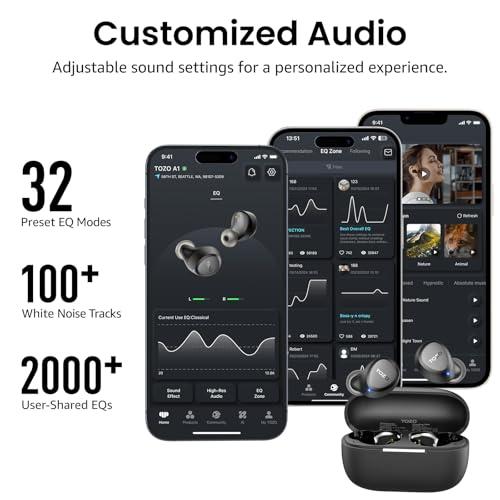
The TOZO A1 offers exceptional value at its budget price point (typically under $30 at the time of writing). The combination of 32-hour battery life, Bluetooth 5.3 connectivity, lightweight comfort, and 32 customizable EQ modes delivers functionality that competed with $100+ models just a few years ago. For students, casual listeners, or anyone wanting reliable backup earbuds, the performance-per-dollar ratio is outstanding.
The Sennheiser Momentum Sport, at roughly 5x the price (around $150+ at the time of writing), targets users who value premium materials, professional audio tuning, and integrated fitness features. The biometric sensors alone could replace a $50-100 fitness tracker, while the superior audio quality and build materials justify the premium for enthusiasts who appreciate the difference.
For home entertainment use, both earbuds face limitations compared to dedicated home theater headphones, though each serves specific scenarios effectively.
The TOZO A1's minimal latency makes it surprisingly good for casual video watching on tablets or phones, though the mid-focused sound signature won't deliver the impactful bass needed for action movies or immersive gaming.
The Sennheiser Momentum Sport provides better dynamic range and bass response for entertainment content, though the semi-open design reduces isolation that's often desirable for focused viewing. The aptX Adaptive support can provide better audio quality with compatible devices.
Both models work well for late-night viewing without disturbing others, though dedicated wireless headphones would provide superior comfort and audio quality for extended home theater sessions.
Choose the TOZO A1 if you're a student, casual listener, or budget-conscious consumer who needs reliable wireless earbuds for daily use. The exceptional battery life, lightweight comfort, and stable connectivity make it ideal for office work, commuting, podcasts, and background music. The 32-hour total battery life alone makes it compelling for frequent travelers or anyone who hates charging devices regularly.
Choose the Sennheiser Momentum Sport if you're a serious athlete, fitness enthusiast, or audio quality prioritizer who can justify the premium cost. The integrated biometric sensors, professional audio tuning, adaptive noise cancellation, and sports-specific features provide genuine value for users who will utilize these capabilities regularly.
The decision ultimately comes down to matching features with usage patterns and budget constraints. The TOZO A1 delivers remarkable value for basic wireless earbud functionality, while the Sennheiser Momentum Sport justifies its premium pricing for users who need its specialized capabilities. Both represent solid choices within their respective market segments—just ensure you're buying the right tool for your specific needs and listening habits.
| TOZO A1 Wireless Earbuds | Sennheiser Momentum Sport |
|---|---|
| Driver Size - Larger drivers typically produce better bass and overall sound quality | |
| 6mm dynamic drivers | 10mm dynamic drivers |
| Audio Codecs - Higher quality codecs reduce compression for better sound | |
| SBC, AAC (standard quality) | SBC, AAC, aptX, aptX Adaptive (premium quality) |
| Battery Life per Charge - How long you can listen before needing to recharge | |
| 5.5-7 hours | 6 hours with ANC |
| Total Battery Life with Case - Critical for all-day use and travel | |
| 32 hours (exceptional for price range) | 24 hours (good but not outstanding) |
| Weight per Earbud - Affects comfort during extended wear | |
| 3.7g (ultra-lightweight, ideal for small ears) | Not specified (likely heavier due to sensors) |
| Water/Dust Resistance - Protection level for workouts and outdoor use | |
| IPX5 (sweat and water jets) | IP55 (dust protection plus water jets) |
| Active Noise Cancellation - Blocks external noise for better focus | |
| None (passive isolation only) | Adaptive ANC with transparency and anti-wind modes |
| Fitness Features - Health monitoring capabilities for athletes | |
| Basic touch controls only | Integrated heart rate and body temperature sensors |
| Bluetooth Version - Newer versions offer better connectivity and efficiency | |
| Bluetooth 5.3 (latest standard, excellent stability) | Bluetooth 5.2 (still modern, good performance) |
| Charging Options - Convenience features for powering up | |
| USB-C only | USB-C plus Qi wireless charging |
| App Features - Customization and control options | |
| TOZO A1: 32 EQ presets, basic controls | Sennheiser Momentum Sport: 8 EQ presets, Sound Zones, fitness app integration |
| Design Philosophy - Target use case and user experience focus | |
| Ultra-portable everyday use, maximum comfort | Sports-focused with biometric tracking and premium audio |
The Sennheiser Momentum Sport delivers superior sound quality with larger 10mm drivers compared to the TOZO A1's 6mm drivers. The Sennheiser Momentum Sport also supports premium aptX Adaptive codec and features professional audio tuning, while the TOZO A1 uses standard SBC/AAC codecs with mid-focused sound that's adequate for casual listening but lacks the depth and dynamic range of the premium model.
The TOZO A1 provides exceptional battery life with 5.5-7 hours per charge and up to 32 hours total with the charging case. The Sennheiser Momentum Sport offers 6 hours per charge with 24 hours total including the case. The TOZO A1 wins on endurance, providing 33% more total listening time than the Sennheiser Momentum Sport.
The Sennheiser Momentum Sport is specifically designed for fitness with integrated heart rate and body temperature sensors, IP55 water/dust resistance, anti-wind mode, and a semi-open design that reduces body-borne noise during exercise. While the TOZO A1 is lightweight and sweat-resistant (IPX5), it lacks specialized fitness features, making the Sennheiser Momentum Sport the clear choice for serious athletes.
The Sennheiser Momentum Sport features adaptive active noise cancellation with transparency mode and anti-wind settings for different environments. The TOZO A1 relies only on passive noise isolation from the ear tip seal and does not include active noise cancellation technology. For blocking ambient noise, the Sennheiser Momentum Sport provides significantly better performance.
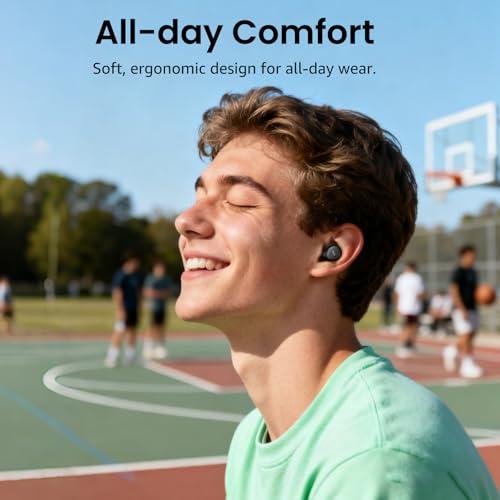
The TOZO A1 excels in comfort with ultra-lightweight 3.7g earbuds that feel nearly weightless during extended wear. The earbuds are specifically designed for small ears and all-day comfort. While the Sennheiser Momentum Sport includes multiple ear tip and fin options for secure fit, the additional sensors and larger drivers make them heavier and less ideal for users prioritizing maximum comfort.
Both earbuds offer excellent connectivity, with the TOZO A1 using newer Bluetooth 5.3 for superior stability and range, while the Sennheiser Momentum Sport uses Bluetooth 5.2 with aptX Adaptive for higher audio quality. The TOZO A1 provides minimal latency that's unusual for budget earbuds, while the Sennheiser Momentum Sport offers advanced features like Sound Zones and fitness app integration.
The TOZO A1 offers exceptional value for budget-conscious buyers, delivering reliable wireless functionality, 32-hour battery life, and Bluetooth 5.3 at an affordable price point. The Sennheiser Momentum Sport justifies its premium cost for users who need integrated biometric sensors, professional audio quality, and active noise cancellation. Value depends on whether you need basic functionality or premium fitness features.
Both earbuds have limitations for phone calls. The TOZO A1 includes dual microphones with AI noise cancellation but performs best in quiet environments, with voice quality sometimes too soft in noisy conditions. The Sennheiser Momentum Sport's semi-open design allows environmental noise to interfere with calls. Neither model excels for frequent business calls compared to dedicated headsets.
The TOZO A1 charges via USB-C cable only, taking about 2 hours for a full charge of both earbuds and case. The Sennheiser Momentum Sport offers both USB-C wired charging and convenient Qi wireless charging capability. Both cases provide multiple full recharges for the earbuds, but the Sennheiser Momentum Sport offers more charging flexibility.
The TOZO A1 features a mid-focused sound signature that works well for podcasts, vocals, and acoustic music, with 32 customizable EQ presets for personalization. The Sennheiser Momentum Sport delivers enhanced bass response ideal for workout motivation, electronic music, and complex musical arrangements, with professional tuning that handles all genres more effectively than the TOZO A1.
The TOZO A1 offers IPX5 water resistance, protecting against sweat and water jets but not dust or complete submersion. The Sennheiser Momentum Sport features superior IP55 rating, providing dust protection in addition to water resistance. For outdoor activities, gym use, and harsh weather conditions, the Sennheiser Momentum Sport offers better environmental protection than the TOZO A1.
For everyday casual listening, commuting, and office use, the TOZO A1 provides excellent value with ultra-lightweight comfort, exceptional battery life, and reliable connectivity at a budget-friendly price. The Sennheiser Momentum Sport offers premium features that may be unnecessary for casual users who don't need biometric sensors or active noise cancellation, making the TOZO A1 the better choice for simple daily use.
We've done our best to create useful and informative comparisons to help you decide what product to buy. Our research uses advanced automated methods to create this comparison and perfection is not possible - please contact us for corrections or questions. These are the sites we've researched in the creation of this article: bestbuy.com - izreview.com - tozostore.com - youtube.com - youtube.com - bestbuy.com - mryouwho.com - versus.com - walmart.com - scarbir.com - versus.com - youtube.com - youtube.com - youtube.com - tozostore.com - review-rating.com - us.smartprix.com - tozostore.com - newegg.com - tozostore.com - bestbuy.com - newegg.com - versus.com - tozostore.com - bestbuy.com - manuals.plus - walmart.com - independenttourist.com - rtings.com - shop.prevention.com - youtube.com - techradar.com - sennheiser-hearing.com - youtube.com - dcrainmaker.com - head-fi.org - whathifi.com - youtube.com - youtube.com - head-fi.org - ecoustics.com - soundguys.com - audio46.com - moon-audio.com - newsroom.sennheiser.com - youtube.com - shop.menshealth.com - the5krunner.com - youtube.com - bloomaudio.com - eftm.com - soundguys.com - techradar.com - sennheiser-hearing.com

Privacy Policy
Terms and Conditions - Affiliate Policy
Home Security
© Copyright 2008-2026.
11816 Inwood Rd #1211, Dallas, TX 75244