




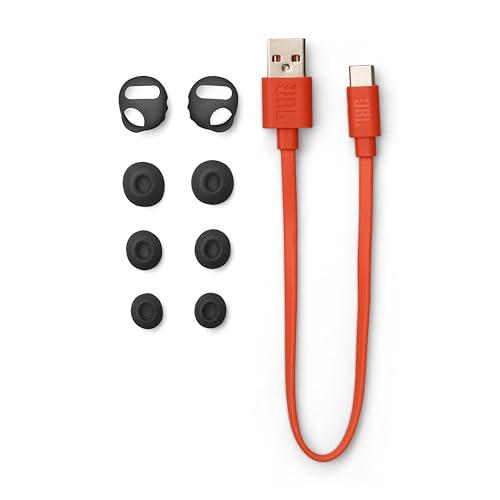
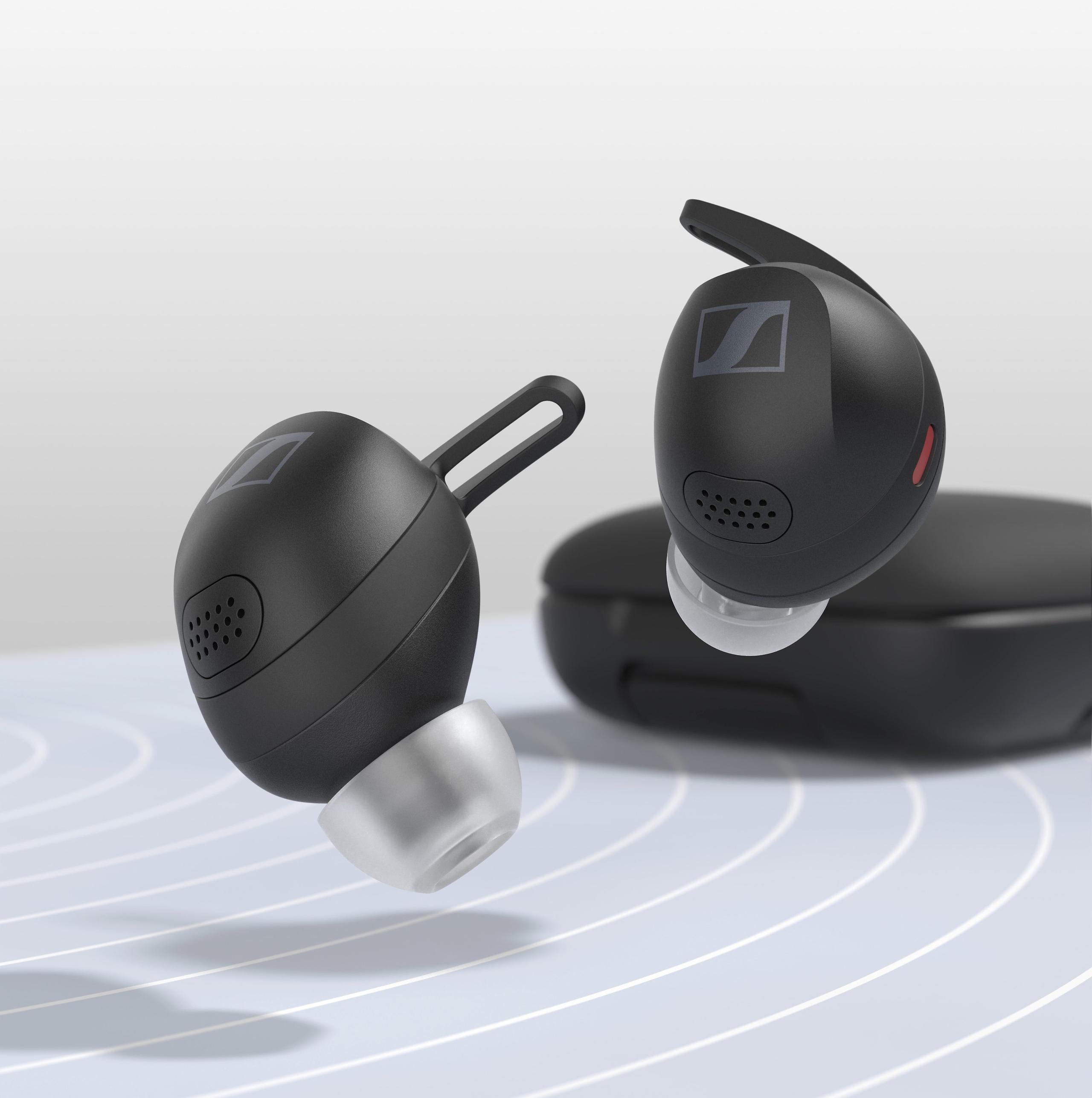
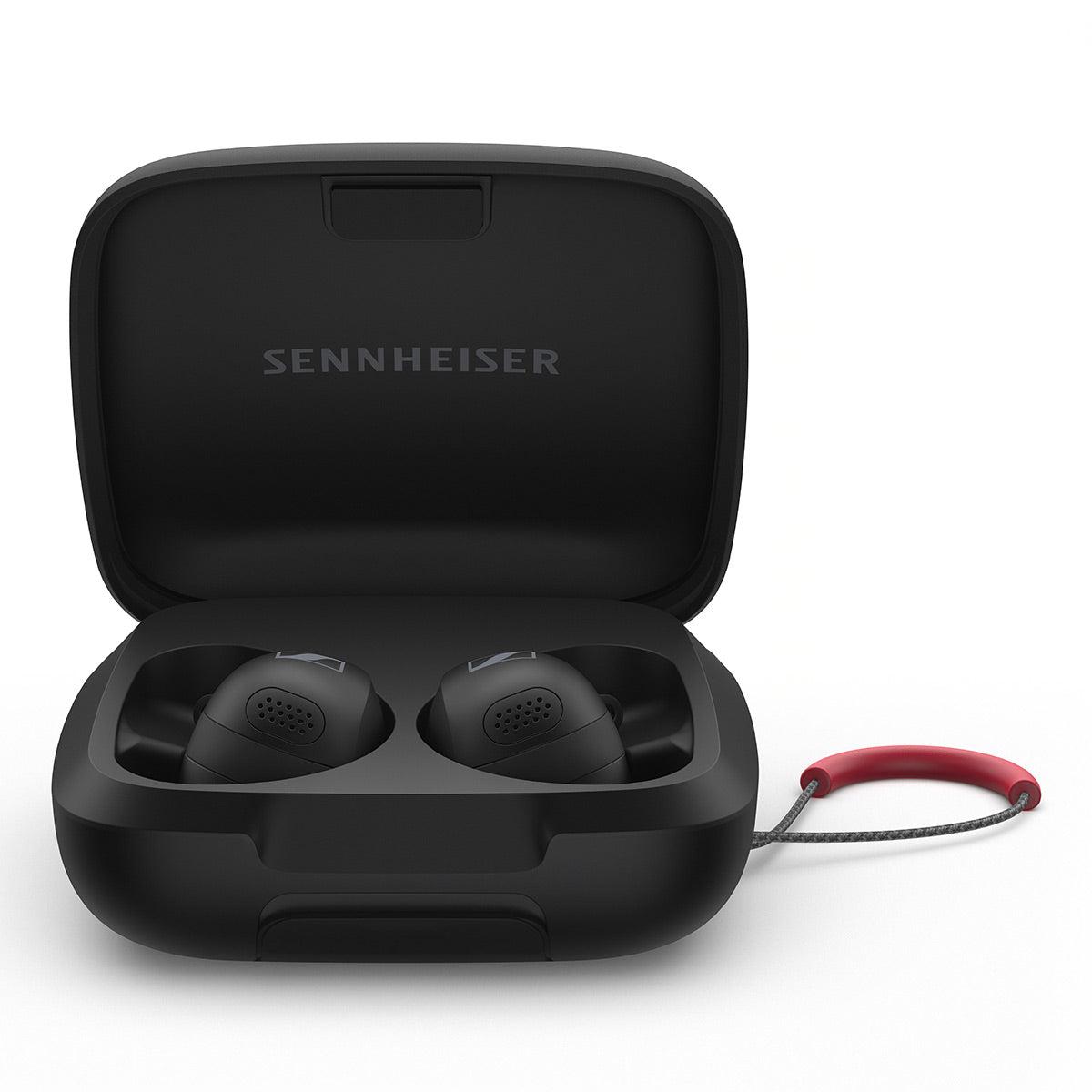
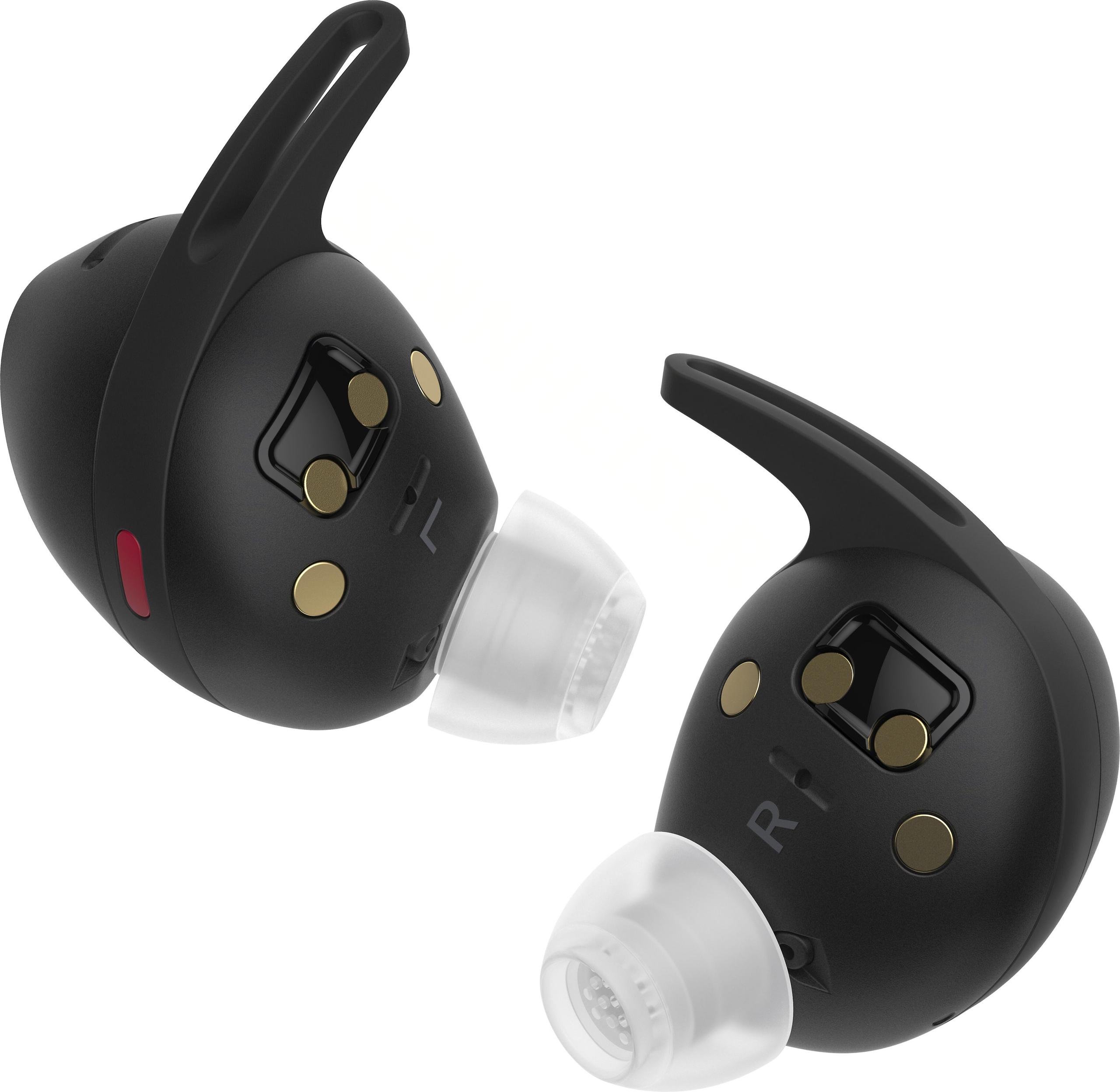
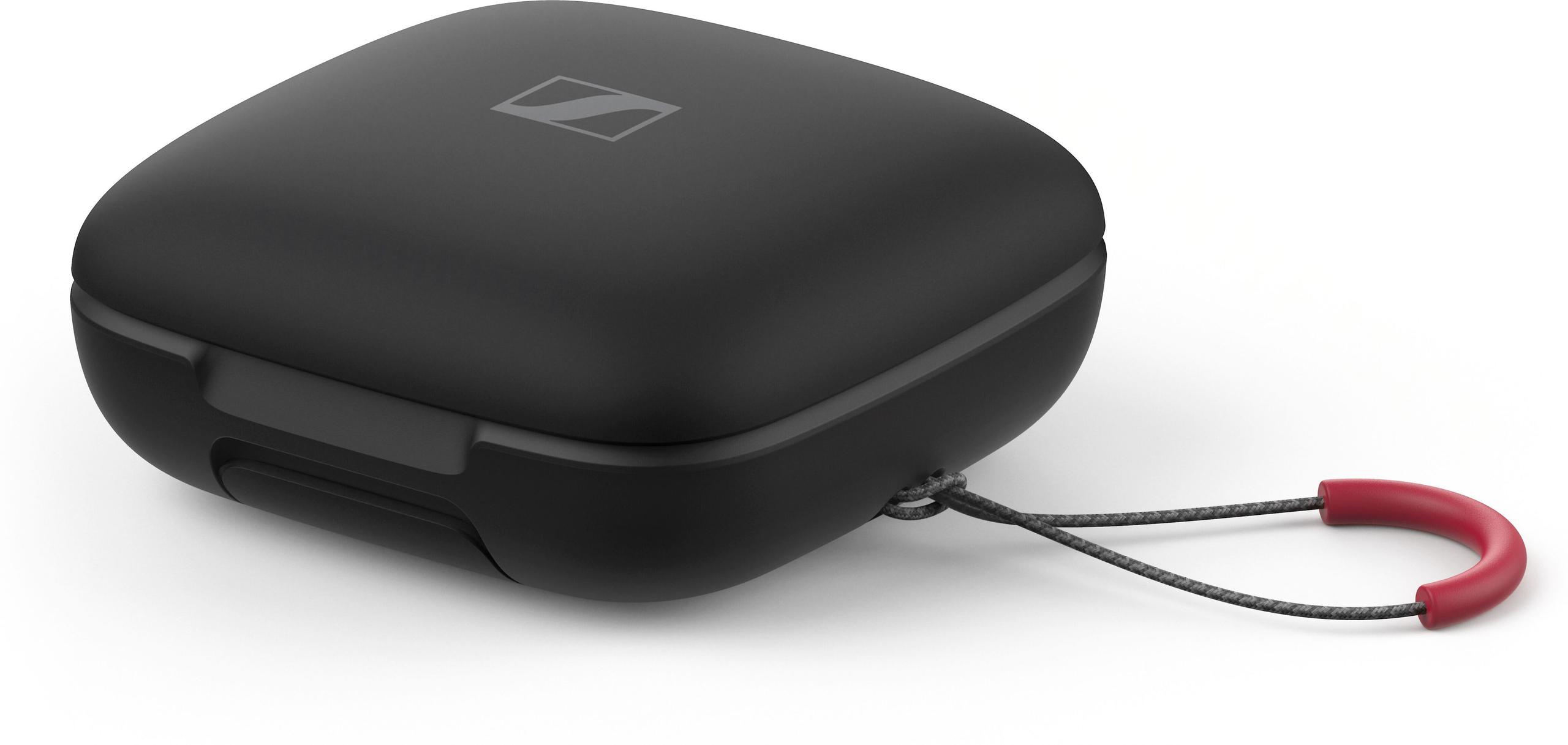
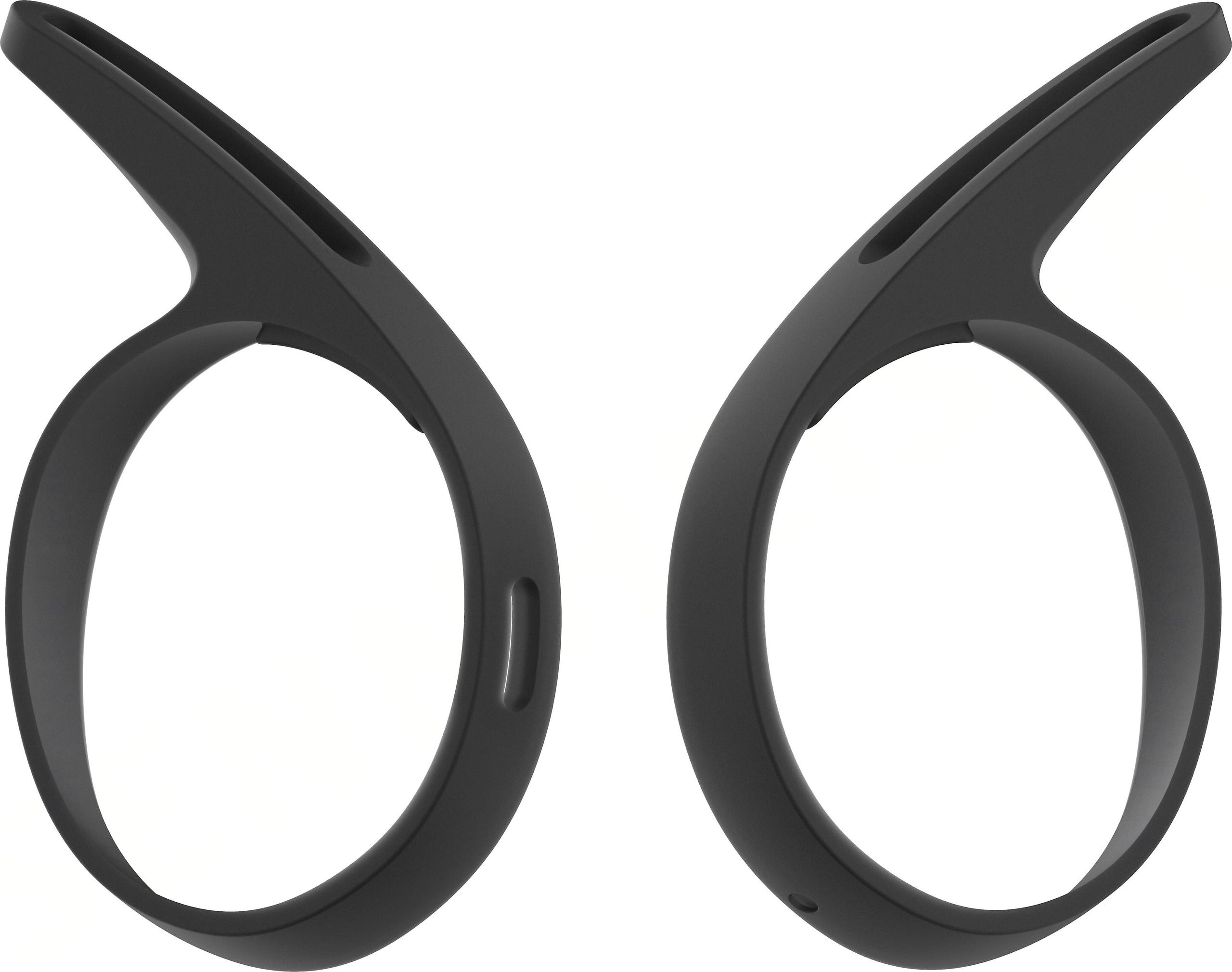
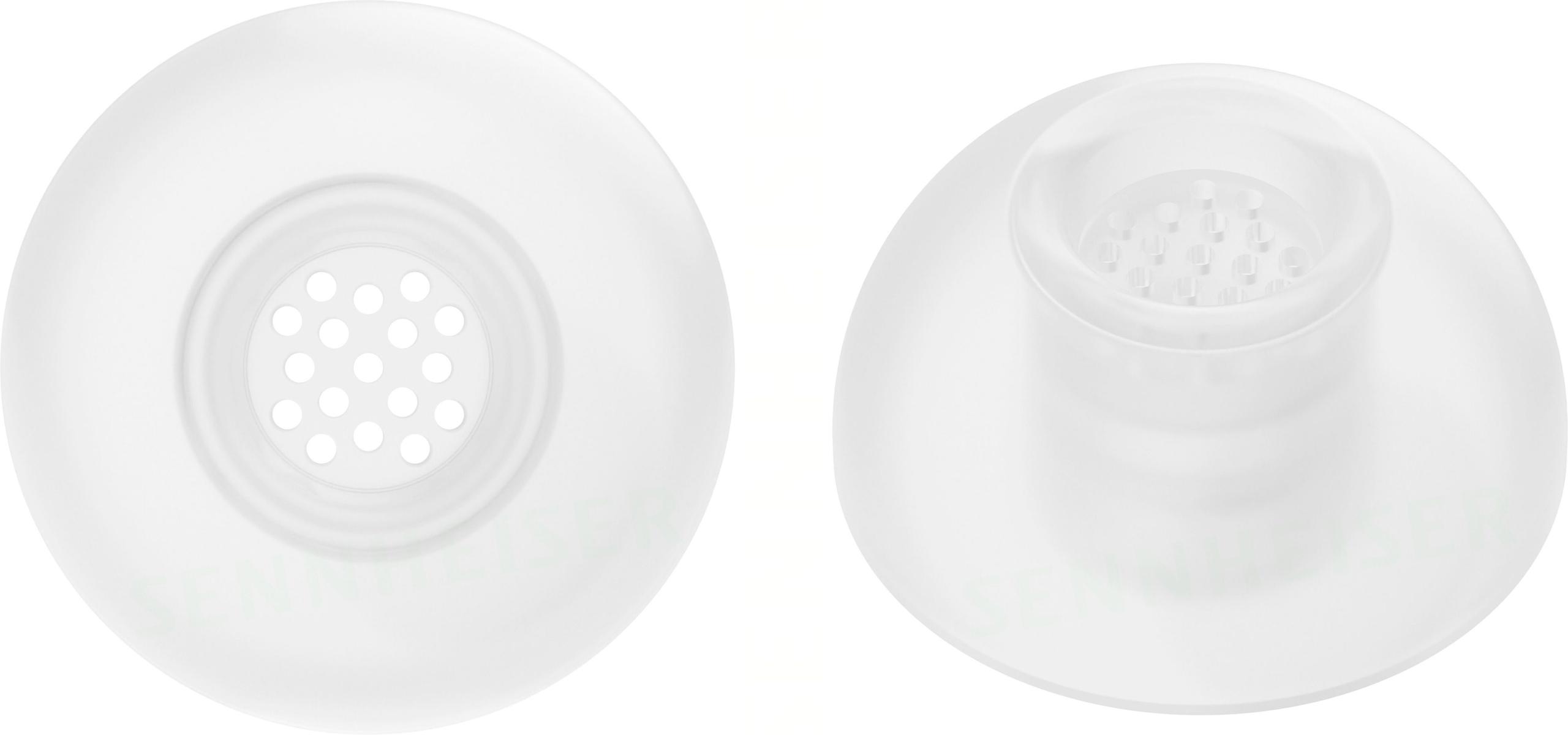
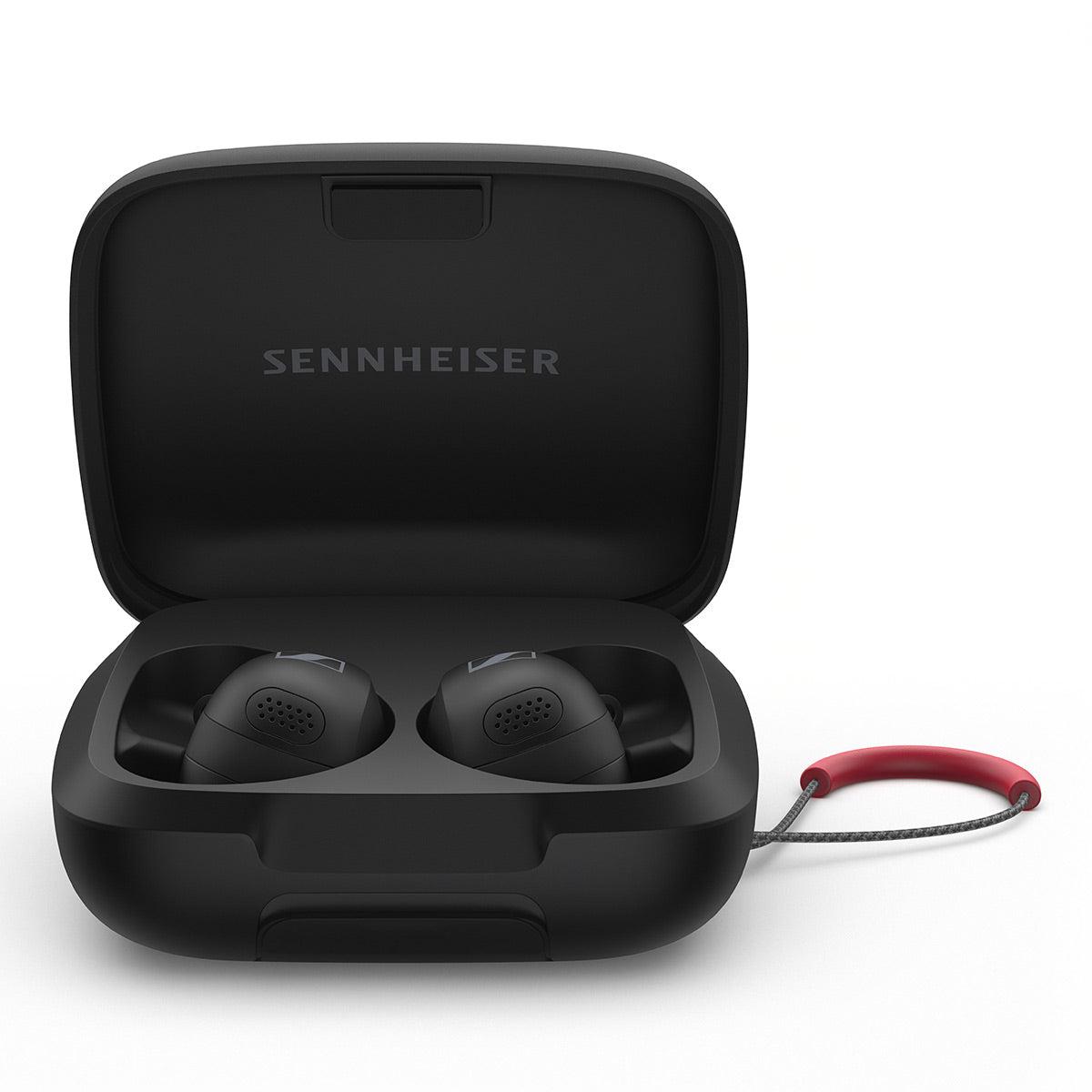
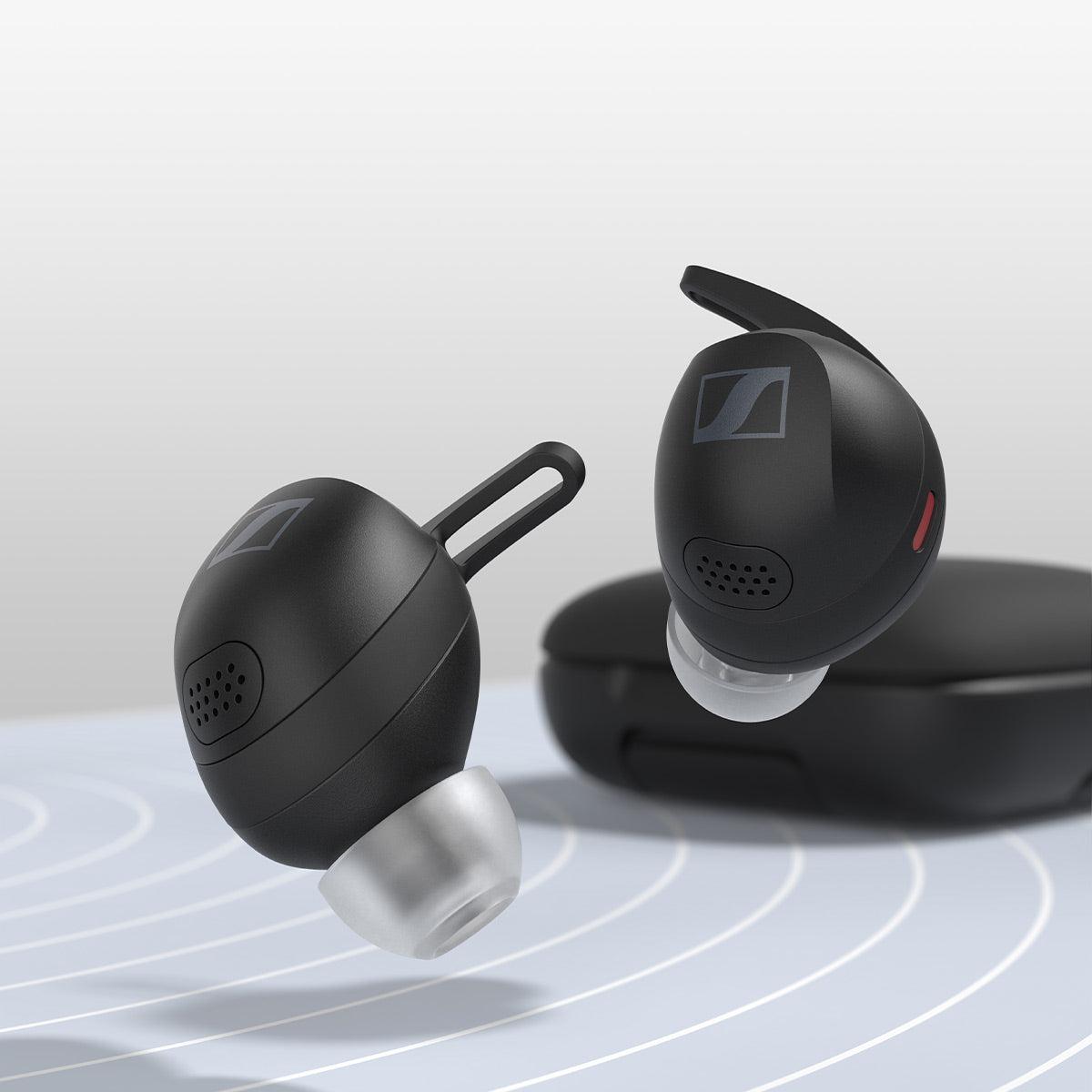
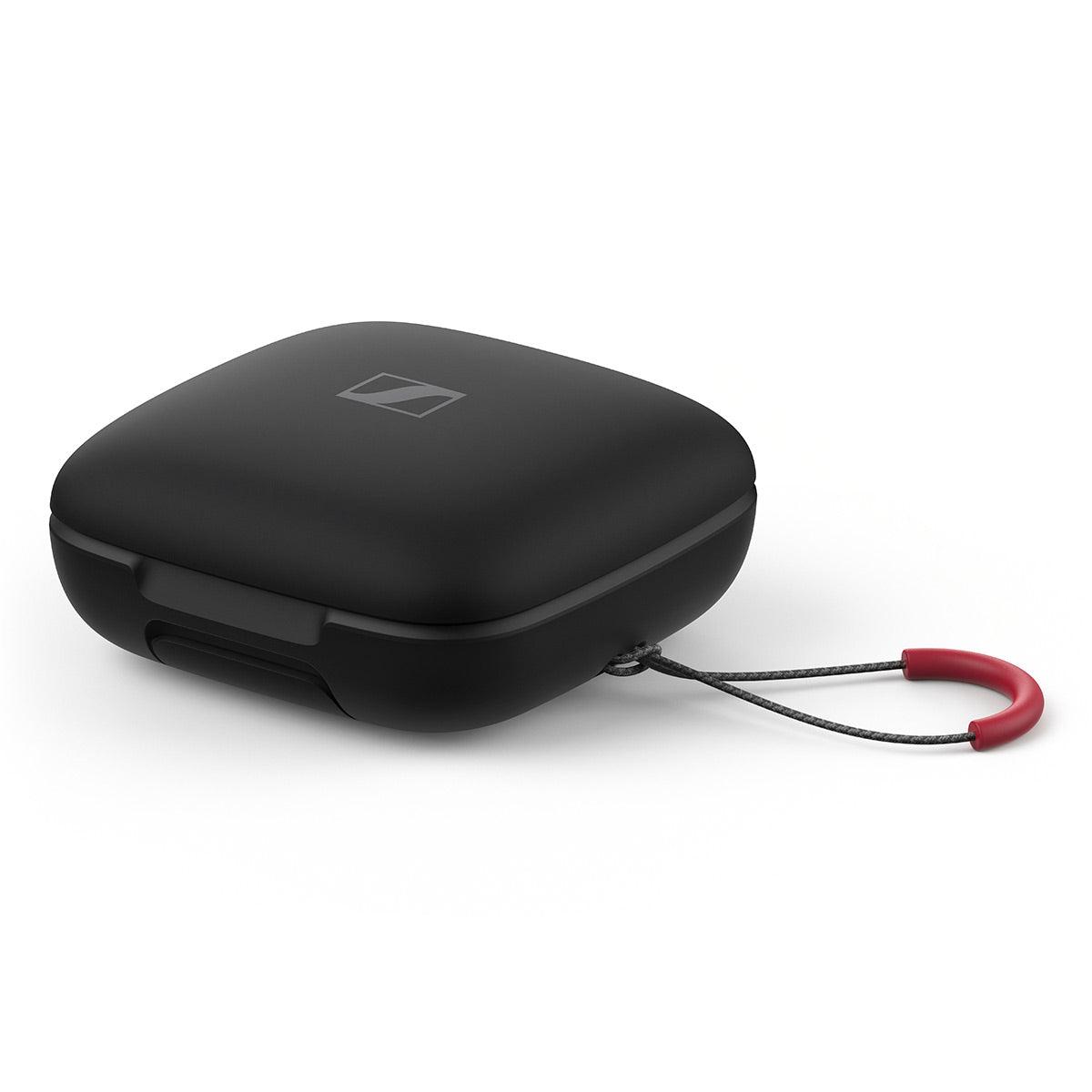
When you're pushing through that final mile or grinding out another set at the gym, your earbuds become more than just audio accessories—they're workout partners. The sports earbud market has exploded with options, but two models stand out for completely different reasons: the JBL Endurance Race 2 and the Sennheiser Momentum Sport.
These earbuds represent fundamentally different philosophies. One prioritizes bulletproof durability and marathon endurance at a budget-friendly price. The other combines premium audio with cutting-edge fitness tracking at a luxury price point. Understanding which approach fits your training style and budget can save you from buyer's remorse—and potentially from losing expensive earbuds to sweat damage.
Sports earbuds face unique challenges that regular earbuds never encounter. They must stay securely planted during burpees, survive torrential sweat, and provide motivation-pumping audio while maintaining enough ambient awareness to keep you safe during outdoor runs. Unlike audiophile earbuds that prioritize pristine sound reproduction, sports models need to balance multiple competing demands.
The most critical factors are fit security—meaning they won't fly out during jumping jacks—and moisture resistance rated through IP (Ingress Protection) codes. Battery life becomes crucial because nobody wants their motivation to die mid-workout. Sound quality matters, but it's different from what audiophiles seek; sports earbuds need energizing bass and clear vocals rather than analytical precision.
Call quality takes on special importance for sports earbuds because you're often moving in windy, noisy environments. The ability to take coaching calls or check in with training partners without removing sweaty earbuds can make or break a product. Finally, there's the value equation: sports gear takes abuse, so you need to balance features against the inevitable replacement timeline.
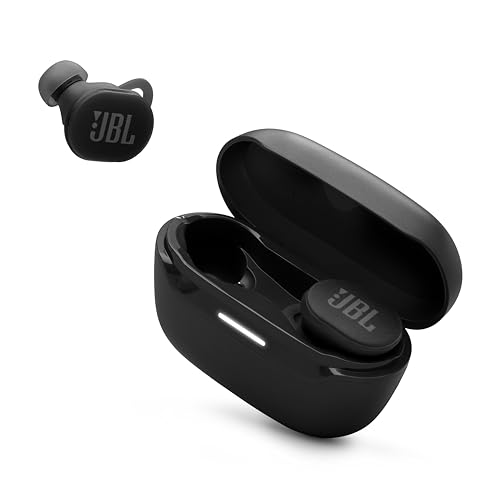
The JBL Endurance Race 2 launched in 2025 as JBL's answer to budget-conscious athletes who need serious durability. At roughly one-third the cost of premium competitors, it promises IP68 waterproofing and nearly 50 hours of total battery life. JBL positioned this as the "go anywhere, do anything" option that won't break the bank or your heart when it inevitably takes abuse.
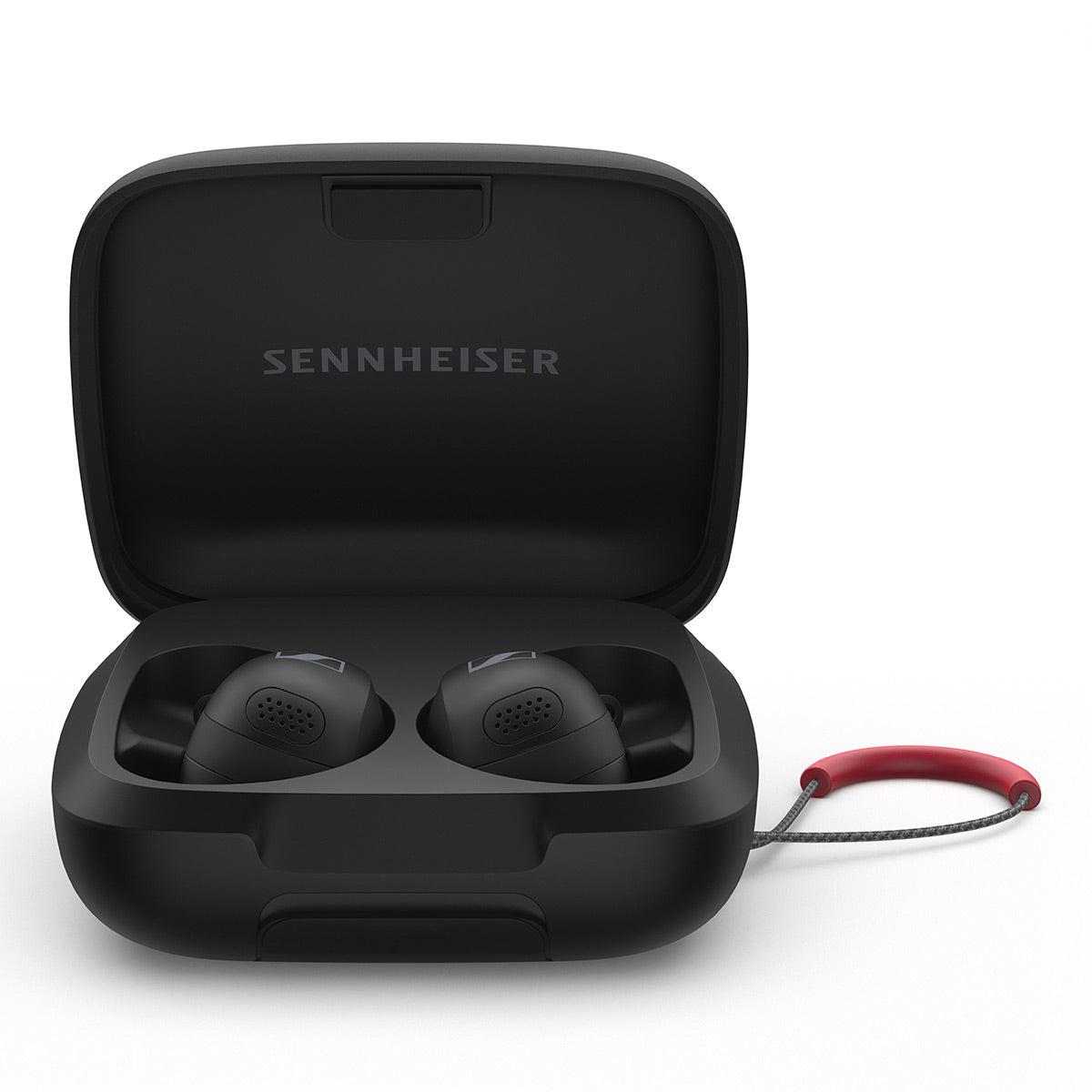
The Sennheiser Momentum Sport, released in 2024, takes the opposite approach. It integrates photoplethysmography (PPG) heart rate sensors and body temperature monitoring directly into the earbuds, essentially combining premium audio equipment with fitness tracking devices. This represents Sennheiser's bid to eliminate the need for separate heart rate monitors while delivering their signature sound quality.
These products launched during an interesting period in the sports earbuds market. By 2024-2025, basic features like decent battery life and sweat resistance had become standard, forcing manufacturers to differentiate through extreme specialization. The JBL Endurance Race 2 doubled down on rugged reliability, while the Sennheiser Momentum Sport pioneered integrated biometric monitoring.
The sound quality comparison reveals how sports earbuds prioritize differently than traditional models. The Sennheiser Momentum Sport features larger 10mm dynamic drivers compared to the JBL Endurance Race 2's 6.8mm units. Driver size typically correlates with bass depth and overall dynamic range, giving Sennheiser a theoretical advantage.
More importantly, the Sennheiser Momentum Sport supports aptX Adaptive codec, which dynamically adjusts audio quality and latency based on your environment and device capabilities. This means cleaner audio transmission with less compression artifacts—the digital distortion that can make music sound flat or harsh. The JBL Endurance Race 2 relies on standard SBC and AAC codecs, which are perfectly adequate but less sophisticated.
However, our research into user experiences reveals an interesting contradiction. While the Sennheiser Momentum Sport technically delivers superior audio fidelity, multiple reviewers noted that its bass response, while tight and controlled, lacks the motivational "weight" that pumps you up during intense workouts. The sound signature skews toward analytical accuracy rather than energizing impact.
The JBL Endurance Race 2, conversely, tunes its 6.8mm drivers specifically for workout motivation. Users consistently report well-balanced, energizing sound that maintains clarity without becoming fatiguing during long training sessions. The JBL Pure Bass tuning emphasizes the frequency ranges that make you want to push harder, even if it sacrifices some audiophile detail.
For sports applications, this difference matters enormously. When you're struggling through interval training, you need audio that drives you forward, not audio that lets you appreciate the subtle reverb in a recording studio. The JBL Endurance Race 2 seems to understand this better, despite its lower technical specifications.
The durability comparison exposes the biggest philosophical difference between these products. The JBL Endurance Race 2 achieves IP68 rating, meaning it's completely dustproof and can survive submersion up to one meter deep in both fresh and saltwater. This isn't just marketing hyperbole—IP68 represents the highest standard for consumer electronics water resistance.
To put this in perspective, IP68 means you can literally swim with the JBL Endurance Race 2, rinse them under a faucet, or use them during torrential downpours without concern. The earbuds can handle everything from surf sessions to muddy trail runs to accidental washing machine encounters (though we don't recommend testing that last one).
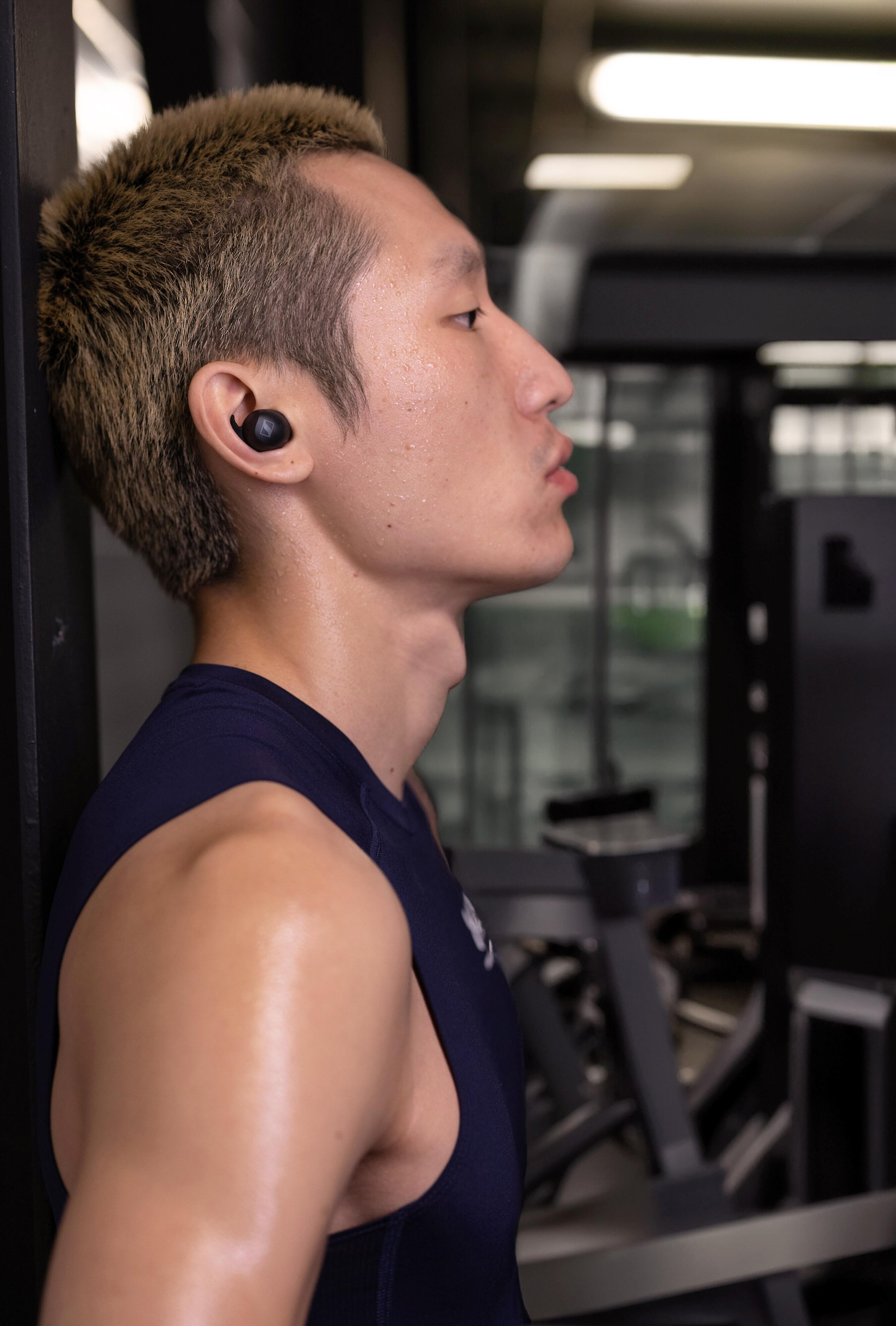
The Sennheiser Momentum Sport carries an IP55 rating, which provides dust-tight protection and resistance against water jets from any direction. This covers intense sweat, rain, and typical sports environments, but stops short of submersion protection. You can't swim with them, and accidental drops in puddles could prove catastrophic.
This difference becomes crucial when considering real-world use patterns. Athletes who cross-train across multiple environments—from pool decks to mountain trails—need the absolute protection that only IP68 provides. The JBL Endurance Race 2's superior rating means one less thing to worry about during outdoor adventures or intense training sessions.
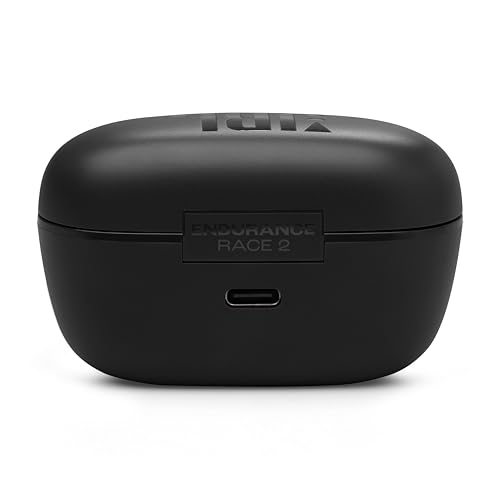
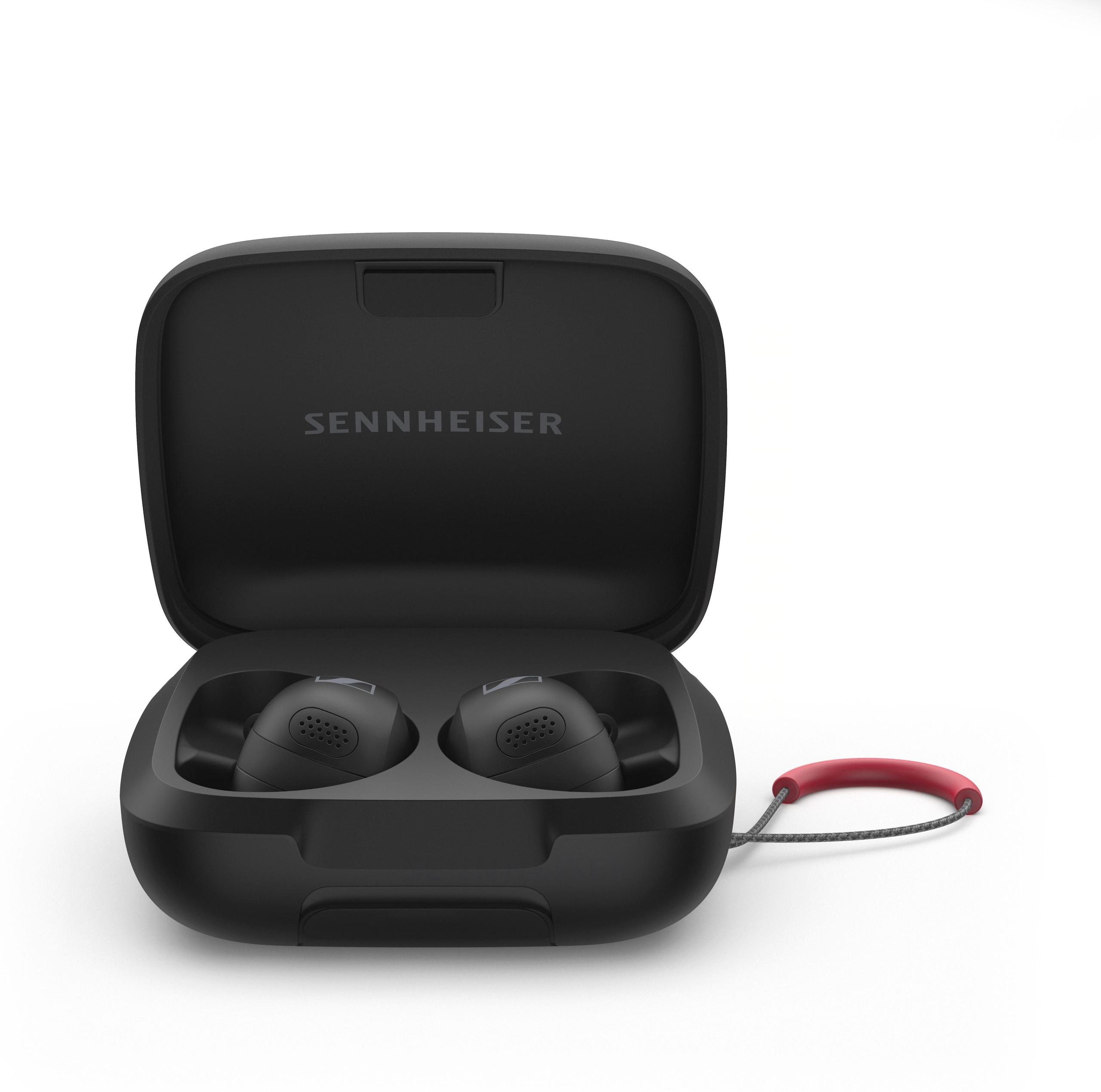
Both models include water-resistant charging cases, though neither case matches the earbuds' protection level. The JBL Endurance Race 2 case rates IPX2 (protection against dripping water), while specific ratings for the Sennheiser Momentum Sport case weren't available in our research, though it likely offers similar basic splash protection.
Battery performance reveals another fundamental difference in design philosophy. The JBL Endurance Race 2 delivers up to 12 hours of continuous playback from the earbuds alone, with Active Noise Cancellation (ANC) reducing this to 10 hours. Combined with the charging case's 36 additional hours, total playback reaches 48 hours without ANC.
These numbers represent genuinely impressive endurance. For context, you could run multiple marathons, complete week-long hiking expeditions, or train for hours daily without worrying about charging. The 10-minute quick charge feature provides four hours of playback, meaning even brief charging breaks during long training sessions can keep you going.
The Sennheiser Momentum Sport offers more modest 6 hours per charge with 24 hours total including the case. While this meets most single-session needs, it requires roughly twice as much charging attention for extended use. For athletes who prefer all-day training sessions or multi-day adventures, this difference becomes practically significant.
However, the Sennheiser Momentum Sport does charge faster, reaching full capacity in 1.5 hours compared to the JBL Endurance Race 2's 2-hour charge time. It also supports Qi wireless charging, eliminating the need to fumble with cables when your hands are sweaty or gloved.
The battery chemistry reveals interesting technical details. Both models use lithium-ion batteries, but the JBL Endurance Race 2 dedicates significantly more internal volume to battery capacity. This trade-off results in bulkier earbuds but dramatically longer runtime—a classic engineering compromise between form and function.
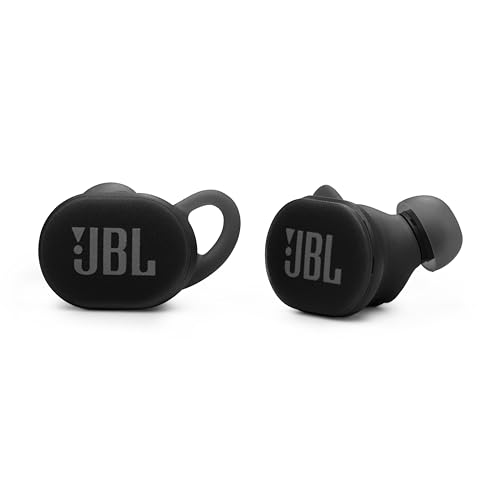
Secure fit represents perhaps the most critical performance factor for sports earbuds, and these models take radically different approaches. The JBL Endurance Race 2 employs TwistLock technology with ergonomic wing enhancers that literally lock the earbuds into your ear anatomy. Users consistently report that once properly seated, these earbuds simply don't move during any type of exercise.
The TwistLock system works by combining multiple contact points—the ear tip seals the ear canal while the wing enhancer hooks behind your ear's natural contours. A slight twisting motion during insertion engages both elements simultaneously, creating mechanical retention that doesn't rely solely on ear canal pressure. This explains why users report comfort during extended wear despite the secure retention.
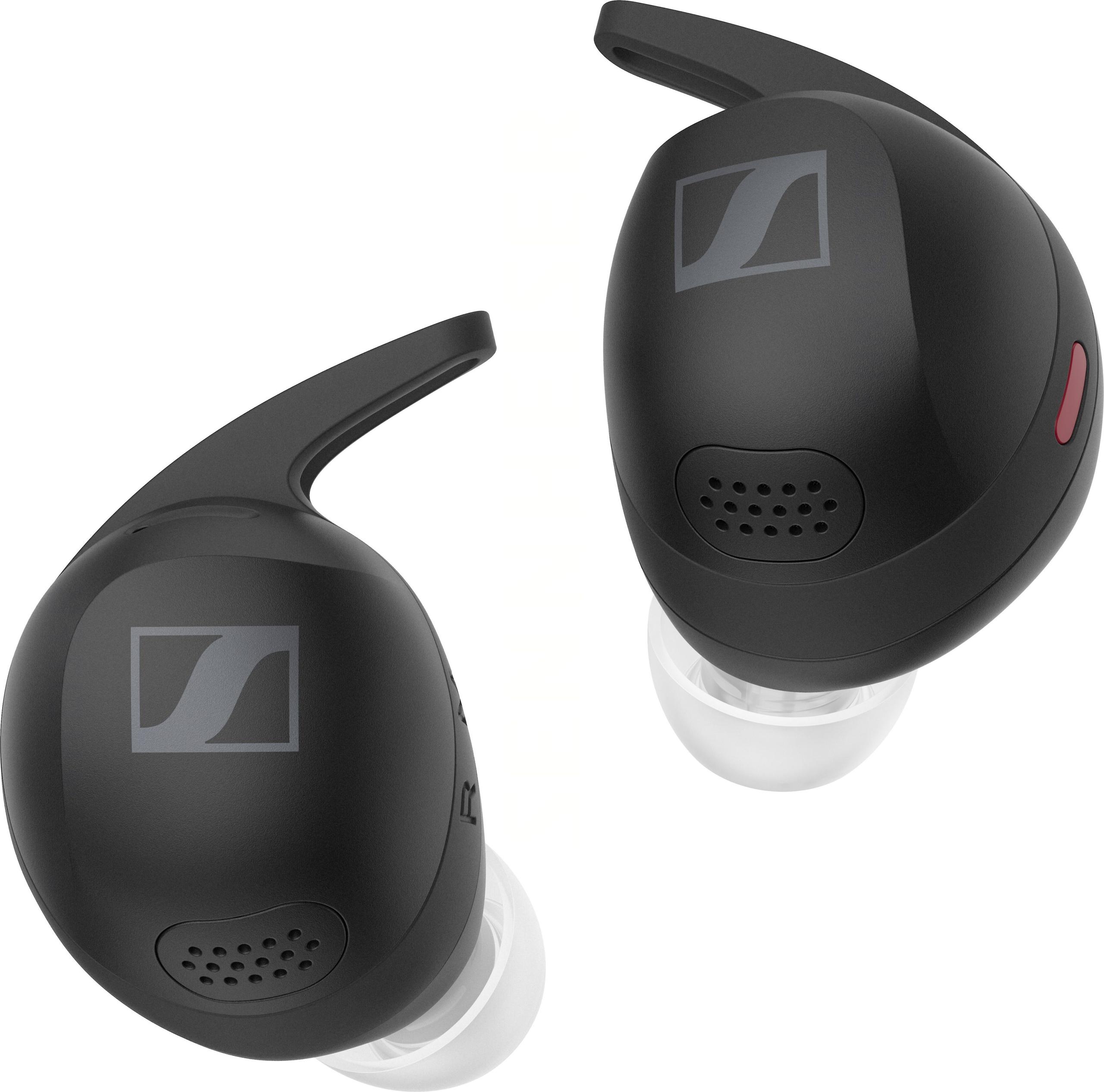
The Sennheiser Momentum Sport takes a more sophisticated but potentially less secure approach. Its semi-open acoustic design includes an acoustic relief channel that allows some air circulation, reducing the pressure buildup and "plugged" feeling common with sealed earbuds. This design minimizes body-borne noises like footsteps and breathing that can become distractingly amplified during exercise.
While the semi-open design offers comfort advantages, it potentially sacrifices some fit security. The acoustic relief channel means less air pressure holding the earbuds in place, requiring more reliance on the mechanical fit of ear tips and fins. For moderate exercise, this works fine, but intense activities might challenge retention.
Multiple ear tip and fin sizes accommodate different ear anatomies for both models, but the JBL Endurance Race 2's TwistLock system provides more universal security regardless of individual ear shape variations. This makes it more foolproof for users who struggle with traditional earbud retention.
The feature comparison highlights how these products serve different types of athletes. The JBL Endurance Race 2 focuses on practical sports-specific functions. Its Sports Mode offers six preset EQ profiles optimized for different activities—from hiking to indoor running to functional training. While some users report these modes feel somewhat gimmicky with minimal audible differences, the concept addresses real needs for different acoustic environments.
More uniquely, the JBL Endurance Race 2 includes Relax Mode with five soothing soundscapes like ocean waves and crackling fire, designed for post-workout meditation or wind-down periods. This feature, while niche, demonstrates thoughtful consideration of complete training cycles rather than just active exercise periods.
The Sennheiser Momentum Sport incorporates far more sophisticated technology through integrated biometric sensors. The photoplethysmography (PPG) heart rate sensor uses light pulses to detect blood flow changes, providing real-time heart rate monitoring without separate chest straps or wrist devices. Body temperature sensing adds another physiological data point for training optimization.
These sensors integrate with major fitness platforms including Polar Flow, Apple Health, Garmin Connect, Strava, and Peloton, creating a comprehensive training data ecosystem. For athletes who already use these platforms, the integration eliminates device redundancy while ensuring consistent data collection across all activities.
The Sennheiser Momentum Sport also features Sound Zones technology that automatically adjusts audio settings based on your geographic location. Imagine having ANC automatically enable when you arrive at your noisy gym, or bass boost activate when you enter your favorite running area. This kind of contextual intelligence represents genuine innovation in user experience design.
Both models prioritize call quality, but through different technical approaches. The JBL Endurance Race 2 deploys four beamforming microphones—two per earbud—that focus on your voice while actively canceling ambient noise. This setup excels during typical sports environments where consistent wind and movement create challenging acoustic conditions.
Beamforming technology works by using multiple microphones to create directional sensitivity, essentially "pointing" the microphone pickup pattern toward your mouth while reducing sensitivity to sounds from other directions. This proves particularly effective during outdoor activities where wind noise can overwhelm traditional omnidirectional microphones.
The Sennheiser Momentum Sport employs six total microphones with specialized anti-wind processing. The additional microphone count allows for more sophisticated noise cancellation algorithms and potentially better call quality in complex acoustic environments. However, real-world user reports suggest the four-microphone system in the JBL Endurance Race 2 performs admirably for typical sports applications.
Both models support multi-point Bluetooth connectivity, allowing simultaneous connection to two devices. This feature proves valuable for athletes who want to stream music from one device while remaining available for calls on another, eliminating the need to manually switch connections mid-workout.
At the time of writing, the JBL Endurance Race 2 costs roughly one-third as much as the Sennheiser Momentum Sport, creating a stark value comparison. The JBL delivers approximately 80% of the functionality at 27% of the price, making it an exceptional value for budget-conscious athletes or those uncertain about investing heavily in sports earbuds.
The JBL Endurance Race 2's value proposition becomes even stronger when considering its superior water resistance and dramatically longer battery life. These aren't minor conveniences—they represent fundamental usage advantages that affect daily training routines. For many athletes, the ability to never worry about water damage or battery life justifies choosing the JBL regardless of other considerations.
However, the Sennheiser Momentum Sport justifies its premium pricing through genuine innovation and consolidation benefits. If you're already purchasing separate heart rate monitors, temperature sensors, and premium earbuds, the integrated approach could provide comparable total cost while reducing device management complexity.
The audio quality difference, while real, may not justify the price premium for most sports applications. Unless you're also using these earbuds for critical listening or home entertainment, the motivational tuning of the JBL Endurance Race 2 might actually serve you better during workouts.
While neither model primarily targets home theater use, the audio quality differences become more apparent in stationary listening environments. The Sennheiser Momentum Sport's larger drivers, aptX codec support, and refined acoustic tuning provide superior detail resolution for movies and music.
However, the semi-open design that benefits sports use works against home theater applications. The acoustic relief channel allows sound leakage that can disturb others nearby, while also letting in ambient home noise that interferes with immersive audio experiences.
The JBL Endurance Race 2 provides better isolation for private listening, though its sports-oriented tuning emphasizes bass and energy over the balanced presentation ideal for film soundtracks. For dedicated home theater use, either model represents a compromise compared to purpose-built audiophile earbuds.
These products succeed in completely different scenarios, making the choice dependent on your specific priorities and use patterns.
Choose the JBL Endurance Race 2 if you need maximum durability, extended battery life, and exceptional value. It's perfect for athletes who train in diverse environments, prefer not to worry about water damage, or want reliable performance without premium pricing. The secure fit makes it ideal for high-intensity activities, while the marathon battery life suits long training sessions or multi-day adventures.
The Sennheiser Momentum Sport makes sense for data-driven athletes who want integrated biometric monitoring, premium audio quality, and sophisticated app integration. If you're already invested in fitness tracking ecosystems and prefer consolidated devices over separate gadgets, the premium price becomes more justifiable.
However, for most recreational athletes, the JBL Endurance Race 2 delivers superior practical value. Its combination of extreme durability, exceptional battery life, and solid performance at a budget price point makes it the more sensible choice unless you specifically need the advanced features that justify the Sennheiser Momentum Sport's premium positioning.
The sports earbuds market continues evolving rapidly, but these models represent clear extremes in the value-versus-features spectrum. Understanding which extreme matches your training style and budget constraints will ensure your investment enhances rather than complicates your fitness routine.
| JBL Endurance Race 2 | Sennheiser Momentum Sport |
|---|---|
| Water Resistance - Critical for sweat protection and outdoor training | |
| IP68 (fully waterproof, submersible to 1 meter) | IP55 (sweat/rain resistant, not submersible) |
| Battery Life Per Charge - Determines workout duration without charging | |
| 12 hours (10 with ANC) | 6 hours |
| Total Battery with Case - Key for multi-day training or travel | |
| 48 hours | 24 hours |
| Driver Size - Impacts bass depth and overall sound quality | |
| 6.8mm dynamic drivers | 10mm dynamic drivers |
| Audio Codecs - Higher quality codecs reduce compression artifacts | |
| SBC, AAC (standard quality) | SBC, AAC, aptX, aptX Adaptive (premium quality) |
| Microphones - More mics generally mean clearer calls in windy conditions | |
| 4 beamforming microphones | 6 microphones with anti-wind processing |
| Fit Technology - Determines security during intense movement | |
| TwistLock with wing enhancers (mechanical locking) | Semi-open design with interchangeable fins |
| Active Noise Cancelling - Blocks gym noise and wind during outdoor activities | |
| Yes, with Smart Ambient mode | Yes, with Transparency mode |
| Biometric Sensors - Eliminates need for separate fitness trackers | |
| None | Heart rate and body temperature sensors |
| Charging Options - Convenience factor for busy athletes | |
| USB-C only (10-min quick charge = 4 hours) | USB-C and Qi wireless charging |
| Sports-Specific Features - Tailored functionality for training | |
| 6 Sports Modes + 5 Relax Mode soundscapes | Polar Flow integration, Sound Zones automation |
| Multi-Point Connection - Connect to phone and tablet simultaneously | |
| Yes | Yes |
| Weight Per Earbud - Affects comfort during extended wear | |
| 6.4g each | 6.4g each |
| Release Year - Indicates latest technology and feature sets | |
| 2025 | 2024 |

Privacy Policy
Terms and Conditions - Affiliate Policy
Home Security
© Copyright 2008-2026.
11816 Inwood Rd #1211, Dallas, TX 75244