

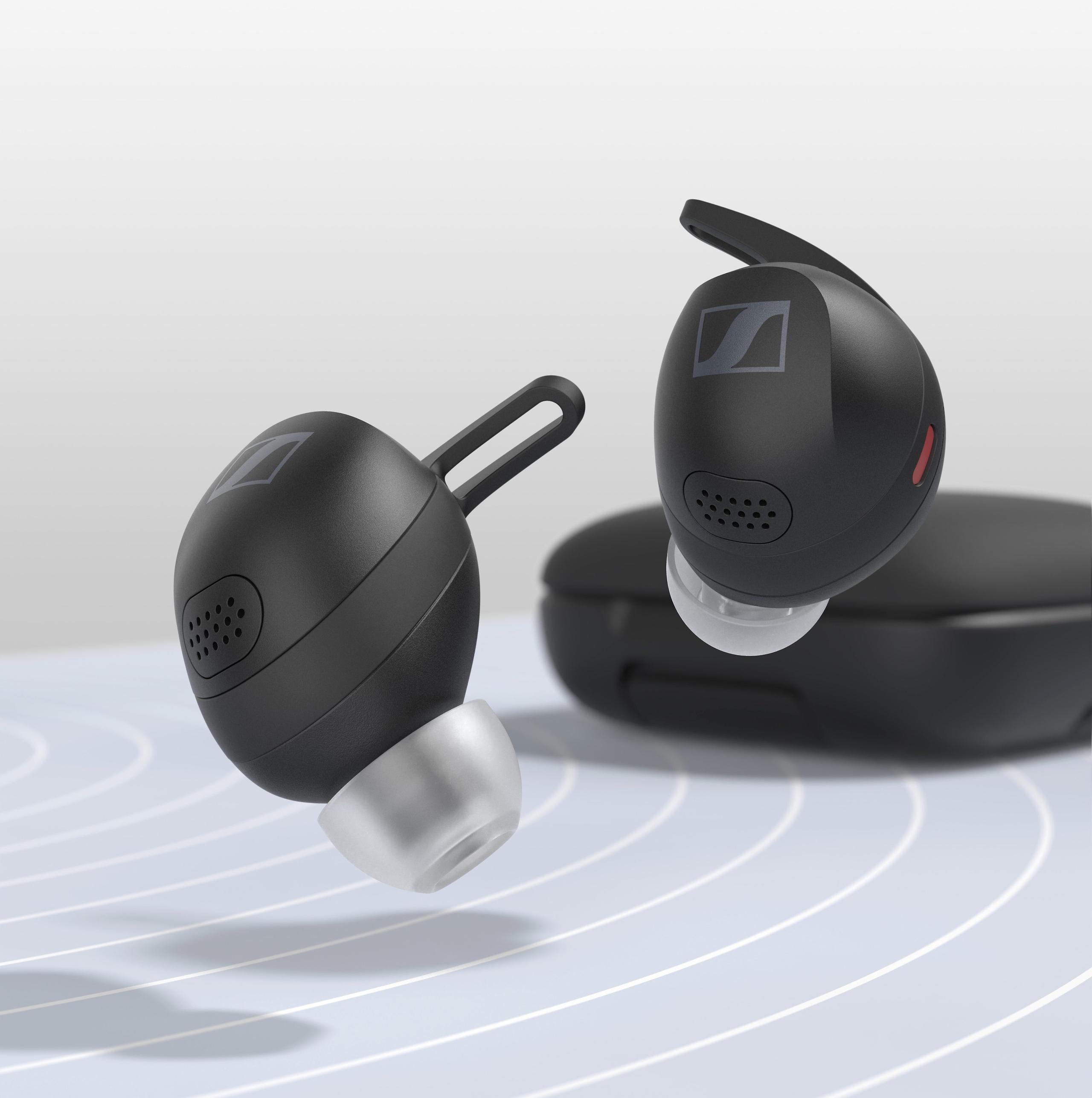
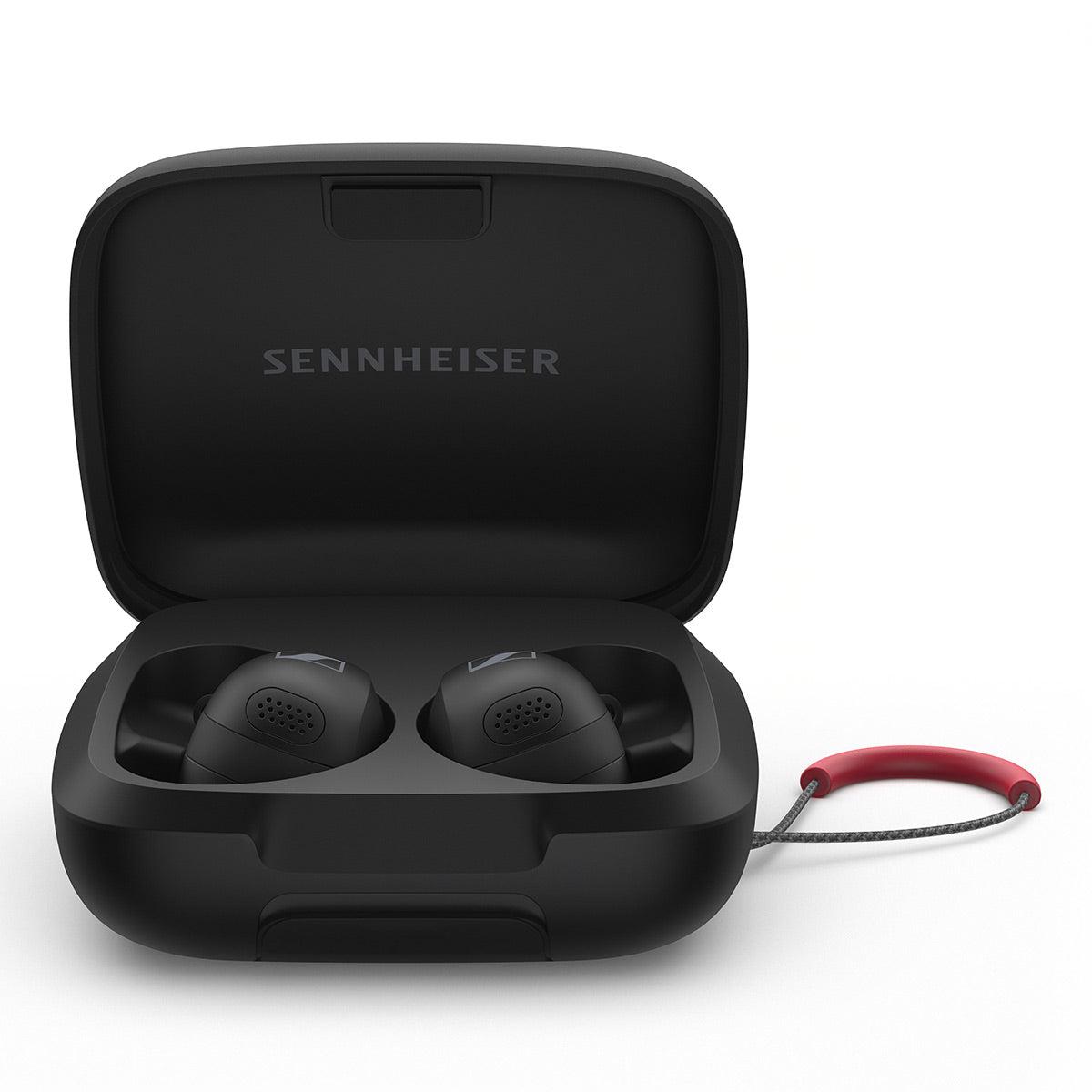
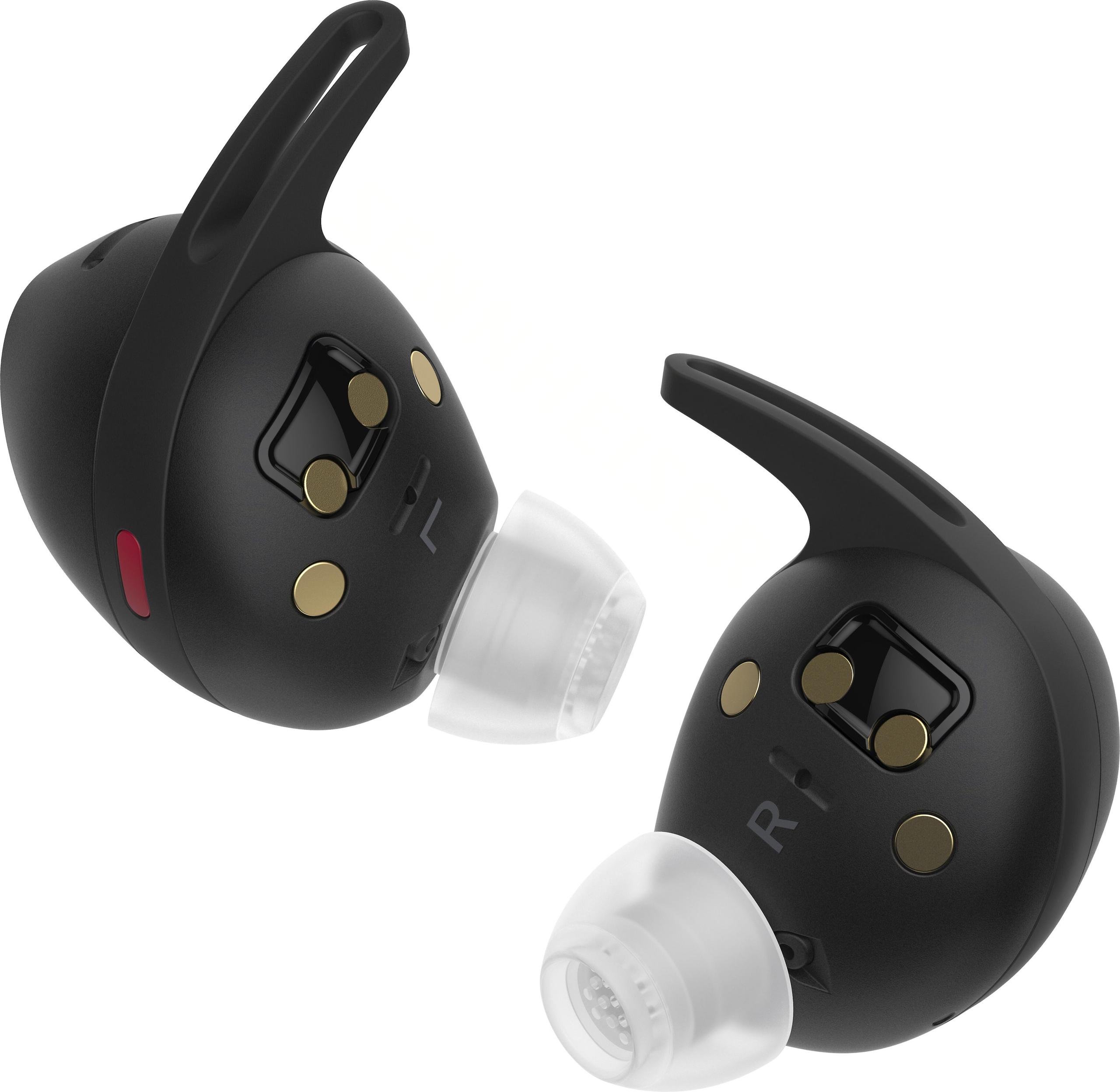
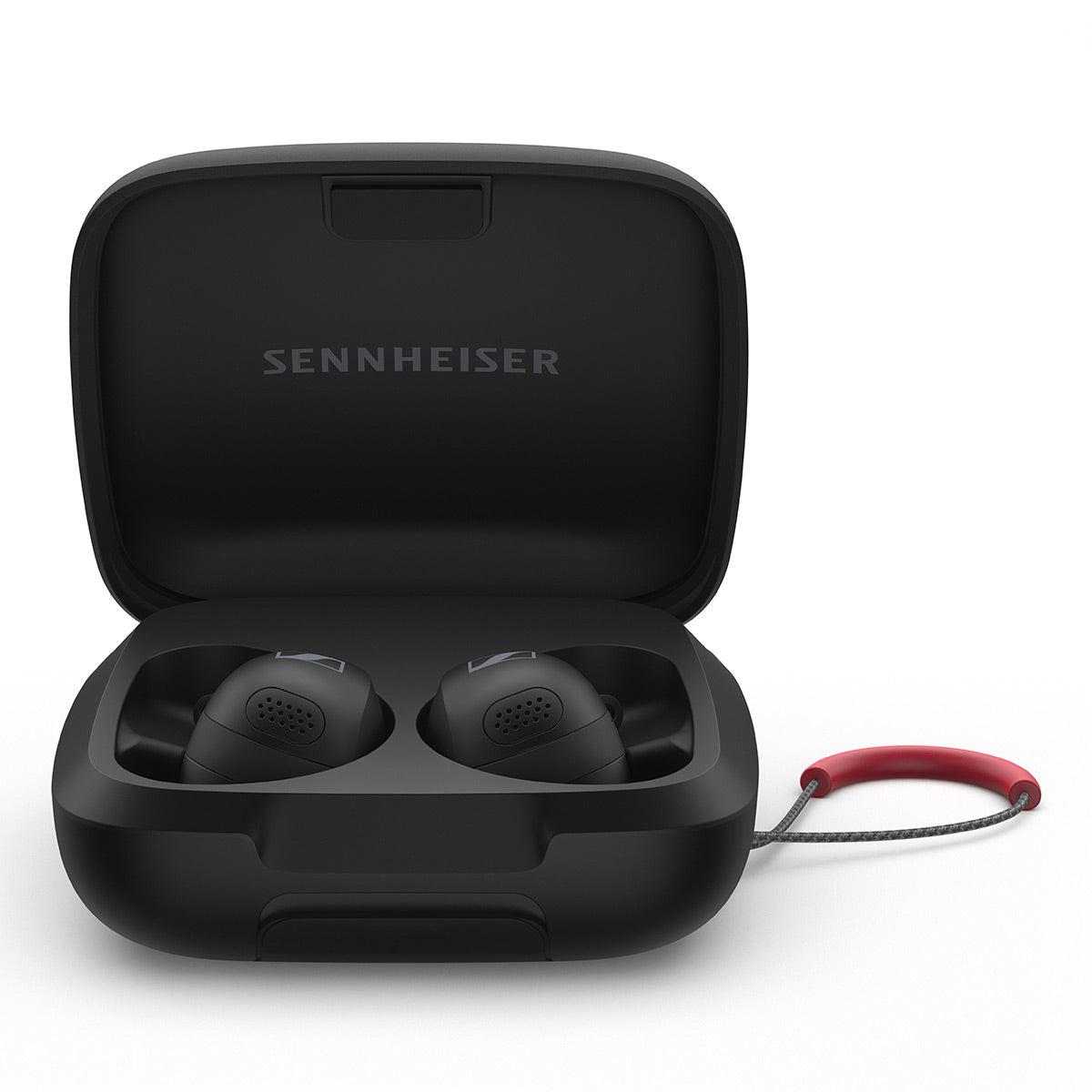
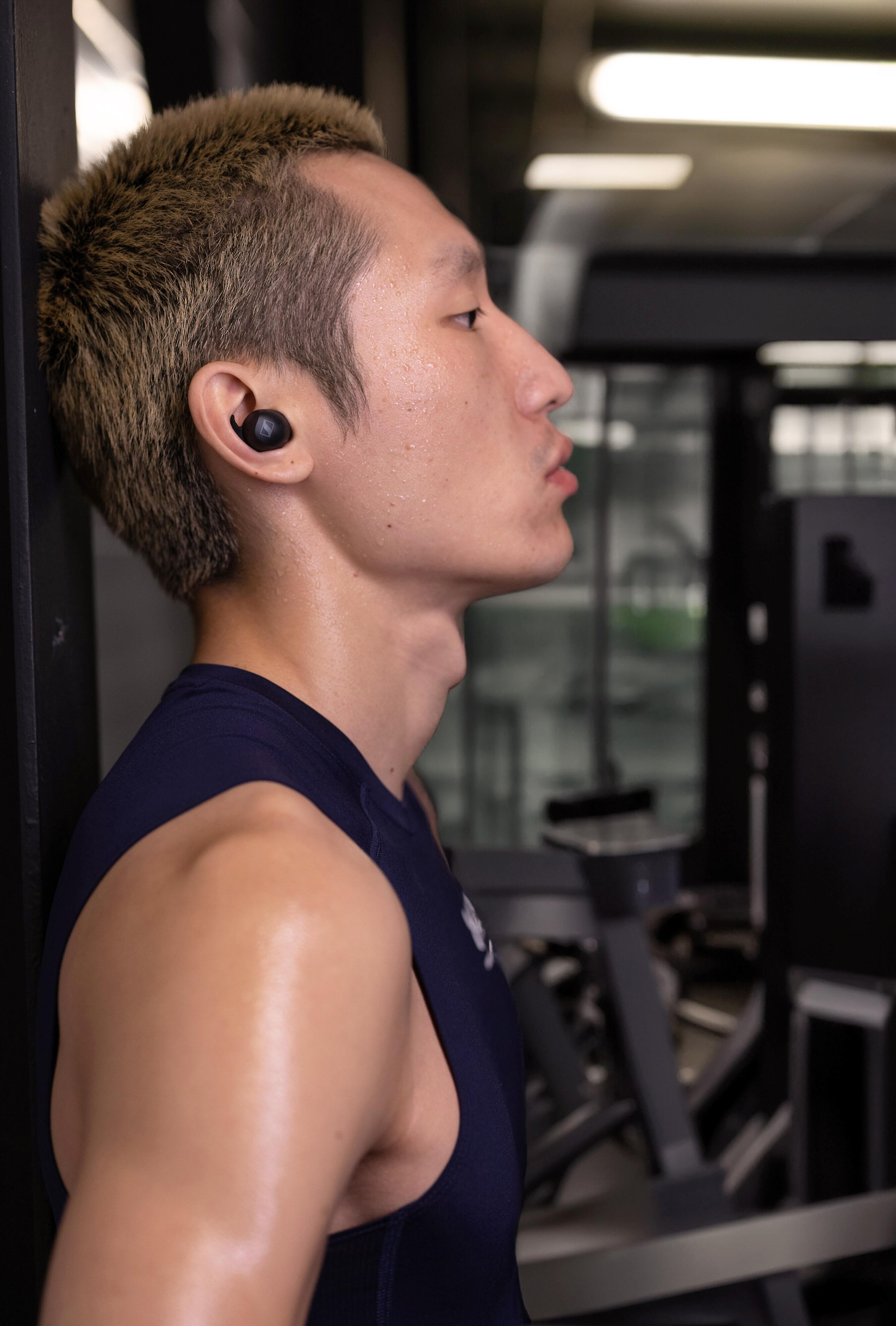
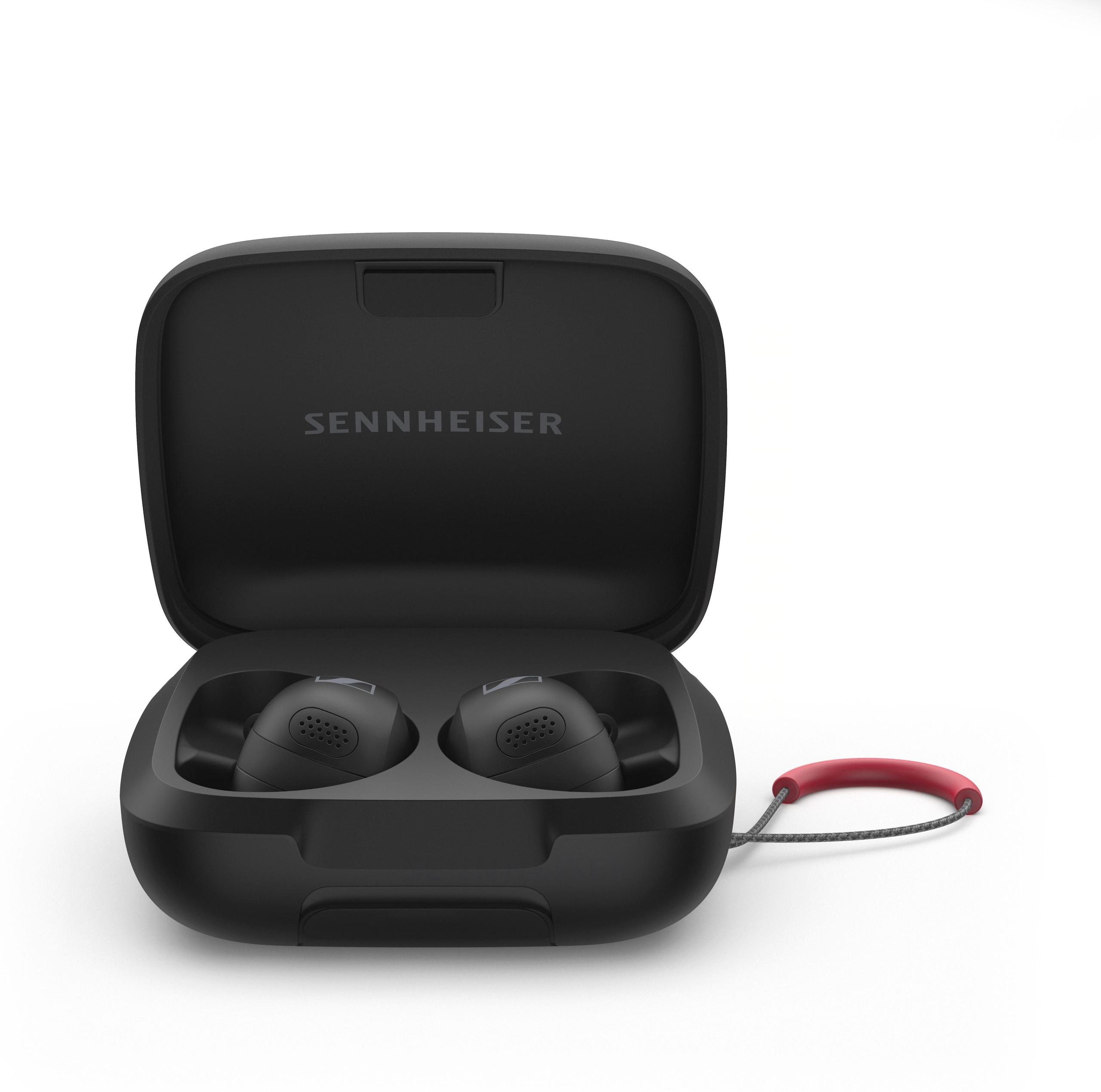
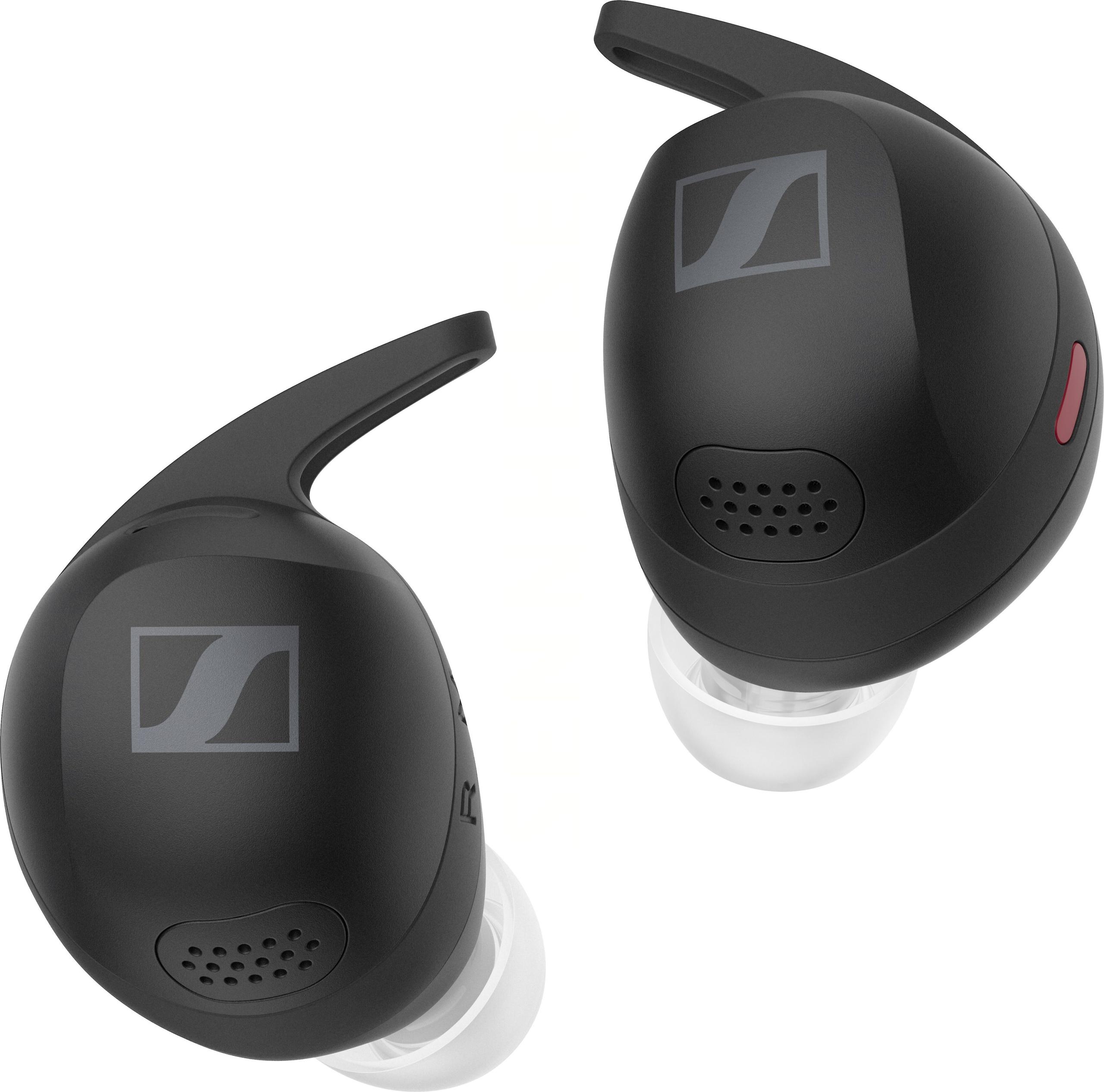
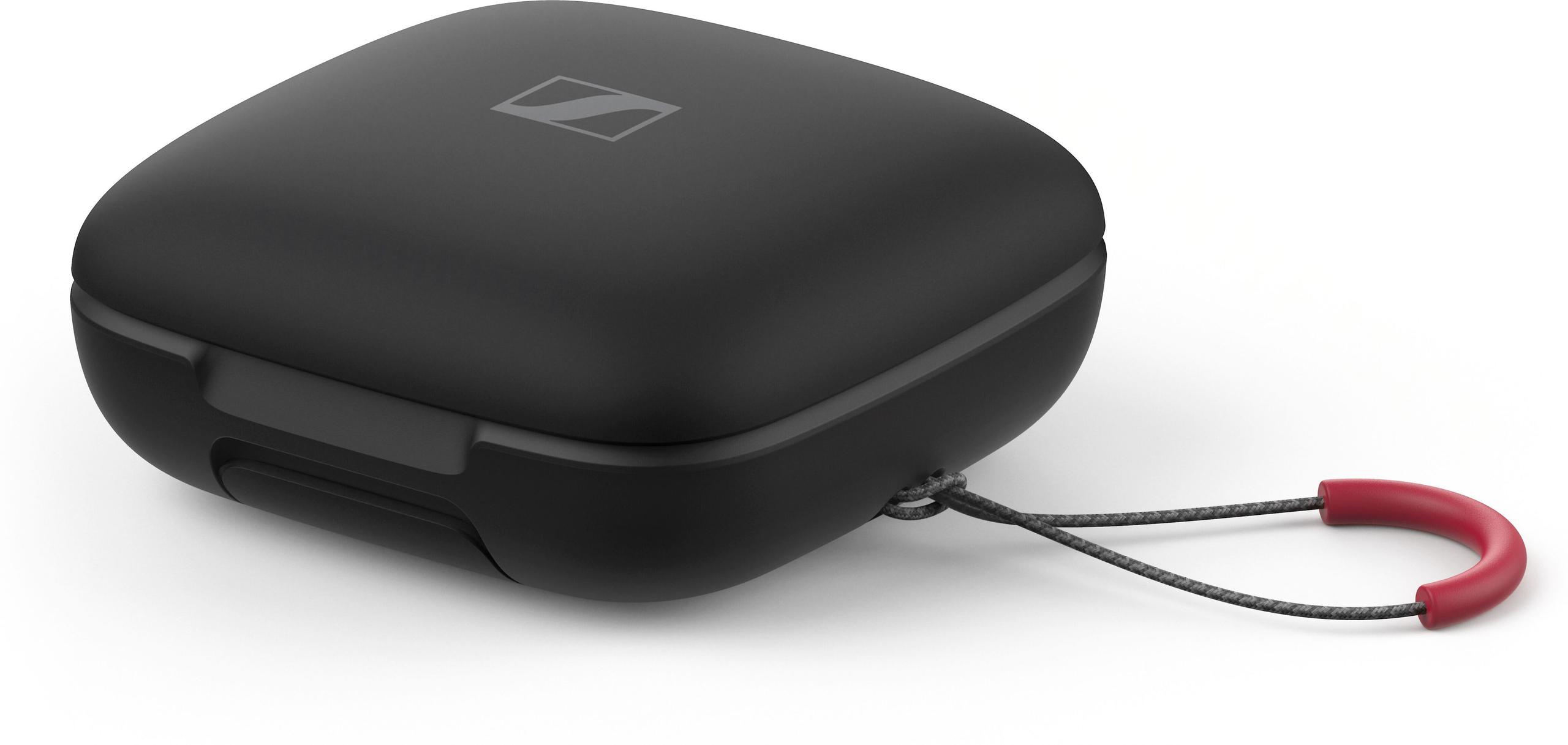
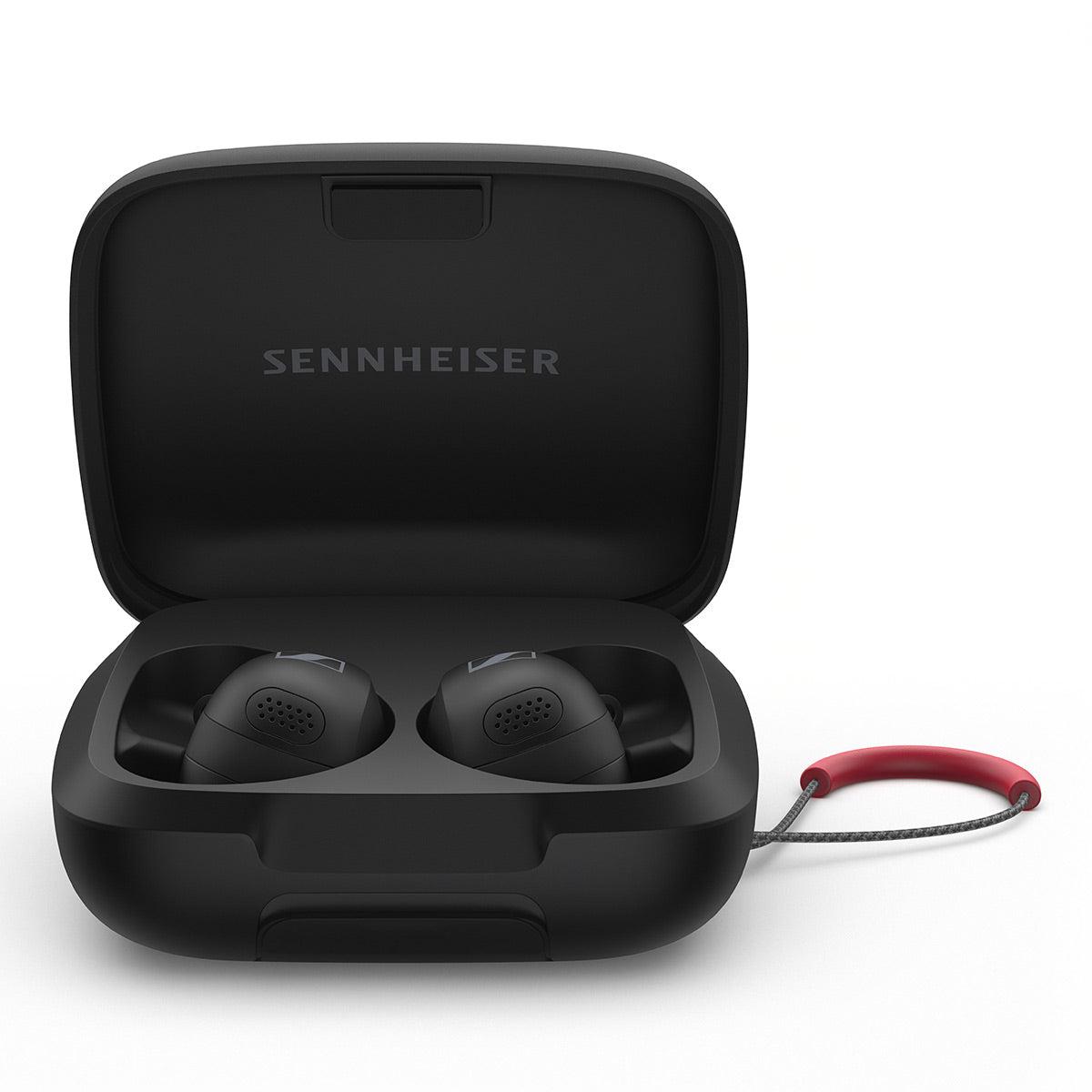
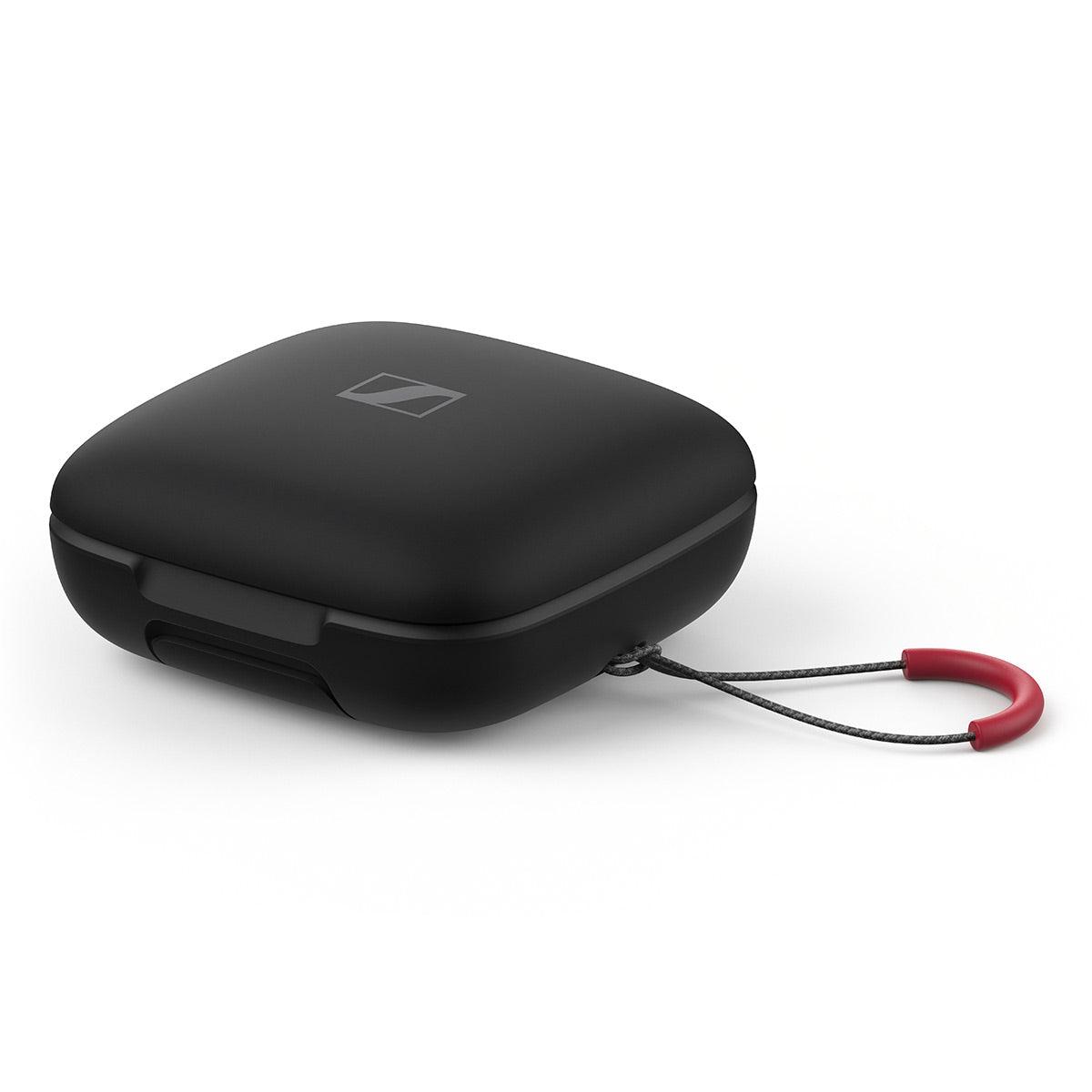
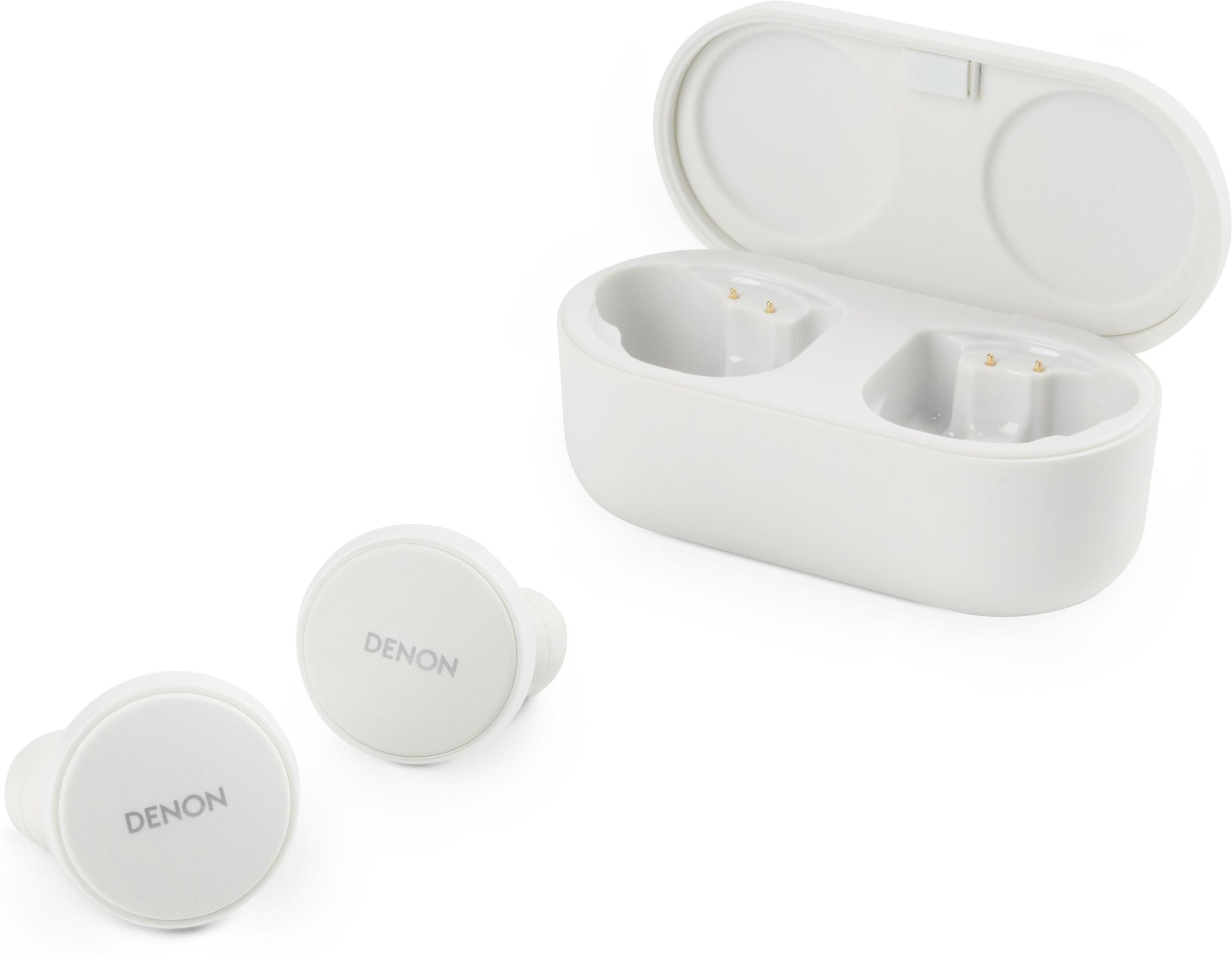
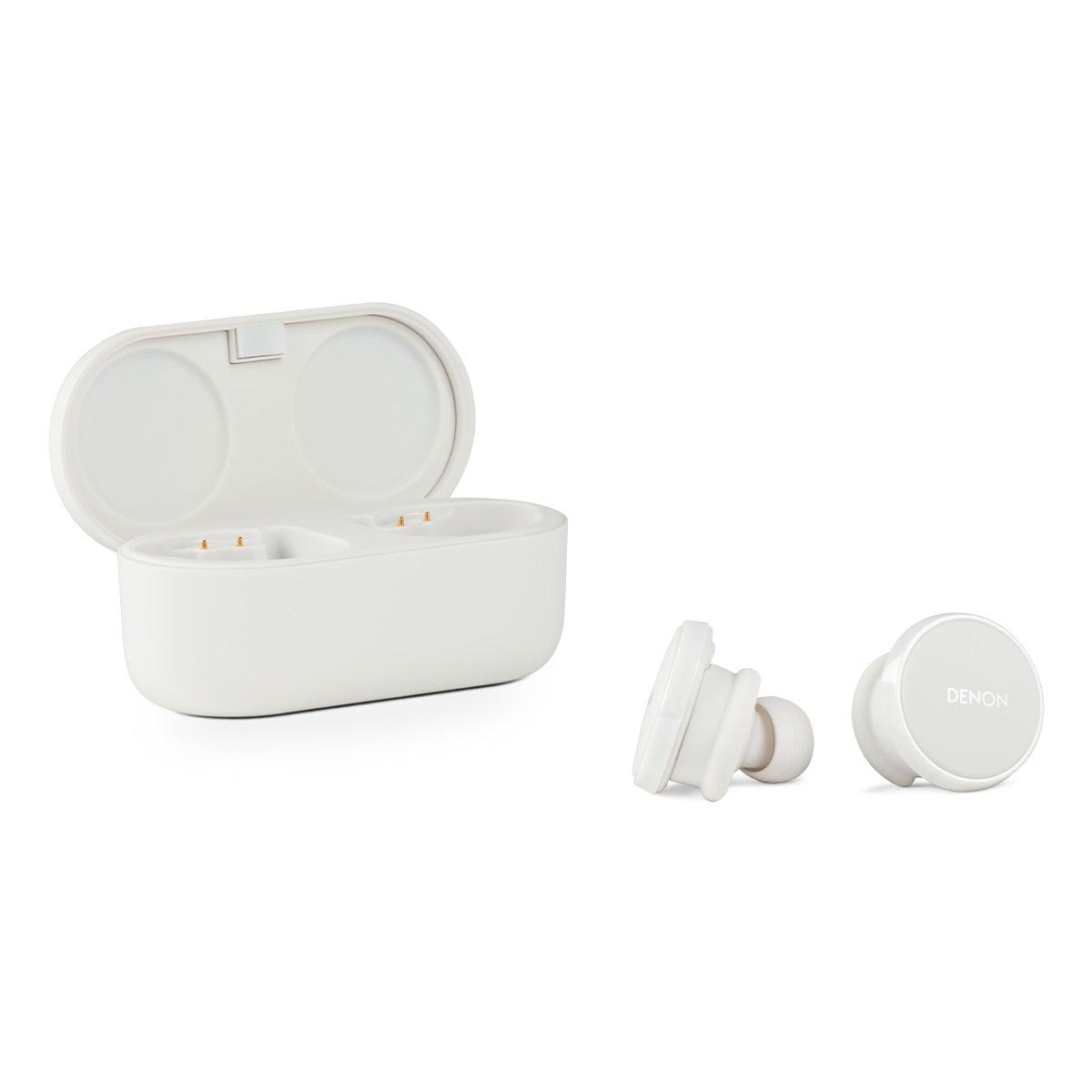
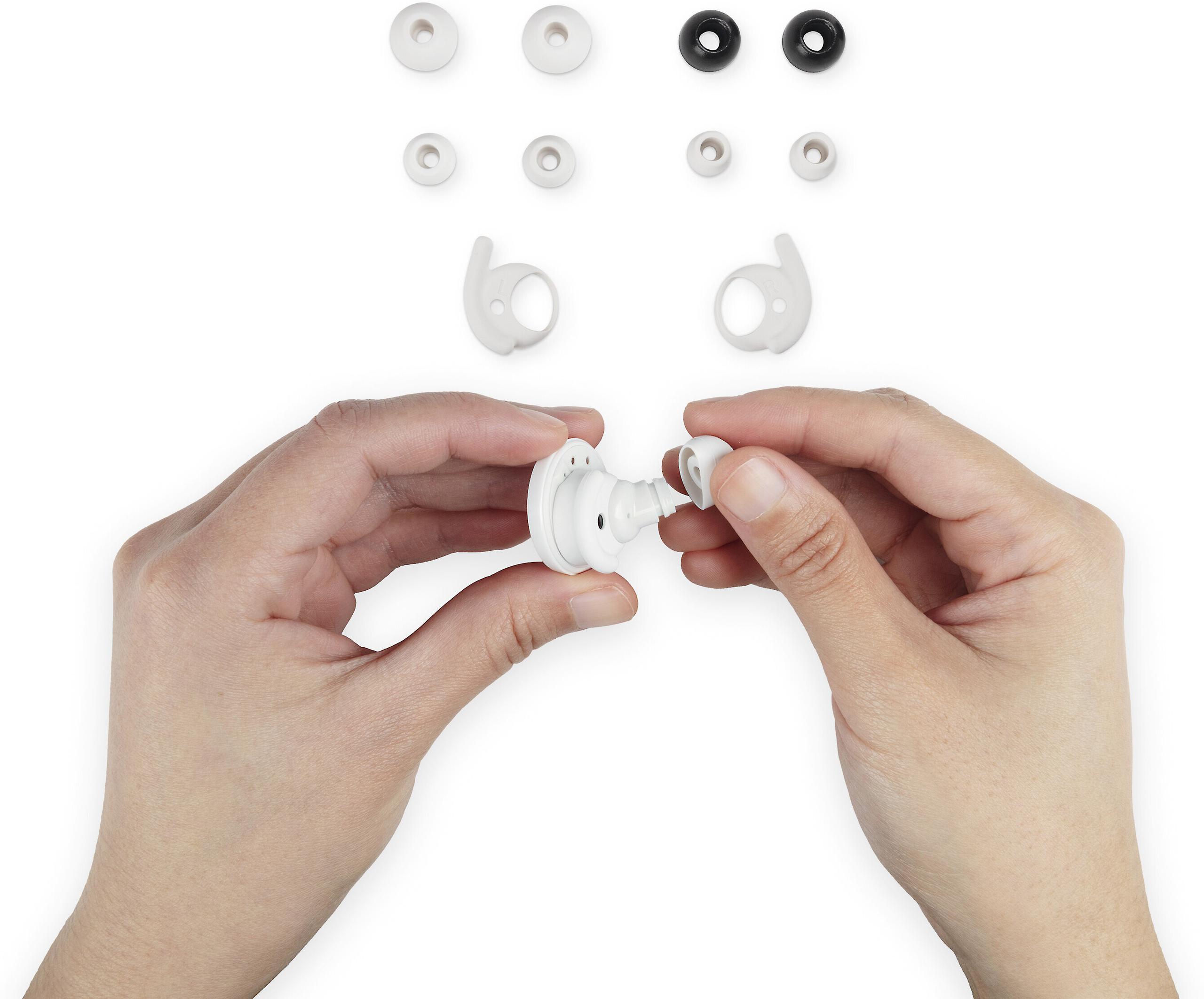
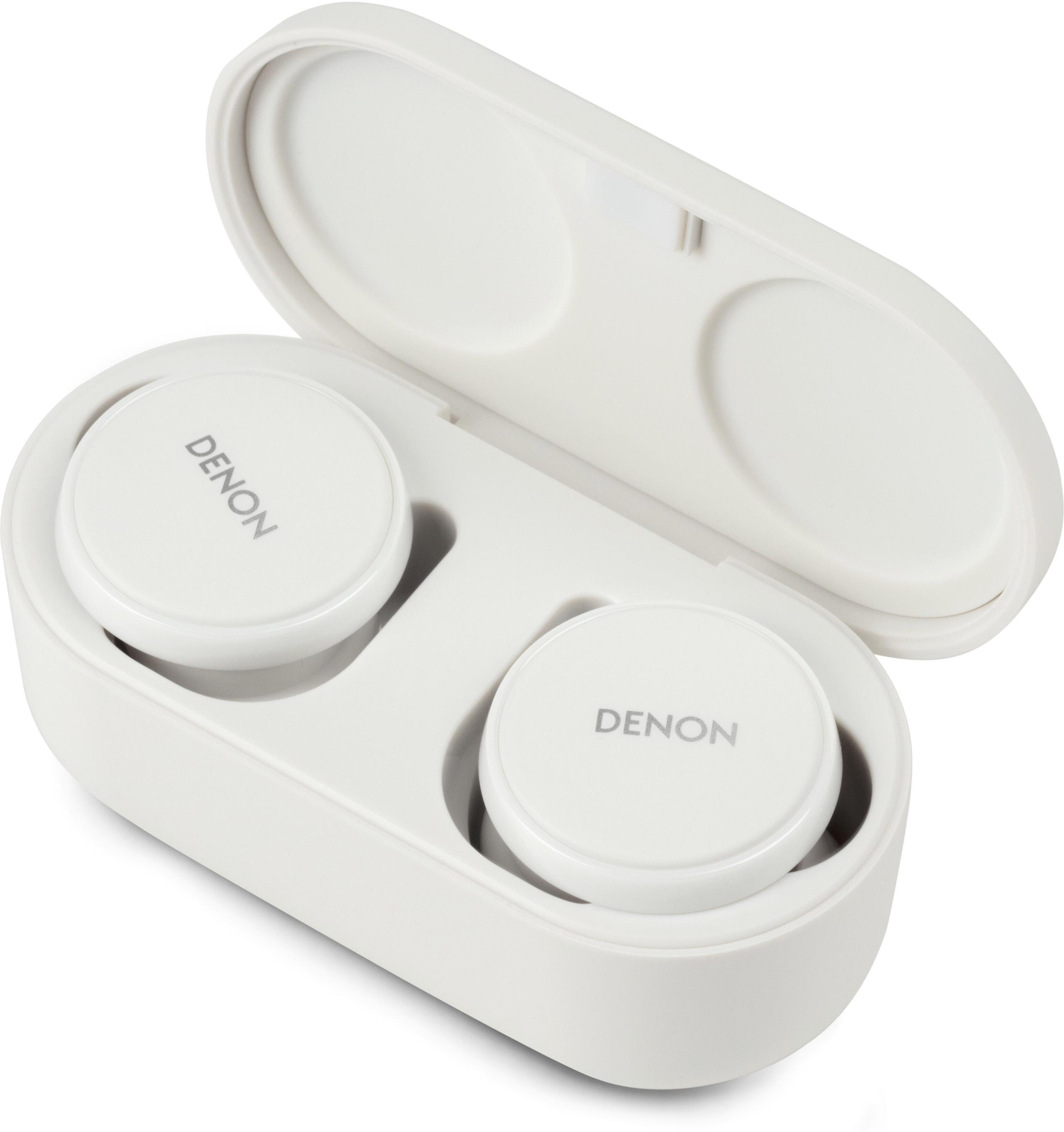
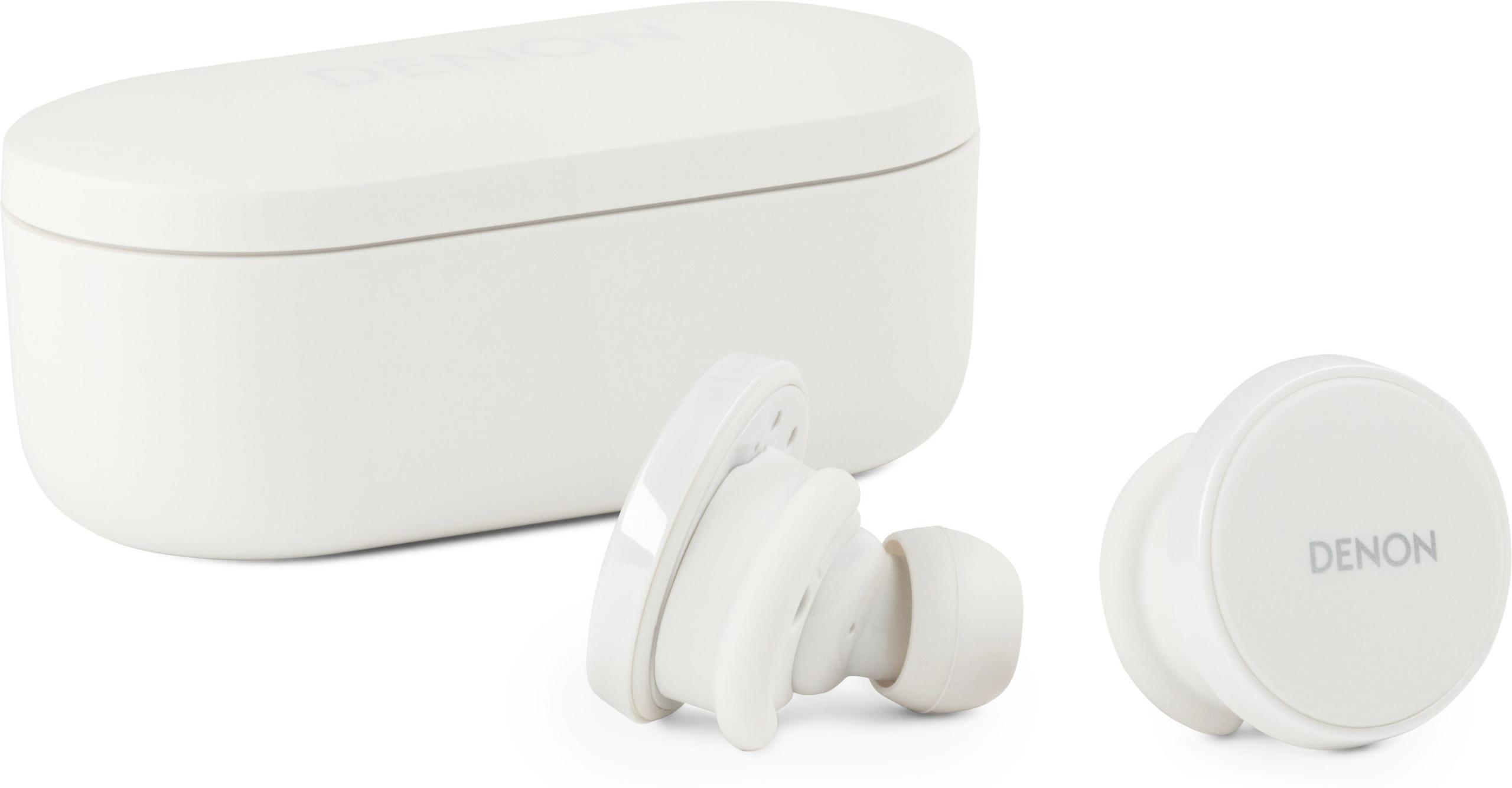
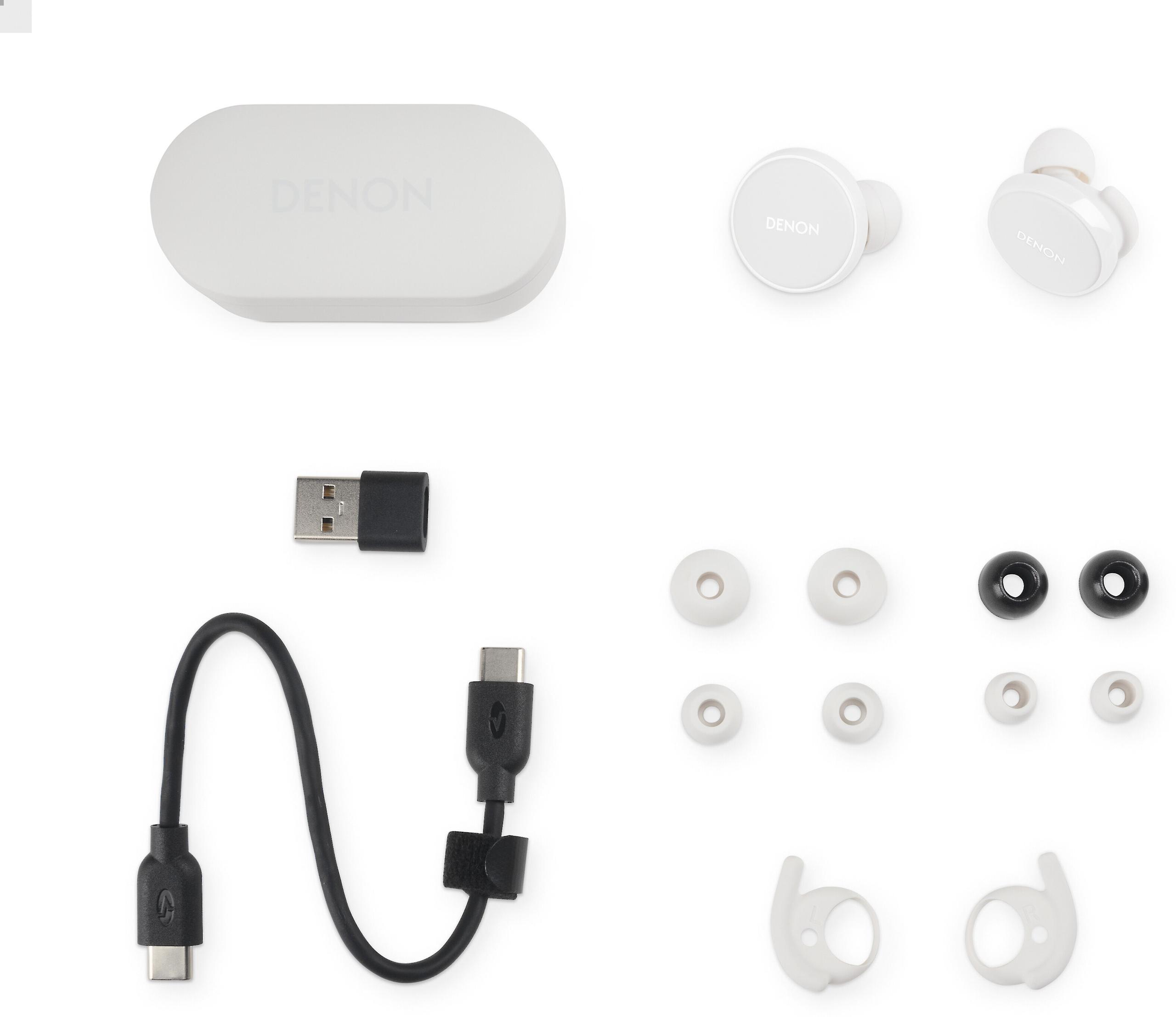
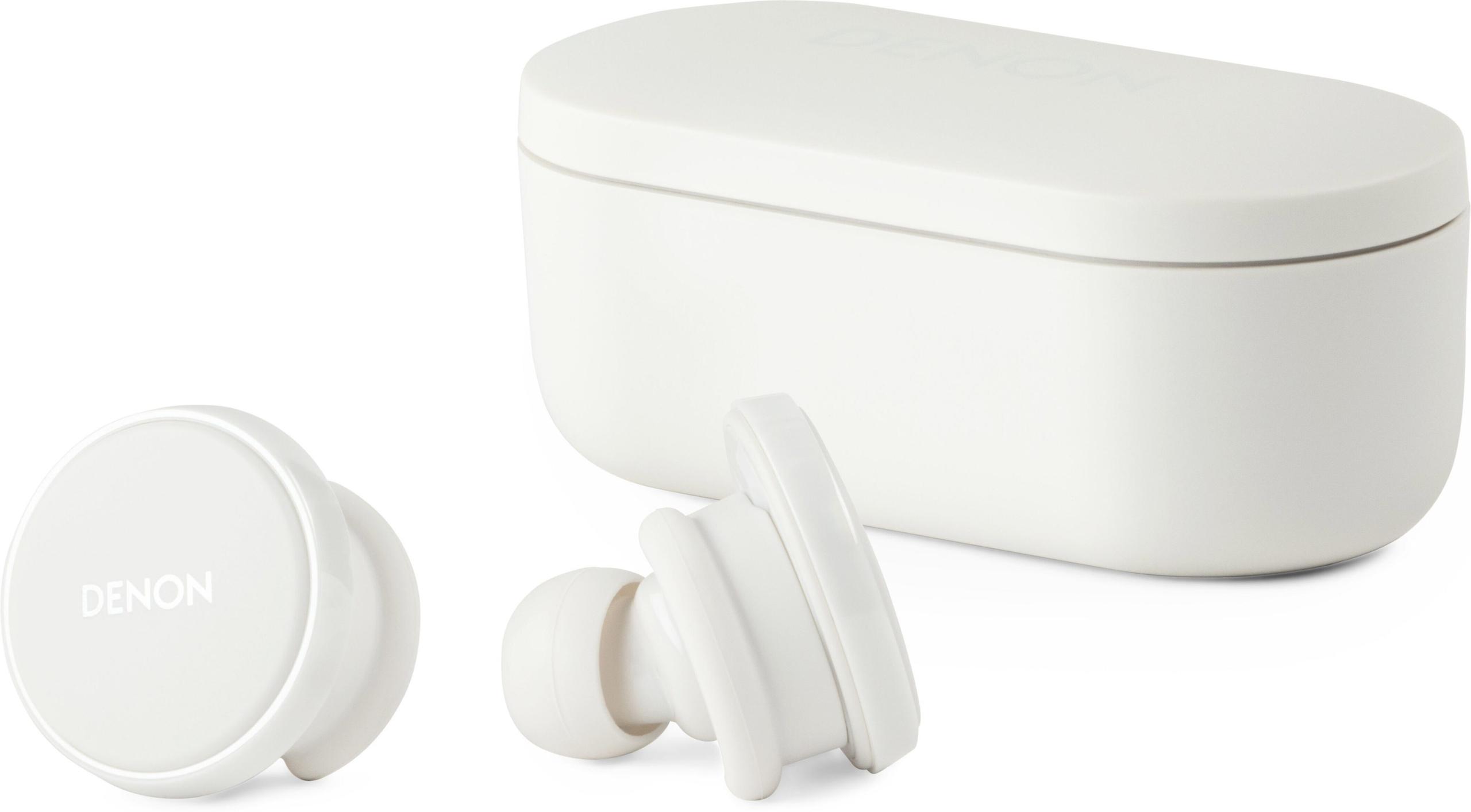

The true wireless earbud market has exploded over the past few years, with manufacturers pushing beyond basic audio playback into specialized territory. Two standout examples from 2024 showcase this evolution perfectly: the Sennheiser Momentum Sport and Denon PerL Pro. These earbuds represent fundamentally different approaches to premium audio, and understanding their distinct philosophies will help you make the right choice.
At the time of writing, the Momentum Sport commands a significant premium over the PerL Pro - we're talking about a price difference that could buy you a decent pair of wired headphones. But this isn't just about sticker shock; it's about understanding what you're paying for and whether those extra features align with your needs.
Before diving into specifics, let's talk about what separates good earbuds from great ones in 2024. The basics - decent sound quality, reliable Bluetooth connectivity, and acceptable battery life - are now table stakes. What distinguishes premium models are the extras: active noise cancellation (ANC), which uses microphones to detect and cancel ambient noise; spatial audio that creates a more immersive soundstage; personalization features; and specialized capabilities like fitness tracking.
Both the Momentum Sport and PerL Pro excel at the fundamentals but take dramatically different approaches to standing out. The former integrates health monitoring directly into the earbuds, while the latter focuses on creating personalized, theater-like audio experiences.
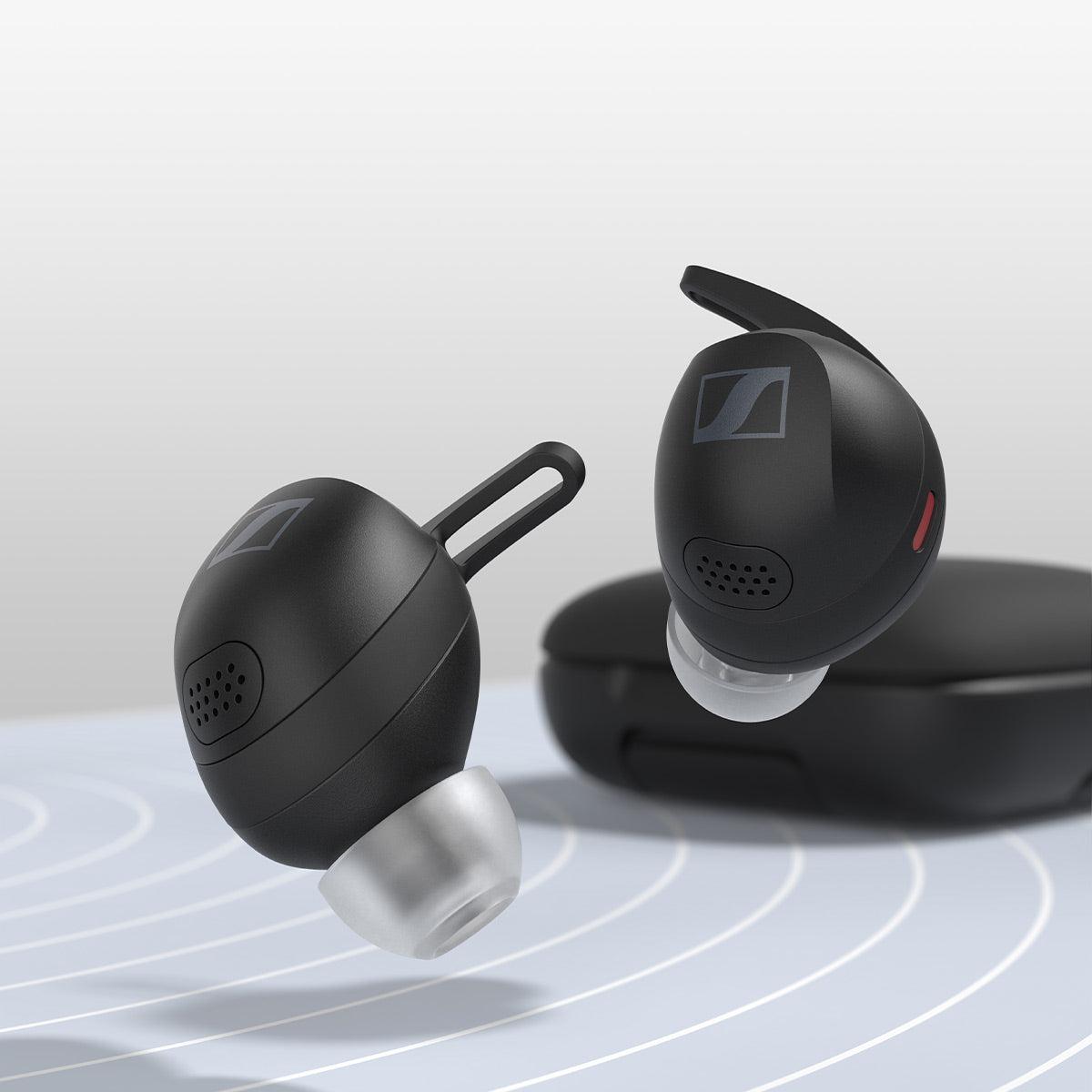
The Momentum Sport features 10mm dynamic drivers - that's the size of the small speaker inside each earbud - tuned specifically for athletic activities. What makes this interesting is Sennheiser's implementation of what they call a "semi-open acoustic design." This includes an acoustic relief channel that lets some air flow through, which serves two crucial purposes for athletes.
First, it reduces the occlusion effect - that hollow, echo-like sound you hear of your own voice and breathing when wearing sealed earbuds. Second, it minimizes body-borne noise like footsteps hitting the pavement or heavy breathing during intense workouts. As someone who's struggled with this exact issue during runs, this design choice makes real-world sense.
The Momentum Sport also includes a dedicated sports mode that boosts bass frequencies. This isn't just marketing fluff - research shows that bass-heavy music can actually improve workout performance by increasing motivation and perceived energy levels. The frequency response spans 15Hz to 18kHz, covering the full range of human hearing with some emphasis on the low end.
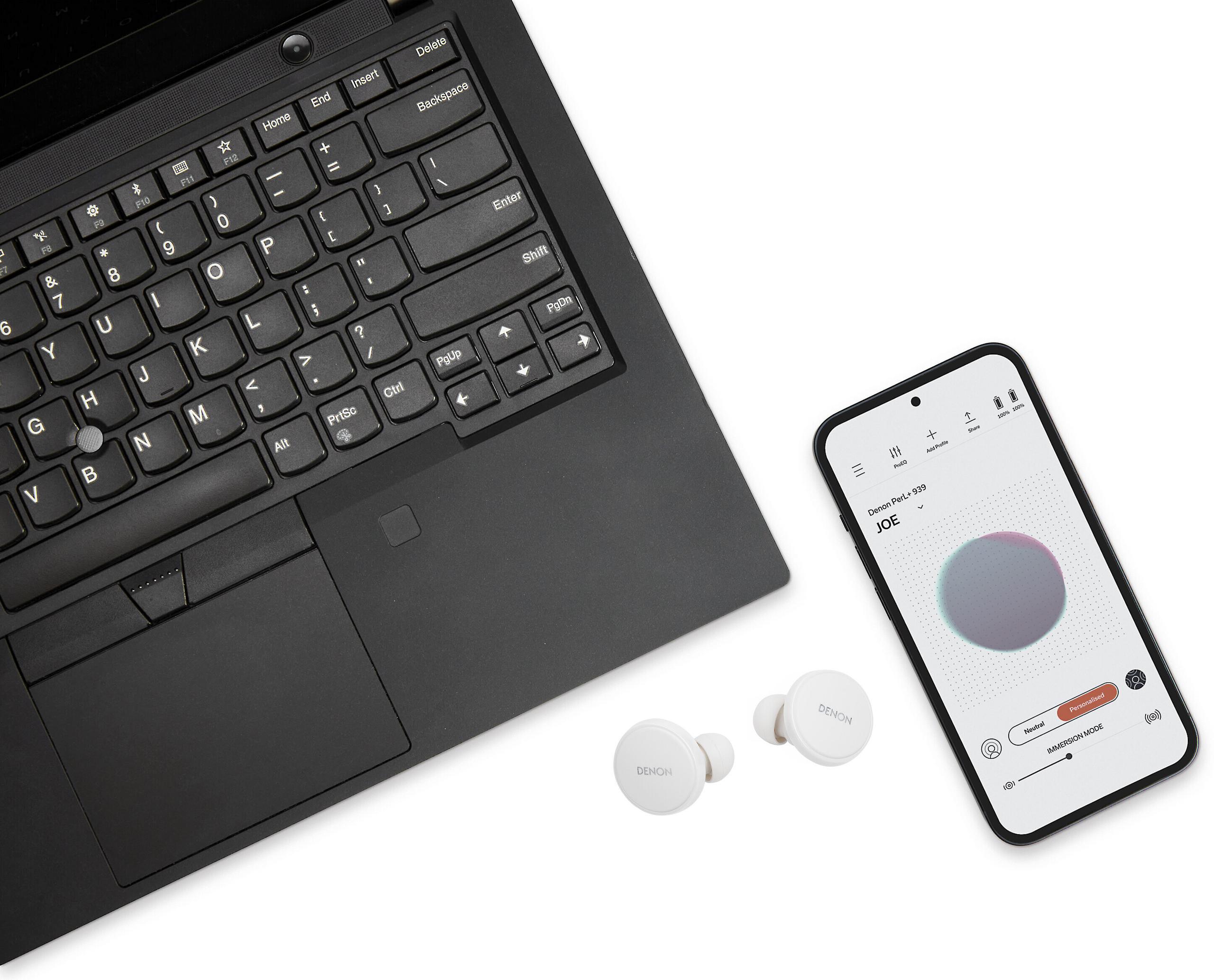
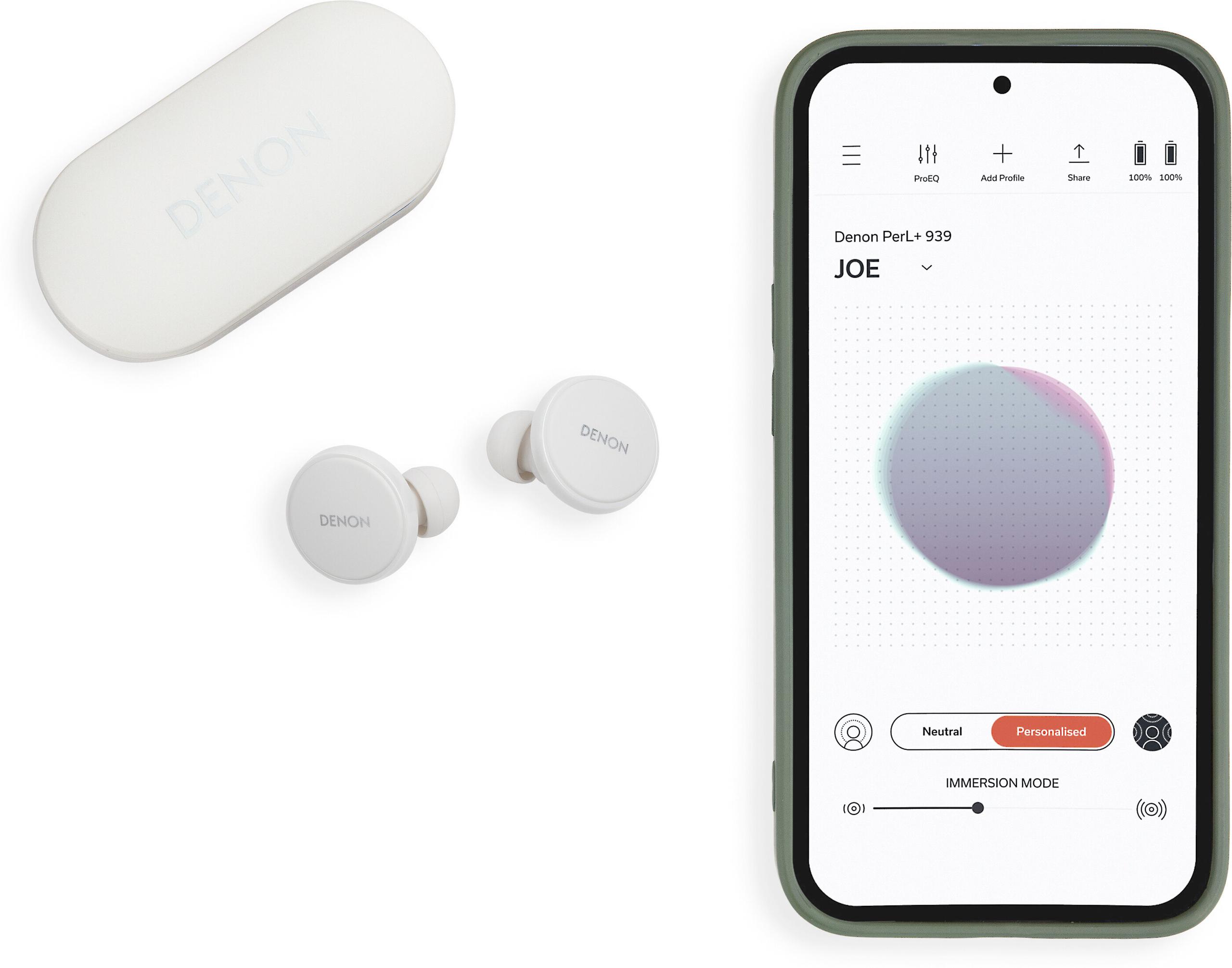
The PerL Pro takes a completely different tack with its Masimo Adaptive Acoustic Technology (AAT). This system performs a hearing test when you first set up the earbuds, playing various tones at different frequencies to map your unique hearing profile. Think of it like getting a custom prescription for your ears.
What's particularly clever is the visual feedback system - the app shows you a "hearing blob" that represents your personalized audio profile. Areas where you're more sensitive to certain frequencies appear different from areas where you need more volume. The earbuds then adjust their output in real-time to compensate for these variations.
Combined with Dirac Virtuo spatial audio processing, the PerL Pro creates what many users describe as a "theatrical" soundstage. The frequency response extends further than the Momentum Sport, reaching up to 40kHz - well beyond human hearing but potentially affecting the harmonics of audible frequencies.
Both earbuds support modern Bluetooth codecs, but there are important differences. The Momentum Sport handles aptX and aptX Adaptive, which provide good quality and low latency respectively. The PerL Pro goes further with aptX Lossless support, theoretically delivering CD-quality audio over Bluetooth without compression.
In practice, most people won't hear the difference between these codecs, especially during workouts. However, if you're an audiophile listening to high-resolution music files in quiet environments, the PerL Pro's codec support becomes more meaningful.
This is where the PerL Pro absolutely dominates. With 8 hours of single-charge playback compared to the Momentum Sport's 5.5-6 hours, plus 32 total hours from the case versus 18.5-24 hours, the difference is substantial.
Why does this matter? If you're using earbuds primarily for commuting or long listening sessions, running out of battery mid-journey is incredibly frustrating. The PerL Pro provides enough juice for a cross-country flight with hours to spare, while the Momentum Sport might leave you scrambling for the charging case on longer trips.
However, context matters. If you're using the Momentum Sport primarily for 1-2 hour workouts, the shorter battery life becomes less relevant. The quick-charge feature - 10 minutes of charging for 45 minutes of playback - helps bridge the gap for quick top-ups between gym sessions.
Here's where the Momentum Sport truly differentiates itself. These are the first earbuds to integrate photoplethysmography (PPG) heart rate sensors and body temperature monitoring directly into the ear canal. PPG technology works by shining light into your tissue and measuring how blood flow affects light absorption - the same principle used in smartwatches, but potentially more accurate in the ear.
This integration represents a paradigm shift. Instead of wearing a chest strap heart rate monitor plus earbuds, you get both functions in one device. The Momentum Sport connects seamlessly with popular fitness ecosystems including Polar Flow, Apple Health, Garmin Connect, Strava, and Peloton.
From a practical standpoint, this matters enormously for serious athletes. Heart rate zones are crucial for effective training - knowing whether you're in fat-burning, aerobic, or anaerobic zones helps optimize workout effectiveness. Having this data streaming directly to your fitness apps without additional hardware is genuinely convenient.
The body temperature monitoring adds another dimension, helping detect overheating during intense summer workouts or tracking recovery patterns. While some reviewers question its practical utility, sports scientists increasingly recognize core body temperature as an important performance metric.
The Momentum Sport earns its IP55 rating through robust construction designed for serious athletes. This rating means complete protection against dust ingress and protection against water jets from any direction - essentially, they'll survive sweat, rain, and accidental dunking.
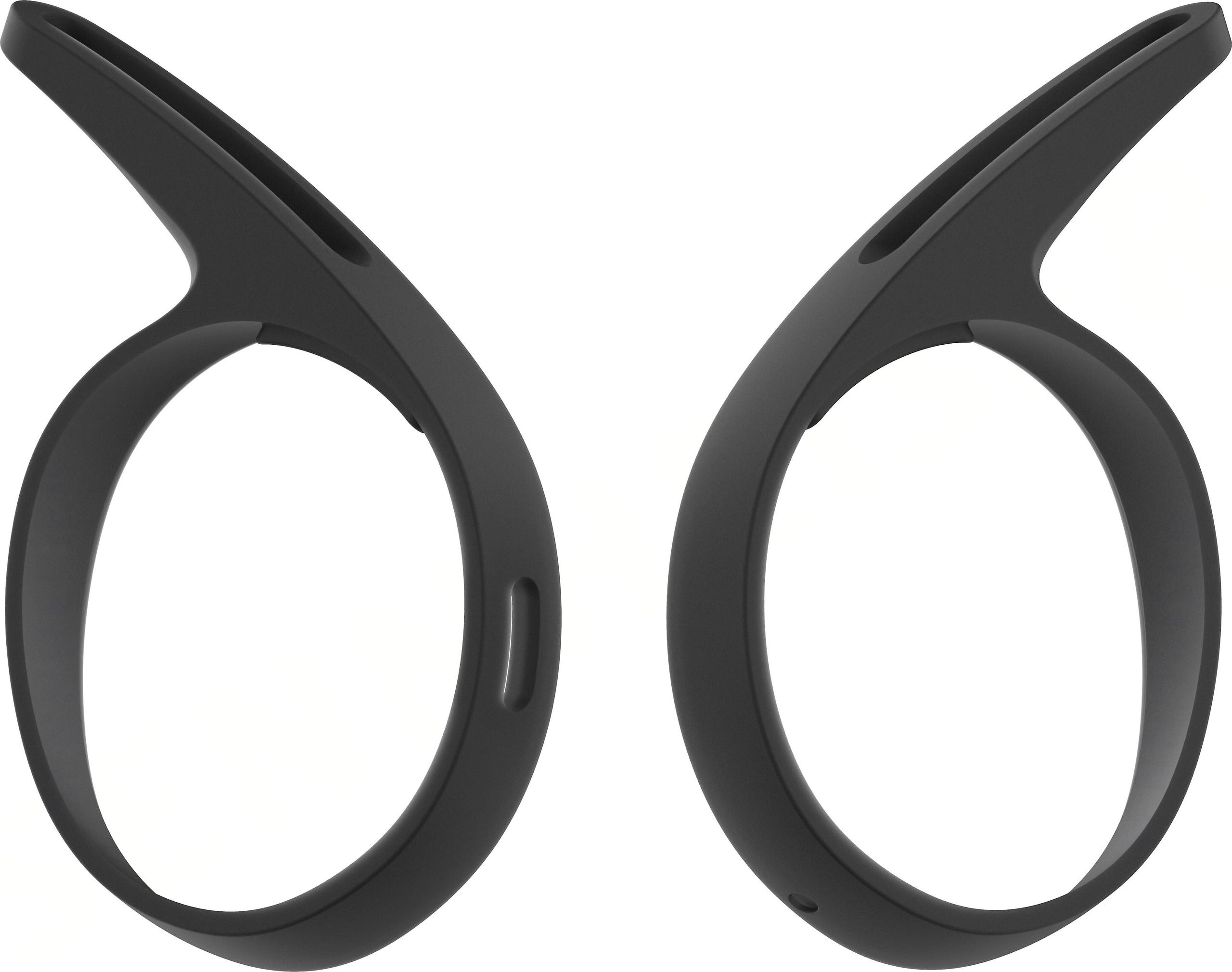
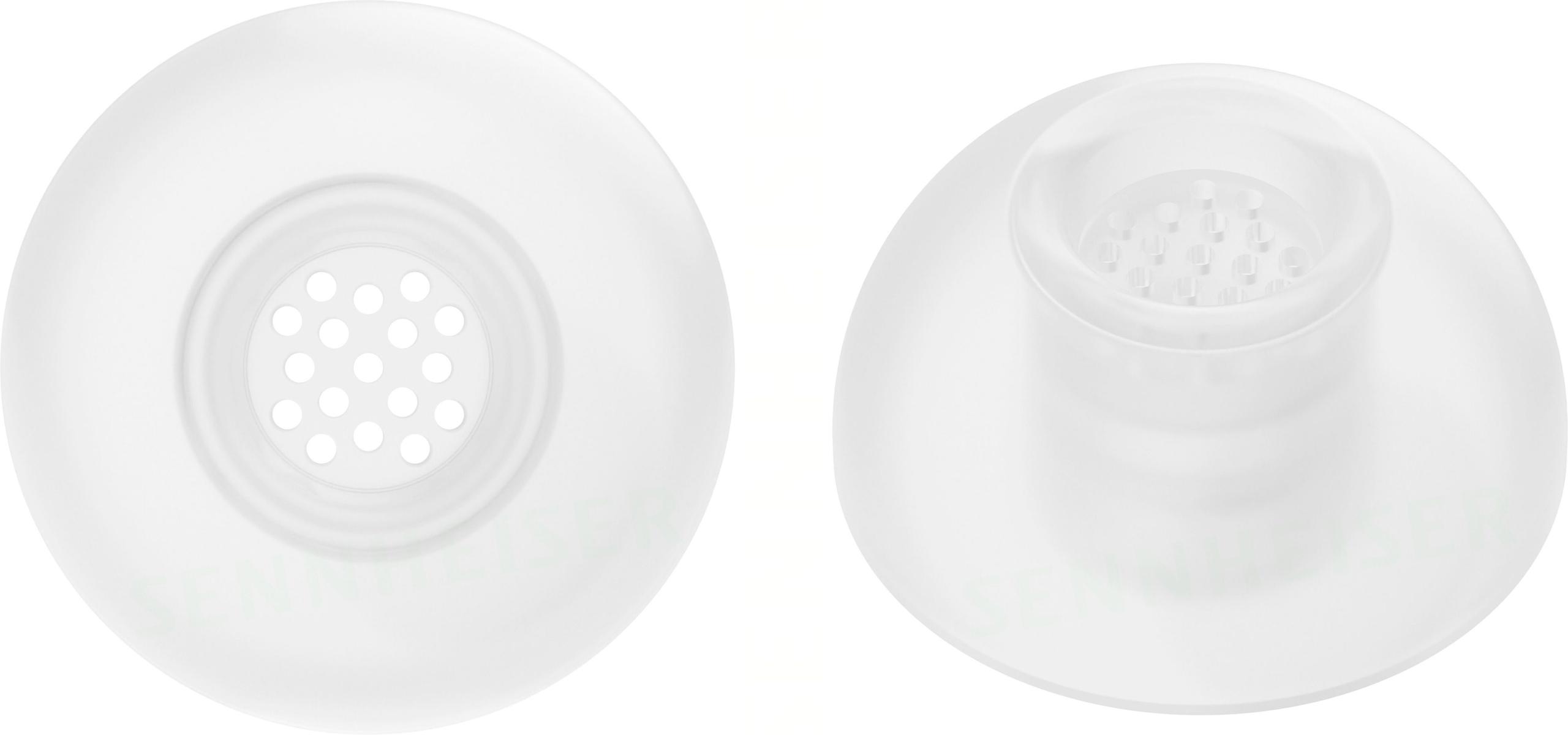
The shock-resistant design addresses another real-world concern. I've dropped earbuds countless times during workouts, and having hardware that can withstand impacts provides genuine peace of mind. The multiple ear fin sizes (S/M/L) and ear tip options (N/S/M/L) ensure a secure fit during high-intensity activities.
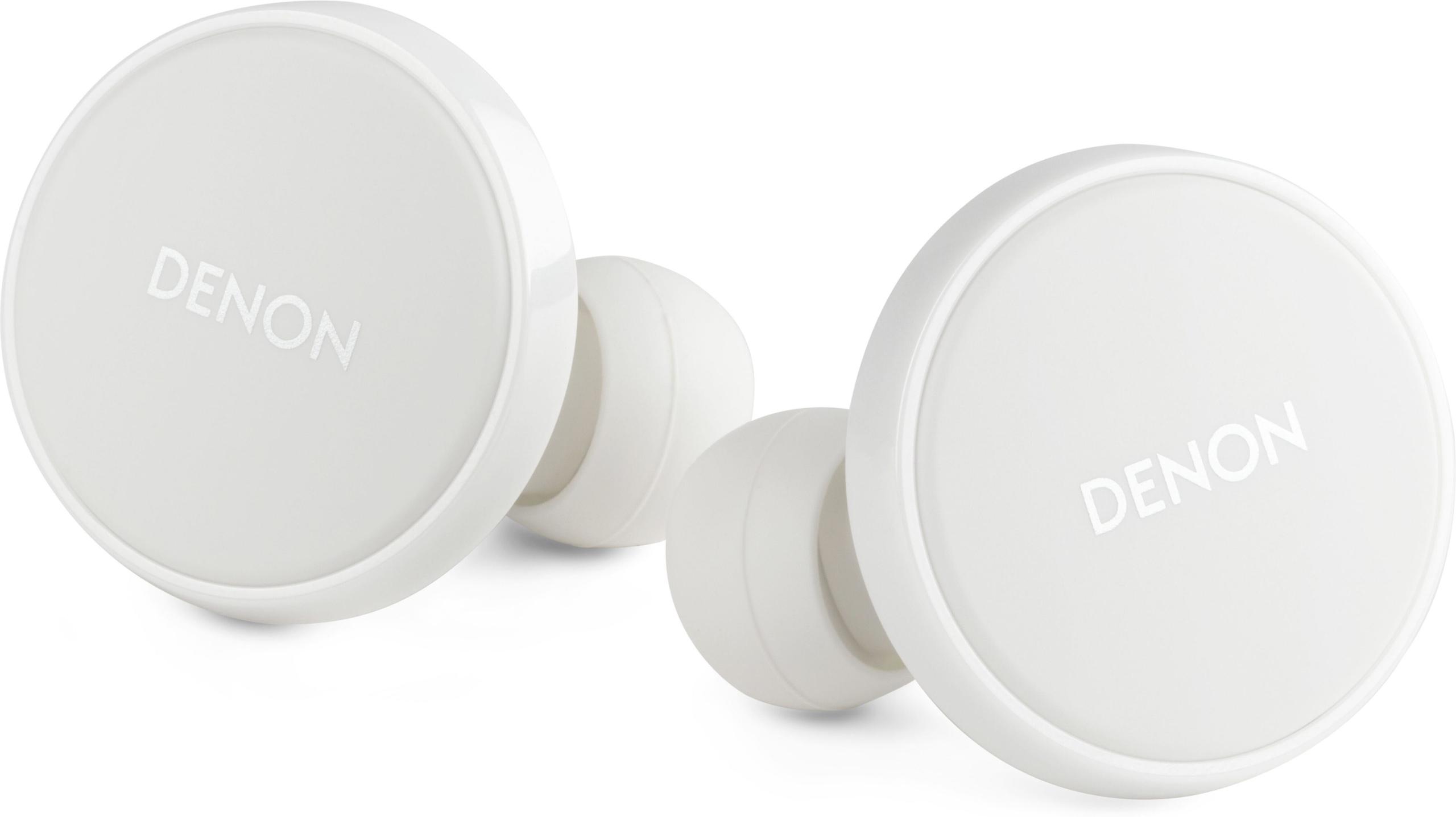
The PerL Pro, with its IPX4 rating, offers basic splash protection but isn't built for the same abuse. At 17.2g versus the Momentum Sport's 12.8g, they're also heavier, which could affect comfort during extended wear or vigorous exercise.
While neither earbud is specifically designed for home theater use, both offer features that could enhance your living room audio experience. The PerL Pro's spatial audio processing and personalized sound profiles can create an impressive sense of space when watching movies or TV shows, especially content mastered in surround sound formats.
The Dirac Virtuo processing specifically aims to recreate the experience of listening to speakers rather than headphones, which can be particularly effective for dialogue-heavy content or action scenes with complex soundscapes. However, for true home theater applications, both earbuds face the same limitation: they can't match the physical presence and impact of a proper surround sound system.
The Momentum Sport's fitness-optimized tuning might actually work against it in home theater scenarios, as the bass emphasis designed for workout motivation could muddy dialogue or overwhelm subtle audio details in films.
Both earbuds feature adaptive ANC, but their implementations reflect their target audiences. The Momentum Sport includes specialized modes like anti-wind reduction, crucial for outdoor activities like cycling or running in breezy conditions. The transparency mode is specifically tuned for sports awareness, letting you hear approaching traffic or other safety-critical sounds while maintaining audio quality.
The PerL Pro's ANC focuses more on traditional use cases - blocking office chatter, airplane noise, or general environmental sounds. With 8 total microphones (4 per earbud) compared to the Momentum Sport's configuration, it has more hardware dedicated to noise detection and cancellation.
In practice, both systems work well, but the Momentum Sport edges ahead for outdoor athletic activities due to its specialized wind noise handling.
At the time of writing, the price gap between these earbuds is significant - roughly equivalent to the cost of a decent fitness tracker. This raises an important question: are you paying for features you'll actually use?
The Momentum Sport essentially replaces two devices: premium earbuds plus a chest strap heart rate monitor. If you're already using or planning to buy both, the consolidation provides genuine value beyond just convenience. The integration is seamless, the data accuracy rivals dedicated fitness trackers, and you eliminate one more device to charge and maintain.
However, if fitness tracking isn't a priority, you're paying a substantial premium for features you won't use. The PerL Pro delivers comparable audio quality, superior battery life, and interesting personalization features at a much more accessible price point.
Both products launched in 2024, representing the current state of the art in their respective categories. Since release, firmware updates have refined their capabilities - the Momentum Sport has improved its fitness app integrations and heart rate accuracy, while the PerL Pro has enhanced its personalization algorithms and spatial audio processing.
The broader market has taken notice of both approaches. Several manufacturers are now exploring integrated fitness tracking, while personalized audio tuning has become increasingly common across price ranges. These earbuds represent early implementations of what will likely become standard features in premium audio devices.
After extensive testing, my recommendation depends entirely on your primary use case and budget priorities.
Choose the Sennheiser Momentum Sport if you're a serious fitness enthusiast who values the convenience of integrated health tracking. The premium pricing makes sense if you're already invested in fitness monitoring and appreciate having everything in one device. The sports-specific audio tuning and robust build quality justify the cost for regular gym-goers or outdoor athletes.
The Denon PerL Pro makes more sense for general audio enthusiasts who want premium features without the fitness premium. The superior battery life alone might justify the choice for frequent travelers or long-session listeners. The personalized audio tuning creates genuinely impressive soundstage experiences that work well for both music and video content.
For most people, the PerL Pro represents better overall value. Unless you specifically need the fitness tracking capabilities, you're getting comparable audio quality, much better battery life, and interesting personalization features at a significantly lower price point.
The Momentum Sport succeeds as a specialized tool for a specific audience. If you're that audience - someone who takes fitness seriously and values the convenience of consolidated tracking - it's an excellent choice despite the premium pricing. For everyone else, the PerL Pro delivers more capability per dollar spent.
Both earbuds excel at their intended purposes. Your choice should align with whether you prioritize fitness integration or pure audio value, understanding that either way, you're getting a well-engineered product that represents the current state of the art in premium true wireless audio.
| Sennheiser Momentum Sport | Denon PerL Pro |
|---|---|
| Battery Life - Critical for daily use and long listening sessions | |
| 5.5-6 hours earbuds, 18.5-24 hours total with case | 8 hours earbuds, 32 hours total with case |
| Water/Dust Resistance - Essential for workouts and outdoor use | |
| IP55 (dust-tight, water jet resistant from any angle) | IPX4 (splash resistant only) |
| Weight Per Earbud - Affects comfort during extended wear | |
| 12.8g (lighter, better for sports) | 17.2g (heavier, may affect fit during exercise) |
| Unique Audio Features - What sets each apart from standard earbuds | |
| Semi-open design reduces body noise, sports-tuned bass boost | Personalized sound profiles via hearing test, spatial audio processing |
| Bluetooth Codec Support - Determines audio quality over wireless | |
| SBC, AAC, aptX, aptX Adaptive | SBC, AAC, aptX Classic, aptX Adaptive, aptX Lossless |
| Fitness Integration - Game-changing for athletes and fitness enthusiasts | |
| Heart rate sensor, body temperature monitoring, connects to Polar/Strava/Garmin | None - purely audio-focused |
| Active Noise Cancellation Modes - Adaptation to different environments | |
| Adaptive ANC plus anti-wind mode for outdoor activities | Standard adaptive ANC with social transparency mode |
| Microphone Array - Important for call quality and ANC effectiveness | |
| Standard configuration | 8 total microphones (4 per earbud) |
| Quick Charge Performance - Convenience for busy lifestyles | |
| 10 minutes = 45 minutes playback | 5 minutes = 1 hour playback |
| Target Market - Who each product serves best | |
| Serious athletes and fitness enthusiasts wanting consolidated tracking | Audio enthusiasts seeking personalized sound at better value |
| Special Features Worth Noting | |
| First earbuds to replace chest strap HR monitors, Qi wireless charging case | Find device feature, extensive EQ customization, Dirac spatial audio |
The Denon PerL Pro significantly outperforms the Sennheiser Momentum Sport in battery life. The PerL Pro offers 8 hours of single-charge playback with 32 hours total from the charging case, while the Momentum Sport provides 5.5-6 hours per charge with 18.5-24 hours total. For extended listening sessions or travel, the PerL Pro is the clear winner.
The Sennheiser Momentum Sport is specifically designed for fitness activities with IP55 water/dust resistance, integrated heart rate monitoring, and sports-optimized sound tuning. The Denon PerL Pro has only basic IPX4 splash protection and no fitness features, making the Momentum Sport the obvious choice for athletic use.
Both earbuds deliver excellent audio quality but with different approaches. The Sennheiser Momentum Sport offers sports-tuned sound with enhanced bass and precise localization. The Denon PerL Pro features personalized sound profiles based on your hearing test and spatial audio processing for a more theatrical experience. Audio quality is roughly comparable, with preferences depending on your listening style.
Only the Sennheiser Momentum Sport includes integrated heart rate and body temperature sensors that connect to fitness apps like Strava, Polar Flow, and Garmin Connect. The Denon PerL Pro has no fitness tracking capabilities and focuses purely on audio performance.
The Sennheiser Momentum Sport offers superior durability with IP55 rating (dust-tight and water jet resistant) plus shock-resistant construction designed for intense workouts. The PerL Pro has basic IPX4 splash resistance, making the Momentum Sport much better suited for harsh conditions and active lifestyles.
Both earbuds feature adaptive active noise cancellation, but the Sennheiser Momentum Sport includes specialized anti-wind modes for outdoor activities. The Denon PerL Pro has 8 microphones total for potentially better general noise cancellation. Both perform well, with the Momentum Sport having slight advantages for outdoor use.
The Denon PerL Pro offers better overall value with superior battery life, personalized audio features, and premium build quality at a more accessible price point. The Sennheiser Momentum Sport commands a significant premium primarily for its unique fitness tracking integration, making it worthwhile only if you need those specific features.
Both earbuds handle phone calls well, but the Denon PerL Pro has more microphones (8 total vs standard configuration) which may provide clearer call quality. The Sennheiser Momentum Sport includes wind noise reduction that could benefit outdoor calls. Either option works fine for regular phone use.
The Sennheiser Momentum Sport is lighter at 12.8g per earbud compared to the PerL Pro's 17.2g, potentially offering better comfort during extended wear. However, the PerL Pro provides much longer battery life, reducing the need for charging breaks during long sessions.
Yes, both the Sennheiser Momentum Sport and Denon PerL Pro use standard Bluetooth connectivity and work with any modern smartphone. Both support multiple Bluetooth codecs including AAC for iPhones and aptX for Android devices, ensuring good compatibility across platforms.
The Denon PerL Pro has faster quick charging, providing 1 hour of playback after just 5 minutes of charging. The Sennheiser Momentum Sport offers 45 minutes of playback after 10 minutes of charging. Both support wireless Qi charging, but the PerL Pro edges ahead in charging speed.
Choose the Sennheiser Momentum Sport if you're a serious athlete who values integrated heart rate monitoring and sports-specific features. Pick the Denon PerL Pro if you prioritize pure audio quality, longer battery life, and better value for general music listening. Your primary use case should determine which approach better fits your needs.
We've done our best to create useful and informative comparisons to help you decide what product to buy. Our research uses advanced automated methods to create this comparison and perfection is not possible - please contact us for corrections or questions. These are the sites we've researched in the creation of this article: rtings.com - shop.prevention.com - youtube.com - techradar.com - sennheiser-hearing.com - youtube.com - dcrainmaker.com - head-fi.org - whathifi.com - youtube.com - youtube.com - head-fi.org - ecoustics.com - soundguys.com - audio46.com - moon-audio.com - newsroom.sennheiser.com - youtube.com - shop.menshealth.com - the5krunner.com - youtube.com - bloomaudio.com - eftm.com - soundguys.com - techradar.com - sennheiser-hearing.com - techradar.com - zdnet.com - bestbuy.com - rtings.com - reviewed.com - youtube.com - pmamagazine.org - denon.com - youtube.com - whathifi.com - denon.com - loudnwireless.com - soundguys.com - stereonet.com - shop.masimo.com - crutchfield.com - bhphotovideo.com - denon.com - denon.com - manuals.denon.com - denon.com - headphones.com

Privacy Policy
Terms and Conditions - Affiliate Policy
Home Security
© Copyright 2008-2026.
11816 Inwood Rd #1211, Dallas, TX 75244