

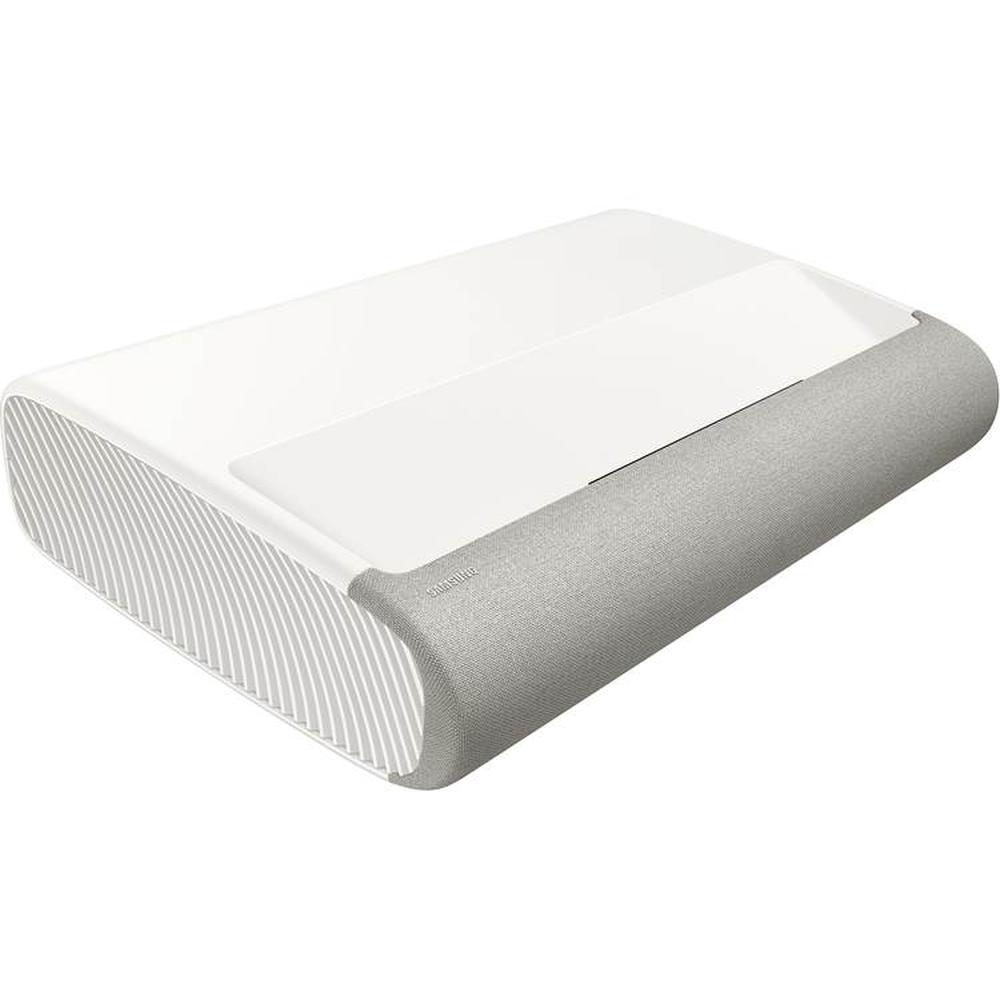
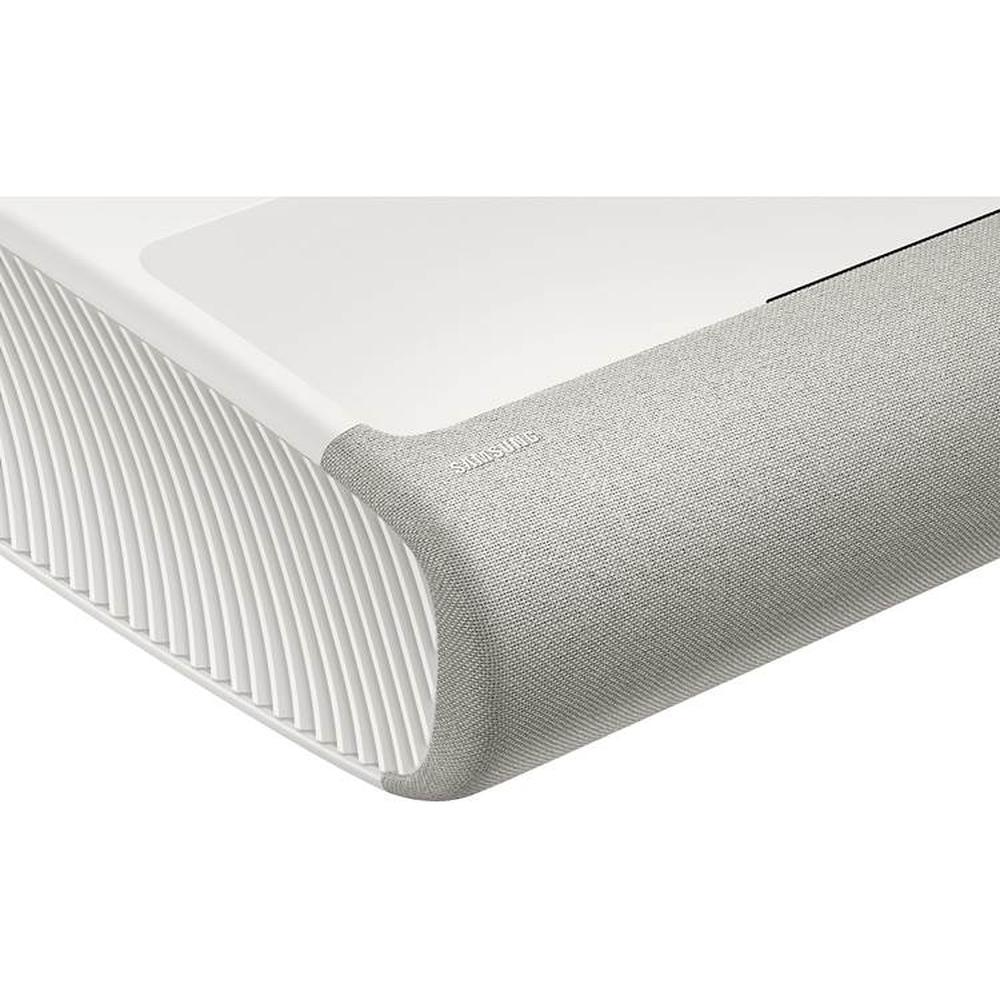
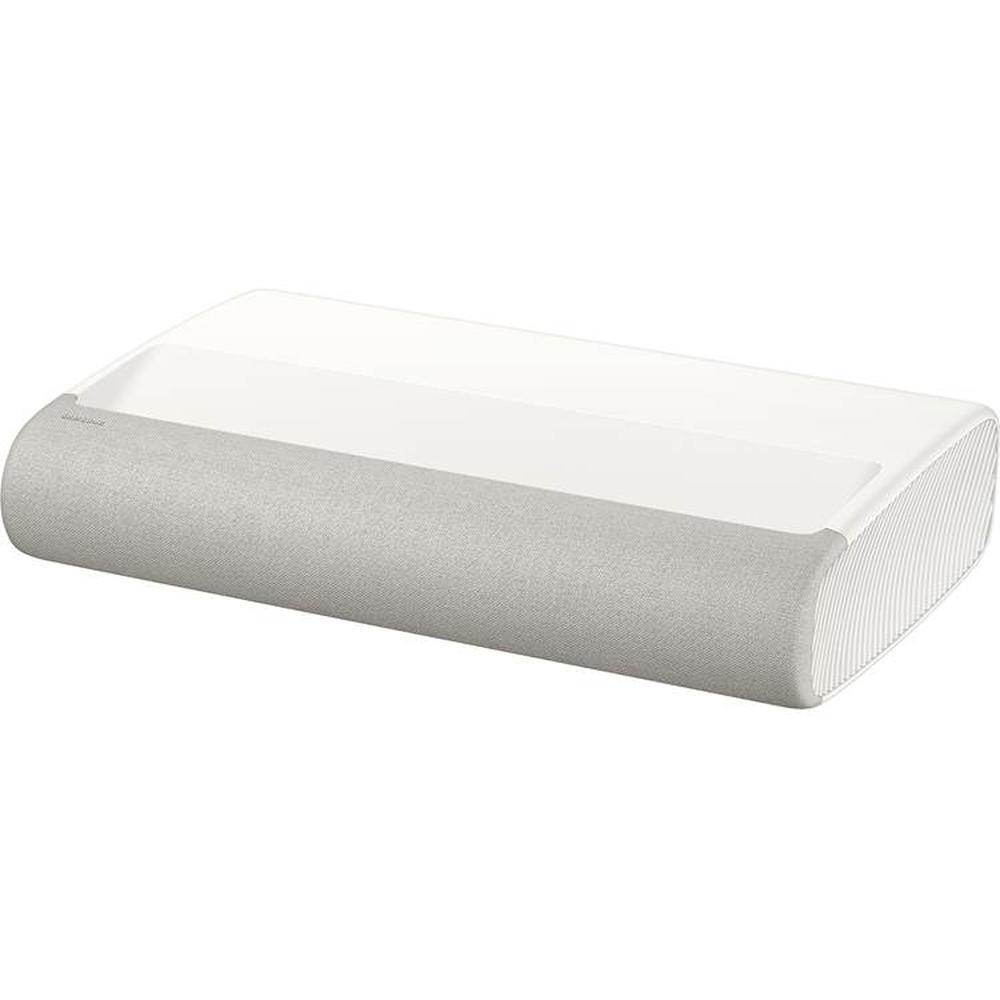
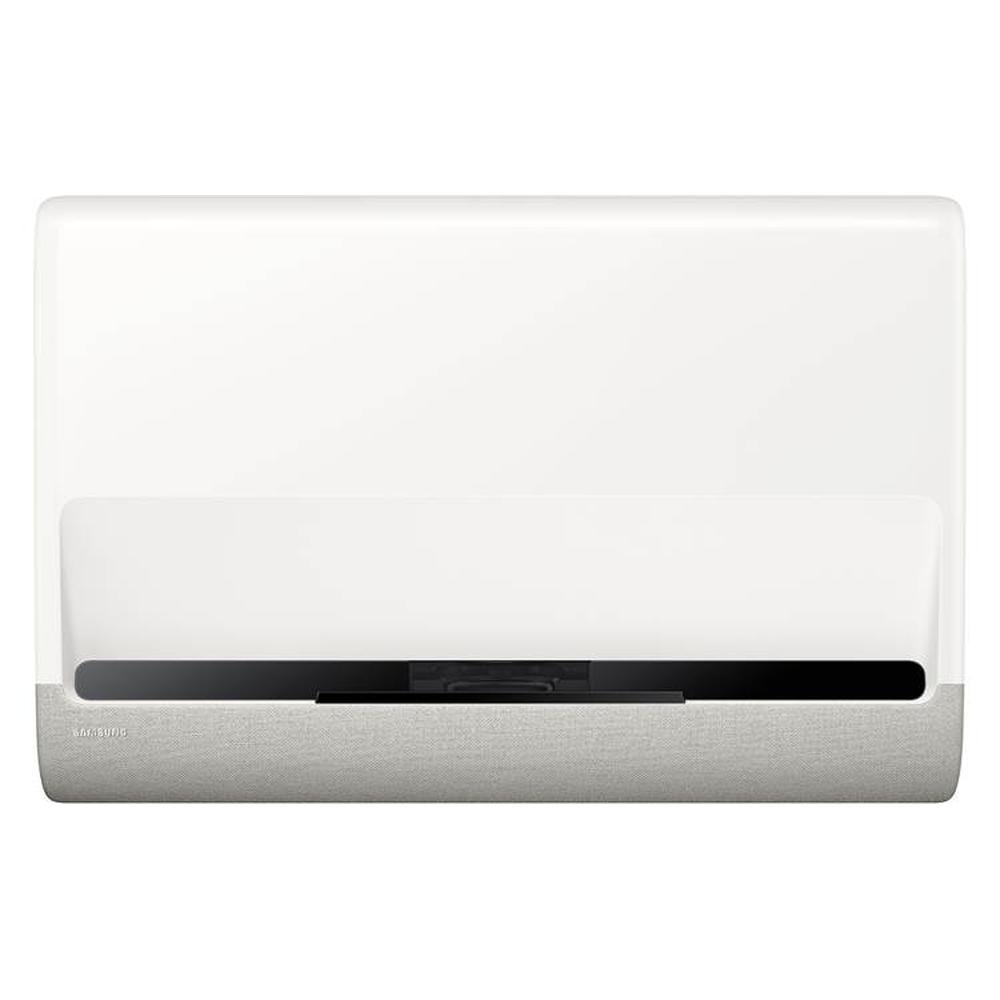
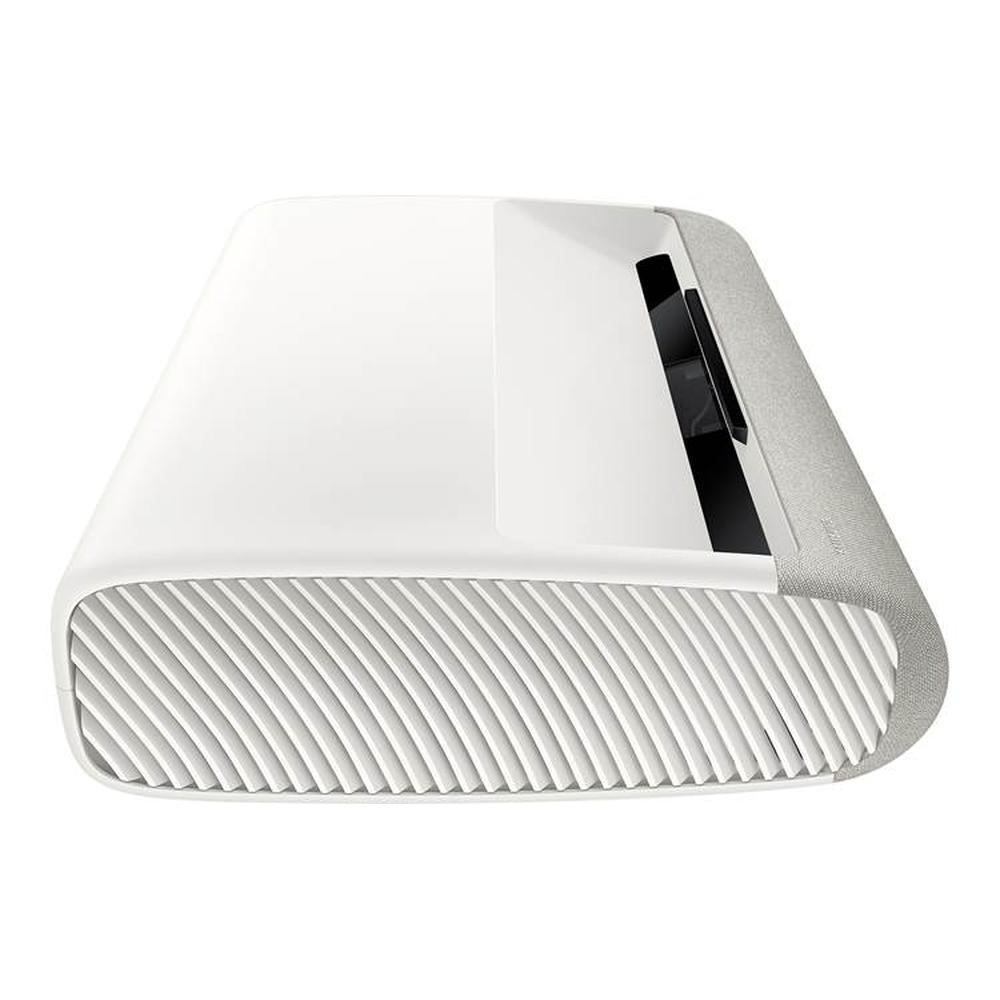
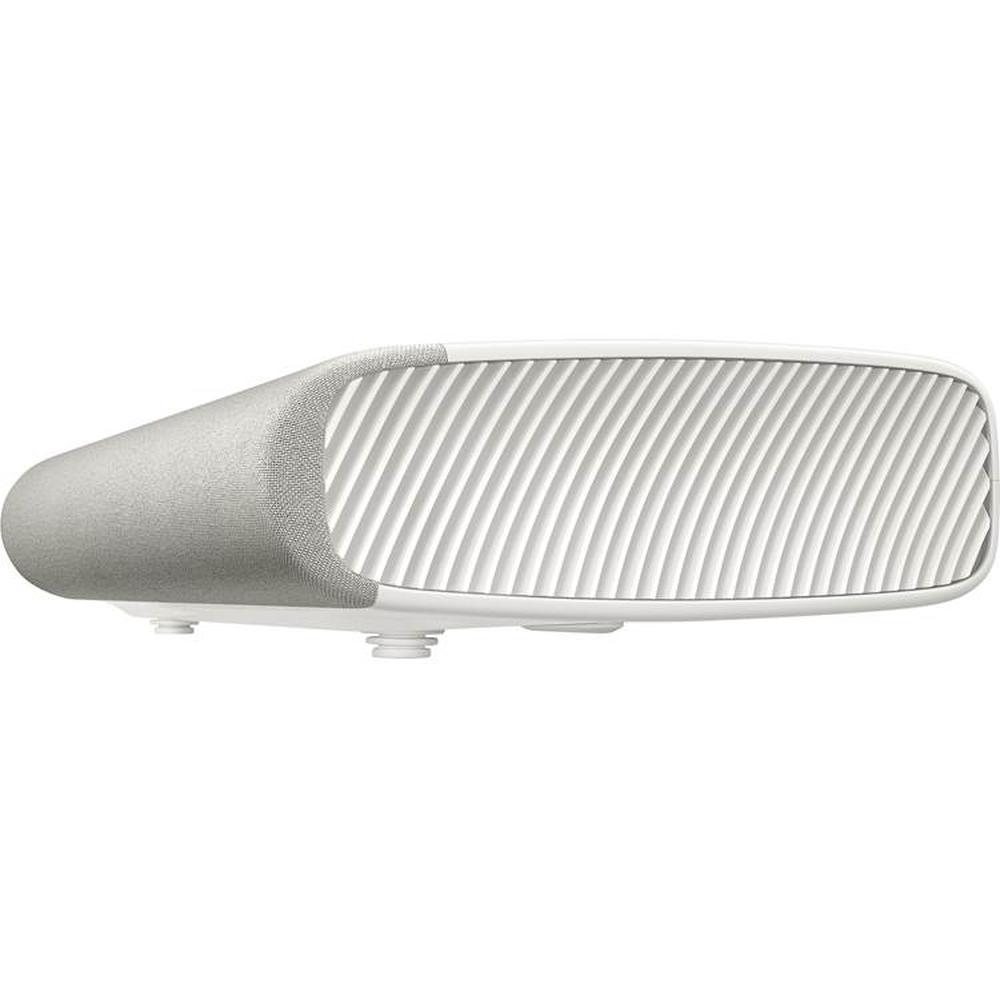
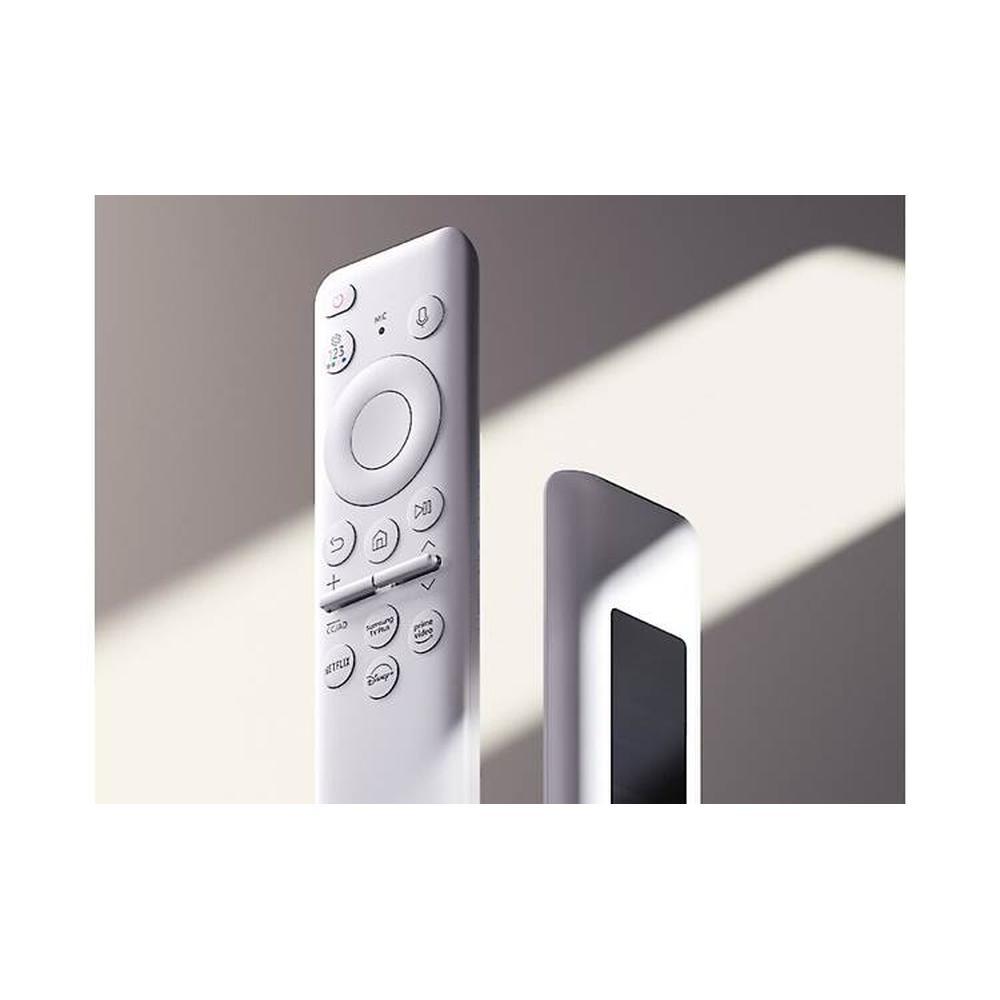
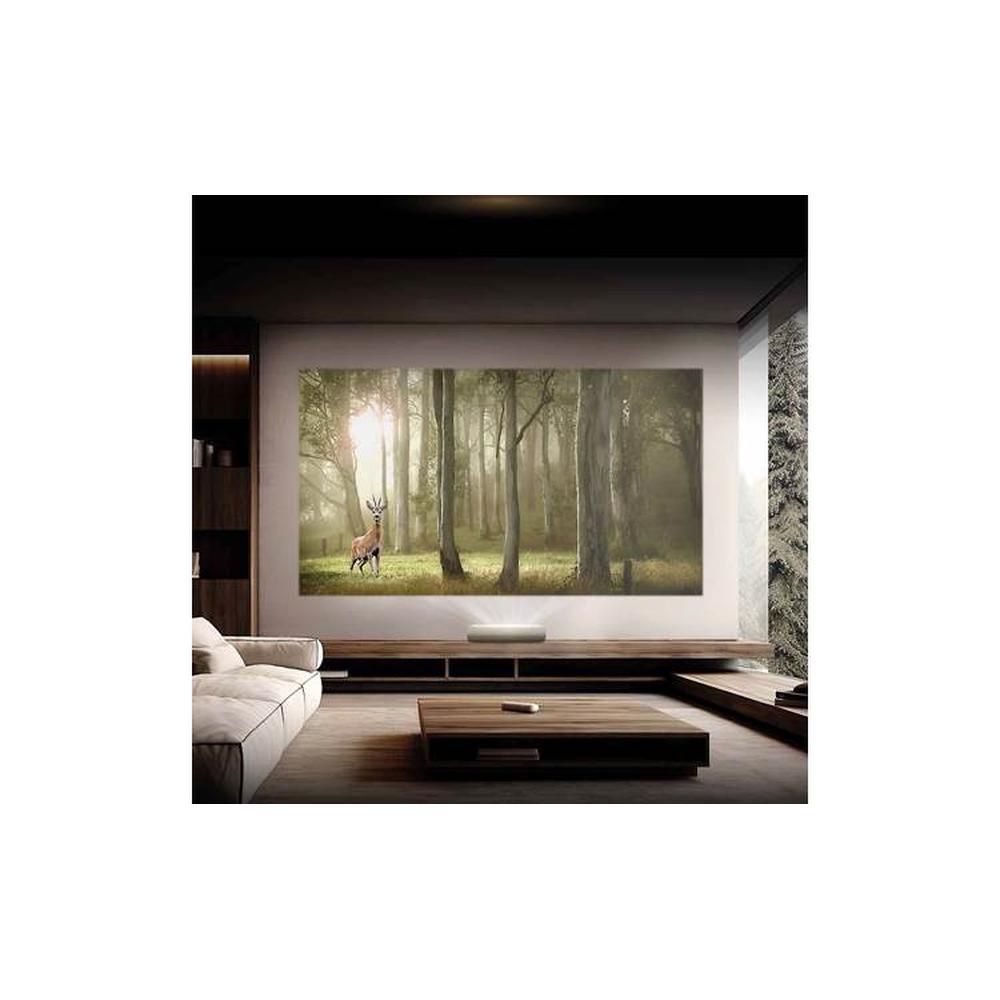
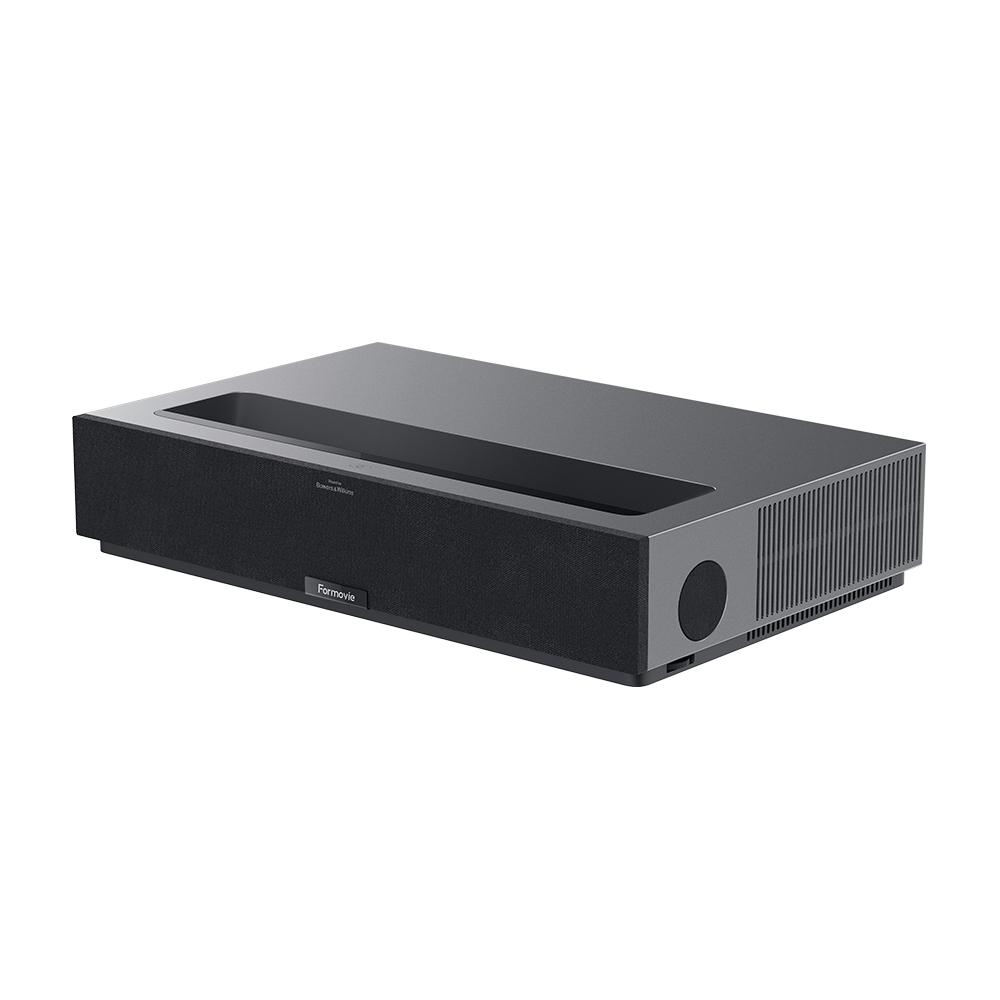
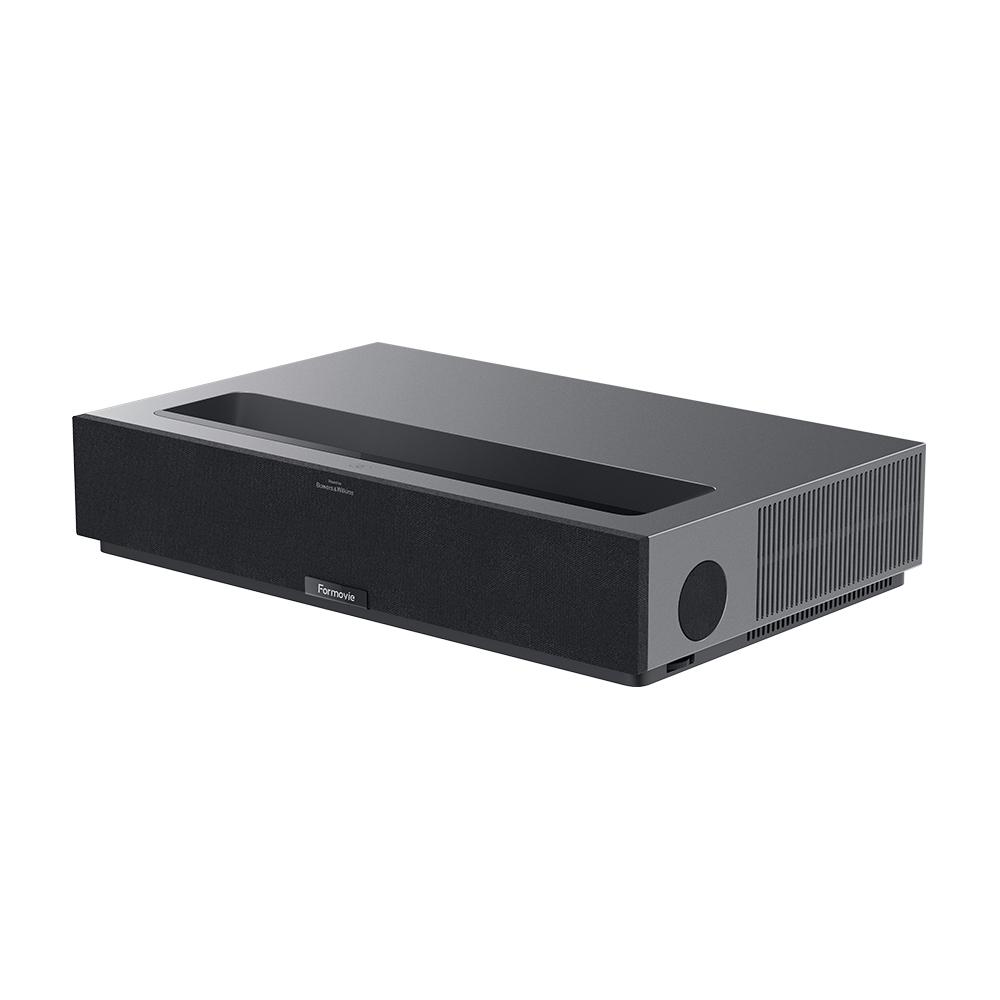
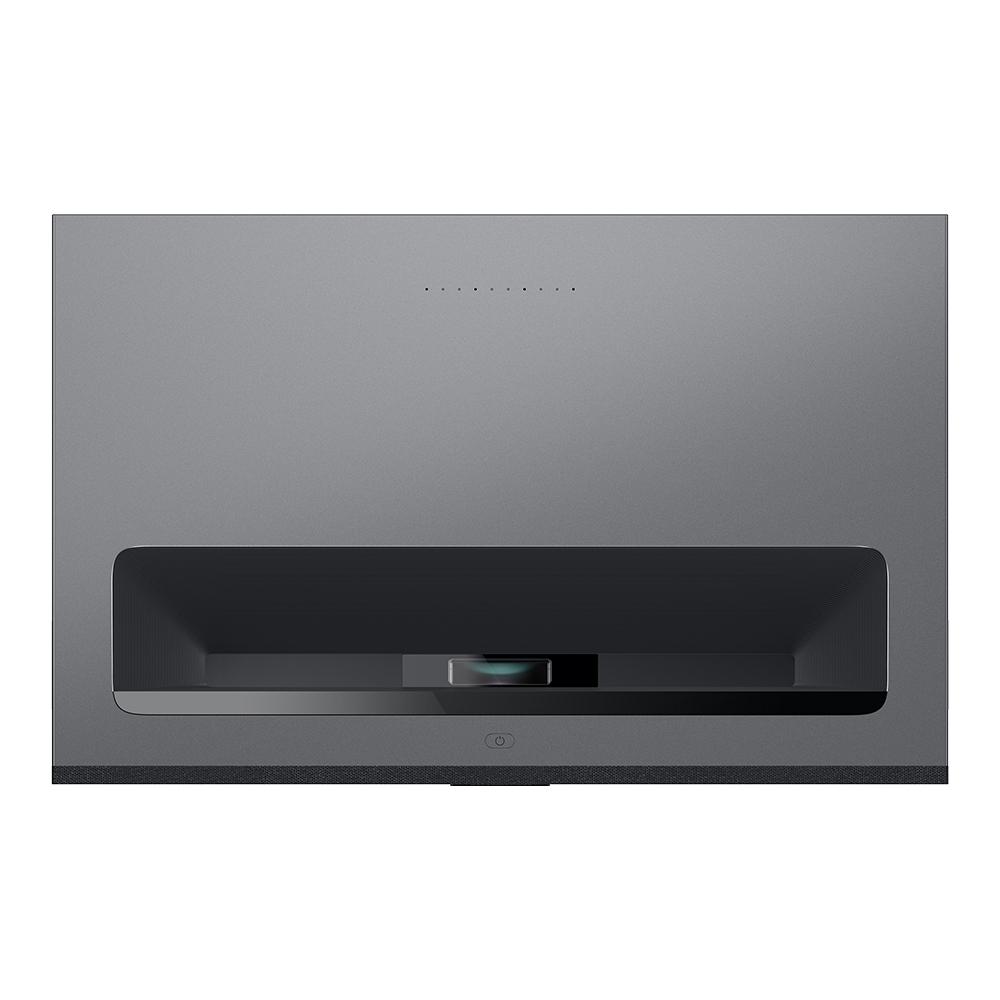
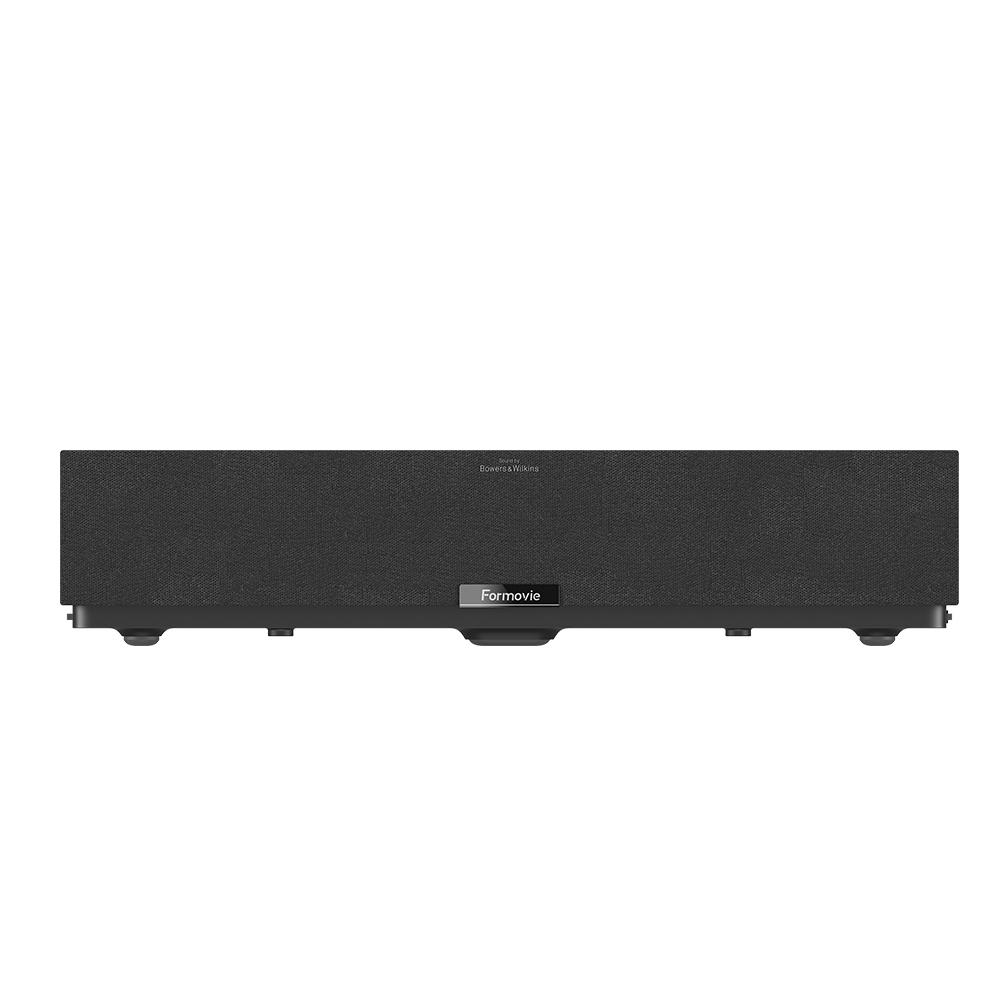
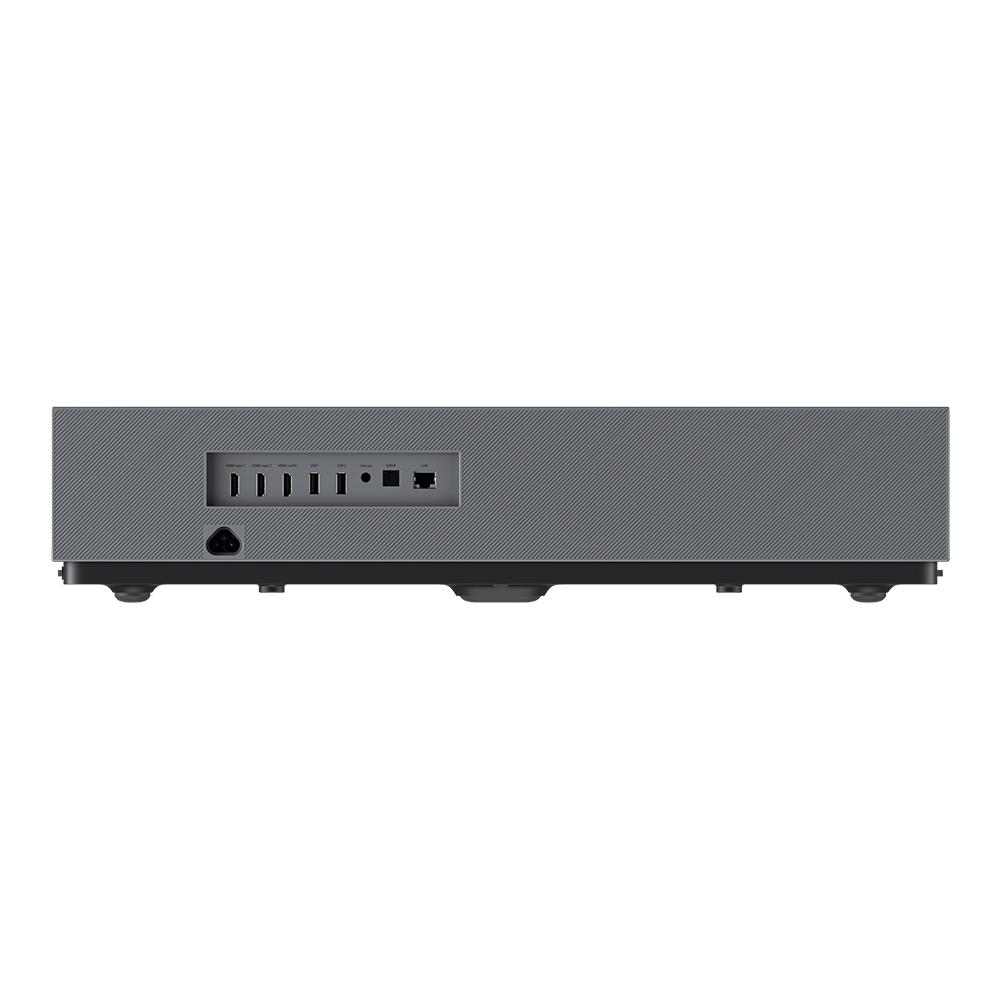
When you're looking to create a true home theater experience without dedicating an entire room to a traditional projector setup, ultra short throw (UST) laser projectors offer an compelling solution. Today, we're comparing two leading options: the Samsung Premiere 9 ($5,999) and the Formovie Theater ($2,999).
UST technology has made remarkable strides in recent years. These projectors can sit just inches from your wall while producing massive images up to 130-150 inches diagonally. Unlike traditional projectors mounted across the room, UST projectors use sophisticated optics to project an image from below, eliminating shadows from people walking by and simplifying installation.
The Formovie Theater launched in mid-2022, quickly earning recognition for its exceptional value and performance. The Samsung Premiere 9 arrived more recently in late 2024, bringing updated processing technology and increased brightness to justify its premium positioning.
The Samsung's 3,450 lumens versus Formovie's 2,800 lumens might seem like a clear win for Samsung, but real-world performance is more nuanced. The Samsung does perform better in rooms with ambient light, making it more versatile for daytime viewing or rooms with windows. However, both projectors deliver plenty of brightness for dark room viewing.
This is where things get interesting. The Formovie Theater boasts a measured contrast ratio of 3,333:1, which is exceptional for a UST projector. The Samsung Premiere 9, while still very good, shows slightly elevated black levels in dark scenes. For movie enthusiasts who primarily watch in dark rooms, this gives the Formovie a notable advantage.
What does this mean in practice? When watching darker content like horror movies or space scenes, the Formovie will show deeper, more convincing blacks while maintaining detail in shadows. The Samsung compensates somewhat through superior processing, but can't quite match the Formovie's native contrast capabilities.
Both projectors use triple laser technology (separate red, green, and blue lasers) rather than a color wheel, eliminating the "rainbow effect" that can bother some viewers. The Formovie covers 107% of the BT.2020 color space, while Samsung claims 154% of DCI-P3 coverage. In practical terms, both deliver rich, accurate colors, though the Samsung's processing gives it a slight edge in color precision out of the box.
The Samsung runs on their Tizen OS platform, the same system used in their smart TVs. It's polished, responsive, and integrates seamlessly with other Samsung devices. The Formovie uses Android TV 11, offering more customization options but a slightly less refined interface.
Consider these differences:
Both projectors include built-in sound systems that outperform typical TV speakers, but neither fully replaces a dedicated home theater audio setup.
The Samsung Premiere 9 features a 40W 2.2.2 channel system with Dolby Atmos support and upfiring speakers. It creates an impressive soundstage with good spatial separation, though bass impact is limited by the projector's size constraints.
The Formovie Theater employs a 30W Bowers & Wilkins system that delivers clear dialogue and reasonable stereo separation. While not as sophisticated as Samsung's implementation, it's more than adequate for casual viewing.
UST projectors require careful placement for optimal image alignment. Both models include digital keystone correction, but it's best avoided to maintain maximum image quality. The Samsung's slightly shorter throw ratio (0.19:1 vs 0.23:1) means it can sit slightly closer to the wall, which might matter in very tight spaces.
Key installation considerations:
At $3,000 less, the Formovie Theater presents compelling value, especially considering its superior contrast ratio and competitive feature set. The Samsung justifies its premium primarily through:
Choose the Samsung Premiere 9 if:
Choose the Formovie Theater if:
Both projectors represent excellent options in the UST category, but they target slightly different users. The Formovie Theater delivers exceptional performance for its price point, making it the value leader. The Samsung Premiere 9 offers meaningful improvements in brightness and processing, plus a more refined user experience, but at a significant price premium.
For most users, especially those new to home theater projection, the Formovie Theater provides the better balance of performance and value. However, if you need the extra brightness for bright room viewing or value the Samsung ecosystem integration, the Premiere 9's premium features might justify its higher price.
Remember that either projector will benefit significantly from proper room setup, screen selection, and professional calibration to deliver their best performance.
| Samsung Premiere 9 | Formovie Theater |
|---|---|
| Price - Core consideration for value assessment | |
| $5,999 (premium positioning) | $2,999 (excellent value proposition) |
| Brightness - Critical for ambient light performance | |
| 3,450 ISO lumens (excellent bright room capability) | 2,800 ANSI lumens (good for moderate lighting) |
| Contrast Ratio - Determines black level quality and image depth | |
| 2,000,000:1 dynamic (elevated black levels) | 3,000:1 native (superior dark room performance) |
| Color Gamut - Impacts color vibrancy and accuracy | |
| 154% DCI-P3 coverage | 107% BT.2020 coverage |
| Throw Ratio - Determines installation flexibility | |
| 0.19:1 (requires 4.5" for 100" image) | 0.23:1 (requires 5.5" for 100" image) |
| Audio System - Built-in sound quality | |
| 40W 2.2.2 channel Dolby Atmos | 30W Bowers & Wilkins system |
| Smart Platform - Affects user experience and app access | |
| Tizen OS (polished but closed ecosystem) | Android TV 11 (more flexible, wider app support) |
| Gaming Performance - Important for gaming use | |
| 55ms input lag at 4K/60Hz | 41.9ms input lag at 4K/60Hz |
| Maximum Screen Size - Impacts viewing flexibility | |
| 130 inches (ideal for most home theaters) | 150 inches (greater size capability) |
| HDR Support - Affects dynamic range and color | |
| HDR10+, HDR10, HLG with dynamic tone mapping | Dolby Vision, HDR10, HLG |
| Light Source Lifespan - Long-term reliability | |
| 20,000 hours rated life | 25,000 hours rated life |
| Operating System Updates - Future proofing | |
| Regular updates from Samsung | Standard Android TV updates |
The Samsung Premiere 9 performs better in bright rooms with its 3,450 lumens compared to the Formovie Theater's 2,800 lumens. If you have lots of ambient light or windows, the Samsung Premiere 9 is the better choice.
The Formovie Theater at $2,999 offers significantly better value than the Samsung Premiere 9 at $5,999. The Formovie delivers comparable performance in most areas for $3,000 less.
The Formovie Theater has superior contrast (3,000:1) and black levels, making it the better performer in dark rooms. While the Samsung Premiere 9 has excellent processing, it can't match the Formovie's native contrast.
Yes, both projectors perform best with an ALR (Ambient Light Rejecting) screen specifically designed for UST projectors. This type of screen helps maintain picture quality and contrast, especially in rooms with ambient light.
The Samsung Premiere 9 has a slightly shorter throw ratio (0.19:1 vs 0.23:1), requiring less distance from the wall. Both projectors need careful placement, but the Samsung's Tizen OS makes initial setup more user-friendly than the Formovie Theater's Android TV.
The Formovie Theater has lower input lag (41.9ms vs 55ms), making it slightly better for gaming. However, neither projector matches the low input lag of gaming monitors or TVs.
Both have good built-in audio. The Samsung Premiere 9 features a 40W 2.2.2 channel Dolby Atmos system, while the Formovie Theater uses a 30W Bowers & Wilkins system. Both are suitable for casual viewing but can't replace a dedicated home theater audio system.
Both projectors use triple laser technology with long lifespans. The Formovie Theater is rated for 25,000 hours, while the Samsung Premiere 9 is rated for 20,000 hours - both providing many years of regular use.
Yes, both support major streaming services. The Samsung Premiere 9 uses Tizen OS with a polished streaming experience, while the Formovie Theater uses Android TV with access to more apps but a slightly less refined interface.
The Formovie Theater can project up to 150 inches, while the Samsung Premiere 9 maxes out at 130 inches. Both can easily achieve 100-inch images in typical home settings.
While both perform best in controlled lighting, the Samsung Premiere 9 handles ambient light better with its higher brightness. The Formovie Theater performs better in darker rooms where its superior contrast is more noticeable.
The Samsung Premiere 9 being newer (2024 release) has more recent technology and processing. However, the Formovie Theater with Android TV might receive more frequent app updates. Both support modern HDR formats and will remain capable for years to come.
We've done our best to create useful and informative comparisons to help you decide what product to buy. Our research uses advanced automated methods to create this comparison and perfection is not possible - please contact us for corrections or questions. These are the sites we've researched in the creation of this article: avsforum.com - valueelectronics.com - youtube.com - techradar.com - youtube.com - news.samsung.com - samsung.com - soundandvision.com - samsung.com - sound-advice.online - trustedreviews.com - techradar.com - projectorcentral.com - rtings.com - formovie.com - projectorreviews.com - projectorcentral.com - projectorscreen.com - projectorcentral.com - nothingprojector.com - formovie.com

Privacy Policy
Terms and Conditions - Affiliate Policy
Home Security
© Copyright 2008-2026.
11816 Inwood Rd #1211, Dallas, TX 75244