

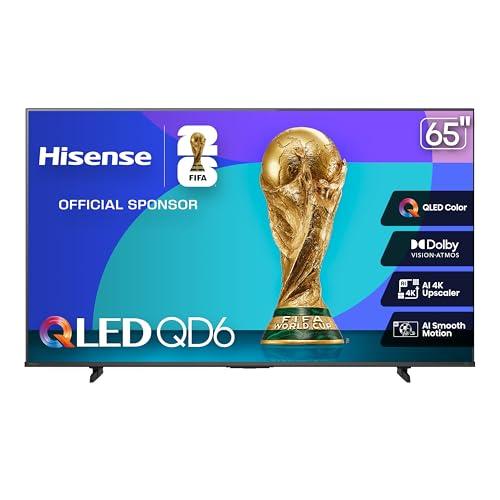
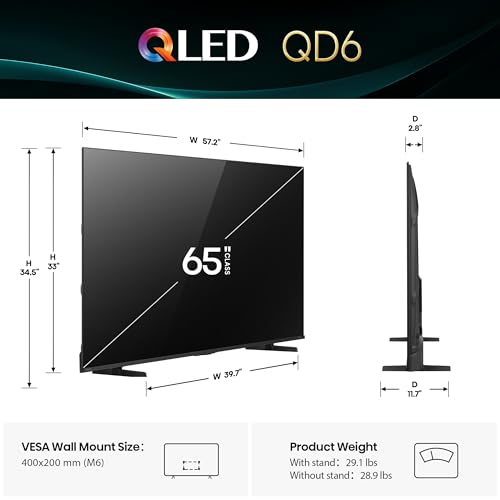
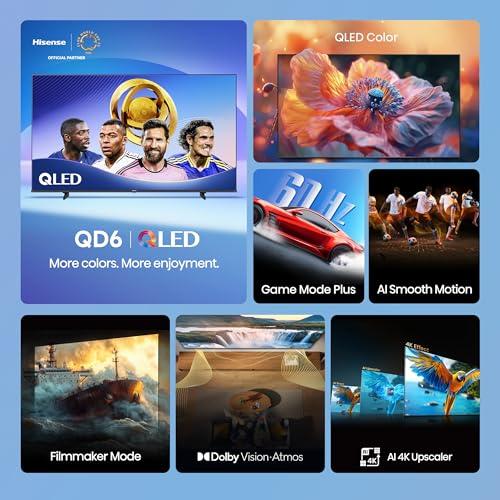

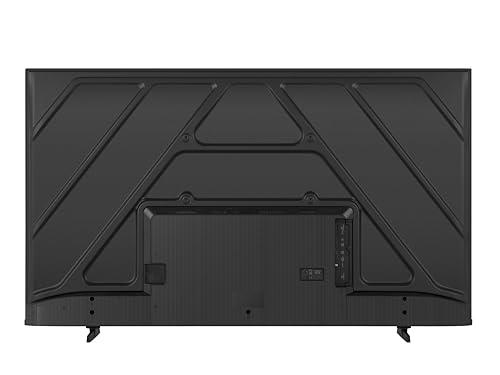
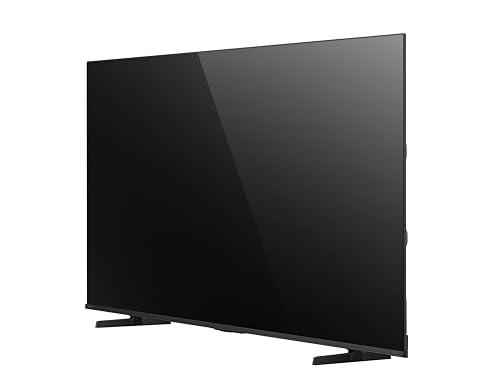
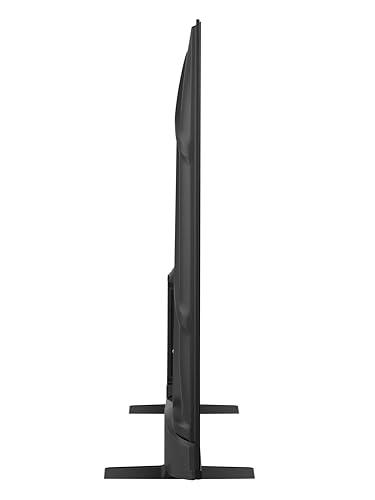

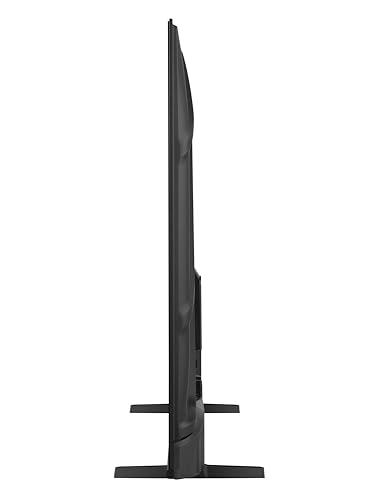
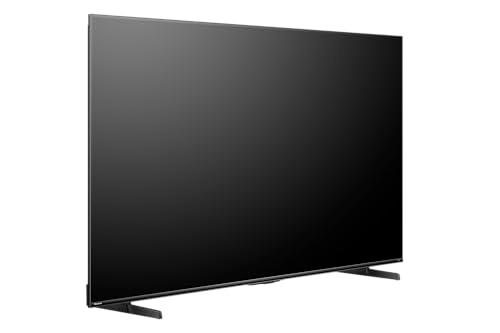
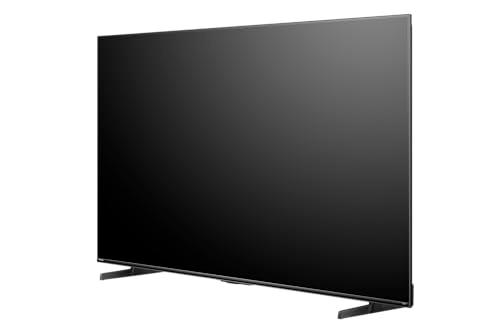
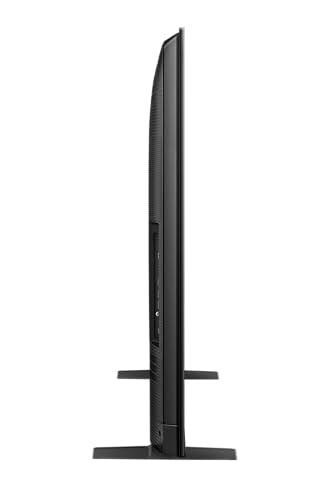
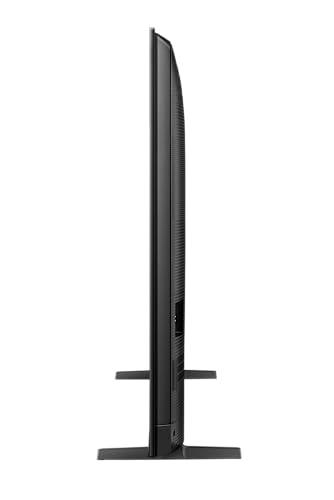
Shopping for a 65-inch 4K TV feels overwhelming these days. Walk into any electronics store and you'll face walls of screens with acronyms like QLED, Mini-LED, HDR10+, and VRR plastered across price tags. The good news? Hisense's 2025 lineup makes this decision much clearer with two compelling options that represent genuinely different approaches to modern TV technology.
The Hisense 65" QD6 Series and QD7 Series launched in early 2025, bringing Hisense's latest display innovations to the mid-range market. At the time of writing, these models sit roughly $90 apart—a modest price difference that masks some significant technological divergences. Understanding these differences will help you choose the TV that actually fits your viewing habits and room setup.
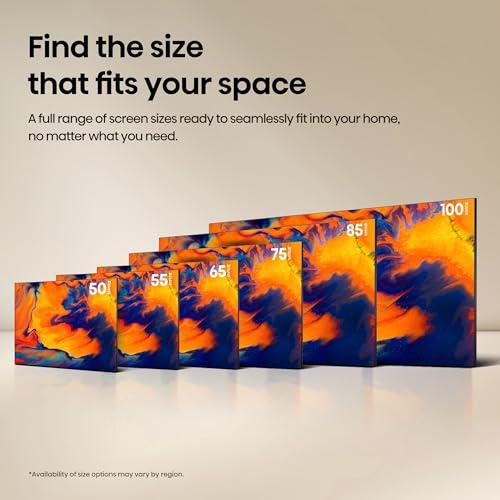
The 65-inch screen size has become the sweet spot for most American living rooms. It's large enough to deliver that cinematic impact without overwhelming a typical 12x15 foot space, and 4K content has finally reached the tipping point where virtually everything you stream offers that resolution.
But here's what's changed dramatically since 2022: technologies that once cost $2,000+ have trickled down to TVs under $500. Mini-LED backlighting, advanced gaming features, and sophisticated local dimming were premium luxuries just three years ago. Now they're appearing in mainstream models, which is exactly what we see with the QD7.
The main considerations for any 65" 4K TV purchase haven't changed much, but the performance bar has risen significantly:
Picture quality remains paramount—you want deep blacks, bright highlights, and colors that look natural rather than artificially boosted. Gaming performance has become crucial even for casual users, as modern consoles and PCs push higher frame rates. Smart platform integration needs to be responsive and comprehensive, because nobody wants to wait five seconds for Netflix to load. Finally, room compatibility determines whether expensive display technology actually improves your experience or just burns money.
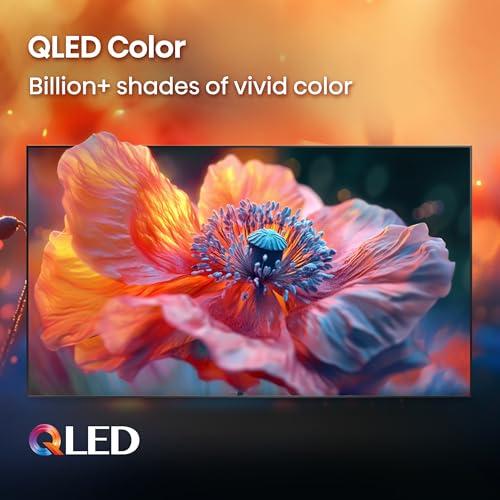
The Hisense QD6 represents the mature, refined approach to 4K TV technology. QLED stands for "Quantum Dot Light Emitting Diode"—essentially, it places a layer of microscopic semiconductor particles between the LED backlight and the LCD panel. These quantum dots act like precision color filters, converting the blue light from LEDs into highly pure red and green light.
The result? Colors that cover about 90% of the DCI-P3 color space that modern movies and streaming content use, compared to roughly 70% for standard LED TVs. This isn't marketing fluff—the difference is immediately visible when watching vibrant content like nature documentaries or animated films.
The QD6 uses full-array local dimming, which means LEDs are arranged behind the entire screen (rather than just around the edges) and grouped into zones that can brighten or dim independently. Think of it like having several dozen light switches controlling different sections of your ceiling—you can make the kitchen bright while keeping the living room dim.
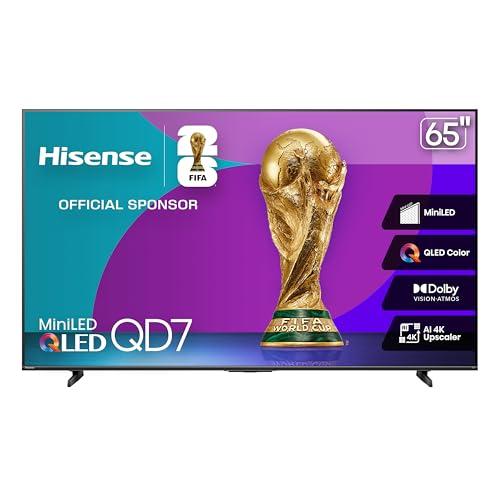
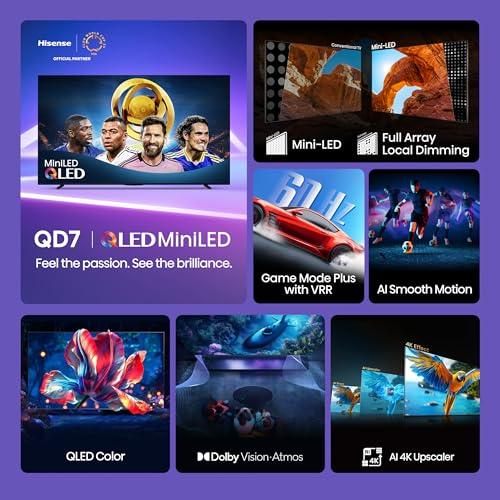
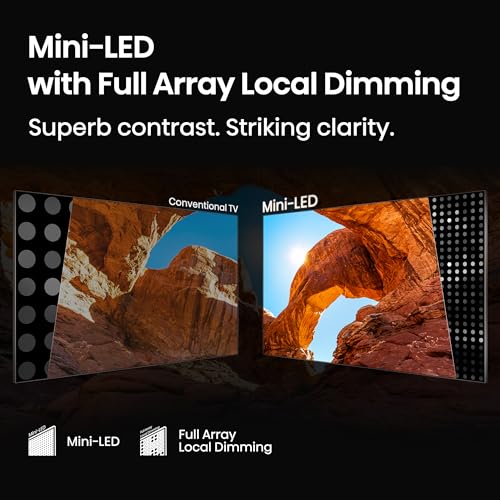
The QD7 takes a fundamentally different approach with Mini-LED technology. Instead of using regular-sized LEDs grouped into zones, it employs thousands of tiny LEDs—each about the size of a grain of sand—arranged behind the screen with much more precise control.
Here's why this matters: traditional local dimming might have 50-100 zones across a 65" screen, but Mini-LED systems can have 500+ zones. When you're watching a scene with both a bright explosion and a dark night sky, the QD7 can make the explosion brilliant while keeping the sky truly black, all within the same frame.
The trade-off is complexity. More zones mean more processing power, more potential for software glitches, and generally higher costs. But when it works well, Mini-LED delivers contrast performance that approaches OLED TVs at a fraction of the price.
Both TVs achieve similar peak brightness levels—around 600-700 nits in typical viewing conditions. To put that in perspective, a bright sunny day measures about 100,000 nits, while a typical indoor room ranges from 100-500 nits. So these TVs can definitely get bright enough to compete with ambient light in most living rooms.
The difference lies in how they handle High Dynamic Range (HDR) content. HDR essentially means the TV can display a wider range from deep blacks to bright whites, creating more realistic images. Both the QD6 and QD7 support all major HDR formats: HDR10, HDR10+, Dolby Vision, and HLG (Hybrid Log-Gamma for broadcast TV).
But supporting HDR formats and delivering impressive HDR performance are different things. The QD6 handles HDR competently with solid contrast and color, though it won't make you gasp like premium TVs do. The QD7 leverages its Mini-LED precision to create more dramatic highlights and shadows within the same scene, though some professional reviews noted that its black levels aren't quite as deep as expected from Mini-LED technology.
This is where both TVs truly shine for their price range. The quantum dot technology in both models delivers colors that look natural rather than artificially saturated. Skin tones appear realistic, grass looks genuinely green rather than neon, and sunset scenes maintain their warmth without becoming orange disasters.
The QD7 has a slight edge in maintaining color accuracy across different brightness levels within the same image, thanks to its more precise backlight control. But honestly, both TVs deliver color performance that matches TVs costing significantly more just two years ago.
Here's a practical consideration that spec sheets often ignore: how does the picture look when you're not sitting directly in front? Both TVs use LCD panels, which inherently have narrower viewing angles than OLED displays.
However, our research indicates the QD7 maintains color and brightness better when viewed from the side—important if you have a wide seating arrangement or kitchen island where people might watch at an angle. The QD6 is perfectly fine for typical couch viewing but shows more color shifting when viewed off-center.
This category reveals the most significant difference between these TVs, and it's not subtle.
The QD7 operates at 144Hz—meaning it can display 144 unique images per second. For comparison, movies run at 24 frames per second, and most TV content runs at 30 or 60 fps. This high refresh rate becomes crucial for gaming, where more frames per second create smoother motion and more responsive controls.
The QD6 operates at 60Hz with motion interpolation to simulate higher refresh rates. Motion interpolation essentially creates artificial frames between the real ones, which can make movies look smoother but introduces latency that serious gamers will notice immediately.
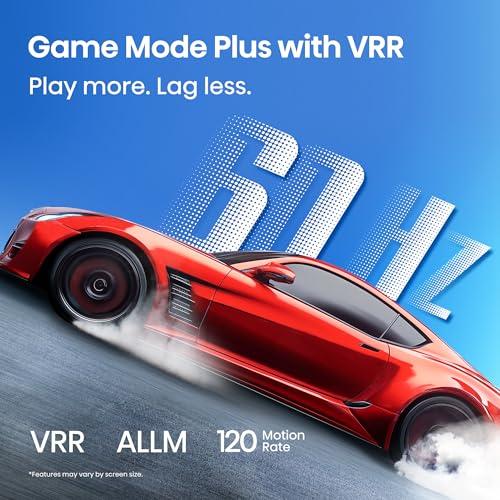
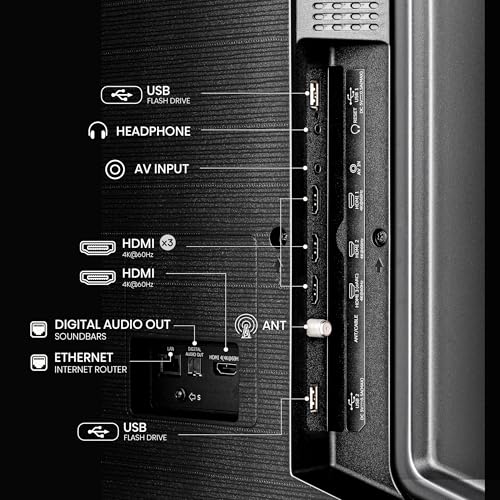
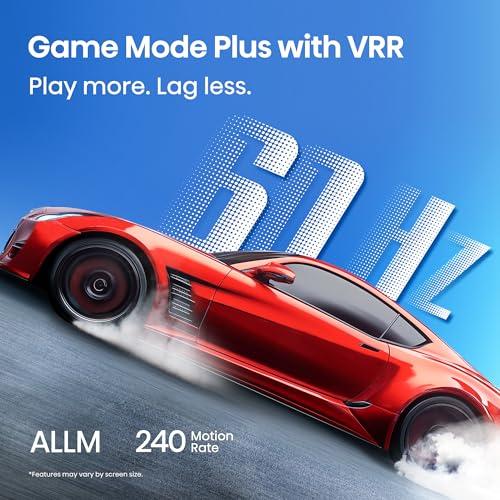
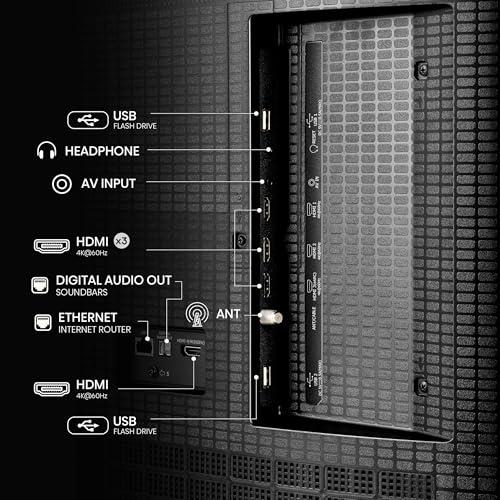
Both TVs support Variable Refresh Rate (VRR) and Auto Low Latency Mode (ALLM)—features that help eliminate screen tearing and reduce input lag when gaming. But the QD7 takes this further with support for AMD FreeSync Premium and HDMI 2.1 bandwidth.
HDMI 2.1 is the latest connection standard that supports higher resolutions and refresh rates. If you own a PlayStation 5, Xbox Series X, or a modern gaming PC, the QD7 can actually utilize their full capabilities. The QD6 will work with these devices but can't take advantage of their highest performance modes.
Based on user reviews and technical testing, the QD7 delivers a genuinely different gaming experience. Fast-paced games like racing titles or first-person shooters feel more responsive and look cleaner during rapid movement. The QD6 works fine for casual gaming but shows its limitations with competitive gaming or graphically demanding titles.
One reviewer specifically mentioned that their older Xbox One performed noticeably better with the QD7's 144Hz capability, proving these features benefit even older consoles through better motion handling.
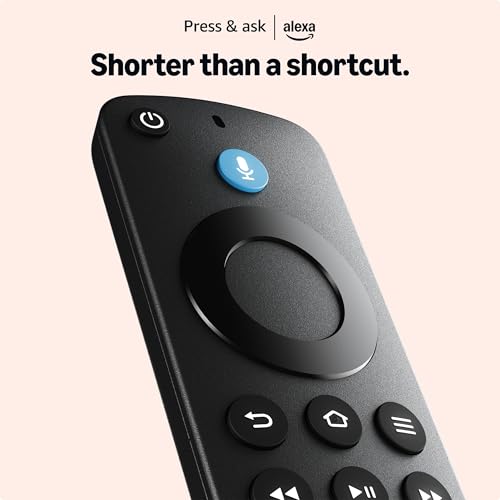
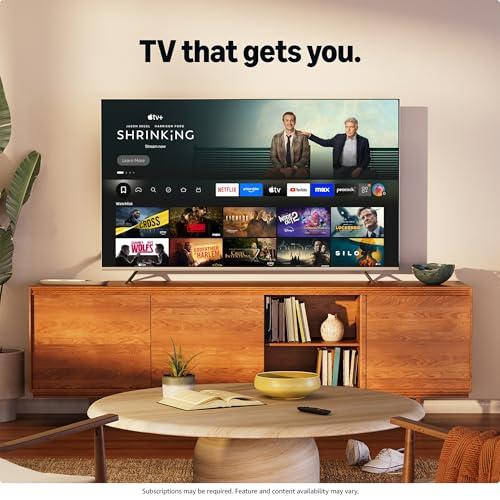
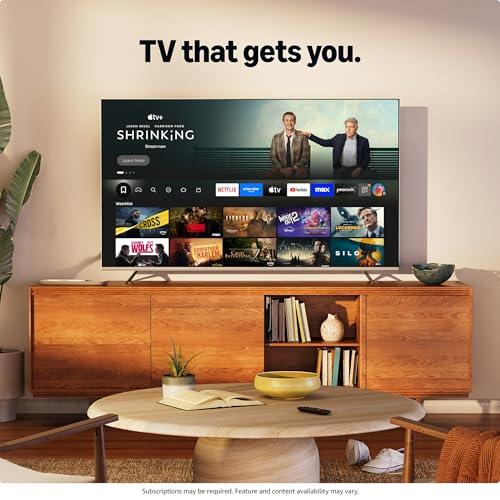
Both TVs run Amazon's Fire TV platform with Alexa built-in, providing access to all major streaming services plus voice control for both the TV and compatible smart home devices. Fire TV has matured significantly over the past few years, offering a more responsive and intuitive interface than many competitors.
However, our research revealed some interesting differences in platform stability. QD6 users consistently report smooth, reliable operation with minimal glitches. QD7 users generally praise the interface responsiveness but mention occasional quirks like incorrect app icons in search results or intermittent freezes requiring restarts.
This suggests that the QD7's more advanced processing might introduce some software complexity. Nothing deal-breaking, but worth considering if you prioritize rock-solid stability over cutting-edge features.
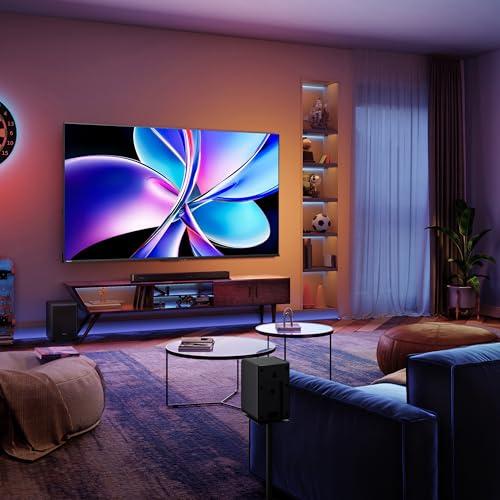
If you're setting up a dedicated home theater or media room, the choice between these TVs depends heavily on your lighting control and seating arrangement.
The QD6 excels in dark room scenarios where its superior native contrast becomes apparent. When local dimming isn't actively working—like during scenes with consistent brightness across the frame—the QD6 produces deeper blacks and more natural shadow detail. Its RGB subpixel layout also makes it excellent for occasional PC use, displaying text clearly without the color fringing that some TV panels create.
The QD7 works better in mixed lighting conditions where ambient light might wash out darker scenes. Its Mini-LED precision maintains image quality across a wider range of lighting conditions, though some home theater enthusiasts might prefer the QD6's more natural contrast in dedicated dark rooms.
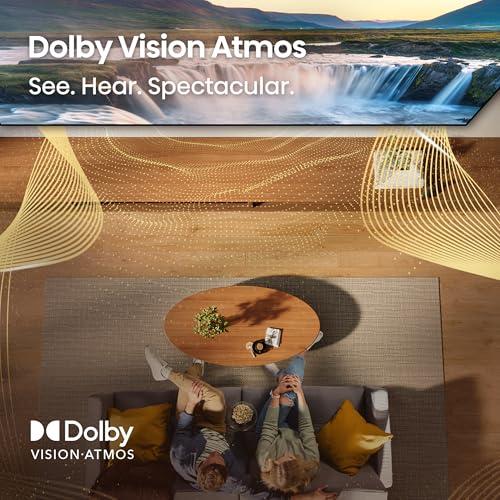
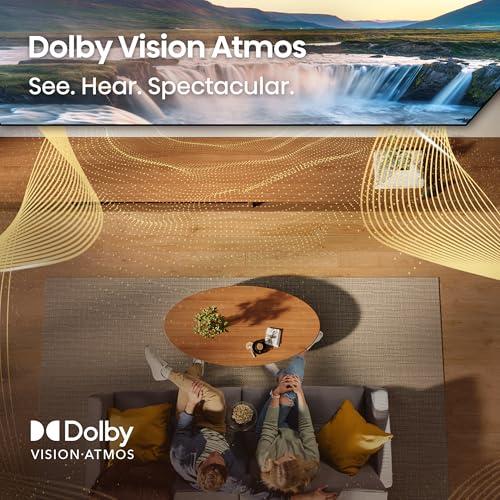
For audio, both TVs include identical 20W Dolby Atmos systems that provide adequate sound for casual viewing. However, virtually every user review mentions significant improvement when adding even a modest soundbar—something worth budgeting for regardless of which TV you choose.
At the time of writing, the QD7 costs roughly 20-25% more than the QD6—a modest premium that delivers substantial performance improvements in specific areas.
The QD6 represents excellent value for buyers prioritizing picture quality over gaming performance. Its mature QLED technology, stable software, and impressive color accuracy provide a premium viewing experience at a budget-friendly price. The money you save could fund a quality soundbar or streaming device upgrades.
The QD7 offers what I'd call "disproportionate value"—the modest price increase delivers dramatically better gaming capabilities and noticeably superior bright-room performance. For households where gaming matters or where the TV will compete with windows and ambient lighting, this premium pays dividends daily.
The QD6 makes sense if:
The QD7 is worth the premium if:
Both TVs deliver impressive performance for their respective price points, but they target different priorities. The QD6 offers proven technology with excellent picture quality and rock-solid reliability—perfect for buyers who want premium viewing without premium pricing.
The QD7 pushes into newer territory with Mini-LED technology and serious gaming credentials. The price premium is modest enough that most buyers would benefit from the improved capabilities, especially considering how long TVs typically last.
My recommendation? Unless budget is absolutely paramount or you're setting up a dedicated dark-room theater, the QD7 offers better long-term value. The gaming improvements alone justify the cost for any household with modern consoles, and the Mini-LED technology provides better performance in typical living room lighting conditions.
The TV market moves quickly, but both of these 2025 models represent solid choices that should serve you well for years to come. The key is matching the TV's strengths to your actual viewing habits rather than chasing specifications that don't impact your daily experience.
| Hisense 65" QD6 Series QLED 4K Fire TV | Hisense QD7 Series 65" Mini-LED 4K Fire TV |
|---|---|
| Display Technology - Determines contrast performance and picture quality | |
| QLED with Full Array Local Dimming (fewer, larger zones) | Mini-LED with thousands of precision dimming zones |
| Refresh Rate - Critical for gaming and fast motion | |
| 60Hz native with motion interpolation | 144Hz native refresh rate |
| Gaming Features - Essential for modern console and PC gaming | |
| Basic VRR and ALLM at 60Hz only | 144Hz Game Mode Pro, VRR, ALLM, AMD FreeSync Premium |
| HDMI Support - Determines compatibility with next-gen devices | |
| HDMI 2.0 (limits 4K to 60Hz) | HDMI 2.1 bandwidth (supports 4K at 144Hz) |
| Peak Brightness - Affects HDR impact and bright room performance | |
| ~600-700 nits (good for most rooms) | ~600-700 nits with better zone control |
| Color Coverage - How vibrant and accurate colors appear | |
| QLED Quantum Dot (~90% DCI-P3 coverage) | QLED Quantum Dot (~90% DCI-P3 coverage) |
| HDR Format Support - Compatibility with premium content | |
| Dolby Vision, HDR10, HDR10+ | Dolby Vision, HDR10, HDR10+, HLG, HDR10+ Adaptive |
| Contrast Performance - How deep blacks and bright whites appear | |
| Superior native contrast, best in dark rooms | Better localized contrast with Mini-LED precision |
| Smart Platform - Daily interface and app performance | |
| Fire TV with stable, reliable operation | Fire TV with occasional minor glitches but responsive |
| Viewing Angles - Picture quality when viewed off-center | |
| Standard LCD viewing angles | Better color retention at wider angles |
| Subpixel Layout - Important for PC/monitor use | |
| RGB layout (excellent for text clarity) | Standard layout |
| Audio System - Built-in sound quality | |
| 20W Dolby Atmos (2.0 channel) | 20W Dolby Atmos (2.0 channel) |
| Best Use Cases - Who should choose this model | |
| Dark room viewing, budget priority, stable Fire TV | Gaming, bright rooms, future-proofing, Mini-LED tech |
The key difference is display technology: the Hisense QD6 uses traditional QLED with full-array local dimming, while the Hisense QD7 features advanced Mini-LED backlighting with thousands of precision dimming zones. The QD7 also offers 144Hz gaming compared to the QD6's 60Hz refresh rate.
The Hisense QD7 is significantly better for gaming with its 144Hz refresh rate, HDMI 2.1 support, VRR, ALLM, and AMD FreeSync Premium. The QD6 only offers 60Hz gaming with basic VRR/ALLM support, making it suitable for casual gaming but not competitive or next-gen console gaming.
For dedicated dark-room home theaters, the Hisense QD6 often performs better due to its superior native contrast ratios. However, if your theater has any ambient lighting, the QD7's Mini-LED technology maintains better image quality across mixed lighting conditions.
The Hisense QD7 performs better in bright rooms due to its Mini-LED backlighting providing better ambient light handling and maintaining contrast in challenging lighting conditions. The QD6 works adequately but may struggle with glare in very bright environments.
The Hisense QD7 maintains better color and brightness when viewed from the side, making it more suitable for wide seating arrangements. The QD6 shows more typical LCD viewing angle limitations with color shifting when viewed off-center.
We've done our best to create useful and informative comparisons to help you decide what product to buy. Our research uses advanced automated methods to create this comparison and perfection is not possible - please contact us for corrections or questions. These are the sites we've researched in the creation of this article: rtings.com - bestbuy.com - pcvarge.com - youtube.com - consumerreports.org - costco.com - youtube.com - rtings.com - hometechnologyreview.com - manuals.plus - hisense-usa.com - costco.com - bestbuy.com - staples.com - hisense-usa.com - manuals.plus - pcrichard.com - hometechnologyreview.com - bestbuy.com - bestbuy.com - hisense-usa.com - bestbuy.com - youtube.com - youtube.com - rtings.com - tvsbook.com - hometechnologyreview.com - hometechnologyreview.com - bestbuy.com - static.pcrichard.com - hometechnologyreview.com - bestbuy.com - hisense-usa.com - hisense-usa.com - shopmyexchange.com - brandsmartusa.com - manuals.plus - youtube.com - tvsbook.com - flatpanelshd.com - youtube.com

Privacy Policy
Terms and Conditions - Affiliate Policy
Home Security
© Copyright 2008-2026.
11816 Inwood Rd #1211, Dallas, TX 75244