

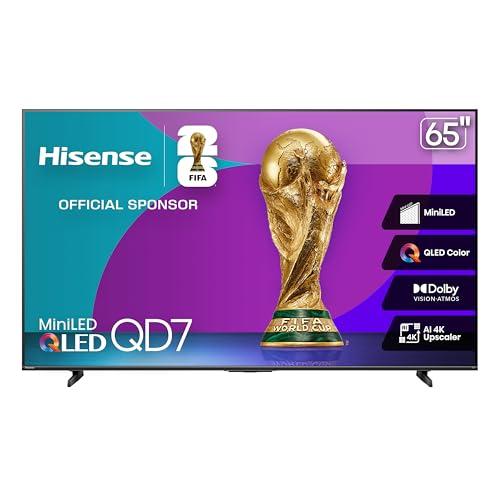
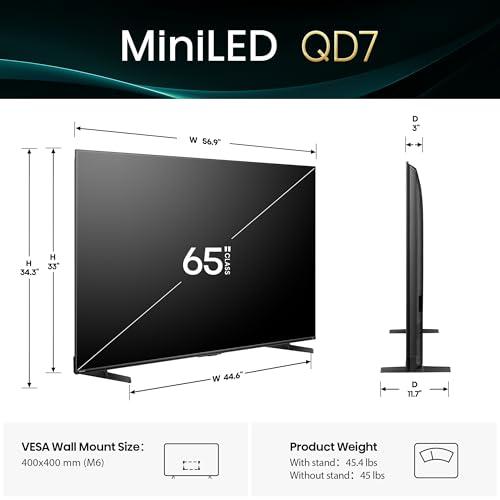
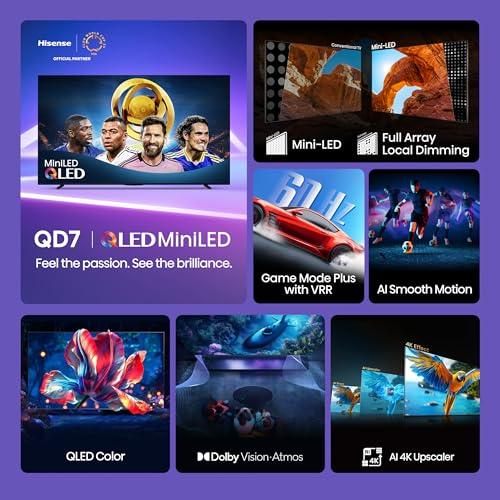
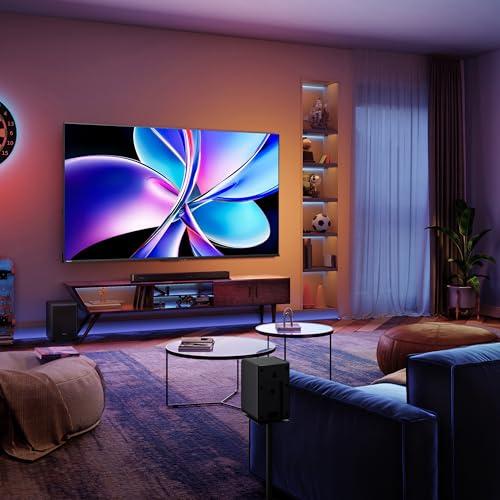
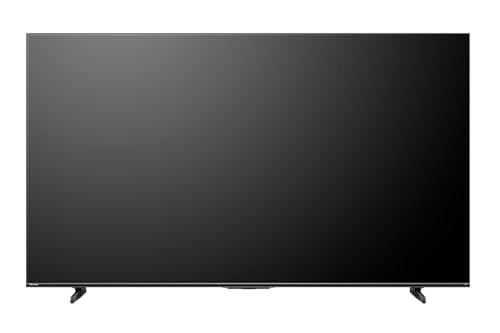
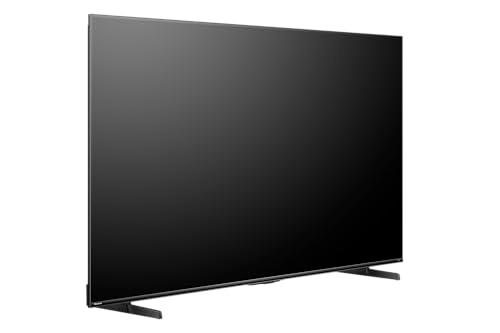
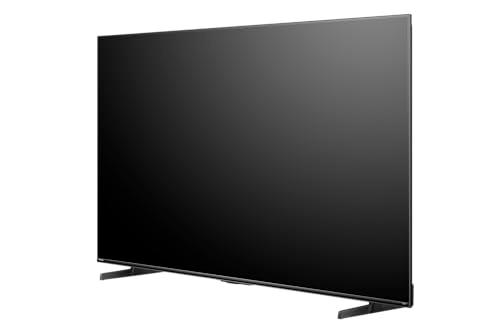
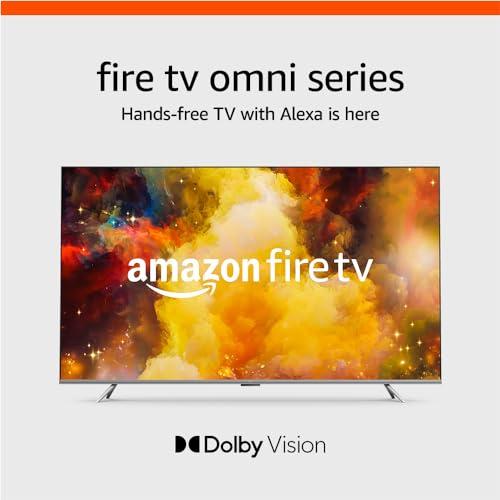
When you're shopping for a 65-inch 4K TV, the choices can feel overwhelming. Two models that often come up in searches are the Hisense QD7 Series Mini-LED and the Amazon Fire TV Omni Series. Both promise great picture quality and smart features, but they take very different approaches to get there. After diving deep into user reviews, professional evaluations, and technical specifications, there's a clear story about which TV serves different types of viewers best.
Both the Hisense QD7 and Amazon Omni Series sit in that sweet spot of the TV market where you're getting serious 4K performance without paying flagship prices. They're designed for people who want their TV to be the centerpiece of their living room entertainment setup, whether that's binge-watching Netflix, gaming on the latest consoles, or hosting movie nights.
The most important things to consider when choosing between mid-range 4K TVs are how well they handle different types of content, how bright and colorful the picture looks, how deep the blacks appear in dark scenes, and whether the smart platform will still feel fast and responsive years from now. Gaming performance has become increasingly important too, as more people connect PlayStation 5s and Xbox Series X consoles that can push 4K at high frame rates.
What makes this comparison particularly interesting is that both TVs run the exact same Fire TV operating system, so the smart features are nearly identical. This means the decision really comes down to picture quality, build quality, and value – which is exactly where things get fascinating.
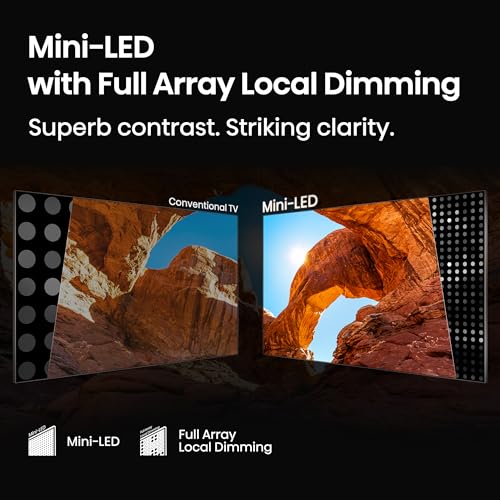
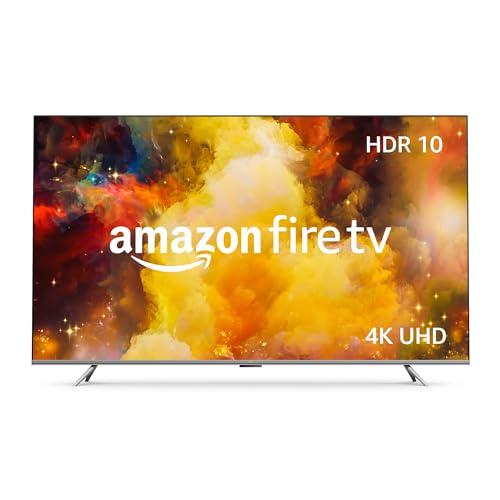
The biggest distinction between these two TVs isn't immediately obvious from their product names, but it's absolutely crucial: the Hisense QD7 uses Mini-LED backlighting technology, while the Amazon Omni Series uses standard LED backlighting. This might sound like a small detail, but it fundamentally changes how these TVs perform.
Traditional LED TVs, like the Amazon Omni, use either edge-lit LEDs (lights around the edges) or direct-lit LEDs (lights spread across the back). These create the white light that shines through the LCD panel to create the picture you see. The problem is that these LEDs are relatively large and can't be controlled in small groups, so when part of your screen needs to be very dark (like a night scene in a movie), light still bleeds through from nearby areas that need to be bright.
Mini-LED technology in the Hisense QD7 uses thousands of tiny LEDs that can be controlled in hundreds of separate zones. Think of it like having a dimmer switch for every small section of your screen instead of just one dimmer for the whole room. This means the TV can make parts of the screen truly dark while keeping other parts bright, creating much better contrast and more realistic-looking images.
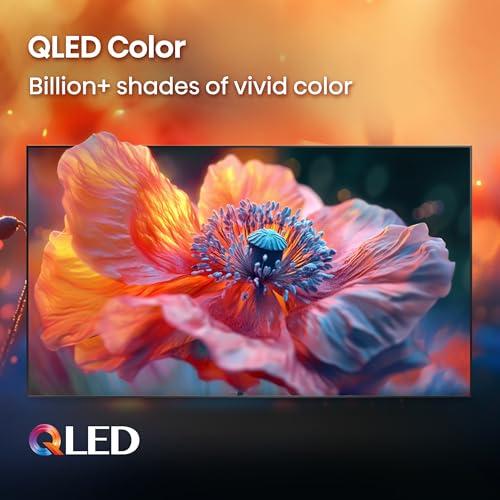
Both TVs also use QLED technology, which adds a layer of quantum dots – microscopic particles that emit very pure colors when light hits them. This makes colors more vibrant and accurate than standard LCD TVs. However, the Mini-LED backlight in the Hisense QD7 makes these quantum dots work even better because it can control the light more precisely.
When it comes to actual viewing experience, the differences between these TVs become immediately apparent. The Hisense QD7 consistently delivers what users and reviewers describe as a more "cinematic" experience, with deeper blacks and brighter highlights that make HDR content really pop.
HDR (High Dynamic Range) is crucial for modern viewing because it allows TVs to display a much wider range of brightness levels and colors than older standard definition content. Think of the difference between looking at a photograph and looking out a window – HDR tries to capture more of that real-world range of light and color. The Hisense QD7 can get significantly brighter than the Amazon Omni Series, which peaks at around 330 nits. For reference, a sunny day outdoors can be 100,000 nits, so even though these are "bright" TVs, every bit of extra brightness helps HDR content look more realistic.
The contrast performance tells an even clearer story. The Amazon Omni Series achieves decent blacks for a standard LED TV, but they still appear somewhat gray in completely dark rooms. The Hisense QD7, with its Mini-LED local dimming, can make parts of the screen nearly as dark as if the TV were turned off, while keeping other areas brilliantly bright. This is especially noticeable in movies with scenes like starfields in space or a character holding a bright flashlight in a dark cave.
Color reproduction is strong on both TVs thanks to their QLED quantum dot technology, but the Hisense QD7 takes advantage of its superior backlight control to display colors more accurately across different brightness levels. Colors stay vibrant even in very bright or very dark scenes, whereas the Amazon Omni Series can struggle to maintain color accuracy in challenging lighting conditions.
One area where the Amazon Omni Series holds its own is in standard definition upscaling. Both TVs have to take lower-resolution content (like old TV shows or lower-quality streaming) and make it look good on their 4K screens. While neither TV excels at this task, the difference isn't dramatic enough to be a major deciding factor.
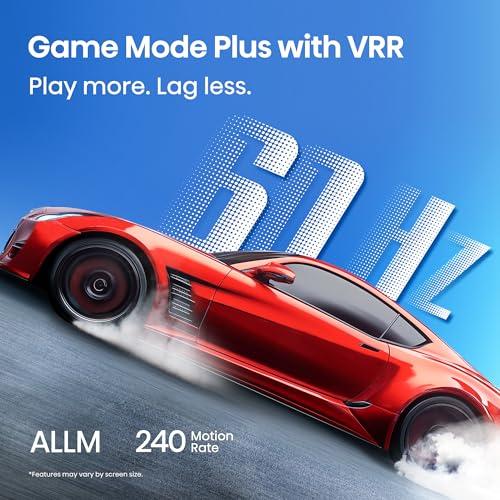
Modern gaming consoles can output 4K resolution at 60 frames per second or higher, and they support advanced features like Variable Refresh Rate (VRR) and Auto Low Latency Mode (ALLM). VRR synchronizes the TV's refresh rate with the console's frame rate to eliminate screen tearing, while ALLM automatically switches the TV to its lowest-lag gaming mode when it detects a console.
Both the Hisense QD7 and Amazon Omni Series support these gaming features and achieve respectably low input lag – the delay between when you press a button and see the result on screen. For competitive gaming, anything under 20 milliseconds is considered excellent, and both TVs hit this target.
Where they differ is in the overall gaming experience. The Hisense QD7 provides what gamers describe as a more immersive experience thanks to its superior contrast and brightness. Dark areas in games like exploring caves or buildings have true shadows, while bright effects like explosions and magical spells really stand out. The Amazon Omni Series delivers perfectly playable gaming performance, but the experience feels less dramatic and engaging.
Both TVs are limited to 60Hz refresh rates in their 65-inch sizes, so they can't take full advantage of games that support 120Hz on PlayStation 5 or Xbox Series X. However, the vast majority of games still run at 60Hz or lower, so this limitation isn't as significant as it might seem.
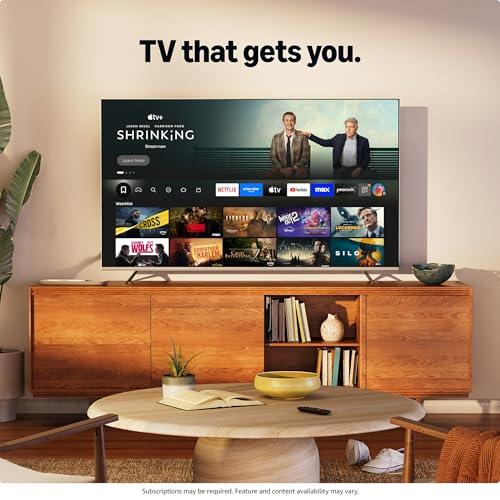
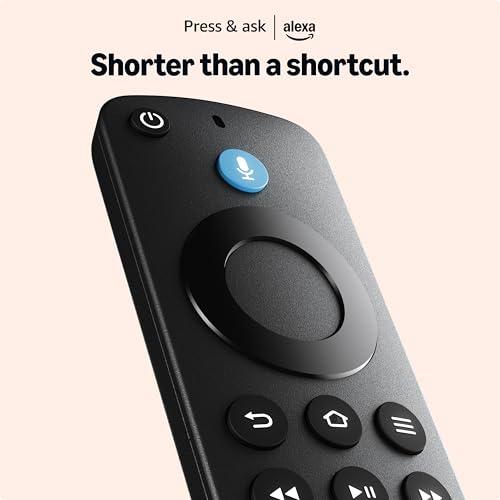
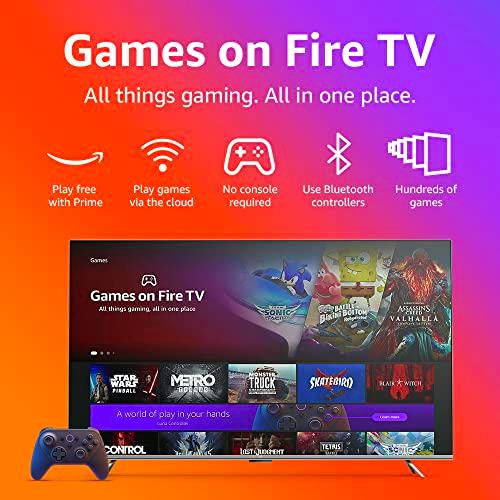
Since both TVs run Amazon's Fire TV operating system, they offer identical access to streaming apps, voice control through Alexa, and integration with Amazon's ecosystem. You can ask Alexa to find shows, control smart home devices, or even order products from Amazon without picking up the remote.
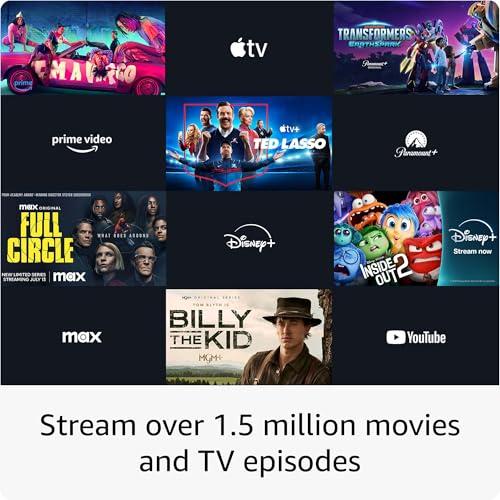
The Fire TV platform itself is mature and well-designed, with a clean interface that puts your favorite apps front and center. It includes all the major streaming services like Netflix, Disney+, HBO Max, and Apple TV+, plus thousands of other apps and channels.
However, the underlying hardware makes a difference in day-to-day performance. The Hisense QD7 includes 32GB of storage compared to 16GB in the Amazon Omni Series, which means more room for apps and fewer storage management headaches down the road. More importantly, user reviews suggest the Hisense QD7 feels more responsive when navigating menus, launching apps, and switching between inputs.
Both TVs support hands-free Alexa voice control, so you can control them even when the remote isn't handy. This works surprisingly well for basic commands like "Alexa, turn on the TV" or "Alexa, open Netflix," though you'll still want the remote for detailed navigation.
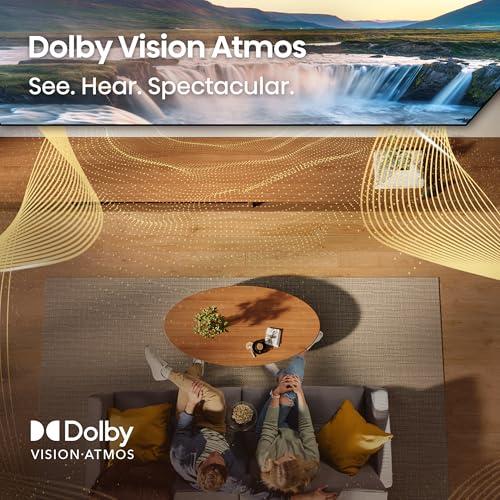
TV speakers are rarely impressive, but there's a meaningful difference between these two models. The Hisense QD7 includes 20 watts of total power with Dolby Atmos processing, while the Amazon Omni Series provides 16 watts with basic Dolby Digital Plus.
Dolby Atmos creates a more three-dimensional soundstage by processing audio to simulate sound coming from above and around you, even with just the TV's built-in speakers. While it's not as dramatic as a full Atmos sound system, it does make movies and shows sound more immersive. The extra power in the Hisense QD7 also means clearer dialogue and slightly better bass response.
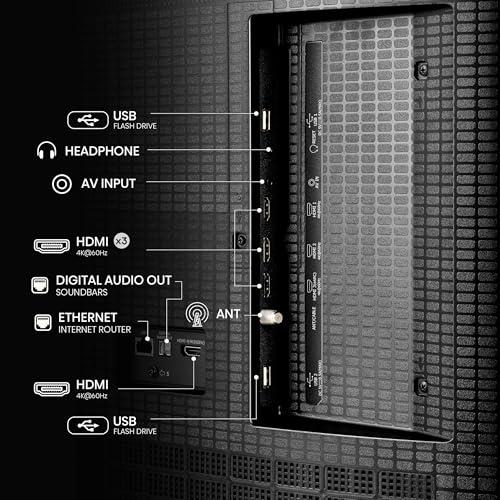
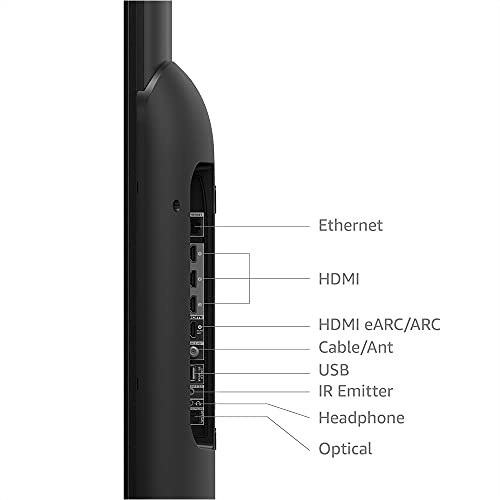
That said, if you're serious about audio quality, you'll eventually want to add a soundbar or speaker system to either TV. Both support eARC (enhanced Audio Return Channel) through one of their HDMI ports, which can send high-quality audio signals to compatible sound systems.
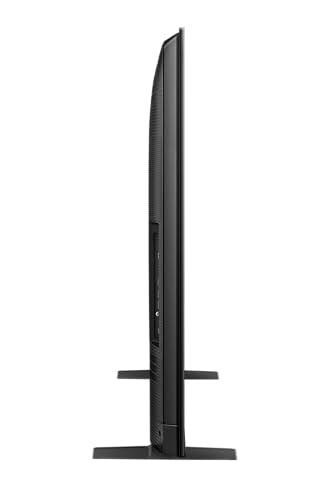
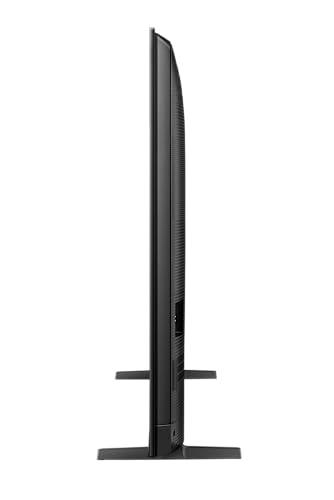
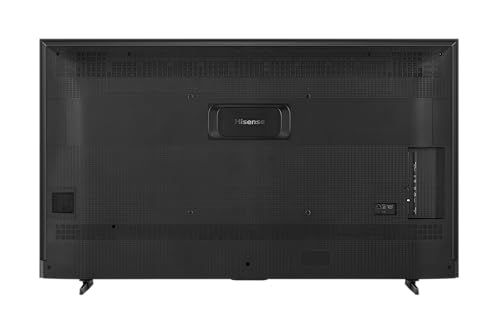
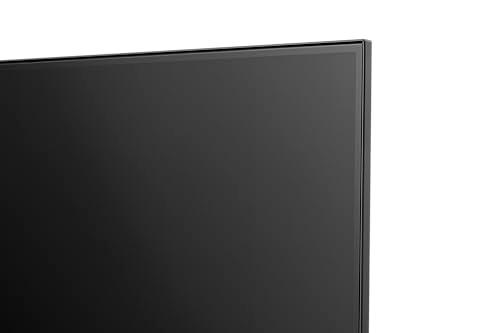
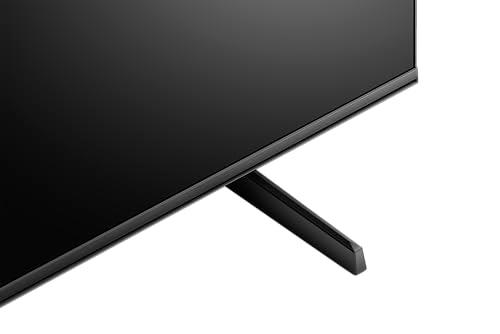
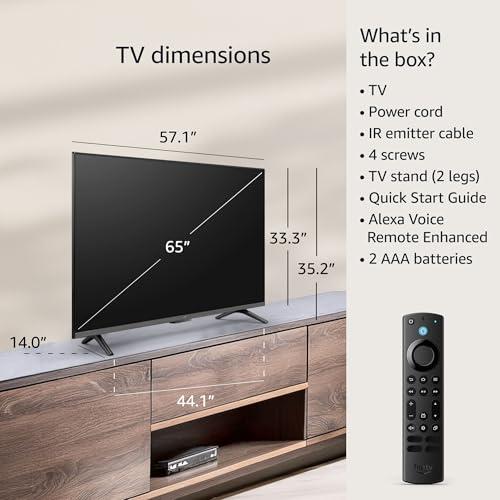
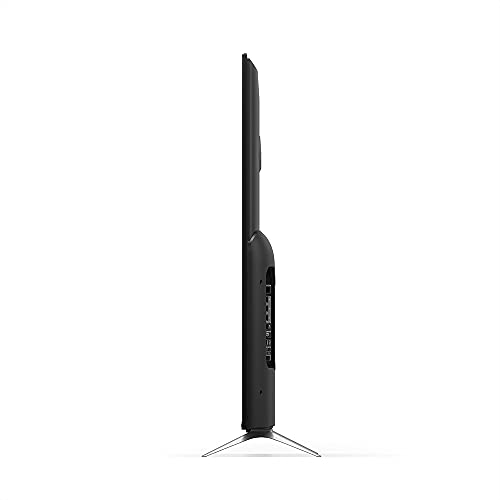
The Hisense QD7 feels like a more premium product from the moment you unbox it. The materials feel more substantial, the bezels are thinner, and the overall fit and finish suggests a TV that costs more than it actually does. The stand design is more compact and better-looking than the Amazon Omni Series, which uses a wider, more utilitarian stand that can be challenging to fit on smaller TV furniture.
Both TVs have slim profiles that look good wall-mounted, but the Hisense QD7 has a more refined appearance that works better in upscale living rooms or dedicated home theaters.
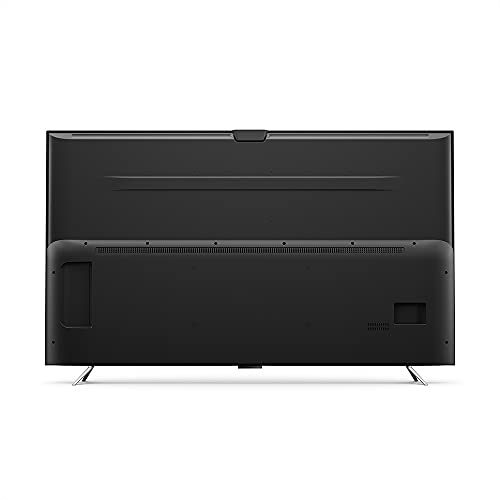
The Amazon Omni Series isn't poorly built, but it clearly prioritizes function over form. The plastic construction feels adequate but not exceptional, and the overall design is more generic than distinctive.
The Hisense QD7 is the clear choice for anyone who wants the best possible picture quality without stepping up to much more expensive OLED or high-end Mini-LED TVs. It's particularly compelling for movie enthusiasts who watch a lot of 4K HDR content, whether from streaming services or 4K Blu-ray discs. The superior contrast and brightness make action movies, nature documentaries, and visually spectacular shows significantly more engaging.
This TV also makes sense for gaming enthusiasts who want their console games to look as impressive as possible, even if they're not competitive esports players who need 120Hz refresh rates. The combination of low input lag and superior picture quality creates a more immersive gaming experience.
For home theater setups, the Hisense QD7 is the obvious choice. Its Mini-LED technology provides the kind of contrast performance that makes movie nights feel special, and its better audio processing means you might not feel the immediate need to add external speakers.
The Amazon Omni Series makes more sense for people who are heavily invested in Amazon's ecosystem and value brand familiarity over cutting-edge picture quality. If you're already an Amazon Prime member with Echo devices throughout your house, the seamless integration might be worth the trade-offs in picture quality.
This TV is also appropriate for casual viewers who primarily watch standard cable TV, basic streaming content, and occasional movies. If you're not planning to watch much 4K HDR content or play the latest console games, the Amazon Omni Series provides perfectly adequate performance at a lower cost.
At the time of writing, the Hisense QD7 typically costs less than the Amazon Omni Series, which makes this decision much easier than it might otherwise be. Getting Mini-LED technology for less money than a standard LED TV is exceptional value, especially when you consider that Mini-LED TVs from major brands like Samsung and LG typically cost significantly more.
The Amazon Omni Series was released in 2021 and represented good value at launch, but TV technology moves quickly. The Hisense QD7, being a newer 2025 model, incorporates several years of additional development in processing, color accuracy, and manufacturing efficiency.
Even if prices were equal, the Hisense QD7 would offer better long-term value because its superior display technology will continue to provide better performance as streaming services improve their 4K HDR content and as you potentially upgrade to newer gaming consoles or media players.
For most people shopping in this category, the Hisense QD7 represents the smarter choice. It offers genuinely premium display technology at a mid-range price, with better picture quality, audio, and build quality than the Amazon Omni Series. The fact that it typically costs less makes this decision even more straightforward.
The only compelling reasons to choose the Amazon Omni Series are if you strongly prefer Amazon's brand and support ecosystem, or if you can find it at a significantly discounted price that makes the value proposition more competitive.
Both TVs will serve you well for years to come, but the Hisense QD7 will continue to impress you with its picture quality long after the initial setup excitement wears off. That's the kind of decision you're unlikely to regret, especially when you're watching your favorite movies and shows in their full 4K HDR glory.
| Hisense QD7 Series 65" Mini-LED 4K Fire TV | Amazon Fire TV Omni Series 65" 4K UHD Smart TV |
|---|---|
| Display Technology - The most important factor affecting picture quality | |
| Mini-LED with Full Array Local Dimming (hundreds of zones for precise contrast) | Standard Direct LED backlight (basic dimming zones) |
| Peak Brightness - Critical for HDR content and bright room viewing | |
| Significantly higher brightness for impactful HDR | 330 nits (adequate for moderate lighting) |
| Black Level Performance - Essential for movie watching and dark scenes | |
| Deep blacks with minimal blooming thanks to Mini-LED zones | Gray blacks typical of standard LED TVs |
| Color Technology - Affects vibrancy and accuracy | |
| QLED Quantum Dot with over 1 billion colors | QLED Quantum Dot with good color coverage (93% DCI-P3) |
| HDR Format Support - Determines compatibility with premium content | |
| Dolby Vision, HDR10, HDR10+, HLG, HDR10+ Adaptive | Dolby Vision, HDR10, HLG |
| Smart Platform - Same experience on both TVs | |
| Fire TV OS with Alexa built-in | Fire TV OS with Alexa built-in |
| Gaming Features - Important for console gaming | |
| Game Mode Plus with VRR, ALLM, 60Hz native | VRR, ALLM, 60Hz maximum |
| Audio Power - Built-in speaker performance | |
| 20W total with Dolby Atmos processing | 16W total (2x8W) with basic audio |
| Storage and Memory - Affects long-term performance | |
| 2GB RAM, 32GB storage | 2GB RAM, 16GB storage |
| HDMI Connectivity - Number and type of inputs | |
| 4x HDMI 2.0 ports | 3x HDMI 2.0 + 1x HDMI 2.1 eARC |
| Build Quality - Materials and design refinement | |
| Premium build with compact stand design | Basic plastic construction with wide stand |
| Release Year - Technology generation and future support | |
| 2025 model with latest processing improvements | 2021 model with older chipset |
| Upscaling Performance - How well it handles lower resolution content | |
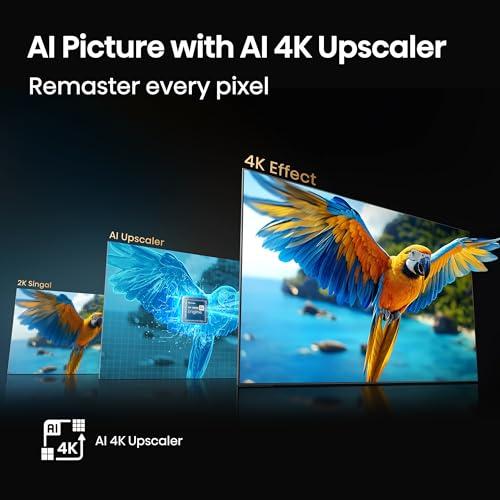
| AI 4K Upscaler with superior processing | Basic upscaling that can appear soft |
| Motion Handling - Important for sports and action content | |
| MEMC with advanced motion processing | Basic motion processing |
The Hisense QD7 Series 65" Mini-LED 4K Fire TV delivers significantly better picture quality than the Amazon Fire TV Omni Series 65" 4K UHD Smart TV. The key difference is the Mini-LED backlighting technology in the Hisense QD7, which provides hundreds of dimming zones for deeper blacks and brighter highlights. The Amazon Omni Series uses standard LED backlighting that can't achieve the same contrast levels.
Yes, both the Hisense QD7 and Amazon Fire TV Omni Series run identical Fire TV operating systems with built-in Alexa voice control. You'll get the same streaming apps, interface, and smart home integration on either TV. The main difference is that the Hisense QD7 has more storage space and faster performance when navigating menus.
Both TVs support modern gaming features like Variable Refresh Rate (VRR) and Auto Low Latency Mode (ALLM), but the Hisense QD7 provides a superior gaming experience. The Mini-LED technology creates more immersive visuals with better contrast in dark game scenes. Both the Hisense QD7 and Amazon Omni Series are limited to 60Hz refresh rates, so neither supports 120Hz gaming.
The Hisense QD7 has better built-in audio with 20 watts of power and Dolby Atmos processing, compared to the Amazon Omni Series which has 16 watts with basic audio processing. While neither TV replaces a dedicated sound system, the Hisense QD7 provides clearer dialogue and more immersive sound for movies and shows.
The Hisense QD7 handles bright room viewing much better than the Amazon Fire TV Omni Series. The Mini-LED backlighting can achieve higher peak brightness levels to combat glare and maintain color accuracy in well-lit spaces. The Amazon Omni Series peaks at around 330 nits, which is adequate for moderate lighting but struggles in very bright rooms.
The Hisense QD7 is excellent for home theater use thanks to its Mini-LED technology that delivers deep blacks and bright highlights essential for cinematic viewing. It supports all major HDR formats including Dolby Vision for premium movie content. The Amazon Fire TV Omni Series is adequate for casual movie watching but lacks the contrast performance serious home theater enthusiasts expect.
The Hisense QD7 offers superior build quality with premium materials, thinner bezels, and a more compact stand design. The Amazon Fire TV Omni Series uses basic plastic construction and has a wider stand that can be challenging to fit on smaller TV furniture. The Hisense QD7 looks more expensive than it actually costs.
Both TVs include upscaling technology to improve lower-resolution content, but the Hisense QD7 has more advanced AI processing that produces sharper results. The Amazon Omni Series can make standard definition content appear somewhat soft on the large 65-inch screen. For primarily HD and 4K viewing, both the Hisense QD7 and Amazon Omni Series perform well.
The Hisense QD7 provides exceptional value by offering Mini-LED technology typically found in much more expensive TVs. Despite having superior display technology, better audio, and premium build quality, the Hisense QD7 often costs less than the Amazon Fire TV Omni Series, making it an easy choice for most buyers.
Yes, both the Hisense QD7 and Amazon Fire TV Omni Series support all major streaming platforms including Netflix, Disney+, HBO Max, Apple TV+, and thousands of other apps through the Fire TV platform. Since they use identical smart TV software, app selection and performance are essentially the same on both models.
The Hisense QD7 provides a better sports viewing experience with more vibrant colors, better motion handling, and superior brightness that makes action easier to follow. Both TVs have adequate refresh rates for sports content, but the enhanced contrast and color accuracy of the Hisense QD7 makes games more engaging than the Amazon Omni Series.
Both the Hisense QD7 and Amazon Fire TV Omni Series should receive regular Fire TV software updates for several years. However, the Hisense QD7 is a newer 2025 model with more current hardware, while the Amazon Omni Series launched in 2021. The newer Hisense QD7 is likely to maintain better long-term performance and receive updates for a longer period.
We've done our best to create useful and informative comparisons to help you decide what product to buy. Our research uses advanced automated methods to create this comparison and perfection is not possible - please contact us for corrections or questions. These are the sites we've researched in the creation of this article: bestbuy.com - youtube.com - youtube.com - rtings.com - tvsbook.com - hometechnologyreview.com - hometechnologyreview.com - bestbuy.com - static.pcrichard.com - hometechnologyreview.com - bestbuy.com - hisense-usa.com - hisense-usa.com - shopmyexchange.com - brandsmartusa.com - manuals.plus - youtube.com - rtings.com - tvsbook.com - flatpanelshd.com - youtube.com - bestbuy.com - rtings.com - techradar.com - youtube.com - youtube.com - businessinsider.com - amazonforum.com - pcvarge.com - tvpartstoday.com - kitele.com - manuals.plus - bestbuy.com - youtube.com - diverse-marketplace.com

Privacy Policy
Terms and Conditions - Affiliate Policy
Home Security
© Copyright 2008-2026.
11816 Inwood Rd #1211, Dallas, TX 75244