

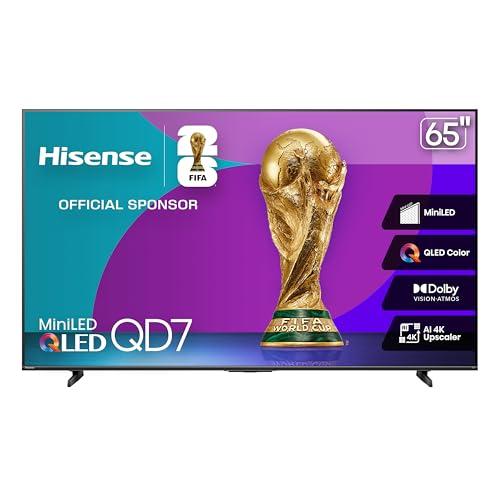
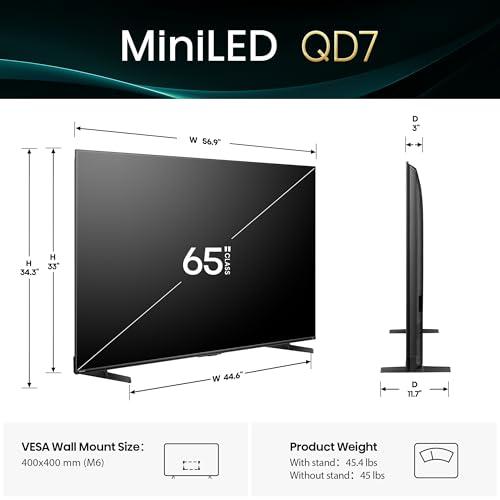
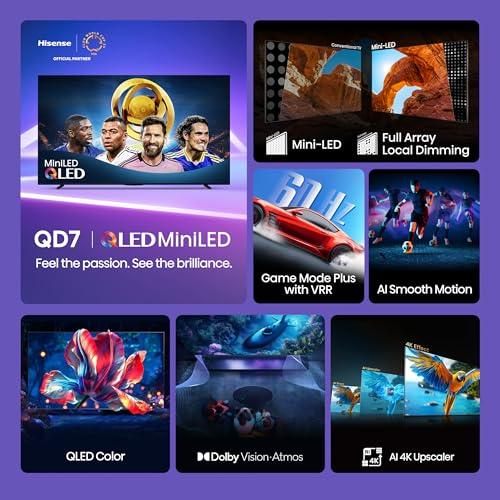
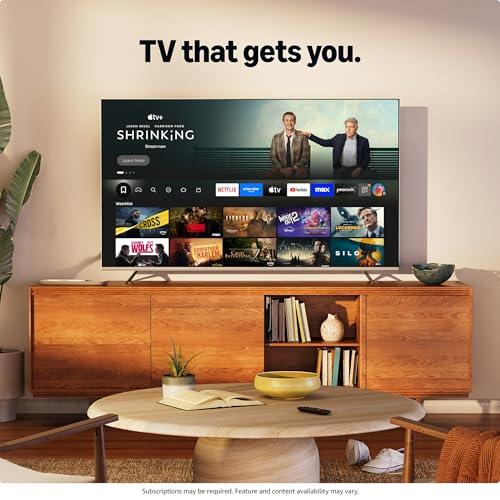
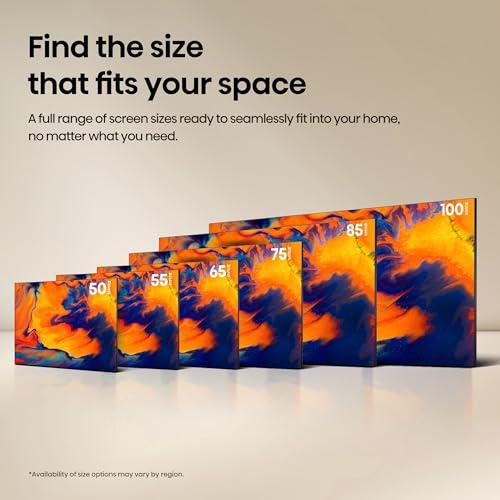
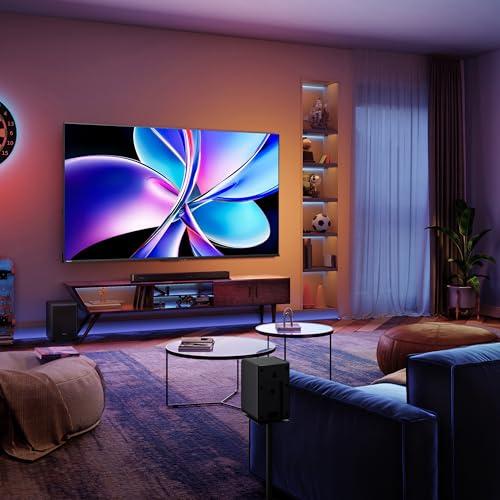
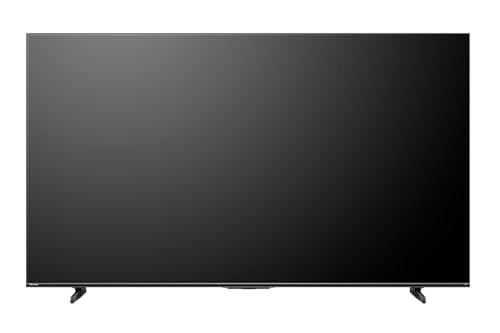
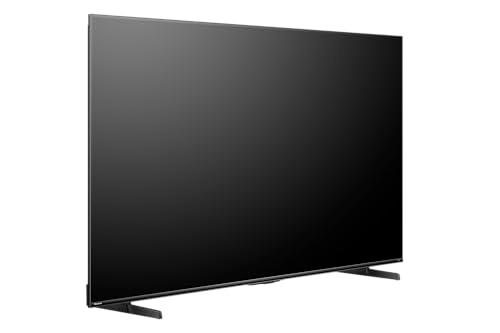
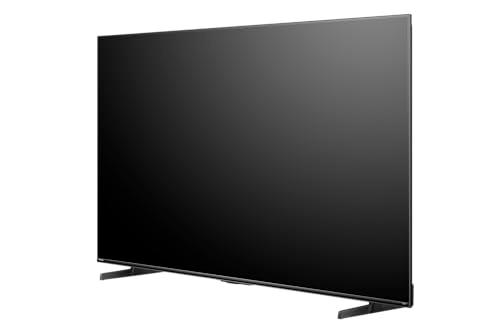
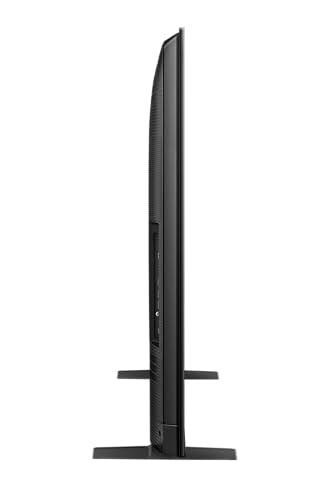
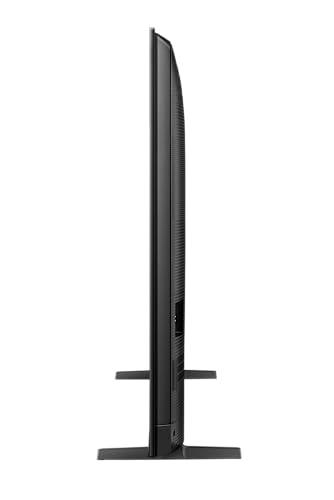
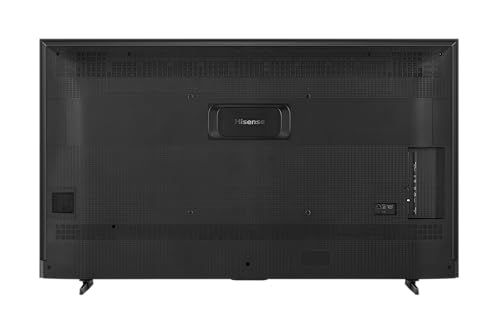
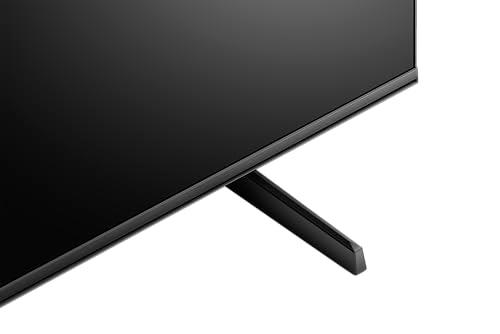
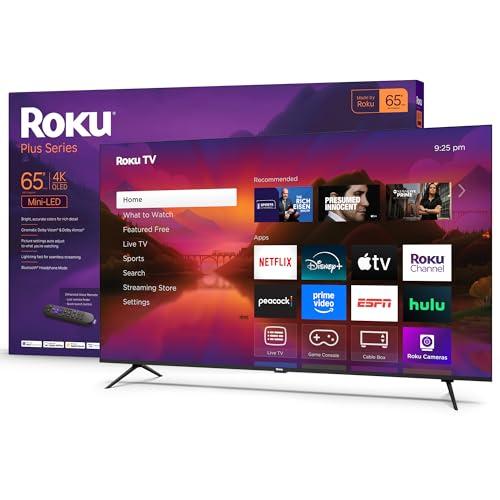
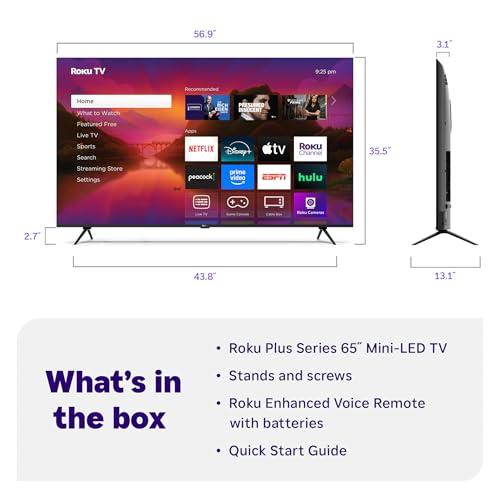
The world of budget televisions has dramatically improved over the past few years, and 2025 marks a particularly exciting time for TV shoppers. Two standout models have caught our attention: the Hisense QD7 Series 65" and the Roku Plus Series 65". Both represent what we consider the sweet spot in today's TV market—Mini-LED technology that bridges the gap between basic LED displays and expensive OLED panels, all while keeping prices reasonable for most households.
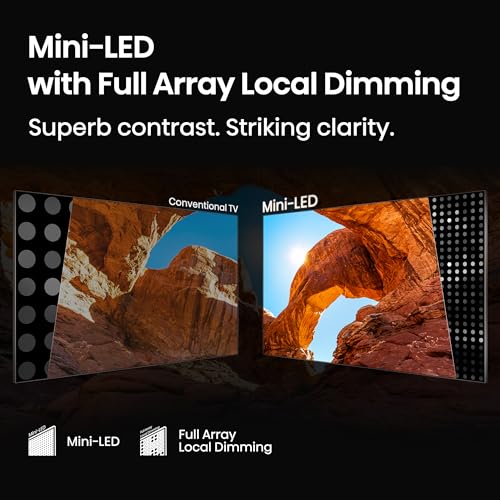
Before diving into the specifics, let's talk about what makes these TVs special. Traditional LED TVs use a handful of LED strips around the edges or behind the screen to light up your picture. Mini-LED technology takes a completely different approach, using thousands of tiny LEDs arranged in precise zones across the entire back of the screen. Think of it like the difference between lighting a room with one overhead bulb versus having dozens of carefully positioned spotlights.
This technology matters because it allows for much better contrast—the difference between the brightest whites and the deepest blacks in your picture. When you're watching a movie scene with a bright explosion against a dark night sky, Mini-LED can make those bright areas pop while keeping the dark areas truly dark, rather than the grayish black you might see on cheaper TVs.
Both the Hisense QD7 and Roku Plus Series use this Mini-LED approach, but they implement it quite differently, leading to distinct performance characteristics that matter depending on how you use your TV.
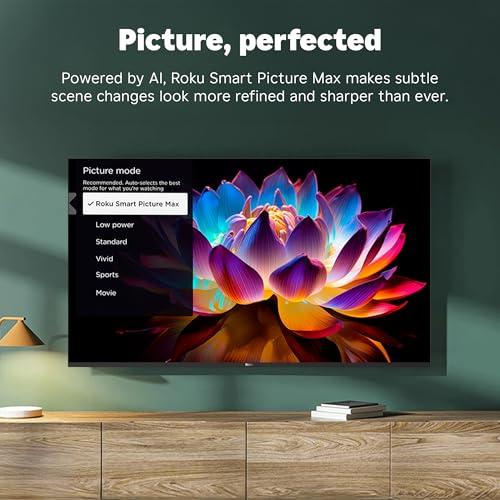
When evaluating these TVs, brightness performance stands out as a crucial differentiator. The Roku Plus Series demonstrates measurably superior peak brightness capabilities, which translates directly into better HDR (High Dynamic Range) performance. HDR is essentially your TV's ability to display both very bright and very dark elements in the same scene simultaneously, creating more realistic and impactful images.
From our research into professional reviews and user experiences, the Roku consistently delivers more punch in HDR highlights—think of the sun reflecting off water or the bright flames in an action sequence. This advantage becomes particularly noticeable in rooms with ambient light, where the extra brightness helps the TV compete with sunlight streaming through windows or overhead lighting.
The Hisense QD7, while still supporting the same HDR formats (Dolby Vision, HDR10+), doesn't quite match this brightness ceiling. In darker viewing environments, this difference becomes less critical, but for typical family room use during daytime or evening with lights on, the brightness advantage of the Roku becomes genuinely useful.
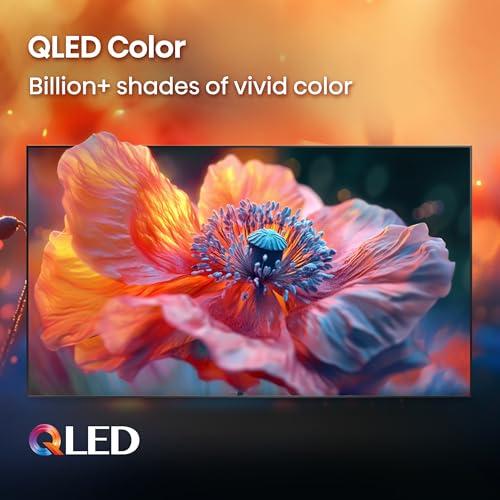
Here's where things get interesting, and where the Hisense QD7 fights back with its secret weapon: quantum dot technology. Quantum dots are microscopic particles that, when hit with light, produce incredibly pure and vibrant colors. The Hisense implementation can display over one billion different color shades, compared to the millions that standard LED TVs manage.
In practical terms, this means more lifelike skin tones, richer blues in ocean scenes, and more accurate reds in everything from sports uniforms to sunset landscapes. Based on user feedback and expert analysis, the Hisense consistently delivers more saturated and accurate colors than the Roku Plus Series, even though both are technically QLED displays.
This color advantage becomes particularly apparent when watching nature documentaries, animated content, or sports, where vibrant, accurate colors enhance the viewing experience significantly.
Despite the Hisense QD7's impressive color capabilities, it faces criticism in one crucial area: black level performance. Multiple reviews consistently point to disappointing contrast in dark room environments, where blacks appear more gray than truly deep. This limitation stems from the specific implementation of the Mini-LED backlighting system.
The Roku Plus Series, conversely, demonstrates better black uniformity and deeper blacks thanks to more effective local dimming zones. Local dimming is the TV's ability to turn off or dim specific zones of LEDs to create darker areas in the picture. When this works well, you get that cinematic contrast where a character's silhouette against a bright background looks dramatic rather than washed out.
For dedicated home theater enthusiasts who primarily watch movies in darkened rooms, this contrast difference becomes a significant factor in the viewing experience.
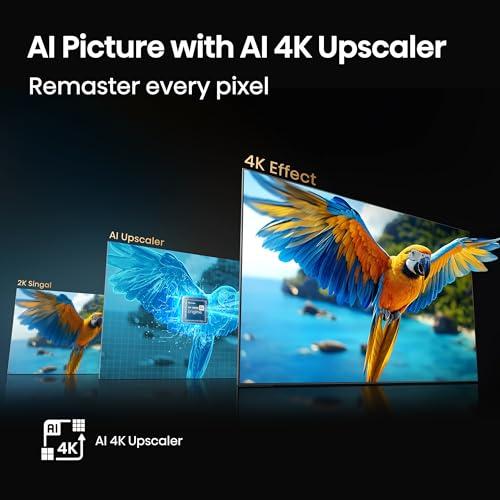
One area where the Hisense QD7 truly excels is content upscaling and processing. Modern TVs need to take content that wasn't originally created in 4K—think cable TV, DVDs, or even some streaming content—and intelligently enhance it to look good on a 4K screen.
The Hisense's AI-powered upscaling engine performs exceptionally well at this task, significantly sharpening and cleaning up lower-resolution content. If you frequently watch cable TV, older movies, or stream content that might not always be perfect quality, this processing advantage becomes genuinely valuable in daily use.
The Roku Plus Series, while adequate in this area, doesn't match the Hisense's processing capabilities. Our research suggests it performs best with high-quality 4K sources and can struggle somewhat with heavily compressed or lower-quality content.
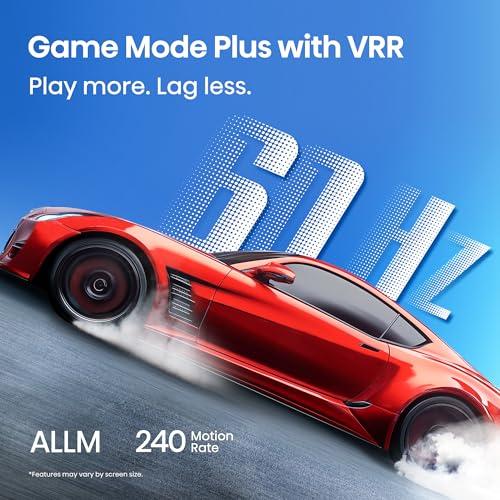
Gaming capabilities reveal another interesting split between these models. The Hisense QD7 includes more comprehensive gaming features, supporting Variable Refresh Rate (VRR) and Auto Low Latency Mode (ALLM). VRR synchronizes the TV's refresh rate with your gaming console's output, eliminating screen tearing and creating smoother motion during gameplay. ALLM automatically switches the TV to its lowest-lag mode when it detects a gaming console.
However, the Roku Plus Series takes a different approach, focusing on fundamental responsiveness rather than advanced features. Professional testing shows it achieves faster pixel response times, meaning less motion blur during fast-paced gaming or sports viewing. This creates sharper, clearer motion even without the advanced gaming features.
For competitive gamers who prioritize every millisecond of responsiveness, the Roku's approach may actually prove more beneficial. For casual gamers who want modern console features to work properly, the Hisense's feature set provides better compatibility.
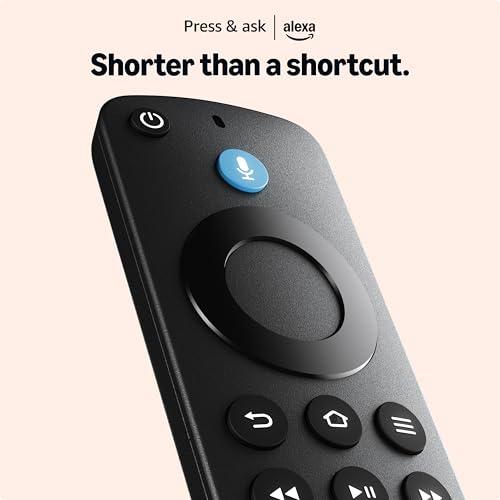
The smart TV platform choice represents perhaps the most philosophical difference between these models. The Hisense QD7 runs Amazon's Fire TV, which integrates deeply with the Amazon ecosystem and prioritizes Amazon's content and services. If you're already a Prime Video subscriber and use Alexa devices throughout your home, this integration creates genuine convenience.
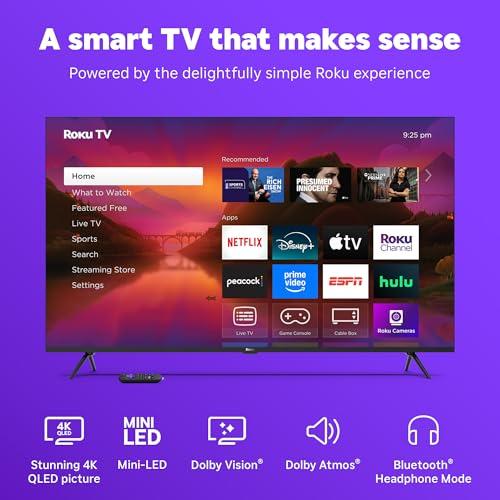
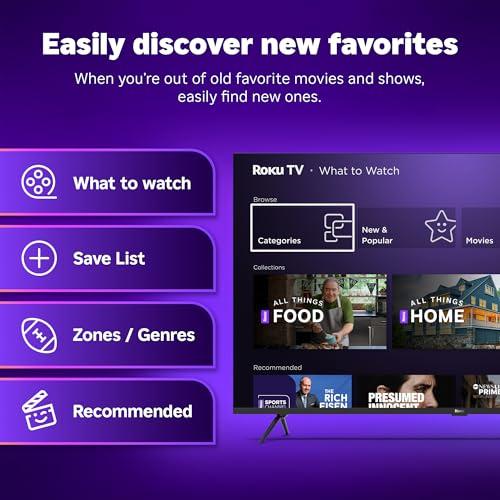
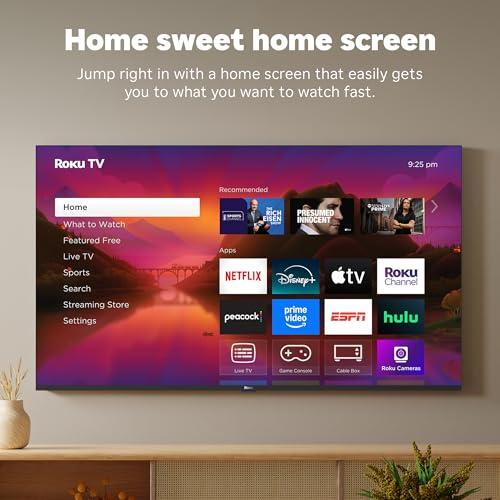
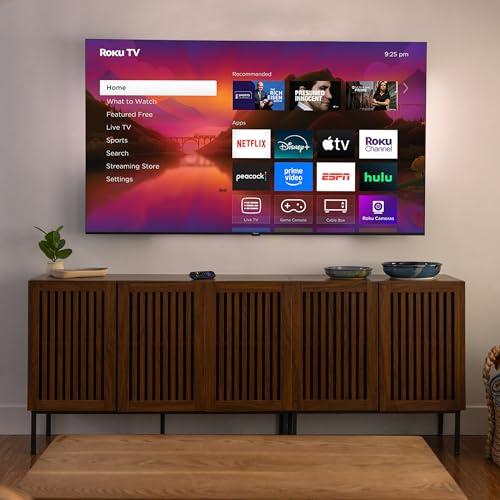
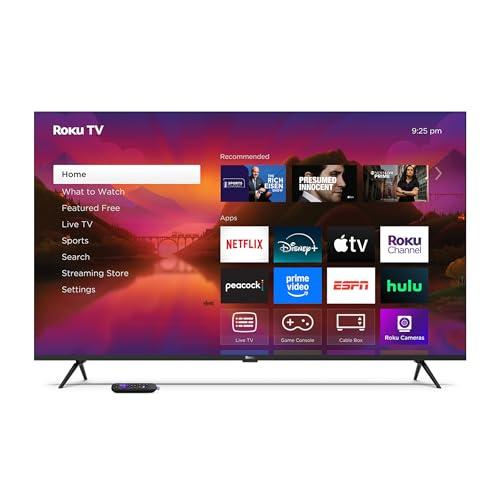
The Roku Plus Series takes a notably different approach with its platform-agnostic interface. Rather than favoring any particular streaming service, Roku presents all your apps and content sources equally. This neutrality can be refreshing if you use multiple streaming services and prefer not to have Amazon's content pushed to the front of your experience.
From a usability standpoint, both platforms perform well, but Roku has earned a reputation for longevity and consistent updates. TVs often remain in use for 7-10 years, making long-term software support an important consideration.
Neither TV will replace a dedicated sound system, but they approach audio differently. The Roku Plus Series demonstrates superior built-in audio performance with clearer dialogue and better overall balance. While still limited by the physics of thin TV speakers, it manages to deliver surprisingly full sound for its class.
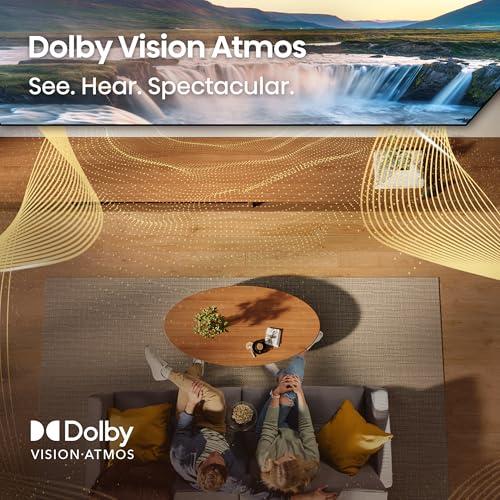
The Hisense QD7 includes Dolby Atmos processing, which can create a more immersive soundstage when the content supports it, but the underlying speaker hardware doesn't quite match the Roku's clarity and balance.
Both TVs support wireless audio expansion and can connect to soundbars or external speakers, which we'd recommend for either model if audio quality is important to your viewing experience.
At the time of writing, the Hisense QD7 typically retails for significantly less than the Roku Plus Series—often $100-150 difference depending on sales and promotions. This price gap positions them for different buyer priorities rather than direct competition.
The Hisense represents exceptional value for buyers who want quantum dot color technology and Mini-LED backlighting at the lowest possible price point. The cost savings can even be allocated toward a quality soundbar to address the audio limitations, creating a complete entertainment package within a specific budget.
The Roku justifies its premium through superior brightness, better black levels, and what many consider a more reliable overall experience. For buyers who prefer paying slightly more upfront for better out-of-box performance and long-term reliability, the price difference becomes worthwhile.
For dedicated home theater use in controlled lighting environments, neither TV represents the ideal choice compared to OLED alternatives, but they serve different secondary roles effectively.
The Roku Plus Series works better for home theater setups due to its superior contrast and black levels. While it won't match OLED's perfect blacks, it creates a more cinematic experience in darkened rooms than the Hisense.
The Hisense QD7 excels in mixed-use family rooms where the TV serves multiple purposes throughout the day. Its superior color reproduction and content processing make it excellent for daytime viewing, sports, and varied content types, even if it doesn't quite achieve home theater-level contrast.
Choose the Hisense QD7 if you prioritize value above all else but still want premium display technology. Its quantum dot colors, excellent upscaling, and gaming features create a well-rounded package that performs admirably across varied content types. The cost savings make it particularly attractive for buyers planning to add external audio equipment anyway.
The Hisense QD7 also makes sense for Amazon ecosystem users who will benefit from the Fire TV integration and voice control capabilities. If you frequently watch mixed content quality—cable TV, DVDs, various streaming sources—the superior processing becomes genuinely valuable.
Choose the Roku Plus Series if you're willing to pay moderately more for superior fundamental picture quality. The better brightness and contrast create a more premium viewing experience, particularly for high-quality streaming content and movies.
The Roku Plus Series particularly appeals to users who want a plug-and-play experience without tweaking settings, and who value platform neutrality and long-term software reliability. For bright room viewing and HDR content, the brightness advantage becomes consistently noticeable.
Both televisions represent how far budget TV technology has advanced. Just a few years ago, Mini-LED and quantum dot technologies were exclusive to premium models costing thousands of dollars. Today, these features reach mainstream price points, democratizing advanced display technology.
The choice between the Hisense QD7 and Roku Plus Series ultimately comes down to prioritizing different strengths: value and color vibrancy versus brightness and contrast reliability. Either represents a solid foundation for a modern entertainment setup, with the decision depending more on your specific viewing habits and priorities than on either being objectively superior.
For most buyers, either TV will provide a significant upgrade over older LED displays, bringing them into the modern era of HDR content and smart TV capabilities. The key is honest assessment of your viewing environment, content preferences, and whether you prioritize saving money or maximizing performance within the budget Mini-LED category.
| Hisense QD7 Series 65" Mini-LED 4K Fire TV | Roku Plus Series 65" 4K QLED Mini-LED Smart TV 2025 |
|---|---|
| Display Technology - Core picture quality foundation | |
| Mini-LED with QLED Quantum Dot (over 1 billion colors) | Mini-LED with QLED panel |
| Peak Brightness - Critical for HDR impact and bright room viewing | |
| Lower brightness levels, adequate for most conditions | 459 nits HDR / 338 nits SDR (superior bright room performance) |
| Black Levels and Contrast - Essential for dark room movie watching | |
| Blacks appear grayish in dark rooms, limited contrast | Better black uniformity and deeper blacks |
| Content Upscaling - Important for cable TV and older content | |
| Excellent AI 4K upscaling, significantly improves lower-res content | Adequate upscaling, best with native 4K sources |
| Gaming Features - Matters for console gamers | |
| VRR, ALLM, Game Mode Plus (48-144Hz on larger models) | 60Hz refresh rate, low input lag (11.5ms), faster response time |
| Smart Platform - Daily user experience and long-term updates | |
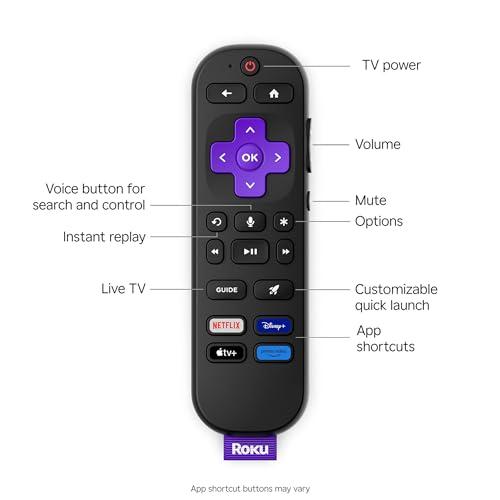
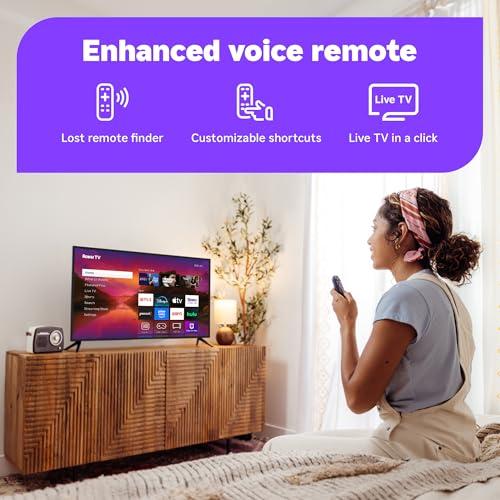
| Amazon Fire TV with built-in Alexa integration | Roku TV OS with platform neutrality, multi-assistant support |
| Audio Quality - Built-in speaker performance | |
| 20W output with Dolby Atmos, generally needs soundbar upgrade | Above-average 2-way speakers with clearer dialogue |
| Connectivity - Future-proofing and device compatibility | |
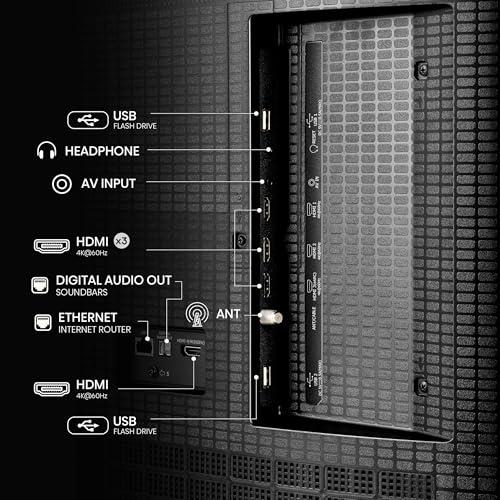
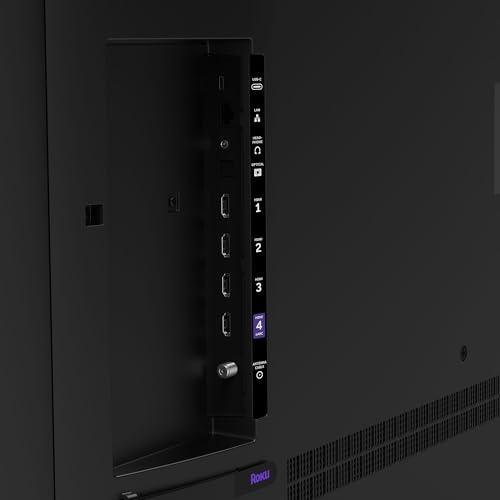
| 4x HDMI 2.0 ports, Wi-Fi 5, Bluetooth 5.0 | 4x HDMI ports, enhanced Wi-Fi, Bluetooth support |
| Build Quality and Reliability - Long-term ownership experience | |
| Some reported quality control issues, mixed user experiences | Better reputation for reliability and customer service |
| Value Proposition - Performance per dollar at time of writing | |
| Significantly lower price point, excellent value for quantum dot tech | Premium pricing justified by superior brightness and contrast |
| Best Use Cases - Who should choose this TV | |
| Budget-conscious buyers, Amazon ecosystem users, mixed content viewers | Quality-focused buyers, bright room viewing, premium streaming content |
The Roku Plus Series delivers superior overall picture quality with better brightness (459 nits HDR) and deeper black levels, making it ideal for both bright rooms and dark viewing. However, the Hisense QD7 excels in color reproduction with its quantum dot technology, displaying over 1 billion colors for more vibrant and accurate hues.
The primary difference lies in their approach: the Hisense QD7 prioritizes value and color technology with quantum dots at a lower price point, while the Roku Plus Series focuses on superior brightness, contrast, and build quality at a premium price. They also use different smart platforms - Fire TV versus Roku OS.
For serious gaming, the Hisense QD7 offers more advanced features including Variable Refresh Rate (VRR) and Auto Low Latency Mode (ALLM). However, the Roku Plus Series provides faster pixel response times with less motion blur, making it better for competitive gaming despite lacking advanced console features.
Neither TV is ideal for dedicated dark room home theaters compared to OLED alternatives. The Roku Plus Series performs better in this scenario with superior black levels and contrast, while the Hisense QD7 struggles with grayish blacks in dark environments, making it less suitable for cinematic viewing.
The Hisense QD7 runs Amazon Fire TV, which integrates excellently with the Amazon ecosystem and Alexa devices. The Roku Plus Series uses Roku OS, offering platform neutrality without favoring specific streaming services and historically better long-term software support. Choose based on your ecosystem preference.
The Hisense QD7 significantly outperforms with superior AI upscaling that dramatically improves cable TV, DVDs, and compressed streaming content. The Roku Plus Series handles upscaling adequately but works best with high-quality 4K sources and can struggle with heavily compressed content.
The Roku Plus Series delivers measurably higher peak brightness, making it superior for rooms with windows or ambient lighting. This brightness advantage also enhances HDR content impact. The Hisense QD7 provides adequate brightness for most conditions but may struggle in very bright environments.
The Hisense QD7 typically costs significantly less, offering exceptional value for quantum dot and Mini-LED technology. The savings can fund a quality soundbar to address audio limitations. The Roku Plus Series justifies its premium through superior brightness, contrast, and reliability for buyers prioritizing performance over savings.
The Roku Plus Series provides superior built-in audio with clearer dialogue and better overall balance from its 2-way speaker system. The Hisense QD7 includes Dolby Atmos processing but generally requires a soundbar upgrade for satisfactory audio performance.
The Roku Plus Series has a better reputation for build quality, reliability, and customer service support. Some users report quality control issues with the Hisense QD7, though many owners have positive experiences. Roku also has a stronger track record for consistent software updates over time.
For bright living rooms with windows and ambient lighting, the Roku Plus Series is the clear winner due to its superior peak brightness and better contrast performance. The Hisense QD7 can work in moderately lit rooms but may appear washed out in very bright conditions.
While both the Hisense QD7 and Roku Plus Series offer impressive Mini-LED technology at budget prices, they cannot match OLED's perfect blacks and infinite contrast. However, they provide excellent value alternatives with better brightness than most OLEDs and quantum dot color enhancement, making them solid choices for buyers seeking premium features without flagship pricing.
We've done our best to create useful and informative comparisons to help you decide what product to buy. Our research uses advanced automated methods to create this comparison and perfection is not possible - please contact us for corrections or questions. These are the sites we've researched in the creation of this article: bestbuy.com - youtube.com - youtube.com - rtings.com - tvsbook.com - hometechnologyreview.com - hometechnologyreview.com - bestbuy.com - static.pcrichard.com - hometechnologyreview.com - bestbuy.com - hisense-usa.com - hisense-usa.com - shopmyexchange.com - brandsmartusa.com - manuals.plus - youtube.com - rtings.com - tvsbook.com - flatpanelshd.com - youtube.com - bestbuy.com - tomsguide.com - rtings.com - youtube.com - rtings.com - youtube.com - roku.com - walmart.com - youtube.com - bestbuy.com - roku.com - tvsbook.com

Privacy Policy
Terms and Conditions - Affiliate Policy
Home Security
© Copyright 2008-2026.
11816 Inwood Rd #1211, Dallas, TX 75244