

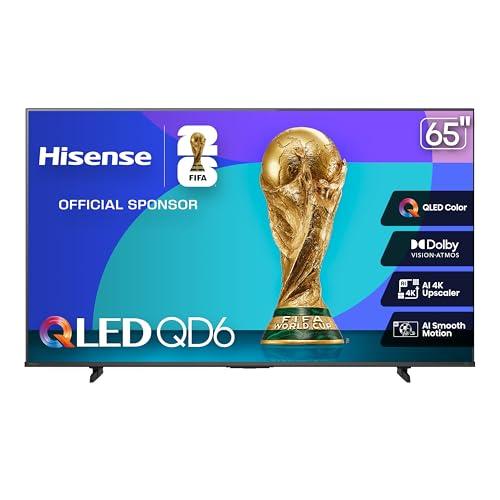

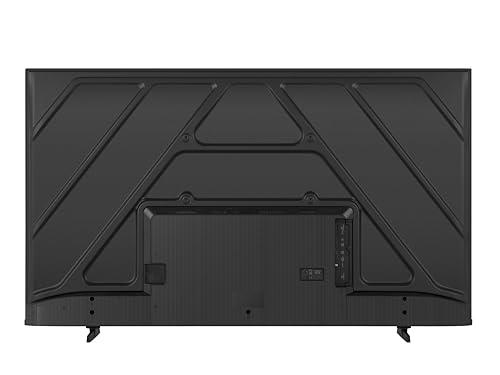
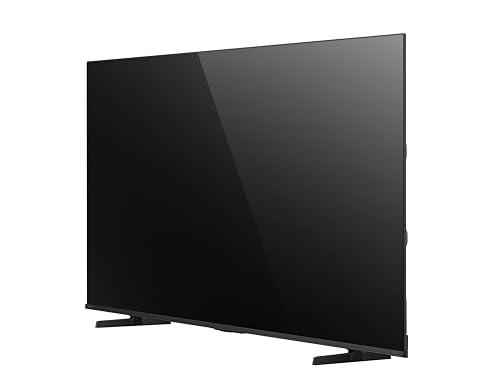



When shopping for a 65-inch 4K TV, you're entering the sweet spot of home entertainment. These displays offer that cinematic feel without breaking the bank or overwhelming smaller rooms. But with so many options available, how do you choose between seemingly similar models? Today we're comparing two standout options from 2025: the Hisense QD6 Series QLED and the Roku Select Series.
Both TVs hit that crucial 65-inch size that makes movie nights feel special while remaining affordable for most families. However, they take distinctly different approaches to delivering your entertainment, and understanding these differences is key to making the right choice for your home.
The fundamental difference between the Hisense QD6 and Roku Select comes down to philosophy. Hisense focused on cramming premium display technology into an affordable package, while Roku prioritized creating the smoothest, most user-friendly smart TV experience possible.
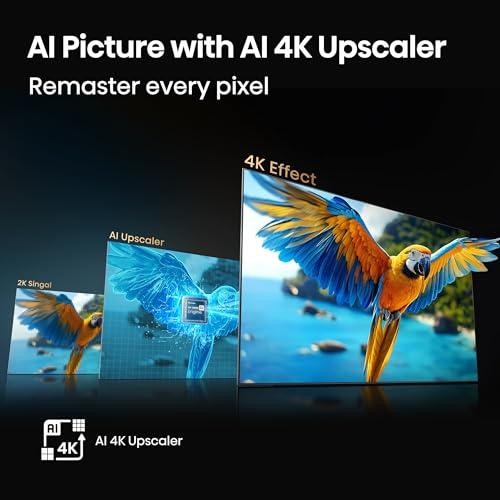
The Hisense QD6 represents the company's push to democratize QLED technology—something that was exclusive to premium TVs just a few years ago. QLED, or Quantum Dot LED, uses microscopic particles called quantum dots to produce more vibrant and accurate colors than traditional LED displays. Think of it like upgrading from standard definition to HD, but for color reproduction.
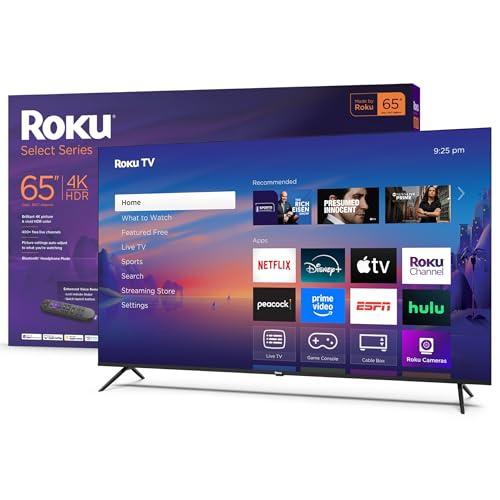
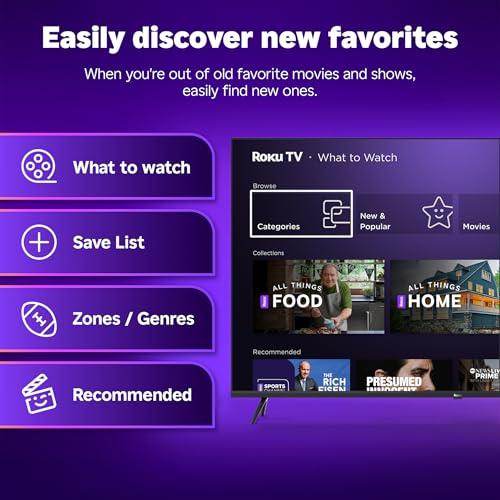
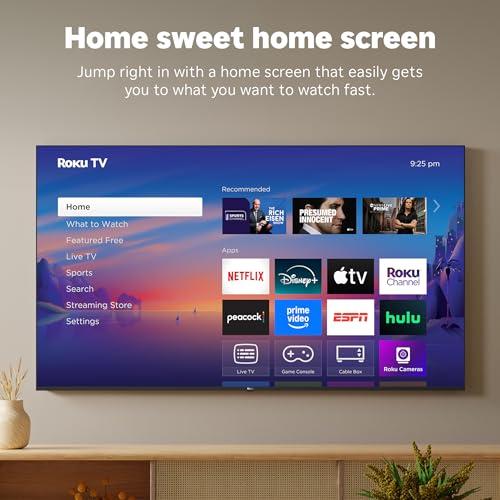
Meanwhile, the Roku Select Series takes a different approach entirely. Rather than chasing the latest display technology, Roku invested in perfecting the smart TV experience that most people actually use daily—streaming Netflix, browsing YouTube, and discovering new shows.
The Hisense QD6's quantum dot technology delivers approximately 90% coverage of the DCI-P3 color space—the standard used in movie theaters. In practical terms, this means reds look more like actual strawberries, ocean blues appear deeper and more realistic, and green grass has that vibrant pop you see in real life.
Our research into expert reviews consistently shows that quantum dots make the biggest difference in bright, colorful content. Sports broadcasts, animated movies, and nature documentaries truly shine on the Hisense QD6. The technology excels at producing what experts call "color volume"—the ability to maintain color saturation even in very bright or very dark scenes.
However, the Roku Select shouldn't be dismissed. Its traditional LED display still produces solid, enjoyable picture quality that most viewers will find perfectly satisfying. The colors might not have that extra "wow factor" of quantum dots, but they're accurate and pleasant for everyday viewing.
Both TVs face similar challenges when it comes to HDR (High Dynamic Range) performance. HDR is designed to display brighter highlights and deeper shadows, mimicking what your eyes see in real life. The problem is that neither TV gets bright enough to truly deliver on HDR's promise.
The Hisense QD6 reaches about 385 cd/m² of peak brightness, while most premium TVs hit 600-1000 cd/m² or higher. This means that while both TVs support HDR formats, the actual visual impact is limited. You'll notice some improvement in contrast and color, but don't expect the dramatic "pop" that you'd get from a more expensive TV.
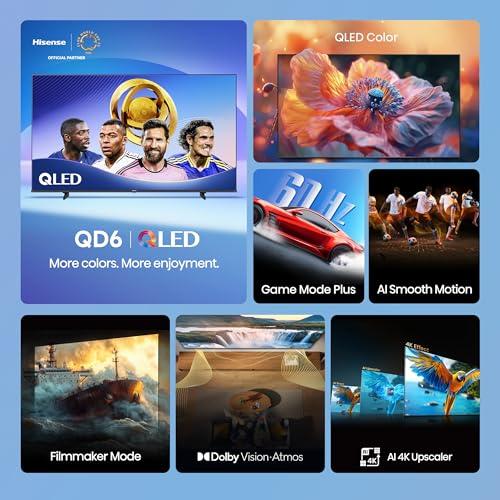
Interestingly, the Hisense QD6 supports Dolby Vision—considered the premium HDR format used by Netflix and other major streaming services—while the Roku Select does not. However, given the brightness limitations, this advantage is more theoretical than practical for most content.
Both TVs struggle with one of the most important aspects of picture quality: displaying true blacks. Neither has local dimming (zones of LEDs that can dim independently), which means that when a scene has both bright and dark elements, the dark areas appear grayish rather than truly black.
This limitation affects movie watching more than casual TV viewing. Dark, atmospheric films like horror movies or space epics lose some of their visual impact when blacks aren't deep enough. If you're planning to use your TV primarily for daytime viewing or brightly-lit content, this won't matter much. But for serious home theater use, it's worth considering.
Here's where the Hisense QD6 pulls significantly ahead. Gaming has evolved rapidly over the past few years, with PlayStation 5 and Xbox Series X introducing features that require specific TV capabilities to fully utilize.
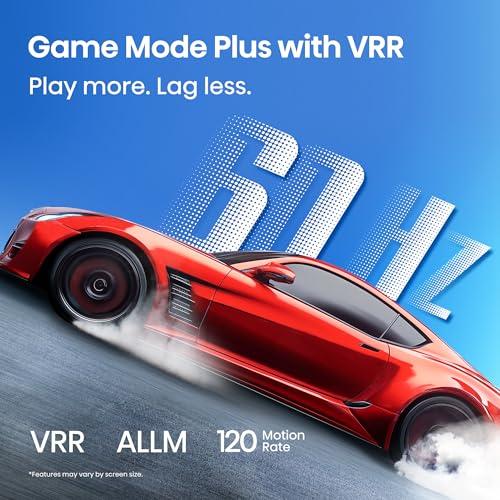
The Hisense QD6 includes Variable Refresh Rate (VRR), which synchronizes the TV's refresh rate with your gaming console's output. This eliminates screen tearing—those annoying horizontal lines that appear during fast action. It also supports Auto Low Latency Mode (ALLM), which automatically switches to game mode when it detects a console, reducing input lag without you having to remember to change settings.
Most impressively, the Hisense QD6 can display up to 144Hz refresh rates, meaning smoother motion in compatible games. While most console games still run at 60fps (frames per second), PC gaming and some newer console titles can take advantage of higher refresh rates for more fluid gameplay.
The Roku Select, on the other hand, is stuck at 60Hz with basic gaming features. While it has low input lag suitable for casual gaming, it simply can't utilize the advanced capabilities of modern gaming hardware.
If you're someone who plays the occasional FIFA match or enjoys story-driven games at a relaxed pace, the Roku Select will serve you just fine. But if you're into competitive gaming, first-person shooters, or you have a gaming PC, the Hisense QD6's advanced features become genuinely valuable.
The difference is particularly noticeable in fast-paced games. Racing games feel more responsive, fighting games display smoother animations, and competitive shooters give you that slight edge that comes from reduced input lag and eliminated screen tearing.
This is where the Roku Select shines brightest, and it's arguably the most important factor for many buyers. You'll interact with your TV's smart platform every single time you use it, making the user experience crucial for long-term satisfaction.
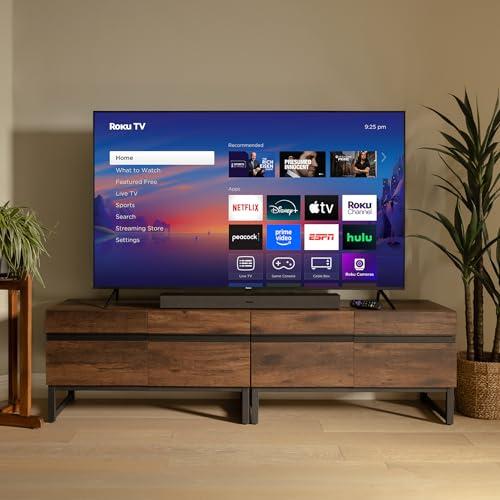
Roku built its reputation on creating the most user-friendly streaming experience, and that expertise shows in the Roku Select. The interface is fast, intuitive, and genuinely helpful. The universal search function works across all your apps—search for "The Office" and it'll show you every streaming service where it's available, along with pricing for rental options.
More importantly, Roku doesn't play favorites with content. Unlike some smart TV platforms that push their own services, Roku treats Netflix, Amazon Prime, Disney+, and every other app equally. The recommendations are based on what you actually watch, not corporate partnerships.
The Roku Select also includes over 500 free channels, including live news, movies, and TV shows. While the quality varies, there's genuinely entertaining content available without any subscription fees. For families trying to reduce their streaming costs, this free content library has real value.
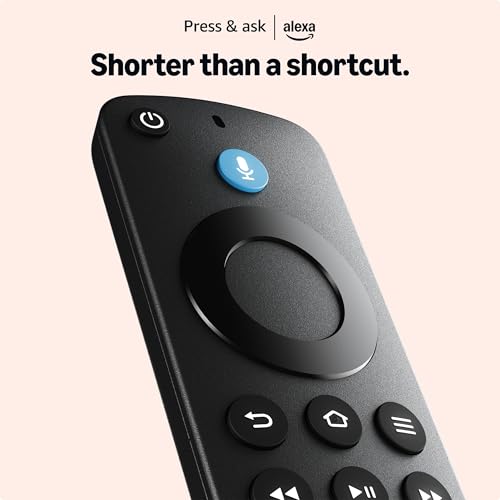
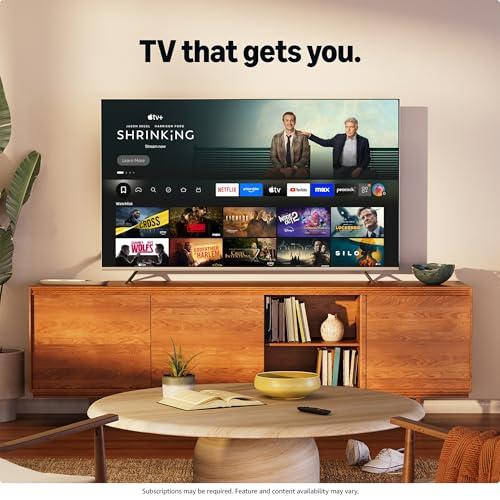
The Hisense QD6's Fire TV platform takes a different approach, integrating deeply with Amazon's ecosystem. If you're already invested in Alexa smart home devices, Amazon Prime, and Amazon's other services, this integration can be genuinely convenient. You can ask Alexa to dim your smart lights while starting a movie, or quickly access your Prime Video watchlist.
However, Fire TV does tend to promote Amazon content more prominently than competitors' offerings. It's not a dealbreaker, but it means you might have to dig a bit deeper to find content from other services.
The platform is generally responsive and includes all the major streaming apps, though our research suggests it's not quite as snappy as Roku's interface in day-to-day use.
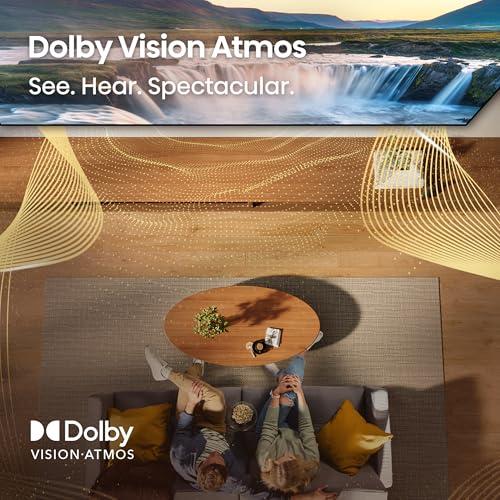
Neither TV will replace a dedicated sound system, but there are meaningful differences in their audio approaches. The Hisense QD6 supports Dolby Atmos, which is designed to create three-dimensional sound by bouncing audio off your ceiling. However, with just 10W of total speaker power, the actual Atmos effect is minimal.
The Roku Select's 2.1 stereo system focuses on clarity and dialogue reproduction rather than trying to create surround sound effects. Based on user feedback we've analyzed, many people find the Roku Select's audio approach more practical for everyday viewing, especially for news and dialogue-heavy shows.
Both TVs benefit significantly from adding a soundbar, but if you're planning to use the built-in speakers, the Roku Select might actually provide a more satisfying experience for typical content.
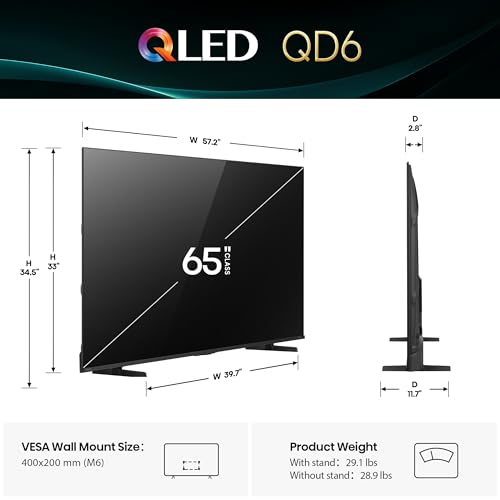
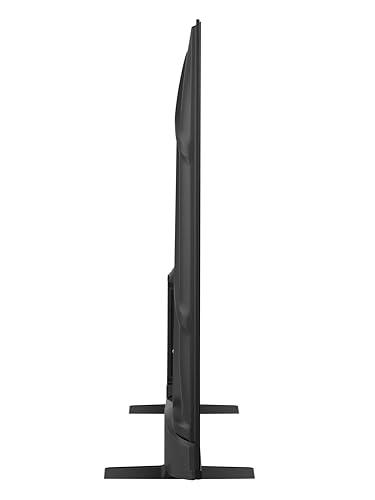
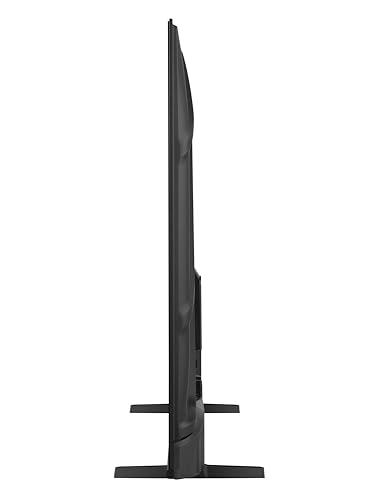
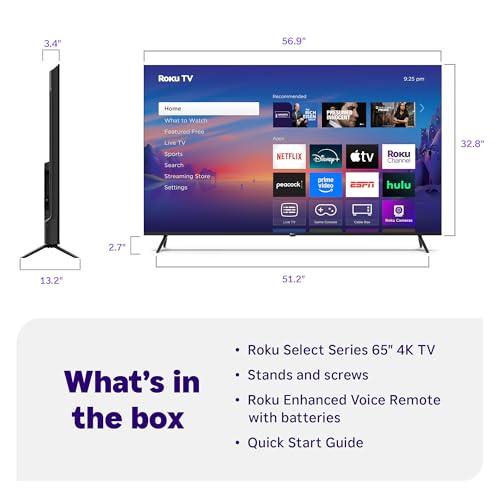
Both TVs feature modern, slim designs that look good in most rooms. The Hisense QD6 is slightly thinner and lighter, which might matter if you're wall-mounting. However, the Roku Select has a more stable stand design that works well with most entertainment centers.
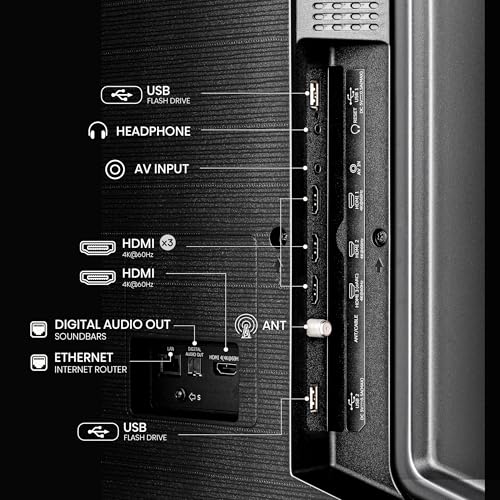
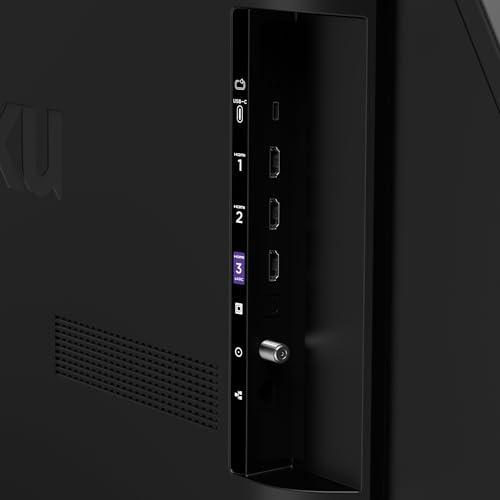
Connectivity differs meaningfully between the two. The Hisense QD6 includes four HDMI ports compared to the Roku Select's three. If you have multiple gaming consoles, a soundbar, and other devices, that extra port could prevent you from needing an HDMI switch.
The Hisense QD6 also includes more USB ports and wired ethernet connectivity, which can be valuable for stable internet connections if your Wi-Fi is inconsistent.
At the time of writing, these TVs are priced very similarly, making the value comparison particularly interesting. The Hisense QD6 offers premium display technology and advanced gaming features that typically cost significantly more. It's genuinely impressive that quantum dot technology and VRR gaming features are available at this price point.
The Roku Select, despite costing slightly more, focuses its value proposition on the user experience and long-term software support. Roku has an excellent track record of providing software updates and new features even to older TV models, something that can't be taken for granted with all manufacturers.
For most people, the Hisense QD6 represents better hardware value—you're getting more advanced technology for your money. However, the Roku Select's superior software experience and proven long-term support could justify the small price difference for many buyers.
If you're setting up a dedicated home theater room, neither TV is ideal due to their brightness and black level limitations. However, if you must choose between them for theater use, the Hisense QD6's quantum dot technology and Dolby Vision support give it a slight edge for movie watching.
The Hisense QD6 also pairs better with external audio equipment thanks to its eARC HDMI port, which can pass through high-quality audio formats to a soundbar or receiver.
For casual movie watching in a living room or family room, both TVs are perfectly adequate, with the Hisense QD6 providing a bit more visual punch in colorful content.
Choose the Hisense QD6 if you prioritize picture quality and gaming features. The quantum dot display technology delivers genuinely better color reproduction, and the advanced gaming features make it future-proof for next-generation consoles. At the time of writing, it also offers exceptional value for the display technology included.
Choose the Roku Select if you value user experience and simplicity above all else. The superior smart TV platform, extensive free content, and proven long-term software support make it ideal for families who just want their TV to work smoothly every day.
For serious gamers, the Hisense QD6 is the clear winner—the VRR support and higher refresh rate capabilities are genuinely useful features that improve the gaming experience. For everyone else, the decision comes down to whether you prefer slightly better picture quality or significantly better software experience.
Both are solid choices that will serve most families well for years to come. The Hisense QD6 pushes the boundaries of what's possible at this price point in terms of display technology, while the Roku Select perfects the fundamentals that matter most for daily use.
| Hisense 65" QD6 Series QLED 4K Fire TV | Roku Select Series 65" 4K HDR Smart TV 2025 |
|---|---|
| Display Technology - Determines color vibrancy and overall picture quality | |
| QLED with Quantum Dot (~90% DCI-P3 color gamut) | Traditional LED with Direct Backlighting |
| Gaming Features - Critical for console and PC gaming performance | |
| Variable Refresh Rate (VRR), Auto Low Latency Mode (ALLM), up to 144Hz | Basic 60Hz with Game Mode only |
| HDR Support - Affects how bright and colorful HDR content appears | |
| Dolby Vision, HDR10+, HDR10, HLG | HDR10+, HLG (no Dolby Vision) |
| Smart TV Platform - Your daily interface for streaming and apps | |
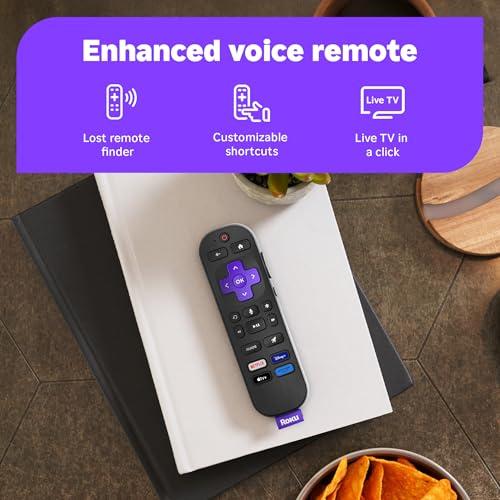
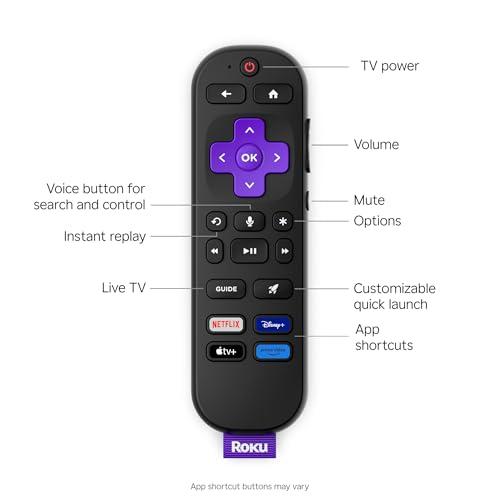
| Fire TV with Alexa Voice Remote | Roku TV with Enhanced Voice Remote |
| Free Content - Built-in streaming without subscriptions | |
| Fire TV free content and Amazon integration | 500+ free live TV channels and Roku Originals |
| Peak Brightness - Higher numbers mean better performance in bright rooms | |
| ~385 cd/m² (good for most rooms) | Similar LED brightness levels |
| HDMI Ports - More ports mean fewer device connection compromises | |
| 4 HDMI 2.0 ports (1 with eARC) | 3 HDMI ports |
| Audio Technology - Built-in speaker quality and surround sound support | |
| 10W speakers with Dolby Atmos | 2.1 Stereo system with Dolby Audio |
| Warranty Coverage - Protection against defects and failures | |
| 3 years | 1 year |
| Voice Control Compatibility - Smart home integration options | |
| Alexa built-in, works with Google Assistant | Roku Voice, Siri, Alexa, Google Assistant |
| Screen Mirroring - Casting content from phones and tablets | |
| Works with Apple AirPlay and Chromecast | Apple AirPlay support |
The Hisense 65" QD6 Series QLED 4K Fire TV offers superior picture quality thanks to its QLED quantum dot technology, which produces more vibrant colors and better color accuracy than traditional LED displays. The Hisense QD6 covers approximately 90% of the DCI-P3 color space used in movie theaters, making colors appear more lifelike and saturated. While the Roku Select Series 65" 4K HDR Smart TV 2025 provides solid picture quality for everyday viewing, it can't match the color volume and vibrancy of the quantum dot display.
The Roku Select Series features the highly-regarded Roku TV platform, which is consistently praised for its intuitive interface, fast navigation, and unbiased content recommendations. It offers over 500 free channels and treats all streaming services equally. The Hisense QD6 uses Amazon's Fire TV platform, which integrates well with Alexa and Amazon services but tends to promote Amazon content more prominently than competitors.
The Hisense 65" QD6 Series QLED is significantly better for modern gaming consoles. It supports Variable Refresh Rate (VRR), Auto Low Latency Mode (ALLM), and up to 144Hz refresh rates, which eliminate screen tearing and provide smoother gameplay. The Roku Select Series is limited to 60Hz with basic gaming features, making it suitable only for casual gaming rather than competitive or high-performance gaming.
No, there's an important difference. The Hisense QD6 supports all major HDR formats including Dolby Vision, HDR10+, HDR10, and HLG, ensuring compatibility with content from Netflix, Disney+, and other premium streaming services. The Roku Select Series 2025 supports HDR10+ and HLG but lacks Dolby Vision support, which could limit HDR compatibility with some streaming content.
Both TVs have adequate built-in audio for everyday viewing, but neither excels. The Hisense QD6 features 10W speakers with Dolby Atmos support, while the Roku Select has a 2.1 stereo system with Dolby Audio that many users find clearer for dialogue. Both TVs benefit significantly from adding a soundbar for better audio quality, especially for movies and music.
The Hisense 65" QD6 Series provides 4 HDMI 2.0 ports with one supporting eARC for high-quality audio passthrough to soundbars. The Roku Select Series offers 3 HDMI ports, which is adequate for most users but may require an HDMI switch if you have multiple gaming consoles, streaming devices, and a soundbar to connect.
Both TVs offer excellent value in different ways. The Hisense QD6 provides premium QLED display technology and advanced gaming features typically found in much more expensive TVs, making it exceptional value for picture quality and performance. The Roku Select focuses its value on the superior user experience, extensive free content, and proven long-term software support from Roku.
Both TVs perform adequately in moderately bright rooms but struggle with very bright environments or direct sunlight. The Hisense QD6 has slightly better peak brightness at around 385 cd/m², but neither TV is specifically designed for very bright room viewing. For rooms with lots of natural light, you may want to consider higher-end models with better anti-reflective coatings and higher brightness levels.
The Roku Select Series has a significant advantage here. Roku has an excellent track record of providing software updates and new features to older TV models for many years. While the Hisense QD6 comes with a longer 3-year hardware warranty compared to Roku's 1-year warranty, Roku's commitment to long-term software support is more established in the industry.
Yes, but with different levels of integration. The Hisense QD6 has Alexa built directly into the TV and works with Google Assistant, offering deep integration with Amazon's smart home ecosystem. The Roku Select is compatible with Roku Voice, Siri, Alexa, and Google Assistant, providing broader compatibility but less deep integration than the Fire TV's native Alexa support.
For serious home theater use, the Hisense 65" QD6 Series has slight advantages with its QLED technology, Dolby Vision support, and eARC HDMI port for high-quality audio equipment. However, both TVs have limitations for dedicated home theater use due to their moderate brightness levels and lack of local dimming for true black levels. Both work better for casual movie watching in living rooms rather than dark, dedicated theater rooms.
The key difference is priorities: choose the Hisense QD6 if you want the best possible picture quality and gaming performance, especially if you have modern gaming consoles. Choose the Roku Select Series if you prioritize the best smart TV user experience, extensive free content, and proven long-term software support. Both are excellent choices, but the Hisense focuses on hardware performance while the Roku excels in software and user experience.
We've done our best to create useful and informative comparisons to help you decide what product to buy. Our research uses advanced automated methods to create this comparison and perfection is not possible - please contact us for corrections or questions. These are the sites we've researched in the creation of this article: rtings.com - bestbuy.com - pcvarge.com - youtube.com - consumerreports.org - costco.com - youtube.com - rtings.com - hometechnologyreview.com - manuals.plus - hisense-usa.com - costco.com - bestbuy.com - staples.com - hisense-usa.com - manuals.plus - pcrichard.com - hometechnologyreview.com - bestbuy.com - bestbuy.com - hisense-usa.com - bestbuy.com - rtings.com - roku.com - rtings.com - youtube.com - cnet.com - manuals.plus - target.com - walmart.com - nice-pay.com - bestbuy.com - roku.com - roku.com - electronicexpress.com

Privacy Policy
Terms and Conditions - Affiliate Policy
Home Security
© Copyright 2008-2026.
11816 Inwood Rd #1211, Dallas, TX 75244