

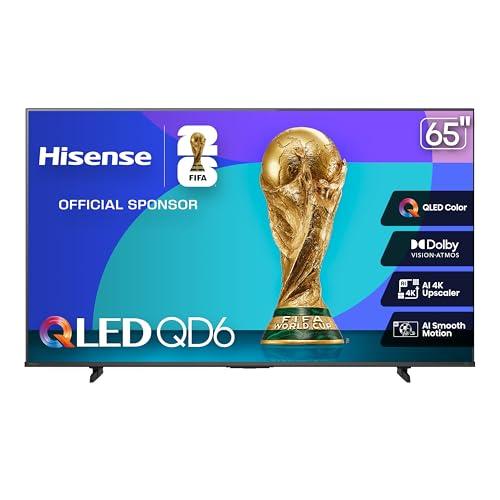

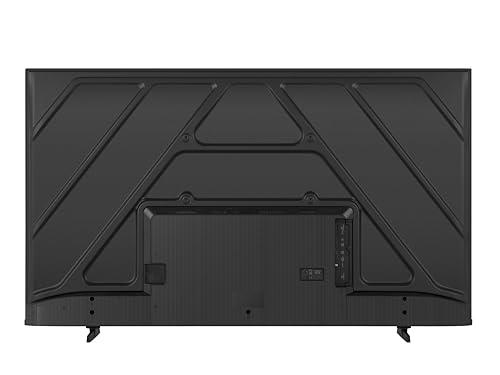
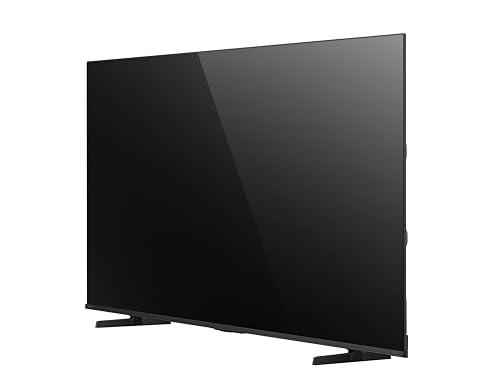
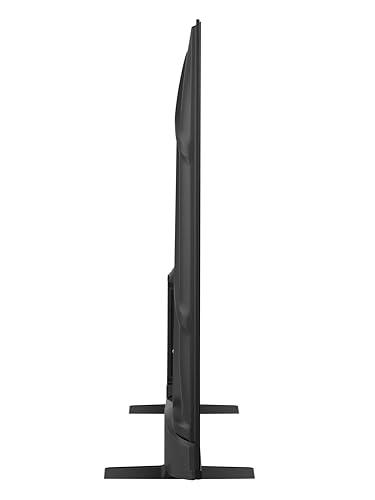

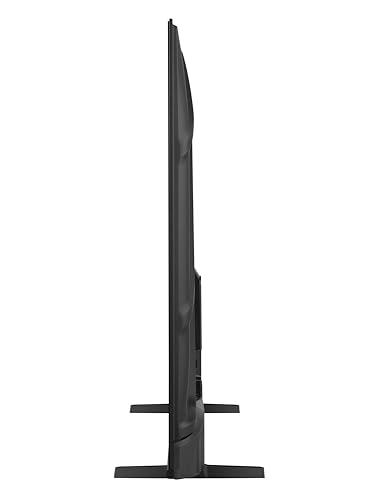
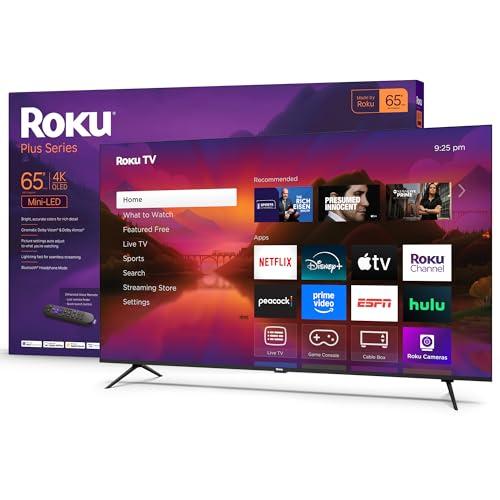
Shopping for a 65-inch TV in 2025 means navigating an increasingly crowded field of mid-range options that promise premium features without the premium price tag. Two standout contenders have emerged: the Hisense 65" QD6 Series QLED 4K Fire TV and the Roku Plus Series 65" 4K QLED Mini-LED Smart TV. Both launched in 2025, representing the latest evolution in affordable QLED technology, but they take distinctly different approaches to delivering value.
The mid-range 65-inch TV market has exploded over the past few years, driven by consumers who want cinematic picture quality without spending $2,000+ on flagship models. These TVs typically cost between $350-600 at the time of writing, making them accessible to most households while still offering advanced features like quantum dot color technology, HDR support, and sophisticated smart platforms.
Understanding the differences between these models requires diving into some technical concepts that manufacturers often gloss over in their marketing. The most critical factor is backlight technology – essentially, how the TV illuminates its screen. Traditional LED backlighting uses a strip of lights around the edges or behind the entire panel, while Mini-LED uses thousands of tiny LEDs that can be controlled independently. This distinction alone explains much of the performance and price gap between our two contenders.
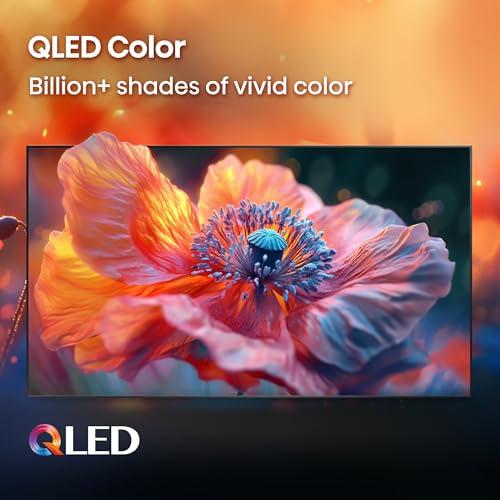
The Hisense QD6 Series employs what's called a QLED display with standard direct LED backlighting. QLED stands for Quantum Dot LED, which means the TV uses microscopic particles called quantum dots to convert blue LED light into precise red and green wavelengths. This technology dramatically expands the color palette – Hisense claims over a billion color shades, with the QD6 covering approximately 90% of the DCI-P3 color space (the standard used in digital cinema).
In practical terms, this translates to more vibrant, saturated colors than you'd find on basic LED TVs. Reds appear richer, blues deeper, and greens more natural. The quantum dot layer acts like a sophisticated filter, refining the raw LED light into something closer to what directors intended when they mastered their content.
However, the QD6's standard LED backlight system has limitations. Without local dimming – the ability to independently control different zones of the backlight – dark scenes can appear washed out when bright elements are present on screen. This is particularly noticeable in movies with stark contrasts, like space scenes where bright stars should pop against deep black backgrounds.
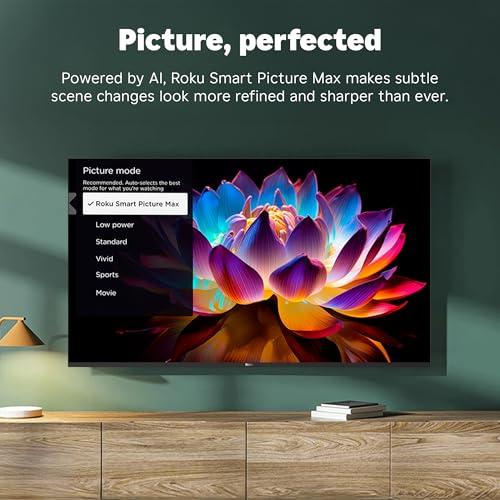
The Roku Plus Series addresses this fundamental limitation through Mini-LED technology. Instead of traditional larger LEDs, it uses thousands of tiny LEDs arranged in zones that can be dimmed or brightened independently. This local dimming capability allows the TV to display true blacks in one area of the screen while simultaneously showing bright highlights in another.
Our research into user experiences and expert reviews consistently shows the Roku Plus delivering superior contrast performance. Peak brightness measurements reveal the Roku achieving around 459 nits in HDR mode compared to the Hisense's approximately 385 nits. While these numbers might seem abstract, they represent a meaningful difference in real-world viewing – brighter highlights, more impactful HDR content, and better performance in bright rooms.
The color accuracy story is more nuanced. Out of the box, the Hisense QD6 often requires less calibration to achieve accurate colors, while the Roku Plus can appear oversaturated initially. However, the Roku's superior backlight technology gives it higher color volume – meaning it can display bright, saturated colors more effectively than the Hisense.
For home theater enthusiasts, these differences matter significantly. Dark room movie watching heavily favors the Roku Plus Series due to its superior black levels and contrast. The Mini-LED backlight creates that "inky black" background that makes bright elements truly pop, essential for the cinematic experience. The Hisense QD6 remains perfectly watchable for most content, but critical viewers will notice the difference in challenging scenes.
The smart TV platform often determines daily user satisfaction more than picture quality specs, and these two models represent fundamentally different approaches. The Hisense QD6 runs Amazon's Fire TV, while the Roku Plus Series uses Roku OS – both mature platforms with distinct personalities.
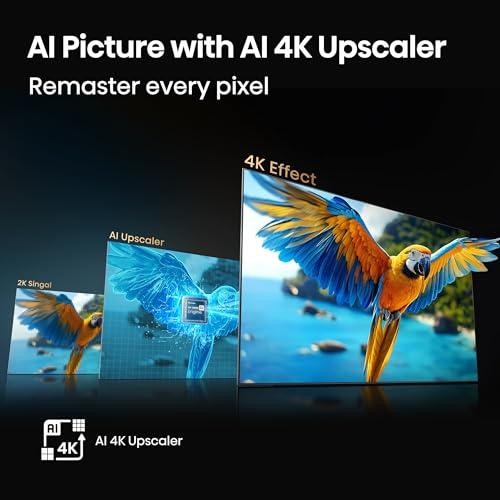
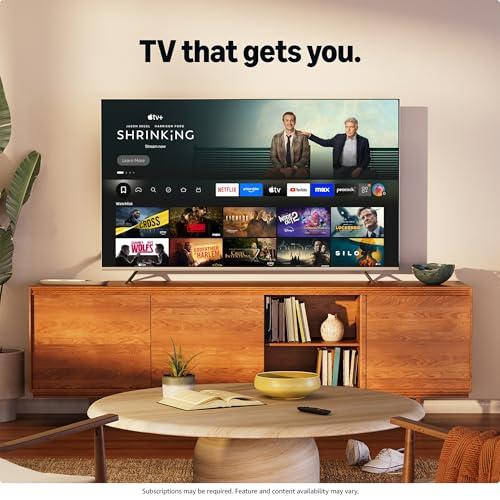
Fire TV on the Hisense QD6 integrates deeply with Amazon's ecosystem. The interface prominently features Prime Video content, makes Alexa voice commands feel natural, and connects seamlessly with Echo devices and other Amazon services. The AI 4K Upscaler deserves special mention – it uses machine learning algorithms to analyze lower-resolution content and enhance it toward 4K quality. This feature proves particularly valuable for streaming older shows or lower-bitrate content, where the Hisense often produces noticeably sharper results than competing TVs.
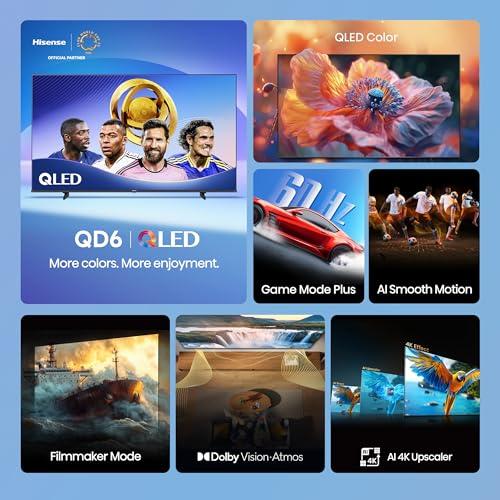
The Fire TV platform also includes Filmmaker Mode, which automatically adjusts picture settings to match the director's original intent. When you're watching a movie that supports this feature, the TV switches to the correct aspect ratio, color temperature, and motion processing settings without manual intervention.
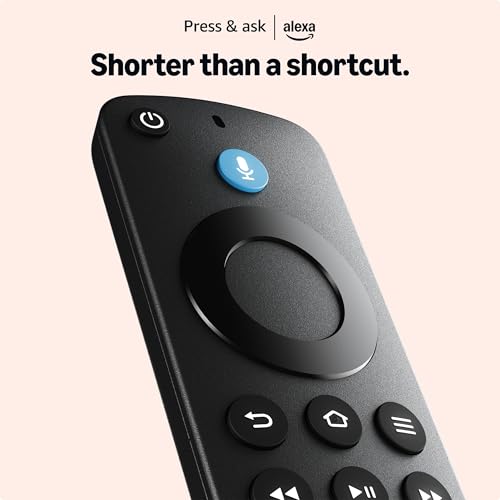
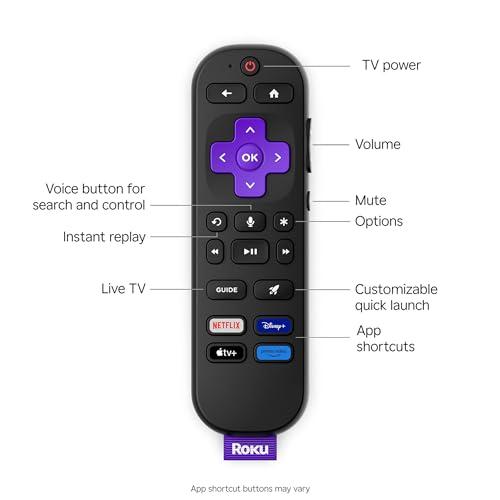
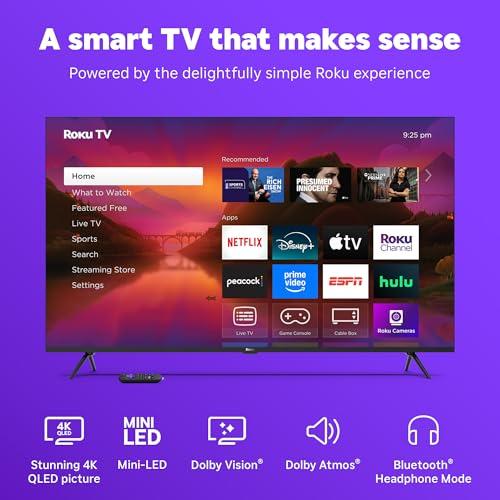
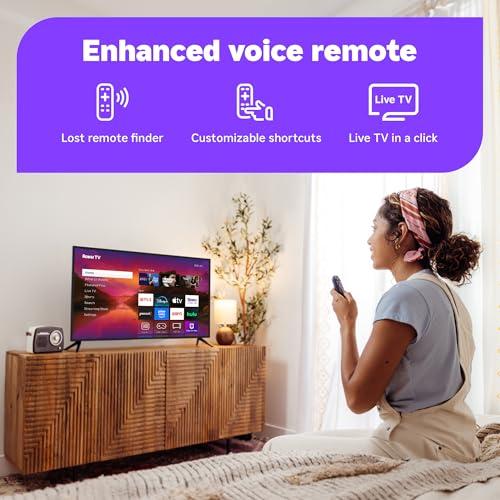
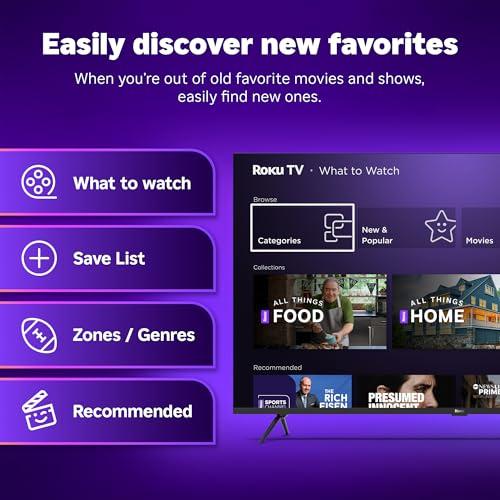
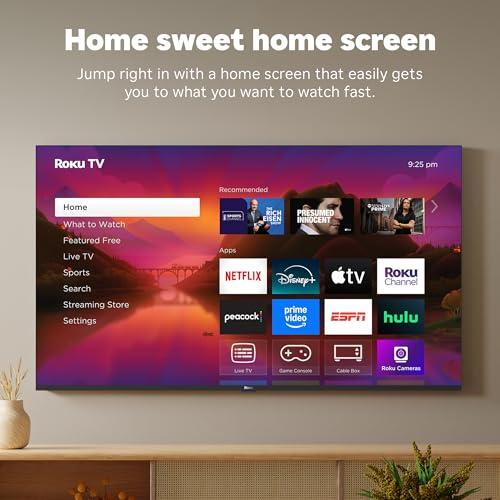
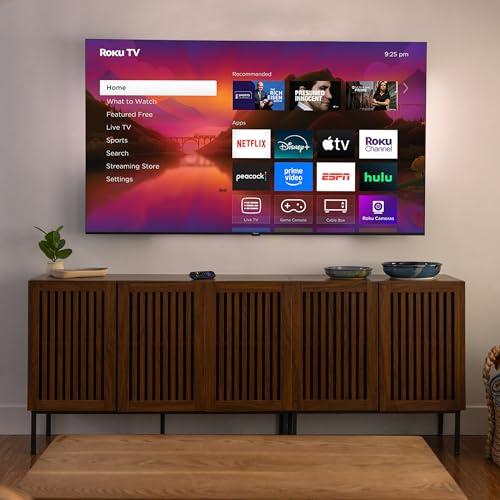
Roku OS on the Plus Series takes a more content-agnostic approach. Instead of favoring one streaming service, it presents all your apps equally and excels at content discovery across platforms. The Enhanced Voice Remote Pro includes hands-free voice control and a lost remote finder – practical features that improve daily usability. Roku's automatic software updates have historically been more consistent and longer-lasting than other platforms, an important consideration for long-term satisfaction.
The performance differences are subtle but real. Fire TV can occasionally feel sluggish when loading apps or navigating menus, particularly after extended use. Roku OS generally maintains more consistent responsiveness, though it lacks some of the advanced AI features found in the Hisense system.
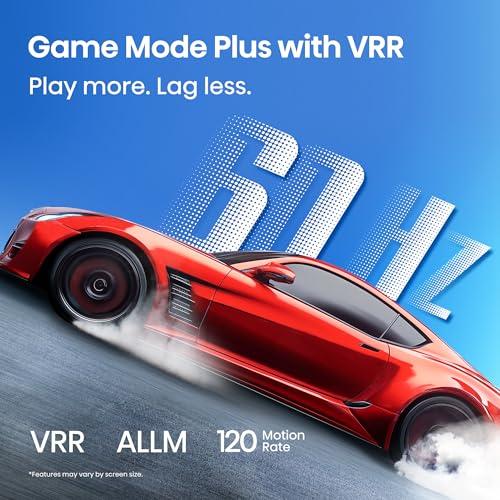
Gaming capabilities reveal where these TVs' priorities diverge most clearly. The Hisense QD6 includes Game Mode Plus with Variable Refresh Rate (VRR) and Auto Low Latency Mode (ALLM) – advanced features that eliminate screen tearing and minimize input delay. VRR synchronizes the TV's refresh rate with your gaming console's frame rate output, creating smoother motion during gameplay. ALLM automatically switches the TV to its lowest-lag mode when it detects a gaming signal.
These features matter tremendously for serious gamers, particularly those using PlayStation 5 or Xbox Series X consoles. The difference between having and lacking VRR becomes obvious in fast-paced games where frame rates fluctuate – racing games, first-person shooters, and action RPGs all benefit significantly from this technology.
However, the QD6's 60Hz refresh rate limits its capabilities compared to true gaming TVs that support 120Hz. Motion Rate 120 (Hisense's marketing term) refers to image processing rather than native refresh rate, so fast motion can still appear less smooth than on higher-refresh displays.
The Roku Plus Series offers respectable gaming performance with low input lag, but lacks the advanced gaming features of the Hisense. For casual gamers who primarily play single-player adventures or turn-based games, this limitation rarely matters. However, competitive gamers or those planning to keep their TV for several years should strongly consider the QD6's superior gaming feature set.
Our analysis of user feedback suggests the Hisense QD6 delivers notably better gaming experiences, with users consistently praising the smooth, responsive feel during gameplay. The AI Smooth Motion feature, powered by MEMC (Motion Estimation, Motion Compensation), helps reduce motion blur during fast action sequences.
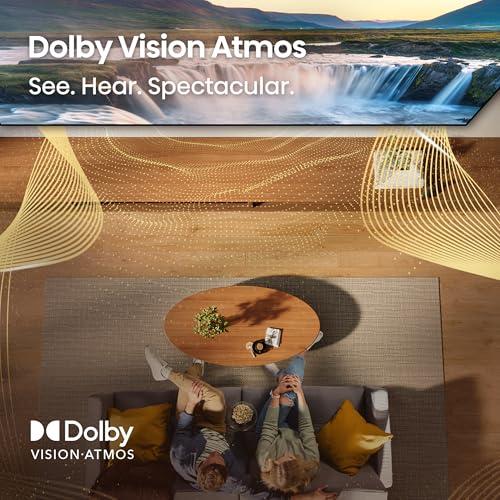
Both TVs support Dolby Atmos, but their implementation differs significantly. The Hisense QD6's 10W speaker system provides adequate sound for basic viewing, though it lacks the depth and clarity for immersive movie watching. The Dolby Atmos processing helps create some sense of dimensional sound, but the limited speaker power constrains its effectiveness.
The Roku Plus Series features a more sophisticated audio system with 4.1 expandability and Auto Speech Clarity. The latter feature automatically adjusts dialogue levels to improve comprehension – particularly valuable for movies with complex soundtracks where speech can get buried under music and effects. Night Mode compresses dynamic range to prevent loud explosions from waking sleeping family members while maintaining dialogue clarity.
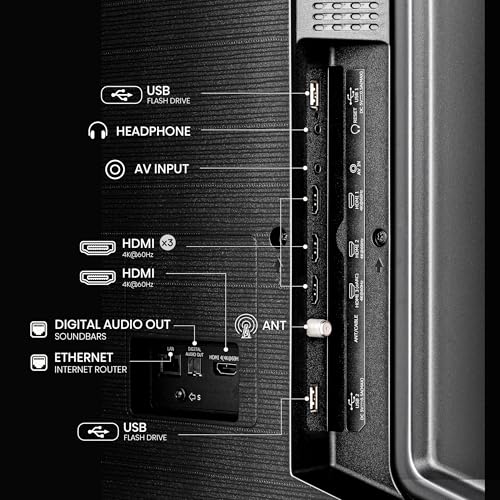
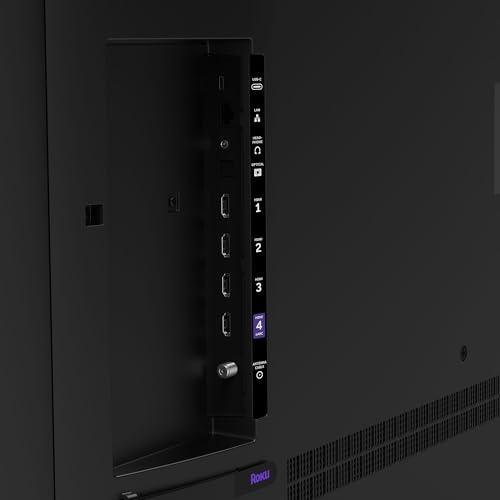
For home theater setups, both TVs include eARC (enhanced Audio Return Channel) support through their HDMI connections, allowing them to pass high-quality audio formats to soundbars or AV receivers. However, the Roku's superior built-in audio means you might delay purchasing external audio equipment longer than with the Hisense.
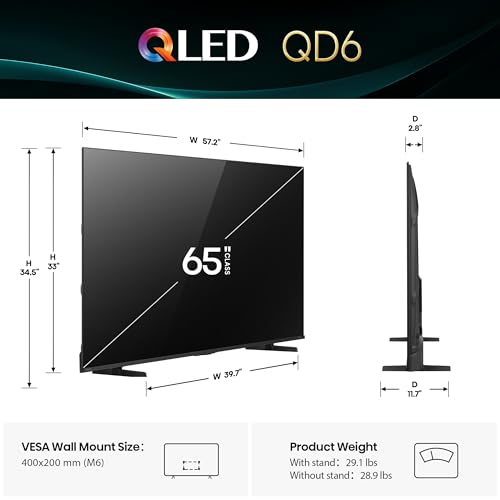
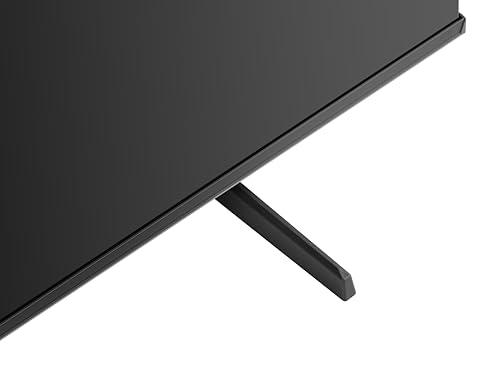
Physical design reflects each manufacturer's priorities. The Hisense QD6 prioritizes practicality with its remarkably lightweight construction – just 28.9 pounds for the 65-inch model. This makes it genuinely manageable for single-person setup and repositioning, a significant advantage for renters or those who frequently rearrange their living spaces.
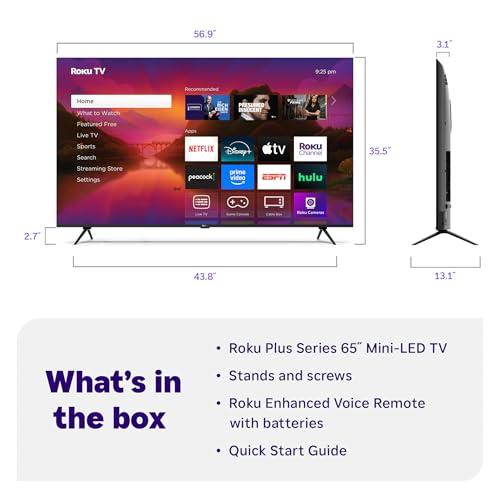
The slim 2.8-inch depth creates a modern profile that works well with wall mounting, though the basic cable management requires some creativity to maintain a clean appearance. Build quality feels solid despite the light weight, with no obvious cost-cutting in materials or assembly.
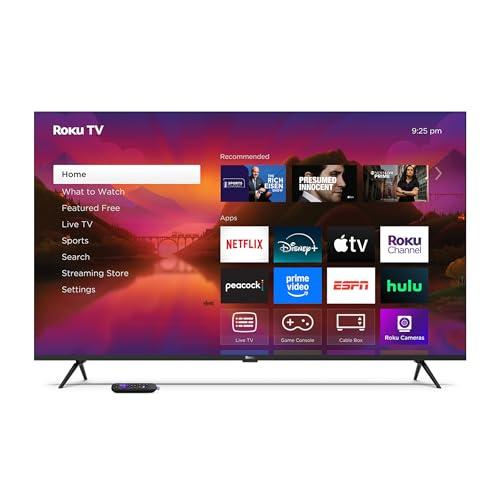
The Roku Plus Series emphasizes premium aesthetics with its frameless design and integrated cable management system. The overall construction feels more substantial and refined, justifying its higher price point through superior fit and finish. The stable stand design accommodates various furniture configurations while providing enough clearance for most soundbars.
At the time of writing, these TVs occupy different value segments despite similar sizing and technology claims. The Hisense QD6 typically costs about 25-30% less than the Roku Plus Series, making the price difference meaningful for budget-conscious buyers.
The Hisense delivers exceptional value by combining QLED color technology with advanced gaming features at an accessible price point. Its AI-powered upscaling and comprehensive HDR support (Dolby Vision, HDR10+, HDR10, HLG) provide a premium viewing experience that punches well above its price class.
The Roku Plus Series justifies its premium through Mini-LED technology that simply cannot be replicated at lower price points. The superior contrast, brightness, and overall picture quality represent genuine technological advantages rather than marketing distinctions.
For dedicated home theater use, the Roku Plus Series becomes the clear choice despite its higher cost. The Mini-LED backlight technology creates the deep blacks and bright highlights essential for cinematic presentation. Movies with challenging content like "Blade Runner 2049" or "Interstellar" showcase these capabilities beautifully, with space scenes displaying true black backgrounds that make stars and spacecraft pop dramatically.
The Hisense QD6 remains capable for home theater use, particularly in rooms with some ambient light. However, the lack of local dimming means dark scenes won't achieve the same impact as on the Roku. For casual movie watching or mixed-use scenarios, this limitation rarely becomes distracting.
Both TVs support all major HDR formats, ensuring compatibility with current and future content. However, the Roku's higher brightness capabilities allow HDR content to display closer to its mastered specifications.
Choose the Hisense 65" QD6 Series if gaming features matter to you, budget constraints are significant, or you value practical considerations like lightweight construction and easy setup. The VRR and ALLM support provide genuine future-proofing for next-generation gaming, while the AI upscaling enhances lower-quality content effectively. This TV excels in bright rooms where its adequate brightness performs well, and the Fire TV platform offers excellent smart home integration for Amazon ecosystem users.
The Roku Plus Series 65" makes sense for movie enthusiasts, dark room viewing, or anyone prioritizing long-term picture quality satisfaction. The Mini-LED technology provides advantages that become more apparent over time, particularly when watching high-quality content. The superior smart TV platform and more robust audio system reduce the need for immediate accessories, potentially offsetting the higher initial cost.
For most buyers, the decision ultimately comes down to priorities: gaming features and value versus picture quality and premium experience. Both TVs represent solid choices within their respective market segments, but understanding these core differences ensures you'll select the model that best matches your viewing habits and budget constraints.
The 2025 TV market offers more genuine choice than ever before, with both the Hisense QD6 and Roku Plus Series delivering compelling combinations of features and performance. Your specific use case – whether prioritizing gaming, movies, smart features, or budget considerations – should guide your final decision between these two excellent options.
| Hisense 65" QD6 Series QLED 4K Fire TV | Roku Plus Series 65" 4K QLED Mini-LED Smart TV 2025 |
|---|---|
| Display Technology - Determines contrast performance and black levels | |
| Standard LED backlight with QLED quantum dots | Mini-LED backlight with local dimming zones and QLED |
| Peak Brightness - Critical for HDR impact and bright room viewing | |
| ~385 cd/m² (adequate for most rooms) | 459 nits HDR / 338 nits SDR (superior highlight performance) |
| Gaming Features - Essential for console gaming and future-proofing | |
| Game Mode Plus with VRR and ALLM support | Basic gaming mode, lacks advanced features |
| Smart TV Platform - Affects daily usability and long-term satisfaction | |
| Fire TV with Alexa integration and AI 4K upscaler | Roku OS with Enhanced Voice Remote Pro and 500+ channels |
| Audio System - Determines if you need immediate soundbar purchase | |
| 10W speakers with basic Dolby Atmos | Enhanced speakers with 4.1 expandability and Auto Speech Clarity |
| HDR Format Support - Ensures compatibility with streaming content | |
| Dolby Vision, HDR10+, HDR10, HLG | Dolby Vision, HDR10+ (comprehensive support) |
| Weight and Setup - Important for installation and repositioning | |
| 28.9 lbs (ultra-lightweight, single-person setup) | Standard weight with premium build quality |
| Color Performance - Affects vibrancy and accuracy of all content | |
| 90% DCI-P3 coverage with quantum dots | QLED with superior color volume due to brighter backlight |
| Refresh Rate - Impacts motion smoothness in sports and action content | |
| 60Hz native with Motion Rate 120 processing | 60Hz native (limited motion enhancement) |
| Target Buyer - Who gets the best value from each model | |
| Budget-conscious buyers and gamers prioritizing features per dollar | Movie enthusiasts and users prioritizing picture quality over price |
The Roku Plus Series 65" 4K QLED Mini-LED Smart TV delivers superior picture quality for movies due to its Mini-LED backlight technology with local dimming. This creates deeper blacks and higher contrast ratios essential for cinematic viewing. While the Hisense 65" QD6 Series QLED 4K Fire TV offers good color reproduction with quantum dot technology, it lacks the local dimming capabilities needed for true black levels in dark movie scenes.
The Hisense 65" QD6 Series QLED 4K Fire TV is significantly better for gaming, featuring Game Mode Plus with Variable Refresh Rate (VRR) and Auto Low Latency Mode (ALLM). These features eliminate screen tearing and minimize input lag for console gaming. The Roku Plus Series offers basic gaming performance but lacks these advanced gaming features that are becoming standard for PlayStation 5 and Xbox Series X.
Standard LED backlighting in the Hisense QD6 uses larger LEDs that illuminate the entire screen uniformly, which can cause light bleeding in dark scenes. Mini-LED technology in the Roku Plus Series uses thousands of tiny LEDs arranged in zones that can be controlled independently, allowing for precise local dimming and superior contrast performance.
Both platforms offer excellent user experiences but with different strengths. The Roku Plus Series features Roku OS, known for its simple, content-agnostic interface and superior content discovery. The Hisense QD6 runs Fire TV, which integrates seamlessly with Amazon's ecosystem and Alexa voice commands, plus includes AI-powered upscaling for lower-resolution content.
The Roku Plus Series performs better in bright rooms due to its higher peak brightness of around 459 nits compared to the Hisense QD6's 385 cd/m². This extra brightness helps overcome glare and maintains color saturation in well-lit environments, making it more suitable for living rooms with large windows.
The Hisense 65" QD6 Series QLED 4K Fire TV typically offers better value, providing QLED color technology, advanced gaming features, and comprehensive HDR support at a lower price point. However, the Roku Plus Series justifies its premium through Mini-LED technology that delivers genuinely superior picture quality.
Yes, both TVs support comprehensive HDR formats. The Hisense QD6 supports Dolby Vision, HDR10+, HDR10, and HLG, while the Roku Plus Series supports Dolby Vision and HDR10+. This ensures compatibility with content from all major streaming platforms and 4K Blu-ray discs.
For dedicated home theater use, the Roku Plus Series 65" 4K QLED Mini-LED Smart TV is the superior choice. Its Mini-LED local dimming creates the deep blacks and bright highlights essential for cinematic presentation in dark rooms. The Hisense QD6 works well for casual movie watching but cannot match the contrast performance needed for critical home theater viewing.
The Roku Plus Series features a more advanced audio system with 4.1 expandability, Auto Speech Clarity, and Night Mode features. The Hisense 65" QD6 Series includes basic 10W speakers with Dolby Atmos support. Both support eARC for connecting external sound systems, but the Roku's built-in audio may delay your need for a soundbar.
The Hisense QD6 is remarkably lightweight at just 28.9 pounds for the 65-inch model, making it genuinely manageable for single-person installation and repositioning. The Roku Plus Series has standard weight but offers premium build quality and better cable management features.
The Hisense 65" QD6 Series QLED 4K Fire TV includes an AI 4K Upscaler that uses machine learning to enhance lower-resolution content, often producing sharper results than competing TVs. The Roku Plus Series includes standard upscaling capabilities but doesn't feature the same advanced AI-powered enhancement technology.
The Roku Plus Series 65" 4K QLED Mini-LED Smart TV typically receives more consistent and longer-lasting software updates, as Roku has historically provided excellent long-term platform support. While the Hisense QD6's Fire TV platform receives regular updates from Amazon, Roku's track record for sustained support across multiple years is generally superior.
We've done our best to create useful and informative comparisons to help you decide what product to buy. Our research uses advanced automated methods to create this comparison and perfection is not possible - please contact us for corrections or questions. These are the sites we've researched in the creation of this article: rtings.com - bestbuy.com - pcvarge.com - youtube.com - consumerreports.org - costco.com - youtube.com - rtings.com - hometechnologyreview.com - manuals.plus - hisense-usa.com - costco.com - bestbuy.com - staples.com - hisense-usa.com - manuals.plus - pcrichard.com - hometechnologyreview.com - bestbuy.com - bestbuy.com - hisense-usa.com - bestbuy.com - tomsguide.com - rtings.com - youtube.com - rtings.com - youtube.com - roku.com - walmart.com - youtube.com - bestbuy.com - roku.com - tvsbook.com

Privacy Policy
Terms and Conditions - Affiliate Policy
Home Security
© Copyright 2008-2026.
11816 Inwood Rd #1211, Dallas, TX 75244