

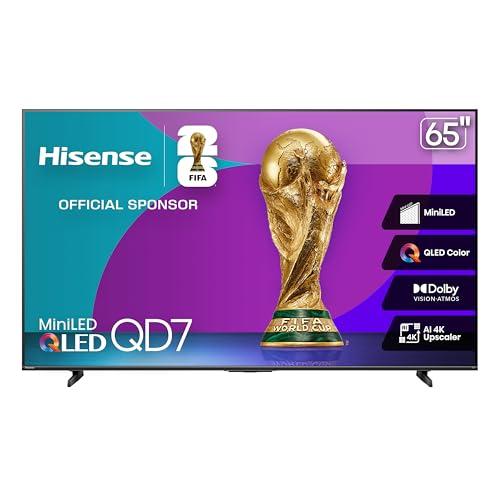
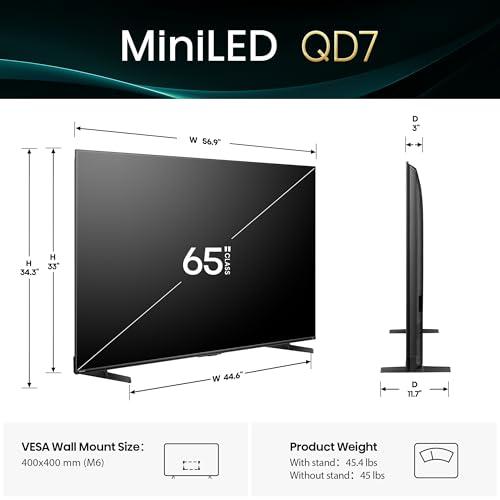
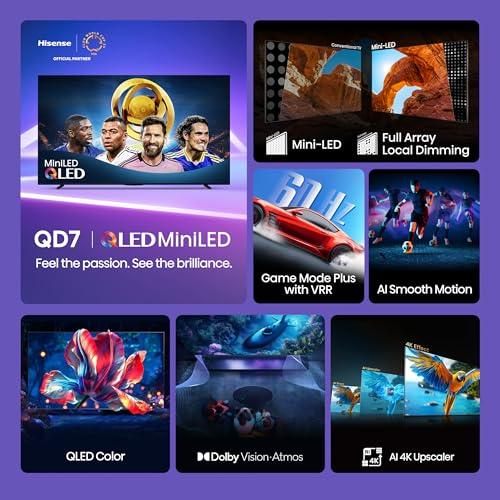
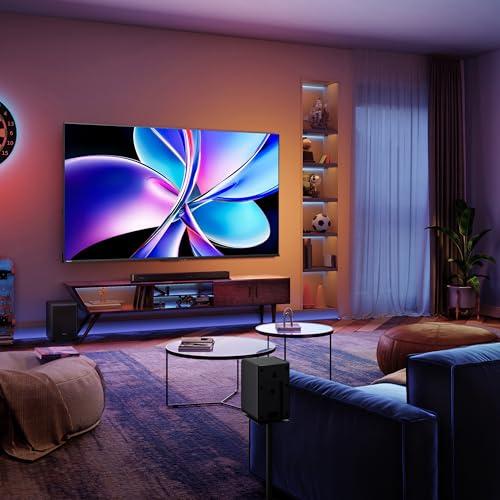
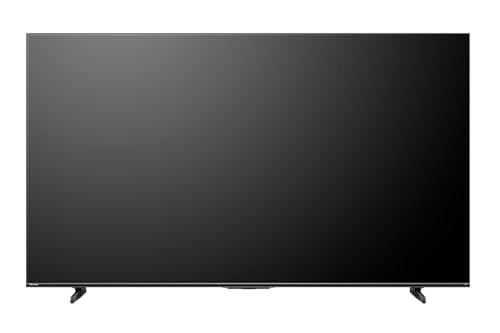
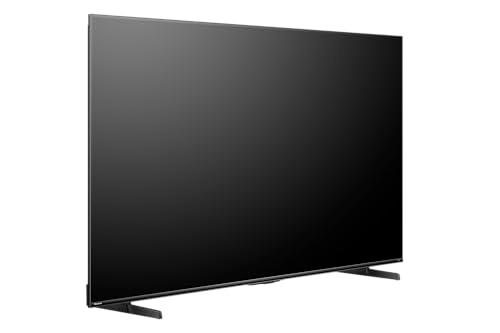
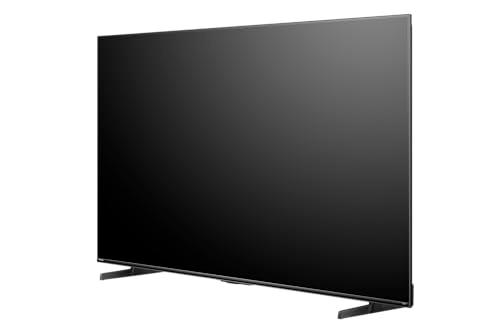
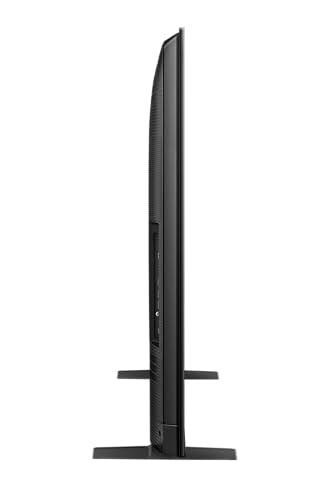
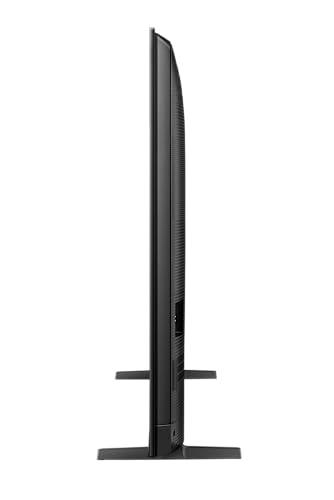
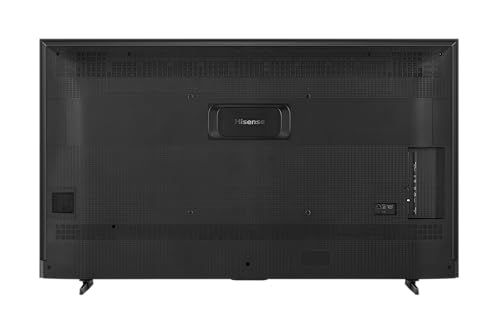
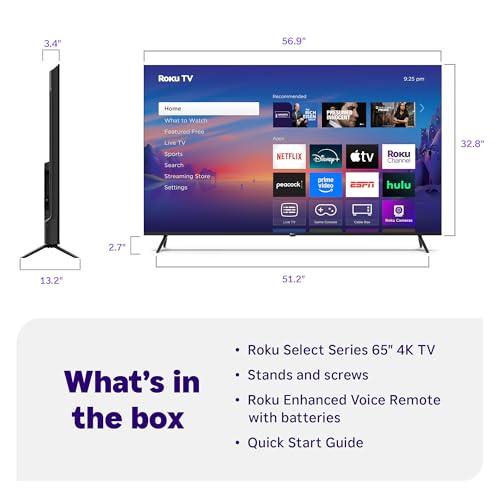


When shopping for a 65-inch TV on a budget, you'll quickly discover that spending around $100 more can unlock dramatically different technology. That's exactly the choice you face between the Hisense QD7 Series Mini-LED and the Roku Select Series—two 2025 TVs that take completely different approaches to delivering big-screen entertainment.
At the time of writing, these TVs sit roughly $100 apart in price, but that difference represents a massive leap in display technology. The question is whether you need those premium features or if the basics will serve you well.
The 65-inch 4K TV market has evolved rapidly since 2020, when Mini-LED backlighting and advanced gaming features were exclusive to premium models costing $1,500 or more. Now, these technologies have trickled down to budget-friendly options, creating an interesting decision point for buyers.
When evaluating any TV in this size range, you're essentially choosing between five key priorities: picture quality, gaming performance, smart platform reliability, audio capabilities, and long-term value. The Hisense QD7 and Roku Select represent opposite approaches to balancing these factors.
Modern TVs also need to handle an increasingly diverse range of content—from compressed Netflix streams to 4K Blu-rays, from casual mobile games cast to the screen to demanding PlayStation 5 titles. The technology choices manufacturers make determine how well a TV adapts to these different scenarios.
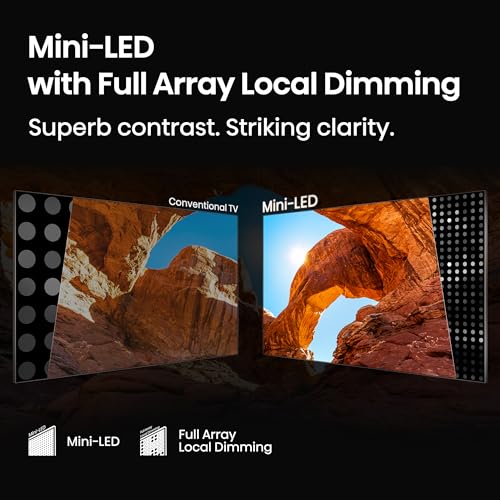
The most significant difference between these TVs lies in their backlighting systems, which directly impact what you see on screen. The Hisense QD7 uses Mini-LED backlighting with Full Array Local Dimming (FALD)—technology that was cutting-edge just a few years ago.
Here's how it works: instead of a handful of large LED lights illuminating the entire screen from behind, Mini-LED uses thousands of tiny LEDs arranged in hundreds of zones. Each zone can be dimmed or brightened independently, allowing the TV to display deep blacks right next to bright highlights. When you're watching a movie scene with a campfire against a dark night sky, the Hisense QD7 can make the fire glow brilliantly while keeping the surrounding darkness truly dark.
The Roku Select, like most budget TVs, uses standard LED backlighting without local dimming. This means the entire backlight system operates as one unit—if part of the screen needs to be bright, the whole backlight brightens, washing out dark areas. Those campfire scenes would show the fire properly, but the night sky would appear gray rather than black.
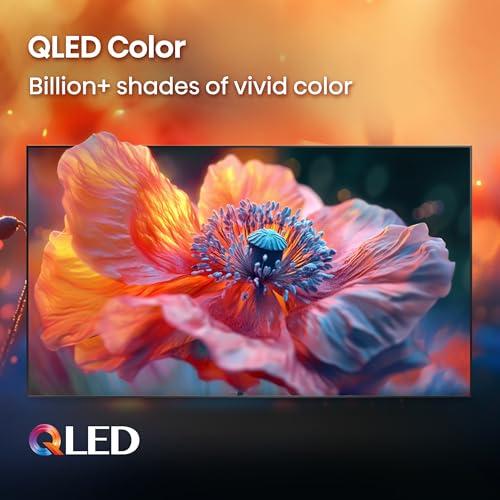
The Hisense QD7 also incorporates QLED Quantum Dot technology, which sounds like marketing jargon but makes a real difference. Quantum dots are microscopic semiconductor particles that emit precise colors when hit with light. This allows the TV to display over one billion color shades compared to the millions available on standard LED displays.
In practical terms, this means more vibrant greens in nature documentaries, richer skin tones in movies, and sports that pop off the screen. The technology also helps colors remain accurate even at high brightness levels, which standard LED TVs struggle with.
Based on user feedback we've analyzed, the color difference is immediately noticeable. Owners consistently describe the Hisense QD7's picture as having colors that "pop" and look more lifelike than they expected for the price point.
High Dynamic Range (HDR) content has become standard on streaming services, representing a bigger visual improvement than the jump from 1080p to 4K for many viewers. HDR expands the range between the darkest and brightest parts of an image, creating more realistic contrast.
The Hisense QD7 supports Dolby Vision, HDR10+, HDR10, and HLG—essentially every HDR format you'll encounter. Dolby Vision is particularly important because it optimizes each scene individually rather than applying the same settings to an entire movie. When watching a Dolby Vision film on Netflix, you're getting the director's intended look for each scene.
The Roku Select handles HDR10+ and HLG but lacks Dolby Vision support. More importantly, our research suggests it doesn't get bright enough to make HDR content truly shine. HDR requires peak brightness levels that budget LED TVs often can't achieve, making HDR content appear flat and underwhelming.
Based on extensive user feedback, the Hisense QD7 delivers surprisingly impressive picture quality for its price range. The combination of Mini-LED local dimming and Quantum Dot color creates what many describe as a "premium" viewing experience that punches above its weight class.
However, it's not perfect. Professional reviews note that black levels, while improved by local dimming, don't match higher-end TVs or OLEDs. Dark room viewing reveals that "black" areas still appear slightly gray, and there can be some haloing around bright objects against dark backgrounds—a common Mini-LED limitation.
The Roku Select provides adequate picture quality for its positioning. Colors are reasonably accurate, and 4K content looks sharp. But without local dimming, dark scenes lack depth, and the overall contrast falls short of creating an immersive viewing experience.
For home theater enthusiasts who prioritize dark room movie watching, the Hisense QD7 offers a significantly more cinematic experience, despite its imperfections. The Roku Select works better for casual daytime viewing in moderately lit rooms.
Gaming has become a crucial TV consideration since the PlayStation 5 and Xbox Series X launched in 2020. These consoles can output variable frame rates and benefit from specific TV technologies that didn't exist in previous generations.
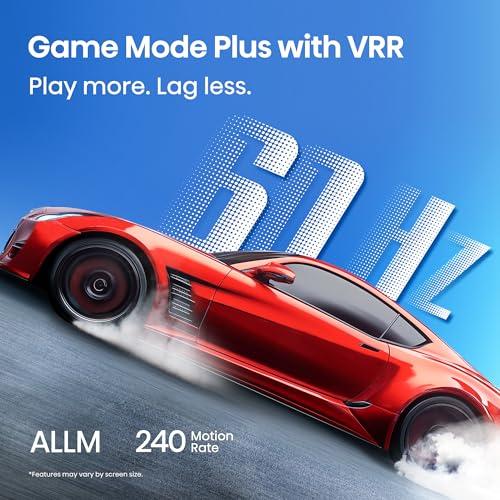
Variable Refresh Rate (VRR) synchronizes the TV's display refresh with the console's output, eliminating screen tearing when frame rates fluctuate. Auto Low Latency Mode (ALLM) automatically switches the TV to its lowest-lag game mode when it detects a gaming signal.
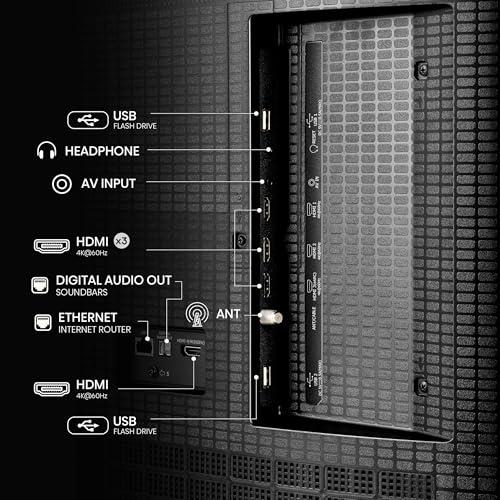
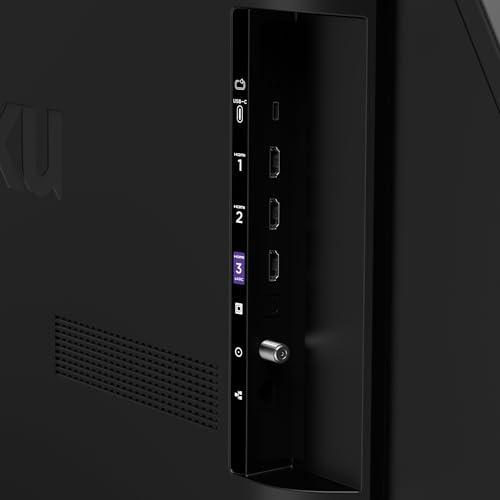
The Hisense QD7 includes both VRR and ALLM, plus HDMI 2.1 bandwidth capable of handling 4K at higher refresh rates. However, there's an important caveat: the 65-inch model operates at a native 60Hz refresh rate, not the 144Hz available on larger sizes in the same series. Still, the VRR and ALLM support make gameplay noticeably smoother and more responsive.
The Roku Select lacks these modern gaming features entirely. It's limited to 60Hz without VRR, which means visible screen tearing in games with variable frame rates. For casual gaming, it's adequate, but serious console gamers will notice the difference.
Both TVs offer reasonably low input lag in their game modes—the delay between pressing a button and seeing the action on screen. However, the Hisense QD7's additional gaming features provide a more refined experience overall.
If you own a PlayStation 5 or Xbox Series X and want to take advantage of their capabilities, the Hisense QD7 is the clear choice. For Nintendo Switch gaming or older consoles, the Roku Select performs adequately.
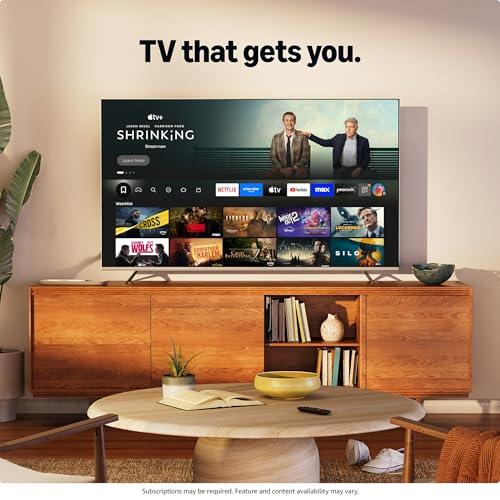
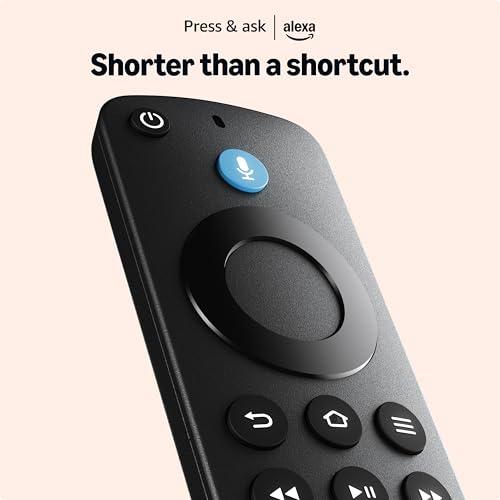
The Hisense QD7 runs Amazon's Fire TV platform with built-in Alexa voice control. This provides deep integration with Amazon services and the convenience of hands-free voice commands for searching content or controlling smart home devices.
However, our research reveals consistent complaints about Fire TV performance on this model. Users report frequent lag, interface freezing, and the need to restart the TV to resolve issues. These software problems represent the Hisense QD7's biggest weakness—premium hardware hampered by frustrating software.
The Fire TV interface itself is functional once working properly, with access to all major streaming apps and a reasonable layout. But the reliability issues are significant enough that many users mention them in reviews.
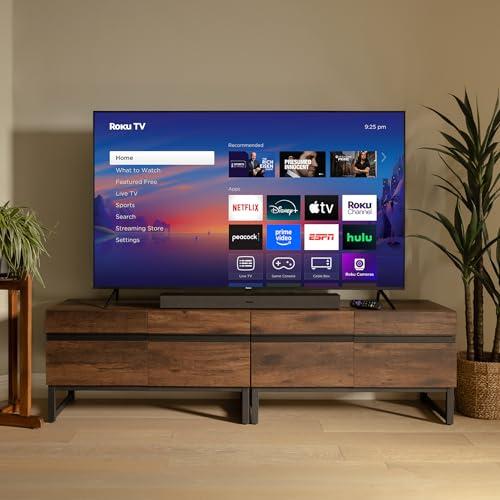
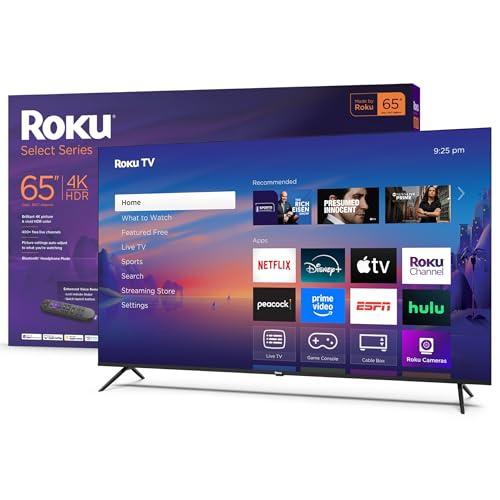
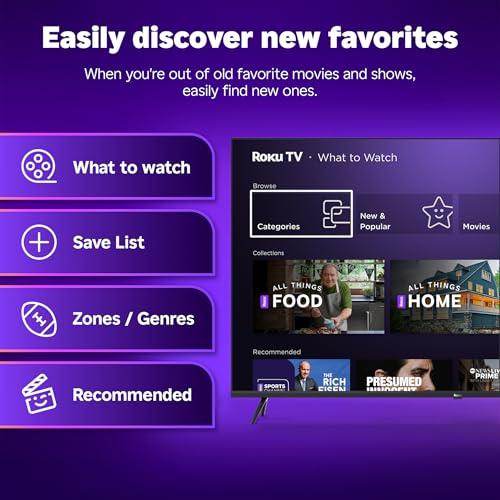
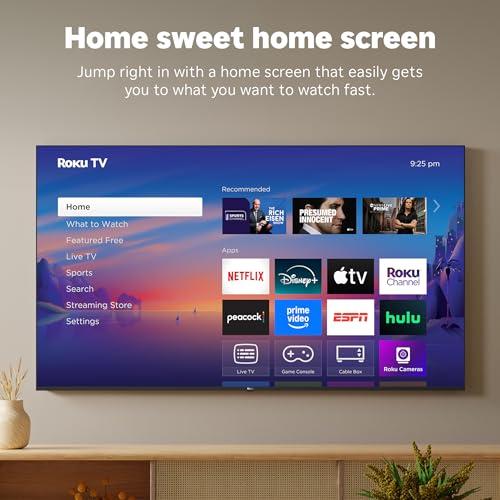
The Roku Select runs Roku's TV operating system, widely considered the industry's best smart TV platform. It's fast, intuitive, and extremely stable. The interface puts your streaming apps front and center without pushing any particular service.
Roku's reputation for long-term software support is excellent. While other manufacturers sometimes abandon TV software updates after a few years, Roku TVs typically receive updates for many years, maintaining security and adding new features.
The platform's simplicity is both a strength and limitation. It doesn't offer the deep smart home integration of Fire TV, but it works reliably every time you turn on the TV.
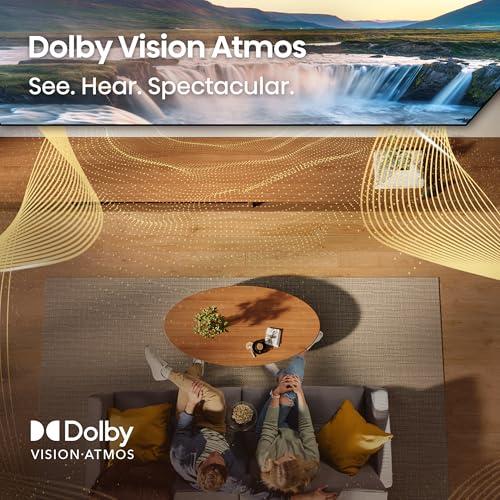
The Hisense QD7 includes Dolby Atmos processing with 20W of total power output. While these built-in speakers won't match a dedicated soundbar, user feedback suggests they're surprisingly capable for TV speakers. Several owners mentioned being impressed enough that they delayed purchasing additional audio equipment.
The Roku Select features basic stereo audio that's clear but unremarkable. It handles dialogue well but lacks the processing power and speaker quality for immersive movie soundtracks.
For either TV, a soundbar remains the best upgrade for serious home theater use, but the Hisense QD7 provides a better starting point.
At the time of writing, the roughly $100 price difference between these TVs represents exceptional value for the Hisense QD7. You're getting Mini-LED backlighting, Quantum Dot color, comprehensive HDR support, and modern gaming features—technologies that would have cost $1,000+ just a few years ago.
This price gap highlights how rapidly TV technology has democratized. The Hisense QD7 delivers features that were premium differentiators in 2020-2022 at a price point that makes them accessible to budget-conscious buyers.
The Roku Select provides solid value if you prioritize software reliability and basic 4K performance over advanced features. For secondary TVs or casual viewing, it offers everything most people need.
The Hisense QD7's advanced features provide better future-proofing. As streaming services continue expanding HDR content and gaming consoles evolve, these capabilities become increasingly valuable.
However, the software reliability concerns with Fire TV could impact long-term satisfaction. If Amazon doesn't address performance issues through updates, the superior hardware might be undermined by poor software experience.
The Roku Select offers peace of mind through proven software reliability, but its basic feature set may feel limiting as content and technology continue advancing.
For dedicated movie watching in a darkened room, the Hisense QD7 provides a significantly more immersive experience. The Mini-LED local dimming creates much better contrast for cinematic content, and Dolby Vision support ensures you're seeing films as intended.
The software issues become more tolerable when you're primarily using the TV for movie nights rather than daily channel surfing.
If you're replacing a family room TV used throughout the day for various content, the Roku Select might be more appealing. The reliable interface handles constant switching between apps, inputs, and family members without frustration.
The picture quality, while not spectacular, is perfectly adequate for daytime viewing and casual entertainment.
Console gamers should strongly consider the Hisense QD7 despite its software quirks. The modern gaming features provide a noticeably better experience with PlayStation 5 and Xbox Series X consoles.
The visual improvements from Mini-LED and Quantum Dot technology also enhance gaming graphics, making action scenes more vivid and immersive.
You want the best possible picture quality for your budget and can tolerate occasional software frustrations. This TV makes sense for movie enthusiasts, gamers with modern consoles, and anyone who values cutting-edge display technology.
The Mini-LED and Quantum Dot technologies represent a genuine step up in viewing experience that justifies the higher price for most buyers seeking a primary living room TV.
Software reliability is your top priority, or you need a secondary TV where basic performance matters more than premium features. The rock-solid Roku platform and adequate picture quality make this ideal for bedrooms, kitchens, or casual viewing scenarios.
Budget-conscious buyers who primarily stream standard content will find the Roku Select meets their needs without paying for features they won't use.
The roughly $100 difference represents one of the best feature upgrades available in budget TVs. The Hisense QD7 delivers display technologies typically found in much more expensive models, despite software reliability concerns.
For most buyers shopping in this price range, the superior hardware experience of the Hisense QD7 outweighs its software limitations. However, if you prioritize hassle-free operation over premium features, the Roku Select provides excellent value through proven reliability and simplicity.
Both TVs serve their intended markets well, but they're designed for fundamentally different priorities. Your choice should align with whether you value cutting-edge display technology or proven software reliability more highly.
| Hisense QD7 Series 65" Mini-LED 4K Fire TV | Roku Select Series 65" 4K HDR Smart TV 2025 |
|---|---|
| Display Technology - The foundation of picture quality and contrast | |
| Mini-LED with Full Array Local Dimming (hundreds of zones for precise brightness control) | Standard LED backlighting (no local dimming, entire screen brightens/dims together) |
| Color Technology - Determines vibrancy and color accuracy | |
| QLED Quantum Dot (over 1 billion colors, wide color gamut) | Standard LED color reproduction (basic color range) |
| HDR Support - Essential for streaming movies and premium content | |
| Dolby Vision, HDR10+, HDR10, HLG (comprehensive format support) | HDR10+, HDR10, HLG (missing Dolby Vision, insufficient brightness for impactful HDR) |
| Gaming Features - Critical for PlayStation 5 and Xbox Series X owners | |
| VRR, ALLM, HDMI 2.1 bandwidth, 60Hz native on 65" model | 60Hz only, no VRR or ALLM (causes screen tearing with modern consoles) |
| Smart Platform - Affects daily usability and long-term satisfaction | |
| Fire TV with Alexa (feature-rich but reports of lag and freezing issues) | Roku TV (industry-leading reliability and simplicity, excellent long-term support) |
| Audio System - Important if not adding a soundbar immediately | |
| Dolby Atmos, 20W output (surprisingly capable built-in speakers) | Basic stereo audio (clear dialogue but limited bass and dynamics) |
| Black Level Performance - Most noticeable in dark room movie watching | |
| Improved blacks from local dimming but still slightly gray in dark scenes | Poor black levels, dark scenes appear washed out and gray |
| Peak Brightness - Affects HDR impact and daytime viewing in bright rooms | |
| Adequate for moderately lit rooms, good HDR highlight detail | Limited brightness, HDR content lacks impact and appears flat |
| Motion Handling - Important for sports and fast-paced content | |
| MEMC processing with 240 Motion Rate (good for sports, some blur in gaming) | Basic 60Hz motion handling (adequate for most content) |
| Build Quality and Design - Long-term reliability considerations | |
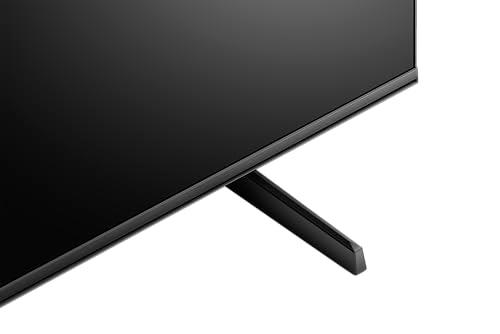
| Premium feel with thin bezels, some reports of hardware defects | Solid construction with reliable performance, simple design |
| Future-Proofing - How well the TV will handle evolving content standards | |
| Excellent with modern gaming features and comprehensive HDR support | Limited by basic display tech and lack of advanced features |
The Hisense QD7 Series 65" Mini-LED 4K Fire TV delivers significantly better picture quality thanks to its Mini-LED backlighting with Full Array Local Dimming and QLED Quantum Dot color technology. This creates deeper blacks, brighter highlights, and more vibrant colors compared to the Roku Select Series 65" 4K HDR Smart TV, which uses standard LED backlighting without local dimming.
The primary difference is display technology. The Hisense QD7 uses advanced Mini-LED backlighting with hundreds of dimming zones and Quantum Dot color enhancement, while the Roku Select uses basic LED backlighting. This translates to much better contrast, black levels, and color reproduction on the Hisense model.
The Hisense QD7 Series 65" Mini-LED 4K Fire TV is significantly better for modern console gaming. It includes Variable Refresh Rate (VRR), Auto Low Latency Mode (ALLM), and HDMI 2.1 bandwidth, which eliminate screen tearing and reduce input lag. The Roku Select lacks these gaming features entirely and is limited to basic 60Hz performance.
The Roku Select Series 65" 4K HDR Smart TV has the more reliable smart platform. Roku TV is widely praised for its stability, intuitive interface, and excellent long-term software support. The Hisense QD7's Fire TV platform offers more features but suffers from reported lag, freezing issues, and occasional need for restarts.
Yes, the Hisense QD7 Series 65" Mini-LED 4K Fire TV is much better for dark room movie watching than the Roku Select. Its Mini-LED local dimming technology provides improved black levels and contrast, creating a more cinematic experience. However, blacks aren't as deep as OLED TVs and may still appear slightly gray in very dark scenes.
The Hisense QD7 typically offers exceptional value, delivering Mini-LED technology, Quantum Dot color, and comprehensive HDR support at a budget-friendly price point. While the Roku Select costs less upfront, the Hisense provides significantly more advanced display technology and features for a relatively small price difference.
The Hisense QD7 Series 65" Mini-LED 4K Fire TV supports all major HDR formats including Dolby Vision, HDR10+, HDR10, and HLG, ensuring compatibility with all streaming services. The Roku Select Series 65" 4K HDR Smart TV supports HDR10+, HDR10, and HLG but lacks Dolby Vision, which is used by Netflix, Disney+, and other premium streaming content.
The Hisense QD7 has superior audio with Dolby Atmos processing and 20W output power, providing surprisingly good sound quality that many users find adequate without a soundbar. The Roku Select features basic stereo audio that handles dialogue clearly but lacks the depth and processing power for immersive movie soundtracks.
The Roku Select Series 65" 4K HDR Smart TV has an excellent reliability reputation with its proven Roku platform. The Hisense QD7 offers superior hardware but some users report Fire TV software issues including interface lag and occasional freezing that requires restarts. There are also isolated reports of hardware defects on some Hisense units.
Both TVs perform adequately in moderately lit rooms, but neither excels in very bright environments. The Hisense QD7 has slightly better peak brightness and anti-glare performance, while the Roku Select provides consistent performance in normal lighting conditions. For bright rooms, both would benefit from controlled lighting or window treatments.
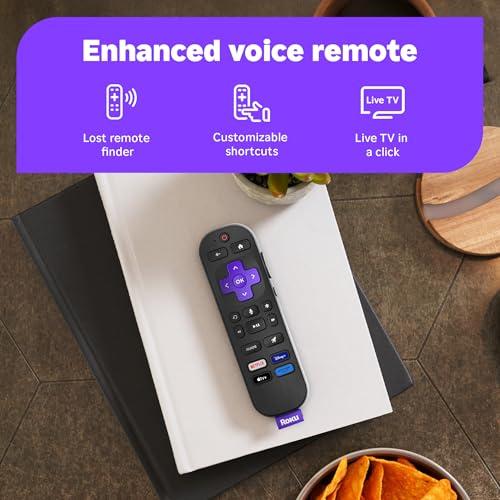
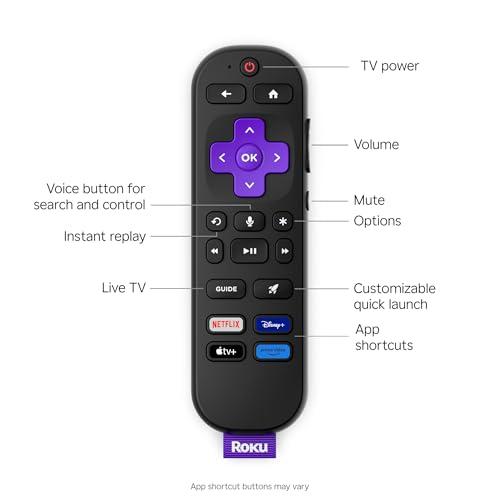
The Hisense QD7 Series 65" Mini-LED 4K Fire TV includes built-in Alexa for hands-free voice control of the TV and smart home devices. The Roku Select Series 65" 4K HDR Smart TV supports voice control through its remote and is compatible with Alexa, Google Assistant, and Siri, but doesn't have hands-free voice activation built into the TV itself.
The Roku Select has a stronger track record for long-term software support, with Roku consistently providing updates for many years after purchase. The Hisense QD7 offers more future-proof hardware features like advanced gaming capabilities and comprehensive HDR support, but Fire TV's long-term update commitment is less certain compared to Roku's proven track record.
We've done our best to create useful and informative comparisons to help you decide what product to buy. Our research uses advanced automated methods to create this comparison and perfection is not possible - please contact us for corrections or questions. These are the sites we've researched in the creation of this article: bestbuy.com - youtube.com - youtube.com - rtings.com - tvsbook.com - hometechnologyreview.com - hometechnologyreview.com - bestbuy.com - static.pcrichard.com - hometechnologyreview.com - bestbuy.com - hisense-usa.com - hisense-usa.com - shopmyexchange.com - brandsmartusa.com - manuals.plus - youtube.com - rtings.com - tvsbook.com - flatpanelshd.com - youtube.com - bestbuy.com - rtings.com - roku.com - rtings.com - youtube.com - cnet.com - manuals.plus - target.com - walmart.com - nice-pay.com - bestbuy.com - roku.com - roku.com - electronicexpress.com

Privacy Policy
Terms and Conditions - Affiliate Policy
Home Security
© Copyright 2008-2026.
11816 Inwood Rd #1211, Dallas, TX 75244