

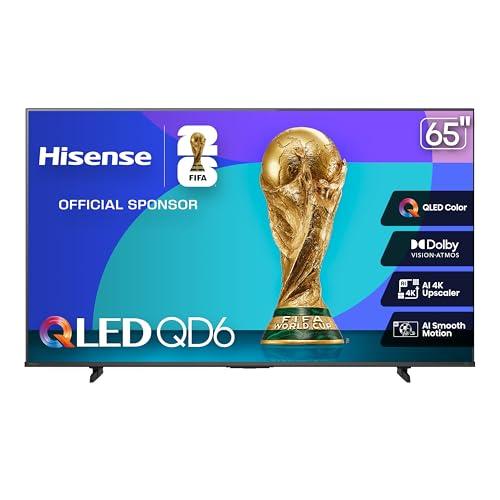
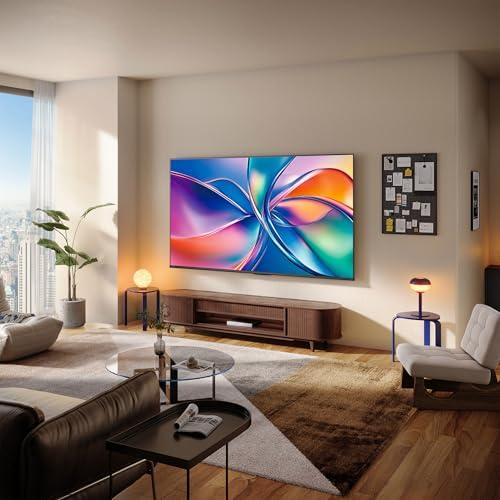
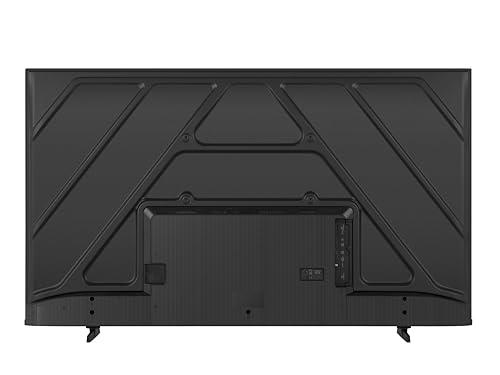
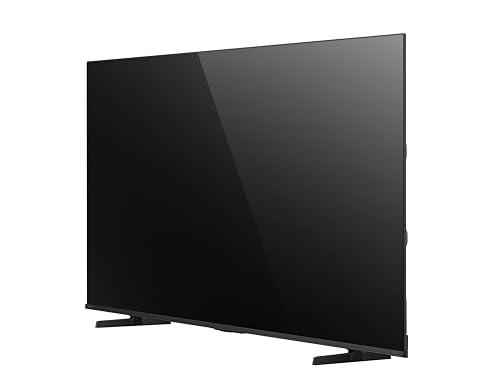
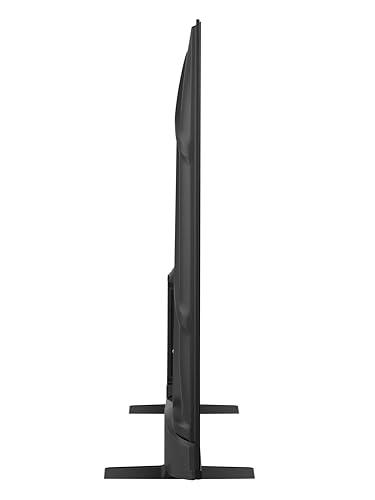

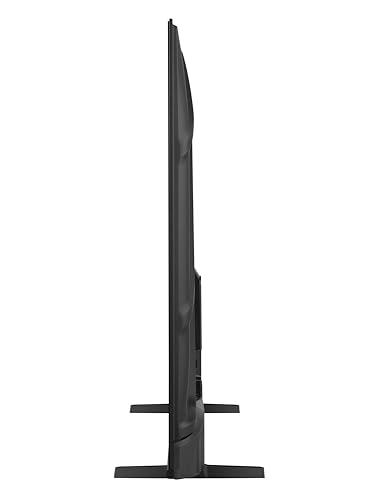
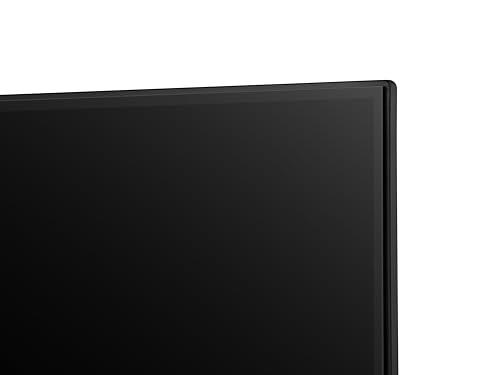
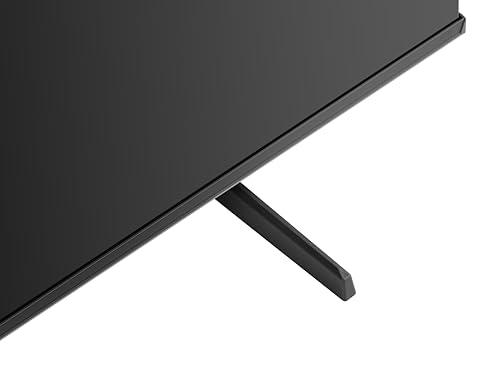
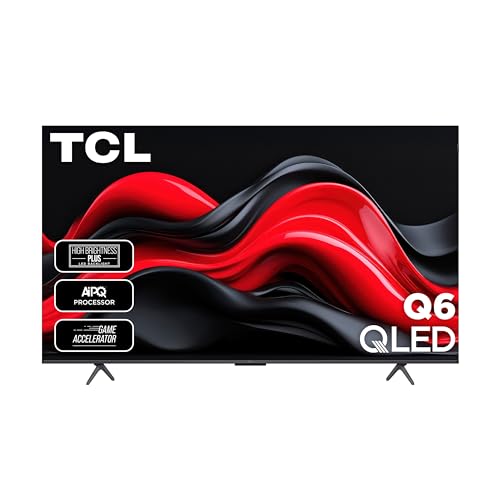

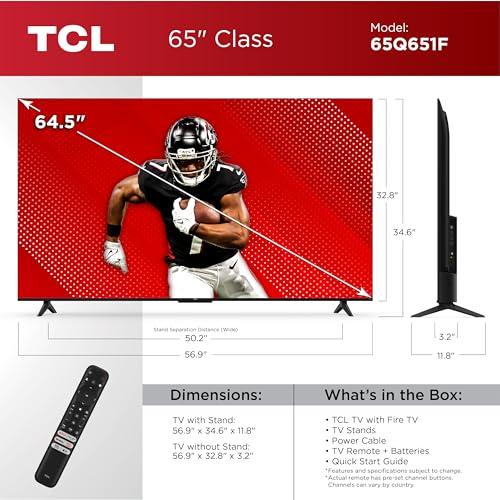

If you're shopping for a 65-inch TV in the budget-friendly QLED category, you've probably encountered two popular options: the Hisense 65" QD6 Series QLED 4K Fire TV and the TCL 65" Q Class QLED 4K Fire TV. Both hit the market in 2024 as affordable entries into quantum dot technology, promising vibrant colors and smart features without the premium price tag. But which one deserves your money?
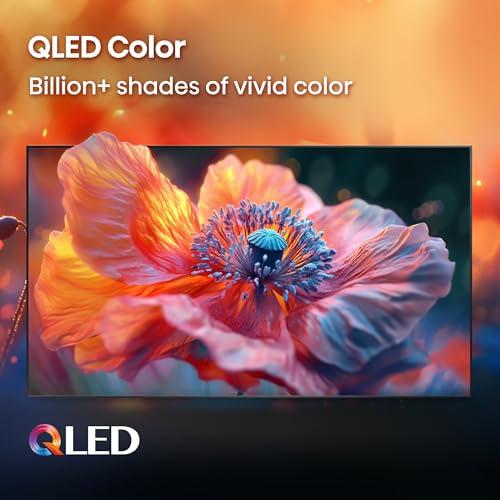
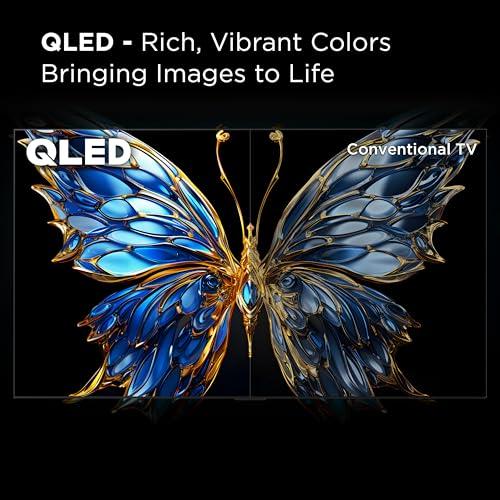
Before diving into the comparison, let's understand what you're getting with these budget QLED models. QLED stands for Quantum Dot Light Emitting Diode - essentially, these TVs use microscopic particles called quantum dots to produce more accurate and vibrant colors than traditional LED TVs. Think of quantum dots as tiny color filters that can display over a billion different shades, compared to the few million that regular LED TVs manage.
Both the Hisense QD6 and TCL Q Class represent the entry point into this technology. They're positioned above basic LED TVs but below premium QLED models that cost twice as much. At the time of writing, both models compete in the same price bracket, making this a particularly relevant comparison for budget-conscious buyers.
The key considerations when choosing between budget QLED TVs include color performance, HDR capabilities, gaming features, smart platform experience, audio quality, and overall build quality. Since both models run Fire TV OS, the software experience is identical - this comparison comes down to hardware performance and value.
The most significant difference between these TVs becomes apparent when you connect a gaming console. The TCL Q Class offers substantially better gaming capabilities, and this isn't just marketing fluff - the technical specifications tell a clear story.
The TCL Q Class supports what TCL calls "Game Accelerator 120," which enables Variable Refresh Rate (VRR) up to 120Hz. VRR is a game-changer for modern consoles like the PlayStation 5 and Xbox Series X because it eliminates screen tearing - those annoying horizontal lines that appear when your console's frame rate doesn't match your TV's refresh rate. When your console drops from 60 to 45 frames per second during intense action, VRR adjusts the TV's refresh rate to match, keeping the image smooth.
The TCL Q Class also includes Auto Low Latency Mode (ALLM), which automatically switches the TV to its lowest input lag setting when it detects a gaming console. Input lag is the delay between pressing a button on your controller and seeing the action on screen - crucial for competitive gaming where every millisecond counts.
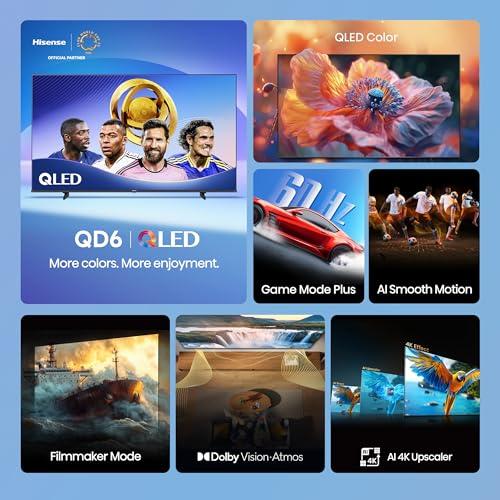
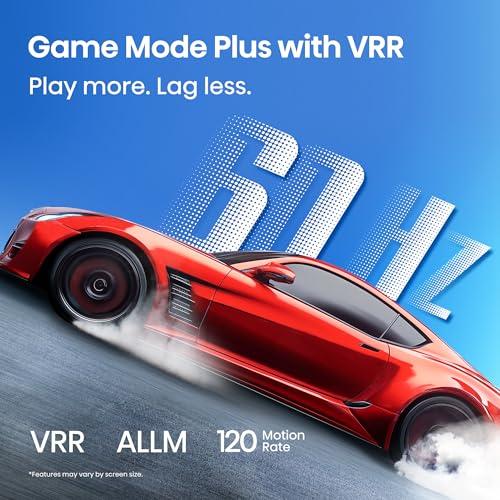
Meanwhile, the Hisense QD6 is limited to a 60Hz refresh rate with basic gaming features. It includes Game Mode Plus, which reduces input lag, but lacks the advanced features that make modern console gaming shine. If you're planning to use a PS5 or Xbox Series X, the performance difference is substantial enough to influence your buying decision.
Our research into user reviews consistently shows gamers preferring the TCL Q Class for its smoother gameplay and better compatibility with next-generation console features. Casual gamers might not notice the difference, but anyone playing competitive multiplayer games or fast-paced action titles will appreciate the TCL's superior capabilities.
Both TVs use quantum dot technology to achieve wide color coverage - approximately 90% of the DCI-P3 color space that movie studios use for film production. This translates to more realistic skin tones, vibrant greens in nature documentaries, and rich blues in ocean scenes. Compared to standard LED TVs that might cover only 70-75% of this color space, both models represent a significant upgrade.
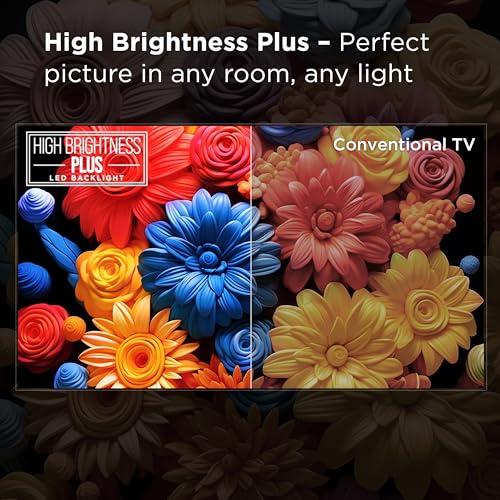
The Hisense QD6 achieves slightly higher peak brightness at around 385 cd/m² (candelas per square meter - a measurement of luminance). This advantage becomes noticeable in bright rooms with lots of windows, where the extra brightness helps combat glare and maintains image visibility. The TCL Q Class delivers comparable brightness levels, though specific measurements vary slightly depending on the test methodology.
Both TVs support the same HDR formats: Dolby Vision, HDR10+, HDR10, and HLG. HDR (High Dynamic Range) is crucial for modern streaming content because it displays a wider range of brightness levels, from deep shadows to brilliant highlights. However, both models struggle with the same limitation - they lack local dimming.
Local dimming is a feature where different zones of the backlight can dim independently to create deeper blacks. Without it, both the Hisense QD6 and TCL Q Class show lifted blacks when bright highlights appear on screen. This means that a starry night scene might look slightly gray rather than truly black in the dark areas.
The consensus from professional reviews suggests that picture quality differences between these models are minimal in typical viewing scenarios. Both deliver vibrant colors and sharp 4K detail, with the Hisense QD6 having a slight edge in very bright rooms due to higher peak brightness.
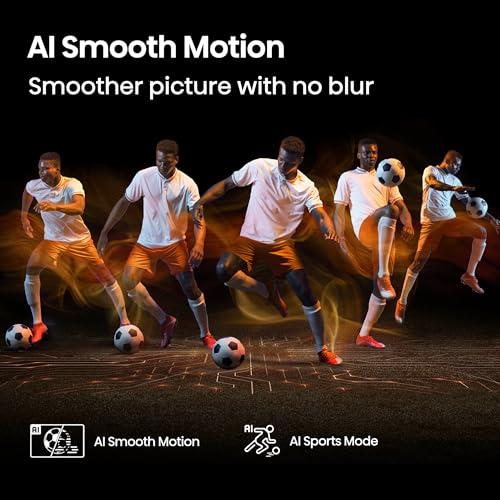
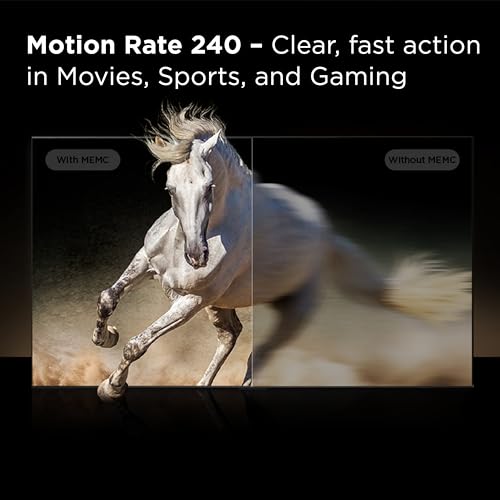
Motion clarity becomes important when watching sports, action movies, or playing games. The TCL Q Class features Motion Rate 240 with MEMC (Motion Estimation, Motion Compensation) frame insertion. MEMC is a processing technique that analyzes consecutive frames and creates intermediate frames to smooth motion. When done well, it reduces blur during fast-moving scenes like football plays or car chases.
The Hisense QD6 offers Motion Rate 120, which is adequate for most content but falls behind during demanding motion scenarios. User reviews frequently mention that fast sports action appears clearer on the TCL Q Class, particularly during camera pans across football fields or basketball courts.
However, motion processing is subjective. Some viewers prefer minimal processing for the most film-like experience, while others enjoy the soap opera effect that aggressive motion smoothing creates. Both TVs allow you to adjust these settings, but the TCL Q Class provides more headroom for improvement in challenging content.
Audio performance represents another area where the TCL Q Class establishes a meaningful advantage. Its 30W speaker system (two 15W drivers) provides noticeably better volume and clarity compared to the Hisense QD6's 20W system.
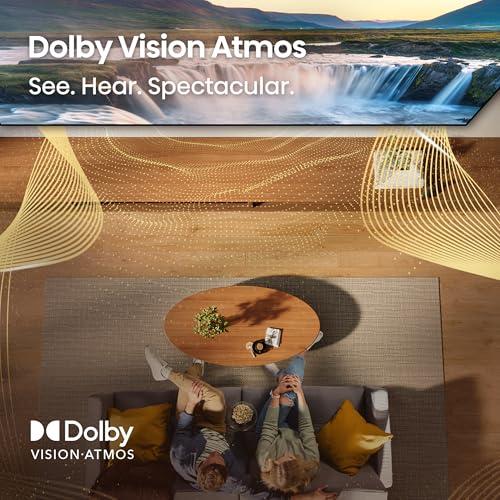
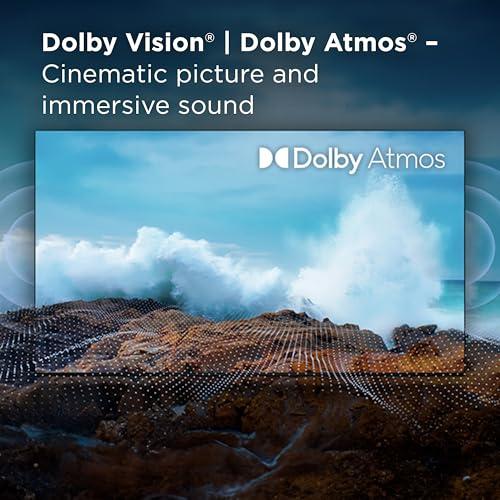
Both TVs support Dolby Atmos processing, which creates virtual surround sound from the built-in speakers. The TCL Q Class adds DTS Virtual:X support, providing compatibility with more audio formats and potentially better surround sound simulation.
In practical terms, user reviews consistently rate the TCL Q Class's audio as more suitable for standalone use without a soundbar. The Hisense QD6 delivers adequate sound for casual viewing but benefits more from external audio equipment. If you're planning to add a soundbar eventually, this difference matters less, but for immediate use, the TCL provides better value.
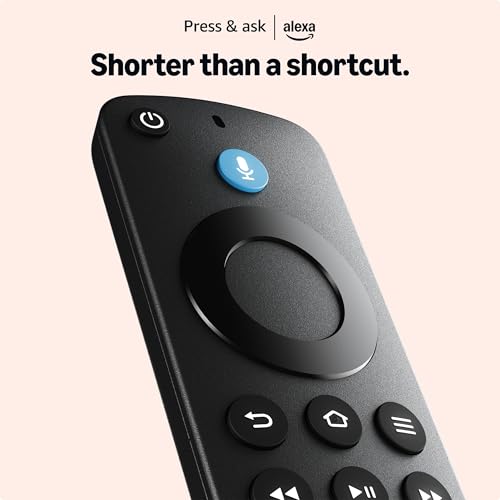
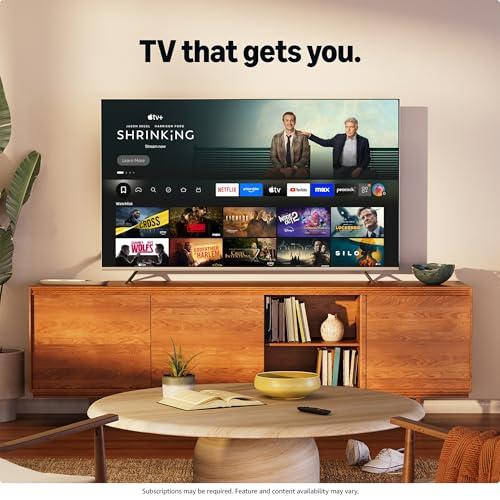
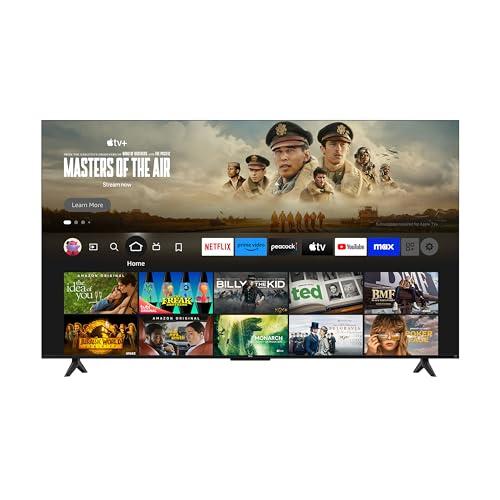
Since both models run Amazon's Fire TV platform, the smart TV experience is essentially identical. You get the same app selection, including Netflix, Disney+, Prime Video, and hundreds of other streaming services. The interface is responsive and user-friendly, with Alexa voice control built into the included remote.
Fire TV has evolved significantly since its early days, becoming one of the more polished smart TV platforms. The 2024 versions on both the Hisense QD6 and TCL Q Class include improved app loading times and better search functionality compared to older Fire TV implementations.
Both TVs support Apple AirPlay for iPhone and iPad users, plus Google Chromecast for Android devices. This cross-platform compatibility makes them flexible choices regardless of your smartphone preference.
The TCL Q Class features what TCL calls a "FullView Metal Bezel-less Design," which provides a more premium appearance with nearly invisible bezels around the screen. The metal construction feels solid and gives the TV a more expensive look than its price suggests.
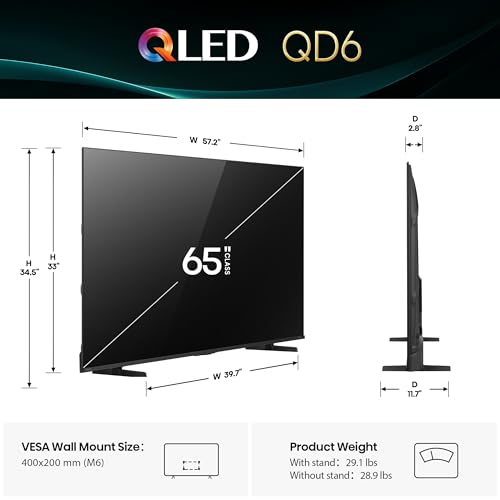
The Hisense QD6 uses a more conventional design with thin but visible bezels. Build quality is solid, but the overall aesthetic is less striking than the TCL's approach. Both TVs are lightweight enough for easy wall mounting, supporting standard VESA mounting patterns.
Neither TV will win design awards, but both look appropriate in modern living rooms. The TCL Q Class has a slight edge in premium appearance, which might matter if the TV serves as a focal point in your room.
For dedicated home theater use, both TVs present the same fundamental limitation - they lack local dimming for deep blacks essential to cinematic viewing. However, they excel in other areas important for home theater applications.
Both models handle 24fps film content properly, maintaining the cinematic frame rate that directors intended. They support Filmmaker Mode, which preserves original color grading and aspect ratios for authentic movie viewing.
The TCL Q Class's superior audio system makes it more suitable for home theater use without additional equipment. Its motion processing also handles film grain better, maintaining texture without over-smoothing classic movies.
If you're building a dedicated home theater, consider that both TVs work best in controlled lighting environments. Their VA panels provide good contrast in dark rooms, though OLED TVs would deliver superior black levels at higher prices.
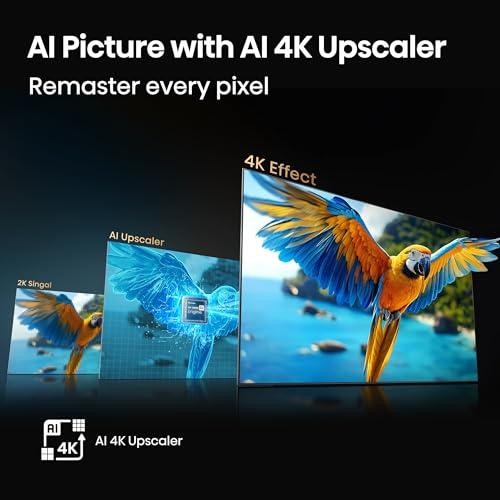
Both TVs include AI-powered upscaling to improve lower-resolution content from cable TV, DVDs, or compressed streaming sources. However, user reviews indicate that upscaling performance is merely adequate on both models, with visible artifacts in challenging content like low-bitrate sports broadcasts.
The reality is that budget QLED TVs haven't caught up to premium models in processing power. Both the Hisense QD6 and TCL Q Class handle native 4K content beautifully but struggle with the complex algorithms needed for excellent upscaling.
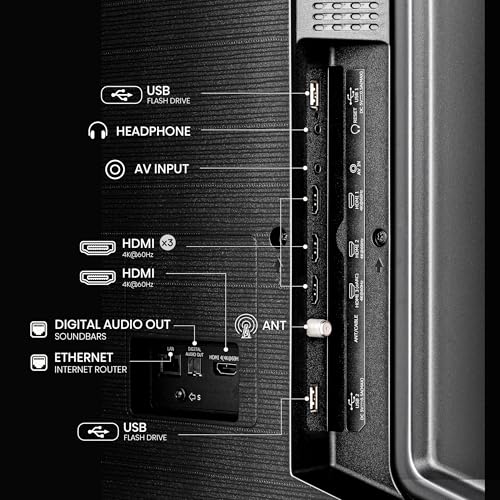
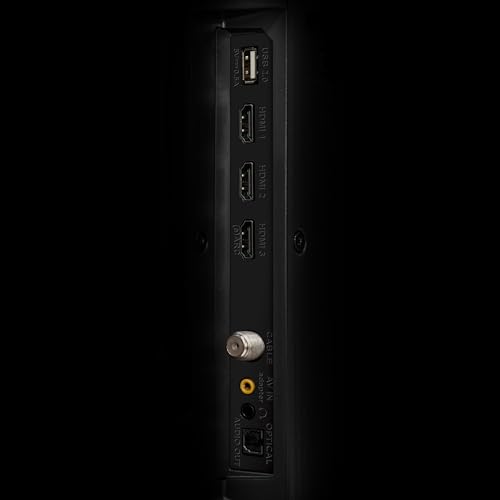
Both TVs provide adequate connectivity for most users, with three to four HDMI ports, USB connections, and built-in Wi-Fi. The TCL Q Class includes Wi-Fi 6 support for faster streaming and app downloads, though this advantage only matters with high-speed internet connections.
Neither TV includes HDMI 2.1 ports (except for eARC), which limits compatibility with some next-generation gaming features. However, at this price point, such omissions are understandable compromises.
The TCL Q Class makes sense for households that prioritize gaming, watch lots of sports or action content, or want better built-in audio. Its superior motion handling and gaming features provide tangible benefits that justify choosing it over the Hisense QD6 when prices are comparable.
The Hisense QD6 suits buyers who primarily stream movies and shows, have very bright living rooms that benefit from its higher peak brightness, or plan to immediately add external audio equipment. Its slightly better brightness performance in challenging lighting conditions represents its main advantage.
For most buyers at the time of writing, the TCL Q Class offers better overall value. Its gaming advantages, superior motion handling, and improved audio quality provide more utility for the typical household. Unless you specifically need the Hisense QD6's brightness advantage or have brand preferences, the TCL delivers more features for your money.
Both TVs represent solid entries into QLED technology, offering significantly better color performance than standard LED models at reasonable prices. Your choice should depend on your specific priorities: gaming and motion performance favor the TCL Q Class, while bright room viewing slightly favors the Hisense QD6. Either way, you're getting excellent value in the competitive budget QLED segment.
| Hisense 65" QD6 Series QLED 4K Fire TV | TCL 65" Q Class QLED 4K Fire TV |
|---|---|
| Gaming Performance - Critical for console owners and competitive players | |
| 60Hz refresh rate, Game Mode Plus, basic ALLM | 120Hz VRR support, Game Accelerator 120, advanced ALLM |
| Motion Handling - Important for sports and action content | |
| Motion Rate 120 with basic processing | Motion Rate 240 with MEMC frame insertion |
| Audio System - Determines if you need a soundbar immediately | |
| 20W speakers with Dolby Atmos | 30W speakers with Dolby Atmos + DTS Virtual:X |
| Peak Brightness - Matters most in bright rooms with windows | |
| ~385 cd/m² (better for challenging lighting) | ~350 cd/m² (adequate for most rooms) |
| Color Performance - Both deliver excellent quantum dot technology | |
| ~90% DCI-P3 color gamut coverage | ~90% DCI-P3 color gamut coverage |
| HDR Format Support - Essential for streaming content quality | |
| Dolby Vision, HDR10+, HDR10, HLG | Dolby Vision, HDR10+, HDR10, HLG |
| Smart Platform - Identical experience on both models | |
| Fire TV OS with Alexa integration | Fire TV OS with Alexa integration |
| Design Quality - Aesthetic differences for your living room | |
| Standard thin bezels, functional design | FullView Metal Bezel-less premium design |
| Connectivity Features - Future-proofing considerations | |
| 4x HDMI 2.0, Wi-Fi 5, basic ports | 3x HDMI 2.0, Wi-Fi 6, enhanced wireless |
| Best For - Primary use case recommendations | |
| Bright rooms, casual viewing, immediate soundbar users | Gaming, sports, built-in audio, premium aesthetics |
The TCL 65" Q Class QLED 4K Fire TV is significantly better for gaming. It supports 120Hz Variable Refresh Rate (VRR) and Game Accelerator 120 features, which eliminate screen tearing and provide smoother gameplay on PS5 and Xbox Series X consoles. The Hisense 65" QD6 Series QLED 4K Fire TV is limited to 60Hz refresh rate with basic gaming features, making it adequate only for casual gaming.
Both the Hisense QD6 and TCL Q Class deliver very similar picture quality with quantum dot technology providing vibrant colors and 90% DCI-P3 color coverage. The main difference is that the Hisense 65" QD6 Series QLED 4K Fire TV achieves slightly higher peak brightness (~385 cd/m²), making it better for very bright rooms, while picture quality is otherwise comparable between both models.
The TCL 65" Q Class QLED 4K Fire TV has superior audio with 30W speakers and support for both Dolby Atmos and DTS Virtual:X. The Hisense QD6 offers 20W speakers with only Dolby Atmos support. Most users find the TCL's audio adequate for standalone use, while the Hisense benefits more from adding a soundbar.
The TCL Q Class is better for sports viewing due to its Motion Rate 240 with MEMC frame insertion, which reduces motion blur during fast action like football plays and basketball games. The Hisense 65" QD6 Series QLED 4K Fire TV has Motion Rate 120, which handles sports adequately but isn't as smooth during rapid camera movements or fast-paced action.
Yes, both the Hisense 65" QD6 Series QLED 4K Fire TV and TCL 65" Q Class QLED 4K Fire TV run Amazon's Fire TV OS with identical app selection, Alexa voice control, and user interface. The smart TV experience is essentially the same on both models, so your choice should focus on hardware differences rather than software features.
The Hisense QD6 performs slightly better in bright rooms due to its higher peak brightness of approximately 385 cd/m². This extra brightness helps combat glare from windows and maintains better image visibility in challenging lighting conditions. The TCL Q Class still works well in bright rooms but may struggle more with direct sunlight or very bright ambient lighting.
Both the Hisense 65" QD6 Series QLED 4K Fire TV and TCL 65" Q Class QLED 4K Fire TV support all major HDR formats including Dolby Vision, HDR10+, HDR10, and HLG. This ensures compatibility with streaming content from Netflix, Disney+, Amazon Prime Video, and other services that use these high dynamic range formats.
The TCL Q Class features a more premium FullView Metal Bezel-less design that looks more expensive and modern. The Hisense QD6 uses a functional design with standard thin bezels. Both have solid build quality, but the TCL 65" Q Class QLED 4K Fire TV has a slight aesthetic advantage that makes it more suitable as a living room centerpiece.
Both TVs handle movies well with proper 24fps film support and Filmmaker Mode for authentic cinematic viewing. However, neither has local dimming, so black levels aren't as deep as premium QLED or OLED models. The TCL Q Class has a slight advantage for movies due to better motion processing and superior built-in audio, while the Hisense 65" QD6 Series QLED 4K Fire TV works best when paired with external audio equipment.
The Hisense QD6 includes 4 HDMI ports (one with eARC), USB ports, and Wi-Fi 5 connectivity. The TCL 65" Q Class QLED 4K Fire TV has 3 HDMI ports (one with eARC) but adds Wi-Fi 6 support for faster streaming. Both offer adequate connectivity for most users, with the TCL having a slight advantage in wireless performance.
The TCL Q Class generally offers better overall value due to its superior gaming features, better motion handling, improved audio quality, and more premium design. Unless you specifically need the Hisense 65" QD6 Series QLED 4K Fire TV's higher brightness for a very bright room, the TCL 65" Q Class QLED 4K Fire TV provides more features and capabilities that benefit typical household use.
Both the Hisense QD6 and TCL Q Class excel with native 4K streaming content from Netflix, Disney+, and other services, delivering vibrant colors and sharp detail. However, both struggle with upscaling lower-resolution content like cable TV or compressed streams, showing some artifacts. The streaming performance is essentially equivalent between both models when watching high-quality 4K content.
We've done our best to create useful and informative comparisons to help you decide what product to buy. Our research uses advanced automated methods to create this comparison and perfection is not possible - please contact us for corrections or questions. These are the sites we've researched in the creation of this article: rtings.com - bestbuy.com - pcvarge.com - youtube.com - consumerreports.org - costco.com - youtube.com - rtings.com - hometechnologyreview.com - manuals.plus - hisense-usa.com - costco.com - bestbuy.com - staples.com - hisense-usa.com - manuals.plus - pcrichard.com - hometechnologyreview.com - bestbuy.com - bestbuy.com - hisense-usa.com - bestbuy.com - tcl.com - tcl.com - circuitworldonline.com - bestbuy.com - tcl.com - rtings.com - woodruffappliance.com - rtings.com - bestbuy.com - tcl.com - tcl.com - tcl.com - youtube.com - alexraytv.com - tcl.com - alexraytv.com - avsforum.com - a1ontheweb.com

Privacy Policy
Terms and Conditions - Affiliate Policy
Home Security
© Copyright 2008-2026.
11816 Inwood Rd #1211, Dallas, TX 75244