

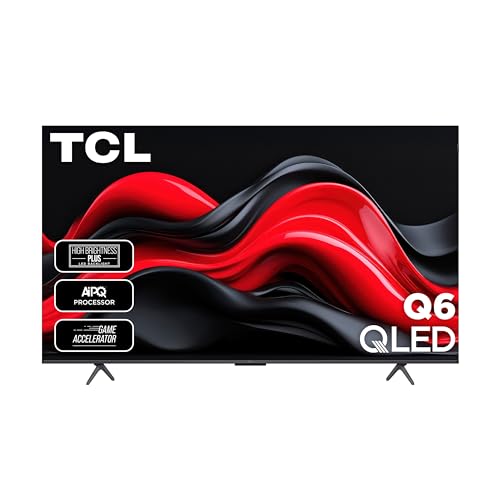

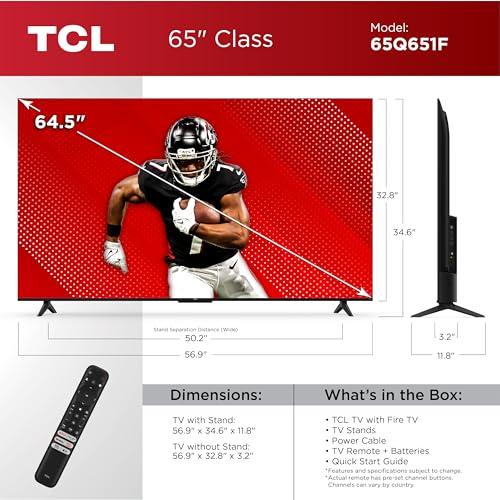
If you're shopping for a 65-inch 4K TV in the mid-range category, you've probably come across quantum dot displays and wondered what all the marketing buzz means for actual picture quality. Two models that consistently pop up in this space are the TCL 65" Q Class QLED 4K Fire TV and the Hisense QD7 Series 65" Mini-LED 4K Fire TV. Both promise premium picture quality without flagship pricing, but they take notably different approaches to achieve it.
At the time of writing, these TVs typically fall into similar price ranges, with the TCL Q Class often positioned as the more budget-friendly option while the Hisense QD7 commands a modest premium for its more advanced display technology. Understanding why that price difference exists – and whether it's worth paying for – requires digging into how these displays actually work.
Before diving into specifics, it's worth understanding what you should prioritize when shopping in this category. The most important factors are picture quality (how good content actually looks), gaming performance (if you play console games), smart platform functionality, and overall value for money.
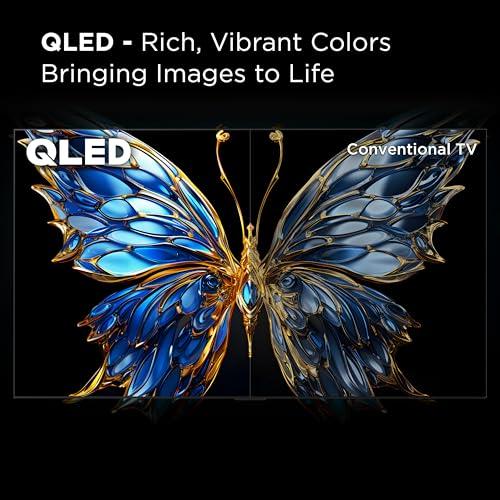
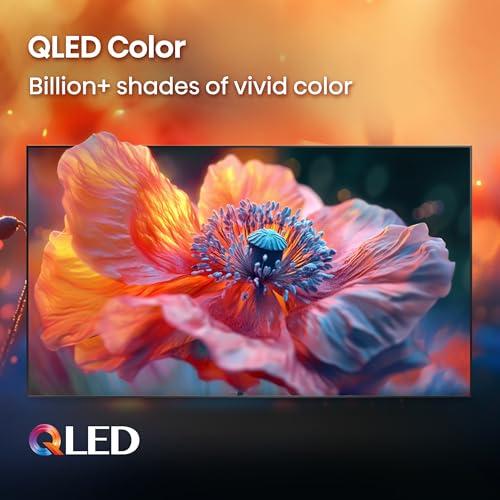
Both the TCL Q Class and Hisense QD7 use quantum dot technology, often marketed as QLED. This involves microscopic particles called quantum dots that emit very pure colors when hit by blue LED light. The result is a much wider range of colors than traditional LED TVs can produce – over a billion different shades compared to the millions on standard displays. Think of it like having a much larger paint palette to work with when creating a picture.
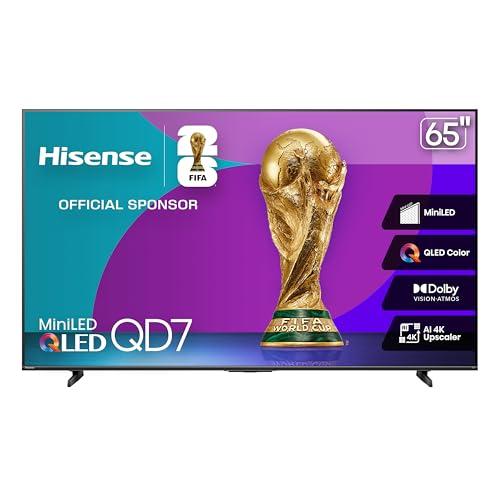
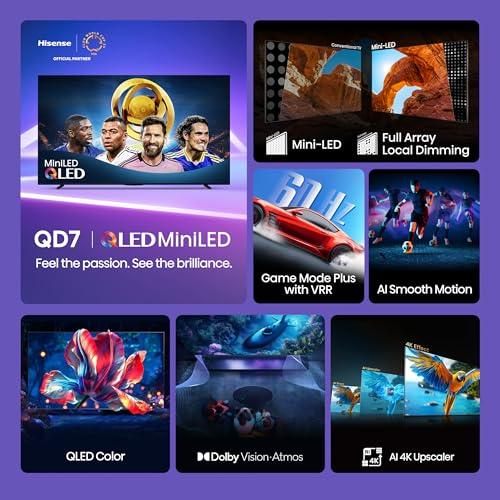
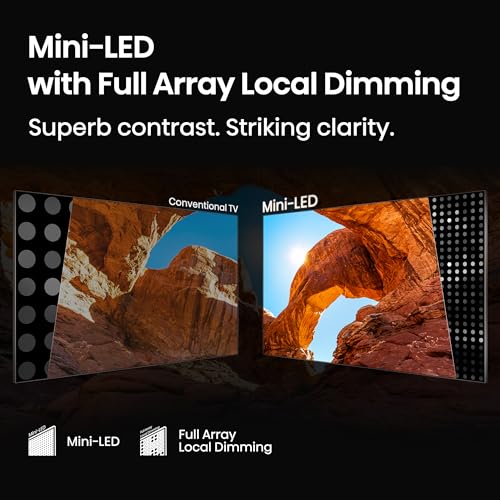
The key difference lies in their backlighting approaches. The TCL Q Class uses direct LED backlighting, where LEDs are spread evenly behind the entire screen. The Hisense QD7 employs Mini-LED technology with Full Array Local Dimming (FALD), using thousands of tiny LEDs arranged in zones that can be controlled independently.
HDR (High Dynamic Range) content contains more information about how bright or dark different parts of an image should be, creating more realistic pictures with better contrast between light and shadow. Both TVs support major HDR formats including Dolby Vision, HDR10+, and standard HDR10.
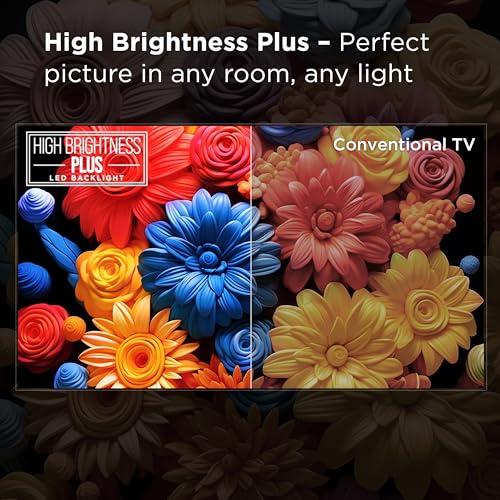
The Hisense QD7 has a clear advantage here due to its Mini-LED backlighting. Those thousands of tiny LEDs can achieve higher peak brightness levels and maintain that brightness more consistently across the screen. In practical terms, this means HDR highlights like sunlight reflecting off water or explosions in movies look more impactful and closer to what you'd see in real life.
The TCL Q Class still delivers solid HDR performance that most viewers will find satisfying, particularly in moderately lit rooms. However, it can't quite match the punch of Mini-LED displays when it comes to making bright scenes really pop off the screen.
This is where the technological differences become most apparent. Contrast ratio – the difference between the darkest blacks and brightest whites a TV can display – significantly impacts how realistic images look, especially in darker scenes.
The Hisense QD7's Full Array Local Dimming allows different zones of LEDs to dim or brighten independently. When a scene has both bright stars and dark space, for example, the TV can make the star zones bright while keeping the space zones very dark. This creates much better contrast and more convincing black levels.
The TCL Q Class lacks this zone-based control, so its black levels are more limited by the overall brightness of the LED backlight. While it still produces respectable contrast for its technology level, dark scenes won't look as deep or realistic as on the Hisense model.
From our research into user feedback and professional reviews, this difference is most noticeable when watching movies in dark rooms – the classic home theater experience. The Hisense QD7 creates a more cinematic feel with better shadow detail and more convincing darkness.
Both TVs excel in color performance thanks to their quantum dot technology. They can display the full DCI-P3 color space used in most modern movies and streaming content, meaning colors appear vibrant and accurate to the filmmaker's intent.
User reviews consistently praise both models for producing lifelike skin tones, rich landscape colors, and vivid animated content. The quantum dot advantage over standard LED TVs is immediately apparent when watching colorful content like nature documentaries or animated movies.
The TCL Q Class and Hisense QD7 perform nearly identically in this area, with both delivering the wide color gamut that makes quantum dot displays worthwhile.
Gaming has become a crucial consideration for TV buyers, with modern consoles like the PlayStation 5 and Xbox Series X capable of 4K gaming at high refresh rates.
Input lag measures the delay between pressing a controller button and seeing the action on screen. Lower numbers mean more responsive gameplay, which is crucial for competitive gaming.
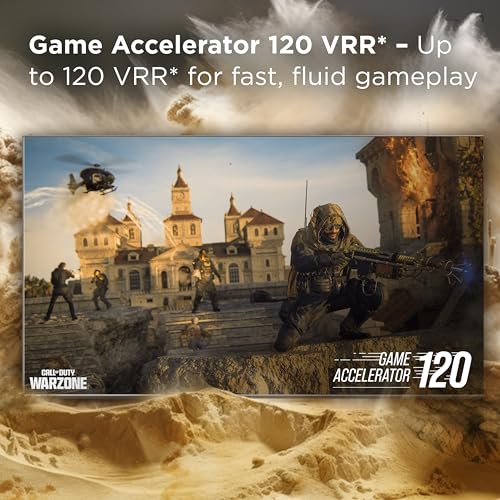
The TCL Q Class has an edge here, with its Game Accelerator 120 feature and generally faster pixel response times. Based on professional measurements and user feedback, it consistently delivers lower input lag in game mode, making it better suited for fast-paced gaming like first-person shooters or fighting games.
The Hisense QD7 offers good gaming performance but tends to have slightly slower pixel response times, which can cause motion blur during rapid movements. This isn't necessarily a deal-breaker for casual gaming but becomes more noticeable in competitive scenarios.
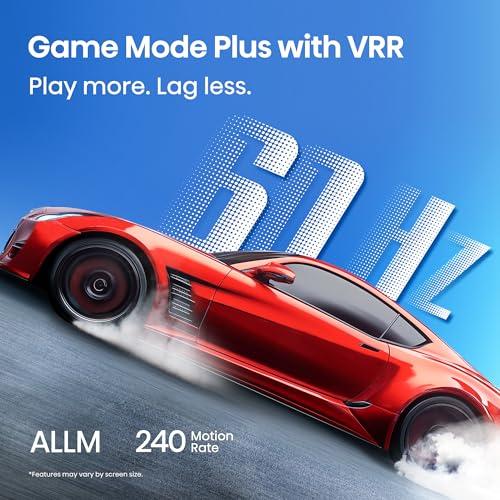
Both TVs support Variable Refresh Rate (VRR) and Auto Low Latency Mode (ALLM). VRR allows the TV's refresh rate to sync with the console's frame rate, eliminating screen tearing. ALLM automatically switches to the lowest-lag game mode when a console is detected.
The TCL Q Class supports up to 120Hz VRR on its Game Accelerator 120 feature, while the Hisense QD7 supports similar gaming features but is limited to 60Hz native refresh rate on the 65-inch model (though larger sizes offer 144Hz support).
For most gamers, both TVs will provide an excellent experience. The TCL Q Class has a slight performance advantage for competitive gaming, while the Hisense QD7 might appeal more to single-player gamers who prioritize picture quality over absolute responsiveness.
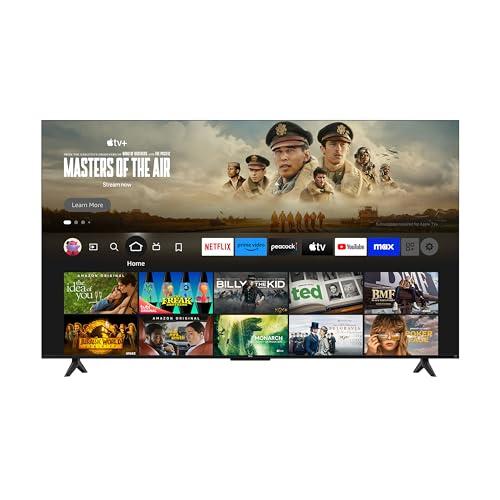
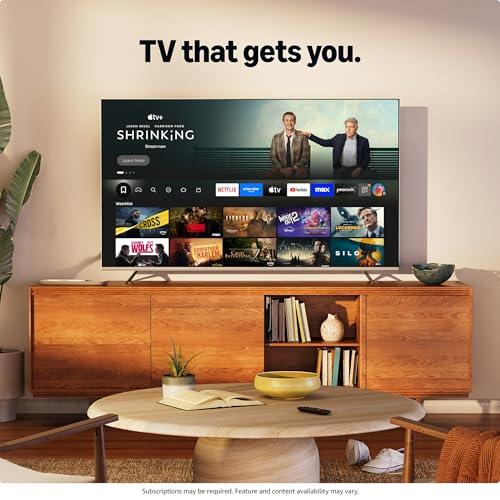
Both TVs run Amazon's Fire TV platform, so the smart TV experience is essentially identical. You get the same interface, app selection, and Alexa voice control integration. Setup is straightforward on both models, and performance is generally smooth for streaming apps like Netflix, Disney+, and Prime Video.
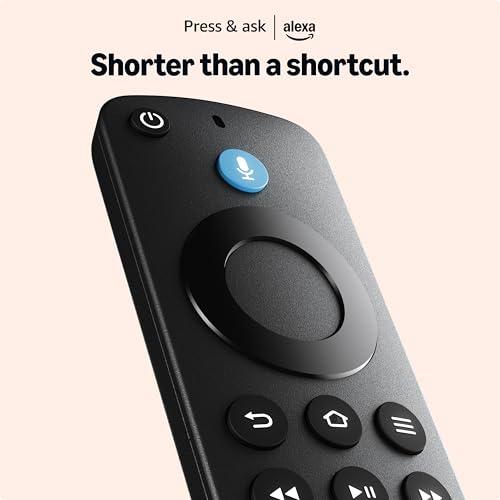
The Fire TV platform puts Amazon content front and center but provides easy access to other streaming services. Voice control through the included remote works well for searching content and controlling basic TV functions.
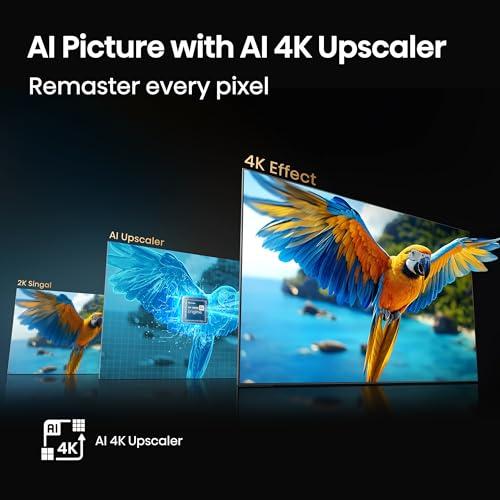
Both TVs handle 4K upscaling well, improving the appearance of lower-resolution content from sources like cable TV or older streaming content. The built-in AI upscaling helps make 1080p content look sharper and cleaner on the 4K display.
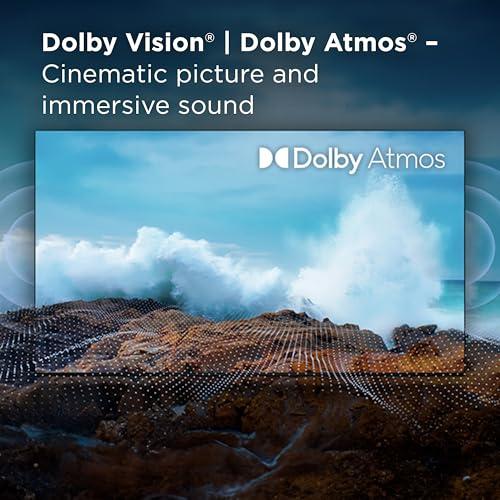
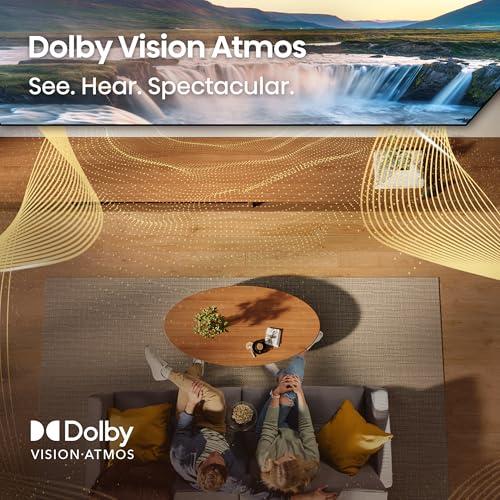
The TCL Q Class includes a 30-watt audio system compared to the Hisense QD7's 20-watt setup. Both support Dolby Atmos processing, which creates a more immersive soundscape from the built-in speakers.
In practice, the TCL's higher-powered speakers provide better volume and slightly fuller sound, though both TVs benefit significantly from adding a dedicated soundbar or audio system. For casual viewing, either TV's built-in audio is adequate, but movie enthusiasts will want to invest in better sound regardless of which model they choose.
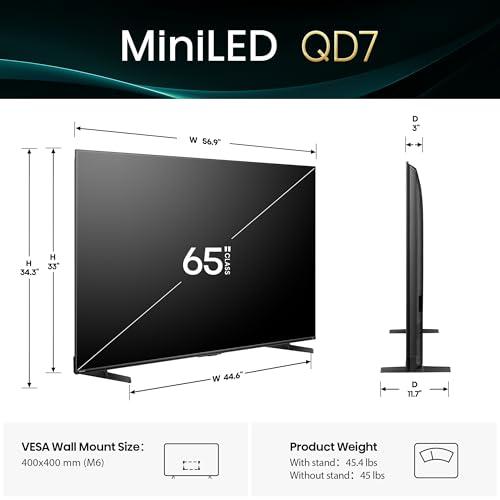
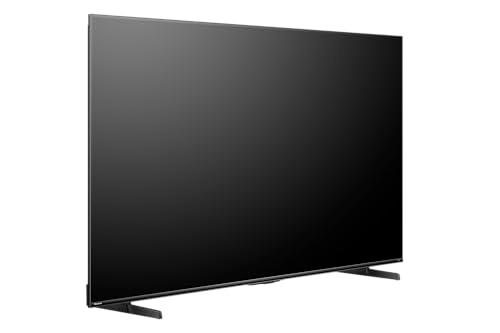
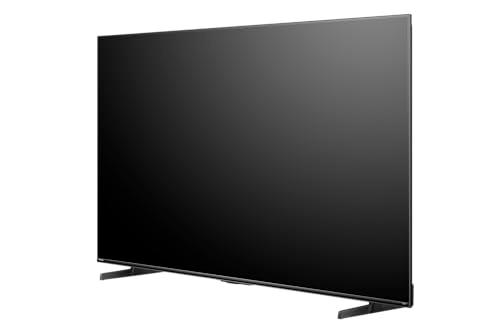
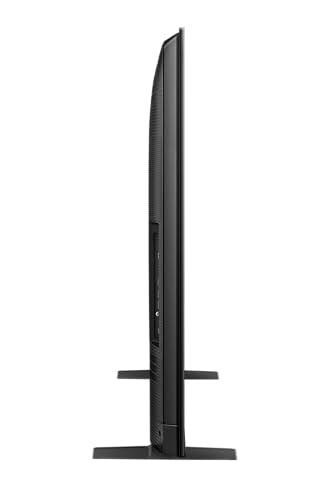
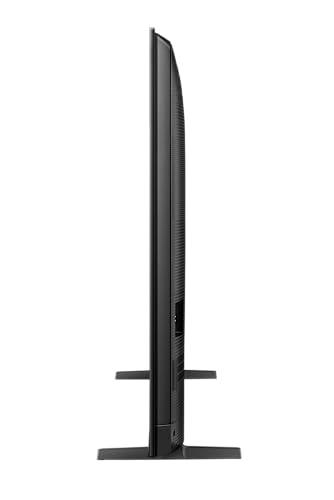
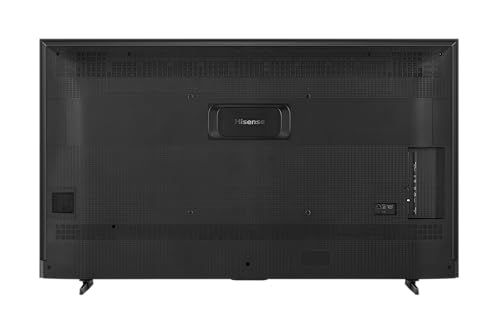
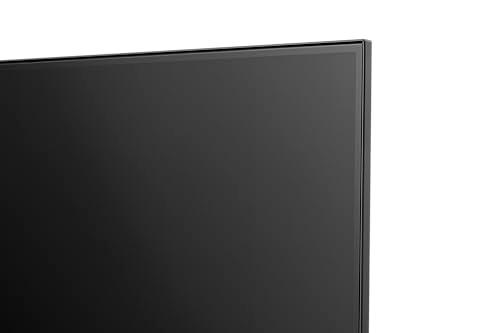
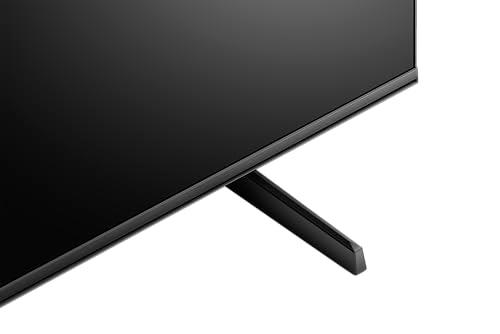
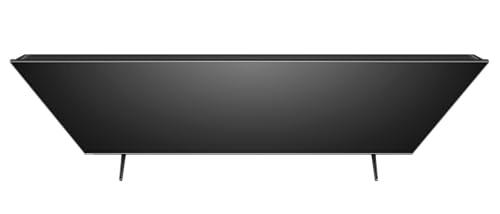
Both TVs feature modern, minimalist designs with thin bezels and sleek profiles. The TCL Q Class uses a FullView Metal Bezel-less design that looks premium despite its lower price point. The Hisense QD7 has similarly attractive aesthetics with its ultra-slim profile.
Build quality appears solid on both models based on user feedback, though the simpler technology in the TCL Q Class potentially means fewer components that could fail over time. The Hisense QD7's more complex Mini-LED system is newer technology that, while impressive, has less long-term reliability data available.
At the time of writing, the TCL Q Class typically offers better value for budget-conscious buyers. You get excellent color performance, solid gaming features, and the same smart platform as more expensive models, all at a lower price point.
The Hisense QD7 commands a premium for its Mini-LED technology, which delivers meaningfully better contrast and HDR performance. Whether this premium is justified depends on your viewing habits and priorities.
For most living room setups with moderate lighting, the TCL Q Class's picture quality will look excellent and provide great entertainment value. The premium for the Hisense QD7 becomes more worthwhile if you frequently watch movies in dark rooms or have a dedicated home theater space where the superior contrast really shines.
If you're building a dedicated home theater or have a room where you can control lighting, the Hisense QD7 is the clear winner. The Mini-LED backlighting with local dimming creates much more convincing black levels and better shadow detail, crucial for the cinematic experience.
The improved contrast ratio makes movies more immersive, particularly darker films where the ability to show both deep blacks and bright highlights simultaneously creates more realistic images. Action movies with nighttime scenes, space films, and dramatic content all benefit significantly from the Hisense QD7's superior contrast capabilities.
However, in brighter living rooms where ambient light is always present, the advantages of Mini-LED become less pronounced. The TCL Q Class can look nearly as good in these conditions while costing less.
The TCL Q Class represents a 2024 model that refines the company's established QLED approach. Since its release, TCL has focused on improving color accuracy and gaming features while keeping costs reasonable.
The Hisense QD7 is also a 2025 model that showcases Hisense's move toward more premium display technologies. Mini-LED represents a significant step forward from traditional LED backlighting, positioning this model as a bridge between standard LED and more expensive OLED displays.
Both represent current technology rather than older models being cleared out, meaning you're getting up-to-date smart features, HDR support, and gaming capabilities that should remain relevant for years.
Choose the TCL Q Class if you're a gamer who prioritizes responsive performance, want excellent value for money, or primarily watch TV in well-lit rooms. It delivers impressive picture quality for its price point and handles the vast majority of content beautifully. The lower price leaves room in your budget for a soundbar or other accessories.
Choose the Hisense QD7 if picture quality is your top priority, you have a dark viewing room, or you want the latest display technology. The Mini-LED backlighting creates a significantly more premium viewing experience for movies and dark content, justifying the higher price for enthusiasts.
For most buyers, the TCL Q Class hits the sweet spot of performance and value. It provides the quantum dot color advantages that make modern content look great while keeping costs reasonable. The Hisense QD7 is worth the premium specifically for dark-room viewing where its contrast advantages really shine.
Both TVs will serve most households well, but understanding these key differences helps ensure you get the features that matter most for your specific viewing habits and room setup.
| TCL 65" Q Class QLED 4K Fire TV | Hisense QD7 Series 65" Mini-LED 4K Fire TV |
|---|---|
| Display Technology - Core difference affecting contrast and picture quality | |
| QLED with Direct LED backlighting | QLED with Mini-LED + Full Array Local Dimming |
| Screen Size & Resolution - Both offer identical viewing area and detail | |
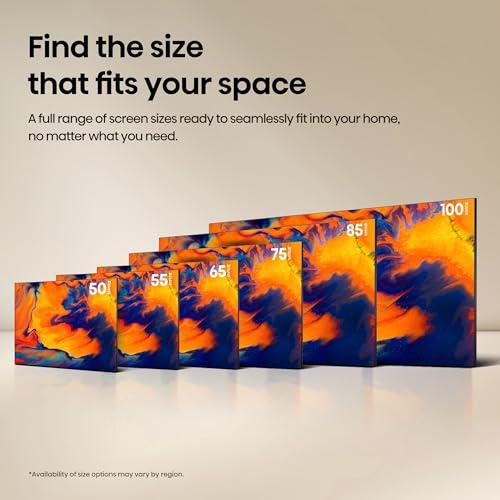
| 65" 4K Ultra HD (3840 x 2160) | 65" 4K Ultra HD (3840 x 2160) |
| HDR Support - Enhanced contrast and color range for compatible content | |
| HDR PRO+ (Dolby Vision, HDR10+, HDR10, HLG) | Dolby Vision, HDR10+, HDR10, HLG, HDR10+ Adaptive |
| Gaming Performance - Critical for console gaming responsiveness | |
| Game Accelerator 120 with VRR/ALLM, better motion clarity | Game Mode Plus with VRR/ALLM, slower pixel response |
| Native Refresh Rate - Affects motion smoothness | |
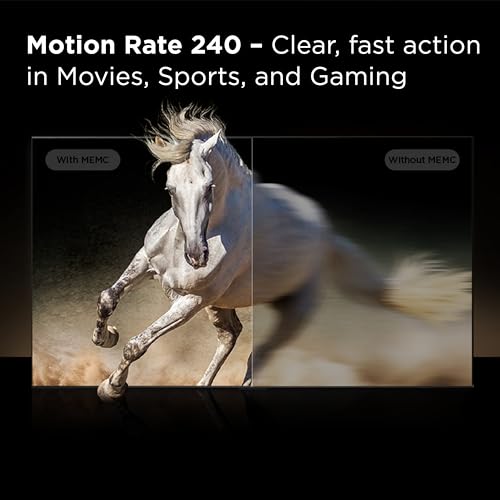
| 60Hz with Motion Rate 240 | 60Hz with Motion Rate 240 |
| Smart Platform - Identical streaming and voice control experience | |
| Fire TV with Alexa Built-in | Fire TV with Alexa Built-in |
| Audio Power - Built-in speaker performance | |
| 30W (2 x 15W) with Dolby Atmos | 20W with Dolby Atmos + DTS Virtual:X |
| HDMI Connectivity - Essential for gaming consoles and devices | |
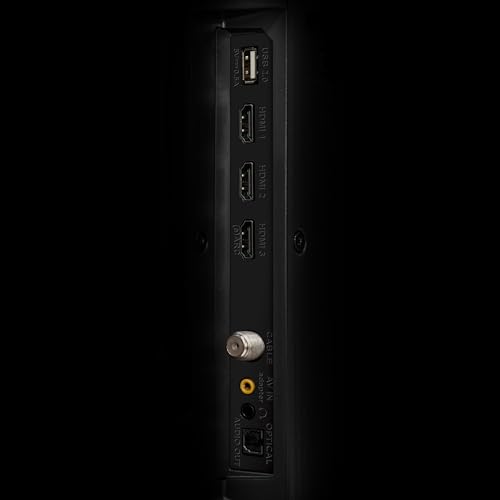
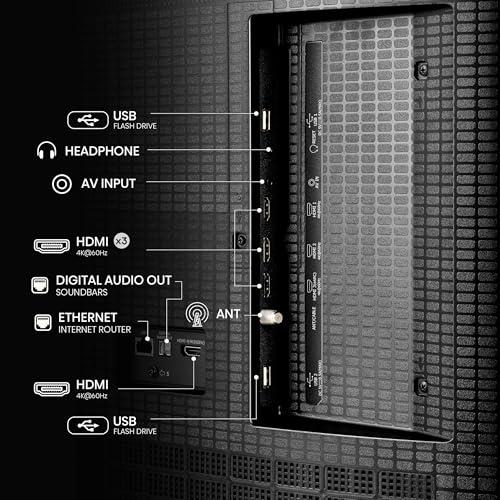
| 3 HDMI ports (1 with eARC) | 4 HDMI 2.0 ports (1 with eARC) |
| Local Dimming Zones - Major factor in contrast performance | |
| None (Direct LED) | Full Array Local Dimming with multiple zones |
| Best Use Case - Where each TV excels most | |
| Gaming, bright rooms, budget-conscious buyers | Home theater, dark rooms, picture quality enthusiasts |
| Value Positioning - Cost vs. performance trade-off | |
| Better gaming performance at lower price point | Premium Mini-LED technology for superior contrast |
The Hisense QD7 Series 65" Mini-LED 4K Fire TV delivers superior picture quality for movies, especially in dark rooms. Its Mini-LED backlighting with Full Array Local Dimming creates deeper blacks and better contrast compared to the TCL 65" Q Class QLED 4K Fire TV. While both TVs offer excellent color reproduction with quantum dot technology, the Hisense model's advanced backlighting makes movies look more cinematic with better shadow detail and more realistic dark scenes.
The TCL 65" Q Class QLED 4K Fire TV is better for gaming due to lower input lag and faster pixel response times. Its Game Accelerator 120 feature with Variable Refresh Rate support provides more responsive gameplay, making it ideal for competitive gaming. While the Hisense QD7 offers good gaming features like VRR and Auto Low Latency Mode, it has slower motion handling that can cause blur during fast-paced games.
Yes, both the TCL Q Class and Hisense QD7 use Amazon's Fire TV platform with identical functionality. You get the same interface, app selection, Alexa voice control, and streaming capabilities on both models. There's no difference in smart features, setup process, or user experience between the two TVs' software platforms.
Both TVs perform well in bright rooms, but the Hisense QD7 Series has a slight advantage due to higher peak brightness from its Mini-LED technology. However, the difference isn't dramatic in well-lit conditions. The TCL Q Class still delivers excellent visibility and vibrant colors in bright rooms while offering better value for money.
The key difference is backlighting technology. The TCL Q Class uses traditional direct LED backlighting spread evenly behind the screen, while the Hisense QD7 employs Mini-LED technology with thousands of tiny LEDs arranged in zones that can be controlled independently. This gives the Hisense model superior contrast and black levels but at a higher cost.
The TCL 65" Q Class QLED 4K Fire TV has superior built-in audio with a 30-watt speaker system compared to the Hisense QD7's 20-watt setup. Both support Dolby Atmos, but the TCL provides better volume and fuller sound. However, both TVs benefit significantly from adding a dedicated soundbar for the best audio experience.
The Hisense QD7 Series is much better suited for dedicated home theater use due to its superior contrast ratio and black levels from Mini-LED technology. In dark viewing environments, it creates a more cinematic experience with better shadow detail. The TCL Q Class works well for casual movie watching but lacks the contrast performance that makes the Hisense model ideal for serious home theater enthusiasts.
The TCL Q Class typically offers better value for most buyers, delivering excellent quantum dot color performance, solid gaming features, and the same smart platform at a lower cost. The Hisense QD7 commands a premium for its Mini-LED technology, which is justified if you prioritize picture quality and frequently watch content in dark rooms.
Yes, both the TCL 65" Q Class and Hisense QD7 Series support 4K Ultra HD resolution and comprehensive HDR formats including Dolby Vision, HDR10+, and HDR10. The Hisense model can display HDR content with more impact due to its higher peak brightness, but both deliver excellent HDR performance that significantly enhances compatible content.
The TCL Q Class potentially offers better long-term reliability due to its simpler direct LED technology, which has fewer components that could fail over time. The Hisense QD7's Mini-LED system is more complex and newer technology with less long-term reliability data available. However, both brands have generally positive reliability records in recent years.
Both TVs offer modern gaming features like Variable Refresh Rate (VRR) and Auto Low Latency Mode (ALLM). The TCL Q Class supports up to 120Hz VRR and delivers lower input lag, making it better for competitive gaming. The Hisense QD7 has similar gaming features but with slower response times that may cause motion blur in fast-paced games.
Choose the TCL 65" Q Class QLED 4K Fire TV if you want excellent value with great color performance, prioritize gaming, or mainly watch TV in well-lit conditions. Pick the Hisense QD7 Series 65" Mini-LED 4K Fire TV if picture quality is your top priority, you have a dark viewing room, or you want the latest display technology for the most cinematic experience possible.
We've done our best to create useful and informative comparisons to help you decide what product to buy. Our research uses advanced automated methods to create this comparison and perfection is not possible - please contact us for corrections or questions. These are the sites we've researched in the creation of this article: bestbuy.com - tcl.com - tcl.com - circuitworldonline.com - bestbuy.com - tcl.com - rtings.com - woodruffappliance.com - rtings.com - bestbuy.com - tcl.com - tcl.com - tcl.com - youtube.com - alexraytv.com - tcl.com - alexraytv.com - avsforum.com - a1ontheweb.com - bestbuy.com - youtube.com - youtube.com - rtings.com - tvsbook.com - hometechnologyreview.com - hometechnologyreview.com - bestbuy.com - static.pcrichard.com - hometechnologyreview.com - bestbuy.com - hisense-usa.com - hisense-usa.com - shopmyexchange.com - brandsmartusa.com - manuals.plus - youtube.com - rtings.com - tvsbook.com - flatpanelshd.com - youtube.com

Privacy Policy
Terms and Conditions - Affiliate Policy
Home Security
© Copyright 2008-2026.
11816 Inwood Rd #1211, Dallas, TX 75244