

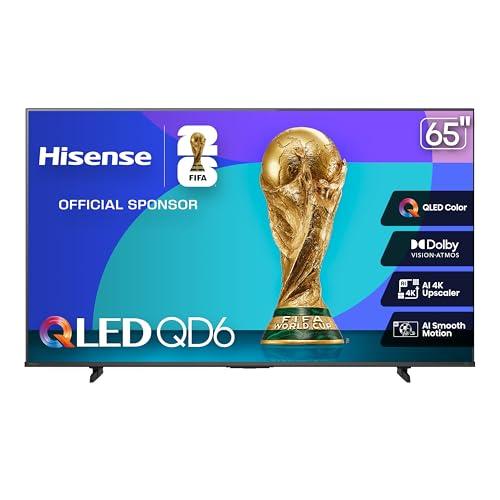
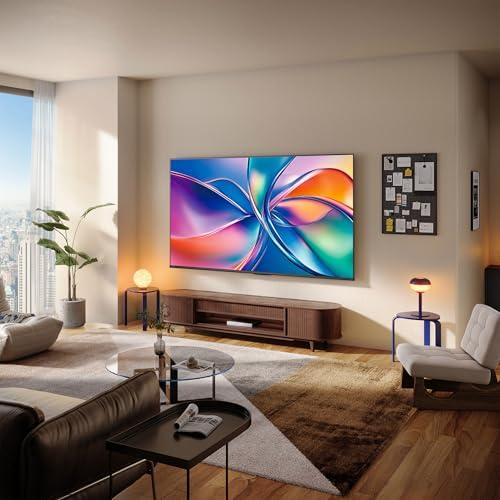
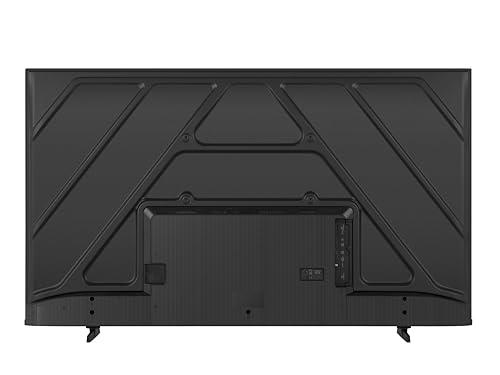
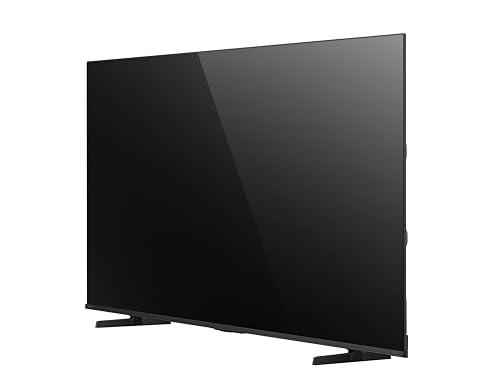
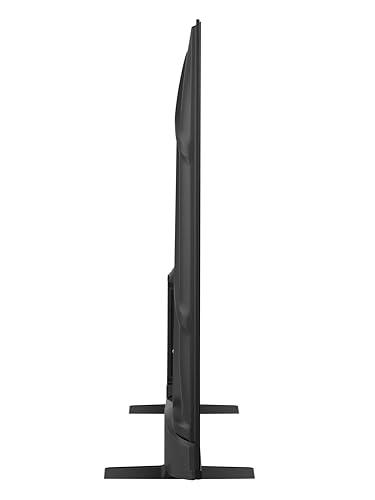


If you're shopping for a 65-inch TV and quantum dot technology has caught your attention, you're probably looking at two popular options that deliver QLED performance without breaking the bank. The Hisense QD6 Series and TCL Q68 both promise vibrant colors and 4K clarity, but they take surprisingly different approaches to achieve similar goals.
At the time of writing, these TVs are priced within about $40 of each other, making the decision less about budget and more about which features matter most for your viewing habits. After researching extensive user feedback and professional reviews, it's clear that while both deliver solid performance for their price range, one offers significantly better value for most buyers.
Before diving into specifics, it helps to understand what you're getting with QLED technology in this price range. QLED stands for Quantum Dot Light Emitting Diode—essentially, it's a layer of microscopic particles called quantum dots that sit between the LED backlight and the LCD panel. These quantum dots act like tiny color filters, converting blue light from LEDs into incredibly pure red and green light.
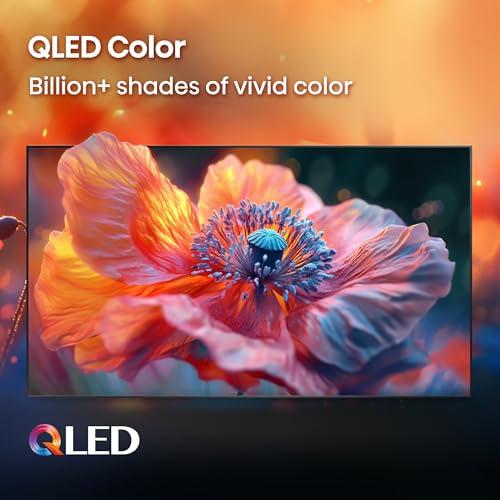
The result? You get about 90% coverage of the DCI-P3 color space (the standard used for digital cinema), compared to roughly 70-75% on standard LED TVs. This translates to more vibrant, lifelike colors—think deeper ocean blues, more realistic skin tones, and sunset oranges that actually pop off the screen.
Both the Hisense QD6 and TCL Q68 were released in 2024, representing the current generation of budget QLED technology. Since their launch, we've seen improvements in processing power, gaming features, and smart platform integration compared to 2022-2023 models, making these attractive options for anyone upgrading from an older TV.
The most significant difference between these TVs isn't their quantum dot technology—both deliver excellent color performance. Instead, it comes down to local dimming, gaming capabilities, and smart platform preferences.
The TCL Q68 features full-array local dimming with over 150 zones, while the Hisense QD6 uses a simpler edge-lit design. This might sound technical, but it fundamentally changes how the TV handles contrast and HDR content.
Peak brightness is crucial for HDR (High Dynamic Range) content—it's what makes highlights sparkle and creates that "wow" factor when watching movies. The TCL Q68 reaches approximately 600 nits of peak brightness, while the Hisense QD6 tops out around 385 nits.
To put this in perspective, most budget 65-inch TVs achieve about 320 nits, so both exceed typical expectations. However, that 200-nit difference between them becomes noticeable when watching bright content in well-lit rooms or during daytime viewing. The TCL Q68 handles ambient light better and delivers more impactful HDR highlights.
Both TVs support all major HDR formats: Dolby Vision, HDR10+, HDR10, and HLG. This ensures compatibility with content from Netflix, Disney+, Amazon Prime, and 4K Blu-rays. However, supporting these formats and actually delivering great HDR performance are two different things.
Here's where the TCL Q68 pulls significantly ahead. Local dimming allows different sections of the backlight to dim or brighten independently. When a scene has a bright explosion against a dark sky, the TV can brighten just the explosion area while keeping the sky genuinely dark.
The TCL Q68's full-array local dimming with 150+ zones creates much better contrast than the Hisense QD6's edge-lit system. Edge-lit designs illuminate the entire screen from the sides, meaning when there's a bright element on screen, the whole panel gets brighter—making blacks appear more like dark gray.
In practical terms, this means the TCL Q68 delivers deeper blacks for movie watching and more realistic HDR performance. If you're planning to use your TV for a home theater setup or watch a lot of movies, this difference is substantial.
Both TVs cover approximately 90% of the DCI-P3 color gamut thanks to their quantum dot technology. In side-by-side comparisons from professional reviews, color accuracy is comparable, though some users report the Hisense QD6 can appear slightly undersaturated in certain scenes.
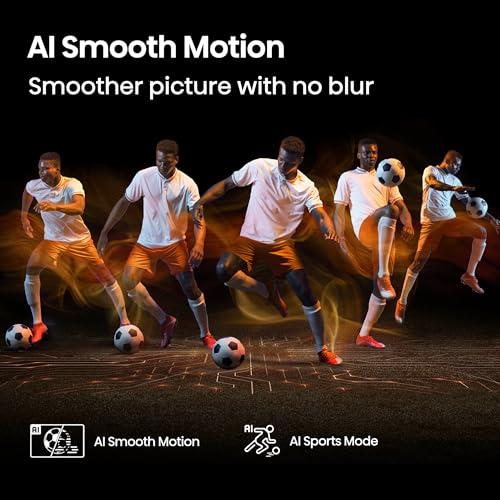
For motion handling, the TCL Q68 includes MEMC (Motion Estimation, Motion Compensation) frame insertion as part of its Motion Rate 240 system. This technology analyzes motion between frames and inserts calculated intermediate frames to reduce blur during fast action. The Hisense QD6 offers similar motion processing but with less sophisticated implementation.
Sports viewers will appreciate both TVs' motion handling, but the TCL Q68 provides cleaner results during high-speed scenes like basketball or hockey.
Modern gaming has evolved dramatically, with PlayStation 5 and Xbox Series X consoles supporting 120Hz gameplay at 1440p and advanced features like Variable Refresh Rate (VRR). This is where the differences between these TVs become stark.
The TCL Q68 supports 120Hz variable refresh rate at 1080p and 1440p resolutions through its Game Accelerator 120 feature. VRR synchronizes the TV's refresh rate with your console's frame rate output, eliminating screen tearing and reducing stuttering for smoother gameplay.
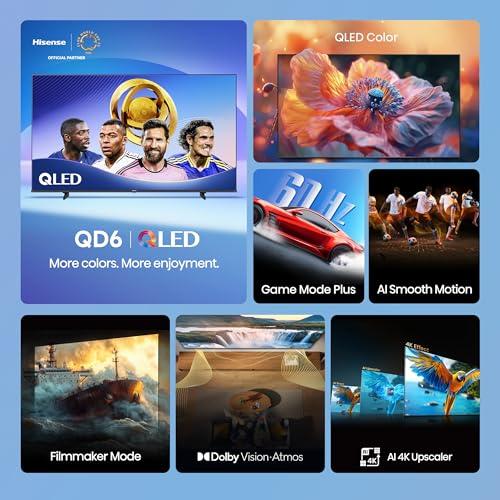
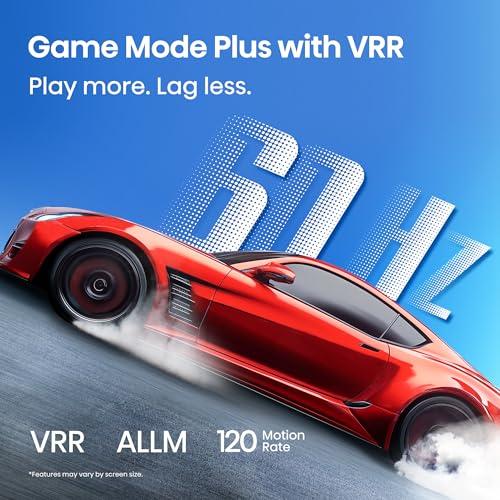
The Hisense QD6 is limited to 60Hz refresh rates across all resolutions. While it includes Game Mode Plus with Auto Low Latency Mode (ALLM), it can't take advantage of modern consoles' higher frame rate capabilities.
For competitive gamers or anyone with a current-generation console, this difference is significant. Games like Call of Duty, Rocket League, and racing titles benefit enormously from 120Hz gameplay, providing smoother motion and reduced input lag that can improve performance.
Both TVs offer low input lag in game mode—typically under 20 milliseconds, which is excellent for responsive gaming. However, the TCL Q68 has faster pixel response times, meaning less motion blur during fast-paced gaming sessions.
If you're primarily a casual gamer who plays single-player adventures or turn-based games, the Hisense QD6 performs adequately. But for anyone serious about gaming or planning to keep their TV for several years as games become more demanding, the TCL Q68's gaming features provide better future-proofing.
This might be the most personal choice between these TVs. The Hisense QD6 runs Fire TV, while the TCL Q68 uses Google TV, and both have distinct advantages.
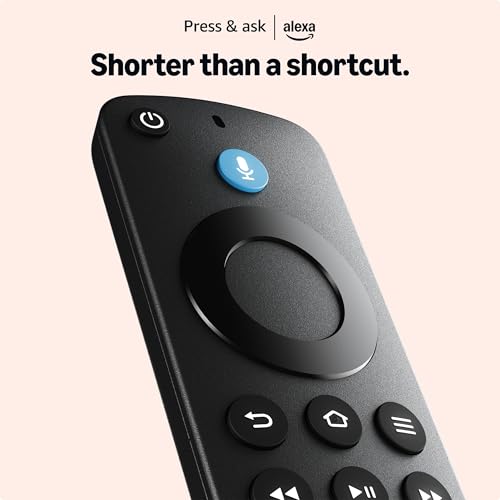
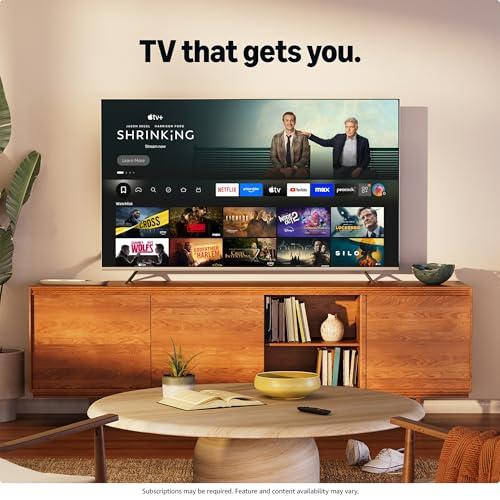
Fire TV feels incredibly intuitive if you're already in Amazon's ecosystem. The interface prioritizes content over apps, making it easy to find something to watch across different services. Alexa integration is seamless—you can control smart home devices, ask questions, and search for content using natural language.
The platform is stable and responsive, with consistent performance that doesn't bog down over time. Amazon's content recommendations are sophisticated, learning your preferences across Prime Video, Netflix, and other services.
Google TV offers more customization and broader app compatibility. The interface can be tailored to your preferences, and Google Assistant provides excellent voice search capabilities. Integration with Google services like YouTube, Google Photos, and Chromecast is seamless.
However, user feedback suggests the TCL Q68 occasionally experiences software quirks and slower menu navigation compared to the Hisense QD6's Fire TV implementation.
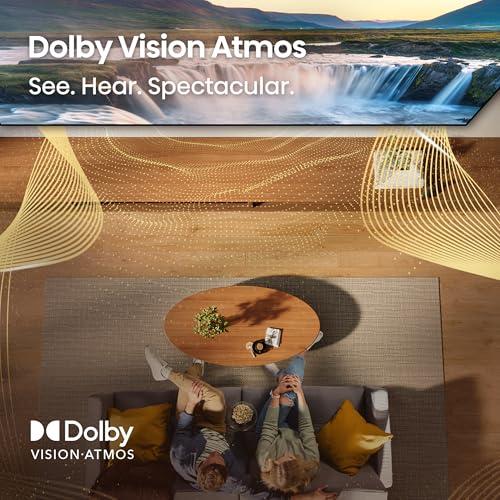
Both TVs include Dolby Atmos support, but their implementation differs significantly. The TCL Q68 features a 30-watt speaker system (two 15-watt speakers) compared to the Hisense QD6's 20-watt setup (two 10-watt speakers).
The TCL Q68 also includes DTS Virtual:X and Enhanced Dialogue Mode. DTS Virtual:X creates simulated 3D audio effects from the built-in speakers, while Enhanced Dialogue Mode improves voice clarity in movies and shows—particularly helpful for action films where dialogue can get lost in explosions and music.
For most rooms, both TVs provide adequate audio for casual viewing, but the TCL Q68's extra power becomes noticeable during loud scenes or when filling larger spaces. Neither replaces a dedicated sound system for serious home theater use, but the TCL Q68 gets you closer to that experience.
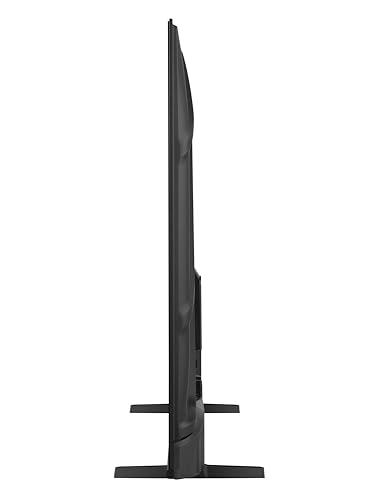
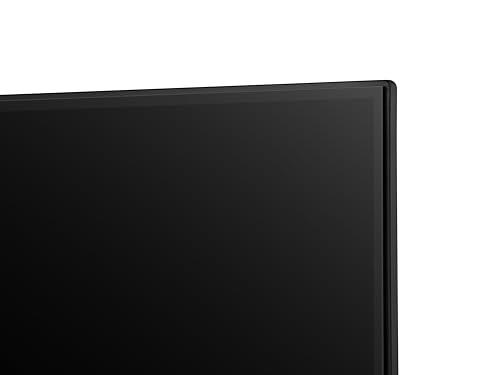
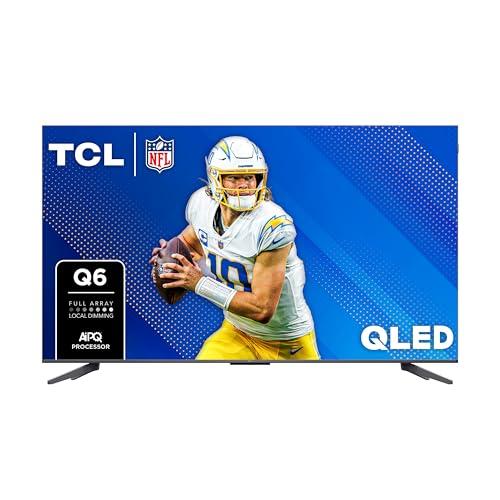
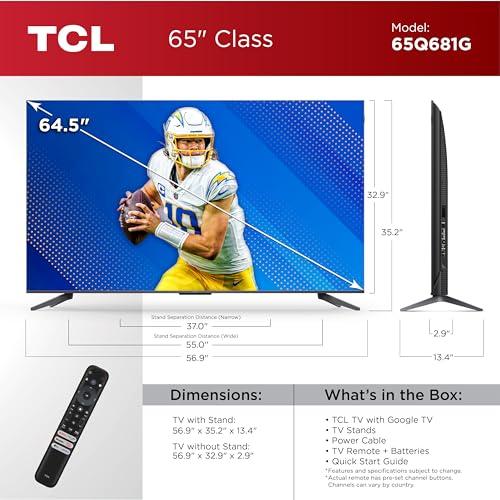
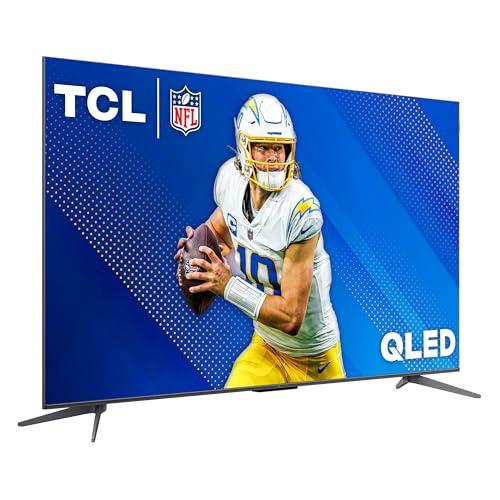
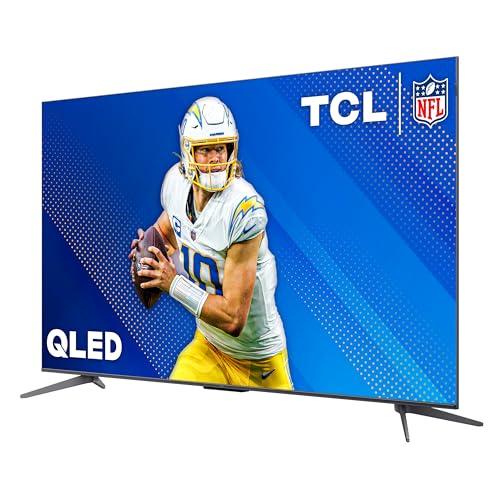
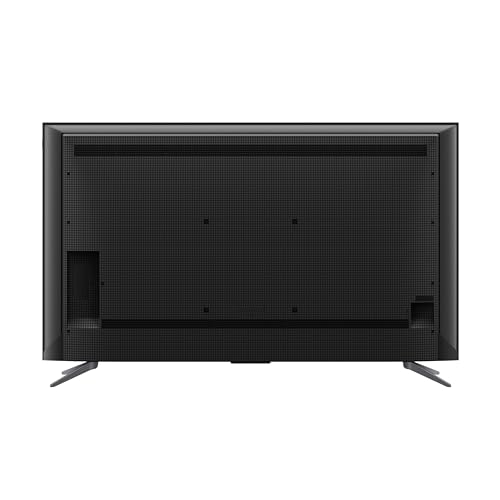
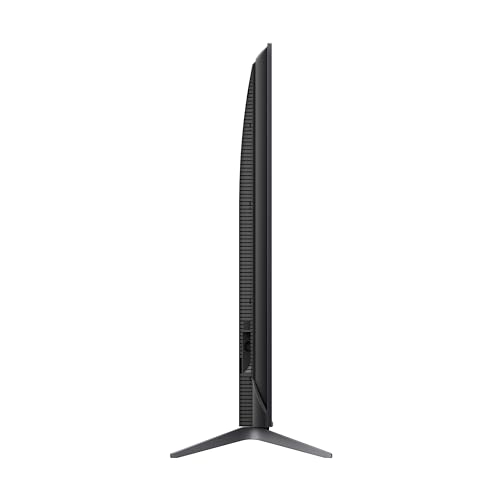
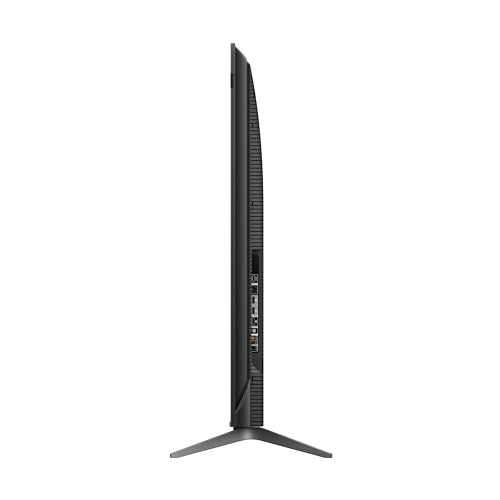
Both TVs sport modern, attractive designs with thin bezels and sleek profiles. The TCL Q68 features a FullView 360 metal bezel-less design that looks slightly more premium, while the Hisense QD6 opts for a more understated appearance.
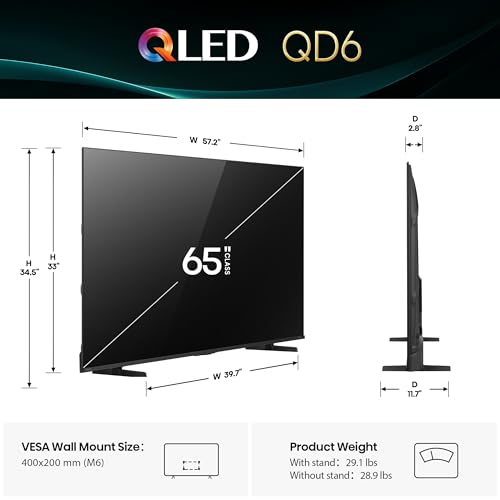
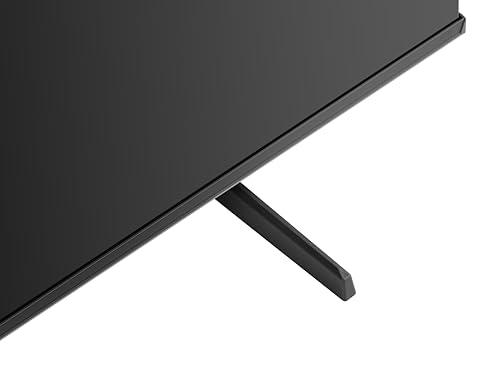
The TCL Q68 includes a height-adjustable pedestal stand, providing more flexibility for placement on different furniture. Both TVs support VESA wall mounting, though they use different mounting patterns.
Weight-wise, both are manageable for installation—the TCL Q68 at about 44 pounds with the stand and the Hisense QD6 at approximately 29 pounds. The weight difference reflects the TCL Q68's more robust internal components and local dimming hardware.
If you're building a dedicated home theater or movie-watching setup, the TCL Q68 is the clear choice. Its local dimming creates the contrast necessary for cinematic experiences, while its higher brightness ensures HDR content displays as intended.
The Hisense QD6 works well for casual movie watching but lacks the deep blacks and bright highlights that make action sequences and dramatic scenes truly immersive. In a darkened room, the contrast difference becomes even more apparent.
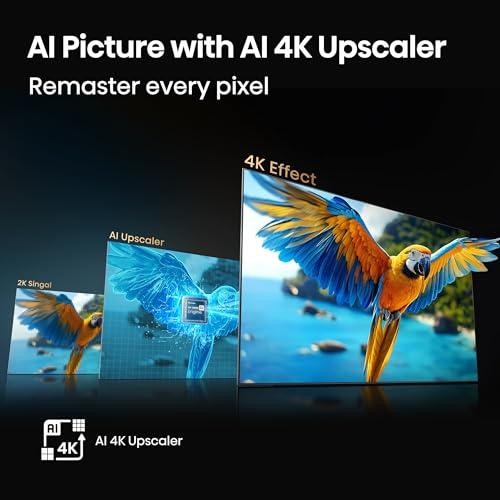
For streaming content from Netflix, Disney+, or Prime Video, both handle 4K upscaling reasonably well, though neither excels with low-resolution content. The TCL Q68's AI-powered processing provides slightly better results when watching older content or lower-bitrate streams.
You're deeply invested in Amazon's ecosystem and prefer Fire TV's interface. The Hisense QD6 makes sense for viewers who primarily watch streaming content, don't game competitively, and prioritize the lowest possible price for QLED technology.
It's also ideal if you're upgrading from an older LCD TV and want improved colors without needing cutting-edge features. The Fire TV platform's stability and intuitive design make it particularly appealing for less tech-savvy users or families who want straightforward operation.
You want the best possible performance for your money. The TCL Q68 delivers significantly better contrast, gaming capabilities, and overall picture quality for a modest price increase. It's the smarter choice for gaming enthusiasts, movie lovers, or anyone planning to keep their TV for many years.
The improved HDR performance and local dimming make it worthwhile for home theater enthusiasts, while the 120Hz gaming support provides excellent future-proofing as more games adopt higher frame rates.
After evaluating extensive user feedback and professional reviews, the TCL Q68 emerges as the clear winner for most buyers. Its local dimming technology alone justifies the modest price premium, delivering substantially better contrast and HDR performance that enhances everything you watch.
The gaming advantages seal the deal for anyone with modern consoles, while the improved audio system provides better everyday entertainment value. Unless you specifically prefer Fire TV or need the absolute lowest price, the TCL Q68 offers superior performance across nearly every metric that matters.
At the time of writing, the price difference between these TVs is minimal compared to the performance gap. The TCL Q68 represents one of the best values in budget QLED technology, providing features typically found on more expensive models while maintaining affordability.
For buyers seeking the most TV for their money, the choice is clear: the TCL Q68 delivers premium features at a budget-friendly price, making it an easy recommendation for most households.
| Hisense 65" QD6 Series QLED 4K Fire TV | TCL 65" Q68 QLED 4K UHD Smart TV Display |
|---|---|
| Display Technology - Foundation for color and contrast performance | |
| QLED with edge-lit LED backlight | QLED with Full Array Local Dimming (150+ zones) |
| Peak Brightness - Critical for HDR impact and bright room viewing | |
| ~385 nits (adequate for most rooms) | ~600 nits (superior for bright spaces and HDR) |
| Refresh Rate & Gaming - Essential for modern console gaming | |
| 60Hz only, Game Mode Plus with ALLM | 120Hz VRR support at 1080p/1440p, Game Accelerator 120 |
| HDR Support - Determines compatibility with premium content | |
| Dolby Vision, HDR10+, HDR10, HLG | Dolby Vision, HDR10+, HDR10, HLG (same formats, better implementation) |
| Smart Platform - Your daily interface experience | |
| Fire TV with Alexa (stable, Amazon-focused) | Google TV (more customizable, broader app support) |
| Audio System - Built-in sound quality | |
| 20W speakers with Dolby Atmos | 30W speakers with Dolby Atmos + DTS Virtual:X |
| Motion Handling - Smoothness during sports and action | |
| Motion Rate 120 with basic MEMC | Motion Rate 240 with advanced MEMC frame insertion |
| Black Levels - Movie viewing and contrast quality | |
| Limited by edge-lighting (blacks appear gray) | Excellent blacks due to local dimming zones |
| Connectivity - Future-proofing and device support | |
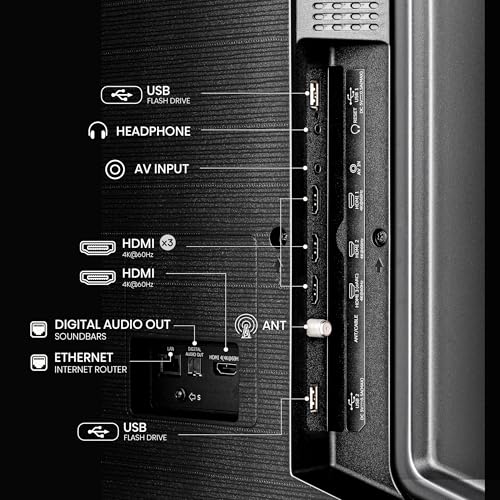
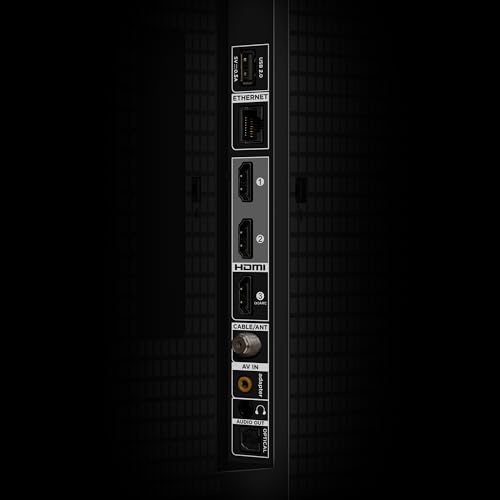
| 3x HDMI 2.0, Wi-Fi 6, Bluetooth | 3x HDMI 2.0, Wi-Fi 5, Bluetooth 5.0 |
| Design & Build - Aesthetics and mounting flexibility | |
| Slim profile, standard pedestal stand | FullView 360 bezel-less, height-adjustable stand |
The TCL 65" Q68 delivers superior picture quality for movies thanks to its full-array local dimming technology with 150+ zones. This creates deeper blacks and better contrast compared to the Hisense 65" QD6, which uses edge-lit backlighting. For home theater setups, the TCL Q68 provides a more cinematic experience with its higher peak brightness and improved HDR performance.
The Hisense QD6 runs Fire TV, which offers seamless Amazon ecosystem integration and Alexa voice control with a stable, content-focused interface. The TCL Q68 uses Google TV, providing more customization options, broader app compatibility, and Google Assistant integration. Fire TV tends to be more intuitive for casual users, while Google TV offers more flexibility for tech-savvy viewers.
The TCL Q68 is significantly better for gaming, supporting 120Hz variable refresh rate at 1080p and 1440p through its Game Accelerator 120 feature. The Hisense QD6 is limited to 60Hz gaming with basic Game Mode Plus. For PlayStation 5 or Xbox Series X owners, the TCL Q68 provides smoother gameplay and better future-proofing.
The TCL Q68 reaches approximately 600 nits peak brightness, making it suitable for bright rooms and daytime viewing. The Hisense QD6 achieves around 385 nits, which works well in moderately lit spaces but may struggle with direct sunlight or very bright rooms.
Yes, both the Hisense QD6 and TCL Q68 support Dolby Vision, HDR10+, HDR10, and HLG formats. However, the TCL Q68 delivers better HDR performance due to its higher brightness and local dimming capabilities, making HDR content more impactful.
The TCL Q68 features a more powerful 30W speaker system compared to the Hisense QD6's 20W setup. The TCL Q68 also includes DTS Virtual:X and Enhanced Dialogue Mode for improved voice clarity. Both support Dolby Atmos, but the TCL offers noticeably better built-in audio performance.
The TCL Q68 is much better suited for home theater use due to its local dimming technology, which creates the deep blacks and bright highlights essential for cinematic viewing. The Hisense QD6 works for casual movie watching but lacks the contrast performance needed for a dedicated home theater experience.
Both the Hisense QD6 and TCL Q68 use quantum dot technology to achieve approximately 90% DCI-P3 color gamut coverage, delivering more vibrant and accurate colors than standard LED TVs. This results in more lifelike images with enhanced color saturation across movies, sports, and streaming content.
The TCL Q68 provides better overall value despite its slightly higher price, offering significantly improved contrast, gaming features, audio quality, and HDR performance. The Hisense QD6 represents good value only for budget-conscious buyers who prioritize Fire TV and don't need advanced gaming capabilities.
The TCL Q68 includes advanced Motion Rate 240 with MEMC frame insertion, providing superior motion handling for sports and action content. The Hisense QD6 offers Motion Rate 120 with basic processing. Both reduce motion blur, but the TCL Q68 delivers cleaner results during fast-paced scenes.
Both the Hisense QD6 and TCL Q68 work with all gaming consoles, but the TCL Q68 maximizes the potential of PlayStation 5 and Xbox Series X with its 120Hz VRR support. The Hisense QD6 is adequate for casual gaming but cannot utilize modern consoles' advanced features.
The Hisense QD6 with Fire TV is generally easier for less tech-savvy users, offering a straightforward interface and reliable performance. The TCL Q68 with Google TV provides more customization but may occasionally experience software quirks. Both include voice remotes and support popular streaming apps right out of the box.
We've done our best to create useful and informative comparisons to help you decide what product to buy. Our research uses advanced automated methods to create this comparison and perfection is not possible - please contact us for corrections or questions. These are the sites we've researched in the creation of this article: rtings.com - bestbuy.com - pcvarge.com - youtube.com - consumerreports.org - costco.com - youtube.com - rtings.com - hometechnologyreview.com - manuals.plus - hisense-usa.com - costco.com - bestbuy.com - staples.com - hisense-usa.com - manuals.plus - pcrichard.com - hometechnologyreview.com - bestbuy.com - bestbuy.com - hisense-usa.com - tvsbook.com - youtube.com - rtings.com - tcl.com - bestbuy.com - rtings.com - youtube.com - rcwilley.com - youtube.com - tvsbook.com - tcl.com - sellout.woot.com - tcl.com - tcl.com

Privacy Policy
Terms and Conditions - Affiliate Policy
Home Security
© Copyright 2008-2026.
11816 Inwood Rd #1211, Dallas, TX 75244