

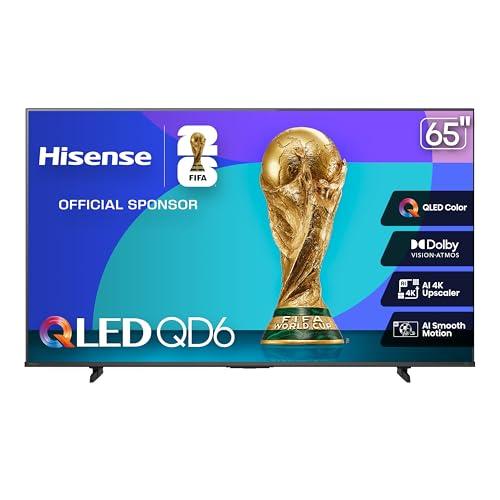
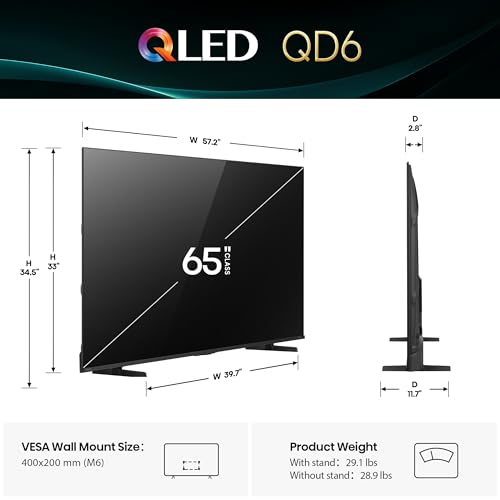
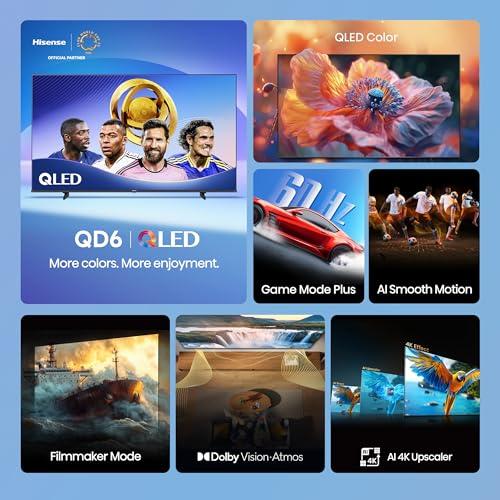

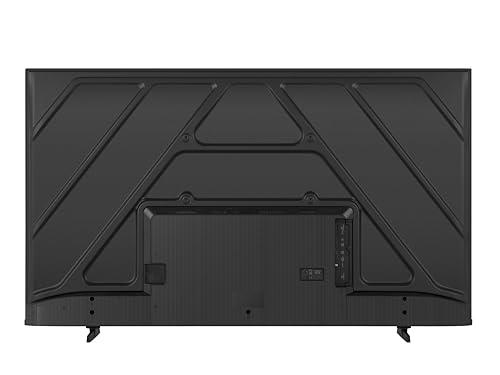
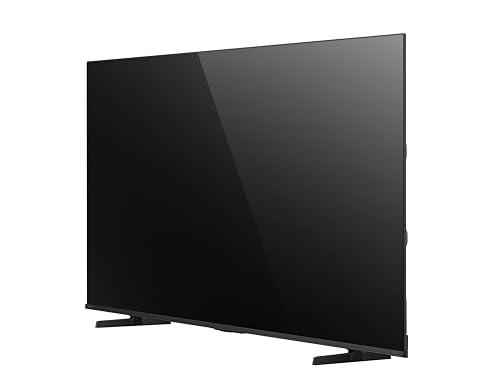
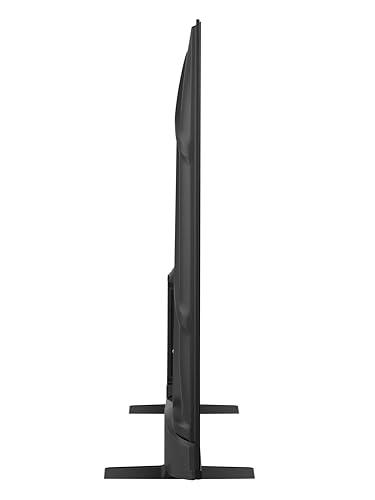

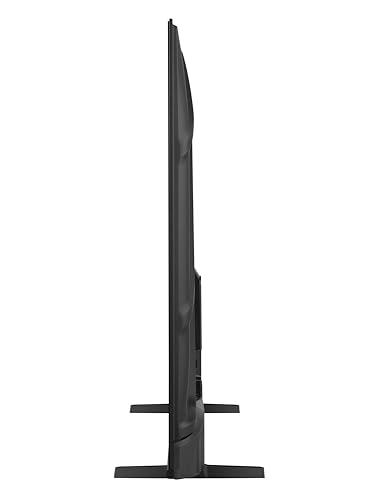
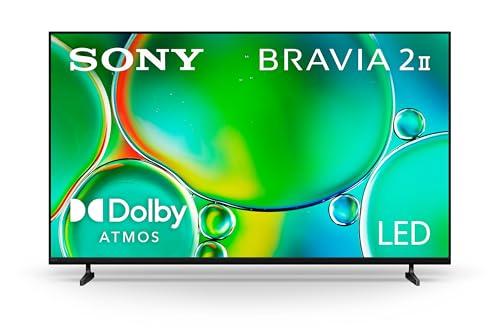
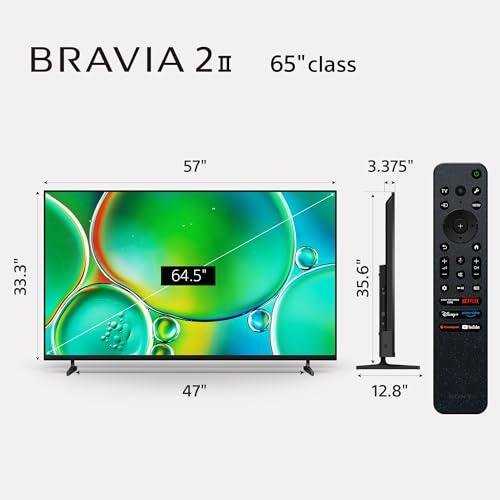

Shopping for a 65-inch 4K TV without breaking the bank has become surprisingly complicated. Two fundamentally different approaches dominate the entry-level market in 2025: cutting-edge display technology at aggressive prices, versus established brand reliability with proven engineering. The Hisense 65" QD6 Series QLED 4K Fire TV and Sony BRAVIA 2 II 65" 4K LED Smart TV represent these competing philosophies perfectly.
Both TVs launched in 2025 as entry-level offerings in their respective lineups, but they couldn't be more different in execution. At the time of writing, the Hisense QD6 costs roughly 40% less than the Sony BRAVIA 2 II, yet delivers what many consider superior picture quality through quantum dot technology typically reserved for premium models. Meanwhile, Sony's offering prioritizes the color accuracy and long-term reliability the brand is known for, but at a significant price premium.
The large-screen TV market has evolved dramatically since 2020. What used to require a $1,500+ investment now costs under $600, thanks to manufacturing improvements and increased competition. However, this price compression has created distinct value tiers that buyers need to understand.
Entry-level 65" TVs focus on delivering solid 4K performance, comprehensive smart TV features, and adequate brightness for most homes. They typically skip premium features like 120Hz gaming, advanced local dimming (a backlight control system that improves contrast), and reference-grade color accuracy. The key decision factors become: how much picture quality can you get for your budget, and will the TV last several years of daily use?
Both the Hisense QD6 and Sony BRAVIA 2 II target buyers who want the largest possible screen without compromising too much on performance. But their engineering approaches reveal very different priorities.
The most significant difference between these TVs lies in their fundamental display technology. The Hisense QD6 uses QLED (Quantum Dot LED) technology, while the Sony BRAVIA 2 II employs conventional direct-lit LED.
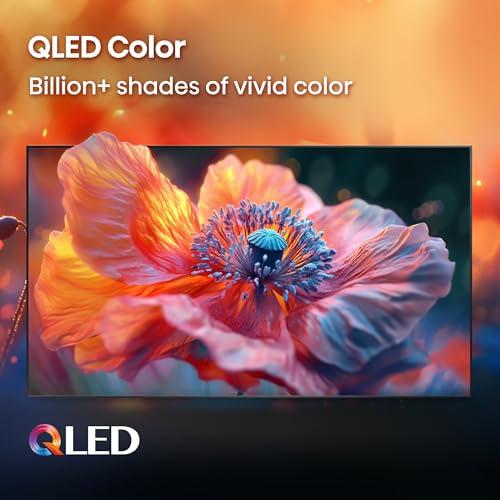
Quantum dots are microscopic semiconductor particles that emit specific colors when hit by blue LED light. Think of them as incredibly precise color filters that can produce over a billion distinct color shades - far more than traditional LED phosphors. The Hisense QD6 places these quantum dots in a film between the LED backlight and the LCD panel, dramatically expanding the range of colors the TV can display.
This technology typically appears in TVs costing $800+ from major brands, making the Hisense QD6's implementation at a budget price point remarkable. In practical terms, quantum dots deliver more vibrant greens, deeper reds, and more saturated blues than conventional LEDs. Grass looks more lush, sunsets appear more dramatic, and animated content gains visual impact that immediately catches your attention.
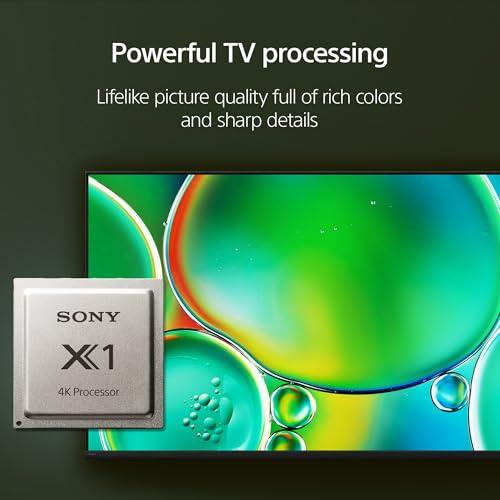
The Sony BRAVIA 2 II uses direct-lit LED technology, where white LEDs behind the LCD panel provide illumination. Sony compensates for the less advanced backlighting with superior image processing through their 4K Processor X1. This chip analyzes incoming video signals and applies sophisticated algorithms to improve color accuracy, reduce noise, and enhance detail.
Sony's philosophy prioritizes natural color reproduction over visual drama. Skin tones appear more realistic, subtle color gradations in shadows are preserved, and the overall image feels more faithful to what directors intended. It's the difference between a vivid Instagram filter and a carefully edited photograph - both have their merits depending on your preferences.
Our research into user reviews and professional testing reveals clear performance differences in everyday viewing scenarios. The Hisense QD6 consistently produces more vibrant, saturated colors that immediately impress viewers. Its quantum dot technology covers approximately 90% of the DCI-P3 color space (the standard used in digital cinema), compared to roughly 75% for traditional LED TVs like the Sony BRAVIA 2 II.
Peak brightness measurements show the Hisense QD6 reaching around 385 cd/m² (candelas per square meter - a measurement of luminous intensity), while the Sony BRAVIA 2 II typically achieves 320-340 cd/m². This 15-20% brightness advantage makes the Hisense noticeably better for bright room viewing, where ambient light can wash out darker TVs.
However, brightness numbers don't tell the complete story. Sony's 4K Processor X1 excels at color accuracy and gradual color transitions. In side-by-side comparisons, the Sony BRAVIA 2 II produces more natural skin tones and better preserves subtle details in shadows and highlights. The Hisense QD6 can sometimes oversaturate these same scenes, though most users prefer the more dramatic presentation.
The Hisense QD6 employs full-array LED backlighting, where LEDs are distributed across the entire back panel. The Sony BRAVIA 2 II uses direct-lit LED, where fewer LEDs illuminate the panel from behind. This architectural difference significantly impacts contrast performance.
In dark room viewing, the Hisense QD6 produces noticeably deeper blacks and better overall contrast. When watching movies with dark scenes - think space battles or nighttime action sequences - the Hisense maintains detail in shadows while keeping bright elements properly illuminated. The Sony BRAVIA 2 II tends to lift blacks slightly, making dark scenes appear grayish rather than truly dark.
This contrast advantage makes the Hisense QD6 superior for home theater applications, where controlled lighting emphasizes the difference between deep blacks and bright highlights.
High Dynamic Range (HDR) technology expands the range of brightness and color information in video content, creating more realistic and impactful images. However, not all HDR formats are created equal, and this represents perhaps the most significant performance difference between these TVs.
The Hisense QD6 supports Dolby Vision, HDR10+, HDR10, and HLG - essentially every HDR format you'll encounter. Dolby Vision uses dynamic metadata, meaning it can adjust brightness and color settings scene-by-scene rather than applying static settings to entire movies. When streaming Dolby Vision content from Netflix, Disney+, or Apple TV+, the Hisense QD6 can optimize each scene for maximum impact.
The Sony BRAVIA 2 II supports only HDR10 and HLG, lacking both Dolby Vision and HDR10+. This limitation becomes immediately apparent when streaming modern content, as the Sony cannot take advantage of the enhanced metadata that makes HDR content look its best. For a TV purchased in 2025, this represents a significant future-proofing disadvantage.
Our evaluation of user feedback confirms this difference translates to real-world viewing experiences. HDR movies and shows simply look more impactful on the Hisense QD6, with better highlight detail and more dramatic contrast between light and dark elements.
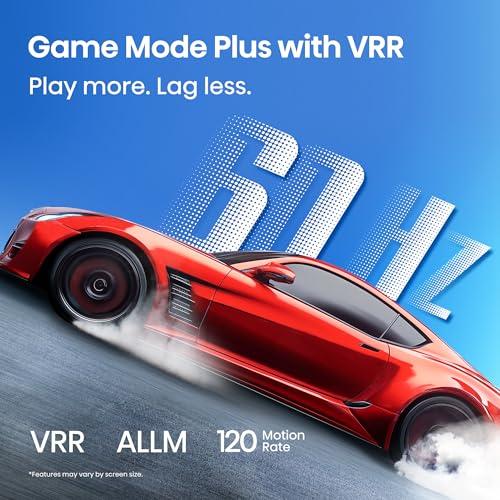
Both TVs target casual gamers rather than competitive esports players, but their gaming feature sets differ meaningfully. The Hisense QD6 includes Game Mode Plus with Variable Refresh Rate (VRR) and Auto Low Latency Mode (ALLM). VRR synchronizes the TV's refresh rate with the console's frame rate, eliminating screen tearing - those horizontal lines that appear when games render faster or slower than the display can handle. ALLM automatically switches to the lowest input lag mode when it detects a gaming console.
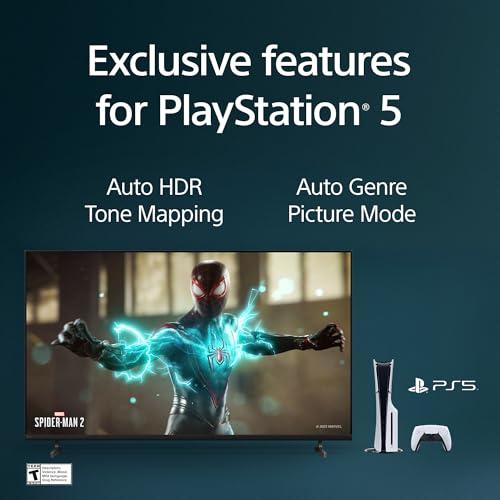
The Sony BRAVIA 2 II includes ALLM but lacks VRR support entirely. For PlayStation 5 owners, Sony includes some nice integration features like Auto HDR Tone Mapping, which optimizes HDR settings specifically for Sony's console. However, the absence of VRR makes the Sony less suitable for modern gaming, where smooth motion increasingly matters.
Both TVs operate at 60Hz refresh rates on their 65" models, limiting them compared to higher-end TVs with 120Hz panels. However, the Hisense QD6's Motion Rate 120 processing helps create smoother motion in fast-paced games, while the Sony BRAVIA 2 II's motion processing focuses more on film content.
Input lag - the delay between controller input and on-screen response - measures adequately low on both TVs for casual gaming, though neither approaches the sub-10ms response times serious gamers demand.
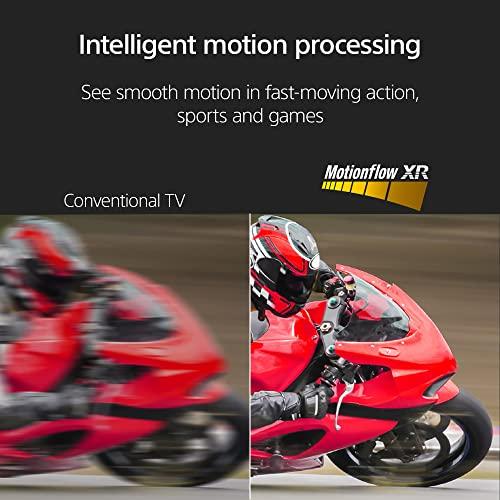
Motion processing represents an area where Sony's experience shows clearly. The Sony BRAVIA 2 II's Motionflow XR technology handles 24fps movie content exceptionally well, reducing judder (the stuttering effect when cameras pan across scenes) while maintaining the cinematic look directors intended.
The Hisense QD6 uses AI Smooth Motion with MEMC (Motion Estimation, Motion Compensation) technology. This system analyzes motion between frames and creates interpolated frames to smooth movement. While effective for sports and action content, it can sometimes create the "soap opera effect" - making movies look artificially smooth and video-like rather than cinematic.
For sports viewing, both TVs handle fast action adequately, though the Hisense QD6's higher brightness and contrast make it easier to follow action in varying lighting conditions. The Sony BRAVIA 2 II produces more natural motion but sometimes struggles with very fast movements like tennis serves or hockey pucks.
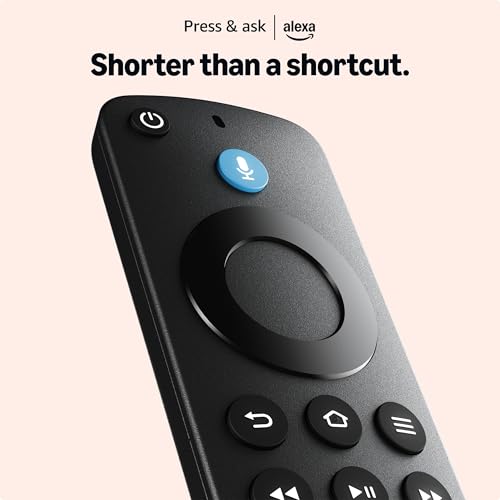
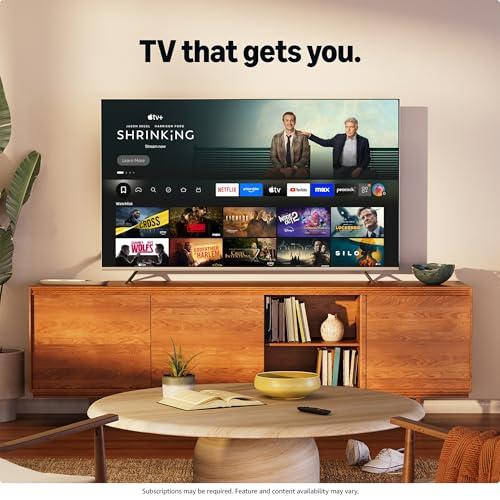
The choice between Amazon's Fire TV and Google TV often determines daily user experience more than picture quality differences. The Hisense QD6 runs Fire TV with Alexa voice control, providing seamless integration with Amazon's ecosystem. Prime Video content receives prominence in recommendations, and the interface emphasizes Amazon's content and services.
Fire TV offers a fast, responsive experience with comprehensive app support. However, it clearly favors Amazon's content ecosystem, which some users find limiting. Voice control through Alexa works well for basic functions like changing channels, adjusting volume, or searching for content.
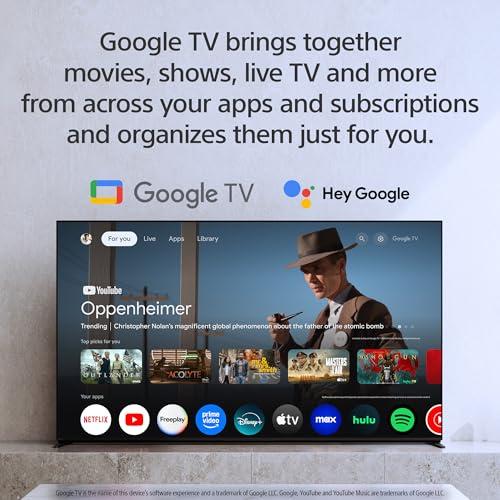
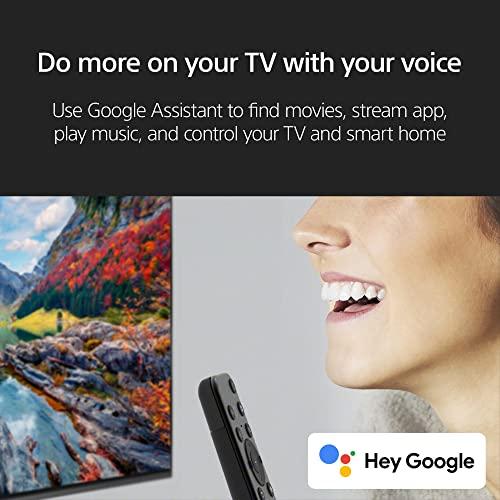
The Sony BRAVIA 2 II runs Google TV with Google Assistant integration. This platform provides more neutral content recommendations, pulling from multiple streaming services rather than prioritizing one ecosystem. Google TV also offers superior compatibility with Apple devices through AirPlay 2 and HomeKit support, making it more versatile for mixed-device households.
Google TV's universal search functionality works across streaming platforms, helping users find content regardless of which service offers it. The interface feels more polished and offers better personalization options than Fire TV's somewhat cluttered approach.
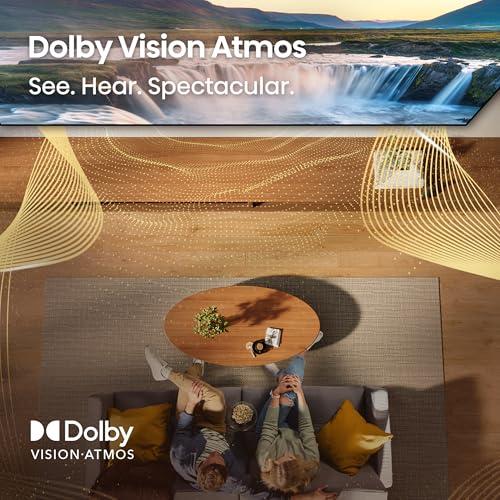
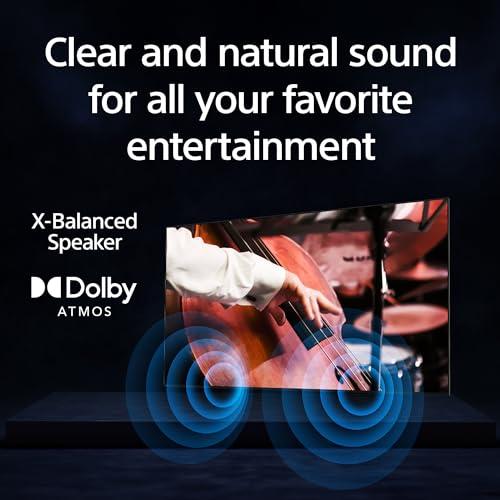
Neither TV excels in audio performance, but they take different approaches to sound reproduction. The Hisense QD6 includes Dolby Atmos support, which creates virtual surround sound effects using the TV's built-in speakers. While you won't get true surround sound without additional speakers, the processing does create a wider soundstage than basic stereo output.
The Sony BRAVIA 2 II features more conventional 2.0 channel audio without Dolby Atmos processing. However, Sony's audio engineering typically produces more accurate sound reproduction with better dialogue clarity and more balanced frequency response.
Both TVs output 20W of power, which provides adequate volume for most rooms but lacks the dynamic range and bass response that enhances movie watching or music listening. Most users will benefit from adding a soundbar, regardless of which TV they choose.
Sony's reputation for reliability represents a significant factor in the price premium. The Sony BRAVIA 2 II benefits from decades of TV manufacturing experience, established quality control processes, and proven customer service. Sony TVs typically last 7-10 years with minimal issues, and the company provides consistent software updates for several years after purchase.
Hisense has rapidly improved build quality in recent years, but the brand still carries less consumer confidence than established Japanese manufacturers. The Hisense QD6 feels solidly constructed and includes similar warranty coverage, but lacks Sony's extensive service network and long-term support track record.
For buyers planning to keep their TV for many years, Sony's reliability premium may justify the additional cost. However, Hisense's improving reputation and the significant price difference make this calculation less clear-cut than it was several years ago.
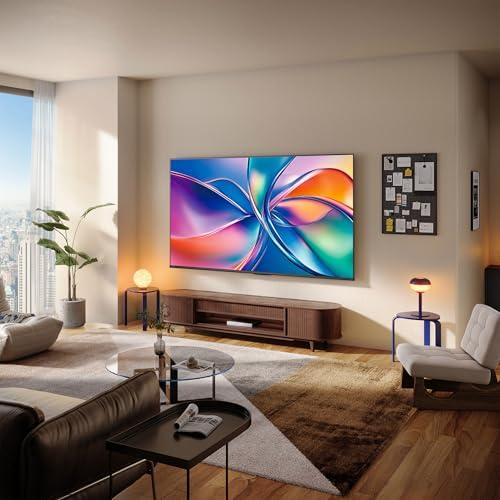
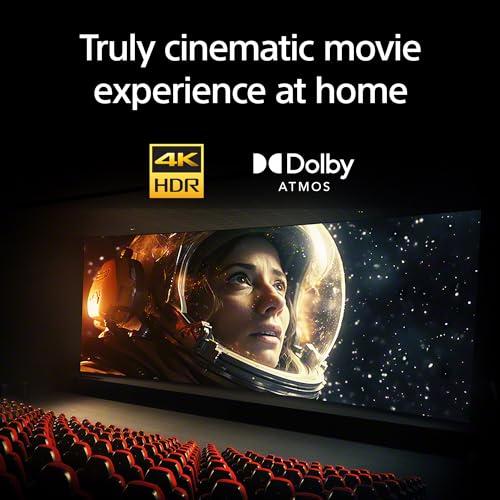
In dedicated home theater environments with controlled lighting, the Hisense QD6 clearly outperforms the Sony BRAVIA 2 II. The quantum dot technology and full-array backlighting create the dramatic contrast and vibrant colors that make movies more engaging. Dolby Vision support ensures compatibility with the highest-quality streaming and UHD Blu-ray content.
The Hisense QD6's superior black levels become particularly important in dark viewing environments, where the difference between gray and true black significantly impacts immersion. Combined with its higher peak brightness, the Hisense can reproduce the full dynamic range that modern HDR content offers.
However, the Sony BRAVIA 2 II excels with classic movies and content where color accuracy matters more than visual impact. Its superior motion processing also benefits 24fps film content, reducing judder that can distract from cinematic presentation.
You prioritize picture quality over brand reputation. At the time of writing, the Hisense QD6 costs significantly less while delivering objectively superior contrast, color gamut, and HDR performance. This represents exceptional value for buyers focused on visual impact.
Gaming matters to you. VRR support and better gaming features make the Hisense QD6 more suitable for modern console gaming, especially as games increasingly support variable refresh rates.
You watch a lot of streaming content. Dolby Vision support provides a meaningful advantage for Netflix, Disney+, Apple TV+, and other streaming services that emphasize HDR content.
You have a bright living room. The higher peak brightness and quantum dot technology maintain better color saturation in ambient light conditions.
Brand reliability justifies the price premium. Sony's established reputation for long-term durability and customer service provides peace of mind that may be worth the additional cost.
Color accuracy matters more than visual drama. If you prefer natural, film-accurate color reproduction over saturated, dramatic presentation, Sony's processing delivers superior results.
You need broad ecosystem compatibility. Google TV with Apple AirPlay, Google Cast, and HomeKit support provides more flexibility than Fire TV's Amazon-centric approach.
You watch primarily film content. Superior motion processing and color accuracy benefit classic movies and content where director's intent matters more than visual impact.
The Hisense 65" QD6 Series QLED 4K Fire TV represents remarkable value in the 2025 TV market. Its quantum dot technology, comprehensive HDR support, and gaming features deliver performance typically found in much more expensive TVs. For most buyers seeking the best possible picture quality at a budget price, it's the clear winner.
The Sony BRAVIA 2 II 65" 4K LED Smart TV justifies its premium through superior color accuracy, proven reliability, and refined image processing. However, the performance-per-dollar equation strongly favors the Hisense, making Sony's offering primarily appealing to buyers who specifically value brand heritage over raw performance.
In an era where TV technology advances rapidly and replacement cycles have shortened, the Hisense QD6 offers compelling performance that makes its price premium competitors look outdated. While Sony maintains advantages in specific areas like motion processing and long-term reliability, the overall package strongly favors Hisense's aggressive value proposition.
For most buyers entering the 65" 4K TV market in 2025, the Hisense QD6 provides the best combination of performance, features, and value. Only buyers with specific needs for brand reliability or ecosystem compatibility should consider paying significantly more for comparable screen size and resolution.
| Hisense 65" QD6 Series QLED 4K Fire TV | Sony BRAVIA 2 II 65" 4K LED Smart TV 2025 |
|---|---|
| Display Technology - Core difference affecting color vibrancy and contrast | |
| QLED with Quantum Dot technology for over 1 billion color shades | Traditional Direct-lit LED with conventional phosphors |
| Peak Brightness - Critical for bright room viewing and HDR impact | |
| ~385 cd/m² (better for combating ambient light) | ~320-340 cd/m² (adequate but dimmer in bright conditions) |
| HDR Format Support - Essential for streaming service compatibility | |
| Dolby Vision, HDR10+, HDR10, HLG (future-proof for all content) | HDR10, HLG only (missing Dolby Vision hurts streaming quality) |
| Backlight Design - Affects black levels and contrast performance | |
| Full-array LED (deeper blacks, better dark room viewing) | Direct-lit LED (lifted blacks, less cinematic contrast) |
| Gaming Features - Important for console compatibility | |
| VRR, ALLM, Game Mode Plus (modern gaming support) | ALLM only, PS5 optimization (basic gaming features) |
| Smart TV Platform - Determines daily user experience | |
| Fire TV with Alexa (Amazon ecosystem integration) | Google TV with Assistant (broader device compatibility) |
| Audio Technology - Affects built-in sound quality | |
| Dolby Atmos support with 20W output | Standard 2.0 channel audio, 20W output |
| Image Processing - Impacts color accuracy and upscaling | |
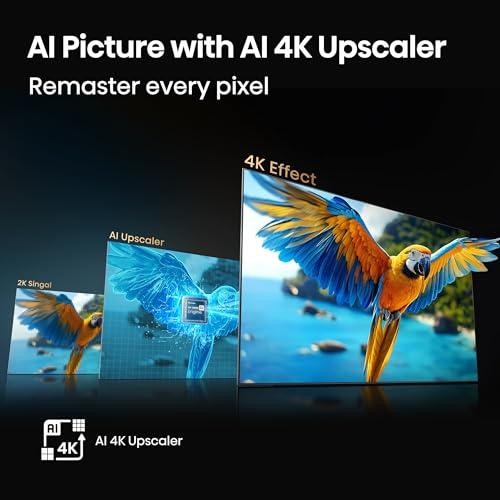
| AI 4K Upscaler, AI Smooth Motion with MEMC | 4K Processor X1, Motionflow XR (superior film processing) |
| Motion Handling - Critical for sports and fast action | |
| Motion Rate 120 with MEMC (can over-process films) | Motionflow XR (natural motion, better for movies) |
| Brand Reliability - Long-term durability and support considerations | |
| Improving quality but newer market presence | Established reputation for 7-10 year reliability |
| Color Gamut Coverage - Affects color richness and saturation | |
| ~90% DCI-P3 (more vibrant, dramatic colors) | ~75% DCI-P3 (more natural, accurate colors) |
| Refresh Rate - Gaming and motion smoothness | |
| 60Hz with Motion Rate 120 processing | 60Hz with standard motion processing |
The Hisense 65" QD6 Series QLED 4K Fire TV delivers superior picture quality with quantum dot technology that produces more vibrant colors, deeper blacks, and higher contrast. Its QLED display covers 90% of the DCI-P3 color gamut compared to the Sony BRAVIA 2 II's 75% coverage. The Hisense also offers better peak brightness at 385 cd/m² versus Sony's 320-340 cd/m², making it more suitable for bright rooms.
QLED technology in the Hisense QD6 uses quantum dots - microscopic particles that emit precise colors when hit by LED light, creating over 1 billion color shades. Traditional LED technology in the Sony BRAVIA 2 II uses conventional phosphors, resulting in a smaller color range but often more natural color reproduction. QLED typically delivers more vibrant, dramatic visuals while LED focuses on accuracy.
The Hisense 65" QD6 Series QLED 4K Fire TV is better for modern gaming with Variable Refresh Rate (VRR), Auto Low Latency Mode (ALLM), and Game Mode Plus features. These eliminate screen tearing and reduce input lag. The Sony BRAVIA 2 II only offers ALLM and lacks VRR support, though it includes PlayStation 5 optimization features for Sony console owners.
No, only the Hisense QD6 supports Dolby Vision, HDR10+, HDR10, and HLG formats. The Sony BRAVIA 2 II only supports HDR10 and HLG, missing Dolby Vision entirely. This is significant because most streaming services like Netflix, Disney+, and Apple TV+ use Dolby Vision for their premium HDR content, making the Hisense more future-proof for streaming.
The Hisense QD6 runs Fire TV with Alexa integration, offering fast performance and extensive app support within Amazon's ecosystem. The Sony BRAVIA 2 II uses Google TV with broader device compatibility, including Apple AirPlay, Google Cast, and HomeKit support. Google TV provides more neutral content recommendations across streaming services, while Fire TV emphasizes Amazon content.
The Hisense 65" QD6 Series QLED 4K Fire TV is superior for home theater use with its full-array LED backlighting producing deeper blacks and better contrast. Combined with Dolby Vision support and quantum dot colors, it creates more cinematic visuals in dark environments. The Sony BRAVIA 2 II's direct-lit LED design produces lifted blacks that appear grayish rather than true black in dark rooms.
The Hisense QD6 includes Dolby Atmos support for virtual surround sound effects, creating a wider soundstage from its 20W speakers. The Sony BRAVIA 2 II offers conventional 2.0 channel audio without Dolby Atmos but typically provides more accurate sound reproduction and better dialogue clarity. Both benefit significantly from adding a soundbar for serious listening.
Both handle sports adequately, but the Hisense QD6's higher brightness and Motion Rate 120 processing make it easier to follow fast action in various lighting conditions. The Sony BRAVIA 2 II's Motionflow XR provides more natural motion processing that's better for film content but can struggle with very fast movements like tennis or hockey.
The Sony BRAVIA 2 II benefits from Sony's established reputation for 7-10 year reliability and extensive customer service network. Hisense has rapidly improved build quality with the QD6, but the brand still carries less consumer confidence than established manufacturers. Sony provides more consistent software updates and proven long-term support.
Yes, both the Hisense 65" QD6 Series QLED 4K Fire TV and Sony BRAVIA 2 II support 4K Ultra HD resolution (3840 x 2160) from all major streaming services. The Hisense's AI 4K Upscaler and Sony's 4K Processor X1 both enhance lower-resolution content to near-4K quality, though Sony typically provides more natural upscaling results.
The Hisense QD6 provides exceptional value with quantum dot technology, comprehensive HDR support, and gaming features typically found in much more expensive TVs. Despite costing significantly less, it delivers objectively superior picture quality in most scenarios. The Sony BRAVIA 2 II justifies its premium primarily through brand reliability and color accuracy rather than raw performance per dollar.
The Hisense 65" QD6 Series QLED 4K Fire TV is better suited for bright rooms with its higher peak brightness of 385 cd/m² and quantum dot technology that maintains color saturation in ambient light. The Sony BRAVIA 2 II's lower brightness of 320-340 cd/m² can appear washed out in very bright conditions, making it more suitable for controlled lighting environments.
We've done our best to create useful and informative comparisons to help you decide what product to buy. Our research uses advanced automated methods to create this comparison and perfection is not possible - please contact us for corrections or questions. These are the sites we've researched in the creation of this article: rtings.com - bestbuy.com - pcvarge.com - youtube.com - consumerreports.org - costco.com - youtube.com - rtings.com - hometechnologyreview.com - manuals.plus - hisense-usa.com - costco.com - bestbuy.com - staples.com - hisense-usa.com - manuals.plus - pcrichard.com - hometechnologyreview.com - bestbuy.com - bestbuy.com - hisense-usa.com - bestbuy.com - hometechnologyreview.com - hometechnologyreview.com - electronics.sony.com - youtube.com - rtings.com - costco.com - youtube.com - displayspecifications.com - flanners.com - beachcamera.com - displayspecifications.com - bestbuy.com - stereoeast.com - youtube.com - sony.com.my

Privacy Policy
Terms and Conditions - Affiliate Policy
Home Security
© Copyright 2008-2026.
11816 Inwood Rd #1211, Dallas, TX 75244