

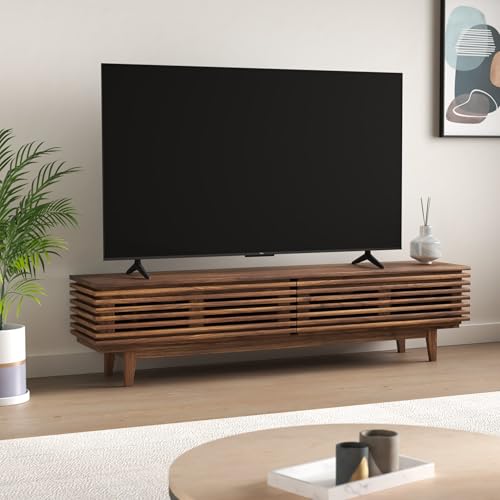
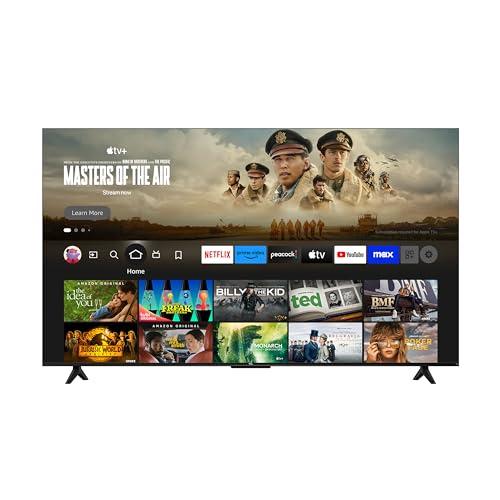
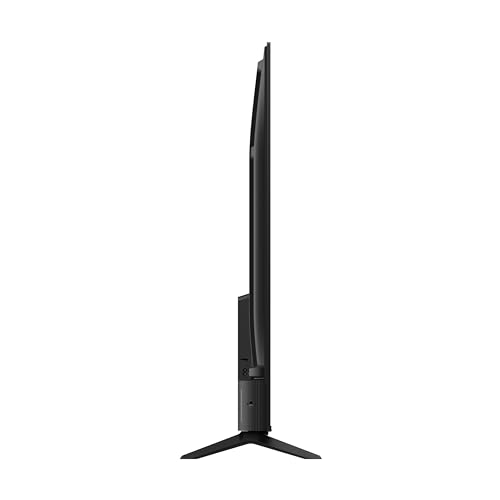
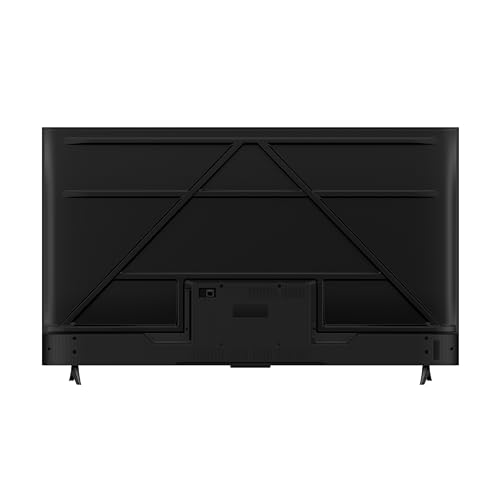

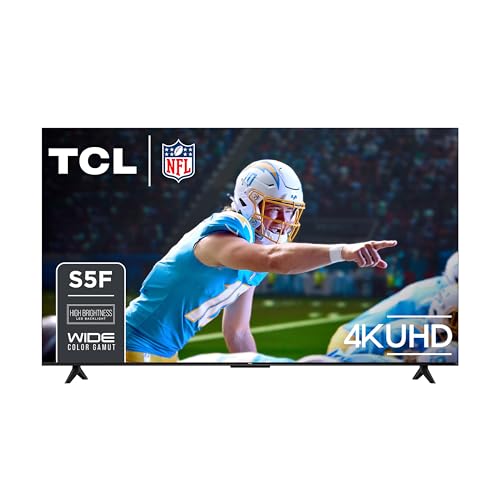
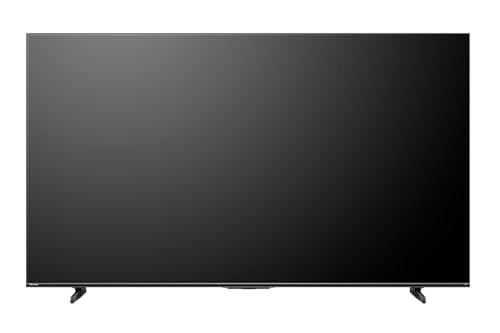
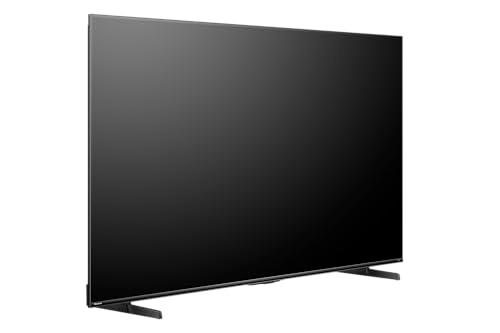
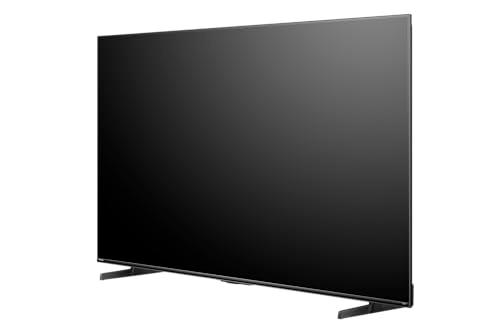
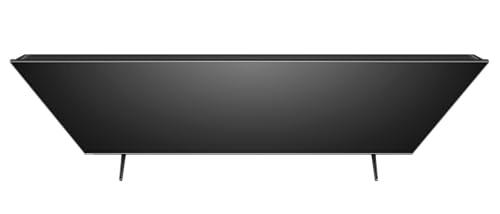
Shopping for a 65-inch 4K TV can feel overwhelming with so many options and confusing technical jargon. Two popular Fire TV models that often come up in budget discussions are the TCL S5 Class and the Hisense QD7 Series. While both released in 2024 and share the same smart platform, they represent fundamentally different approaches to delivering 4K entertainment at accessible prices.
The TV market has evolved rapidly in recent years. What used to be premium features like HDR support and 4K resolution are now standard even in budget models. However, the real differences lie in display technology, with innovations like Mini-LED backlighting and quantum dot color systems trickling down from high-end models to more affordable options.
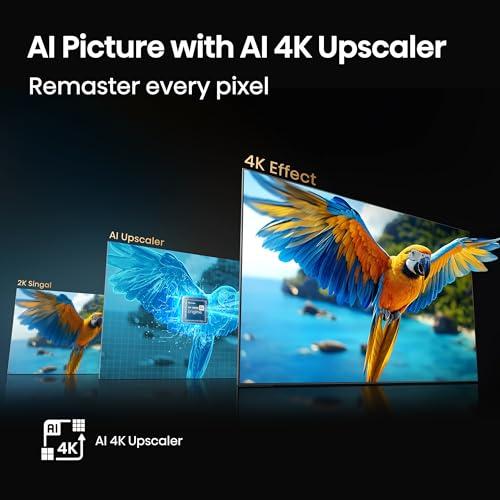
Both the TCL S5 and Hisense QD7 deliver sharp 4K resolution (3840 x 2160 pixels), but resolution alone doesn't tell the full picture quality story. The type of backlighting system makes a much bigger difference in real-world viewing experience.
The TCL S5 uses a standard Direct LED backlight, which means LEDs are positioned behind the entire screen but can't be controlled in separate zones. Think of it like having one light switch for your entire house – you can make everything brighter or dimmer, but you can't adjust individual rooms. This limitation becomes apparent when watching movies with dark scenes, where blacks appear grayish rather than true black.
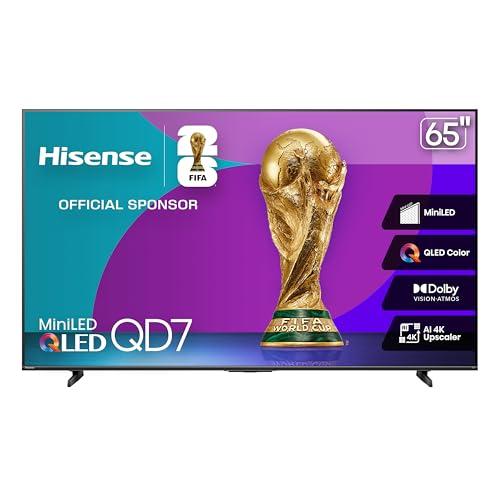
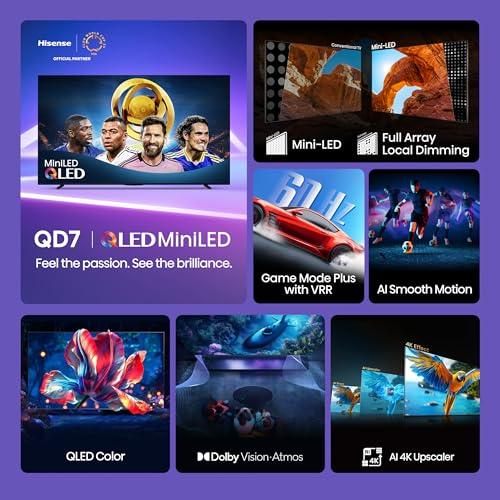
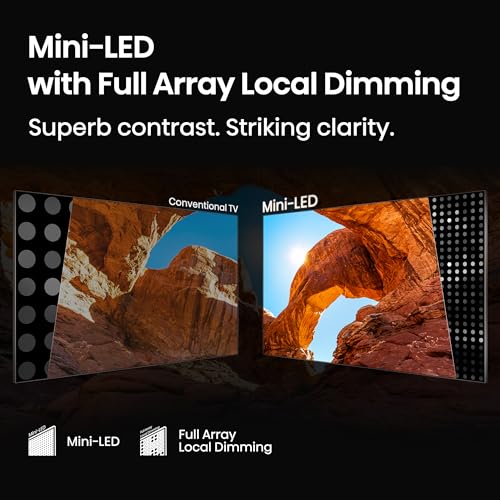
The Hisense QD7, on the other hand, employs Mini-LED technology with Full Array Local Dimming (FALD). This system uses thousands of tiny LEDs arranged in hundreds of controllable zones across the back of the panel. It's like having individual dimmer switches for different sections of your screen. When a scene shows a bright moon against a dark sky, the TV can illuminate just the moon area while keeping the surrounding zones nearly black. This creates dramatically better contrast – the difference between light and dark areas that makes images pop off the screen.
The contrast improvement is substantial. While the TCL S5 produces what we'd call acceptable blacks for its price point, the Hisense QD7 delivers genuinely deep blacks that enhance the viewing experience, especially in darker rooms. However, neither TV reaches the perfect blacks of OLED technology, which remains significantly more expensive.
Color reproduction is where these TVs diverge significantly. The TCL S5 produces colors using standard LED technology, which can display approximately 1.07 billion colors. For most content, this delivers pleasant, natural-looking images with decent color accuracy out of the box.
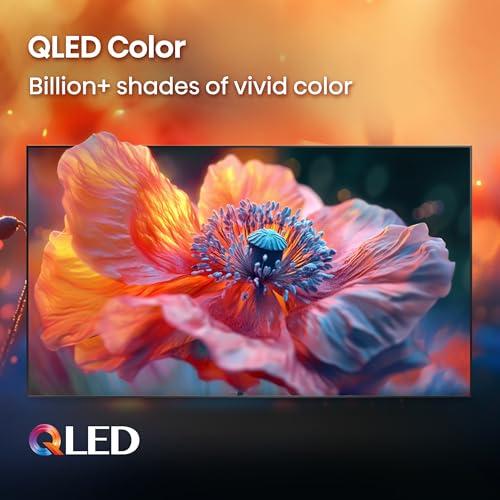
The Hisense QD7 incorporates QLED (Quantum Dot Light Emitting Diode) technology. Quantum dots are microscopic semiconductor particles that emit very specific colors when hit with light. This technology allows the TV to display a wider range of colors with greater accuracy and vibrancy. Colors appear more saturated and lifelike, particularly reds and greens, which standard LED TVs often struggle to reproduce accurately.
The practical difference is most noticeable with nature documentaries, animated content, and sports. Green grass looks more realistic, skin tones appear more natural, and colorful scenes have greater depth and richness on the Hisense QD7. The TCL S5 isn't bad by any means, but side-by-side comparisons reveal its more limited color capabilities.
High Dynamic Range (HDR) enhances the difference between the brightest and darkest parts of an image, creating more realistic visuals. Both TVs support major HDR formats including Dolby Vision, HDR10+, HDR10, and HLG. However, supporting HDR formats and delivering compelling HDR performance are two different things.
The challenge with HDR is that it requires both high peak brightness and deep blacks to be effective. The TCL S5 falls short on both counts. Without local dimming, it can't produce true blacks, and its limited brightness means HDR highlights don't stand out dramatically. HDR content looks better than standard content, but the improvement is subtle rather than transformative.
The Hisense QD7 performs better thanks to its Mini-LED backlighting and higher peak brightness. Highlights are more pronounced, and the local dimming helps maintain shadow detail. However, even this TV doesn't reach the brightness levels needed for truly spectacular HDR performance. Both TVs work best with HDR content in moderately lit rooms rather than bright living spaces.
For the best HDR experience, you'd need to step up to significantly more expensive TVs with even brighter backlights and more advanced local dimming systems. At these price points, both TVs deliver decent HDR that's noticeably better than standard dynamic range content, but neither will provide the jaw-dropping HDR experience of premium models.
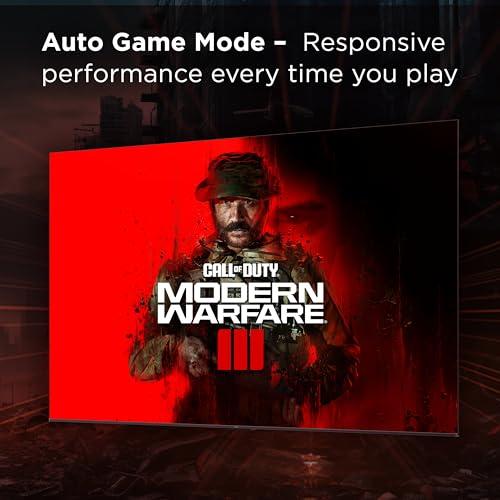
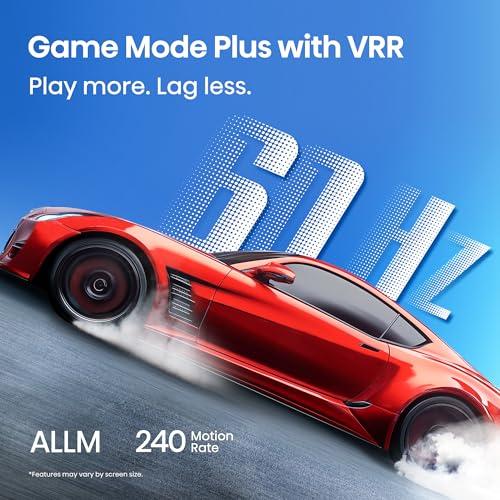
Gaming capabilities reveal the most significant performance gap between these TVs. The TCL S5 offers respectable gaming features with a 60Hz native refresh rate and Game Accelerator 120, which supports Variable Refresh Rate (VRR) up to 120Hz at lower resolutions like 1440p. VRR synchronizes the TV's refresh rate with your console's frame rate, eliminating screen tearing and stuttering for smoother gameplay.
The Hisense QD7 takes gaming much more seriously with a native 144Hz refresh rate and comprehensive VRR support from 48Hz to 144Hz. This higher refresh rate means the TV can display up to 144 frames per second, creating noticeably smoother motion in fast-paced games. The difference is particularly apparent in competitive gaming, racing games, and first-person shooters where every millisecond of response time matters.
Both TVs include Auto Low Latency Mode (ALLM), which automatically switches to the lowest input lag setting when a gaming console is detected. Input lag – the delay between pressing a button and seeing the action on screen – is crucial for responsive gaming. The Hisense QD7 maintains its advantage here with faster pixel response times and processing.
For casual console gaming, the TCL S5 performs adequately. PlayStation 5 and Xbox Series X owners will appreciate the VRR support, and most games will look good. However, PC gamers or those with high-refresh-rate gaming setups will find the Hisense QD7 significantly more capable. The higher refresh rate support and better motion handling translate to competitive advantages in multiplayer games and more immersive single-player experiences.
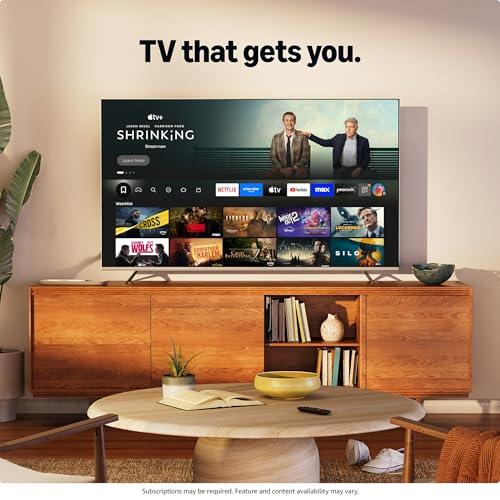
Both televisions run Amazon's Fire TV platform, which has matured into one of the most user-friendly smart TV interfaces available. The homepage prominently displays content from major streaming services, making it easy to continue watching shows or discover new content across platforms.
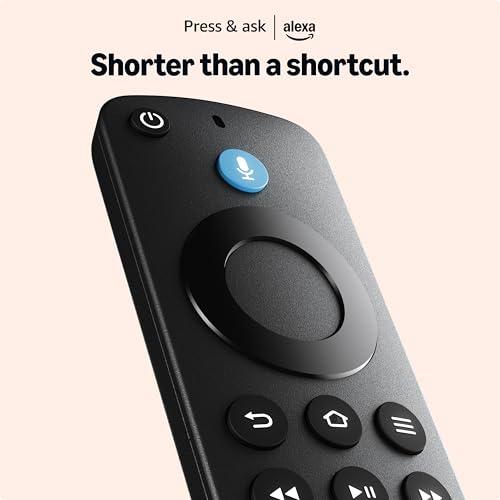
Alexa integration works seamlessly on both models. You can search for content, control playback, adjust volume, and even control other smart home devices using voice commands. The included voice remote is responsive and well-designed, with dedicated buttons for popular streaming services.
Apple users will appreciate AirPlay 2 support on both TVs, allowing easy streaming from iPhones, iPads, and Macs. The setup process is straightforward, and both TVs receive regular software updates that add new features and improve performance.
Neither TV includes hands-free voice control – you'll need to press the microphone button on the remote to activate Alexa. This isn't a major limitation, but some competing models offer far-field microphones for completely hands-free operation.
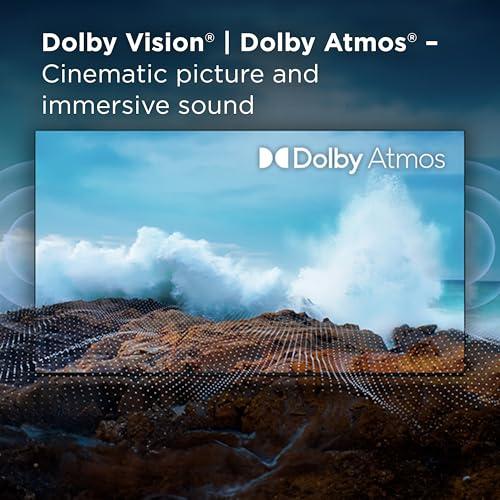
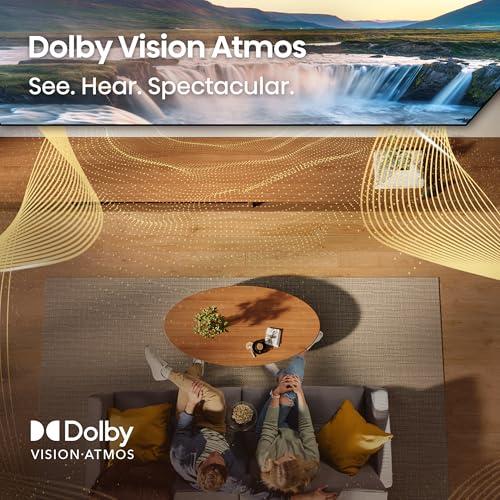
Both TVs deliver similar audio performance with 20-watt speaker systems and Dolby Atmos support. The sound quality is adequate for general viewing, with clear dialogue and reasonable volume levels. However, neither TV produces particularly rich bass or wide soundstage that would satisfy serious music listeners or home theater enthusiasts.
The Dolby Atmos processing does improve the perception of spatial audio, creating a somewhat more immersive experience for movies and shows that support the format. However, the physical limitations of built-in TV speakers mean the effect is subtle rather than dramatic.
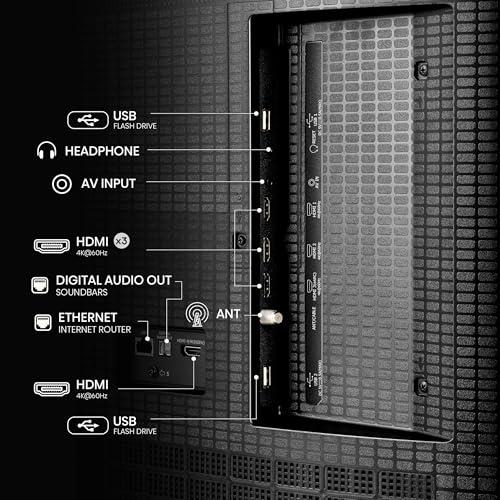
For the best audio experience, plan to add a soundbar or surround sound system to either TV. Both models support eARC (enhanced Audio Return Channel) through one of their HDMI ports, allowing high-quality audio passthrough to compatible sound systems.
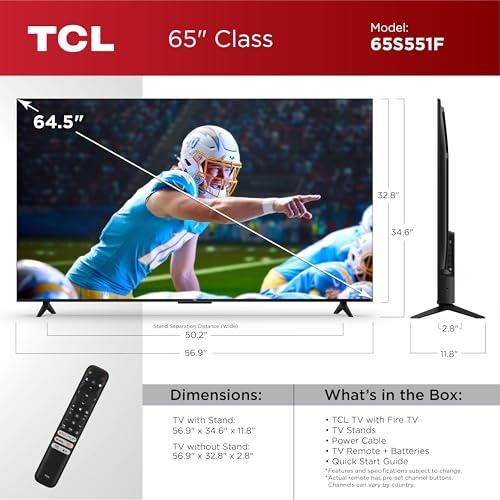
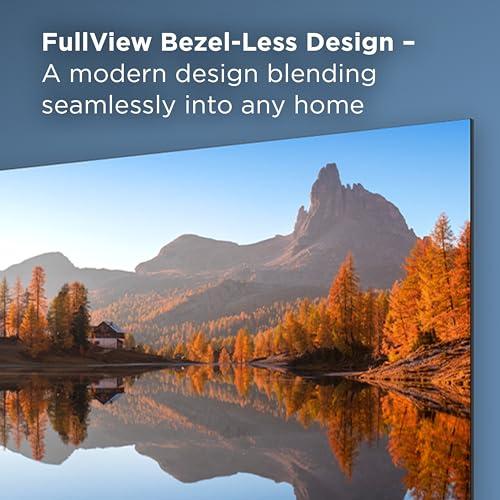
The TCL S5 features a FullView metal bezel-less design that maximizes screen real estate and looks modern in any room. The build quality feels solid for the price point, though the plastic construction is apparent upon close inspection. At approximately 36 pounds, it's manageable for wall mounting or placement on most TV stands.
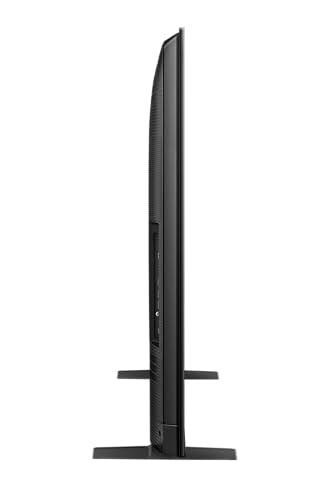
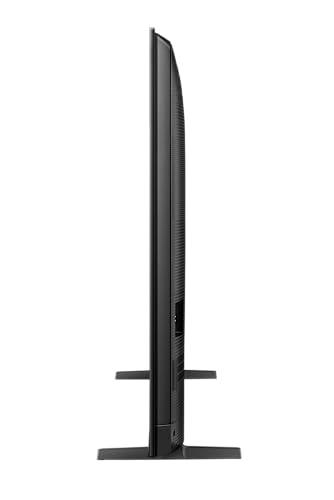
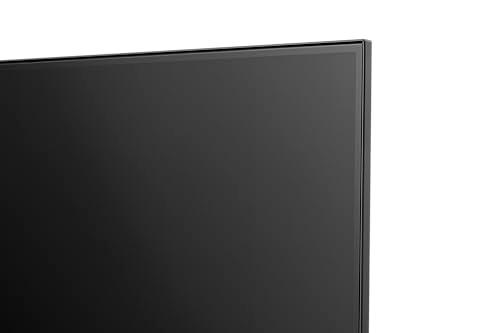
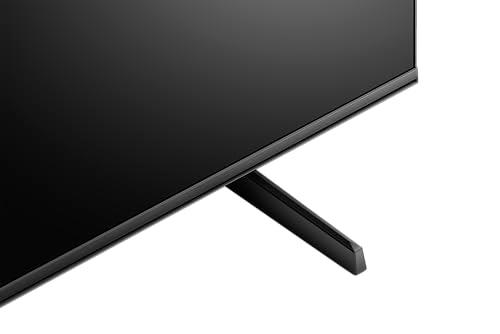
The Hisense QD7 steps up the design game with premium materials and an ultra-slim profile. The build quality feels more substantial, befitting its higher price point. The minimal bezels and sleek stand create a more upscale appearance that wouldn't look out of place in a high-end living room.
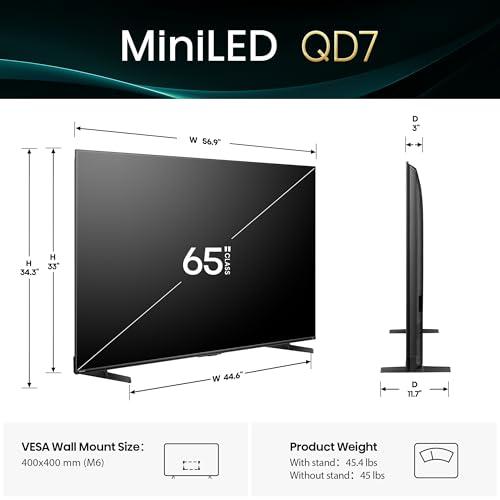
Both TVs include standard VESA mounting patterns, making them compatible with most wall mounts and TV stands. The TCL S5 uses a 400x300mm pattern, while specific mounting details vary by model year for the Hisense QD7.
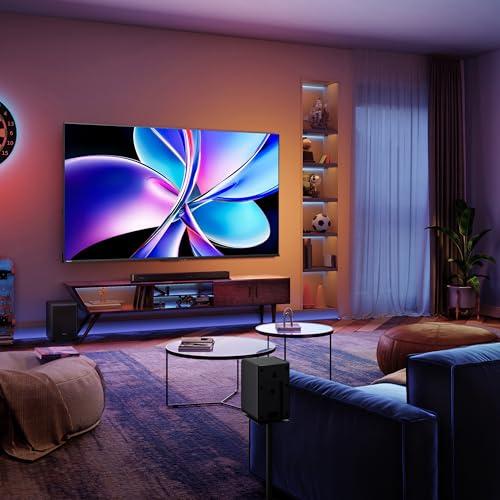
Room lighting significantly affects the viewing experience with both TVs. The TCL S5 performs best in dimly lit environments where its limited brightness and contrast shortcomings are less apparent. In bright rooms, the screen can appear washed out, and reflections become distracting.
The Hisense QD7 handles moderate ambient light much better thanks to its higher peak brightness and improved contrast. While it's not ideal for very bright rooms with lots of windows, it remains watchable in typical living room lighting conditions.
Viewing angles present challenges for both TVs, though this is common with LCD technology. Colors shift and contrast decreases when viewed from extreme side angles. The Hisense QD7 maintains better image quality at wider viewing angles, making it more suitable for large seating arrangements.
For dedicated home theater setups, both TVs have limitations that buyers should understand. The TCL S5 works adequately in a dark room for casual movie watching, but its grayish blacks and limited contrast prevent it from delivering a truly cinematic experience.
The Hisense QD7 comes closer to home theater suitability with its deeper blacks and improved contrast. The Mini-LED backlighting creates more convincing dark scenes, and the wider color gamut enhances the overall viewing experience. However, even this TV falls short of the performance you'd get from dedicated home theater projectors or high-end OLED displays.
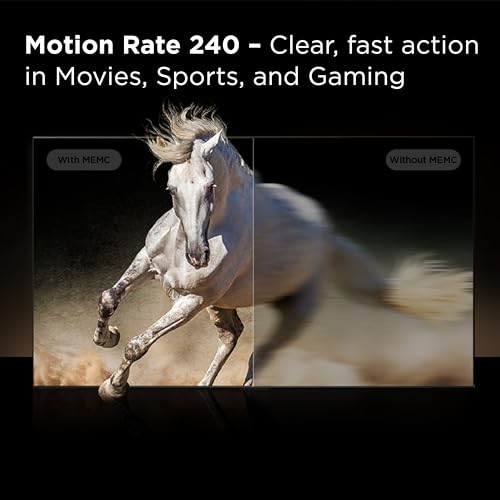
Both TVs support 24fps content properly, which is important for film viewing. Motion handling is adequate on both, though fast action sequences can reveal some blur and artifacts, particularly on the TCL S5.
Based on user feedback and expert analysis, the TCL S5 appears to offer good reliability with fewer reported issues. The simpler technology and established manufacturing processes contribute to consistent performance over time.
The Hisense QD7 incorporates more advanced technology, which can introduce complexity and potential failure points. Some users report occasional software glitches and hardware issues, though these don't appear widespread. The more sophisticated backlighting system requires proper thermal management to maintain long-term reliability.
Both manufacturers offer standard warranties, and replacement parts availability is generally good for these popular models. Software updates continue for several years, ensuring compatibility with evolving streaming services and features.
At the time of writing, the TCL S5 typically costs significantly less than the Hisense QD7 – often $100-150 difference for the 65-inch models. This price gap represents the core decision point for most buyers.
The TCL S5 delivers excellent value for buyers prioritizing smart features and basic 4K performance at the lowest possible price. It handles streaming content well, offers all the smart TV features you'd want, and provides adequate picture quality for casual viewing. For buyers with strict budget constraints or those who primarily watch streaming content in darker rooms, it's hard to beat the value proposition.
The Hisense QD7 justifies its higher price with substantially better display technology. The Mini-LED backlighting and quantum dot colors create a more premium viewing experience that's particularly noticeable with high-quality content. For buyers who can stretch their budget and want better picture quality, the upgrade is worthwhile.
The TCL S5 makes the most sense for budget-conscious buyers who prioritize value over cutting-edge performance. It's ideal for secondary bedrooms, college dorms, or as a first smart TV for users transitioning from older non-4K models. The smart platform integration is excellent, and the basic picture quality handles most content adequately.
Choose the Hisense QD7 if you want noticeably better picture quality and plan to use the TV as your primary entertainment display. The Mini-LED technology and higher refresh rate make it particularly appealing for movie enthusiasts and gamers. The improved brightness also makes it more versatile for different room lighting conditions.
Gamers specifically should lean toward the Hisense QD7 for its superior refresh rate and VRR capabilities, especially if they game on PC or plan to keep the TV for several years as gaming technology advances.
Both the TCL S5 and Hisense QD7 succeed in their respective market segments. The TCL delivers impressive smart TV functionality at an entry-level price, while the Hisense provides genuine display technology upgrades that create a more premium viewing experience.
The decision ultimately comes down to your budget and priorities. If you need a capable 4K smart TV at the lowest possible price and can accept some picture quality limitations, the TCL S5 represents outstanding value. If you can invest in better display technology for improved picture quality and gaming performance, the Hisense QD7 delivers meaningful upgrades that justify the higher cost.
Neither TV will satisfy users seeking the absolute best picture quality or high-end home theater performance, but both provide solid foundations for modern entertainment systems at accessible prices.
| TCL 65" S5 Class 4K UHD HDR Fire TV | Hisense QD7 Series 65" Mini-LED 4K Fire TV |
|---|---|
| Display Technology - The biggest factor affecting picture quality | |
| Standard Direct LED backlight without local dimming | Mini-LED with Full Array Local Dimming (FALD) |
| Black Level Performance - Critical for dark room viewing and HDR | |
| Grayish blacks due to no local dimming zones | Deep blacks with precise zone control |
| Color Technology - Determines color vibrancy and accuracy | |
| Standard LED with 1.07 billion colors | QLED Quantum Dot with over 1 billion precise colors |
| Peak Brightness - Affects HDR impact and bright room viewing | |
| Limited brightness, best for dim rooms | Higher peak brightness, handles moderate ambient light |
| Gaming Refresh Rate - Essential for smooth motion and competitive gaming | |
| 60Hz native with Game Accelerator 120 (up to 120Hz VRR at lower resolutions) | 144Hz native with full VRR range 48Hz-144Hz |
| HDR Format Support - Ensures compatibility with premium content | |
| HDR PRO+ with Dolby Vision, HDR10+, HDR10, HLG | HDR PRO+ with Dolby Vision, HDR10+, HDR10, HLG |
| Smart TV Platform - Affects ease of use and app selection | |
| Fire TV with Alexa built-in | Fire TV with Alexa built-in |
| Audio Output - Built-in speaker quality | |
| 20W total (2 x 10W) with Dolby Atmos | 20W total (2 x 10W) with Dolby Atmos |
| HDMI Connectivity - Important for multiple devices and future-proofing | |
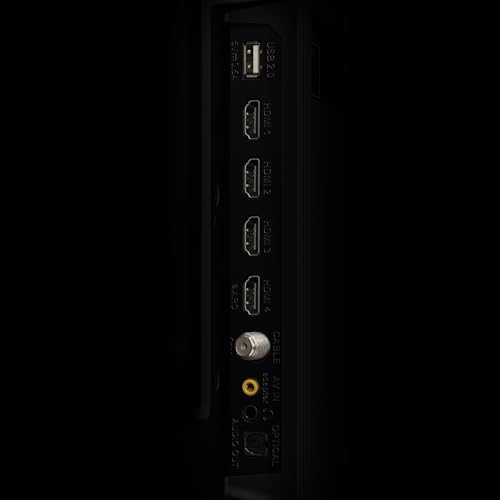
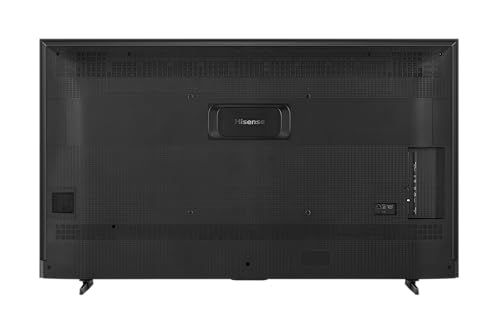
| 3 x HDMI 2.0 ports (1 with eARC) | 4 x HDMI 2.0 ports (1 with eARC) |
| Motion Handling - Reduces blur in sports and action content | |
| Motion Rate 240 with MEMC Frame Insertion | Native 144Hz Smooth Motion with MEMC and AI noise reduction |
| Build Quality - Affects durability and aesthetics | |
| FullView metal bezel-less design, lighter construction | Premium build with ultra-slim bezels and substantial feel |
| Best Use Case - Who should choose this TV | |
| Budget-conscious buyers, casual viewing, dimly lit rooms | Picture quality enthusiasts, gamers, moderately lit rooms |
The Hisense QD7 Series delivers significantly better picture quality than the TCL S5 Class. The Hisense uses Mini-LED backlighting with Full Array Local Dimming, creating deeper blacks and brighter highlights. It also features QLED Quantum Dot technology for more vibrant and accurate colors. The TCL S5 uses standard LED backlighting without local dimming, resulting in grayish blacks and more limited color reproduction.
The primary difference is display technology. The Hisense QD7 uses advanced Mini-LED backlighting with local dimming zones and quantum dot color technology, while the TCL S5 uses standard Direct LED backlighting. This gives the Hisense much better contrast, deeper blacks, and more vibrant colors, but at a higher cost.
The Hisense QD7 is superior for gaming with its native 144Hz refresh rate and full Variable Refresh Rate (VRR) support from 48Hz to 144Hz. The TCL S5 offers 60Hz native refresh with VRR up to 120Hz at lower resolutions. For competitive gaming and PC gaming, the Hisense provides smoother motion and better responsiveness.
Yes, both the TCL S5 and Hisense QD7 run Amazon's Fire TV platform with identical smart features. Both include Alexa voice control, Apple AirPlay 2 support, and access to all major streaming apps like Netflix, Prime Video, and Disney+.
The Hisense QD7 handles bright rooms better due to its higher peak brightness and improved contrast. The TCL S5 has limited brightness and is best suited for dimly lit environments where glare and washout are less problematic.
Both TVs support the same HDR formats (Dolby Vision, HDR10+, HDR10, HLG), but the Hisense QD7 delivers better HDR performance. Its Mini-LED backlighting and higher brightness create more impactful HDR highlights and shadow detail. The TCL S5 provides basic HDR support but with limited brightness and contrast.
The TCL S5 offers excellent value for budget-conscious buyers who prioritize smart features and basic 4K performance. The Hisense QD7 provides better value for those willing to spend more for significantly improved picture quality and gaming features. The choice depends on your budget and performance priorities.
Both TVs feature identical 20W audio systems with Dolby Atmos support. Audio quality is comparable and adequate for general viewing, though neither excels at built-in sound. Both would benefit from adding a soundbar for enhanced audio performance.
The Hisense QD7 is more suitable for home theater use thanks to its deeper blacks, better contrast, and improved HDR performance. The Mini-LED backlighting creates more convincing dark scenes essential for cinematic viewing. The TCL S5 works for casual movie watching but lacks the contrast needed for serious home theater applications.
Yes, both the TCL S5 and Hisense QD7 support standard VESA wall mounting patterns and are compatible with most TV wall mounts. Both include the necessary mounting hardware specifications in their documentation.
The Hisense QD7 includes 4 HDMI ports compared to 3 on the TCL S5. Both TVs feature one HDMI port with eARC support for high-quality audio passthrough to soundbars and receivers. The extra port on the Hisense provides more flexibility for connecting multiple devices.
For your first 4K TV, choose the TCL S5 if budget is your primary concern and you mainly watch streaming content in darker rooms. Select the Hisense QD7 if you can invest more for better picture quality, plan to game frequently, or want a TV that performs well in various lighting conditions. The Hisense offers more premium features that will remain relevant longer.
We've done our best to create useful and informative comparisons to help you decide what product to buy. Our research uses advanced automated methods to create this comparison and perfection is not possible - please contact us for corrections or questions. These are the sites we've researched in the creation of this article: rtings.com - bestbuy.com - youtube.com - youtube.com - businessinsider.com - pcvarge.com - rtings.com - tcl.com - tcl.com - tcl.com - bestbuy.com - sears.com - samsclub.com - tvsbook.com - bestbuy.com - youtube.com - youtube.com - rtings.com - tvsbook.com - hometechnologyreview.com - hometechnologyreview.com - bestbuy.com - static.pcrichard.com - hometechnologyreview.com - bestbuy.com - hisense-usa.com - hisense-usa.com - shopmyexchange.com - brandsmartusa.com - manuals.plus - youtube.com - rtings.com - tvsbook.com - flatpanelshd.com - youtube.com

Privacy Policy
Terms and Conditions - Affiliate Policy
Home Security
© Copyright 2008-2026.
11816 Inwood Rd #1211, Dallas, TX 75244