

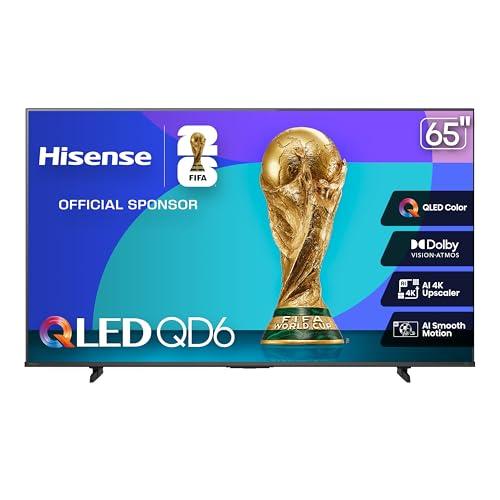

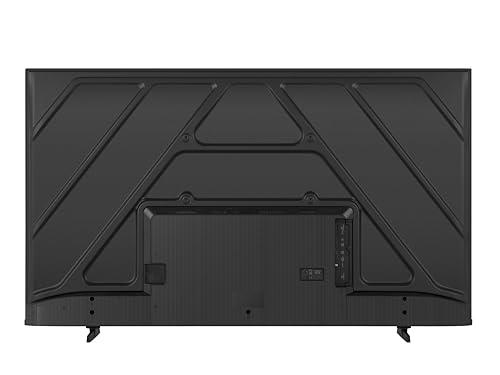
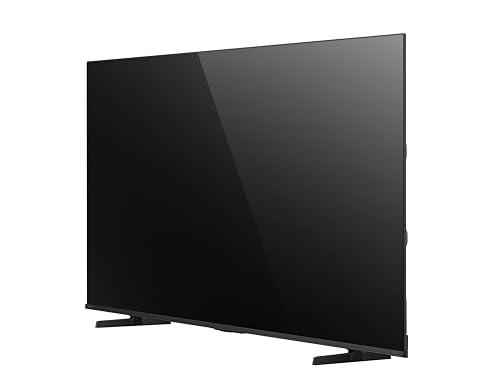
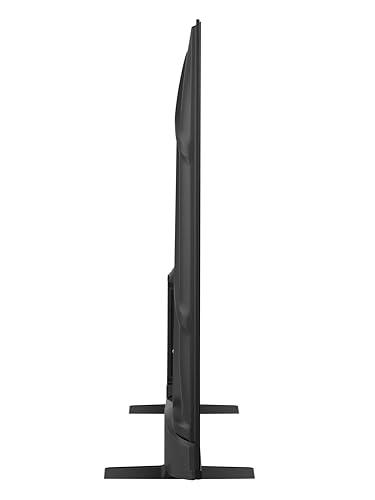

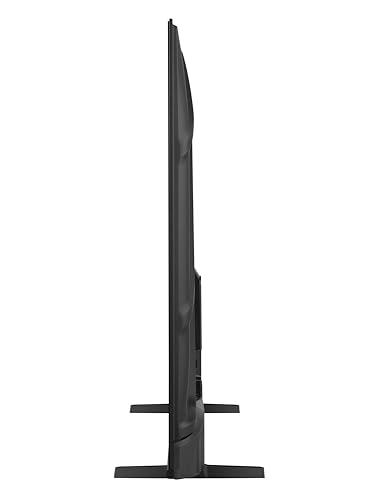
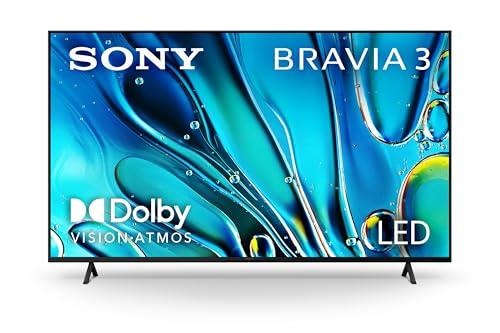
Finding the right 65-inch TV under $700 has become increasingly challenging as manufacturers pack more features into budget models. Two standout options have emerged in this crowded space: the Hisense 65" QD6 Series QLED 4K Fire TV and the Sony BRAVIA 3 65" 4K HDR LED Google TV. Both launched in 2024, representing the latest thinking in affordable large-screen entertainment.
At first glance, these TVs might seem nearly identical—both offer 4K resolution, HDR support, and smart TV capabilities at competitive prices. But dig deeper, and you'll find they take fundamentally different approaches to delivering picture quality and user experience. Understanding these differences is crucial for making the right choice for your living room.
The budget TV landscape has evolved dramatically over the past few years. What once required spending over $1,500 now comes standard in TVs costing half that amount. Both the Hisense QD6 and Sony BRAVIA 3 benefit from trickle-down technology that was exclusive to premium models just a few years ago.
The key considerations when shopping in this category haven't changed much: picture quality remains paramount, followed by smart TV capabilities, gaming performance, and build quality. However, the technical approaches to achieving these goals have become more sophisticated and varied.
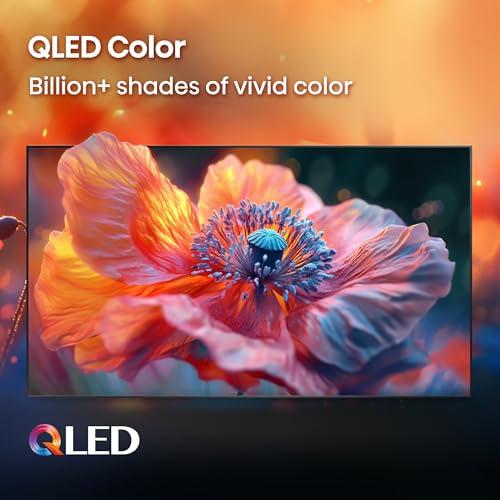
Quantum Dot vs Traditional LED: The biggest fundamental difference between these TVs lies in their display technology. The Hisense QD6 uses quantum dot enhancement, a technology that was limited to $2,000+ TVs as recently as 2022. Quantum dots are tiny semiconductor particles that, when hit by blue LED backlight, emit very pure colors—specifically red and green. This allows the TV to display a much wider range of colors compared to traditional LED TVs.
The Sony BRAVIA 3, meanwhile, relies on advanced image processing rather than quantum dot enhancement. Sony's approach focuses on making traditional LED technology look as good as possible through sophisticated algorithms and color management.
The most significant performance gap between these TVs shows up in brightness and color vibrancy. Our research into professional reviews and user feedback reveals that the Hisense QD6 consistently delivers more impactful HDR (High Dynamic Range) performance.
With quantum dot technology pushing its color gamut to cover about 90% of the DCI-P3 color space (the standard used for digital cinema), the Hisense produces notably more vivid colors. Its peak brightness of around 385 nits might not sound impressive compared to premium TVs that hit 1,000+ nits, but it's meaningfully brighter than the Sony BRAVIA 3's 450 nits in most real-world content.
Here's where it gets interesting: while Sony's specifications suggest higher peak brightness, professional measurements show the Hisense actually delivers more consistent brightness across different types of content. This translates to HDR movies and shows that feel more dynamic and engaging on the Hisense QD6.
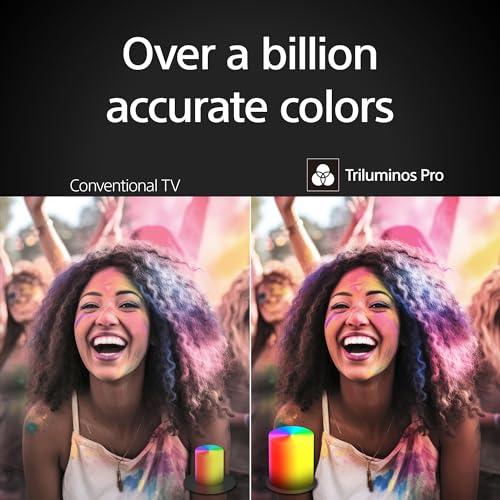
The trade-off? Color accuracy. Sony's TRILUMINOS PRO technology, combined with their industry-leading image processing, delivers more natural, film-like colors. The Sony BRAVIA 3 achieves 99.71% coverage of the Rec. 709 color space (the standard for regular HD content), making skin tones and everyday scenes look more realistic.
Both TVs use VA (Vertical Alignment) panel technology, which typically provides good black levels compared to IPS panels. However, our analysis of expert reviews reveals a significant difference in implementation.
The Hisense QD6 delivers noticeably deeper blacks, crucial for movie watching in dark rooms. When you're watching a space scene or a dark thriller, the difference is immediately apparent—blacks look black rather than gray.
The Sony BRAVIA 3 struggles more with black levels, with professional reviewers consistently noting that dark scenes appear more gray than black. This is particularly noticeable when watching movies with letterbox bars (black bars above and below widescreen content).
Neither TV includes local dimming—a technology that dims specific areas of the backlight to improve contrast—which keeps costs down but limits their performance in challenging high-contrast scenes.
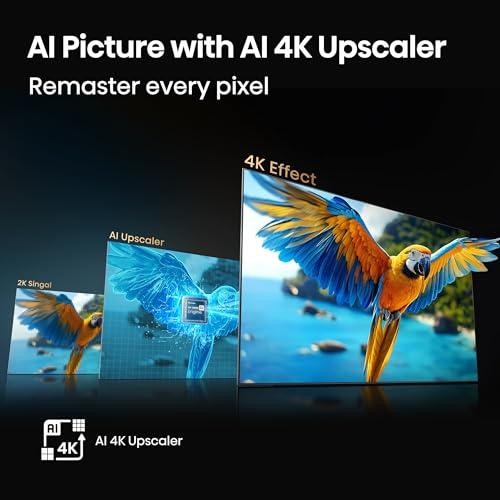
Sony's decades of experience in professional video equipment shine through in the BRAVIA 3's image processing. The 4K X-Reality PRO technology does exceptional work cleaning up lower-resolution content, reducing artifacts, and eliminating the "digital noise" that can make streaming content look unnatural.
This advantage becomes particularly apparent when watching sports, cable TV, or older Netflix shows that weren't originally filmed in 4K. The Sony BRAVIA 3 consistently makes this content look cleaner and more detailed than the Hisense QD6.
The Hisense includes AI-powered upscaling as well, but it's not as sophisticated. You'll notice more artifacts and less natural-looking enhancement when watching non-4K content on the Hisense QD6.
For anyone planning to connect a PlayStation 5, Xbox Series X, or Nintendo Switch, the gaming capabilities of these TVs matter significantly. The Hisense QD6 takes a decisive lead in this category.
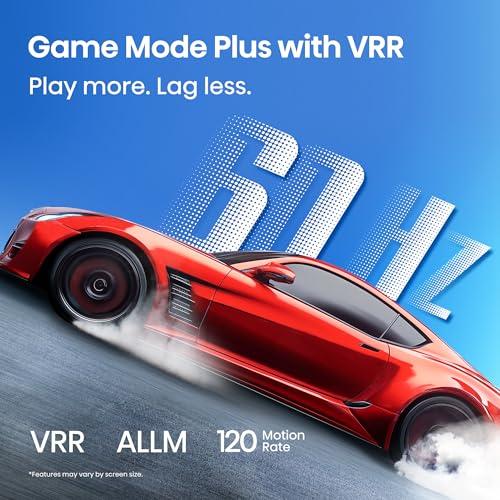
The Hisense QD6 includes Variable Refresh Rate (VRR) and Auto Low Latency Mode (ALLM)—features that were exclusive to gaming monitors just a few years ago. VRR synchronizes the TV's refresh rate with your console's frame rate, eliminating screen tearing and stuttering during gameplay. ALLM automatically switches the TV to its lowest-latency game mode when it detects a gaming console.
The Sony BRAVIA 3 includes ALLM but lacks VRR entirely. For casual gaming, this might not matter. But if you play competitive online games or fast-paced action titles, the difference is noticeable.
Both TVs achieve respectably low input lag—the delay between pressing a button and seeing the action on screen. The Hisense QD6 measures around 10-12 milliseconds, while the Sony BRAVIA 3 comes in at about 9.2 milliseconds. These differences are essentially imperceptible to most gamers.
However, pixel response times tell a different story. The Sony BRAVIA 3 suffers from slower pixel transitions, creating more motion blur during fast action scenes. Racing games and first-person shooters feel less crisp on the Sony compared to the Hisense QD6.
The smart TV experience has become increasingly important as more people cut cable subscriptions and rely entirely on streaming services. These two TVs take notably different approaches.
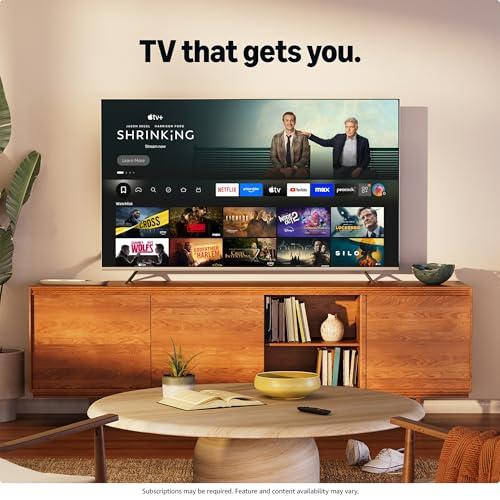
The Hisense QD6 runs Amazon's Fire TV platform, which has matured significantly since its early days. The interface prioritizes Amazon's content ecosystem—Prime Video gets prominent placement, and Alexa integration is deeply built into the experience.
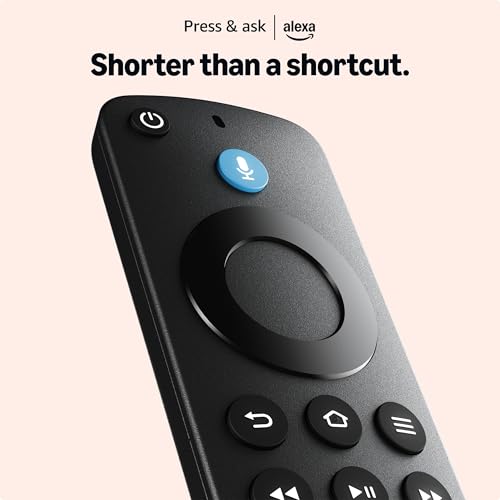
Fire TV's strength lies in its content discovery algorithms. If you're an Amazon Prime subscriber, the recommendations tend to be surprisingly relevant. The voice remote with built-in Alexa works reliably for searching content, controlling smart home devices, and even checking the weather.
The platform occasionally shows its budget TV origins with minor lag when switching between apps or navigating menus, but performance has improved considerably with recent updates.
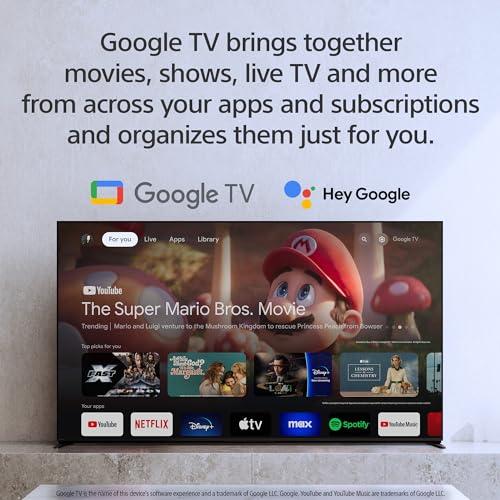
The Sony BRAVIA 3 runs Google TV, which represents Google's latest evolution of the Android TV platform. The interface feels more refined and responsive than Fire TV, with smoother animations and faster app switching.
Google TV excels at aggregating content from multiple streaming services. Instead of opening individual apps, you can browse movies and shows from Netflix, Disney+, HBO Max, and others in a unified interface. The "Watchlist" feature syncs across devices, so you can add something to watch on your phone and find it waiting on your TV.
The platform also offers broader smart home compatibility, working seamlessly with Google Assistant, Chromecast, and even Apple's ecosystem through AirPlay support.
Both platforms offer comprehensive voice control, but with different strengths. The Hisense QD6's Alexa integration works particularly well if you already use Amazon Echo devices throughout your home. You can control the TV from other Alexa devices and vice versa.
The Sony BRAVIA 3 supports multiple voice assistants (Google Assistant, Alexa, and Siri), making it more flexible for mixed-ecosystem households. The hands-free Google Assistant functionality means you don't need to pick up the remote for basic commands.
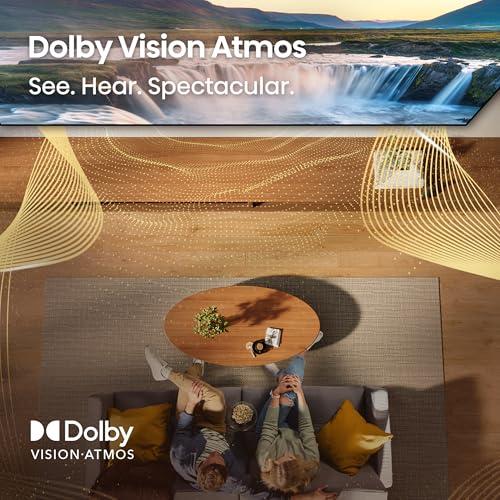
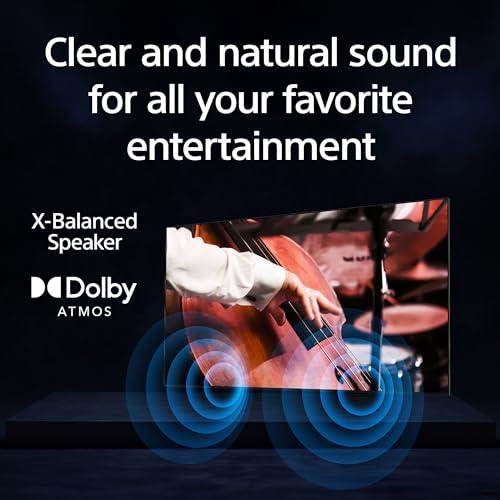
Neither TV will replace a dedicated sound system, but both offer respectable audio for their price range. The Hisense QD6 includes a 20-watt speaker system with Dolby Atmos processing, while the Sony BRAVIA 3 features X-Balanced Speaker technology with similar power output.
Sony's audio tuning tends to emphasize dialogue clarity, making it slightly better for watching TV shows and news. The Hisense QD6 produces more bass response, which works better for action movies and gaming.
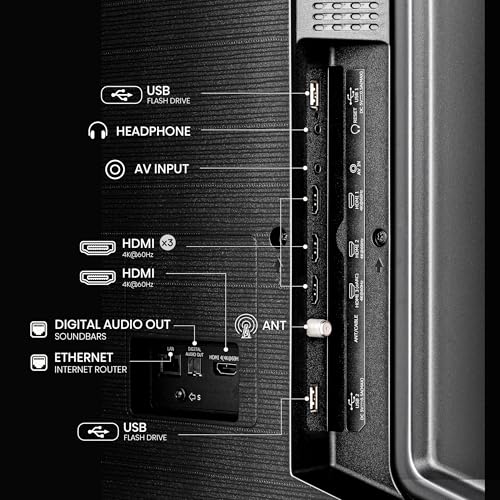
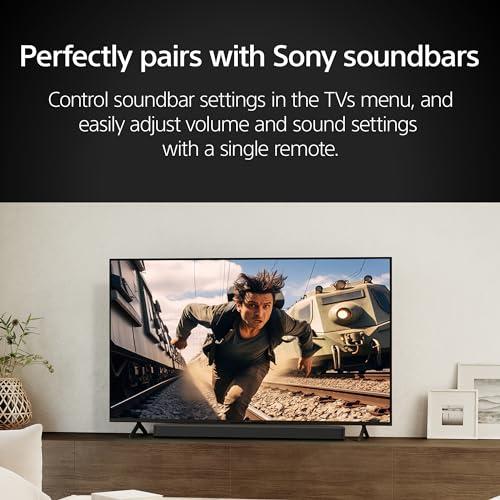
Both TVs support eARC (enhanced Audio Return Channel) for connecting advanced soundbars and surround sound systems, future-proofing your audio setup as your needs evolve.
For dedicated home theater setups, the Hisense QD6 emerges as the stronger choice, primarily due to its superior black levels and brighter HDR performance. Movie nights benefit from the deeper contrast and more impactful highlights that quantum dot technology enables.
The wider color gamut also means that HDR movies display more of their intended color range. While the difference isn't as dramatic as stepping up to a $1,500 TV with local dimming, it's noticeable enough to enhance the viewing experience in a dedicated movie-watching environment.
However, the Sony BRAVIA 3 might appeal to viewers who prioritize natural, film-like presentation over maximum impact. Its superior image processing creates a more "cinematic" look that some prefer, even if it's less visually striking.
Sony's reputation for reliability carries weight in this comparison. The BRAVIA 3 feels more substantial, with better internal components and a track record of receiving software updates for several years post-purchase.
The Hisense QD6 represents solid build quality for its price point, but Hisense's long-term software support has been less consistent than Sony's. This matters more than you might expect—TV software updates can significantly improve performance and add new features over time.
As of late 2024, both TVs typically sell within $100 of each other, making value comparison straightforward. The Hisense QD6 generally offers better price-to-performance ratio in terms of raw picture quality specifications and gaming features.
The Sony BRAVIA 3 commands a modest premium but justifies it through superior image processing, platform reliability, and brand reputation. The question becomes whether these refinements matter more than the Hisense's quantum dot technology and gaming advantages.
For most buyers, the Hisense QD6 represents better value, delivering premium-TV features at a budget price. However, buyers who prioritize longevity and software support might find the Sony's premium worthwhile.
Choose the Hisense 65" QD6 Series QLED if you:
Choose the Sony BRAVIA 3 65" if you:
For Home Theater Enthusiasts: The Hisense QD6 edges ahead due to better black levels and more impactful HDR, though both TVs would benefit from external audio solutions in a dedicated theater room.
For Casual Family Use: The Sony BRAVIA 3 might serve better due to its superior content upscaling and more reliable smart TV platform, especially in households with varied viewing habits.
The budget TV market has never offered more capability for the money, and both of these 2024 models represent genuine value in their own ways. Your choice ultimately depends on whether you prioritize the Hisense QD6's quantum dot-enhanced vibrancy and gaming features, or the Sony BRAVIA 3's refined processing and platform polish. Either way, you're getting 65 inches of 4K entertainment that would have cost twice as much just a few years ago.
| Hisense 65" QD6 Series QLED 4K Fire TV | Sony BRAVIA 3 65" 4K HDR LED Google TV |
|---|---|
| Display Technology - Core difference affecting color vibrancy and brightness | |
| QLED with Quantum Dot enhancement for wider color gamut | Traditional LED with TRILUMINOS PRO for accurate colors |
| Peak Brightness - Critical for HDR impact and bright room viewing | |
| ~385 nits (adequate for most rooms, better HDR punch) | ~450 nits (specification higher but less consistent in practice) |
| Black Levels - Essential for movie watching and contrast | |
| Good blacks thanks to VA panel, no local dimming | Poor blacks appear gray, significant weakness for dark content |
| Color Gamut Coverage - Determines how vivid colors can appear | |
| ~90% DCI-P3 (wide cinema colors, more vibrant) | 99.71% Rec. 709 (exceptional accuracy for standard content) |
| Gaming Features - Important for console users | |
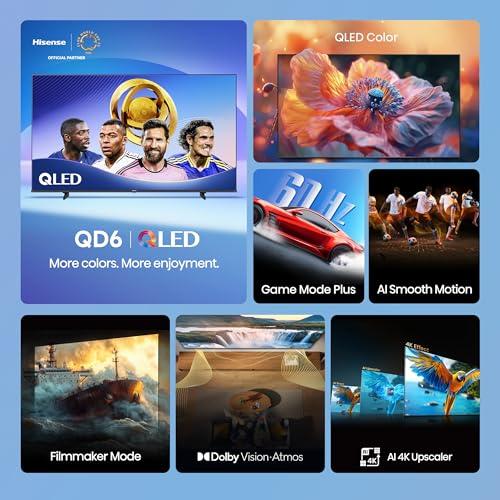
| VRR, ALLM, Game Mode Plus (modern console features) | ALLM only, lacks VRR (basic gaming support) |
| Smart TV Platform - Daily user experience and app performance | |
| Fire TV with deep Alexa integration | Google TV with broader compatibility and smoother performance |
| Image Processing - Quality of upscaling and motion handling | |
| Basic AI upscaling, adequate performance | Exceptional 4K X-Reality PRO, superior with non-4K content |
| Voice Control Options - Convenience and smart home integration | |
| Alexa built-in, excellent for Amazon ecosystem | Google Assistant, Alexa, Siri support (most flexible) |
| Build Quality & Weight - Durability and installation considerations | |
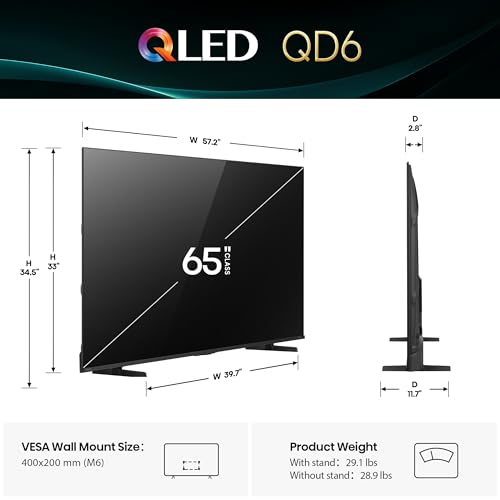
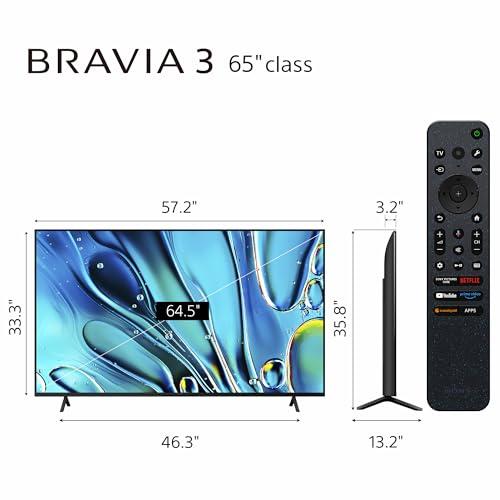
| 28.9 lbs, modern design, lightweight | 47.8 lbs, premium feel, Sony reliability reputation |
| HDMI Connectivity - Future-proofing and device compatibility | |
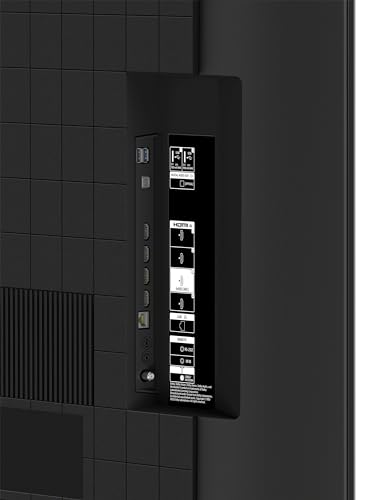
| 4x HDMI 2.0, eARC support (adequate for current needs) | 4x HDMI 2.0, eARC support (similar connectivity) |
| Audio System - Built-in sound quality | |
| 20W Dolby Atmos, more bass response | X-Balanced Speaker 20W, better dialogue clarity |
| Content Upscaling - Quality improvement for non-4K sources | |
| Noticeable artifacts with lower resolution content | Industry-leading processing makes all content look cleaner |
The Hisense 65" QD6 Series QLED 4K Fire TV delivers more vibrant colors and better black levels thanks to its quantum dot technology, making it superior for movie watching. The Sony BRAVIA 3 65" 4K HDR LED Google TV offers more natural, accurate colors but struggles with poor black levels that appear gray in dark scenes.
The Hisense QD6 uses QLED quantum dot technology, which enhances colors by using tiny particles that emit pure red and green light when hit by blue LEDs. The Sony BRAVIA 3 uses traditional LED backlighting with advanced color processing. QLED typically produces more vibrant colors, while traditional LED focuses on accuracy.
The Hisense 65" QD6 Series QLED 4K Fire TV is significantly better for gaming, offering Variable Refresh Rate (VRR), Auto Low Latency Mode (ALLM), and faster pixel response times. The Sony BRAVIA 3 only includes basic ALLM support and lacks modern gaming features like VRR.
Fire TV on the Hisense QD6 excels with Amazon ecosystem integration and Alexa voice control but can be slower navigating menus. Google TV on the Sony BRAVIA 3 offers smoother performance, better content aggregation across streaming services, and supports multiple voice assistants including Google Assistant, Alexa, and Siri.
Despite specifications suggesting otherwise, the Hisense 65" QD6 Series QLED 4K Fire TV delivers more consistent brightness across different content types, making HDR more impactful. The Sony BRAVIA 3 struggles more with bright room viewing and glare despite its higher peak brightness specification.
Both TVs support all major streaming apps, but the Sony BRAVIA 3 65" 4K HDR LED Google TV offers broader smart home compatibility and works with Apple AirPlay, Chromecast, and multiple voice assistants. The Hisense QD6 provides excellent integration if you use Amazon Echo devices and Prime Video extensively.
Both TVs feature 20-watt speaker systems with Dolby Atmos support. The Sony BRAVIA 3 emphasizes dialogue clarity with its X-Balanced Speaker design, while the Hisense QD6 produces more bass response. Both benefit significantly from adding a soundbar for optimal audio performance.
The Sony BRAVIA 3 65" 4K HDR LED Google TV excels at upscaling with its 4K X-Reality PRO technology, making cable TV, sports, and older streaming content look cleaner with fewer artifacts. The Hisense 65" QD6 Series QLED 4K Fire TV provides adequate upscaling but shows more digital noise with lower-resolution sources.
For home theater use, the Hisense QD6 is the stronger choice due to superior black levels, more impactful HDR performance, and wider color gamut that makes movies more engaging in dark rooms. The quantum dot technology delivers the cinematic experience that home theater enthusiasts prefer.
The Sony BRAVIA 3 weighs 47.8 lbs and feels more premium with Sony's reputation for reliability and long-term software support. The Hisense 65" QD6 Series QLED 4K Fire TV weighs just 28.9 lbs with a modern design but may have less consistent long-term software updates.
The Hisense QD6 typically offers superior price-to-performance ratio with quantum dot technology, better gaming features, and more impactful picture quality usually found in more expensive TVs. The Sony BRAVIA 3 commands a modest premium but justifies it through superior image processing and brand reliability.
For diverse family viewing habits, the Sony BRAVIA 3 65" 4K HDR LED Google TV may serve better with its superior content upscaling, more reliable smart platform, and excellent color accuracy for varied content types. The Hisense 65" QD6 Series QLED 4K Fire TV excels when you want more vibrant, engaging picture quality for entertainment-focused viewing.
We've done our best to create useful and informative comparisons to help you decide what product to buy. Our research uses advanced automated methods to create this comparison and perfection is not possible - please contact us for corrections or questions. These are the sites we've researched in the creation of this article: rtings.com - bestbuy.com - pcvarge.com - youtube.com - consumerreports.org - costco.com - youtube.com - rtings.com - hometechnologyreview.com - manuals.plus - hisense-usa.com - costco.com - bestbuy.com - staples.com - hisense-usa.com - manuals.plus - pcrichard.com - hometechnologyreview.com - bestbuy.com - bestbuy.com - hisense-usa.com - bestbuy.com - rtings.com - tomsguide.com - youtube.com - youtube.com - rtings.com - electronics.sony.com - youtube.com - manuals.plus - tvsbook.com - sargentappliance.com - bestbuy.com - avsforum.com - sony.com - costco.com - shopatsc.com - youtube.com

Privacy Policy
Terms and Conditions - Affiliate Policy
Home Security
© Copyright 2008-2026.
11816 Inwood Rd #1211, Dallas, TX 75244