

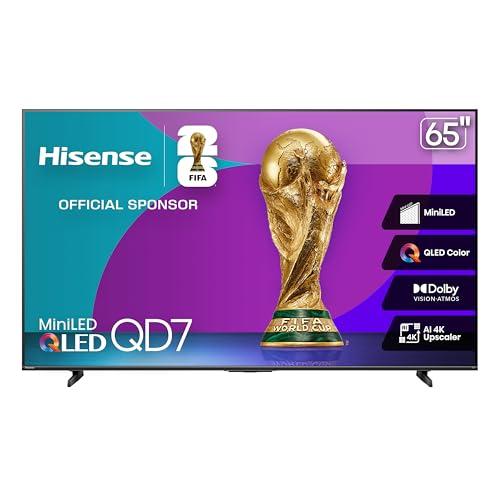
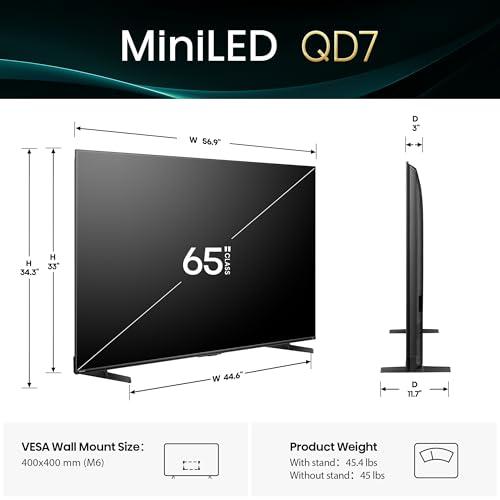
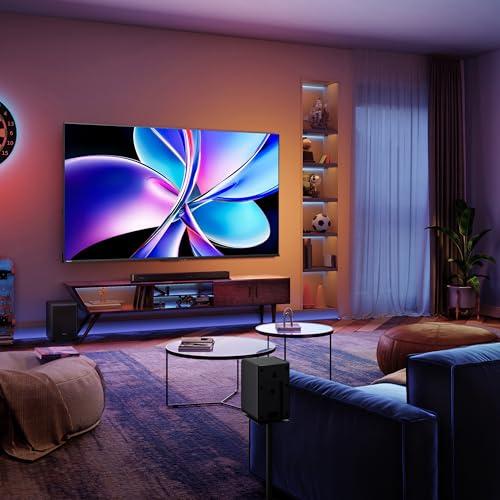
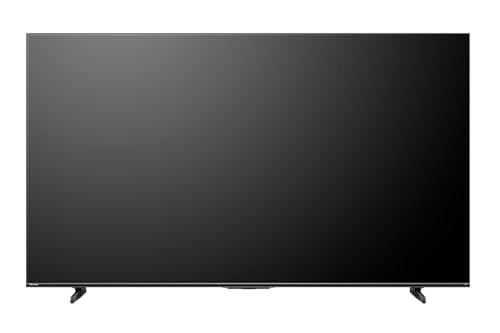
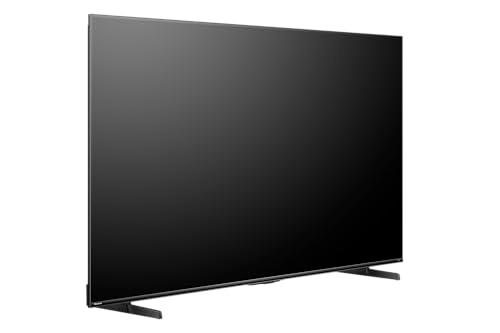
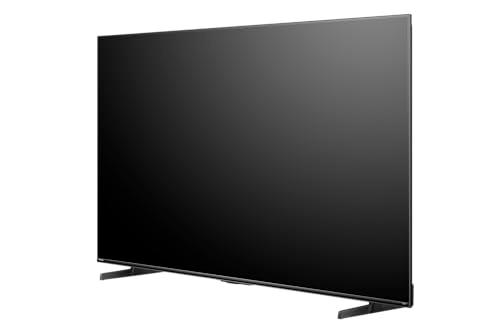
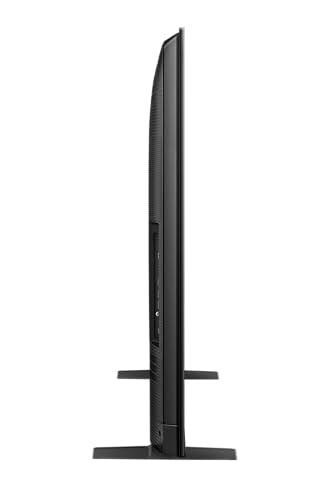
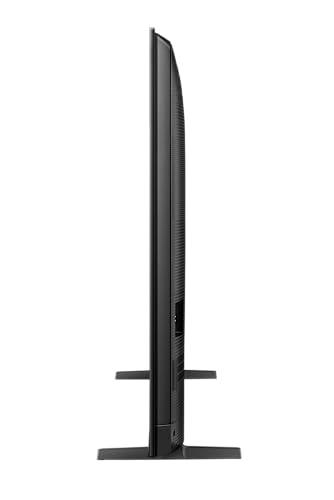
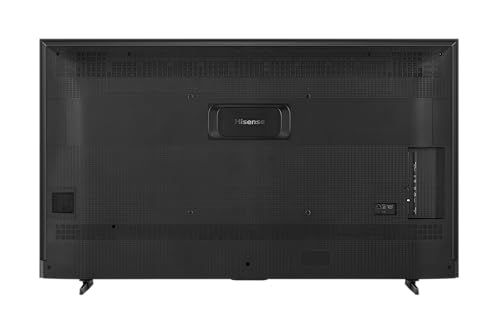


Shopping for a 65-inch 4K TV in 2025 means navigating an exciting landscape where premium display technologies have finally trickled down to affordable price points. Two standout options represent fundamentally different approaches to delivering excellent value: the Hisense QD7 Series with its cutting-edge Mini-LED display technology, and the Sony BRAVIA 2 II with its refined processing and ecosystem integration.
Both TVs launched in early 2025, arriving at a time when manufacturers are pushing advanced features into budget segments that were unimaginable just a few years ago. The question isn't whether these TVs are good—they're both excellent for their price ranges—but rather which approach better matches your viewing habits and priorities.
When you're spending under $700 on a 65-inch 4K TV, you're entering the sweet spot where size meets technology without breaking the bank. At this screen size, picture quality differences become genuinely noticeable compared to smaller displays, making your choice more consequential.
The most important performance characteristics in this category revolve around contrast ratio (how deep the blacks look compared to bright whites), color accuracy (how natural skin tones and landscapes appear), motion handling (whether fast action looks smooth or stuttery), and gaming responsiveness (input lag and refresh rate capabilities).
Peak brightness matters enormously for HDR content—those stunning sunset scenes in nature documentaries or explosive action sequences need sufficient brightness to create the intended impact. Local dimming (the ability to dim specific areas of the screen independently) separates budget TVs from truly cheap ones by preventing bright objects from washing out dark scenes.
For smart features, the platform's responsiveness, app selection, and ecosystem integration determine daily usability. A slow interface or missing apps can make even the best picture quality frustrating to access.
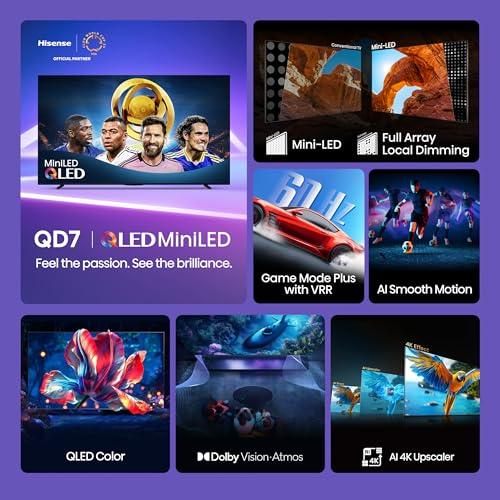
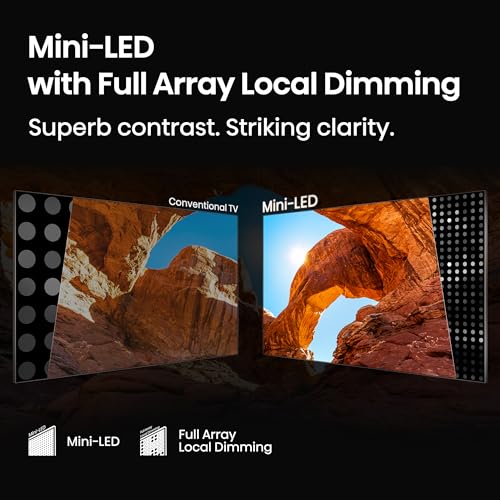
The Hisense QD7 employs Mini-LED backlighting with Full Array Local Dimming—technology that was exclusive to premium TVs costing over $1,500 just two years ago. Mini-LED uses thousands of tiny LEDs behind the screen, arranged in zones that can brighten or dim independently. This creates dramatic contrast by allowing true blacks in one area while maintaining bright highlights elsewhere.
Think of it like having hundreds of individual flashlights behind your TV screen, each controllable separately. When a scene shows a bright moon against a dark sky, the Mini-LED system can illuminate just the moon's area while keeping surrounding zones completely dark. Traditional LED TVs illuminate the entire panel uniformly, making dark scenes appear grayish.
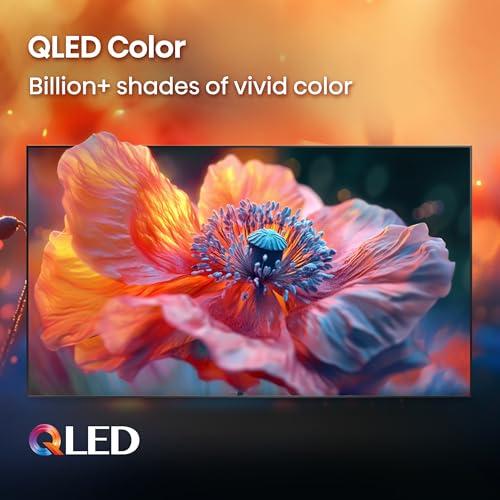
The QD7 also incorporates Quantum Dot technology—microscopic semiconductor particles that emit precise colors when hit by light. This enables the display of over one billion color shades, creating more vibrant and accurate colors than conventional LED panels. Colors appear more saturated and lifelike, particularly in HDR content where this wider color gamut becomes most apparent.
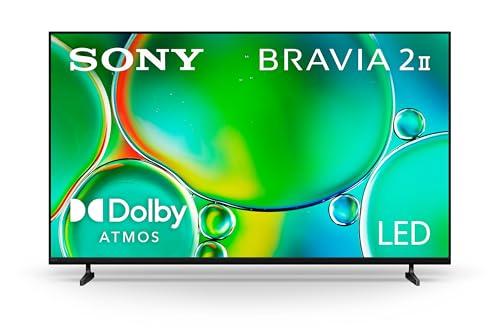
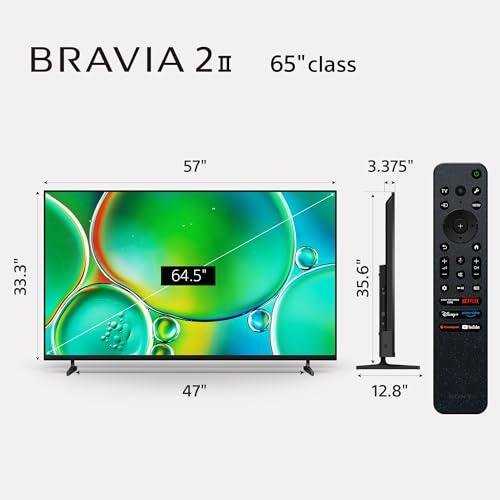
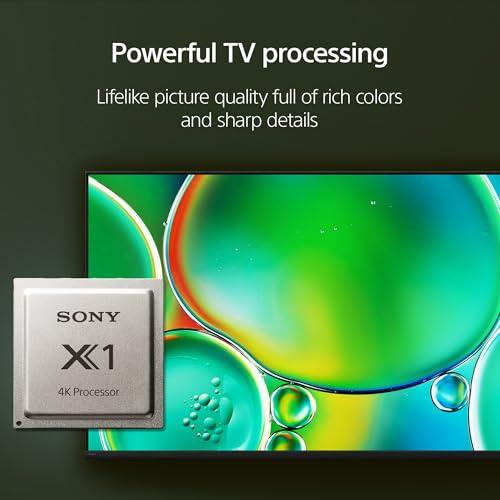
The Sony BRAVIA 2 II takes a different approach, using conventional direct LED backlighting without local dimming zones. However, Sony compensates with the 4K Processor X1, which analyzes incoming content using Sony's proprietary database of textures, colors, and patterns to enhance clarity and reduce noise.
This processor excels at upscaling—taking lower-resolution content like 1080p Netflix shows and intelligently adding detail to approach 4K quality. The 4K X-Reality PRO technology examines each frame and compares it against Sony's reference database, cleaning up compression artifacts and sharpening details that would appear soft on other TVs.
Sony's Live Color technology expands the color gamut to match what the display can actually reproduce, while Motionflow XR technology reduces motion blur by inserting calculated frames between original ones, making sports and action movies appear smoother.
Based on extensive user feedback and expert reviews, the Hisense QD7 delivers more dramatic visual impact, particularly in dark viewing environments. The Mini-LED backlighting creates genuinely deep blacks that make nighttime movie scenes appear more cinematic. HDR content shows more punch—those bright explosions or sunset scenes have the intensity that content creators intended.
However, some reviewers note that the QD7's black levels, while impressive for the price, don't quite reach the performance of higher-end Mini-LED implementations. In very dark rooms, trained eyes might notice that pure black scenes appear slightly grayish, and there can be minor haloing around bright objects against dark backgrounds.
The Sony BRAVIA 2 II produces more naturally balanced images with superior color accuracy. Skin tones appear more realistic, and the overall image looks less artificially enhanced. Sony's processing shines with mixed lighting—scenes that transition between bright outdoors and dim interiors maintain detail in both areas more effectively than the Hisense.
For motion handling, the Sony demonstrates clear superiority. Sports broadcasts appear smoother with less judder, and 24fps movies maintain their cinematic quality without the stuttering that some budget TVs exhibit. The Motionflow XR processing intelligently handles different content types, automatically adjusting settings for optimal performance.
HDR performance varies between models. The Hisense QD7 achieves higher peak brightness, making HDR highlights more impactful when watching in moderately lit rooms. However, some reviewers find the overall HDR implementation underwhelming compared to the TV's other capabilities, with insufficient color volume in darker HDR scenes.
The Sony BRAVIA 2 II provides more consistent HDR performance across different content types, though without the dramatic peak brightness of Mini-LED technology. Its HDR processing focuses on maintaining detail rather than maximizing impact, which some viewers prefer for longer viewing sessions.
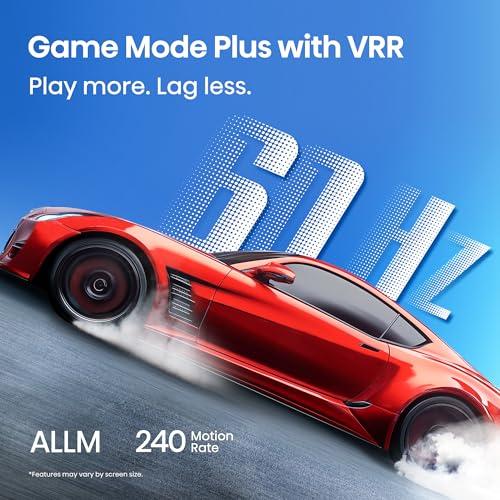
For gaming, the Hisense QD7 offers significantly more advanced features. Variable Refresh Rate (VRR) synchronizes the TV's refresh rate with your gaming console's output, eliminating screen tearing—those horizontal lines that appear when the display and graphics card fall out of sync. Auto Low Latency Mode (ALLM) automatically switches to a gaming preset when it detects a console, reducing input lag (the delay between pressing a button and seeing the action on screen) to imperceptible levels.
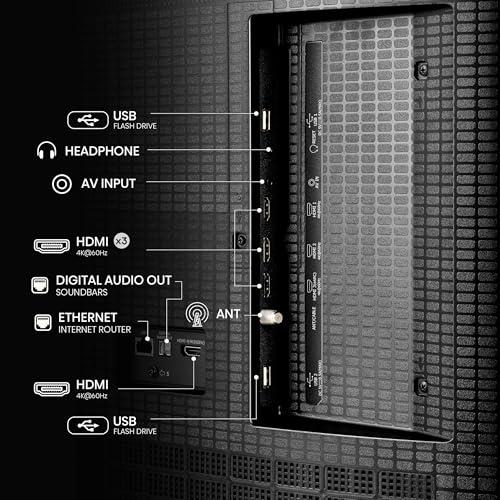
The Game Mode Plus feature optimizes picture settings specifically for gaming while maintaining visual quality. Multiple HDMI 2.1 ports provide future-proofing for next-generation gaming devices that can output higher frame rates and resolutions.
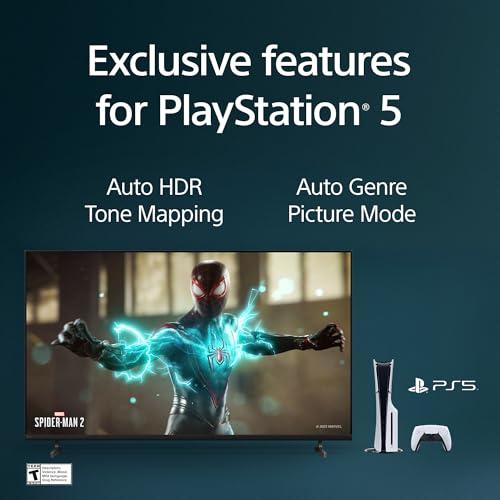
The Sony BRAVIA 2 II offers more basic gaming features, limited by its 60Hz refresh rate and HDMI 2.0 connectivity on most ports. While it includes thoughtful PlayStation 5 integration through Auto HDR Tone Mapping and Auto Genre Picture Mode, serious gamers will find the feature set limiting.
Input lag on the Sony is acceptable for casual gaming but noticeably higher than the Hisense. If you own a PlayStation 5, Xbox Series X, or gaming PC and play competitive or fast-paced games, the Hisense provides a measurably superior experience.
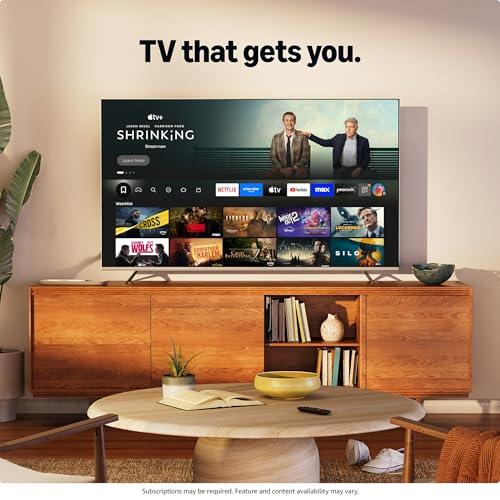
The smart TV experience often determines daily satisfaction more than picture quality specifications. The Hisense QD7 runs Fire TV, Amazon's streaming platform that integrates deeply with Prime Video and Alexa devices. The interface prioritizes Amazon content but provides access to all major streaming apps including Netflix, Disney+, and HBO Max.
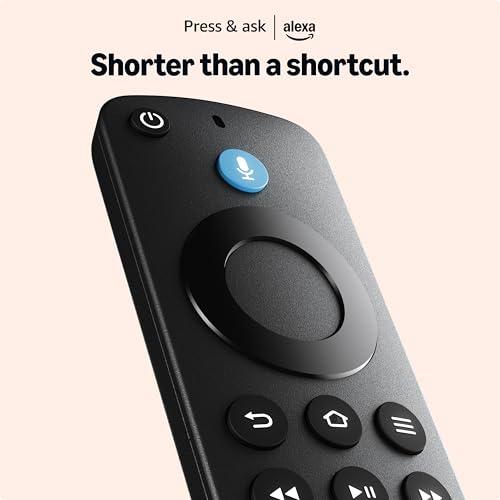
Fire TV's strength lies in its speed and simplicity. Navigation feels responsive, voice search through Alexa works reliably, and the platform rarely experiences the sluggishness that plagues some budget smart TV implementations. If your household uses Amazon Echo devices or Prime Video extensively, the integration creates a seamless entertainment ecosystem.
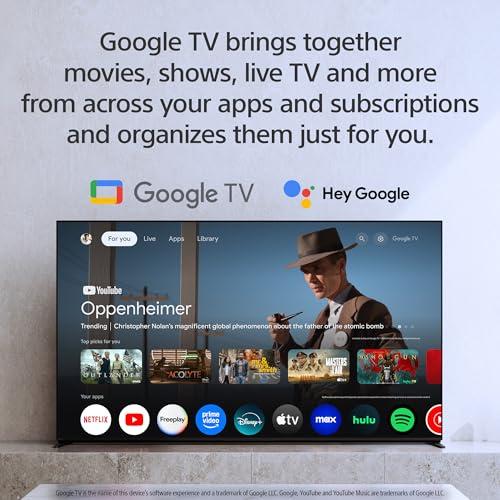
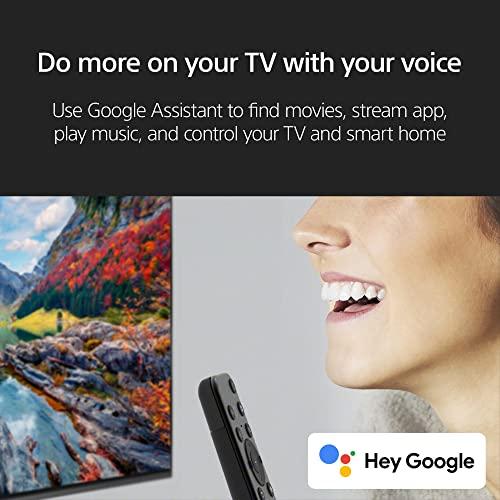
The Sony BRAVIA 2 II operates Google TV, which takes a more democratic approach to content discovery. Rather than promoting a single service, Google TV aggregates recommendations from multiple platforms, helping you find content across all your subscriptions. The Google Assistant integration extends beyond entertainment to smart home control and general queries.
Google TV supports broader ecosystem compatibility, including Apple AirPlay 2 for iPhone and iPad users, Apple HomeKit for smart home integration, and Amazon Alexa alongside Google Assistant. This flexibility makes it more appealing for households with mixed device ecosystems.
The recommendation engine on Google TV feels more sophisticated, learning viewing preferences across family members and suggesting content from whichever service offers it, rather than steering users toward a specific platform.
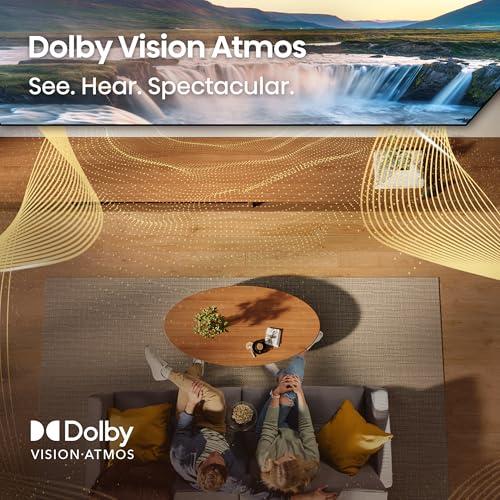
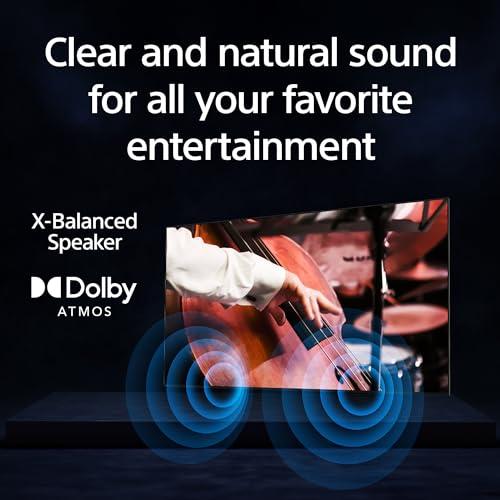
Audio performance reveals another clear distinction between these models. The Sony BRAVIA 2 II includes a 40W Open Baffle Speaker system with both Dolby Atmos and DTS:X support. These audio formats create three-dimensional soundstages, placing sounds above, behind, and around listeners for more immersive experiences.
Sony's Clear Phase technology adjusts timing alignment of sounds at different frequencies, creating better acoustic harmony and clearer dialogue. During our research, users consistently reported that the Sony provides adequate audio for casual viewing without immediately requiring external speakers.
The Hisense QD7 features more basic built-in audio that, while supporting Dolby Atmos processing, lacks the power and refinement of Sony's implementation. Most users planning serious home theater setups will want to budget for a soundbar regardless of which TV they choose, but the Sony delays that necessity.
Sony's reputation for reliability extends to the BRAVIA 2 II, which demonstrates superior construction quality with better materials and more refined industrial design. The fit and finish feel more premium, and Sony's customer service infrastructure provides more responsive support when issues arise.
The Hisense QD7 shows significant improvement in build quality compared to earlier Hisense generations, with solid construction and attractive design. However, it doesn't match Sony's attention to detail or long-term reliability track record. The trade-off involves accepting slightly higher ownership risk in exchange for more advanced display technology at a lower price point.
For dedicated home theater setups, the Hisense QD7 provides more cinematic impact through its superior contrast performance. Dark movie scenes appear more dramatic, and the wider color gamut makes HDR content more visually striking. The Mini-LED technology creates the "wow factor" that makes movie nights feel special.
However, home theater enthusiasts often prioritize color accuracy over impact, making the Sony BRAVIA 2 II's more natural color reproduction appealing for longer viewing sessions. The better motion processing reduces fatigue during extended movie marathons, and the superior audio delays the need for immediate sound system upgrades.
Room lighting significantly influences the choice. In dedicated dark theater rooms, the Hisense's contrast advantage becomes most apparent. In family rooms with ambient lighting, the Sony's processing and brightness consistency provide more practical benefits.
At the time of writing, the Hisense QD7 typically costs $100-200 less than the Sony BRAVIA 2 II, making it exceptional value for the display technology included. You're essentially getting 70-80% of flagship TV performance at 15-20% of flagship pricing.
However, total ownership cost considerations include potential soundbar purchases. If you plan to add external audio, the Hisense's lower upfront cost and superior display technology make it more attractive. If you prefer avoiding additional purchases initially, the Sony's better built-in audio provides more complete value.
Choose the Hisense QD7 if you prioritize dramatic picture quality and gaming performance. It's ideal for movie enthusiasts who watch primarily in dark rooms, serious gamers using current-generation consoles, and bargain hunters seeking maximum display technology for minimum investment. The Amazon ecosystem integration appeals to households already invested in Alexa devices and Prime Video.
The Sony BRAVIA 2 II suits viewers who value brand reliability, natural color accuracy, and ecosystem flexibility. It's perfect for bright room viewing, casual gaming focused on PlayStation consoles, and families using mixed device ecosystems requiring broad compatibility. The superior processing and audio make it more immediately satisfying without additional purchases.
Both TVs represent excellent value in their respective approaches. The Hisense maximizes raw performance per dollar, while the Sony emphasizes refinement and long-term satisfaction. Your choice depends on whether you prioritize cutting-edge technology or polished execution—both valid approaches that deliver satisfying viewing experiences well above their price points.
| Hisense QD7 Series 65" Mini-LED 4K Fire TV | Sony BRAVIA 2 II 65" 4K LED Smart TV 2025 |
|---|---|
| Display Technology - Core difference affecting picture quality | |
| Mini-LED with Full Array Local Dimming + Quantum Dot | Direct LED backlighting with 4K Processor X1 |
| Contrast Performance - Critical for dark room viewing and HDR impact | |
| Superior blacks and highlights from local dimming zones | Standard contrast with advanced processing compensation |
| Color Technology - Affects vibrancy and accuracy | |
| QLED Quantum Dot (over 1 billion colors, more saturated) | Live Color processing (more natural, reference-accurate) |
| Gaming Features - Essential for console and PC gaming | |
| VRR, ALLM, HDMI 2.1, Game Mode Plus (excellent) | Basic 60Hz, PlayStation 5 integration (adequate for casual) |
| Smart TV Platform - Daily usability and ecosystem integration | |
| Fire TV with Alexa (Amazon-centric, fast performance) | Google TV with Assistant (universal discovery, broader compatibility) |
| Audio Quality - Built-in speaker performance | |
| Basic 20W speakers (requires soundbar for good sound) | 40W Open Baffle with Dolby Atmos/DTS:X (adequate without extras) |
| Motion Processing - Sports and action movie smoothness | |
| MEMC technology (good but not exceptional) | Motionflow XR (superior, especially for film content) |
| HDR Support - High dynamic range content compatibility | |
| HDR10, HDR10+, Dolby Vision (higher peak brightness) | HDR10, HLG (more consistent processing, lower peak brightness) |
| Build Quality - Long-term reliability considerations | |
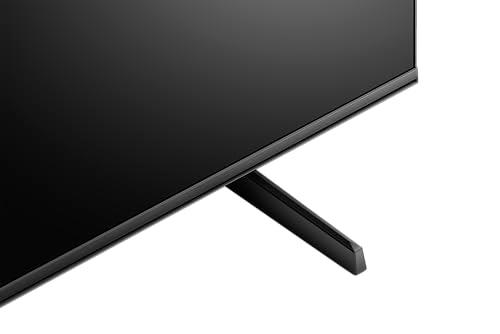
| Solid construction, improving brand reputation | Premium materials, established Sony reliability |
| Ecosystem Compatibility - Device integration flexibility | |
| Amazon/Alexa focused, Apple AirPlay supported | Google, Alexa, Apple AirPlay 2, HomeKit (most flexible) |
| Best Use Cases - Who should choose this TV | |
| Dark room movie watching, serious gaming, maximum tech per dollar | Bright room viewing, brand reliability priority, natural colors preferred |
The Hisense QD7 Series delivers more dramatic picture quality with its Mini-LED technology, creating deeper blacks and brighter highlights that make HDR movies more impactful. However, the Sony BRAVIA 2 II produces more natural, accurate colors and better motion processing for film content. For dark room movie watching, the Hisense QD7 provides superior contrast, while the Sony excels in mixed lighting conditions.
The Hisense QD7 Series is significantly better for gaming, offering Variable Refresh Rate (VRR), Auto Low Latency Mode (ALLM), and multiple HDMI 2.1 ports that eliminate screen tearing and reduce input lag. The Sony BRAVIA 2 II provides basic gaming features adequate for casual play but lacks advanced gaming capabilities needed for competitive or next-generation console gaming.
Both platforms are user-friendly but serve different needs. The Hisense QD7's Fire TV integrates seamlessly with Amazon services and Alexa devices, offering fast performance and simple navigation. The Sony BRAVIA 2 II's Google TV provides broader ecosystem compatibility, supporting Google Assistant, Alexa, and Apple devices while offering superior content discovery across all streaming services.
The Sony BRAVIA 2 II includes a superior 40W audio system with Dolby Atmos that's adequate for casual viewing without additional speakers. The Hisense QD7 Series has basic built-in audio that most users will want to supplement with a soundbar for satisfactory home theater sound quality.
The Sony BRAVIA 2 II performs better in bright rooms due to its advanced processing that maintains picture quality under various lighting conditions. While the Hisense QD7 can get brighter, its Mini-LED advantage is less noticeable in well-lit environments where the Sony's consistent performance and anti-glare capabilities become more valuable.
Both TVs run all major streaming apps smoothly. The Hisense QD7 Series uses Fire TV, which prioritizes Amazon Prime Video but includes Netflix, Disney+, and other services. The Sony BRAVIA 2 II runs Google TV, which provides more democratic content recommendations across all streaming platforms and faster access to Google Play Store apps.
The Hisense QD7 Series typically offers better value by including premium Mini-LED and Quantum Dot technologies usually found in much more expensive TVs. However, the Sony BRAVIA 2 II provides better long-term value through superior build quality, brand reliability, and adequate built-in audio that delays additional purchases.
Yes, both work well for home theater use but in different ways. The Hisense QD7 creates more cinematic impact with dramatic contrast perfect for dark dedicated theater rooms. The Sony BRAVIA 2 II offers more accurate colors and better motion processing preferred by home theater purists, plus superior built-in audio that reduces immediate upgrade needs.
The Sony BRAVIA 2 II demonstrates superior build quality with premium materials, better fit and finish, and Sony's established reputation for reliability. The Hisense QD7 Series shows improved construction compared to previous generations but doesn't match Sony's manufacturing standards or customer support infrastructure.
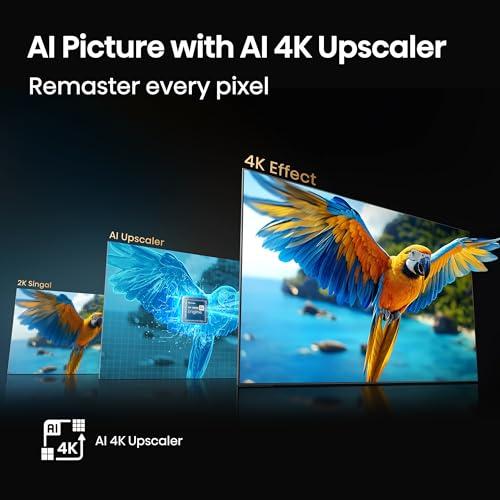
The Sony BRAVIA 2 II excels at upscaling with its 4K Processor X1 and 4K X-Reality PRO technology, which intelligently enhances 1080p content to near-4K quality. The Hisense QD7 Series includes 4K AI upscaling that performs well but doesn't match Sony's sophisticated processing algorithms for improving lower-resolution sources.
The Sony BRAVIA 2 II is superior for sports due to its advanced Motionflow XR technology that reduces motion blur and maintains smooth action during fast-paced scenes. The Hisense QD7 can display vibrant colors and good brightness but doesn't handle rapid motion as effectively as the Sony's specialized processing.
Choose the Hisense QD7 Series if you prioritize cutting-edge display technology, serious gaming features, dramatic picture quality for dark room viewing, and maximum value per dollar spent. Choose the Sony BRAVIA 2 II if you prefer brand reliability, natural color accuracy, superior motion processing, better built-in audio, and broader smart home ecosystem compatibility.
We've done our best to create useful and informative comparisons to help you decide what product to buy. Our research uses advanced automated methods to create this comparison and perfection is not possible - please contact us for corrections or questions. These are the sites we've researched in the creation of this article: bestbuy.com - youtube.com - youtube.com - rtings.com - tvsbook.com - hometechnologyreview.com - hometechnologyreview.com - bestbuy.com - static.pcrichard.com - hometechnologyreview.com - bestbuy.com - hisense-usa.com - hisense-usa.com - shopmyexchange.com - brandsmartusa.com - manuals.plus - youtube.com - rtings.com - tvsbook.com - flatpanelshd.com - youtube.com - bestbuy.com - hometechnologyreview.com - hometechnologyreview.com - electronics.sony.com - youtube.com - rtings.com - costco.com - youtube.com - displayspecifications.com - flanners.com - beachcamera.com - displayspecifications.com - bestbuy.com - stereoeast.com - youtube.com - sony.com.my

Privacy Policy
Terms and Conditions - Affiliate Policy
Home Security
© Copyright 2008-2026.
11816 Inwood Rd #1211, Dallas, TX 75244