

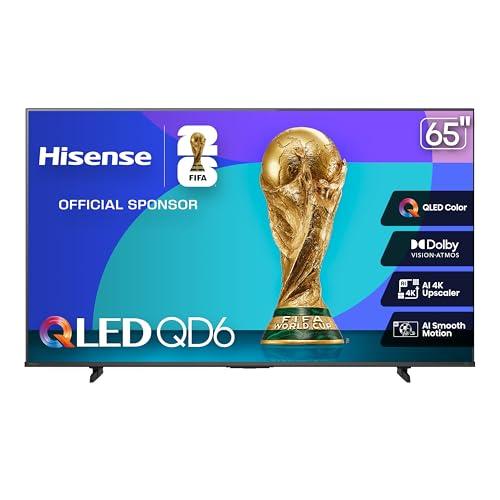
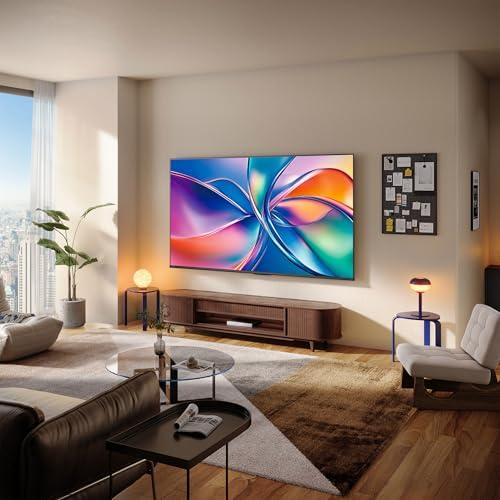
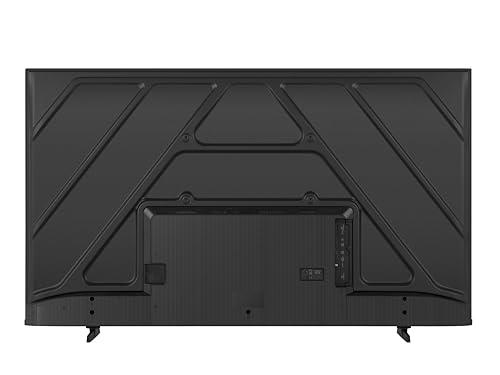
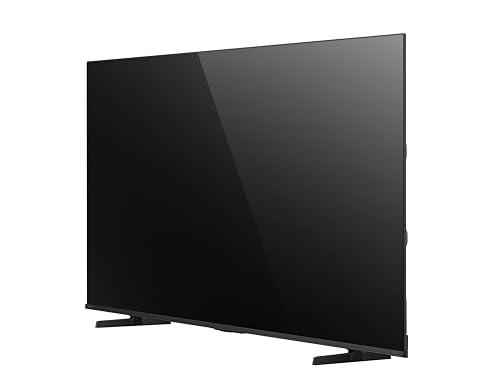

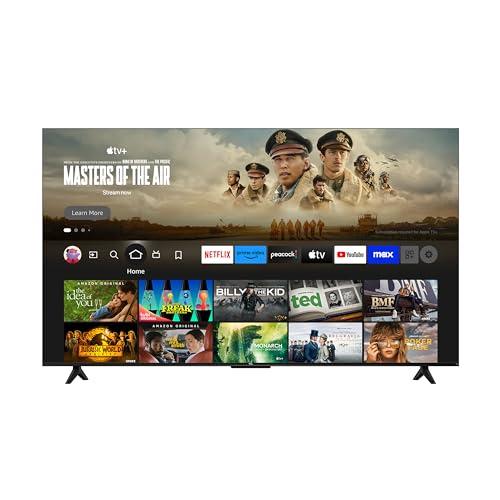

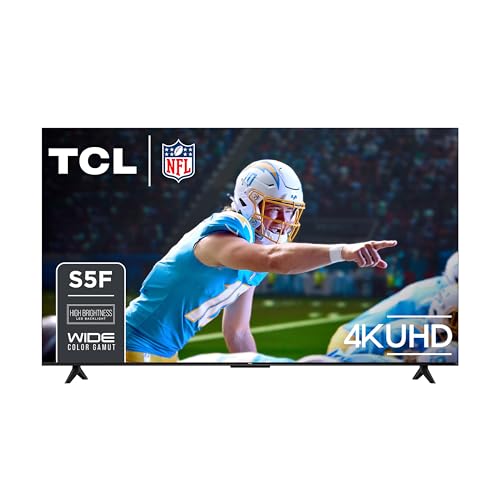
Shopping for a large 4K TV on a budget used to mean accepting terrible picture quality and bare-bones features. Not anymore. The 65-inch TV market has become incredibly competitive, with manufacturers packing impressive technology into surprisingly affordable packages. Two standouts in this space are the Hisense 65" QD6 Series QLED and the TCL 65" S5 Class, both released in 2024 and priced within $10 of each other at the time of writing.
The question isn't whether these TVs are good for their price—they both offer exceptional value. The real question is which one better matches your specific needs and viewing habits. After extensive research into professional reviews and user feedback, we've found that choosing between them comes down to understanding what each TV does exceptionally well and where they make compromises to hit their aggressive price points.
Before diving into specifics, it's important to understand what defines this category and what buyers should realistically expect. Budget 65-inch 4K TVs typically fall into the $350-$500 range and focus on delivering modern features without premium performance. They're designed for mainstream viewers who want sharp resolution, decent colors, and smart TV functionality without paying for high-end features like full-array local dimming (which uses hundreds of individually controlled LED zones to improve contrast) or premium gaming capabilities.
The key considerations in this category are picture brightness, color accuracy, smart platform quality, and build reliability. These TVs excel at streaming content and casual viewing but may struggle with demanding scenarios like bright room viewing or serious home theater setups. Understanding these inherent limitations helps set appropriate expectations.
The Hisense QD6 represents something relatively rare in the budget TV space: quantum dot technology at an accessible price point. QLED stands for "Quantum Dot Light Emitting Diode," and while that sounds complex, the concept is straightforward. Traditional LED TVs use blue LED backlights with phosphor coatings to create white light, then filter that light through color filters to create the image. This process isn't particularly efficient and limits color purity.
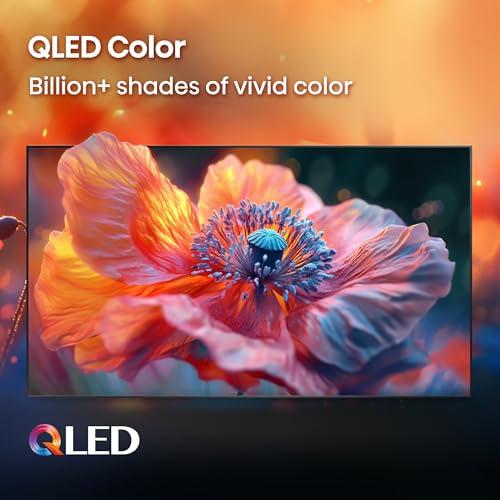
Quantum dot TVs add a layer of microscopic nanocrystals that, when hit by blue light, emit very pure red and green light. This creates a much wider color gamut—the range of colors a display can reproduce. The Hisense QD6 covers approximately 90% of the DCI-P3 color space, which is the standard used for digital cinema. For context, that's significantly wider than most budget TVs, which typically manage around 75-80% DCI-P3 coverage.
This technical advantage translates into noticeably more vibrant colors, especially in reds and greens. Sunsets look more golden, grass appears more lush, and skin tones have better warmth and naturalness. The difference becomes particularly apparent when watching nature documentaries or animated content where color vibrancy matters most.
Beyond color, the QD6 achieves superior brightness levels around 385 cd/m² (candelas per square meter—a measure of luminance). This might not sound impressive compared to premium TVs that hit 1000+ cd/m², but it's meaningfully brighter than most budget competitors, including the TCL S5. Higher brightness improves HDR performance, makes colors appear more saturated, and provides better visibility in moderately lit rooms.
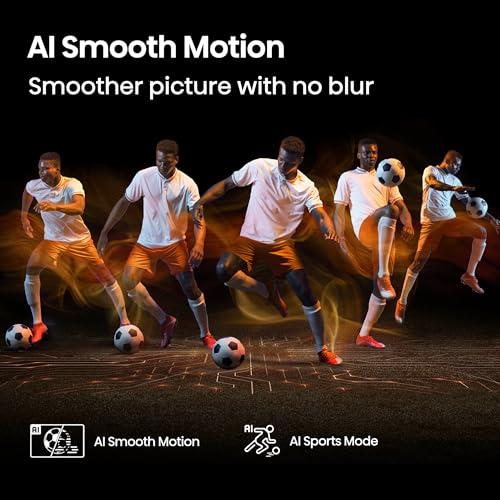
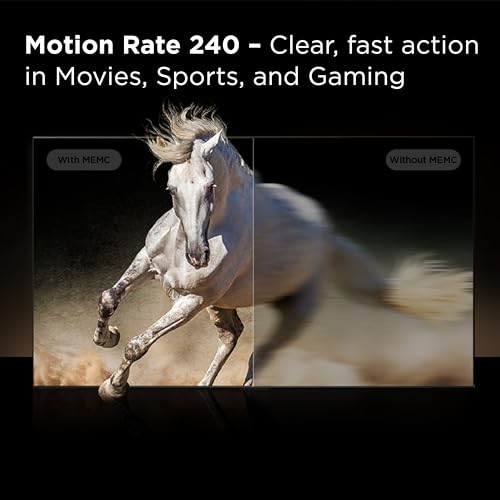
The TCL S5 takes a different approach, prioritizing motion handling and value maximization over color enhancement. Its standout feature is Motion Rate 240 with MEMC (Motion Estimation, Motion Compensation) technology. This system analyzes consecutive frames to predict object movement, then inserts interpolated frames to create smoother motion.
MEMC processing can dramatically reduce motion blur during sports broadcasts, action movies, and fast-paced content. However, it's a double-edged sword. When working well, it creates impressively smooth motion that makes sports viewing more engaging. When working poorly, it can create the dreaded "soap opera effect" where movies look unnaturally smooth, or worse, introduce distracting artifacts around moving objects.
The TCL S5 seems to handle MEMC reasonably well based on user feedback, but like all motion processing, it's somewhat subjective. Some viewers love the enhanced smoothness, while others prefer the natural motion of content as originally filmed. Fortunately, these features can typically be adjusted or disabled entirely.
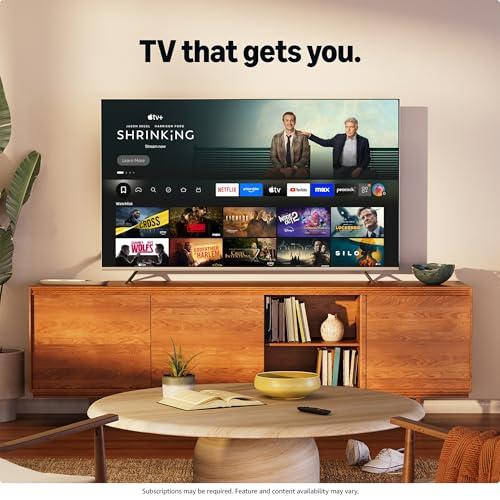
Both the Hisense QD6 and TCL S5 run Amazon's Fire TV platform, which creates an unusual situation where the smart TV experience is virtually identical. Fire TV has evolved significantly since its introduction and now offers one of the most comprehensive app ecosystems available.
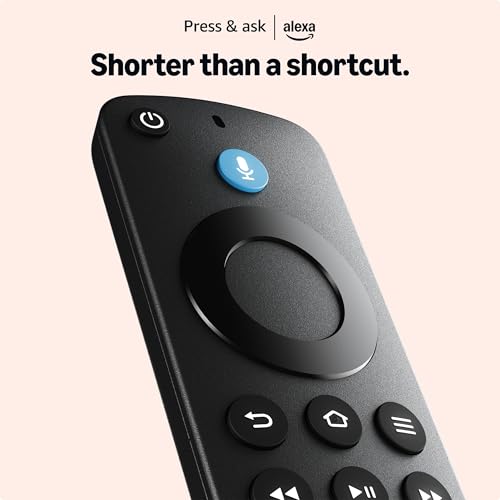
The platform provides access to all major streaming services, including Netflix, Disney+, Amazon Prime Video, YouTube, and hundreds of others. The interface is intuitive, with content recommendations prominently displayed and easy navigation between apps. Voice control through the included Alexa remote works reliably for launching content, searching across services, and controlling basic TV functions.
Both TVs support Apple AirPlay 2, allowing iPhone and iPad users to cast content wirelessly. This cross-platform compatibility has become increasingly important as households often mix Apple and Amazon devices. The Fire TV platform also integrates well with Amazon's ecosystem, making it particularly appealing for existing Alexa smart home users.
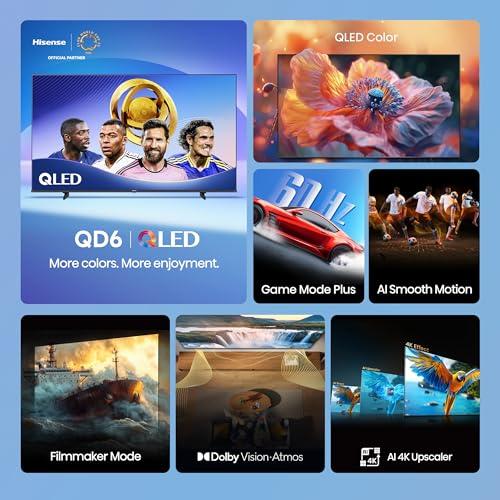
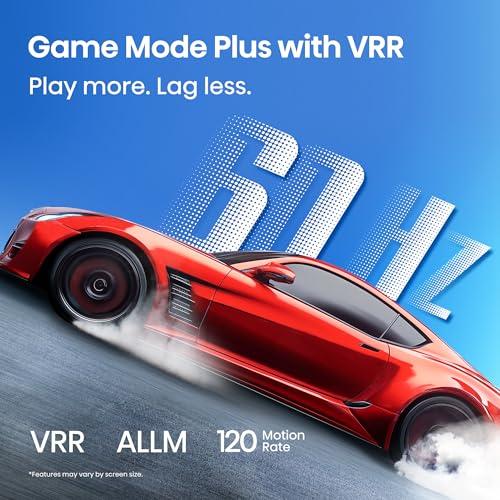
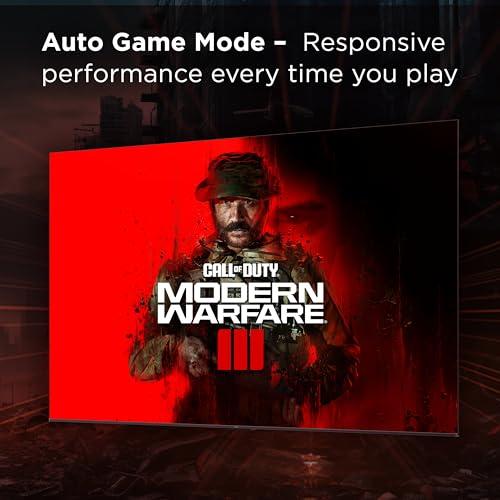
Neither TV targets serious gamers, but both offer respectable gaming performance for casual players. The Hisense QD6 includes Game Mode Plus with Variable Refresh Rate (VRR) and Auto Low Latency Mode (ALLM). VRR synchronizes the TV's refresh rate with the gaming console's frame rate, reducing screen tearing and stuttering. ALLM automatically switches to the lowest input lag mode when it detects gaming content.
The TCL S5 offers Game Accelerator 120, which supports up to 120Hz refresh rates at 1440p resolution with VRR. This is actually somewhat impressive for a budget TV, as many competing models max out at 60Hz. However, both TVs are limited by HDMI 2.0 bandwidth, preventing 4K gaming at 120Hz—a feature increasingly important for PlayStation 5 and Xbox Series X owners.
Input lag on both models appears adequate for casual gaming, typically measuring under 20 milliseconds in game mode. This is responsive enough for most gaming scenarios but not quite at the sub-15ms level preferred by competitive gamers.
The most significant performance gap between these TVs lies in picture quality fundamentals. The Hisense QD6's quantum dot technology and higher brightness create meaningful advantages in several scenarios.
HDR Content Performance: High Dynamic Range content is designed to use brighter highlights and darker shadows to create more realistic images. The QD6's superior brightness allows HDR highlights to appear more impactful, while its wider color gamut ensures colors remain saturated even in bright scenes. The TCL S5 supports the same HDR formats (Dolby Vision, HDR10, HDR10+, HLG) but can't display them as effectively due to brightness limitations.
Color Accuracy and Saturation: Even in standard dynamic range content, the QD6's quantum dot layer provides more accurate and saturated colors. This becomes particularly noticeable in skin tones, which appear more natural, and in colorful content like animated movies or nature documentaries.
Brightness Handling: The QD6's higher peak brightness makes it more versatile for different room lighting conditions. While neither TV excels in very bright rooms, the QD6 remains watchable in moderately lit spaces where the S5 might appear washed out.
However, both TVs share common limitations typical of budget models. Neither features local dimming, which means they can't darken specific areas of the screen independently. This results in elevated black levels—what should be pure black appears more like dark gray. This limitation affects contrast performance and makes both TVs less suitable for dark room viewing where black level performance becomes critical.
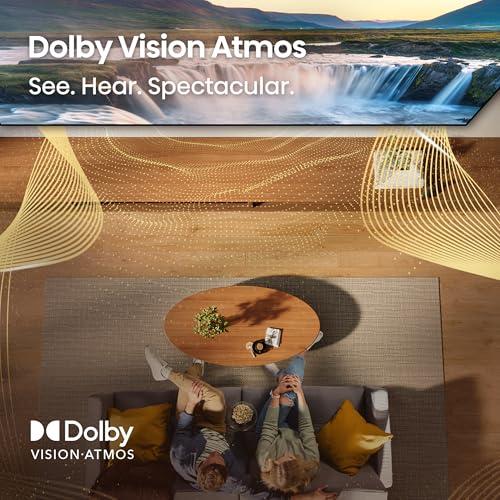
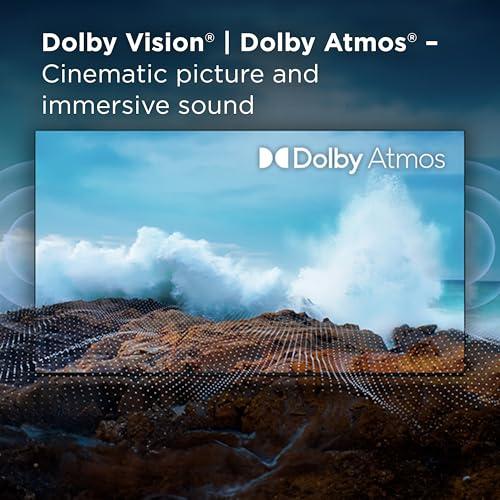
Both TVs include Dolby Atmos support, which processes audio to create a more immersive soundscape. The Hisense QD6 outputs 20 watts total power, while the TCL S5 also delivers 20 watts but adds DTS Virtual:X processing for additional audio enhancement options.
In practice, built-in TV speakers on budget models rarely impress, but both perform adequately for casual viewing. Dialogue remains clear, and the Dolby Atmos processing does create some sense of spatial audio, though don't expect true surround sound immersion. Both TVs include eARC (enhanced Audio Return Channel) support, making them compatible with modern soundbars and audio systems for users who want to upgrade their audio experience.
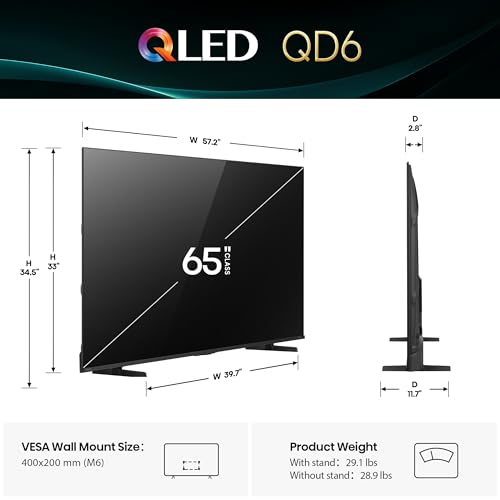
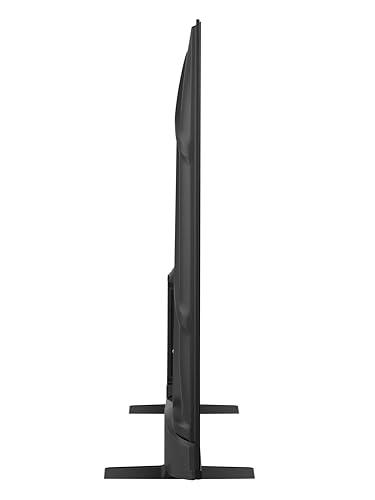
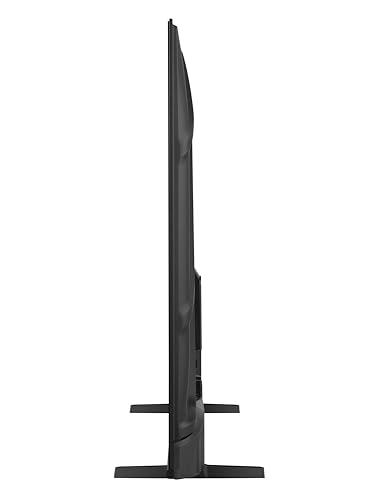
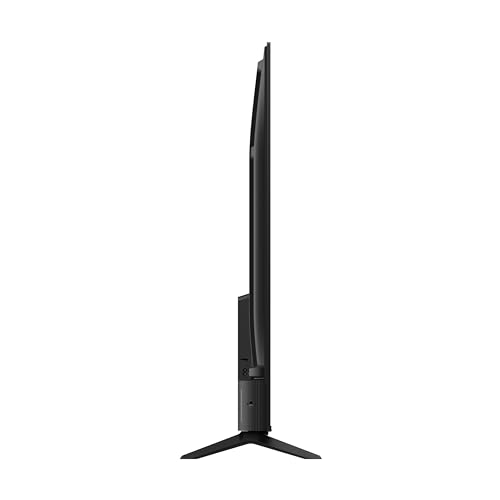
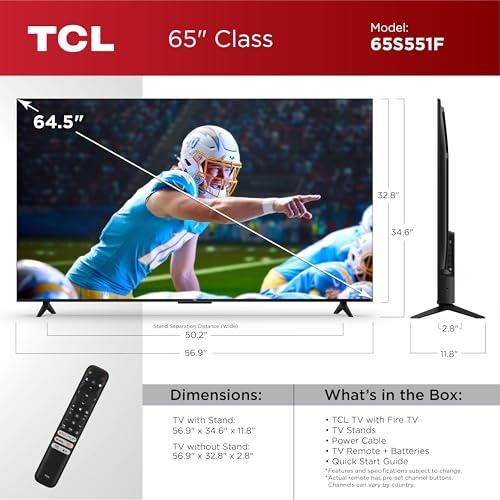
The Hisense QD6 emphasizes premium aesthetics with its slim 2.8-inch profile and lighter weight at 28.9 pounds. This makes it easier to mount and creates a more modern appearance when wall-mounted. The build quality feels solid, and the included three-year warranty provides additional confidence in long-term reliability.
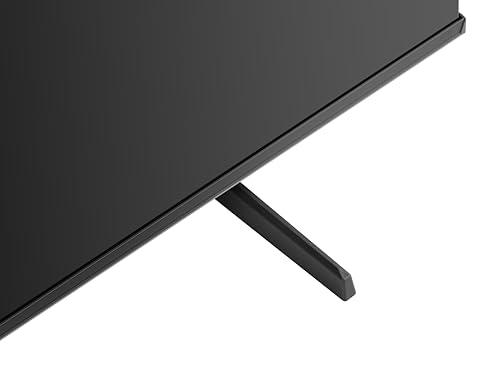
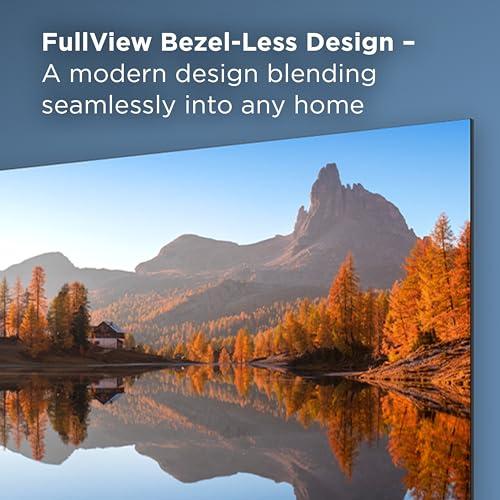
The TCL S5 features a "FullView" bezel-less design that maximizes screen real estate and looks impressively modern for the price. However, it's slightly thicker and heavier, and the wide-set leg design may require larger furniture. The standard one-year warranty is typical for the category but less reassuring than Hisense's extended coverage.
For dedicated home theater setups, neither TV truly excels, but they serve different roles. The Hisense QD6 is the better choice for viewers who prioritize color accuracy and brightness, making it more suitable for rooms with some ambient light. Its superior HDR performance also makes it more engaging for movie watching, though the lack of local dimming limits its dark room performance.
The TCL S5 might appeal to home theater enthusiasts who frequently watch sports or action content where motion clarity matters more than absolute color accuracy. However, both TVs' narrow viewing angles make them less suitable for wide seating arrangements common in dedicated theater rooms.
For serious home theater applications, buyers should consider that both TVs represent compromises. Their strengths lie in delivering solid mainstream performance rather than excelling in demanding scenarios.
At the time of writing, both TVs occupy nearly identical price points, making the value comparison straightforward. The Hisense QD6 costs slightly more but delivers quantum dot technology that typically commands significant premiums at higher price tiers. This represents exceptional value for buyers who appreciate superior color performance.
The TCL S5's lower price makes it attractive for budget-maximizers who want modern features without paying extra for enhanced color reproduction. Its motion processing capabilities also provide unique value for sports enthusiasts.
Both TVs have evolved significantly since 2024's models introduced improved processing, better smart TV performance, and more comprehensive HDR support compared to their predecessors. The rapid advancement in budget TV technology means even these affordable options include features that were premium just a few years ago.
After analyzing the technical capabilities, user feedback, and real-world performance of both models, the Hisense QD6 emerges as the better overall value for most buyers. The quantum dot technology provides a meaningful picture quality upgrade that's immediately noticeable in everyday viewing, while the three-year warranty adds long-term value that justifies the modest price premium.
Choose the Hisense QD6 if you want the best possible picture quality in this price range, appreciate vibrant colors, or plan to use the TV in rooms with moderate lighting. It's particularly appealing for viewers who watch a lot of streaming content, animated movies, or nature documentaries where color vibrancy enhances the experience.
Choose the TCL S5 if budget is your absolute priority and you're willing to accept standard LED picture quality for maximum savings. It's also worth considering if you're a serious sports fan who values motion clarity above color accuracy, or if you prefer the bezel-less aesthetic.
For most buyers, the modest price difference makes the Hisense QD6 the smarter long-term investment. You're getting premium display technology and extended warranty coverage for minimal additional cost. However, both TVs represent excellent value in the budget 65-inch category and would satisfy most mainstream viewing needs.
The budget TV market has never offered better options than these current models, and either choice will provide years of reliable entertainment. The key is matching the TV's strengths to your specific viewing habits and room conditions.
| Hisense 65" QD6 Series QLED 4K Fire TV | TCL 65" S5 Class 4K UHD HDR Fire TV 2024 Smart TV |
|---|---|
| Display Technology - Biggest factor in color quality and vibrancy | |
| QLED with Quantum Dots (~90% DCI-P3 color gamut) | Standard LED (75-80% DCI-P3 color gamut) |
| Peak Brightness - Critical for HDR impact and room lighting flexibility | |
| 385 cd/m² (better for moderate lighting) | Lower brightness (best for dim rooms only) |
| Motion Processing - Most important for sports and action content | |
| Standard 60Hz with basic motion enhancement | Motion Rate 240 with MEMC Frame Insertion |
| Gaming Features - Key for console gaming performance | |
| Game Mode Plus with VRR and ALLM | Game Accelerator 120 (1440p at 120Hz with VRR) |
| Smart TV Platform - Identical experience on both models | |
| Fire TV with Alexa, Apple AirPlay 2 | Fire TV with Alexa, Apple AirPlay 2 |
| Audio Output - Determines if external speakers are needed | |
| 20W with Dolby Atmos | 20W with Dolby Atmos + DTS Virtual:X |
| HDMI Connectivity - Affects gaming and device compatibility | |
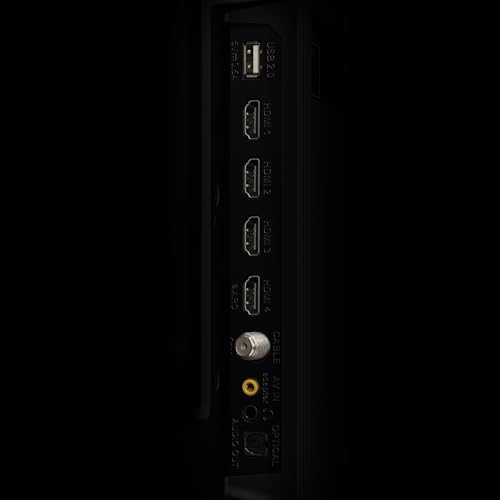
| 4 x HDMI 2.0 (one with eARC) | 3 x HDMI 2.0 (one with eARC) |
| Build Quality - Weight affects mounting, warranty affects long-term value | |
| 28.9 lbs, 2.8" thick, 3-year warranty | 35.7 lbs, 2.7" thick, 1-year warranty |
| HDR Support - All major formats supported on both | |
| Dolby Vision, HDR10+, HDR10, HLG | Dolby Vision, HDR10+, HDR10, HLG |
| Best For | |
| Superior picture quality, color accuracy, longer warranty peace of mind | Maximum budget efficiency, sports viewing, motion clarity |
The Hisense 65" QD6 Series QLED 4K Fire TV delivers superior picture quality thanks to its quantum dot technology, which produces more vibrant colors and covers about 90% of the DCI-P3 color space compared to the TCL 65" S5 Class 4K UHD HDR Fire TV 2024's standard LED panel. The QD6 also achieves higher peak brightness at 385 cd/m², making HDR content more impactful and colors more saturated.
Both the Hisense QD6 and TCL S5 offer decent gaming performance for casual players. The Hisense includes Game Mode Plus with VRR and ALLM, while the TCL features Game Accelerator 120 that supports 1440p at 120Hz. However, both are limited to HDMI 2.0, so neither supports 4K gaming at 120Hz for next-gen consoles.
The TCL S5 Class 4K UHD HDR Fire TV 2024 has an advantage for sports viewing with its Motion Rate 240 and MEMC frame insertion technology, which reduces motion blur during fast-paced action. While the Hisense QD6 offers better overall picture quality, the TCL's superior motion handling makes it more suitable for sports enthusiasts.
Yes, both the Hisense 65" QD6 Series QLED 4K Fire TV and TCL 65" S5 Class 4K UHD HDR Fire TV 2024 run Amazon's Fire TV platform with identical smart features, including Alexa voice control, Apple AirPlay 2 support, and access to all major streaming apps like Netflix, Disney+, and Prime Video.
The Hisense QD6 is significantly brighter with 385 cd/m² peak brightness, making it more suitable for moderately lit rooms. The TCL S5 has lower brightness output and performs best in dimly lit environments. Neither TV excels in very bright rooms, but the Hisense handles ambient light better.
The Hisense 65" QD6 Series QLED 4K Fire TV is lighter at 28.9 pounds and comes with an impressive 3-year warranty. The TCL 65" S5 Class 4K UHD HDR Fire TV 2024 is heavier at 35.7 pounds with a standard 1-year warranty. Both feature modern designs, but the Hisense offers better long-term value protection.
Both TVs work for casual home theater use but have limitations. The Hisense QD6 is better for home theaters due to superior color accuracy and brightness, making it more engaging for movie watching. However, both lack local dimming and have narrow viewing angles, limiting their performance in dedicated theater rooms compared to higher-end models.
The Hisense QD6 delivers better HDR performance thanks to its higher peak brightness and quantum dot technology, which allows HDR highlights to appear more impactful and colors to remain saturated. While both the Hisense QD6 and TCL S5 support all major HDR formats (Dolby Vision, HDR10+, HDR10, HLG), the QD6 can display them more effectively.
Both TVs feature 20W total audio output with Dolby Atmos support. The TCL S5 Class 4K UHD HDR Fire TV 2024 adds DTS Virtual:X processing for additional audio enhancement options. Neither TV delivers exceptional audio quality, but both include eARC support for connecting external soundbars or audio systems.
The Hisense 65" QD6 Series QLED 4K Fire TV typically offers better overall value despite costing slightly more. You get quantum dot technology (usually found in much more expensive TVs), higher brightness, and a 3-year warranty. The TCL S5 provides maximum budget efficiency if every dollar counts and you can accept standard LED picture quality.
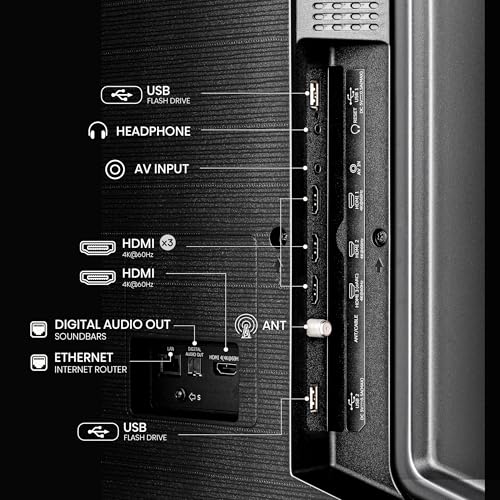
The Hisense QD6 offers 4 HDMI 2.0 ports (one with eARC) plus 2 USB ports, while the TCL S5 has 3 HDMI 2.0 ports (one with eARC) and 1 USB port. Both include Wi-Fi, Bluetooth, Ethernet, and optical audio outputs. The additional HDMI port on the Hisense provides more flexibility for connecting multiple devices.
Choose the Hisense 65" QD6 Series QLED 4K Fire TV if you want the best picture quality in this price range, appreciate vibrant colors, and value the extended warranty. Select the TCL 65" S5 Class 4K UHD HDR Fire TV 2024 if budget is your top priority, you watch lots of sports, or you prefer maximum motion clarity over color enhancement.
We've done our best to create useful and informative comparisons to help you decide what product to buy. Our research uses advanced automated methods to create this comparison and perfection is not possible - please contact us for corrections or questions. These are the sites we've researched in the creation of this article: rtings.com - bestbuy.com - pcvarge.com - youtube.com - consumerreports.org - costco.com - youtube.com - rtings.com - hometechnologyreview.com - manuals.plus - hisense-usa.com - costco.com - bestbuy.com - staples.com - hisense-usa.com - manuals.plus - pcrichard.com - hometechnologyreview.com - bestbuy.com - bestbuy.com - hisense-usa.com - rtings.com - bestbuy.com - youtube.com - youtube.com - businessinsider.com - pcvarge.com - rtings.com - tcl.com - tcl.com - tcl.com - bestbuy.com - sears.com - samsclub.com - tvsbook.com

Privacy Policy
Terms and Conditions - Affiliate Policy
Home Security
© Copyright 2008-2026.
11816 Inwood Rd #1211, Dallas, TX 75244