

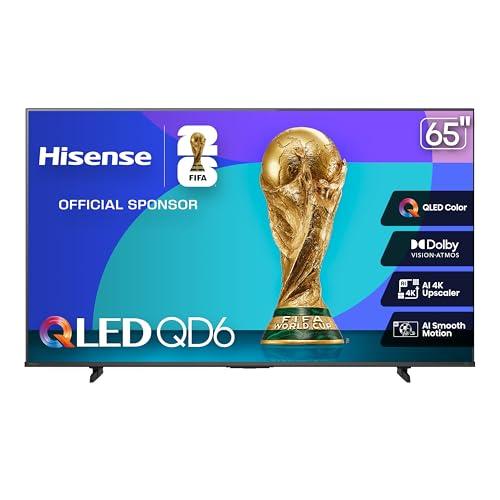


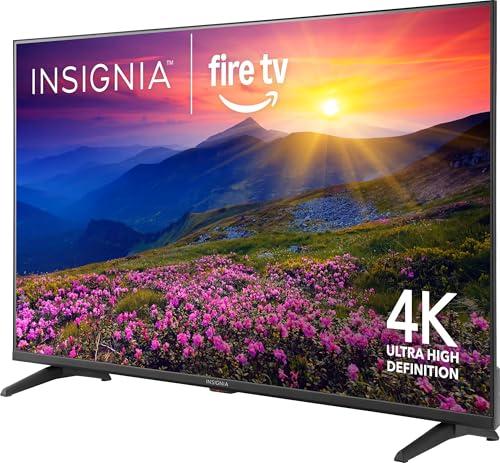
Shopping for a 65-inch TV on a budget used to mean settling for basic picture quality and limited smart features. Not anymore. Both the Hisense 65" QD6 Series QLED 4K Fire TV and Insignia 65" F50 Series 4K UHD Smart Fire TV promise quantum dot technology and premium features at accessible prices. But as we've discovered through extensive research into user reviews and expert testing, these two TVs take vastly different approaches to delivering value.
The budget QLED market has exploded in recent years, with manufacturers racing to bring quantum dot technology - previously reserved for premium models - down to more affordable price points. This creates an interesting challenge: how do you deliver genuine QLED benefits while hitting aggressive cost targets? The answer, as we'll see, varies dramatically between these two models.
Before diving into specifics, it's worth understanding what QLED actually means for your viewing experience. QLED stands for Quantum Dot Light Emitting Diode, which sounds complex but breaks down simply: quantum dots are microscopic particles that emit very pure colors when hit by light. Think of them as tiny color filters that can produce much more accurate reds, greens, and blues than traditional LED TVs.
The key advantage is color volume - not just how many colors a TV can display, but how bright and saturated those colors can be simultaneously. A traditional LED TV might show vibrant reds, but they often dim considerably. A proper QLED implementation maintains color intensity even at higher brightness levels, creating more lifelike images.
However - and this is crucial - not all "QLED" implementations are equal. Some manufacturers apply the term quite liberally, leading to significant performance variations between models claiming the same technology.
Released in 2024 and 2025 respectively, both the Hisense QD6 and Insignia F50 represent their manufacturers' attempts to democratize QLED technology. But our research reveals they've taken fundamentally different paths.
The Hisense QD6 appears to be a genuine attempt to bring mid-range QLED performance to budget pricing. Hisense has invested in proper quantum dot implementation, achieving approximately 90% coverage of the DCI-P3 color space - the standard used by movie studios. This is genuinely impressive for a budget model, approaching what premium TVs offered just a few years ago.
The Insignia F50, Amazon's house brand manufactured by Hisense ironically, takes a more conservative approach. While it technically features quantum dot technology, the implementation seems designed primarily to hit a lower price point rather than maximize performance benefits.
Peak brightness might sound like a boring specification, but it's actually one of the most important factors in real-world viewing satisfaction. The Hisense QD6 reaches approximately 385 cd/m² (candelas per square meter - essentially how bright the screen can get), while the Insignia F50 manages notably less.
This difference becomes immediately apparent when watching HDR content. HDR (High Dynamic Range) works by displaying brighter whites and darker blacks simultaneously, creating more realistic contrast. But without sufficient peak brightness, those bright highlights in a sunset or explosion simply don't pop the way they should. The QD6 delivers noticeably more impactful HDR, while the F50 often renders HDR content looking only marginally better than standard dynamic range.
In practical terms, this brightness advantage makes the Hisense QD6 much more versatile for different room conditions. Watching TV in a bright living room during the day? The QD6 cuts through ambient light more effectively. The Insignia F50 performs adequately in darker environments but struggles when competing with daylight or room lighting.
Both TVs support major HDR formats including Dolby Vision and HDR10, but their color reproduction capabilities differ significantly. The Hisense QD6's quantum dot implementation produces over a billion color shades with notably better saturation and accuracy. Colors appear more lifelike and vibrant without the oversaturation that plagues many budget displays.
The Insignia F50's quantum dot system, while present, doesn't achieve the same color volume. Reds and greens particularly lack the punch and accuracy of the QD6. This becomes most noticeable when watching nature documentaries or animated content where color accuracy significantly impacts the viewing experience.
One area where both TVs show their budget origins is gradient handling - how smoothly they transition between similar colors. Both can exhibit some banding in sky scenes or color gradients, though the QD6 handles these transitions somewhat more gracefully.
Neither TV features local dimming - a technology where different sections of the backlight can dim independently to improve contrast. This is a common cost-cutting measure in budget models, and it shows. Both TVs use VA panels (Vertical Alignment - a type of LCD panel known for better contrast than IPS panels), which helps with black levels, but bright scenes still cause some black level elevation.
The Hisense QD6 manages slightly better contrast due to its superior brightness capabilities, creating a wider range between the brightest whites and darkest blacks. For home theater enthusiasts who primarily watch in dark rooms, both TVs provide decent contrast, but neither approaches the inky blacks of OLED displays or higher-end TVs with full-array local dimming.
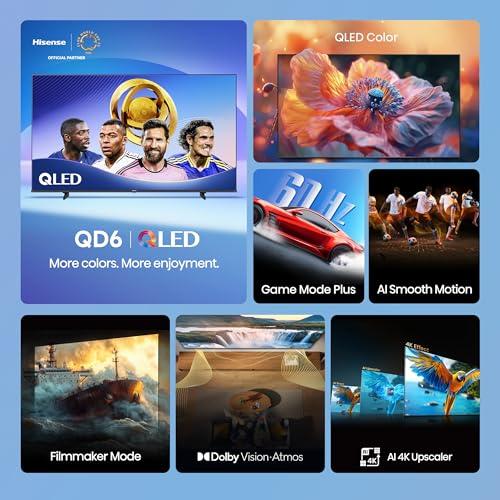
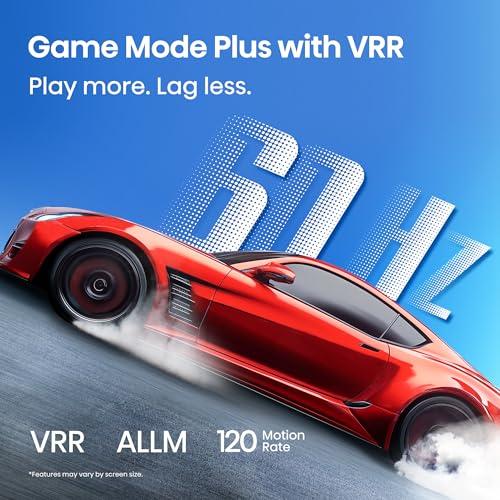
For gamers, the performance gap between these models becomes a chasm. The Hisense QD6 features a 144Hz panel with Game Mode Plus technology, supporting Variable Refresh Rate (VRR) and Auto Low Latency Mode (ALLM). These might sound like alphabet soup, but they're crucial for modern gaming.
VRR synchronizes the TV's refresh rate with your gaming console's frame rate, eliminating screen tearing - those annoying horizontal lines that appear during fast motion. ALLM automatically switches the TV to its lowest input lag mode when it detects a gaming signal, ensuring your button presses register as quickly as possible.
The Insignia F50 lacks these features entirely, limiting it to 60Hz refresh rates. With PlayStation 5 and Xbox Series X games increasingly targeting 120Hz modes, the F50 immediately becomes a bottleneck for next-generation gaming. The QD6's 144Hz capability not only handles current 120Hz gaming but provides headroom for future developments.
Input lag - the delay between pressing a button and seeing the result on screen - measures reasonably low on both TVs, but the QD6's gaming-specific optimizations give it a clear advantage for competitive gaming or fast-paced titles.
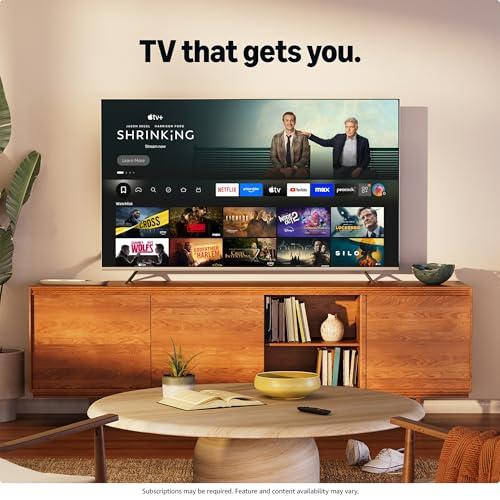
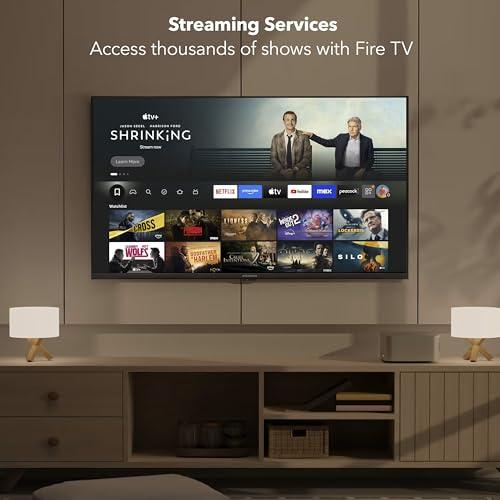
Both TVs run Amazon's Fire TV operating system, providing identical app selection and basic functionality. You'll find all major streaming services - Netflix, Disney+, Hulu, Prime Video, YouTube - along with thousands of additional apps. The Alexa integration works well on both models, allowing voice control of basic functions and smart home devices.
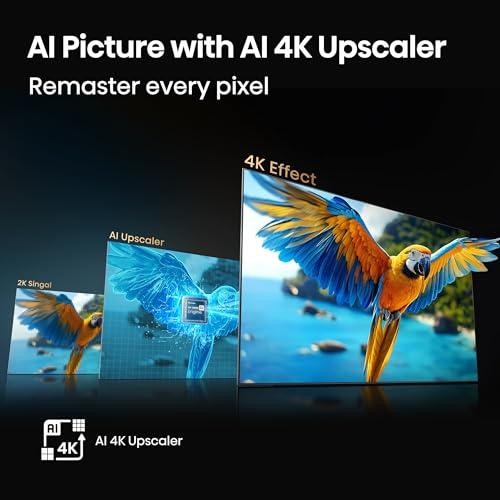
Where they differ is in execution quality. The Hisense QD6 includes AI-powered 4K upscaling, which uses machine learning to improve the appearance of lower-resolution content. This becomes particularly noticeable when streaming older TV shows or movies that weren't originally filmed in 4K. The AI upscaler analyzes each frame and enhances details, reduces artifacts, and sharpens images more intelligently than basic upscaling algorithms.
The QD6 also features AI Smooth Motion technology, using MEMC (Motion Estimation, Motion Compensation) to reduce blur during fast action scenes. This can make sports and action movies appear smoother, though some viewers prefer to disable motion processing for a more natural, film-like presentation.
User interface responsiveness differs notably between the models. The Hisense QD6's more powerful processor handles menu navigation and app switching more smoothly, while some users report occasional lag or stuttering with the Insignia F50, particularly when multitasking between apps.
In one of the few areas where the Insignia F50 outperforms its competitor, audio quality shows a clear advantage for Amazon's house brand. The F50 features 20-watt speakers compared to the QD6's 10-watt system, and this power difference is immediately audible.
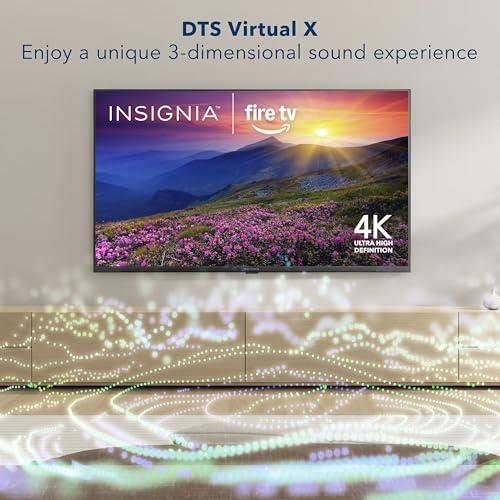
The F50 includes DTS Studio Sound processing, which enhances dialogue clarity and creates a wider soundstage from the built-in speakers. While neither TV will replace a dedicated sound system, the F50 provides more satisfactory audio for viewers who don't want to immediately invest in a soundbar.
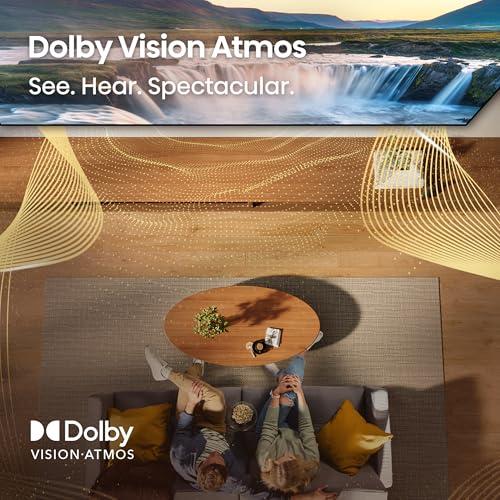
Both TVs support Dolby Atmos pass-through to external audio systems, but the Insignia F50's stronger built-in speakers make it more immediately enjoyable out of the box. For apartment dwellers or situations where external speakers aren't practical, this audio advantage shouldn't be dismissed.
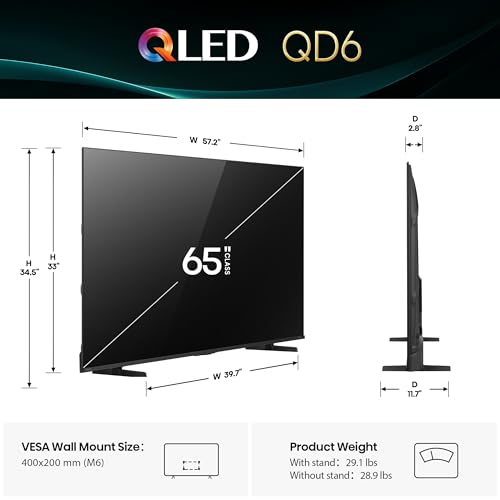
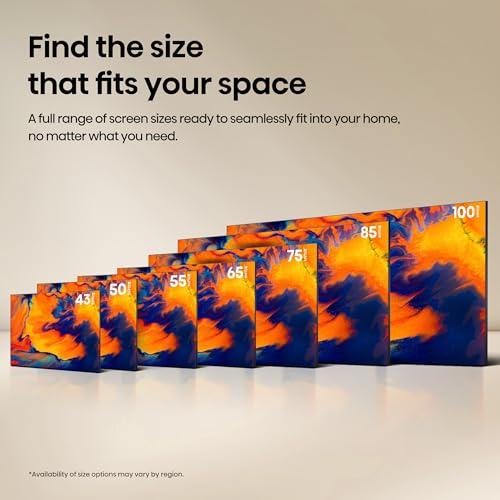
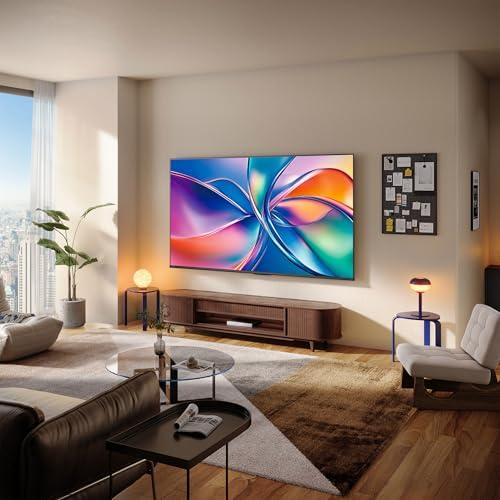
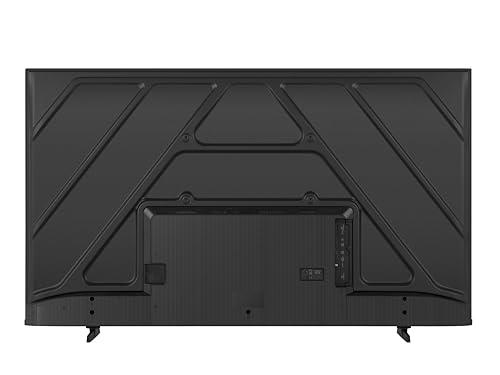
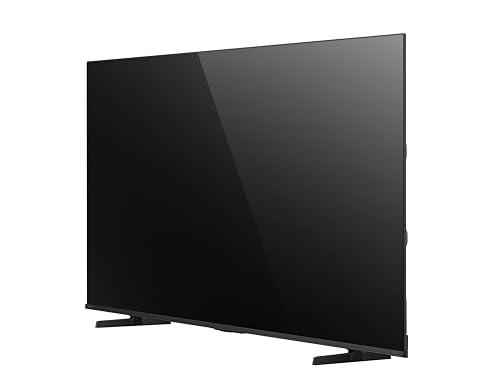
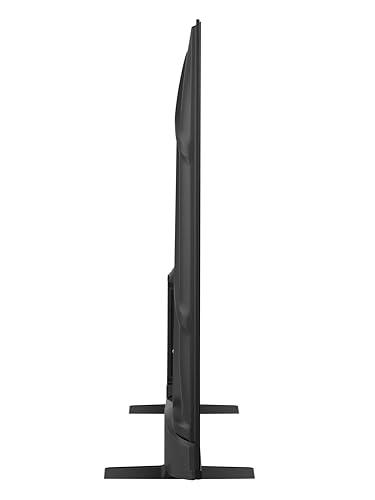
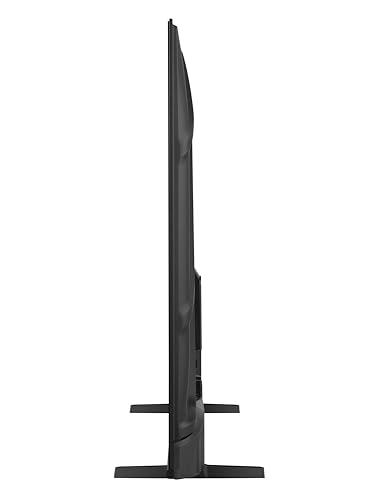
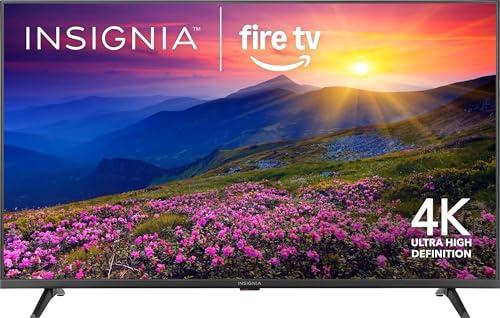
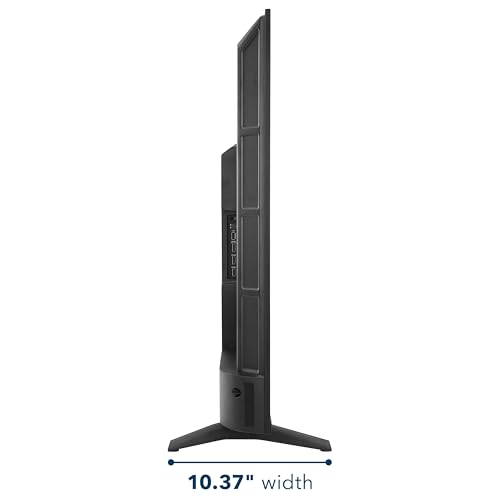
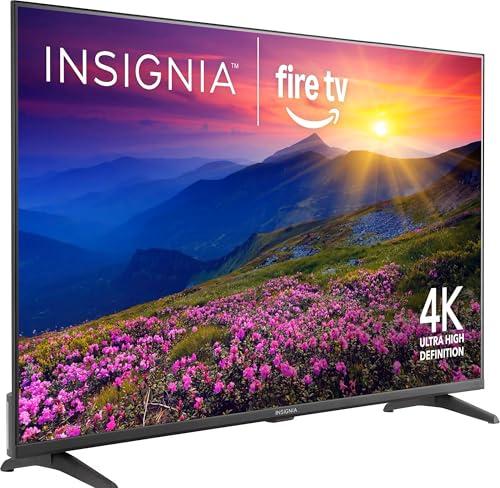
Both manufacturers have created sleek, modern designs with thin bezels and lightweight construction. The Hisense QD6 and Insignia F50 are nearly identical in dimensions and weight, both easily wall-mountable or suitable for tabletop placement on their included stands.
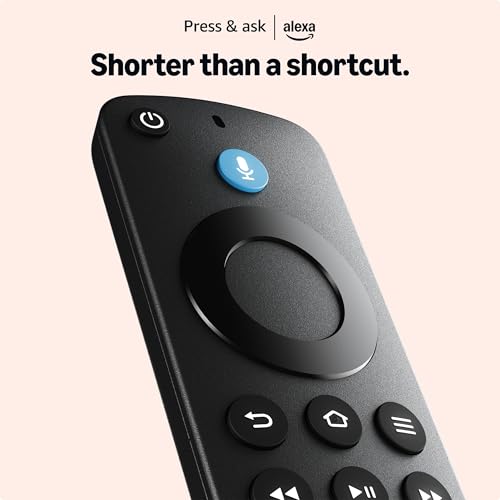
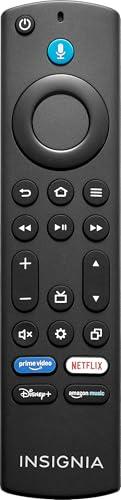
Remote controls are similarly functional on both models, featuring dedicated buttons for major streaming services and Alexa voice control. Neither remote feels premium, but both get the job done effectively.
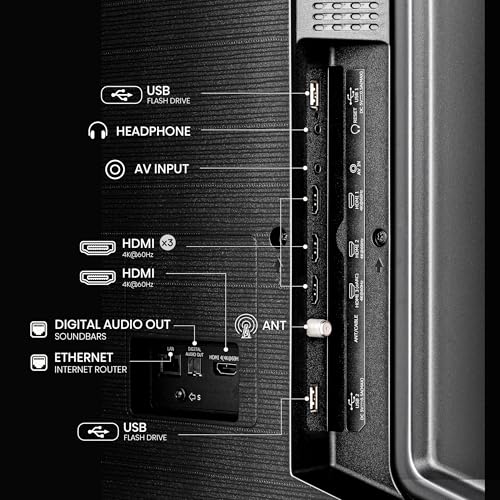
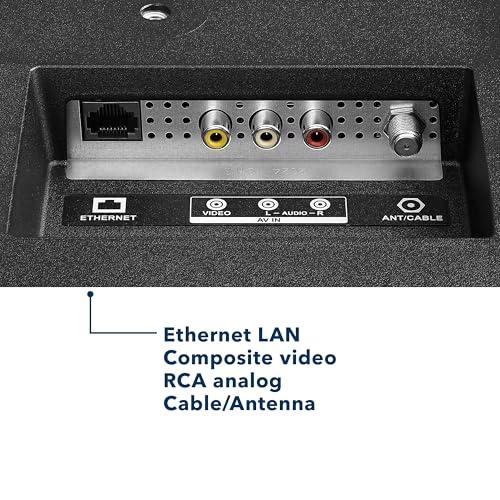
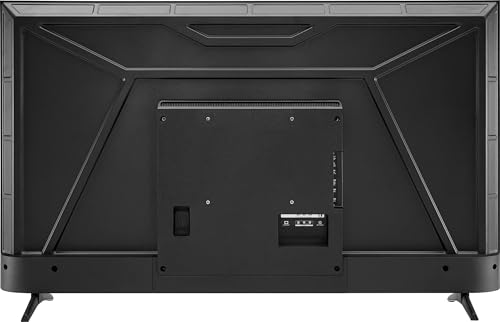
One subtle difference lies in port selection and quality. The Hisense QD6 provides four HDMI inputs with one supporting eARC (enhanced Audio Return Channel - allowing high-quality audio formats to pass from the TV to a soundbar or receiver), while the Insignia F50 offers three HDMI ports with standard eARC support. For most users, three HDMI ports suffice, but gamers or tech enthusiasts might appreciate the extra connectivity.
At the time of writing, these TVs occupy different price tiers, with the Insignia F50 positioned as the more budget-friendly option and the Hisense QD6 commanding a moderate premium. The question becomes whether the QD6's additional features justify its higher cost.
For casual viewers primarily interested in streaming Netflix and Prime Video in a dark room, the Insignia F50 delivers adequate performance at an attractive price. Its quantum dot technology, while not as advanced as the QD6's implementation, still provides better color than standard LED TVs. The superior audio system adds immediate value without requiring additional purchases.
However, for viewers seeking longevity and versatility, the Hisense QD6 presents compelling value despite its higher upfront cost. Its superior brightness makes it usable in more room conditions, its gaming features future-proof it for next-generation consoles, and its color performance provides notably better picture quality across all content types.
The technology gap has also grown more significant since these models' respective releases. TV picture processing has advanced rapidly, and the QD6's AI-powered features represent meaningful improvements over basic upscaling and motion processing.
For dedicated home theater setups, both TVs show their budget origins but remain serviceable options. The Hisense QD6 edges ahead due to its superior contrast ratio and color accuracy, creating more engaging cinematic experiences in dark room viewing.
Neither TV supports advanced features like filmmaker mode (which preserves the director's intended color and motion settings) or extensive color calibration options found in higher-end models. However, both provide adequate performance for casual home theater use, particularly when paired with external audio systems.
The QD6's better HDR implementation becomes particularly valuable for home theater applications, where movie quality often showcases HDR's benefits most dramatically. Action scenes, nature documentaries, and animated films all benefit from its superior peak brightness and color volume.
The Insignia 65" F50 Series makes sense for specific buyers: those prioritizing lowest possible cost while still accessing quantum dot technology, viewers who primarily watch in dark rooms where its brightness limitations matter less, and users who prefer better built-in audio without immediately adding a soundbar. It's also suitable as a secondary TV for bedrooms or guest rooms where premium features aren't essential.
The Hisense 65" QD6 Series serves a broader audience more effectively. Gamers absolutely should choose the QD6 for its 144Hz capability and next-gen console features. Viewers with bright living rooms will appreciate its superior brightness. Anyone planning to keep their TV for several years benefits from its future-proofing and superior picture processing.
For home theater enthusiasts on a budget, the QD6 provides noticeably better picture quality that enhances movie watching, though both TVs ultimately represent stepping stones rather than endpoints for serious home theater setups.
After extensive research into user experiences and expert evaluations, the Hisense 65" QD6 Series QLED 4K Fire TV emerges as the clear winner for most buyers, despite its higher cost. Its superior quantum dot implementation, genuine gaming capabilities, and future-proofing features provide better long-term value.
The Insignia 65" F50 Series 4K UHD Smart Fire TV serves budget-conscious buyers adequately but feels like a stepping stone rather than a destination. Its better audio provides immediate satisfaction, but its picture quality limitations and lack of gaming features reduce its long-term appeal.
For most buyers, the moderate price premium of the QD6 delivers meaningful performance improvements that justify the investment. Only buyers with strict budget constraints or very specific use cases should consider the F50, and even then, saving for the QD6 often proves worthwhile.
In the rapidly evolving TV market, buying decisions often come down to balancing immediate affordability against long-term satisfaction. Based on our research, the Hisense QD6 strikes that balance more effectively, delivering genuine QLED benefits and modern features that remain relevant as content and gaming evolve.
| Hisense 65" QD6 Series QLED 4K Fire TV | Insignia 65" F50 Series 4K UHD Smart Fire TV |
|---|---|
| Peak Brightness - Critical for HDR impact and daytime viewing | |
| 385 cd/m² (good for most rooms, handles moderate glare) | ~320 cd/m² (adequate in dark rooms, struggles with bright lighting) |
| Color Gamut Coverage - Determines color accuracy and vibrancy | |
| 90% DCI-P3 (excellent color reproduction for budget QLED) | Standard quantum dot (decent colors but less accurate) |
| Refresh Rate - Essential for gaming and smooth motion | |
| 144Hz with VRR/ALLM (future-proofed for next-gen consoles) | 60Hz only (limits gaming performance, adequate for streaming) |
| Quantum Dot Implementation - Core technology behind QLED benefits | |
| True QLED with over 1 billion color shades | Basic quantum dot (limited color volume improvement) |
| Gaming Features - Important for console compatibility | |
| Game Mode Plus, VRR, ALLM, 144Hz support | Basic game mode, no advanced features |
| Smart Platform Performance - Affects daily usability | |
| Enhanced Fire TV with AI upscaling, faster processor | Standard Fire TV, occasional lag reported |
| Audio Power - Built-in speaker quality | |
| 10W with Dolby Atmos (adequate, soundbar recommended) | 20W with DTS Studio Sound (better dialogue, fuller sound) |
| HDR Support - Premium content compatibility | |
| Dolby Vision, HDR10+, HDR10, HLG with good impact | Dolby Vision, HDR10 with limited brightness impact |
| Motion Processing - Reduces blur in fast content | |
| AI Smooth Motion with MEMC technology | Basic motion processing |
| Connectivity - Port selection and future compatibility | |
| 4x HDMI 2.0 (one with eARC), 2x USB | 3x HDMI (one with eARC), 1x USB |
| Best Use Cases - Who should choose each model | |
| Gamers, bright rooms, future-proofing, better picture quality | Budget priority, dark room viewing, immediate audio satisfaction |
The Hisense 65" QD6 Series QLED 4K Fire TV delivers superior picture quality with its true QLED implementation, achieving 90% DCI-P3 color coverage and 385 cd/m² peak brightness. The Insignia 65" F50 Series 4K UHD Smart Fire TV offers decent picture quality but with more basic quantum dot technology and lower brightness levels, making it less impressive for HDR content and bright room viewing.
The Hisense QD6 is significantly better for gaming, featuring 144Hz refresh rate, Variable Refresh Rate (VRR), and Auto Low Latency Mode (ALLM) - essential for PlayStation 5 and Xbox Series X gaming. The Insignia F50 is limited to 60Hz with basic gaming features, making it suitable only for casual gaming or older consoles.
The Hisense 65" QD6 Series performs much better in bright rooms due to its higher peak brightness of 385 cd/m², allowing it to overcome glare and maintain picture quality during daytime viewing. The Insignia 65" F50 Series struggles more with ambient light and is better suited for darker viewing environments.
Both TVs run Fire TV OS with identical app selection and Alexa integration, but the Hisense QD6 includes enhanced features like AI 4K upscaling and smoother interface performance thanks to its more powerful processor. The Insignia F50 offers standard Fire TV functionality but may experience occasional lag during navigation.
The Insignia 65" F50 Series has superior built-in audio with 20W speakers and DTS Studio Sound processing, providing clearer dialogue and fuller sound. The Hisense 65" QD6 Series has only 10W speakers, making it more dependent on external audio solutions like soundbars for satisfactory audio quality.
Both TVs work for basic home theater use, but the Hisense QD6 is the better choice due to its superior contrast, color accuracy, and HDR performance in dark room viewing. The Insignia F50 can serve home theater needs adequately but lacks the picture quality refinement that enhances cinematic experiences.
The Hisense 65" QD6 Series offers better long-term value despite its higher upfront cost, providing superior picture quality, gaming features, and future-proofing. The Insignia 65" F50 Series offers immediate affordability but may feel limiting as viewing needs evolve or gaming requirements advance.
Yes, both the Hisense QD6 and Insignia F50 support major HDR formats including Dolby Vision and HDR10. However, the Hisense QD6 delivers more impactful HDR performance due to its higher brightness and better quantum dot implementation, while the Insignia F50 provides more modest HDR improvements.
Both TVs handle streaming well with Fire TV OS, but the Hisense 65" QD6 Series provides a smoother experience with faster app loading and better upscaling of lower-resolution content through its AI processing. The Insignia 65" F50 Series streams content adequately but may show more artifacts with older or compressed content.
Both the Hisense QD6 and Insignia F50 feature similar modern designs with thin bezels and lightweight construction. The main difference is connectivity, with the Hisense QD6 offering four HDMI ports compared to three on the Insignia F50, which may matter for users with multiple devices.
The Hisense 65" QD6 Series is better future-proofed with its 144Hz gaming capabilities, advanced picture processing, and superior display technology that will remain relevant longer. The Insignia 65" F50 Series meets current basic needs but may feel outdated sooner as content and gaming standards continue advancing.
Choose the Hisense 65" QD6 Series if you want superior picture quality, gaming capabilities, bright room performance, or plan to keep the TV for several years. Choose the Insignia 65" F50 Series if budget is the primary concern, you primarily watch in dark rooms, or you value better built-in audio and don't need advanced gaming features.
We've done our best to create useful and informative comparisons to help you decide what product to buy. Our research uses advanced automated methods to create this comparison and perfection is not possible - please contact us for corrections or questions. These are the sites we've researched in the creation of this article: rtings.com - bestbuy.com - pcvarge.com - youtube.com - consumerreports.org - costco.com - youtube.com - rtings.com - hometechnologyreview.com - manuals.plus - hisense-usa.com - costco.com - bestbuy.com - staples.com - hisense-usa.com - manuals.plus - pcrichard.com - hometechnologyreview.com - bestbuy.com - bestbuy.com - hisense-usa.com - bestbuy.com - bestbuy.com - rtings.com - youtube.com - pcvarge.com - whathifi.com - leaseville.com - bestbuy.com - manuals.plus - youtube.com - bestbuy.com - techeasypay.com - sears.com - rtings.com

Privacy Policy
Terms and Conditions - Affiliate Policy
Home Security
© Copyright 2008-2026.
11816 Inwood Rd #1211, Dallas, TX 75244