

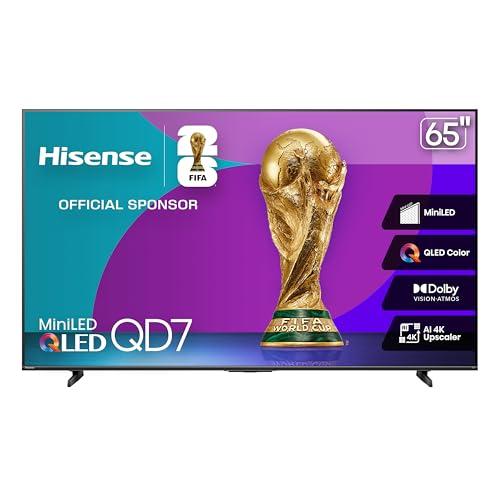
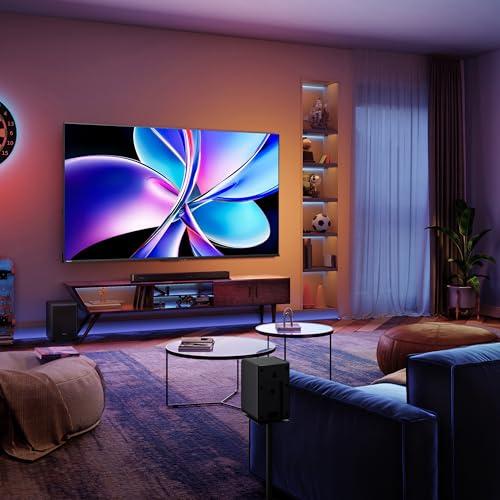
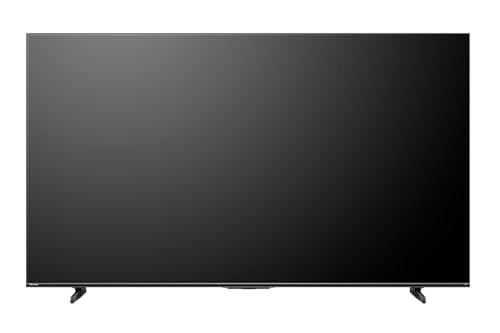
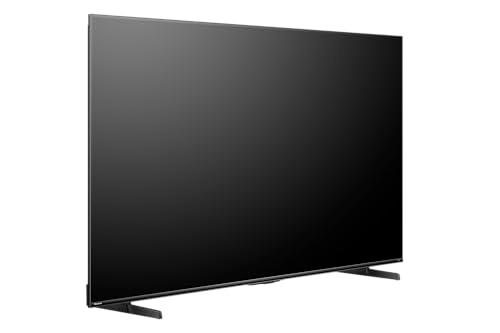
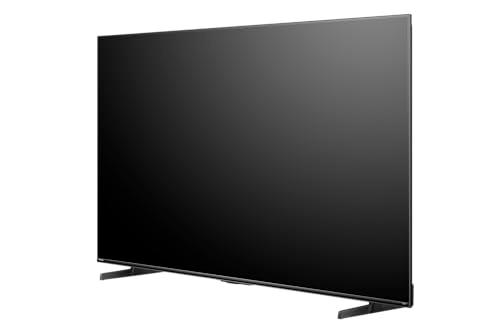
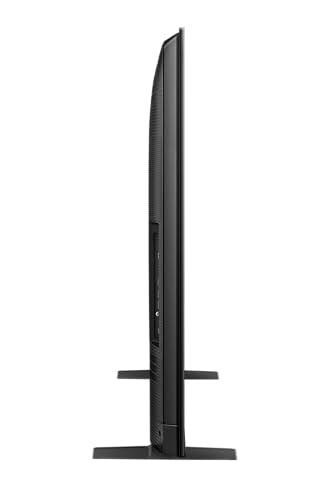
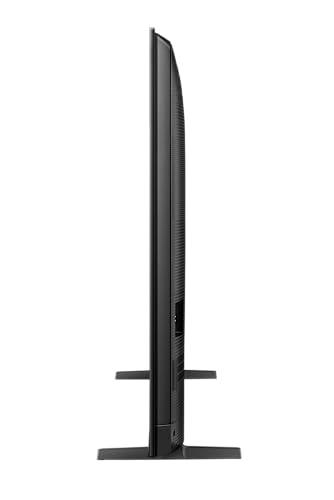
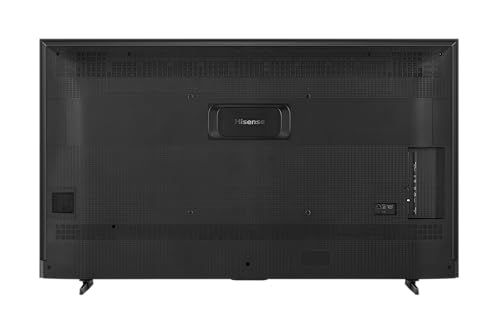
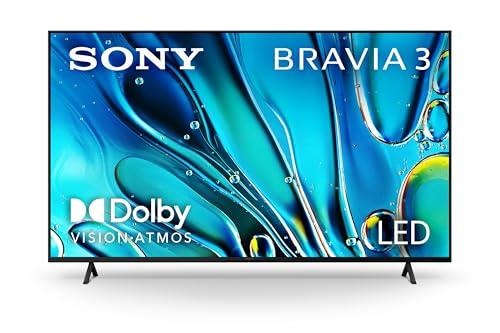
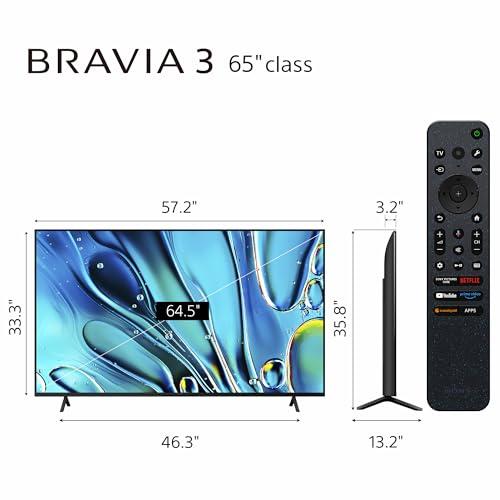
Shopping for a 65-inch TV can feel overwhelming, especially when comparing models from different brands with vastly different approaches to picture quality. The Hisense QD7 Series Mini-LED and Sony BRAVIA 3 both launched in 2024, but they represent two completely different philosophies on how to deliver great entertainment at home.
At the time of writing, these TVs sit in similar price ranges but offer dramatically different value propositions. The Hisense QD7 costs significantly less while packing premium display technology, while the Sony BRAVIA 3 commands a brand premium for proven reliability and picture processing. Understanding these differences will help you choose the right TV for your specific needs.
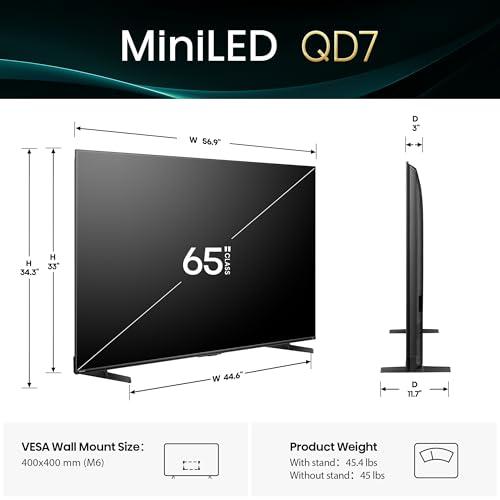
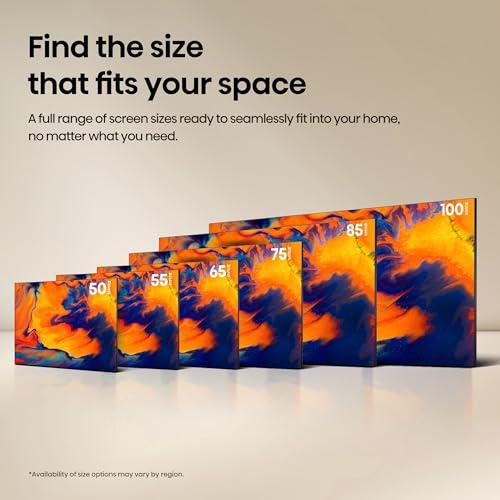
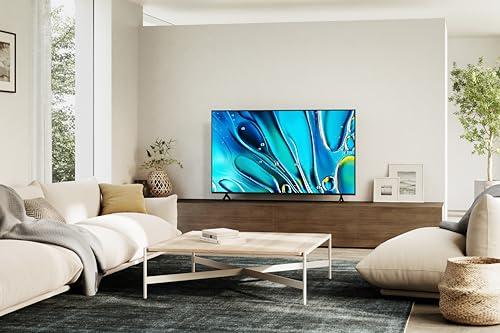
The 65-inch size hits the sweet spot for most living rooms—large enough to feel cinematic without dominating smaller spaces. But size alone doesn't determine picture quality. The real differences come from the display technology, smart features, and how well each TV handles different types of content.
Modern TVs face several key challenges: producing true blacks in dark scenes, displaying bright HDR highlights, handling fast motion without blur, and making lower-quality content look good. The Hisense QD7 and Sony BRAVIA 3 tackle these challenges in fundamentally different ways.
When evaluating any 65-inch TV, consider how you'll actually use it. Do you watch movies in a dark room? Game competitively? Stream content in a bright living room? Your viewing habits should drive your decision more than brand loyalty or flashy marketing features.
The most significant difference between these televisions lies in their display architecture, and this difference affects everything else about their performance.
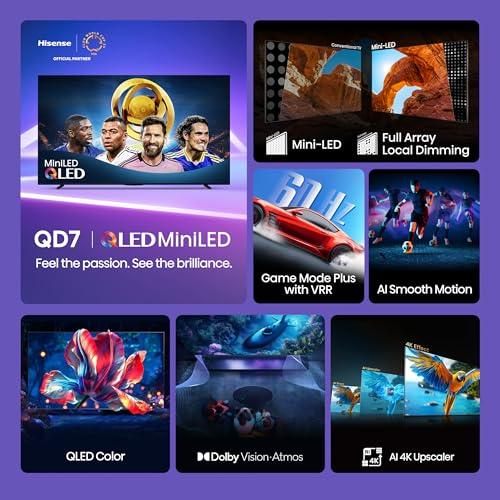
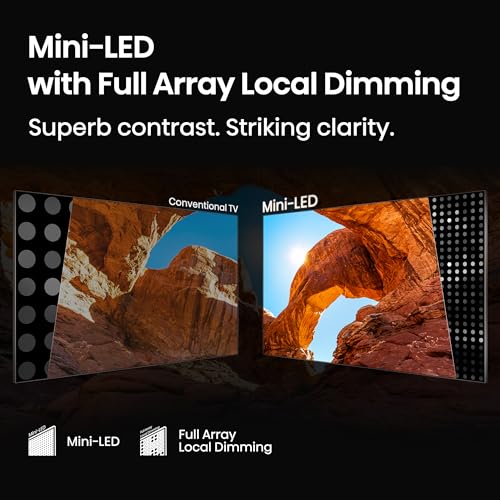
The Hisense QD7 uses Mini-LED technology with Full Array Local Dimming (FALD)—a mouthful of technical terms that translates to dramatically better picture quality. Instead of a single backlight illuminating the entire screen like traditional TVs, Mini-LED employs thousands of tiny LEDs arranged in zones behind the display panel.
Think of it like having hundreds of individual flashlights that can brighten or dim independently. When you're watching a movie with a starfield scene, the zones behind the stars can shine brightly while the zones behind the black space dim completely. This creates the deep blacks and bright highlights that make HDR content look realistic.
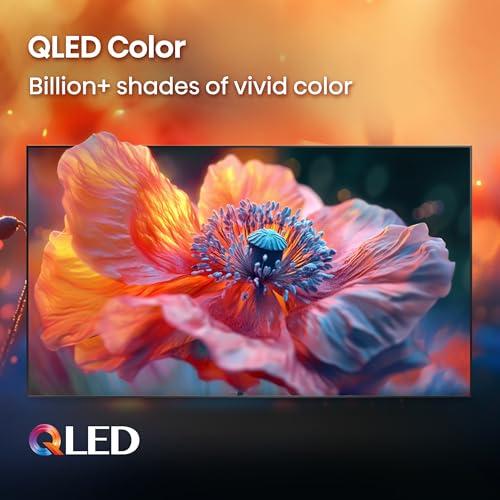
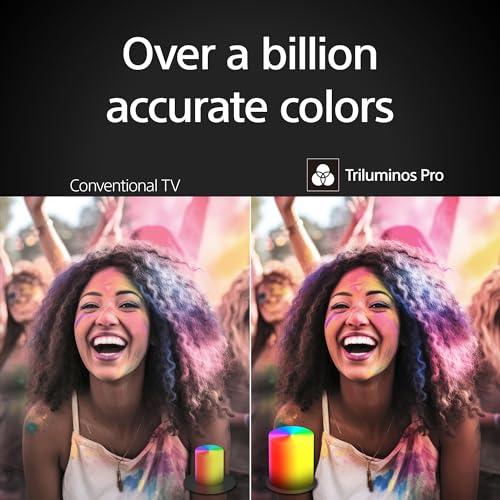
The "mini" in Mini-LED refers to the LED size—these are much smaller than traditional LEDs, allowing for more precise control and less light bleeding between zones. The Hisense QD7 combines this with Quantum Dot technology (the "QD" in its name), which uses microscopic particles to produce over a billion color shades with enhanced accuracy and vibrancy.
The Sony BRAVIA 3, in contrast, uses basic Direct LED backlighting without local dimming zones. This means a single backlight illuminates the entire screen uniformly. While this approach costs less to manufacture and proves reliable, it cannot produce true blacks—they appear more grayish, especially in dark rooms.
Sony compensates with excellent picture processing through their 4K HDR Processor X1 and Triluminos Pro color technology. These systems analyze content in real-time to enhance color accuracy, contrast, and clarity. Sony's strength lies in making content look natural and "film-like" rather than artificially enhanced.
The practical difference becomes obvious when watching movies with dark scenes. The Hisense QD7 can display a night scene with true blacks and bright moonlight simultaneously, while the Sony BRAVIA 3 will show more of a grayish background that lacks the dramatic contrast.
Gaming capabilities represent perhaps the starkest difference between these TVs, reflecting how quickly display technology has advanced in recent years.
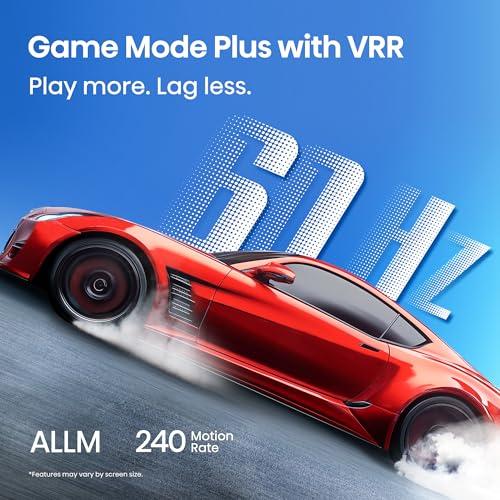
The Hisense QD7 supports 144Hz refresh rates—more than double the standard 60Hz found on most TVs. This higher refresh rate eliminates motion blur during fast gaming sequences and makes everything feel more responsive. Combined with Variable Refresh Rate (VRR) technology, the TV synchronizes perfectly with gaming consoles and PCs to prevent screen tearing (those horizontal lines that appear during rapid movement).
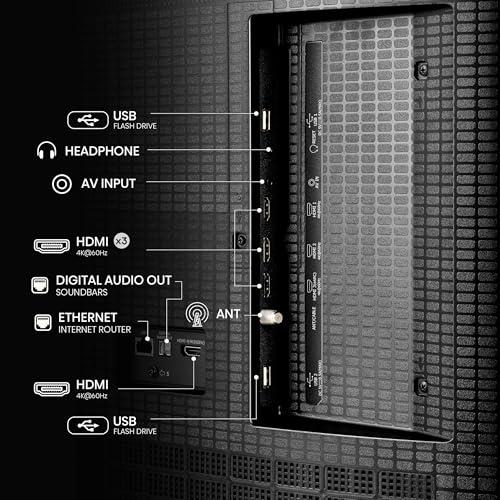
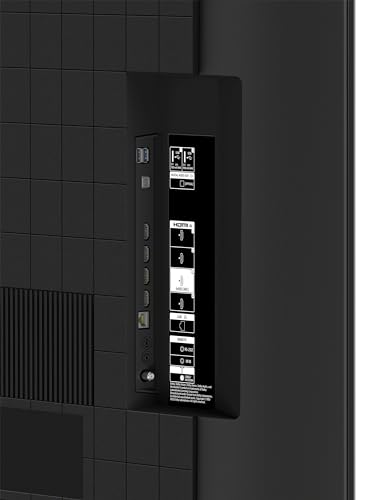
The TV also features Auto Low Latency Mode (ALLM), which automatically switches to game mode when it detects a console, and full HDMI 2.1 bandwidth support for 4K gaming at high frame rates. These features make the Hisense QD7 compatible with the PlayStation 5 and Xbox Series X's advanced gaming modes that many TVs still cannot support.
The Sony BRAVIA 3 caps out at 60Hz and lacks VRR support entirely. While it includes basic ALLM for reduced input lag, it cannot take advantage of next-generation console features like 120Hz gaming modes. This limitation affects competitive gaming, racing games, and first-person shooters where smooth motion and quick response times matter most.
For casual gaming—playing single-player adventures, puzzle games, or turn-based strategy—the Sony performs adequately. But serious gamers will quickly notice the difference in smoothness and responsiveness compared to higher refresh rate displays.
Based on our research into user experiences, gamers consistently report that once they experience 120Hz+ gaming, returning to 60Hz feels sluggish and less immersive.
Both TVs run modern smart platforms, but they offer different experiences and ecosystem integrations.
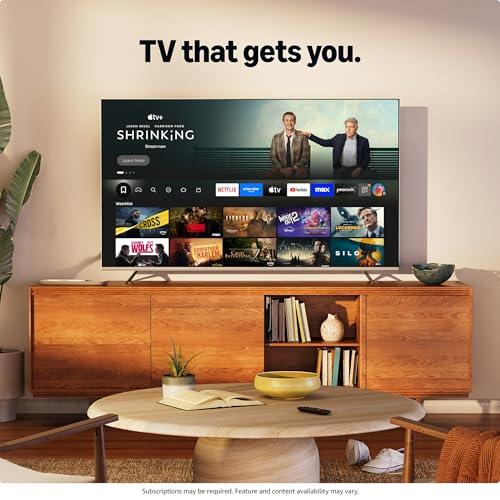
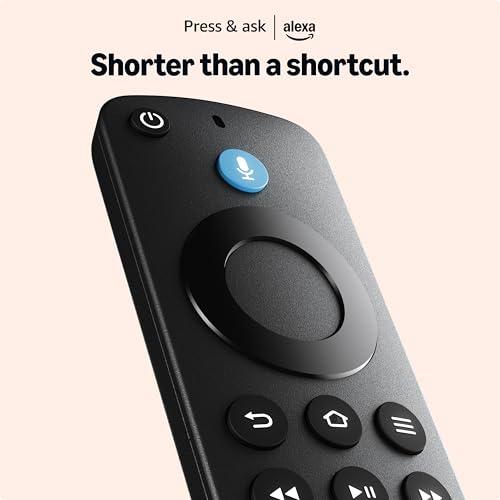
The Hisense QD7 runs Fire TV with Alexa built-in, putting Amazon's ecosystem at the center of the experience. The interface prioritizes streaming content and integrates live TV seamlessly. Voice control works well for searching content, controlling smart home devices, and launching apps. Fire TV has improved significantly since its early days and now offers comprehensive app support.
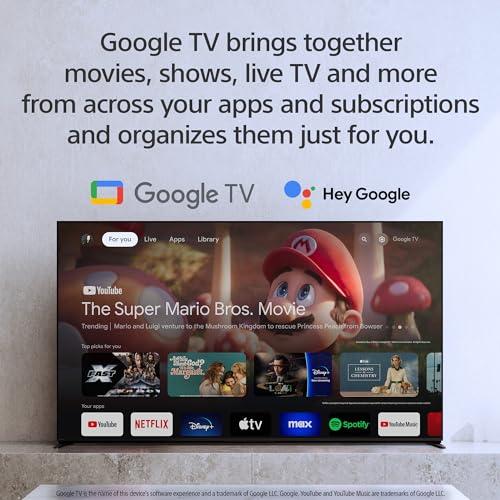
The Sony BRAVIA 3 uses Google TV with Google Assistant, which excels at content discovery and personalized recommendations. Google TV learns your viewing habits and suggests relevant content across different apps and services. The interface feels more polished and organized than Fire TV, particularly for users already invested in Google services.
Both platforms support all major streaming apps—Netflix, Prime Video, Disney+, YouTube, and others. The choice often comes down to whether you prefer Amazon's or Google's approach to voice control and smart home integration.
High Dynamic Range (HDR) content promises more realistic images with brighter highlights and deeper shadows, but not all TVs can deliver on this promise equally.
The Hisense QD7's Mini-LED technology shines here. Its local dimming zones can brighten highlights while simultaneously darkening surrounding areas, creating the contrast range that HDR demands. When watching HDR movies on streaming services like Netflix or Disney+, explosions look more brilliant, sunsets appear more dramatic, and dark scenes retain shadow detail.
The Sony BRAVIA 3 supports the same HDR formats (Dolby Vision, HDR10, HDR10+) but cannot achieve the same impact due to its uniform backlighting. HDR content looks better than standard content, but the difference is subtle rather than dramatic. The TV's limited peak brightness also means HDR highlights don't "pop" the way they should.
Your viewing environment significantly impacts which TV performs better.
In dark rooms—the traditional home theater setup—the Hisense QD7 excels. Its local dimming produces true blacks that disappear into the darkness, creating an immersive cinematic experience. Movie nights, gaming sessions, and binge-watching shows all benefit from this superior contrast.
The Sony BRAVIA 3 struggles in dark environments where its gray blacks become obvious and distracting. However, in bright rooms with lots of ambient light, both TVs perform reasonably well, though the Hisense's higher peak brightness gives it an edge for daytime viewing.
Both TVs excel at making lower-quality content look better, but in different ways.
Sony's 4K X-Reality PRO upscaling technology has earned praise for making cable TV, broadcast sports, and older movies look remarkably clean and detailed. The processing reduces artifacts, sharpens details, and maintains natural color balance. If you watch a lot of cable TV or broadcast content, Sony's reputation for upscaling excellence holds true.
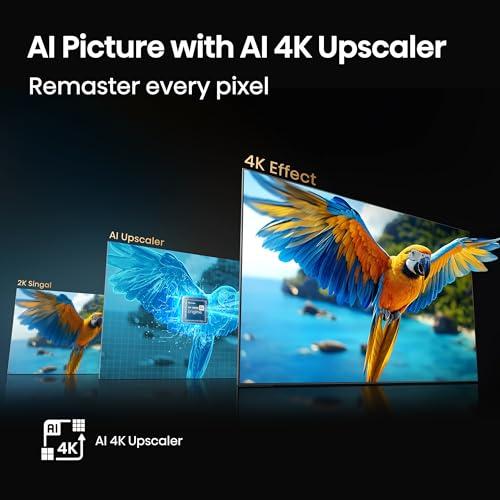
The Hisense QD7 features AI-enhanced upscaling that also performs well with lower-resolution content. The difference between the two becomes minimal with most content, though Sony maintains a slight edge with heavily compressed broadcast material.
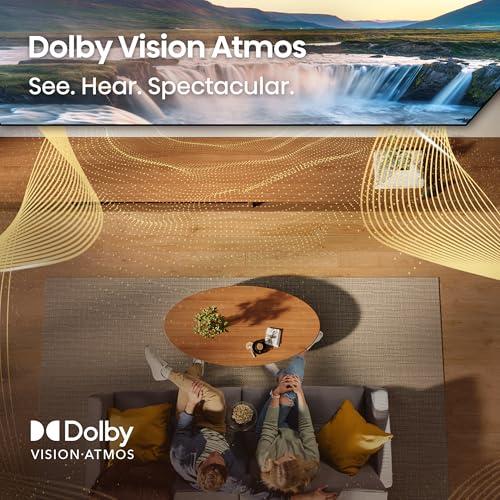
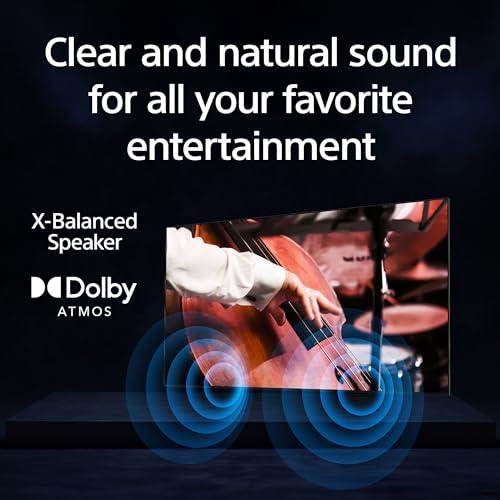
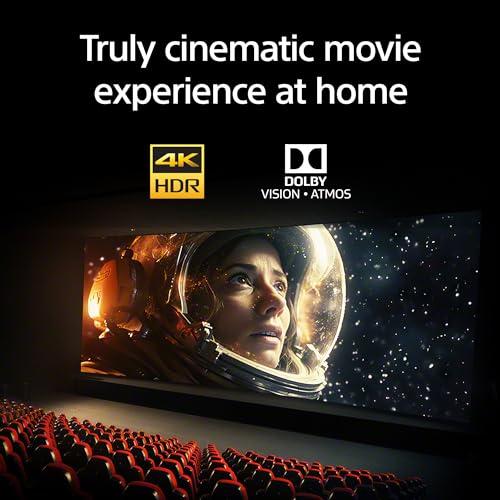
Both TVs feature 20-watt speaker systems with Dolby Atmos processing, which creates a more three-dimensional soundstage than traditional stereo speakers. The Sony BRAVIA 3 emphasizes dialogue clarity with its X-Balanced Speaker design, while the Hisense QD7 focuses on room-filling sound.
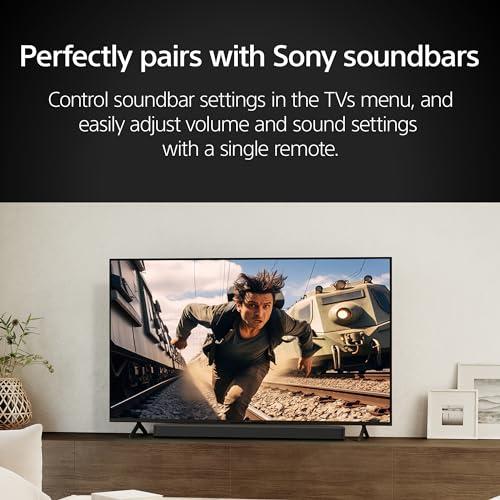
However, at 65 inches, both TVs benefit significantly from external audio solutions. A soundbar or surround sound system transforms the viewing experience far more than any built-in speaker system can achieve. Consider the TV's audio as adequate for casual viewing but insufficient for serious home theater setups.
At the time of writing, the Hisense QD7 costs substantially less than the Sony BRAVIA 3 while offering superior display technology. This price difference makes the value comparison stark.
The Hisense delivers Mini-LED technology, local dimming, Quantum Dot color, 144Hz gaming, and VRR support—features typically found in TVs costing significantly more. You're essentially getting premium display technology at a budget-friendly price.
The Sony commands a brand premium but offers fewer advanced features. You pay more for Sony's reputation for reliability, excellent upscaling, and natural picture processing. The question becomes whether these advantages justify the price difference and the lack of cutting-edge display technology.
Sony has decades of television manufacturing experience and a reputation for building TVs that last. Their customer service network is well-established, and software updates typically arrive regularly for several years.
Hisense represents a newer player in the premium TV space, though the company has grown rapidly and improved significantly in recent years. The Hisense QD7 uses proven Mini-LED technology from established suppliers, but the brand lacks Sony's long track record.
Based on our research into user experiences, both TVs generally perform reliably, but Sony's longer warranty support and service network provide additional peace of mind for buyers who prioritize these factors.
The Best Picture Quality for Your Dollar: Mini-LED technology at this price point represents exceptional value. You get contrast performance that rivals much more expensive TVs.
Serious Gaming Performance: The 144Hz refresh rate, VRR support, and HDMI 2.1 bandwidth make this TV future-proof for next-generation gaming.
Dark Room Viewing: Movie nights, gaming sessions, and binge-watching benefit dramatically from true blacks and superior contrast.
Cutting-Edge Technology: You want the latest display innovations without paying premium TV prices.
Brand Reliability: Sony's reputation for lasting quality and excellent customer support matters more than cutting-edge features.
Natural Picture Processing: You want accurate, film-like images without artificial enhancement or oversaturated colors.
Google Ecosystem Integration: Google TV, Assistant, and seamless Android device connectivity are priorities.
Cable/Broadcast Content: Sony's superior upscaling makes heavily compressed content look cleaner and more detailed.
The Hisense QD7 represents the better choice for most buyers. Its Mini-LED display technology, superior gaming capabilities, and significantly lower price create a compelling value proposition that's hard to ignore. The contrast performance alone justifies the purchase for anyone who watches content in darker environments.
The Sony BRAVIA 3 serves a specific audience: buyers who prioritize brand reputation, natural picture processing, and Google ecosystem integration over cutting-edge display technology. It's a conservative choice that delivers reliable performance without the technological leap forward that Mini-LED provides.
For home theater enthusiasts, the choice is clear—the Hisense QD7's superior contrast and HDR performance create a more cinematic experience. Gamers will appreciate the 144Hz capabilities and VRR support that the Sony simply cannot match.
Unless brand loyalty or specific Google TV features are paramount, the Hisense QD7 delivers significantly better performance at a lower price. It represents the kind of value that makes premium display technology accessible to budget-conscious buyers without meaningful compromises in quality or features.
| Hisense QD7 Series 65" Mini-LED 4K Fire TV | Sony BRAVIA 3 65" 4K HDR LED Google TV |
|---|---|
| Display Technology - The most critical difference affecting picture quality | |
| Mini-LED with Full Array Local Dimming (hundreds of zones for true blacks) | Direct LED without local dimming (uniform backlighting, gray blacks) |
| Gaming Performance - Essential for next-gen console compatibility | |
| 144Hz refresh rate, VRR, ALLM, HDMI 2.1 (future-proof gaming) | 60Hz only, basic ALLM, HDMI 2.0 (limited gaming features) |
| Color Technology - Impacts vibrancy and accuracy | |
| QLED Quantum Dot (over 1 billion colors, enhanced vibrancy) | Triluminos Pro (accurate natural colors, film-like processing) |
| HDR Performance - Critical for streaming movie quality | |
| Excellent contrast from local dimming makes HDR impactful | Limited brightness and contrast reduce HDR effectiveness |
| Smart Platform - Your daily interface experience | |
| Fire TV with Alexa (Amazon ecosystem, streaming-focused) | Google TV with Assistant (content discovery, Google integration) |
| Dark Room Performance - Most important for home theater | |
| True blacks with minimal blooming (excellent for movies) | Gray blacks that are distracting in dark environments |
| Bright Room Performance - Daytime viewing capability | |
| High peak brightness handles glare well | Adequate brightness but struggles with direct light |
| Content Upscaling - How well it improves lower quality sources | |
| AI 4K Upscaler with good artifact reduction | Excellent 4K X-Reality PRO, particularly strong with broadcast TV |
| Audio Quality - Built-in speaker performance | |
| 20W Dolby Atmos, room-filling sound | 20W X-Balanced Speakers, dialogue-focused clarity |
| Value Proposition - Premium features vs price point | |
| Exceptional value: Mini-LED technology at budget price | Brand premium: paying more for Sony reliability and processing |
| Best Use Cases - Who should choose each TV | |
| Gamers, dark room viewers, value seekers, cutting-edge tech enthusiasts | Brand loyalists, cable/broadcast viewers, Google ecosystem users, natural picture preference |
The Hisense QD7 Series Mini-LED significantly outperforms the Sony BRAVIA 3 in dark room environments. The Hisense features Mini-LED technology with Full Array Local Dimming, which produces true blacks by dimming specific zones behind dark areas of the screen. The Sony BRAVIA 3 uses basic LED backlighting without local dimming, resulting in gray blacks that become noticeable and distracting during dark movie scenes.
The Hisense QD7 Series Mini-LED is dramatically better for gaming, especially for serious gamers. It supports 144Hz refresh rates, Variable Refresh Rate (VRR), and full HDMI 2.1 bandwidth, making it compatible with next-generation console features. The Sony BRAVIA 3 is limited to 60Hz with no VRR support, which means less smooth motion and potential screen tearing during fast-paced games.
The Hisense QD7 Series Mini-LED provides exceptional value by delivering premium Mini-LED display technology, advanced gaming features, and QLED color enhancement at a lower price point. The Sony BRAVIA 3 costs more but offers fewer cutting-edge features, essentially charging a brand premium for Sony's reputation and reliable picture processing.
The fundamental difference lies in display technology. The Hisense QD7 Series Mini-LED uses advanced Mini-LED backlighting with hundreds of local dimming zones for superior contrast, while the Sony BRAVIA 3 uses traditional LED backlighting without local dimming. This affects everything from black levels to HDR performance to overall picture quality.
The Sony BRAVIA 3 has a slight edge for cable TV and broadcast content due to Sony's excellent 4K X-Reality PRO upscaling technology, which effectively cleans up compressed broadcast signals. However, the Hisense QD7 Series Mini-LED also handles upscaling well and offers superior contrast that benefits sports viewing, especially in darker viewing environments.
Yes, both the Hisense QD7 Series Mini-LED with Fire TV and the Sony BRAVIA 3 with Google TV support all major streaming services including Netflix, Prime Video, Disney+, YouTube, and others. The difference is in the interface and ecosystem integration—Fire TV emphasizes Amazon services while Google TV focuses on content discovery and Google ecosystem integration.
The Hisense QD7 Series Mini-LED delivers significantly better HDR performance due to its Mini-LED local dimming technology. It can simultaneously display bright highlights and deep shadows, making HDR content more impactful and realistic. The Sony BRAVIA 3 supports the same HDR formats but cannot achieve the same dramatic contrast due to its uniform backlighting system.
Sony has a longer track record in TV manufacturing and established customer service networks, which some buyers value for long-term reliability. However, the Hisense QD7 Series Mini-LED uses proven Mini-LED technology from established suppliers and represents Hisense's improved build quality in recent years. Both TVs generally perform reliably based on user experiences.
The Hisense QD7 Series Mini-LED performs better in bright rooms due to its higher peak brightness capability, which helps combat glare and washout from ambient light. The Sony BRAVIA 3 has adequate brightness for moderate lighting but struggles more with direct sunlight or very bright environments.
The Hisense QD7 Series Mini-LED is optimized for PlayStation 5 and Xbox Series X with full support for 120Hz+ gaming modes, VRR, and ALLM. It also works excellently with gaming PCs for high refresh rate gaming. The Sony BRAVIA 3 works with all consoles but cannot access advanced gaming features on next-generation systems, limiting you to standard 60Hz gaming.
Both the Hisense QD7 Series Mini-LED and Sony BRAVIA 3 feature 20W speaker systems with Dolby Atmos support. The Sony emphasizes dialogue clarity with its X-Balanced Speaker design, while the Hisense focuses on room-filling sound. For serious home theater use, both TVs benefit significantly from external audio solutions like soundbars or surround sound systems.
For dedicated home theater setups, the Hisense QD7 Series Mini-LED is the clear choice. Its Mini-LED technology with local dimming produces the true blacks and superior contrast essential for cinematic viewing in dark rooms. The Sony BRAVIA 3 lacks the contrast performance needed for an immersive home theater experience, as its gray blacks become distracting during movie viewing in darkened environments.
We've done our best to create useful and informative comparisons to help you decide what product to buy. Our research uses advanced automated methods to create this comparison and perfection is not possible - please contact us for corrections or questions. These are the sites we've researched in the creation of this article: bestbuy.com - youtube.com - youtube.com - rtings.com - tvsbook.com - hometechnologyreview.com - hometechnologyreview.com - bestbuy.com - static.pcrichard.com - hometechnologyreview.com - bestbuy.com - hisense-usa.com - hisense-usa.com - shopmyexchange.com - brandsmartusa.com - manuals.plus - youtube.com - rtings.com - tvsbook.com - flatpanelshd.com - youtube.com - bestbuy.com - rtings.com - tomsguide.com - youtube.com - youtube.com - rtings.com - electronics.sony.com - youtube.com - manuals.plus - tvsbook.com - sargentappliance.com - bestbuy.com - avsforum.com - sony.com - costco.com - shopatsc.com - youtube.com

Privacy Policy
Terms and Conditions - Affiliate Policy
Home Security
© Copyright 2008-2026.
11816 Inwood Rd #1211, Dallas, TX 75244