

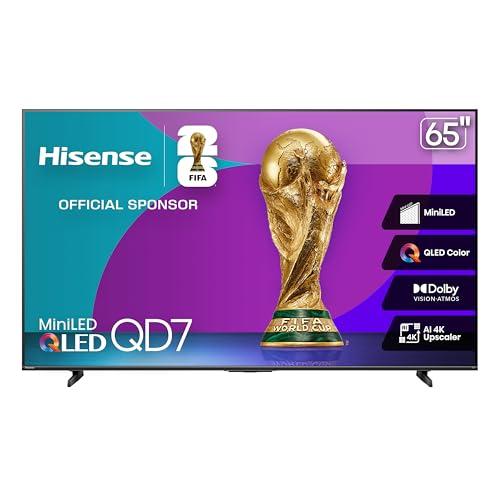
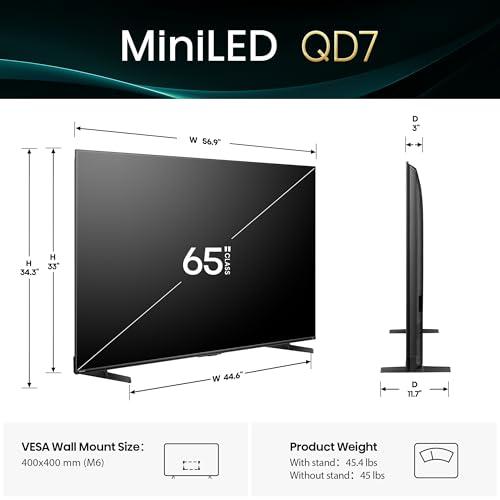
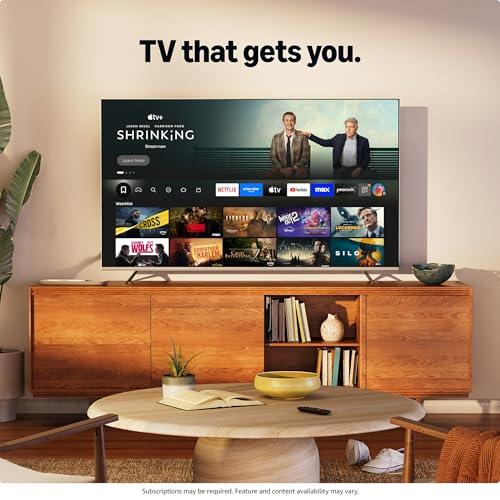
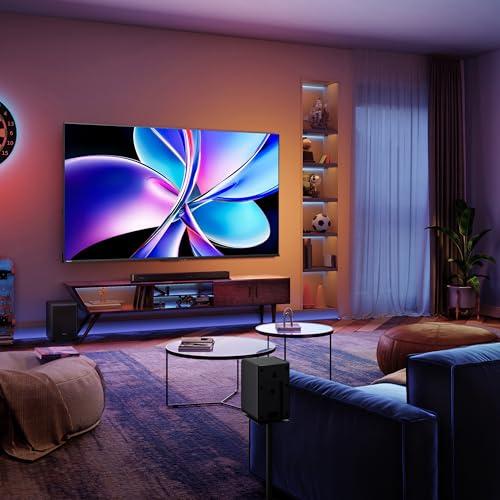
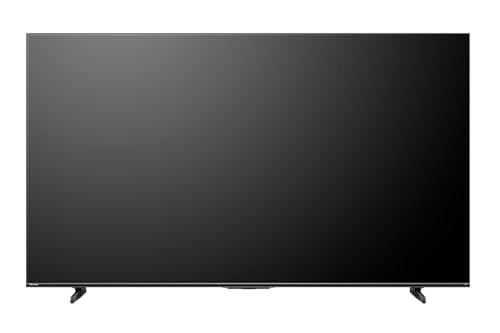
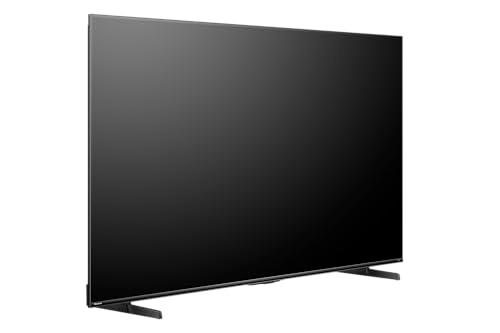
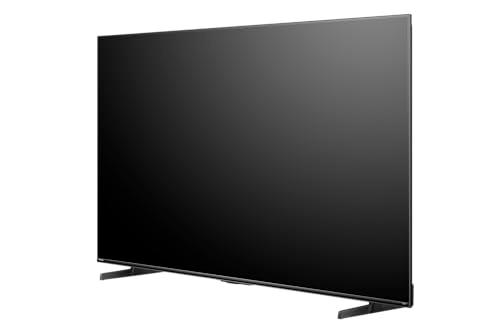
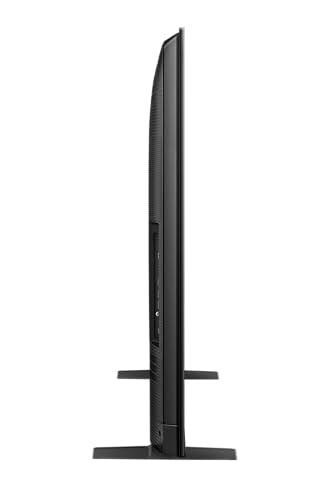
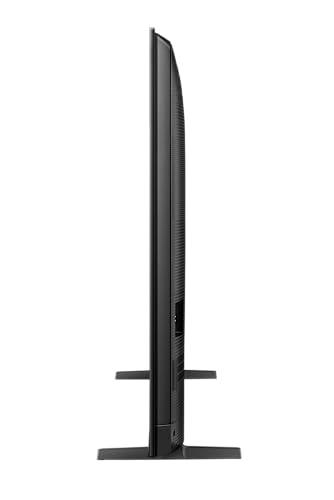
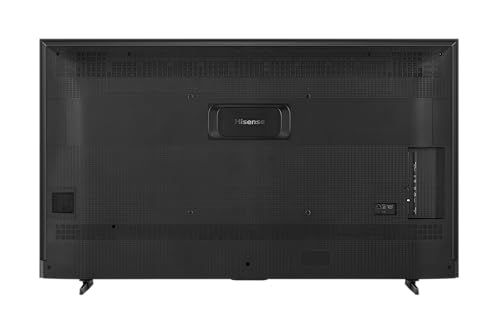
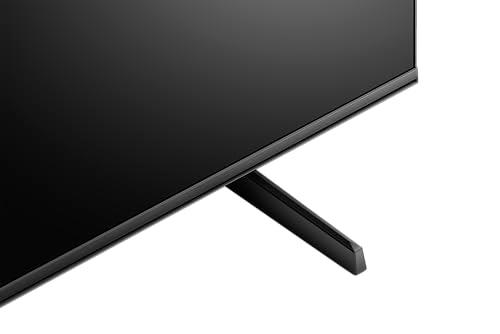
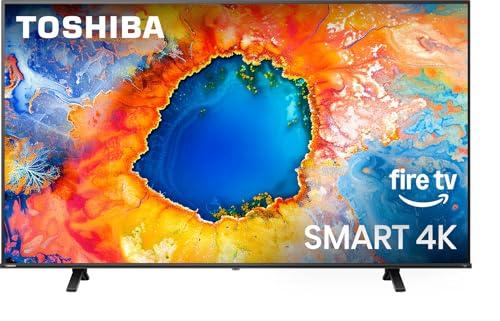
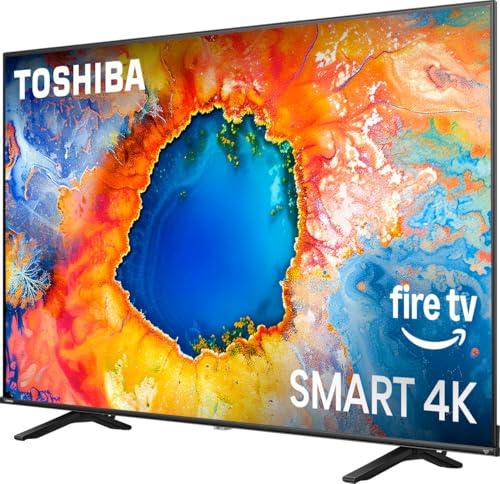
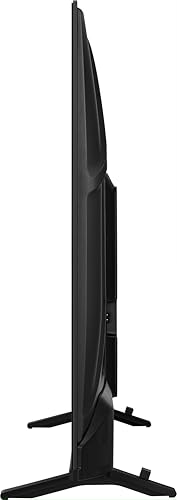

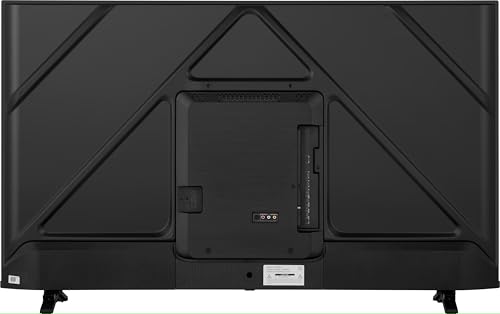
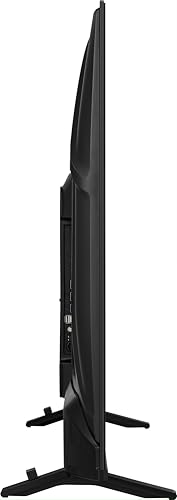
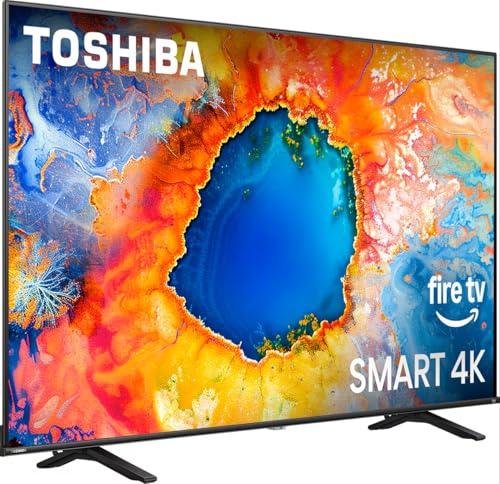
When shopping for a large 65-inch TV, you'll quickly discover that the gap between budget and mid-range models represents more than just a price difference—it's often a technology generation apart. This comparison between the Hisense QD7 Series 65" Mini-LED 4K Fire TV and the Toshiba 65" C350 Series 4K UHD Smart Fire TV perfectly illustrates this point. At the time of writing, these TVs are separated by roughly $200, but that price gap delivers fundamentally different viewing experiences that could influence your satisfaction for years to come.
The television market has evolved dramatically in recent years, creating distinct performance tiers that didn't exist a decade ago. Budget 4K TVs like the Toshiba C350 (released in 2023) focus on delivering the basics well: sharp 4K resolution, reliable smart features, and decent color reproduction. Mid-range models like the Hisense QD7 (2025 model) incorporate advanced display technologies that were once reserved for premium TVs costing thousands more.
This technological stratification means your decision isn't just about spending less versus spending more—it's about choosing between two fundamentally different approaches to displaying images on your screen. The question becomes whether the advanced features justify the price premium for your specific viewing habits and room environment.
The most significant difference between these TVs lies in how they create the light that forms your picture. The Toshiba C350 uses traditional LED backlighting, where a strip of LEDs along the TV's edges or back illuminates the entire screen uniformly. This approach works well for basic viewing but has inherent limitations in creating deep blacks and bright highlights simultaneously.
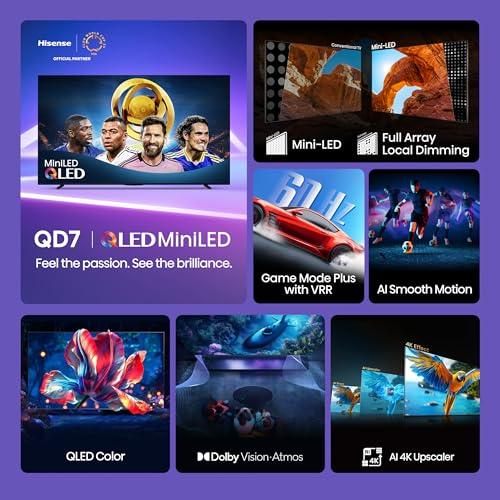
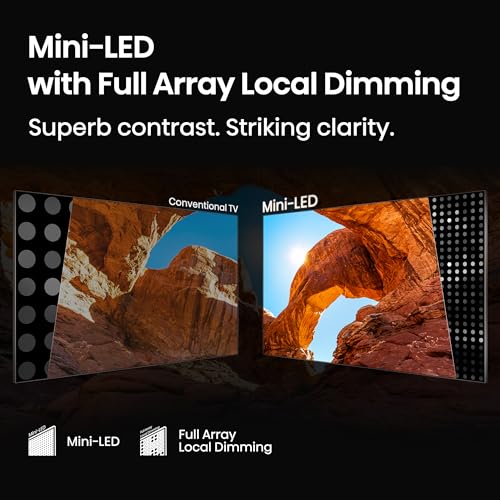
The Hisense QD7 employs Mini-LED technology, which represents a major advancement in LCD display quality. Instead of a few dozen larger LEDs, Mini-LED uses thousands of tiny LEDs arranged in precise zones across the back of the screen. Each zone can be controlled independently through a process called Full Array Local Dimming (FALD). When a movie scene shows a bright explosion against a dark night sky, the Mini-LED system can make the explosion zones extremely bright while keeping the surrounding dark areas truly dark.
This zonal control dramatically reduces the "blooming" effect you might notice on cheaper TVs, where bright objects seem to have a gray halo around them in dark scenes. For home theater enthusiasts who watch movies in darkened rooms, this difference is immediately apparent and significantly enhances the cinematic experience.
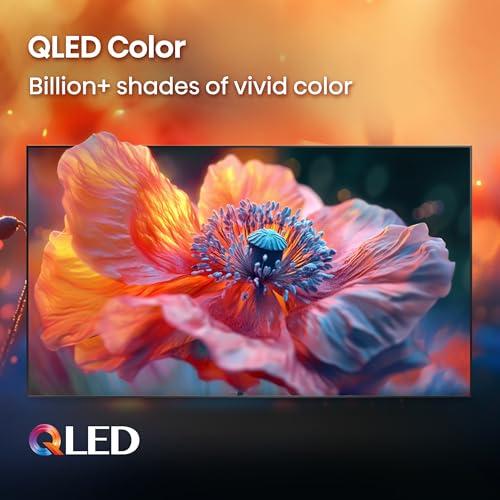
The QD7 also incorporates QLED (Quantum Dot LED) technology, which adds a layer of microscopic semiconductor particles between the backlight and the LCD panel. These quantum dots emit very precise colors when struck by light, enabling the TV to display over one billion distinct color shades compared to the millions possible on standard LED TVs. The result is more vibrant, accurate colors that maintain their saturation even at high brightness levels.
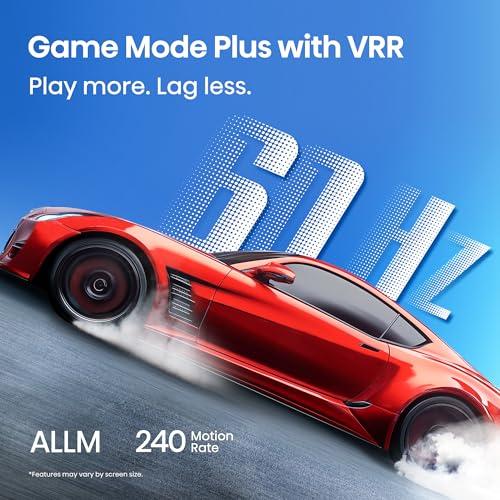
Gaming capabilities represent another major divide between these models. The Hisense QD7 includes features specifically designed for modern gaming consoles like the PlayStation 5 and Xbox Series X. Its support for 144Hz refresh rates means it can display up to 144 frames per second for incredibly smooth motion in compatible games. Variable Refresh Rate (VRR) technology synchronizes the TV's refresh rate with the console's output, eliminating the screen tearing that occurs when frame rates fluctuate.
Auto Low Latency Mode (ALLM) automatically switches the TV to its fastest processing mode when it detects a gaming console, reducing input lag—the delay between pressing a controller button and seeing the action on screen. For competitive gaming, these milliseconds matter significantly. The QD7 also supports 4K gaming at higher refresh rates and can handle 1080p gaming at even faster speeds for esports titles that prioritize frame rate over resolution.
The Toshiba C350, as a 2023 budget model, operates at the standard 60Hz refresh rate without VRR support. It includes basic Auto Low Latency Mode, making it perfectly adequate for casual gaming sessions, but it cannot take full advantage of next-generation console capabilities. If you're primarily playing single-player adventure games or only game occasionally, this limitation may not affect your enjoyment. However, for anyone interested in competitive online gaming or wanting to maximize their console's potential, the QD7's advanced gaming features provide a clear advantage.
The picture quality differences between these TVs become most apparent in challenging viewing scenarios. In bright, sunlit living rooms, the Hisense QD7's higher peak brightness allows it to maintain picture clarity and color saturation even with significant ambient light. The quantum dot technology helps colors remain vibrant rather than appearing washed out, a common issue with budget TVs in bright environments.
The Toshiba C350 performs admirably in moderate lighting conditions, delivering the sharp, clear picture quality that users consistently praise in reviews. However, in very bright rooms or when watching HDR content that demands high contrast, its limitations become apparent. HDR (High Dynamic Range) content is designed to showcase a wider range of brightness levels than standard video, from the deepest shadows to the brightest highlights. Without the advanced backlighting and local dimming of the QD7, HDR content on the C350 won't deliver the dramatic visual impact intended by content creators.
One area where the Toshiba C350 actually excels is viewing angles. Thanks to its panel technology, colors and brightness remain relatively consistent even when viewed from the sides. This makes it an excellent choice for rooms with wide seating arrangements where family members might be watching from various angles. The QD7, while offering superior straight-on picture quality, may show some color shifting when viewed from extreme angles.
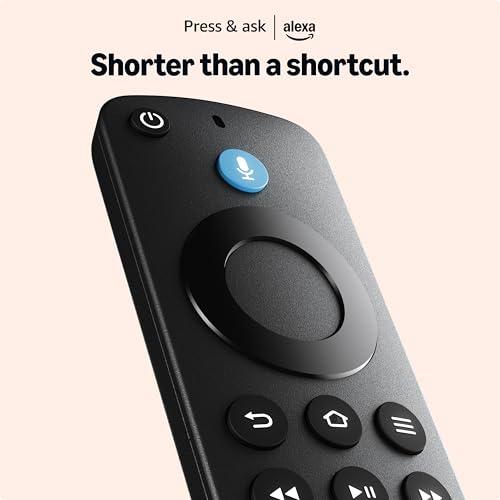
Both televisions run Amazon's Fire TV operating system with identical interfaces and app selections. You'll have the same access to Netflix, Disney+, Prime Video, Hulu, and hundreds of other streaming services. The built-in Alexa voice control works identically on both models, allowing you to search for content, control smart home devices, and adjust TV settings using voice commands.
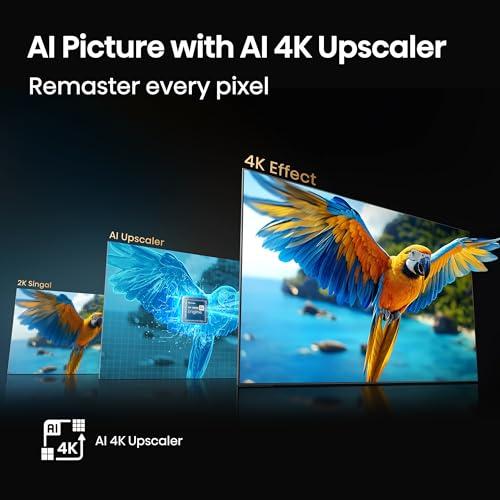
Where they differ is in processing power and storage. The Hisense QD7 includes 32GB of storage compared to the C350's more limited capacity, which affects how many apps you can install and how smoothly the interface operates over time. The QD7 also features an AI 4K Upscaler that uses machine learning algorithms to enhance lower-resolution content. This technology analyzes incoming video signals and intelligently sharpens edges, enhances textures, and reduces artifacts to make older movies, TV shows, and home videos look closer to native 4K quality.
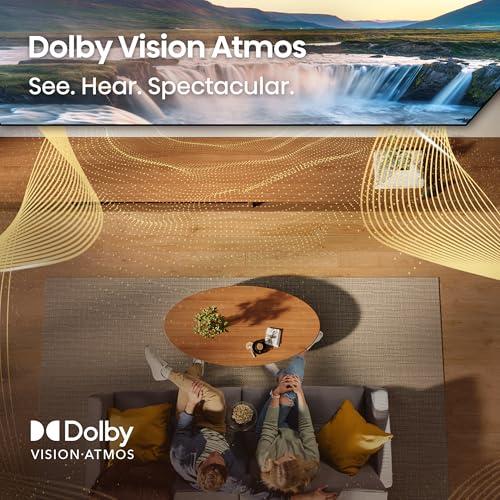
Both TVs feature similar 20-watt speaker systems, which provide adequate volume and clarity for most viewing scenarios. The Hisense QD7 supports Dolby Atmos, a surround sound technology that creates the impression of sound coming from above and around you by bouncing audio off your ceiling and walls. The Toshiba C350 includes DTS Virtual:X processing and Harman Kardon audio tuning, which creates virtual height effects and enhances dialogue clarity.
In practice, both TVs deliver respectable audio quality for their built-in speakers, but neither will satisfy serious audiophiles or provide the room-filling sound that matches their large 65-inch screens. If audio quality is important to you, budget for a soundbar or home theater system regardless of which TV you choose. The good news is both models include HDMI eARC (enhanced Audio Return Channel) connections that can pass advanced audio formats to compatible sound systems.
At the time of writing, the price difference between these models represents a classic value decision in consumer electronics. The Toshiba C350 delivers exactly what budget-conscious buyers need: reliable 4K resolution, comprehensive smart TV features, and solid picture quality that satisfies most viewing scenarios. User reviews consistently highlight satisfaction with its performance relative to its price point, with many noting it exceeds expectations for a TV in this price range.
The Hisense QD7 justifies its premium through advanced display technology that was recently exclusive to much more expensive TVs. Mini-LED backlighting, quantum dot color, and advanced gaming features represent significant technological advantages that enhance daily viewing experiences in measurable ways. For buyers who prioritize picture quality and future-proofing their purchase, the price premium delivers substantial value.
Your decision should be based primarily on your viewing environment and usage patterns. Choose the Hisense QD7 if you're setting up a primary living room entertainment center, especially in a bright room with lots of windows. Its superior brightness and contrast will maintain picture quality in challenging lighting conditions that would compromise budget alternatives. Gamers with modern consoles should strongly consider the QD7 for its advanced gaming features that will remain relevant as game developers take advantage of newer console capabilities.
The QD7 also makes sense for anyone planning to use their TV for several years without upgrading. Its advanced display technology and processing power provide better long-term satisfaction and compatibility with evolving content standards. If you frequently watch movies in a darkened room for a home theater experience, the Mini-LED backlighting creates the deep blacks and bright highlights that make films more immersive.
The Toshiba C350 is the smarter choice for budget-conscious buyers who need reliable 4K performance without premium features. It excels in bedrooms, guest rooms, or as a secondary TV where viewing angles matter more than absolute picture quality. If you primarily watch streaming content during daytime hours in moderate lighting, the C350 will provide years of satisfying performance at an attractive price point.
The television market's rapid evolution means today's mid-range features become tomorrow's budget standards, but that progression takes time. The Hisense QD7 offers a glimpse into display technology that will eventually become standard across all price ranges, while the Toshiba C350 represents mature, reliable technology that serves most viewers' needs effectively.
Your decision ultimately comes down to whether the advanced features of the QD7 align with your priorities and usage patterns. If picture quality, gaming performance, or bright room viewing are important to your daily experience, the technology premium is worthwhile. If you need functional 4K performance at the lowest cost, the C350 delivers impressive value that will satisfy most viewing requirements.
Both televisions will provide years of reliable service, but they'll deliver noticeably different experiences along the way. Consider not just your current needs, but how your viewing habits might evolve and whether the advanced features of the QD7 might become more valuable over time.
| Hisense QD7 Series 65" Mini-LED 4K Fire TV | Toshiba 65" C350 Series 4K UHD Smart Fire TV |
|---|---|
| Display Technology - The foundation of picture quality | |
| Mini-LED with Full Array Local Dimming + QLED Quantum Dot | Standard LED backlighting, no local dimming |
| Screen Size - Actual diagonal measurement | |
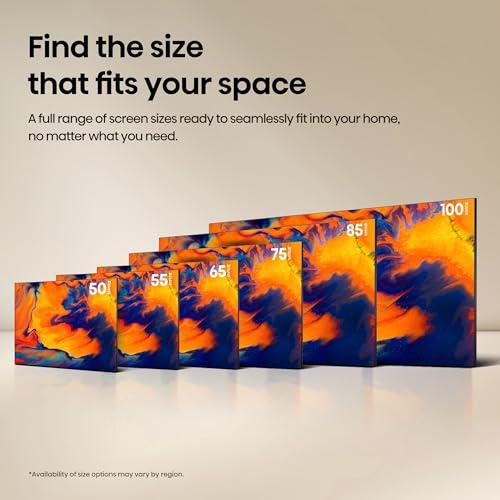
| 65" (64.5" diagonal) | 65" (64.5" diagonal) |
| Resolution - Both deliver sharp 4K detail | |
| 4K UHD (3840 x 2160) | 4K UHD (3840 x 2160) |
| Refresh Rate - Critical for gaming and sports | |
| 60Hz native, supports up to 144Hz for gaming | 60Hz native, Motion Rate 120 |
| HDR Support - Enhanced contrast and color range | |
| Dolby Vision, Dolby Vision Gaming, HDR10, HDR10+, HLG, HDR10+ Adaptive | Dolby Vision, HDR10, HLG |
| Gaming Features - Modern console compatibility | |
| VRR, ALLM, Game Mode Plus, supports 4K at 144Hz | Basic ALLM only, no VRR |
| Smart Platform - Identical experience on both | |
| Fire TV with Alexa built-in | Fire TV with Alexa built-in |
| Storage - Affects app capacity and performance | |
| 32GB ROM, 2GB RAM | 10GB storage capacity |
| HDMI Ports - Device connectivity options | |
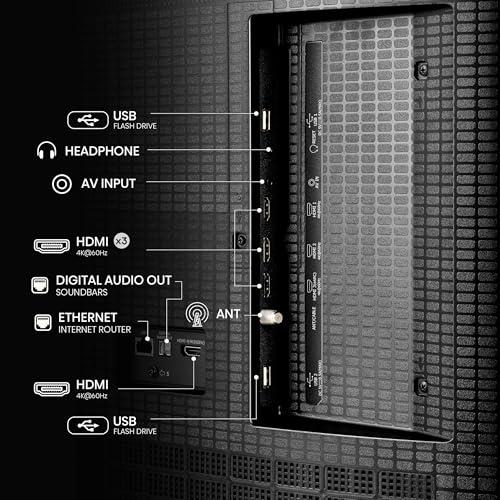
| 4 x HDMI 2.0 (1 with eARC) | 3-4 x HDMI (varies by model year, 1 with eARC) |
| Audio Output - Built-in speaker power | |
| 20W with Dolby Atmos support | 20W with DTS Virtual:X and Harman Kardon processing |
| Local Dimming - Controls contrast in different screen areas | |
| Yes - Full Array Local Dimming with Mini-LED zones | No local dimming |
| Color Technology - Affects vibrancy and accuracy | |
| QLED Quantum Dot (over 1 billion colors) | Standard LED color reproduction |
| Viewing Angles - Picture quality from the sides | |
| Good straight-on, some color shift at extreme angles | Excellent wide viewing angles |
| Best Use Case - Where each TV excels | |
| Primary living room, gaming, bright rooms, home theater | Secondary rooms, budget-conscious buyers, wide seating arrangements |
| Released - Technology generation | |
| 2025 model with latest display tech | 2023 model with proven reliability |
The Hisense QD7 Series 65" Mini-LED 4K Fire TV delivers significantly better picture quality thanks to its Mini-LED backlighting with Full Array Local Dimming and QLED quantum dot technology. This creates deeper blacks, brighter highlights, and over 1 billion color shades. The Toshiba 65" C350 Series 4K UHD Smart Fire TV offers good picture quality for its price range but uses standard LED backlighting without local dimming, resulting in less dynamic contrast and color volume.
The Hisense QD7 is excellent for modern gaming with support for 144Hz refresh rates, Variable Refresh Rate (VRR), and Auto Low Latency Mode (ALLM), making it fully compatible with PlayStation 5 and Xbox Series X features. The Toshiba C350 only supports basic 60Hz gaming with ALLM, making it adequate for casual gaming but unable to take advantage of next-generation console capabilities.
The Hisense QD7 performs much better in bright, sunlit rooms due to its higher peak brightness and quantum dot technology that maintains color vibrancy even with ambient light. The Toshiba C350 can appear washed out in very bright conditions, though it performs well in moderately lit rooms.
Yes, both the Hisense QD7 and Toshiba C350 run Fire TV with identical interfaces, app selections, and built-in Alexa voice control. However, the QD7 includes more storage capacity (32GB vs 10GB) and features AI 4K upscaling for enhanced lower-resolution content.
The Toshiba C350 actually has better viewing angles, maintaining consistent colors and brightness when viewed from the sides, making it ideal for rooms with wide seating arrangements. The Hisense QD7 offers superior straight-on picture quality but may show some color shifting at extreme viewing angles.
The Hisense QD7 is much better suited for home theater use thanks to its Mini-LED technology that creates deeper blacks and higher contrast ratios essential for dark room movie watching. It also supports more HDR formats including Dolby Vision Gaming. The Toshiba C350 is adequate for casual movie watching but lacks the contrast performance needed for serious home theater applications.
Both TVs feature similar 20W speaker systems. The Hisense QD7 supports Dolby Atmos for more immersive surround sound, while the Toshiba C350 includes DTS Virtual:X and Harman Kardon audio processing. Both provide decent built-in audio but would benefit from external sound systems for optimal performance.
The Hisense QD7 supports native 60Hz with gaming capabilities up to 144Hz, making it future-proof for high-refresh gaming content. The Toshiba C350 operates at standard 60Hz with Motion Rate 120 processing, which is adequate for most TV content but limited for advanced gaming.
Value depends on your priorities. The Toshiba C350 offers excellent value for budget-conscious buyers seeking reliable 4K performance with smart features. The Hisense QD7 provides exceptional value for its advanced Mini-LED and QLED technologies, delivering premium features at a mid-range price point.
Yes, but with different capabilities. The Hisense QD7 supports Dolby Vision, HDR10, HDR10+, HLG, and HDR10+ Adaptive with higher peak brightness for more impactful HDR performance. The Toshiba C350 supports Dolby Vision, HDR10, and HLG but with limited brightness that reduces HDR impact.
Both the Hisense QD7 and Toshiba C350 offer identical streaming experiences through Fire TV, with access to Netflix, Disney+, Prime Video, and hundreds of other apps. The QD7's superior picture processing and AI upscaling may provide slightly better image quality for streaming content, especially lower-resolution videos.
The Hisense QD7 includes 4 HDMI 2.0 ports with one eARC connection and 32GB storage for apps. The Toshiba C350 offers 3-4 HDMI ports (depending on model year) with eARC support and more limited storage capacity. Both include Wi-Fi, Bluetooth, and USB connectivity for comprehensive device compatibility.
We've done our best to create useful and informative comparisons to help you decide what product to buy. Our research uses advanced automated methods to create this comparison and perfection is not possible - please contact us for corrections or questions. These are the sites we've researched in the creation of this article: bestbuy.com - youtube.com - youtube.com - rtings.com - tvsbook.com - hometechnologyreview.com - hometechnologyreview.com - bestbuy.com - static.pcrichard.com - hometechnologyreview.com - bestbuy.com - hisense-usa.com - hisense-usa.com - shopmyexchange.com - brandsmartusa.com - manuals.plus - youtube.com - rtings.com - tvsbook.com - flatpanelshd.com - youtube.com - bestbuy.com - bestbuy.com - youtube.com - rtings.com - cnet.com - youtube.com - consumerreports.org - toshibatv-canada.com - bestbuy.com - bestbuy.com - dolby.com - displayspecifications.com - toshibatv-usa.com - aarons.com

Privacy Policy
Terms and Conditions - Affiliate Policy
Home Security
© Copyright 2008-2026.
11816 Inwood Rd #1211, Dallas, TX 75244