

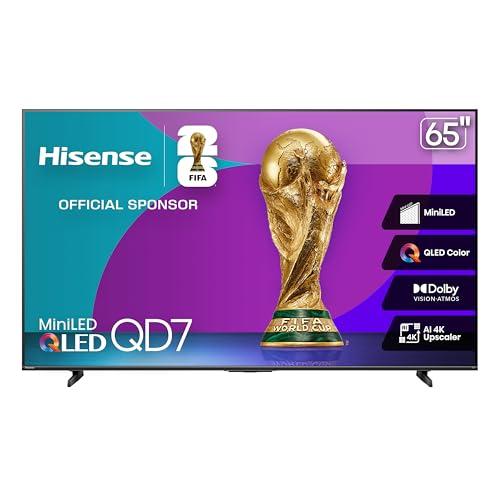
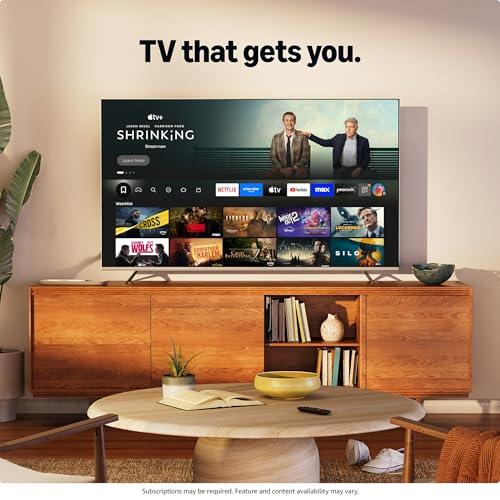
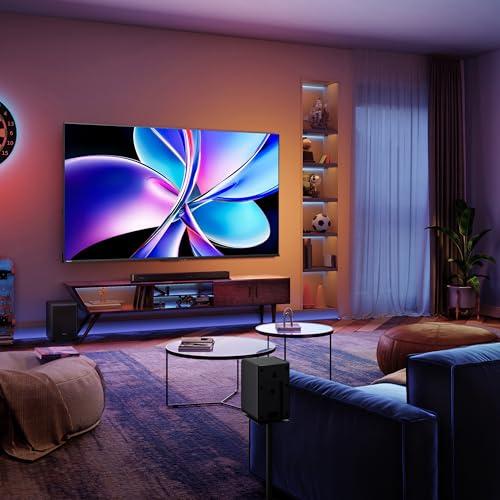
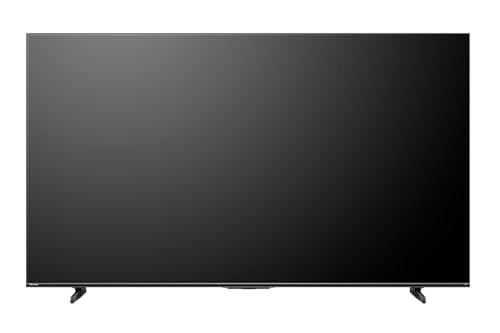
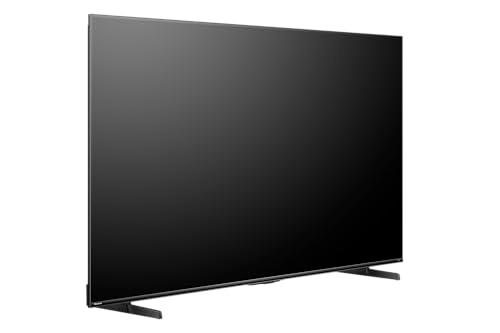
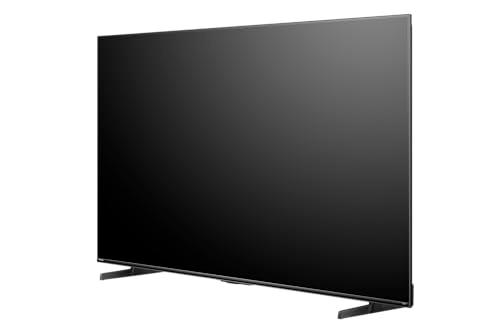
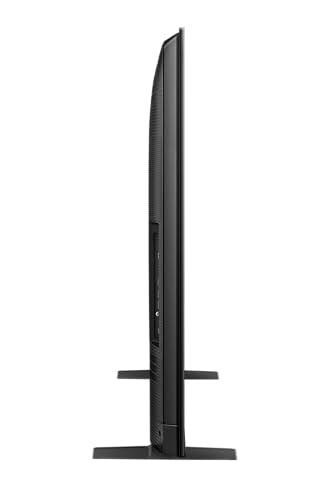
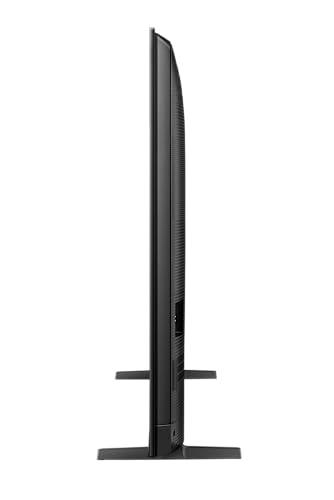
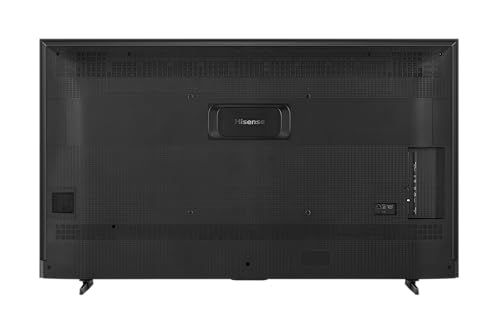
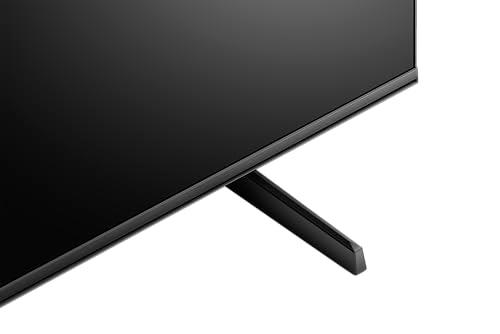
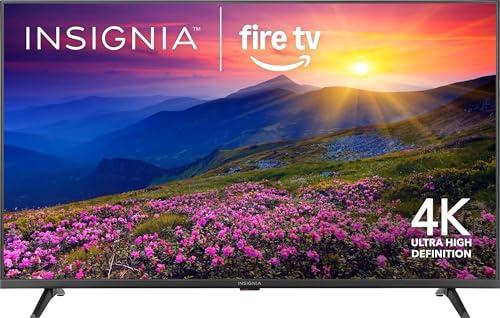
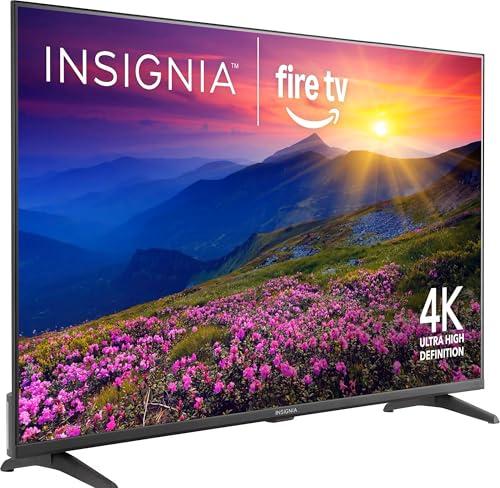
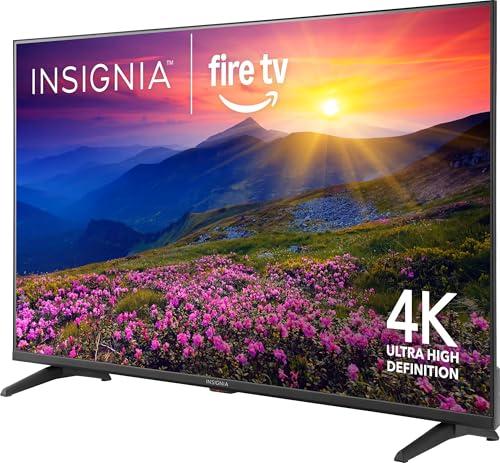
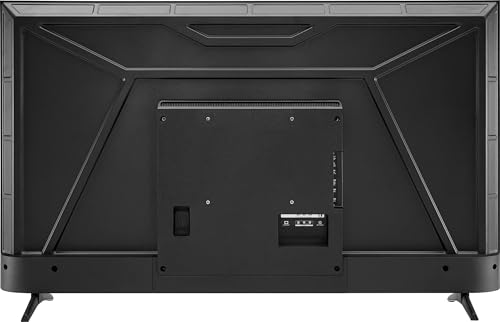
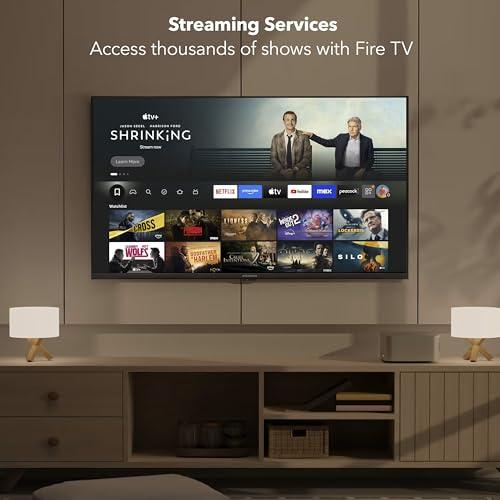
Shopping for a 65-inch TV under $500 used to mean accepting mediocre picture quality and basic smart features. Not anymore. The Hisense QD7 Series 65" Mini-LED 4K Fire TV and Insignia 65" F50 Series 4K UHD Smart Fire TV represent two dramatically different approaches to budget television design, both delivering quantum dot color technology and Amazon's Fire TV platform at surprisingly affordable prices.
Understanding these differences matters because your choice will impact your viewing experience for years to come. The Hisense QD7 brings premium Mini-LED technology to budget pricing, while the Insignia F50 maximizes screen size and essential features at the absolute lowest cost. Let's dive into what sets them apart and which one deserves your money.
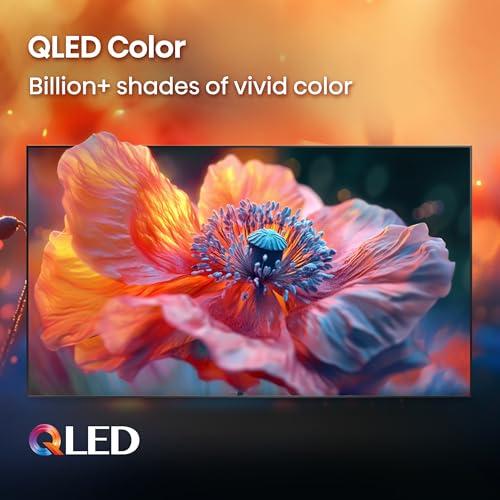
Before comparing specific models, it's important to understand what QLED actually means and why it matters. QLED stands for Quantum Dot Light Emitting Diode – essentially, it's a layer of microscopic particles placed behind the screen that emit precise colors when illuminated by the TV's backlight. Think of quantum dots as extremely efficient color filters that can produce over a billion distinct color shades, compared to the few million colors possible with standard LED displays.
Both the Hisense QD7 and Insignia F50 use this quantum dot technology, which explains why both can deliver vibrant, lifelike colors that pop off the screen. However, having quantum dots doesn't automatically make all QLED TVs equal – the backlight system illuminating those quantum dots makes all the difference in actual performance.
When evaluating budget QLED televisions, the most critical factors include contrast performance (how deep the blacks appear and how bright the highlights can get), color accuracy across different brightness levels, HDR (High Dynamic Range) impact, gaming capabilities for modern consoles, and overall value proposition. The smart platform experience also matters significantly since you'll interact with it daily.
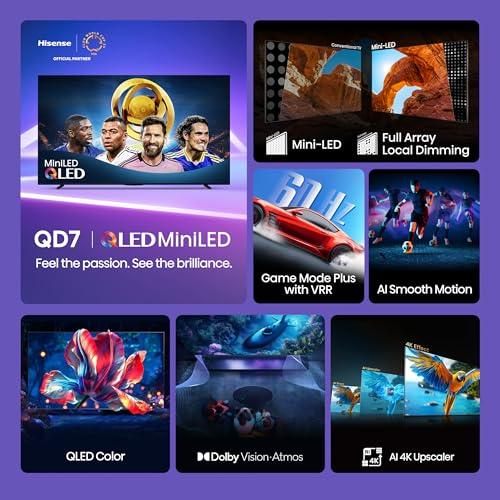
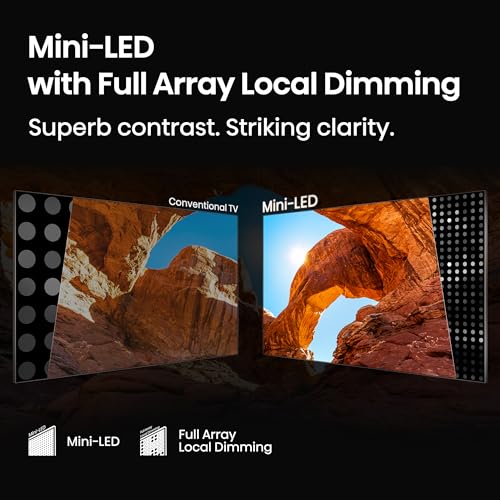
Here's where these two televisions diverge dramatically. The Hisense QD7 employs Mini-LED backlighting with Full Array Local Dimming, while the Insignia F50 uses conventional LED backlighting without any local dimming zones.
Mini-LED technology represents a significant advancement over traditional LED backlighting. Instead of using large LED bulbs around the screen's edges or scattered behind it, Mini-LED uses thousands of tiny LEDs arranged in precise zones behind the entire screen. Each zone can dim or brighten independently, allowing the TV to make specific screen areas darker or brighter as needed. This creates deeper blacks in dark scenes, brighter highlights in HDR content, and virtually eliminates the "blooming" effect where bright objects create unwanted halos on dark backgrounds.
The Hisense QD7's Mini-LED system works like having hundreds of tiny flashlights behind your screen, each one controllable separately. When watching a movie with a bright moon against a dark sky, only the zone behind the moon lights up intensely while surrounding zones stay dim, creating incredible contrast that approaches the performance of premium OLED displays.
In contrast, the Insignia F50 uses uniform backlighting where the entire screen's brightness adjusts together. While this keeps costs down and delivers solid overall picture quality, it cannot achieve the same dramatic contrast performance. Dark scenes appear grayer rather than truly black, and bright HDR highlights don't pop with the same impact.
The quantum dot layer in both TVs works the same way, but the Hisense QD7's superior backlight control allows those quantum dots to showcase their color capabilities more effectively across a wider range of brightness levels.
Picture quality differences between these TVs become immediately apparent in challenging content like dark movie scenes or high-contrast HDR material. Our research into user reviews and professional evaluations consistently shows the Hisense QD7 delivering superior contrast performance, with blacks that actually appear black rather than gray, even in completely dark rooms.
The Mini-LED advantage becomes particularly noticeable in HDR content from Netflix, Amazon Prime Video, or 4K Blu-ray discs. HDR works by expanding the range between the darkest darks and brightest brights, creating more realistic images that better match what human eyes see in real life. The Hisense QD7 can actually utilize this expanded range effectively because its Mini-LED zones can get very bright for highlights while simultaneously keeping other areas very dark.
The Insignia F50 supports the same HDR formats – Dolby Vision and HDR10 – but without local dimming, the actual HDR impact feels more subtle. Bright scenes look good, but they don't deliver that "wow" factor of truly impactful HDR highlights. This doesn't make it a bad television, but it does limit the premium streaming experience you'll get from services increasingly focused on HDR content.
Color performance tells a more even story. Both TVs benefit from quantum dot technology, delivering vibrant, accurate colors that surpass standard LED displays. However, the Hisense QD7's superior contrast foundation allows those colors to appear richer and more saturated, particularly in darker content where the Insignia F50 struggles with elevated black levels.
For bright room viewing – like a living room with large windows – the Hisense QD7 maintains its advantage through higher peak brightness capabilities. The Mini-LED system can output significantly more light to combat ambient lighting, while the Insignia F50 provides adequate but not exceptional bright room performance.
Gaming capabilities reveal the starkest performance gap between these televisions. The Hisense QD7 was released in 2024 with gaming-focused features designed for PlayStation 5 and Xbox Series X consoles, while the Insignia F50 reflects earlier-generation specifications more suited to casual gaming.
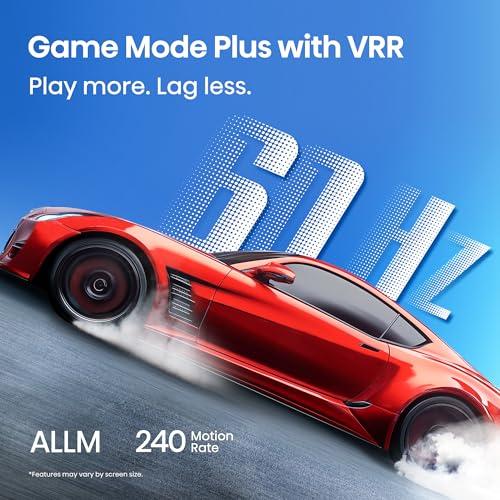
The Hisense QD7 supports native 144Hz refresh rates with 4K resolution up to 144 frames per second and 1080p gaming up to 240fps. This means games that support high frame rate modes – like many first-person shooters, racing games, and action titles – can display smoother motion with reduced blur and more responsive controls. Variable Refresh Rate (VRR) technology synchronizes the TV's refresh with your console's output, eliminating screen tearing and stuttering that can occur when frame rates fluctuate.
Auto Low Latency Mode (ALLM) automatically switches the TV into its lowest-lag gaming mode when it detects a gaming console, reducing input lag – the delay between pressing a button and seeing the action on screen – to minimal levels. Combined with Game Mode Plus processing, the Hisense QD7 delivers a competitive gaming experience that can actually impact performance in fast-paced online games.
The Insignia F50 tops out at 60Hz refresh rates, which matches older gaming consoles and basic cable/streaming content but cannot take advantage of modern consoles' high frame rate capabilities. While it offers decent input lag performance around 10 milliseconds – fast enough for casual gaming – it lacks VRR, ALLM, and the advanced motion processing that serious gamers expect.
This gaming performance difference matters more each year as game developers increasingly offer 120fps modes and variable refresh rate support. Buying a 60Hz TV today means missing out on these improvements for the television's entire lifespan, typically 7-10 years.
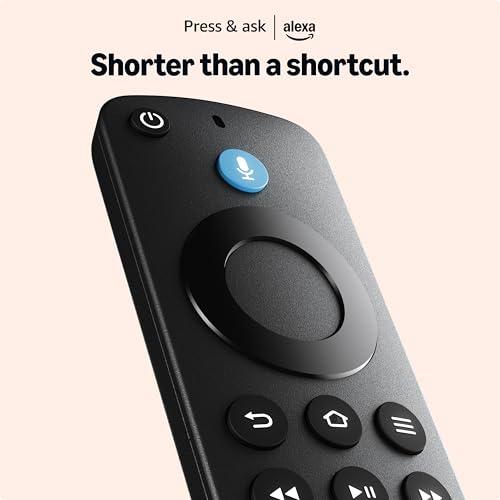
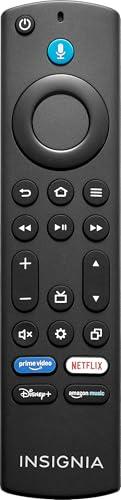
Both televisions run Amazon's Fire TV operating system with built-in Alexa voice control, creating identical smart platform experiences. This represents one area where the Insignia F50 matches the Hisense QD7 feature-for-feature, delivering the same app selection, user interface design, and voice control capabilities.
Fire TV has matured significantly since its introduction, now offering intuitive navigation, fast app switching, and comprehensive streaming service support including Netflix, Disney+, Hulu, Apple TV+, and of course, Amazon Prime Video. The included Alexa Voice Remote enables hands-free control for searching content, adjusting volume, controlling smart home devices, and launching specific apps or shows.
Both TVs support Apple AirPlay for streaming from iOS devices, though neither includes native support for Google Cast or Chromecast functionality. The Fire TV platform updates automatically, ensuring both televisions receive new features and security improvements over time.
The identical smart platform means your choice between these TVs should focus primarily on picture quality, gaming capabilities, and value rather than streaming convenience or app availability.
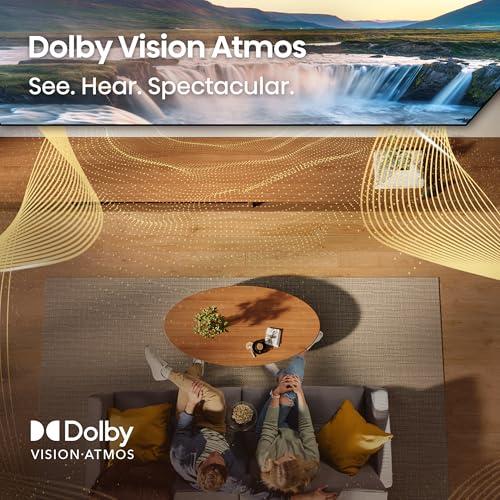
Audio performance from built-in speakers rarely impresses in modern flat-panel TVs, and both the Hisense QD7 and Insignia F50 deliver adequate but unremarkable sound quality. Both feature 20-watt speaker systems with Dolby Atmos processing support, which helps create a wider soundstage and better dialogue clarity than basic stereo speakers.
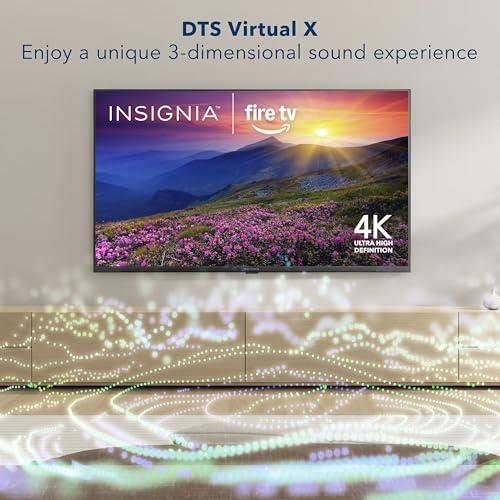
The Hisense QD7 includes DTS audio processing alongside Dolby Atmos, while the Insignia F50 adds DTS Studio Sound and DTS Virtual:X technologies. In practice, these processing differences have minimal impact – both TVs benefit significantly from external audio solutions like soundbars or surround sound systems.
For typical living room viewing, both TVs produce clear dialogue and adequate volume levels without distortion. However, neither delivers the bass response or dynamic range that enhances movie watching or gaming experiences. This is normal for flat-panel TVs and shouldn't influence your purchasing decision significantly unless you specifically cannot add external audio.
At the time of writing, the Hisense QD7 typically retails for around $500, while the Insignia F50 often costs $100-150 less. This price difference fundamentally shapes their value propositions and target audiences.
The Hisense QD7 represents exceptional value for buyers wanting premium TV features at budget pricing. Mini-LED technology typically appears in televisions costing $1,000 or more, making the QD7's sub-$500 pricing genuinely remarkable. Combined with advanced gaming features and excellent HDR performance, it offers a feature set that would have cost several thousand dollars just a few years ago.
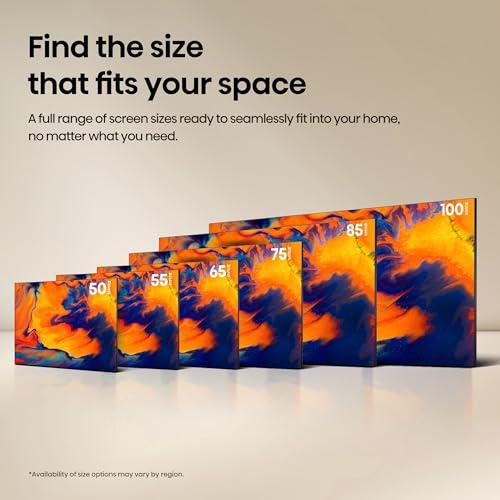
However, the Insignia F50 maximizes screen size and essential smart features at the absolute lowest price point. For buyers prioritizing getting the largest possible screen within a tight budget, it delivers solid 4K QLED performance without premium features they might not utilize anyway.
The value equation shifts based on your specific needs and usage patterns. Serious gamers, home theater enthusiasts, or anyone wanting their TV to remain relevant for many years should strongly consider the Hisense QD7's advanced capabilities despite the higher cost. Casual viewers who primarily stream content and don't game competitively might find the Insignia F50 meets all their requirements while saving money.
For dedicated home theater setups, the Hisense QD7 emerges as the clear winner thanks to its superior contrast performance and HDR capabilities. Home theater viewing typically occurs in controlled lighting environments where the Mini-LED's deep blacks and bright highlights create more immersive experiences.
The local dimming capability becomes particularly valuable when watching movies with challenging scenes – think space movies with bright stars against black backgrounds, or action films with explosions and fire effects. The Hisense QD7 can render these scenes with dramatic contrast that draws you into the action, while the Insignia F50 displays them with more compressed dynamic range that feels less engaging.
HDR movie content from 4K streaming services or Ultra HD Blu-ray discs showcases the Hisense QD7's advantages most dramatically. Dolby Vision content, in particular, benefits from the TV's ability to actually reproduce the wide brightness ranges that the format specifies.
However, both televisions suffer from viewing angle limitations common to LCD panels. Colors and contrast degrade when viewed from sharp angles, making them less suitable for wide seating arrangements where some viewers sit significantly off-center.
Choose the Hisense QD7 if you want the best possible picture quality at this price point, game on modern consoles, watch movies in dark rooms, or plan to keep your TV for many years. The Mini-LED technology and advanced gaming features justify the higher cost for users who will actually benefit from these capabilities.
The Insignia F50 makes sense for budget-focused buyers who need maximum screen size at minimum cost, casual viewers who primarily stream in moderately lit rooms, or anyone seeking a secondary TV for bedrooms or guest rooms. It delivers solid performance for basic viewing needs without premium features that increase cost.
Consider your actual viewing habits honestly. If you mostly watch Netflix and cable TV during the day, the Insignia F50 might serve you perfectly well while saving money for other priorities. But if you're building a home theater, game seriously, or want your TV investment to remain relevant as streaming services improve their HDR content, the Hisense QD7's advanced technology delivers meaningful performance advantages that justify its higher price.
The bottom line: both televisions offer excellent value within their respective categories, but they target fundamentally different user needs. The Hisense QD7 brings premium technology to budget pricing, while the Insignia F50 maximizes essential features at rock-bottom cost. Your choice should align with your priorities, viewing environment, and intended usage patterns.
| Hisense QD7 Series 65" Mini-LED 4K Fire TV | Insignia 65" F50 Series 4K UHD Smart Fire TV |
|---|---|
| Backlight Technology - The single most important difference affecting picture quality | |
| Mini-LED with Full Array Local Dimming (thousands of zones for deep blacks and bright highlights) | Standard LED backlight without local dimming (uniform brightness across entire screen) |
| Gaming Refresh Rate - Critical for PlayStation 5 and Xbox Series X owners | |
| Native 144Hz with 4K@144fps and 1080p@240fps support | 60Hz maximum (cannot utilize high framerate gaming modes) |
| HDR Performance - Determines how impactful streaming movies and shows appear | |
| Excellent HDR impact with high peak brightness and deep blacks | Limited HDR impact due to brightness constraints and lack of local dimming |
| Gaming Features - Modern console compatibility and competitive gaming | |
| VRR, ALLM, Game Mode Plus (full next-gen console support) | Basic gaming mode only (60Hz limitation reduces future-proofing) |
| Contrast Performance - Most noticeable in dark room movie watching | |
| Exceptional contrast approaching premium TV levels thanks to Mini-LED zones | Good contrast for the price but limited by uniform backlighting |
| Smart Platform - Identical experience on both models | |
| Fire TV OS with Alexa voice control and full app selection | Fire TV OS with Alexa voice control and full app selection |
| Color Technology - Both deliver vibrant, accurate colors | |
| QLED Quantum Dot with over 1 billion colors | QLED Quantum Dot with over 1 billion colors |
| Built-in Audio - Neither excels, external audio recommended for both | |
| 20W with Dolby Atmos support | 20W with DTS Studio Sound and Dolby Atmos |
| Release Generation - Affects long-term relevance and feature support | |
| 2025 model with current-generation gaming and streaming features | Earlier generation design with basic 4K capabilities |
| Value Proposition - Different approaches to budget TV design | |
| Premium features at budget pricing (exceptional Mini-LED value) | Maximum screen size at minimum cost (basic feature set) |
| Best Use Cases - Who should choose each model | |
| Serious gamers, dark room viewing, home theater setups, future-proofing | Casual viewing, secondary TVs, strict budget constraints, basic streaming needs |
The Hisense QD7 Series 65" Mini-LED 4K Fire TV delivers significantly better picture quality for movies, especially in dark rooms. Its Mini-LED backlighting with local dimming creates deeper blacks and brighter highlights, making HDR movies more impactful. The Insignia 65" F50 Series 4K UHD Smart Fire TV offers decent picture quality but cannot match the contrast performance due to its standard LED backlighting without local dimming zones.
The Hisense QD7 excels for next-gen console gaming with 144Hz refresh rate, VRR (Variable Refresh Rate), and ALLM (Auto Low Latency Mode) support. It can display games at 4K@144fps and 1080p@240fps for smoother gameplay. The Insignia F50 is limited to 60Hz gaming and lacks advanced gaming features, making it suitable only for casual gaming but not ideal for competitive or high-framerate gaming.
Yes, both the Hisense QD7 Series 65" Mini-LED 4K Fire TV and Insignia 65" F50 Series 4K UHD Smart Fire TV run identical Fire TV operating systems with built-in Alexa voice control. You'll get the same streaming apps, user interface, and smart features on both models, including Netflix, Prime Video, Disney+, and Apple AirPlay support.
The Hisense QD7 performs better in bright rooms thanks to its higher peak brightness from Mini-LED backlighting, which helps combat glare and maintain picture quality in well-lit environments. The Insignia F50 provides adequate brightness for moderate lighting but may struggle in very bright rooms with significant ambient light.
The key difference is backlighting technology. The Hisense QD7 Series 65" Mini-LED 4K Fire TV uses advanced Mini-LED backlighting with Full Array Local Dimming, allowing different screen zones to dim independently for better contrast. The Insignia 65" F50 Series 4K UHD Smart Fire TV uses standard LED backlighting where the entire screen brightness adjusts uniformly.
For dedicated home theater use, the Hisense QD7 is the better choice due to its superior contrast performance and HDR capabilities that create more immersive dark room viewing experiences. The Mini-LED local dimming excels at displaying challenging movie scenes with mixed bright and dark elements. The Insignia F50 works for casual home theater use but doesn't deliver the same dramatic contrast performance.
Value depends on your needs. The Hisense QD7 Series 65" Mini-LED 4K Fire TV offers exceptional value for buyers wanting premium Mini-LED technology and gaming features typically found in much more expensive TVs. The Insignia 65" F50 Series 4K UHD Smart Fire TV provides better value for budget-focused buyers who want maximum screen size and basic QLED features at the lowest possible cost.
Both TVs support HDR formats including Dolby Vision and HDR10, but the Hisense QD7 delivers more impactful HDR performance. Its Mini-LED backlighting can actually reproduce the wide brightness ranges that HDR content specifies, creating more dramatic highlights and deeper shadows. The Insignia F50 supports the same HDR formats but with more limited visual impact due to brightness and contrast limitations.
Both the Hisense QD7 Series 65" Mini-LED 4K Fire TV and Insignia 65" F50 Series 4K UHD Smart Fire TV feature similar 20W speaker systems with Dolby Atmos support. Audio quality is adequate for basic viewing on both models, but neither delivers impressive sound that would eliminate the need for a soundbar or external audio system for optimal movie and gaming experiences.
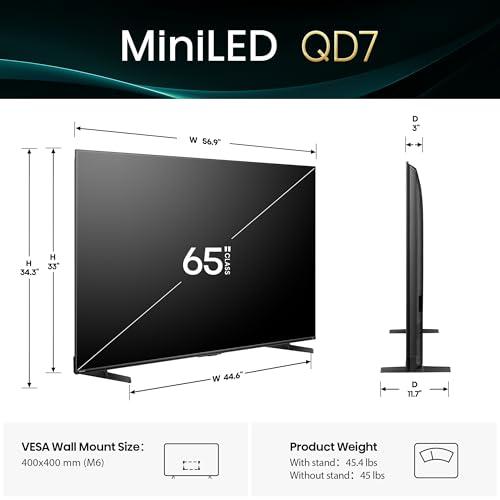
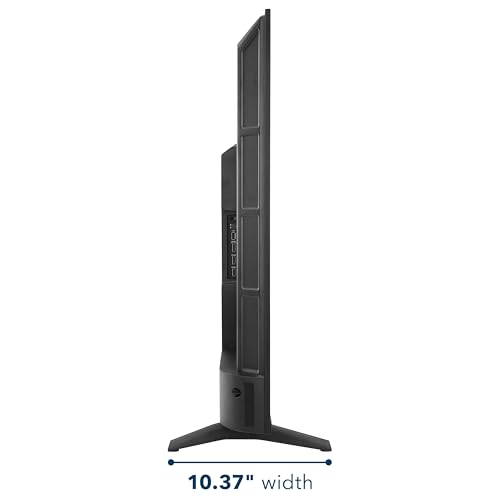
Both TVs support standard VESA wall mounting. The Hisense QD7 uses VESA 200x200mm mounting patterns, while the Insignia F50 also supports common VESA mounting standards. Both models feature slim profiles suitable for wall installation, though you should verify specific mounting requirements and weight limits with your chosen wall mount.
The Hisense QD7 Series 65" Mini-LED 4K Fire TV offers better future-proofing with its 144Hz refresh rate, advanced gaming features, and superior HDR capabilities that align with evolving streaming and gaming standards. The Insignia 65" F50 Series 4K UHD Smart Fire TV covers current basic requirements but may feel outdated sooner due to its 60Hz limitation and lack of next-generation gaming features.
Choose the Hisense QD7 if you're a serious gamer, movie enthusiast, have a dark home theater setup, or want advanced features for long-term use. Select the Insignia F50 if you prioritize getting the largest screen possible within a tight budget, primarily stream casual content, or need a secondary TV for basic viewing needs where premium features aren't essential.
We've done our best to create useful and informative comparisons to help you decide what product to buy. Our research uses advanced automated methods to create this comparison and perfection is not possible - please contact us for corrections or questions. These are the sites we've researched in the creation of this article: bestbuy.com - youtube.com - youtube.com - rtings.com - tvsbook.com - hometechnologyreview.com - hometechnologyreview.com - bestbuy.com - static.pcrichard.com - hometechnologyreview.com - bestbuy.com - hisense-usa.com - hisense-usa.com - shopmyexchange.com - brandsmartusa.com - manuals.plus - youtube.com - rtings.com - tvsbook.com - flatpanelshd.com - youtube.com - bestbuy.com - bestbuy.com - rtings.com - youtube.com - pcvarge.com - whathifi.com - leaseville.com - bestbuy.com - manuals.plus - youtube.com - bestbuy.com - techeasypay.com - sears.com - rtings.com

Privacy Policy
Terms and Conditions - Affiliate Policy
Home Security
© Copyright 2008-2026.
11816 Inwood Rd #1211, Dallas, TX 75244