

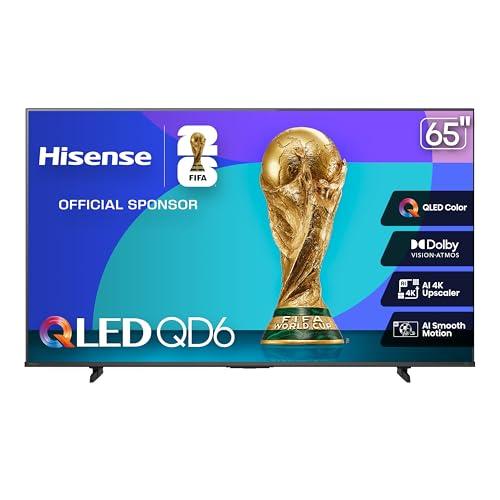
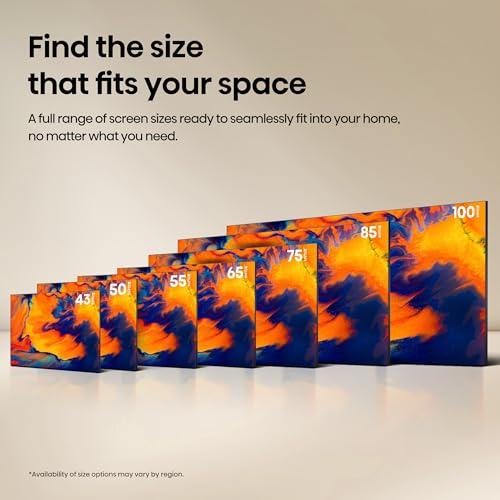
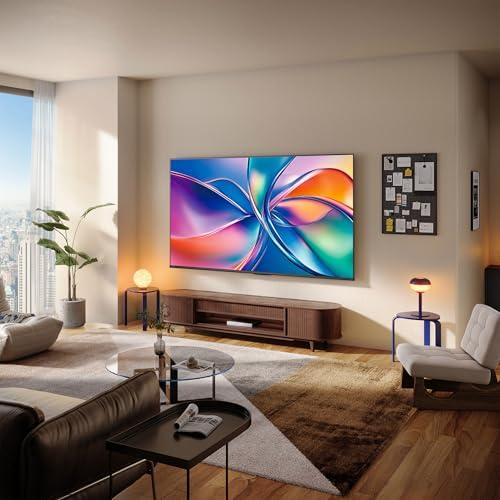
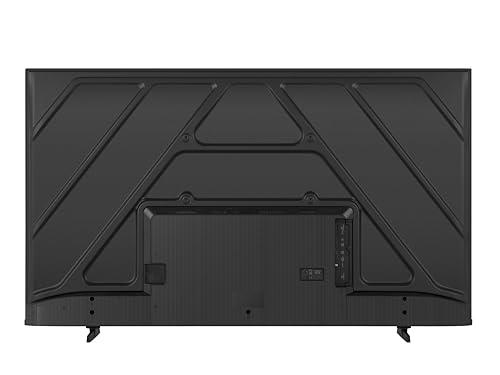
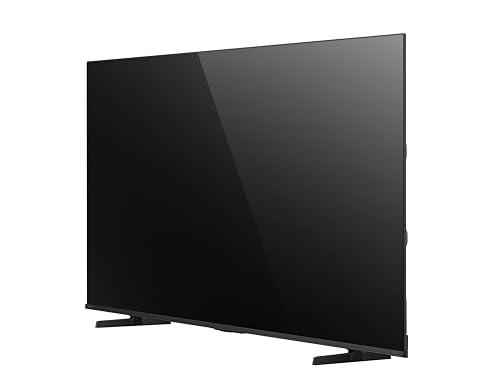
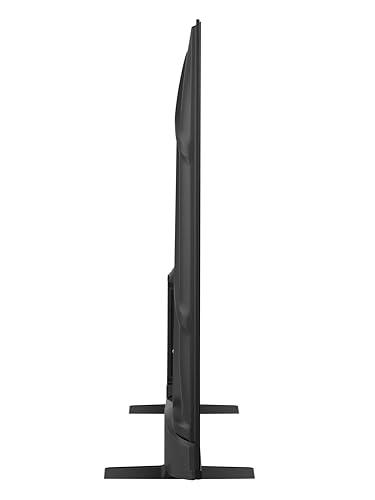

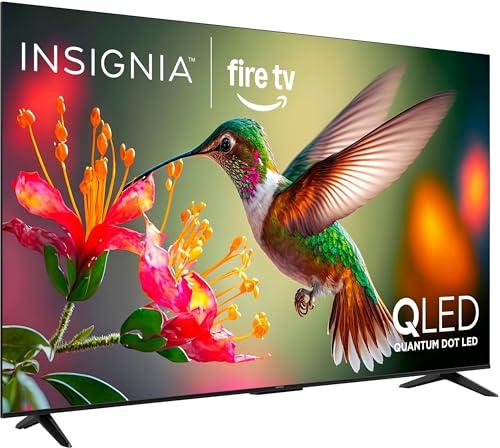
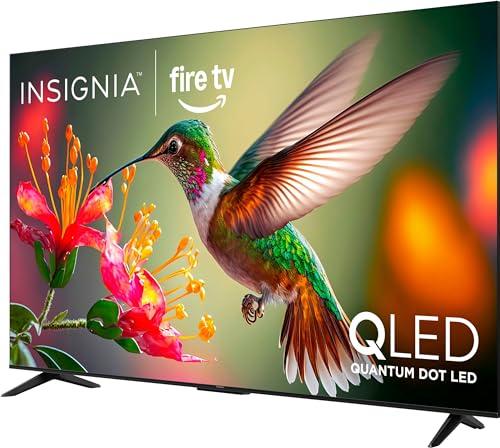
When you're ready to upgrade to a larger 65-inch TV but don't want to break the bank, the world of budget QLED televisions offers some compelling options. Two models that consistently pop up in discussions are the Hisense 65" QD6 Series QLED 4K Fire TV and the Insignia 65" QF Series QLED 4K UHD Smart TV. Both promise quantum dot technology—which uses tiny crystals to produce more vibrant colors than traditional LED TVs—at prices that won't require a second mortgage.
But here's the thing about budget TVs: the difference between "pretty good" and "actually impressive" often comes down to details that aren't immediately obvious from the spec sheet. After diving deep into user reviews, professional evaluations, and technical specifications, there are some clear winners and losers between these two models that every buyer should understand.
Before we dive into the comparison, let's talk about what you're actually getting with these budget QLED TVs. Traditional LED TVs use white backlights filtered through colored plastic to create images. QLED technology adds a layer of quantum dots—microscopic crystals that glow specific colors when hit with light—creating more accurate and vibrant colors.
The key considerations when shopping in this category include picture brightness (measured in nits), color accuracy (how closely colors match real life), smart platform performance, build quality, and increasingly important for modern buyers, gaming capabilities. The challenge with budget models is that manufacturers have to make compromises somewhere to hit aggressive price points.
The Hisense QD6, released in 2025, represents Hisense's latest attempt to bring near-premium QLED performance to the budget market. The most significant change from previous Hisense models is the switch from Google TV to Amazon's Fire TV platform, which has implications for both performance and user experience.
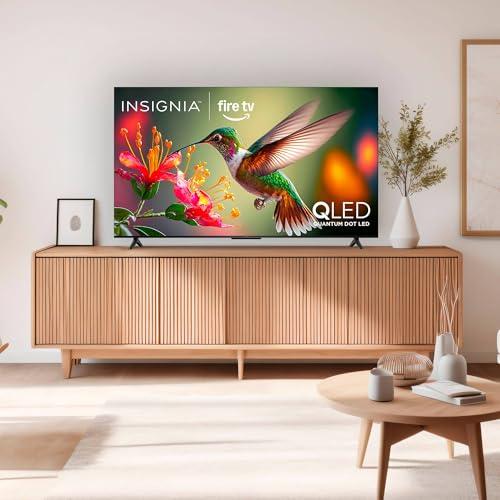
The Insignia QF Series, Best Buy's house brand offering, takes a different approach entirely. Rather than trying to pack in every possible feature, Insignia focuses on delivering core QLED benefits at the absolute lowest price point possible. It's the "essentials-only" approach to premium display technology.
At the time of writing, there's typically a price gap of $100-200 between these models, with the Insignia QF positioned as the more budget-friendly option. The question is whether the Hisense QD6's additional features and performance justify that premium.
This is where the differences become really apparent, and frankly, it's not as close as you might expect. The Hisense QD6 delivers measurably superior picture quality in several key areas that matter for everyday viewing.
Brightness and HDR Performance
Peak brightness is crucial for HDR (High Dynamic Range) content, which includes most modern streaming shows and movies. HDR content contains information about how bright specific parts of the image should be, but your TV needs to actually be capable of producing that brightness. The Hisense QD6 achieves around 385 cd/m² peak brightness, while typical budget 65-inch TVs hover around 320 cd/m². That might sound like a small difference, but it's the difference between HDR highlights that actually pop and HDR content that looks only marginally better than standard content.
The Insignia QF, while adequate for most viewing situations, doesn't quite reach those same brightness levels. In practice, this means that when you're watching something like a Marvel movie with bright explosions or outdoor scenes, the Hisense QD6 will deliver more impactful visuals.
Color Accuracy and Coverage
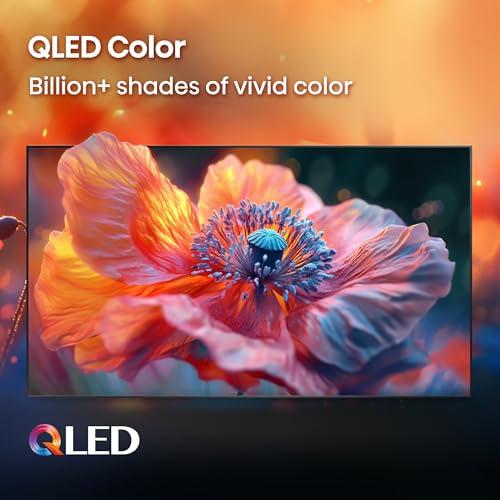
Here's where quantum dot technology really shows its worth. The Hisense QD6 covers approximately 90% of the DCI-P3 color gamut, which is the professional standard for digital cinema. The Insignia QF offers good color reproduction for its price, but doesn't quite match that coverage.
What this means in real-world terms: reds will be more vibrant, greens will look more natural, and skin tones will appear more lifelike on the Hisense QD6. It's the kind of difference you'll notice immediately when watching nature documentaries or animated movies.
AI Processing and Upscaling
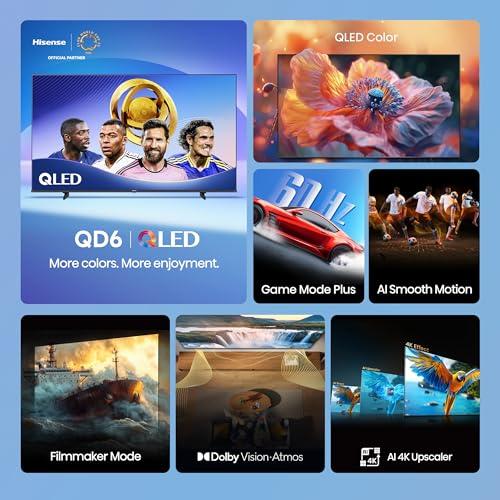
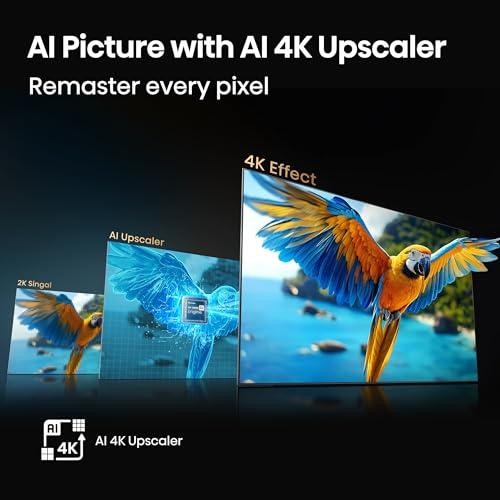
The Hisense QD6 includes an AI 4K Upscaler that uses machine learning to enhance lower-resolution content. This matters more than you might think because despite having a 4K TV, you're still watching plenty of 1080p or even 720p content from cable, older streaming shows, or DVDs.
The AI processing analyzes each frame and intelligently sharpens details, reduces noise, and enhances colors. The Insignia QF has basic upscaling, but it's more of a simple interpolation rather than intelligent enhancement. When you're watching older TV shows or lower-quality streams, the difference is noticeable.
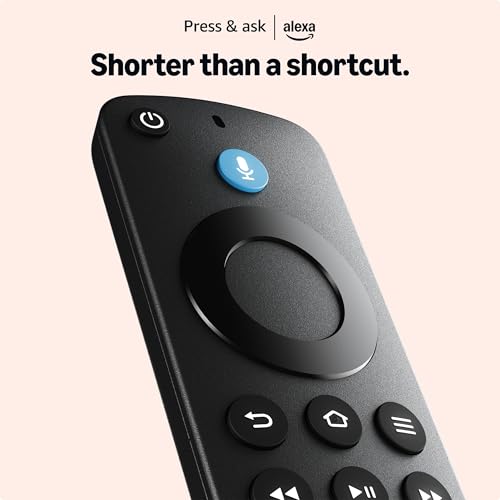
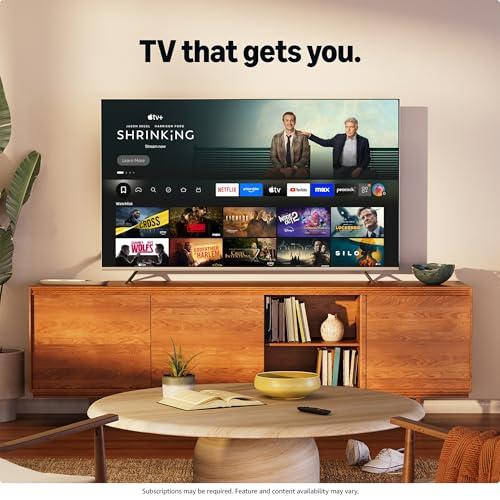
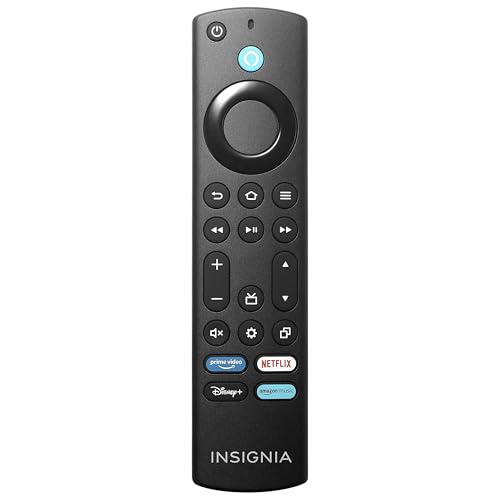
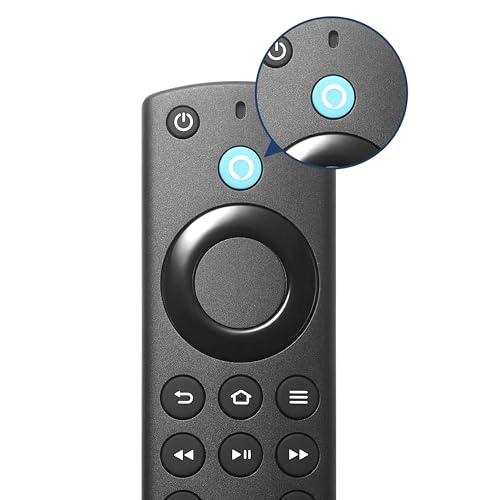
Both TVs run Amazon's Fire TV platform, which means they offer identical app selection and basic functionality. You'll get all the major streaming services, voice control through Alexa, and integration with Amazon's ecosystem.
However, the implementation matters significantly. The Hisense QD6 runs Fire TV on more recent hardware with better processing power, resulting in noticeably smoother navigation and faster app loading. Users consistently report that menu navigation is more responsive and apps launch more quickly.
The Insignia QF runs the same Fire TV interface but on more basic hardware. It's not dramatically slow, but you'll notice occasional lag when switching between apps or navigating complex menus. For casual use, it's perfectly adequate, but if you're someone who switches between multiple streaming services frequently, the performance difference becomes annoying over time.
Both TVs support Apple AirPlay for casting from iPhones and iPads, which is a nice touch for Apple ecosystem users.
This is where the Hisense QD6 pulls significantly ahead, and it matters more than ever with current-generation gaming consoles from Sony and Microsoft.
Variable Refresh Rate and Auto Low Latency Mode
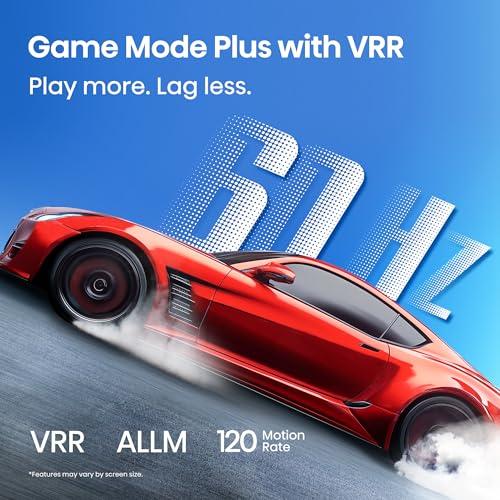
The Hisense QD6 includes Game Mode Plus with Variable Refresh Rate (VRR) and Auto Low Latency Mode (ALLM). VRR synchronizes the TV's refresh rate with your gaming console's output, eliminating screen tearing—those horizontal lines that appear during fast motion in games. ALLM automatically switches to the TV's lowest-latency mode when it detects a gaming console, reducing input lag.
The Insignia QF has a basic game mode that reduces input lag, but lacks VRR and ALLM. For casual gaming, this isn't a deal-breaker, but if you play competitive online games or fast-paced action titles, you'll notice the difference.
Motion Handling
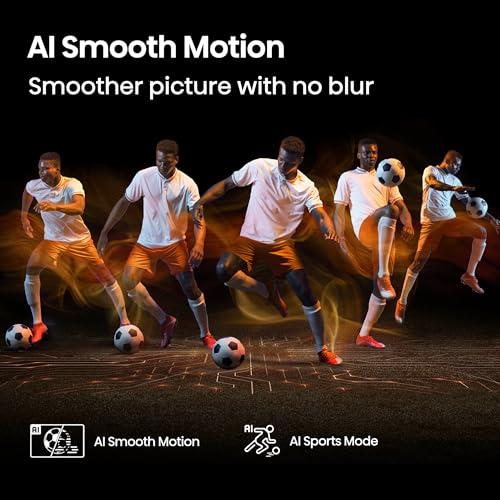
The Hisense QD6 features Motion Rate 120 technology, which uses MEMC (Motion Estimation, Motion Compensation) to create smoother motion. This interpolates additional frames between the actual video frames, reducing motion blur during fast action sequences.
While both TVs have 60Hz native refresh rates—meaning they can display 60 frames per second—the Hisense QD6's motion processing does a better job of handling fast-moving content whether you're gaming or watching sports.
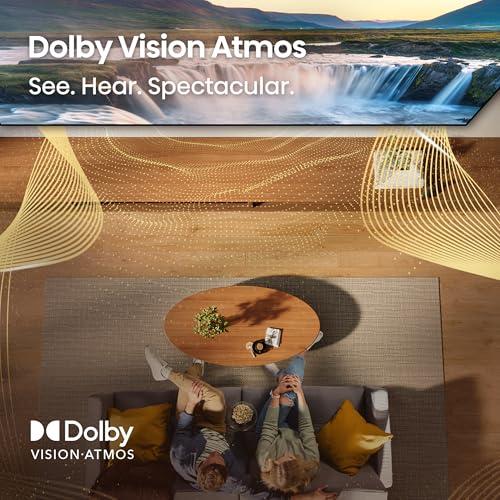
Let's be honest about TV audio: neither of these models will blow you away with their built-in speakers. The Hisense QD6 outputs 20 watts total with Dolby Atmos decoding, while the Insignia QF offers similar power with Dolby Atmos support.
Both TVs decode Dolby Atmos, which is the modern surround sound standard, but their built-in speakers can't actually reproduce the full three-dimensional audio experience. What you get is better dialogue clarity and some sense of directional audio compared to basic TV speakers.
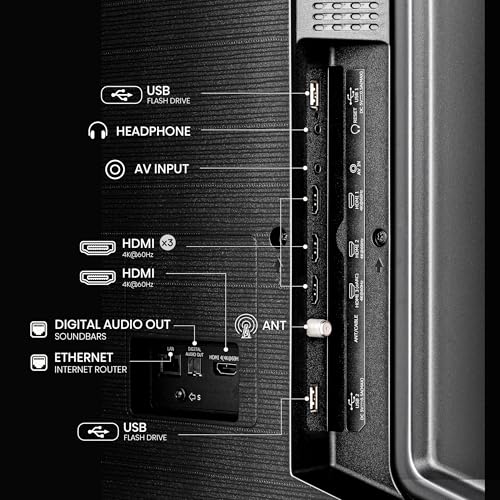
If audio quality matters to you, plan to add a soundbar regardless of which TV you choose. Both have eARC (enhanced Audio Return Channel) support, which allows high-quality audio formats to pass through to external audio systems without compression.
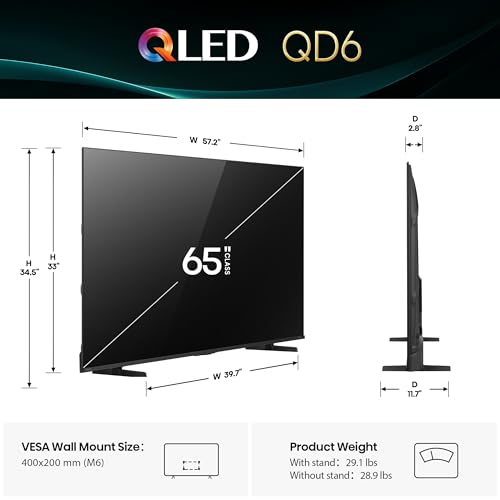
The Hisense QD6 feels more substantial, with better materials and construction. At 28.9 pounds without the stand, it's slightly heavier than the Insignia QF at 27.8 pounds, which often correlates with more robust internal components and better heat dissipation.
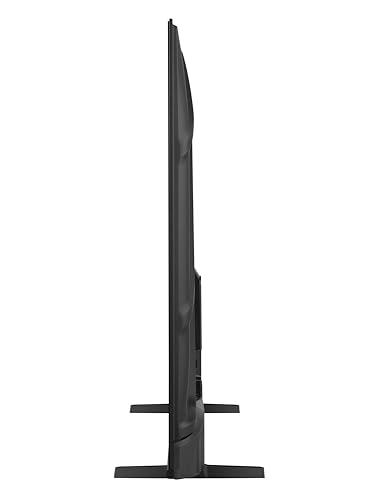
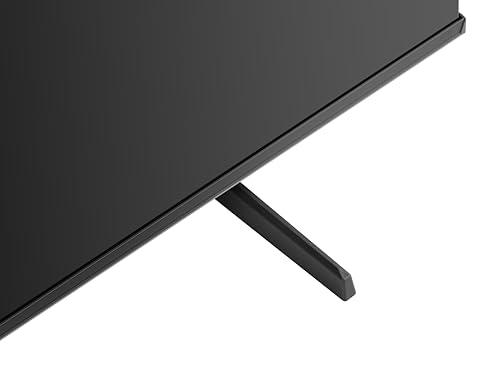
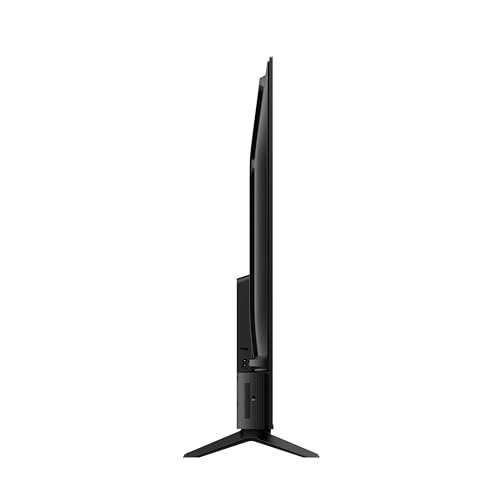
The Hisense QD6 has a slim 2.8-inch depth and sturdy stand design that minimizes wobbling. The Insignia QF uses a lighter, more basic construction that's perfectly functional but feels less premium. Both TVs have thin bezels and modern aesthetics that look good in contemporary living rooms.
For wall mounting, both TVs use standard VESA mounting patterns, and the Insignia QF's lighter weight actually makes it slightly easier to handle during installation.
This is where personal priorities really matter. The Hisense QD6 delivers measurably better performance across multiple categories, but at a higher price point. The question is whether those improvements justify the additional cost for your specific situation.
When the Hisense QD6 Makes Sense
If you're upgrading from an older TV and plan to keep this one for several years, the Hisense QD6's superior picture quality and gaming features represent better long-term value. The brighter display means better HDR performance, which matters more as streaming services continue improving their content quality.
The gaming features are particularly relevant if you own or plan to buy a PlayStation 5 or Xbox Series X. These consoles can output Variable Refresh Rate signals, and taking advantage of that capability makes games noticeably smoother and more responsive.
When the Insignia QF Makes More Sense
If your budget is extremely tight or you're buying a secondary TV for a bedroom or guest room, the Insignia QF delivers legitimate QLED performance at an unbeatable price point. It's also a smart choice if you're upgrading from a much older TV—even the Insignia QF's basic QLED implementation will be a dramatic improvement over a 10-year-old LED TV.
For casual viewing—primarily streaming Netflix and watching cable TV—the performance differences become less critical. Both TVs will handle standard content just fine.
If you're building a dedicated home theater or media room, the Hisense QD6 is the better choice despite both being budget models. The superior brightness and color accuracy matter more in darkened rooms where you'll notice subtleties in picture quality.
The Hisense QD6's better motion handling also becomes more apparent when watching movies on a large screen. Action sequences and camera pans look smoother and more cinematic.
However, both TVs lack local dimming zones, which premium TVs use to darken specific areas of the screen for better contrast. This means neither will deliver the deep blacks and stellar contrast you'd get from higher-end models, but that's the trade-off for budget pricing.
After evaluating both models extensively, the Hisense QD6 emerges as the better overall value for most buyers. The superior picture quality, gaming features, and build quality justify the price premium for anyone who can accommodate it in their budget.
Choose the Hisense QD6 if:
Choose the Insignia QF if:
The Insignia QF isn't a bad TV—it delivers real QLED benefits at an aggressive price point. But the Hisense QD6 offers enough additional performance and features to make it worth the stretch for most buyers who can manage the higher price.
At the time of writing, both represent solid values in their respective price ranges, but the Hisense QD6 hits that sweet spot of maximum performance for reasonable money that makes it our pick for most buyers shopping in the budget QLED category.
| Hisense 65" QD6 Series QLED 4K Fire TV | Insignia 65" QF Series QLED 4K UHD Smart TV |
|---|---|
| Peak Brightness - Critical for HDR content and bright rooms | |
| 385 cd/m² (noticeably better HDR impact) | Standard budget brightness (~320 cd/m²) |
| Color Coverage - Determines color vibrancy and accuracy | |
| ~90% DCI-P3 color gamut (cinema-grade colors) | Good QLED colors but narrower gamut |
| Gaming Features - Essential for modern console compatibility | |
| VRR, ALLM, Game Mode Plus (full next-gen support) | Basic game mode only (casual gaming adequate) |
| HDR Format Support - Affects streaming content quality | |
| Dolby Vision, HDR10+, HDR10, HLG (complete support) | Dolby Vision, HDR10 (missing HDR10+) |
| Motion Processing - Important for sports and action content | |
| Motion Rate 120 with MEMC technology | Simulated 120Hz processing |
| AI Processing - Enhances lower-resolution content | |
| AI 4K Upscaler with machine learning | Basic upscaling only |
| Smart Platform Performance - Daily navigation experience | |
| Fire TV on newer hardware (smoother operation) | Fire TV on basic hardware (occasional lag) |
| Audio Output - Built-in speaker performance | |
| 20W with Dolby Atmos (soundbar recommended) | Similar Dolby Atmos support (soundbar recommended) |
| Build Quality - Long-term durability and premium feel | |
| 28.9 lbs, premium materials, 2.8" depth | 27.8 lbs, lighter construction, bezel-less design |
| HDMI Connectivity - External device compatibility | |
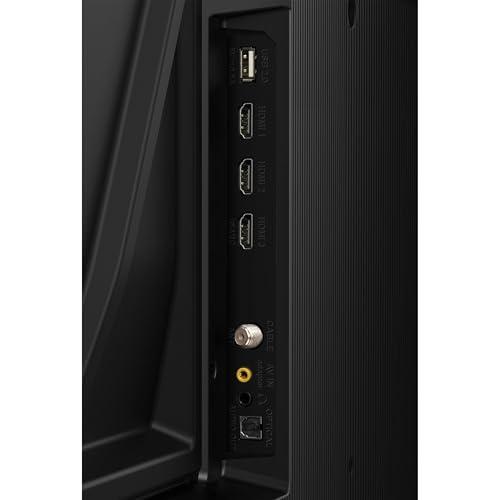
| 4 HDMI 2.0 ports (1 with eARC) | 3 HDMI ports (1 with eARC) |
| Refresh Rate - Gaming and motion smoothness | |
| 60Hz native with VRR support | 60Hz native, no VRR |
| Target User - Best fit scenarios | |
| Performance-focused buyers, gamers, home theater | Budget-conscious, basic streaming, casual use |
The Hisense 65" QD6 Series QLED 4K Fire TV delivers superior picture quality with higher peak brightness (385 cd/m²), wider color coverage at ~90% DCI-P3, and AI-enhanced upscaling. The Insignia 65" QF Series QLED 4K UHD Smart TV offers good QLED performance for the price but can't match the brightness levels or color accuracy of the Hisense QD6.
The Hisense QD6 is significantly better for modern console gaming, featuring Variable Refresh Rate (VRR), Auto Low Latency Mode (ALLM), and Game Mode Plus. The Insignia QF Series only offers basic game mode without VRR support, making it adequate for casual gaming but limiting for competitive or next-gen console features.
The Insignia QF Series offers the best value if budget is your primary concern, delivering QLED technology at the lowest price point. However, the Hisense QD6 provides better overall value with measurably superior performance across picture quality, gaming, and build quality that justify the higher cost for most buyers.
The Hisense QD6 performs better in bright rooms due to its higher peak brightness, making it more suitable for living rooms with lots of windows. The Insignia QF Series works adequately in moderately bright spaces but may struggle with glare in very bright environments or direct sunlight.
Both TVs use the same Fire TV operating system with identical app selection and Alexa integration. However, the Hisense QD6 runs Fire TV on more powerful hardware, resulting in smoother navigation and faster app loading compared to the Insignia QF Series, which can experience occasional lag.
For dedicated home theater use, the Hisense QD6 is the better choice due to superior brightness, color accuracy, and motion handling that become more noticeable in darkened viewing environments. Both TVs lack local dimming zones found in premium models, but the Hisense QD6 offers better contrast and HDR performance for movie watching.
The Hisense QD6 provides superior HDR performance with support for Dolby Vision, HDR10+, HDR10, and HLG formats, plus higher peak brightness for more impactful highlights. The Insignia QF Series supports major HDR formats but lacks the brightness needed for truly impressive HDR content.
Both the Hisense QD6 and Insignia QF Series include Dolby Atmos decoding but have modest built-in speaker performance. While adequate for casual viewing, both TVs benefit significantly from adding a soundbar for improved dialogue clarity and fuller sound in home theater applications.
The Hisense QD6 handles sports content better with its Motion Rate 120 technology and MEMC processing that reduces motion blur during fast action. The Insignia QF Series provides acceptable sports viewing but doesn't match the motion smoothness of the Hisense QD6.
The Hisense QD6 offers more premium construction with better materials, weighing 28.9 pounds and featuring a slim 2.8-inch depth profile. The Insignia QF Series uses lighter construction at 27.8 pounds with a bezel-less design that's functional but feels less substantial than the Hisense QD6.
Both TVs excel at streaming with Fire TV integration, but the Hisense QD6 provides a smoother experience due to better processing hardware and superior picture quality for HDR streaming content. The Insignia QF Series handles basic streaming well but may show more limitations with 4K HDR content from premium streaming services.
If upgrading from an older TV and budget allows, the Hisense QD6 offers better long-term value with superior performance that will remain relevant longer. However, if budget is the primary constraint, the Insignia QF Series still provides a significant upgrade with QLED technology at an unbeatable price point.
We've done our best to create useful and informative comparisons to help you decide what product to buy. Our research uses advanced automated methods to create this comparison and perfection is not possible - please contact us for corrections or questions. These are the sites we've researched in the creation of this article: rtings.com - bestbuy.com - pcvarge.com - youtube.com - consumerreports.org - costco.com - youtube.com - rtings.com - hometechnologyreview.com - manuals.plus - hisense-usa.com - costco.com - bestbuy.com - staples.com - hisense-usa.com - manuals.plus - pcrichard.com - hometechnologyreview.com - bestbuy.com - bestbuy.com - hisense-usa.com - bestbuy.com - bestbuy.com - bestbuy.com - youtube.com - rtings.com - youtube.com - youtube.com - manuals.plus - youtube.com - bestbuy.com - leaseville.com - financemycart.com - financemycart.com - bestbuy.com - klarna.com - bestbuy.com - slickdeals.net

Privacy Policy
Terms and Conditions - Affiliate Policy
Home Security
© Copyright 2008-2026.
11816 Inwood Rd #1211, Dallas, TX 75244