

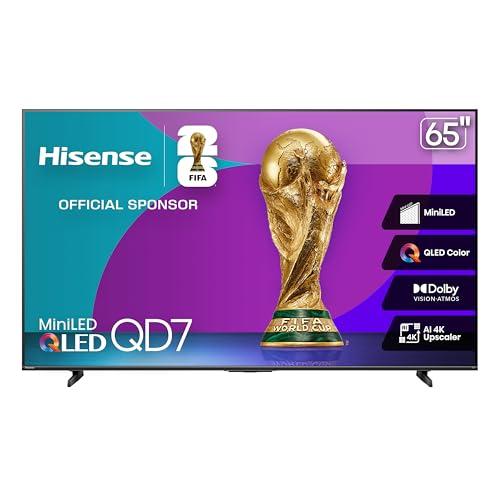
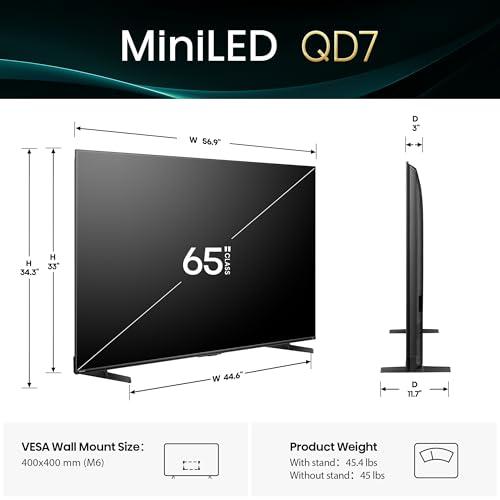
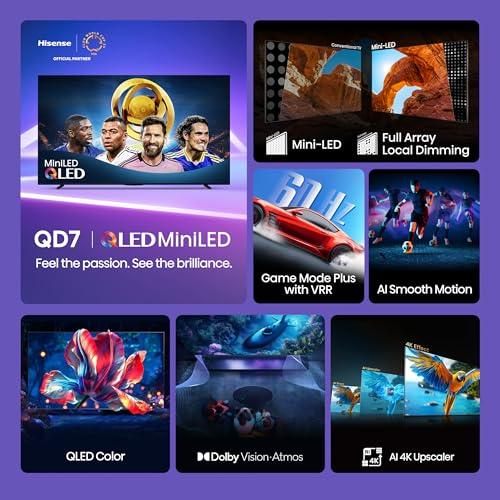
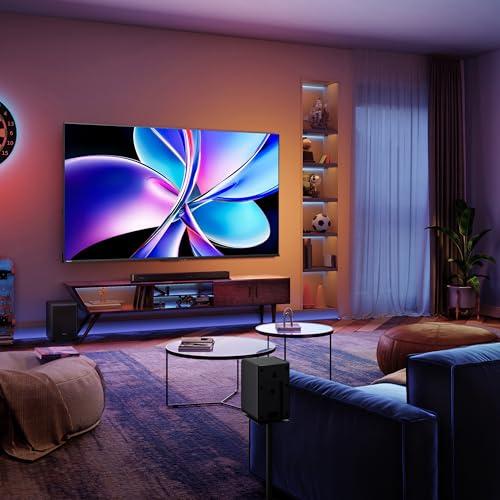
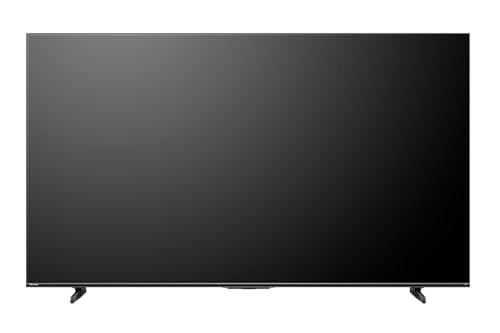
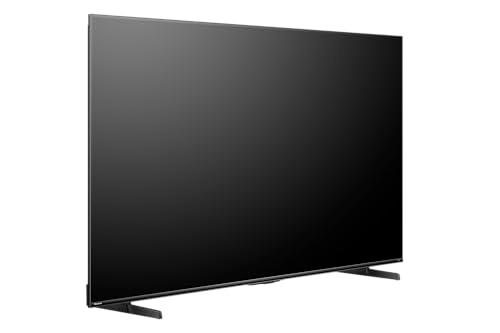
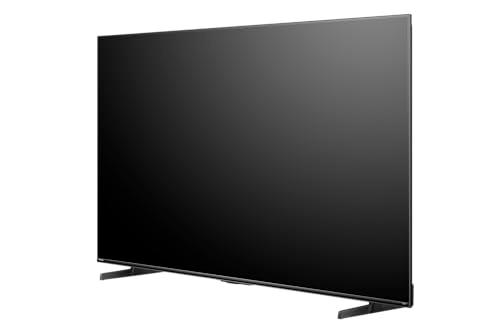
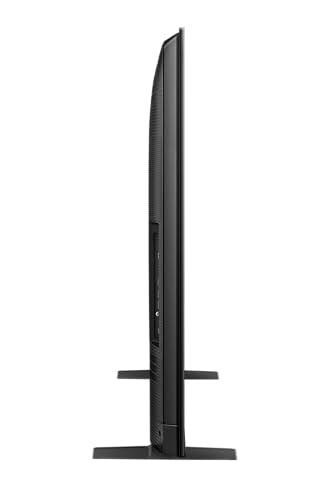
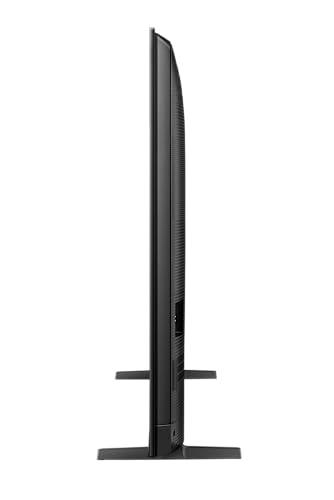
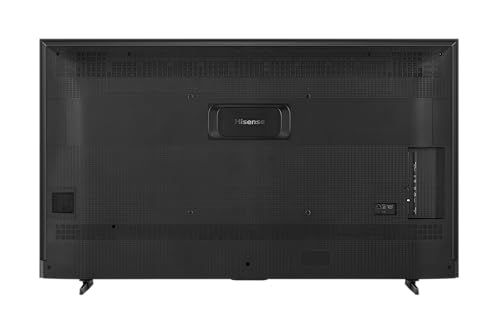

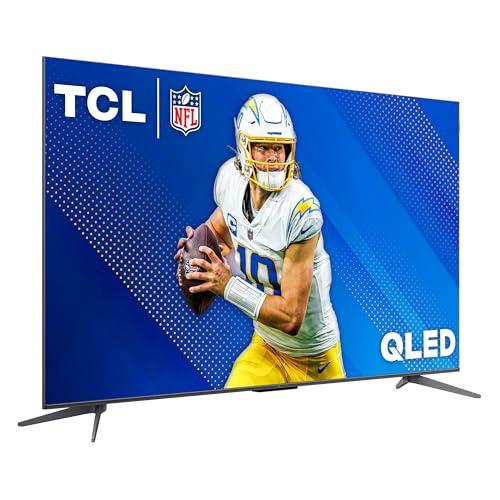
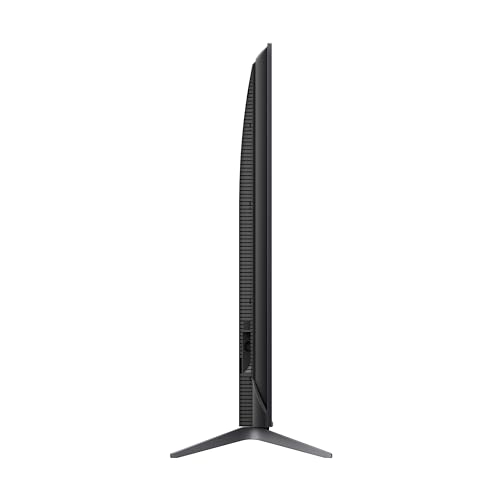
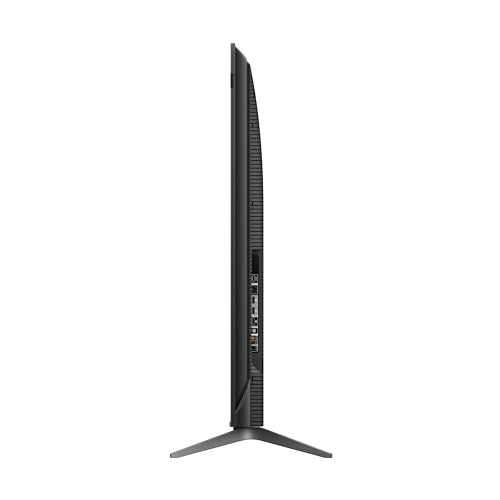
Shopping for a 65-inch TV in today's market means navigating dozens of models that all promise stunning picture quality and smart features. Two standout options in the mid-range QLED segment are the Hisense QD7 Series 65" Mini-LED 4K Fire TV and the TCL 65" Q68 QLED 4K UHD Smart TV. Both offer quantum dot technology, comprehensive HDR support, and modern gaming features at prices that won't break the bank—but they take very different approaches to delivering premium performance.
The mid-range QLED category has evolved dramatically since 2020, when manufacturers began bringing quantum dot color technology down from flagship models. Today's budget-friendly QLEDs deliver color accuracy and brightness that would have cost twice as much just a few years ago. The challenge isn't finding a good TV anymore—it's choosing between different strengths and trade-offs that matter most for your specific needs.
Before diving into performance comparisons, it's crucial to understand what sets these TVs apart at a fundamental level. The Hisense QD7 represents the newer wave of Mini-LED technology, while the TCL Q68 exemplifies refined traditional LED backlighting with smart processing.
Mini-LED vs Standard LED Backlighting
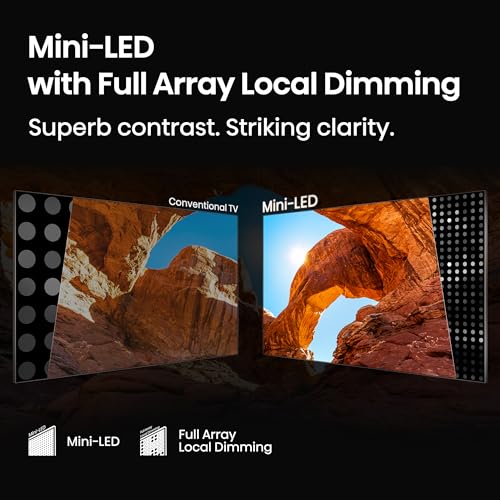
The most significant difference between these TVs lies in their backlighting systems. The Hisense QD7 uses Mini-LED technology, which employs thousands of tiny LEDs—each smaller than a grain of rice—arranged behind the screen. These LEDs can be dimmed or brightened independently in different zones, a feature called Full Array Local Dimming (FALD). Think of it like having thousands of individual light switches controlling different parts of your TV screen.
The TCL Q68, by contrast, uses standard LED backlighting where larger LEDs illuminate the entire screen more uniformly. While this approach costs less to manufacture, it can't achieve the same level of contrast control—when one part of the screen needs to be very dark, the nearby bright areas can cause "blooming" or light bleed.
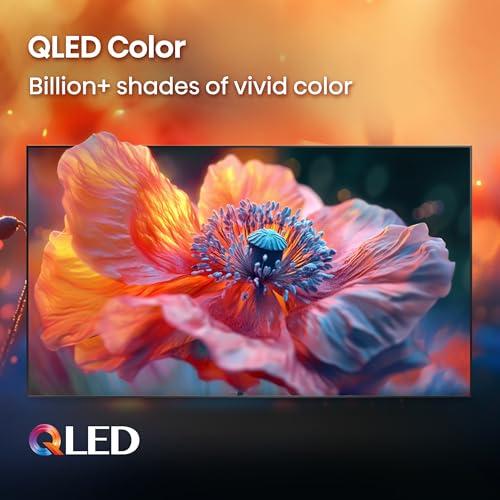
Both TVs feature quantum dot technology, which adds a layer of microscopic particles that emit pure colors when hit by light. This technology dramatically expands the color palette beyond what traditional LED TVs can produce, creating more vibrant and accurate colors that closely match what directors intended.
When evaluating picture quality, brightness capability often determines how well a TV handles different viewing environments. Both the Hisense QD7 and TCL Q68 achieve similar peak brightness levels around 600-615 nits, which places them squarely in the "bright room capable" category. For context, budget TVs typically max out around 400 nits, while premium models can exceed 1,000 nits.
This brightness level means both TVs handle moderately lit living rooms well, but neither excels in rooms with large windows or direct sunlight. However, the Hisense QD7's Mini-LED advantage becomes apparent in darker viewing environments where contrast matters most.
The Mini-LED Advantage in Dark Rooms
Our research into professional reviews and user experiences consistently highlights the Hisense QD7's superior performance in dark room viewing. The Mini-LED backlighting with local dimming creates noticeably deeper blacks and better shadow detail compared to the TCL Q68. When watching movies with dark scenes—think space films or nighttime thrillers—the Hisense maintains detail in shadows while keeping bright elements like stars or explosions properly brilliant.
The TCL Q68, lacking local dimming, tends to raise black levels across the entire screen when bright elements appear. This creates a "washed out" look in dark scenes, though it remains perfectly watchable for most content. For dedicated home theater setups where you control lighting and prioritize cinematic experience, the Hisense offers a clear advantage.
Color Performance and HDR
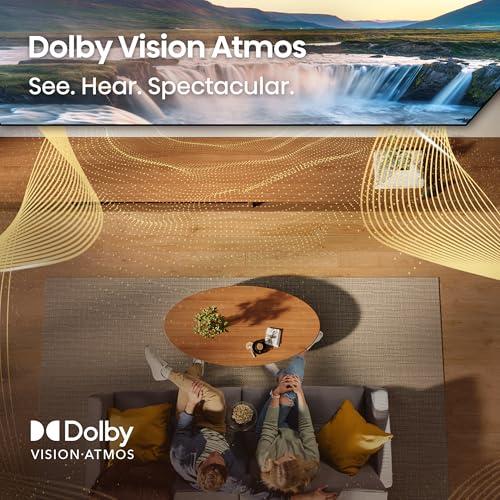
Both TVs support the full suite of modern HDR formats: Dolby Vision, HDR10+, HDR10, and HLG. These formats tell your TV exactly how bright and colorful each part of the image should be, but the TV's hardware determines how well it can actually display those instructions.
The quantum dot technology in both models delivers excellent color accuracy and saturation. However, the Hisense QD7's Mini-LED system can better isolate bright, colorful elements from darker surrounding areas, making HDR content more impactful. The TCL Q68 processes colors beautifully but can't achieve the same level of contrast that makes HDR content truly pop.
For most viewers watching streaming content in typical living room lighting, both TVs deliver satisfying HDR performance. The difference becomes more pronounced with premium content like 4K Blu-rays or high-quality streaming from services like Netflix and Disney+.
The gaming performance difference between these TVs represents perhaps the most significant divide in their target audiences. Released in 2025, the Hisense QD7 arrived specifically targeting the current generation of gaming consoles, while the 2024 TCL Q68 focuses more on general entertainment with basic gaming compatibility.
Refresh Rate: The Foundation of Gaming Performance
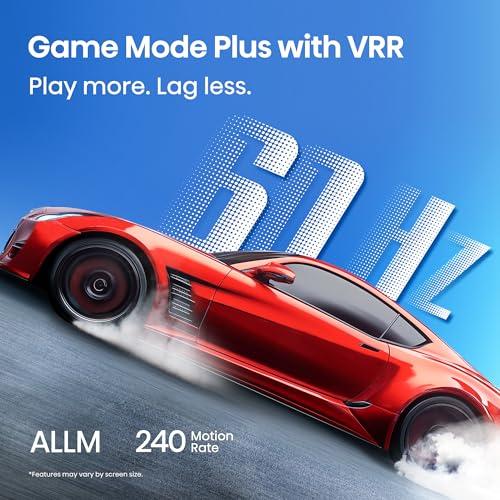
The Hisense QD7 offers a native 144Hz refresh rate, meaning it can display up to 144 unique images per second. For comparison, most TVs and older gaming content runs at 60Hz (60 images per second). This higher refresh rate creates smoother motion in fast-paced games, reduces input lag (the delay between pressing a button and seeing the action on screen), and enables Variable Refresh Rate (VRR) technology that synchronizes the TV's display with your gaming console's output.
The TCL Q68 operates at a native 60Hz but includes processing that can interpolate up to 120Hz for compatible content. While this helps with some gaming scenarios, it's not the same as true high-refresh gaming that modern consoles can deliver.
Console Gaming Considerations
PlayStation 5 and Xbox Series X owners should strongly consider the Hisense QD7. These consoles can output 4K resolution at 120Hz for supported games, and some can even push toward 144Hz at lower resolutions. Games like competitive shooters, racing games, and action titles benefit dramatically from higher refresh rates, creating more responsive and fluid gameplay.
The TCL Q68 handles standard console gaming perfectly well—most games still run at 60Hz anyway—but it limits your ability to take advantage of next-generation gaming features as more titles support high refresh rates.
PC Gaming Integration
For PC gamers, the choice becomes even clearer. Modern gaming PCs can easily exceed 60 frames per second in many games, and competitive gamers often prefer frame rates of 120+ fps. The Hisense QD7 can display these high frame rates properly, while the TCL Q68 would force you to either accept lower frame rates or play at reduced resolution.
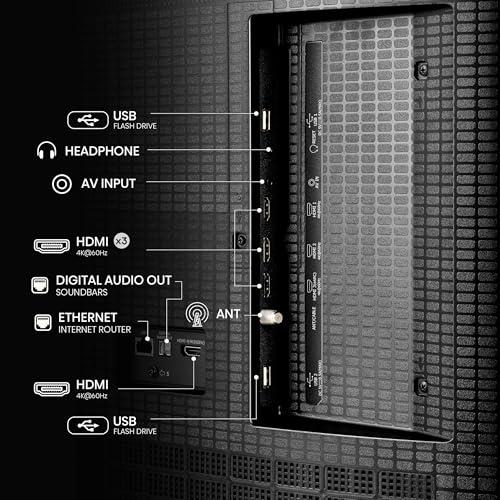
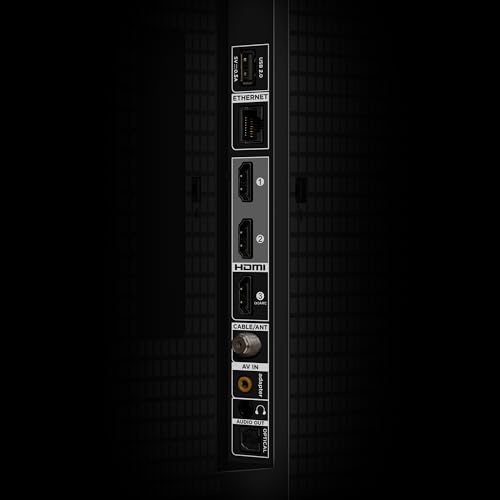
The Hisense QD7 also includes four HDMI ports compared to the TCL Q68's three ports, which matters when connecting multiple gaming systems, streaming devices, and sound equipment.
In an interesting reversal of the display technology advantage, the TCL Q68 delivers noticeably better built-in audio performance. This matters more than many shoppers initially realize, especially given the additional cost of quality soundbars.
The TCL Q68 includes a more robust 30-watt audio system with Enhanced Dialogue Mode, which specifically improves speech clarity in movies and shows. The Hisense QD7 relies on a basic 20-watt system that, while supporting Dolby Atmos processing, often sounds thin and lacks the power to fill larger rooms effectively.
Both TVs support eARC (enhanced Audio Return Channel) for connecting premium soundbars, but the TCL Q68's superior built-in audio means you can delay or potentially avoid the soundbar purchase altogether. This could represent savings of $200-500, depending on your audio expectations.
For apartment dwellers or those who primarily watch content at moderate volumes, the TCL Q68's audio advantage becomes more significant than the Hisense QD7's display improvements.
The platform choice between Fire TV and Google TV affects daily usability more than most people anticipate. These aren't just different interfaces—they represent different approaches to content discovery and smart home integration.
Fire TV on the Hisense QD7
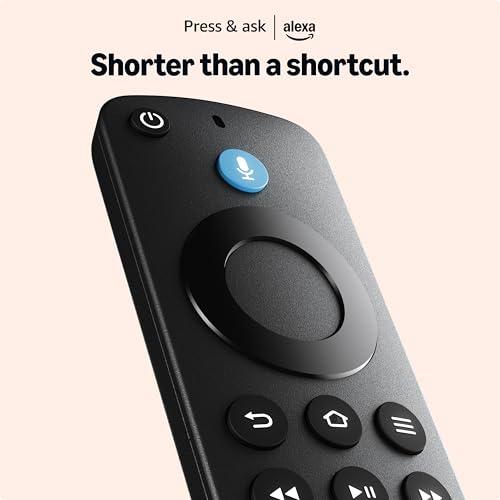
Fire TV integrates deeply with Amazon's ecosystem, making it ideal for Prime Video subscribers and those who use Alexa devices throughout their homes. The interface prioritizes Amazon content but includes all major streaming apps. Voice control works well for content search and basic TV functions, and the remote includes dedicated buttons for popular services.
Fire TV tends to run slightly faster on most hardware, with quicker app loading and smoother navigation. However, it can feel promotional at times, with Amazon content featured prominently even if you don't subscribe to Prime Video.
Google TV on the TCL Q68
Google TV offers superior content aggregation, combining recommendations from multiple streaming services into a unified "what to watch" experience. If you subscribe to Netflix, Disney+, HBO Max, and others, Google TV does a better job of surfacing content you might enjoy across all platforms.
The Google Assistant integration works well for smart home control and general queries beyond just TV functions. However, Google TV can occasionally feel slower, especially when switching between apps or performing searches.
Your choice between these platforms should align with your existing smart home setup and streaming habits. Both support major streaming services equally well.
At the time of writing, both TVs occupy similar price ranges in the mid-range QLED segment, typically separated by less than $50-100 depending on sales and availability. This narrow price gap makes the feature comparison more important than pure cost considerations.
The Hisense QD7's Value Proposition
The Hisense QD7 offers technology typically found in TVs costing 50-75% more. Mini-LED backlighting usually appears in premium models above $800-1000, making its inclusion at mid-range pricing exceptional value for picture quality enthusiasts.
The 144Hz gaming capability also punches above its price class. Most TVs with similar gaming performance cost significantly more, making this an excellent choice for console gamers who want future-proof performance.
However, you're paying for these premium features while accepting basic audio performance that may require additional investment in a soundbar.
The TCL Q68's Value Proposition
The TCL Q68 takes a more balanced approach, delivering solid performance across all categories without particular strengths or weaknesses. The superior built-in audio represents real value since it could delay or eliminate soundbar purchases.
For viewers who prioritize ease of use and don't need cutting-edge gaming features, the TCL Q68 offers better overall value by avoiding the need for additional purchases to achieve satisfying performance.
For dedicated home theater setups where you control lighting and prioritize cinematic experience, the Hisense QD7 offers meaningful advantages. The Mini-LED backlighting creates the contrast and black levels that make movies more immersive, especially in dark rooms.
However, both TVs fall short of OLED performance for true home theater enthusiasts. If you're building a serious home theater, consider whether stretching budget toward an OLED model might provide better long-term satisfaction than either of these QLED options.
For multi-purpose family rooms where the TV handles everything from daytime sports to evening movies, both perform admirably with the TCL Q68's better audio potentially outweighing the Hisense QD7's contrast advantages.
The choice between these TVs ultimately depends on your primary use case and priorities.
Choose the Hisense QD7 if:
Choose the TCL Q68 if:
The Gaming Factor
For most buyers, gaming priorities provide the clearest decision point. If you own or plan to purchase a PlayStation 5, Xbox Series X, or game on PC, the Hisense QD7's 144Hz capability and advanced gaming features justify choosing it despite any other considerations.
If gaming isn't a priority, the decision becomes more nuanced, weighing picture quality improvements against audio performance and ecosystem preferences.
Both TVs represent solid values in the competitive mid-range QLED market, but they excel in different areas. The Hisense QD7 pushes picture quality and gaming performance beyond its price point, while the TCL Q68 delivers well-rounded performance with fewer compromises for general entertainment use.
Consider your primary viewing habits, existing smart home setup, and whether you prioritize cutting-edge features or balanced performance. Either choice will deliver years of satisfying viewing, but understanding their different strengths ensures you'll pick the one that best matches your specific needs and preferences.
| Hisense QD7 Series 65" Mini-LED 4K Fire TV | TCL 65" Q68 QLED 4K UHD Smart TV Display |
|---|---|
| Display Technology - Determines contrast and black level performance | |
| Mini-LED with Full Array Local Dimming | Standard LED with quantum dot processing |
| Gaming Refresh Rate - Critical for console and PC gaming performance | |
| Native 144Hz (future-proof for next-gen gaming) | Native 60Hz with 120Hz processing (adequate for casual gaming) |
| Peak Brightness - Affects HDR impact and bright room viewing | |
| ~615 nits (good for moderately lit rooms) | ~600 nits (similar performance in most lighting) |
| Variable Refresh Rate - Eliminates screen tearing in games | |
| 48-144Hz VRR with AMD FreeSync Premium Pro | Limited VRR support up to 120Hz |
| Built-in Audio Power - Determines if you need a soundbar | |
| 20W basic system (soundbar recommended) | 30W with Enhanced Dialogue Mode (better standalone audio) |
| HDMI Ports - Impacts connectivity for multiple devices | |
| 4 x HDMI 2.0 ports | 3 x HDMI 2.0 ports |
| Smart TV Platform - Affects daily usability and content discovery | |
| Fire TV with Alexa (Amazon ecosystem integration) | Google TV with Assistant (superior content aggregation) |
| HDR Format Support - Ensures compatibility with premium content | |
| Dolby Vision, HDR10+, HDR10, HLG | Dolby Vision, HDR10+, HDR10, HLG |
| Local Dimming Zones - Higher numbers mean better contrast control | |
| Mini-LED array with precise zone control | No local dimming (standard LED backlight) |
| Response Time - Lower is better for gaming and fast motion | |
| 8ms (excellent for gaming) | Slower pixel response (some motion blur in fast scenes) |
| Quantum Dot Technology - Expands color range beyond standard LEDs | |
| QLED with over 1 billion colors | QLED Pro with 1.07 billion colors |
| Release Year - Indicates feature set and technology generation | |
| 2025 model (Hisense QD7) | 2024 model (TCL Q68) |
The Hisense QD7 Series 65" Mini-LED 4K Fire TV delivers superior picture quality in dark rooms thanks to its Mini-LED backlighting with Full Array Local Dimming. This technology provides deeper blacks and better contrast compared to the TCL 65" Q68 QLED 4K UHD Smart TV Display, which uses standard LED backlighting without local dimming zones.
The Hisense QD7 is significantly better for console gaming, offering native 144Hz refresh rate, Variable Refresh Rate (VRR) from 48-144Hz, and faster response times. The TCL Q68 is limited to 60Hz native refresh rate, making it less suitable for next-generation console gaming features.
The TCL Q68 has notably better built-in audio with 30W speakers and Enhanced Dialogue Mode, making it usable without a soundbar. The Hisense QD7 has basic 20W speakers that most users will want to upgrade with a soundbar for better sound quality.
Fire TV on the Hisense QD7 integrates well with Amazon's ecosystem and Alexa devices, while Google TV on the TCL Q68 offers superior content discovery across multiple streaming services. The choice depends on your existing smart home setup and content preferences.
Both the Hisense QD7 and TCL Q68 achieve similar peak brightness levels around 600-615 nits, making them equally capable for moderately lit rooms. Neither excels in very bright rooms with direct sunlight, but both handle typical living room lighting well.
The Hisense QD7 offers premium Mini-LED technology and gaming features typically found in more expensive TVs, while the TCL Q68 provides balanced performance with better audio at a slightly lower cost. Value depends on whether you prioritize advanced display technology or well-rounded performance.
Yes, both the Hisense QD7 and TCL Q68 support all major HDR formats including Dolby Vision and feature quantum dot technology for vibrant colors. The Hisense QD7 has an edge in contrast for cinematic viewing, while the TCL Q68 offers better built-in audio for dialogue clarity.
The Hisense QD7 includes 4 HDMI 2.0 ports, providing more connectivity options for gaming consoles, streaming devices, and sound systems. The TCL Q68 has 3 HDMI 2.0 ports, which is adequate for most setups but offers less flexibility.
The Hisense QD7 is much better for PC gaming with its 144Hz refresh rate and VRR support, allowing it to display high frame rates properly. The TCL Q68 is limited to 60Hz 4K gaming, which restricts PC gaming performance significantly.
Both the Hisense QD7 with Fire TV and TCL Q68 with Google TV support all major streaming services including Netflix, Disney+, HBO Max, Hulu, and Amazon Prime Video. The platforms differ in how they organize and recommend content across services.
The Hisense QD7 provides superior motion handling with its 144Hz refresh rate and advanced MEMC processing, making it better for fast-paced sports content. The TCL Q68 handles sports adequately but may show more motion blur during rapid action sequences.
The Hisense QD7 is more suitable for dedicated home theater use due to its Mini-LED backlighting providing better contrast in dark rooms. The TCL Q68 works well for casual movie watching but lacks the deep blacks and precise lighting control that home theater enthusiasts typically prefer.
We've done our best to create useful and informative comparisons to help you decide what product to buy. Our research uses advanced automated methods to create this comparison and perfection is not possible - please contact us for corrections or questions. These are the sites we've researched in the creation of this article: bestbuy.com - youtube.com - youtube.com - rtings.com - tvsbook.com - hometechnologyreview.com - hometechnologyreview.com - bestbuy.com - static.pcrichard.com - hometechnologyreview.com - bestbuy.com - hisense-usa.com - hisense-usa.com - shopmyexchange.com - brandsmartusa.com - manuals.plus - youtube.com - rtings.com - tvsbook.com - flatpanelshd.com - youtube.com - tvsbook.com - youtube.com - rtings.com - tcl.com - bestbuy.com - rtings.com - youtube.com - rcwilley.com - youtube.com - tvsbook.com - tcl.com - sellout.woot.com - tcl.com - tcl.com

Privacy Policy
Terms and Conditions - Affiliate Policy
Home Security
© Copyright 2008-2026.
11816 Inwood Rd #1211, Dallas, TX 75244