

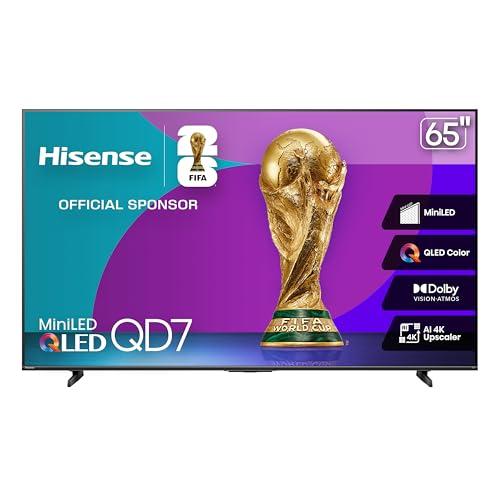
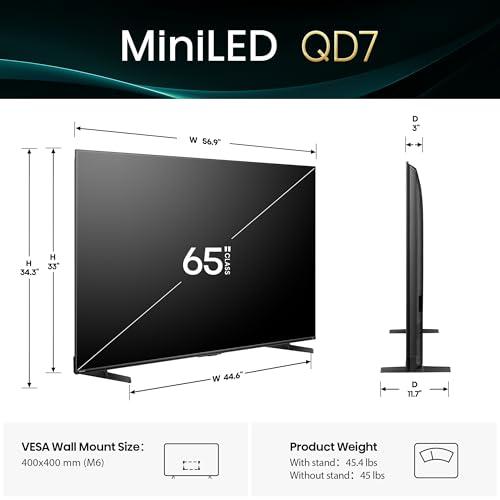
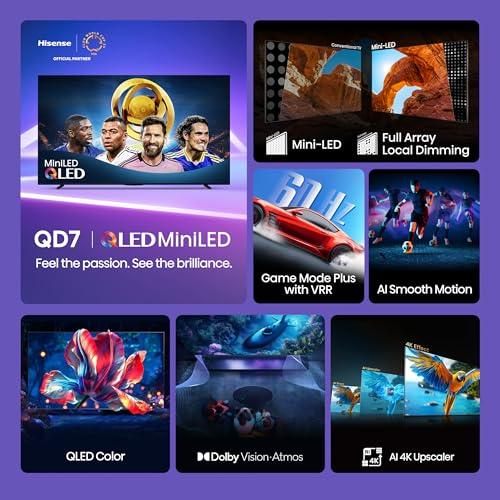
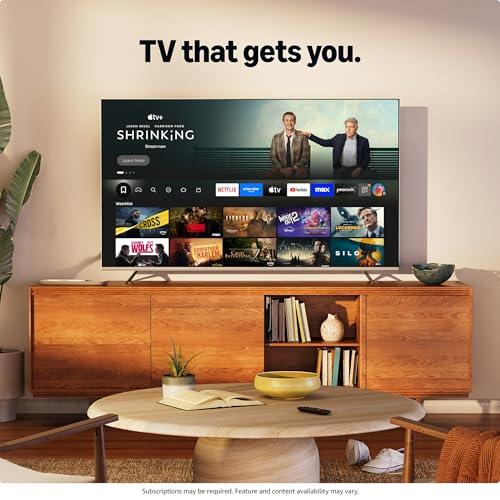
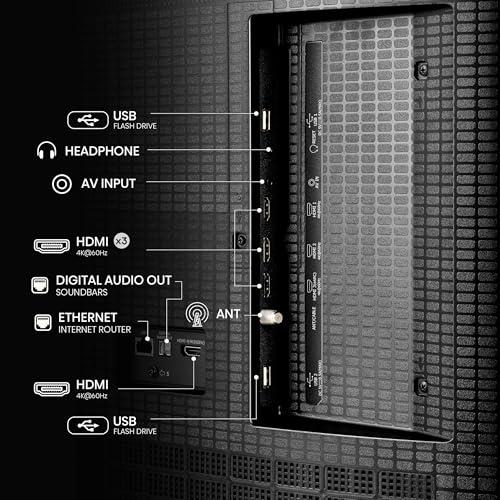
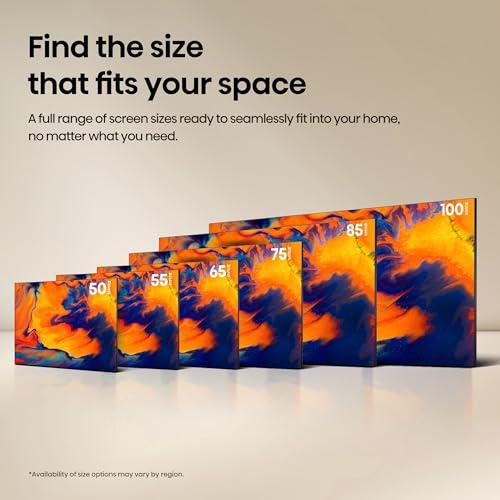
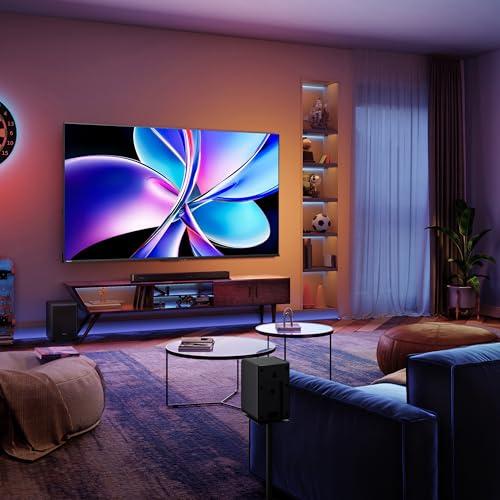
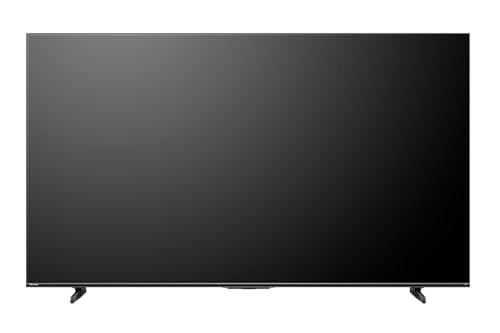
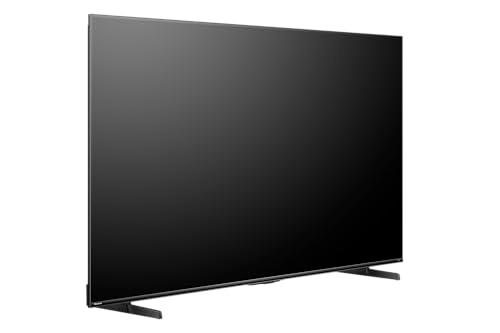
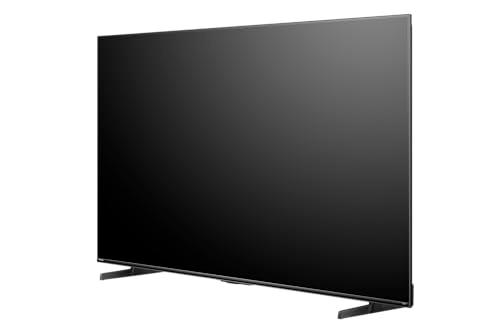
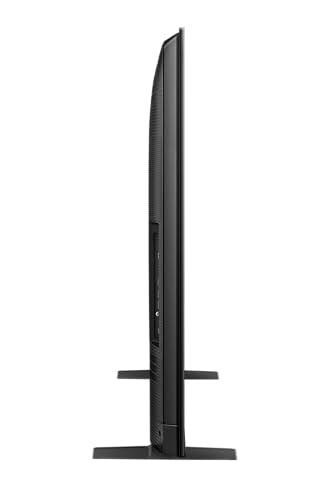
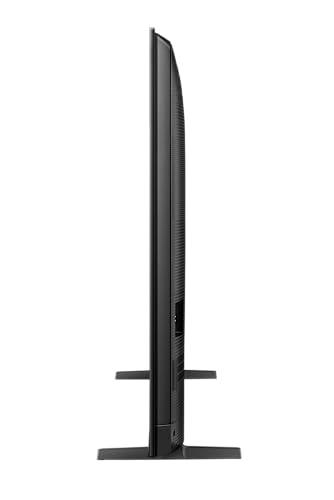
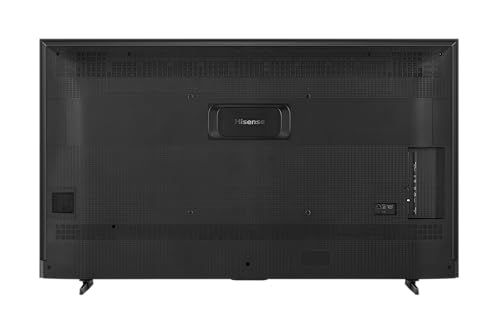
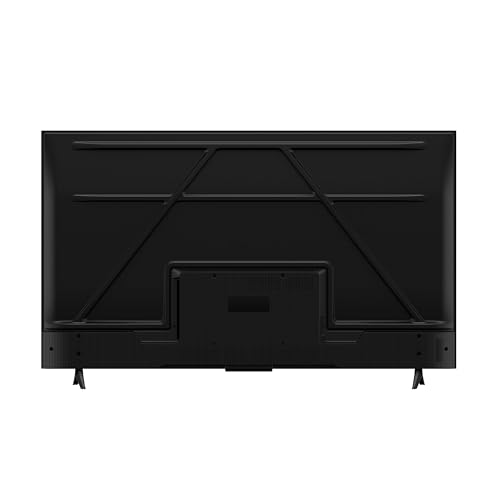
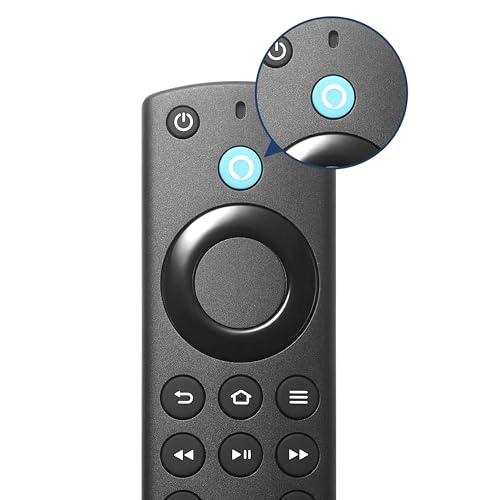
The budget 4K TV market has become incredibly competitive over the past few years, with manufacturers racing to bring premium display technologies down to affordable price points. Two standout options in the 65-inch category are the Hisense QD7 Series Mini-LED Fire TV and the Insignia QF Series QLED Smart TV. While both deliver 4K resolution at budget-friendly prices, they take fundamentally different approaches to picture quality and features.
Understanding these differences is crucial because your choice will impact your viewing experience for years to come. The wrong pick could leave you frustrated with dark room performance or missing out on gaming features you didn't know you needed.
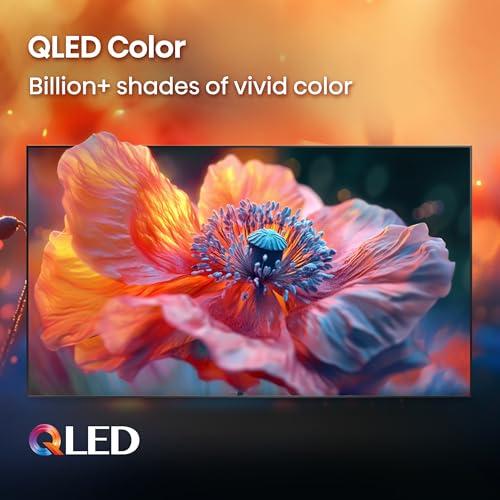
Both the Hisense QD7 and Insignia QF Series go beyond basic 4K displays by incorporating advanced color technologies. Standard LED TVs simply use white LEDs behind a color filter, which limits how vibrant and accurate colors can appear. These models use quantum dot technology—microscopic particles that emit precise colors when lit up—resulting in over a billion possible color combinations compared to the millions you get from basic displays.
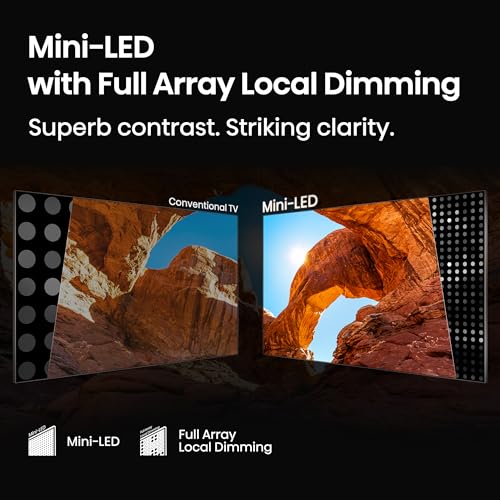
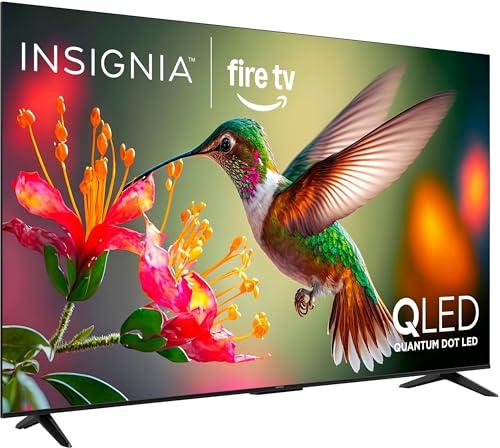
The key difference lies in their backlighting systems. The Hisense QD7 uses Mini-LED technology, where thousands of tiny LEDs are arranged in zones behind the screen. This allows different areas to be dimmed or brightened independently, creating deeper blacks and brighter highlights. The Insignia QF Series uses a more traditional direct LED backlight system, where larger LEDs provide uniform lighting across the entire screen.
Think of it like comparing a spotlight that can focus on specific areas versus room lighting that illuminates everything equally. Both have their advantages depending on what you're watching and where.
The Hisense QD7's Mini-LED system represents a significant technological leap from traditional LED backlighting. Released in 2025, it brings technology typically found in TVs costing twice as much down to the budget category. Mini-LED uses LEDs that are roughly one-fifth the size of standard LEDs, allowing manufacturers to pack thousands of them behind the screen in distinct zones.
Each zone can be controlled independently through a process called Full Array Local Dimming (FALD). When a scene shows a bright moon against a dark sky, the zones behind the moon can brighten while the surrounding zones dim almost completely. This creates much better contrast than older TVs where the entire backlight had to compromise between the bright and dark areas.
However, our research into professional reviews reveals a surprising weakness in the Hisense QD7: despite all this advanced technology, blacks still appear gray rather than true black in dark rooms. This is a significant limitation because good black levels are essential for creating the contrast that makes images pop. It's particularly noticeable during movie scenes with dark backgrounds or when watching content in a dimmed room.
The local dimming system also creates occasional "halos" around bright objects—think of watching credits roll against a black background and seeing slight brightness around the white text. While Mini-LED reduces this compared to older systems, it hasn't eliminated the issue entirely.
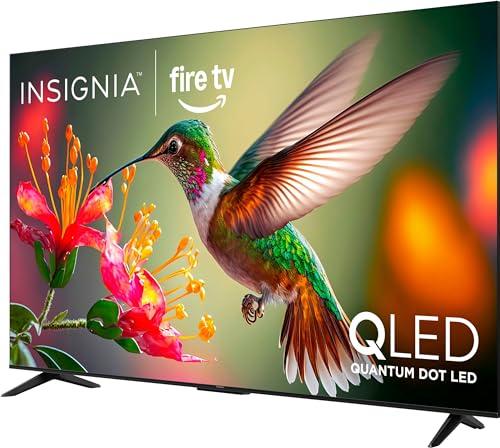
The Insignia QF Series takes a more straightforward approach with its QLED display and direct LED backlighting. Without the complexity of thousands of independently controlled zones, it can't create the same dramatic contrast as Mini-LED systems. However, this simplicity also means fewer potential issues.
Direct LED backlighting illuminates the entire screen evenly, which eliminates local dimming halos but also means you won't get the deep blacks that zones of dimmed LEDs can create. The trade-off is more consistent performance across different content types—what you see is what you get, without the variable performance that can come with more complex systems.
The QLED quantum dot layer still provides the enhanced color accuracy and vibrancy that makes modern content look significantly better than older LED TVs. Colors appear more saturated and true-to-life, particularly in bright scenes with lots of color variation.
Gaming has become a major consideration for TV buyers, even those who aren't hardcore gamers. Modern gaming consoles and PCs can output 4K resolution at higher frame rates, and newer games are designed to take advantage of these capabilities.
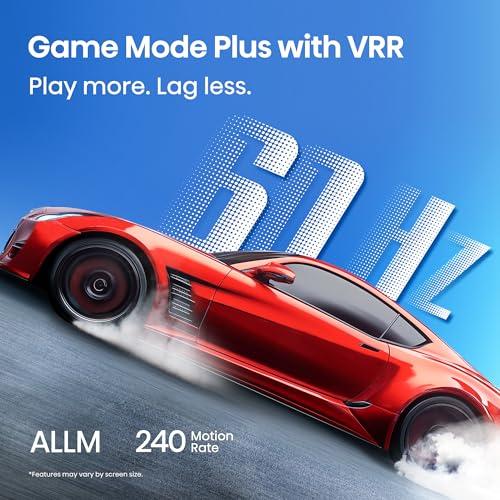
The Hisense QD7 includes several gaming-focused features that weren't common in budget TVs until recently. Variable Refresh Rate (VRR) synchronizes the TV's display rate with your gaming device's output, eliminating screen tearing—those horizontal lines that appear when the frame rate doesn't match the display rate. Auto Low Latency Mode (ALLM) automatically switches to game mode when it detects a gaming console, reducing input lag (the delay between pressing a button and seeing the result on screen) for more responsive gameplay.
Here's where things get tricky with the Hisense QD7: marketing materials emphasize 144Hz gaming capabilities, but this feature is only available on the 75-inch and larger sizes. The 65-inch model we're discussing is limited to 60Hz, which means it can't take full advantage of high-frame-rate gaming from newer consoles or gaming PCs. This is a crucial detail that's often buried in technical specifications.
The Insignia QF Series offers standard 60Hz gaming without the advanced VRR features. For casual gaming or older consoles, this is perfectly adequate. However, it lacks the future-proofing that gaming enthusiasts might want as games continue to push higher frame rates.
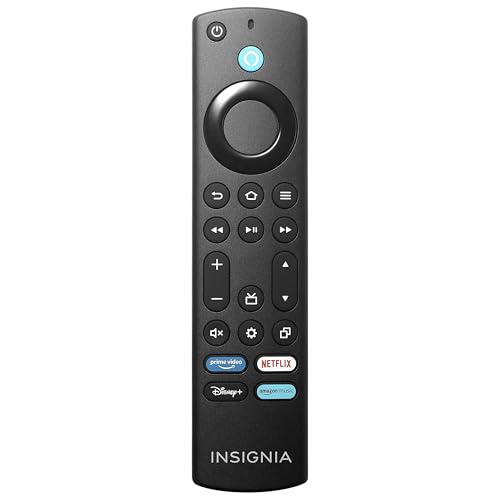
Both models run Amazon's Fire TV platform, which immediately eliminates any software differences between them. Fire TV has evolved significantly since its introduction, becoming one of the more responsive and user-friendly smart TV interfaces available.
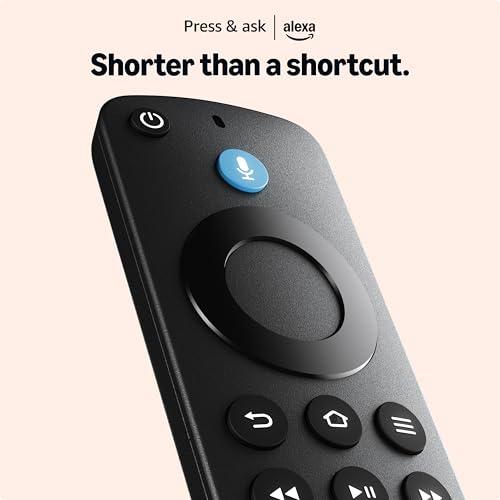
The platform integrates well with Amazon's ecosystem—if you have an Amazon Prime subscription, content recommendations are tailored to include Prime Video alongside other streaming services. Alexa voice control is built-in, allowing you to search for content, control smart home devices, and adjust TV settings using voice commands.
One advantage of both TVs using the same platform is that your decision doesn't need to factor in learning a new interface or losing access to preferred apps. The experience will be identical on both models, with the same app selection, update schedule, and feature availability.
High Dynamic Range (HDR) content is designed to show a wider range of brightness levels than standard content, from deeper blacks to brighter highlights. This creates more realistic-looking images with better detail in both dark shadows and bright areas.
The Hisense QD7 supports multiple HDR formats, including Dolby Vision, which adjusts the picture settings scene by scene for optimal quality. However, professional testing shows that while the TV handles HDR content adequately, it doesn't get bright enough to make HDR highlights truly impactful. The improvement over standard content is noticeable but not dramatic.
More importantly, the TV performs best with HDR content in bright or moderately lit rooms. The combination of good peak brightness and excellent reflection handling means HDR movies and shows look vibrant during daytime viewing when there's ambient light in the room.
The Insignia QF Series also supports HDR formats including Dolby Vision, but without the local dimming capabilities of Mini-LED, its HDR performance is more limited. The direct LED backlight can't create the dramatic contrast between bright and dark areas that makes HDR content look significantly different from standard content.
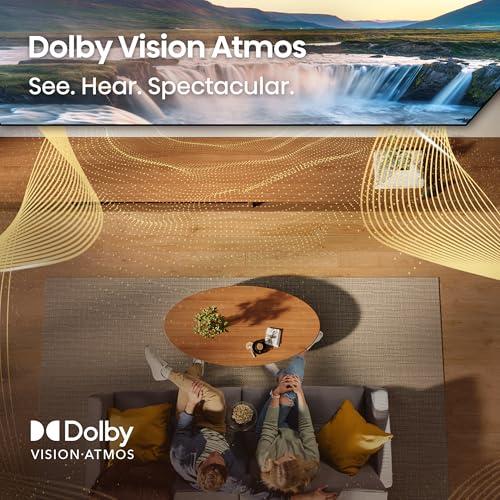
Both TVs include Dolby Atmos support, which creates a more three-dimensional sound experience compared to standard stereo audio. Dolby Atmos processes sound to seem like it's coming from different directions and heights, making movie soundtracks and games more immersive.
The Hisense QD7 includes additional audio processing features that help optimize sound for different content types. However, like most flat-screen TVs, the built-in speakers are adequate for casual viewing but won't replace a dedicated sound system for serious movie watching.
For either TV, plan on eventually adding a soundbar if audio quality is important to you. The thin profile that makes modern TVs look great on the wall leaves little room for the speaker size needed for impactful audio.
Professional reviews and user feedback reveal important patterns about how these TVs perform in actual homes rather than test labs.
The Hisense QD7 consistently receives praise for its bright room performance. The combination of good peak brightness and anti-reflective screen coating means it maintains picture quality even when there's sunlight or lamp light hitting the screen. This makes it particularly well-suited for family rooms or living spaces where you can't always control lighting conditions.
However, the poor black level performance becomes a significant issue in dark room viewing. Home theater enthusiasts who prefer watching movies in darkened rooms report disappointment with how gray the blacks appear, which reduces the cinematic impact of films with dramatic lighting.
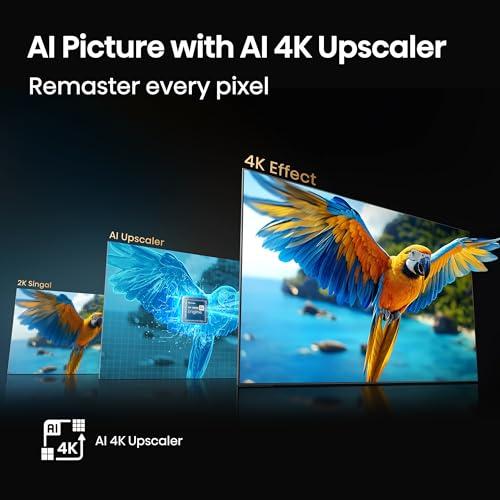
The AI-powered 4K upscaling feature gets positive feedback for improving the appearance of streaming content, which is often compressed and can look soft on large screens. The processing helps sharpen edges and reduce artifacts in lower-quality sources.
The Insignia QF Series receives consistently positive reviews for delivering solid basic performance without surprises. Users appreciate the straightforward operation and reliable picture quality, though it lacks the advanced features that can enhance specific types of content.
At the time of writing, the Hisense QD7 typically sells for a moderate premium over the Insignia QF Series, but you're getting significantly more advanced technology for that extra cost. The Mini-LED backlighting system alone represents a major upgrade in display technology that usually requires moving up to much more expensive TV categories.
The question becomes whether those advanced features translate into a better experience for your specific viewing habits. If you primarily watch TV during the day in a bright room and occasionally game on modern consoles, the Hisense QD7's feature set provides clear benefits.
For viewers who prioritize affordability and don't need the latest gaming features or display technologies, the Insignia QF Series delivers excellent value by focusing on the basics of good 4K picture quality and smart TV functionality.
For dedicated home theater setups, both TVs have significant limitations, but the Hisense QD7 is particularly disappointing given its advanced technology. The poor black level performance means that even with Mini-LED local dimming, dark scenes in movies lack the depth and contrast that create an immersive cinematic experience.
Home theater enthusiasts should consider that neither TV will provide the deep blacks and high contrast ratios needed for optimal movie viewing in darkened rooms. If home theater performance is a priority, budget may be better allocated toward OLED technology or higher-end Mini-LED implementations that address the black level limitations.
Choose the Hisense QD7 if you:
Choose the Insignia QF Series if you:
Consider other options if you:
The reality is that both TVs represent the compromise inherent in budget pricing—you get impressive technology and features for the money, but with specific limitations that more expensive models address. Understanding those trade-offs helps ensure your choice matches your expectations and viewing environment.
The Hisense QD7 pushes the boundaries of what's possible at its price point, bringing Mini-LED technology to budget buyers for the first time. However, the execution has limitations that prevent it from delivering the full benefits of that advanced technology. The Insignia QF Series takes a more conservative approach, focusing on delivering solid performance in areas that matter most for everyday viewing.
Both represent good value in the budget 4K category, but success depends on matching the right TV to your specific needs and room environment.
| Hisense QD7 Series 65" Mini-LED 4K Fire TV | Insignia 65" QF Series QLED 4K UHD Smart TV |
|---|---|
| Display Technology - Determines contrast performance and black levels | |
| Mini-LED with Full Array Local Dimming (thousands of zones) | QLED with Direct LED backlighting (no local dimming) |
| Black Level Performance - Critical for dark room viewing and movie experience | |
| Poor (blacks appear gray despite Mini-LED tech) | Limited (standard for direct LED, no true blacks) |
| Peak Brightness - Important for HDR impact and bright room viewing | |
| Good brightness with excellent reflection handling | Moderate brightness, adequate for most rooms |
| Gaming Features - Essential for console and PC gaming | |
| VRR, ALLM, Game Mode Plus (but 65" limited to 60Hz) | Basic 60Hz gaming, no advanced features |
| HDR Format Support - Affects premium content quality | |
| Dolby Vision, HDR10, HDR10+, HLG, HDR10+ Adaptive | Dolby Vision, HDR10 support |
| Smart Platform - Determines interface and app experience | |
| Fire TV with Alexa (identical experience) | Fire TV with Alexa (identical experience) |
| Color Technology - Impacts color accuracy and vibrancy | |
| QLED Quantum Dot (over 1 billion colors) | QLED Quantum Dot technology |
| Audio Enhancement - Built-in sound quality | |
| Dolby Atmos with enhanced processing | Dolby Atmos support |
| AI Processing - Improves lower-resolution content quality | |
| Advanced AI 4K upscaler with noise reduction | Standard upscaling |
| Best Use Case - Where each TV excels | |
| Bright rooms, modern gaming, AI-enhanced streaming | Budget-conscious buyers wanting QLED colors |
| Major Limitation - Key weakness to consider | |
| Gray blacks undermine Mini-LED advantage | Lacks advanced display tech and gaming features |
The Hisense QD7 Series 65" Mini-LED 4K Fire TV has superior display technology with Mini-LED backlighting and Full Array Local Dimming, which should provide better contrast. However, professional testing reveals it has poor black levels where blacks appear gray rather than true black. The Insignia 65" QF Series QLED 4K UHD Smart TV offers more consistent basic picture quality with QLED color enhancement, though it lacks the advanced contrast control of Mini-LED technology.
Mini-LED (found in the Hisense QD7) uses thousands of tiny LEDs in zones behind the screen that can be dimmed independently, creating better contrast between bright and dark areas. QLED technology (in both TVs) uses quantum dots to enhance color accuracy and vibrancy. The Insignia QF Series combines QLED with standard direct LED backlighting, while the Hisense QD7 combines both Mini-LED and QLED technologies.
The Hisense QD7 Series 65" Mini-LED 4K Fire TV offers superior gaming features including Variable Refresh Rate (VRR), Auto Low Latency Mode (ALLM), and Game Mode Plus. However, the 65-inch model is limited to 60Hz refresh rate. The Insignia 65" QF Series QLED 4K UHD Smart TV provides basic 60Hz gaming without advanced features like VRR, making the Hisense better for modern console gaming.
Yes, both the Hisense QD7 and Insignia QF Series use Amazon's Fire TV platform with built-in Alexa voice control. This means identical app selection, interface design, and smart home integration capabilities. Your choice between these TVs won't affect your streaming experience or require learning a different interface.
The Hisense QD7 Series 65" Mini-LED 4K Fire TV performs better in bright rooms due to its higher peak brightness and excellent reflection handling. The Mini-LED technology maintains picture quality even with ambient light. The Insignia 65" QF Series QLED 4K UHD Smart TV offers adequate bright room performance but cannot match the brightness capabilities of the Hisense model.
Neither the Hisense QD7 nor Insignia QF Series is ideal for dedicated home theater setups. The Hisense QD7 Series 65" Mini-LED 4K Fire TV disappoints with gray blacks that reduce contrast in dark rooms, while the Insignia 65" QF Series QLED 4K UHD Smart TV lacks the deep blacks needed for cinematic viewing. Both are better suited for general living room use rather than dark room movie watching.
The Hisense QD7 Series 65" Mini-LED 4K Fire TV supports comprehensive HDR formats including Dolby Vision, HDR10, HDR10+, HLG, and HDR10+ Adaptive. The Insignia 65" QF Series QLED 4K UHD Smart TV supports Dolby Vision and HDR10. Both provide enhanced contrast and color for premium content, though the Hisense QD7 offers broader format compatibility.
The Insignia 65" QF Series QLED 4K UHD Smart TV typically offers better value for budget-conscious buyers who want QLED color enhancement without paying for advanced features they may not use. The Hisense QD7 Series 65" Mini-LED 4K Fire TV provides better value for those wanting cutting-edge display technology and gaming features, despite its black level limitations.
Both TVs feature Dolby Atmos support for immersive audio. The Hisense QD7 includes enhanced audio processing features, while the Insignia QF Series offers standard Dolby Atmos implementation. However, both have typical flat-screen TV limitations for audio quality, and most users will benefit from adding a soundbar regardless of which model they choose.
The Hisense QD7 Series 65" Mini-LED 4K Fire TV offers superior motion handling with MEMC (Motion Estimation, Motion Compensation) technology and advanced processing that reduces blur during fast-moving content. The Insignia 65" QF Series QLED 4K UHD Smart TV provides basic motion handling suitable for casual sports viewing but lacks the advanced processing of the Hisense model.
The Hisense QD7 Series 65" Mini-LED 4K Fire TV suffers from poor black levels that appear gray instead of true black, undermining its Mini-LED advantage for dark room viewing. The 65-inch size also lacks the 144Hz gaming capability found in larger sizes. The Insignia 65" QF Series QLED 4K UHD Smart TV lacks advanced display technologies and gaming features, limiting its future-proofing and performance capabilities.
Choose the Hisense QD7 if you want the latest display technology, gaming features, and primarily watch in bright rooms. Select the Insignia QF Series if you prioritize affordability and want reliable QLED color quality without complex features. The Hisense QD7 Series 65" Mini-LED 4K Fire TV suits tech enthusiasts, while the Insignia 65" QF Series QLED 4K UHD Smart TV works well for straightforward 4K viewing needs.
We've done our best to create useful and informative comparisons to help you decide what product to buy. Our research uses advanced automated methods to create this comparison and perfection is not possible - please contact us for corrections or questions. These are the sites we've researched in the creation of this article: bestbuy.com - youtube.com - youtube.com - rtings.com - tvsbook.com - hometechnologyreview.com - hometechnologyreview.com - bestbuy.com - static.pcrichard.com - hometechnologyreview.com - bestbuy.com - hisense-usa.com - hisense-usa.com - shopmyexchange.com - brandsmartusa.com - manuals.plus - youtube.com - rtings.com - tvsbook.com - flatpanelshd.com - youtube.com - bestbuy.com - bestbuy.com - bestbuy.com - youtube.com - rtings.com - youtube.com - youtube.com - manuals.plus - youtube.com - bestbuy.com - leaseville.com - financemycart.com - financemycart.com - bestbuy.com - klarna.com - bestbuy.com - slickdeals.net

Privacy Policy
Terms and Conditions - Affiliate Policy
Home Security
© Copyright 2008-2026.
11816 Inwood Rd #1211, Dallas, TX 75244