

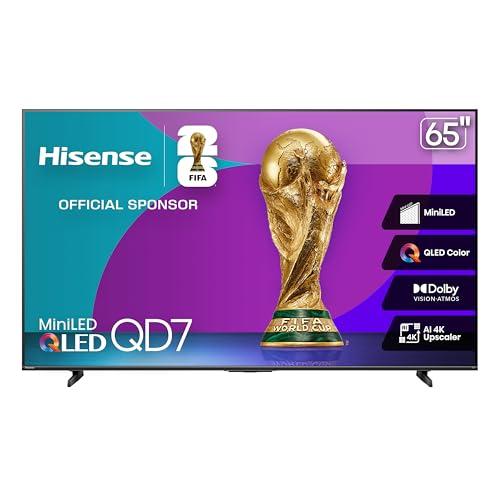
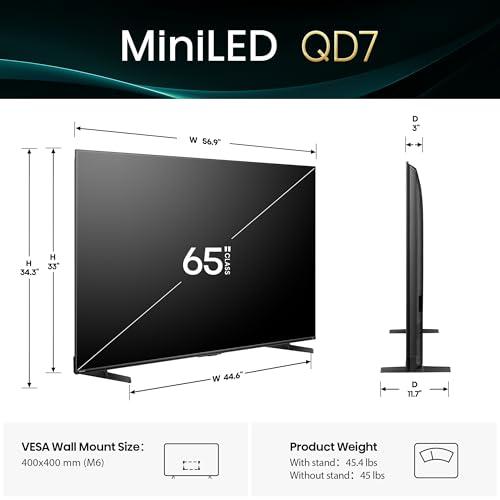
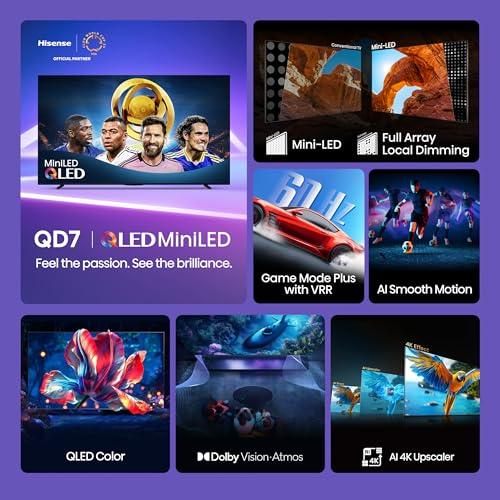
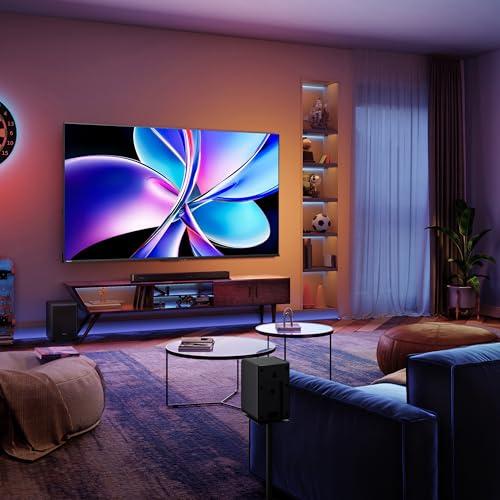
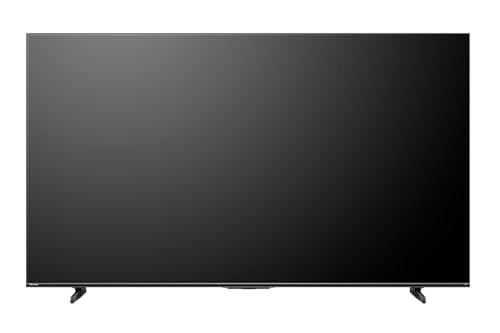
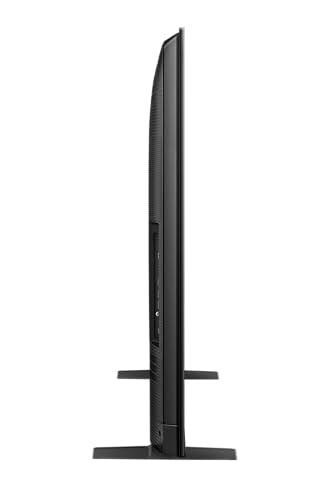
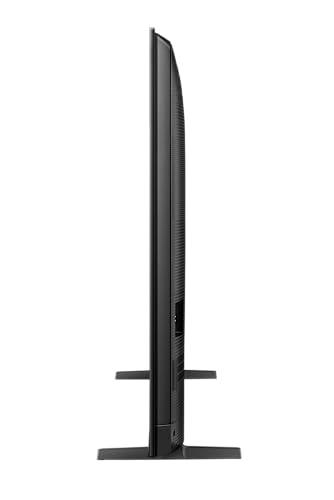
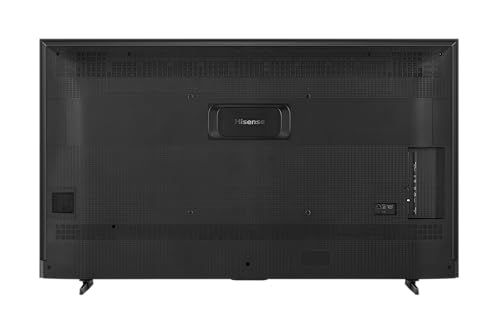
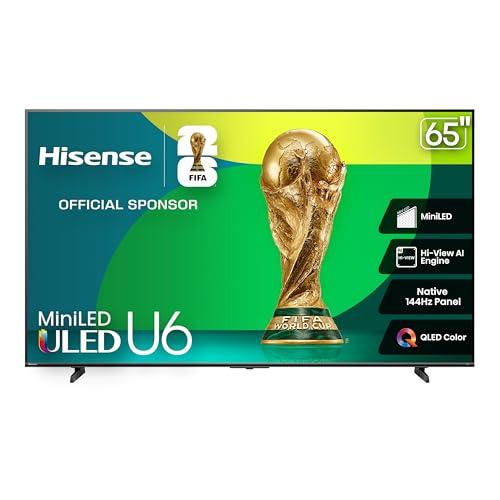
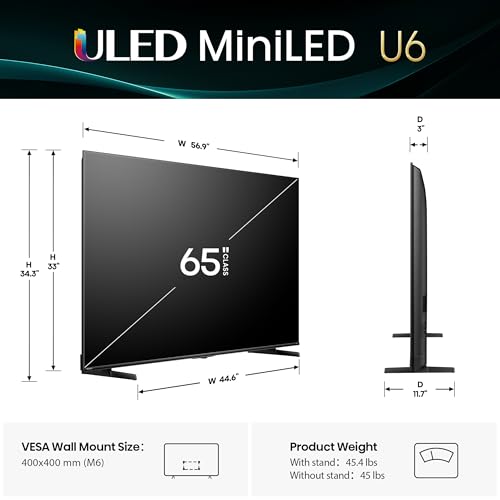
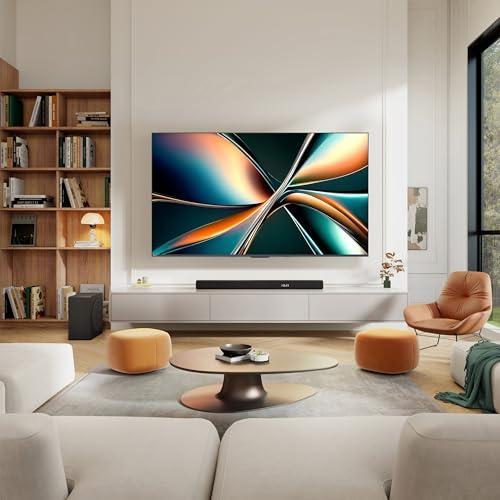
Shopping for a new 65-inch TV can feel overwhelming, especially when you're looking at two models from the same brand that seem remarkably similar on paper. The Hisense QD7 Series and Hisense U6 Series both feature Mini-LED technology and Fire TV smart features, but they target different audiences with distinct performance profiles and price points.
At the time of writing, these represent Hisense's current generation of Mini-LED Fire TVs, with the QD7 positioned as an affordable entry point into premium display technology, while the U6 aims to deliver flagship-level performance. Both were released in 2024, representing Hisense's latest advancements in Mini-LED backlighting and QLED color technology.
To understand which one makes sense for your living room, we need to dig into what makes these TVs tick and where their performance truly differs.
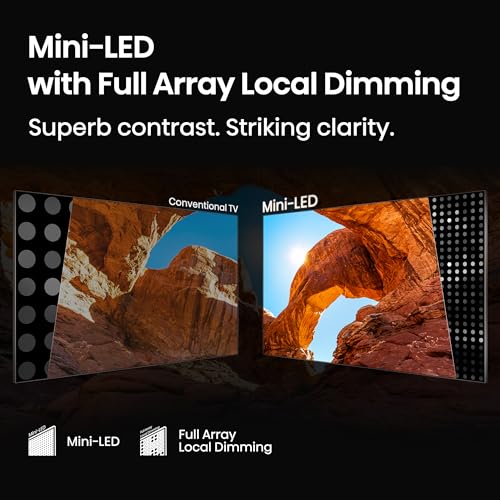
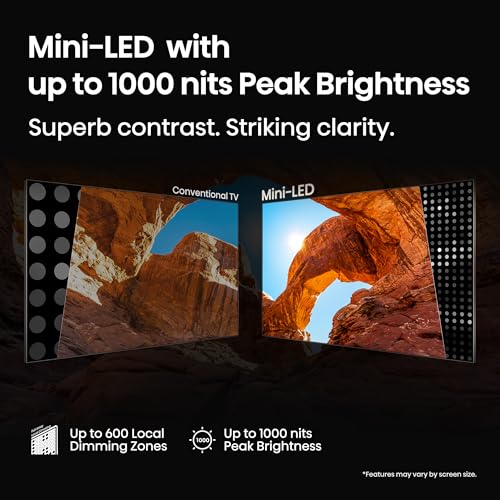
Before comparing these specific models, it's worth understanding what Mini-LED technology brings to the table. Traditional LED TVs use larger LEDs around the edges or in a basic grid behind the screen. Mini-LED takes this concept much further by using thousands of tiny LEDs arranged in precise zones behind the display panel.
Think of it like the difference between painting with a house brush versus a fine artist's brush. With more, smaller LEDs, the TV can control brightness much more precisely across different areas of the screen. This is called Full Array Local Dimming (FALD), and it's what allows Mini-LED TVs to display much deeper blacks alongside bright highlights in the same image.
Both the QD7 and U6 use this technology, but as we'll see, the implementation differs significantly between them. The number of dimming zones (how many sections the TV can control independently) and the peak brightness capability (how bright the highlights can get) vary considerably.
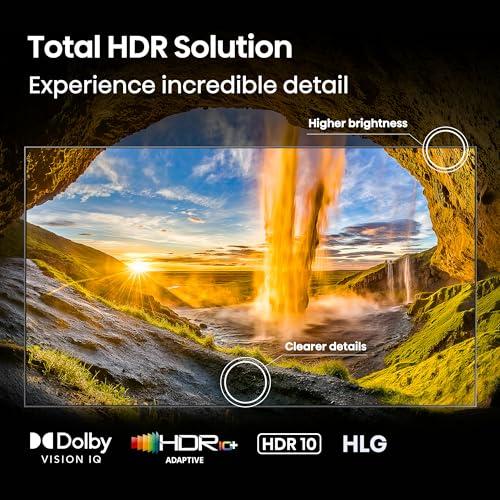
When it comes to picture quality, brightness is king in today's TV market. HDR (High Dynamic Range) content is designed to take advantage of displays that can get much brighter than older standards allowed. This is where the U6 Series pulls significantly ahead of the QD7.
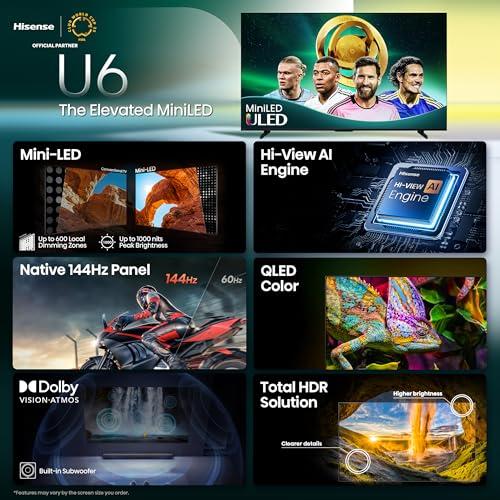
The U6 can reach up to 1000 nits of peak brightness with approximately 600 local dimming zones. To put this in perspective, most standard LED TVs max out around 300-400 nits, while OLED TVs typically hit 600-800 nits. The QD7, while still using Mini-LED technology, operates at more modest brightness levels with fewer dimming zones.
This difference matters most when watching HDR movies or shows. With the U6, fireworks actually look bright, sunlight streaming through windows feels realistic, and metallic objects have that authentic gleam. The QD7 can display HDR content, but it won't have the same punch or impact, particularly in bright rooms where you're competing with ambient light.
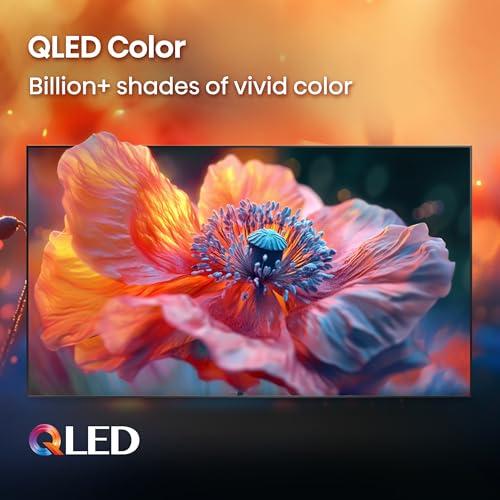
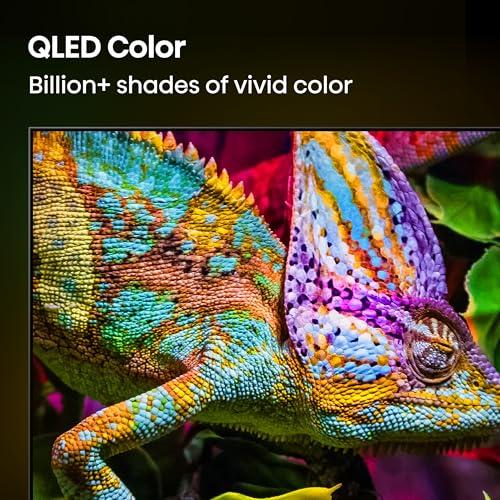
Both TVs use QLED technology, which incorporates quantum dots—microscopic semiconductor particles that emit very pure colors when hit with light. This technology allows both models to display over a billion color shades, far exceeding what standard LED TVs can produce.
However, the U6 Series pairs its quantum dot layer with superior brightness and processing, resulting in more vibrant and accurate colors overall. Colors maintain their saturation even at high brightness levels, which is particularly noticeable in bright, colorful content like animated movies or nature documentaries.
The QD7 still benefits from quantum dot technology and delivers impressive colors for its price point, but the combination of lower peak brightness and fewer local dimming zones means colors can appear less vivid, especially in darker scenes where the backlight struggles to provide adequate contrast.
This is where Mini-LED technology should shine compared to standard LED TVs, but our research into user and expert reviews reveals some important distinctions between these models.
The U6 Series, with its 600 local dimming zones, provides notably better black levels and contrast. Dark movie scenes maintain detail in shadows while bright elements pop without causing distracting haloing effects around objects. This makes it genuinely suitable for serious movie watching in darkened rooms.
The QD7, despite using Mini-LED technology, shows more limitations in this area. Multiple reviews note that blacks appear more gray than true black, particularly in completely dark rooms. This doesn't make it a bad TV, but it does limit its appeal for dedicated home theater use where deep blacks are crucial for immersion.
Gaming has become a major consideration for TV buyers, especially with the PlayStation 5 and Xbox Series X pushing 4K gaming at higher refresh rates. Here, the differences between these TVs become quite dramatic.
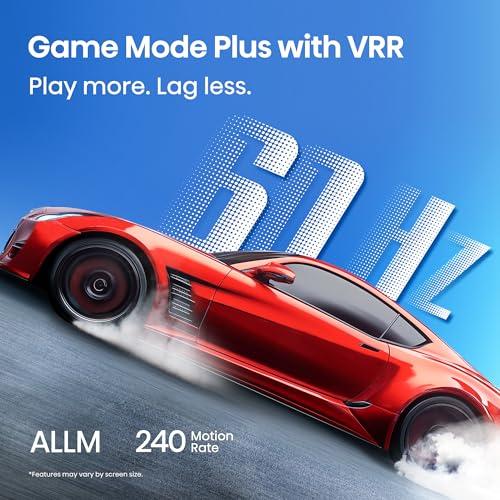
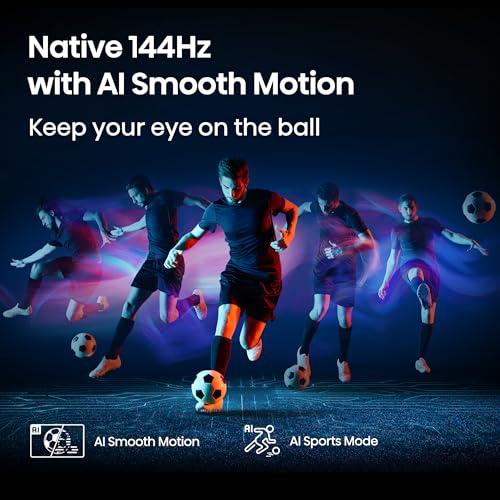
The most significant difference lies in refresh rates. The U6 Series features a native 144Hz panel across all screen sizes, while the QD7's 65-inch model operates at 60Hz (though larger sizes in the QD7 line do offer higher refresh rates).
For gaming, this translates to dramatically different experiences. The 144Hz capability of the U6 means smoother motion in fast-paced games, less motion blur during quick camera movements, and support for high-frame-rate gaming on PC and next-generation consoles.
The QD7 isn't bad for gaming—it includes Variable Refresh Rate (VRR) and Auto Low Latency Mode (ALLM) to minimize screen tearing and input lag. However, motion blur becomes noticeable in fast-action sequences, and you won't be able to take full advantage of high-refresh gaming capabilities.
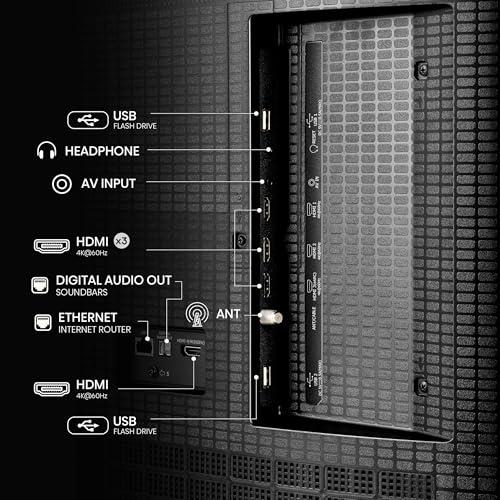
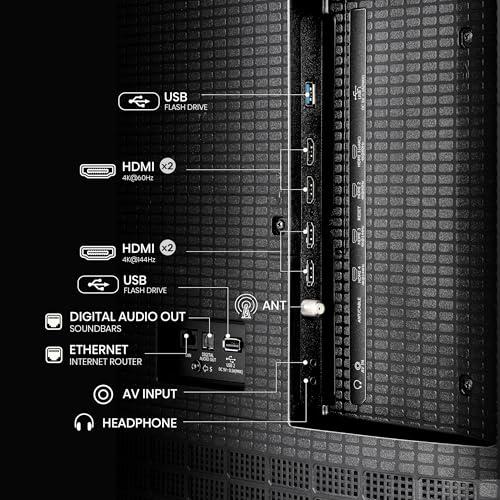
Modern gaming requires modern connectivity, and this is another area where the U6 pulls ahead. It includes dual HDMI 2.1 ports with full 48Gbps bandwidth, supporting 4K resolution at 144Hz refresh rates. It also includes FreeSync Premium for AMD graphics cards and consoles.
The QD7 uses HDMI 2.0 ports, which limits it to 4K at 60Hz maximum. This isn't necessarily a problem for current console gaming, but it does limit future compatibility and PC gaming options.
For competitive gamers or anyone with a high-end gaming setup, the U6 is the clear choice. The QD7 remains perfectly adequate for casual gaming or use with older consoles.
TV audio is often an afterthought, but both these models put more effort into sound than typical budget or mid-range TVs. However, there's a significant difference in execution.
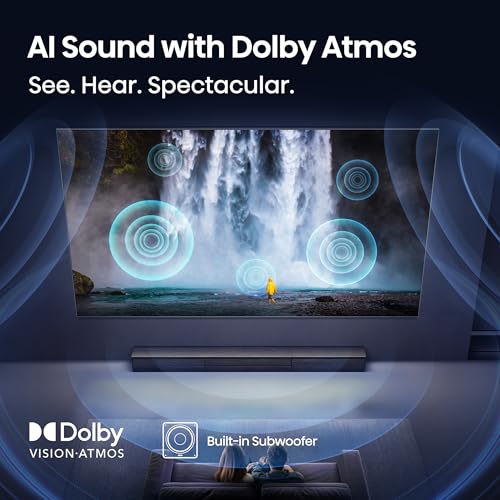
The U6 Series includes a 40W, 2.1-channel system with a built-in subwoofer. This means dedicated bass response that many TVs simply cannot provide. Reviews consistently praise the U6's audio quality, with many noting it reduces or eliminates the need for a separate soundbar for casual viewing.
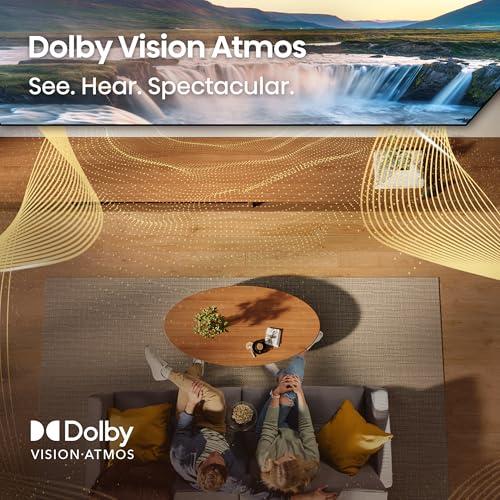
The QD7 includes a more basic 20W, 2.0-channel system. While it still supports Dolby Atmos processing, the lack of dedicated bass drivers means it sounds thin compared to the U6. For the price-conscious buyer, it's adequate, but anyone who values TV audio should factor this difference into their decision.
Both TVs support eARC (enhanced Audio Return Channel) for connecting to external sound systems, so this built-in audio difference matters most for users who prefer not to add additional components.
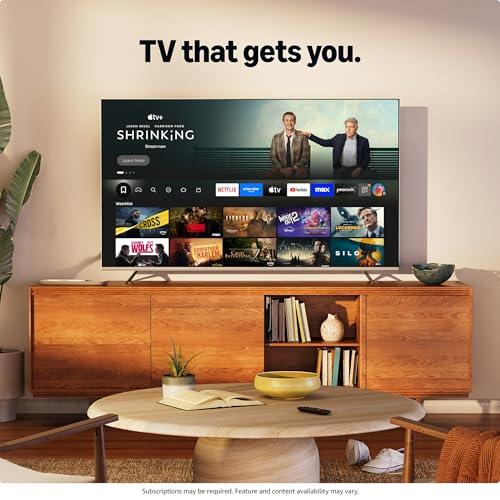
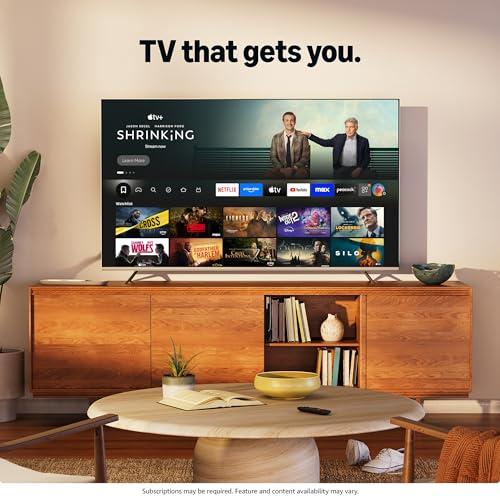
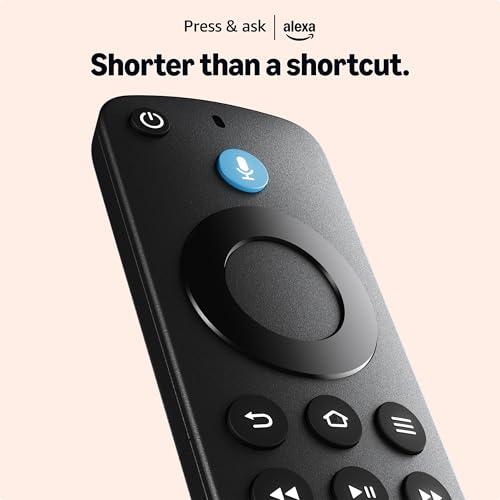
One area where these TVs are essentially identical is their smart TV platform. Both run Amazon's Fire TV interface, which puts streaming apps, live TV, and Alexa voice control front and center.
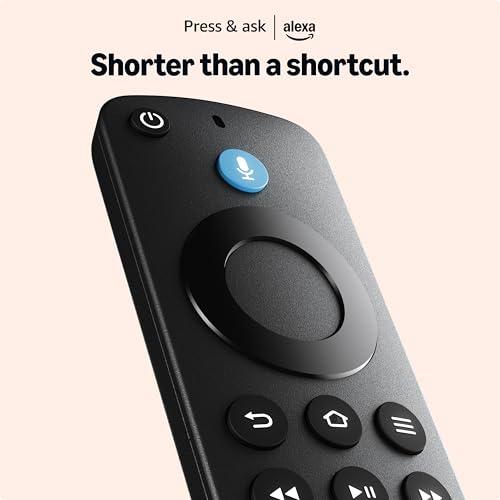
Fire TV has evolved significantly over the years, and the current implementation on both models feels responsive and well-organized. Setup is straightforward, app loading times are quick, and the voice remote works reliably for searching content and controlling basic functions.
Both TVs include built-in Alexa for hands-free voice control and support Apple AirPlay for iPhone and iPad users. The main limitation some users report is the presence of ads on the home screen, which cannot be completely removed—a common complaint about Fire TV in general rather than these specific models.
At the time of writing, these TVs occupy different price tiers, with the QD7 positioned as Hisense's budget Mini-LED offering and the U6 commanding a significant premium for enhanced performance.
The QD7 represents excellent value for buyers who want to experience Mini-LED technology without paying flagship prices. It delivers significantly better picture quality than standard LED TVs in its price range, includes modern smart features, and handles casual gaming well. For bright room viewing, sports, and general streaming, it punches well above its weight class.
The U6 justifies its higher price with meaningful improvements across every performance category. The superior brightness, enhanced gaming features, better audio system, and improved contrast make it a compelling choice for users who want near-flagship performance without paying premium brand prices.
For dedicated home theater use, the choice becomes clearer. The U6 Series with its superior local dimming, higher brightness, and better black levels creates a more cinematic experience. Movie night in a darkened room reveals the limitations of the QD7, where gray blacks and limited contrast can diminish the immersive experience.
However, for living room use where ambient light is present, both TVs perform well. The QD7 actually handles bright rooms reasonably well, and its limitations in black level performance become less noticeable when competing with room lighting.
Choose the QD7 Series if:
Choose the U6 Series if:
Both TVs successfully deliver Mini-LED benefits over standard LED displays, but they serve different audiences. The QD7 democratizes advanced display technology, making it accessible to budget-conscious buyers who still want meaningful picture quality improvements. The U6 takes that foundation and builds a genuinely compelling home theater experience that competes with much more expensive options.
The performance gap between them is real and meaningful, particularly in gaming, audio, and dark room viewing. However, the QD7 still represents a significant upgrade over entry-level TVs and shouldn't be dismissed simply because it's the less expensive option.
Your decision ultimately comes down to how you plan to use the TV and what aspects of performance matter most in your specific setup. Both represent strong values in their respective price tiers, giving Hisense a compelling one-two punch in the competitive Mini-LED market.
| Hisense QD7 Series 65" Mini-LED 4K Fire TV | Hisense 65" U6 Series Mini-LED QLED 4K Fire TV |
|---|---|
| Peak Brightness - Critical for HDR impact and bright room viewing | |
| Standard Mini-LED brightness (adequate for most rooms) | Up to 1,000 nits (excellent HDR performance, bright room capability) |
| Local Dimming Zones - Controls contrast and black level quality | |
| Standard Mini-LED implementation | Up to 600 zones (superior contrast and deeper blacks) |
| Native Refresh Rate - Essential for smooth gaming and sports | |
| 60Hz native (basic gaming, some motion blur) | 144Hz native (exceptional gaming, ultra-smooth motion) |
| HDMI Connectivity - Determines gaming console compatibility | |
| HDMI 2.0 ports (4K@60Hz max, current consoles only) | Dual HDMI 2.1 ports (4K@144Hz, future-proof gaming) |
| Gaming Features - Important for PlayStation 5/Xbox Series X owners | |
| VRR, ALLM, Game Mode Plus | VRR, ALLM, Game Mode Pro, FreeSync Premium |
| Audio System - Affects need for external soundbar | |
| 20W 2.0 channel (basic TV audio) | 40W 2.1 channel with subwoofer (significantly better bass and clarity) |
| Smart Platform - Same across both models | |
| Fire TV with Alexa built-in | Fire TV with Alexa built-in |
| Best Use Cases - Who should consider each model | |
| Budget buyers, bright rooms, casual gaming | Home theater, serious gaming, dark room viewing |
| Value Proposition - Price-to-performance consideration | |
| Excellent entry-level Mini-LED value | Premium features justify higher cost for performance-focused buyers |
The biggest difference is performance level. The Hisense U6 Series offers superior picture quality with 1,000 nits peak brightness, 600 local dimming zones, and a native 144Hz refresh rate. The Hisense QD7 Series provides solid Mini-LED performance at a more affordable price point, with 60Hz refresh rate and standard brightness levels.
The Hisense U6 Series is significantly better for gaming, featuring a native 144Hz panel, dual HDMI 2.1 ports supporting 4K@144Hz, and FreeSync Premium. The QD7 Series is adequate for casual gaming with 60Hz and HDMI 2.0 ports, but serious gamers will notice motion blur and connectivity limitations.
The Hisense U6 Series is much better for home theater use in dark rooms. Its 600 local dimming zones provide deeper blacks and better contrast compared to the QD7 Series, which struggles with gray blacks and limited contrast in darkened environments.
The U6 Series has significantly better audio with a 40W 2.1 channel system including a built-in subwoofer, providing much stronger bass and overall clarity. The QD7 Series features a basic 20W 2.0 channel system that may require an external soundbar for optimal audio experience.
Both models handle bright rooms well thanks to their Mini-LED technology, but the Hisense U6 Series performs better with its higher peak brightness of 1,000 nits. The QD7 Series is still adequate for most lighting conditions but may struggle in very bright environments.
This depends on your needs. The Hisense QD7 Series offers excellent value for budget-conscious buyers wanting Mini-LED technology. The U6 Series provides better value for performance-focused users who want superior picture quality, gaming features, and audio without paying premium brand prices.
The Hisense U6 Series is superior for sports due to its 144Hz refresh rate providing smoother motion during fast action. The QD7 Series can display sports content well but may show motion blur during quick camera movements or fast plays.
Yes, the U6 Series includes dual HDMI 2.1 ports supporting higher bandwidth and future gaming consoles, while the QD7 Series uses HDMI 2.0 ports. Both models include the same wireless connectivity options and eARC support for external audio systems.
If you're upgrading from a standard LED TV on a budget, the Hisense QD7 Series provides an excellent introduction to Mini-LED technology. If you want the best possible experience and plan to keep the TV for many years, the U6 Series offers superior performance that justifies the higher investment.
The QD7 Series is particularly well-suited as a secondary TV due to its lower price point while still offering Mini-LED benefits. The U6 Series might be overkill for bedroom use unless you frequently watch movies or game in that room and want the enhanced performance.
We've done our best to create useful and informative comparisons to help you decide what product to buy. Our research uses advanced automated methods to create this comparison and perfection is not possible - please contact us for corrections or questions. These are the sites we've researched in the creation of this article: bestbuy.com - youtube.com - youtube.com - rtings.com - tvsbook.com - hometechnologyreview.com - hometechnologyreview.com - bestbuy.com - static.pcrichard.com - hometechnologyreview.com - bestbuy.com - hisense-usa.com - hisense-usa.com - shopmyexchange.com - brandsmartusa.com - manuals.plus - youtube.com - rtings.com - tvsbook.com - flatpanelshd.com - youtube.com - youtube.com - bestbuy.com - rtings.com - youtube.com - tomsguide.com - static.pcrichard.com - hisense-usa.com - pcguide.com - hisense-usa.com - manuals.plus - costco.com - pcrichard.com - beverlycenter.com - hisense-usa.com - rtings.com - device.report

Privacy Policy
Terms and Conditions - Affiliate Policy
Home Security
© Copyright 2008-2026.
11816 Inwood Rd #1211, Dallas, TX 75244