

When building a hi-fi system, the integrated amplifier sits at the heart of everything. It's the component that takes signals from your sources—whether that's a turntable, CD player, or streaming device—and amplifies them with enough power to drive your speakers. Think of it as the conductor of your audio orchestra, controlling volume and switching between different music sources while providing the muscle to make your speakers sing.
The world of integrated amplifiers has evolved dramatically over the past decade. Where once you'd find heavy, heat-generating Class AB amplifiers dominating the market, today's offerings include everything from ultra-efficient Class D designs to sophisticated digital hubs that can handle high-resolution streaming. This evolution has created some fascinating choices, particularly when comparing traditional approaches with modern innovations.
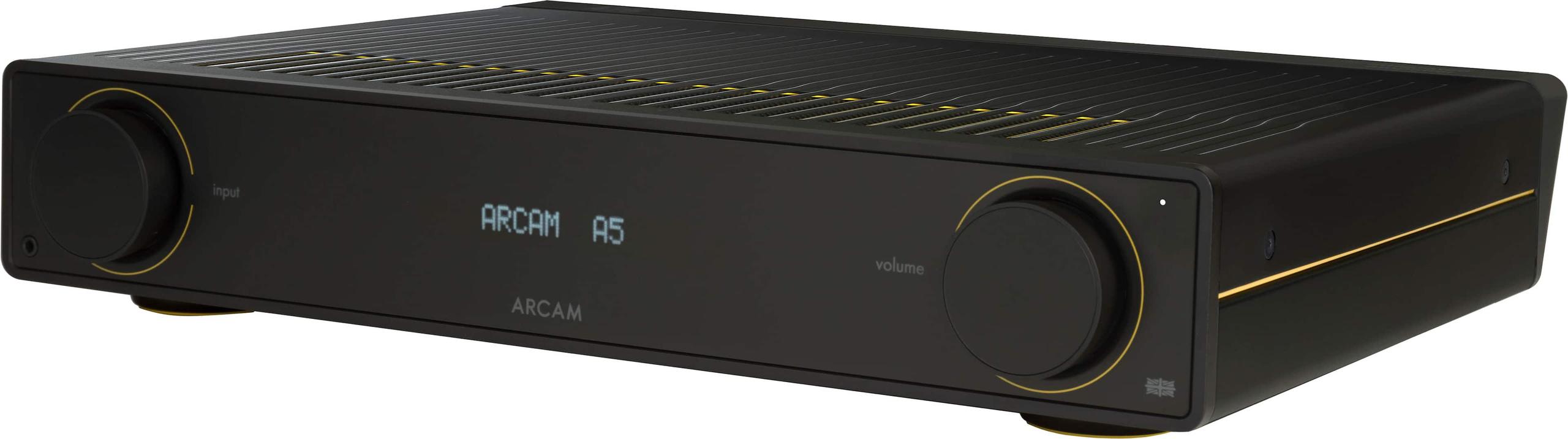
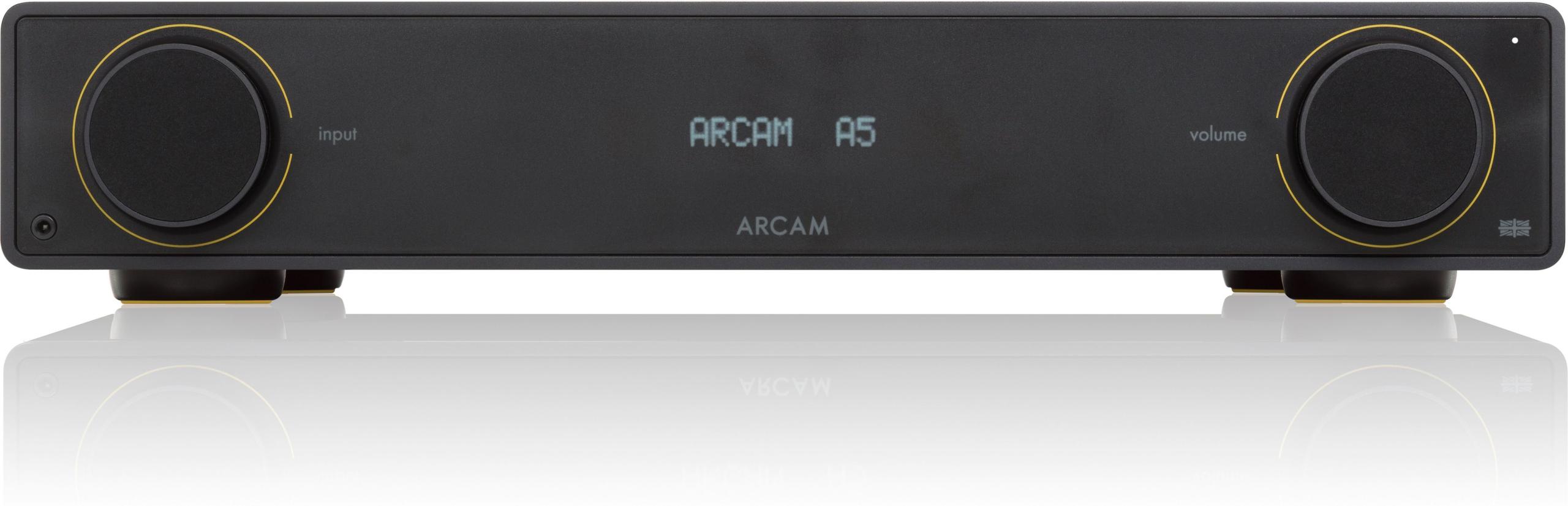
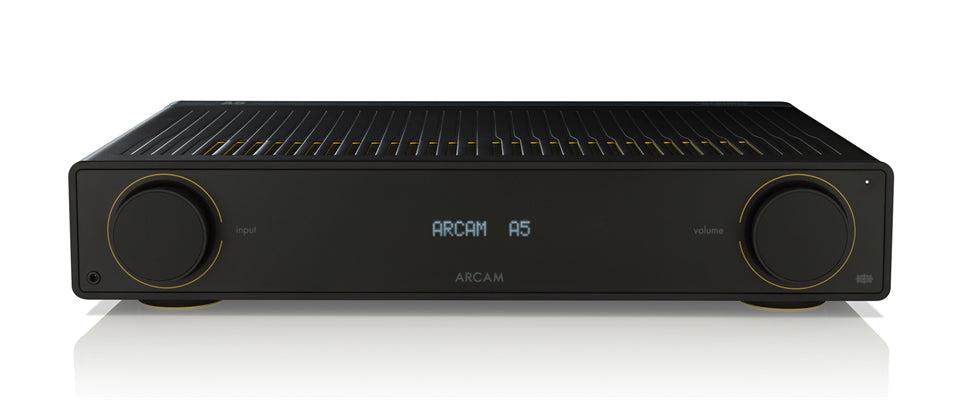
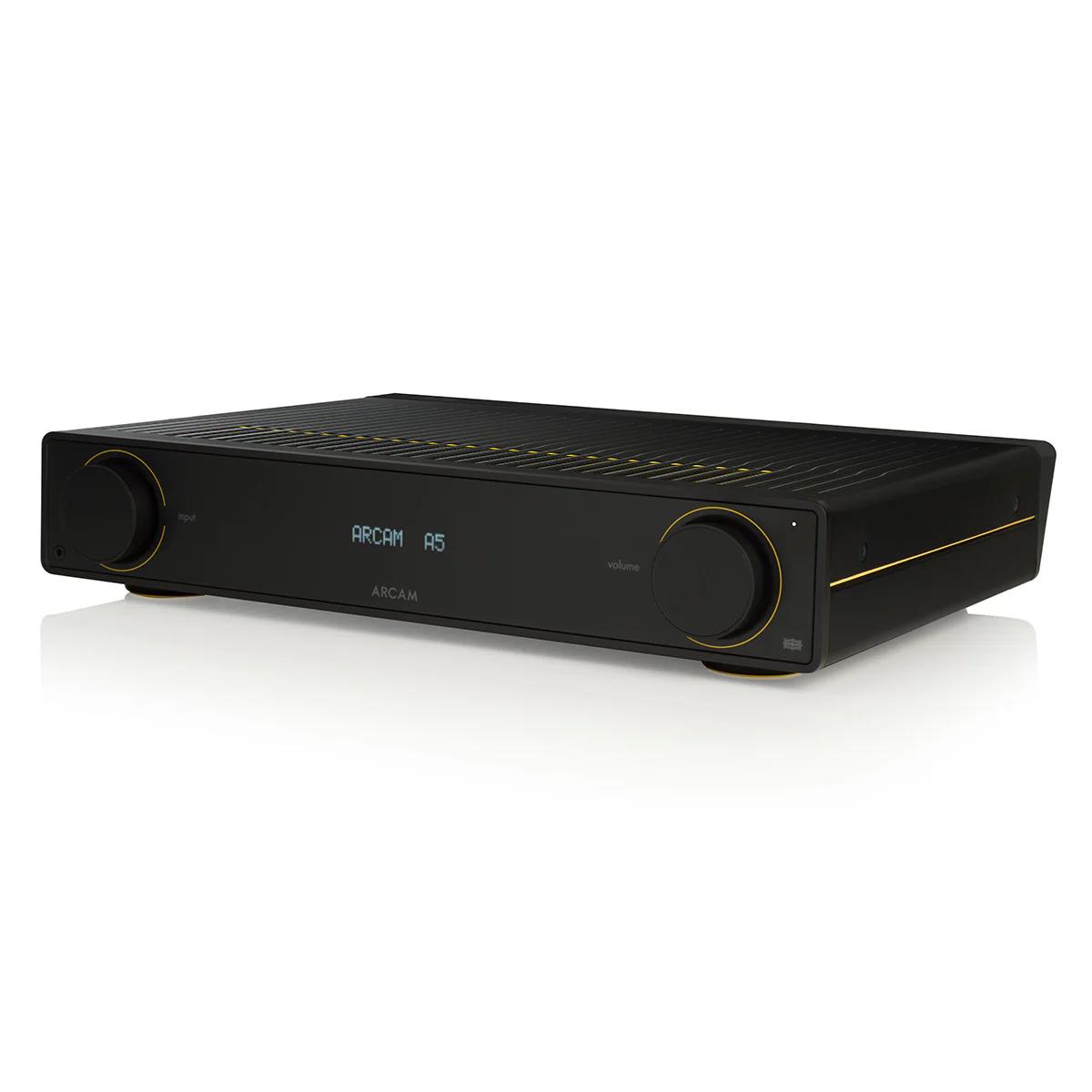
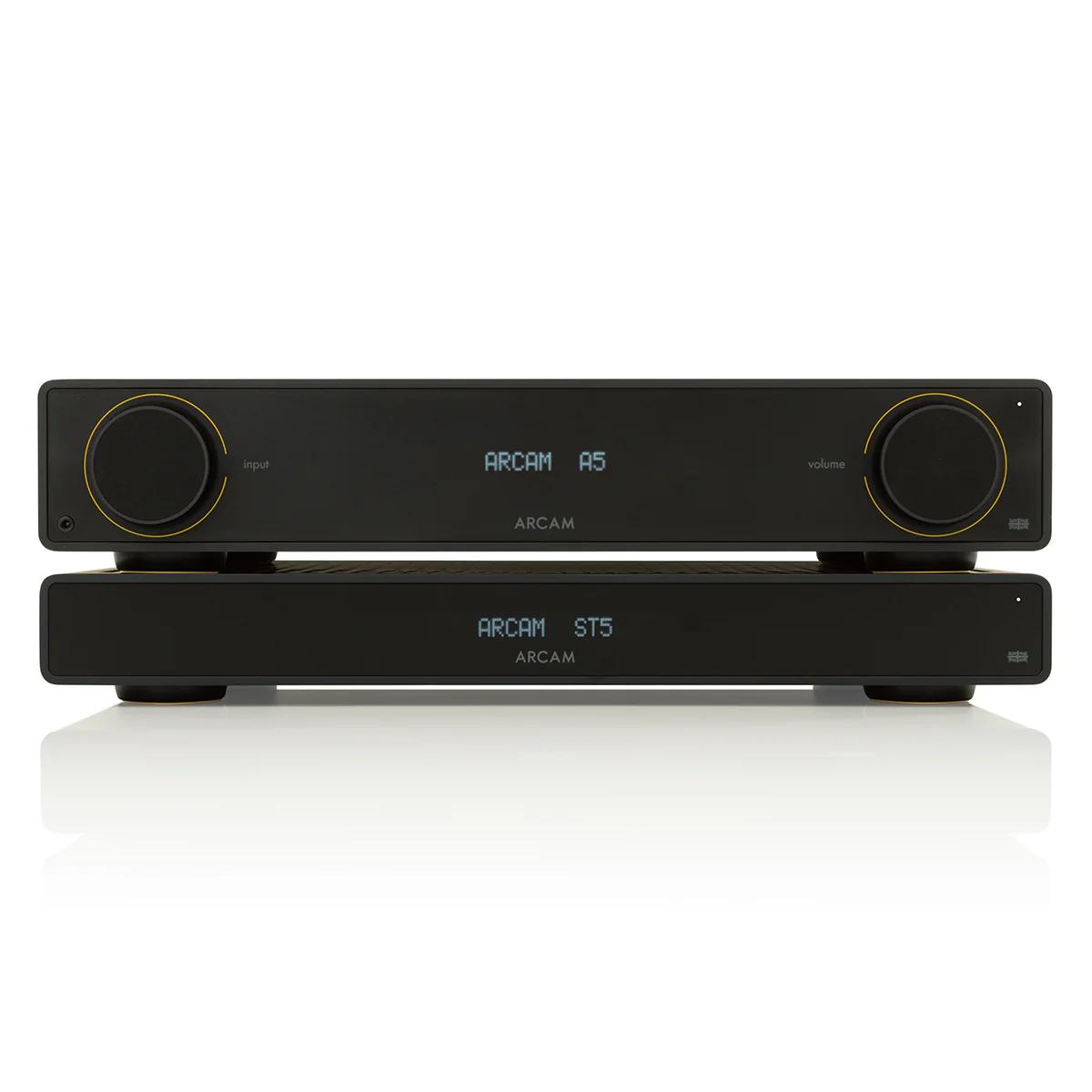
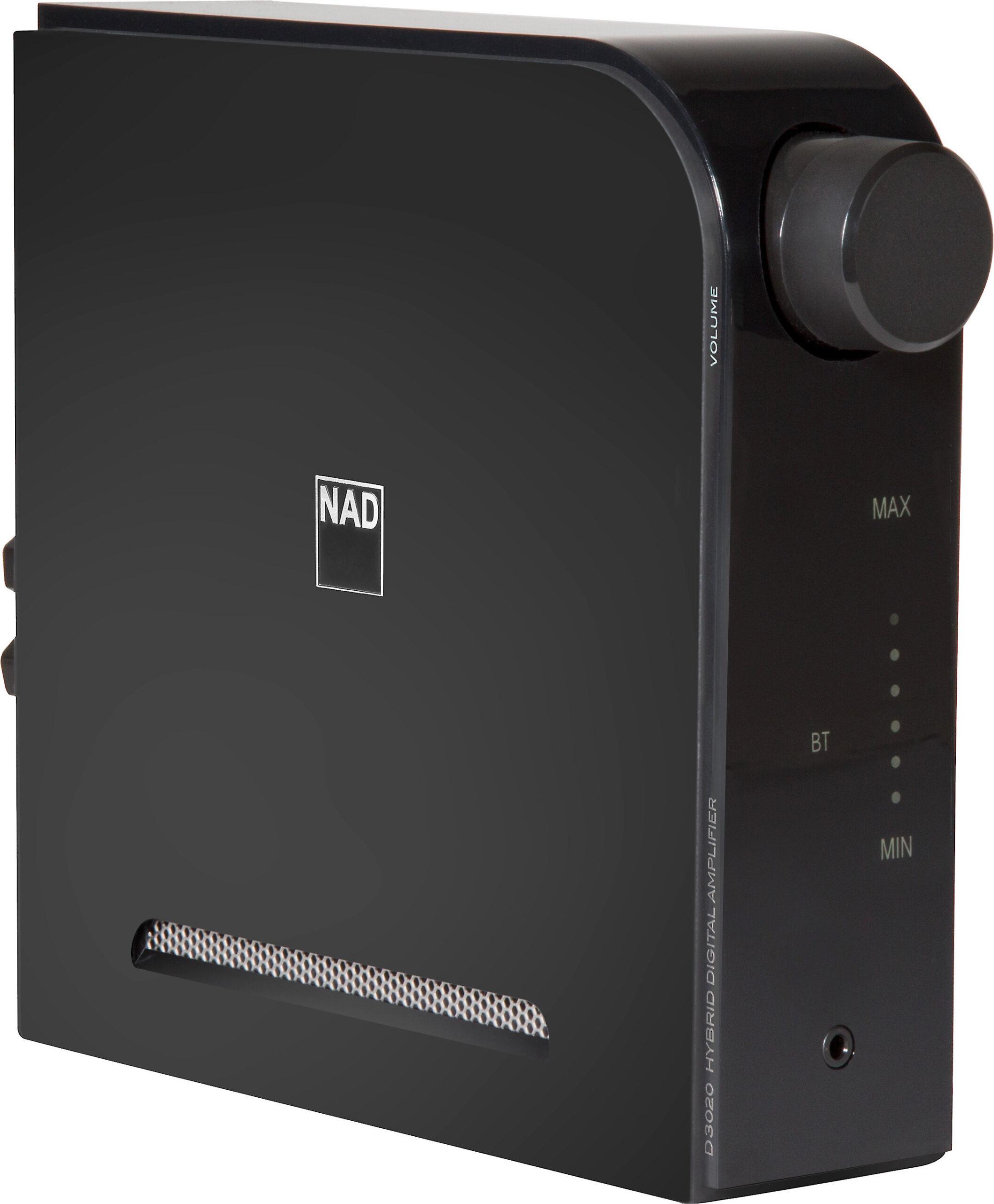
Two amplifiers that perfectly illustrate this evolution are the Arcam Radia A5 and the NAD D 3020 V2. Released in 2024 and representing different philosophies in amplifier design, these models showcase how manufacturers are addressing the changing needs of music lovers. The Arcam A5 follows a premium traditional approach with modern digital capabilities, while the NAD D 3020 V2 embraces space-saving efficiency without sacrificing sound quality.
The fundamental difference between these amplifiers starts with their amplification technology. The Arcam A5 uses Class AB amplification, which has been the gold standard in high-end audio for decades. Class AB amplifiers work by having transistors conduct during more than half of the audio signal cycle, providing a sweet spot between efficiency and sound quality. This approach typically produces what audiophiles describe as "warm" sound with natural midrange reproduction—the frequency range where vocals and most instruments live.
The NAD D 3020 V2, on the other hand, employs Class D amplification, sometimes called "switching" amplification. This technology rapidly switches the output transistors on and off at frequencies well above human hearing, creating incredibly efficient power delivery. Class D amplifiers generate much less heat and can be built into smaller chassis while still delivering impressive power. NAD enhances their Class D design with PowerDrive technology, which allows the amplifier to deliver much higher dynamic power (short bursts of extra power) than its continuous rating suggests.
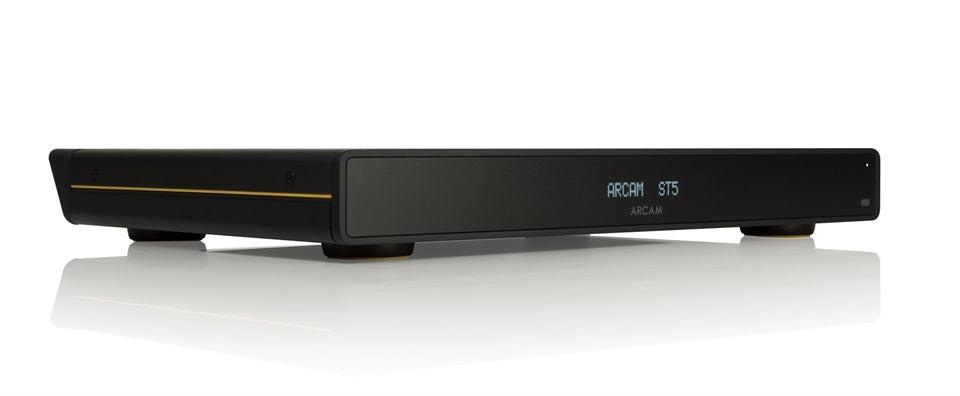
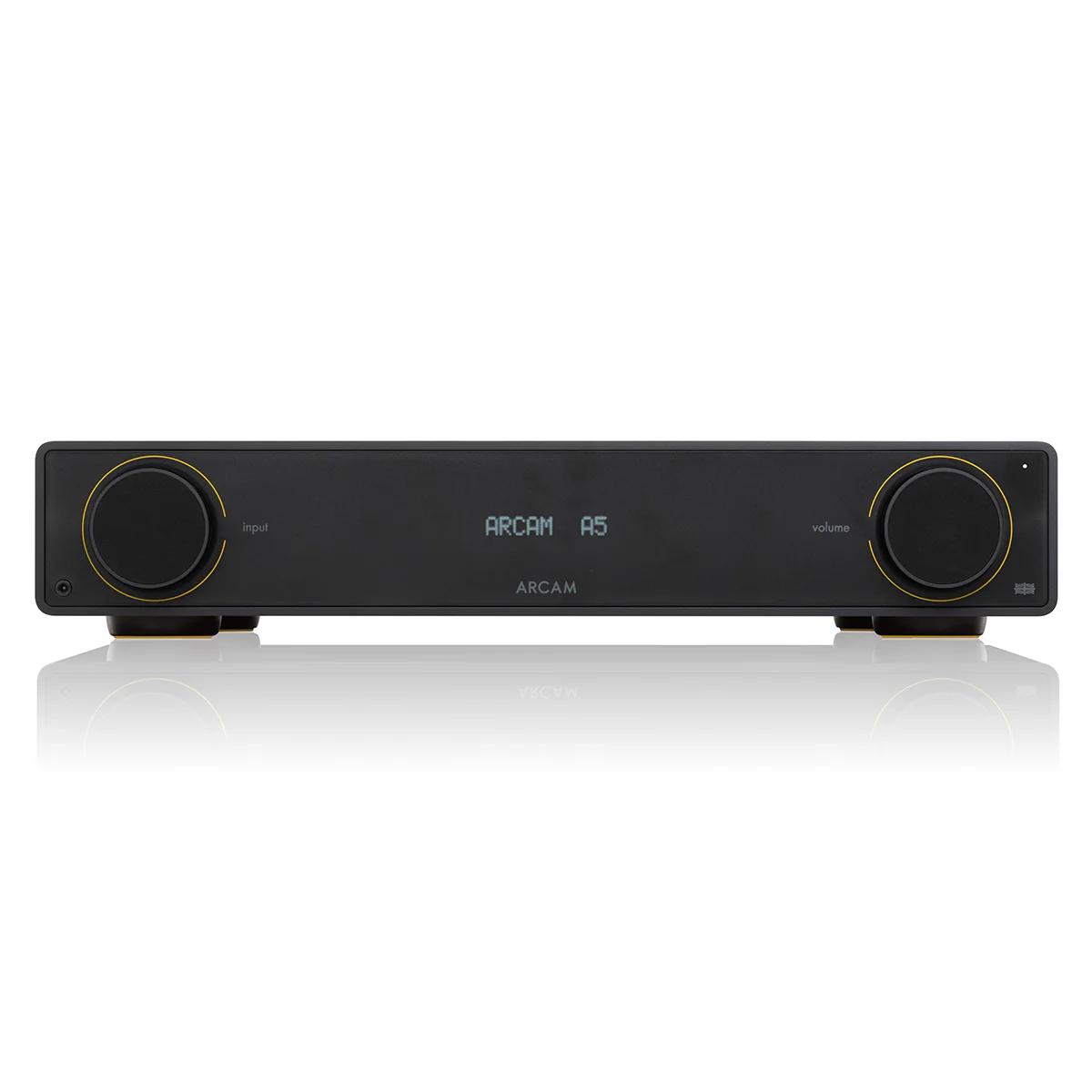
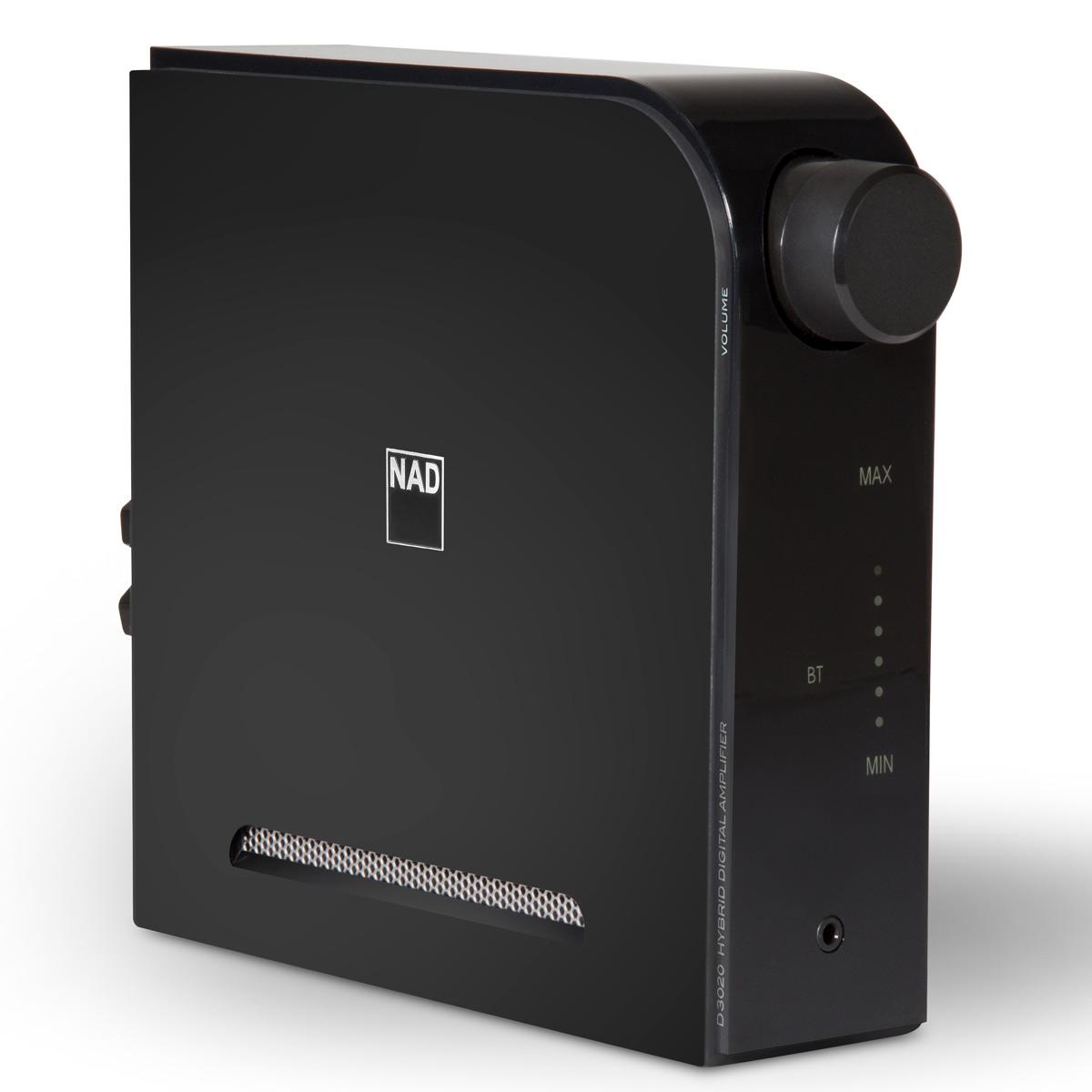
These different approaches affect everything from how much space the amplifiers occupy on your shelf to how they sound with different types of music. The Arcam A5 follows traditional hi-fi proportions—it's built like a serious piece of audio equipment with substantial weight and a horizontal layout. The NAD D 3020 V2 breaks convention with its compact vertical design that can fit on a desktop or narrow shelf.
When evaluating amplifier power, the numbers only tell part of the story. The Arcam A5 delivers 50 watts per channel into 8-ohm speakers and 75 watts into 4-ohm speakers. In the real world, this translates to enough clean power for medium to large rooms and the ability to drive less efficient speakers to satisfying volumes. The Class AB design provides excellent current delivery, which helps with speakers that present challenging impedance loads—like many high-end bookshelf and tower speakers.
The NAD D 3020 V2 might seem underpowered at 30 watts per channel, but NAD's PowerDrive technology changes the equation significantly. This system can deliver dynamic power peaks up to 150 watts into 2-ohm loads, meaning it can handle musical transients—those sudden loud passages in music—with much more authority than its continuous power rating suggests. For most bookshelf speakers in small to medium-sized rooms, this proves more than adequate.
The practical difference becomes apparent when you consider your listening habits and room size. If you're setting up a system in a living room where you might host gatherings or want to fill a large space with music, the Arcam A5 provides more headroom and control. For desktop listening, bedroom systems, or smaller spaces where you're sitting relatively close to the speakers, the NAD D 3020 V2 offers surprising capability in a much smaller package.
Total Harmonic Distortion (THD)—essentially how much the amplifier changes the original signal—tells another part of the performance story. The Arcam A5 achieves 0.003% THD, which is exceptionally low and indicates very clean amplification. The NAD D 3020 V2 maintains less than 0.01% THD, still excellent and inaudible in practice. Both amplifiers will sound clean and undistorted at reasonable listening levels.
This is where the Arcam A5 shows its premium positioning most clearly. It incorporates an ESS Sabre ES9018 DAC (Digital-to-Analog Converter), which represents high-end digital processing typically found in much more expensive equipment. This DAC can handle high-resolution audio files up to 24-bit/192kHz—far beyond CD quality's 16-bit/44.1kHz standard. For context, high-resolution audio captures more detail in both dynamics (the difference between quiet and loud) and frequency information, potentially revealing subtleties in recordings that standard resolution might miss.
The NAD D 3020 V2 uses a Cirrus Logic CS42528 DAC configured in dual differential mode. While not as prestigious as the ESS chip, NAD's implementation using multiple DAC channels mixed together can reduce noise and improve linearity. However, the specific resolution capabilities aren't detailed in most reviews, suggesting it may not match the Arcam's high-resolution credentials.
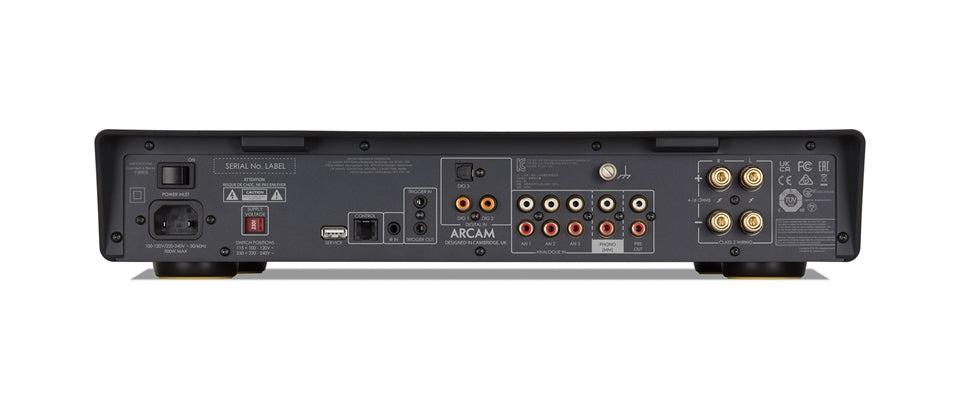
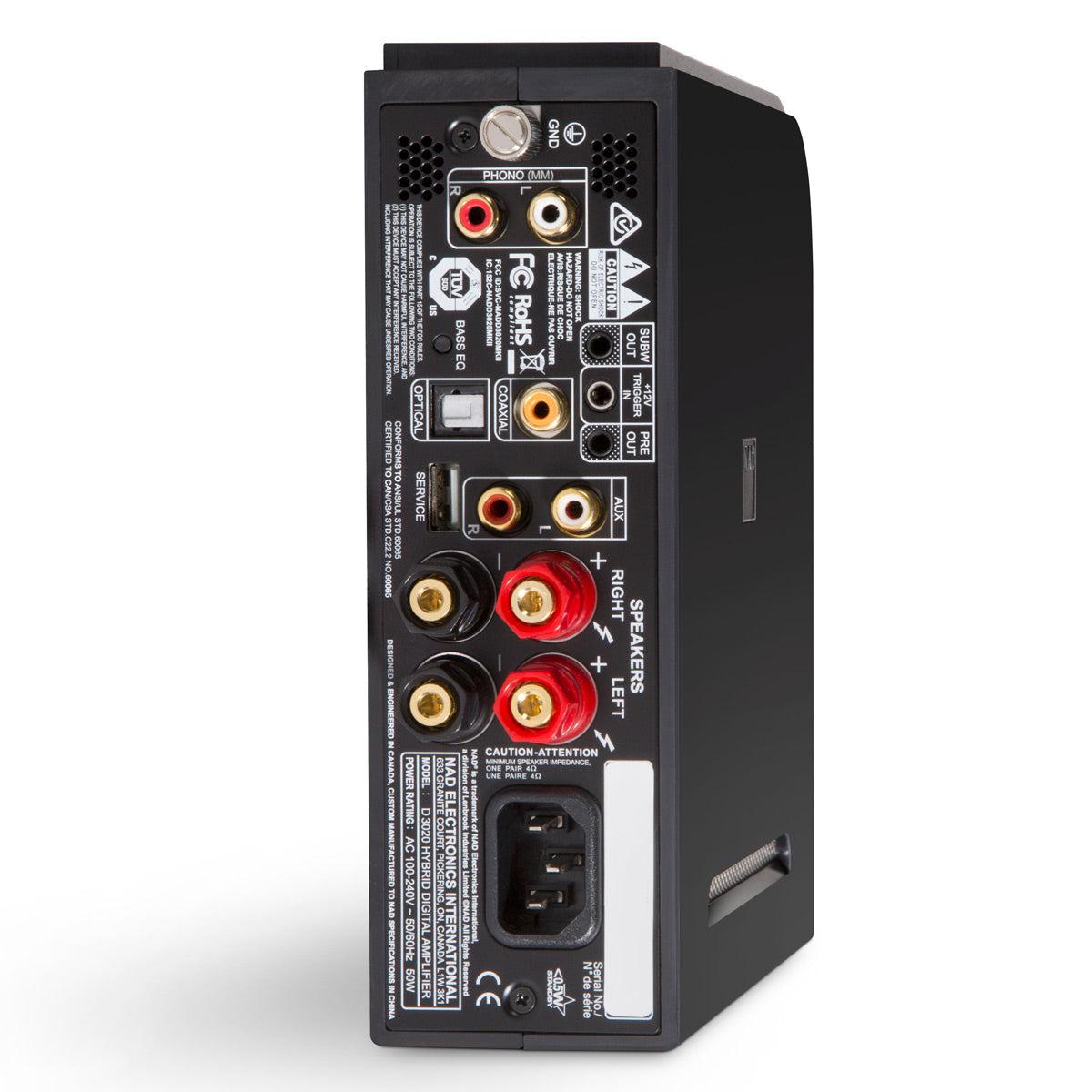
For digital input flexibility, the Arcam A5 provides two coaxial and one optical digital input, all capable of handling 24-bit/192kHz signals. The NAD D 3020 V2 offers one coaxial and one optical input. If you have multiple digital sources—perhaps a CD transport, streaming device, and set-top box—the Arcam provides more connection options.
Both amplifiers include Bluetooth connectivity, but again the Arcam A5 takes a premium approach. Its Bluetooth 5.2 implementation with aptX Adaptive provides higher quality wireless streaming and, uniquely, bidirectional capability. This means you can not only stream music to the amplifier from your phone but also send audio from the amplifier to Bluetooth headphones—a feature that's surprisingly rare and genuinely useful for late-night listening.
Both amplifiers include built-in phono stages for connecting turntables directly—a feature that would have required a separate component in many systems just a few years ago. These moving magnet (MM) phono stages include RIAA equalization, which corrects the frequency response curve applied to vinyl records during manufacturing.
Interestingly, our research suggests the NAD D 3020 V2's phono stage may actually outperform some dedicated external phono preamps, particularly in soundstage width and detail retrieval. This represents exceptional value at the NAD's price point and makes it particularly attractive for vinyl enthusiasts on a budget.
The Arcam A5 provides three line-level analog inputs plus the phono input, while the NAD D 3020 V2 includes one line input plus phono. If you have multiple analog sources—perhaps a CD player, cassette deck, or tuner—the Arcam offers more flexibility.
Here's where the philosophy differences become most apparent. The NAD D 3020 V2 includes several features specifically designed for system building: a dedicated subwoofer output with bass management and remote-controlled bass boost. These features make it excellent for creating a 2.1 system where a powered subwoofer handles the lowest frequencies, allowing smaller main speakers to focus on midrange and treble.
The Arcam A5 takes a more traditional approach with preamp outputs that can feed external power amplifiers or powered subwoofers, but without dedicated bass management. It also includes 12V trigger inputs and outputs for automated system control—useful in custom installations where multiple components need to turn on and off together.
Both amplifiers can serve as preamplifiers in larger systems, but their approaches differ. The NAD's compact size and subwoofer integration make it ideal for desktop or bookshelf systems that might grow into larger setups. The Arcam's multiple inputs and trigger control make it better suited for more complex traditional hi-fi systems.
This represents perhaps the starkest difference between these amplifiers. The Arcam A5 weighs approximately 17.6 pounds and uses premium construction typical of traditional hi-fi components. Its substantial chassis, quality binding posts (speaker connection terminals), and overall fit and finish reflect serious engineering and long-term durability. Arcam backs this with a five-year warranty, demonstrating confidence in their construction.
The NAD D 3020 V2 weighs about 3 pounds and prioritizes space efficiency over traditional build quality. While some reviewers note the chassis feels somewhat plasticky compared to traditional hi-fi components, this design choice enables its unique form factor and aggressive pricing. The reduced weight and size are features, not compromises, for users who value these characteristics.
Based on extensive review research, these amplifiers present different sonic personalities that align with their design philosophies. The Arcam A5 consistently receives praise for what reviewers call "musical engagement"—the ability to draw listeners into the performance. Its Class AB design and premium DAC contribute to what's described as refined, controlled bass, clear midrange, and detailed high frequencies without harshness.
The NAD D 3020 V2 earns acclaim for its timing and dynamics—the ability to lock into musical rhythms and maintain the energy and pace that makes music engaging. Reviewers consistently mention its "full-bodied performance" and ability to make music sound exciting rather than clinical.
These differences suggest the Arcam A5 might appeal more to listeners who prioritize resolution and refinement—those who want to hear every detail in their recordings. The NAD D 3020 V2 might better suit listeners who prioritize musical involvement and emotional connection over ultimate detail retrieval.
While both amplifiers are designed primarily for stereo music listening, they can integrate into home theater systems. The Arcam A5 lacks any multichannel processing but could serve as the stereo amplifier in a system where an AV receiver handles surround sound processing and the main left/right speakers receive higher-quality amplification.
The NAD D 3020 V2's subwoofer output and bass management make it potentially useful in home theater applications, particularly for smaller setups where space constraints matter more than maximum power output.
At the time of writing, these amplifiers occupy different price tiers that reflect their different approaches to the same fundamental task. The NAD D 3020 V2 represents exceptional value, packing award-winning sound quality and comprehensive features into a unique, space-efficient package at a very reasonable price point. It's particularly compelling for apartment dwellers, desktop systems, or anyone who wants serious hi-fi sound without the traditional space requirements.
The Arcam A5 costs significantly more but justifies this with premium digital processing, higher power output, superior build quality, and more comprehensive connectivity. It's positioned for serious listeners who want a long-term investment in their audio system and have the space for traditional hi-fi components.
Choose the NAD D 3020 V2 if you're working with limited space, have a modest budget, plan to use a subwoofer, or simply prefer its modern approach to hi-fi design. Its unique combination of features and space efficiency makes it ideal for modern living situations.
Choose the Arcam A5 if you want maximum power and flexibility, prioritize digital source quality, need multiple analog inputs, or prefer traditional hi-fi build quality and aesthetics. It's the choice for building a serious, long-term stereo system.
Both amplifiers represent excellent engineering and will deliver years of musical enjoyment. Your choice ultimately depends on your specific needs, space constraints, and how you prioritize features versus budget. The beauty of today's integrated amplifier market is that both approaches—compact efficiency and traditional premium construction—can deliver genuinely satisfying musical experiences.
| Arcam Radia A5 | NAD D 3020 V2 |
|---|---|
| Power Output - Determines room size capability and speaker compatibility | |
| 50W/8Ω, 75W/4Ω (Class AB) - Better for larger rooms and demanding speakers | 30W/8Ω, 30W/4Ω (Class D with PowerDrive™) - Adequate for small-medium rooms, dynamic bursts up to 150W |
| Amplifier Technology - Affects sound character and efficiency | |
| Class AB - Traditional warm sound, higher heat generation | Class D - Modern efficient design, cooler operation, compact form factor |
| Digital Processing - Critical for streaming and digital source quality | |
| ESS Sabre ES9018 DAC, 24-bit/192kHz support - Premium digital processing for high-res audio | Cirrus Logic CS42528 dual differential - Good quality but resolution specs not detailed |
| Digital Inputs - Connectivity for CD players, streamers, and other digital sources | |
| 2x coaxial, 1x optical (all 24/192 capable) - More flexible for multiple digital sources | 1x coaxial, 1x optical - Basic coverage for most setups |
| Bluetooth Connectivity - Wireless streaming convenience | |
| Bluetooth 5.2 with aptX Adaptive, bidirectional - Can stream to wireless headphones | Standard Bluetooth with aptX - Reliable but one-way only |
| Analog Inputs - For turntables, CD players, and other analog sources | |
| 3x line inputs + MM phono stage - Better for complex analog setups | 1x line input + MM phono stage - Covers basics, phono stage reportedly excellent |
| System Expansion - Building larger or more complex systems | |
| Preamp outputs, 12V triggers - Traditional hi-fi integration | Preamp output, dedicated subwoofer output with bass management - Better for 2.1 systems |
| Form Factor - Space requirements and aesthetic integration | |
| Traditional horizontal chassis, 17.6 lbs - Premium build, requires shelf space | Compact vertical design, ~3 lbs - Unique space-saving approach, desktop-friendly |
| Build Quality - Long-term durability and premium feel | |
| Substantial construction, 5-year warranty - Investment-grade build quality | Lightweight efficient design - Prioritizes function over traditional hi-fi aesthetics |
| Value Positioning - Feature density relative to price tier | |
| Premium features justify higher cost - ESS DAC and comprehensive connectivity | Exceptional value with award-winning performance - Remarkable features at accessible price |
The NAD D 3020 V2 is ideal for small rooms due to its compact vertical design and 30W power output that's perfectly matched to bookshelf speakers in intimate spaces. Its space-saving form factor makes it perfect for desktop setups or apartments where shelf space is limited.
The Arcam Radia A5 delivers significantly more power at 50W per channel (8Ω) and 75W (4Ω), while the NAD D 3020 V2 provides 30W per channel. However, the NAD's PowerDrive technology can deliver dynamic power bursts up to 150W for musical peaks.
The Arcam Radia A5 offers superior digital connectivity with an ESS Sabre ES9018 DAC, two coaxial and one optical input supporting 24-bit/192kHz, plus bidirectional Bluetooth 5.2 with aptX Adaptive. The NAD D 3020 V2 has one coaxial and one optical input with standard Bluetooth.
Yes, both the Arcam Radia A5 and NAD D 3020 V2 include built-in moving magnet phono stages for direct turntable connection. Reviews suggest the NAD's phono stage may actually outperform some dedicated external phono preamps in terms of detail and soundstage.
The Arcam Radia A5 excels for wireless streaming with Bluetooth 5.2, aptX Adaptive support, and unique bidirectional capability that lets you stream to wireless headphones. The NAD D 3020 V2 offers reliable Bluetooth with aptX but lacks the advanced features.
The Arcam Radia A5 uses Class AB amplification for warm, detailed sound with excellent midrange clarity, while the NAD D 3020 V2 uses Class D technology known for excellent timing, dynamics, and musical engagement. Both deliver award-winning sound quality in different styles.
The NAD D 3020 V2 offers exceptional value with award-winning performance, comprehensive features including phono stage and Bluetooth, all in a unique space-saving design. The Arcam Radia A5 justifies its higher cost with premium digital processing, more power, and superior build quality.
The NAD D 3020 V2 is better for subwoofer integration with a dedicated subwoofer output and bass management controls. The Arcam Radia A5 has preamp outputs that can connect to powered subwoofers but lacks dedicated bass management features.
The Arcam Radia A5 features premium construction with a substantial 17.6-pound chassis, high-quality components, and a 5-year warranty indicating superior long-term durability. The NAD D 3020 V2 prioritizes efficiency and space-saving over traditional build quality.
The Arcam Radia A5 provides three line inputs plus MM phono, two coaxial and one optical digital input, making it better for complex setups. The NAD D 3020 V2 offers one line input plus MM phono, one coaxial and one optical digital input - covering the basics efficiently.
The Arcam Radia A5 is better suited for large or inefficient speakers thanks to its 50-75W Class AB power output and excellent current delivery. The NAD D 3020 V2 works best with efficient bookshelf speakers in smaller listening environments.
Choose the NAD D 3020 V2 for your first system if you want exceptional value, space efficiency, and modern features like Bluetooth streaming. Select the Arcam Radia A5 if you're building a serious long-term system with premium digital processing, higher power output, and traditional hi-fi build quality.
We've done our best to create useful and informative comparisons to help you decide what product to buy. Our research uses advanced automated methods to create this comparison and perfection is not possible - please contact us for corrections or questions. These are the sites we've researched in the creation of this article: whathifi.com - upscaleaudio.com - hifiverse.io - theaudiotailor.com.au - crutchfield.com - musicdirect.com - crutchfield.com - listenup.com - audioadvice.com - houseofstereo.com - skybygramophone.com - arcam.co.uk - fidelity-magazine.com - arcam.co.uk - sweetwater.com - skybygramophone.com - hifinews.com - youtube.com - forum.psaudio.com - crutchfield.com - forum.audiogon.com - crutchfield.com - iiwireviews.com - crutchfield.ca - audiosciencereview.com - soundstagesimplifi.com - nadelectronics.com - hifiheaven.net - crutchfield.com - projectorscreen.com - upscaleaudio.com - dedicatedaudio.com - twitteringmachines.com - nadelectronics.com

Privacy Policy
Terms and Conditions - Affiliate Policy
Home Security
© Copyright 2008-2026.
11816 Inwood Rd #1211, Dallas, TX 75244