

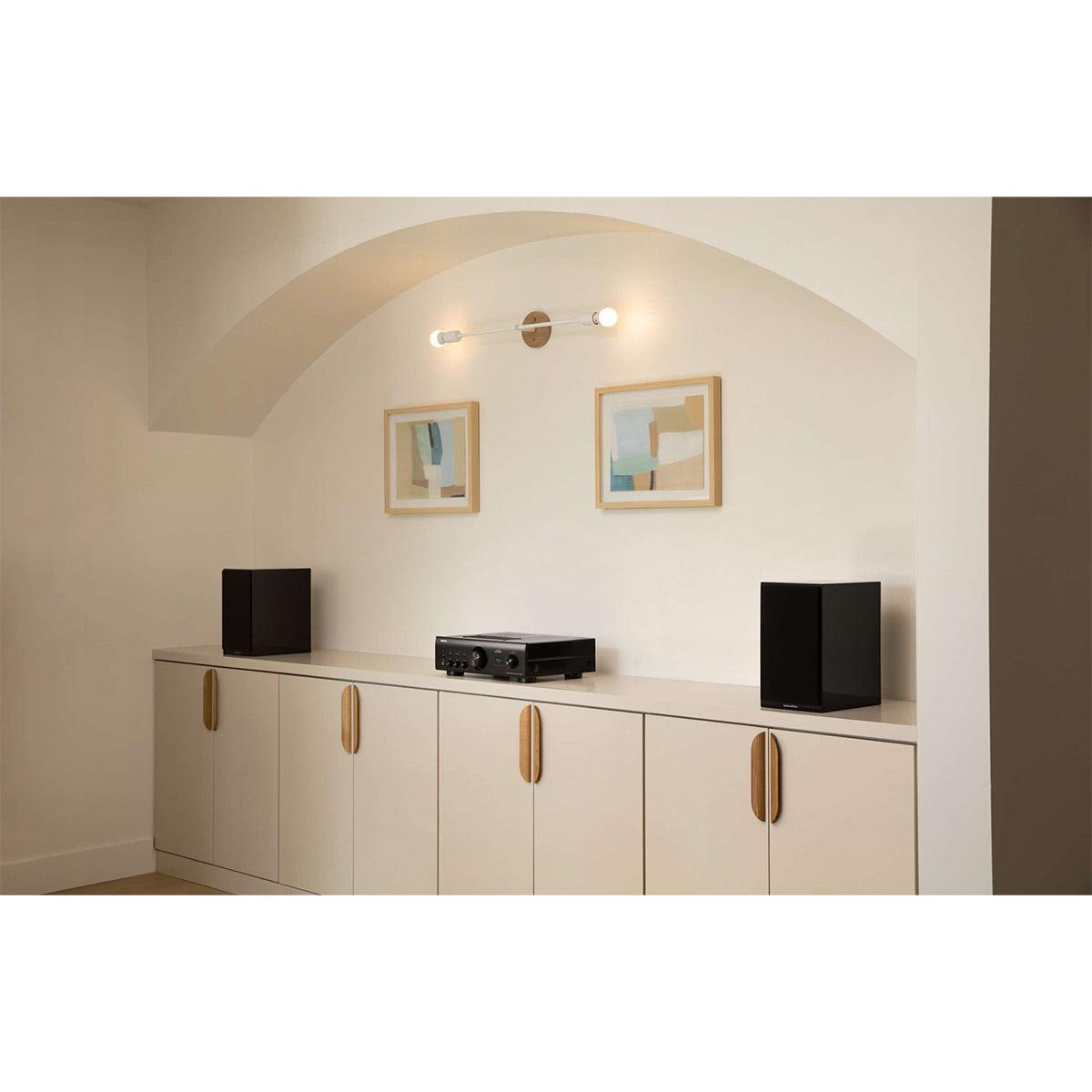
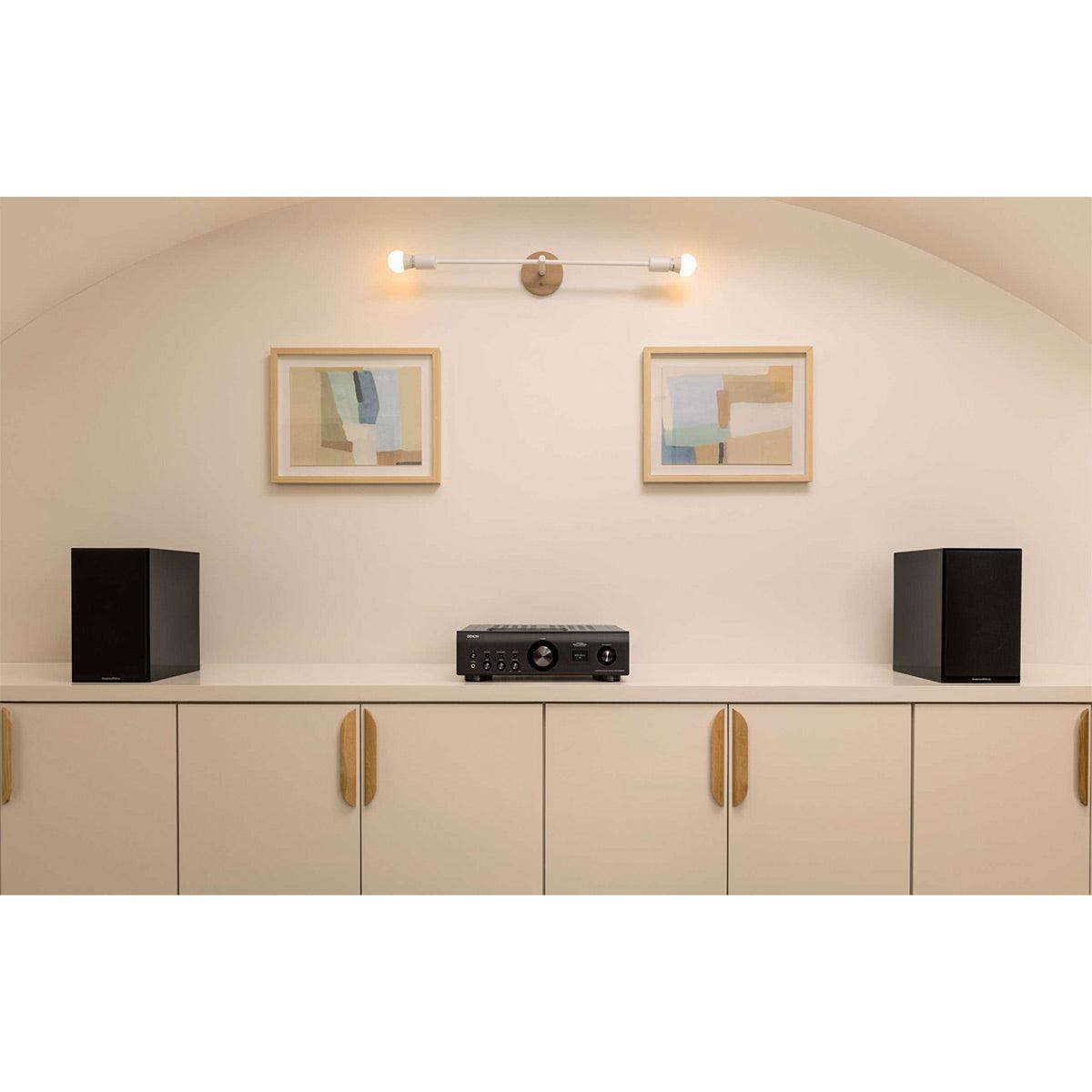
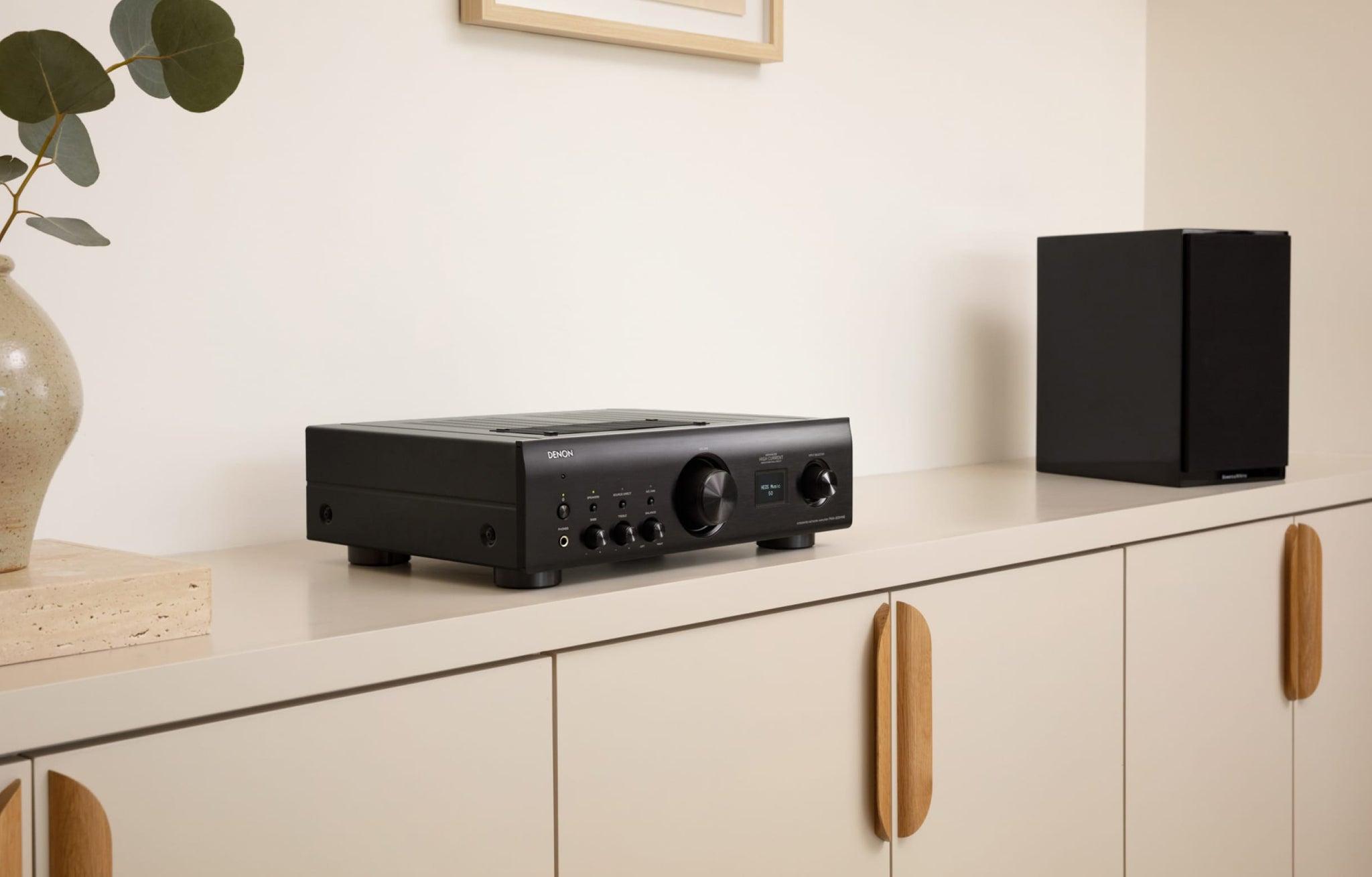
When building or upgrading a stereo system, your amplifier choice shapes everything that follows. Today's integrated amplifiers—devices that combine volume control, input switching, and power amplification in one box—face a critical design fork: prioritize pure sound quality or embrace the convenience of built-in streaming.
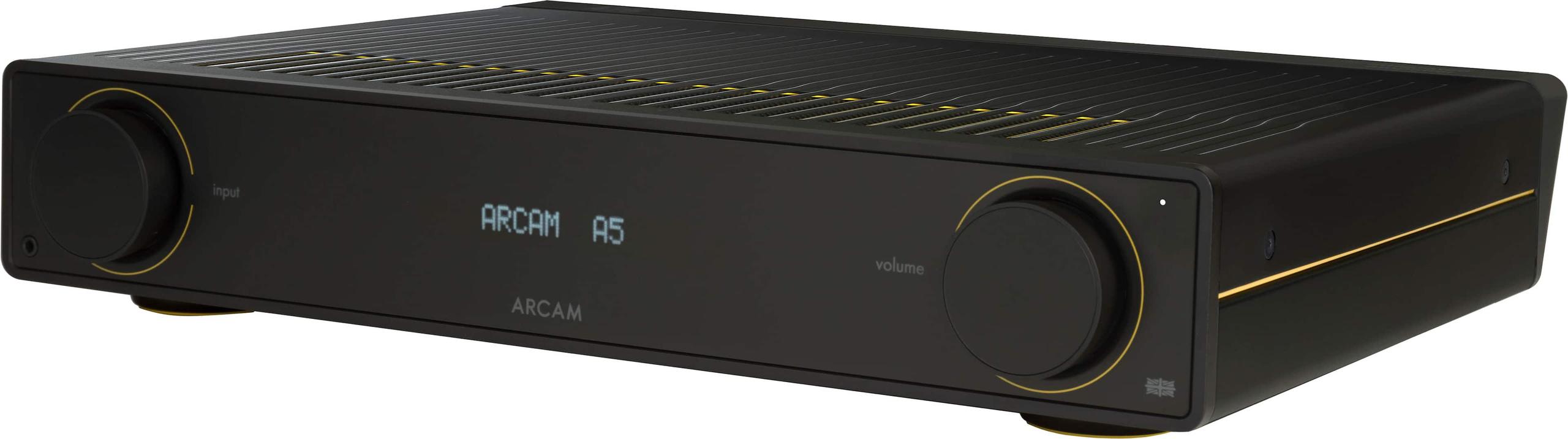
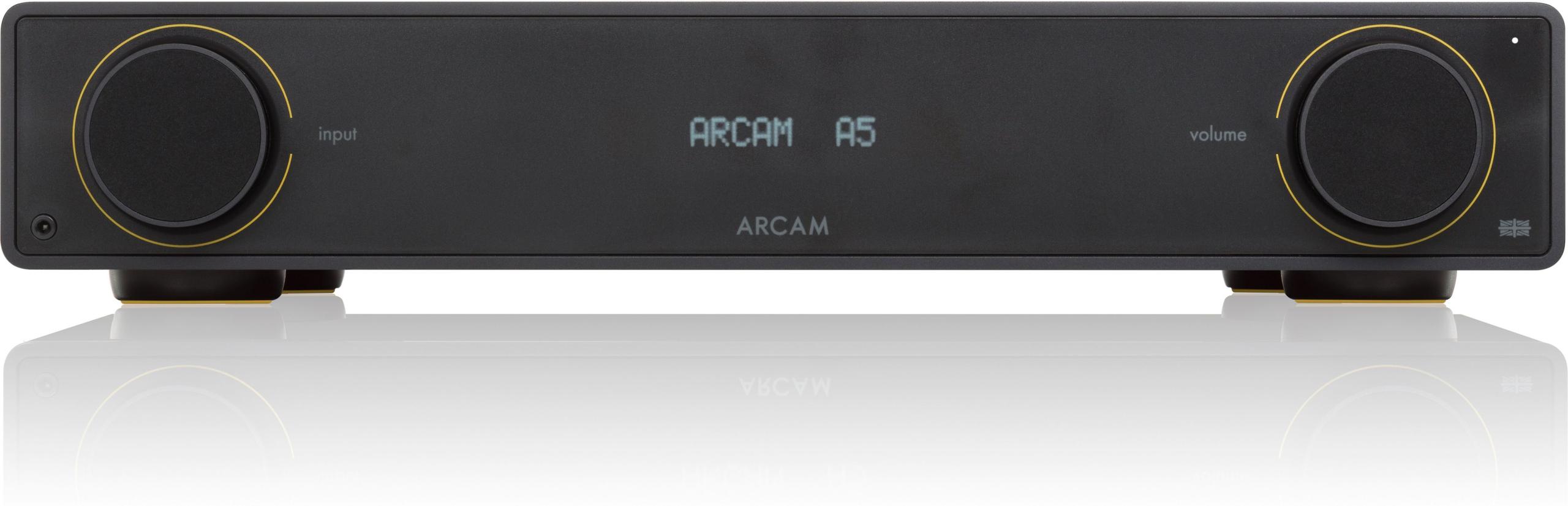
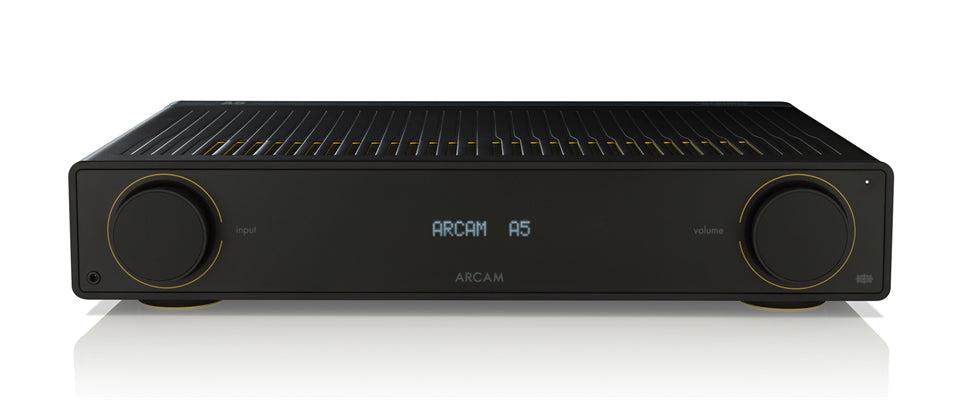
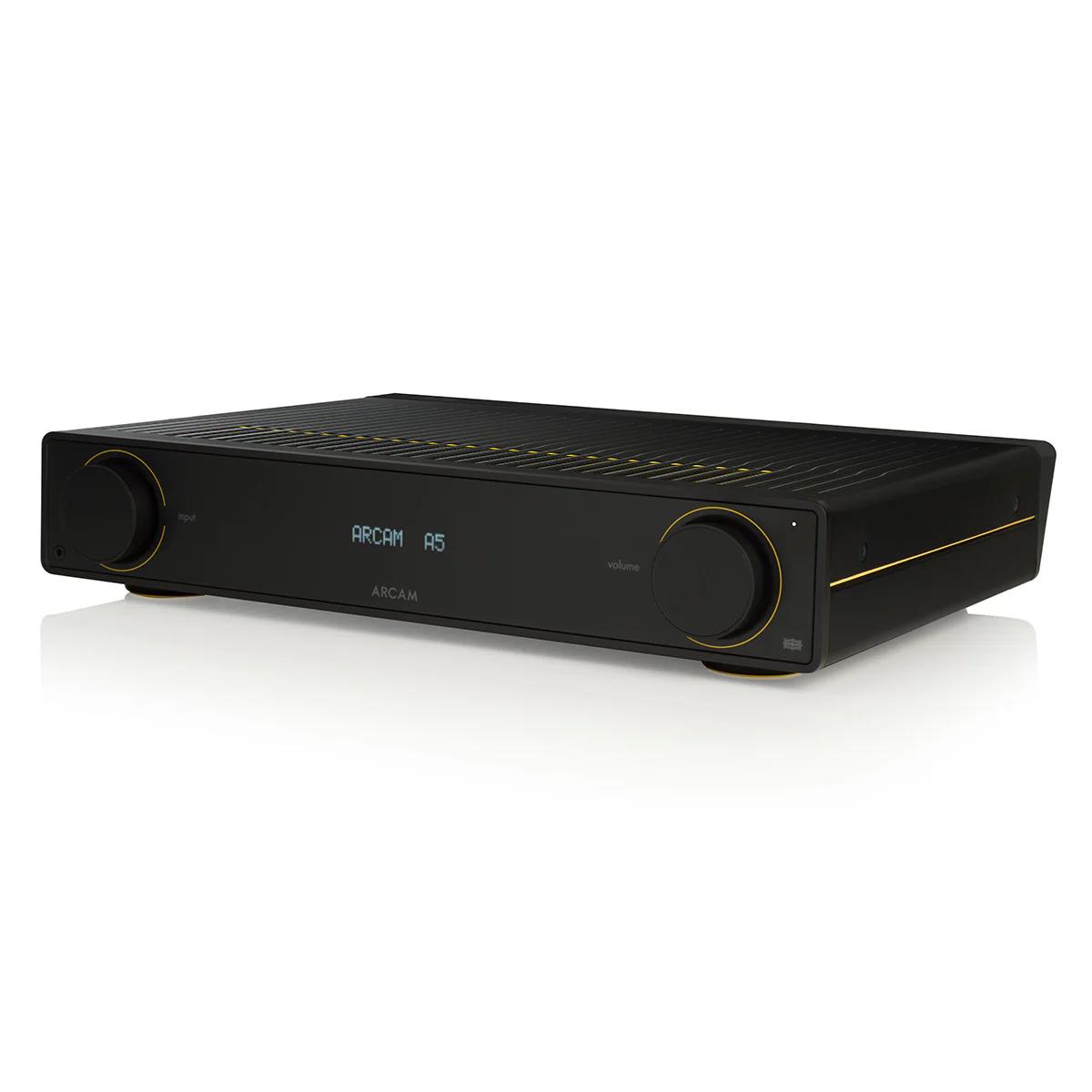
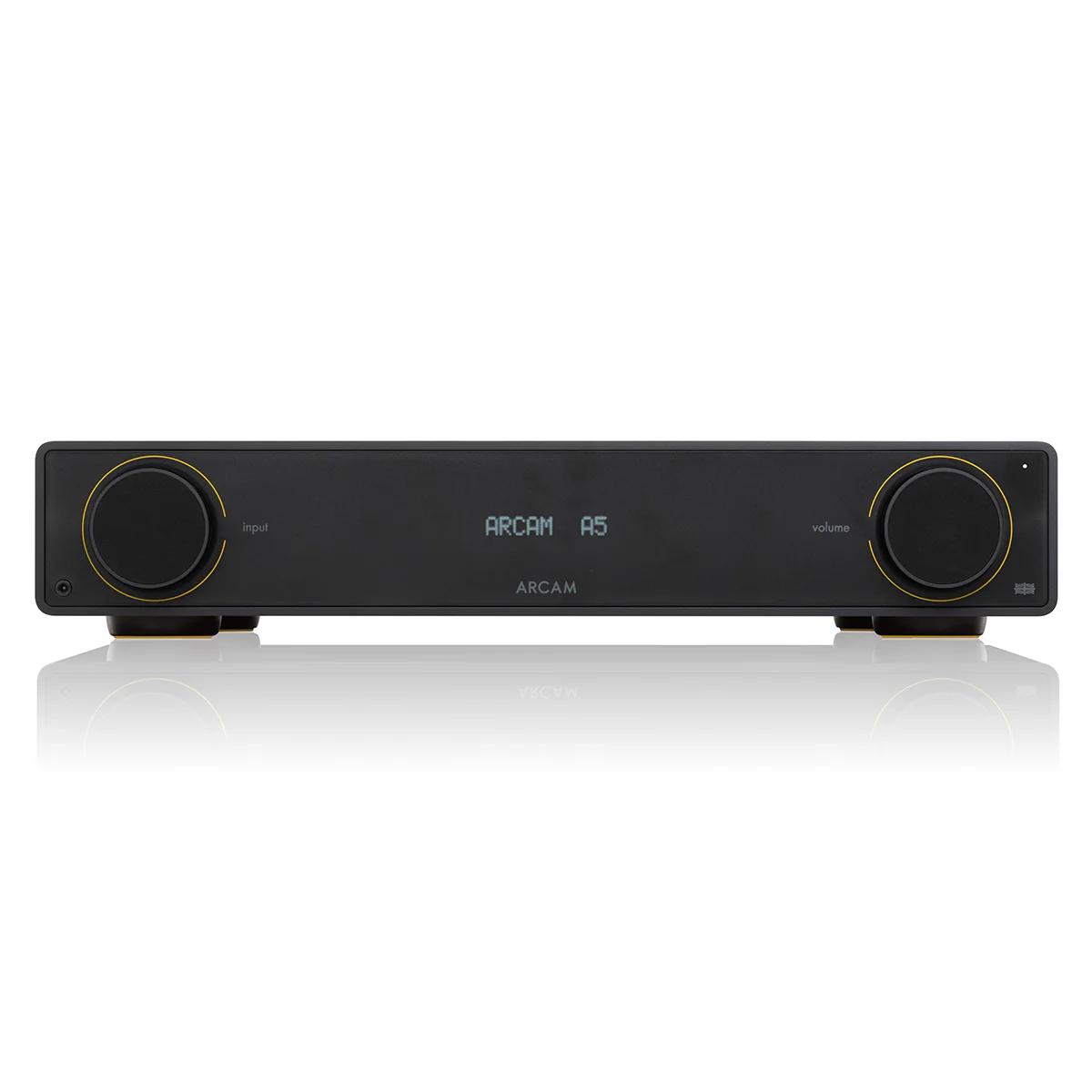
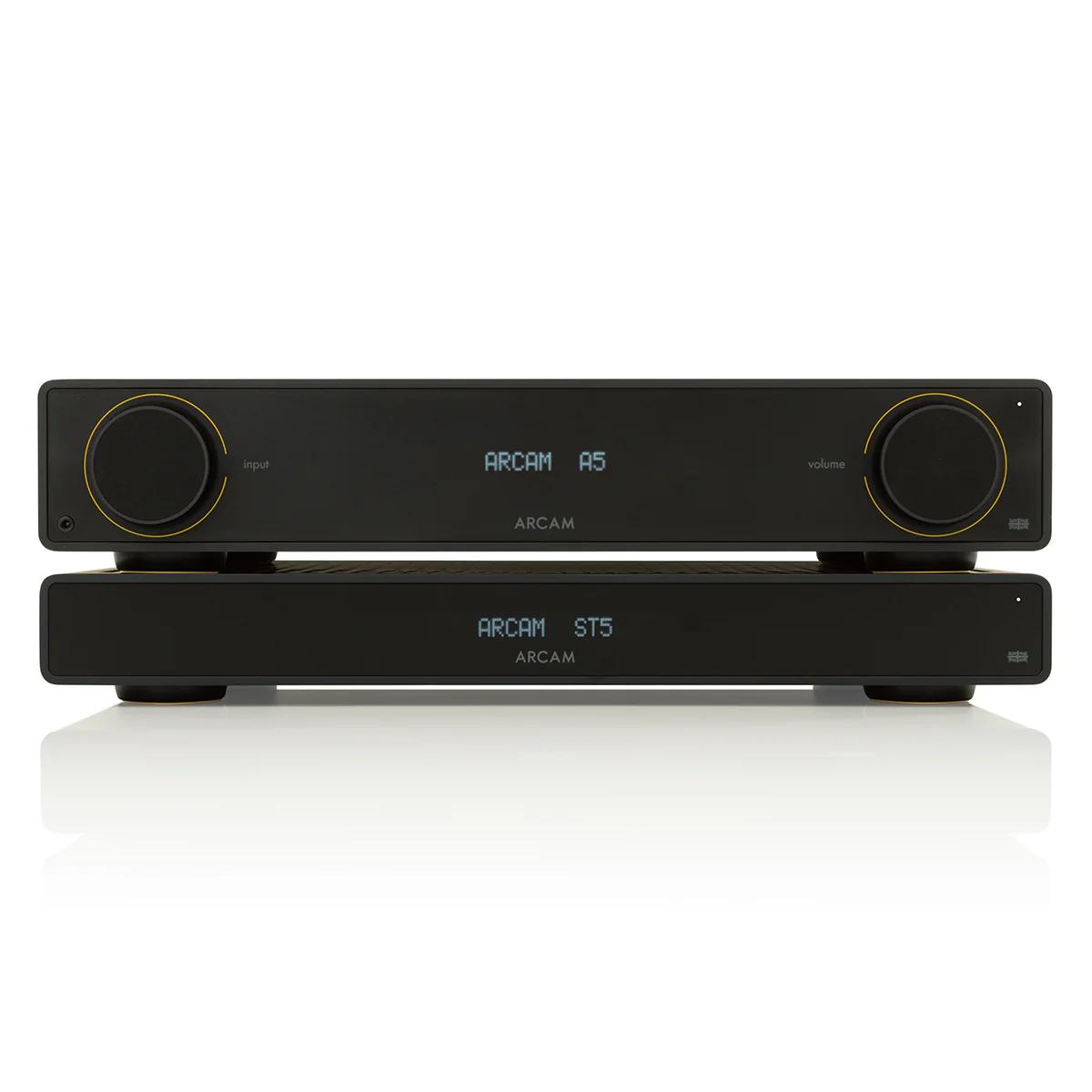
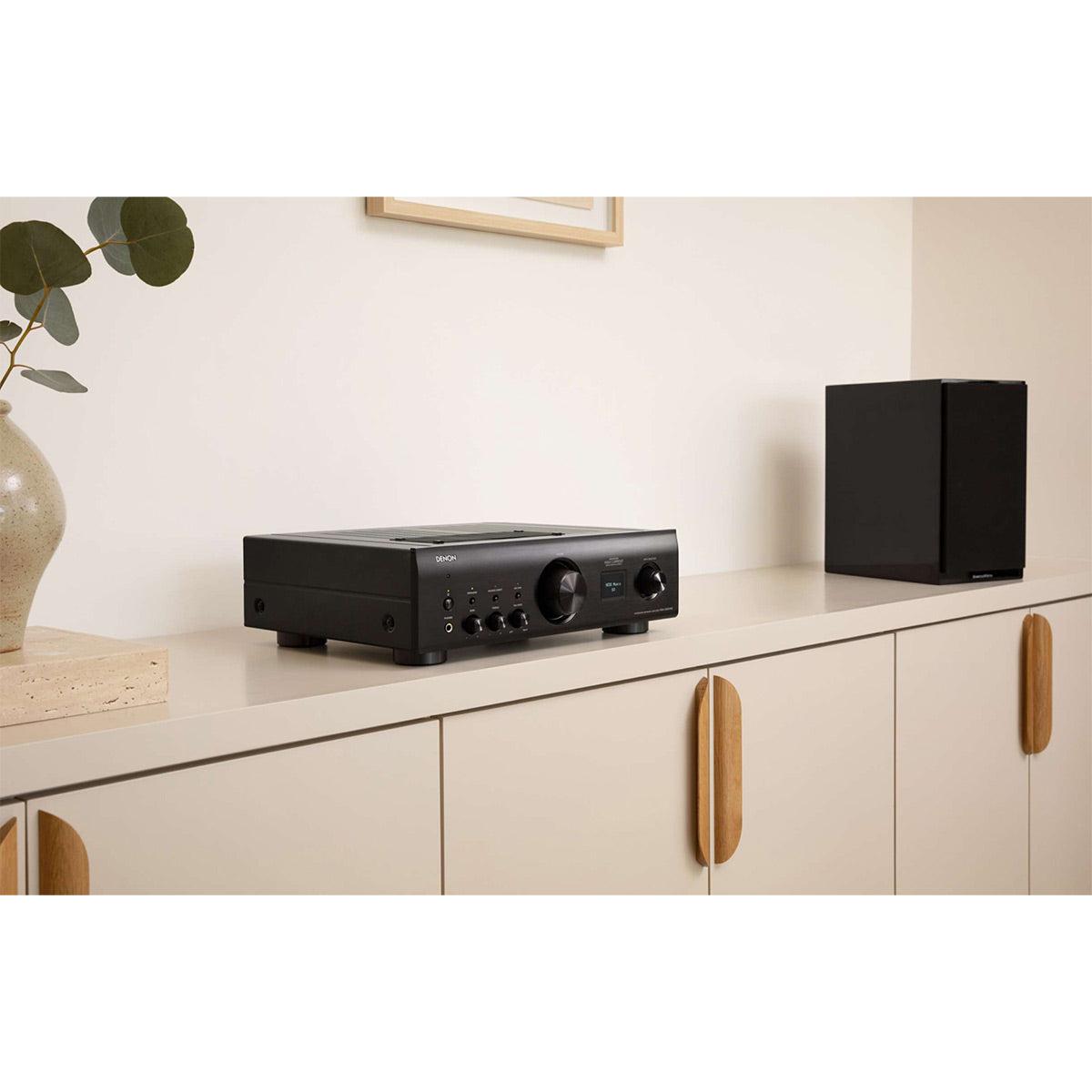
The Arcam Radia A5 and Denon PMA-900HNE represent these two philosophies perfectly. Released in 2024 and 2022 respectively, both amplifiers deliver similar power output but take dramatically different approaches to modern hi-fi needs. At the time of writing, the Arcam A5 costs significantly less while focusing on audio purity, while the Denon PMA-900HNE commands a premium for comprehensive streaming integration.
An integrated amplifier serves as your stereo system's brain and muscle. Unlike separate preamps and power amps used in high-end systems, integrated units pack both functions into one chassis for convenience and value. The preamp section handles volume control and input switching, while the power amp section drives your speakers with enough current to create sound.
Modern integrated amplifiers must balance traditional hi-fi values with contemporary digital needs. Streaming services now dominate music consumption, but vinyl sales continue growing. Many listeners want both convenience and quality, creating interesting design challenges for manufacturers.
Key performance areas include power output (how loud and controlled the sound gets), signal purity (how clean the audio path remains), connectivity options (what sources you can connect), and user experience (how easily you control everything). The best amplifiers excel across multiple areas without major compromises.
Both the Arcam A5 and Denon PMA-900HNE deliver 50 watts per channel into 8-ohm speakers, which represents typical bookshelf speaker impedance. This power level easily fills medium-sized rooms and works well with most home speakers, though demanding floorstanding models might benefit from more power.
However, these similar specifications mask important differences. The Arcam A5 uses Class AB amplification—a time-tested design that balances efficiency with sound quality. Its exceptionally low distortion figure of 0.003% THD (Total Harmonic Distortion) means the amplifier adds virtually no unwanted artifacts to your music. THD measures how much the output signal differs from the input, with lower numbers indicating cleaner sound.
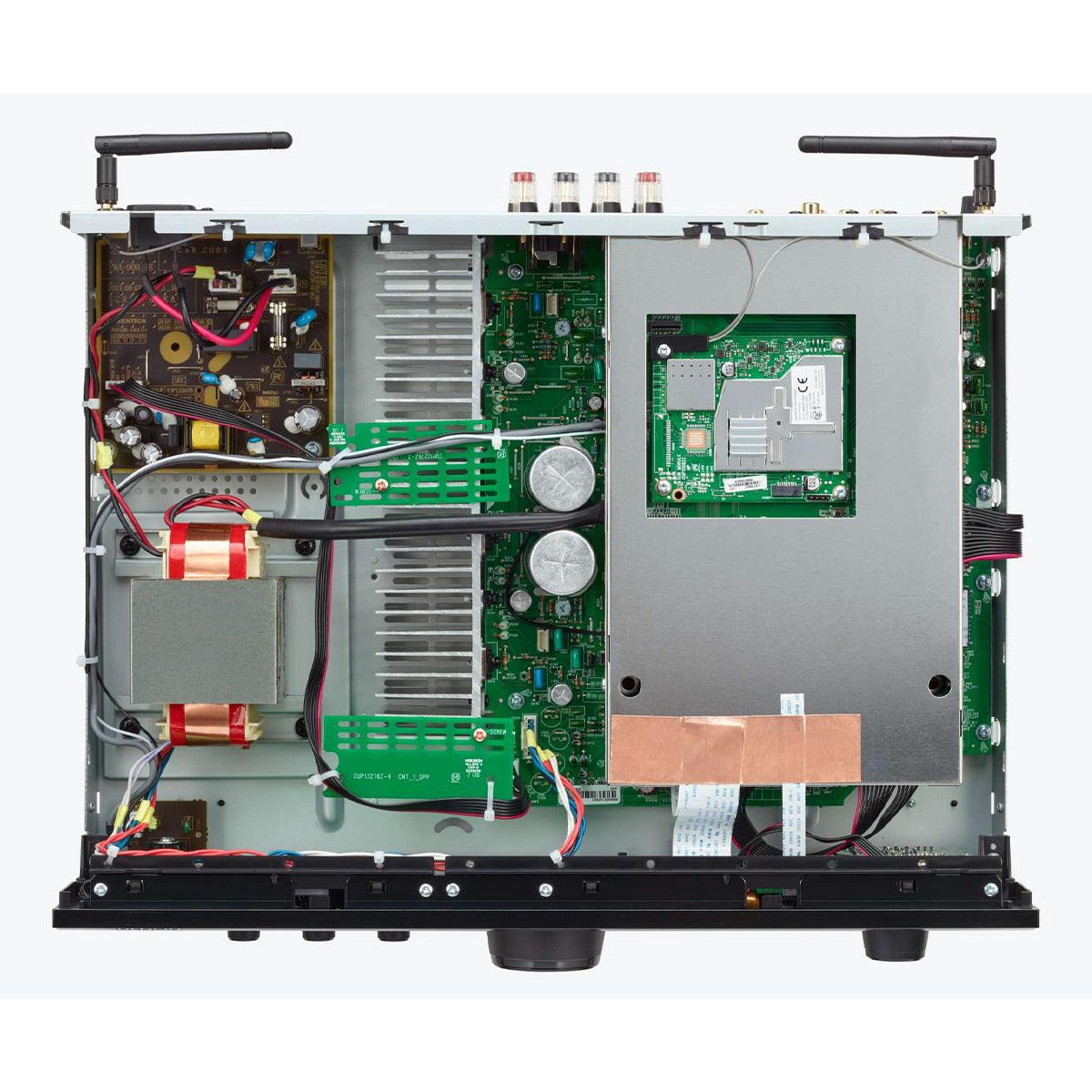
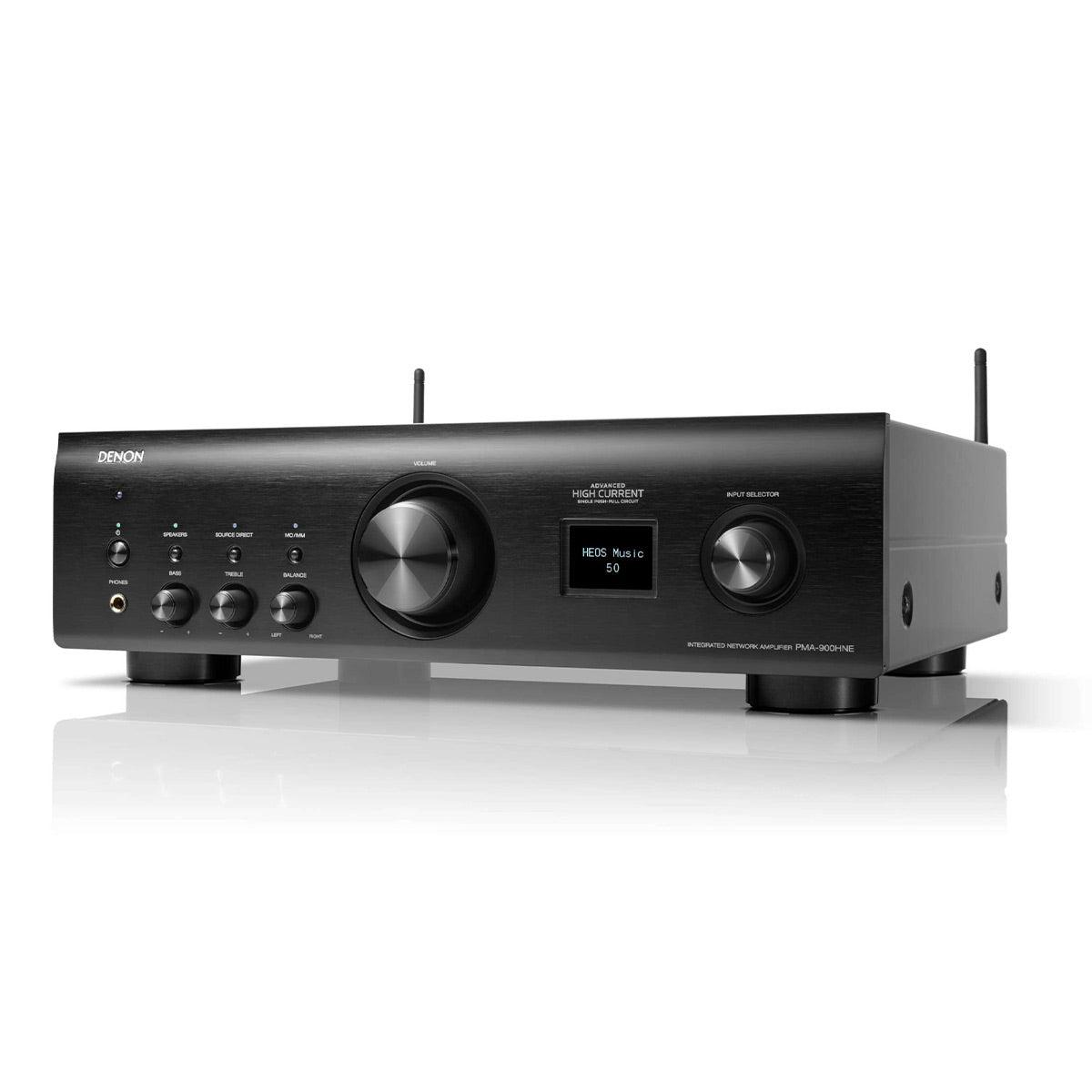
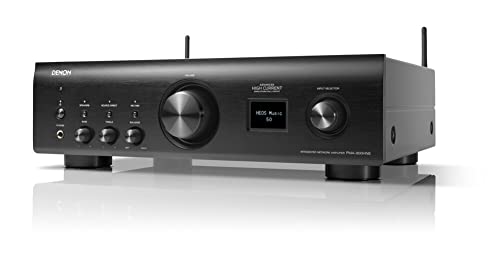
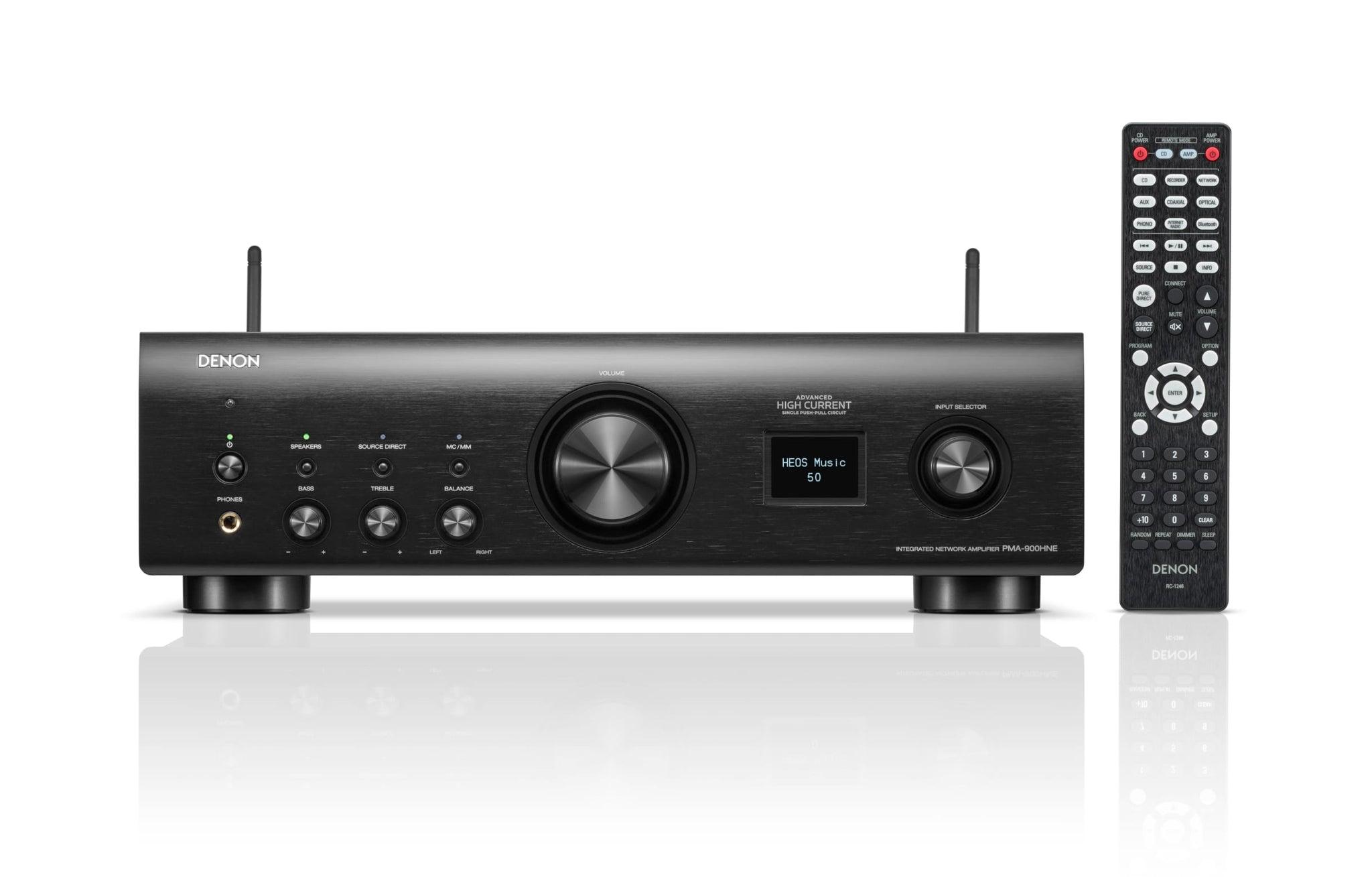
The Denon PMA-900HNE employs Denon's Advanced High Current (AHC) single push-pull circuit design. This technology focuses on maintaining control over speakers during demanding musical passages by delivering high current when needed. While its 0.01% THD specification remains excellent, it's slightly higher than the Arcam's measurement.
Based on extensive review analysis, the Arcam A5 tends toward a more refined, controlled presentation that prioritizes accuracy and detail. The Denon PMA-900HNE delivers what reviewers consistently describe as a "Denon sound"—smooth, rich, and slightly warm with excellent dynamic range that brings music to life.
For most listeners, both amplifiers provide more than adequate power. The Arcam A5 edges ahead for pure analog performance, while the Denon offers slightly more robust speaker control during complex musical passages.
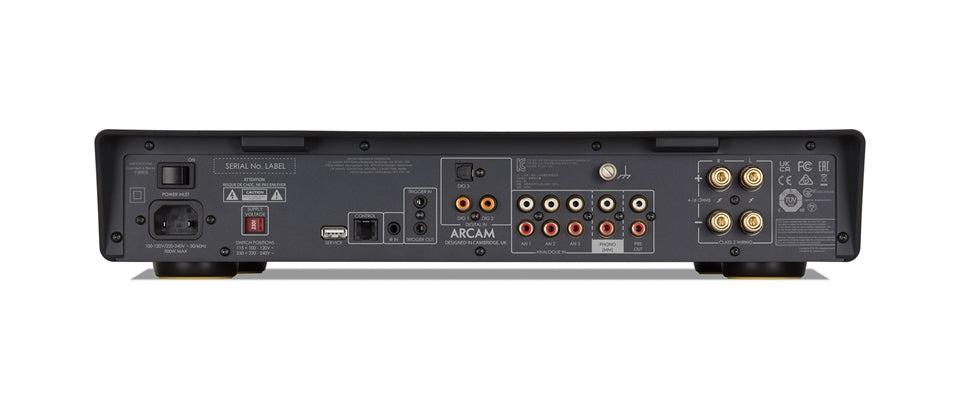
Digital-to-analog conversion represents perhaps the biggest performance differentiator between these amplifiers. The Arcam A5 incorporates the premium ESS ES9018 DAC chip—the same converter found in much more expensive components. This DAC supports high-resolution audio up to 24-bit/192kHz, meaning it can handle studio-quality recordings with exceptional detail and accuracy.
What sets the Arcam apart is its three selectable digital filters, allowing you to tailor the sound character to your preferences. Different filters affect how the DAC handles the conversion process, with some emphasizing smoothness while others prioritize detail retrieval. This customization level is unusual at this price point.
The Denon PMA-900HNE uses the related ESS 9018K2M DAC, also supporting 24-bit/192kHz audio but without filter selection options. While still excellent, it doesn't match the Arcam's implementation sophistication.
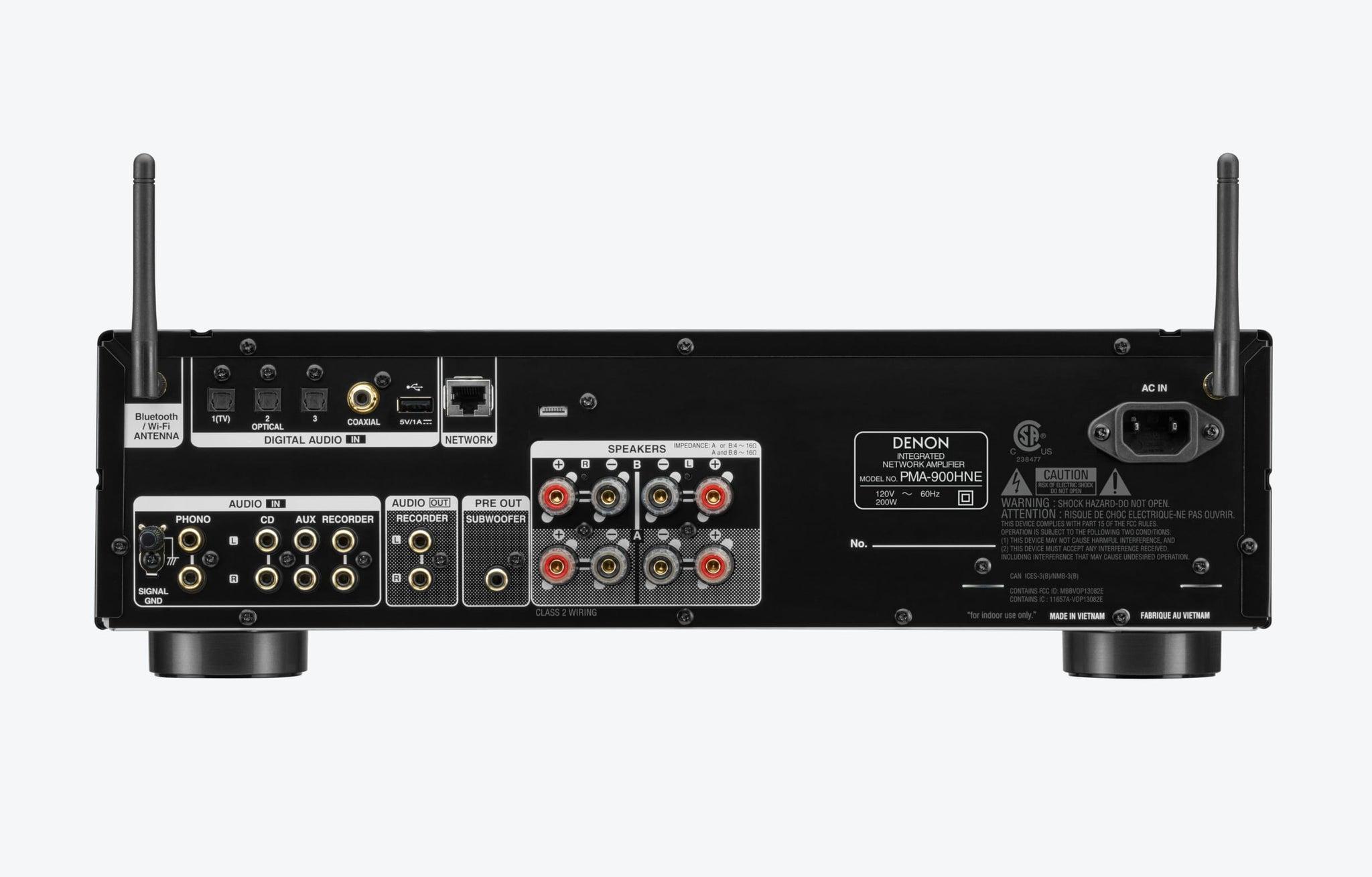
Digital input variety favors the Denon, offering three optical and one coaxial input compared to the Arcam's two coaxial and one optical configuration. The Denon also includes USB-A input for direct playback from thumb drives, supporting various file formats including FLAC up to 24-bit/192kHz and even DSD (Direct Stream Digital) up to 5.6MHz—a format preferred by some audiophiles for its analog-like characteristics.
For purely digital audio quality, the Arcam A5 leads with superior DAC implementation and customization options. However, the Denon PMA-900HNE wins for digital source flexibility and convenience.
Both amplifiers include built-in phono stages for turntables, but their approaches differ significantly. The Arcam A5 supports only moving magnet (MM) cartridges—the most common and affordable turntable cartridge type. However, review consensus indicates this phono stage punches well above its price class, delivering clear, expressive vinyl playback that rivals dedicated phono preamps costing hundreds more.
The Denon PMA-900HNE offers switchable MM/MC (moving coil) capability. Moving coil cartridges typically cost more but can provide superior tracking and detail retrieval. This flexibility appeals to serious vinyl enthusiasts who might upgrade cartridges over time.
For line-level sources like CD players, both amplifiers provide three RCA inputs. The Arcam A5 includes preamp outputs, allowing connection of external power amplifiers or powered subwoofers for system expansion. The Denon offers a dedicated subwoofer output with fixed 100Hz crossover, plus recording outputs for capturing audio to external devices.
The Arcam A5 delivers superior MM phono performance and system expansion capability, while the Denon PMA-900HNE provides more cartridge flexibility and convenience features.
Here's where these amplifiers diverge most dramatically. The Arcam A5 includes Bluetooth 5.2 with Qualcomm's aptX Adaptive codec—currently the highest-quality wireless streaming standard available. More unusually, it offers bidirectional Bluetooth, meaning you can stream music both to and from the amplifier. This unique feature lets you send amplifier audio to Bluetooth headphones or speakers elsewhere in your home.
The Denon PMA-900HNE takes a completely different approach with its built-in HEOS streaming platform. HEOS provides Wi-Fi connectivity, Ethernet networking, and direct access to streaming services like Spotify, TIDAL, Apple Music, and Qobuz without requiring a separate device. The system supports multiroom audio, letting you synchronize music across compatible devices throughout your home.
The Denon also includes AirPlay 2 for seamless iPhone and iPad streaming, plus voice assistant compatibility with Amazon Alexa and Google Assistant. However, its Bluetooth implementation only supports basic SBC codec—significantly lower quality than the Arcam's aptX Adaptive.
For smartphone-based streaming with maximum quality, the Arcam A5 excels. For comprehensive streaming service integration and smart home compatibility, the Denon PMA-900HNE dominates.
The Arcam A5 emphasizes traditional hi-fi operation with minimal complexity. Its clean front panel includes essential controls, with most functions accessed via the included remote. The approach prioritizes reliability and simplicity over advanced features.
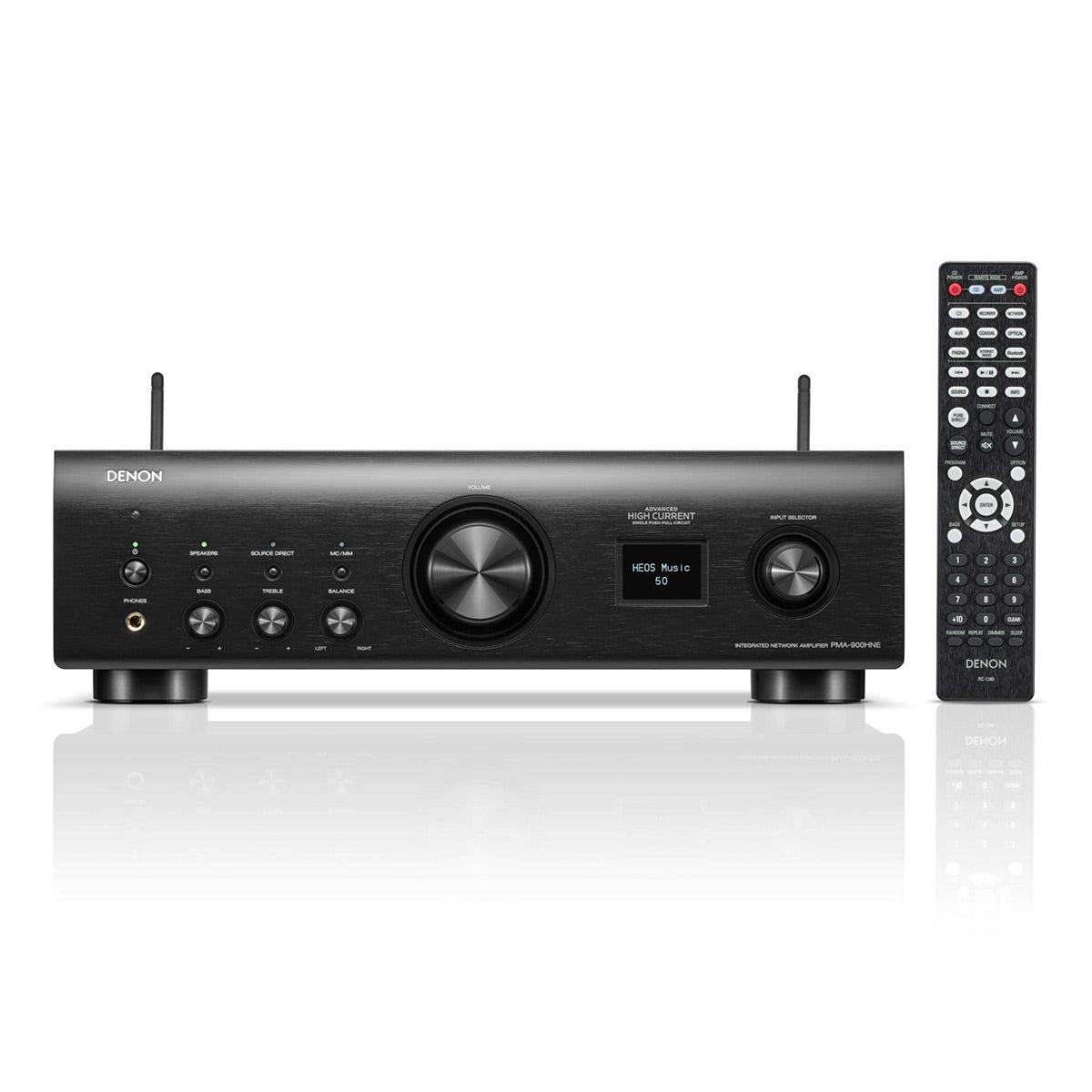
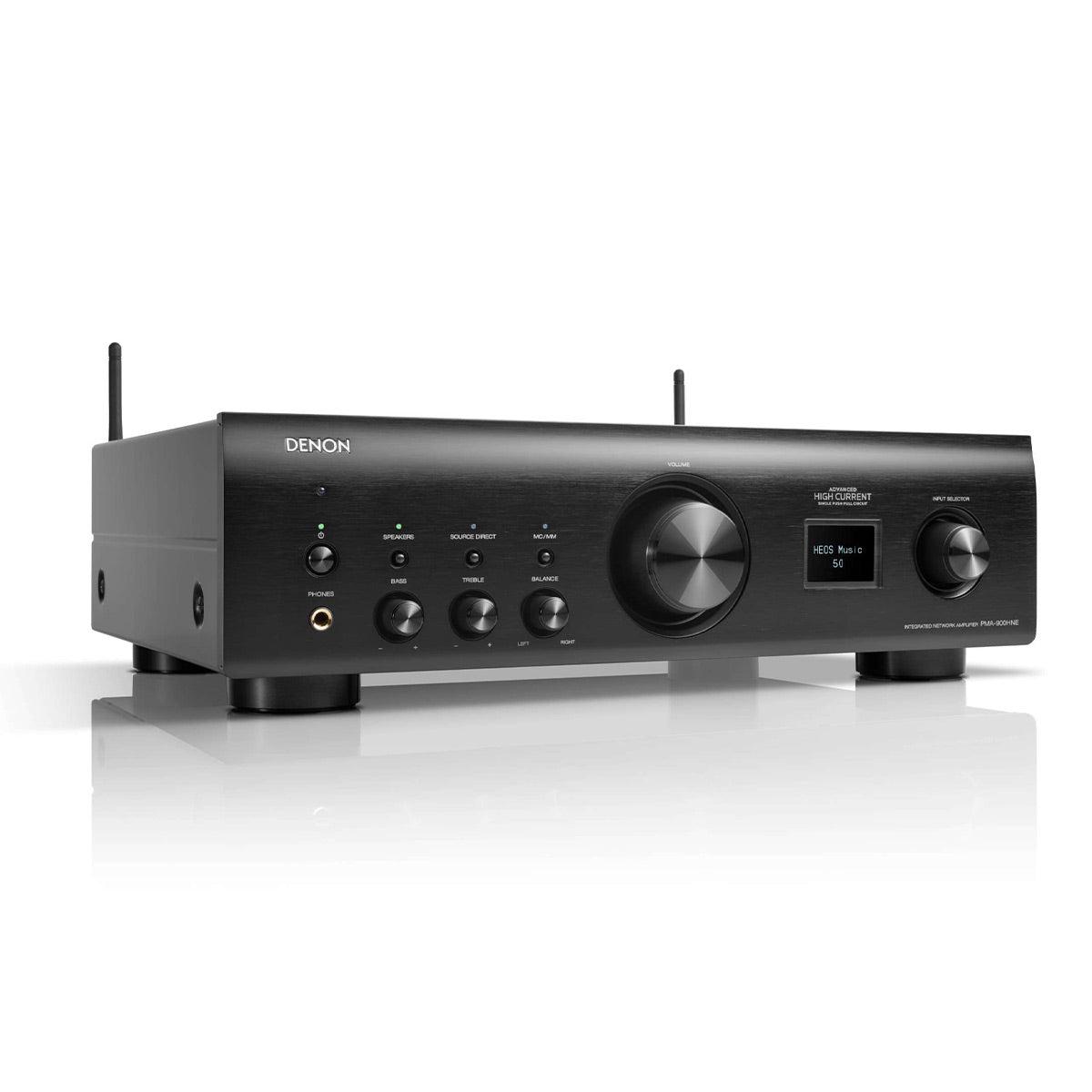
The Denon PMA-900HNE offers more sophisticated control through its HEOS app, providing comprehensive system management from smartphones or tablets. However, some users report the app can feel clunky compared to dedicated streaming device interfaces. The amplifier's front panel OLED display is criticized for poor visibility, though it provides useful status information.
Both amplifiers include quality remote controls, but the Denon offers more advanced integration options including IR learning for custom remote programming and automatic input sensing for TV connections.
While both amplifiers focus primarily on stereo music reproduction, they can integrate into home theater systems. The Arcam A5 works well for stereo TV audio through its digital inputs, and its preamp outputs allow adding a separate processor for surround sound expansion.
The Denon PMA-900HNE provides better home theater integration with multiple optical inputs for various TV sources, automatic input sensing, and subwoofer output with built-in crossover. Its network capabilities also enable integration with other HEOS-compatible devices for whole-home audio systems.
Neither amplifier replaces a dedicated AV receiver for full surround sound, but the Denon offers more flexibility for mixed music and movie systems.
At the time of writing, the Arcam A5 costs roughly $180 less than the Denon PMA-900HNE while delivering superior pure audio performance. This price difference could fund better speakers or sources, potentially yielding greater sonic improvement than the Denon's additional features.
The Arcam A5 represents exceptional value for listeners prioritizing sound quality above convenience. Its superior DAC implementation, refined analog performance, and unique bidirectional Bluetooth create a compelling package for audiophiles on a budget.
The Denon PMA-900HNE justifies its premium through comprehensive streaming integration that transforms it from a simple amplifier into a complete digital music hub. For users wanting traditional hi-fi performance with modern convenience, the additional cost delivers significant functionality.
Since the Denon PMA-900HNE launched in 2022, streaming service adoption has accelerated, making its built-in HEOS platform increasingly valuable. The Arcam A5, arriving in 2024, reflects lessons learned from this trend while maintaining focus on core audio performance.
Both amplifiers should remain relevant for years, but their upgrade paths differ. The Arcam A5 can add streaming capability through external devices, while maintaining its superior analog foundation. The Denon relies on software updates for new streaming features, which may eventually lag behind dedicated streaming devices.
Choose the Arcam Radia A5 if you prioritize pure sound quality, plan to add external streaming later, primarily use moving magnet cartridges, value exceptional Bluetooth quality, or want to save money for better speakers. This amplifier excels as the foundation of a growing system, with preamp outputs enabling future expansion.
Select the Denon PMA-900HNE if built-in streaming is essential, you need moving coil cartridge support, want comprehensive app control, require multiple digital inputs, or prefer all-in-one convenience over modular expansion. This amplifier works best as a complete solution for modern digital lifestyles.
For most users, the Arcam A5 offers superior value through better core performance at lower cost. However, the Denon PMA-900HNE makes sense for listeners who specifically need its streaming capabilities and are willing to pay for that convenience.
The choice ultimately depends on your priorities: pure audio performance versus integrated streaming convenience. Both amplifiers execute their respective visions excellently, making either a solid foundation for years of musical enjoyment.
| Arcam Radia A5 | Denon PMA-900HNE |
|---|---|
| Power Output - Determines how loud and controlled your speakers will sound | |
| 50W per channel (8Ω), 75W per channel (4Ω) | 50W per channel (8Ω), 85W per channel (4Ω) |
| Total Harmonic Distortion - Lower numbers mean cleaner, more accurate sound | |
| 0.003% THD (exceptionally clean signal) | 0.01% THD (still excellent, slightly higher) |
| DAC Quality - Critical for digital source sound quality | |
| ESS ES9018 with 3 selectable filters (premium implementation) | ESS 9018K2M (good quality, no filter options) |
| Digital Inputs - More inputs mean more source flexibility | |
| 2 coaxial, 1 optical | 3 optical, 1 coaxial, USB-A playback |
| Phono Stage - Essential for turntable users | |
| Moving Magnet only (exceptional quality for price) | Switchable MM/MC (more cartridge flexibility) |
| Streaming Capabilities - Determines wireless music options | |
| Bluetooth 5.2 with aptX Adaptive (highest quality wireless) | HEOS platform with Wi-Fi, AirPlay 2, streaming services |
| Bluetooth Quality - Important for smartphone streaming | |
| Bidirectional aptX Adaptive (premium codec both ways) | Basic SBC only (lower quality) |
| System Expansion - Future upgrade potential | |
| Pre-amplifier outputs (can add external power amps) | Subwoofer output with crossover (simpler integration) |
| Network Features - Modern convenience and smart home integration | |
| None (focuses on core audio performance) | HEOS multiroom, voice assistant support, app control |
| Release Year - Indicates latest technology integration | |
| 2024 (newest design with refined feature set) | 2022 (established platform with proven reliability) |
| Value Positioning - Price vs performance trade-offs | |
| Lower cost with superior core audio performance | Premium price for comprehensive streaming integration |
The Arcam Radia A5 delivers superior pure audio performance with its premium ESS ES9018 DAC and exceptionally low 0.003% THD distortion. The Denon PMA-900HNE offers excellent sound quality with a warmer, more dynamic character but slightly higher distortion at 0.01% THD. For audiophiles prioritizing sound purity, the Arcam A5 is the clear winner.
Yes, but through different methods. The Arcam Radia A5 uses high-quality Bluetooth 5.2 with aptX Adaptive codec for superior wireless streaming from smartphones. The Denon PMA-900HNE offers comprehensive streaming through Wi-Fi, AirPlay 2, and basic Bluetooth, plus direct access to streaming services without needing your phone.
Both excel at vinyl playback but serve different needs. The Arcam A5 has an exceptional moving magnet phono stage that performs above its price class. The Denon PMA-900HNE offers more flexibility with switchable MM/MC support for different cartridge types. Choose the Arcam A5 for superior MM performance or the Denon for cartridge versatility.
Yes, both the Arcam Radia A5 and Denon PMA-900HNE include built-in phono stages for direct turntable connection. You don't need a separate phono preamp, making either amplifier a complete solution for vinyl enthusiasts.
The Denon PMA-900HNE offers more digital connectivity with three optical inputs, one coaxial input, and USB-A playback capability. The Arcam A5 provides two coaxial and one optical input. Choose the Denon if you need to connect multiple digital sources like TVs, CD players, and streaming devices.
Both work for stereo home theater use, but the Denon PMA-900HNE offers better integration with multiple optical inputs for TV sources, automatic input sensing, and subwoofer output. The Arcam Radia A5 can handle TV audio through its digital inputs but focuses primarily on stereo music reproduction.
The Arcam A5 provides exceptional value with superior core audio performance at a lower price point. The Denon PMA-900HNE costs more but includes comprehensive streaming features that justify the premium for users who need built-in network connectivity and smart home integration.
With the Arcam Radia A5, you only need a Bluetooth-enabled device for high-quality wireless streaming. The Denon PMA-900HNE connects directly to your Wi-Fi network and streaming services, requiring no additional equipment beyond network setup.
Both deliver similar power at 50 watts per channel into 8-ohm speakers, adequate for most home listening situations. The Denon PMA-900HNE provides slightly more current into 4-ohm loads (85W vs 75W), but both amplifiers offer sufficient power for typical bookshelf and floorstanding speakers.
The Arcam Radia A5 includes preamp outputs for adding external power amplifiers or powered subwoofers, making it ideal for system growth. The Denon PMA-900HNE has a dedicated subwoofer output but no preamp outputs, focusing more on complete integrated functionality.
The Arcam A5 emphasizes traditional hi-fi simplicity with straightforward controls and remote operation. The Denon PMA-900HNE offers more sophisticated control through smartphone apps and voice assistants but may require more setup time. Choose based on whether you prefer simplicity or advanced connectivity features.
Both the Arcam Radia A5 and Denon PMA-900HNE work well for beginners, offering built-in phono stages and comprehensive connectivity. The Arcam A5 provides simpler operation, while the Denon offers more modern convenience features that appeal to users transitioning from soundbars or all-in-one systems.
We've done our best to create useful and informative comparisons to help you decide what product to buy. Our research uses advanced automated methods to create this comparison and perfection is not possible - please contact us for corrections or questions. These are the sites we've researched in the creation of this article: whathifi.com - upscaleaudio.com - hifiverse.io - theaudiotailor.com.au - crutchfield.com - musicdirect.com - crutchfield.com - listenup.com - audioadvice.com - houseofstereo.com - skybygramophone.com - arcam.co.uk - fidelity-magazine.com - arcam.co.uk - sweetwater.com - skybygramophone.com - crutchfield.com - e-catalog.com - theaudiotailor.com.au - extremehifi.com - whathifi.com - speakerdecision.com - youtube.com - audiosciencereview.com - sound-advice.online - crutchfield.com - crutchfield.com - sweetwater.com - watthifi.com - youtube.com - accessories4less.com - soundstageaccess.com - icav.us - safeandsoundhq.com - listenup.com - accessories4less.com - audiosciencereview.com

Privacy Policy
Terms and Conditions - Affiliate Policy
Home Security
© Copyright 2008-2026.
11816 Inwood Rd #1211, Dallas, TX 75244