

When you're building a stereo system, the integrated amplifier sits at the heart of everything. It's the component that takes weak signals from your sources—whether that's a turntable, CD player, or streaming device—and amplifies them to drive your speakers. Think of it as the central nervous system of your audio setup, controlling both volume and signal routing while providing the muscle to make your speakers sing.
At the time of writing, two amplifiers stand out in the competitive mid-range market: the Arcam Radia A5 and the NAD D 3045. Both launched in the early 2020s, representing different philosophies about what modern audio should be. The Arcam A5, released in 2024, carries forward decades of traditional British hi-fi design with contemporary features. The NAD D 3045, which has been available since around 2020, takes a more radical approach with compact digital amplification and extensive connectivity.
The most important distinction between these amplifiers lies in how they actually amplify your music. The Arcam Radia A5 uses Class AB amplification—a traditional approach where transistors are always partially "on," drawing continuous power but delivering the warm, natural sound that audiophiles have preferred for decades. This design runs warmer and uses more electricity, but it's been refined over generations to deliver exceptional musicality.
The NAD D 3045, on the other hand, employs Class D amplification, sometimes called "digital amplification" (though it's technically not digital). Class D works more like a light switch, rapidly turning on and off thousands of times per second to create the audio waveform. This makes it incredibly efficient—it barely gets warm and sips power—but historically, Class D had a reputation for sounding a bit clinical or sterile.
That reputation has changed dramatically in recent years. NAD's implementation uses what they call "Hybrid Digital" design, which combines the efficiency of Class D with careful engineering to avoid the sonic compromises that plagued earlier digital amplifiers. The result is clean, accurate sound that doesn't add its own character to your music.
Looking at raw specifications, the NAD D 3045 appears more powerful at 60 watts per channel compared to the Arcam A5's 50 watts into 8-ohm speakers. But amplifier power is more nuanced than simple wattage numbers suggest.
The Arcam A5 delivers 75 watts into 4-ohm loads, demonstrating its ability to provide more current when speakers demand it. This "current delivery" capability often matters more than peak wattage for real-world listening. When your speakers present a difficult load—like many modern designs do—the amplifier needs to maintain control and composure. Class AB amplifiers like the Arcam typically excel here, providing what engineers call "high current capability."
The NAD D 3045 maintains its 60-watt rating into both 4-ohm and 8-ohm loads, which might seem less impressive until you understand NAD's PowerDrive technology. This system monitors the amplifier's output and dynamically adjusts to ensure it can handle demanding speakers without distortion. In practical terms, both amplifiers will drive most bookshelf and tower speakers to satisfying levels in typical listening rooms.
Total Harmonic Distortion (THD)—essentially how much the amplifier changes your music from its original form—measures exceptionally low on both units. The Arcam A5 achieves 0.003% THD, while the NAD D 3045 stays below 0.005%. These numbers are both excellent, though the Arcam's slight edge reflects its careful Class AB design.
Both amplifiers recognize that modern music listening involves digital sources, and both include high-quality Digital-to-Analog Converters (DACs) using the respected ESS Sabre ES9018 chip. A DAC converts the digital information from CDs, streaming services, or computer files back into analog signals that your speakers can reproduce.
The Arcam A5 handles digital audio up to 24-bit/192kHz resolution—well beyond what most streaming services provide and sufficient for high-resolution downloads. More importantly, it includes Bluetooth 5.2 with aptX Adaptive technology, which represents the current state-of-the-art for wireless audio. AptX Adaptive dynamically adjusts to provide the best possible sound quality based on your connection conditions, and the Arcam uniquely supports two-way Bluetooth, meaning you can also transmit audio to wireless headphones.
The NAD D 3045 goes further with digital format support, handling up to 24-bit/384kHz via its USB input, plus DSD (Direct Stream Digital) and MQA (Master Quality Authenticated) files. DSD is a high-resolution format used for some audiophile recordings, while MQA claims to deliver studio-quality sound in smaller file sizes. These formats matter primarily if you're deep into high-resolution music files, which most listeners aren't.
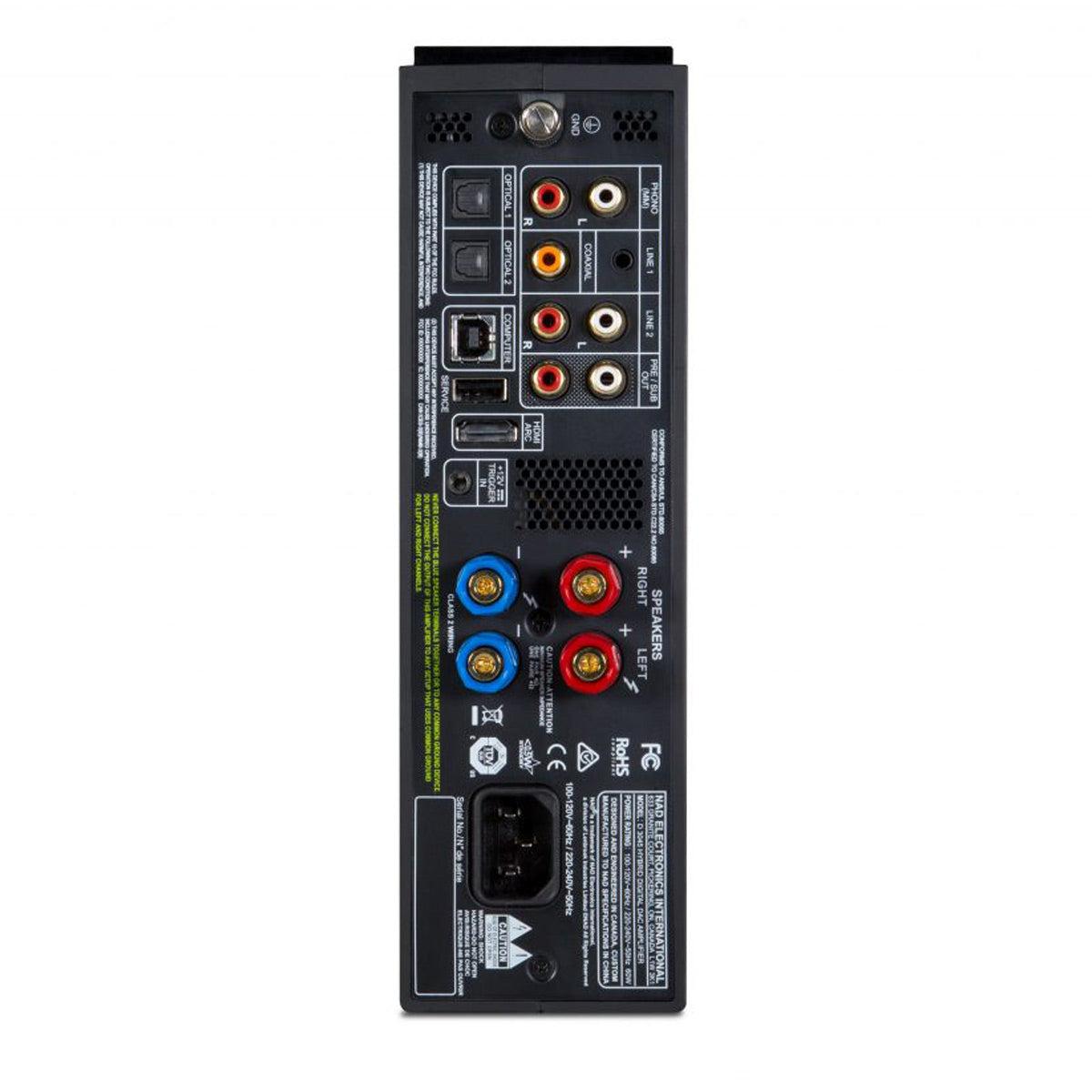
Where the NAD really differentiates itself is connectivity variety. It includes HDMI ARC (Audio Return Channel), which allows direct connection to your TV for simplified home theater integration. This feature has become increasingly valuable as streaming services like Netflix and Apple TV+ offer high-quality audio that you might want to hear through your main speakers rather than TV speakers.
Wireless connectivity reveals a significant difference between these amplifiers. The Arcam A5's Bluetooth 5.2 with aptX Adaptive provides reliable, high-quality wireless streaming that consistently works across typical home distances. User reports consistently praise its stability and range.
The NAD D 3045's Bluetooth implementation, while supporting aptX HD (a previous-generation high-quality codec), has drawn criticism for poor range and connection reliability. Multiple user reviews mention signal dropouts at distances as short as 17 feet, and difficulty maintaining connection when moving around the listening room. This represents a significant practical limitation, as wireless streaming has become central to how many people listen to music.
Both amplifiers include moving magnet (MM) phono stages for direct turntable connection—a feature that was disappearing from integrated amplifiers but has returned due to vinyl's resurgence. A phono stage applies RIAA equalization (a standard curve that boosts bass and reduces treble to match how vinyl records are cut) and provides the additional amplification needed for cartridge signals.
Expert reviews describe both phono stages as excellent, with the Arcam A5 delivering what one reviewer called "rich and musical sound" from vinyl sources. The NAD D 3045's phono stage earned praise as "astonishingly fine," performing at levels that compete with dedicated phono preamps. Both support only moving magnet cartridges, not the more sensitive moving coil types preferred by some vinyl enthusiasts.
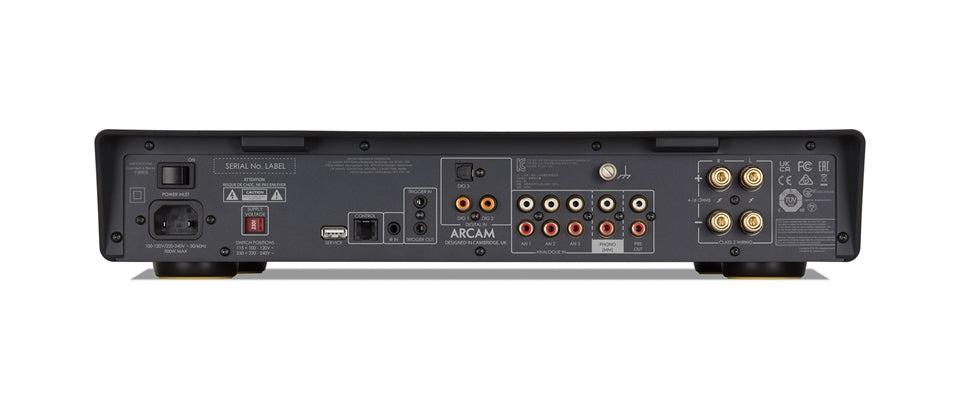
The Arcam A5 provides three line-level analog inputs compared to the NAD's single line input, offering more flexibility for traditional sources like CD players or tape decks. This difference matters if you have multiple analog sources or prefer not to switch cables.
Integrated amplifiers increasingly include headphone outputs, but implementation quality varies dramatically. The Arcam A5 provides a front-panel 3.5mm output with impressive specifications: 2.5V into 32-ohm headphones and 5V into 300-ohm models, supporting impedances from 16 to 2,000 ohms. This range covers everything from sensitive in-ear monitors to demanding full-size headphones.
The NAD D 3045 also includes a capable headphone amplifier that reviewers describe as "unusually powerful for an integrated amp." However, it suffers from noise issues with very sensitive in-ear monitors, limiting its versatility compared to the Arcam.
For many users, headphone performance represents excellent value—you're essentially getting a separate headphone amplifier included with your integrated amp. The Arcam's superior implementation adds meaningful value to the overall package.
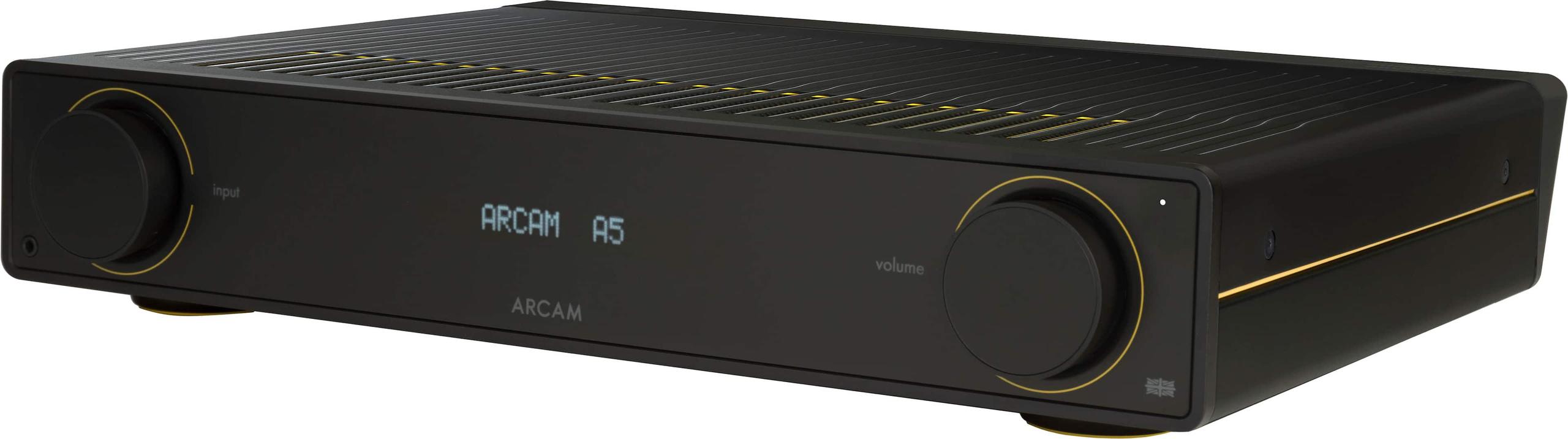
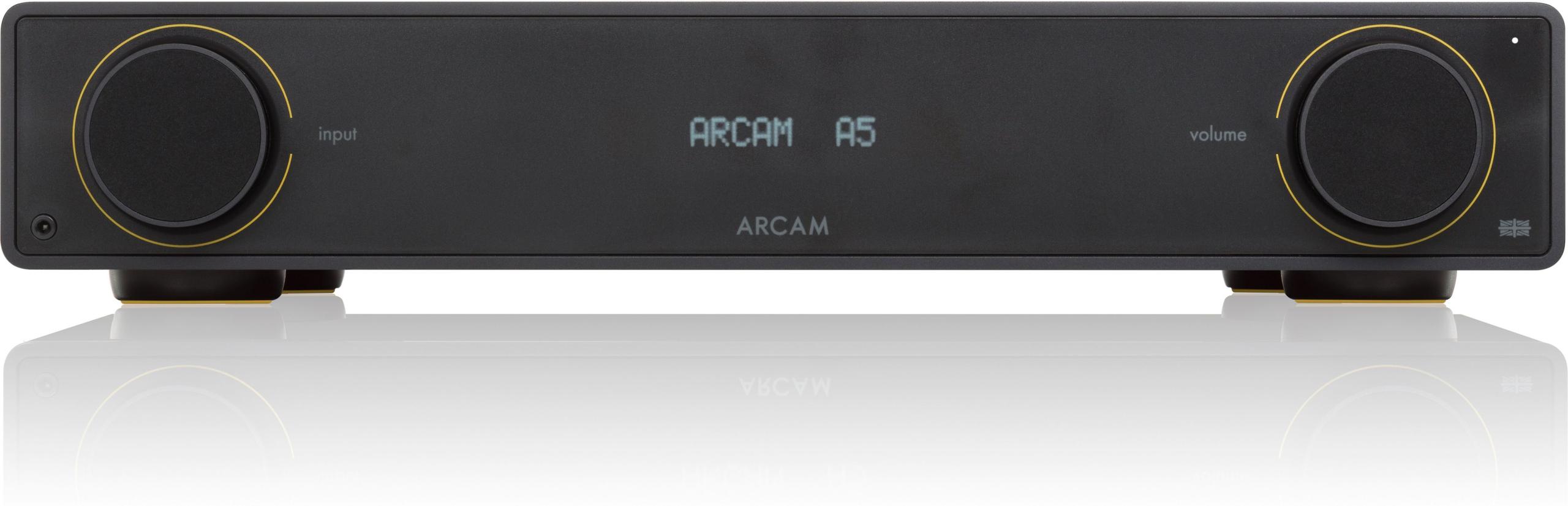
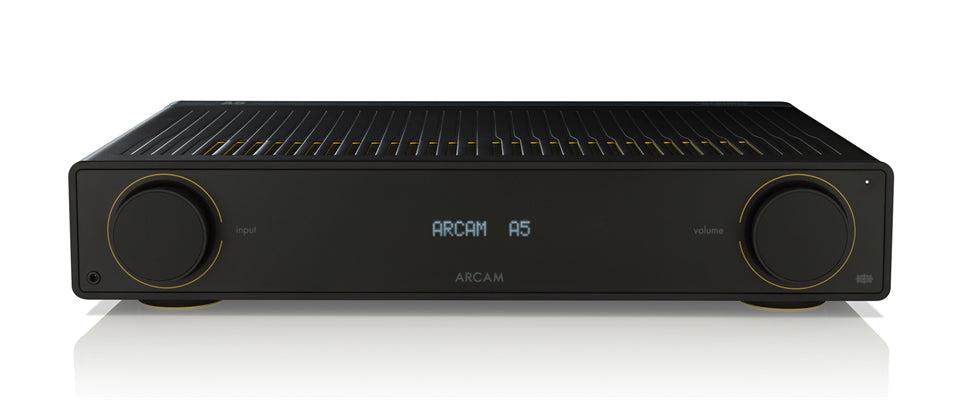
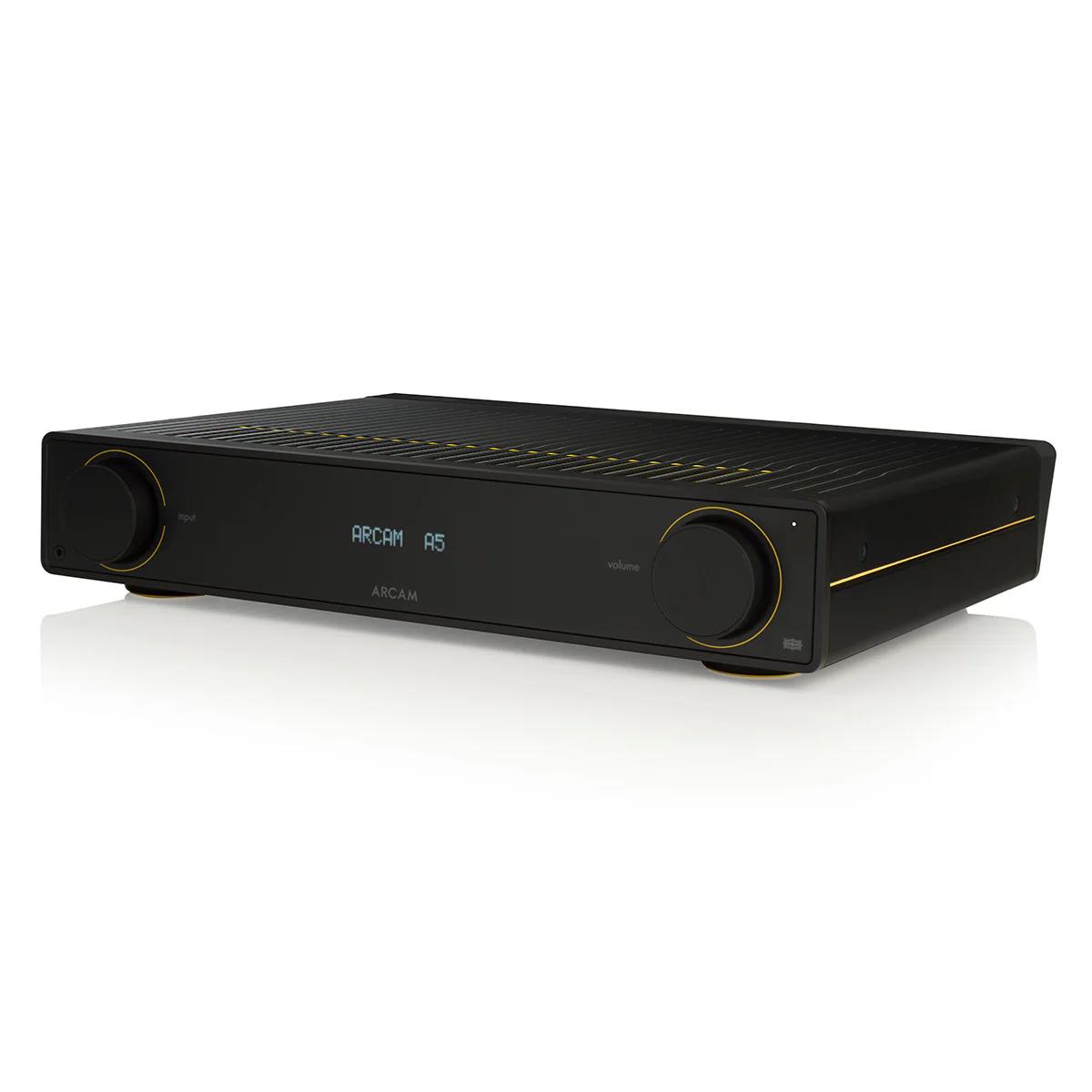
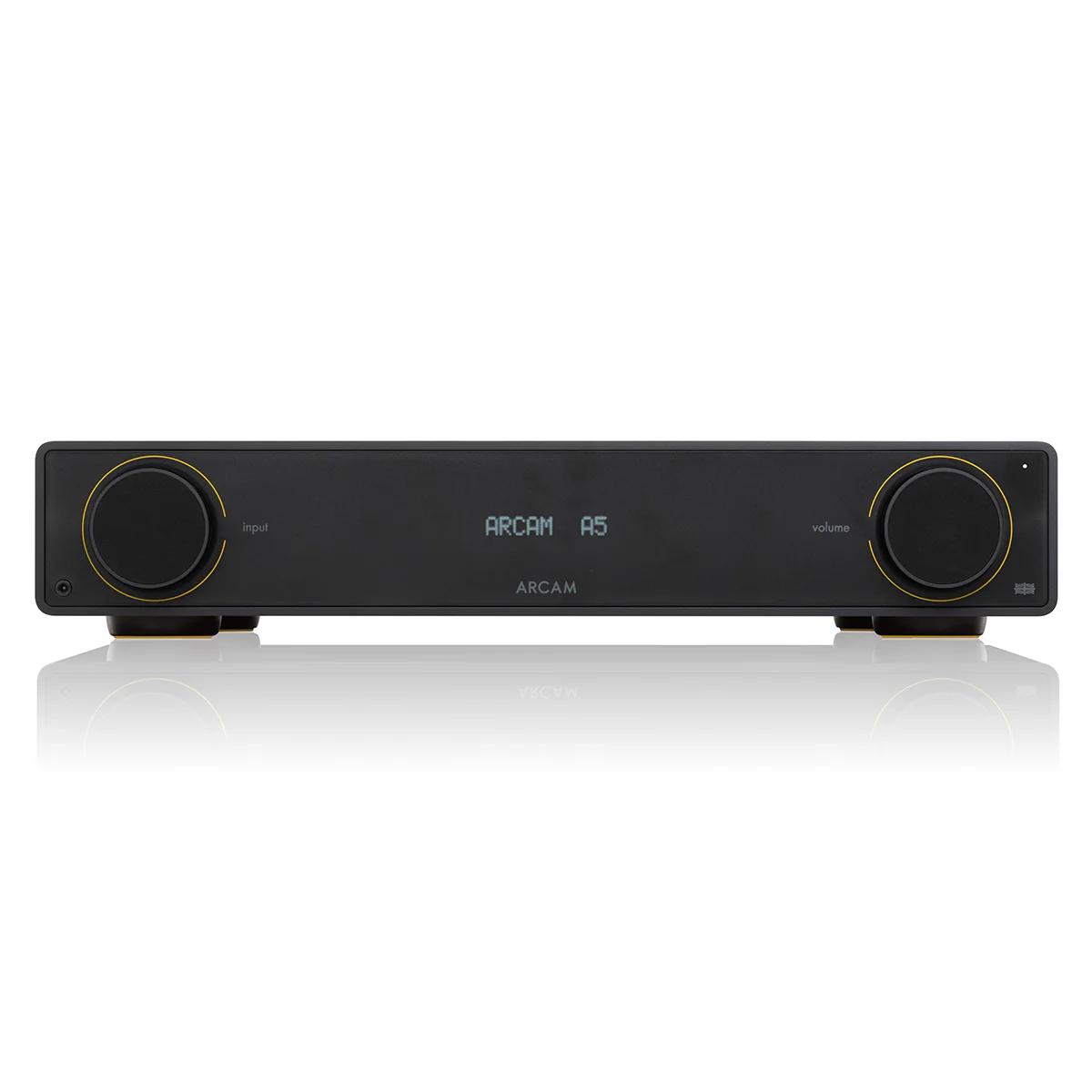
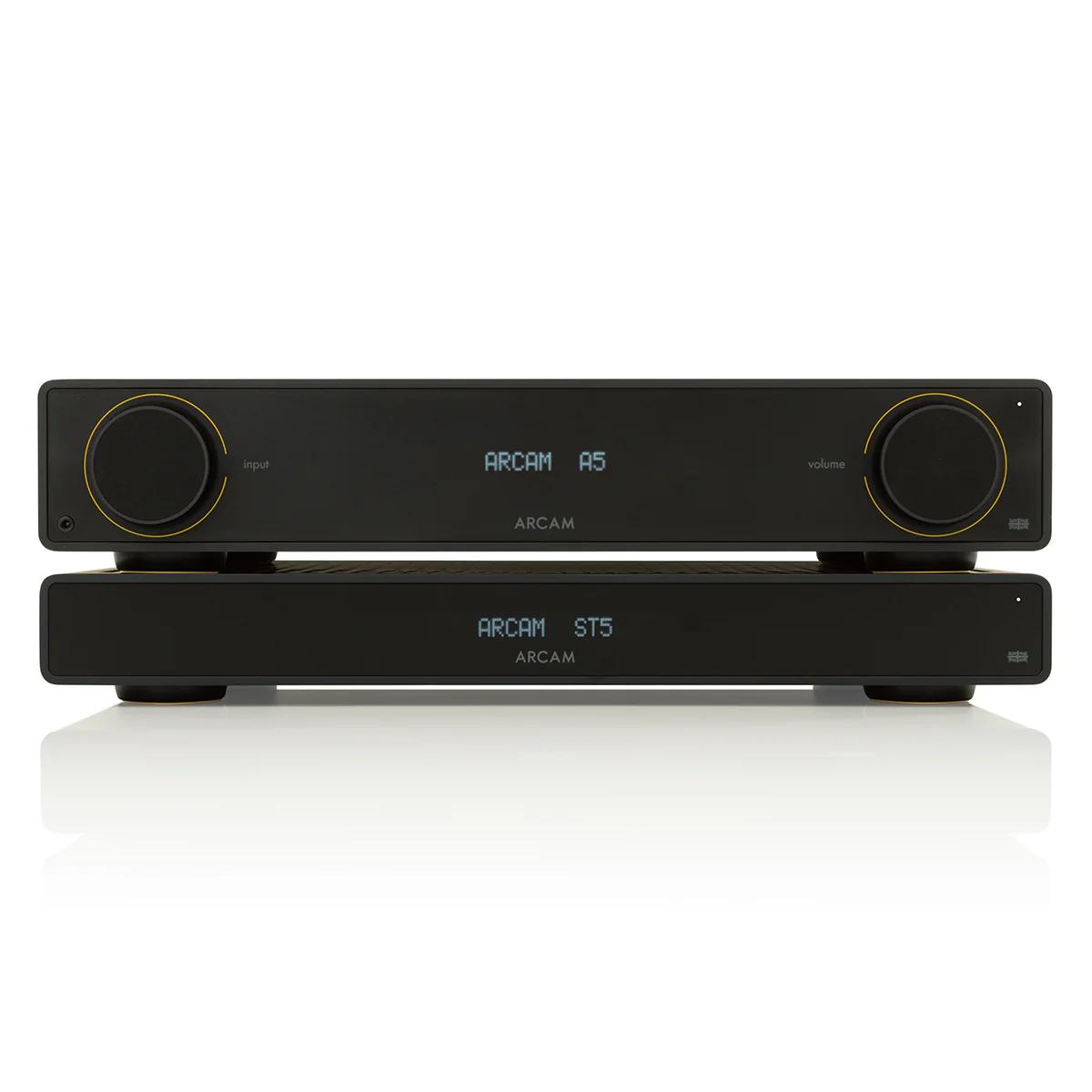
The Arcam Radia A5 follows traditional hi-fi design principles with a full-width aluminum chassis, substantial weight (17.6 pounds), and minimalist front panel aesthetics. It looks and feels like serious audio equipment, with the build quality you'd expect from a company with 45+ years of amplifier experience. The included remote control works reliably, and the overall user experience emphasizes simplicity and reliability.
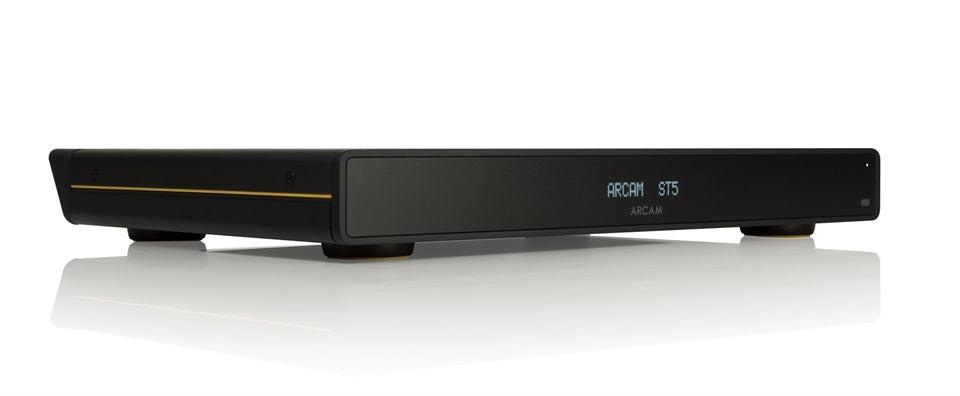
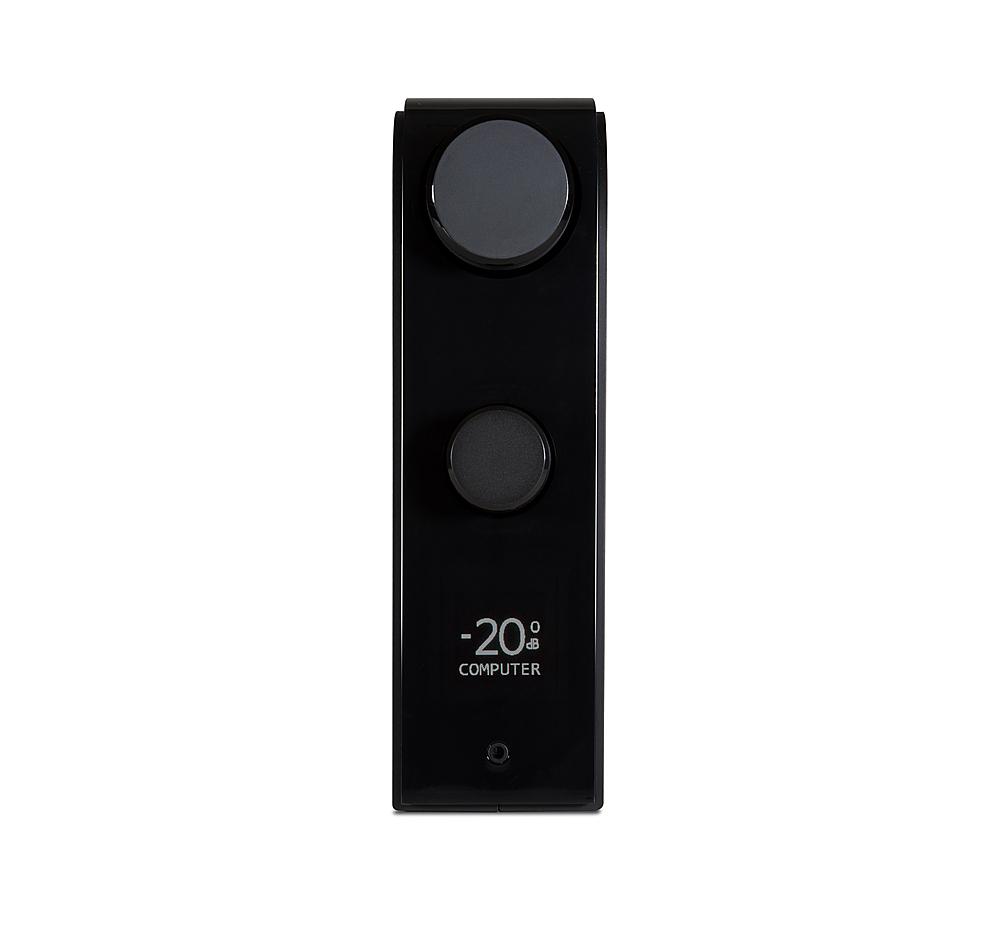
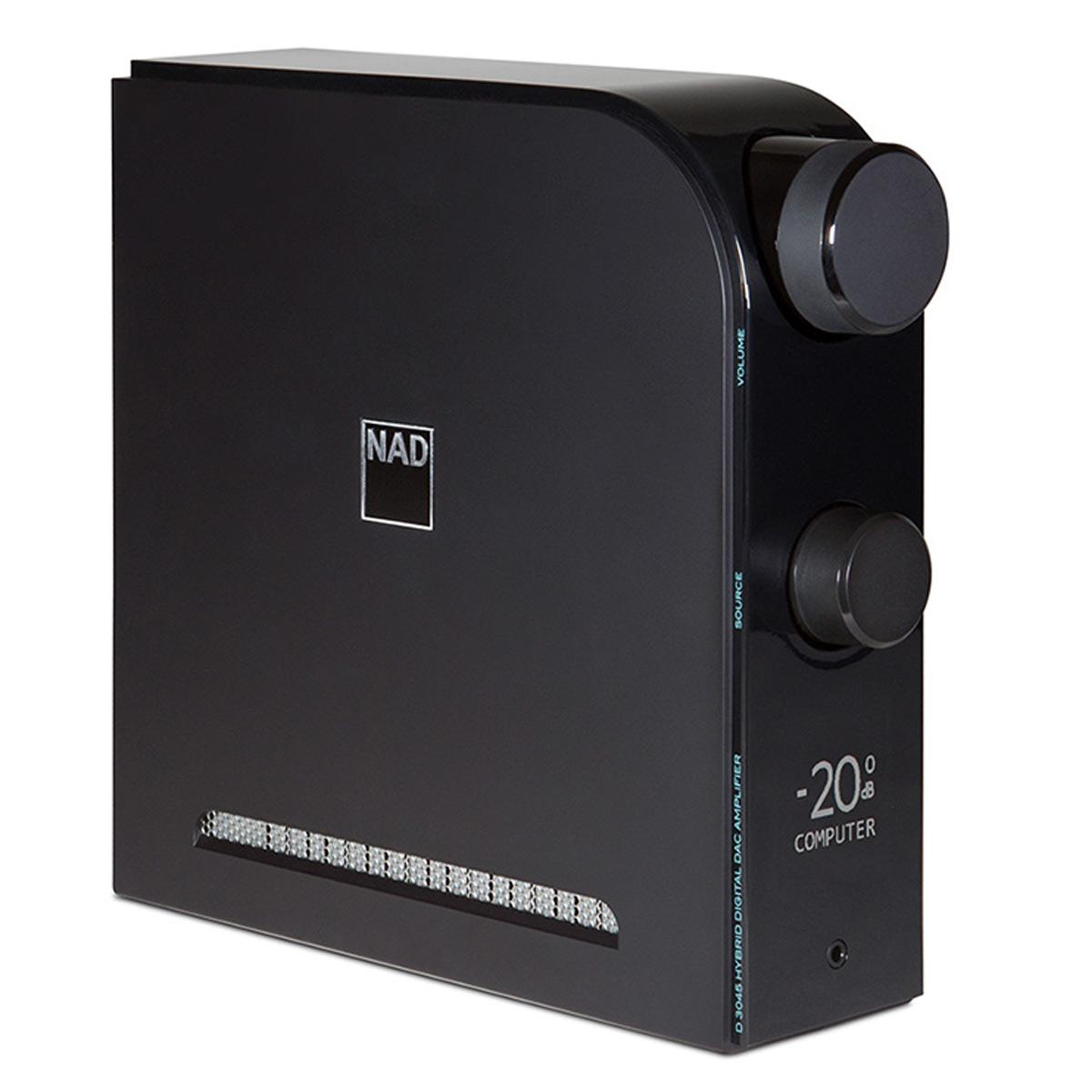
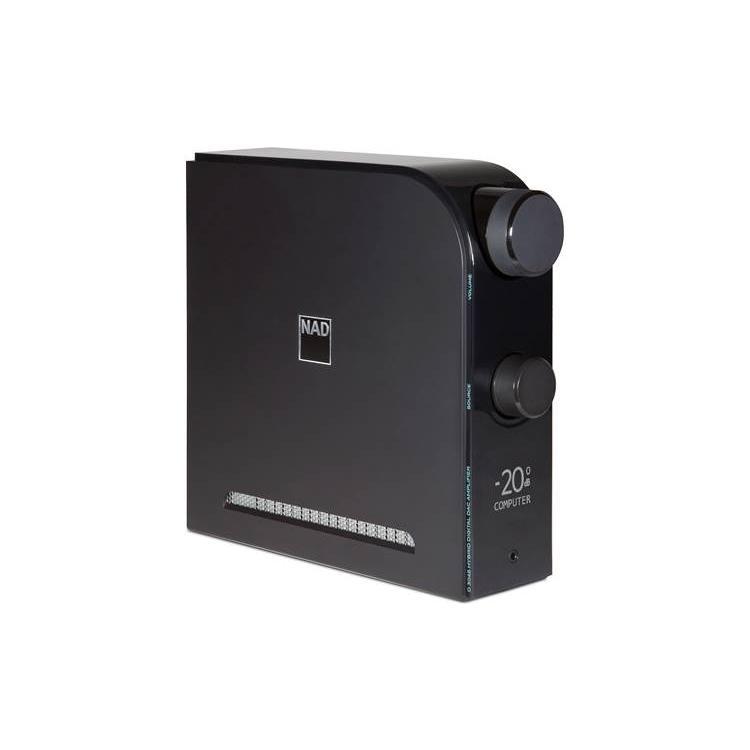
The NAD D 3045 prioritizes space efficiency with a compact form factor that can be positioned vertically or horizontally—a unique feature for saving shelf space. At 7.9 pounds, it's less than half the Arcam's weight, making it ideal for desktop setups or rooms where a full-size component won't fit.
However, this compact design involves compromises. User reviews consistently criticize the NAD's glossy front panel, which creates glare that makes the small LCD display difficult to read. The remote control has been described as "dreadful" with poor range and cheap construction. Source selection requires cycling through options on the small display rather than direct selection, adding complexity to daily use.
For users wanting to integrate their stereo system with home theater, the amplifiers take different approaches. The NAD D 3045's HDMI ARC input provides direct TV connection and allows control via your TV remote—a significant convenience factor for families who want simple operation.
The Arcam A5 takes a more traditional approach without HDMI connectivity, though it includes 12V trigger inputs and outputs for integration with home theater processors or other components. This appeals to users building more sophisticated multi-component systems but requires more setup complexity.
Both amplifiers include preamp outputs for adding a subwoofer or external power amplifier, though the NAD adds bass EQ and high-pass filtering features specifically designed for subwoofer integration. These features help optimize the amplifier for smaller speakers by redirecting deep bass to a dedicated subwoofer.
At the time of writing, both amplifiers compete in the same general price range, making the value comparison particularly relevant. The Arcam Radia A5 positions itself as offering audiophile-grade performance with premium build quality at an accessible price. You're paying for proven Class AB amplifier design, superior wireless implementation, and the kind of build quality that should provide decades of reliable service.
The NAD D 3045 offers extensive connectivity and modern convenience features in a space-saving package. You're paying for engineering cleverness—fitting serious amplifier performance into a desktop-sized chassis while including every digital input you might need.
However, user feedback suggests some of the NAD's features are better on paper than in practice. The problematic Bluetooth implementation and poor remote control represent false economies that impact daily satisfaction with the product.
Beyond specifications, what matters most is how these amplifiers handle real music in real rooms. The Arcam A5 consistently receives praise for musicality—that hard-to-define quality where the amplifier disappears and you hear just the music. Its Class AB design provides natural dynamics and tonal balance that makes long listening sessions enjoyable rather than fatiguing.
The NAD D 3045 prioritizes accuracy and neutrality. It doesn't add warmth or coloration to your music, instead presenting recordings exactly as they were made. This appeals to listeners who want to hear music "as the artist intended," but some find this approach less emotionally engaging than the Arcam's more musical presentation.
Bass performance differs noticeably between the two. The Arcam provides controlled, musical bass that integrates seamlessly with the midrange and treble. The NAD delivers accurate bass that some users describe as lacking the weight and impact they prefer, particularly with rock and electronic music.
The Arcam Radia A5 represents the better choice for most traditional stereo systems. If you value vinyl playback, reliable wireless streaming, and the kind of musical presentation that makes you want to keep listening, the Arcam delivers. Its superior build quality and 5-year warranty suggest confidence in long-term reliability. Choose the Arcam if you have adequate shelf space, multiple analog sources, and prioritize sound quality over space constraints.
The NAD D 3045 serves specific niches exceptionally well. If you need a powerful amplifier for a desktop system, require HDMI ARC for TV integration, or simply can't accommodate a full-size component, the NAD's compact design and extensive digital connectivity make it appealing. It's also worth considering if you primarily listen to digital sources and value neutrality over musicality.
For home theater integration, the NAD's HDMI ARC capability provides meaningful convenience, though you'll need to accept its user interface limitations and potential wireless connectivity issues.
Ultimately, both amplifiers represent competent engineering and good value in today's market. The Arcam Radia A5 delivers a more traditional audiophile experience with modern convenience, while the NAD D 3045 prioritizes space efficiency and digital connectivity with some compromises in execution. Your choice should depend on whether you value musical performance and reliability over connectivity and space savings.
| Arcam Radia A5 | NAD D 3045 |
|---|---|
| Amplification Type - Determines sound character and efficiency | |
| Class AB (traditional, warm sound, runs warmer) | Class D Hybrid Digital (efficient, neutral sound, runs cool) |
| Power Output - Ability to drive speakers loudly and cleanly | |
| 50W/8Ω, 75W/4Ω (excellent current delivery for demanding speakers) | 60W into both 4Ω and 8Ω (consistent power with PowerDrive technology) |
| Sound Signature - How the amplifier colors your music | |
| Musical, warm, engaging (classic audiophile sound) | Neutral, accurate, analytical (studio monitor approach) |
| Physical Size - Desktop vs rack component considerations | |
| Full-size: 17" x 13.5" x 3.2", 17.6 lbs (traditional hi-fi component) | Compact: 9.3" x 10.5" x 2.8", 7.9 lbs (desktop-friendly, vertical/horizontal) |
| Bluetooth Quality - Wireless streaming performance and reliability | |
| Bluetooth 5.2 with aptX Adaptive (best-in-class, two-way, reliable) | Bluetooth 4.0 with aptX HD (good quality but range/connection issues reported) |
| Analog Inputs - Flexibility for traditional sources | |
| 3x RCA line inputs + MM phono (excellent for multiple sources) | 1x RCA line input + MM phono + 3.5mm (limited analog flexibility) |
| Digital Connectivity - Modern streaming and file format support | |
| 2x coaxial, 1x optical (24-bit/192kHz support) | 2x optical, 1x coaxial, 1x USB-B, 1x HDMI ARC (extensive digital options, up to 24-bit/384kHz via USB, DSD/MQA support) |
| Home Theater Integration - TV and surround system compatibility | |
| 12V triggers, preamp outputs (traditional integration) | HDMI ARC, bass management features (direct TV connection, subwoofer optimization) |
| Build Quality & Warranty - Long-term reliability and support | |
| Premium aluminum construction, 5-year warranty | Compact engineering, 2-year warranty |
| Headphone Output - Quality for personal listening | |
| Excellent: 2.5V-5V output, 16Ω-2kΩ support (handles all headphone types cleanly) | Powerful but noisy with sensitive IEMs (good for full-size headphones only) |
| User Interface - Daily operation convenience | |
| Simple controls, quality remote, easy source selection | Complex source switching, poor remote, display readability issues |
The Arcam Radia A5 delivers a more musical, warm sound signature that most audiophiles prefer, thanks to its Class AB amplification design. The NAD D 3045 provides accurate, neutral sound reproduction without coloration. If you prioritize engaging, emotional sound, choose the Arcam A5. For studio-accurate reproduction, the NAD D 3045 excels.
The NAD D 3045 outputs 60 watts per channel into both 4 and 8 ohms, while the Arcam Radia A5 delivers 50 watts into 8 ohms and 75 watts into 4 ohms. Both provide sufficient power for most speakers, but the Arcam A5 offers better current delivery for demanding speakers.
The NAD D 3045 is significantly more compact and can be positioned vertically or horizontally, making it ideal for desktop setups and small rooms. The Arcam Radia A5 is a traditional full-size component that requires proper rack or shelf space but offers superior build quality.
The Arcam Radia A5 features superior Bluetooth 5.2 with aptX Adaptive technology, providing excellent range and reliability plus two-way streaming. The NAD D 3045 has Bluetooth 4.0 with aptX HD but suffers from reported range and connectivity issues, making the Arcam A5 the clear winner for wireless streaming.
The NAD D 3045 provides more extensive digital connectivity with USB, HDMI ARC, optical, and coaxial inputs, plus support for high-resolution formats like DSD and MQA. The Arcam Radia A5 offers solid digital connectivity with optical and coaxial inputs but fewer total options, making the NAD D 3045 better for digital-heavy setups.
Yes, both the Arcam Radia A5 and NAD D 3045 include built-in moving magnet phono stages for direct turntable connection. Both receive excellent reviews for vinyl playback quality, with the Arcam A5 praised for musical reproduction and the NAD D 3045 noted for exceptional detail retrieval.
The NAD D 3045 offers superior home theater integration with HDMI ARC connectivity for direct TV connection and control via TV remote. It also includes bass management features for subwoofer integration. The Arcam Radia A5 uses traditional integration methods with 12V triggers but lacks HDMI connectivity.
The Arcam Radia A5 provides an excellent headphone output supporting impedances from 16 to 2,000 ohms with clean, quiet performance. The NAD D 3045 offers powerful headphone amplification but has noise issues with sensitive in-ear monitors, making the Arcam A5 more versatile for different headphone types.
The Arcam Radia A5 features premium aluminum construction, weighs 17.6 pounds, and comes with a 5-year warranty, reflecting superior build quality. The NAD D 3045 uses efficient compact construction with a 2-year warranty, prioritizing space-saving over premium materials, making the Arcam A5 the choice for long-term reliability.
Both amplifiers can drive most tower speakers effectively. The Arcam Radia A5 excels with its high current capability and Class AB design for dynamic performance. The NAD D 3045 uses PowerDrive technology to handle demanding speakers efficiently. For the most demanding speakers, the Arcam A5 has a slight advantage.
Value depends on your priorities. The Arcam Radia A5 offers superior sound quality, build quality, and wireless performance for traditional stereo setups. The NAD D 3045 provides more digital connectivity and space-saving design for modern, compact systems. The Arcam A5 delivers better long-term satisfaction for most users.
The Arcam Radia A5 excels across all genres with its musical Class AB sound, particularly strong with jazz, classical, and acoustic music while still handling rock and electronic well. The NAD D 3045 provides accurate reproduction of any genre but some users find it lacks emotional engagement with rock and pop music, making the Arcam A5 more universally appealing.
We've done our best to create useful and informative comparisons to help you decide what product to buy. Our research uses advanced automated methods to create this comparison and perfection is not possible - please contact us for corrections or questions. These are the sites we've researched in the creation of this article: whathifi.com - upscaleaudio.com - hifiverse.io - theaudiotailor.com.au - crutchfield.com - musicdirect.com - crutchfield.com - listenup.com - audioadvice.com - houseofstereo.com - skybygramophone.com - arcam.co.uk - fidelity-magazine.com - arcam.co.uk - sweetwater.com - skybygramophone.com - crutchfield.com - crutchfield.com - audio-head.com - safeandsoundhq.com - hifiplus.com - nadelectronics.com - whathifi.com - hometheaterhifi.com - audiosciencereview.com - soundstageaccess.com - soundandvision.com - youtube.com - turntablelab.com - audiosciencereview.com

Privacy Policy
Terms and Conditions - Affiliate Policy
Home Security
© Copyright 2008-2026.
11816 Inwood Rd #1211, Dallas, TX 75244