

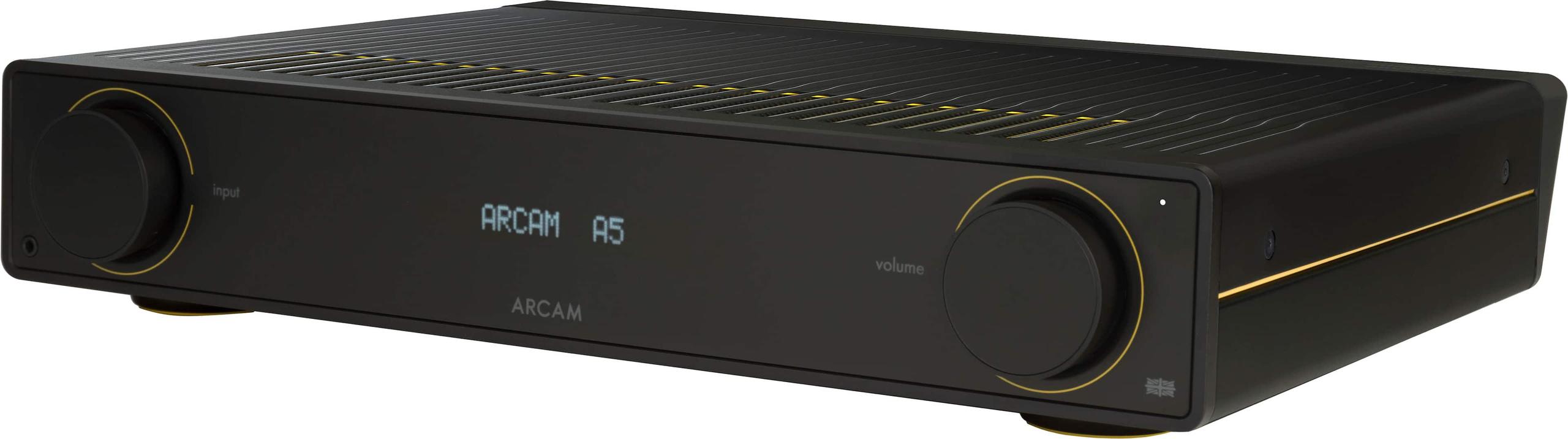
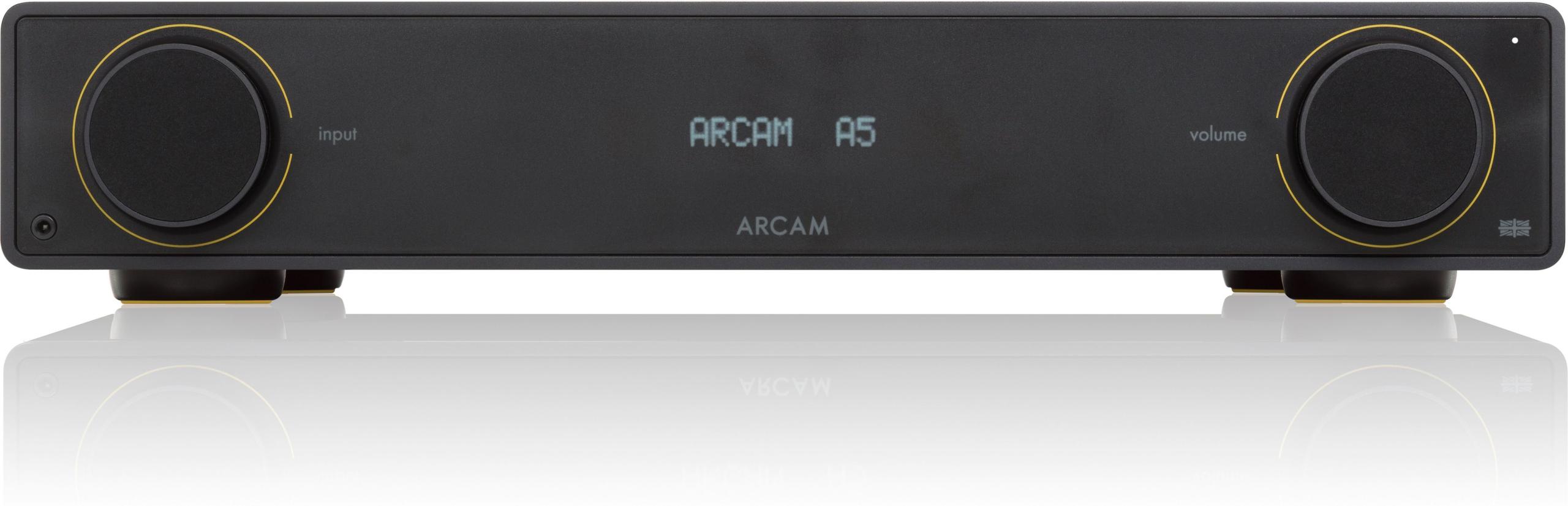
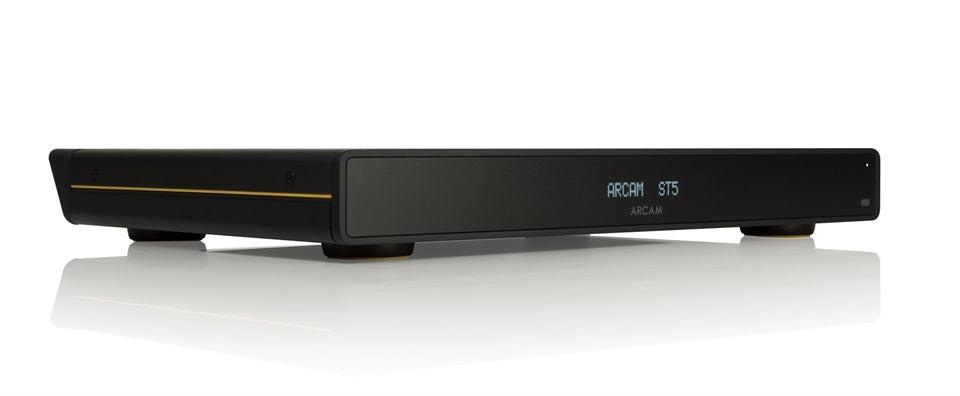
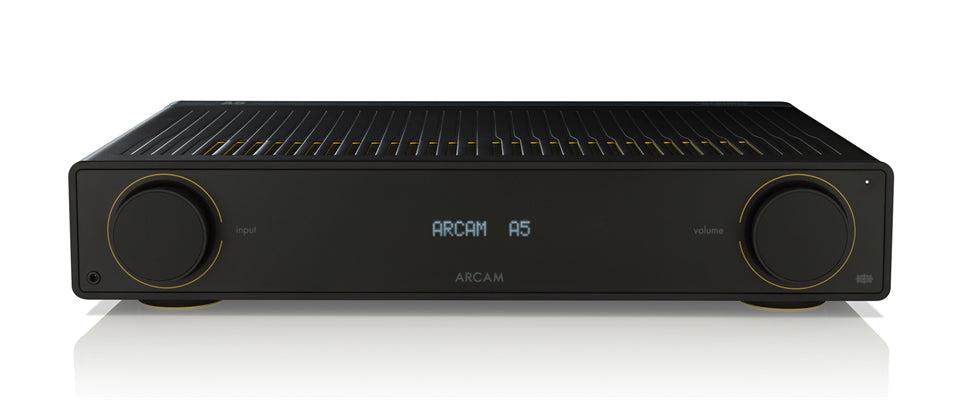
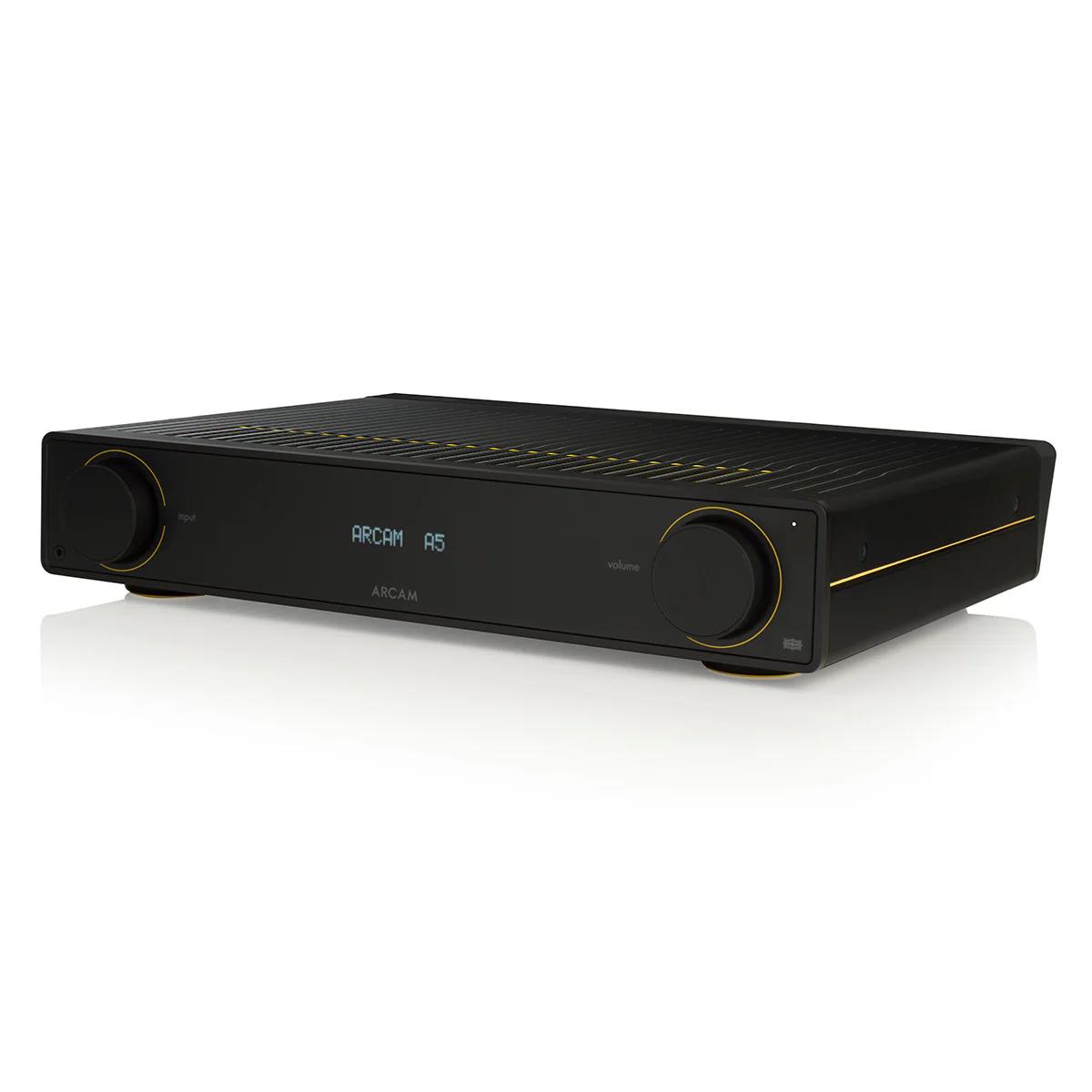
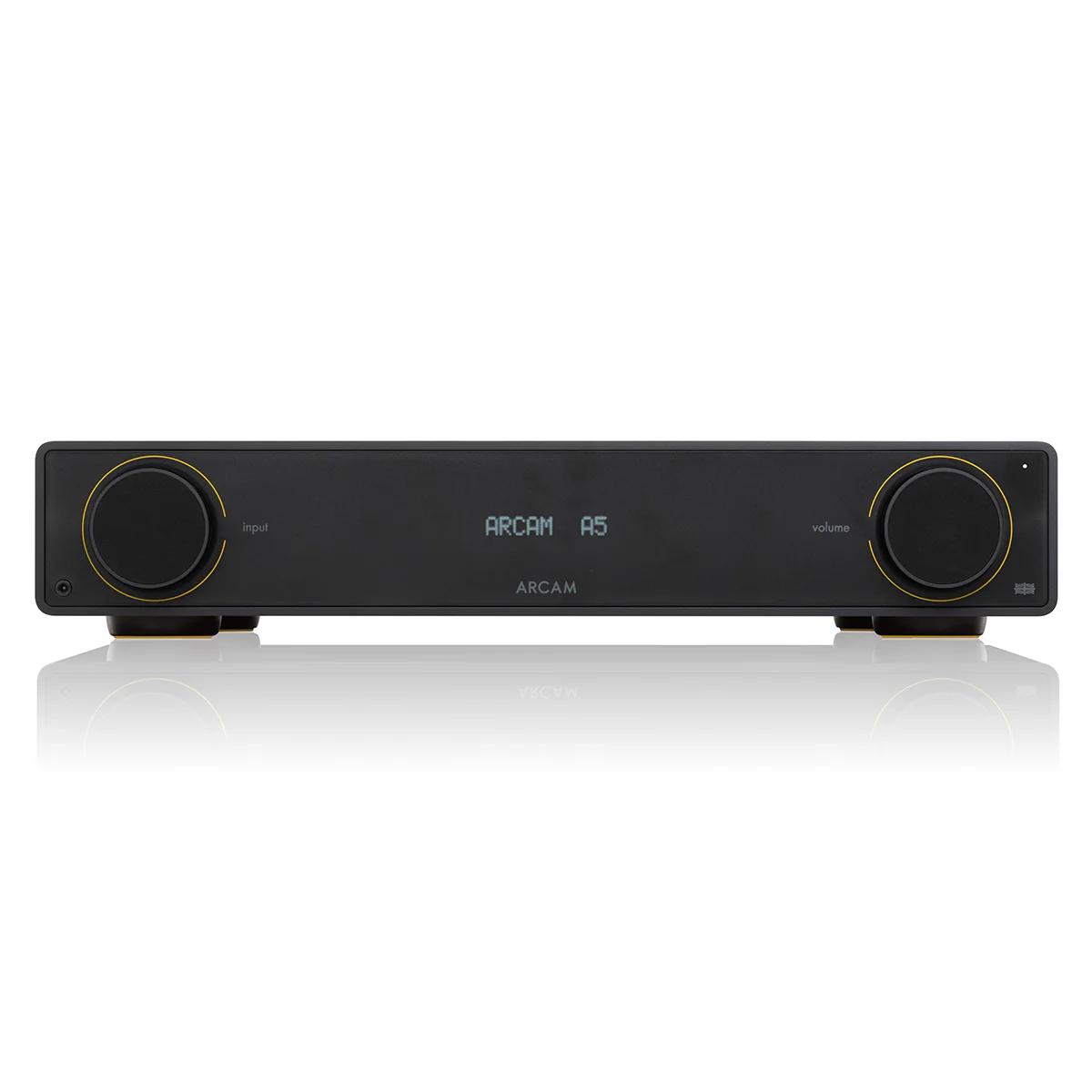
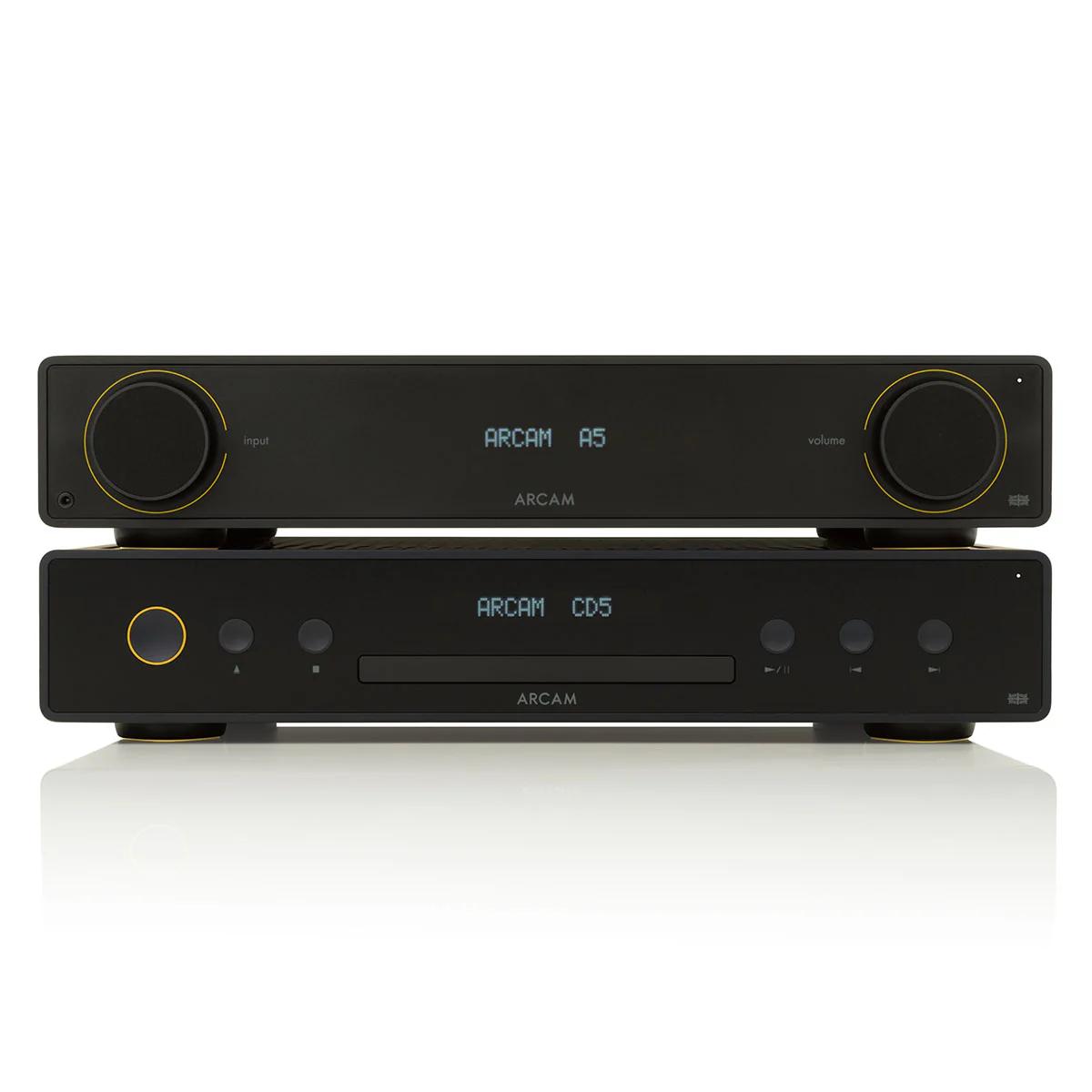
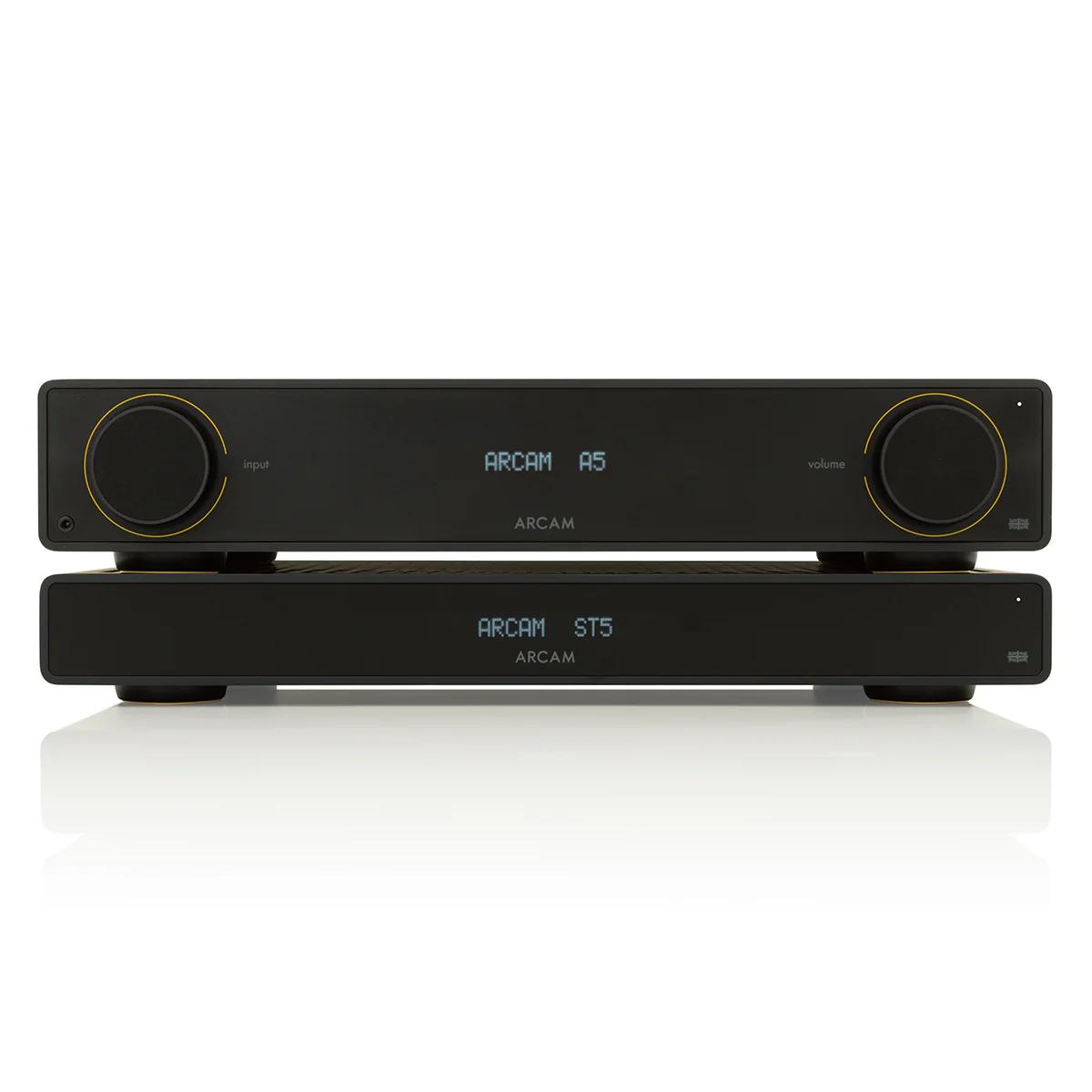
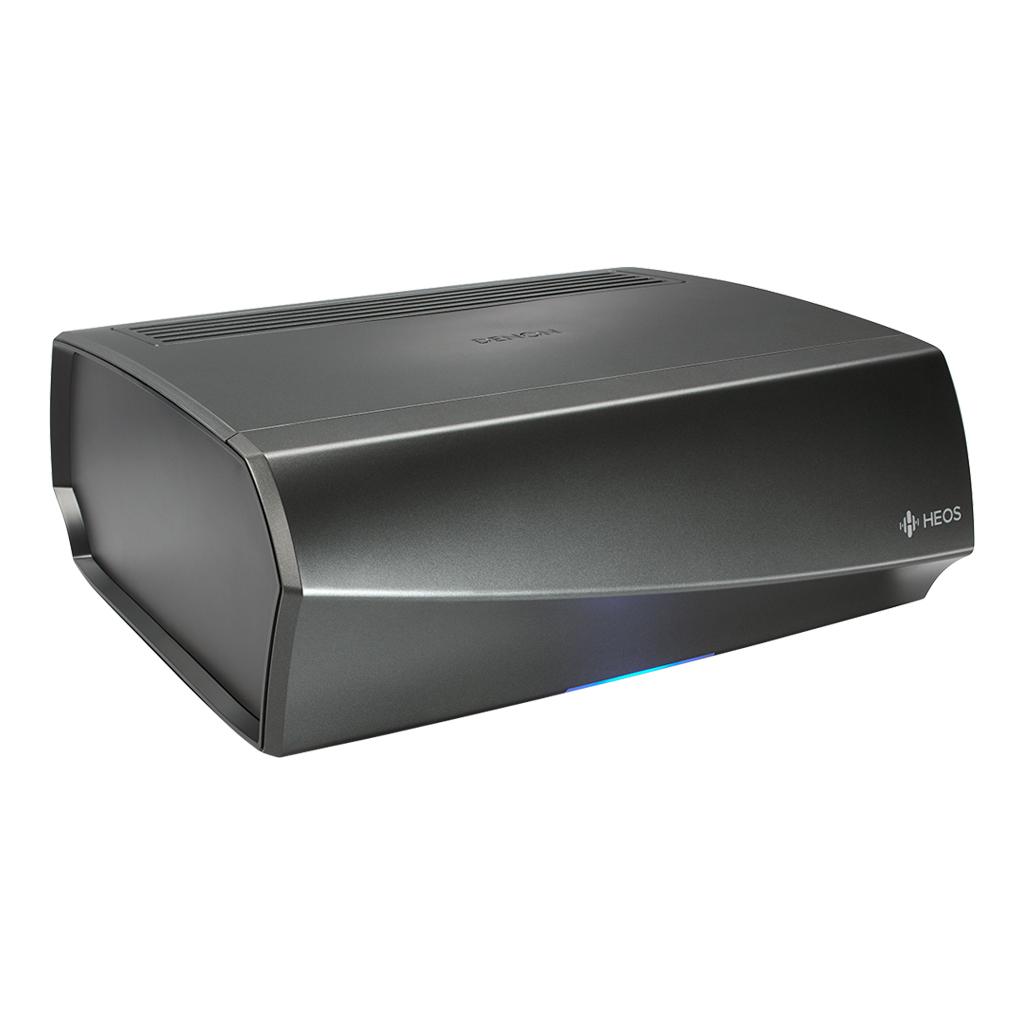

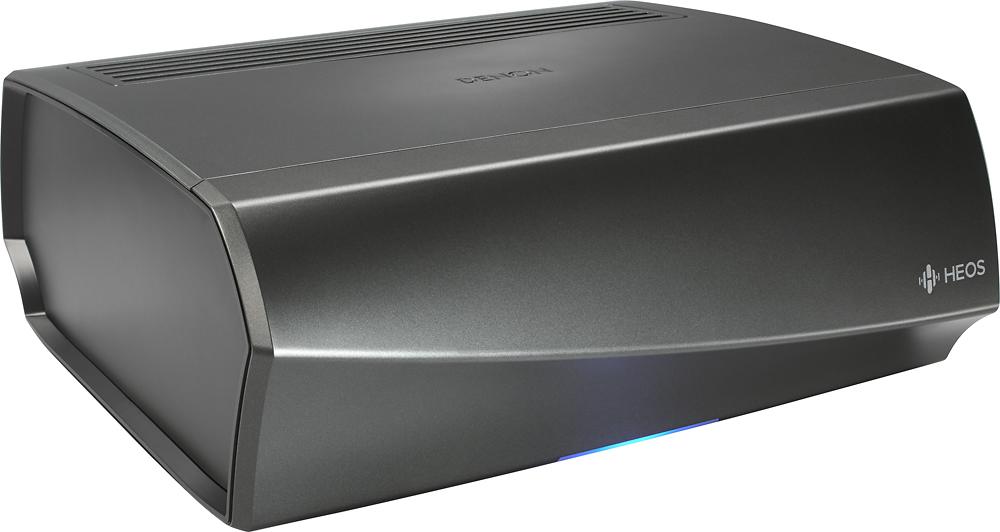
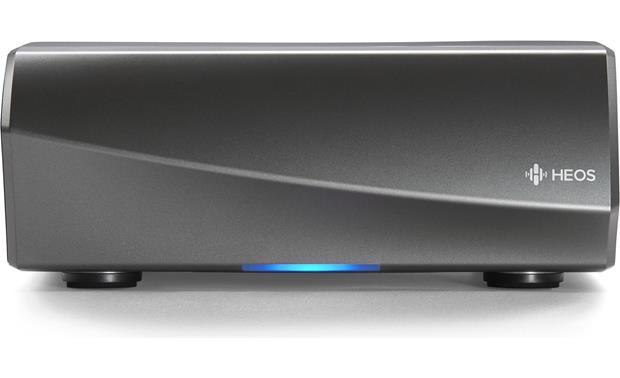
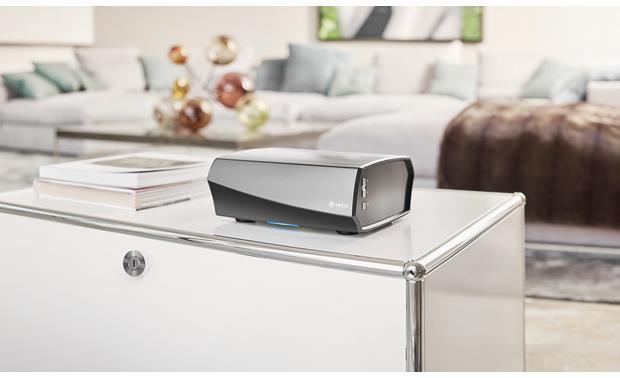
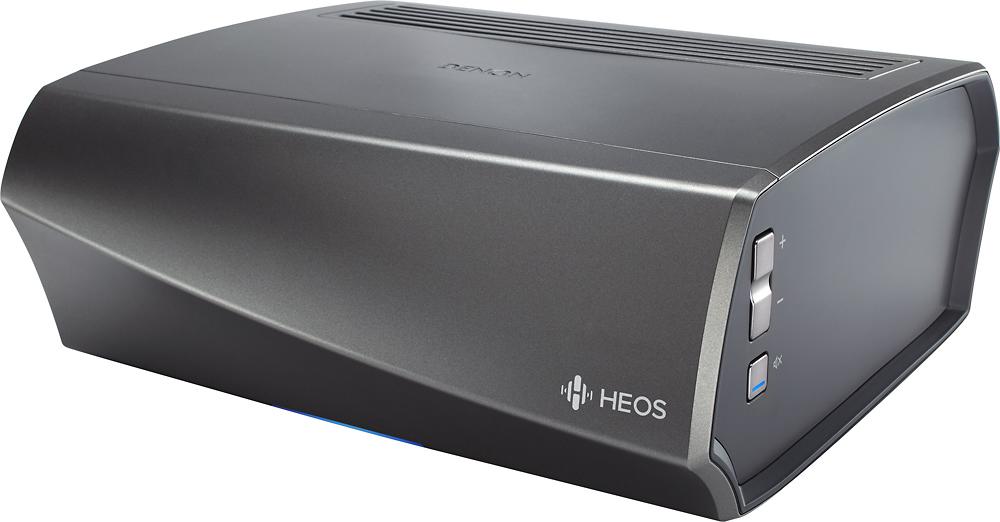
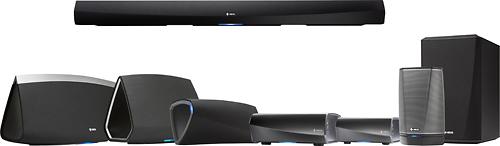
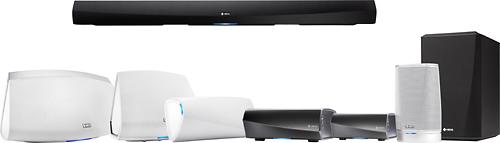
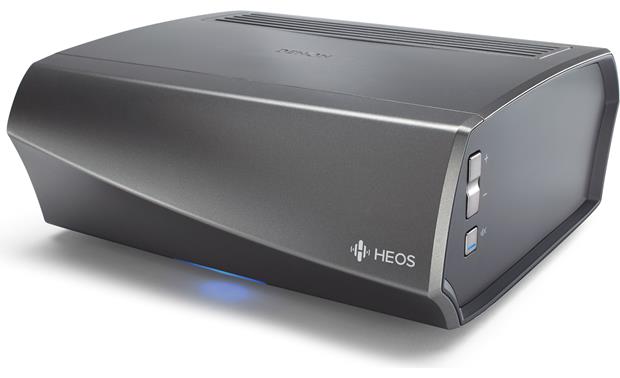
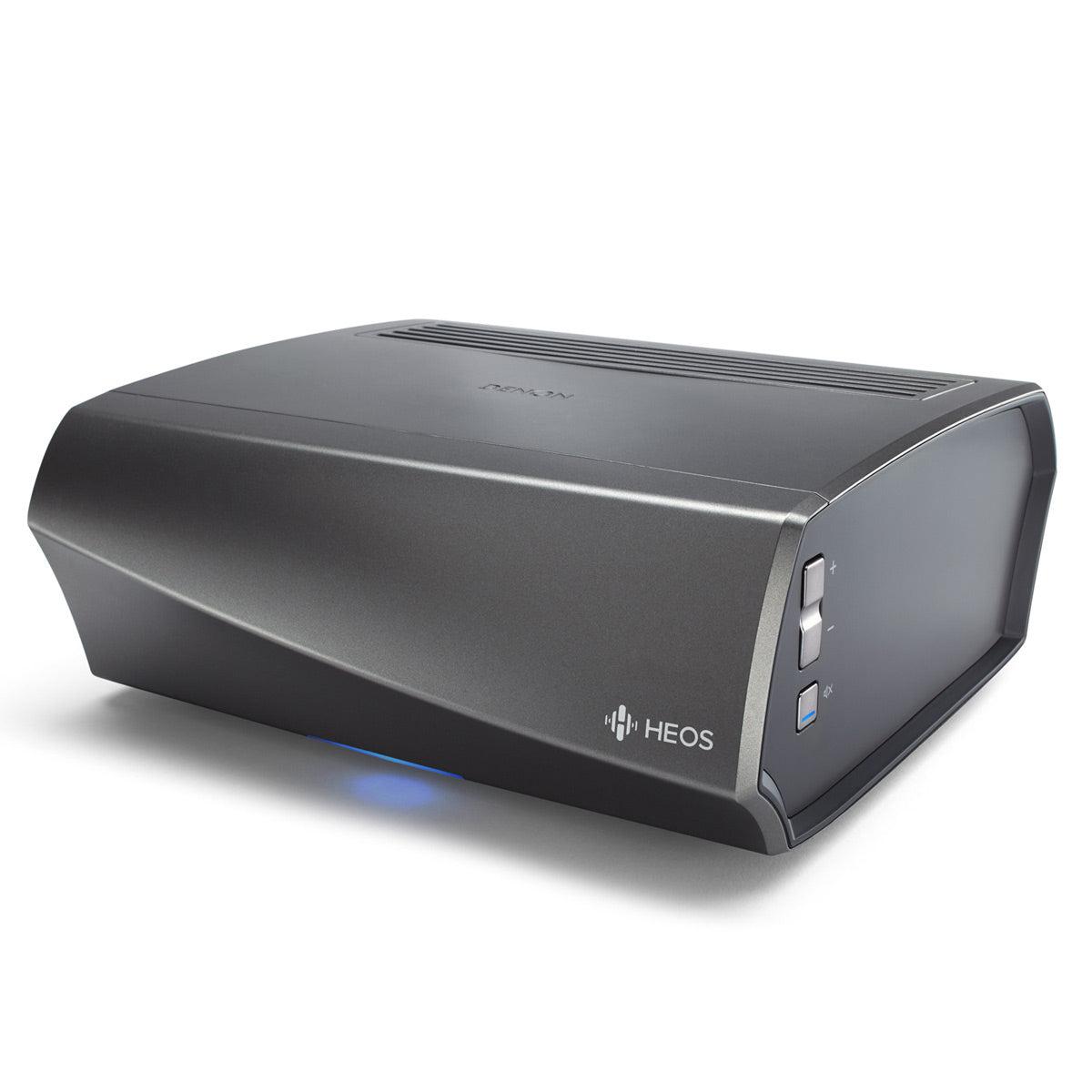
When shopping for a stereo amplifier today, you're essentially choosing between two different philosophies of how music should fit into your life. The Arcam Radia A5 Integrated Amplifier represents the traditional hi-fi approach—premium components, exceptional sound quality, and the ritual of dedicated listening. The Denon HEOS Amp HS2 Wireless Stereo Amplifier embodies modern convenience—wireless streaming, multi-room audio, and smartphone control from anywhere in your house.
Both amplifiers will make your speakers sound great, but they're designed for completely different listening experiences. Understanding these differences is crucial because, at the time of writing, these products sit in different price brackets and serve distinct user needs despite both being stereo amplifiers.
Integrated amplifiers combine a preamplifier (which controls volume and selects sources) with a power amplifier (which drives your speakers) in one box. Think of them as the traditional centerpiece of a hi-fi system—they're designed to be the main hub where you connect all your sources like turntables, CD players, and streaming devices.
Wireless streaming amplifiers take a different approach. While they also combine preamp and power amp functions, they're built around network connectivity and app-based control. They're designed to disappear into your home while bringing music everywhere, often as part of larger multi-room systems.
The key considerations when choosing between these categories include:
The Arcam Radia A5 uses Class AB amplification, a time-tested design that runs slightly warm but delivers the natural, musical sound that audiophiles love. Its specifications tell an impressive story: just 0.003% total harmonic distortion (THD) at 80% power, which means the sound stays clean even when pushed hard. The signal-to-noise ratio of 106dB for analog inputs means you'll hear your music, not the amplifier's own electronic noise.
To put this in perspective, distortion below 0.1% is generally considered excellent, so the A5's 0.003% figure is exceptional. This translates to cleaner vocals, more precise instrument separation, and better dynamics—the difference between loud and soft passages that makes music feel alive.
The HEOS Amp HS2, released in 2016, uses Class D amplification—a more modern, efficient design that stays cool and conserves energy. While its 0.7% THD at 6 ohms might seem higher, this drops to 0.05% at 8 ohms across the full frequency range, which is still quite respectable. The trade-off is efficiency and power: Class D amplifiers can pack more watts into smaller, cooler-running packages.
Here's where the Arcam A5 really shines. Its ESS Sabre ES9018 DAC (digital-to-analog converter) is the same chip found in amplifiers costing several times more. This component takes digital music files and converts them to analog signals your speakers can use. A premium DAC like this one handles high-resolution audio up to 24-bit/192kHz, which contains more musical information than standard CDs.
Think of bit depth (24-bit vs. 16-bit) as the difference between a painting with 256 colors versus millions of colors—more bits mean smoother gradations and more detail. Sample rate (192kHz vs. 44.1kHz) is like frame rate in video—higher rates capture more of the original performance.
The HEOS Amp HS2 supports multiple high-resolution formats including FLAC, ALAC, and even DSD (Direct Stream Digital), but focuses more on streaming versatility than conversion quality. Since its 2016 release, streaming technology has evolved significantly, though the core wireless protocols remain current.
Power output reveals another philosophical difference. The Arcam A5 delivers 50 watts per channel into 8-ohm speakers, increasing to 75 watts into 4-ohm speakers. While this might seem modest, Class AB amplification delivers its power more consistently, and 50 watts of clean Class AB power often sounds more dynamic than higher wattages from lesser amplifiers.
The HEOS Amp HS2 provides 100 watts per channel, which matters if you're driving large speakers or need to fill big rooms. Class D amplification excels at delivering high power efficiently, making it ideal for installations where heat buildup is a concern.
Speaker impedance (measured in ohms) indicates how much resistance your speakers present to the amplifier. Lower impedance speakers (like 4-ohm models) draw more current and require more capable amplifiers. Both units handle 4-ohm speakers, but the Arcam's Class AB design tends to be more stable with difficult loads.
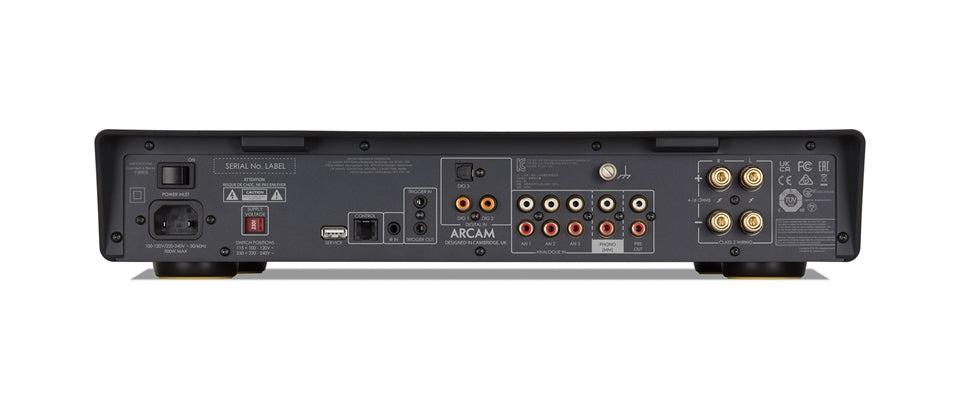
The Arcam Radia A5, released in 2024, includes everything a serious music lover needs. Its moving magnet phono stage lets you connect a turntable directly—a feature that would typically require a separate $200+ component. The phono stage applies RIAA equalization, correcting the frequency response that's intentionally altered during vinyl mastering.
Three analog line inputs accommodate CD players, tape decks, or other traditional sources. Two coaxial and one optical digital input handle modern digital sources up to 24-bit/192kHz. The inclusion of 12V trigger inputs and outputs allows integration with home theater systems—these low-voltage signals can automatically turn components on and off together.
Perhaps most interesting is the two-way Bluetooth 5.2 with aptX Adaptive. While most amplifiers can only receive Bluetooth audio, the A5 can also transmit to Bluetooth headphones or speakers. This means you can listen privately through wireless headphones without disturbing others—a surprisingly rare feature in this category.
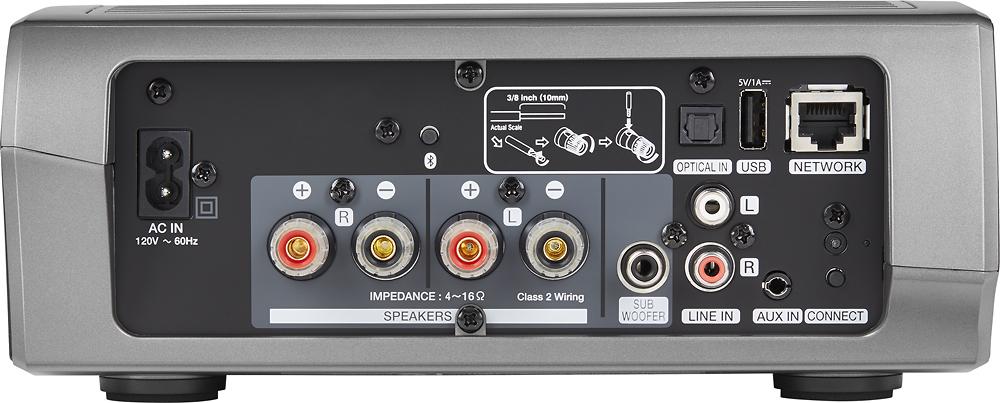
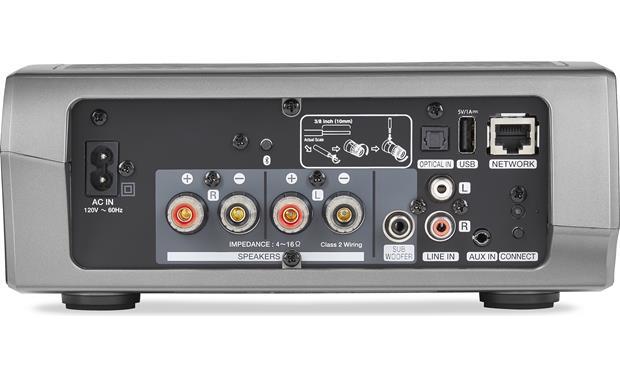
The HEOS Amp HS2 takes a completely different approach. Dual-band Wi-Fi (both 2.4GHz and 5GHz) provides robust wireless connectivity, while Ethernet offers a wired network option for maximum reliability. The multi-room functionality allows you to group and ungroup speakers throughout your home via the HEOS app.
Since its 2016 release, the streaming landscape has evolved dramatically. Services like Spotify, Tidal, and Apple Music have improved their streaming quality, and the HEOS platform has received regular updates to maintain compatibility. However, some users report that the app experience hasn't evolved as quickly as competing platforms.
The subwoofer output is particularly valuable for home theater integration or if you want to add bass extension to bookshelf speakers. This mono RCA output sends low-frequency information to a powered subwoofer, effectively creating a 2.1-channel system.
The Arcam Radia A5 embodies traditional British hi-fi values with its substantial 17.6-pound construction. The aluminum chassis isn't just about aesthetics—it provides electromagnetic shielding and vibration damping that can improve sound quality. At 17" wide, it fits standard equipment racks and commands presence in a dedicated listening room.
Arcam's 45+ years of amplifier experience shows in the component selection and circuit design. The company's "A" actually stands for "Amplification," reflecting their core competency. This heritage matters because amplifier design involves countless small decisions about power supply design, component layout, and thermal management that affect long-term reliability and sound quality.
The HEOS Amp HS2 prioritizes discretion with its compact 2.8kg form factor. At roughly the size of a small book, it can hide behind furniture or mount in tight spaces. The streamlined design reflects its role as an invisible enabler rather than a centerpiece component.
This compact design does impose limitations—there's no display, minimal physical controls, and complete dependence on the smartphone app for operation. Some users find this liberating (no more remote controls to lose), while others miss the tactile feedback of traditional controls.
Our research into user and expert reviews reveals a clear pattern. Arcam A5 owners consistently praise its "clean, smooth, and precise" sound with particular emphasis on vocal clarity and instrumental separation. Professional reviews highlight its ability to reveal subtle details in recordings while maintaining musical coherence—a balance that's harder to achieve than it sounds.
The HEOS Amp HS2 receives praise for being "punchy" and "powerful," with users particularly appreciating its ability to drive demanding speakers to satisfying volumes. However, some reviews note that while very good, it doesn't quite match the refinement of dedicated audiophile amplifiers in direct comparison.
The Arcam A5 comes with a 5-year warranty, reflecting confidence in long-term reliability. Users report that the initial setup learning curve is modest—the main criticism being that advanced settings require navigation through on-screen menus using the remote control.
HEOS Amp HS2 users report more mixed experiences. While many appreciate the multi-room functionality, others note app reliability issues and occasional connectivity problems. Some users report the amplifier going into protection mode when pushed hard, though this may be related to speaker compatibility or installation issues. The lack of any way to power down the unit remotely (requiring physical button access) is a common complaint.
At the time of writing, these products occupy different price tiers, with the Arcam A5 commanding a premium that reflects its audiophile-grade components and construction. The ESS Sabre DAC alone would cost hundreds of dollars as a separate component, and the overall build quality suggests decades of reliable operation.
The HEOS Amp HS2 offers compelling value for its multi-room capabilities. Creating a comparable multi-zone system using traditional components would require multiple amplifiers and complex control systems, making the HEOS approach both simpler and more cost-effective.
Traditional integrated amplifiers like the Arcam A5 tend to hold their value better and often remain useful for decades. The comprehensive connectivity ensures compatibility with both current and future sources, while the modular nature of hi-fi systems means you can upgrade speakers, sources, or add components over time.
Wireless streaming amplifiers face different challenges. While the HEOS Amp HS2 has received regular firmware updates since 2016, streaming platforms and wireless standards evolve rapidly. The risk is that future services might not support older platforms, though Denon's track record suggests ongoing support for several more years.
The Arcam A5 integrates beautifully into home theater systems through its preamp outputs and 12V triggers. You can use it for high-quality stereo music listening, then have it automatically switch to serve as front channel amplification for a larger surround sound system. The trigger system means everything powers on and off together seamlessly.
The HEOS Amp HS2 shines in mixed-use scenarios where you want both music and home theater capability. Its compact size allows placement near surround speakers for zone amplification, while the subwoofer output supports proper bass management. The wireless connectivity means no long cable runs for remote speaker locations.
You're building a dedicated music system and care deeply about sound quality. If you own vinyl records or plan to explore turntables, the built-in phono stage alone justifies much of the price difference. The Arcam A5 is ideal for listeners who enjoy the ritual of music listening—selecting albums, adjusting settings, and focusing on the musical experience.
This amplifier suits someone who views their audio system as a long-term investment and appreciates premium components. If you're the type of person who reads album liner notes and notices the difference between recording studios, the A5's resolution and refinement will reward your attention.
Your priority is bringing quality music throughout your home with minimal fuss. The HEOS Amp HS2 excels when you want music to enhance your lifestyle rather than demand dedicated attention. If you primarily stream music from services like Spotify or Apple Music and want to control everything from your phone, this approach makes perfect sense.
This amplifier is ideal for families where multiple people want to control music in different areas, or for homes where aesthetic integration matters more than absolute sound quality. If you're upgrading passive speakers to smart functionality or building a multi-room system from scratch, the HEOS platform provides excellent value.
After evaluating both approaches, it's clear that these aren't really competing products—they're addressing different needs entirely. The Arcam Radia A5 represents the pinnacle of what traditional stereo amplification can offer at its price point, with components and sound quality that punch well above their weight class.
The HEOS Amp HS2, despite being several years older, remains relevant because it solved the multi-room audio challenge elegantly and affordably. While newer streaming amplifiers offer updated apps and features, the core wireless technology and amplifier performance remain competitive.
Your choice ultimately depends on how you want music to fit into your life. If you're building a system around the act of listening—where you'll sit in a dedicated spot and focus on the music—the Arcam's superior sound quality and comprehensive connectivity make it worth the investment. If you want excellent sound that follows you throughout your home and integrates seamlessly with modern life, the HEOS approach delivers exactly that.
Both amplifiers will likely serve their intended purposes for many years, but they'll take you on very different musical journeys. Choose based on the experience you want, not just the specifications on paper.
| Arcam Radia A5 Integrated Amplifier | Denon HEOS Amp HS2 Wireless Stereo Amplifier |
|---|---|
| Power Output - Determines how loud your speakers can play and which speakers you can drive | |
| 50W per channel (8Ω), 75W per channel (4Ω) - Clean Class AB power | 100W per channel - Higher power ideal for large rooms and demanding speakers |
| Amplifier Type - Affects sound character, efficiency, and heat generation | |
| Class AB (warmer, more natural sound, runs slightly warm) | Class D (efficient, cool running, compact design) |
| Total Harmonic Distortion - Lower is better for clean, accurate sound | |
| 0.003% at 80% power (exceptional purity) | 0.05% at 8Ω, 0.7% at 6Ω (good but noticeably higher) |
| Signal-to-Noise Ratio - Higher means less background noise | |
| 106dB analog, 109dB digital (very quiet background) | 86dB (adequate but not exceptional) |
| DAC Quality - Critical for digital music sources and streaming | |
| Premium ESS Sabre ES9018 (audiophile-grade, supports 24-bit/192kHz) | Standard streaming-optimized DAC (supports multiple hi-res formats) |
| Analog Inputs - Important for turntables, CD players, and traditional sources | |
| 3 line inputs + dedicated moving magnet phono stage | Basic RCA and 3.5mm auxiliary inputs only |
| Digital Inputs - For connecting digital sources directly | |
| 2 coaxial + 1 optical (up to 24-bit/192kHz) | 1 optical + USB (streaming focused) |
| Wireless Connectivity - Modern streaming and smartphone control | |
| Bluetooth 5.2 with aptX Adaptive (two-way capability) | Dual-band Wi-Fi + Bluetooth + Ethernet (multi-room optimized) |
| Multi-Room Capability - Play music throughout your home | |
| No multi-room (single zone only) | Full HEOS multi-room system with app control |
| Physical Size - Consider your space and installation needs | |
| 17" × 13.5" × 3.2", 17.6 lbs (traditional hi-fi size) | 9.3" × 8.7" × 3.7", 6.2 lbs (compact, discreet placement) |
| Control Interface - How you operate the amplifier daily | |
| Physical controls + remote + smartphone app | Smartphone app only (no physical remote included) |
| Headphone Output - For private listening | |
| Front-panel 3.5mm with wide impedance support | No dedicated headphone output |
| Subwoofer Integration - Adding bass extension to your system | |
| Preamp outputs (can add external sub with extra equipment) | Dedicated mono RCA subwoofer output |
| Warranty Period - Reflects manufacturer confidence in build quality | |
| 5 years (premium support) | 2 years (standard coverage) |
The Arcam Radia A5 Integrated Amplifier is a traditional hi-fi amplifier focused on premium sound quality and comprehensive connectivity, while the Denon HEOS Amp HS2 Wireless Stereo Amplifier is designed for wireless streaming and multi-room audio throughout your home. The Arcam prioritizes audiophile performance, while the Denon emphasizes convenience and whole-home integration.
The Arcam Radia A5 delivers superior sound quality with its Class AB amplification, premium ESS Sabre DAC, and exceptional 0.003% distortion specifications. The HEOS Amp HS2 offers good sound quality but focuses more on convenience features than audiophile-grade performance.
Only the Denon HEOS Amp HS2 supports true multi-room audio through the HEOS platform, allowing you to play different music in each room or sync music throughout your home. The Arcam Radia A5 is designed for single-room use, though it offers superior sound quality in that room.
The Denon HEOS Amp HS2 provides more raw power at 100 watts per channel compared to the Arcam Radia A5's 50 watts per channel. However, the Arcam's Class AB design often sounds more dynamic and can drive difficult speakers more effectively despite lower wattage.
The Arcam Radia A5 includes a built-in moving magnet phono stage, making it perfect for turntable users. The Denon HEOS Amp HS2 lacks a phono input, requiring an external phono preamp to connect a turntable.
The Denon HEOS Amp HS2 excels at streaming with native app integration and wireless connectivity optimized for streaming services. While the Arcam Radia A5 can stream via Bluetooth, it's designed more for traditional sources and high-resolution local files.
The Denon HEOS Amp HS2 is entirely app-controlled through your smartphone with no physical remote. The Arcam Radia A5 includes both a traditional remote control and can be controlled via smartphone for some functions, offering more flexibility.
Both work well in home theater systems but differently. The Arcam Radia A5 integrates traditionally through preamp outputs and 12V triggers for seamless operation with AV receivers. The HEOS Amp HS2 offers more flexibility for zone amplification and includes a dedicated subwoofer output.
The Denon HEOS Amp HS2 is much more compact and can hide discretely in small spaces or behind furniture. The Arcam Radia A5 has a traditional hi-fi footprint that fits standard equipment racks but requires more visible placement.
The Arcam Radia A5 supports higher resolution digital audio up to 24-bit/192kHz through its premium ESS Sabre DAC and multiple digital inputs. The HEOS Amp HS2 supports various high-resolution formats but prioritizes streaming compatibility over maximum resolution.
Only the Arcam Radia A5 includes a dedicated front-panel headphone output with support for a wide range of headphone impedances. The HEOS Amp HS2 lacks a headphone output, though you could use Bluetooth headphones with compatible devices.
The Arcam Radia A5 offers better long-term value for serious music listeners with its premium components, 5-year warranty, and timeless design that won't become obsolete. The Denon HEOS Amp HS2 provides excellent value for multi-room functionality but depends more on ongoing app and streaming service support.
We've done our best to create useful and informative comparisons to help you decide what product to buy. Our research uses advanced automated methods to create this comparison and perfection is not possible - please contact us for corrections or questions. These are the sites we've researched in the creation of this article: whathifi.com - upscaleaudio.com - hifiverse.io - theaudiotailor.com.au - crutchfield.com - musicdirect.com - crutchfield.com - listenup.com - audioadvice.com - houseofstereo.com - skybygramophone.com - arcam.co.uk - fidelity-magazine.com - arcam.co.uk - sweetwater.com - skybygramophone.com - bestbuy.com - consumerreports.org - audiosciencereview.com - youtube.com - crutchfield.com - avsforum.com - whathifi.com - audiosciencereview.com - youtube.com - versus.com - easylounge.com - snapav.com - crutchfield.com - accessories4less.com - richersounds.com - wave-electronics.com - bestbuy.com - safeandsoundhq.com - theaudiotailor.com.au - retailspecs.com

Privacy Policy
Terms and Conditions - Affiliate Policy
Home Security
© Copyright 2008-2026.
11816 Inwood Rd #1211, Dallas, TX 75244